How to Maximize Space in Your Storage Unit in Scottsdale

Most guides on this topic read as if they were written for a generic storage unit in an average climate: stack boxes, use shelving, store furniture vertically. That advice is all sound, but it skips the dimension that matters most if you’re storing in Scottsdale: the environment your unit operates in, and how that changes what maximizing space actually looks like in practice.

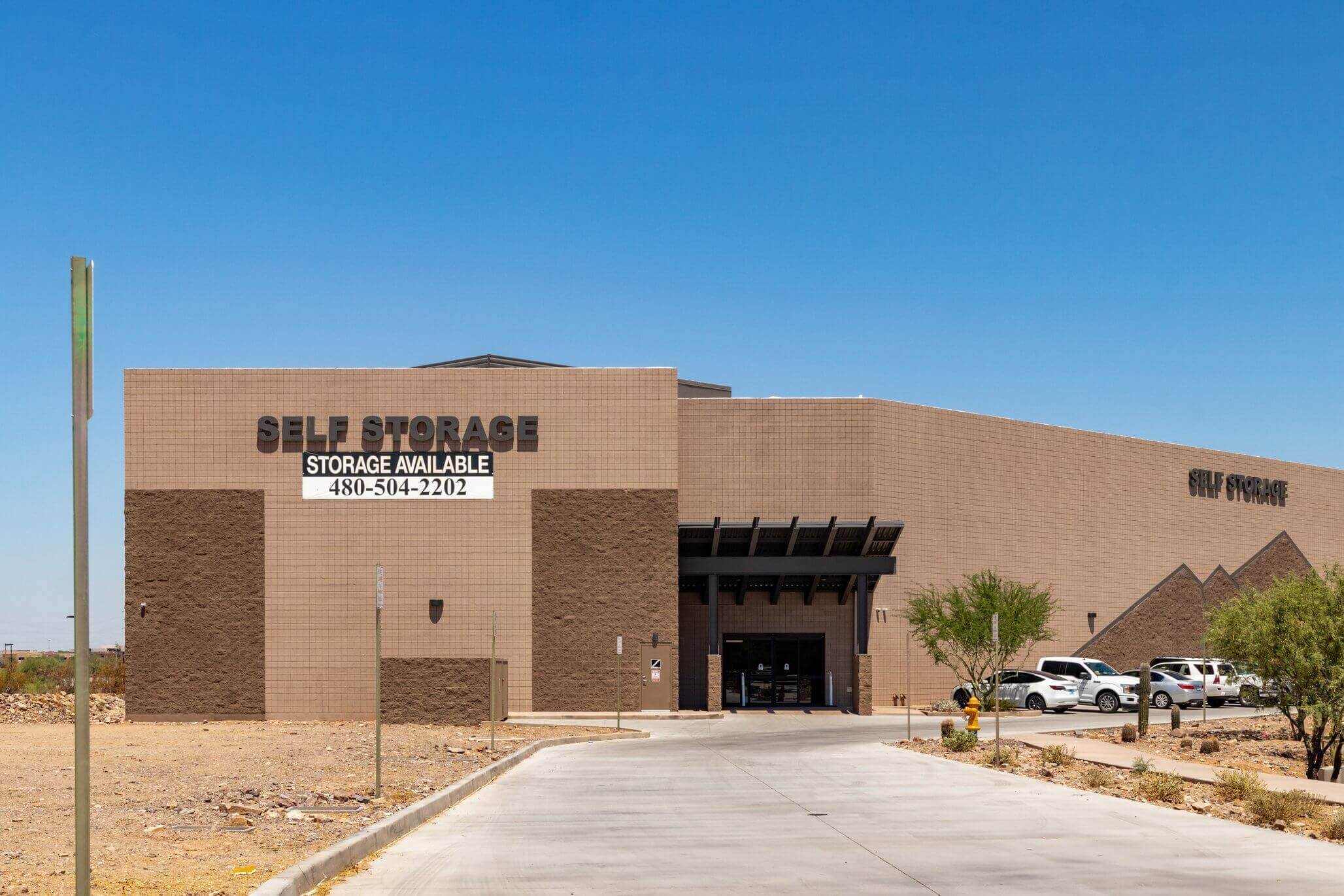
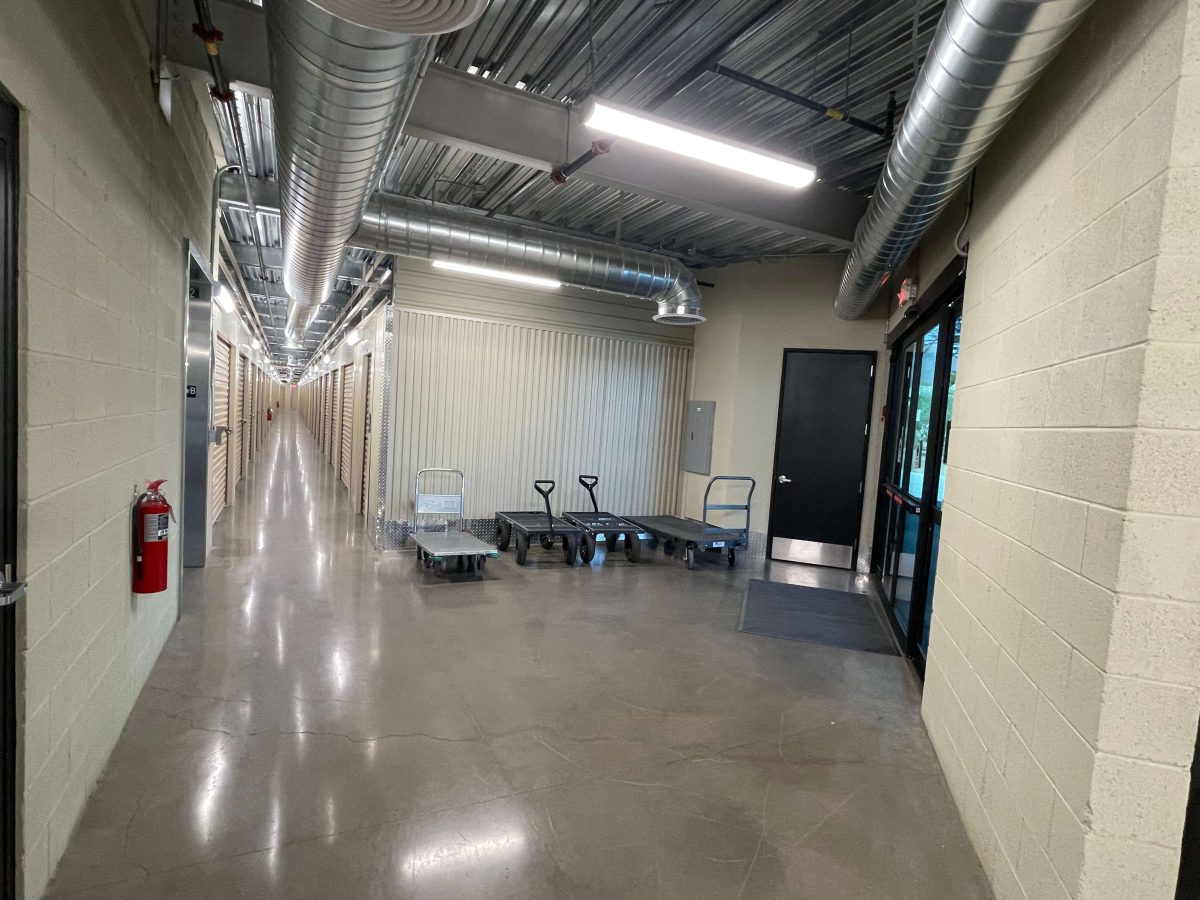
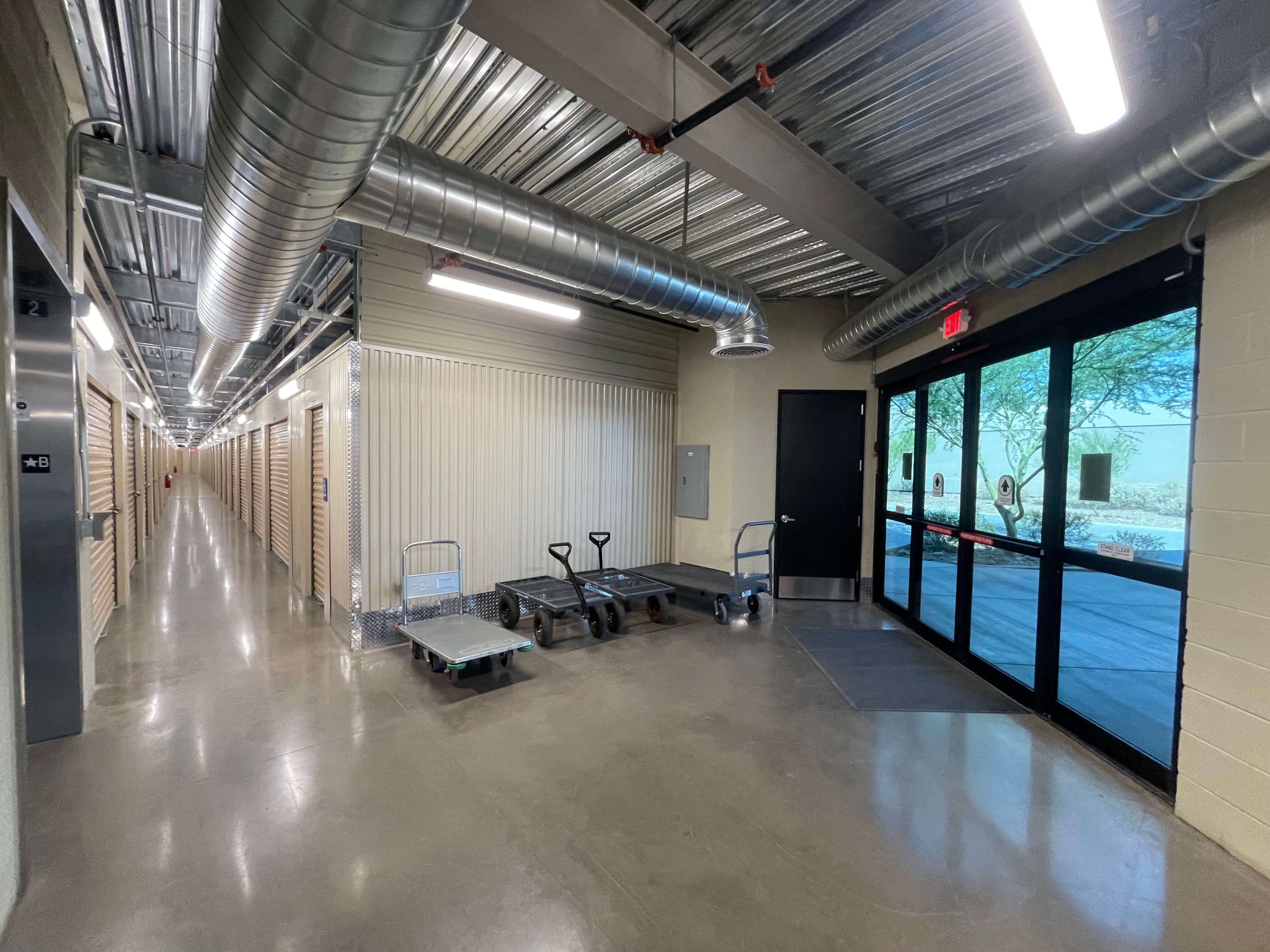
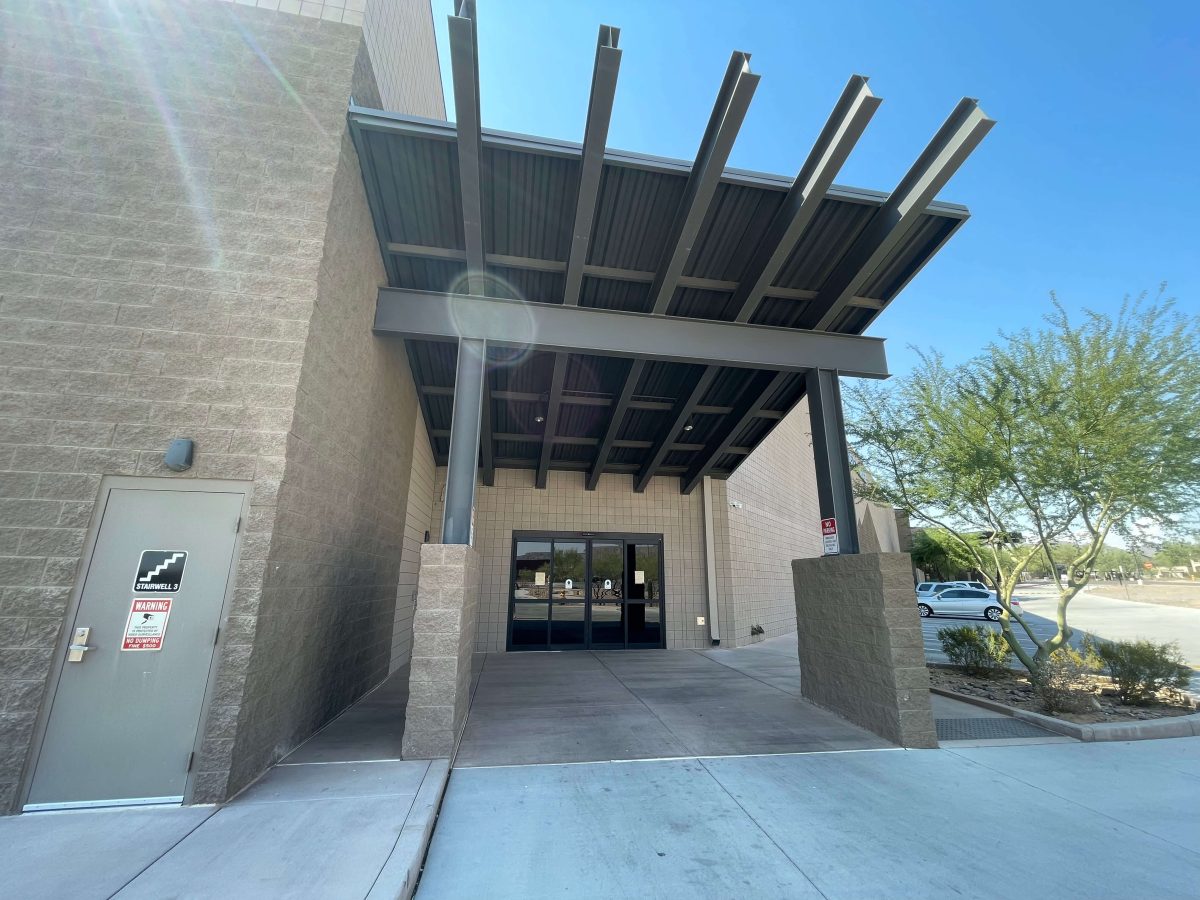
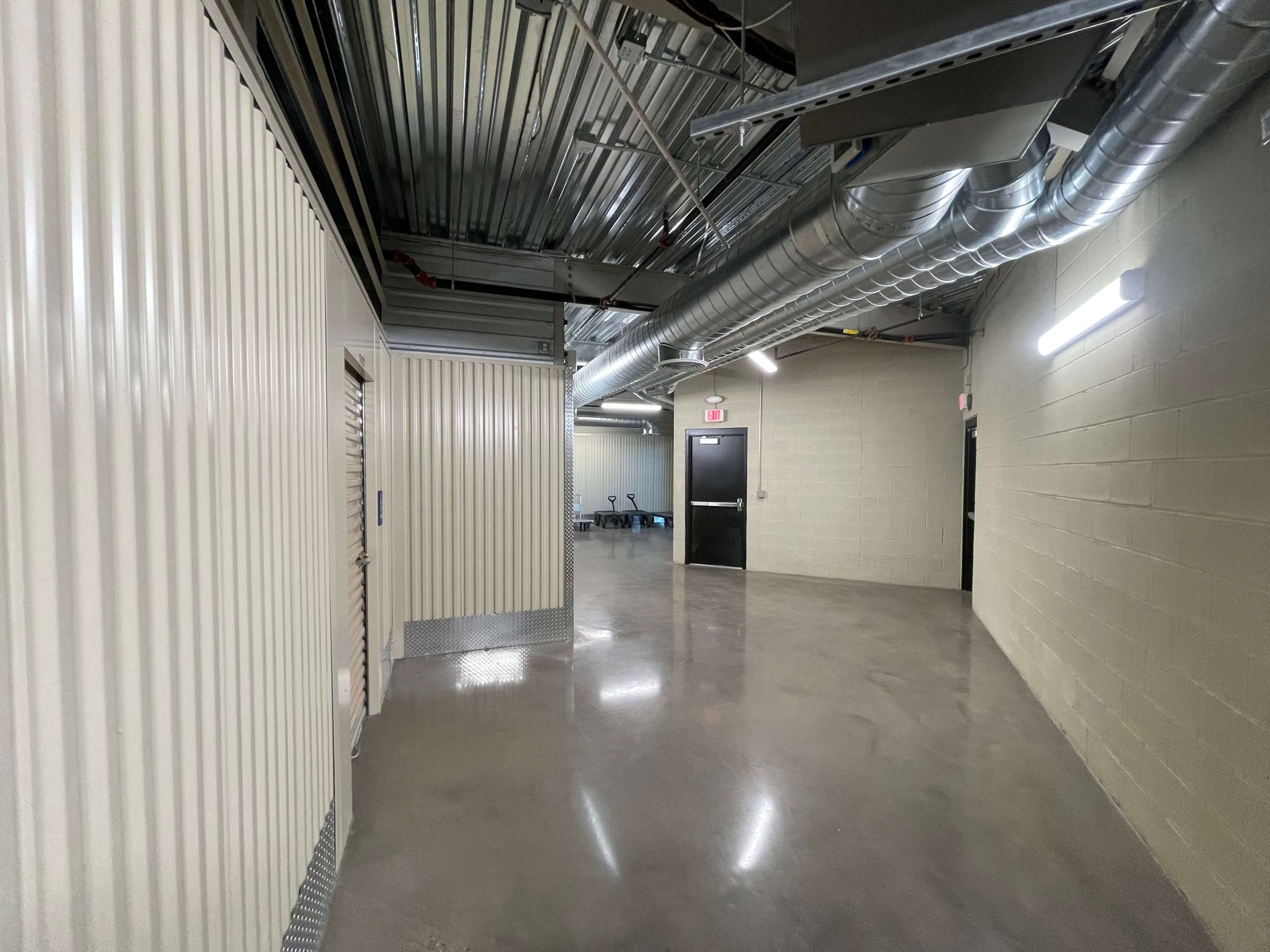
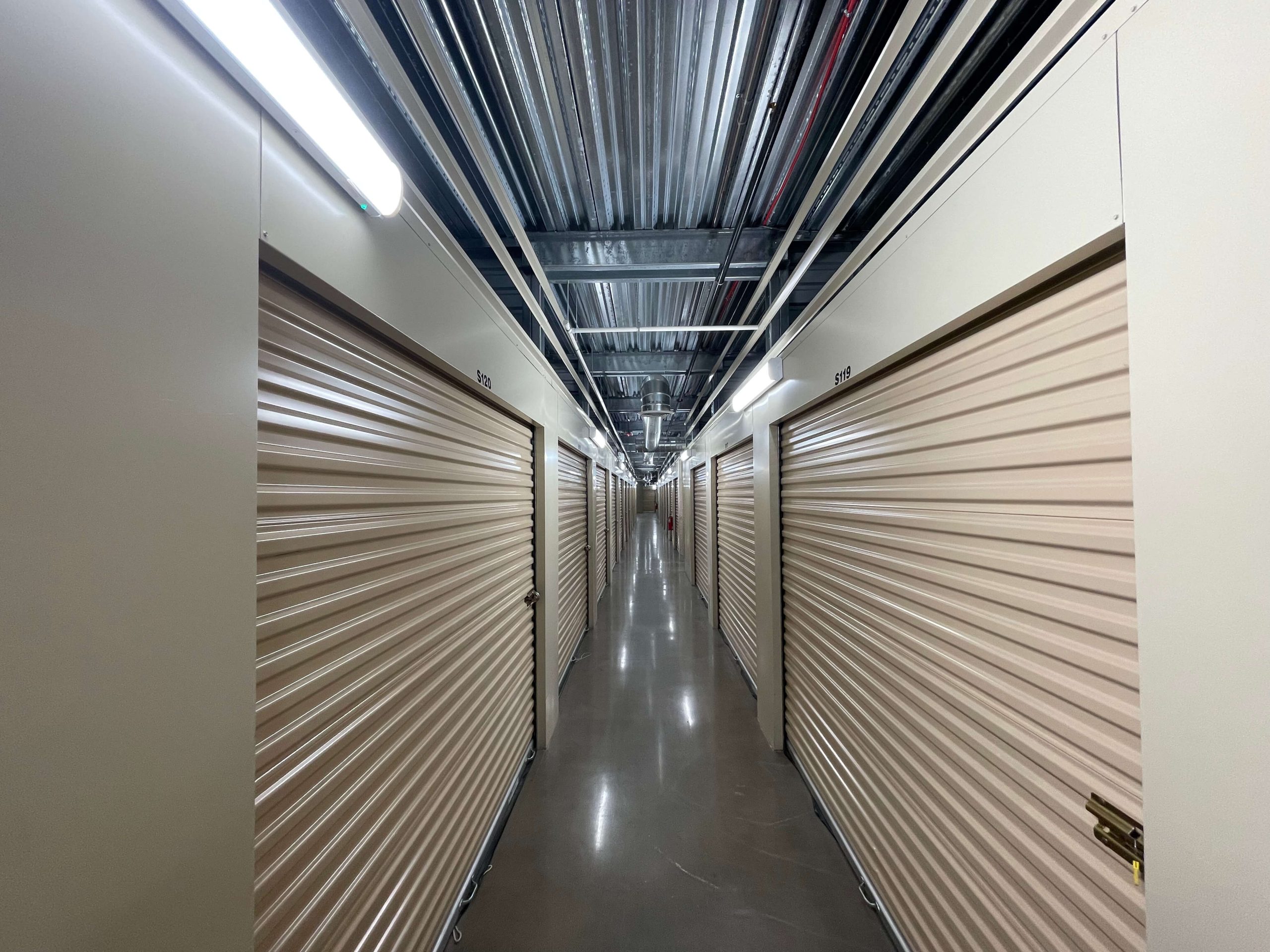
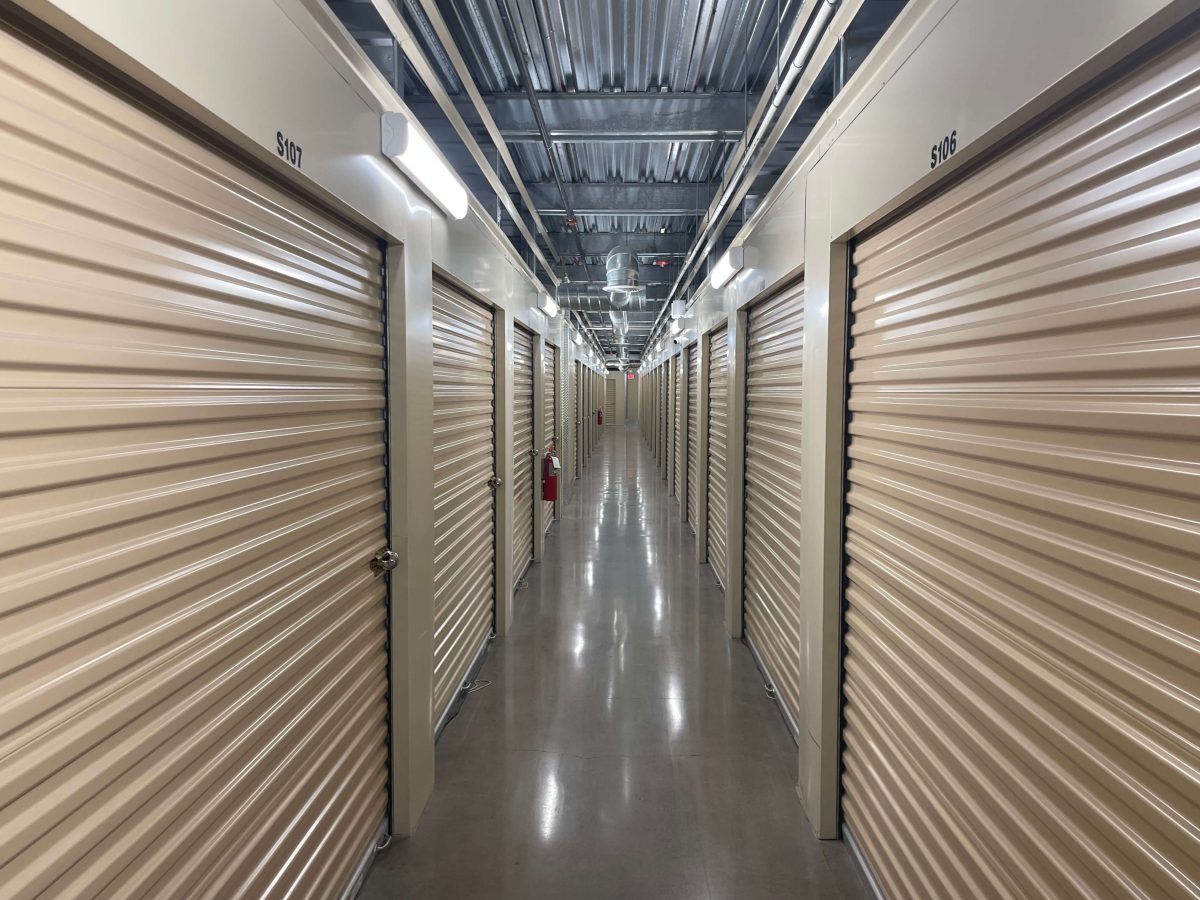
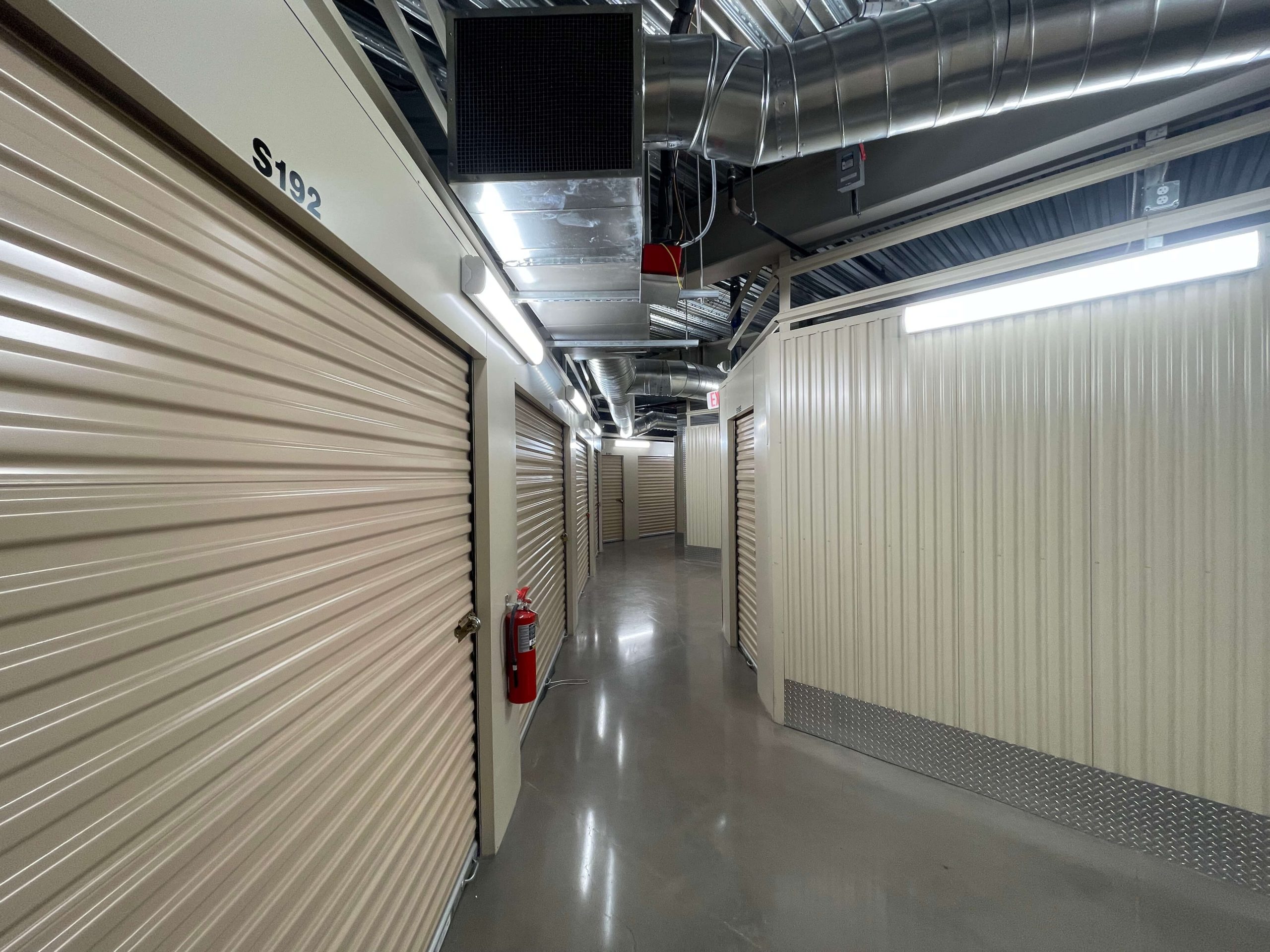
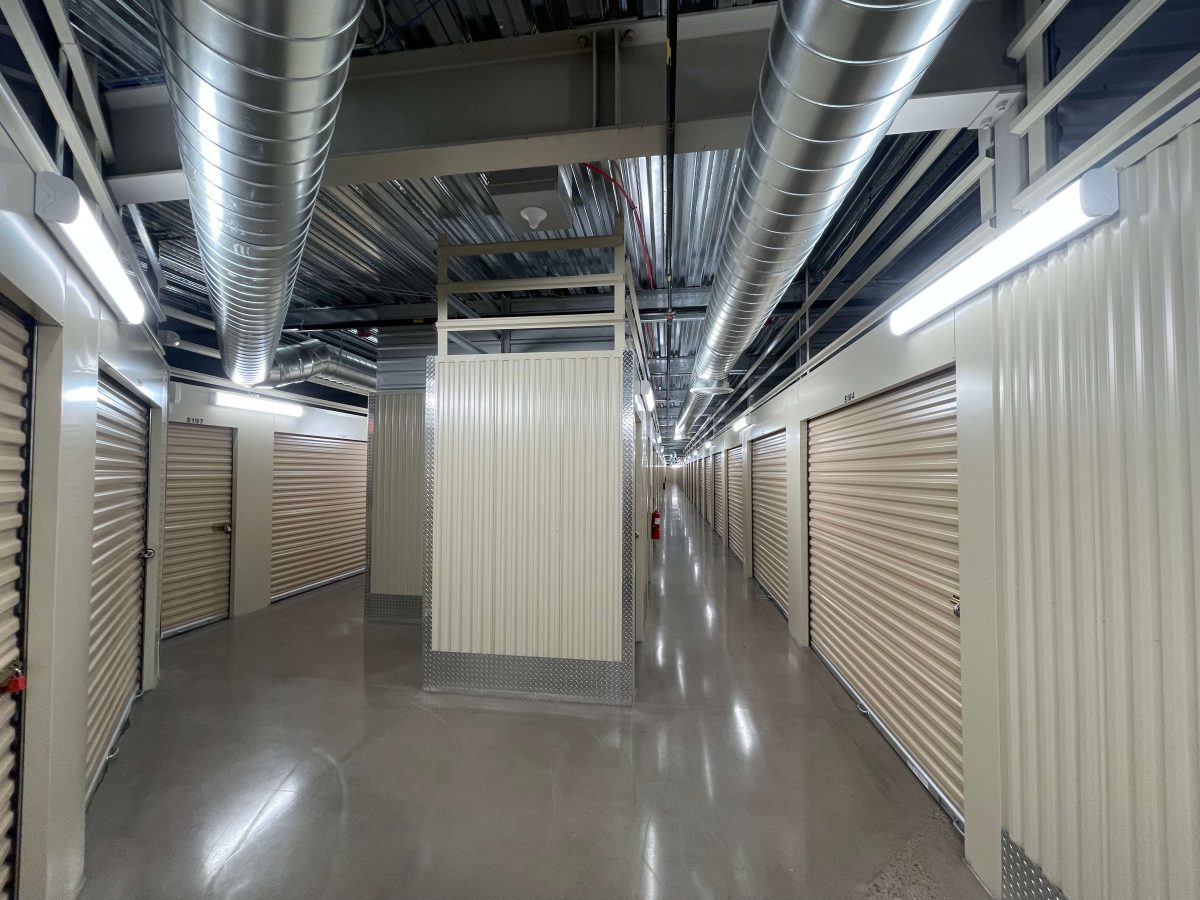
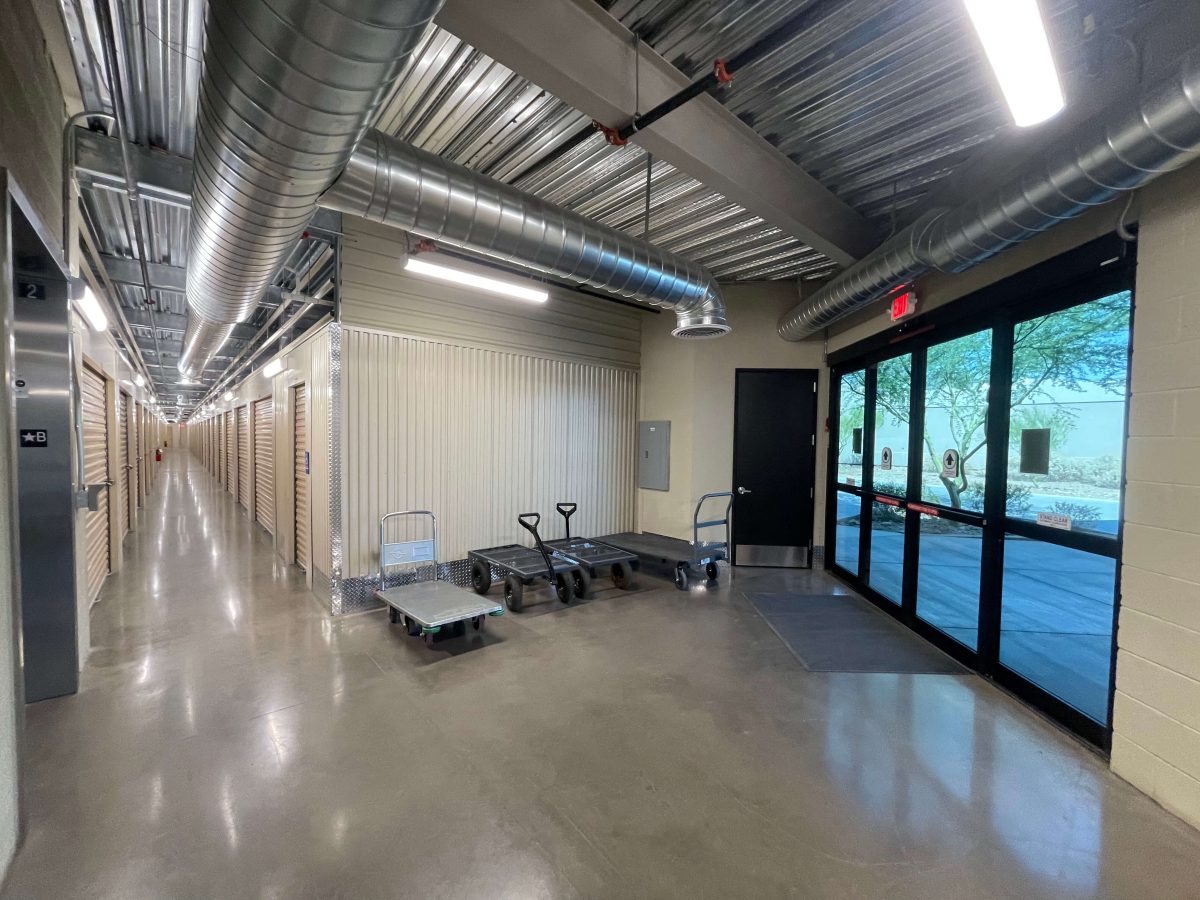
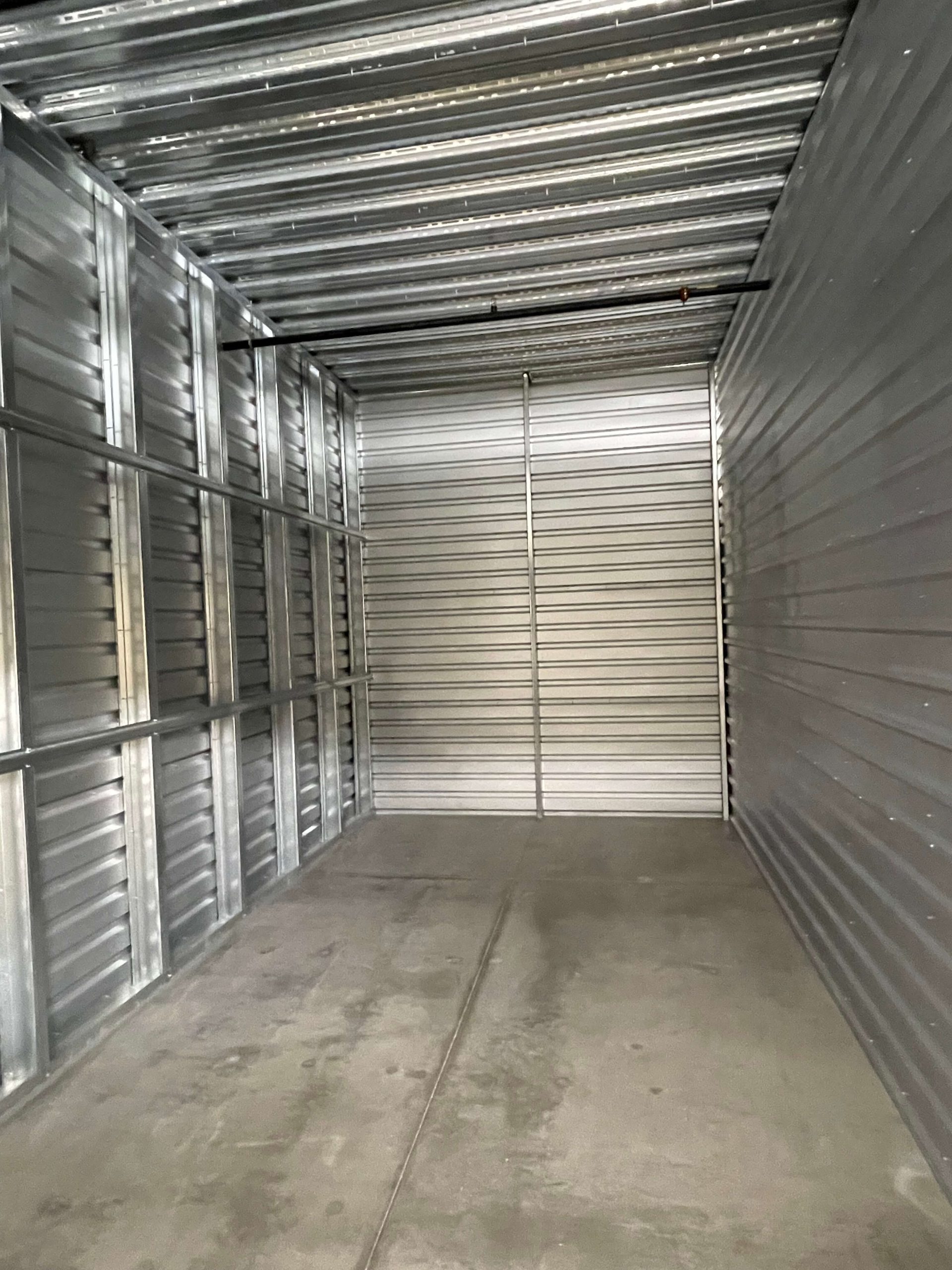
Scottsdale summers regularly reach 115 degrees. At McDowell Mountain Community Storage, every unit is fully indoor and climate-controlled, which means your belongings are protected from the heat, regardless of what you store or how you pack them. But how you use the space inside that unit and which packing approaches work best in a facility with multiple loading docks and elevator access are worth thinking through carefully before you start moving things in. Doing it right on the first load saves you from having to rearrange everything a month later.

Start with the Right Unit Size, Not the Cheapest One

The most common storage space mistake isn’t how people pack their unit. It’s renting a unit that’s too small for what they actually have, then spending the entire rental period working around that constraint.

A unit that’s packed to the ceiling with no clear path to the back is technically “maximized,” but it’s maximized in a way that makes accessing anything in the rear impossible without moving half the unit. That’s not efficiency; it’s a recurring inconvenience that gets more frustrating every time you need something from the unit.

Before you start packing, use the space estimator to get a realistic sense of what size unit you actually need. The size guide shows what fits in each unit type, from a 5×5 to a 10×25, with specific examples of furniture combinations and room equivalents. Renting one size up from your initial estimate often costs less per month than you’d expect and eliminates the frustration of a chronically overpacked unit.

Pack Boxes to a Standard Height and Use Uniform Sizes

The single most impactful change most people can make to their packing approach is committing to uniform box sizes, particularly for boxes that will be stacked. Random box sizes create an unstable pyramid that can only go so high before it becomes unsafe, and it wastes the vertical space above every irregular item.

Medium boxes packed uniformly to their rated weight capacity stack more securely than large boxes packed light or heavy boxes that bow at the sides. Most moving supply retailers and storage facilities sell boxes in standardized sizes precisely because uniform stacking is the most efficient use of vertical space.

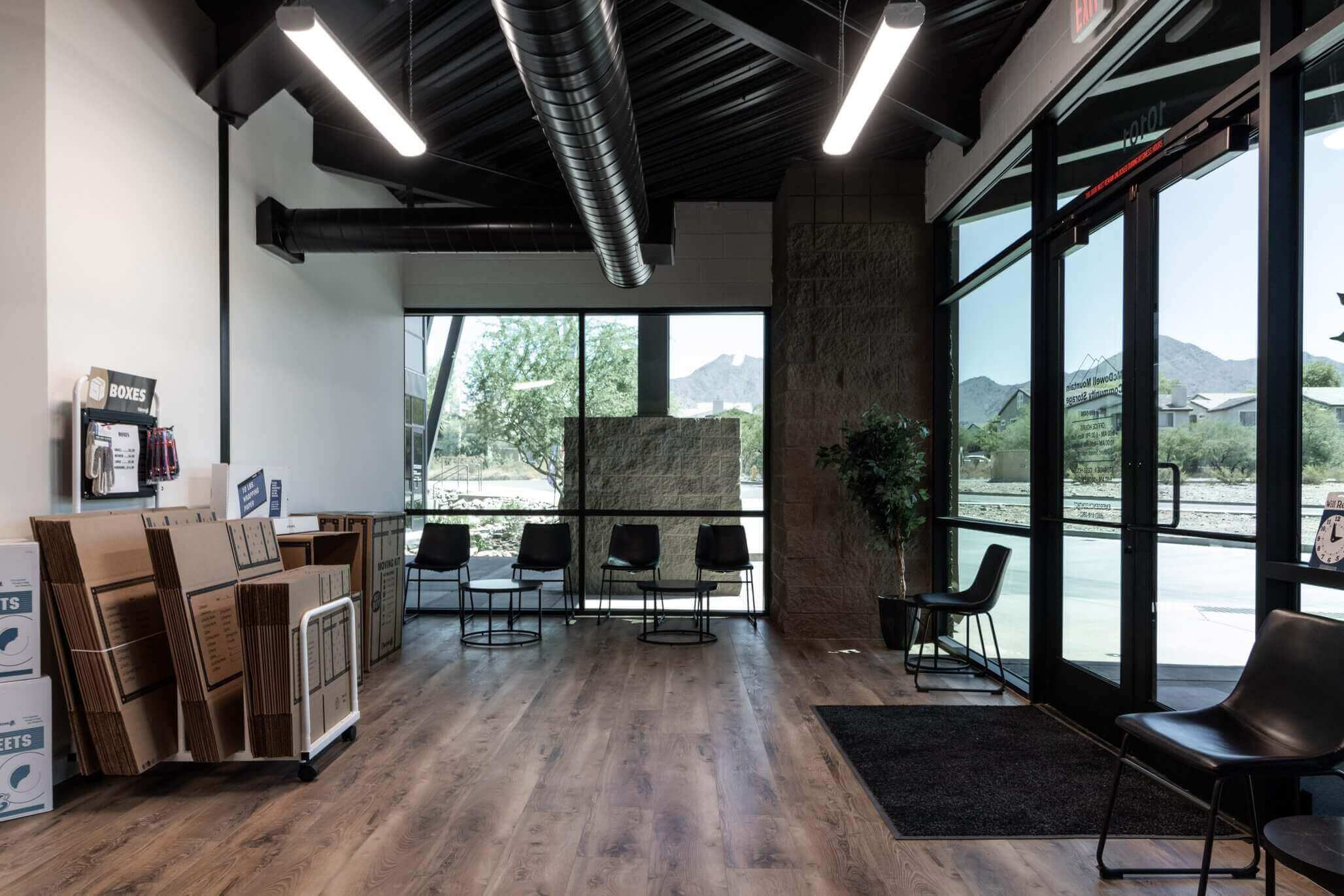
If you’re using our facility’s moving supplies, the team can help you identify which box sizes work best for what you’re storing. Consistent box dimensions, filled fully but not over-packed so they maintain their cube shape, will let you safely stack four to five boxes high with confidence and reach the top of a standard 8-foot unit without wasted air space between the top box and the ceiling.

Stack Heavy Items Low, Large Furniture to the Back

This principle is consistent across every storage guide for good reason: it affects both safety and accessibility. Heavy boxes and dense items should be placed on the floor or in the bottom layer of any stack. Large furniture, appliances, and bulky items that you’re unlikely to need during the storage period go to the back of the unit first.

In a multi-story facility like ours, with two elevators and multiple loading docks, this is easier to execute than in a single-story drive-up facility where you’re making choices under pressure while unloading a truck in the parking lot. Plan your layout before your first load arrives, not after the truck is half empty.

A simple sketch of your intended unit layout, drawn before moving day, is one of the most underused storage planning tools available. Label which wall the furniture goes on, where the aisle runs, and which area holds the items you’ll need to access regularly. Fifteen minutes of planning saves hours of reorganizing.

Create a Clear Aisle From Front to Back

A storage unit where everything is accessible from the front is one you’ll use. A storage unit where the thing you need is always somewhere in the middle is one you’ll dread visiting.

Leave a clear walking aisle down the center or along one wall from the front door to the back of the unit. This aisle doesn’t need to be wide; roughly two feet is enough to navigate, but it needs to run the full depth of the unit so nothing stored in the back becomes permanently inaccessible under layers of other items.

Items you need frequently go near the front, on the sides of the aisle, where you can reach them without moving anything else. Items you’re storing long-term and rarely need go to the back. This sounds obvious, but most people fill a unit from back to front and end up with the items they access most buried behind what they never use.

Use Furniture as Storage, Not Just Storage Subject Matter

Dressers, wardrobes, filing cabinets, and bookshelves take up floor space in a storage unit whether they’re empty or full. Pack them as if they’re boxes.

Dresser drawers can hold folded clothing, linens, or soft items that don’t need rigid boxes. Wardrobe boxes aren’t necessary if your wardrobe unit has a hanging rod; keep it assembled and fill the base with shoes, small items, or soft goods. Filing cabinets can hold documents, office supplies, or other small items that would otherwise need separate boxes. Bookshelves, if you’re leaving them assembled, are ready-made shelving for the unit itself.

In Scottsdale’s climate-controlled storage environment, you don’t need to worry about humidity warping wood furniture or heat degrading fabric items the way you would in a non-climate-controlled unit. Packing soft items inside furniture rather than in separate boxes is genuinely safe here, unlike in a standard outdoor drive-up unit during an Arizona summer.

Disassemble What You Can, Wrap What You Can’t

Bed frames, dining tables, sectional sofas, and large shelving units all take dramatically less floor space when disassembled. A queen bed frame that occupies eight square feet assembled leans against a wall and takes up less than a foot of depth when broken down into rails and headboard.

Store hardware for disassembled furniture in labeled zip-lock bags taped directly to the furniture pieces they belong to. This is one of those details that seems unnecessary until you’re trying to reassemble a bed frame six months from now with no memory of where the bolts went.

Items that won’t be disassembled, upholstered furniture, mattresses, electronics, mirrors, and artwork benefit from appropriate protective wrapping. Mattress bags, furniture blankets, mirror boxes, and stretch wrap are available at most moving supply outlets and at our facility. In a climate-controlled indoor unit, these materials protect against dust and surface damage rather than heat or moisture, but they’re still worth using for items you care about.

How to Maximize Space in Your Storage Unit

Label Every Box on Two Sides, Not Just the Top

Boxes stacked four high have labels facing the ceiling. You can’t read them without moving everything above them. Label every box on at least two visible sides, ideally the front-facing side and one adjacent side, so the contents are readable without disturbing the stack.

A simple color-coding system by room or category, a piece of colored tape or a colored marker, lets you identify which boxes belong to which category at a glance from across the unit. This matters most when you need one specific item from a unit that’s been organized for months, and the visual pattern of everything has become familiar background noise.

Take Advantage of What the Facility Offers

The practical advantages of an indoor, multi-story facility with elevator access and multiple loading docks extend beyond just the climate control. Moving appliances, heavy furniture, and large items to an upper-floor unit is genuinely manageable with elevator access, unlike in a walk-up or outdoor facility. The loading dock structure means a moving truck can unload directly at the building entrance rather than requiring you to cart items across a parking lot in summer heat.

If you’re not sure which unit size gives you the right combination of cost and space for what you’re storing, our team at McDowell Mountain Community Storage can walk you through the options and help you visualize what your specific items would look like in each size. We’re open seven days a week, and the size guide and space estimator on the site give you a useful starting point before you visit.

Reserve your Scottsdale storage unit today to lock in the space you need and get help choosing the right size with confidence.

You can also visit our packing and storage tips page for additional guidance on preparing specific types of items for storage, from electronics to artwork to seasonal clothing.


Frequently Asked Questions: Maximizing Space in a Storage Unit

What is the best way to stack boxes in a storage unit?

Stack heavier, denser boxes on the bottom and lighter boxes on top. Use uniform box sizes when possible for more stable stacking. Fill boxes fully, so they hold their cube shape and don’t bow or collapse under weight. Standard medium boxes stacked to their rated capacity can reach four to five boxes high safely in an 8-foot-ceiling unit, leaving minimal wasted vertical space.

Should I leave an aisle in my storage unit?

Yes. A clear walking path from the front door to the back of the unit makes every item accessible without having to move other items to reach it. Position items you access regularly near the front, along the sides of the aisle, and long-term storage items toward the back. An aisle of roughly two feet is sufficient for most units.

How do I keep my storage unit organized over time?

Labeling on two sides of every box, a simple inventory list with the unit’s contents, and a consistent system for putting items back where they came from after accessing them are the habits that keep a unit organized over months or years. Take a photo of the unit layout after your initial setup as a reference for future visits.

Does climate control change how I should pack my storage unit?

Yes, in some ways. In a climate-controlled, fully indoor unit like those at McDowell Mountain Community Storage, you don’t need to account for moisture-wicking packaging or heat-resistant materials the way you would in a standard outdoor unit in an Arizona summer. Soft goods can be packed inside furniture drawers without risk of mildew. Electronics don’t need extra heat protection. What you still want to protect against is dust accumulation over time, which appropriate coverings and sealed boxes address.

What size storage unit do I need to store the contents of a one-bedroom apartment?

A 10×10 unit is the standard recommendation for a one-bedroom apartment with standard furniture, boxes, and appliances. If you have oversized furniture, a sectional sofa, a king bed, or multiple large appliances, a 10×15 gives you more working room and aisle space.

How Long Can You Rent a Storage Unit?

As long as you want, and that’s not a sales pitch, it’s how the industry is actually structured. There’s no maximum rental period at almost any self-storage facility, including ours. The part people get less clarity on is the minimum, and how billing actually works once you’re in, which is where most of the confusion (and the occasional Reddit thread asking if there’s any way around month-to-month billing) comes from.

Here’s the direct answer to all three questions, plus a framework for figuring out what length actually makes sense for your specific situation, since “however long you want” isn’t all that useful on its own.

The Real Answer: There’s No Maximum, and Barely a Minimum

Self-storage rentals are almost universally structured as month-to-month agreements, not fixed-term leases. That single fact answers most of what people are actually asking when they search for this question, but it’s worth breaking it down into its three practical pieces.

Is There a Maximum Rental Length?

No. There’s no point at which a facility requires you to vacate. People rent units for a single month during a move, and people rent units for a decade while storing inherited furniture, a parent’s belongings, or a business archive. Both are completely normal, and the facility has no built-in mechanism that forces an end date.

Is There a Minimum Rental Length?

Usually, yes, and it’s almost always one month. Most facilities, including ours, bill on a monthly cycle rather than daily or weekly. That means even if you only need the unit for a week or two, you’ll typically pay for the full month. Some facilities prorate the final partial month when you move out; others don’t. It’s worth asking directly when you reserve, since this is exactly the detail that generic articles gloss over and that generates confused Reddit threads after the fact.

How Does Month-to-Month Billing Actually Work?

This is the part that almost nobody explains clearly. A month-to-month storage agreement means you’re billed on a recurring cycle, typically tied to the date you moved in. You can give notice and vacate at any time without breaking a lease or paying an early termination fee. This is structurally different from an apartment lease, which is a fixed-term contract with penalties for leaving early. Storage agreements exist this way because facilities need the flexibility to manage turnover efficiently, and most states regulate self-storage differently from residential tenancy law specifically because of this short-cycle, no-lock-in structure.

The practical upshot: you’re not committing to anything beyond the current month at any point. If your situation changes, you give notice, and you’re done, no lease to break.

A Better Question: How Long Should You Rent a Storage Unit For?

“How long can you” and “how long should you” are different questions, and the second one is more useful. Since there’s no maximum and barely a minimum, the actual decision is about matching the rental length to why you need the space in the first place. Here’s how that breaks down in practice, based on the situations we see most often.

A Few Weeks: Moving and Closing Gaps

If you’re moving between homes and there’s a gap between move-out and move-in dates, even a short rental, sometimes just a few weeks, covers it. Because the minimum billing cycle is typically one month, you’ll likely pay for a full month even if you use only part of it, so it’s worth timing your move-in date to maximize the value of that first cycle. Our post on how to use a storage unit during a move covers the logistics of this kind of short, transitional rental in more detail.

One to Three Months: Renovations and Staging

Home renovations and staging a house for sale are two of the most common reasons for a short-to-medium rental. Renovation timelines run notoriously long, so it’s worth renting for slightly longer than the contractor’s estimate rather than the estimate itself; you can always vacate early with no penalty if the work finishes ahead of schedule, but you can’t always move fast enough to handle a delay if you under-rent.

Three to Six Months: Seasonal Storage

This is the rental length we see constantly in Scottsdale, specifically, driven by the area’s large seasonal population. Snowbirds who spend winters here and head north for summer typically need storage for exactly this window, long enough to cover a multi-month stay, short enough that month-to-month billing makes far more sense than any kind of long-term commitment. If that’s your situation, our guide on storage tips for snowbirds in Scottsdale goes into the specifics of preparing belongings for a seasonal stay.

Six Months or Longer: Downsizing, Estate Situations, and Business Use

Longer rentals tend to come from situations where the timeline genuinely isn’t known in advance: downsizing into a smaller home and working through belongings gradually, managing an estate after a family member’s passing, or storing business inventory and records on an ongoing basis. There’s nothing unusual about a multi-year rental in any of these cases, and because billing stays month-to-month throughout, there’s no added risk in renting without a firm end date in mind. You’re never locked into a term you didn’t plan for.

What Actually Changes the Math: Discounts for Longer Commitments

While the underlying agreement stays month-to-month, many facilities offer reduced rates for tenants who commit to paying for several months up front, even though the flexibility to leave early remains. This isn’t the same as a fixed-term lease; it’s simply a pricing incentive layered on top of the same flexible structure. If you already know you’ll need a unit for an extended period, such as a multi-month seasonal stay or an open-ended downsizing situation, it’s worth asking about prepayment or long-term discounts, since the answer can meaningfully change the cost without affecting your flexibility to leave whenever your situation resolves.

How Long Can You Lease a Storage Unit?

Choosing the Right Unit Size No Matter How Long You’re Renting

Rental length and unit size are separate decisions, but they interact in one practical way: the longer you expect to store something, the more it’s worth taking time to choose the right size from the start, rather than renting smaller and needing to upgrade mid-term. Our space estimator tool is a fast way to figure out what size fits your specific list of belongings before you commit to a term.

For longer-term rentals, especially, climate control is also worth factoring into the decision early rather than realizing partway through a multi-month rental that it would have mattered. Our post on the benefits of climate-controlled storage covers why this matters specifically in Arizona’s climate over an extended rental period.

The Bottom Line on Storage Rental Length

There’s no maximum length you can rent a storage unit for, and the minimum is typically just one month, billed on a recurring cycle you can cancel at any time without penalty. The more useful question isn’t how long you’re allowed to rent, it’s how long actually fits your situation: a few weeks for a moving gap, a few months for a renovation or a seasonal stay, or open-ended for downsizing, an estate, or ongoing business use. Whatever the timeline, month-to-month billing means you’re never locked in beyond the current cycle.

At McDowell Mountain Community Storage, every unit is rented month-to-month with no long-term commitment required, whether you need space for a few weeks or a few years. Our facility is located at 10101 E. McDowell Mountain Ranch Rd, Scottsdale, AZ 85260, and we’re open Monday through Saturday 9am to 6pm and Sunday 10am to 4pm.

If you’re ready to find the right size and term for your situation, browse our space estimator tool, check our frequently asked questions page, or reserve a storage unit in Scottsdale online. You can also call us at (602) 899-5484 to talk through your specific timeline with our team.


Frequently Asked Questions

Is self-storage always month-to-month, or can you get a fixed-term lease?

The overwhelming majority of self-storage facilities, including ours, operate exclusively on a month-to-month basis. Fixed-term storage leases exist but are uncommon, and even when offered, they typically don’t provide a meaningful cost advantage over simply staying month-to-month and giving notice when you’re ready to leave. The flexibility is generally considered an advantage, not a limitation.

Can I rent a storage unit for just a few days or a week?

Most facilities bill in full monthly cycles rather than daily or weekly increments, so while you can technically move out after only a few days, you’ll typically still be charged for the full month. If you genuinely only need storage for a few days, it’s worth confirming the facility’s specific proration policy before reserving, since this varies by location.

What’s the longest you can rent a storage unit for?

There’s no upper limit. Multi-year rentals are common and entirely normal, particularly for estate situations, business storage, or long-term downsizing. Because the agreement remains month-to-month throughout, there’s no added commitment risk in renting without a defined end date.

Do I need to sign a lease to rent a storage unit?

You’ll sign a rental agreement, but it functions differently from a residential lease. It establishes the terms of use and billing rather than locking you into a fixed term with an early termination penalty. You can generally give notice and vacate at any point.

Will I get money back if I move out in the middle of the month?

This depends entirely on the individual facility’s policy, and it’s one of the most useful questions to ask before you reserve. Some facilities prorate the final partial month; others do not refund any unused days within a billing cycle. Ask directly rather than assuming either way.

Is It Safe to Store Electronics in a Storage Unit?

Yes, with conditions. The short version: most consumer electronics can be safely stored in a self-storage unit, but “safe” depends entirely on the temperature swing the unit is exposed to and the prep work you do before the door closes. Skip either one, and the risk isn’t theoretical.

That answer is roughly what every other page on this topic tells you, and most stop there. What’s missing from nearly every guide is the actual number that determines whether your specific device is at risk: the temperature threshold where electronics genuinely start to fail, measured against what a non-climate-controlled storage unit in a place like Scottsdale actually reaches in July.

That’s the gap this post fills. Here’s what’s actually happening inside a device at storage temperature, which devices carry the most risk, and the prep steps that matter most, in the order they matter.

The Short Answer, and the Part Every Other Guide Leaves Out

Here’s the detail that changes the calculation: most consumer electronics manufacturers publish a storage temperature specification, separate from the operating temperature range, and it’s lower than people assume. Apple, for example, lists a storage temperature range of -4°F to 113°F for iPhones and iPads, with a note that storing the device outside that range can permanently damage battery capacity even if the device still appears to work afterward.

That 113°F ceiling is the number that matters for anyone in Arizona. A standard, non-climate-controlled storage unit in Scottsdale routinely exceeds that figure during summer months, sometimes by a wide margin, since enclosed metal storage structures absorb and hold heat well above the outdoor ambient temperature. A unit can sit at 130°F or higher on a 110°F day. That’s not a worst-case scenario; it’s a normal Tuesday in July.

So the honest answer to “is it safe” isn’t really yes or no. It’s: safe, if the storage environment stays under the threshold your specific device is built to tolerate, and in Arizona, that almost always means climate control, not because climate control is a nice-to-have upsell, but because the alternative regularly crosses a line the manufacturer itself drew.

What Actually Fails First Inside a Stored Device

“Heat damages electronics” is true but vague enough to be useless for planning. Here’s what specifically happens, broken down by failure mode, so you know what you’re actually protecting against.

Batteries Are the First and Most Dangerous Failure Point

Lithium-ion batteries, found in laptops, phones, tablets, cordless tools, and cameras, are the single highest-risk component in storage. Sustained heat accelerates the internal chemical degradation that already happens slowly over a battery’s life. At storage-unit-in-July temperatures, that degradation can happen fast enough to cause swelling, which in turn can rupture the cell. A swollen or ruptured lithium battery is a genuine fire risk, not just a performance problem.

This is also the one failure mode that’s preventable with zero cost: remove the battery and store it separately in a cool spot, ideally indoors at home rather than in the unit at all. The U.S. Consumer Product Safety Commission specifically advises against exposing lithium-ion batteries to high heat for exactly this reason.

Capacitors and Solder Joints Degrade Quietly

Inside most electronics, internal capacitors and solder joints have their own heat tolerance, and repeated cycling between hot days and cooler nights, what’s called thermal cycling, stresses these connections over months in a way that a single hot day doesn’t. This is the failure mode that explains why a device can come out of storage looking fine and then fail weeks or months later: the damage was cumulative and happened gradually, not all at once on day one.

Screens Are More Fragile to Heat Than People Expect

LCD and OLED screens can experience permanent discoloration, dead pixels, or delamination (where layers of the display separate) after sustained heat exposure. This is one of the more visible failures, which is at least useful: if a stored monitor or TV comes out with a faint shadow or discoloration in one area, heat exposure during storage is a likely cause.

Data Loss Is the Failure Mode Almost Nobody Plans For

Physical damage gets all the attention, but for a lot of people, the actual irreversible loss from a heat-damaged device isn’t the hardware, it’s whatever was on it. A laptop or external hard drive that won’t power on after storage might still be replaceable. The family photos, financial documents, or work files on it might not be, if there’s no backup.

This is the single most overlooked prep step across every guide on this topic, and it costs nothing: back up anything irreplaceable to a cloud service or a second drive that isn’t going into the same storage unit, before you pack the original away.

Not All Electronics Carry the Same Risk: A Practical Ranking

Every other guide on this topic treats “electronics” as one undifferentiated category. It isn’t. Here’s a rough ranking of what to worry about most, based on the components involved and their exposure to environmental extremes.

Highest Risk

  • Laptops, tablets, and phones (lithium battery plus sensitive display plus solid-state storage)
  • Gaming consoles (internal components not designed for long static heat exposure, plus stored game data)
  • External hard drives (mechanical drives are particularly heat-sensitive; data loss risk is high)
  • Cordless power tool batteries (same lithium-ion risk as above)

Moderate Risk

  • Televisions and monitors (screen discoloration and delamination risk, but no battery to worry about)
  • Desktop computers (more thermal mass and often better internal heat dissipation design than laptops, but still vulnerable to humidity and dust)
  • Cameras (lens and sensor components are humidity-sensitive even if heat isn’t the dominant risk)

Lower Relative Risk

  • Speakers and audio equipment (mostly mechanical, though amplifier electronics still benefit from climate control)
  • Wired (non-battery) small appliances

This ranking matters for a practical reason: if you’re working with limited climate-controlled space, it tells you what absolutely cannot go into a standard unit versus what can tolerate slightly less ideal conditions if it has to.

Is It Safe to Store Electronics in a Storage Unit

How to Actually Prepare Electronics for Storage

The prep checklist itself isn’t where competitors go wrong; most of them list the right steps. The issue is that they don’t explain why each step matters, which makes it easy to skip the optional ones. None of them is optional. Here’s the sequence, with the reasoning attached.

1. Back Up Your Data First

Before anything else touches the device, back up anything you can’t afford to lose. This is the step with zero physical cost and the highest potential consequence if skipped.

2. Clean Every Device Thoroughly

Dust and grime trapped inside a device act as insulation, which traps heat against internal components rather than letting it dissipate, even at temperatures the device would otherwise tolerate. Wipe down exteriors and use compressed air on vents, fans, and ports before storage.

3. Remove All Batteries

Take batteries out wherever the device allows it, and store them separately in a cool, dry location, ideally not in the storage unit at all. For built-in batteries that can’t be removed (most phones and many laptops), this isn’t possible, which is exactly why climate control matters most for those specific devices.

4. Use Anti-Static, Padded Packaging

Original manufacturer boxes are genuinely the best option if you still have them; they’re engineered with fitted foam for exactly this purpose. Without original packaging, use anti-static bags (not regular plastic, which can build a static charge) and bubble wrap, then box everything in a sturdy container rather than stacking loose items.

5. Label Cords and Cables Before You Disconnect Them

Take a photo of the setup before unplugging anything complex, then label each cable. This isn’t a safety step, but it’s the one that saves the most frustration on the other end of storage.

6. Elevate Everything Off the Floor

Concrete floors hold residual moisture even in a dry climate, and the temperature near the floor in an unconditioned unit can run hotter than at shelf height due to poor air circulation. Use a shelf, pallet, or even a sturdy table to keep electronics elevated.

7. Leave Airflow Space; Don’t Pack Wall to Wall

This is the step almost every guide skips entirely. A storage unit packed floor to ceiling, with no gaps, traps heat, creating hot pockets even in a climate-controlled space. Leave a few inches of clearance around boxes containing electronics, and avoid stacking anything heavy directly on top of containers holding screens or fragile components.

Why Climate Control Isn’t Optional in Scottsdale Specifically

Everything above applies anywhere. Here’s what’s specific to storing electronics in Arizona.

Scottsdale summers regularly push outdoor highs past 110°F for sustained stretches. A non-climate-controlled storage structure, especially metal-sided units with limited insulation, doesn’t just match that outdoor temperature; it amplifies it, frequently running well above ambient. That puts a standard unit’s interior temperature on a hot July day comfortably above the storage thresholds published by Apple, Samsung, and most other major electronics manufacturers for their own products.

This isn’t a marginal exceedance you can shrug off. It’s the difference between storing within a manufacturer’s tested safe range and storing well outside it for weeks or months at a time, with no way to know exactly how much cumulative damage has occurred until you power the device back on.

For anything in the highest-risk category above, laptops, gaming consoles, external drives, phones, a climate-controlled storage unit isn’t a precaution; in Arizona’s climate, it’s the only option that keeps the device inside its manufacturer-rated safe zone year-round.

Our full guide on how to store electronics in a storage unit walks through device-specific packing techniques in more depth if you’re preparing a larger batch of equipment, such as a full home office or entertainment system, for storage.

If you’re also storing other heat-sensitive belongings alongside your electronics, our post on how Arizona’s heat affects your stored items covers the broader picture across furniture, documents, artwork, and more.

Storing Electronics in Scottsdale: The Bottom Line

Most electronics can be stored safely. The actual risk isn’t generic heat exposure; it’s whether the storage environment stays under the specific temperature threshold your device was built to tolerate, and in Arizona, a non-climate-controlled unit crosses that line for a large share of the year. Pair the right environment with proper prep, in the order that actually matters, and electronics storage in Scottsdale is low-risk. Skip climate control on a high-risk device during summer, and you’re storing it outside its manufacturer-rated safe range for months at a time.

McDowell Mountain Community Storage offers fully air-conditioned, indoor storage units at 10101 E. McDowell Mountain Ranch Rd, Scottsdale, AZ 85260, designed to keep stored electronics and everything else you own, well within a safe temperature range year-round. Browse our space estimator tool to find the right unit size, or check our frequently asked questions page for more on what to expect.

To reserve a climate-controlled storage unit in Scottsdale, book online or call us at (602) 899-5484. We’re open Monday through Saturday 9am to 6pm and Sunday 10am to 4pm.


Frequently Asked Questions

Is it okay to leave electronics in a storage unit long-term?

Yes, provided the unit is climate-controlled or otherwise stays within the manufacturer’s published storage temperature range for the device. Long-term storage in an uncontrolled unit during an Arizona summer carries a meaningfully higher risk than a few weeks in a moderate climate, because cumulative heat exposure and thermal cycling both increase over time.

Will my monitor or TV get ruined in a storage unit?

Not necessarily, but screens are genuinely vulnerable to sustained heat, which can cause discoloration, dead pixels, or delamination of internal display layers. A monitor or TV stored in a climate-controlled unit, packed with adequate padding and not stacked under heavy items, faces a low risk. The same device in a non-climate-controlled unit, through a hot summer, faces a real risk.

Do I need to remove batteries before storing electronics?

For any device with a removable battery, yes. Lithium-ion batteries are the highest-risk component in storage and should be stored separately in a cool location whenever possible. For devices with non-removable built-in batteries, this isn’t an option, which makes climate control for those items more important, not less.

What temperature is too hot for storing electronics?

It depends on the manufacturer and device, but many major electronics makers publish a storage temperature ceiling around 113°F for consumer devices like phones and tablets. A non-climate-controlled storage unit in Scottsdale can exceed that figure during summer afternoons, which is the core reason climate control matters specifically in this climate, not just as a general best practice.

Should I back up my data before storing electronics?

Yes, and this is the step most commonly skipped. If a stored device fails to power on after months in storage, the data on it may be unrecoverable without professional data recovery, which is expensive and not always successful. Backing up to a cloud service or a separate drive before storage costs nothing and eliminates this risk entirely.

How to Store Rugs Without Ruining Them

Most rug storage advice on the internet tells you the same five things in the same order: clean it, roll it, wrap it, store it somewhere cool and dry. That advice isn’t wrong. It’s just incomplete in exactly the spots where rugs get damaged.

The problems aren’t in the steps people follow. They’re in the assumptions people make between the steps: assuming “clean enough” is clean enough, assuming all rugs roll the same way, assuming any cool-looking space will do. If a rug comes out of storage discolored, misshapen, or smelling of mildew, it’s almost always because of one of those gaps.

This guide covers the full process, including the parts other guides skip, with specific attention to storing rugs in Arizona’s climate — where heat and monsoon humidity create challenges that a generic storage article written for a national audience simply won’t mention.

If you need a climate-controlled storage unit in Scottsdale to keep your rug safe while you’re between homes, renovating, or downsizing, McDowell Mountain Community Storage has fully air-conditioned indoor units available. But the preparation process matters just as much as the location — so let’s start there.


The Three Mistakes That Destroy Stored Rugs (and How to Avoid Every One)

Before the step-by-step, it helps to understand what actually goes wrong. Every rug that comes out of storage in poor condition can usually be traced to one of three errors.

Mistake 1: Storing a Rug That Isn’t Truly Clean

A rug that looks clean to the eye is not necessarily clean enough for storage. Foot traffic embeds oils, skin cells, and fine particulate matter deep into the pile, where a quick vacuum won’t reach. Pet dander and food residue can be invisible on the surface and still attract insects. Even a faint odor that’s barely noticeable in a ventilated room will intensify dramatically inside a sealed roll.

The fix: Have the rug professionally cleaned before storage if it’s been in active use for more than a year. For rugs that are already relatively clean, a thorough vacuum on both sides — not just the pile face — followed by a spot-check for any residue or odor is the minimum. Let it dry completely before doing anything else. Any residual moisture trapped inside a rolled rug is a direct path to mold.

Mistake 2: Rolling It the Wrong Way

Most guides tell you to roll a rug rather than fold it, which is correct. Folding creates permanent creases in the pile and can crack the backing. But the roll direction matters more than most people realize, and the internet is genuinely divided on it in a way that creates real confusion.

Here’s the clearest way to think about it: roll with the pile facing inward for most rugs. This protects the rug’s face from abrasion and compression caused by the wrapping material. The backing, which is more structurally resilient than the pile, faces out. For flatweave rugs with no pile (kilims, dhurries, and similar), the direction matters less, but rolling with the pattern facing inward still protects the surface.

The exception is antique or very delicate rugs with fragile pile knots. For those, rolling pile-out reduces stress on the foundation. If you’re not sure, consult a professional rug cleaner or conservator before storing a high-value piece.

Roll firmly but not tightly. A roll compressed under its own weight over months will distort the foundation. Aim for snug, not cinched.

Mistake 3: Underestimating the Storage Environment

This is where Arizona specifically demands attention. Storing a rug in a garage, shed, or non-climate-controlled unit in Scottsdale exposes it to temperatures that regularly exceed 110°F in summer, and to monsoon humidity spikes that can push indoor relative humidity past 50% within hours during a storm event.

The damage profile is different depending on which threat dominates:

  • Sustained heat dries out natural fibers (wool, silk, jute, cotton) and makes them brittle. It also degrades the latex or glue compounds that bond tufted rug backings, causing delamination.
  • Humidity spikes create the conditions for mold and mildew to colonize organic fibers. Once mold is established in a rolled rug, it is extremely difficult to remove fully without professional intervention.
  • Thermal cycling — repeated expansion and contraction as temperatures swing between cool nights and hot days — weakens fiber bonds over time, even if individual peak temperatures don’t cause immediate visible damage.

The fix for all three is a climate-controlled indoor storage environment. This isn’t the upsell it might sound like; for anyone storing a rug worth more than a few hundred dollars in an Arizona summer, it’s straightforwardly the most cost-effective choice compared to rug restoration or replacement.

See our post on the benefits of climate-controlled storage for a fuller explanation of what the temperature and humidity control actually mean for stored textiles and other organic materials.

How to Store a Rug: The Full Step-by-Step Process

With the common failure points understood, here is the complete process from floor to storage unit.

Step 1: Clean the Rug Thoroughly

Vacuum both sides. For area rugs on hard floors, turn the rug over and vacuum the back first to dislodge embedded debris, then flip it and vacuum the pile. For wall-to-wall sections or large rugs, focus on the pile face with multiple slow passes in different directions.

Spot-treat any stains using a cleaner appropriate for the rug’s fiber type. The World Floor Covering Association and most rug manufacturers publish fiber-specific care guidelines; follow those rather than assuming a general-purpose cleaner is safe on a wool or silk piece.

For rugs that have had heavy use, consider professional cleaning. A professional wash removes oils and allergens that home vacuuming cannot reach, giving you confidence that the rug is genuinely clean before it goes into a sealed environment for months.

Dry completely before proceeding. Lay the rug flat in a well-ventilated area and allow it to air dry on both sides. Do not roll a rug that is still moist.

Step 2: Apply Pest Protection

This step is missing from most storage guides and is worth specific attention in Arizona, where the warm climate keeps insects active year-round. Wool rugs, in particular, are vulnerable to carpet beetle and moth larvae, both of which feed on animal fibers.

Cedar products — cedar blocks, cedar chips, or cedar-lined storage tubes — are a widely used natural deterrent. Place cedar blocks inside the roll and around the wrapped rug in storage. Replace or sand them every few months, as cedar’s repellent oils dissipate over time.

For valuable wool or silk rugs, consult a professional rug conservator about appropriate moth protection before long-term storage. Some pesticides that are safe for synthetic fibers can damage natural dyes or protein fibers.

Step 3: Roll the Rug

If you have a cardboard or PVC tube of appropriate diameter, rolling onto a tube is ideal: it prevents the center of the roll from compressing under its own weight over time. A tube with a diameter of three to four inches is suitable for most residential area rugs.

Position the rug pile-side down on a clean, flat surface. Begin rolling from one end, keeping the roll as even and aligned as possible. Uneven rolling creates tension across the rug’s width, which can distort its shape over months.

Roll firmly, not tightly. Check periodically that the roll is staying straight and even as you go.

For very large rugs, enlist help. A rug that shifts or bunches during rolling will not lie flat when unrolled.

Step 4: Wrap in Breathable Material

Do not use plastic. Plastic wrap, plastic sheeting, or plastic bags trap moisture and create exactly the humid micro-environment that promotes mold. This is true even in a dry climate: a sealed plastic wrap around an organic fiber will trap the rug’s own off-gassing moisture.

Use materials that allow air to circulate while keeping dust and insects out:

  • Acid-free kraft paper is an excellent choice for most rugs. It breathes, it’s widely available, and it provides a barrier against dust and surface abrasion.
  • Unbleached cotton muslin or similar woven fabric wraps are the professional conservation standard for valuable or antique pieces. Muslin allows air exchange while protecting against light, dust, and incidental contact.
  • Breathable rug storage bags (often sold as felt or non-woven polypropylene) are a convenient commercial option that works well for synthetic and semi-synthetic rugs.

Wrap the roll completely and secure with cotton twine or fabric tape. Avoid rubber bands or plastic tape directly on the rug or wrapping material: both can leave residue or cause compression marks over long periods.

Label the outside of the roll with the rug’s dimensions, fiber type, and the date it was stored. You’ll thank yourself later when you’re trying to identify it.

For packing supplies guidance, see our post on essential packing supplies for an efficient move into storage.

Step 5: Choose and Prepare Your Storage Space

The non-negotiables for rug storage are: consistent temperature, low humidity, darkness, and no direct contact with a concrete floor.

In Scottsdale and the greater Phoenix area, climate-controlled indoor storage is effectively mandatory for any rug you care about. An uncontrolled garage or shed will swing between extremes, damaging fiber, backing, and dye. A climate-controlled unit maintains stable temperature and humidity through Arizona’s summer highs and monsoon season swings.

Our post on tips for summer storage covers the full range of items that need climate protection in Arizona’s extreme heat, and explains exactly why the temperature differential in an uncontrolled unit matters.

Step 6: Store the Rug Correctly Inside the Unit

Store rolled rugs standing upright, on their end. This is the most important positioning detail and the one most often skipped. A rug stored flat — lying horizontally — develops a compression flat spot at the bottom of the roll over weeks and months. Stored upright, the weight is distributed along the length of the roll rather than pressing down on the same fibers continuously.

If you must store a rug horizontally (because the unit ceiling won’t accommodate the upright height), rotate it every few weeks so the compression point changes.

Never place rugs directly on concrete. Concrete wicks moisture, and even in a dry environment, direct contact over months can draw enough humidity into the bottom of the roll to cause mildew. Place the roll on a wooden pallet, a shelf, or even a layer of cardboard as a minimum barrier.

Keep rugs away from exterior walls of the storage unit, which are subject to greater temperature variation than interior positions.

Step 7: Check on the Rug Periodically

For rugs stored longer than a month or two, a periodic check is worth the trip. Unroll slightly to inspect for any signs of pest activity, moisture, or mold. Refresh cedar pest deterrents. Confirm the wrapping material is intact.

If storing through an Arizona monsoon season (roughly mid-June through September), a check immediately after any major storm event is good practice, even in a climate-controlled unit.

Rug Storage Ideas

Rug Storage by Material Type: What Changes and Why

Generic storage guides treat every rug identically. In practice, the fiber type changes a few specific decisions.

Wool Rugs

Wool is the most vulnerable to pest damage. Cedar protection and professional cleaning before storage are worth the effort. Wool also responds poorly to prolonged exposure to dry heat, which can make fibers brittle — another argument for climate control in Arizona specifically. Store in breathable cotton muslin or acid-free paper.

Silk Rugs

Silk rugs require the most careful handling. The fibers are delicate; rolling too tightly or storing with significant weight on the roll can distort the pile permanently. Use a large-diameter tube if possible. Wrapping in acid-free tissue paper inside a cotton muslin outer layer is the conservation standard. High-value silk rugs should be professionally cleaned and ideally stored in consultation with a rug conservator.

Jute and Natural Fiber Rugs

Jute, sisal, seagrass, and similar plant-fiber rugs are highly susceptible to moisture damage. Even moderate humidity will cause mold and mildew to develop relatively quickly. These rugs benefit the most from rigorous moisture control and should not be stored in any environment that isn’t actively climate-controlled in Arizona.

Synthetic Rugs (Polypropylene, Nylon, Polyester)

Synthetics are the most forgiving to store. They’re not vulnerable to moths or mold in the same way natural fibers are. Sustained extreme heat can still cause some synthetics to distort or off-gas, so climate control is still preferable, but the consequences of a less-than-ideal environment are less severe than with natural fiber rugs.

Antique and Hand-Knotted Rugs

These deserve the most conservative approach: professional cleaning, professional assessment of the backing condition before rolling, acid-free materials throughout, climate-controlled storage, and a periodic inspection schedule. If the rug has significant monetary or sentimental value, treat it accordingly.

What to Do If You’re Storing a Rug During a Move or Renovation

Rugs stored for short periods — a few weeks during a renovation — still benefit from the same preparation steps, though the consequences of shortcuts are lower. The cleaning step is still worth doing; dust and debris trapped in the pile during renovation will be much harder to remove later. The wrapping step is especially important to protect against construction dust.

If you’re using storage as a staging point during a move, read our post on how to use a storage unit during a move for a broader look at managing belongings through the transition.

For organizing everything else you’re storing alongside the rug, our guide to organizing a storage unit covers layout strategies that make retrieval easier when you’re ready to bring things back out.

Frequently Asked Questions

Should I roll a rug pile-in or pile-out?

For most rugs, pile facing inward is the right approach. Rolling pile-in protects the rug’s face from abrasion and compression against the wrapping material, with the more durable backing facing out. The exception is antique or very delicate rugs with fragile pile knots, where rolling pile-out reduces stress on the foundation. When in doubt about a high-value piece, consult a professional rug cleaner or conservator.

Can I store a rug in a garage in Arizona?

It depends on the rug and the timeframe. For a synthetic rug stored for a few weeks, a garage is probably fine. For a wool, silk, or jute rug stored through an Arizona summer, a garage is a genuinely bad environment: temperatures inside an unventilated garage regularly exceed 110°F, which can dry out natural fibers, degrade adhesive backings, and cause permanent color change. A climate-controlled storage unit is the better choice for any natural-fiber rug stored in Arizona for more than a few weeks.

How long can a rug stay in storage?

Rugs stored correctly in a climate-controlled environment can remain in good condition for years. The main risks that increase over time are pest infestation and fiber brittleness from sustained conditions. Periodic checks every few months and the use of refreshed cedar pest deterrents significantly extend the storage period. Rugs stored in poor conditions can begin to show damage within weeks.

Can you fold a rug for storage?

No, not for anything longer than a day or two of transport. Folding creates hard creases in the pile and backing that may be permanent, particularly in wool, jute, and older rugs where the fibers have less elasticity. Even a fold that seems to relax after unrolling may leave a lasting impression on the backing structure, affecting how the rug lies flat.

Do rugs need to be stored in a climate-controlled unit?

In most of the United States, a dry, temperate space is sufficient for short-term storage. In Arizona, the answer is more straightforwardly yes for anything stored through the summer: temperatures in non-climate-controlled units regularly exceed safe thresholds for natural fiber rugs, and monsoon season creates humidity spikes that promote mold even in an otherwise dry climate. For natural fiber rugs stored longer than a few weeks in Scottsdale, climate control is the practical choice.

What is the best way to store a large area rug?

Clean it thoroughly, roll it (don’t fold) with the pile facing in, wrap it in breathable acid-free paper or cotton muslin, and store it upright on its end in a climate-controlled indoor space. For very large rugs that can’t be stood upright, store horizontally on a pallet and rotate the roll every few weeks to prevent compression flat spots.

How do I protect a stored rug from moths and insects?

Thorough cleaning before storage removes the oils and debris that attract pests. Cedar blocks, cedar chips, or lavender sachets placed inside and around the roll provide a natural deterrent. Replace or refresh cedar every few months. For valuable wool or silk rugs, consult a professional about appropriate protection before long-term storage — some common pesticide products are harmful to natural dyes.

Storing Rugs in Scottsdale: The Bottom Line

The standard advice — clean it, roll it, wrap it, store it somewhere cool — is right. It just leaves out the parts where things go wrong: the between-step decisions about roll direction, wrapping material, positioning, and environment.

In Arizona specifically, the environmental question is the most consequential one. A well-prepared rug stored in a non-climate-controlled space through a Scottsdale summer is taking a real risk that a well-prepared rug in a climate-controlled indoor unit simply isn’t. The preparation still matters; the environment determines whether that preparation holds.

McDowell Mountain Community Storage offers fully air-conditioned indoor storage units at 10101 E. McDowell Mountain Ranch Rd, Scottsdale, AZ 85260, with flexible month-to-month leases and no exterior roll-up doors. If you have questions about which unit size works best for rugs plus the other belongings you’re storing, our space estimator tool is a good starting point, and our frequently asked questions page covers what you need to know before renting.

To reserve a climate-controlled storage unit in Scottsdale, you can book online or call us at (602) 899-5484. We’re open Monday through Saturday 9am to 6pm and Sunday 10am to 4pm.

When Should You Upgrade to a Bigger Storage Unit?

Most people ask this question only after they’ve already made the problem worse: standing in a hallway of boxes that have migrated from their unit to their car, wondering why every trip to the facility feels like a game of Jenga. By that point, the answer feels obvious. But the question itself is usually framed wrong, and getting the frame right saves you money.

The real question isn’t just do I need more space? It’s actually two separate questions, and in a place like Scottsdale, the second one matters at least as much as the first.

The Question Everyone Asks Wrong

When people search for “when should I upgrade my storage unit,” they’re almost always looking for a list of signs. And there are real signs, we’ll cover them. But the more useful framework is to split the decision into two distinct choices:

Question 1: Do I need more square footage? This is what most people mean when they say “upgrade.” More room for more stuff.

Question 2: Do I need a better environment? Meaning: climate control, better access, ground-floor loading. In a desert city that regularly sees summer temperatures above 110°F, this second question often has higher stakes than the first. A unit that’s technically big enough can still ruin what’s inside it if it’s the wrong type.

Treating these as the same decision is how people end up paying for a larger non-climate-controlled unit when what they actually needed was a same-size climate-controlled one. Keep both questions in mind as you read through the signs below.

Signs You’ve Outgrown Your Current Unit Size

You can’t navigate without moving things. A well-organized storage unit should have a clear path from the door to the back wall. If you’re climbing over furniture or shuffling boxes every visit just to reach what you came for, you haven’t run out of space so much as lost control of the space you have. The first step is always to see if better organization solves the problem, use our size guide and space estimator to check whether you’re using your current unit efficiently before committing to anything larger.

You’ve stopped adding things because there’s no room. This is the quiet sign. You bought a new piece of furniture, got a drum kit, inherited your grandmother’s dining set, and it’s sitting in your garage or spare room because your unit is at capacity. When your storage unit is full and life keeps moving, you’re either renting a second unit (almost always a worse deal than upgrading to a larger single unit) or leaving valuable things unprotected.

A significant life change just happened, or is coming. Moving, downsizing, a new baby, a career change, a home renovation: any of these can change your storage footprint overnight. Renovations are a particularly common trigger because they tend to displace furniture room by room over weeks. If a major life event is on the horizon, it’s worth sizing up proactively rather than scrambling mid-project.

Your business inventory has outgrown the unit. Small-business owners and remote-work entrepreneurs often start with a 5×5 or 5×10 unit for overflow stock or equipment and find themselves unable to scale that storage alongside their business. When you’re turning down inventory because you have no place to put it, the math on a larger unit becomes straightforward.

Signs You Need a Better Unit, Not Necessarily a Bigger One

A family stacking extra cardboard boxes into a spacious storage room at McDowell Mountain Community Storage in Scottsdale Arizona to handle home clutter.
Moving your belongings into a larger space at McDowell Mountain Community Storage can prevent overpacking and protect your items.

This is the section most upgrade guides skip entirely, and it’s the most important one for Scottsdale renters.

You’re storing things that heat destroys. Electronics, wood furniture, vinyl records, photographs, musical instruments, wine, candles, artwork, important documents, all of these degrade in prolonged high heat. A standard drive-up unit in Arizona is not a stable environment from May through September. If you added any of these items to a non-climate-controlled unit and you’re starting to see warping, discoloration, or electronic issues, the upgrade you need isn’t a bigger box; it’s a temperature-regulated one.

Your stuff is harder to access than it should be. If you’re on an upper floor without elevator access, or in a drive-up unit at the far end of a lot, and you’re visiting frequently, the friction adds up. Ground-floor indoor units with convenient loading access aren’t a luxury for heavy users, they’re a practical necessity. This is a genuine “upgrade” in the quality-of-experience sense even if the square footage stays identical.

You’ve added insurance-worthy valuables. The question isn’t just space; it’s protection. If the value of what you’re storing has increased significantly, the environment your unit provides should increase proportionally. A climate-controlled unit in a secured, camera-monitored indoor facility isn’t just more comfortable, it’s more defensible from an insurance and asset-protection standpoint.

Before You Pull the Trigger: Do This First

One honest piece of advice before any upgrade: spend 30 minutes reorganizing before you sign a new lease. The most common reason people feel cramped in a storage unit is vertical space. Most units have 8 to 10 feet of ceiling height, and most renters use about four feet of it. Freestanding shelving (rated for the weight you’re loading), stacking uniformly-sized boxes, and moving infrequently-accessed items to the back can sometimes double your usable space without moving to a larger unit.

If you’ve genuinely reorganized and you’re still out of room, or if you’ve identified that climate control is the real issue, then you’re ready to have a serious conversation about upgrading.

How Upgrading Works at McDowell Mountain Community Storage

One thing that surprises a lot of renters: upgrading at the same facility is usually far simpler than it sounds. There’s no moving truck. No coordinating a new lease from scratch. In most cases, a conversation with our on-site manager is all it takes to transfer to a different unit, and because we’re locally owned and operated, that process is direct, no call center, no waiting on hold.

Our facility at 10101 E. McDowell Mountain Ranch Rd offers storage units in Scottsdale ranging from 5×5 to 10×25, all fully indoor and climate-controlled, which means if climate control is the upgrade you need, every available unit here already has it. You can see current availability and reserve online, or call us at (602) 899-5484 during office hours to talk through what size makes sense for your situation.

Frequently Asked Questions

Can I upgrade my storage unit size without moving everything out?

At most facilities, including ours, you can transfer to a new unit within the same facility. You’ll still need to physically move your belongings from one unit to the other, but you avoid the cost and logistics of an external move. Coordinate the timing with the facility manager so both units are accessible simultaneously, it makes the process significantly easier.

How do I know what size storage unit I actually need?

A general rule: a 5×5 handles the contents of a large closet; a 5×10 fits a studio apartment’s worth of furniture; a 10×10 covers a one-bedroom apartment; a 10×20 handles a two- to three-bedroom home. Our space estimator walks through this room by room if you want a more precise starting point.

Is a climate-controlled unit really necessary in Scottsdale?

For anything beyond basic tools, patio furniture, or non-sensitive sporting equipment: yes. The interior of a non-climate-controlled unit in a Scottsdale summer routinely exceeds outdoor temperatures, which can cause irreversible damage to wood, electronics, adhesives, fabrics, and anything heat-sensitive. If your belongings have meaningful monetary or sentimental value, climate control is protection, not a premium.

Will upgrading to a bigger unit cost significantly more?

The monthly difference between adjacent size tiers varies by market and facility, but moving up one unit size (say, from a 5×10 to a 10×10) typically costs less per month than renting a second smaller unit. If you’re considering renting a second unit anywhere because your current one is full, compare that total cost against the price of a single larger unit first, it almost always makes more financial sense to consolidate.

How do I make the most of the storage unit I already have?

Use vertical space aggressively: shelving, stackable uniform-sized boxes, and items hung on wall hooks where permitted. Store infrequently-used items at the back and frequently-needed items near the door. Label every box on the side facing the aisle. For a more detailed walkthrough, our storage tips page covers packing and organization strategies that apply whether you’re in a 5×5 or a 10×25.

How Arizona’s Heat Affects Your Stored Items: A Complete Guide

Arizona is famous for its sunshine, its desert scenery, and its scorching summers. But if you rent a storage unit in Scottsdale or anywhere else in the Valley of the Sun, there is something critical you need to understand: extreme heat is one of the most destructive forces your stored belongings will ever face. From furniture and electronics to artwork, documents, instruments, and clothing, the intense Arizona climate creates a uniquely hostile storage environment that requires real precautions.
At McDowell Mountain Community Storage, we have seen firsthand what happens when belongings are stored without proper protection from Arizona’s heat. This guide covers every item category, explains the specific risks, and offers the best storage tips to preserve everything you own. Whether you store seasonally or year-round, understanding how Arizona temperatures affect your belongings could save you thousands of dollars in damage and loss.

Why Arizona’s Heat Is So Dangerous for Stored Items

Most people understand that Arizona summers are hot. But the scale of the heat is worth putting in numbers. Scottsdale regularly records temperatures above 110 degrees Fahrenheit during peak summer months, and storage units without climate control can reach internal temperatures of 130 to 150 degrees Fahrenheit or higher. That level of heat is not just uncomfortable; it is catastrophic for a wide range of materials.
The risks go beyond direct heat. Arizona also experiences sharp humidity swings, intense UV exposure through gaps and vents, and powerful dust storms known as haboobs that can force fine particulate matter into storage spaces. Each of these environmental factors compounds the vulnerability of your stored items and accelerates deterioration in ways that moderate climates simply do not.
According to the National Weather Service, the Phoenix metro area, including Scottsdale, is one of the hottest urban areas in the United States. Understanding what those temperatures mean for your belongings is the first step toward proper preservation.

How Heat Damages Different Types of Stored Items

Electronics: High Risk of Permanent Damage

Electronics are among the most heat-sensitive items you can store in Arizona. Laptops, televisions, gaming consoles, cameras, tablets, and home theater components all contain materials that break down rapidly under sustained high-temperature exposure. Circuit boards can warp, solder joints can crack, lithium batteries can swell and even rupture, and LCD screens can delaminate or develop permanent discoloration.
Even items that are powered off are at serious risk from heat degradation. Internal components like capacitors, processors, and memory modules have temperature tolerances that are far below what an unventilated storage unit reaches in a Scottsdale summer.
Read our complete guide on how to store electronics in a storage unit for item-specific protection advice.

Furniture: Warping, Cracking, and Fading

Wood furniture is highly reactive to both temperature and moisture fluctuation. Arizona’s heat causes wood to expand, warp, crack, and split, especially in items with veneers, delicate joinery, or antique finishes. Tabletops can buckle. Chair legs can loosen. Cabinet doors can refuse to close after repeated thermal expansion cycles.
Upholstered furniture faces a different set of risks. Leather and vinyl crack and peel when subjected to sustained heat and UV exposure. Fabric fades and becomes brittle. Foam padding breaks down structurally. Adhesives used in construction soften and fail, leading to pieces separating.
Our complete furniture storage guide covers how to wrap and position furniture for long-term protection. For couches specifically, see our guide on how to wrap a couch for storage without damage.

Artwork and Collectibles: Irreversible Deterioration

Artwork is among the most fragile categories of stored items in the Arizona climatePaintings can blister, crack, and separate from their canvas or board as heat drives moisture in and out of the materials. Photographs yellow, fade, and stick together. Sculptures made from resin, wax, or composite materials can deform permanently.
Plastic, rubber, or vinyl collectibles are particularly susceptible to heat degradation. Action figures, vintage toys, and limited-edition pieces can warp, bubble, or lose paint detail when exposed to conditions beyond their material tolerances. The longevity of any collection depends entirely on a stable, climate-controlled environment.
Artists and collectors should review our guide to storage solutions for artists, collectors, and hobbyists for tailored advice on protecting high-value pieces.

Documents, Books, and Paper: Yellowing, Brittleness, and Mold

Paper is extraordinarily sensitive to both heat and humidity. In Arizona’s summer climate, stored documents, books, and paper-based items face two distinct threats. During periods of extreme heat, paper dries out and becomes brittle, yellowing and cracking along edges and folds. During Arizona’s monsoon season in July and August, sudden humidity spikes create the perfect conditions for mold and mildew growth, even in a hot environment.
Legal documents, family photographs, rare books, financial records, and sentimental paper items should never be stored in a non-climate-controlled unit in Arizona. The risk of permanent damage or total loss is simply too high.

Clothing and Fabrics: Heat, Mold, and Pest Vulnerability

Clothing stored in an Arizona storage unit is at risk from heat, moisture, and pests. High temperatures cause synthetic fabrics to break down and natural fibers like cotton, wool, and silk to weaken and become brittle. Mold and mildew thrive in fabric when humidity levels rise, and once they take hold, they are nearly impossible to fully remove.
Pests, including moths, silverfish, and cockroaches, are active year-round in Arizona’s warm climate and are attracted to stored clothing, especially natural fibers. Proper containers, cedar blocks, and climate protection are all essential precautions.
See our full guide on how to store clothes in a storage unit for packing and protection strategies.

Musical Instruments: Warping, Cracking, and Tuning Instability

Musical instruments are built from a combination of sensitive materials, including wood, metal, lacquer, felt, leather, and adhesives, all of which respond poorly to extreme temperatures. Wooden instruments such as guitars, violins, cellos, and pianos can crack along seams and joints when heat drives out their natural moisture content. Brass and wind instruments can develop valve problems and key damage. Synthesizers and electronic instruments face the same circuit and battery risks as other electronics.
Even in their cases, instruments stored in uncontrolled units during an Arizona summer can return warped, cracked, or permanently unplayable. A climate-controlled storage unit is not optional for instruments; it is essential.

Wine and Perishable Products: Heat Is the Enemy

Wine is one of the most temperature-sensitive products that people attempt to store. Even a short exposure to temperatures above 75 degrees Fahrenheit can begin to affect a bottle’s flavor profile. At the temperatures inside an uncontrolled Arizona storage unit, wine is essentially cooked, resulting in flat, oxidized, and vinegary conditions. Corks dry out and shrink in extreme heat, allowing air into the bottle and accelerating spoilage.
If storing wine or other temperature-sensitive products, a fully climate-controlled environment is the only safe option. For guidance on storage conditions for wine, Wine Spectator recommends maintaining temperatures between 45 and 65 degrees Fahrenheit, well below what any non-climate-controlled Scottsdale unit achieves in summer.

Toys, Plastics, and Rubber: Melting, Warping, and Off-Gassing

Toys and items made from plastic or rubber are at significant risk from the Arizona heat. Exposure to temperatures above 90 to 100 degrees Fahrenheit causes many plastics to soften, warp, and deform permanently. Rubber seals, gaskets, and O-rings dry out and crack. Some plastics off-gas, releasing chemical compounds as they break down, which can affect other items nearby in the same storage space.
Vintage and collectible toys are especially vulnerable, as their materials were not formulated for extreme-heat environments. Storing them without climate control risks both physical damage and a significant loss of collector value.

Mattresses and Bedding: Mold, Mildew, and Structural Breakdown

Mattresses stored in hot, unventilated units are vulnerable to mold and mildew growth, particularly during Arizona’s monsoon season when humidity rises sharply. Foam layers can soften and lose their structural integrity under sustained heat. Bedding and linens become breeding grounds for dust mites and pests in warm environments.
Our post on how to store a mattress in a storage unit covers the best practices for preservation in warm climates.

Appliances and Refrigerators: Seals, Mold, and Mechanical Risk

Appliances stored in extreme heat are subject to multiple deterioration risks. Rubber door seals on refrigerators and freezers dry out and crack. Residual moisture inside appliances that were not thoroughly dried before storage becomes a mold incubator. Motor lubricants in appliances like washers, dryers, and refrigerators can break down at sustained high temperatures, affecting mechanical components and longevity.
See our guide on how to store a refrigerator in a storage unit before placing any major appliance into storage.

The Hidden Threats: Humidity, Dust, Mold, and Pests in Arizona Storage Units

Heat alone is not the only threat inside an Arizona storage unit. Several related environmental factors significantly multiply the risk.

Monsoon Humidity and Mold

Arizona’s monsoon season, which runs roughly from mid-June through September, introduces dramatic humidity spikes into an otherwise dry climate. During these events, humidity levels can jump from single digits to 50 percent or higher within hours. Mold and mildew require only 24 to 48 hours of elevated moisture to begin colonizing organic materials like wood, fabric, paper, and leather. In a non-climate-controlled storage unit, there is no mechanism to manage these swings.

Dust and Air Quality

Scottsdale’s desert location means that dust is a year-round concern. Fine particles accumulate on surfaces, clog electronics, embed in fabrics, and accelerate wear on mechanical components. During haboob events, dust can penetrate storage units through gaps around doors and ventilation openings, coating everything inside within minutes. Climate-controlled indoor units provide significant protection against dust due to their sealed, internal design.

Pests in the Arizona Desert

Pests are an underappreciated risk in Arizona storage. The warm climate supports a wide range of year-round-active insects and rodents, including cockroaches, scorpions, black widow spiders, pack rats, and termites. These pests can enter storage units through remarkably small gaps, and once inside, they can cause serious damage to clothing, furniture, documents, and boxes. Proper sealing, using hard-sided containers rather than cardboard boxes for sensitive items, and choosing a well-maintained indoor facility all reduce vulnerability.
For more context on the full range of environmental risks in Arizona storage, review our tips for summer storage guide.

The Solution: Climate-Controlled Storage in Scottsdale

The single most effective precaution you can take to protect your belongings from Arizona’s heat is choosing a climate-controlled storage unit. At McDowell Mountain Community Storage, every unit is fully air-conditioned and internalized, meaning there are no exterior roll-up doors and no direct sunlight exposure for any stored item.
A climate-controlled storage environment in Scottsdale provides several layers of protection that a standard unit cannot match:
  • Temperature regulation: Maintained at stable indoor temperatures year-round, protecting all items from heat damage and thermal cycling.
  • Humidity management: Air conditioning reduces moisture levels and prevents mold, mildew, and rust during the monsoon season.
  • Dust reduction: Sealed, interior units prevent the intrusion of desert dust and keep surfaces clean.
  • Pest resistance: A clean, well-maintained indoor facility with no exterior openings dramatically reduces pest access.
  • UV protection: No direct sunlight exposure means no UV-related fading, cracking, or degradation for any stored materials.
Learn more about the full benefits of climate-controlled storage and understand why, in Arizona, it is not a luxury but a necessity. You can also explore the key differences in our drive-up vs. indoor storage units comparison to see how insulation and enclosure affect the storage environment.
Rent a climate-controlled unit at McDowell Mountain Community Storage and give your belongings the protection they deserve.
How Arizona's Heat Affects Your Stored Items

Practical Tips to Safeguard Your Belongings from Arizona Heat

Choosing the right storage unit is the most important step, but how you prepare, pack, and organize your belongings also makes a significant difference. Here are the most effective tips for protecting items from Arizona’s heat:

1. Use Airtight, Hard-Sided Containers

Wherever possible, replace cardboard boxes with airtight plastic containers. Cardboard absorbs moisture during humidity spikes, provides easy access for pests, and offers no insulation against heat. Hard-sided plastic containers with secure lids protect fragile materials, block dust and moisture, and deter pests.
For fragile items, pair hard-sided containers with interior padding. Review our guide on the best ways to pack fragile items for storage for specific techniques.

2. Wrap and Cover Everything Properly

Use furniture pads, moving blankets, and bubble wrap to provide an additional layer of insulation and protection for furniture, artwork, and fragile pieces. Wrapping items reduces dust accumulation, minimizes exposure to residual moisture, and provides a buffer against temperature fluctuations, even in a climate-controlled unit.
Review our essential packing supplies for an efficient move into storage to make sure you have the right materials before moving in.

3. Elevate Items Off the Floor

Even inside a climate-controlled unit, placing items directly on the concrete floor can expose them to residual moisture and temperature variation near ground level. Use pallets, shelving, or storage risers to keep all boxes, furniture, and containers off the ground. This also improves air circulation and ventilation throughout the space, reducing the risk of mold developing on the bottom surfaces.

4. Dry Everything Thoroughly Before Storage

One of the most common causes of mold and mildew in storage units is storing items that still contain moisture. Clean and thoroughly dry all furniture, appliances, clothing, and containers before placing them into storage. Even small amounts of residual moisture trapped in a sealed space can lead to significant mold growth over the course of a season.

5. Add Desiccant Packets to Sensitive Storage Areas

Silica gel desiccant packets absorb moisture from the air inside containers and enclosed spaces. Place them inside boxes of documents, books, and electronics; inside instrument cases; and in drawers of stored furniture. Replace or recharge them periodically. They are an inexpensive and effective safeguard against humidity-related damage to sensitive items.

6. Label and Inventory Everything

Knowing exactly what is in your storage unit and where it is located reduces the amount of time you spend searching through boxes during access, which in turn minimizes the exposure of unpacked items to heat during retrieval. Label every box clearly and maintain an inventory list.
Our guides on how to label and organize stored boxes for maximum efficiency and how to create an inventory for your storage unit will help you build a system that saves time and reduces risk.

7. Choose the Right Unit Size for Proper Airflow

Overpacking a storage unit restricts air circulation and can create hot spots even in a climate-controlled environment. Choose a unit size that allows you to leave space between items and maintain clear pathways for ventilation.
Use our storage unit size guide or space estimator tool to find the right fit. For detailed breakdowns, see our posts on 5×5 storage units5×10 storage units10×10 storage units10×15 storage units, and 10×20 storage units.

What to Do During an Extreme Heatwave in Arizona

Arizona heatwave events, defined by the National Weather Service as periods of three or more consecutive days above 105 degrees Fahrenheit, are common in Scottsdale. During a heatwave, the impact on non-climate-controlled storage is magnified significantly. Even in a climate-controlled unit, you can take steps to provide additional protection.
  1. Check your facility’s cooling systems: At McDowell Mountain Community Storage, our air conditioning systems are maintained to handle peak Arizona temperatures. If you use another facility, confirm that their climate control is functioning properly before and during extreme weather events.
  2. Avoid accessing your unit during peak heat hours: Opening your storage unit between noon and 5pm during a heatwave lets a burst of superheated outdoor air into the space. If possible, plan your access for early morning or evening when outdoor temperatures are lower.
  3. Add extra desiccant coverage: Before a predicted heatwave or monsoon event, check your storage unit and add fresh desiccant packets to the most sensitive items and containers.
  4. Inspect after monsoon events: Following a major dust storm or monsoon, check your storage unit for any signs of water intrusion, dust penetration, or pest activity.
For detailed seasonal guidance, see our tips for summer storage and review our storage tips page for year-round best practices.

Security and Safety: Protecting Your Storage Unit from More Than Just Heat

While heat and climate are the primary concerns in Arizona storage, security is equally important, especially for high-value items. When choosing a storage unit, look for facilities that offer:
  • 4K digital security cameras monitoring all areas of the facility around the clock.
  • Keypad-controlled access that restricts unit entry to authorized tenants only.
  • Fully internalized, indoor design with no exterior-facing doors that could be accessed from a parking lot.
  • On-site management during business hours for an extra layer of safety and accountability.
Explore our guide on security features to look for in a storage facility and learn ways to keep your stuff safe in self-storage regardless of your location. Also consider whether you have adequate storage unit insurance to cover the replacement cost of your belongings in the event of loss or damage.

Frequently Asked Questions: Arizona Heat and Your Storage Unit

How hot does the inside of a storage unit get in Arizona?

A non-climate-controlled storage unit in Arizona can reach internal temperatures of 130 to 150 degrees Fahrenheit or higher during peak summer months. Even units with minimal ventilation can trap and amplify outdoor heat. A climate-controlled unit maintains significantly lower temperatures through active air conditioning, providing a safe environment for all stored items.

Can I store electronics in a non-climate-controlled unit in Arizona?

No. Storing electronics in a non-climate-controlled unit during an Arizona summer is one of the most reliable ways to permanently damage them. Circuit boards, batteries, and screens all have temperature tolerances well below what an uncontrolled unit reaches. A climate-controlled storage unit is essential for any electronic items.

What items are most at risk from the Arizona heat in storage?

The highest-risk items include electronics, wooden furniture, artwork, wine, musical instruments, documents, books, clothing, mattresses, rubber and plastic items, and appliances. In general, anything made from organic materials or containing electronic components faces a serious risk without proper climate protection.

Does humidity cause problems in Arizona storage units?

Yes, particularly during the monsoon season. While Arizona is known for being dry, the summer monsoon season brings rapid humidity spikes that can reach 50 percent or more. In a non-climate-controlled unit, these spikes can cause mold, mildew, and rust, as well as damage to paper, fabric, and wood. A climate-controlled unit actively manages humidity levels to protect against these risks.

How do I protect my belongings from heat if I can’t afford climate-controlled storage?

If a climate-controlled unit is not currently within your budget, take these precautions: use airtight plastic containers instead of cardboard boxes, add desiccant packets to sensitive items, wrap furniture and fragile pieces in moving blankets, elevate items off the floor, and avoid storing anything with high vulnerability to heat, such as electronics, artwork, wine, or documents. That said, the cost of replacing heat-damaged belongings typically far exceeds the difference in rent between a standard and a climate-controlled unit.

What is the best storage facility in Scottsdale for heat-sensitive items?

McDowell Mountain Community Storage offers fully air-conditioned, indoor climate-controlled units in every size from 5×5 to 10×25. Every unit is internalized with no exterior doors, providing protection from heat, dust, sunlight, and pests. Located at 10101 E. McDowell Mountain Ranch Rd, Scottsdale, AZ 85260, we are open 7 days a week and offer flexible month-to-month leases. Rent a unit here or call us at (602) 899-5484.

How should I pack boxes to protect items from heat in storage?

Use plastic containers with tight-fitting lids instead of cardboard boxes, especially for fragile, sensitive, or heat-vulnerable items. Pack boxes fully to prevent interior collapse under weight, but avoid overpacking. Include desiccant packets, especially for documents, electronics, and instruments. Read our guide on how to pack boxes the right way for step-by-step instructions.

Can mold grow in a hot, dry storage unit?

Yes. During Arizona’s monsoon season, humidity levels rise rapidly, even inside storage units. If organic materials such as wood, fabric, or paper are exposed to these humidity spikes while already warmed by the surrounding heat, mold can establish quickly. The combination of warmth and moisture is exactly what mold needs to thrive, and monsoon-season humidity in an uncontrolled unit provides both.

Protect Your Belongings at McDowell Mountain Community Storage

Arizona’s heat is one of the most serious threats your stored belongings will ever face. The good news is that with the right storage unit, proper preparation, and a few smart precautions, everything you own can be preserved in excellent condition, regardless of how brutal the summer gets outside.
McDowell Mountain Community Storage is Scottsdale’s trusted climate-controlled storage solution, with over 660 fully air-conditioned units designed to protect your belongings from Arizona’s extreme temperatures, humidity, dust, and pests. Our facility is:
  • Fully internalized and air-conditioned with no exterior roll-up doors.
  • Monitored by 4K digital security cameras around the clock.
  • Open 7 days a week for convenient access. Monday through Saturday, 9am to 6pm; Sunday, 10am to 4pm.
  • Locally owned and operated, with a team that understands the unique storage challenges of the Arizona climate.
  • Offering flexible month-to-month leases with no long-term commitment required.
Reserve your storage unit today or call us at (602) 899-5484. You can also explore our frequently asked questions or browse our storage tips and packing advice for more guidance on making the most of your storage experience. And if you are a seasonal resident, be sure to read our companion guide on storage tips for snowbirds in Scottsdale for tailored advice on year-round protection.

Self-Storage vs. Portable Storage Containers: Making the Right Storage Choice

Choosing the right way to manage your belongings during a transition is a significant decision. At McDowell Mountain Community Storage, we understand that whether you are facing a home renovation, a local move, or a business inventory expansion, the method you choose to house your items matters. The debate often centers on two primary solutions: traditional self-storage units and portable storage containers. While both options offer a place to keep your things, the differences in convenience, accessibility, and security are substantial. This guide explores the factors that determine which storage solution makes the most sense for your specific situation.

When weighing these companies, the expected duration of your project should be a primary factor in your decision. For many, affordability is the bottom line, and comparing the total money spent on self storage versus mobile options is essential. You must consider the logistics of unloading your furniture and whether you need something like specialized insurance to protect your investment. Ultimately, we want to ensure that all of your belongings remain safe and that the self-storage units or containers you choose align perfectly with your unique storage needs.

The Fundamental Differences Between Self-Storage And Portable Containers

To make an informed decision, it is essential to first understand how these two systems function. Self-storage involves a fixed storage unit located at a secure storage facility. Customers bring their items to our facility, load them into a unit, and maintain access to that unit within a managed environment. In contrast, portable storage containers, often referred to as pods or mobile containers, are delivered directly to your driveway or property. You load the container at your own pace, and the company then picks it up to move it to a new destination or a warehouse. Whether you are moving across town or anywhere across the country, selecting the right provider to handle the job is vital for the safety of your belongings.

We see many people struggle with this choice because both offer unique pros and cons. Self-storage facilities provide a permanent, anchored location with dedicated amenities like climate control and advanced security across various locations. Portable storage containers offer the convenience of loading at your house without the need for a rental truck, which can be worth it for those who want to avoid the hassle of driving a large vehicle. However, the best storage solution for a household or business depends entirely on the timing and scale of the projects at hand. Our self storage units provide specialized spaces that accommodate the specific needs of modern households, ensuring that your self storage experience is seamless and efficient.

Accessibility And Convenience Factors In Storage Planning

Convenience is a primary driver in the selection process. Portable storage containers offer an advantage in terms of initial loading. Because the container sits on your lot or in your driveway, you do not have to make multiple trips to a facility. This is particularly helpful during home renovations or intensive construction where you might need to clear out specific rooms one by one. You can work at your own pace, loading furniture and boxes as the project progresses, without being tethered to a strict transportation schedule.

However, we believe that self storage facilities offer superior long-term access compared to others in the market. When you choose a unit at a self-storage facility, you have the freedom to visit your unit whenever you need to retrieve a specific tool, a set of documents, or seasonal equipment, secured by your own personal lock. With portable containers that have been moved to a company warehouse, getting access to your belongings often requires advance notice and additional fees. For businesses that need to manage inventory or for families who need regular access to their household items, a local self-storage unit provides much more flexibility.

Security Measures At Professional Storage Facilities

Security is one of the most critical considerations for anyone looking to store valuable items, electronics, or antiques. Understanding the security features to look for in a storage facility can help you make a smarter and safer choice for your belongings. At McDowell Mountain Community Storage, we prioritize the safety of your items through a combination of high-tech and physical security measures. Our facilities typically include video surveillance, gated access with personalized codes, and high-quality locks. Because our units are housed within a fenced and monitored perimeter, the risk of unauthorized access is significantly minimized.

Portable storage containers, while made of durable materials like steel or wood, are often left in a driveway for days or weeks. This makes them more visible to passersby and potentially more vulnerable to tampering or theft, despite the use of personal locks. Once the container is moved to a central lot or warehouse, you are relying on the provider’s internal security, which you cannot personally inspect as easily as you can a local self-storage facility. For those who value peace of mind, the established infrastructure of a professional facility is often the preferred choice.

Climate Control and Protection Of Belongings

One of the biggest advantages we offer at our facility is climate control. In many areas of the U.S., extreme temperatures and high humidity can wreak havoc on sensitive items. Furniture made of solid wood can warp, electronics can fail, and delicate materials can grow mold if not kept in a stable environment. Self-storage units with temperature and humidity control ensure that your belongings remain in the same condition they were in when they arrived.

Portable storage containers are generally not climate-controlled while they are sitting on your property. They are subject to the outdoor temperatures of your location, which can be a major concern for long-term storage or for storing items like musical instruments and leather goods. Understanding the benefits of climate-controlled storage units is important when choosing the right storage solution, especially for temperature-sensitive belongings. If protection from the elements is a priority, the controlled environment of a self-storage facility is almost always the better option.

Cost Analysis And Budget Considerations

When comparing pricing, it is important to look at the total cost of the move, not just the monthly rental rate. Portable storage containers often involve several different fees, including delivery fees, pickup fees, and transportation costs if the container is being moved to a new house. While they eliminate the need to rent a truck, these logistical costs can add up quickly.

Self-storage units generally offer more straightforward rates based on the size of the unit. While you may need to hire movers or rent a truck for a day to get your stuff to the facility, the monthly rent is often more affordable for long-term needs. We provide a variety of unit sizes, allowing customers to pay only for the space they actually need. Whether you are looking for a small room for some boxes or a large space for the contents of an entire apartment, we help you find a fit that matches your budget.

Space Requirements And Unit Sizes

A side by side comparison showing a traditional self storage facility and a portable storage container delivered to a home with the McDowell Mountain Community Storage Scottsdale Arizona branding.
Comparing the convenience of portable units with the secure climate controlled options at McDowell Mountain Community Storage in Scottsdale Arizona.

The volume of items you have will dictate the size of the storage solution you need. Portable containers usually come in a limited number of standard sizes, which might not be the most efficient use of space if you only have a few items or if you have an exceptionally large household. If your inventory doesn’t fit into a single container, you are forced to rent a second one, doubling your costs.

In our experience, the variety of self-storage unit sizes available at a professional facility offers much better customization. We can provide anything from a small locker to a massive unit capable of holding the furniture from a five-bedroom house. This flexibility ensures that you are not paying for empty space and that everything from your garage tools to your largest appliances has a place to go.

Logistics Of Moving And Transportation

The way you move your items is the biggest difference in the “Self-Storage vs. Portable Storage” comparison. Portable storage is built around the idea of transportation. The container acts as the moving vessel. This is an excellent option for long-distance moves where you want to avoid driving a large rental truck across state lines. The company handles the delivery and pickup, taking a significant amount of work off your plate.

However, for local moves or temporary storage during a renovation, self-storage is often more practical. Using a truck allows you to complete the move in a single day rather than having a large container blocking your driveway for a week. Furthermore, some self-storage facilities offer assistance or have partnerships with local movers to make the process smoother for their customers.

Ideal Situations For Portable Storage Containers

While we believe in the benefits of our facility, we recognize that portable storage has its place. It is a great solution for:

  • On-site storage during a home project where you need your tools and materials immediately available on your property.

  • Decluttering a house before putting it on the market, where having a container delivered makes it easy to clear out rooms at a comfortable pace.

  • Situations where you cannot drive a moving truck and prefer a “drop and go” service.

Ideal Situations For Traditional Self-Storage Units

Traditional self-storage is the superior choice for:

  • Long-term storage where climate control is necessary to prevent damage from temperatures and humidity.

  • Businesses that need to store documents, business inventory, or equipment and require frequent, easy access.

  • Individuals living in an apartment or area where a driveway is not available for a portable container.

  • Anyone who prioritizes a high level of security, including video surveillance and professional on-site management.

Making The Final Decision For Your Storage Needs

Deciding between these two options requires you to evaluate your timeline, your budget, and the nature of the items you are storing. Ask yourself the following questions:

  1. How often will I need to access my belongings?

  2. Do my items require a temperature-controlled environment?

  3. Do I have the space on my property for a storage container?

  4. Is my priority the lowest monthly cost or the highest convenience for loading?

We have found that for most people, the security and environmental protection offered by a self-storage facility provide the best value over time. While portable containers offer a unique way to move, they often lack the amenities and accessibility that make storage a truly stress-free experience.

Your Trusted Partner for Reliable Community Storage

At McDowell Mountain Community Storage, we take pride in offering top-tier storage solutions tailored to our community. Our team is here to help you navigate the process, from selecting the right unit sizes to providing tips on the best way to pack your belongings. We understand that your stuff represents your life, your family, and your business. That is why we invest in the best security and maintenance for our facilities.

If you are unsure which path to take, we encourage you to reach out for a quote and a tour of our location. We can show you the differences in person and help you determine which of our units will best fit your needs. Whether it is for a couple of months during a move or a long-term solution for your household growth, we are dedicated to providing a space that gives you peace of mind.

Final Comparison Summary

In the end, the choice between self-storage and portable containers comes down to where you want the “work” to happen. With a container, the loading happens at your house, but you sacrifice some security and environmental control. With self-storage, you take your items to a professional facility, but you gain a secure, climate-controlled, and highly accessible extension of your home or business.

Regardless of your choice, the goal is to make your transition as smooth as possible. We are here to ensure that when you choose us, you are getting the highest level of service and the most reliable storage units available. Don’t let the stress of a move or renovation weigh you down. With the right storage solution, you can focus on the next chapter of your life while we take care of the things that matter most to you.

The demand for quality storage continues to rise across the U.S., and we are committed to meeting that demand with excellence. From high-quality steel doors to professional-grade locks and helpful staff, we provide everything you need for a successful storage experience. Contact us today to learn more about our availability and how we can help you find the perfect space for your belongings.

Frequently Asked Questions (FAQs)

Can we store a vehicle or motorcycle in a self-storage unit?

Yes, we offer specialized units for vehicles and motorcycles. Unlike portable containers, our facility provides the stable ground and clearance necessary to safely park and protect your automotive investments long-term.

Do we provide packing supplies on-site at our facility?

We certainly do! We stock a variety of boxes, tape, and protective wrap at our office. This saves you a trip to the store, ensuring you have the professional materials needed to secure your items before they enter our units.

How do we handle pest control within our storage units?

We maintain a rigorous, professional pest control service across our entire facility. Because our buildings are permanent structures, we can implement more effective preventative measures than a container left on a driveway.

Are there restrictions on what items we allow in our units?

For safety, we do not allow flammable liquids, explosives, or perishable food. While portable containers have similar rules, our on-site team is available to help clarify guidelines to ensure the safety of all our customers.

Do we offer month-to-month rental agreements for flexibility?

We provide flexible month-to-month leases to suit your timing. Unlike some portable container companies that require long-term commitments or complex delivery contracts, we make it easy to stay for exactly as long as you need.

What happens if we lose the key to our storage unit lock?

If you lose your key, we can assist you with the proper process to regain access safely. Because we prioritize security, we follow strict verification protocols to ensure only authorized individuals can enter your specific unit.

Can we upgrade to a larger unit size if our inventory grows?

Absolutely. If you find you need more space, we can simply transfer you to a larger unit at our facility. Portable storage providers often charge extra delivery fees to swap out containers, making our process easier.

Is there a person on-site to help us during office hours?

Yes, we have a professional team available at our facility during business hours. Unlike automated mobile storage services, we offer personalized assistance to answer questions and help you navigate your storage journey.

How do we ensure the facility stays clean for our customers?

We perform daily walk-throughs and routine maintenance to keep our hallways and units pristine. This level of care is a hallmark of our facility, providing a clean environment that portable containers simply cannot match.

Can we grant access to our unit to family or employees?

We allow you to authorize specific individuals for gate access. By using unique codes, we help you track who enters, offering a level of oversight and business inventory management that a simple driveway container lacks.

Storage Tips for Snowbirds in Scottsdale: Everything You Need to Know

Every year, thousands of snowbirds flock to Scottsdale, Arizona to escape harsh northern winters and enjoy the warm desert sunshine. But when the temperatures up north finally turn bearable again, the question every seasonal resident faces is the same: what do you do with everything you brought with you? Shipping it all back is expensive. Moving it every time is exhausting. That’s where self-storage in Scottsdale becomes a game-changer.

At McDowell Mountain Community Storage, we work with snowbirds across Scottsdale and the greater Phoenix area every season. In this guide, we’ve compiled our best storage tips for snowbirds in Scottsdale, from choosing the right unit size to protecting your belongings through Arizona’s extreme summer heat. Whether this is your first winter season here or you’ve been coming for decades, these tips will save you time, money, and stress.

What Is a Snowbird? Understanding the Scottsdale Seasonal Lifestyle

“snowbird” is someone, typically a retiree or remote worker, who spends winters in a warm-weather destination and returns to their primary home in spring or summer. Scottsdale is one of the most popular snowbird destinations in the United States, thanks to its mild winters, world-class golf, vibrant dining scene, and outdoor recreation opportunities.

Most snowbirds spend three to six months in Scottsdale, typically arriving in October or November and departing in March or April. During that time, they often bring cars, bicycles, golf clubs, seasonal wardrobe items, kitchen supplies, décor, and more, creating a real need for flexible, secure, and affordable seasonal storage solutions.

Why Self-Storage Is the Smartest Choice for Scottsdale Snowbirds

Renting a self-storage unit in Scottsdale gives snowbirds the flexibility to store belongings securely without paying for extra luggage, shipping freight, or leaving valuables unattended in a vacation home. Here’s why it makes sense:

  • Avoid costly shipping fees every time you travel north and south.
  • Protect your belongings from summer heat while you’re away, especially important in Scottsdale, where temperatures routinely exceed 110°F.
  • Declutter your rental or vacation home for a more comfortable, organized stay.
  • Keep seasonal gear on hand. Golf clubs, bikes, pool floats, and outdoor furniture without hauling it cross-country.
  • Flexible month-to-month rental options that match your exact stay length.

Learn more about how self-storage can make your transition easier, whether you’re arriving in Scottsdale for the first time or heading back home for the summer.

Choosing the Right Storage Unit Size for Snowbirds

One of the most important storage tips for snowbirds in Scottsdale is selecting the right unit size from the start. Too small and you’re cramming things in unsafely. Too large and you’re paying for space you don’t need. Use our storage unit size guide or space estimator tool to get started.

Common Unit Sizes for Snowbirds

  • 5×5 storage unit: Perfect for boxes of seasonal clothing, shoes, small décor items, and personal belongings. Think of it as a large walk-in closet. See what fits in a 5×5.
  • 5×10 storage unit: Great for golf clubs, bikes, small furniture pieces, and several boxes. Learn more about 5×10 units.
  • 10×10 storage unit: Ideal for snowbirds bringing the contents of a small apartment or condo, furniture, appliances, clothing, and more. What fits in a 10×10?.
  • 10×15 or 10×20 storage unit: Best for snowbirds with larger furnishings, vehicles, or those moving the contents of a full home temporarily. Explore 10×15 units or 10×20 units.

Not sure? Our ultimate storage unit size guide walks you through everything to consider before booking.

The #1 Tip: Always Choose Climate-Controlled Storage in Scottsdale

If there’s one piece of advice every snowbird in Scottsdale absolutely must follow, it’s this: always choose a climate-controlled storage unit.

Scottsdale summers are brutal. Temperatures regularly reach 110°F to 115°F, and storage units without climate control can become superheated ovens that warp wood, crack leather, melt electronics, ruin artwork, and destroy clothing. If you’re leaving your belongings behind when you head north for the summer, a climate-controlled unit isn’t optional, it’s essential.

McDowell Mountain Community Storage offers fully air-conditioned, indoor units that maintain stable temperatures year-round. Read more about the benefits of climate-controlled storage and why it matters especially in Arizona’s extreme climate.

Items that absolutely require climate-controlled storage include:

How to Prepare Your Belongings Before Putting Them in Storage

Proper preparation before you leave for the summer is critical to keeping your items in excellent condition. Follow these snowbird storage tips before you lock up your unit:

1. Clean Everything Thoroughly

Dirt, food residue, and moisture are the enemies of stored items. Clean all furniture, appliances, clothing, and gear before storage. Even small amounts of leftover food in appliances can attract pests and cause mold.

2. Disassemble Large Furniture

Take apart bed frames, tables, and shelving to save space and reduce the risk of damage. Wrap all hardware in labeled bags and tape them to the corresponding piece. Read our guide to storing furniture in a storage unit for step-by-step instructions.

3. Use Proper Packing Materials

Invest in quality packing supplies for your move into storage. Use sturdy boxes, packing tape, bubble wrap, furniture pads, and plastic bins. Check out our recommended essential packing supplies for an efficient move into storage.

4. Pack Fragile Items with Extra Care

Wrap breakables individually and mark boxes clearly. Review the best ways to pack fragile items for storage to avoid returns home to broken valuables.

5. Label Every Box

This one is overlooked more than any other tip. Label every box with both the contents and the room it belongs to. When you return next fall, you’ll thank yourself. See our guide on how to label and organize stored boxes for maximum efficiency.

6. Create a Storage Inventory

Before you close up the unit, document everything you’ve stored with photos or a written list. This is invaluable for insurance purposes and helps you remember what’s inside. Learn how to create an inventory for your storage unit.

How to Organize Your Storage Unit for Easy Access

Snowbirds often access their storage units at both ends of the season, unloading when they arrive and reloading when they leave. Smart organization makes this process much faster and easier.

  • Place frequently accessed items near the front of the unit. Seasonal clothing, golf clubs, or items you’ll grab early in your stay.
  • Stack heavier boxes on the bottom and lighter ones on top.
  • Use shelving units to keep items off the floor and improve visibility.
  • Leave a central aisle so you can walk in and reach items without unpacking everything.
  • Group items by category. Kitchen, clothing, outdoor gear, documents, so you know exactly where to look.

For more inspiration, read our guide on smart storage layout ideas for small units and how to organize a storage unit.

Storing Vehicles and Outdoor Equipment as a Scottsdale Snowbird

Many snowbirds bring vehicles, cars, golf carts, motorcycles, or bicycles to Scottsdale for the season. If you’re leaving a vehicle behind when you head north, proper vehicle storage is essential to prevent damage from Arizona’s extreme summer heat.

  • Disconnect the battery or use a trickle charger to prevent it from dying.
  • Add a fuel stabilizer if the vehicle will sit for more than a month.
  • Over-inflate tires slightly (check your manual) to prevent flat spots.
  • Use a quality cover to protect against dust and UV rays even in an indoor unit.
  • Store in a climate-controlled unit whenever possible to protect seals, tires, and electronics.

Check out our blog post on whether you can store a car in a storage unit for detailed guidance.

Security: Keeping Your Belongings Safe While You’re Away

Leaving your belongings unattended for months at a time makes storage facility security a top priority for snowbirds. Not all storage facilities are created equal. When evaluating your options, look for:

  • 24/7 digital security cameras. McDowell Mountain Community Storage features 4K digital security cameras throughout the facility.
  • Gated, keypad-controlled access so only authorized tenants can enter.
  • Well-lit indoor facilities with no exterior access points.
  • On-site management during business hours.

McDowell Mountain Community Storage is completely internalized, meaning all units are indoor with no exterior roll-up doors, providing an added layer of protection. Learn more about the security features to look for in a storage facility, and review ways to keep your stuff safe in a self-storage unit.

Do Snowbirds Need Storage Unit Insurance?

Yes, and this is a step many snowbirds skip to their regret. Storage unit insurance protects your belongings in the event of theft, fire, water damage, or other unforeseen circumstances. Your homeowner’s or renter’s insurance policy may cover stored items, but it’s important to verify this before assuming you’re protected.

Review our detailed guide on whether you need insurance for your storage unit, and make sure your coverage travels with you.

Storage Tips for Snowbirds in Scottsdale AZ

Short-Term vs. Long-Term Storage: What’s Right for Snowbirds?

Most snowbirds need storage for three to six months at a time, which puts them squarely in the short-to-medium-term rental category. McDowell Mountain Community Storage offers flexible month-to-month leases with no long-term commitment required, so your rental matches your season perfectly.

Learn the difference between short-term vs. long-term storage to make sure you’re choosing the right arrangement. And if you’re thinking about what to expect on costs, our guide on how much a storage unit costs per month will give you a realistic picture.

Tips for Moving Into and Out of Your Storage Unit Each Season

The seasonal rhythm of snowbird life means you’ll be loading and unloading your storage unit twice a year. Making this as efficient as possible saves time and energy.

  1. Arrive with a plan. Know which items you’re retrieving first and have them placed near the front of your unit.
  2. Bring the right supplies. Keep a small kit of packing tape, markers, and trash bags in your unit for the unloading process.
  3. Do a condition check. When you return in the fall, inspect items for any signs of damage before unpacking everything.
  4. Update your inventory. Add or remove items from your list each time you access the unit.
  5. Re-organize as you go. Each season is an opportunity to improve your unit’s layout.

Read our helpful posts on how to use a storage unit during a move and how to organize your belongings before using storage for more guidance.

Common Snowbird Storage Mistakes to Avoid

Even experienced snowbirds make storage mistakes that end up costing them. Here are the most common ones and how to avoid them:

  • Skipping climate control: In Scottsdale’s summer heat, this is the costliest mistake you can make. Always choose an air-conditioned unit.
  • Not labeling boxes: Trying to find a specific item in an unlabeled unit is a nightmare.
  • Overpacking boxes: Heavy boxes are harder to move and more prone to breaking.
  • Storing prohibited items: Flammables, perishables, and hazardous materials are never allowed. See what not to put in a storage unit.
  • Forgetting insurance: Months away from your unit with no coverage is a risk not worth taking.
  • Choosing the wrong size: Use our space estimator to avoid over- or under-renting.

Dive deeper into our list of common self-storage mistakes to avoid before you book your unit.

Why Choose McDowell Mountain Community Storage for Snowbird Storage?

McDowell Mountain Community Storage is located at 10101 E. McDowell Mountain Ranch Rd, Scottsdale, AZ 85260. Ideally positioned for snowbirds in north Scottsdale, Fountain Hills, Cave Creek, and Carefree. Here’s why seasonal residents trust us year after year:

  • 100% indoor, climate-controlled units: All units are air-conditioned and fully enclosed, protecting your belongings from Scottsdale’s extreme summer temperatures.
  • 660+ units ranging from 5×5 to 10×25: Plenty of size options to match your needs.
  • Flexible month-to-month leases: Rent for exactly the season you need, nothing more.
  • 4K digital security cameras and keypad-controlled access for maximum security.
  • Multiple loading docks and 2 elevators for easy move-in and move-out.
  • Locally owned and operated: Our team knows Scottsdale and understands the snowbird lifestyle.
  • Open 7 days a week: Monday–Saturday 9AM–6PM, Sunday 10AM–4PM.

Rent a unit today or call us at (602) 899-5484 to speak with our team. You can also browse our frequently asked questions or storage tips page for additional guidance.

Final Thoughts: Make the Most of Your Scottsdale Season with Smart Storage

Being a snowbird in Scottsdale is one of life’s great pleasures. Warm winters, beautiful landscapes, and a thriving community of fellow seasonal residents. But smart snowbird storage is what makes the lifestyle truly seamless. When your belongings are organized, protected, and ready for you each season, coming and going becomes effortless.

Whether you need a small unit for a few boxes of seasonal gear or a large space to store furniture and a vehicle, McDowell Mountain Community Storage has the climate-controlled, secure, and flexible storage solutions that Scottsdale snowbirds rely on. Reserve your unit online or stop by and see the facility for yourself. We’d love to be part of your Scottsdale story.

Preparing Your Items for Storage: A Practical Organization Guide

Our team knows that moving your life into a storage facility is a significant transition that requires a high level of attention to details. We aim to provide a seamless experience where we offer the space and you find the peace of mind knowing your belongings are safe. A successful process begins with a strategic plan and a commitment to organization from the very first label you apply to a box. By following our professional guide, we can help you maximize your storage space while ensuring your items, from large chairs to delicate glassware, remain in pristine condition. Whether you are packing small bags or heavy furniture, we believe that every item you own tells a story, and our mission is to help you preserve those stories through meticulous planning and care.

We understand that different types of goods require a specific material for proper protection and long term safety. In addition to standard cardboard boxes, you might find that a sturdy case is the best option for your most sensitive electronics or antiques. Our approach focuses on helping you arrange every piece, even the contents within your drawers, to ensure they are protected from dust and moisture. At McDowell Mountain Community Storage, we provide the solution, the units, and the strategies to help you keep your world organized, tidy, and safe. Trust us to provide the perfect environment for your possessions, as we treat your valuables with the same respect we would our own.

Executing A Thorough Pre-Storage Decluttering Strategy

Before we even move a single item into a unit, we recommend a thorough approach to declutter. Look through every room and evaluate your things to determine what truly needs to stay. We suggest you categorize your goods into groups: those you use daily, seasonal essentials, and those that no longer serve a purpose in your current life. This system allows you to prioritize what will occupy your storage space and what can be removed, making the eventual retrieval from your self-storage unit much more efficient.

When you sort through your life, you simplify the future task of finding a specific piece. We advise grouping similar items together, for example, keeping all electronics in one area and all kitchen glassware in another. By organizing your belongings by category, you create a logical method that saves a lot of time later. Before placing any item in a bag or box, perform a deep cleaning of the material to ensure no dirt or oils remain. Once we have a clear idea of the total volume, we can better allocate the necessary materials and storage units. Taking the time to inventory your belongings now prevents stress and confusion later on when you are looking for that one specific box.

Utilizing High Quality Packing Materials For Maximum Protection

The quality of your packing materials directly impacts the protection of your valuables. We advise using sturdy cardboard boxes or heavy-duty plastic bins with secure lids. While boxes are excellent for a clean stack, plastic containers offer an advantage against dust and unexpected moisture. To ensure stability, follow essential tips for packing moving boxes: always place heavier items at the bottom to create a solid base and use crushed paper to fill any empty gaps, preventing the contents from shifting. For fragile pieces like glassware and mirrors, bubble wrap and padding are non-negotiable essentials. We recommend that you wrap each item individually to prevent scratches and risk of breakage during the move.

For larger furniture pieces, such as bed frames, dressers, tables, and couches, we suggest using specialized furniture covers, sheets, or moving blankets. These tools protect the finish of your wood and the fabric of your upholstery from dirt, dust, and accidental damage. When dealing with appliances like refrigerators, ensure they are completely dry and clean before they enter the unit. Leaving a door slightly ajar on these appliances can provide necessary air circulation to prevent odors, mildew, and mold from developing inside the equipment. The care you put into the wrapping and padding process today is what ensures the safety of your belongings tomorrow.

Implementing A Detailed Inventory And Labeling System

One of the most effective strategies we share on our blog is the creation of a detailed inventory checklist. As you pack each box, assign it a number and record the contents in a central document. This information acts as your key when you need to find something specific months down the line. Use clear identification labels on at least two sides of every container so that they are visible regardless of how you stack them in the storage unit.

For office documents, paper, and books, we suggest using smaller, uniform wardrobe boxes or specialized file boxes. Books are heavy, and filling a large box to the top makes it difficult to move and increases the risk of the bottom failing. Always place heavier items like tools and books at the bottom of a stack, and keep lighter garments, towels, or blankets toward the top. This arrangement ensures the structural integrity of your storage and prevents crushing your valuable possessions. By creating an inventory for storage unit organization, you can track exactly which items are in which box, turning a sea of cardboard into a searchable database. Proper labeling is not just about writing on a box; it is about creating a map of your storage unit that makes every retrieval task a breeze.

Mastering Strategic Unit Layout For Optimal Access

When you finally bring your belongings to our storage facility, the way you arrange the unit is critical. We recommend a layout that includes aisles. By leaving a small space between rows of boxes and the walls, you improve ventilation and make retrieval much easier. You should never pack a unit so tightly that you lose access to the items at the back. Place the things you anticipate needing soonest near the front door for quick use.

Utilizing shelving units or standalone shelves within your self-storage unit is an excellent option to maximize vertical space. Shelving allows you to store items without putting too much weight on the containers below. If you are storing furniture, consider if pieces can be disassembled. Removing legs from tables or taking apart bed frames can save a lot of room and protect the components from stress. For items that must stay on the floor, using pallets is a smart choice to keep your belongings slightly elevated, which protects them from potential dampness or water damage. We believe that a well organized storage unit is a reflection of a well-managed movement.

Preserving Sensitive Items Through Specialized Care Methods

Certain materials require extra attention to maintain their condition over time. Clothing, garments, and clothes should be washed and completely dried before packing to avoid attracting pests or developing mildew. Use wardrobe boxes for hanging clothes to prevent deep creases. For electronics, cables, cords, and devices, remember to remove batteries and wrap cables neatly to avoid tangling. If you are storing photos or sensitive paper documents, consider airtight containers to protect them from sunlight, heat, and humidity issues.

At McDowell Mountain Community Storage, we take pride in maintaining a facility that respects the details of your life. While we provide a secure environment, the way you prepare your items is the final step to success. Signs of proactive care, such as using moisture absorbers or ensuring items are not pushed directly against the walls, go a long way in providing you with peace of mind. Whether you are storing antiques, furniture, or modern office equipment, a tidy and streamline approach ensures that every item remains in the same condition as the day you brought it to us. We know that details matter, especially when it comes to the long term safety of your valuables.

Performing Final Stability And Safety Inspections

Before you lock your storage unit, perform one last check of your layout. Ensure that everything is stable and that there is no risk of a stack falling. Verify that your inventory list is updated with the location of each box. We believe that an efficient system is the result of careful planning and attention to details. By following these steps and using the right tools, you transform the daunting task of moving into a manageable and even satisfying experience.

Our team is always here to answer any questions you might have about our units or the best way to protect your specific belongings. We offer a variety of storage options to fit your needs. Trust us to provide the space, and we will trust you to use these strategies to keep your world organized, tidy, and safe. Let us help you maximize your storage experience today.

Establishing A Long Term Maintenance Routine For Your Unit

Once your belongings are tucked away in our storage facility, our relationship with you does not end. We recommend that you visit your storage unit periodically to check on the condition of your items. This is an excellent opportunity to rotate stock, update your inventory, and ensure that no dust or pests have found their way inside. A quick check of the aisles and the front area can give you peace of mind that everything is exactly as you left it.

During these visits, you might find that your needs have changed. Perhaps you need to retrieval certain furniture pieces or add more wardrobe boxes to your space. We are always here to help you streamline your storage experience. If you notice any signs of dampness or humidity in your specific area, please let us know immediately so we can address the issues. Our approach is always proactive, and we value the feedback our clients provide.

Leveraging Professional Storage Insights For Better Organization

We have seen thousands of different ways people organize their units, and we have learned what works best. One tips we often give is to keep a small tool kit and some extra tape inside the unit. This makes it easy to repair a box or tighten a table leg without having to bring tools from home every time. Another idea is to use clear plastic containers for smaller items so you can see the contents without having to open the lid.

We also suggest creating a map of your storage unit and taping it to the inside of the door. This visual guide shows exactly where the mattresses, refrigerators, and wardrobe boxes are located. It turns a potential stress into a simple task. At McDowell Mountain Community Storage, we are more than just a place to store your things; we are your partners in organization. We provide the solution, the units, and the strategies to help you keep your life in order.

Managing Large Appliances And Specialized Equipment In Storage

Storing appliances like refrigerators, washing machines, and heavy equipment requires a specific set of steps. We emphasize that these items must be thoroughly cleaned and dried. Any moisture left inside can lead to mold and mildew, which can spread to other belongings in the unit. We recommend placing a box of baking soda inside refrigerators to absorb any lingering odors.

For heavy machinery or tools, ensure they are free of grease and dirt. Wrapping them in bubble wrap or moving blankets can prevent scratches and damage to the floor of the unit. If you are storing equipment with moving components, a light coating of oil can prevent rust if the storage is for a long term. We want your investments to be protected, and these small details make all the difference in the long run.

Protecting Your Heritage Antiques And Valuables

A well arranged self storage unit at McDowell Mountain Community Storage in Scottsdale Arizona showing clear center aisles and elevated pallets for moisture protection
How to Organize Your Belongings Before Using Storage Scottsdale

If you are lucky enough to own antiques or high value valuables, the care process becomes even more critical. We advise against using plastic wrap directly on wood surfaces, as it can trap moisture and damage the finish. Instead, use soft towels, sheets, or professional furniture padding. Ensure these items are not placed directly on the concrete floor; use pallets or rugs to provide a buffer against potential dampness.

For delicate glassware and ceramics, we recommend double boxing. Place the wrapped item in a small box, and then place that box inside a larger box filled with packing peanuts or crumpled paper. This creates a cushion that absorbs shocks during the move. At McDowell Mountain Community Storage, we treat your valuables with the same respect we would our own. Our safety features and your careful packing create a winning combination.

Creating A Clutter Free Future Through Smart Storage Use

The ultimate goal of using a self storage unit is to simplify your life. By moving non essential items out of your home, you create space for new memories and a more efficient living environment. We see storage not as a place to hide clutter, but as a tool for better living. When you arrange your unit with care, you are essentially organizing your future.

We invite you to think of your storage unit as an extension of your home or office. With the right system, it becomes a functional space where you can easily retrieval what you need when you need it. Whether you are in the process of a move, a home renovation, or just need to declutter, McDowell Mountain Community Storage is here to provide the perfect solution. Let us take the weight off your shoulders and give your belongings the home they deserve.

Optimizing Storage Efficiency For Business And Office Needs

For our commercial clients, storage is often about inventory management and document retention. We offer units that are perfect for storing extra office furniture, equipment, and years of paper records. Using shelving units for office files allows for easy access and prevents the bottom boxes from being crushed under the weight of information.

We recommend a strict labeling category for business records, perhaps by year or by client name. This method ensures that when it comes time for an audit or a document retrieval, the task is quick and painless. Our facility offers the security and access that modern businesses needs. By choosing us, you are choosing a partner that understands the details of professional organization and the value of your time.

Navigating Seasonal Transitions With Ease And Planning

Many of our clients use our units to manage seasonal items. From holiday decorations and winter clothes to summer sporting goods and patio tables, we help you keep your home tidy year round. The key to seasonal storage is a rotating system. As one season ends, you pack away the items you no longer needs and retrieval the ones for the upcoming months.

This process keeps your home feeling fresh and clutter free. We suggest placing these seasonal items toward the front of your unit for easy access. By following our tips on packing and protection, your holiday antiques and summer electronics will be ready for use exactly when you need them. At McDowell Mountain Community Storage, we are proud to be a part of your seasonal life transitions.

Conclusion On Professional Storage And Organization

In conclusion, a successful storage experience is built on a foundation of planning, care, and the right materials. From the initial declutter to the final stack in your unit, every step you take contributes to the safety and longevity of your belongings. We provide the storage space, the security, and the expert guide, but your attention to details is what truly makes the difference.

We hope this blog has given you the tools and strategies you need to arrange your life with confidence. At McDowell Mountain Community Storage, we are dedicated to providing the best storage solution in the country. We value your trust and look forward to helping you maximize your space and protect your valuables. Thank you for choosing us to be a part of your journey toward a more organized and peaceful life.

Frequently Asked Questions (FAQs)

1. Can I store gasoline or chemicals if they are sealed?

No. For safety and insurance reasons, storing flammable, explosive, or toxic materials is strictly prohibited. This includes gasoline, propane tanks, paint thinner, and fertilizers. Always drain fuel from lawnmowers before moving them in.

2. How do I choose the right unit size for my belongings?

Start by measuring your largest furniture. A $5 times 5$ unit is like a large closet, while a $10 times 20$ fits a three-bedroom house. Use our online size calculator or visit us for a tour to visualize how your specific inventory will fit.

3. Do you provide moving trucks or loading assistance?

While we don’t provide a moving crew, we offer complimentary use of on-site dollies and carts to help you transport heavy items from your vehicle to your unit. We can also recommend local, trusted moving companies to help with the heavy lifting.

4. What kind of lock should I use for my storage unit?

We highly recommend using a disc lock. Unlike standard padlocks, their unique shape makes them nearly impossible to cut with bolt cutters, providing a much higher level of security for your valuables and giving you extra peace of mind.

5. Is there a limit to how high I can stack my boxes?

Stacking is encouraged to maximize space, but avoid going higher than shoulder level without shelving. Ensure the heaviest boxes are at the base. Stacking too high can be a safety hazard and may cause the bottom boxes to collapse over time.

6. Are my items insured automatically by the facility?

Our facility insurance covers the building, not your personal contents. We require tenants to have a tenant insurance policy. Often, your existing homeowners or renters insurance covers off-site storage, but we offer affordable plans on-site.

7. Can I share my unit access code with family or friends?

Yes, but you are responsible for anyone who uses your code. For security tracking, we recommend notifying management if you plan to have multiple people accessing the unit regularly. Never post your gate code in a visible place on your unit.

8. What happens if I lose the key to my unit lock?

Because you hold the only key to your lock for privacy, we cannot “master key” it. If a key is lost, you must contact a professional locksmith to grind the lock off in the presence of our staff. We carry replacement locks in our front office.

9. Are there items that pests are specifically attracted to?

Pests love food, soy-based inks, and starches. Never store perishable food, pet food, or birdseed. Even “sealed” pantry items can attract rodents. Vacuum all upholstered furniture to remove crumbs that might have fallen into the crevices.

10. Can I run a business or work out of my unit?

Our units are designed for storage only. While they are perfect for business inventory or records, you cannot use them as an active office, workshop, or retail storefront. There are no electrical outlets inside the units for running machinery.

How to Use a Storage Unit During a Move: What You Need to Know

Moving can be one of the most stressful times in life. Between packing boxes, organizing your belongings, coordinating transportation, and managing timelines, it’s easy to feel overwhelmed. One of the most effective ways to simplify the process is by using a storage unit.

Whether you’re downsizing from a house to an apartment, handling renovations, or dealing with timing gaps between locations, a storage solution can provide the flexibility, organization, and peace of mind you need.

In this guide, we’ll walk you through using a storage unit during a move, including planning, packing tips, choosing the right unit size, and maximizing efficiency.

Step 1: Plan Ahead for Your Storage Needs

Proper planning is key to making the most of your storage space.

Start by asking:

  • How long will you need the unit? (duration)
  • What items will you store?
  • Do you need climate control for sensitive items, such as electronics or documents?

Creating a checklist can help you stay organized throughout the process.

Step 2: Choose the Right Storage Unit Size

Selecting the correct storage unit size is essential for efficiency and cost control.

For example, a small unit may work for boxes and personal items, while larger storage unit sizes are better for furniture and appliances.

Common storage unit sizes include:

  • Small units for boxes and personal items
  • Medium units for furniture and appliances
  • Large units for full household storage

Choosing the right size helps avoid overpaying while ensuring you have enough room for everything.

Step 3: Pick the Right Storage Facility

Not all storage facilities are the same. Look for features that provide safety, convenience, and value. Comparing different storage options can help you find a facility that fits your needs, budget, and location.

Key features to consider:

  • Security features such as cameras, gated access, and unit alarms
  • Climate control to manage humidity and protect sensitive items
  • Easy access hours
  • Clean and well-maintained facilities

Choosing the right location also matters, especially if you need frequent access during your move.

Step 4: Organize and Create an Inventory

Before placing anything in storage, create a detailed inventory list.

Your inventory should include:

This step helps you keep track of everything and makes it easier to find items later.

Step 5: Use Smart Packing Tips

Packing properly is critical to protecting your belongings.

Packing Tips for Storage:

  • Use sturdy boxes and packing materials
  • Place heavier items at the bottom and lighter items on top
  • Wrap delicate items carefully to prevent damage
  • Use protective covers for furniture like sofas

Good packing improves organization and reduces the risk of dust, moisture, or breakage.

Step 6: Protect Your Items

Protection should always be a priority when using storage units.

Consider:

  • Using climate control for items sensitive to heat and humidity
  • Covering furniture and appliances
  • Storing electronics in their original boxes if possible

Insurance is another important factor. Check your rental agreement or existing policy to ensure your belongings are covered.

Step 7: Load the Storage Unit Strategically

How you arrange your storage unit matters.

Best practices:

  • Leave a walkway for easy access
  • Store frequently used items near the front
  • Stack boxes carefully to maximize space
  • Place large furniture along the sides

This approach improves efficiency and makes it easier to access your items when needed.

Step 8: Understand Rental Terms and Costs

Before finalizing your rental, review all terms carefully.

Important factors include:

  • Rental agreement details
  • Monthly price and potential fees
  • Duration of use
  • Access rules and hours

Understanding the cost and conditions helps you avoid surprises.

Step 9: Consider Transportation and Logistics

Moving items to and from your storage unit requires planning.

Options include:

  • Renting a truck
  • Hiring a moving service
  • Using your own vehicle for smaller loads

Properly coordinating transportation ensures a smooth process.

Step 10: Use Storage for Flexibility During Your Move

Storage units provide flexibility in situations such as:

  • Moving between locations at different times
  • Staging a home for sale
  • Handling renovations
  • Downsizing

This makes storage a practical solution for a wide range of moving needs.

Learn how to use a storage unit during a move with smart packing, planning, and storage tips for a smooth transition.

Using a Storage Unit During a Move

Using a storage unit during a move offers several advantages:

  • Temporary storage for your belongings during transitions
  • Improved organization and less clutter
  • Flexible access to your items
  • Protection for furniture, appliances, and valuables

For many people, storage units are one of the most effective storage solutions for managing a move without stress.

Common Mistakes to Avoid

Avoid these common errors when using a storage unit:

  • Choosing the wrong unit size
  • Not labeling boxes
  • Skipping inventory tracking
  • Overpacking boxes
  • Ignoring climate control needs

Avoiding these mistakes can save time, money, and stress.

Benefits of Self Storage During a Move

Using self-storage offers several benefits:

For individuals and families, it provides a reliable way to manage the transition.

Following the right steps can help make your move more organized and efficient from start to finish.

Final Thoughts

Using a storage unit during a move is one of the most effective ways to stay organized and reduce stress. With proper planning, packing, and the right storage solution, you can protect your belongings and make your move more efficient.

Find the Right Storage Solution in Scottsdale

If you’re looking for secure, convenient storage in Scottsdale, AZ during your move, McDowell Mountain Community Storage offers clean, reliable units designed to meet your needs.

Whether you need short-term or long-term storage, our facility provides the space, security, and features you need for a smooth moving process.

Contact our team today to find the right storage unit and make your move easier.

Frequently Asked Questions

How long should I rent a storage unit during a move?

The duration depends on your situation, but many people use storage for a few weeks to several months, depending on their moving timeline.

What items should not be stored in a storage unit?

Avoid storing hazardous materials, perishable food, or anything that could cause damage or pose a safety issue to your belongings or the facility.

Do I need climate control?

Climate control is a great option for protecting electronics, documents, furniture, and other sensitive items from temperature and humidity.

How do I choose the right unit size?

Consider how many things and how much stuff you need to store. Many facilities provide guides and dimensions to help you choose the right size.

Is insurance necessary for storage?

Insurance is highly recommended to protect your belongings from unexpected damage, especially during a move.

Can I access my storage unit anytime?

Access depends on the storage company, but many locations offer flexible hours for customers to access their units when needed.

How should I secure my storage unit?

Use a strong lock and make sure your unit is properly secured at all times to protect your belongings.

What features should I look for in a storage facility?

Look for security features, climate control, and amenities that enhance convenience and protect your stored items.

What is the best way to organize my storage unit?

Place frequently used items near the front, label all boxes, and leave space for easy access. This helps you manage your stuff efficiently.

Can storage units help during unexpected delays in a move?

Yes, storage units are a flexible option when timelines change, helping you store your belongings safely until you’re ready to move them.