
Preparing Your Items for Storage: A Practical Organization Guide

Our team knows that moving your life into a storage facility is a significant transition that requires a high level of attention to details. We aim to provide a seamless experience where we offer the space and you find the peace of mind knowing your belongings are safe. A successful process begins with a strategic plan and a commitment to organization from the very first label you apply to a box. By following our professional guide, we can help you maximize your storage space while ensuring your items, from large chairs to delicate glassware, remain in pristine condition. Whether you are packing small bags or heavy furniture, we believe that every item you own tells a story, and our mission is to help you preserve those stories through meticulous planning and care.

We understand that different types of goods require a specific material for proper protection and long term safety. In addition to standard cardboard boxes, you might find that a sturdy case is the best option for your most sensitive electronics or antiques. Our approach focuses on helping you arrange every piece, even the contents within your drawers, to ensure they are protected from dust and moisture. At McDowell Mountain Community Storage, we provide the solution, the units, and the strategies to help you keep your world organized, tidy, and safe. Trust us to provide the perfect environment for your possessions, as we treat your valuables with the same respect we would our own.

Executing A Thorough Pre-Storage Decluttering Strategy

Before we even move a single item into a unit, we recommend a thorough approach to declutter. Look through every room and evaluate your things to determine what truly needs to stay. We suggest you categorize your goods into groups: those you use daily, seasonal essentials, and those that no longer serve a purpose in your current life. This system allows you to prioritize what will occupy your storage space and what can be removed, making the eventual retrieval from your self-storage unit much more efficient.

When you sort through your life, you simplify the future task of finding a specific piece. We advise grouping similar items together, for example, keeping all electronics in one area and all kitchen glassware in another. By organizing your belongings by category, you create a logical method that saves a lot of time later. Before placing any item in a bag or box, perform a deep cleaning of the material to ensure no dirt or oils remain. Once we have a clear idea of the total volume, we can better allocate the necessary materials and storage units. Taking the time to inventory your belongings now prevents stress and confusion later on when you are looking for that one specific box.

Utilizing High Quality Packing Materials For Maximum Protection

The quality of your packing materials directly impacts the protection of your valuables. We advise using sturdy cardboard boxes or heavy-duty plastic bins with secure lids. While boxes are excellent for a clean stack, plastic containers offer an advantage against dust and unexpected moisture. To ensure stability, follow essential tips for packing moving boxes: always place heavier items at the bottom to create a solid base and use crushed paper to fill any empty gaps, preventing the contents from shifting. For fragile pieces like glassware and mirrors, bubble wrap and padding are non-negotiable essentials. We recommend that you wrap each item individually to prevent scratches and risk of breakage during the move.

For larger furniture pieces, such as bed frames, dressers, tables, and couches, we suggest using specialized furniture covers, sheets, or moving blankets. These tools protect the finish of your wood and the fabric of your upholstery from dirt, dust, and accidental damage. When dealing with appliances like refrigerators, ensure they are completely dry and clean before they enter the unit. Leaving a door slightly ajar on these appliances can provide necessary air circulation to prevent odors, mildew, and mold from developing inside the equipment. The care you put into the wrapping and padding process today is what ensures the safety of your belongings tomorrow.

Implementing A Detailed Inventory And Labeling System

One of the most effective strategies we share on our blog is the creation of a detailed inventory checklist. As you pack each box, assign it a number and record the contents in a central document. This information acts as your key when you need to find something specific months down the line. Use clear identification labels on at least two sides of every container so that they are visible regardless of how you stack them in the storage unit.

For office documents, paper, and books, we suggest using smaller, uniform wardrobe boxes or specialized file boxes. Books are heavy, and filling a large box to the top makes it difficult to move and increases the risk of the bottom failing. Always place heavier items like tools and books at the bottom of a stack, and keep lighter garments, towels, or blankets toward the top. This arrangement ensures the structural integrity of your storage and prevents crushing your valuable possessions. By creating an inventory for storage unit organization, you can track exactly which items are in which box, turning a sea of cardboard into a searchable database. Proper labeling is not just about writing on a box; it is about creating a map of your storage unit that makes every retrieval task a breeze.

Mastering Strategic Unit Layout For Optimal Access

When you finally bring your belongings to our storage facility, the way you arrange the unit is critical. We recommend a layout that includes aisles. By leaving a small space between rows of boxes and the walls, you improve ventilation and make retrieval much easier. You should never pack a unit so tightly that you lose access to the items at the back. Place the things you anticipate needing soonest near the front door for quick use.

Utilizing shelving units or standalone shelves within your self-storage unit is an excellent option to maximize vertical space. Shelving allows you to store items without putting too much weight on the containers below. If you are storing furniture, consider if pieces can be disassembled. Removing legs from tables or taking apart bed frames can save a lot of room and protect the components from stress. For items that must stay on the floor, using pallets is a smart choice to keep your belongings slightly elevated, which protects them from potential dampness or water damage. We believe that a well organized storage unit is a reflection of a well-managed movement.

Preserving Sensitive Items Through Specialized Care Methods

Certain materials require extra attention to maintain their condition over time. Clothing, garments, and clothes should be washed and completely dried before packing to avoid attracting pests or developing mildew. Use wardrobe boxes for hanging clothes to prevent deep creases. For electronics, cables, cords, and devices, remember to remove batteries and wrap cables neatly to avoid tangling. If you are storing photos or sensitive paper documents, consider airtight containers to protect them from sunlight, heat, and humidity issues.

At McDowell Mountain Community Storage, we take pride in maintaining a facility that respects the details of your life. While we provide a secure environment, the way you prepare your items is the final step to success. Signs of proactive care, such as using moisture absorbers or ensuring items are not pushed directly against the walls, go a long way in providing you with peace of mind. Whether you are storing antiques, furniture, or modern office equipment, a tidy and streamline approach ensures that every item remains in the same condition as the day you brought it to us. We know that details matter, especially when it comes to the long term safety of your valuables.

Performing Final Stability And Safety Inspections

Before you lock your storage unit, perform one last check of your layout. Ensure that everything is stable and that there is no risk of a stack falling. Verify that your inventory list is updated with the location of each box. We believe that an efficient system is the result of careful planning and attention to details. By following these steps and using the right tools, you transform the daunting task of moving into a manageable and even satisfying experience.

Our team is always here to answer any questions you might have about our units or the best way to protect your specific belongings. We offer a variety of storage options to fit your needs. Trust us to provide the space, and we will trust you to use these strategies to keep your world organized, tidy, and safe. Let us help you maximize your storage experience today.

Establishing A Long Term Maintenance Routine For Your Unit

Once your belongings are tucked away in our storage facility, our relationship with you does not end. We recommend that you visit your storage unit periodically to check on the condition of your items. This is an excellent opportunity to rotate stock, update your inventory, and ensure that no dust or pests have found their way inside. A quick check of the aisles and the front area can give you peace of mind that everything is exactly as you left it.

During these visits, you might find that your needs have changed. Perhaps you need to retrieval certain furniture pieces or add more wardrobe boxes to your space. We are always here to help you streamline your storage experience. If you notice any signs of dampness or humidity in your specific area, please let us know immediately so we can address the issues. Our approach is always proactive, and we value the feedback our clients provide.

Leveraging Professional Storage Insights For Better Organization

We have seen thousands of different ways people organize their units, and we have learned what works best. One tips we often give is to keep a small tool kit and some extra tape inside the unit. This makes it easy to repair a box or tighten a table leg without having to bring tools from home every time. Another idea is to use clear plastic containers for smaller items so you can see the contents without having to open the lid.

We also suggest creating a map of your storage unit and taping it to the inside of the door. This visual guide shows exactly where the mattresses, refrigerators, and wardrobe boxes are located. It turns a potential stress into a simple task. At McDowell Mountain Community Storage, we are more than just a place to store your things; we are your partners in organization. We provide the solution, the units, and the strategies to help you keep your life in order.

Managing Large Appliances And Specialized Equipment In Storage

Storing appliances like refrigerators, washing machines, and heavy equipment requires a specific set of steps. We emphasize that these items must be thoroughly cleaned and dried. Any moisture left inside can lead to mold and mildew, which can spread to other belongings in the unit. We recommend placing a box of baking soda inside refrigerators to absorb any lingering odors.

For heavy machinery or tools, ensure they are free of grease and dirt. Wrapping them in bubble wrap or moving blankets can prevent scratches and damage to the floor of the unit. If you are storing equipment with moving components, a light coating of oil can prevent rust if the storage is for a long term. We want your investments to be protected, and these small details make all the difference in the long run.

Protecting Your Heritage Antiques And Valuables
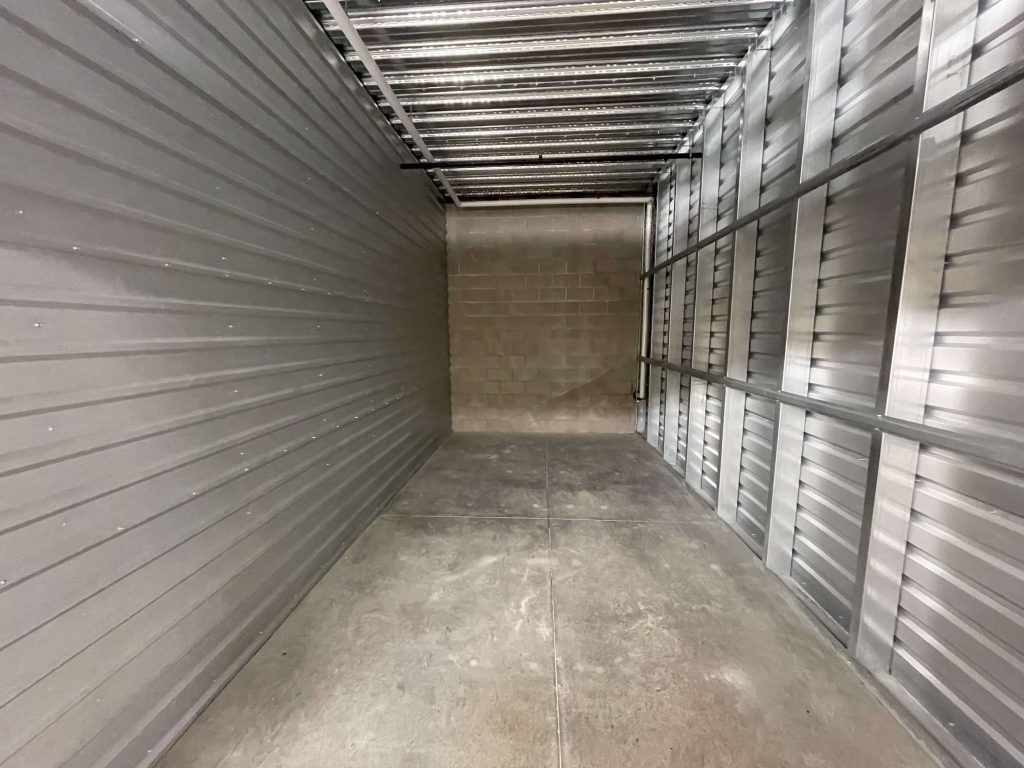
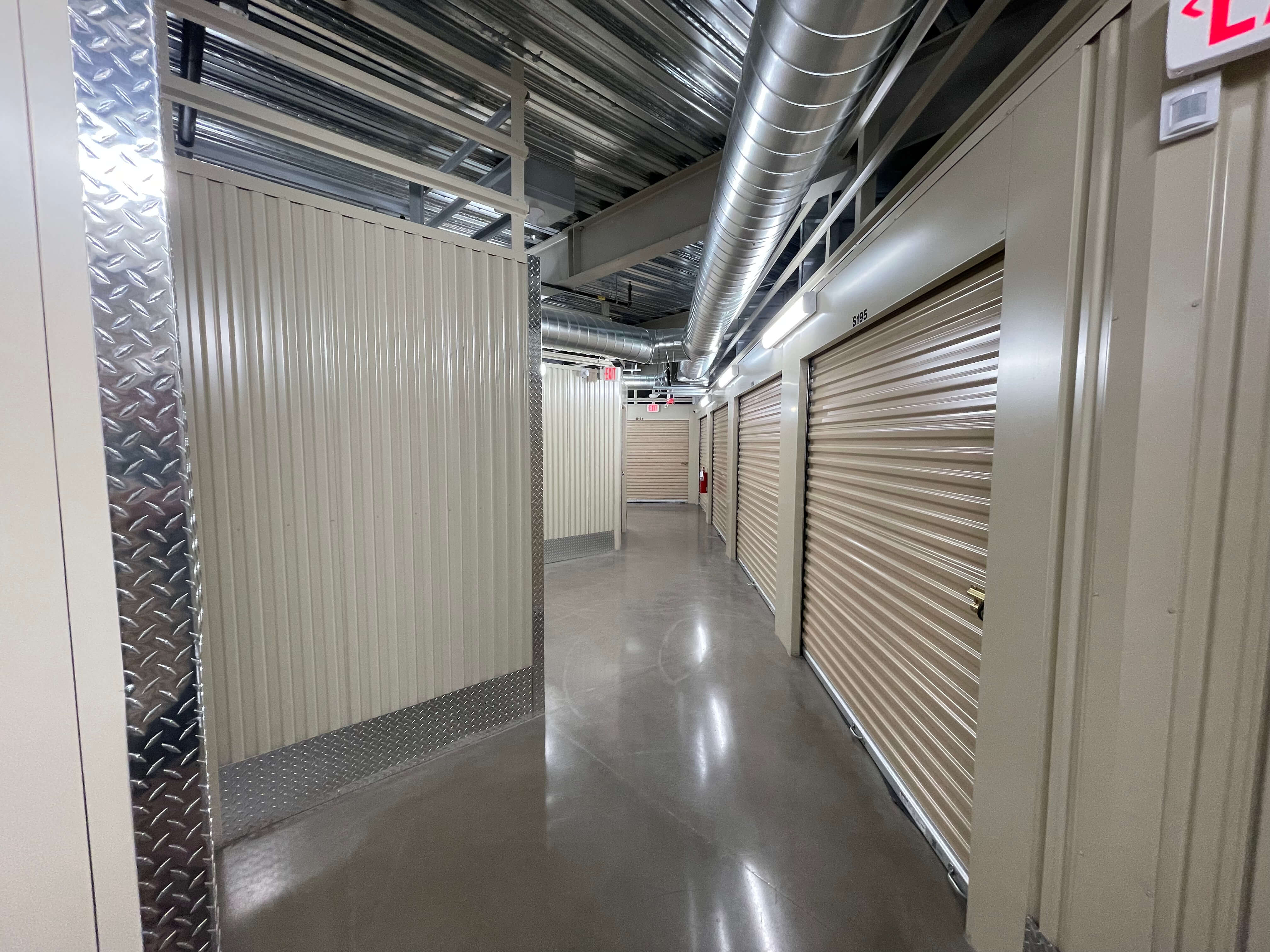
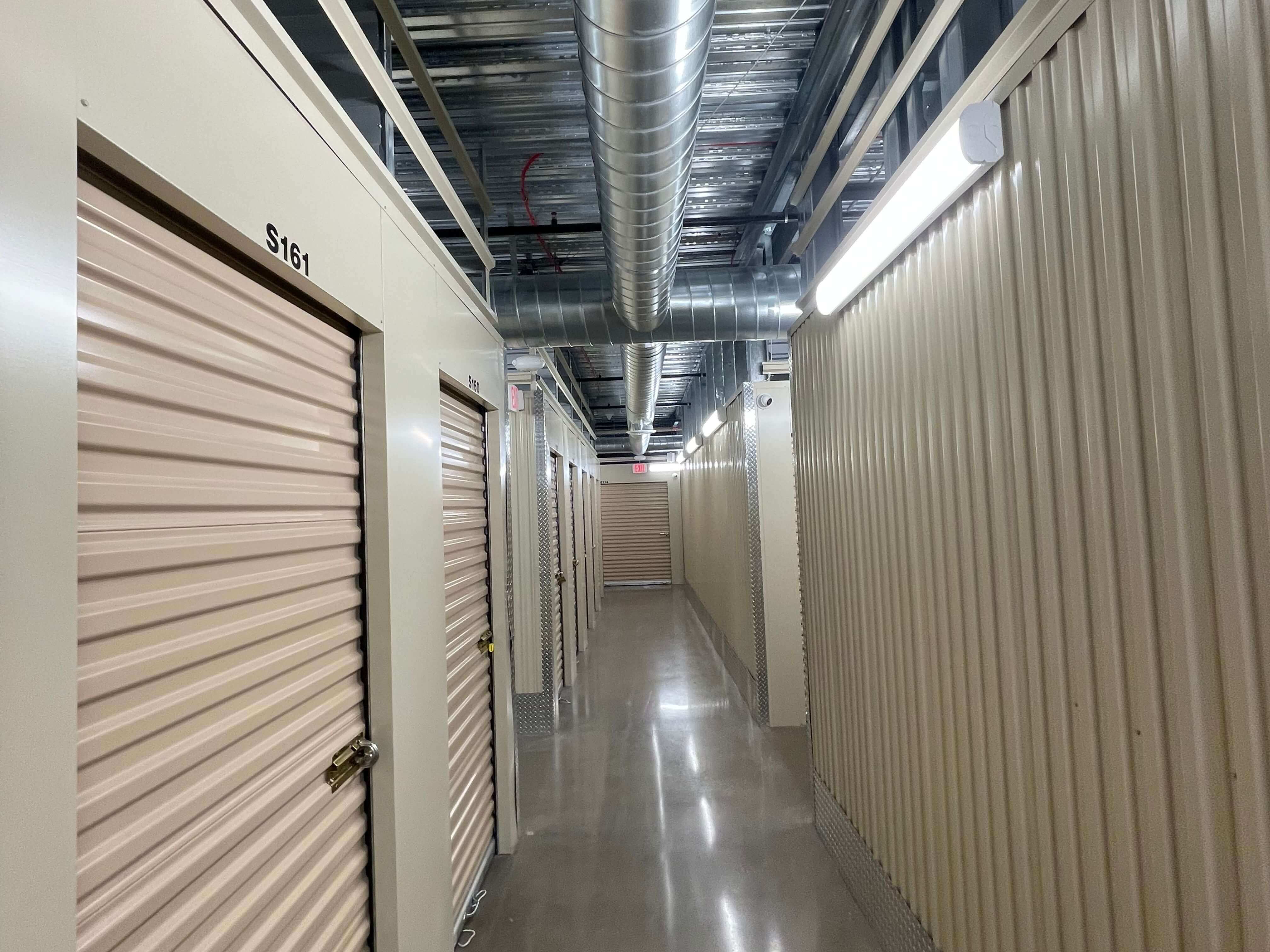
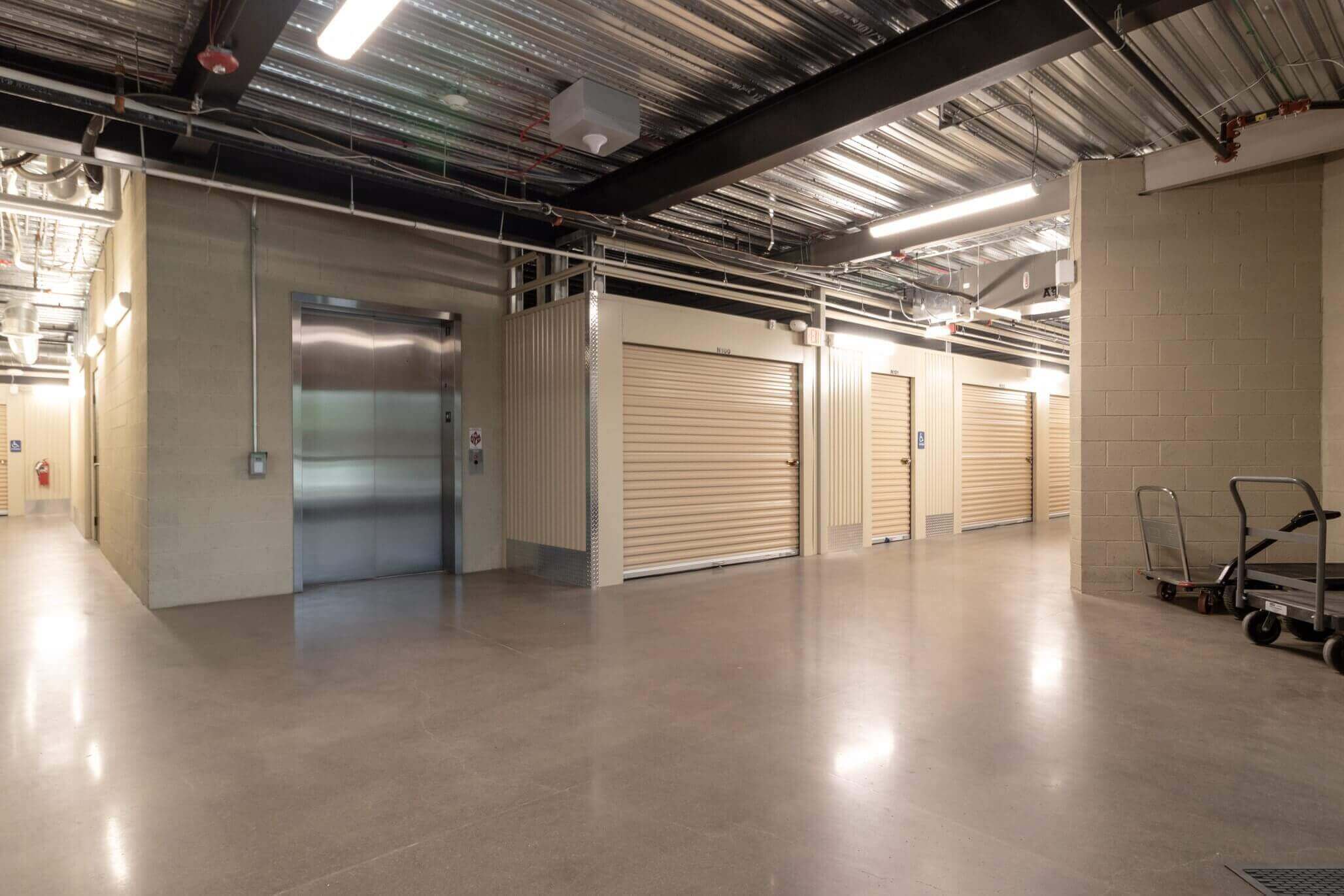
A well arranged self storage unit at McDowell Mountain Community Storage in Scottsdale Arizona showing clear center aisles and elevated pallets for moisture protection
How to Organize Your Belongings Before Using Storage Scottsdale

If you are lucky enough to own antiques or high value valuables, the care process becomes even more critical. We advise against using plastic wrap directly on wood surfaces, as it can trap moisture and damage the finish. Instead, use soft towels, sheets, or professional furniture padding. Ensure these items are not placed directly on the concrete floor; use pallets or rugs to provide a buffer against potential dampness.

For delicate glassware and ceramics, we recommend double boxing. Place the wrapped item in a small box, and then place that box inside a larger box filled with packing peanuts or crumpled paper. This creates a cushion that absorbs shocks during the move. At McDowell Mountain Community Storage, we treat your valuables with the same respect we would our own. Our safety features and your careful packing create a winning combination.

Creating A Clutter Free Future Through Smart Storage Use

The ultimate goal of using a self storage unit is to simplify your life. By moving non essential items out of your home, you create space for new memories and a more efficient living environment. We see storage not as a place to hide clutter, but as a tool for better living. When you arrange your unit with care, you are essentially organizing your future.

We invite you to think of your storage unit as an extension of your home or office. With the right system, it becomes a functional space where you can easily retrieval what you need when you need it. Whether you are in the process of a move, a home renovation, or just need to declutter, McDowell Mountain Community Storage is here to provide the perfect solution. Let us take the weight off your shoulders and give your belongings the home they deserve.

Optimizing Storage Efficiency For Business And Office Needs

For our commercial clients, storage is often about inventory management and document retention. We offer units that are perfect for storing extra office furniture, equipment, and years of paper records. Using shelving units for office files allows for easy access and prevents the bottom boxes from being crushed under the weight of information.

We recommend a strict labeling category for business records, perhaps by year or by client name. This method ensures that when it comes time for an audit or a document retrieval, the task is quick and painless. Our facility offers the security and access that modern businesses needs. By choosing us, you are choosing a partner that understands the details of professional organization and the value of your time.

Navigating Seasonal Transitions With Ease And Planning

Many of our clients use our units to manage seasonal items. From holiday decorations and winter clothes to summer sporting goods and patio tables, we help you keep your home tidy year round. The key to seasonal storage is a rotating system. As one season ends, you pack away the items you no longer needs and retrieval the ones for the upcoming months.

This process keeps your home feeling fresh and clutter free. We suggest placing these seasonal items toward the front of your unit for easy access. By following our tips on packing and protection, your holiday antiques and summer electronics will be ready for use exactly when you need them. At McDowell Mountain Community Storage, we are proud to be a part of your seasonal life transitions.

Conclusion On Professional Storage And Organization

In conclusion, a successful storage experience is built on a foundation of planning, care, and the right materials. From the initial declutter to the final stack in your unit, every step you take contributes to the safety and longevity of your belongings. We provide the storage space, the security, and the expert guide, but your attention to details is what truly makes the difference.

We hope this blog has given you the tools and strategies you need to arrange your life with confidence. At McDowell Mountain Community Storage, we are dedicated to providing the best storage solution in the country. We value your trust and look forward to helping you maximize your space and protect your valuables. Thank you for choosing us to be a part of your journey toward a more organized and peaceful life.

Frequently Asked Questions (FAQs)

1. Can I store gasoline or chemicals if they are sealed?

No. For safety and insurance reasons, storing flammable, explosive, or toxic materials is strictly prohibited. This includes gasoline, propane tanks, paint thinner, and fertilizers. Always drain fuel from lawnmowers before moving them in.

2. How do I choose the right unit size for my belongings?

Start by measuring your largest furniture. A $5 times 5$ unit is like a large closet, while a $10 times 20$ fits a three-bedroom house. Use our online size calculator or visit us for a tour to visualize how your specific inventory will fit.

3. Do you provide moving trucks or loading assistance?

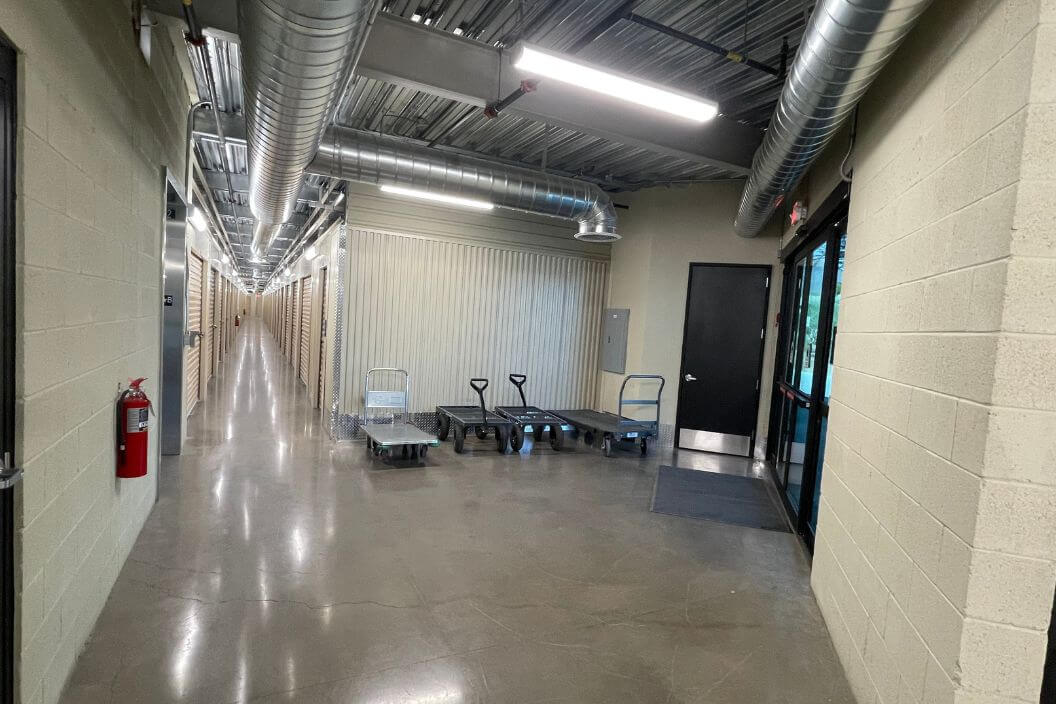
While we don’t provide a moving crew, we offer complimentary use of on-site dollies and carts to help you transport heavy items from your vehicle to your unit. We can also recommend local, trusted moving companies to help with the heavy lifting.

4. What kind of lock should I use for my storage unit?

We highly recommend using a disc lock. Unlike standard padlocks, their unique shape makes them nearly impossible to cut with bolt cutters, providing a much higher level of security for your valuables and giving you extra peace of mind.

5. Is there a limit to how high I can stack my boxes?

Stacking is encouraged to maximize space, but avoid going higher than shoulder level without shelving. Ensure the heaviest boxes are at the base. Stacking too high can be a safety hazard and may cause the bottom boxes to collapse over time.

6. Are my items insured automatically by the facility?

Our facility insurance covers the building, not your personal contents. We require tenants to have a tenant insurance policy. Often, your existing homeowners or renters insurance covers off-site storage, but we offer affordable plans on-site.

7. Can I share my unit access code with family or friends?

Yes, but you are responsible for anyone who uses your code. For security tracking, we recommend notifying management if you plan to have multiple people accessing the unit regularly. Never post your gate code in a visible place on your unit.

8. What happens if I lose the key to my unit lock?

Because you hold the only key to your lock for privacy, we cannot “master key” it. If a key is lost, you must contact a professional locksmith to grind the lock off in the presence of our staff. We carry replacement locks in our front office.

9. Are there items that pests are specifically attracted to?

Pests love food, soy-based inks, and starches. Never store perishable food, pet food, or birdseed. Even “sealed” pantry items can attract rodents. Vacuum all upholstered furniture to remove crumbs that might have fallen into the crevices.

10. Can I run a business or work out of my unit?

Our units are designed for storage only. While they are perfect for business inventory or records, you cannot use them as an active office, workshop, or retail storefront. There are no electrical outlets inside the units for running machinery.
How to Use a Storage Unit During a Move: What You Need to Know

Moving can be one of the most stressful times in life. Between packing boxes, organizing your belongings, coordinating transportation, and managing timelines, it’s easy to feel overwhelmed. One of the most effective ways to simplify the process is by using a storage unit.

Whether you’re downsizing from a house to an apartment, handling renovations, or dealing with timing gaps between locations, a storage solution can provide the flexibility, organization, and peace of mind you need.

In this guide, we’ll walk you through using a storage unit during a move, including planning, packing tips, choosing the right unit size, and maximizing efficiency.

Step 1: Plan Ahead for Your Storage Needs

Proper planning is key to making the most of your storage space.

Start by asking:

  • How long will you need the unit? (duration)
  • What items will you store?
  • Do you need climate control for sensitive items, such as electronics or documents?

Creating a checklist can help you stay organized throughout the process.

Step 2: Choose the Right Storage Unit Size

Selecting the correct storage unit size is essential for efficiency and cost control.

For example, a small unit may work for boxes and personal items, while larger storage unit sizes are better for furniture and appliances.

Common storage unit sizes include:

  • Small units for boxes and personal items
  • Medium units for furniture and appliances
  • Large units for full household storage

Choosing the right size helps avoid overpaying while ensuring you have enough room for everything.

Step 3: Pick the Right Storage Facility

Not all storage facilities are the same. Look for features that provide safety, convenience, and value. Comparing different storage options can help you find a facility that fits your needs, budget, and location.

Key features to consider:

  • Security features such as cameras, gated access, and unit alarms
  • Climate control to manage humidity and protect sensitive items
  • Easy access hours
  • Clean and well-maintained facilities

Choosing the right location also matters, especially if you need frequent access during your move.

Step 4: Organize and Create an Inventory

Before placing anything in storage, create a detailed inventory list.

Your inventory should include:

This step helps you keep track of everything and makes it easier to find items later.

Step 5: Use Smart Packing Tips

Packing properly is critical to protecting your belongings.

Packing Tips for Storage:

  • Use sturdy boxes and packing materials
  • Place heavier items at the bottom and lighter items on top
  • Wrap delicate items carefully to prevent damage
  • Use protective covers for furniture like sofas

Good packing improves organization and reduces the risk of dust, moisture, or breakage.

Step 6: Protect Your Items

Protection should always be a priority when using storage units.

Consider:

  • Using climate control for items sensitive to heat and humidity
  • Covering furniture and appliances
  • Storing electronics in their original boxes if possible

Insurance is another important factor. Check your rental agreement or existing policy to ensure your belongings are covered.

Step 7: Load the Storage Unit Strategically

How you arrange your storage unit matters.

Best practices:

  • Leave a walkway for easy access
  • Store frequently used items near the front
  • Stack boxes carefully to maximize space
  • Place large furniture along the sides

This approach improves efficiency and makes it easier to access your items when needed.

Step 8: Understand Rental Terms and Costs

Before finalizing your rental, review all terms carefully.

Important factors include:

  • Rental agreement details
  • Monthly price and potential fees
  • Duration of use
  • Access rules and hours

Understanding the cost and conditions helps you avoid surprises.

Step 9: Consider Transportation and Logistics

Moving items to and from your storage unit requires planning.

Options include:

  • Renting a truck
  • Hiring a moving service
  • Using your own vehicle for smaller loads

Properly coordinating transportation ensures a smooth process.

Step 10: Use Storage for Flexibility During Your Move

Storage units provide flexibility in situations such as:

  • Moving between locations at different times
  • Staging a home for sale
  • Handling renovations
  • Downsizing

This makes storage a practical solution for a wide range of moving needs.

Learn how to use a storage unit during a move with smart packing, planning, and storage tips for a smooth transition.

Using a Storage Unit During a Move

Using a storage unit during a move offers several advantages:

  • Temporary storage for your belongings during transitions
  • Improved organization and less clutter
  • Flexible access to your items
  • Protection for furniture, appliances, and valuables

For many people, storage units are one of the most effective storage solutions for managing a move without stress.

Common Mistakes to Avoid

Avoid these common errors when using a storage unit:

  • Choosing the wrong unit size
  • Not labeling boxes
  • Skipping inventory tracking
  • Overpacking boxes
  • Ignoring climate control needs

Avoiding these mistakes can save time, money, and stress.

Benefits of Self Storage During a Move

Using self-storage offers several benefits:

For individuals and families, it provides a reliable way to manage the transition.

Following the right steps can help make your move more organized and efficient from start to finish.

Final Thoughts

Using a storage unit during a move is one of the most effective ways to stay organized and reduce stress. With proper planning, packing, and the right storage solution, you can protect your belongings and make your move more efficient.

Find the Right Storage Solution in Scottsdale

If you’re looking for secure, convenient storage in Scottsdale, AZ during your move, McDowell Mountain Community Storage offers clean, reliable units designed to meet your needs.

Whether you need short-term or long-term storage, our facility provides the space, security, and features you need for a smooth moving process.

Contact our team today to find the right storage unit and make your move easier.

Frequently Asked Questions

How long should I rent a storage unit during a move?

The duration depends on your situation, but many people use storage for a few weeks to several months, depending on their moving timeline.

What items should not be stored in a storage unit?

Avoid storing hazardous materials, perishable food, or anything that could cause damage or pose a safety issue to your belongings or the facility.

Do I need climate control?

Climate control is a great option for protecting electronics, documents, furniture, and other sensitive items from temperature and humidity.

How do I choose the right unit size?

Consider how many things and how much stuff you need to store. Many facilities provide guides and dimensions to help you choose the right size.

Is insurance necessary for storage?

Insurance is highly recommended to protect your belongings from unexpected damage, especially during a move.

Can I access my storage unit anytime?

Access depends on the storage company, but many locations offer flexible hours for customers to access their units when needed.

How should I secure my storage unit?

Use a strong lock and make sure your unit is properly secured at all times to protect your belongings.

What features should I look for in a storage facility?

Look for security features, climate control, and amenities that enhance convenience and protect your stored items.

What is the best way to organize my storage unit?

Place frequently used items near the front, label all boxes, and leave space for easy access. This helps you manage your stuff efficiently.

Can storage units help during unexpected delays in a move?

Yes, storage units are a flexible option when timelines change, helping you store your belongings safely until you’re ready to move them.

Best Ways to Pack Fragile Items for Storage: Step-by-Step Guide

Packing fragile items for storage requires the right materials, careful handling, and a proven method to reduce the risk of damage. Whether you’re storing glassware, dishes, mirrors, or valuable collectibles, proper packing ensures your belongings stay safe during transport, transit, and long-term storage.

This step-by-step guide covers expert tips, essential packing supplies, and the best way to protect delicate items so everything arrives in perfect shape.

Why Proper Packing Matters for Fragile Items

Fragile items like glass, ceramics, and artwork are highly sensitive to pressure, movement, and improper arrangement. Without proper cushioning and protection, even a small shift inside a box can lead to breakage.

Taking the time to organize your packing and use the right materials helps protect your possessions, especially during moves or when items are stored for extended periods.

Essential Packing Supplies You’ll Need

Before you start, gather all necessary packing materials to make the task easier and more efficient:

  • Bubble wrap for cushioning and wrapping
  • Packing paper for layering and protection
  • Foam peanuts or foam inserts to fill gaps
  • Sturdy cardboard boxes or specialty boxes
  • Packing tape to secure boxes
  • Blankets or pillows for larger items like furniture or mirrors
  • Dividers for dishes, glasses, and glassware
  • Marker for labeling
  • Dish boxes for plates, dishes, and ceramics

Having plenty of supplies on hand ensures you won’t run out in the middle of packing.

Step-by-Step Guide to Packing Fragile Items

Follow these expert steps to pack fragile items safely and reduce the chance of damage:

Step 1: Prepare the Box with Cushioning

Start by adding a thick layer of padding at the bottom of the box. Use bubble wrap, packing paper, foam, or peanuts to create a cushioned base.

This layer absorbs pressure and protects items from impact during transport.

Step 2: Wrap Each Item Individually

Each fragile item should be wrapped separately using packing paper or bubble wrap. For extra protection, use multiple layers, especially for delicate pieces like glassware, dishes, and stemware.

Proper wrapping helps prevent direct contact between items and reduces the risk of breakage.

Step 3: Pack Heavier Items at the Bottom

Place heavier items, such as plates, dishes, and ceramics, at the bottom of the box. Lighter items, such as glasses and smaller pieces, should go on top.

This arrangement helps distribute weight evenly and prevents crushing.

Step 4: Use Dividers for Extra Protection

For glassware, stemware, and delicate items, use dividers inside the box. These create separate spaces for each item and help keep everything secure.

Dividers are especially helpful when packing multiple fragile items in one box.

Step 5: Fill Gaps to Prevent Movement

One of the biggest risks during transit is movement inside the box. Fill all empty spaces with foam peanuts, packing paper, or soft materials like blankets or pillows.

There should be nothing loose inside the box. Everything should feel secure when you gently shake it.

Step 6: Add a Top Layer of Cushioning

Before sealing the box, add another layer of padding on top. This protects the contents from pressure when boxes are stacked during storage or transport.

Step 7: Seal and Label the Box

Use strong packing tape to seal all sides of the box. Then clearly label it with a marker.

Write:

  • Fragile
  • This Side Up
  • A brief description of the contents

Proper labeling helps movers and anyone handling the box understand how to treat it with care.

Learn the best ways to pack fragile items for storage with simple, step-by-step tips to protect glassware, dishes, and valuables.

Best Ways to Pack Specific Fragile Items

Different items require slightly different packing techniques. Here’s how to handle some of the most common fragile belongings:

Packing Glasses and Glassware

Wrap each glass individually with packing paper or bubble wrap. Place them upright inside the box, not on their sides, to reduce pressure on the glass.

Use dividers if possible and fill gaps with cushioning materials.

Packing Plates and Dishes

Stack plates vertically instead of flat. This reduces the chance of breakage during movement.

Wrap each dish with packing paper and add layers between each piece for extra protection.

Packing Mirrors and Picture Frames

Use specialty boxes or large cardboard boxes for mirrors and picture frames. Wrap them with bubble wrap and blankets, and secure the sides with packing tape.

Always store these items upright to avoid damage.

Packing Artwork and Collectibles

Artwork and heirlooms require extra care. Use foam, blankets, or custom packing materials to protect surfaces and edges.

For valuable pieces, consider professional packing services to ensure maximum safety.

Packing Furniture with Fragile Components

Furniture with glass or delicate parts should be wrapped with blankets and secured with padding. Remove any fragile pieces if possible and pack them separately.

Common Packing Mistakes to Avoid

Avoid these mistakes to protect your fragile items:

  • Using boxes that are too large or weak
  • Not using enough cushioning or padding
  • Leaving empty spaces inside the box
  • Overpacking or underpacking boxes
  • Forgetting to label fragile contents
  • Placing heavy items on top of delicate ones

These errors can increase the risk of damage during moves or storage.

Expert Tips for Safer Packing

Here are some additional expert tips to improve your packing process:

  • Always use high-quality packing supplies
  • Double-wrap especially delicate items
  • Keep similar items together and organize boxes clearly
  • Use specialty boxes for dishes, glassware, and mirrors
  • Take your time, rushing increases the chance of mistakes

Packing fragile items properly is not just about materials. It’s about technique and attention to detail.

Final Thoughts

Packing fragile items for storage doesn’t have to be stressful. With the right supplies, proper technique, and careful handling, you can protect your belongings and reduce the risk of breakage.

Taking the time to follow a step-by-step guide like this ensures everything stays safe, from everyday items to valuable heirlooms.

Store Your Items with Confidence

Packing is just one part of the process. Where and how you store your belongings matters just as much. If you’re looking for storage units in Scottsdale, McDowell Mountain Community Storage offers clean, secure storage spaces designed to help protect your items long-term.

Whether you’re storing furniture, delicate pieces, or important possessions, our facility offers the security and care your belongings deserve.

If you need reliable self-storage in Scottsdale, contact McDowell Mountain Community Storage today to find the right space for your needs.

For more expert tips and helpful guides on packing, organizing, and protecting your belongings, be sure to explore our blog.

FAQs About Packing Fragile Items

What is the best way to pack fragile items?

The best way to pack boxes with fragile items is to use proper wrapping, cushioning, and sturdy boxes, ensuring everything is secure and cannot move, giving you peace of mind during storage or transport.

How do I protect glass items during a move?

Wrap each piece individually, use dividers, and add plenty of padding to prevent movement and pressure.

Should I label fragile boxes?

Yes, always label boxes with “Fragile” and “This Side Up” to ensure careful handling.

Can I use towels or blankets instead of bubble wrap?

Yes, soft materials like blankets and pillows can provide additional cushioning, especially for larger items.

How do I prevent items from shifting in a box?

Fill all gaps with packing materials like foam peanuts, packing paper, or bubble wrap.

Is it worth using professional packing services?

Yes, especially for valuable or delicate items, as experts reduce the risk of damage during transport and storage.

What is the safest way to load fragile items into a truck?

When loading a truck, place fragile boxes on top of heavier ones and keep them in a stable area where they won’t shift. Make sure nothing heavy is pressing against delicate items to avoid breakage during the move.

Can I pack different types of things in one box?

It’s best to avoid mixing too many different items in one box, especially fragile or heavy ones. Keeping similar items together makes packing more organized and helps protect delicate pieces.

What should I do with loose stuff before packing?

Before you start packing, organize all loose stuff into categories. This makes it easier to wrap and pack boxes properly, ensuring nothing gets damaged or lost during the process.

Can I use newspapers for packing fragile items?

Yes, but newspapers can leave ink stains. It’s better to use clean packing paper to protect your items.

Packing Tips for Books During a Move: Step-by-Step Guide

Moving a book collection can feel overwhelming for book lovers, but with the right preparation, supplies, and process, you can protect every spine, page, and fragile corner from damage. Whether you’re relocating across town or placing your library into temporary storage, these proven packing tips will save you time, money, and stress while keeping your books in perfect condition.

The Importance of Special Care for Books During a Move

Books might seem sturdy, yet paper is surprisingly fragile. Too much weight on top, shifting during transport, or moisture can crack spines, tear dust jackets, bend pages, or crush corners in seconds. One poorly packed box can ruin an entire shelf of treasured editions. Done correctly, though, your books will arrive at the new house exactly as you left them—ready to slide onto fresh shelves.

Step 1: Gather the Right Packing Materials and Supplies

Start with quality materials; this is not the place to skimp.

  • Small to medium book boxes (1.5–2.0 cubic ft). These purpose-built cardboard boxes are the gold standard because they keep weight manageable.
  • Strong packing tape and a tape gun
  • Unprinted packing paper (newsprint) or acid-free tissue for valuable books
  • Bubble wrap for first editions, signed copies, or fragile items
  • Permanent marker for labeling every side and the top
  • Optional: sturdy suitcases or plastic bins with lids for extra protection

Avoid giant wardrobe or dish-pack boxes—once filled with books, they become impossible to lift safely.

Step 2: Sort and Declutter Your Book Collection First

Before you touch a single roll of packing tape, sort everything. This step alone can dramatically reduce your moving costs.

  1. Pull all books off the shelves and categorize: hardcovers, paperbacks, oversized art books, rare editions, children’s books, cookbooks, etc.
  2. Decide what stays and what goes—donate, sell, or recycle duplicates and titles you no longer love.
  3. Separate fragile or high-value items that need individual wrapping.

Many book lovers discover they own three copies of the same novel. Letting go now frees space and lightens the load for movers.

Step 3: The Three Best Ways to Arrange Books Inside the Box

There are three safe methods. Choose one (or mix them) depending on the type of book.

Method A – Flat Layers (Most Common and Efficient)

Lay books flat, alternating spine direction with each layer. Place heaviest hardcovers on the bottom, paperbacks on top. This distributes weight evenly and protects spines from pressure.

Method B – Upright “Library Style”

Stand books the way they sit on shelves, spines facing outward toward the box flaps you’ll open first. Pack tightly so nothing shifts. Perfect for uniform-sized paperbacks.

Method C – Spine-Down Protection (Best for Fragile or Valuable Volumes)

Place each book spine toward the bottom of the box, pages facing up. The strongest part of the book takes the impact, and the pages stay closed during movement.

Never pack books spine-up with pages facing down—that’s the fastest way to crack spines when boxes stack in the truck.

Step 4: Pack Fragile and Valuable Books Like a Professional

  • Wrap first editions, leather-bound volumes, or signed copies individually in acid-free tissue or soft packing paper, then add a layer of bubble wrap.
  • Use small boxes or even a hard-shell suitcase for your most precious items.
  • Fill every gap with crumpled paper so nothing moves even an inch.
  • Label clearly on all sides: “FRAGILE BOOKS – THIS SIDE UP.”

Step 5: Handle Oversized and Odd-Shaped Books Separately

Coffee-table books, art folios, and large reference volumes need special care:

  • Lay them flat in medium or large flat boxes (picture/mirror boxes work well).
  • Limit to one or two per box with generous padding between layers.
  • Add cardboard dividers or extra bubble wrap to prevent corners from crushing.

Step 6: The Complete Step-by-Step Packing Process

  1. Reinforce the bottom of every book box with several strips of packing tape.
  2. Add a 2-inch cushion of crumpled packing paper.
  3. Load books using one of the three methods above.
  4. Fill all remaining gaps and spaces with more crumpled paper—no empty spots allowed.
  5. Top with another protective layer of paper.
  6. Close flaps and secure with packing tape.
  7. Label the top and at least two sides with contents (“Sci-Fi Paperbacks,” “Cookbooks,” “Fragile Art Books”) and arrows showing “THIS SIDE UP.”
  8. Note the destination room (“Office,” “Kids’ Room,” etc.).

Step 7: Alternative Containers When You Run Out of Book Boxes

  • Rolling suitcases: Line with a trash bag, pack flat using the methods above, and wheel your library straight to the truck.
  • Plastic bins with tight lids: Excellent for homes with humidity concerns or long-term storage.
  • Mixed boxes: Only combine books with soft items like clothes or towels if books go on the bottom, and every gap is filled.

Step 8: Load and Unload the Moving Truck Correctly

  • Place book boxes near the cab of the truck where there’s less bouncing.
  • Stack the heaviest boxes on the bottom and the fragile ones on top.
  • Never stack more than three or four high unless you have a shelving system.
  • Move book boxes into the new house first so they aren’t exposed to extreme heat or cold.

Step 9: Final Moving-Day Checklist for Books

  • Every box under 50 lbs
  • All gaps filled and contents secure
  • Fragile items double-wrapped in bubble wrap or paper
  • Boxes labeled on top and multiple sides with contents and orientation
  • Master inventory list of how many boxes per category
  • Valuable collections in separate, clearly marked containers

Packing Tips for Books During a Move

Bonus Tips from Professional Movers and Book Lovers

  • Use a luggage scale to check weight as you pack—50 lbs is the safe maximum for most people.
  • Photograph your most valuable shelves before disassembling; it helps with insurance claims if anything goes wrong.
  • If shipping books instead of using movers, USPS Media Mail is usually the cheapest option for standard titles.
  • For family moves, let each member pack and label their own childhood favorites—it reduces stress and gives kids ownership.

Tips for Moving Rare or Valuable Books

When dealing with rare or valuable editions, take extra care to organize every item before packing. Wrap each in protective paper, distribute the weight evenly in the boxes, and clearly mark the contents. Consider insurance for high-value shipments and explore long-distance shipping options. Even a small mistake at the end of the moving process can damage something priceless, so a bit of extra effort pays off. Proper planning ensures your collection stays in order and avoids unnecessary stress during publishing or relocation logistics.

Unpacking and Storing Books

Once at your new home or storage space, unpack strategically. Place boxes in order of priority, with fragile or high-value books on top. Organize shelves carefully, distribute books by category or size, and take a bit of time to ensure everything is in its proper place. Proper unpacking improves efficiency and prevents damage over time. At the end of the process, you’ll see how a little planning and attention to things can turn a chaotic move into a smooth, stress-free experience.

Conclusion

Moving a book collection doesn’t have to be stressful. By following these packing tips, using the right materials, and taking time to properly organize and distribute weight, you can ensure your books arrive safely. Whether it’s a lot of paperbacks, rare editions, or treasured volumes, a bit of preparation at the start saves someone from dealing with damaged or disorganized shelves later. From start to finish, keeping your content in order, exploring packing options, and focusing on efficiency guarantees a smooth move and preserves your beloved library for years to come.

Simplify Your Book Storage with McDowell Mountain Community Storage

If you need a safe, convenient place to store your books during a move or while decluttering your home, McDowell Mountain Community Storage has you covered. Our clean, secure units make it easy to organize and protect your book collection, whether it’s a few boxes of paperbacks or a lot of rare and valuable volumes.

Don’t wait—contact McDowell Mountain Community Storage today to reserve the perfect storage unit in Scottsdale, Arizona, and keep your books safe, accessible, and in perfect condition.

Frequently Asked Questions

What supplies do I need to pack books?

You’ll need small to medium sturdy boxes, packing tape, unprinted packing paper or tissue, bubble wrap for fragile books, and a permanent marker for labeling.

Should I wrap books individually?

Yes, especially for rare, valuable, or fragile books. Wrapping them in tissue or bubble wrap protects the covers and pages during transport.

How do I protect book covers during a move?

Use packing paper or bubble wrap around each book or layer of books, avoid stacking too many heavy books on top, and make sure boxes are tightly packed so books don’t shift.

How should I pack heavy books?

Place heavy books at the bottom of the box, lay them flat in layers, and avoid overloading boxes. Use small to medium boxes so they are easy to lift and carry.

Are there special boxes for valuable books?

Yes, small book boxes, plastic bins with lids, or hard-shell suitcases work well for valuable books. Always pad the contents and clearly label them as fragile.

How to Wrap a Couch for Storage Without Damage: Step-by-Step Guide

Step-by-Step Guide to Wrapping a Couch for Safe Storage

At McDowell Mountain Community Storage, we understand that protecting your furniture during storage is critical. Improper wrapping can lead to scratches, warping, stains, or even mold, so following clear instructions is essential. We provide step-by-step guidance that emphasizes safety while handling different types of furniture, from sofas to chairs, ensuring every part of your items is properly cared for. Using the right materials, including blankets, wool pads, and a protective bag, is one of the best ways to prevent damage and maintain your furniture’s condition.

Our guide not only explains the safest way to wrap each piece but also gives an idea of how to handle various size and shape of couches and other furniture. We show the best cleaner to use before storage, how to protect delicate surfaces, and the correct way to secure cushions, legs, and hardware. By following these steps, you can confidently store your items, knowing every part is shielded from dust, moisture, pests, and debris while keeping everything in pristine condition.

Prepare the Couch for Storage

Before wrapping, we always start by thoroughly preparing the couch. This step is essential to prevent scratches, stains, and the accumulation of dirt or debris. Remove all cushions, pillows, and removable hardware like legs, drawers, or metal attachments. Keep all small parts and any contents from drawers in labeled bags so nothing gets lost. Vacuum the upholstery carefully, paying attention to corners, seams, and the back of the couch. This removes crumbs, dust, and dirt that can attract pests or cause stains over time. Using some basic tools and supplies, we make sure nothing is overlooked, whether it’s mirrors, cushions, or any other part of the couch.

Check the condition of the couch’s wood, metal, or leather parts. Lightly clean wood surfaces to remove dust and potential oxidation, and wipe metal legs with a cloth to prevent rust. For leather or fabric upholstery, use the appropriate cleaner to eliminate any stains or grime. Preparing the couch in this way ensures that when we move it, either ourselves or with movers, we are not trapping moisture, dirt, or anything else against its surfaces, keeping every part in excellent condition.

Choose the Right Wrapping Materials

Using the proper materials is key to protecting your couch in a storage unit. We recommend a combination of the following:

  • Furniture blankets or moving blankets – Ideal for cushioning and protecting the couch from scratches, dust, and minor impacts.

  • Plastic wrap or shrink wrap – Helps protect against moisture, humidity, and pests while keeping the blankets in place.

  • Bubble wrap – Perfect for fragile areas, such as glass panels or decorative trim.

  • Packing tape – Secures wrapping without adhering directly to upholstery or delicate surfaces.

  • Cardboard or paper – Can provide extra padding on sharp corners or delicate wood edges.

Using these materials strategically allows us to create multiple protective layers that shield the couch from scratches, dust, debris, and environmental risks such as water or humidity. It’s important to avoid wrapping fabric or leather directly with tape or plastic, as this can trap moisture and lead to mildew.

Protect the Couch Legs and Hardware

Couch legs, metal attachments, and other hardware are particularly vulnerable during storage. We always remove legs when possible and wrap them separately in bubble wrap or cloth. Small screws, bolts, and other hardware go into clearly labeled bags to prevent loss.

If the legs are non-removable, we carefully wrap them with padding or extra layers of blankets. Covering metal parts prevents scratches, dents, and rust. This also reduces the risk of damage to the floors or other items in the storage unit.

Cushion and Pillow Preparation

Cushions and pillows are often the first things to show wear during storage. We always vacuum them to remove crumbs, dirt, and dust before wrapping. For extra protection, we place cushions in large plastic bags or vacuum-sealed bags to reduce exposure to humidity and pests.

When storing cushions, we place them on top of the wrapped couch or in a dedicated space within the storage unit. This prevents deformation and keeps their shape intact. Using protective covers or blankets also prevents scratches and fabric stains.

Wrap the Couch With Blankets First

The first layer of protection we apply is a furniture blanket or moving blanket. Blankets absorb shocks, prevent scratches, and create a barrier between the couch and any debris in the storage unit. We make sure to cover the entire couch, including the back, sides, and top.

Pay attention to corners and edges, as these areas are more likely to suffer damage. Secure blankets using packing tape without allowing the tape to touch upholstery directly. This layer not only cushions the couch but also provides insulation against fluctuating temperatures in storage units.

Add Plastic or Shrink Wrap for Moisture Protection

After the blanket layer, plastic wrap or shrink wrap is applied. This step is crucial to prevent moisture, mold, and mildew, especially when storing furniture in climate-controlled storage units. Proper wrapping ensures that humidity in the storage facility doesn’t compromise the couch’s condition.

The entire piece is wrapped in a single, even layer, making sure not to cover ventilation areas for fabric or leather couches. Plastic protects against water splashes, accidental spills, and pests while keeping blankets securely in place. Wrapping too tightly should be avoided to prevent pressure marks or fabric warping.

Reinforce Fragile Parts With Bubble Wrap

Any fragile or decorative parts of the couch, such as glass panels, carved wood, or delicate hardware, get an additional layer of bubble wrap. Bubble wrap acts as padding and protects against breakage during transit or when placing the couch in a storage unit, demonstrating how to safely store fragile items in a storage unit.

Corners, legs, and metal trims benefit most from this extra protection. For glass components, cardboard is sometimes placed underneath the bubble wrap to prevent cracking or chipping. The goal is to create a multi-layer system that shields the couch from all angles while ensuring delicate pieces remain intact.

Secure Wrapping With Packing Tape

Once the blankets, plastic wrap, and bubble wrap are in place, we secure everything with packing tape. Tape should be applied carefully to avoid touching fabric, leather, or wooden surfaces directly. Instead, we anchor tape to blankets or plastic wrap layers.

This ensures that the wrapping remains tight and secure during moves or storage. Properly applied tape prevents shifting, which could cause scratches, dents, or scuffs. Avoid excessive tape, as it can create pressure points that damage cushions or upholstery.

Prepare the Storage Unit Space

Before placing the couch inside a storage unit, we prepare the floor and walls. We use pallets or furniture pads to lift the couch off the floor, preventing contact with moisture and protecting against pests. Pallets also allow airflow underneath the couch, reducing the risk of mold or mildew.

Ensure the storage unit is clean, dry, and free of debris. Position the couch in a location that minimizes the risk of scratches from other furniture, walls, or doors. Consider leaving space between pieces for easy access and ventilation, especially for leather or wooden furniture.

Place the Couch Carefully Inside the Storage Unit

Moving the couch into a storage unit requires careful handling. We use furniture sliders or moving pads to prevent scratches on both the couch and the floor. If moving with a truck, we secure the couch with straps to avoid shifting during transit.

Once inside the unit, we place the couch upright on its legs if possible, or on the side if necessary, ensuring the weight is evenly distributed. Avoid leaning the couch against walls without padding, as this can cause scratches or dents. Maintaining proper placement protects the couch and other stored items.

Cover Remaining Furniture and Items

If storing multiple pieces in the same unit, we wrap additional furniture such as chairs, tables, or metal items with the same level of care. We protect glass surfaces with bubble wrap and cardboard, and cover wooden or metal furniture with blankets or pads to prevent scratches, rust, or warping.

Boxes containing smaller items are stacked around the couch carefully. Heavy boxes go on the bottom to avoid crushing lighter items, and fragile boxes are padded with extra blankets or bubble wrap. Proper organization ensures that everything in the storage unit stays in excellent condition.

Maintain the Couch During Storage

Even after careful wrapping and placement, we advise regular checks on stored furniture. Inspect the storage unit for temperature changes, humidity, or signs of pests. We recommend using moisture absorbers or dehumidifiers to maintain stable conditions, especially for leather, wood, or fabric couches.

If any movement is necessary within the unit, handle the couch carefully, keeping all protective layers in place. Avoid dragging furniture, which could damage both the couch and other items in the storage space. Regular attention ensures that everything remains protected throughout the storage period.

Couch wrapped for storage at McDowell Mountain Community Storage Scottsdale Arizona showing proper protection

Additional Tips for Safe Couch Storage

Over the years, we’ve compiled several tips to help maintain furniture condition during storage:

  • Avoid stacking heavy items on top of the couch. This prevents sagging, dents, or deformation.

  • Keep cushions in their original shape. Use vacuum-sealed bags or storage covers.

  • Protect delicate surfaces. Wrap glass, metal, and wood with bubble wrap or blankets.

  • Monitor humidity and temperature. Extremes can cause warping, oxidation, mildew, or scratches.

  • Use furniture sliders for moves. This minimizes floor damage and preserves couch legs.

  • Label everything. Bags of hardware, boxes, and wrapped items should be clearly marked.

By following these tips, we reduce the risk of scratches, stains, moisture damage, and other common problems in storage units.

Avoid Common Wrapping Mistakes

When wrapping a couch for storage, we make sure to avoid mistakes that could compromise protection:

  • Skipping preparation. Dirt, crumbs, and moisture left on furniture increase the risk of mold and stains.

  • Direct tape on upholstery. This can leave marks or damage leather, cloth, or fabric surfaces.

  • Overpacking a storage unit. Crowding increases the chance of scratches and reduces airflow.

  • Ignoring fragile parts. Glass, wood trim, and metal hardware require extra padding.

  • Failing to monitor storage conditions. Humidity, temperature fluctuations, and pests can ruin furniture over time.

Awareness of these common mistakes allows us to wrap and store couches safely, preserving their condition for years.

Ensure Proper Wrapping for Transport

If the couch will also be moved to the storage facility, proper wrapping for transport is critical. We use furniture pads and straps to secure the couch in trucks, preventing scratches, breakage, or shifting. Crumbs, dust, or dirt should be cleaned beforehand to avoid transferring debris into the truck or storage unit.

During transit, we protect glass, metal, and wood surfaces with extra layers of bubble wrap and blankets. This double layer of care ensures the couch arrives in perfect condition before it even reaches the storage unit.

Final Layer and Inspection

Once the couch is wrapped, secured, and placed in the storage unit, we conduct a final inspection. We check corners, cushions, legs, and upholstery for proper coverage and ensure all materials are snug without pressing too tightly.

This final review confirms that all parts are protected from scratches, moisture, pests, and dust. We also verify that everything is labeled and organized so that retrieving or moving the couch in the future is safe and simple.

Conclusion

At McDowell Mountain Community Storage, we know that storing a couch safely requires careful preparation, proper materials, and attention to detail. By following our step-by-step guide, we ensure that couches, chairs, and other furniture pieces remain protected from scratches, moisture, dust, pests, and damage.

Using blankets, plastic wrap, bubble wrap, padding, and careful handling, we create a system that preserves furniture condition throughout transit and storage. With proper placement, regular monitoring, and strategic use of storage units, your furniture remains in excellent condition and ready for years of use.

Whether you’re storing one piece or multiple items, our approach ensures peace of mind and reliable protection. By combining preparation, wrapping, and careful placement, we minimize risk and maximize furniture longevity. At McDowell Mountain Community Storage, keeping your belongings safe is our priority.

Frequently Asked Questions (FAQs)

Can a couch be stored in a climate-controlled unit, and is it necessary?

Climate-controlled units help protect leather, wood, and delicate fabrics from extreme temperatures and humidity. Using such a unit reduces the risk of warping, mildew, and deterioration over time.

How long can a couch safely stay in storage?

A couch can generally remain in storage for several months to a few years if properly wrapped and protected. Regular inspections are recommended to ensure that moisture, pests, or temperature changes do not damage the furniture.

Is it safe to store a couch on its side or back?

Couches are best stored upright on their legs to evenly distribute weight and prevent frame or cushion deformation. Storing on the side or back can lead to sagging or pressure marks over time.

Can cushions be stored separately from the couch?

Cushions can be stored separately in vacuum-sealed or plastic bags to protect them from dust, moisture, and pests. Keeping them flat or upright prevents deformation and maintains their original shape.

What is the best way to handle sectional sofas or multi-piece couches?

Disassemble sectional pieces if possible to reduce stress on frames and make wrapping easier. Wrap each section individually with blankets, plastic, and padding to protect edges and surfaces.

How should leather couches be treated differently than fabric couches?

Leather requires specialized cleaning and conditioning before storage to prevent cracking or stains. Avoid airtight wrapping that traps moisture, and use breathable protective covers to maintain the leather’s condition.

Are there items that should never be stored inside or under a couch?

Avoid placing boxes, liquids, or heavy objects under or inside the couch, as they can cause stains, mold, or structural damage. Fragile or perishable items should also be stored separately to prevent accidents.

Can household plastic sheets be used instead of professional shrink wrap?

Household plastic can offer some moisture protection but may not secure blankets or cushions as effectively. Professional shrink wrap provides a tighter, more durable seal for long-term storage protection.

How can pests be prevented from damaging stored couches?

Use moisture absorbers, sealed bags for cushions, and elevated pallets to minimize the risk of insects or rodents. Keep the storage unit clean and avoid storing food or organic material nearby.

What should be done if a couch is already damaged before storage?

Repair scratches, stains, or minor structural issues before storing to prevent worsening damage. Proper wrapping and padding will help preserve the couch during storage and transit.

Effective Tips For Packing Moving Boxes For A Smooth Move

At McDowell Mountain Community Storage, we understand that packing for a move can feel overwhelming in many ways. With a lot of items, boxes, supplies, and details to manage, it’s easy to feel unsure about where to begin or even wonder if you’re missing something important. From fragile dishes and electronics to clothes, books, and furniture, every single thing and piece of your belongings deserves proper care and attention from a reliable company you can trust.

We’ve created this comprehensive guide to share our professional packing tips, proven strategies, and practical advice as a helpful idea for anyone preparing to move. Our goal is to help you organize your things, protect your valuables, save money, and move with confidence, and thanks to our experience, we know what truly works. Whether you’re relocating across town, moving into a new apartment, or placing items in storage, this step-by-step system offers a clear way to support you through every stage of the process.

Clear Planning Creates An Efficient Packing Process

We believe a successful move begins with a solid plan and clear communication with each other. We always recommend starting in advance so you have enough time to gather supplies, organize your rooms, protect your rights as a customer, and prepare your belongings for every type of home, whether it’s an apartment, house, or a new living room setup. Having a clear reason for each step helps everything work smoothly and keeps the process focused.

We suggest creating a written checklist or digital system using an app with a simple menu to track each task. This list can include gathering packing supplies, labeling boxes, scheduling movers, arranging a truck or U-Haul, and planning who will care for your dog on moving day. In every case, this approach provides a practical tip that helps the entire move work better and ensures nothing gets overlooked or pushed too far back.

Planning also gives you the chance to sort through your belongings and understand what truly matters in your homes and daily work life. We encourage you to decide what to keep, donate, sell, or discard, knowing that reducing clutter saves space and makes transport easier. When you take time to reflect and look back at what you really need, you gain confidence and create a smoother transition into your new space.

Quality Packing Supplies Provide Strong Protection

Using the right materials is essential for preventing damage. We always advise investing in durable, high-quality packing supplies instead of relying on weak cardboard or random containers.

Your basic packing kit should include:

  • Strong boxes in multiple sizes

  • Packing tape and extra rolls

  • Bubble wrap and packing paper

  • Newspaper for added cushioning

  • Markers and labels

  • Trash bags for cleanup

  • Wardrobe boxes for clothing

  • Book boxes for heavy items

  • Mattress covers and furniture pads

These supplies create a reliable layer of protection around your belongings and help reduce waste by preventing unnecessary damage and replacement. Bubble wrap, padding, blankets, and towels fill gaps, stabilize packages, and protect items with delicate handles, uneven tops, or fragile surfaces, no matter the amount you’re moving or the number of locations involved. When you have a ton of belongings to manage, this added layer of care makes a major difference and allows the rest of your packing system to work smoothly in addition to your overall plan.

We’ve seen firsthand how proper materials reduce the chance of broken glass, scratched furniture, or damaged electronics, even during long transit or multiple transfers. This attention to detail protects your investment, preserves your items for future use, and ensures your packages arrive safely and ready for the next step of your move.

Organized Sorting Simplifies The Entire Move

Before placing anything into a box, we recommend sorting by room and category. This method creates order and saves time during unpacking.

We often suggest organizing items into groups such as:

  • Kitchen items

  • Bathroom supplies and toiletries

  • Clothing and shoes

  • Books and documents

  • Electronics and cords

  • Art and pictures

  • Linens, sheets, and bedding

  • Garage tools and appliances

  • Kids’ toys and school materials

Sorting also helps families keep everyone’s belongings together, especially when kids are involved and multiple schedules, routines, and needs must be considered. Each person can have clearly labeled containers, luggage, or suitcases for personal essentials, with the name, key information, and room destination written clearly using a bold marker, whether the items are heading into the car, onto the mover’s truck, or into storage. This system works well for electronics like a TV, personal products, snacks, or even small household items such as a portable bar setup.

When everything is organized from the start, it becomes easier to track belongings, reduce confusion, and protect valuable items throughout the move. This level of structure keeps everyone focused, prevents misplaced boxes, and makes the entire process feel more manageable and less stressful.

Correct Box Size Prevents Damage And Strain

Choosing the right box size is one of the most important packing tips we share. Many people believe bigger is better, but oversized boxes can quickly become too heavy.

We recommend:

  • Small boxes for books, tools, and dense objects

  • Medium boxes for kitchen goods, shoes, and clothing

  • Large boxes for pillows, blankets, and lightweight items

  • Wardrobe boxes for hanging clothes and hangers

Distributing weight evenly across boxes protects your belongings and reduces the risk of injury for you and every mover involved in the process. A balanced box is easier to carry by hand and easier for movers and a professional mover team to stack securely in a truck without shifting or collapsing.

When in doubt, choose a smaller container and add more cushioning so each mover can handle the box safely and efficiently throughout loading, transport, and unloading.

Smart Techniques For Packing Fragile Items Safely

Fragile items such as dishes, plates, glassware, mirrors, and art require extra care. We always recommend using multiple layers of protection.

Start by placing padding on the bottom of each box. Add packing paper, bubble wrap, or newspaper to create a soft base. Wrap each item individually and secure it with tape if needed.

For dishes and plates, we advise placing them on their side rather than flat. Add cushioning between each piece and fill empty gaps. This method distributes pressure and reduces breakage.

Mirrors, pictures, and glass panels should be wrapped in blankets and bubble wrap, then placed in specialty containers or reinforced boxes.

Clearly label these boxes as “fragile” on all sides and the top.

Systematic Labeling Improves Organization And Tracking

Labeling is one of the most overlooked parts of packing, yet it makes a huge difference. We strongly encourage labeling every box clearly.

Each label should include:

  • Room destination

  • Main contents

  • Handling instructions

  • Fragile warnings

  • Orientation markers

Using bold markers ensures labels remain visible. We recommend placing labels on multiple sides, so movers can see them regardless of how the box is stacked. Organize and label stored boxes properly to maximize efficiency during the move and when placing items in storage. Some people also add color-coding or numbered systems. For example, assigning each room a color or tracking number improves navigation and organization on moving day. Good labels save time, reduce confusion, and improve unpacking efficiency.

Safe Packing Methods For Kitchen And Bathroom Items

Kitchen and bathroom areas contain many delicate and essential items. We recommend packing these rooms with special care.

Kitchen Packing Strategy

Wrap each dish, plate, and glass individually. Use box dividers for cups and stemware. Place heavier items on the bottom and lighter ones on top. Fill all gaps with cushioning.

Appliances should be cleaned, dried, and secured. Remove loose parts and wrap cords separately.

Group similar kitchen items together to make unpacking easier.

Bathroom Packing Strategy

Seal toiletries in plastic bags to prevent leaks. Place liquids inside trash bags for extra protection. Pack towels and linens around fragile bottles for padding.

Keep daily essentials in a separate bag so you have easy access after the move.

Efficient Clothing And Closet Packing Solutions

Clothing is often easier to pack than expected when using the right tools. Wardrobe boxes allow you to transfer clothes directly from the closet to the box without removing hangers.

We also recommend using:

  • Suitcases for heavier garments

  • Bags for seasonal clothing

  • Luggage for personal items

  • Vacuum bags to save space

Shoes should be wrapped individually or placed in original boxes. Stuff socks inside shoes to maintain shape.

Linens, blankets, and bedding can be used as padding for furniture and fragile goods, reducing the need for extra materials.

Secure Handling Of Electronics And Cords

Electronics require careful preparation. Whenever possible, use original packaging for TVs, computers, and monitors. These boxes are designed for maximum protection.

If originals aren’t available, wrap each device in bubble wrap and secure it with tape. Use sturdy containers and add extra cushioning.

We advise labeling cords and placing them in clear bags. Taping the bag to the corresponding device helps keep everything together.

Dust screens and surfaces before packing to prevent scratches during transport.

Proper Techniques For Furniture And Large Objects

Furniture, mattresses, and large objects need specialized handling. We recommend disassembling pieces when possible and placing hardware in labeled bags.

Wrap furniture in blankets and plastic wrap. Protect corners with padding. Secure drawers and doors with stretch wrap, not tape, to avoid residue.

Mattresses should be placed in protective covers. Sofas and chairs benefit from fabric covers or clean sheets.

Large items should always be loaded carefully and stacked with weight evenly distributed.

Strategic Loading And Truck Organization

How you load the truck plays a major role in preventing damage. We advise starting with heavy items such as appliances, book boxes, and furniture.

Place these along the sides and bottoms of the truck. Add lighter boxes and fragile containers on top. Use straps and bars to secure everything.

Leave nothing loose. Gaps can cause shifting during transit, leading to broken objects and wasted money.

Proper stacking improves safety and maximizes space.

Creating An Essentials Box For Immediate Needs

We always recommend preparing an essentials box or bag for the first day. This container should include:

  • Toiletries

  • Change of clothes

  • Medications

  • Important documents

  • Phone chargers

  • Snacks and water

  • Basic tools

  • Cleaning supplies

Having these items on hand saves time and reduces stress when you arrive at your new home.

Working With Movers And Packing Professionals

Sometimes, hiring professionals is the right choice. Movers and packing pros bring experience, equipment, and efficiency to the process.

We suggest researching companies, reading reviews, and verifying credentials. A reliable crew can protect your belongings and reduce physical strain.

Even if you pack yourself, professionals can help with heavy lifting, loading, and transport. Their support often provides peace of mind.

Cost Management And Smart Money Decisions

Moving doesn’t have to break the bank. We encourage planning your budget in advance and comparing options.

Ways to save money include:

  • Collecting free boxes

  • Reusing containers

  • Packing yourself

  • Scheduling moves during off-peak times

  • Sharing supplies with friends

At the same time, investing in quality materials and protection can prevent costly damage. Finding the right balance makes sense in the long run.

Storage Preparation And Long-Term Organization

Scottsdale Arizona moving box packing tips at McDowell Mountain Community Storage
Simplify your move with helpful tips for packing moving boxes at McDowell Mountain Community Storage in Scottsdale Arizona

If you’re using storage, proper packing becomes even more important. Items may remain in containers for months or years.

We advise using moisture-resistant boxes, wrapping furniture, and labeling clearly. Keep frequently used items near the door for easy access.

Create an inventory list with pictures and location notes. This system helps you track belongings and find anything quickly.

Stack boxes safely and leave small aisles for navigation.

Common Packing Mistakes And How To Avoid Them

Over the years, we’ve seen many avoidable errors. Common mistakes include:

  • Overloading boxes

  • Skipping labels

  • Using weak tape

  • Forgetting essentials

  • Packing in a rush

  • Ignoring fragile markings

Avoiding these mistakes improves safety and efficiency when packing boxes the right way. Following proper techniques ensures that items are protected, weight is distributed evenly, and fragile objects remain secure. Taking a bit more time during preparation can prevent major problems later and make the entire move smoother.

Smooth Unpacking And Settlement Strategy

Unpacking is part of the process, and good packing makes it easier. Start with essential rooms such as the bathroom, kitchen, and bedrooms.

Follow your labels and checklist. Unpack one room at a time to avoid clutter. Break down boxes and recycle materials as you go.

Having an organized unpacking plan helps your new house feel like home faster.

Final Thoughts On Packing With Confidence

Packing moving boxes doesn’t have to be stressful. With the right supplies, clear organization, and a strong strategy, the entire experience becomes more manageable.

At McDowell Mountain Community Storage, we believe preparation, care, and smart systems make all the difference. When you take time to protect your belongings, distribute weight properly, label clearly, and plan in advance, you create a smooth transition for yourself and your family.

Whether you’re moving across the country, downsizing, or placing items into storage, these packing tips provide a reliable foundation. We’re proud to support people through every stage of their move, helping them protect what matters most and move forward with confidence and peace of mind.

If you’d like personalized advice, storage options, or professional guidance, we’re always here to help.

Frequently Asked Questions (FAQs)

1. How Far In Advance Should Packing Begin For A Large Household Move?

Packing should begin at least six to eight weeks before moving day for larger homes. This timeline allows enough time to pack gradually and avoid last-minute stress. Starting early also helps manage unexpected delays or schedule changes.

2. Should Belongings Be Insured During A Move?

Insurance provides added protection against loss or damage during transit. Coverage may already be included through movers, rental companies, or homeowner’s insurance policies. Reviewing all options in advance helps prevent financial setbacks.

3. What Is The Best Way To Pack Plants For Moving Day?

Plants should be placed in open boxes that allow proper airflow. Climate-controlled vehicles are recommended to protect them from temperature changes. Sealed containers should be avoided to prevent moisture buildup and plant damage.

4. How Should Large Or Irregularly Shaped Items Be Packed?

Oversized or awkward items should be wrapped with thick blankets and padding. Stretch wrap can help keep protective layers in place during transport. Custom crating may be necessary for especially valuable or fragile pieces.

5. Can Used Boxes Be Reused For Packing Safely?

Used boxes can be reused if they are clean, dry, and structurally sound. Boxes with soft spots, tears, or moisture damage should be discarded. Strong containers reduce the risk of collapse during stacking.

6. How Should Important Documents Be Packed?

Important records should be stored in waterproof and fire-resistant folders. These items should be carried personally rather than placed in moving trucks. Keeping documents close reduces the risk of loss or damage.

7. How Can Packing Be Managed While Working Full-Time?

A structured schedule should be created with small daily or weekly packing goals. Packing one room or category at a time helps prevent exhaustion. Consistent progress reduces pressure closer to moving day.

8. How Can Boxes Be Prevented From Opening During Transit?

High-quality packing tape should be used on all seams and edges. The H-taping method provides added reinforcement for heavy boxes. Extra tape on the bottom improves overall stability.

9. Should Photos Be Taken Before Packing Belongings?

Photographs document the condition of items before transport. These images can assist with insurance claims if damage occurs. Photos also help with reassembly and placement after unpacking.

10. How Can Organization Be Maintained During A Multi-Day Move?

A master inventory list should be created and updated regularly. Priority boxes should be clearly marked and separated from general items. Essentials should remain accessible throughout the moving process.

Packing Boxes the Right Way: A Step-by-Step Guide

Packing boxes the right way can make the difference between a smooth move and a stressful, chaotic one. Whether you are relocating your home, office, or just storing items for the future, proper packing ensures your belongings arrive safely and are easy to organize. In this guide, we’ll walk you through every step of the packing process, from gathering supplies to unpacking efficiently. By following these tips, you can protect your goods, save space, and simplify your moving experience.

Gathering Packing Supplies

Before you start packing items into boxes, gather all the necessary supplies. Think of this step as creating a checklist for your packing process. Key supplies include cardboard boxes of various sizes, packing tape, bubble wrap, newspaper, paper, padding, blankets, towels, and markers. Specialty boxes, such as wardrobe boxes, dish pack boxes, and electronics boxes, help protect specific items like clothing, dishes, and fragile goods.

When gathering supplies, consider the type of items you’re packing. Fragile items, electronics, and glassware require more cushioning, while clothing, towels, and pillows can serve as extra padding. Having plenty of tape, labels, and cushioning materials on hand will make the packing process more efficient and prevent last-minute trips to the store. The goal is to have everything ready before you start, so the process works smoothly and nothing is left behind.

Choosing the Right Box Sizes

Selecting the right box sizes is crucial for an organized and safe move. Boxes that are too large can be heavy and difficult to lift, while boxes that are too small might not accommodate your belongings efficiently. A good strategy is to distribute weight evenly and avoid stacking heavy items on top of fragile ones.

Large boxes work well for lightweight items like blankets, towels, pillows, and clothing. Medium boxes are ideal for kitchen items, books, or toys. Small boxes are perfect for fragile items, electronics, and heavy goods. Using specialty boxes for specific items such as dishes, liquids, and electronics provides extra protection. By choosing boxes in the right sizes, you create a sense of order and make loading them into trucks or storage spaces much easier.

Sorting and Organizing Items

Organizing your belongings before packing is one of the most important steps. Start by going room by room and deciding what to keep, donate, or discard. This process prevents unnecessary items from taking up space and ensures your move is more efficient.

Sort items into categories such as kitchen, living room, bedroom, bathroom, and office. Within each category, separate fragile items from sturdy goods. Clothes, towels, and blankets can be stacked together, while dishes, electronics, and breakables should be treated with extra care. Make a list or checklist of your items to help track everything during the move. Proper sorting also helps when unpacking, as you can place boxes directly into their new rooms.

Wrapping Fragile Items

Protecting fragile items is critical to prevent breakage during transport. Start by wrapping each piece individually with bubble wrap, newspaper, or paper. For extra cushioning, add layers of towels or blankets inside the box.

Place the heaviest items at the bottom and the lighter ones on top, making sure each item is secure and cannot move. Fragile items should never touch each other directly—use padding materials to create a buffer. Consider using specialty boxes for dishes, glassware, and electronics, as they provide reinforced edges and dividers. Proper wrapping ensures your goods remain intact and gives peace of mind when loading boxes into a truck or storage unit.

Filling Empty Spaces

Empty spaces inside boxes can cause items to shift during transport, increasing the risk of damage. To prevent this, use padding such as crumpled newspaper, bubble wrap, towels, or clothes to fill gaps.

Place cushioning materials on the sides, top, and bottom of boxes, creating layers of protection. Make sure fragile items fit snugly and cannot move, even when the box is lifted or stacked. For lighter items, blankets or clothing can double as padding. Filling empty spaces not only protects your items but also makes boxes sturdier and easier to handle.

Labeling Boxes Effectively

Labeling boxes effectively saves time and helps you stay organized throughout the move. Use markers or labels to indicate the contents of each box and the room it belongs to. For fragile items, add “Fragile” or “Handle with Care” on all sides.

Create a numbering system or list to track your boxes. For example, assign each room a number and label boxes with the room number and a brief description of contents. This method is especially helpful when unpacking, as it guides you on where to place each box. Proper labeling also helps when multiple people are assisting with the move or when transporting items in a truck.

Securing Boxes with Tape

Securing boxes with packing tape ensures that flaps stay closed and contents remain protected during handling and transport. Use strong packing tape and seal all edges and seams of each box.

For heavier boxes, consider applying extra layers of tape on the bottom and sides. Reinforce flaps and corners, as these areas are more likely to split or tear under weight. Sealing boxes properly keeps everything inside, prevents items from falling out, and allows for safer stacking in trucks or storage units.

Packing Heavy Items Efficiently

Heavy items like books, kitchen appliances, or electronics require special attention. Distribute weight evenly across boxes to make them manageable and prevent accidents. Never overload a single box; it should be possible for one person to lift it safely.

Place heavier items at the bottom of the box, layering lighter items on top. Use padding between items to prevent scratches and damage. Stack boxes so that heavier boxes are on the bottom and lighter boxes are on top, creating a stable base for your move. Efficient packing of heavy items not only protects your belongings but also reduces strain and speeds up the loading process.

Loading Boxes into Moving Vehicles

Loading boxes into moving trucks or vehicles requires a strategy to maximize space and prevent damage. Start by placing the heaviest and largest boxes at the bottom or against the walls of the truck. Stack lighter boxes on top, making sure fragile items are cushioned and cannot shift.

Arrange boxes so that each one supports the next, avoiding gaps that could cause boxes to topple. Use blankets, towels, or pillows to fill any spaces between boxes. Keep items you’ll need first, like necessities or a checklist of contents, easily accessible. Secure boxes with ropes or straps if necessary to prevent movement during transit. Proper loading ensures the safety of your items and makes unloading much easier.

Tips for Packing and Organizing Boxes

Tips for Unpacking and Organizing

Unpacking is just as important as packing. Start by placing boxes in the correct rooms based on your labels. Open boxes one at a time, starting with essentials or necessities like kitchen items, toiletries, and clothing.

Unwrap fragile items carefully, checking for any damage. Arrange belongings to maximize space and maintain organization. Use your checklist to ensure nothing is missing. Keep boxes with items you won’t need immediately stacked neatly in storage or closets. Efficient unpacking preserves the effort you put into packing and allows your home or office to feel organized from day one.

Conclusion

Packing and moving can feel overwhelming at times, but with the right approach, it can become a manageable, even rewarding, process. The key idea is to stay organized, use proper materials, and take care of your things, whether you’re moving house, helping your family, or relocating a business. There are many ways to protect your belongings, distribute weight efficiently, and keep everything secure during transport. Planning ahead ensures nothing is forgotten and that everything you pack arrives safely at its new destination. By following these strategies, you make moving less stressful, more efficient, and a smoother experience for your family, your house, or your business.

Secure Your Belongings with McDowell Mountain Community Storage

When it comes to keeping your belongings safe during a move or while decluttering your home, McDowell Mountain Community Storage in Scottsdale offers reliable, convenient storage solutions. From household items and furniture to electronics and seasonal goods, their range of storage units keeps everything protected, organized, and easily accessible. Climate-controlled options are available to safeguard sensitive items against temperature changes, moisture, and pests, giving you extra peace of mind.

Take the next step in protecting your belongings—contact McDowell Mountain Community Storage today to explore unit sizes and storage options that fit your needs and lifestyle.

Frequently Asked Questions

What’s the best way to pack my stuff?
Start by sorting your stuff by type, then pack similar items together in boxes or bags. Use layers of padding for fragile items.

How do I choose the right box size?
Pick a size that’s manageable for lifting and won’t crush anything inside. Small boxes work well for heavy items, while larger boxes work well for lighter items like blankets.

How can I protect my kids’ toys during a move?
Wrap fragile toys in paper or bubble wrap, then place them carefully in boxes, making sure each item has its own side or space so nothing breaks.

What’s a good option for seasonal items?
A storage unit or designated option at home works well for items you don’t need immediately, like holiday decorations or winter clothes.

How should I label boxes efficiently?
Label boxes clearly with the contents and the room they belong to. This saves a lot of time when unpacking.

How many layers of padding should I use?
Use at least one layer of protective material between fragile items to avoid damage during transport.

What’s the main point of organizing boxes properly?
The main point is to make unpacking easier and ensure your belongings are safe during the move.

How can I protect my kids’ toys during a move?
Wrap fragile toys in paper or bubble wrap, then place them carefully in boxes, making sure each item has its own side or space so nothing breaks.

How do I pack clothes efficiently?
Fold clothes neatly or use wardrobe boxes to hang them. You can also fill gaps in boxes with towels or pillows to save space and add cushioning.

How can I prevent boxes from getting damaged during the move?
Use strong packing tape to seal all edges and flaps, reinforce the bottom of heavy boxes, and avoid overloading them. Proper stacking and cushioning inside the box also help protect your items.

Organize Your Storage: Group, Label, Protect, and Maximize Space

Storing belongings in a storage unit is one of the most practical ways to free up room at home, protect valuable items, and simplify life. But without proper order and strategy, a storage unit can quickly become cluttered, stressful, and hide what you need, putting your belongings at risk of damage. At McDowell Mountain Community Storage, organizing your storage unit neat ensures easy access to everything while maximizing available height and space.  

This guide provides clear steps, tips, and ideas to efficiently sort your items, optimize your storage units, and create a systematic approach that maximizes every inch. With careful planning, smart packing, and strategic layout, you can transform your storage unit into an organized, tidy system that protects your belongings for the long term.

Planning the Storage Process

The process begins with a solid plan. Before moving items into a unit, consider what you need to store, the condition of each piece, and the space required. A well-thought-out plan helps you avoid last-minute stress and prevents problems such as damaged boxes, poor access, or wasted space.

Start with a list of all belongings you plan to store—furniture pieces, boxes of books, electronics, seasonal clothing, decorations, and kitchenware. Use an inventory list to keep track of everything. Once your list is ready, map out the layout of the unit. Consider where shelving units, large furniture, and containers will go.

Planning also allows you to determine the correct unit size. A small unit may work for boxes and bins, while a larger space is better for couches, tables, bed frames, and vehicles. Knowing this upfront ensures that you choose a storage facility that matches your needs.

Decluttering Before Packing

Decluttering is the first physical step in the storage process. Use a straightforward method and the right tools to go through every item by hand, categorizing it into four groups: keep, donate, recycle, or discard. This approach ensures your self-storage unit has plenty of free space, keeps the area organized, and turns the idea of decluttering into a manageable, efficient process. 

Why is this step so important? Because the fewer unnecessary things you store, the more you save on space, effort, and money. For example:

  • Old books, damaged paper records, or broken furniture may not be worth the cost of storage.
  • Duplicate kitchenware or unused electronics can be donated to someone in need.
  • Outdated decorations or clothing may be recycled or discarded.

By sorting belongings before packing, you prevent clutter from following you into the unit and ensure that everything stored truly matters.

Choosing the Right Storage Containers

Once you know what you’ll be storing, it’s time to make a decision and select the proper containers. Not all boxes are created equal, and choosing between bins, cardboard boxes, and specialty containers can provide the perfect solution for each category of items. Picking the right spot for your containers gives you a confident feeling that your belongings will fit safely—almost like finding the right vehicle for every load. Plastic bins with lids: Durable, stackable, and resistant to moisture and pests. Ideal for long-term storage.

  • Cardboard boxes: Affordable and easy to stack, but best for short-term use. They should be kept off the floor to avoid dirt or moisture damage.
  • Specialty containers: Wardrobe boxes for clothing, dish packs for glassware, and padded cartons for electronics provide extra protection.

Always declutter and categorize your items, then use bubble wrap, packing paper, or bags for cushioning. These supplies prevent scratches, dents, and broken glassware. Each container should fit its contents snugly without leaving empty spaces where items can shift.

Labeling for Easy Identification

A well-organized storage system requires clear labeling. Without it, even the tidiest storage unit becomes a guessing game.

Use bold markers or printed labels to mark each box with its contents and category (e.g., “Books – Office,” “Clothing – Winter,” or “Holiday Decorations – Fragile”). Label both the top and front of each box so that identification is easy, even when stacked.

Organize and label stored boxes properly to maximize efficiency, and maintain a master inventory list—digital or paper—that matches your labeling system. Include box numbers, a brief description of contents, and the box’s location in the unit (front, back, or shelf). This approach eliminates the need to open boxes when searching for something.

Maximizing Storage Space with Shelving

Shelving is one of the best ways to maximize storage space. Instead of stacking boxes directly on the floor, use shelving units to build vertical organization.

  • Place heavier bins, such as books or equipment, on lower shelves.
  • Store frequently used items at eye level for quick access.
  • Keep lighter or seasonal belongings, such as decorations or towels, on upper shelves.

Shelving protects boxes from dirt, dust, and moisture on the floor while keeping your layout tidy. Adjustable shelving allows for flexibility as box sizes and storage needs change over time.

Protecting Furniture and Large Items

Furniture pieces and large belongings require special care to remain in good condition. The proper preparation ensures they last through long-term storage.

  • Disassemble furniture such as bed frames, tables, and shelving units. Keep screws and small parts in labeled bags taped securely to the corresponding item.
  • Cover couches, chairs, and dressers with breathable cloth covers, not plastic, to protect against dust while allowing airflow.
  • Stack carefully by keeping furniture pieces upright, never placing heavy boxes on top.
  • Use pallets or blankets under furniture to prevent direct contact with the floor and reduce exposure to moisture.

Electronics should be packed in their original boxes. If not, use bubble wrap, foam, or sturdy bins for added protection.

Packing Belongings Safely

Safe packing ensures that belongings stay intact from the moment they are placed in the unit until the day they are retrieved.

  • Clothing: Use wardrobe boxes for hanging garments or sealed bins to keep pests and dust away.
  • Books and paper records: Pack in smaller boxes to keep weight manageable. Store flat to protect spines.
  • Glassware and decorations: Wrap each item in bubble wrap or paper, and fill empty spaces to prevent shifting.
  • Electronics: Cushion with foam or padded materials. Avoid stacking heavy items on top.

Pack methodically by grouping similar items and filling containers. This not only saves space but also prevents damage from shifting contents.

Arranging the Storage Unit Layout

How you arrange your storage unit determines how easy it is to access items later. A thoughtful layout transforms the unit into a functional system instead of a chaotic pile.

  • Create an aisle: Leave a walkway through the middle or sides for access.
  • Stack smartly: Place heavy boxes at the bottom and lighter ones on top.
  • Group by category: Keep kitchenware together, furniture in one section, and holiday decorations in another.
  • Prioritize access: Store frequently used belongings in the front and less-used items in the back.
  • Map the unit: Draw a simple diagram of where boxes, bins, and furniture are placed.

This arrangement keeps everything accessible, tidy, and easy to maintain.

Protecting Against Environmental Issues

Benefits of climate-controlled storage include protection from environmental factors like humidity, mold, dust, and pests, which can damage belongings if not appropriately managed. Safeguarding against these issues ensures long-term preservation.

  • Moisture control: Place items on pallets or shelves to keep them off the floor. Use moisture absorbers to reduce humidity.
  • Air circulation: Leave space between items and walls to encourage airflow.
  • Pest prevention: Avoid storing food. Seal all bins and boxes tightly, and consider pest deterrents.
  • Dust and dirt protection: Cover furniture and larger belongings with breathable materials.

At McDowell Mountain Community Storage, our facilities are designed to maintain safe conditions that protect against these environmental risks.

Maintaining Long-Term Organization

Organization is not a one-time project—it requires ongoing attention. A storage unit that starts organized can quickly become disordered without regular maintenance.

  • Review belongings every few months to check condition.
  • Update the inventory list when adding or removing boxes.
  • Clean the unit periodically by sweeping floors, wiping down shelves, and dusting covers.
  • Reorganize as necessary to maintain accessibility.

Consistent upkeep ensures your system remains efficient and reliable.

Saving Time, Effort, and Money

An organized storage unit saves more than just space. It also saves time, effort, and money.

  • Time: With labels, a map, and a clear layout, you can quickly find what you need.
  • Effort: A well-planned system reduces the strain of moving heavy boxes or searching through piles.
  • Money: Efficient use of space may allow you to rent a smaller unit, while protecting belongings prevents costly replacements.

By investing a little effort up front, you ensure long-term benefits that make storage truly worthwhile.

Reasons to Choose Our Storage Solutions 

Step by step guide on how to organize a storage unit at McDowell Mountain Community Storage in Scottsdale Arizona
Learn how to declutter categorize and label boxes to maximize space at McDowell Mountain Community Storage in Scottsdale Arizona

At McDowell Mountain Community Storage, we provide more than just space—we provide peace of mind. Our storage facility is designed with customer needs in mind, offering:

  • A variety of unit sizes to suit different storage needs
  • Clean, secure, and climate-controlled units for sensitive belongings
  • Easy access with thoughtful facility layouts
  • Professional staff to support your planning and packing process

Whether you’re storing furniture pieces, holiday decorations, kitchenware, or electronics, we help you protect what matters most.

Final Thoughts on Organizing a Storage Unit

Organizing a storage unit is about more than stacking boxes—it’s about creating a system that keeps belongings safe, accessible, and protected. By decluttering, choosing the proper containers, labeling, using shelves, and arranging an innovative layout, you maximize space and ensure peace of mind.

At McDowell Mountain Community Storage, we make storage simple, secure, and stress-free. With the right approach and the right facility, your belongings remain in excellent condition for as long as you need.

Frequently Asked Questions

1. Can I store temperature-sensitive items in my storage unit?

Yes. Climate-controlled units are ideal for temperature-sensitive items like electronics, artwork, essential documents, and musical instruments. These units maintain a stable environment to protect belongings from extreme heat, cold, and humidity.

2. What is the best way to store seasonal clothing or sports equipment?

Use sealed plastic bins or wardrobe boxes to keep clothing dust-free. For sports equipment, store items in labeled bins and use shelving to maximize vertical space. Keep frequently used seasonal items accessible at eye level for convenience.

3. Are there items that should never be stored in a self-storage unit?

Yes. Flammable materials, perishable food, plants, pets, and hazardous chemicals should never be stored. These items can pose safety risks or attract pests. Check with the storage facility for a complete list of prohibited items.

4. How do I protect valuables like jewelry, documents, or electronics long-term?

Store valuables in a secure, climate-controlled unit inside sturdy, labeled containers. Consider waterproof bags or small lockboxes for extra protection. Keep an inventory of these items for insurance purposes.

5. Can I access my storage unit any time, or are there restricted hours?

Access hours vary by facility. Many provide extended or 24-hour access, while others have set opening and closing times. Check with your storage provider to ensure their schedule fits your needs.

6. How do I safely store large items like vehicles, boats, or appliances?

Clean and dry all large items before storage. For vehicles, ensure they are mechanically ready, tires are inflated, and fuel tanks are partially filled. Cover boats and appliances with breathable covers and store them on pallets to prevent moisture damage.

7. What insurance options are available for stored belongings?

Many storage facilities offer tenant insurance or allow you to use existing homeowners’ insurance. Coverage protects against theft, fire, or water damage. Review policy details to ensure your belongings are fully protected.

8. How can I prevent pests from damaging my stored items?

Seal all boxes tightly, avoid storing food, and use plastic bins over cardboard when possible. Consider adding mothballs or pest deterrents, and keep items off the floor using pallets or shelving. Regularly inspect your unit for any signs of pests.

9. Is it better to use pallets, shelves, or floor space for heavy items?

Use a combination: pallets protect items from moisture, shelves maximize vertical space, and floor space is best for very heavy or large items. Place heavier items at the bottom and lighter ones on top to prevent damage.

10. How do I decide what items to donate, sell, or throw away before storing?

Start by decluttering: keep what you use frequently, donate items in good condition that you no longer need, recycle broken or outdated goods, and discard things that can’t be salvaged. Prioritizing this ensures your storage unit only contains meaningful and valuable belongings.

Organize and Label Stored Boxes Properly to Maximize Efficiency

Maximizing storage efficiency begins with an innovative system to categorize, label, and organize your boxes. Whether you’re managing a home garage, a kitchen pantry, or a dedicated storage unit like those at McDowell Mountain Community Storage, knowing where everything is—and being able to access it easily—can dramatically reduce frustration, save money, and protect your belongings. Keep in mind that the way you organize each area, from floor to shelf, affects how well you can stack and retrieve your items later. Using transparent colors for labeling can help further streamline the process. Below is a comprehensive guide using best practices and proven tips to help you sort, label, and manage storage containers effectively. 

Establishing an Effective Labeling System

A consistent and logical labeling system is the foundation for any organized storage strategy. Before stacking boxes or filling shelves, take the time to plan out the steps involved in creating a method that works for everyone. Start by identifying your items using the right tools, such as markers, a label marker, and color-coded tags—each selected based on the importance of clarity and long-term durability.

Use high-quality, waterproof, and smudge-proof labels to resist moisture, dust, and wear over time. Whether you’re labeling a bin, a box, or another container, ensure each one is marked correctly. This simple action helps reduce cost, prevent misplacement, and streamline access. As you move through different locations, you may find yourself asking questions, especially when labeling something that’s not used often or stored for seasonal purposes.

Categorizing and Grouping Belongings by Type

Categorizing your belongings is essential to maintain order. Create groups based on the type of content in each box—for example:

  • Holiday decorations
  • Clothing by season
  • Kitchen supplies
  • Electronics and cables
  • Paper files and documents
  • Tools and DIY materials

Assign a category and write it clearly on each container. This makes retrieval easier when accessing storage spaces in a pinch.

Creating a Storage Inventory List

Maintaining a digital or paper inventory provides another level of visibility. Use a spreadsheet, notebook, or even storage software to record:

  • Item name
  • Box number
  • Location (e.g., “Top shelf, back row”)
  • Condition
  • Category
  • Label color
  • Access frequency

This information helps you manage your storage units and keeps track of everything, especially for long-term or off-site storage.

Choosing the Right Storage Containers

The quality and type of storage boxes or bins you choose make a huge difference. While cardboard boxes are lightweight and budget-friendly, plastic bins with secure lids offer superior protection from moisture, dust, and pests.

Using clear containers is an excellent option for enhanced visibility, while opaque bins should be thoroughly labeled using a label maker or durable tape to ensure easy identification. Uniform storage units are ideal, as they can be safely stacked to maximize vertical space and minimize issues with accessibility or balance. Avoid using irregularly shaped containers, which are harder to arrange efficiently on shelves or in a storage unit. For more tips on choosing the correct storage setup, explore the McDowell Mountain Community Storage blog, where we cover organization strategies in greater depth.

Color-Code and Label Placement

Color-coding your labels, tags, or even entire boxes helps you identify categories at a glance. Assign a unique color to each group:

  • Blue = Winter clothing
  • Red = Holiday decorations
  • Green = Kitchen items
  • Yellow = Tools
  • Clear = Frequently used items

Always place labels in a consistent location on each box—such as the front and top—to ensure quick identification regardless of how they’re stored.

Organizing Boxes by Frequency of Use

Strategically placing storage bins based on how often you access them is one of the top storage tips. Items used less often (like holiday decorations or archived papers) can go at the bottom or toward the back of the unit or shelves.

Meanwhile, frequently needed things—like tools, kitchen extras, or cleaning supplies—should be near the front, at eye level, and accessible without unstacking multiple boxes.

Arranging Your Storage Space for Maximum Accessibility

The organization of your actual storage space matters as much as what’s inside your containers. Use the following methodical approach to optimize layout:

  • Shelving units: Install adjustable shelves to keep boxes off the floor and allow easier retrieval.
  • Zones: Divide your space into functional areas or zones by category.
  • Aisles: Leave small walkways to access the back or bottom rows without having to remove everything.

This structured approach reduces the stress of accessing rarely used items and helps you maintain a tidy, neat, and efficient system.

Minimizing Clutter Through Decluttering and Sorting

Before placing anything into storage containers, sort your belongings thoroughly. Get rid of things you no longer need, duplicates, or broken items. This step not only saves space but also improves efficiency by eliminating clutter.

Use the “keep, donate, discard” method. If you’re uncertain about an item, box it separately and revisit it in six months. Keeping a minimal inventory makes management simpler and less overwhelming.

Labeling Best Practices for Clear Identification

To ensure every label serves its purpose, follow these best practices:

  • Use large, legible fonts.
  • Avoid vague labels like “miscellaneous.”
  • Include key details: contents, location, group, and category.
  • Apply labels on multiple sides for stacked boxes.
  • Use label makers for a clean, professional look.
  • Add index numbers if using a master list or spreadsheet.

This level of detail enhances visibility and streamlines your entire labeling system.

Protecting Items from Environmental Damage

A person uses a marker to label a storage box as part of an organization system at McDowell Mountain Community Storage in Scottsdale, AZ
Labeling stored boxes using markers for efficient organization at McDowell Mountain Community Storage in Scottsdale, Arizona

In storage, protecting your items from environmental factors is vital. Use moisture absorbers or silica gel packets to reduce humidity, especially for paper, clothing, or electronics. For sensitive or high-value belongings, consider renting a climate-controlled Storage Unit to maintain consistent temperature and humidity levels year-round. Avoid storing items directly on the ground—use shelving units or pallets to reduce exposure to water and improve air circulation.

Labeling boxes with warnings (e.g., “Fragile,” “Keep dry, or “Temperature-sensitive”) ensures items are handled and placed appropriately.

Reducing Stress by Planning Ahead

Storage shouldn’t cause frustration—a proactive plan helps alleviate stress and confusion later. By mapping out your storage unit and maintaining a system, you create a self-maintaining structure that works even months or years later.

At McDowell Mountain Community Storage, we see countless customers benefit from a little upfront effort that saves hours down the line. Your space, no matter how small or large, can be managed with ease using these guides, methods, and principles.

Reassessing and Updating Your Storage System

Life changes, and so do your storage needs. Periodically optimize and revisit your system:

  • Review your inventory
  • Relabel faded or outdated tags
  • Rotate seasonal items (e.g., holiday decorations)
  • Purge what’s no longer needed
  • Rearrange based on new space requirements

This ongoing management ensures your storage system continues to serve you efficiently as your life evolves.

Benefits of a Well-Organized Storage System

When you implement these storage tips, the benefits are immediate and long-term:

  • Save money by avoiding duplicate purchases
  • Maximize available space
  • Reduce time spent searching
  • Preserve the quality and condition of items
  • Simplify moves or renovations
  • Enjoy a cleaner, more functional environment

Whether you’re organizing a home garage, a business supply room, or a whole storage unit at McDowell Mountain Community Storage, the proper labeling system enhances every part of the storage experience.

Conclusion: A Clear Path to Storage Efficiency

Labeling and organizing storage containers may seem like a small task, but the difference it makes is massive. With an innovative approach and the right tools, you’ll enjoy an uncluttered, streamlined, and stress-free space.

From choosing durable bins, applying thoughtful labels, creating an inventory, and understanding where to place each box, every step contributes to a functional system.

McDowell Mountain Community Storage is here to support your organization’s journey. Whether you’re dealing with personal belongings, business items, or seasonal decor, our facilities provide the access, security, and convenience you need to make it all work.

Frequently Asked Questions

What type of label material lasts longest in long-term storage?

Vinyl or polyester adhesive labels are ideal for long-term storage due to their resistance to water, humidity, and fading. They’re instrumental in garages or non-climate-controlled units.

Should I use numbers or names when labeling my boxes?

A numbered system tied to a detailed inventory sheet works best for larger collections. For smaller setups, clear category names (e.g., “Winter Clothes”) may be more intuitive.

Can I use apps to track my storage inventory?

Yes. Apps like Sortly, Home Inventory, or Google Sheets can help you create searchable records, attach photos, and track box contents across multiple storage locations.

How often should I recheck or update my labeled boxes?

Review your labeled storage every 6 to 12 months. This helps account for seasonal changes, ensure accuracy, and address any label fading or damage.

Is it better to store items by category or by room?

It depends on your needs. Category-based organization (e.g., “Tools”, “Holiday Decor”) usually improves accessibility, while room-based grouping (e.g., “Living Room”) can help during moves or renovations.

What should I avoid labeling my boxes with?

Avoid using vague terms like “Miscellaneous or temporary markers that fade. Also, steer clear of labeling in only one location on the box—use multiple sides.

Do I need a climate-controlled storage unit for labeled boxes?

If you’re storing electronics, important documents, photos, or fabric-based items, a climate-controlled storage unit is highly recommended to prevent heat and moisture damage.

How can I make labels easy to read in a dim storage area?

Use large-font printed labels or neon-colored labels and markers. You can also place reflective tape near the label or use portable LED lights in darker units.

Are clear storage bins better than cardboard boxes for labeling?

Clear plastic bins enhance visibility and are easier to label with adhesive or magnetic tags. They’re also more durable and better suited for long-term or stacked storage.

What should I do if I lose track of what’s inside an unlabeled box?

Carefully open and inventory the contents. Then, relabel the box using your current system. Make a note in your digital or paper inventory to prevent future confusion.

Efficient Storage Moves Start with Boxes, Labels, Tools, and a Solid Packing Plan

Packing efficiently for storage is a process that takes planning, the right materials, and a strategic approach. Whether you’re moving homes, downsizing, or decluttering an apartment, there’s a lot to manage, especially when working with limited floor space and trying to fit everything neatly into one area. Having an assortment of quality boxes, packing supplies, and tools is essential. Even something as simple as choosing the right marker for labeling can make a significant difference when trying to stay organized. Every side of your storage unit matters, and maximizing vertical and horizontal space is key to protecting your belongings.

At McDowell Mountain Community Storage, we’ve helped people at all stages of life prepare for storage—whether it’s someone moving out for the first time or a family relocating for the third or fourth time. No matter the number of moves you’ve made, each one brings something unique. That’s why we’ve put together this guide—to provide you with every idea, real-world example, and proven method for a safe and stress-free storage experience. From strategic loading to brilliant supply selection, we’re here to help you pack efficiently, save time, and make your move easier from start to finish.

Boxes Provide Structure and Stackability

Using quality boxes is the foundation of a successful move. The right box size and type help protect contents, prevent damage, and make storage more efficient. Throughout many moves, we’ve seen how the right boxes can save both time and effort, especially when dealing with a large number of items from various rooms or stores. Select sturdy, corrugated packing boxes in various sizes to accommodate a wide range of items, including books, tools, clothing, and kitchenware.

At times, people overlook the importance of box quality, but paying attention to durability and size can make a big difference. While some items need small, reinforced boxes, others are better suited for larger, lightweight containers. Labeling your boxes clearly ensures you can find the right ones when you need to unpack or move back into your space. Always gather the correct information before packing so you can make informed choices and keep your move as efficient as possible.

  • Wardrobe boxes are ideal for clothes, coats, and long garments, keeping them wrinkle-free.
  • Small book boxes prevent overloading heavy items like hardware, dishes, and appliances.
  • Medium boxes are suitable for storing toiletries, towels, shoes, and assorted items.
  • Large boxes are best for lightweight but bulky things, such as blankets, pillows, and linens.

Stack uniform-sized boxes to create a stable load, and avoid placing heavy items on top or bottom, as this can cause imbalance or damage.

Packing Materials Prevent Damage

Securing your belongings with appropriate packing materials is one of the most crucial steps in any move. These materials absorb shock during transit, reduce scratches, and keep items intact throughout storage.

  • Bubble wrap and padding protect electronics, glassware, jewelry, and delicate items.
  • Peanuts, cushioning, and stretch wrap fill empty spaces in boxes to minimize movement.
  • Blankets and shrink wrap shield large furniture and appliances from dust and impact.
  • Furniture covers and mattress bags are essential for long-term protection against moisture, dirt, and light exposure.

Properly wrapping and isolating fragile items—like dishes, glasses, and electronics—can significantly reduce the risk of breakage and loss.

Room-by-Room Packing Improves Organization

Tackling your move room by room helps maintain order and ensures that nothing gets overlooked. It also simplifies the unpacking process later.

Start with rooms that contain non-essential items, such as the garage, guest room, or storage closets. Save high-traffic areas, such as the kitchen, bathroom, and bedroom, for last.

  • In the kitchen, pack appliances, dishes, utensils, and glassware carefully with bubble wrap to prevent damage.
  • For the bedroom, use wardrobe boxes for clothing, and wrap shoes, jewelry, and drawers in soft bags or towels.
  • In the living room, place cushion electronics, TV units, and decorative pieces on foam or blankets.

Create a categorized checklist of every box, bag, or item by room, and label them accordingly. Whether you’re moving or organizing your home renovation storage unit for easy access, this method keeps the process efficient and ensures everything stays in order from start to finish. 

Storage Containers Protect and Optimize Space

Not everything is suited for a standard cardboard box. Different types of plastic containers, durable bins, and specialty storage solutions offer greater protection and ease of handling for specific items. Even adding a bit of extra reinforcement—such as wrapping items in paper or using sealable lids—can make a significant difference, depending on your needs. Choosing the right solutions from a trusted company ensures your belongings stay safe in storage. One of the advantages of using these containers is their long-term durability, particularly when compared to standard boxes.

  • Use clear containers for toiletries, documents, or things you’ll need to access quickly.
  • Stackable bins with lids are ideal for storing and transporting heavy or sensitive items over long periods.
  • Use airtight containers to store linens, towels, or other items prone to dust or moisture.
  • Label each container clearly with its contents, room, and handling instructions using permanent markers.

Consider investing in heavy-duty bins for high-value items, such as tools, hardware, and electronics, especially if you plan to store them for extended periods.

Furniture and Mattress Packing Requires Care

Appropriately protecting your furniture and mattresses is crucial when storing them. These large items can be scratched, dented, or warped if not handled correctly.

  • Disassemble furniture wherever possible. Keep all hardware in labeled bags taped to the corresponding piece.
  • Wrap legs, arms, and corners of tables, chairs, and dressers with padding or bubble wrap to protect them.
  • Use moving blankets, stretch wrap, or furniture covers to protect from dust, scratches, and environmental exposure.
  • Store mattresses flat in protective mattress bags to prevent mold or sagging.
  • Use rope, straps, or bungee cords to secure furniture to dollies or walls during transport.

Never place boxes or heavy items on top of furniture or mattresses during loading or storage.

Tools and Equipment Speed Up the Move

Investing in or renting essential moving tools can save time, effort, and money, and help prevent injuries.

  • A dolly or hand truck is ideal for moving heavy boxes, appliances, and bins.
  • A utility knife or box cutter helps open and break down boxes efficiently.
  • Use gloves to protect your hands from cuts, splinters, and strain.
  • Have plenty of scissors, markers, tape, and labels on hand for a seamless packing experience.
  • Stretch wrap, shrink wrap, and tape dispensers speed up the sealing process.

For larger moves, many movers also use ramps, loading straps, or furniture sliders—especially when navigating stairs, tight spaces, or handling heavy equipment.

Labels and Inventory Simplify Unpacking

Clear labeling reduces confusion and makes retrieving your items later much easier. Every box and container should be marked on multiple sides.

Use the following label elements:

  • Room name (e.g., “Kitchen or “Bedroom”)
  • Contents list or category (e.g., “Books,” “Shoes,” “Linens”)
  • Fragile or handle with care warnings where applicable
  • Color-coded labels or markers to simplify sorting

Maintain a written or digital inventory of all items. This is particularly helpful if you’re using multiple storage units, moving in stages, or hiring a mover to assist with the process.

Strategic Loading Enhances Efficiency

When loading your truck or storage unit, take the time to plan your layout. These storage unit tips help prevent wasted space, reduce the chance of damage, and make items more accessible.

Follow these steps:

  • Load the heaviest items and boxes on the bottom.
  • Stack medium and lightweight boxes toward the top.
  • Place items you may need soon—like clothes, toiletries, or essential documents—near the front or door.
  • Use vertical spaces by stacking boxes and placing furniture upright.
  • Keep walkways clear for future access and ventilation.

Create zones for each room or category (e.g., kitchenware, bedding, electronics) to make unpacking easier and faster in the future.

Time-Saving and Cost-Saving Packing Tips

Efficiency is more than just time—it saves money, reduces risk, and ensures a smoother experience overall.

Here are professional tips to make your move smarter:

  • Use blankets, towels, and clothes as padding instead of buying more supplies.
  • Pack heavy items in smaller boxes to prevent injury or breakage.
  • Use trash bags for soft, lightweight items, such as pillows or bedding.
  • Don’t waste space—fill every box fully, but don’t overpack.
  • Use checklists to track items as they are assigned.
  • Rent instead of buying large tools like a dolly or hand truck.

Moving is easier when you have the right strategy, organization, and support in place.

Pre-Move Checklist Ensures Preparedness

Use this comprehensive checklist to ensure your move into storage goes off without a hitch:

  • Small, medium, and large boxes
  • Durable packing tape and dispensers
  • Bubble wrap, padding, and peanuts
  • Furniture covers, mattress bags, and stretch wrap
  • Plastic bins and containers
  • Labeling markers, labels, and the inventory list
  • Scissors, utility knife, and box cutter
  • Dolly, gloves, and straps
  • Checklist for items per room or category
  • Organized loading plan for the truck and storage unit
  • Essentials box with documents, toiletries, and one change of clothes

This detailed plan will help keep your move on track, within budget, and stress-free.

Quality Storage Facilities Offer Peace of Mind

Labeled moving boxes and essential packing tools ready for storage at McDowell Mountain Community Storage in Scottsdale AZ
Moving into storage is easier with clearly labeled boxes and helpful tools from McDowell Mountain Community Storage in Scottsdale AZ

Choosing the right storage facility is as essential as packing correctly. At McDowell Mountain Community Storage, we offer secure, climate-controlled units with modern amenities to ensure your belongings are protected and maintained in optimal conditions.

Features include:

  • 24/7 video surveillance and gated access
  • Indoor and outdoor unit options
  • Climate-controlled storage unit to protect furniture, electronics, and sensitive items
  • A variety of unit sizes for anything from a few boxes to a whole apartment
  • On-site staff to assist with loading, equipment rental, and packing advice

Whether you’re storing for weeks or months, our facility offers convenience, security, and expert support every step of the way.

Planning Leads to a Successful Storage Move

A successful move into storage isn’t about speed—it’s about preparation. With the right supplies, a detailed checklist, and innovative use of space, you can protect your valuables, minimize risk, and make the transition smoother. Trust McDowell Mountain Community Storage to provide the facilities and support you need for peace of mind.

If you’re planning your next move, visit our location today or contact us to speak with one of our storage professionals. We’re here to help with expert advice, flexible unit sizes, and all the packing supplies you’ll need for a safe, efficient storage experience.

Frequently Asked Questions

1. How far in advance should I start packing before moving items into storage?

It’s best to begin packing at least 2–4 weeks before your move, especially if you’re dealing with an entire apartment or house. Starting early gives you time to sort, declutter, and organize each room without rushing.

2. Can I store food or perishables in my storage unit?

No, perishable food items should never be stored in the refrigerator. They can attract pests and lead to mold, odor, and contamination. Always remove all food from appliances and boxes before storage.

3. What’s the best way to store seasonal clothing and shoes?

Use wardrobe boxes or clear plastic bins with lids. Add silica gel packets to control moisture and prevent mold or odors. Always clean and dry items before packing, and label each box or container by season or type of item.

4. Are there items that shouldn’t be packed in plastic containers?

Yes. Certain materials, such as leather, paper documents, and fabrics that require airflow, are better suited for breathable containers or specialized garment bags. Plastic can trap moisture and cause damage over time if not stored properly.

5. What size storage unit do I need for a 1-bedroom apartment?

Typically, a 5’x10′ or 10’x10′ storage unit is sufficient for a 1-bedroom apartment. This will fit furniture, boxes, clothing, and some appliances. Your needs may vary depending on the number of items you’re storing or whether the furniture can be disassembled.

6. Can I access my items at any time once they’re in storage?

At McDowell Mountain Community Storage, yes. We offer extended or 24/7 access hours, depending on your unit type, so that you can retrieve or add items at your convenience. Be sure to check your facility’s specific access policy.

7. What’s the best way to prevent dust buildup on stored items?

Use dust covers, plastic wrap, or furniture blankets to protect your items. Store mattresses in mattress bags and seal boxes securely with packing tape. For long-term storage, climate-controlled units are especially helpful in reducing dust and humidity.

8. Do I need insurance for my stored items?

While some storage facilities offer basic coverage, it’s wise to purchase additional storage insurance, especially for valuable items such as electronics, jewelry, or collectibles. Check with your renter’s or homeowner’s policy to see if it already covers off-site storage.

9. How do I transport large furniture or appliances into storage safely?

Use tools like dollies, sliders, and moving straps. Always have at least one other person help with lifting to avoid injury. Disassemble large pieces when possible and store hardware in clearly labeled bags attached to each item.

10. Can I buy packing supplies directly at McDowell Mountain Community Storage?

Yes! We offer an assortment of moving boxes, bubble wrap, packing tape, mattress covers, and more at our facility. Whether you need a little bit of tape or enough supplies for an entire move, we’ve got you covered on-site.