How to Store Rugs Without Ruining Them

Most rug storage advice on the internet tells you the same five things in the same order: clean it, roll it, wrap it, store it somewhere cool and dry. That advice isn’t wrong. It’s just incomplete in exactly the spots where rugs get damaged.

The problems aren’t in the steps people follow. They’re in the assumptions people make between the steps: assuming “clean enough” is clean enough, assuming all rugs roll the same way, assuming any cool-looking space will do. If a rug comes out of storage discolored, misshapen, or smelling of mildew, it’s almost always because of one of those gaps.

This guide covers the full process, including the parts other guides skip, with specific attention to storing rugs in Arizona’s climate — where heat and monsoon humidity create challenges that a generic storage article written for a national audience simply won’t mention.

If you need a climate-controlled storage unit in Scottsdale to keep your rug safe while you’re between homes, renovating, or downsizing, McDowell Mountain Community Storage has fully air-conditioned indoor units available. But the preparation process matters just as much as the location — so let’s start there.


The Three Mistakes That Destroy Stored Rugs (and How to Avoid Every One)

Before the step-by-step, it helps to understand what actually goes wrong. Every rug that comes out of storage in poor condition can usually be traced to one of three errors.

Mistake 1: Storing a Rug That Isn’t Truly Clean

A rug that looks clean to the eye is not necessarily clean enough for storage. Foot traffic embeds oils, skin cells, and fine particulate matter deep into the pile, where a quick vacuum won’t reach. Pet dander and food residue can be invisible on the surface and still attract insects. Even a faint odor that’s barely noticeable in a ventilated room will intensify dramatically inside a sealed roll.

The fix: Have the rug professionally cleaned before storage if it’s been in active use for more than a year. For rugs that are already relatively clean, a thorough vacuum on both sides — not just the pile face — followed by a spot-check for any residue or odor is the minimum. Let it dry completely before doing anything else. Any residual moisture trapped inside a rolled rug is a direct path to mold.

Mistake 2: Rolling It the Wrong Way

Most guides tell you to roll a rug rather than fold it, which is correct. Folding creates permanent creases in the pile and can crack the backing. But the roll direction matters more than most people realize, and the internet is genuinely divided on it in a way that creates real confusion.

Here’s the clearest way to think about it: roll with the pile facing inward for most rugs. This protects the rug’s face from abrasion and compression caused by the wrapping material. The backing, which is more structurally resilient than the pile, faces out. For flatweave rugs with no pile (kilims, dhurries, and similar), the direction matters less, but rolling with the pattern facing inward still protects the surface.

The exception is antique or very delicate rugs with fragile pile knots. For those, rolling pile-out reduces stress on the foundation. If you’re not sure, consult a professional rug cleaner or conservator before storing a high-value piece.

Roll firmly but not tightly. A roll compressed under its own weight over months will distort the foundation. Aim for snug, not cinched.

Mistake 3: Underestimating the Storage Environment

This is where Arizona specifically demands attention. Storing a rug in a garage, shed, or non-climate-controlled unit in Scottsdale exposes it to temperatures that regularly exceed 110°F in summer, and to monsoon humidity spikes that can push indoor relative humidity past 50% within hours during a storm event.

The damage profile is different depending on which threat dominates:

  • Sustained heat dries out natural fibers (wool, silk, jute, cotton) and makes them brittle. It also degrades the latex or glue compounds that bond tufted rug backings, causing delamination.
  • Humidity spikes create the conditions for mold and mildew to colonize organic fibers. Once mold is established in a rolled rug, it is extremely difficult to remove fully without professional intervention.
  • Thermal cycling — repeated expansion and contraction as temperatures swing between cool nights and hot days — weakens fiber bonds over time, even if individual peak temperatures don’t cause immediate visible damage.

The fix for all three is a climate-controlled indoor storage environment. This isn’t the upsell it might sound like; for anyone storing a rug worth more than a few hundred dollars in an Arizona summer, it’s straightforwardly the most cost-effective choice compared to rug restoration or replacement.

See our post on the benefits of climate-controlled storage for a fuller explanation of what the temperature and humidity control actually mean for stored textiles and other organic materials.

How to Store a Rug: The Full Step-by-Step Process

With the common failure points understood, here is the complete process from floor to storage unit.

Step 1: Clean the Rug Thoroughly

Vacuum both sides. For area rugs on hard floors, turn the rug over and vacuum the back first to dislodge embedded debris, then flip it and vacuum the pile. For wall-to-wall sections or large rugs, focus on the pile face with multiple slow passes in different directions.

Spot-treat any stains using a cleaner appropriate for the rug’s fiber type. The World Floor Covering Association and most rug manufacturers publish fiber-specific care guidelines; follow those rather than assuming a general-purpose cleaner is safe on a wool or silk piece.

For rugs that have had heavy use, consider professional cleaning. A professional wash removes oils and allergens that home vacuuming cannot reach, giving you confidence that the rug is genuinely clean before it goes into a sealed environment for months.

Dry completely before proceeding. Lay the rug flat in a well-ventilated area and allow it to air dry on both sides. Do not roll a rug that is still moist.

Step 2: Apply Pest Protection

This step is missing from most storage guides and is worth specific attention in Arizona, where the warm climate keeps insects active year-round. Wool rugs, in particular, are vulnerable to carpet beetle and moth larvae, both of which feed on animal fibers.

Cedar products — cedar blocks, cedar chips, or cedar-lined storage tubes — are a widely used natural deterrent. Place cedar blocks inside the roll and around the wrapped rug in storage. Replace or sand them every few months, as cedar’s repellent oils dissipate over time.

For valuable wool or silk rugs, consult a professional rug conservator about appropriate moth protection before long-term storage. Some pesticides that are safe for synthetic fibers can damage natural dyes or protein fibers.

Step 3: Roll the Rug

If you have a cardboard or PVC tube of appropriate diameter, rolling onto a tube is ideal: it prevents the center of the roll from compressing under its own weight over time. A tube with a diameter of three to four inches is suitable for most residential area rugs.

Position the rug pile-side down on a clean, flat surface. Begin rolling from one end, keeping the roll as even and aligned as possible. Uneven rolling creates tension across the rug’s width, which can distort its shape over months.

Roll firmly, not tightly. Check periodically that the roll is staying straight and even as you go.

For very large rugs, enlist help. A rug that shifts or bunches during rolling will not lie flat when unrolled.

Step 4: Wrap in Breathable Material

Do not use plastic. Plastic wrap, plastic sheeting, or plastic bags trap moisture and create exactly the humid micro-environment that promotes mold. This is true even in a dry climate: a sealed plastic wrap around an organic fiber will trap the rug’s own off-gassing moisture.

Use materials that allow air to circulate while keeping dust and insects out:

  • Acid-free kraft paper is an excellent choice for most rugs. It breathes, it’s widely available, and it provides a barrier against dust and surface abrasion.
  • Unbleached cotton muslin or similar woven fabric wraps are the professional conservation standard for valuable or antique pieces. Muslin allows air exchange while protecting against light, dust, and incidental contact.
  • Breathable rug storage bags (often sold as felt or non-woven polypropylene) are a convenient commercial option that works well for synthetic and semi-synthetic rugs.

Wrap the roll completely and secure with cotton twine or fabric tape. Avoid rubber bands or plastic tape directly on the rug or wrapping material: both can leave residue or cause compression marks over long periods.

Label the outside of the roll with the rug’s dimensions, fiber type, and the date it was stored. You’ll thank yourself later when you’re trying to identify it.

For packing supplies guidance, see our post on essential packing supplies for an efficient move into storage.

Step 5: Choose and Prepare Your Storage Space

The non-negotiables for rug storage are: consistent temperature, low humidity, darkness, and no direct contact with a concrete floor.

In Scottsdale and the greater Phoenix area, climate-controlled indoor storage is effectively mandatory for any rug you care about. An uncontrolled garage or shed will swing between extremes, damaging fiber, backing, and dye. A climate-controlled unit maintains stable temperature and humidity through Arizona’s summer highs and monsoon season swings.

Our post on tips for summer storage covers the full range of items that need climate protection in Arizona’s extreme heat, and explains exactly why the temperature differential in an uncontrolled unit matters.

Step 6: Store the Rug Correctly Inside the Unit

Store rolled rugs standing upright, on their end. This is the most important positioning detail and the one most often skipped. A rug stored flat — lying horizontally — develops a compression flat spot at the bottom of the roll over weeks and months. Stored upright, the weight is distributed along the length of the roll rather than pressing down on the same fibers continuously.

If you must store a rug horizontally (because the unit ceiling won’t accommodate the upright height), rotate it every few weeks so the compression point changes.

Never place rugs directly on concrete. Concrete wicks moisture, and even in a dry environment, direct contact over months can draw enough humidity into the bottom of the roll to cause mildew. Place the roll on a wooden pallet, a shelf, or even a layer of cardboard as a minimum barrier.

Keep rugs away from exterior walls of the storage unit, which are subject to greater temperature variation than interior positions.

Step 7: Check on the Rug Periodically

For rugs stored longer than a month or two, a periodic check is worth the trip. Unroll slightly to inspect for any signs of pest activity, moisture, or mold. Refresh cedar pest deterrents. Confirm the wrapping material is intact.

If storing through an Arizona monsoon season (roughly mid-June through September), a check immediately after any major storm event is good practice, even in a climate-controlled unit.
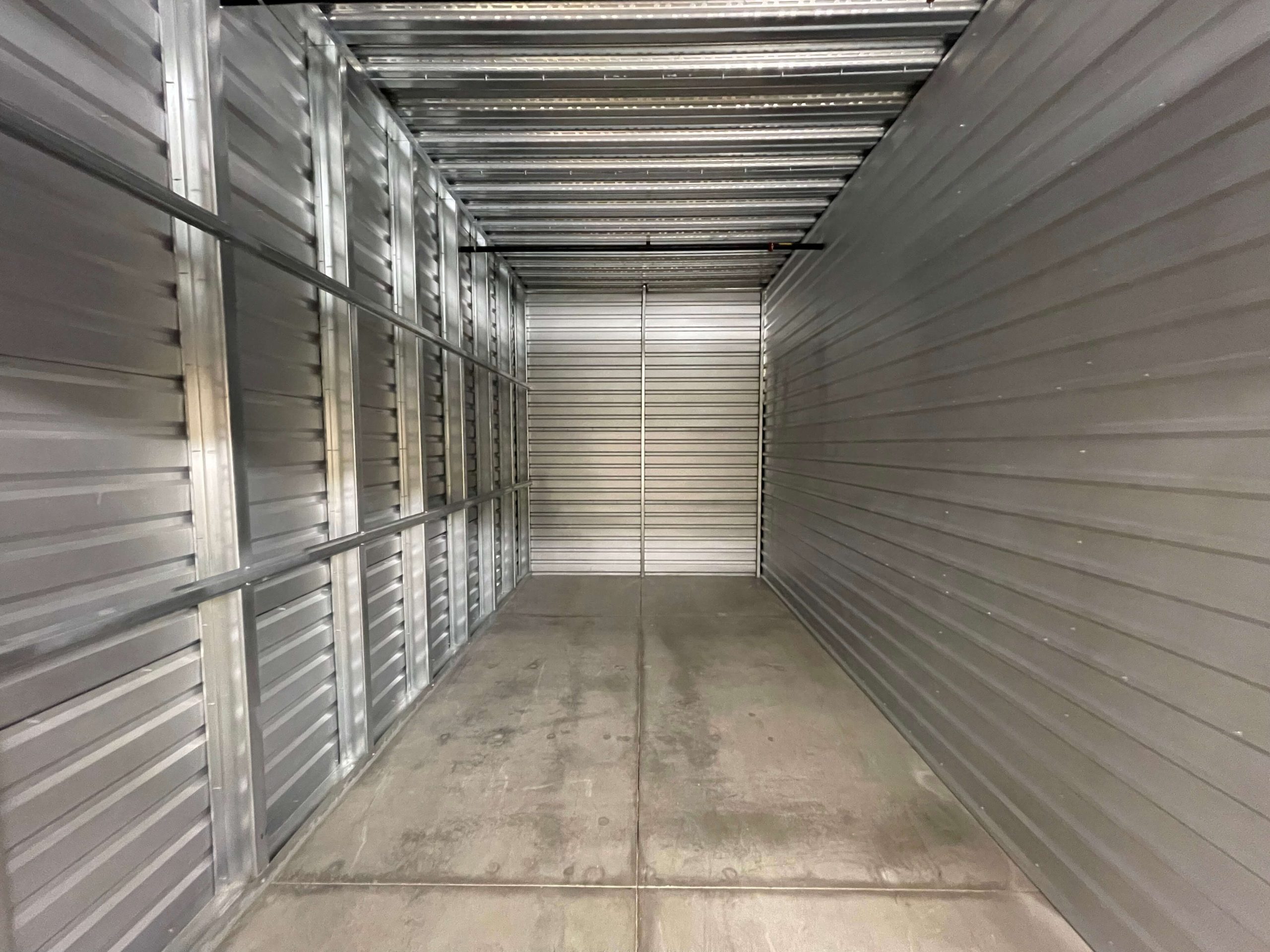
Rug Storage Ideas

Rug Storage by Material Type: What Changes and Why

Generic storage guides treat every rug identically. In practice, the fiber type changes a few specific decisions.

Wool Rugs

Wool is the most vulnerable to pest damage. Cedar protection and professional cleaning before storage are worth the effort. Wool also responds poorly to prolonged exposure to dry heat, which can make fibers brittle — another argument for climate control in Arizona specifically. Store in breathable cotton muslin or acid-free paper.

Silk Rugs

Silk rugs require the most careful handling. The fibers are delicate; rolling too tightly or storing with significant weight on the roll can distort the pile permanently. Use a large-diameter tube if possible. Wrapping in acid-free tissue paper inside a cotton muslin outer layer is the conservation standard. High-value silk rugs should be professionally cleaned and ideally stored in consultation with a rug conservator.

Jute and Natural Fiber Rugs

Jute, sisal, seagrass, and similar plant-fiber rugs are highly susceptible to moisture damage. Even moderate humidity will cause mold and mildew to develop relatively quickly. These rugs benefit the most from rigorous moisture control and should not be stored in any environment that isn’t actively climate-controlled in Arizona.

Synthetic Rugs (Polypropylene, Nylon, Polyester)

Synthetics are the most forgiving to store. They’re not vulnerable to moths or mold in the same way natural fibers are. Sustained extreme heat can still cause some synthetics to distort or off-gas, so climate control is still preferable, but the consequences of a less-than-ideal environment are less severe than with natural fiber rugs.

Antique and Hand-Knotted Rugs

These deserve the most conservative approach: professional cleaning, professional assessment of the backing condition before rolling, acid-free materials throughout, climate-controlled storage, and a periodic inspection schedule. If the rug has significant monetary or sentimental value, treat it accordingly.

What to Do If You’re Storing a Rug During a Move or Renovation

Rugs stored for short periods — a few weeks during a renovation — still benefit from the same preparation steps, though the consequences of shortcuts are lower. The cleaning step is still worth doing; dust and debris trapped in the pile during renovation will be much harder to remove later. The wrapping step is especially important to protect against construction dust.

If you’re using storage as a staging point during a move, read our post on how to use a storage unit during a move for a broader look at managing belongings through the transition.

For organizing everything else you’re storing alongside the rug, our guide to organizing a storage unit covers layout strategies that make retrieval easier when you’re ready to bring things back out.

Frequently Asked Questions

Should I roll a rug pile-in or pile-out?

For most rugs, pile facing inward is the right approach. Rolling pile-in protects the rug’s face from abrasion and compression against the wrapping material, with the more durable backing facing out. The exception is antique or very delicate rugs with fragile pile knots, where rolling pile-out reduces stress on the foundation. When in doubt about a high-value piece, consult a professional rug cleaner or conservator.

Can I store a rug in a garage in Arizona?

It depends on the rug and the timeframe. For a synthetic rug stored for a few weeks, a garage is probably fine. For a wool, silk, or jute rug stored through an Arizona summer, a garage is a genuinely bad environment: temperatures inside an unventilated garage regularly exceed 110°F, which can dry out natural fibers, degrade adhesive backings, and cause permanent color change. A climate-controlled storage unit is the better choice for any natural-fiber rug stored in Arizona for more than a few weeks.

How long can a rug stay in storage?

Rugs stored correctly in a climate-controlled environment can remain in good condition for years. The main risks that increase over time are pest infestation and fiber brittleness from sustained conditions. Periodic checks every few months and the use of refreshed cedar pest deterrents significantly extend the storage period. Rugs stored in poor conditions can begin to show damage within weeks.

Can you fold a rug for storage?

No, not for anything longer than a day or two of transport. Folding creates hard creases in the pile and backing that may be permanent, particularly in wool, jute, and older rugs where the fibers have less elasticity. Even a fold that seems to relax after unrolling may leave a lasting impression on the backing structure, affecting how the rug lies flat.

Do rugs need to be stored in a climate-controlled unit?

In most of the United States, a dry, temperate space is sufficient for short-term storage. In Arizona, the answer is more straightforwardly yes for anything stored through the summer: temperatures in non-climate-controlled units regularly exceed safe thresholds for natural fiber rugs, and monsoon season creates humidity spikes that promote mold even in an otherwise dry climate. For natural fiber rugs stored longer than a few weeks in Scottsdale, climate control is the practical choice.

What is the best way to store a large area rug?

Clean it thoroughly, roll it (don’t fold) with the pile facing in, wrap it in breathable acid-free paper or cotton muslin, and store it upright on its end in a climate-controlled indoor space. For very large rugs that can’t be stood upright, store horizontally on a pallet and rotate the roll every few weeks to prevent compression flat spots.

How do I protect a stored rug from moths and insects?

Thorough cleaning before storage removes the oils and debris that attract pests. Cedar blocks, cedar chips, or lavender sachets placed inside and around the roll provide a natural deterrent. Replace or refresh cedar every few months. For valuable wool or silk rugs, consult a professional about appropriate protection before long-term storage — some common pesticide products are harmful to natural dyes.

Storing Rugs in Scottsdale: The Bottom Line

The standard advice — clean it, roll it, wrap it, store it somewhere cool — is right. It just leaves out the parts where things go wrong: the between-step decisions about roll direction, wrapping material, positioning, and environment.

In Arizona specifically, the environmental question is the most consequential one. A well-prepared rug stored in a non-climate-controlled space through a Scottsdale summer is taking a real risk that a well-prepared rug in a climate-controlled indoor unit simply isn’t. The preparation still matters; the environment determines whether that preparation holds.

McDowell Mountain Community Storage offers fully air-conditioned indoor storage units at 10101 E. McDowell Mountain Ranch Rd, Scottsdale, AZ 85260, with flexible month-to-month leases and no exterior roll-up doors. If you have questions about which unit size works best for rugs plus the other belongings you’re storing, our space estimator tool is a good starting point, and our frequently asked questions page covers what you need to know before renting.

To reserve a climate-controlled storage unit in Scottsdale, you can book online or call us at (602) 899-5484. We’re open Monday through Saturday 9am to 6pm and Sunday 10am to 4pm.

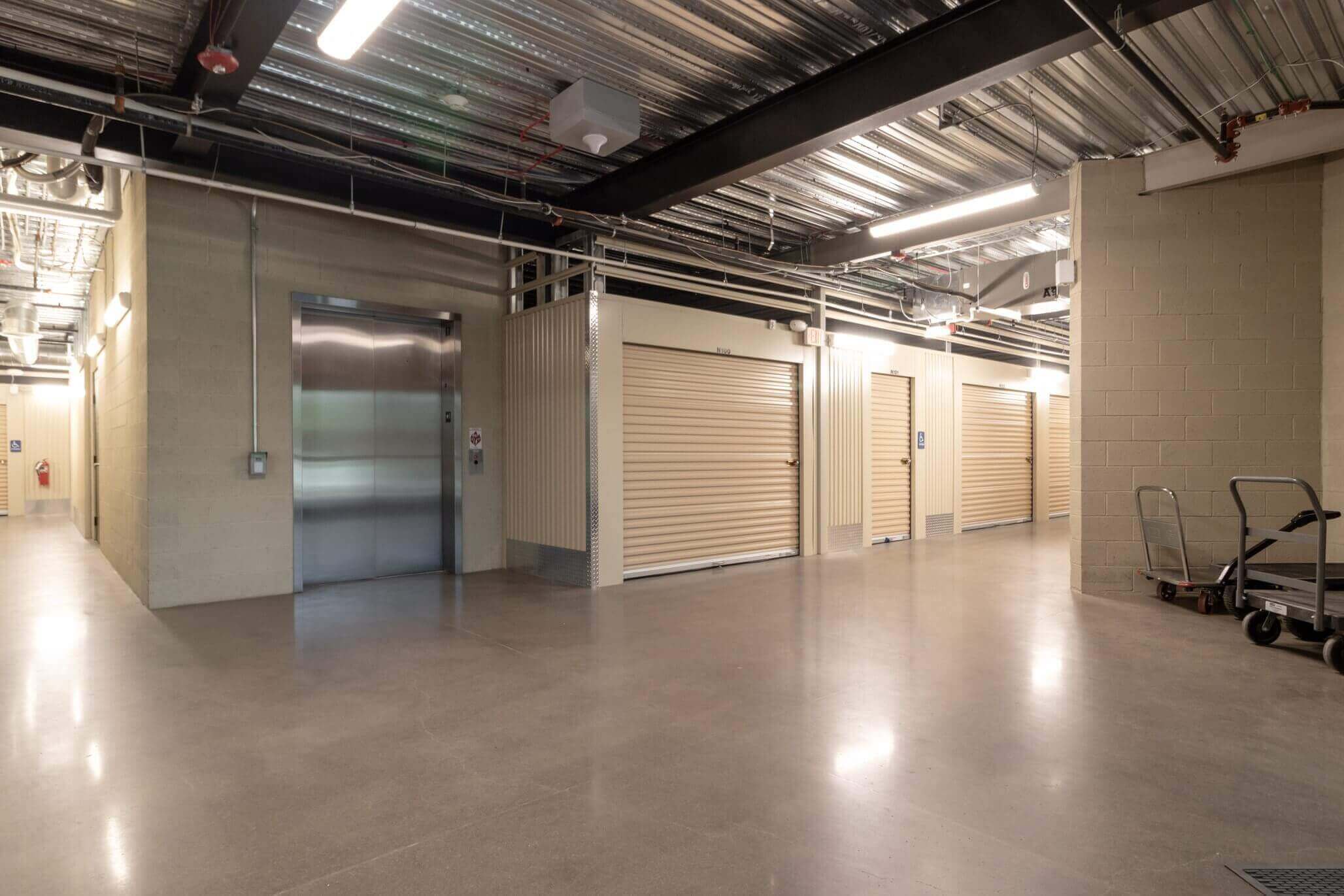
Storage Tips for Snowbirds in Scottsdale: Everything You Need to Know

Every year, thousands of snowbirds flock to Scottsdale, Arizona to escape harsh northern winters and enjoy the warm desert sunshine. But when the temperatures up north finally turn bearable again, the question every seasonal resident faces is the same: what do you do with everything you brought with you? Shipping it all back is expensive. Moving it every time is exhausting. That’s where self-storage in Scottsdale becomes a game-changer.

At McDowell Mountain Community Storage, we work with snowbirds across Scottsdale and the greater Phoenix area every season. In this guide, we’ve compiled our best storage tips for snowbirds in Scottsdale, from choosing the right unit size to protecting your belongings through Arizona’s extreme summer heat. Whether this is your first winter season here or you’ve been coming for decades, these tips will save you time, money, and stress.

What Is a Snowbird? Understanding the Scottsdale Seasonal Lifestyle

“snowbird” is someone, typically a retiree or remote worker, who spends winters in a warm-weather destination and returns to their primary home in spring or summer. Scottsdale is one of the most popular snowbird destinations in the United States, thanks to its mild winters, world-class golf, vibrant dining scene, and outdoor recreation opportunities.

Most snowbirds spend three to six months in Scottsdale, typically arriving in October or November and departing in March or April. During that time, they often bring cars, bicycles, golf clubs, seasonal wardrobe items, kitchen supplies, décor, and more, creating a real need for flexible, secure, and affordable seasonal storage solutions.

Why Self-Storage Is the Smartest Choice for Scottsdale Snowbirds

Renting a self-storage unit in Scottsdale gives snowbirds the flexibility to store belongings securely without paying for extra luggage, shipping freight, or leaving valuables unattended in a vacation home. Here’s why it makes sense:

  • Avoid costly shipping fees every time you travel north and south.
  • Protect your belongings from summer heat while you’re away, especially important in Scottsdale, where temperatures routinely exceed 110°F.
  • Declutter your rental or vacation home for a more comfortable, organized stay.
  • Keep seasonal gear on hand. Golf clubs, bikes, pool floats, and outdoor furniture without hauling it cross-country.
  • Flexible month-to-month rental options that match your exact stay length.

Learn more about how self-storage can make your transition easier, whether you’re arriving in Scottsdale for the first time or heading back home for the summer.

Choosing the Right Storage Unit Size for Snowbirds

One of the most important storage tips for snowbirds in Scottsdale is selecting the right unit size from the start. Too small and you’re cramming things in unsafely. Too large and you’re paying for space you don’t need. Use our storage unit size guide or space estimator tool to get started.

Common Unit Sizes for Snowbirds

  • 5×5 storage unit: Perfect for boxes of seasonal clothing, shoes, small décor items, and personal belongings. Think of it as a large walk-in closet. See what fits in a 5×5.
  • 5×10 storage unit: Great for golf clubs, bikes, small furniture pieces, and several boxes. Learn more about 5×10 units.
  • 10×10 storage unit: Ideal for snowbirds bringing the contents of a small apartment or condo, furniture, appliances, clothing, and more. What fits in a 10×10?.
  • 10×15 or 10×20 storage unit: Best for snowbirds with larger furnishings, vehicles, or those moving the contents of a full home temporarily. Explore 10×15 units or 10×20 units.

Not sure? Our ultimate storage unit size guide walks you through everything to consider before booking.

The #1 Tip: Always Choose Climate-Controlled Storage in Scottsdale

If there’s one piece of advice every snowbird in Scottsdale absolutely must follow, it’s this: always choose a climate-controlled storage unit.

Scottsdale summers are brutal. Temperatures regularly reach 110°F to 115°F, and storage units without climate control can become superheated ovens that warp wood, crack leather, melt electronics, ruin artwork, and destroy clothing. If you’re leaving your belongings behind when you head north for the summer, a climate-controlled unit isn’t optional, it’s essential.

McDowell Mountain Community Storage offers fully air-conditioned, indoor units that maintain stable temperatures year-round. Read more about the benefits of climate-controlled storage and why it matters especially in Arizona’s extreme climate.

Items that absolutely require climate-controlled storage include:

How to Prepare Your Belongings Before Putting Them in Storage

Proper preparation before you leave for the summer is critical to keeping your items in excellent condition. Follow these snowbird storage tips before you lock up your unit:

1. Clean Everything Thoroughly

Dirt, food residue, and moisture are the enemies of stored items. Clean all furniture, appliances, clothing, and gear before storage. Even small amounts of leftover food in appliances can attract pests and cause mold.

2. Disassemble Large Furniture

Take apart bed frames, tables, and shelving to save space and reduce the risk of damage. Wrap all hardware in labeled bags and tape them to the corresponding piece. Read our guide to storing furniture in a storage unit for step-by-step instructions.

3. Use Proper Packing Materials

Invest in quality packing supplies for your move into storage. Use sturdy boxes, packing tape, bubble wrap, furniture pads, and plastic bins. Check out our recommended essential packing supplies for an efficient move into storage.

4. Pack Fragile Items with Extra Care

Wrap breakables individually and mark boxes clearly. Review the best ways to pack fragile items for storage to avoid returns home to broken valuables.

5. Label Every Box

This one is overlooked more than any other tip. Label every box with both the contents and the room it belongs to. When you return next fall, you’ll thank yourself. See our guide on how to label and organize stored boxes for maximum efficiency.

6. Create a Storage Inventory

Before you close up the unit, document everything you’ve stored with photos or a written list. This is invaluable for insurance purposes and helps you remember what’s inside. Learn how to create an inventory for your storage unit.

How to Organize Your Storage Unit for Easy Access

Snowbirds often access their storage units at both ends of the season, unloading when they arrive and reloading when they leave. Smart organization makes this process much faster and easier.

  • Place frequently accessed items near the front of the unit. Seasonal clothing, golf clubs, or items you’ll grab early in your stay.
  • Stack heavier boxes on the bottom and lighter ones on top.
  • Use shelving units to keep items off the floor and improve visibility.
  • Leave a central aisle so you can walk in and reach items without unpacking everything.
  • Group items by category. Kitchen, clothing, outdoor gear, documents, so you know exactly where to look.

For more inspiration, read our guide on smart storage layout ideas for small units and how to organize a storage unit.

Storing Vehicles and Outdoor Equipment as a Scottsdale Snowbird

Many snowbirds bring vehicles, cars, golf carts, motorcycles, or bicycles to Scottsdale for the season. If you’re leaving a vehicle behind when you head north, proper vehicle storage is essential to prevent damage from Arizona’s extreme summer heat.

  • Disconnect the battery or use a trickle charger to prevent it from dying.
  • Add a fuel stabilizer if the vehicle will sit for more than a month.
  • Over-inflate tires slightly (check your manual) to prevent flat spots.
  • Use a quality cover to protect against dust and UV rays even in an indoor unit.
  • Store in a climate-controlled unit whenever possible to protect seals, tires, and electronics.

Check out our blog post on whether you can store a car in a storage unit for detailed guidance.

Security: Keeping Your Belongings Safe While You’re Away

Leaving your belongings unattended for months at a time makes storage facility security a top priority for snowbirds. Not all storage facilities are created equal. When evaluating your options, look for:

  • 24/7 digital security cameras. McDowell Mountain Community Storage features 4K digital security cameras throughout the facility.
  • Gated, keypad-controlled access so only authorized tenants can enter.
  • Well-lit indoor facilities with no exterior access points.
  • On-site management during business hours.

McDowell Mountain Community Storage is completely internalized, meaning all units are indoor with no exterior roll-up doors, providing an added layer of protection. Learn more about the security features to look for in a storage facility, and review ways to keep your stuff safe in a self-storage unit.

Do Snowbirds Need Storage Unit Insurance?

Yes, and this is a step many snowbirds skip to their regret. Storage unit insurance protects your belongings in the event of theft, fire, water damage, or other unforeseen circumstances. Your homeowner’s or renter’s insurance policy may cover stored items, but it’s important to verify this before assuming you’re protected.

Review our detailed guide on whether you need insurance for your storage unit, and make sure your coverage travels with you.

Storage Tips for Snowbirds in Scottsdale AZ

Short-Term vs. Long-Term Storage: What’s Right for Snowbirds?

Most snowbirds need storage for three to six months at a time, which puts them squarely in the short-to-medium-term rental category. McDowell Mountain Community Storage offers flexible month-to-month leases with no long-term commitment required, so your rental matches your season perfectly.

Learn the difference between short-term vs. long-term storage to make sure you’re choosing the right arrangement. And if you’re thinking about what to expect on costs, our guide on how much a storage unit costs per month will give you a realistic picture.

Tips for Moving Into and Out of Your Storage Unit Each Season

The seasonal rhythm of snowbird life means you’ll be loading and unloading your storage unit twice a year. Making this as efficient as possible saves time and energy.

  1. Arrive with a plan. Know which items you’re retrieving first and have them placed near the front of your unit.
  2. Bring the right supplies. Keep a small kit of packing tape, markers, and trash bags in your unit for the unloading process.
  3. Do a condition check. When you return in the fall, inspect items for any signs of damage before unpacking everything.
  4. Update your inventory. Add or remove items from your list each time you access the unit.
  5. Re-organize as you go. Each season is an opportunity to improve your unit’s layout.

Read our helpful posts on how to use a storage unit during a move and how to organize your belongings before using storage for more guidance.

Common Snowbird Storage Mistakes to Avoid

Even experienced snowbirds make storage mistakes that end up costing them. Here are the most common ones and how to avoid them:

  • Skipping climate control: In Scottsdale’s summer heat, this is the costliest mistake you can make. Always choose an air-conditioned unit.
  • Not labeling boxes: Trying to find a specific item in an unlabeled unit is a nightmare.
  • Overpacking boxes: Heavy boxes are harder to move and more prone to breaking.
  • Storing prohibited items: Flammables, perishables, and hazardous materials are never allowed. See what not to put in a storage unit.
  • Forgetting insurance: Months away from your unit with no coverage is a risk not worth taking.
  • Choosing the wrong size: Use our space estimator to avoid over- or under-renting.

Dive deeper into our list of common self-storage mistakes to avoid before you book your unit.

Why Choose McDowell Mountain Community Storage for Snowbird Storage?

McDowell Mountain Community Storage is located at 10101 E. McDowell Mountain Ranch Rd, Scottsdale, AZ 85260. Ideally positioned for snowbirds in north Scottsdale, Fountain Hills, Cave Creek, and Carefree. Here’s why seasonal residents trust us year after year:

  • 100% indoor, climate-controlled units: All units are air-conditioned and fully enclosed, protecting your belongings from Scottsdale’s extreme summer temperatures.
  • 660+ units ranging from 5×5 to 10×25: Plenty of size options to match your needs.
  • Flexible month-to-month leases: Rent for exactly the season you need, nothing more.
  • 4K digital security cameras and keypad-controlled access for maximum security.
  • Multiple loading docks and 2 elevators for easy move-in and move-out.
  • Locally owned and operated: Our team knows Scottsdale and understands the snowbird lifestyle.
  • Open 7 days a week: Monday–Saturday 9AM–6PM, Sunday 10AM–4PM.

Rent a unit today or call us at (602) 899-5484 to speak with our team. You can also browse our frequently asked questions or storage tips page for additional guidance.

Final Thoughts: Make the Most of Your Scottsdale Season with Smart Storage

Being a snowbird in Scottsdale is one of life’s great pleasures. Warm winters, beautiful landscapes, and a thriving community of fellow seasonal residents. But smart snowbird storage is what makes the lifestyle truly seamless. When your belongings are organized, protected, and ready for you each season, coming and going becomes effortless.

Whether you need a small unit for a few boxes of seasonal gear or a large space to store furniture and a vehicle, McDowell Mountain Community Storage has the climate-controlled, secure, and flexible storage solutions that Scottsdale snowbirds rely on. Reserve your unit online or stop by and see the facility for yourself. We’d love to be part of your Scottsdale story.

Storage Solutions for Artists, Collectors, and Hobbyists

Smart Storage Solutions For Artists, Collectors, And Hobbyists

At McDowell Mountain Community Storage, we provide reliable, flexible storage solutions designed to protect art, materials, artworks, and creative investments of every size. From the individual artist organizing art supplies, paint, and tools in a studio space or office, to hobbyists storing creative materials in a drawer or box, to serious collectors managing extensive collections, we understand that the right way to store art is essential for long-term success. Our storage features are built to support organization, accessibility, and efficient use of space while providing clear information that helps clients make confident storage decisions.

We focus on protecting artworks from damage while supporting practical workflows that adapt to real-world creative needs. By offering storage solutions that maintain stable environments and reduce handling risks, we help preserve artistic integrity and long-term value. Whether managing a single studio space or overseeing an extensive collection, our approach ensures that every artist and collector has a dependable solution that grows alongside their creative journey.

Professional Storage Supports Creative Work And Long-Term Value

Creative work depends on safe storage in the right place and room to maintain long-term quality. Paintings, drawings, prints, sculptures, photographs, and mixed-media artwork all require specific conditions to remain in good condition. We help artists and collectors safeguard each piece of an art collection by offering professional art storage solutions, including secure storage racks and well-planned units designed to protect against moisture, dust, light exposure, temperature fluctuations, and physical damage. Every storage area is structured to support both protection and accessibility.

Art storage is not one-size-fits-all, and effective organization depends on selecting the proper method for each material. Paper, canvases, glass, paints, brushes, pencils, frames, and portfolios all benefit from tailored storage approaches. Our solutions are designed to accommodate a wide variety of sizes, surfaces, and materials while preserving integrity, reducing handling risks, and supporting efficient retrieval across every art storage area.

Organized Storage Preserves Artwork Condition And Accessibility

Proper organization is a critical factor in art preservation, especially for each painting and finished piece within a collection. When artwork and supplies are stored without structure, the risk of scratches, discoloration, bending, or deterioration increases. We encourage the use of shelves, racks, cabinets, drawers, and bins to keep every painting and related items separated, visible, and protected.

Boxes, containers, and compartments help prevent contact between pieces and reduce unnecessary handling. Foam inserts, labeled drawers, and stackable bins allow artists and collectors to access items quickly without disturbing the rest of the collection. This organized approach protects artwork while saving time and reducing stress in the studio or workspace.

Climate Control Protects Against Environmental Damage

Environmental factors play a significant role in preserving art. Temperature, humidity, airflow, and light exposure all affect how materials age over time. We offer storage environments designed to minimize moisture, reduce dust accumulation, and maintain stable temperature conditions.

Fluctuations in temperature and humidity can cause warping, cracking, mold growth, and adhesive failure. By storing art in a controlled environment, collectors and artists reduce the risk of long-term damage and maintain the original condition and value of their masterpieces. Climate-aware storage is essential for paper, canvases, photographs, and painted surfaces.

Flexible Storage Options Support Artists And Hobbyists

Artists and hobbyists often need storage that evolves with their creative process. Our storage options support flexibility, allowing users to store tools, supplies, and finished artwork in one secure location. From paints and brushes to bottles, jars, and specialty products, we provide space that adapts to changing inventory.

Portable, modular, and stackable storage solutions allow artists to scale up or down as needed. Whether storing a small hobby collection or managing a growing body of work, we help create efficient systems that maximize available space without compromising safety or accessibility.

Storage Units Accommodate Artwork Of All Sizes

Artwork comes in many sizes, from small sketches and prints to large paintings and sculptures. Our storage units are designed to accommodate a full range of dimensions, including oversized canvases, framed pieces, and three-dimensional works.

Floor space, wall storage, vertical racks, and shelving systems allow for safe placement without stacking artwork in a way that could cause damage. We recommend separating pieces by size and type to reduce pressure and prevent accidental scratches or breakage. Proper spacing also improves airflow, further protecting delicate materials.

Secure Storage Protects Investment And Artistic Value

Art is both a creative expression and a valuable asset. Collectors and galleries rely on secure storage to protect their investments from theft, environmental damage, and accidental loss. Our storage solutions emphasize safety, controlled access, and secure placement to protect collections of all types.

By using lockable cabinets, designated storage units, and well-organized containers, we help maintain each piece’s integrity. Secure storage also supports accurate inventory management, ensuring that every artwork, tool, and supply is accounted for and easy to retrieve.

Specialized Storage Supports Different Art Types

Different art forms require different storage methods. Paintings benefit from upright storage on racks or shelves that prevent surface contact. Drawings and prints are best stored flat in drawers or portfolios to prevent bending. Sculptures require stable surfaces and adequate space to avoid tipping or pressure points.

Photographs and paper-based artwork need protection from light, humidity, and acidic materials. Using appropriate boxes, archival containers, and labeled compartments helps preserve these items over time. We help artists and collectors match the proper storage solution to each type of artwork.

Studio Storage Improves Workflow And Creativity

A well-organized studio or workspace enhances creativity and productivity. When tools, materials, and supplies are readily accessible, artists spend less time searching and more time creating. Our storage solutions support efficient studio organization by providing designated areas for paints, brushes, tools, and works in progress.

Drawers, cabinets, shelves, and wall-mounted storage keep surfaces clear and protect items from accidental spills or damage. Clear labeling and logical organization methods improve workflow and help maintain a clean, functional studio environment.

Storage Solutions Reduce Wear And Handling Damage

Frequent handling is a common cause of damage to artwork. Improper storage increases the need to move items repeatedly, raising the risk of scratches, tears, and surface wear. Organized storage reduces unnecessary handling by making retrieval straightforward and efficient.

By storing artwork in accessible, well-labeled locations, artists and collectors minimize contact and protect delicate surfaces. This approach is essential for valuable or fragile pieces that require careful preservation.

Long-Term Preservation Requires Strategic Storage Planning

Preservation is a long-term commitment. Storage decisions made today directly affect how artwork looks years or decades from now. We encourage artists and collectors to consider future needs when selecting storage solutions, including potential collection growth and changing storage requirements.

Strategic planning includes choosing appropriate unit sizes, incorporating modular storage systems, and maintaining consistent environmental conditions. This proactive approach helps prevent deterioration and ensures that collections remain protected as they evolve.

Storage Accessibility Supports Efficient Collection Management

Easy access to stored items is essential for effective collection management. Whether preparing for an exhibition, rotating displays, or reviewing inventory, accessible storage saves time and reduces risk. Our solutions prioritize clear pathways, logical layouts, and efficient organization.

Bins, shelves, and racks arranged by category, size, or medium allow for quick identification and retrieval. This system supports both individual artists and larger collectors who manage extensive collections.

Proper Storage Enhances Display And Exhibition Preparation

Storage plays a key role in preparing artwork for display. Well-preserved pieces maintain their visual impact and structural integrity when moved from storage to galleries or display spaces. By protecting artwork from environmental stress and physical damage, storage supports successful exhibitions.

We help ensure that artwork remains exhibition-ready by providing clean, stable environments and organized storage methods that prevent deterioration during downtime.

Storage Solutions Adapt To Changing Creative Needs

Creative needs change over time. New tools, materials, and projects require additional space and different storage configurations. At McDowell Mountain Community Storage, our storage options are designed to adapt, offering flexibility for artists, hobbyists, and collectors at every stage.

Modular units, adjustable shelving, and stackable containers allow for easy reconfiguration. This adaptability supports experimentation and growth without requiring constant replacement of storage systems.

Organized Inventory Supports Accountability And Planning

Accurate inventory management is essential for collectors and professional artists. Organized storage simplifies tracking artwork, supplies, and tools. Labeling systems, designated compartments, and clear organization methods improve accountability and reduce the risk of loss.

Maintaining an up-to-date inventory also supports insurance documentation, sales preparation, and collection planning. We encourage storage systems that make inventory management straightforward and reliable.

Environmental Awareness Protects Artistic Integrity

Understanding the environment in which artwork is stored is essential for preservation. Factors such as airflow, light exposure, and temperature stability influence how materials age. By offering climate-controlled storage units, we ensure artworks are protected from environmental fluctuations, supporting their longevity and maintaining their integrity over time.

Reducing exposure to direct light prevents fading and discoloration. Proper airflow minimizes moisture buildup and mold risk. Stable temperatures prevent expansion and contraction that can damage surfaces and structural components.

Storage Methods Support Both Short-Term And Long-Term Needs

Some artwork requires temporary storage between projects or exhibitions, while other pieces need long-term preservation. Whether you need short-term vs. long-term storage, our solutions accommodate both scenarios by offering flexible access and consistent protection.

Short-term storage benefits from easy retrieval and adaptable organization, while long-term storage prioritizes environmental stability and minimal handling. We help clients choose the proper method for each situation.

Practical Tips to Improve Art Storage Effectiveness

Practical art storage benefits from thoughtful planning and attention to detail. Using appropriate boxes, avoiding overcrowding, and maintaining clean storage areas all contribute to better preservation. We recommend regular checks to ensure conditions remain stable and items remain properly organized.

Simple practices such as rotating stored items, updating labels, and monitoring environmental factors can significantly extend the lifespan of artwork and materials.

Reliable Storage Supports Creative Communities

At McDowell Mountain Community Storage, we serve artists, collectors, hobbyists, and creative professionals who value protection, organization, and accessibility. Our storage solutions support creative communities by providing safe, adaptable spaces for artwork, supplies, and tools.

Proper storage is an essential part of the creative process. By protecting materials, preserving artwork, and supporting efficient workflows, we help artists and collectors focus on what matters most—creating, collecting, and sharing meaningful work with the world.

Frequently Asked Questions (FAQs)

How Do I Choose The Right Storage Unit Size For My Art Collection?

Selecting the right unit size depends on the number, size, and type of artworks you plan to store, as well as future growth. We recommend allowing extra space to ensure safe spacing, airflow, and easy access, preventing overcrowding.

Can Art Storage Be Used For Business Inventory Or Online Art Sales?

Yes, art storage can support business inventory for artists selling online or through galleries. Organized storage allows for secure inventory management, easy retrieval, and efficient order fulfillment.

What Packing Materials Are Best For Transporting Artwork Into Storage?

Acid-free paper, foam padding, protective sleeves, and sturdy boxes are ideal for transporting artwork. Using proper materials helps prevent scratches, pressure damage, and exposure during handling.

How Often Should Stored Artwork Be Inspected Or Rotated?

Stored artwork should be inspected periodically to ensure stable conditions and identify any early signs of damage. Regular checks help maintain preservation standards and provide peace of mind.

Is Art Storage Suitable For Collaborative Studios Or Shared Creative Spaces?

Art storage works well for collaborative environments where multiple artists share resources and space. Designated areas and labeled storage help maintain organization and accountability.

Can Storage Units Accommodate Ongoing Projects And Works In Progress?

Yes, storage units can be used for both completed artwork and works in progress. Flexible layouts allow artists to safely store unfinished pieces without disrupting their workflow.

What Are The Best Practices For Storing Framed Versus Unframed Artwork?

Framed artwork should be stored upright with spacing to prevent pressure on the glass and frames. Unframed pieces are best stored flat in drawers or portfolios with protective layers.

How Does Long-Term Storage Affect Insurance Coverage For Art Collections?

Insurance requirements vary, but proper storage can support coverage by reducing risk and documenting preservation efforts. Keeping organized inventory records is also beneficial for claims and valuations.

Are There Storage Solutions That Support Seasonal Or Rotating Exhibitions?

Yes, accessible storage makes it easy to rotate artwork for seasonal displays or exhibitions. Organized systems allow for smooth transitions between storage and display.

What Common Storage Mistakes Should Artists And Collectors Avoid?

Common mistakes include overcrowding, improper packing, and ignoring environmental conditions. Avoiding these issues helps prevent unnecessary damage and long-term deterioration.

Military Storage & Organization Tips: Preparing Your Home for Long-Term Moves

Military moves can be some of the most challenging transitions a family experiences. Between orders, deployments, and PCS moves, service members and their families face unique logistics and timelines that require careful strategy and planning. At McDowell Mountain Community Storage, we help families categorize their household goods, electronics, and other belongings to create an optimized arrangement that makes life during a move more manageable. By providing secure storage units and expert guidance, we ensure that every item has a designated place, giving families peace of mind that nothing is lost or overlooked.

Our goal is to support service members and their families through every step of the moving process, offering tailored options to meet their unique needs. From selecting the ideal storage unit location to developing an organized system for packing and storing things, we provide ideas and solutions that streamline transitions and protect belongings. By helping families optimize space, categorize possessions, and maintain an efficient arrangement, we make relocations easier and ensure everything is ready for transport or long-term storage.

Plan Moves Early to Minimize Stress

We understand that timing is crucial during military relocations. Early planning allows us to coordinate storage needs, transportation, and household logistics efficiently. Starting the process as soon as PCS orders arrive gives families more options for unit sizes, locations, and climate-controlled facilities. Creating a step-by-step timeline for packing, inventorying, and storage placement reduces the chances of last-minute stress. It ensures that all household items, documents, and valuables are accounted for.

Create an Inventory System for All Belongings

Organization starts with knowing exactly what we are storing and understanding the type of items each family member needs to keep safe. At McDowell Mountain Community Storage, we help develop a comprehensive inventory of household goods, electronics, furniture, clothing, and keepsakes, ensuring every box and container is accounted for. Creating categories for boxes, labeling contents clearly, and maintaining a master list or digital binder with photos of valuable items are crucial parts of our process. This approach gives each family a clear idea of what is stored, provides an option for organizing belongings, and makes it easier to answer questions about specific items when needed.

In addition, we guide families through the paperwork and documentation associated with self-storage, including insurance, receipts, and special handling instructions for delicate or high-value items. For example, for important documents or keepsakes, keeping them in a designated, labeled box ensures they are easily accessible while still secure. By integrating these practices into every storage arrangement, we help families protect their belongings, streamline retrieval, and maintain an organized system that becomes a trusted part of their moving or deployment strategy for their house, with support from our company every step of the way.

Use a Strategic Labeling System

A consistent labeling system allows us to locate items quickly and avoid confusion during deployment or relocation. We label boxes by room, category, and priority, using clear markers for fragile items, electronics, clothes, or other essential household goods. Including a brief description of each box’s contents answers common questions and ensures that anyone accessing the storage facility can identify items without opening multiple containers, saving time and preventing potential damage.

We also provide detailed guidance on the care of sensitive belongings, including items that require extra attention, pets, and delicate items. By keeping essential details on hand and maintaining organized records, we simplify storage and make it easier for families to manage payments, track possessions, and handle any situation that arises during a PCS move, deployment, or long-term storage.

Maximize Space with Smart Packing

Efficient packing optimizes storage space while protecting belongings. We recommend using sturdy boxes, containers with lids, and proper padding for electronics, kitchenware, and fragile decor. Furniture such as bed frames or dressers can be disassembled and stored flat to save room. Bags, totes, and vacuum-sealed containers help reduce clutter and maximize available space. By strategically arranging items, we make it easier to access frequently used possessions and prevent damage caused by overcrowding.

Protect Household Goods with Climate-Controlled Units

Certain items, including electronics, documents, clothing, and kitchenware, are sensitive to humidity and temperature changes. The benefits of climate-controlled storage units include protection against mold, warping, and other forms of deterioration. This type of storage is especially valuable for families with heirlooms, essential records, or delicate possessions. Maintaining a stable environment ensures that belongings remain in the same condition when retrieved, providing peace of mind during long-term storage.

We also support spouses and family members by offering assistance and guidance to maximize the benefits of storage during a PCS move or deployment. Some key advantages include:

  • Protecting electronics, documents, and clothing from damage caused by humidity or temperature fluctuations.
  • Keeping valuable household items and heirlooms in a secure, organized environment.
  • Providing peace of mind that nothing, from something as small as a keepsake to anything essential for daily life, is at risk.
  • Offering assistance with storage planning, labeling, and arranging items to prevent issues during transit or long-term storage.
  • Helping a family member manage an order, paperwork, and other logistical tasks related to storing household goods.
  • Ensuring that many essential items remain accessible and safe until they are needed at the destination or new duty station.

Secure Storage Facilities for Peace of Mind

Security is a top priority for us. Our storage facilities include surveillance cameras, gated access, and individual unit locks to safeguard your possessions. Families can trust that their boxes, furniture, appliances, and vehicles are protected, whether they are deployed, transitioning between duty stations, or awaiting transportation. Knowing that a secure facility houses valuable household items allows service members and spouses to focus on other aspects of their move without constant worry.

Streamline the Packing Process with Tools and Supplies

Having the right tools and packing supplies reduces stress and ensures that all belongings are stored safely. We provide guidance on selecting boxes, bubble wrap, packing paper, and moving tape. Essentials such as labels, markers, and containers for documents or small items help keep everything organized. Using these tools systematically makes the packing process faster, safer, and more efficient for families managing multiple PCS moves or deployments.

Coordinate with Transportation Offices and Movers

Military relocations often involve coordination with the Transportation Office, NTS, or government-approved moving companies. We assist families in understanding timelines, weight limits, and documentation required for household goods shipments. Our storage units can serve as temporary holding areas for items awaiting delivery, inspection, or transport to a new duty station. By integrating storage solutions into the official moving process, we help families minimize delays, costs, and logistical challenges.

Declutter and Prioritize Household Items

One of the most effective ways to reduce stress and expenses during a military move is to declutter before storing. We guide families in deciding which things are essential, which can be donated or sold, and which are best left in storage for future use. This approach not only optimizes space but also ensures that the storage unit contains only items that will truly be needed or cherished at the destination, whether it’s a new base in the country or a different part of the world. By carefully evaluating each item, families can make a real difference in the efficiency of their move while minimizing unnecessary handling.

We also consider the needs of every family member, from kids’ toys and clothing to a car or larger household items. This planning gives a clear advantage in organizing belongings and reduces the stress of managing multiple parts of a move at once. Whether it’s a spouse, a woman managing paperwork, friends helping with packing, or service members coordinating logistics, decluttering ensures that the process is smoother, costs are controlled, and everyone involved can focus on settling into the new home and enjoying life without being overwhelmed by unnecessary possessions.

Organize by Category to Simplify Retrieval

To organize your storage unit effectively, items should be arranged by category within the storage unit. Kitchenware, electronics, clothing, books, and toys each have designated areas, which makes retrieval easier. Furniture and appliances can be placed against walls to maximize floor space, while frequently used items are kept near the front of the unit. This systematic approach saves time and reduces the risk of damage during unpacking or multiple access times.

Protect Valuable Items and Documents

Documents, electronics, and other sensitive possessions require special attention. We advise families to store essential records, legal documents, and irreplaceable keepsakes in secure, waterproof containers or lockable boxes. Photos, video equipment, and personal electronics can be stored in climate-controlled units for added protection. By taking proactive steps to safeguard valuable items, we help prevent loss, damage, or deterioration during PCS moves or deployments.

Utilize a Variety of Storage Unit Sizes

Different families have different storage needs, from a small unit for boxes and seasonal items to a large unit for furniture and appliances. We offer a range of storage unit sizes to accommodate everything from single-person moves to significant family transitions. Choosing the right unit size ensures efficient use of space and cost-effectiveness. We help determine the ideal unit based on inventory, household items, and projected storage duration.

Provide Flexible Access and Services

Access flexibility is essential for families in transition. We provide convenient hours, secure entry, and optional delivery services to make it easier for service members and their spouses to manage storage. Whether accessing a unit during deployment, coordinating pickup of household goods, or managing a PCS move, our services are designed to fit military timelines and family schedules. This flexibility allows us to support families wherever they are in their relocation journey.

Plan for Vehicle and Specialty Item Storage

Military families, including the service member and their household, often require storage for vehicles, motorcycles, or other specialty items. We offer options to store cars, RVs, and other large possessions safely, with appropriate protection from the elements. Proper preparation includes checking fluids, cleaning, and ensuring insurance coverage. Our storage units provide peace of mind, knowing that vehicles and specialty gear remain secure while the service member and their family handle the demands of relocation. 

Manage Costs and Insurance for Peace of Mind

We assist families in understanding storage costs, insurance options, and budgeting for PCS moves. Evaluating the total storage costs versus the value of belongings helps make informed decisions. Insurance protects against damage, theft, or loss, reassuring families that their possessions are covered. We provide clear information on rates, discounts, and flexible payment options, ensuring that storage is both secure and affordable.

Maintain a Checklist for Organization and Efficiency

A detailed checklist ensures nothing is overlooked during packing and storage. We recommend documenting steps for packing, labeling, inventory, and unit placement. Including tasks such as protecting fragile items, securing electronics, and recording contents helps prevent errors. A checklist provides structure, allowing families to track progress, manage deadlines, and reduce stress during PCS moves, deployments, or extended storage periods.

Offer Expert Guidance and Support

Efficient military storage solutions and home organization tips at McDowell Mountain Community Storage in Scottsdale Arizona
Simplify packing and home organization for long-term relocations with military storage services at McDowell Mountain Community Storage in Scottsdale Arizona

Our team is experienced in handling military relocations, deployments, and PCS moves. We provide advice on storage options, packing strategies, and logistical challenges. Families benefit from our knowledge of government policies, transportation office procedures, and military-specific timelines. Our support ensures that service members and their families make informed decisions and experience a smoother, more organized transition to their new duty station or residence.

Ensure Efficient Transition Between Duty Stations

Efficient transitions are critical to minimizing downtime and reducing the burden of relocation. We coordinate storage placement with moving schedules, delivery dates, and arrival timelines. By keeping household goods, furniture, and essential items organized and accessible, families can settle into their new homes more quickly. Our systematic approach allows service members to focus on duty responsibilities while we handle the logistics of storage and inventory management.

Protect Belongings During Long-Term Deployments

Long-term deployments require extra preparation to keep possessions safe. We provide guidance on packing, climate control, and secure storage to protect items for months or even years. Furniture, electronics, documents, and clothing are all maintained in optimal conditions. This preparation reduces risk and ensures that families return to belongings in excellent condition, ready for use in their home or at a new duty station.

Support Families Through Every Step

At McDowell Mountain Community Storage, supporting families is at the heart of everything we do. From the initial decision to store items to packing, labeling, transport, and retrieval, we provide tools, services, and expertise to make military moves manageable. Our goal is to reduce stress, protect possessions, and create a reliable system for managing household goods during transitions. Families know they can rely on us for secure storage, organized systems, and professional guidance every step of the way.

Provide Resources and Tools for Military Moves

We equip families with checklists, labeling systems, inventory templates, and tips for space-saving and protection. These resources make the storage process more efficient and help families maintain organization throughout the relocation journey. By combining expert guidance with practical tools, we ensure that households remain orderly, secure, and prepared for any PCS move, deployment, or long-term transition.

Offer Peace of Mind With Trusted Storage Solutions

Ultimately, our service is about peace of mind. Military moves are inherently complex, but we simplify storage, protect belongings, and offer consistent support. Families can trust that everything from household goods to electronics, vehicles, and keepsakes is in good hands. By partnering with us, service members and their spouses can focus on their duty station, work, and family, knowing that their possessions are safe, organized, and ready for the next step in their journey.

Frequently Asked Questions (FAQs)

1. What is the best way to store military uniforms and service-specific gear for long-term deployment?

Uniforms should be folded carefully and stored in sturdy, labeled boxes or garment bags. Items prone to wrinkles or damage benefit from climate-controlled storage to protect fabric and maintain condition. Maintaining a detailed inventory of uniforms, boots, and accessories ensures nothing is lost and makes retrieval easier when needed.

2. How can a service member coordinate the storage of household goods if PCS orders are received with a very short timeline?

A rapid yet organized packing and storage strategy is essential. Prioritizing essentials, decluttering unnecessary items, and utilizing appropriately sized units helps streamline the process under tight timelines. Coordination with the Transportation Office and storage facilities ensures smooth handling of pickup, storage, and later delivery.

3. Are there special considerations for storing pets’ supplies during a military move?

Pet food, bedding, and toys should be stored in sealed containers to prevent contamination or pest issues. Items affected by humidity, such as fabric bedding, benefit from climate-controlled storage. Keeping an organized inventory of pet supplies ensures everything is accessible when needed, reducing stress for the family.

4. What documentation should a spouse keep on hand for insurance or inventory purposes in a storage unit?

Copies of receipts, shipping documents, photographs of valuable items, and a detailed inventory list are recommended. This documentation helps answer questions about the contents, facilitates insurance claims if necessary, and provides assurance that every household item is accounted for during the move or storage period.

5. Can a storage facility accommodate large military vehicles or specialty equipment beyond a standard car or RV?

Storage solutions are available for motorcycles, ATVs, boats, and other large specialty items. Proper preparation, such as cleaning, fluid checks, and ensuring insurance coverage, is essential. Secure units provide protected space for vehicles during deployments or PCS moves.

6. What are the best strategies for keeping kids’ items organized and accessible during a PCS move?

Toys, clothing, and school supplies should be categorized in labeled boxes or bins. Frequently used items can be placed near the front of the storage unit, and a color-coded or numbered system helps locate items quickly. Maintaining an inventory ensures that nothing is misplaced during multiple moves.

7. How do climate-controlled units protect delicate electronics and documents during deployments in extreme climates?

Climate-controlled storage maintains stable temperature and humidity levels, protecting electronics, documents, photographs, and other sensitive items from mold, warping, and deterioration. This ensures valuable household goods remain in optimal condition, even during long-term storage or in harsh overseas environments.

8. Are there discounts or benefits available to military families when using self storage facilities for long-term storage?

Many storage facilities offer military discounts, flexible payment plans, and tailored service packages. These benefits help reduce expenses and provide cost-effective options for storing household goods, vehicles, and other possessions during PCS moves or deployments.

9. What steps should be taken if a family needs to access storage units while the service member is deployed overseas?

Flexible access options for spouses or authorized family members allow responsible management of the storage unit. Ensuring that keys or access codes are available, maintaining a detailed inventory, and keeping necessary documentation on hand simplifies the process. Guidance from storage staff may also be available for complex situations.

10. How can friends or extended family assist in the storage and packing process without compromising security or organization?

Friends and extended family can help with packing, labeling, and transporting items if they follow the established organization system. Clear instructions, assigned tasks, and supervision prevent misplacement or damage. An organized inventory and properly labeled boxes allow families to maximize assistance without compromising security.

Self Storage Provides Safe and Flexible Space for Your Belongings

Self-storage has become a reliable and convenient solution for people and businesses looking for additional space. It provides a practical way to organize everything from furniture during a move to seasonal items, electronics, and business inventory. This beginner’s guide provides essential information and ideas for efficiently managing your belongings, helping you understand how self-storage works and how to select the best unit for your specific needs. 

Self Storage Offers Flexible Solutions for Everyone

Self-storage allows a person to rent units at a storage facility to store belongings, boxes, furniture, and vehicles, such as a car or boat, safely. Units come in a lot of sizes and types, from small lockers suitable for documents, holiday decorations, or a garage-sized room, to large spaces capable of holding full household contents or business inventory. There are many reasons people choose self-storage, and an explicit rental agreement provides answers to common questions about accessing and using each part of the unit. 

Individuals frequently use self-storage for situations such as:

  • Moving or Downsizing: Temporary storage for furniture, electronics, and boxes while transitioning to a new home.
  • Seasonal Storage: Keeping holiday decorations, outdoor furniture, or sporting equipment safe during the off-seasons.
  • Protecting Valuable Items: Storing antiques, artwork, instruments, and electronics in controlled environments.

Businesses also benefit from self-storage, using units to store office equipment, documents, inventory, and vehicles. Making the right decision about which unit to rent is easier when you understand the basics of the self-storage industry and the range of storage unit sizes available. Facilities provide flexible access at different times, allowing both personal and professional users to retrieve or store any item. Before renting, it’s essential to know the name of the facility, the state it is located in, and ensure it can safely hold anything you plan to store. 

Storage Facilities Provide Security and Convenience

Modern self-storage facilities focus heavily on security, accessibility, and convenience. Security measures include gated access, key codes, surveillance cameras, alarm systems, and on-site staff. Each unit is secured by the renter’s lock, giving them complete control over who can access their belongings. When signing a contract, it is essential to choose the right size storage unit and understand the available storage spaces, including rooms or smaller sections. These features help ensure that articles and other items remain safe from theft, vandalism, or unauthorized access. In some cases, renters keep a track of items on one side of the unit for easier organization. For every reason related to security and accessibility, a self-storage facility provides peace of mind.

In addition to security, convenience is a key feature. Many facilities offer 24-hour access, drive-up loading, well-lit parking areas, and equipment like dollies, carts, and ramps to simplify the moving process. Facilities may also provide climate-controlled units for sensitive items, ensuring that belongings such as electronics, furniture, and documents are protected from extreme temperatures and humidity.

By choosing a facility with these features, renters can enjoy peace of mind knowing their items are secure, accessible, and well-maintained.

Climate-Controlled Units Protect Sensitive Belongings

Climate-controlled units are essential for storing items sensitive to temperature and humidity. Electronics, artwork, antiques, instruments, and wooden furniture can be damaged by extreme heat, cold, or moisture. These units maintain consistent environmental conditions, preventing deterioration, mold, and warping.

Even vehicles can benefit from climate control. Cars, motorcycles, RVs, and boats may experience paint or interior damage if exposed to fluctuating temperatures and sunlight. Understanding the benefits of climate-controlled storage unit use helps maintain the condition and value of vehicles and other sensitive belongings. This makes it a wise choice for high-value or delicate items, protecting against extreme temperatures, humidity, and environmental damage. 

Unit Types Cater to Different Needs

Self-storage facilities offer a range of unit types designed to accommodate different needs:

  • Indoor Units: Located within a building for added security and protection from the elements. Ideal for boxes, furniture, and sensitive electronics.
  • Outdoor Units: Drive-up units for more effortless loading and unloading of bulky items, such as appliances and large furniture.
  • Vehicle Storage: Spaces specifically designed for cars, motorcycles, RVs, and boats, often including covered or enclosed options.
  • Specialty Units: Climate-controlled or high-security units for valuable or delicate items, including artwork, antiques, and instruments.

Choosing the correct unit type is crucial for protecting items and ensuring convenient access. Consider what you plan to store, how often you’ll access it, and whether climate or security is a priority.

Choosing the Right Storage Unit Size

Selecting the correct unit size is critical for maximizing space and minimizing costs. Standard unit sizes include:

  • Small (5×5 to 5×10 feet): Perfect for boxes, small electronics, or holiday decorations.
  • Medium (10×10 to 10×15 feet): Ideal for apartment furniture, office equipment, and multiple boxes.
  • Large (10×20 to 10×30 feet): Suitable for full-house storage, vehicles, or large business inventory.

Before renting a unit, create a detailed inventory of items you plan to store, including furniture, electronics, documents, appliances, and fragile items. Planning your storage space prevents overpaying for a unit that is too large and avoids the frustration of a cluttered unit that is too small.

Consider special storage requirements. For example, delicate electronics, instruments, or artwork may require climate control, while vehicles may need covered or enclosed spaces. Taking these factors into account ensures the unit meets your long-term needs.

Packing and Organizing Your Storage Unit

Proper packing and organization are key to maximizing storage space and protecting items:

  • Use Durable Boxes: High-quality boxes prevent damage to fragile items like electronics and artwork.
  • Label Clearly: Label each box with its contents to simplify retrieval.
  • Protect Valuable Items: Wrap furniture, artwork, and instruments with bubble wrap, blankets, or protective padding.
  • Stack Strategically: Place heavier items on the bottom and lighter boxes on top.
  • Maintain an Inventory: Keep a detailed list of all stored items for insurance and easy access.

Efficiently organizing units ensures belongings remain in good condition and allows renters to retrieve items without difficulty. For larger items like furniture or appliances, consider disassembling pieces to save space and reduce the risk of damage.

Renting a Unit Is a Simple Process

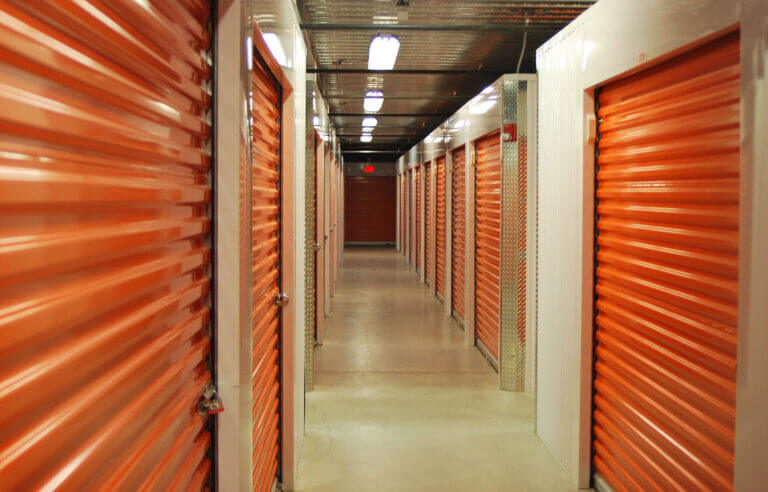
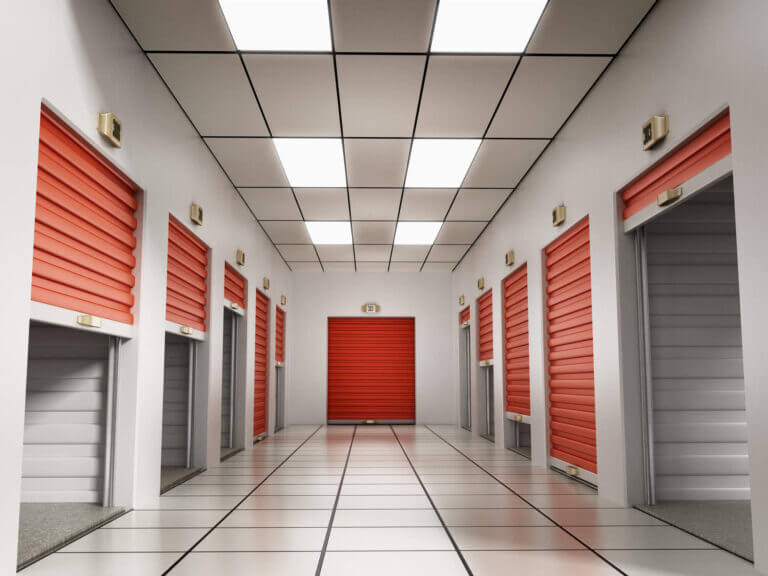
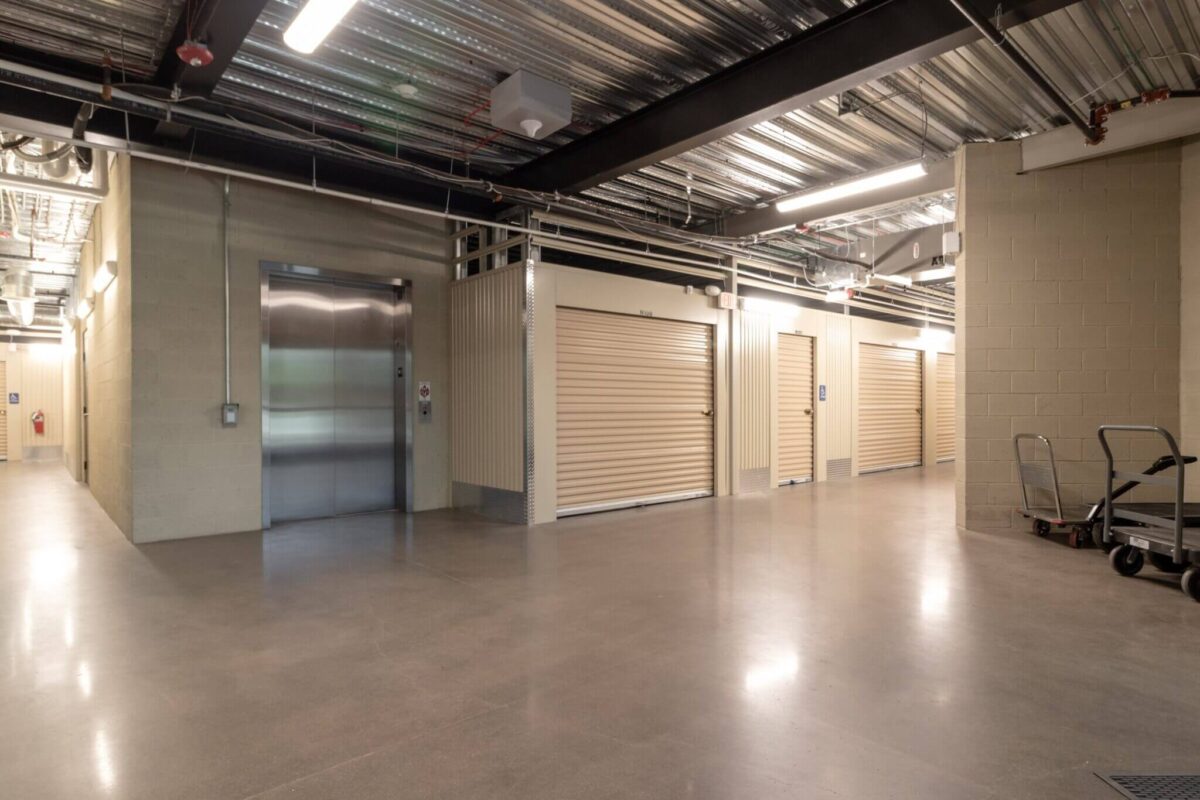
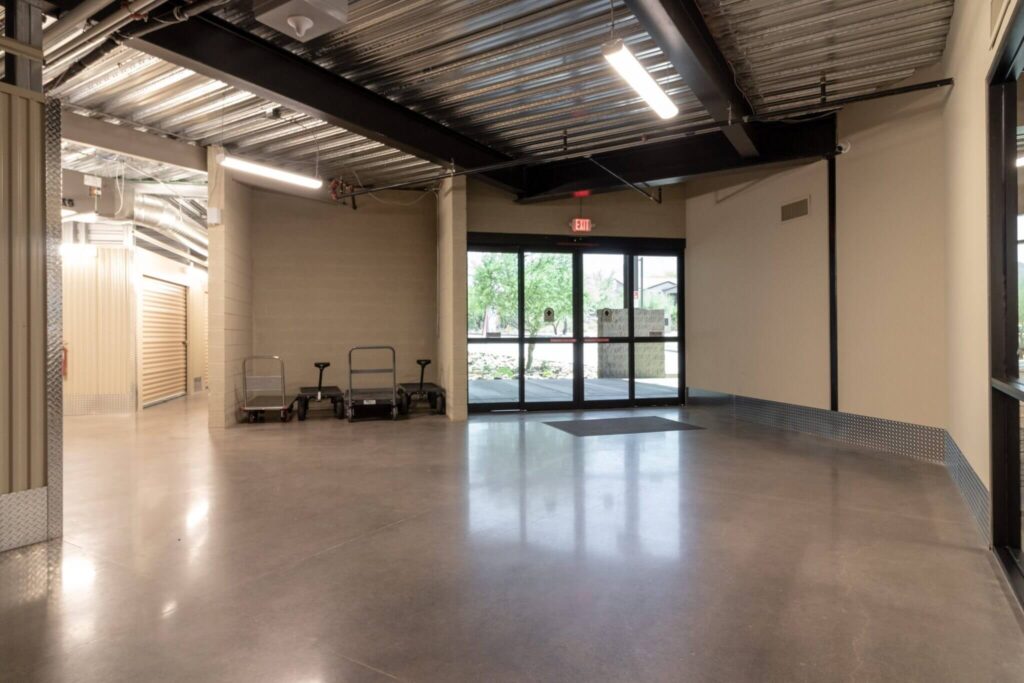
Wide view of self storage units and facility at McDowell Mountain Community Storage in Scottsdale Arizona
Explore the variety of storage unit sizes and types available at McDowell Mountain Community Storage located in Scottsdale Arizona

Renting a self-storage unit is straightforward:

  1. Research Facilities: Compare locations, amenities, unit types, and prices.
  2. Reserve a Unit: Book online or by phone to ensure availability.
  3. Review the Lease Agreement: Check rental fees, access hours, and insurance requirements.
  4. Move In: Transport your belongings, secure your unit with a lock, and maintain an updated inventory.
  5. Make Payments: Most facilities offer monthly payment plans or flexible leases for short-term or long-term storage.

Understanding the rental process helps new renters avoid common mistakes and ensures a smooth experience. Facilities may also provide moving assistance, such as dollies, carts, or packing materials, making the process more convenient.

Pricing Factors Affect Self-Storage Costs

The cost of a self-storage unit depends on multiple factors:

  • Unit Size: Larger units generally have higher monthly fees.
  • Climate Control: Temperature- and humidity-controlled units may cost more.
  • Location: Facilities in high-demand areas often have higher prices.
  • Lease Duration: Short-term rentals can be more expensive per month compared to long-term leases.
  • Additional Services: Insurance, vehicle storage, and packing materials may affect the total cost.

By evaluating your storage needs and comparing multiple facilities, you can choose an option that balances cost, convenience, and security. Consider potential hidden fees or extra charges for late payments, access, or insurance.

Security Measures Ensure Peace of Mind

High-quality self-storage facilities provide multiple security measures to protect belongings, inventory, and vehicles:

  • Gated Access and Key Codes: Restricts entry to authorized customers.
  • Surveillance Cameras: Monitor the property and deter theft.
  • On-Site Staff: Offer assistance and monitor activity.
  • Individual Unit Locks: Give renters control over access to their belongings.

These security measures create a safe environment, allowing customers to store valuable items like electronics, antiques, artwork, and instruments with confidence.

Businesses Benefit from Self Storage

Self-storage is ideal for businesses looking for extra space:

  • Inventory Storage: Store seasonal stock or excess products.
  • Document Storage: Protect essential records and files.
  • Equipment Storage: Utilize free office space to store rarely used equipment or appliances.
  • Vehicle Storage: Secure company cars, trucks, or boats.

Business storage and how renting a unit boosts efficiency provide a cost-effective and flexible solution for businesses that need extra space. Facilities may also offer specialized services tailored to business customers, such as shipping, delivery, or multiple-unit rentals, helping companies manage inventory, equipment, and documents more efficiently. 

Choosing the Best Location

The correct storage facility location is key for convenience and cost efficiency:

  • Proximity: Facilities close to your home, office, or business save time and effort.
  • Accessibility: Wide roads, driveways, and parking spaces accommodate large vehicles.
  • Multiple Locations: Some companies offer flexibility across several facilities.

Location affects both convenience and pricing, so it should be a primary factor in choosing a self-storage facility like McDowell Mountain Community Storage

Insurance and Safety Tips

Protecting your items is essential:

  • Renters Insurance: Covers potential damage or theft.
  • Packing Materials: Bubble wrap, padding, and sturdy boxes protect fragile items.
  • Climate Considerations: Sensitive items should be stored in temperature- and humidity-controlled units.
  • Vehicle Maintenance: Stored vehicles should be maintained and protected from environmental damage.

By planning and taking safety precautions, customers can avoid common risks and ensure the longevity of their stored items.

Tips for Maximizing Storage Space

To make the most of your storage unit:

  • Disassemble Furniture: Saves space and reduces the risk of damage.
  • Stack Uniform Boxes: Optimizes vertical space.
  • Use Shelving: Keeps smaller items organized.
  • Keep Frequently Used Items Accessible: Place them near the front.
  • Protect Fragile Belongings: Wrap electronics, artwork, and antiques carefully.

These tips enable renters to store their items while maintaining easy access and efficient organization.

Long-Term and Temporary Storage Solutions

Self-storage accommodates both temporary and long-term storage needs:

  • Temporary Storage: Ideal during moves, renovations, or travel.
  • Long-Term Storage: Suitable for seasonal items, business inventory, or estate storage.
  • Flexible Leases: Rent units monthly or for extended periods depending on your storage needs.

The flexibility of self-storage allows renters to adapt as their needs change over time.

Bottom Line on Self Storage

Self-storage is a safe, flexible, and convenient solution for managing belongings, furniture, vehicles, and business inventory. By understanding unit types, sizes, security measures, pricing, and planning storage strategies, renters can make informed decisions that meet their specific needs.

McDowell Mountain Community Storage provides a variety of self-storage units, climate-controlled spaces, and vehicle storage options with high-level security features. Whether storing household items, business inventory, or vehicles, these facilities offer convenience, peace of mind, and organized storage solutions.

With proper planning, packing, and the right facility, self-storage is a cost-effective and reliable solution for individuals and businesses seeking additional space.

Frequently Asked Questions

1. Can I store items that I need frequent access to?

Yes. When choosing a unit, consider its location within the facility and access times. Placing frequently used items near the side or front of the unit makes retrieval faster.

2. Are there storage options for very large or unusually shaped items?

Yes. Some storage spaces and rooms can accommodate bulky items such as furniture, boats, or large equipment. Proper planning of the unit size ensures everything fits safely.

3. How do I track what’s inside my storage unit?

Keeping a written or digital inventory of items helps you track belongings. This ensures you know where everything is and can locate anything quickly without unpacking the entire unit.

4. Can I rent more than one storage unit at a time?

Yes. Renting multiple units is an option for larger households, businesses, or individuals who need to store collections of articles and things in separate rooms for better organization.

5. What kind of locks are recommended for storage units?

A high-quality padlock is recommended. Some renters use keyed locks, while others choose combination locks for convenience. Proper locking ensures all items remain secure.

6. How should I pack fragile or valuable items?

Fragile items, such as electronics, artwork, and instruments, should be wrapped in protective materials like bubble wrap and stored in sturdy boxes. Placing them off the floor and away from walls helps prevent damage.

7. Can I use a storage unit to store items during a renovation?

Yes. Units are ideal for temporarily storing furniture, appliances, and things while rooms are being renovated. Proper organization helps keep items safe from dust, paint, and moisture.

8. How do seasonal changes affect my stored items?

Items sensitive to heat, cold, or humidity may require climate-controlled storage spaces. Electronics, wooden furniture, and documents benefit from consistent temperature and humidity levels.

9. Is there a way to save space when storing many small items?

Yes. Group small items in clearly labeled boxes and place them strategically in the unit. Using vertical space efficiently and stacking items correctly maximizes the storage space available.

10. Can I combine different types of storage items in one unit?

Yes, but careful organization is essential. Combining articles, furniture, boxes, and things works best when heavier items are placed at the bottom and lighter or fragile items on top. Keeping a track of what is stored in each room or section of the unit prevents confusion.

The Complete Beginner’s Guide to Self-Storage

Welcome to your complete beginner’s guide to self-storage! Self-storage is the ideal solution whether you’re moving, downsizing, decluttering, or need extra space for your business or belongings. With so many locations, ways to use storage, and unit types available, it’s an excellent idea to improve your organization and manage your stuff more efficiently. At McDowell Mountain Community Storage, we make storing your items easy, safe, and affordable. This guide covers everything you need to know about selecting a storage unit, understanding cost, reviewing your contract, packing, and maximizing the benefits of storage facilities. 

What is Self-Storage?

Self-storage provides individuals and businesses with secure storage units to rent for short- or long-term use. It’s a wise choice for any beginner who needs additional room to store furniture-storage solutions provide a convenient way to keep your inventory organized and secure, allowing you to maximize your space while maintaining easy access to your stored items. re, equipment, boxes, holiday decorations, inventory, or other essential things. Whether protecting personal property or managing business assets, self storage can handle anything you need to store. Before signing a lease, it’s essential to research and look for signs of a well-managed facility, like clean grounds, good lighting, and strong security measures. People choose self-storage mainly because of the convenience, flexibility, and peace of mind it provides to every tenant, individual, or customer. 

Why People Use Storage Units

People seek self-storage for many reasons. Some store belongings during a move between homes, while others need a place to hold furniture or equipment during building renovations or construction projects. Renters often find it helpful when they’re between leases or downsizing. College students take advantage of summer storage options, and many individuals rely on self-storage to safeguard their valuables during transitional life phases or periods of economic uncertainty. Whether you’re storing a boat, a car, or just a few boxes, a reliable self storage facility offers security, accessibility, and peace of mind.

Businesses use self-storage to house archived documents, extra inventory, and packing supplies when office space is limited. Depending on the type of storage needed, you can choose from a variety of units, including climate-controlled spaces and outdoor options. Unit size and lease terms are very flexible. Plus, with 24/7 customer support and phone access to the team, managing your storage needs has never been easier.

Types of Storage Facilities

Many types of self-storage units are available, each designed to meet specific needs. A standard storage unit is perfect for storing every box, item, furniture, or appliance. Climate-controlled storage units are ideal for sensitive items like electronics, clothing, or paper records, as they maintain steady temperature and humidity levels to protect each part from damage. Smaller units or lockers suit students or any person with minimal needs, like storing a few boxes from a dorm or cleaning out a garage. Drive-up units allow for easy loading and unloading directly from a truck, enhancing convenience. The following amenities, such as on-site carts, wide lanes, and secure access, make storing more efficient. When selecting a unit, consider how each article, its fragile parts, and your personal preferences will benefit from a well-equipped self-storage facility. 

At McDowell Mountain Community Storage, we offer a variety of unit sizes and features to suit your situation. Our facility includes modern security measures, such as surveillance systems, coded gate access, and professional on-site staff to ensure the safety of your contents.

Location and Accessibility

The location of your self storage unit is an essential factor when choosing a facility. Ideally, you want a location close to your home, business, or apartment to access your belongings when needed easily. At McDowell Mountain Community Storage, our centrally located facility offers exceptional accessibility. We provide ground-level units, wide driveways for vehicles, well-lit areas for nighttime activity, and a thoughtful layout to ensure your experience is stress-free. Choosing the correct location also reduces the risk of delays when you need to work quickly or retrieve an item during a busy day. For investors, accessibility can enhance the overall investment value of using or managing storage spaces. With growing competition in the self-storage industry, understanding these steps can help you make smarter choices for convenience and long-term benefit. 

Choosing the Right Storage Unit Size

Choosing the appropriate unit size is crucial for optimizing space and staying within budget. Use the guide below to help determine what size unit best matches your storage requirements:

  • Selecting the right unit size is essential to avoid overpaying for unused space or struggling to fit everything you need.
  • 5×5 unit is suitable for storing small boxes or holiday decorations.
  • 5×10 unit can hold small furniture items and appliances.
  • 10×10 unit is ideal for those needing space for a one-bedroom apartment’s worth of belongings.
  • 10×15 unit comfortably fits the contents of a two-bedroom house.

Larger units like 10×20 or more are great for full-house inventory, vehicles, or boats. Use our Storage Unit Size Guide to make informed decisions based on your storage needs.

Understanding Storage Costs and Contracts

Regarding pricing, storage unit costs vary depending on size, location, and available features. In addition to the base rental fee, customers should be aware of any administrative or move-in fees. Monthly payments are standard, and many facilities—including ours—offer the convenience of auto-pay or online billing. Insurance is typically required to protect your valuables, and understanding your contract’s duration and terms is crucial. At McDowell Mountain Community Storage, we offer flexible month-to-month rentals, transparent contracts, and even deals for prepaid leases or long-term commitments. Pricing also reflects broader economic basics such as local population density, service demand, and average income levels in the area. In the case of a recession or financial strain, flexible rental options help customers avoid long-term commitments and reduce overall risks. We’re committed to providing affordable storage with substantial potential value for every customer. 

Packing Tips and Moving Advice

Packing properly is a critical step in the storage process. Begin by using sturdy, labeled boxes to keep your items organized. Fragile items like dishes or electronics should be wrapped in bubble wrap or foam padding for protection. When loading your unit, place heavier items on the bottom and lighter ones on top to prevent damage. We recommend laying down paper or a tarp to protect the floor and prevent mildew from forming. Leave a small path through your unit to access items in the back without unloading everything.

You’ll also want to stock up on packing supplies such as tape, locks, moving dollies, and carts. Vertical storage using shelves is a great way to maximize space. At McDowell Mountain Community Storage, we offer a full selection of packing supplies on-site to make your move easier.

Climate and Environmental Considerations

Climate control is an essential feature for customers storing temperature-sensitive items. Books, documents, electronics, and clothing are particularly vulnerable to damage from extreme heat, humidity, or cold. Climate-controlled units offer the best protection by maintaining a consistent environment year-round. This not only preserves the condition of your belongings but also helps avoid issues like mold, mildew, and material deterioration.

Business and Commercial Storage Solutions

Business storage units are a major driver of the self-storage industry. Companies use storage facilities to hold overflow inventory, secure archived records, and store supplies like packing materials or signage. Self-storage is especially beneficial for real estate, construction, or retail businesses. During economic growth or recession, business owners rely on storage to maintain flexibility without the high costs of expanding office space. We offer various unit sizes, flexible contracts, and unmatched accessibility to support local businesses and entrepreneurs.

Safety, Security, and Peace of Mind

Security is one of the most important aspects of a great self-storage facility. At McDowell Mountain Community Storage, we go the extra mile to provide peace of mind. Our facility has 24/7 surveillance, coded gate access, perimeter fencing, and a responsive management team. We recommend that customers use a high-quality lock and purchase insurance for additional protection. Documenting your inventory ensures you know exactly what’s stored and aids in claims, should the need arise.

The Self-Storage Process Explained

A visual of beginner-friendly storage units at McDowell Mountain Community Storage in Scottsdale, Arizona.
Discover how easy it is to store your belongings with McDowell Mountain Community Storage in Scottsdale, Arizona.

If you’re new to self-storage, the process is simple and stress-free. Start by researching self-storage facilities near your location using Google or local directories. Compare features, prices, and unit availability. After choosing a facility, call or visit the site to ask questions and view available units. Once you select the right option, sign the rental agreement and discuss insurance requirements. Pack and label your belongings, and use moving carts or dollies to load your items safely into your storage unit. Our team is available to assist with each step along the way.

Your First Time Using Storage? Start Here 

New customers often ask whether they can store large vehicles like cars or boats. The answer is yes—our facility offers spacious units and parking areas designed for vehicle storage. Others want to know what they can’t store. We prohibit perishables, hazardous materials, flammable liquids, live animals, and illegal goods. As for rental duration, we offer both short-term and long-term options to match your needs. With friendly on-site staff, customers can count on helpful support and straightforward answers.

Making the Right Storage Decision

Several factors influence your storage decision. Accessibility, location, unit size, fees, security, and overall facility condition should all be considered. A well-maintained facility with good lighting, responsive staff, and strong reviews usually indicates a positive customer experience. We aim to help you find a storage option that delivers maximum value, flexibility, and protection for your belongings.

Life Transitions and Storage

Life events such as moving to a new state, starting a business, getting divorced, or managing an estate often require temporary or long-term storage. Self-storage can reduce stress and simplify transitions by offering a secure space to keep your possessions. Whether between leases, renovating your home, or traveling for an extended period, having reliable storage space available can make all the difference.

Why McDowell Mountain Community Storage is the Ideal Choice

At McDowell Mountain Community Storage, we understand that beginners may feel uncertain about the process. That’s why we offer clear information, honest answers, and expert advice. Our wide variety of unit sizes, flexible options, and exceptional service set us apart from other storage facilities in the area. Our team is always ready to assist with everything from planning your move to choosing the right insurance plan.

Final Thoughts

This guide has walked you through the complete process of using a self-storage facility—from choosing the right unit and packing to understanding contracts and maintaining security. Whether you’re storing valuables, documents, furniture, or holiday decorations, McDowell Mountain Community Storage provides the ideal solution for individuals and businesses.

Let us help you make the best decision for your storage needs. Contact our team today to check availability, compare unit sizes, or schedule a facility tour. Experience the benefits of a clean, secure, and professionally managed storage environment where your belongings are always in good hands.

Frequently Asked Questions

1. Can I access my storage unit at any time of day or night?

Access hours vary by facility. At McDowell Mountain Community Storage, we offer extended access hours to accommodate your schedule, including early and late evenings. Check with our team for current access times.

2. What happens if I lose the key or forget the gate code?

Contact our on-site management immediately if you misplace your unit key or forget your gate access code. We’ll verify your identity and help you regain access safely and securely.

3. Are there storage units available for motorcycles or scooters?

Yes! We offer small- to medium-sized storage units ideal for motorcycles, scooters, and similar vehicles. Drive-up access makes parking and retrieval convenient.

4. Can I upgrade or downsize my unit if my storage needs change?

Absolutely. If your storage needs increase or decrease, we make switching to a different unit size easy without hassle. Just contact our staff to check availability and coordinate the change.

5. How do I reserve a unit in advance?

You can reserve a storage unit online, by phone, or in person. We recommend booking in advance during peak seasons (like summer or end-of-lease months) to ensure you get the size you need.

6. Is pest control provided at the facility?

McDowell Mountain Community Storage implements regular pest control and maintenance to ensure your belongings stay clean, safe, and pest-free.

7. Do you offer moving trucks or rental equipment?

While we don’t rent trucks directly, we can recommend trusted local partners. We also provide moving carts and dollies on-site to assist with your move-in.

8. Can someone else access my storage unit on my behalf?

Yes, but only if you authorize them. You’ll need to add them as an approved contact and ensure they have the gate code and a key to your lock.

9. What types of locks are allowed or recommended?

Disc locks and cylinder locks are highly recommended for added security. We sell approved locks on-site for your convenience and peace of mind.

10. What should I do if I need storage for an extended period?

We offer long-term storage options with flexible lease terms and even discounts for prepaid rentals. Based on your timeline, our team will recommend the best plan for you.

How Old Do You Have to Be to Rent a Storage Unit?

Renting a storage unit can be convenient for those looking to store belongings, whether for personal, business, or vehicle storage needs. Many people turn to self storage as a flexible option for securing their items safely. However, if you are underage, you may be wondering, as a person without legal rental rights, how old do you have to be to rent a storage unit? Checking a map of nearby facilities and reviewing the rental menu of available storage units can help you navigate this experience smoothly. 

In most locations, including California (CA) and other states, the legal age requirement to sign a rental agreement for a storage unit is 18 years old. This ensures that a tenant can enter into a binding contract, be responsible for the unit space, and follow the storage provider’s regulations. The reason for this rule is to protect both the renter and the facility from potential legal issues. Anyone under 18 may need a guardian to co-sign. Having flexible rental terms is essential; a storage app can help manage payments and access. Additionally, fire safety rules are in place to prevent risks to property, as damage to things inside the unit could be costly. 

If you are under 18, you will likely need a family member or guardian to co-sign the lease agreement. This helps protect the facility from potential legal issues and ensures that the storage space is used responsibly. Once the agreement is signed, you can log in to your account through the facility’s link to manage your rental. The logo of the storage provider will be visible on the app or website for easy recognition. If you’re storing vehicles or boats, check the space and part of the country where the facility is located to ensure it fits your needs. 

In this guide, we’ll cover the rental process, the different storage unit sizes, security deposit requirements, and factors that impact choosing the proper storage unit.

Understanding the Rental Process

Before securing a storage unit, customers must complete a few steps to finalize the rental process. This includes reviewing the available range of storage units, checking the icon for unit details, and ensuring you have the right supplies for packing your belongings. You can also find helpful content on the facility’s website to guide you through the process. You can also explore job opportunities if you’re interested in careers with a career provider. Here’s what you need to know:

1. Meeting the Age Requirement

The first step in the rental process is confirming that you meet the age requirement. If you’re 18 or older, you can sign the rental agreement without assistance. If not, you will need a legal guardian to sign. Once confirmed, you can proceed to make a reservation for your unit. Review the trademarks associated with the facility to ensure you’re renting from a trusted provider. You may also need to choose the room or space based on your storage needs before finalizing your rentals. 

2. Selecting a Storage Unit Size

One of the most common questions is, “What Size Storage Unit Do I Need?” The answer depends on your storage needs.

  • Small units (5×5, 5×10): Great for storing boxes, seasonal items, or small furniture.
  • Medium units (10×10, 10×15): Ideal for apartment-sized moves or business storage.
  • Large units (10×20, 10×30): Perfect for significant house moves, vehicle storage, or storing bulky items.

Check out Your Ultimate Storage Unit Size Guide to determine the best option for your needs.

3. Understanding Pricing and Fees

Prices for storage units vary based on size, location, and additional amenities. Here are some factors that impact price:

  • Storage unit size: Larger units cost more.
  • Climate-controlled storage units provide temperature regulation for sensitive belongings but may be more expensive.
  • Security deposit: Some storage facilities require a security deposit upfront.
  • Monthly payment: Most facilities operate on a month-to-month rental basis.

Choosing the Right Storage Facility

Not all storage facilities are the same, so it’s essential to consider a few factors before deciding.

1. Location Matters

A nearby storage unit is more convenient, especially if you need frequent access. Searching for storage unit locations near your home or office ensures easy access to your items.

2. Safety and Security

One of the most common concerns is “Are Storage Units Safe?” The answer depends on the facility’s security measures. Look for facilities that offer:

  • 24/7 surveillance cameras
  • Gated access with identification requirements
  • Secure lock options for extra protection
  • Insurance plans for added protection

These features ensure your belongings remain safe while in storage.

3. Access and Convenience

Some storage facilities offer 24-hour access rights, while others have restricted hours. If you need frequent access to your unit, check the facility’s schedule before signing a lease agreement. At McDowell Mountain Community Storage, we offer flexible access hours to accommodate your needs, ensuring you can access your belongings conveniently. Our facility provides excellent service with secure, reliable, and easily accessible units, making it the perfect choice for your storage requirements.

Other convenient features include:

  • Online account management for easy rental payments
  • Drive-up storage units for quick loading/unloading
  • Climate-controlled storage units for sensitive items

Types of Storage Units Available

Discover the age requirement and rental process for renting a storage unit at McDowell Mountain Community Storage located in Scottsdale Arizona.
McDowell Mountain Community Storage in Scottsdale Arizona offers a range of storage options, including secure, accessible units for all your storage needs.

There are different types of storage units based on your specific needs.

1. Business Storage

Many businesses use storage facilities to store excess inventory, office furniture, or important documents. Business storage helps free up office space while keeping essential materials accessible.

2. Vehicle Storage

Vehicle storage is an excellent option if you have an extra car, boat, or RV. These storage spaces are designed for long-term vehicle parking, ensuring your car is safe when not in use.

3. Household Storage

Are you moving to a new house or downsizing? Household storage needs vary, and our storage space options can accommodate anything from a few boxes to an entire home’s worth of furniture.

4. Climate Controlled Storage Units

Climate-controlled storage units provide regulated temperatures to protect temperature-sensitive items against extreme heat, cold, and humidity.

Legal Considerations and Contracts

Signing a lease agreement means committing to regulations regarding your storage unit. Some key aspects of a rental agreement include:

  • Identification: You must present a valid ID to rent a storage unit.
  • Security deposit: Some facilities require this as a safeguard.
  • Monthly payment: Most storage providers charge on a month-to-month basis.
  • Access rights: Rules about who can enter the unit space.
  • Insurance: Some facilities require proof of insurance for valuable items.

Read the contract carefully before signing to understand all the details.

How to Reserve a Storage Unit

If you’re ready to rent a storage unit, here’s a simple guide to securing your space:

Step 1: Research Storage Facilities

Look for storage providers in your area by searching on Google or checking reviews from other customers.

Step 2: Choose the Right Size

Use a storage unit size guide to determine what works best for your needs.

Step 3: Check Pricing and Promotions

Some facilities offer discounts or promotions for new customers.

Step 4: Sign the Rental Agreement

Ensure you meet the age requirement and provide the necessary identification.

Step 5: Move in Your Belongings

Use a truck to transport your items, and secure everything with a reliable lock.

Why Choose McDowell Mountain Community Storage?

At McDowell Mountain Community Storage, we offer the following:

  • Variety of storage unit sizes
  • Secure facilities with gated access
  • Climate-controlled storage units for sensitive belongings
  • Competitive prices and flexible lease agreements
  • Friendly assistance from our professional staff

We understand that choosing the proper storage unit is essential. Whether you need business, vehicle, or personal storage space, we provide secure and reliable options for every situation.

For more information, visit our location in Fresno, check our website, or call our phone number. Let us help you find the perfect storage unit for your needs today!

Frequently Asked Questions

What Is the Best Way to Pack a Storage Unit?

The best way to pack a storage unit is to use proper packing materials like boxes, bubble wrap, and packing tape. Start by storing large, heavy items like furniture at the back of the unit. Then, stack lighter boxes on top. Label all boxes for easy access, and leave an aisle to walk through for easier retrieval of items.

Can I Store Hazardous Materials in a Storage Unit?

Hazardous materials such as chemicals, flammable liquids, paints, and explosives are not allowed in storage units. Storage facilities have strict guidelines on what can be stored, and hazardous items are prohibited for safety reasons. Always check the facility’s policy to avoid any issues.

Are There Any Restrictions on What I Can Store?

Yes, most storage facilities restrict items that pose a safety or health risk, such as perishable goods, hazardous materials, firearms, and illegal substances. Always confirm with the storage provider what can and cannot be stored in your unit to ensure compliance with regulations.

How Can I Protect My Belongings in a Storage Unit?

Consider using climate-controlled storage units for sensitive items such as electronics, antiques, and artwork to protect your belongings. Also, use high-quality locks and secure fragile items with protective padding. For extra peace of mind, look for facilities that offer insurance coverage options for your stored belongings.

How Do I Choose Between a Standard or Climate-Controlled Storage Unit?

Choose a climate-controlled storage unit to store sensitive items like electronics, documents, artwork, furniture, or collectibles susceptible to extreme temperatures or humidity damage. Standard units are suitable for items that aren’t affected by these conditions.

What Is the Difference Between Indoor and Outdoor Storage Units?

Indoor storage units are located inside a building and typically provide more security, with restricted access and temperature control. On the other hand, outdoor storage units are often more affordable and convenient for storing vehicles, boats, or large items, as they offer drive-up access for easy loading and unloading.

Can I Use My Storage Unit for Business Purposes?

Many use storage units for business purposes such as inventory, office supplies, or equipment. However, it’s essential to check with the storage facility about any restrictions or regulations regarding business storage, especially if you plan to use it for commercial purposes like shipping or manufacturing.

What Happens If I Miss a Payment for My Storage Unit?

If you miss a payment for your storage unit, the facility may charge late fees or restrict access to your unit. If payments remain overdue, the facility might eventually auction off your belongings to recover the owed amount. Always communicate with the storage provider if you’re having trouble making payments to avoid complications.

How Can I Access My Storage Unit After Hours?

Some storage facilities offer 24/7 access, while others may have restricted hours. If you need access outside regular business hours, check if the facility provides a keycode or electronic gate access. At McDowell Mountain Community Storage, we offer flexible access hours to accommodate your needs.

Do You Offer Moving and Packing Supplies at the Facility?

Many storage facilities, including McDowell Mountain Community Storage, offer a range of moving and packing supplies, such as boxes, bubble wrap, packing tape, and furniture covers. These supplies can be purchased at the facility to help make your storage experience more convenient.

Guide to Self Storage for College Students

Managing your belongings as a college student while balancing social life, coursework, and tests can be difficult. Self-storage is a practical option whether you’re moving in for the first time, going home for summer storage, or need more room for your belongings. This guide will help you navigate self-storage options and maximize your available space. From packing supplies to pickup and delivery services, we make it easy every step of the way. Whether you’re shipping items, using a U-Haul for transport, or storing dorm room essentials, our locations offer flexible solutions. With the proper packing techniques and storage tips, you’ll keep your belongings safe and organized, giving you more time to focus on your studies and career goals. Whether you’re storing in New York or closer to home, rely on our services to make the process stress-free with the help of friends and the proper storage rights.

Why is Self-Storage Necessary for College Students?

When it comes to storage, college students frequently face particular difficulties. Apartments need more space; dorm rooms are tiny, and storing possessions can be challenging when moving overseas for a summer or a semester. Self-storage offers an adaptable and reasonably priced answer to these issues, with essentials like efficient shelves, bins, and compact, stackable storage options. Whether a portable locker for a temporary solution or a more permanent storage setup, self-storage ensures that everything, from personal items to more significant belongings, is organized and easily accessible. Many storage facilities also offer customizable options, allowing students to take advantage of trademarks in innovative storage solutions. With the correct information on prices and services, students can make smart choices about storing their belongings during breaks or while managing their classes and careers.

Advantages of Self Storage for College Students

  • Extra Space: Extra space is needed because off-campus apartments and dorm rooms can only accommodate so much. Furniture, personal belongings, and seasonal things can all be kept out of sight and safe with self-storage.
  • Convenience: The abundance of self-storage facilities close to college campuses makes dropping off or picking up your belongings whenever necessary simple.
  • Cost-effective: Unlike paying for a larger apartment or attempting to find space in your already crowded living area, renting a storage unit is frequently less expensive.
  • Security: Self-storage facilities usually have high-security features, such as gated access, surveillance cameras, and on-site supervision, to provide you with peace of mind that your possessions are secure.

Selecting the Appropriate Storage Unit

Take into account the following elements while choosing a self-storage unit:

  • Unit Size: Storage units are available in a range of sizes. A 10×10 container could hold furniture, motorcycles, and seasonal things, while a 5×5 unit would be sufficient for a few boxes. Most facilities come in various sizes, so pick one according to how much you need to store.
  • Accessibility: Seek a facility open around the clock, particularly if you need to pick up your possessions after typical work hours. Consider how simple it is to load and unload. For larger products, drive-up or ground-level units are practical.
  • Climate Control: If you have objects sensitive to humidity or temperature, such as electronics, artwork, or crucial papers, consider renting a climate-controlled unit. These devices shield your possessions from harsh weather by maintaining a constant temperature and humidity.
  • Storage Duration: If you need storage only for a few months during summer vacation or a brief internship, seek flexible leasing options. Month-to-month contracts without a long-term commitment are available at many self-storage facilities.

Advice on How to Pack Your Storage Unit

Use these packing suggestions to make the most of your space and maintain the organization of your belongings:

  • Use Sturdy Boxes: When packing your belongings, invest in sturdy boxes. For ease of identification, mark each box with its contents and the room to which it belongs.
  • Disassemble Furniture: To conserve room, disassemble any furniture you’re storing. Small parts and screws should be taped to the appropriate furniture pieces and kept in bags with labels.
  • Protect Fragile Things: To avoid damage, wrap delicate items like electronics, crockery, and glassware in packing paper or bubble wrap.
  • Maximize Vertical Space: To maximize the height of your unit, stack boxes and other goods vertically. To keep things off the ground, use pallets or shelving.
  • Leave a passage: When packing your unit, leave a small passage to make it easier to access your belongings. This will save you time when you need to recover something.
A college student acquiring a self storage unit in Scottsdale, Arizona at McDowell Mountain Community Storage
McDowell Mountain Community Storage Staff Guiding a College Student to her new Self Storage Unit in Scottsdale, Arizona

How College Students Can Locate the Best Self-Storage

  • Examine nearby facilities: Seek out self-storage facilities close to your house or your college campus. Make sure to ask about any discounts or special prices that may be available, as many facilities offer them to students.
  • Examine Ratings and Reviews: Read internet reviews to gauge the facility’s reputation. Look for evaluations that highlight customer service, cleanliness, and security.
  • Compare prices: The self-storage price might differ depending on the unit’s facilities, location, and size. To locate the most excellent offer, compare the costs of various institutions.
  • Inquire About Student Discounts: Many self-storage firms offer student discounts, so don’t hesitate to ask about exclusive offers or promotions.

Conclusion

Self-storage can be a lifesaver for college students who require additional space for their possessions. Several easy and reasonably priced solutions are available, whether you’re moving home for the summer, need a place to keep your clothing and other belongings tidy, or are storing seasonal items like fall clothes. Make your time in college less stressful and much more organized by picking the appropriate storage unit, packing well, and using student discounts. With tips on storing your clothes, vehicle, and other essentials, self-storage can save you money and provide a convenient service for living in dorms or off-campus housing. Whether you’re moving to a new state, preparing for a school year, or need a place for extra content, self-storage can be a great option. And if you’re a friend helping with the move, delivery services are available to make the process easier.

Frequently Asked Questions

How can I decide between storing things indoors or outdoors?

Indoor storage units are the best option for sensitive or essential objects because they are usually safer and weatherproof. In contrast, outdoor units are frequently more handy and reasonably priced for larger objects or automobiles. Your needs and the things you’re storing will determine your choice.

What should I do if I have to vacate my storage unit early?

Most self-storage facilities provide flexible month-to-month agreements that let you vacate early without incurring fees. To ensure you aren’t billed for extra months, review the terms of your lease and contact the facility in advance.

What occurs if I neglect to make my storage unit payment?

Most self-storage facilities will send reminders if you fail to make a payment. However, funds must be received within the allotted time to avoid the facility imposing late fines or even putting your belongings up for auction. To prevent issues, it’s critical to make your payments on time.

Are student discounts available at self-storage facilities?

Several self-storage companies offer discounts to college students, particularly during busy periods like summer vacation. When you ask about prices, remember to ask about student discounts or specials.

Can I go to my storage unit whenever I want?

Many self-storage facilities are open 24/7, so you can pick up or drop off belongings whenever convenient. When selecting a facility, check the access hours because some can have limited hours.

Are my belongings secure at a self-storage facility?

Self-storage facilities frequently offer high-security features like gated entrances, video cameras, and on-site supervision. To further secure your belongings, consider getting insurance or installing a lock.

How long is the self-storage unit available for rent?

Storing your stuff for as long or as little time as necessary is simple because self-storage spaces are usually offered for month-to-month rent. Depending on your needs, you can rent a unit for the entire academic year or just a few months during summer vacation.

Do sensitive objects have any additional storage options?

Indeed, many self-storage facilities provide climate-controlled units that keep the humidity and temperature constant. Electronics, artwork, documents, and other delicate objects that harsh environments could harm are best stored in these containers.

Can I use a self-storage facility to keep perishable goods?

No, self-storage containers should not be used to store perishable goods like food or plants. These may attract pests or deteriorate due to temperature changes. For these products, it’s best to locate alternate storage options.

Do my possessions in a self-storage facility require insurance?

Although it’s not necessarily required, many self-storage facilities offer insurance options. To safeguard your possessions from theft, fire, and natural disasters, it’s a brilliant idea to consider getting insurance. Sure, tenants’ insurance policies may also cover items in storage. 

Simplified Self Storage Solutions for College Students

Choosing the best self-storage solution can be difficult for a college student, but it doesn’t have to be. At McDowell Mountain Community Storage Company, we offer a range of adaptable, reasonably priced student storage options to meet your unique needs. Our team can help you select the ideal unit whether you need to store books, furniture, or seasonal goods. We provide both climate-controlled and non-climate-controlled units to ensure the safety of your belongings during summer break, internships, or study-abroad programs.

With month-to-month rental options, you can keep your items for as long as you need. Our climate-controlled units protect delicate items like electronics and artwork, while non-climate-controlled units are budget-friendly for everyday items. Our logo represents convenience and reliability when storing closet items, career materials, or personal belongings. We also offer pickup services to make the process easier. Contact us today to simplify your storage experience!

Short-Term vs. Long-Term Storage: Which Option is Right for You?

One of the critical decisions you must make when storing your belongings, whether moving, decluttering, or while changing living situations, is choosing short-term or long-term storage. It is crucial to comprehend the distinctions between the two and determine which option is most appropriate for your circumstances, as they each offer unique advantages and are tailored to different requirements. Some customers prefer long-term storage for its moisture protection and security, while others value the freedom and flexibility of short-term solutions. At McDowell Mountain Community Storage, we are committed to helping you make the best choice on a case-by-case basis. Whether you’re storing some things temporarily or need long-term storage for valuable items, we provide a range of options designed to suit your needs. To assist you in selecting the optimal storage solution, we will examine the advantages and disadvantages of both options.

What is Short-Term Storage?

Short-term storage refers to rental spaces that are utilized for a limited period, typically ranging from a few days to a few months. This is the optimal solution for individuals who require transient storage during periods of transition, including:

  • Transitioning to a new residence: Short-term storage can accommodate your possessions while you await the completion of your new residence.
  • Home renovations: Storing furniture and valuables during the renovation process ensures their safety and prevents them from being in the way.
  • Seasonal storage: Seasonal storage involves storing items not required year-round, such as sporting equipment or holiday decorations.

Advantages of Short-Term Storage

  • Flexibility: Most short-term storage rentals are adaptable and can be rented for as little as a few days or weeks, allowing you to modify your rental period as necessary.
  • Accessibility: These units are typically user-friendly and are frequently accessible 24 hours a day, making them ideal for individuals who frequently retrieve or return items.
  • Affordable for transient requirements: The costs are generally lower than long-term storage because you only rent briefly.

Short-Term Storage Drawbacks

  • Limited capacity: The availability of size and location options may vary depending on the provider.
  • Increased monthly expenses: Although rentals are reasonably priced for brief periods, they may accumulate if the rental period is prolonged.

What is Long-Term Storage?

In contrast, long-term storage entails the rental of a facility for an extended period, typically six months to a year or more. This is appropriate for individuals who require the storage of items for an extended period, such as:

  • Excess furniture storage: Long-term storage can be an excellent solution for safeguarding personal objects and furniture when you are downsizing or cannot accommodate everything in your home.
  • Storing business inventory: Businesses that require additional storage space for inventory, documents, or supplies may capitalize on a long-term storage solution.
  • Preserving family heirlooms or memorabilia: A more secure, stable storage environment may be necessary for items you wish to preserve for an extended period, such as family heirlooms, artwork, or antiquities.

Advantages of Long-Term Storage

  • Cost-effective: This is an economical option if you intend to store your possessions for an extended period, as numerous storage companies provide discounts for long-term rentals.
  • Security: Long-term storage units are frequently furnished with sophisticated security features, including climate control, gated access, and surveillance cameras, making them an advantageous option for sensitive or high-value items.
  • Stability: You can rent the unit unlimitedly without fretting about frequent renewals or locating a new space.

Long-Term Storage Drawbacks

  • Less adaptable: Although numerous long-term storage rentals permit lease extensions, penalties or fees may be assessed for early termination of a long-term contract.
  • Infrequent access: While you may not require frequent access to your possessions, it may be less convenient than short-term storage if you do.
A clean and huge Short-Term vs. Long-Term Storage in Scottsdale, Arizona at McDowell Mountain Community Storage Facility
Short-Term vs. Long-Term Storage Unit in Scottsdale, Arizona at McDowell Mountain Community Storage Facility

Key Factors to Consider When Selecting Between Short-Term and Long-Term Storage

There are several critical factors to take into account when selecting between short-term and long-term storage:

  • Duration of Need: If you are still determining your storage requirements, a short-term option provides the flexibility to extend storage as required. A long-term rental may be advantageous if you anticipate a prolonged need for storage.
  • Type of Items: Items of high value, such as electronics or antiquities, may be more suitable for long-term storage with climate control. Conversely, frequently used items, such as clothing or holiday decorations, may be suitable for temporary storage.
  • Budget: Short-term storage may be more costly monthly, whereas long-term storage frequently offers more favorable rates for extended periods.
  • Frequency of Access: Short-term storage may provide more flexibility and straightforward access if you need to access your items regularly.

Conclusion

It is imperative to select the appropriate storage solution, whether decluttering your home, preparing for a move, or simply requiring a secure location to store your possessions. Long-term storage is optimal for individuals with long-term plans, providing security, cost savings, and flexibility to meet various storage needs. In contrast, short-term storage is ideal for temporary scenarios, offering convenience and ease during transitions. By considering your specific timeline, budget, and the differences between short-term and long-term options, you can make an informed decision that guarantees your items’ safe and convenient storage. Whether you need self storage for homes, business inventory, or seasonal items, understanding the benefits of each option will help you select the best fit for your needs. Additionally, seeking tips on maximizing your storage space and saving money ensures your solution aligns with your unique requirements and area.

Frequently Asked Questions

Is it permissible for me to share a storage unit with another individual?

At certain storage facilities, multiple individuals may share a unit. If you require access to the unit at various times or wish to store large items, it is crucial to coordinate the rental agreement with a friend or family member if you intend to share a storage unit.

Can a watercraft or RV be stored in a long-term storage facility?

Indeed, numerous long-term storage facilities provide specialized areas for storing large vehicles, such as RVs and yachts. Typically, these units are equipped with secure parking areas and larger driveways. When storing a boat or RV for an extended period, consider options that offer supplementary features, such as climate control or vehicle maintenance services. These features will help safeguard the condition of your vehicle.

What if I require frequent access to my possessions during prolonged storage?

If you anticipate frequent access to your possessions during a long-term storage period, look for a storage facility that provides convenient access hours and locations. Drive-up units or 24/7 access may be available at certain facilities, simplifying retrieving or adding items as needed.

What is the recommended amount of time to reserve a storage unit?

It is advisable to reserve your storage unit at least a few weeks in advance, particularly during prime moving seasons. Securing a unit in advance guarantees that you will receive the appropriate size and type of storage, as availability may fluctuate. Additionally, certain storage facilities provide reservations for specific dates or longer-term contracts.

Can a mattress or furniture be stored in a long-term storage facility?

Indeed, it is possible to store furniture and mattresses in long-term storage. However, it is crucial to ensure that they are adequately safeguarded. Mattresses should be protected from dust, dirt, and potential harm by being wrapped in plastic. Similarly, furniture should be covered with protective padding to ensure its longevity.

Is climate-controlled storage accessible for both short-term and long-term storage?

Indeed, climate-controlled storage units are accessible for both short-term and long-term rentals. These containers are optimal for storing delicate items, including electronics, artwork, documents, and furniture, and are susceptible to high temperatures or humidity damage. Long-term storage may provide more climate-controlled options to facilitate extended storage periods.

Are there any restrictions on how much data can be stored in a unit for short-term or long-term use?

Indeed, most storage facilities limit specific categories of items. Hazardous materials, perishable products, and flammable substances are generally prohibited. Furthermore, certain facilities may prohibit the storage of large objects, such as boats or vehicles, in smaller units. Before storing any items, it is imperative to consult the facility’s policy regarding prohibited items.

Is insurance coverage provided for my possessions during storage?

Most storage facilities provide basic insurance; however, the extent of coverage may differ. If you require short-term storage, verifying adequate coverage is crucial. If you are storing valuable or high-risk items, purchasing additional insurance or verifying that your homeowner’s insurance covers stored items for long-term storage may be advisable.

Is it possible to store personal and business inventory in the same storage unit?

Personal and business items can typically be stored in the same storage unit. However, it is crucial to consult with your storage provider regarding their specific policies. Certain facilities may provide distinct units for business inventory to guarantee secure and organized storage. It is essential to be aware of the items you store together, as business items may require special handling or conditions that personal items do not.

What are the consequences of terminating my long-term storage contract prematurely?

Depending on the storage facility’s policies, early cancellation of a long-term storage contract may incur a penalty or charge. Before committing to long-term storage, review the contract’s provisions regarding early termination fees. 

Short-Term vs. Long-Term Storage: We Can Help You Decide!

The decision between short-term and long-term storage can be challenging, but we are committed to simplifying the McDowell Mountain Community Storage process. Short-term storage is the optimal solution for temporary requirements, including seasonal storage, home renovations, or relocation. It is ideal for individuals who require temporary storage of personal possessions, appliances, or furniture for weeks or months. However, long-term storage is an ideal solution for individuals who require the preservation of items for an extended period, such as family heirlooms, business inventory, or critical documents. Whether you need storage solutions for travel commitments, packing, and boxes, or secure storage services, our team is dedicated to helping you identify the optimal storage solution for your unique requirements, irrespective of the nature of your storage situation.

Our team of seasoned professionals is dedicated to assisting you in the secure organization and management of your belongings. We offer both temporary and permanent storage options. We ensure the highest level of protection and implement top-tier security measures to give you peace of mind. Contact us today to discover the advantages of long-term versus short-term storage and reserve the appropriate facility for your needs. We are committed to ensuring your storage experience is stress-free, offering convenient and reliable storage services tailored to your lifestyle.

Business Storage: How Renting a Storage Unit Can Boost Efficiency

In today’s fast-paced business environment, efficacy is essential for maintaining a competitive edge. Renting a storage unit can offer numerous benefits to businesses seeking to optimize operations, enhance organization, and enhance productivity. Business storage, such as self-storage units, can assist your organization in more effectively managing inventory, resources, and space, whether you are a small startup, a developing company, or an established enterprise. With the right system, you can meet your storage needs, whether for essential belongings or things that don’t require immediate access. A container or unit with essential amenities, such as electricity, can provide a secure and organized place to store anything, ensuring your goals are met with commitment and acceptance. With a focus on detail and tips for maximizing space, you can achieve your business objectives while keeping everything aligned with your long-term goals and distribution strategies.

Benefits of Using Business Storage

Optimize Office Space

Space requirements increase as your organization expands. Nevertheless, not all business operations necessitate prominent office locations for each item of inventory or equipment. Renting a storage unit lets you clear out clutter from the office and store non-essential items, such as obsolete files, seasonal products, or equipment that is only used occasionally. This enables you to optimize your office space’s utilization, fostering a more efficient and presentable work environment for your team.

Enhance Organizational Structure

A storage unit offers a designated, offsite location for organizing business inventory, documents, and equipment. Organizing all items in a single location guarantees that your office remains uncluttered and that they are easily accessible when required. A storage unit can assist in organizing business assets, including client records, marketing materials, and office furniture, thereby enhancing productivity and workflow.

Liberate Cash Flow

Leasing additional office space can be costly, and the expense frequently fails to justify the necessity for additional space. Renting a storage unit is a more cost-effective alternative that offers room for expansion and flexible terms. Rather than committing to long-term leases for larger office space, you can store items offsite and allocate your savings to other aspects of your business, such as marketing or operational expansion. This frees up cash flow to support growth.

Safeguard Seasonal Inventory

Businesses in retail, event planning, or any industry with seasonal demand frequently encounter the challenge of storing excess inventory during off-seasons. A storage unit provides a secure and convenient location to hold seasonal items until required. This prevents the primary workspace from becoming overcrowded and guarantees that your stock is well-maintained and prepared for use when the season arrives.

Improve Scalability and Flexibility

The necessity for storage increases as your business expands. Renting a storage unit provides flexibility in terms of duration and space. You can select a device suitable for your current requirements and adjust it as needed. This adaptability enables your business to remain agile and adapt to changing demands without the burden of long-term commitments.

Enhance Employee Efficiency

Employees can concentrate on their assignments without interruptions when they have access to a tidy, well-organized workspace. Renting a storage unit to accommodate surplus inventory, equipment, or documents can facilitate office space organization, fostering a productive atmosphere. By reducing the time spent searching for misplaced items, you can allocate more time to critical duties that propel your business forward.

Enhanced Security and Protection

Most storage facilities implement sophisticated security protocols, such as alarm systems, surveillance cameras, and gated access. This adds a layer.

Types of Business Storage Solutions for the protection of your business assets. You can be assured that sensitive documents, costly equipment, or valuable inventory are securely stored and accessible only to authorized personnel. The assurance that their business assets are secure is invaluable to business proprietors.

Maintain the Organization of Business Records

A storage unit is a secure and efficient solution for businesses that require the maintenance of extensive records or historical documentation. You have the option of storing obsolete documents offsite, as opposed to filing cabinets that consume valuable office space. This guarantees that documents are readily accessible for audits, legal purposes, or reference, all while freeing up space for more pressing business requirements.

Streamline Logistics and Delivery

The management of deliveries, the receipt of bulk shipments, and the proper storage and inventory tracking are all challenges that numerous businesses must confront. A storage facility provides a central location for storing products until they are prepared for shipment or relocation to the primary office. This can assist in optimizing logistics, thereby facilitating the management of incoming deliveries and preventing disruptions to your daily operations.

Cost-Effective Solution

Renting a storage unit is frequently a more cost-effective alternative to the expenses associated with expanding your office or warehouse. There is a storage solution compatible with your operational requirements and budget, as various options are available regarding unit size and lease terms. Additionally, numerous facilities provide climate control services, which are particularly advantageous for storing sensitive equipment or documents.

Types of Business Storage Solutions

The appropriate business storage solution depends on the nature of the items to be stored, the scale of the company, and the specific requirements. Whether you seek free space in your office or secure inventory and equipment, various storage options are available. Consider factors such as lighting, care needed for specific items, and how the storage aligns with your overall business goals. Below is an overview of various business storage solutions that can help you meet your objectives, whether organizing your menu of products or securely storing equipment.

Self Storage Units

Self-storage units are among the most popular and adaptable storage solutions for businesses. These units are generally situated in facilities that are readily accessible and available in various sizes, depending on the amount of space needed. Businesses can adjust their storage requirements as they evolve, with numerous self-storage companies providing month-to-month rental options. Whether you need space to store inventory, archived documents, office furniture, or seasonal items, self-storage offers the flexibility to meet your business’s changing needs. Additionally, the details of your storage requirements, such as the number of trucks needed for transport or the organization of a shop’s inventory, can be easily managed to align with your business goals.

Benefits:

  1. Scalable and cost-effective.
  2. 24/7 accessibility (subject to the facility’s parameters).
  3. Convenient locations near urban centers.

Optimal for: startups, small enterprises, or those needing temporary storage solutions.

Storage Under Climate Control

Climate-controlled storage offers a secure and consistent environment for businesses that store sensitive items such as electronics, artwork, documents, or temperature-sensitive inventory. These devices are designed to prevent damage from extreme weather conditions or fluctuating temperatures by maintaining a specific temperature and humidity level.

Benefits:

  1. Safeguards inventory and sensitive materials.
  2. Ideal for fragile or valuable objects.
  3. Ensures a consistent environment throughout the year.

Optimal for: Organizations that manage archival records, pharmaceuticals, electronics, or wine storage.

Storage in a warehouse

Businesses with substantial inventory or operational requirements can benefit from warehouse storage, which provides ample storage space. Warehouses are well-suited for manufacturers, wholesalers, and e-commerce enterprises due to their capacity to accommodate bulky products, machinery, or bulk supplies. To optimize logistics, warehouses frequently offer inventory management services, including picking, packaging, and shipping.

Benefits:

  1. Ample storage capacity for bulk inventory.
  2. Customizable spaces and flexible rental terms.
  3. Suitable for organizations that operate at a high volume.

Ideal for: Companies that require extensive storage solutions, distributors, manufacturers, and e-commerce businesses.

Storage Units with Drive-Up Doors

Businesses can store products that require frequent access or rapid movement in and out of drive-up storage units. These units are typically situated in outdoor facilities, where driving directly up to the entrance to load and unload items quickly is possible. This convenience makes them optimal for businesses requiring frequent access to weighty or significant equipment.

Benefits:

  1. Easy loading and offloading.
  2. Convenient for businesses that require frequent access to inventory or equipment.
  3. Frequently, they are more cost-effective than indoor storage facilities.

Best suited for: businesses with a substantial inventory and equipment that require regular access, construction companies, or contractors.

Containers for Mobile Storage

Mobile storage containers provide a versatile solution delivered to your business location. You are free to load it at your leisure, and the storage company can transport it to their secure facility or store it on-site when you are prepared. This solution is optimal for businesses that are in the process of transitioning, relocating offices, or requiring storage during a renovation.

Benefits:

  1. On-site storage is convenient.
  2. A solution that is both user-friendly and adaptable for businesses that are constantly on the move.
  3. Ideal for transient storage during office relocations or renovations.

Ideal for: Businesses that require temporary storage solutions, are enduring renovations, or are relocating.

Storage of Documents

Document storage solutions are indispensable for businesses managing substantial legal documents or documentation. They facilitate the secure organization and storage of records. Organizations frequently implement document storage services to safeguard sensitive data and archive files. Additionally, certain document storage services provide document disposal and scanning services for digitization.

Benefits:

  1. The storage of sensitive documents in a secure manner.
  2. Facilitates regulatory compliance (e.g., GDPR, HIPAA).
  3. Document shredding and digitizing for digitization are included in a multitude of services.

Ideal for: Healthcare providers, law firms, accountancy firms, and businesses that maintain extensive records or confidential materials.

Storage of Bulk Pallets

Pallet storage is an optimal solution for businesses that require the storage of substantial quantities of products on pallets. These units are intended for industries requiring effortless access to substantial inventories, as they are frequently configured with storage systems. Warehouses or facilities designed explicitly for palletized products can be used to manage pallet storage.

Benefits:

  1. Suitable for the storage of substantial quantities of products.
  2. Bulk inventory is readily accessible.
  3. Inventory management solutions are frequently included.

Optimal for: Wholesale distributors, manufacturers, and retailers who manage bulk products.

Industrial Storage

Large-scale storage systems, or industrial storage solutions, are specifically engineered to accommodate specific industrial requirements, including massive machinery, parts, and large equipment. These units, which are frequently custom-built, frequently accommodate the bulk and weight of industrial products. Industrial storage is implemented to safeguard inventory and equipment valuable to businesses in logistics, manufacturing, or construction.

Benefits:

  1. Adaptable to accommodate particular industrial apparatus.
  2. Provides secure storage for products that are oversized or heavy.
  3. Typically located in industrial locations for the sake of convenience.

Optimal for: logistics businesses, manufacturers, and construction companies that possess hefty machinery or oversized inventory.

Solutions for Virtual Storage

Cloud or virtual storage has become an increasingly significant business solution. Cloud storage offers an efficient method for businesses that depend on digital files to store and access documents and media without occupying physical space. Document management systems can be incorporated with cloud storage to simplify the sharing, searching, and retrieving of business data.

Benefits:

  1. Easily accessible from any location.
  2. Scalable to accommodate the increasing demand for data.
  3. Decreases the necessity for document storage in human form.

Optimal for: legal firms, technology companies, digital marketing agencies, and any business that manages digital files.

Retail storage

Retail businesses frequently require storage solutions to accommodate excess stock, seasonal inventory, or non-display products. To accommodate additional inventory, backroom shelving, pallet racks, or storage areas in a neighboring facility may be employed for retail storage. This enables retailers to maintain an efficient stock supply while ensuring their exhibit areas are organized and ready for customer browsing.

Benefits:

  1. Keeps retail display areas free of debris.
  2. Facilitates the efficient replenishment of inventory.
  3. Adaptable storage solutions for a wide range of retail requirements.

Optimal for: Fashion boutiques, e-commerce stores, seasonal retailers, and retail businesses. 

Selecting the Right Storage Facility

Understanding the benefits of business storage in Scottsdale, Arizona at McDowell Mountain Community Storage
Secure and Clean Business Storage in Scottsdale, Arizona, at McDowell Mountain Community Storage

Businesses seeking to store inventory, equipment, or documents must make a critical decision regarding the appropriate storage facility. The appropriate storage solution can assist in optimizing operations, enhancing efficiency, and protecting assets. When selecting the optimal storage facility for your business, it is crucial to consider the following factors: whether you are storing seasonal products, sensitive documents, or large equipment.

Accessibility and Location

One of the most critical factors to consider is the location of your storage facility. You desire a storage facility that is conveniently situated, whether it is near your business operations, warehouse, or shipping facilities. The facility’s proximity can facilitate the faster and more convenient retrieval of stowed items, thereby reducing transportation time and expenses.

Factors to Consider:

  1. What is the facility’s proximity to your business location or supply chain?
  2. Is it readily accessible by major roads, highways, or shipping routes?
  3. Is the facility open during reasonable hours? Are there options available around the clock?

Security and Safety Features

Security features are of the utmost importance when selecting a storage facility, particularly when storing sensitive or valuable business assets. To guarantee the security of your products, seek out a facility that implements stringent security protocols.

Security Features to Consider:

  1. Video monitoring and surveillance cameras.
  2. A keycard or PIN entry is required for gated access.
  3. Patrols or security personnel who are present on the premises.
  4. Motion sensors or alarm systems.
  5. Adequate illumination to prevent vandalism or theft.

Factors to Consider:

  1. Does the facility provide adequate security to meet your specific requirements, such as storing confidential documents or high-value equipment?
  2. What is the frequency of security measures updates or inspections?

Type and Size of Storage Unit

It is crucial to choose a storage unit compatible with your business’s current and future storage requirements. Storage units are available in a variety of capacities. The quantity and dimensions of the items that require storage should be considered.

Types of Storage Units:

  • Standard Units: For archives, archives, or modest inventories.
  • Climate-controlled units: Indispensable for delicate items, including electronics, artwork, and documents.
  • Drive-Up Units: Suitable for frequent access or bulky items.
  • Warehouse Space: Intended for businesses that require more substantial, industrial-grade storage solutions.
  • Shelving or pallet racks: Ideal for storing large quantities of inventory or products that require bulk storage.

Factors to Consider:

  1. Is the unit capable of accommodating the quantity of your inventory or equipment?
  2. Can the dimensions be adjusted as your requirements expand?
  3. Does the facility provide both interior and outdoor storage options?

Environmental Security of the Facility

In addition to physical security, evaluating the environment in which your products will be stored is essential. Environmental factors, including temperature, heat, and humidity, can substantially impact the quality of specific inventory categories, including electronics, pharmaceuticals, and perishable goods.

Factors to Consider:

  1. Does the facility provide climate control if you require it? Is it appropriate for your specific needs (humidity, temperature)?
  2. Does the facility provide safeguards against vermin, moisture, or extreme temperatures that could harm your inventory?

Rental Terms and Costs

The cost of storage is a critical factor when selecting the appropriate facility. Compare the rates of various storage providers and ensure that you know all the fees associated with the service, including insurance, access charges, and any concealed fees for early termination or late payments.

Factors to Consider: 

  1. Is the price within your budget?
  2. Are any additional fees associated with facility upgrades, insurance, or access?
  3. Does the facility provide more flexible rental terms, such as long-term or short-term leases?
  4. Is there a discount available for signing a longer-term contract?

Facility Maintenance and Cleanliness

The longevity of your stored items depends on the condition of the storage facility. A well-maintained and sanitary facility minimizes the likelihood of pest infestations, water damage, and other potential issues that could impact your inventory.

Factors to Consider:

  1. Is the facility following a consistent cleansing schedule?
  2. Are the units dry, well-lit, and free of fungi or mildew?
  3. Is there evidence of wear and tear on the property or units?

Services and Customer Support

When selecting a storage facility, it is imperative to prioritize customer service. The staff should be available to answer any inquiries, address any concerns, and be responsive and helpful. Furthermore, consider the facility’s supplementary services, including inventory management, delivery, or packaging supplies.

Factors to Consider:

  1. How responsive and accommodating is the customer service team?
  2. Are additional services available, such as inventory tracking, delivery, or packaging?
  3. Does the facility offer assistance with business-specific requirements, such as bulk inventory management or temperature-sensitive storage?

Liability and Insurance

Comprehending the storage facility’s insurance policies and any liability restrictions is imperative. Numerous facilities offer insurance plans; however, they may only sometimes provide comprehensive coverage for your assets. Ensure you know the coverage included and, if necessary, consider purchasing additional coverage.

Factors to Consider:

  1. Is insurance available for the items you have stored at the facility?
  2. What sort of coverage is offered? Is your inventory, equipment, or documents entirely safeguarded?
  3. Is it advisable to acquire additional insurance through a third party?

Convenience and Accessibility

Access to your stored items is essential, especially for businesses that require frequent access to products or supplies. Select a facility with convenient access, such as 24/7 availability, extended hours, or drive-up units.

Factors to Consider:

  1. Are the access hours sufficiently adaptable to accommodate your business requirements?
  2. Do you require specialized access, such as 24/7 entry or designated loading areas?
  3. Does the facility provide delivery and collection services to save time?

Reviews and Reputation

Research the facility’s reputation by perusing online reviews and speaking with other business owners who may have utilized their services before making a final decision. Feedback from other consumers can offer valuable insights into the facility’s reliability, customer service, and quality.

Factors to Consider:

  1. What are the opinions of current or former customers regarding the facility’s security and service?
  2. Is the facility recognized for its ability to offer dependable storage solutions?
  3. Are there any grievances or issues that could impact your business operations?

Conclusion

Renting a storage unit is prudent to enhance your organization, increase efficiency, and optimize space. A storage unit can enable your business to operate more efficiently and effectively by maintaining a clutter-free office, protecting merchandise, and providing a secure and cost-effective storage solution. With the correct business storage units, you can store everything from retail inventory to boxes and packages, keeping your vehicle, tools, and even a truck organized for easy access. Self-storage offers a flexible way to store something you may not need right away, allowing you to save money while safeguarding your rights to valuable assets. Keeping these items in mind helps you maintain control over your business’s growth, ensuring you remain competitive in a constantly evolving real estate and retail market.

Are you prepared to enhance your business’s efficacy? Consider renting a storage unit today.

Frequently Asked Questions (FAQs)

In what ways does the rental of a storage unit facilitate inventory management?

Renting a storage unit facilitates improved inventory organization by establishing a designated area for surplus stock. This reduces congestion and guarantees your primary business area is dedicated to current, high-priority items. Your team can more effectively monitor stock levels by utilizing well-organized, readily accessible storage, which enhances inventory management.

Can I expand my storage capacity through the expansion of my organization?

Indeed, most storage facilities provide scalable options and flexible rental agreements, which enable you to adjust your storage space as your business requirements expand or contract. If your inventory expands, you can rent additional units or convert to a larger one, guaranteeing that your storage solution is compatible with your evolving business needs.

What sorts of supplementary services could a storage facility provide?

Certain storage facilities offer supplementary services such as packing supplies, document shredding, inventory tracking, delivery and retrieval, and loading assistance. Contact the facility to determine whether they offer these services, which can improve the efficiency and convenience of managing your business’s storage requirements.

What methods can I employ to maintain the organization of my storage unit?

Use shelves, bins, and distinct labeling to ensure that items are easily identifiable in your storage unit. Store frequently used items in the front for easy access and rotate inventory regularly. For businesses with substantial inventories, consider employing inventory management software to monitor the contents of your unit.

Can It be rented to assist with a business relocation or renovation?

Indeed, renting a storage unit can be cost-effective for business relocations or renovations. It provides a secure and transitory location for storing inventory, office furniture, documents, and equipment during the transition of your business. This minimizes disruptions and guarantees the security of your business assets until you are prepared to establish your new location.

In what ways can the organization and workflow be enhanced by renting a storage unit?

Renting a storage unit streamlines your operations by ensuring that only the most essential items are kept on-site, while surplus inventory, equipment, or archived files are securely stored offsite. This increases efficiency and productivity by reducing clutter, allowing employees to concentrate on their duties without distractions, and increasing the functionality of their office or business space.

Can I access my business storage unit at any given moment?

Most storage facilities offer flexible access hours, with many offering 24/7 entry. However, some establishments may have restricted hours or require advance notification for after-hours access. Ensure that the facility’s access policy meets your business’s requirements, especially if you require frequent or urgent access to stored items.

What are the cost factors associated with renting a commercial storage unit?

The cost of renting a storage unit depends on its size, location, and the availability of supplementary features, such as climate control or 24/7 access. Prices can fluctuate significantly, ranging from $50 to $500 monthly. It is crucial to compare prices and consider the long-term savings and efficiency enhancements that renting a storage unit can offer.

What measures can I take to guarantee the security of my stored items?

Search for storage facilities that offer high-level security features, including gated access, 24/7 video surveillance, and on-site security personnel. Alarms, motion sensors, and secure locking are available at numerous facilities. In addition, it may be advantageous to acquire insurance coverage for your stowed items to ensure an additional layer of security.

Is it permissible to retain confidential business documents in a storage unit?

Indeed, business documents can be securely stored in a storage unit. Numerous storage facilities provide document storage services, including climate-controlled and dedicated record storage services. Consider selecting a storage unit with enhanced security features, such as restricted access, and ensuring that documents are stored in sealed cases to safeguard their integrity if you store confidential or sensitive information.

Our Expert Guidance Will Help You Choose the Right Business Storage Solution!

At McDowell Mountain Community Storage, we recognize that selecting the appropriate business storage solution can be daunting. Whether you require additional space for inventory, office supplies, or equipment, our team of professionals is available to streamline the process. Ensuring that your workspace remains organized and efficient, a 10×10 or 10×20 unit can provide the ideal space to store various items, including business files, seasonal products, furniture, and equipment. By utilizing storage containers and shelving, we assist businesses in optimizing their storage capacity, ensuring that their items are easily accessible at all times.

Whether you need a temporary storage facility during a relocation or a permanent solution for long-term inventory storage, we have options that suit your budget and help you achieve your business goal. Explore our range of storage unit sizes and prices today to see how renting a storage unit can be a cost-effective solution for your business. Contact us today to discuss your needs.