
Every year, thousands of snowbirds flock to Scottsdale, Arizona to escape harsh northern winters and enjoy the warm desert sunshine. But when the temperatures up north finally turn bearable again, the question every seasonal resident faces is the same: what do you do with everything you brought with you? Shipping it all back is expensive. Moving it every time is exhausting. That’s where self-storage in Scottsdale becomes a game-changer.
At McDowell Mountain Community Storage, we work with snowbirds across Scottsdale and the greater Phoenix area every season. In this guide, we’ve compiled our best storage tips for snowbirds in Scottsdale, from choosing the right unit size to protecting your belongings through Arizona’s extreme summer heat. Whether this is your first winter season here or you’ve been coming for decades, these tips will save you time, money, and stress.
What Is a Snowbird? Understanding the Scottsdale Seasonal Lifestyle
A “snowbird” is someone, typically a retiree or remote worker, who spends winters in a warm-weather destination and returns to their primary home in spring or summer. Scottsdale is one of the most popular snowbird destinations in the United States, thanks to its mild winters, world-class golf, vibrant dining scene, and outdoor recreation opportunities.
Most snowbirds spend three to six months in Scottsdale, typically arriving in October or November and departing in March or April. During that time, they often bring cars, bicycles, golf clubs, seasonal wardrobe items, kitchen supplies, décor, and more, creating a real need for flexible, secure, and affordable seasonal storage solutions.
Why Self-Storage Is the Smartest Choice for Scottsdale Snowbirds
Renting a self-storage unit in Scottsdale gives snowbirds the flexibility to store belongings securely without paying for extra luggage, shipping freight, or leaving valuables unattended in a vacation home. Here’s why it makes sense:
- Avoid costly shipping fees every time you travel north and south.
- Protect your belongings from summer heat while you’re away, especially important in Scottsdale, where temperatures routinely exceed 110°F.
- Declutter your rental or vacation home for a more comfortable, organized stay.
- Keep seasonal gear on hand. Golf clubs, bikes, pool floats, and outdoor furniture without hauling it cross-country.
- Flexible month-to-month rental options that match your exact stay length.
Learn more about how self-storage can make your transition easier, whether you’re arriving in Scottsdale for the first time or heading back home for the summer.
Choosing the Right Storage Unit Size for Snowbirds
One of the most important storage tips for snowbirds in Scottsdale is selecting the right unit size from the start. Too small and you’re cramming things in unsafely. Too large and you’re paying for space you don’t need. Use our storage unit size guide or space estimator tool to get started.
Common Unit Sizes for Snowbirds
- 5×5 storage unit: Perfect for boxes of seasonal clothing, shoes, small décor items, and personal belongings. Think of it as a large walk-in closet. See what fits in a 5×5.
- 5×10 storage unit: Great for golf clubs, bikes, small furniture pieces, and several boxes. Learn more about 5×10 units.
- 10×10 storage unit: Ideal for snowbirds bringing the contents of a small apartment or condo, furniture, appliances, clothing, and more. What fits in a 10×10?.
- 10×15 or 10×20 storage unit: Best for snowbirds with larger furnishings, vehicles, or those moving the contents of a full home temporarily. Explore 10×15 units or 10×20 units.
Not sure? Our ultimate storage unit size guide walks you through everything to consider before booking.
The #1 Tip: Always Choose Climate-Controlled Storage in Scottsdale
If there’s one piece of advice every snowbird in Scottsdale absolutely must follow, it’s this: always choose a climate-controlled storage unit.
Scottsdale summers are brutal. Temperatures regularly reach 110°F to 115°F, and storage units without climate control can become superheated ovens that warp wood, crack leather, melt electronics, ruin artwork, and destroy clothing. If you’re leaving your belongings behind when you head north for the summer, a climate-controlled unit isn’t optional, it’s essential.
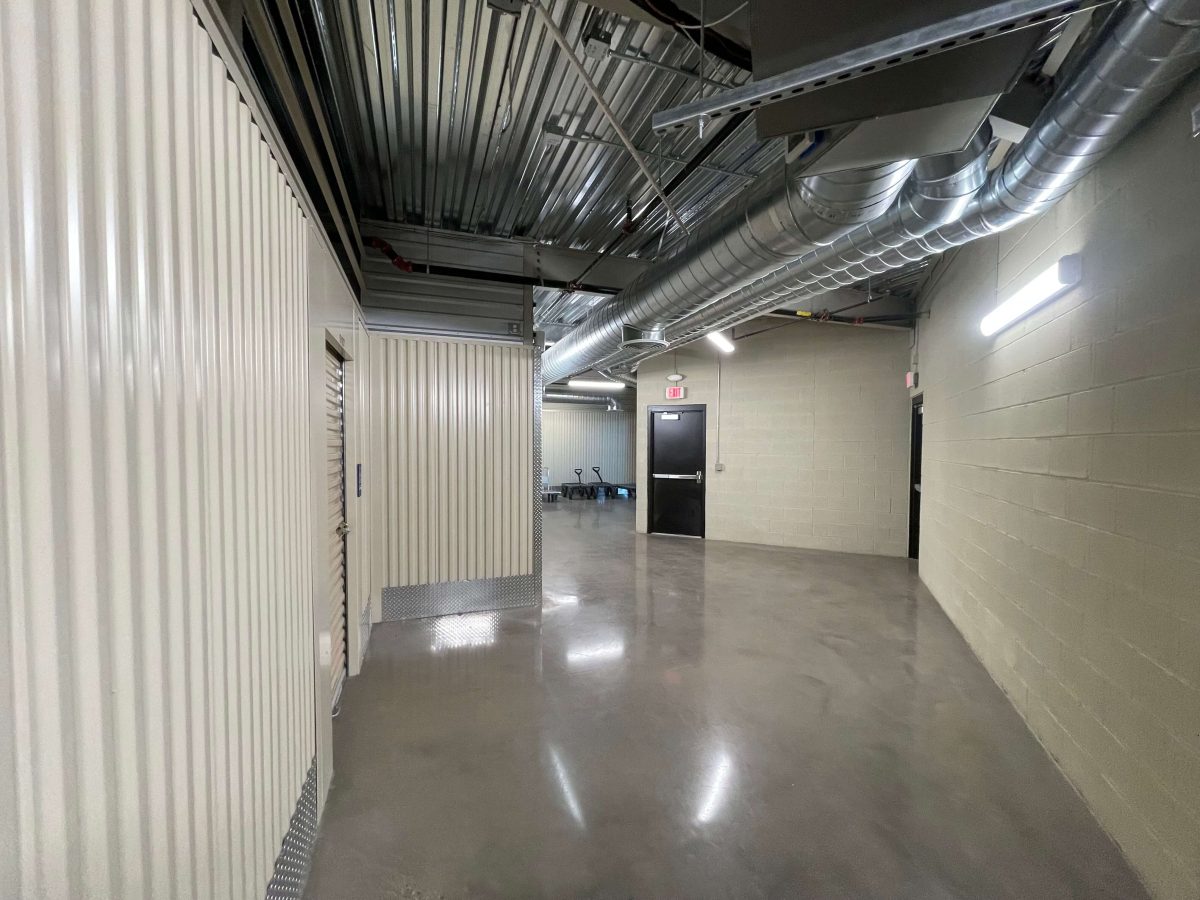
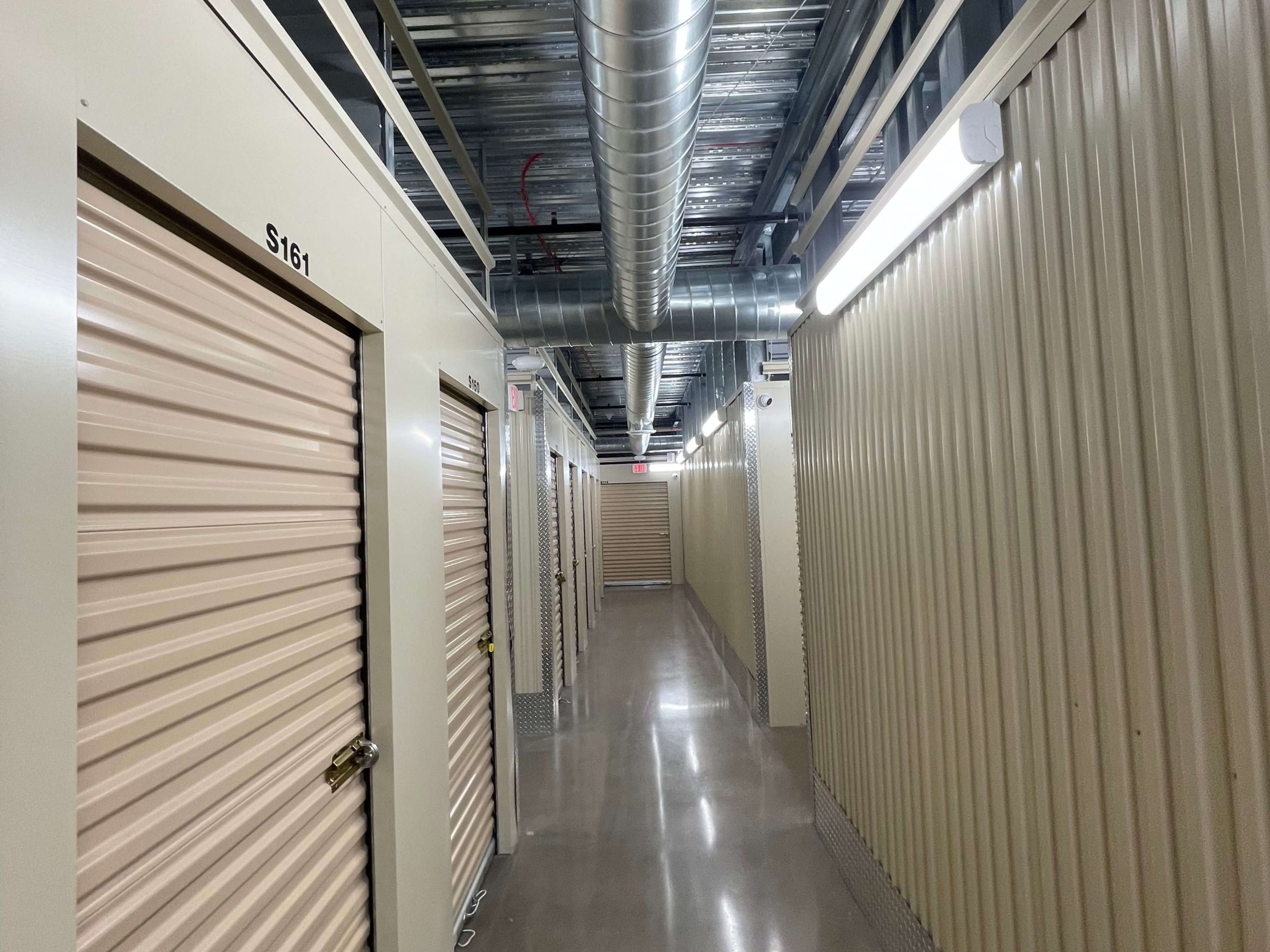
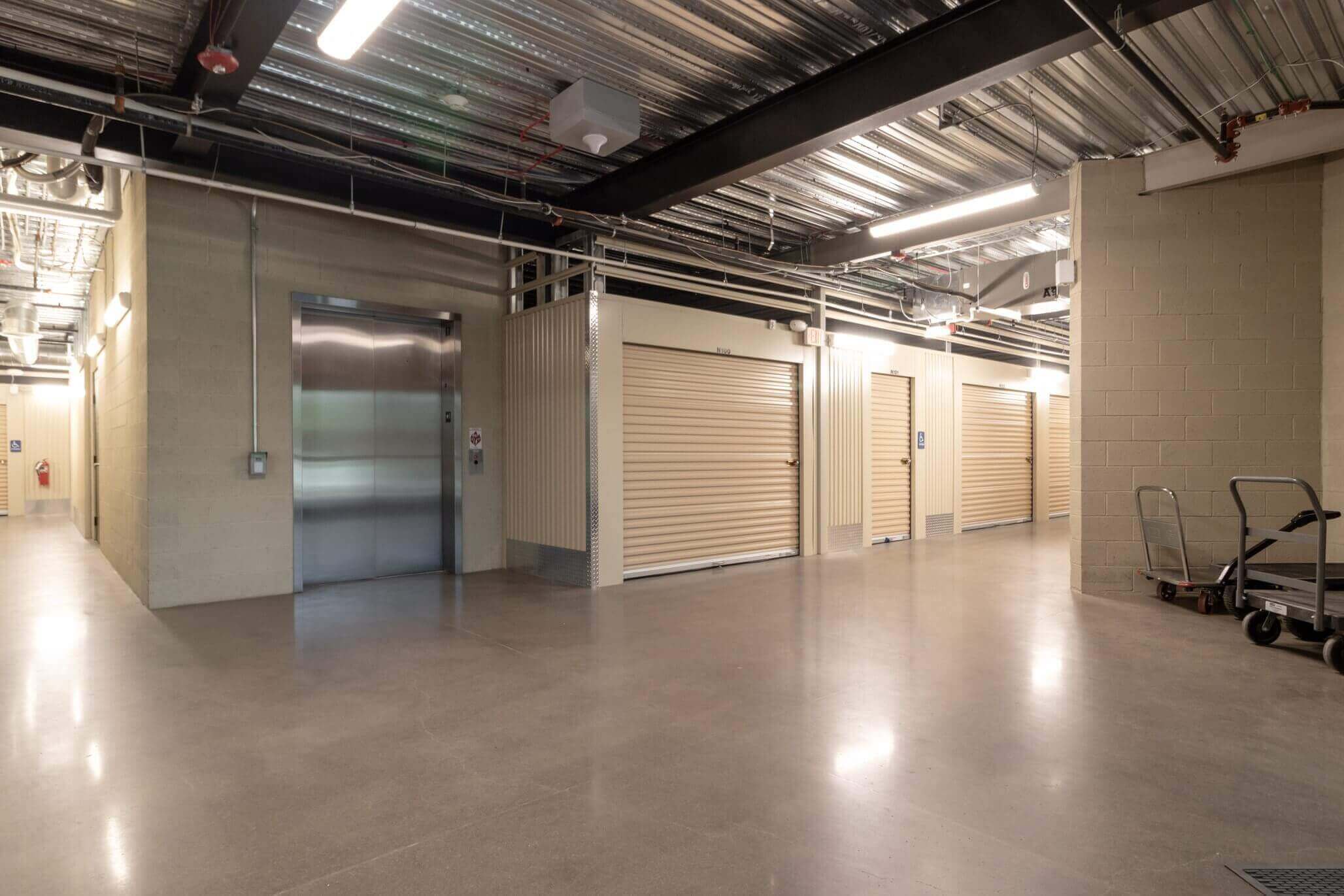
McDowell Mountain Community Storage offers fully air-conditioned, indoor units that maintain stable temperatures year-round. Read more about the benefits of climate-controlled storage and why it matters especially in Arizona’s extreme climate.
Items that absolutely require climate-controlled storage include:
- Electronics: Laptops, TVs, tablets, cameras. How to store electronics in a storage unit.
- Wood furniture: Tables, chairs, cabinets, antiques. Complete furniture storage guide.
- Clothing and fabrics: Seasonal wardrobes, linens, and upholstery. How to store clothes in a storage unit.
- Artwork and collectibles: Storage solutions for artists and collectors.
- Musical instruments: Guitars, keyboards, and wind instruments.
- Important documents and photographs.
- Mattresses and bedding: How to store a mattress in a storage unit.
How to Prepare Your Belongings Before Putting Them in Storage
Proper preparation before you leave for the summer is critical to keeping your items in excellent condition. Follow these snowbird storage tips before you lock up your unit:
1. Clean Everything Thoroughly
Dirt, food residue, and moisture are the enemies of stored items. Clean all furniture, appliances, clothing, and gear before storage. Even small amounts of leftover food in appliances can attract pests and cause mold.
2. Disassemble Large Furniture
Take apart bed frames, tables, and shelving to save space and reduce the risk of damage. Wrap all hardware in labeled bags and tape them to the corresponding piece. Read our guide to storing furniture in a storage unit for step-by-step instructions.
3. Use Proper Packing Materials
Invest in quality packing supplies for your move into storage. Use sturdy boxes, packing tape, bubble wrap, furniture pads, and plastic bins. Check out our recommended essential packing supplies for an efficient move into storage.
4. Pack Fragile Items with Extra Care
Wrap breakables individually and mark boxes clearly. Review the best ways to pack fragile items for storage to avoid returns home to broken valuables.
5. Label Every Box
This one is overlooked more than any other tip. Label every box with both the contents and the room it belongs to. When you return next fall, you’ll thank yourself. See our guide on how to label and organize stored boxes for maximum efficiency.
6. Create a Storage Inventory
Before you close up the unit, document everything you’ve stored with photos or a written list. This is invaluable for insurance purposes and helps you remember what’s inside. Learn how to create an inventory for your storage unit.
How to Organize Your Storage Unit for Easy Access
Snowbirds often access their storage units at both ends of the season, unloading when they arrive and reloading when they leave. Smart organization makes this process much faster and easier.
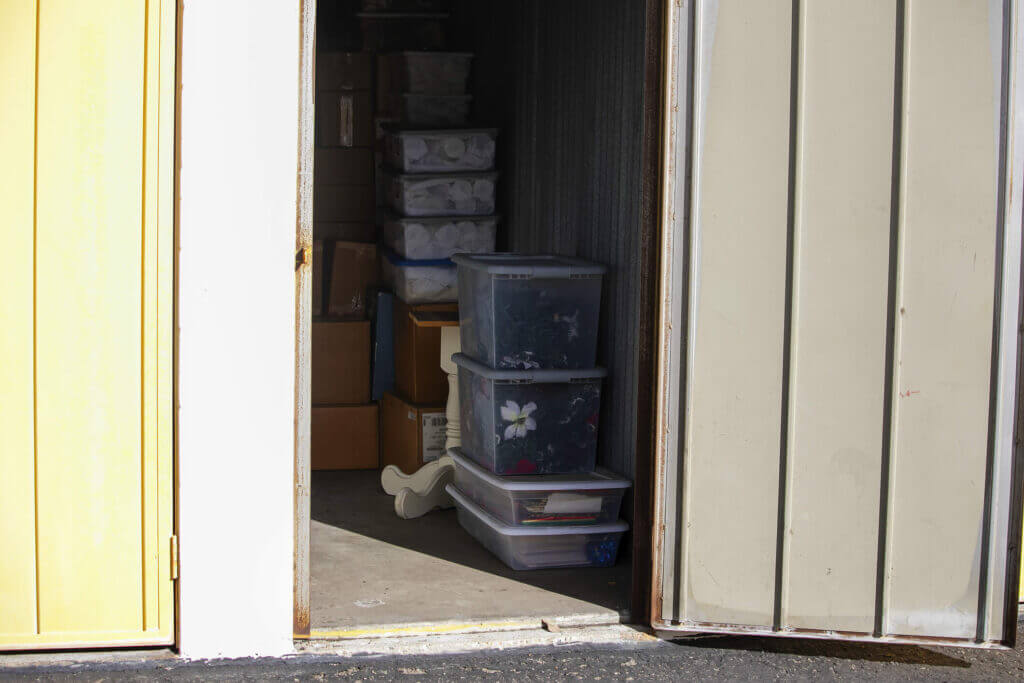
- Place frequently accessed items near the front of the unit. Seasonal clothing, golf clubs, or items you’ll grab early in your stay.
- Stack heavier boxes on the bottom and lighter ones on top.
- Use shelving units to keep items off the floor and improve visibility.
- Leave a central aisle so you can walk in and reach items without unpacking everything.
- Group items by category. Kitchen, clothing, outdoor gear, documents, so you know exactly where to look.
For more inspiration, read our guide on smart storage layout ideas for small units and how to organize a storage unit.
Storing Vehicles and Outdoor Equipment as a Scottsdale Snowbird
Many snowbirds bring vehicles, cars, golf carts, motorcycles, or bicycles to Scottsdale for the season. If you’re leaving a vehicle behind when you head north, proper vehicle storage is essential to prevent damage from Arizona’s extreme summer heat.
- Disconnect the battery or use a trickle charger to prevent it from dying.
- Add a fuel stabilizer if the vehicle will sit for more than a month.
- Over-inflate tires slightly (check your manual) to prevent flat spots.
- Use a quality cover to protect against dust and UV rays even in an indoor unit.
- Store in a climate-controlled unit whenever possible to protect seals, tires, and electronics.
Check out our blog post on whether you can store a car in a storage unit for detailed guidance.
Security: Keeping Your Belongings Safe While You’re Away
Leaving your belongings unattended for months at a time makes storage facility security a top priority for snowbirds. Not all storage facilities are created equal. When evaluating your options, look for:
- 24/7 digital security cameras. McDowell Mountain Community Storage features 4K digital security cameras throughout the facility.
- Gated, keypad-controlled access so only authorized tenants can enter.
- Well-lit indoor facilities with no exterior access points.
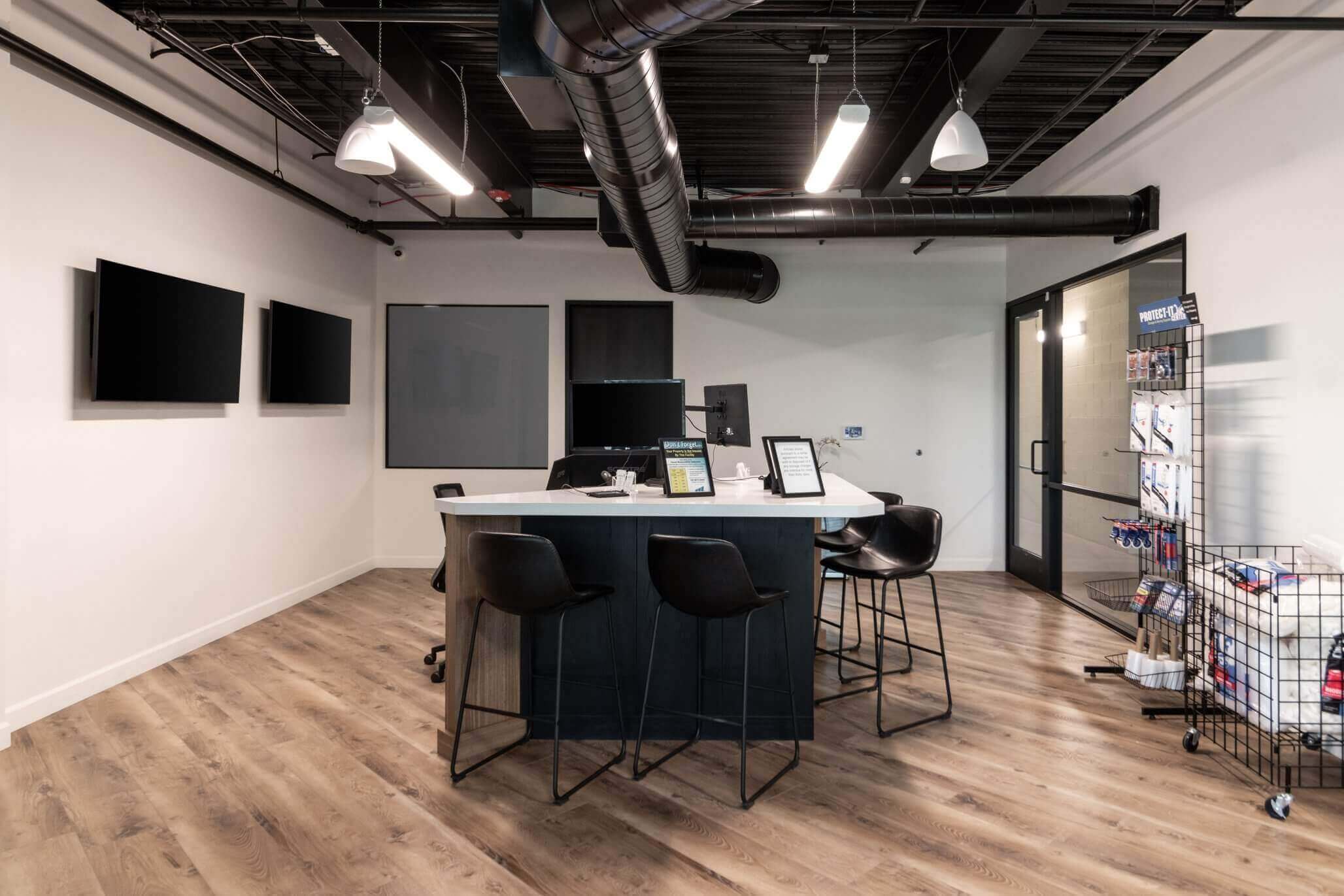
- On-site management during business hours.
McDowell Mountain Community Storage is completely internalized, meaning all units are indoor with no exterior roll-up doors, providing an added layer of protection. Learn more about the security features to look for in a storage facility, and review ways to keep your stuff safe in a self-storage unit.
Do Snowbirds Need Storage Unit Insurance?
Yes, and this is a step many snowbirds skip to their regret. Storage unit insurance protects your belongings in the event of theft, fire, water damage, or other unforeseen circumstances. Your homeowner’s or renter’s insurance policy may cover stored items, but it’s important to verify this before assuming you’re protected.
Review our detailed guide on whether you need insurance for your storage unit, and make sure your coverage travels with you.
Short-Term vs. Long-Term Storage: What’s Right for Snowbirds?
Most snowbirds need storage for three to six months at a time, which puts them squarely in the short-to-medium-term rental category. McDowell Mountain Community Storage offers flexible month-to-month leases with no long-term commitment required, so your rental matches your season perfectly.
Learn the difference between short-term vs. long-term storage to make sure you’re choosing the right arrangement. And if you’re thinking about what to expect on costs, our guide on how much a storage unit costs per month will give you a realistic picture.
Tips for Moving Into and Out of Your Storage Unit Each Season
The seasonal rhythm of snowbird life means you’ll be loading and unloading your storage unit twice a year. Making this as efficient as possible saves time and energy.
- Arrive with a plan. Know which items you’re retrieving first and have them placed near the front of your unit.
- Bring the right supplies. Keep a small kit of packing tape, markers, and trash bags in your unit for the unloading process.
- Do a condition check. When you return in the fall, inspect items for any signs of damage before unpacking everything.
- Update your inventory. Add or remove items from your list each time you access the unit.
- Re-organize as you go. Each season is an opportunity to improve your unit’s layout.
Read our helpful posts on how to use a storage unit during a move and how to organize your belongings before using storage for more guidance.
Common Snowbird Storage Mistakes to Avoid
Even experienced snowbirds make storage mistakes that end up costing them. Here are the most common ones and how to avoid them:
- Skipping climate control: In Scottsdale’s summer heat, this is the costliest mistake you can make. Always choose an air-conditioned unit.
- Not labeling boxes: Trying to find a specific item in an unlabeled unit is a nightmare.
- Overpacking boxes: Heavy boxes are harder to move and more prone to breaking.
- Storing prohibited items: Flammables, perishables, and hazardous materials are never allowed. See what not to put in a storage unit.
- Forgetting insurance: Months away from your unit with no coverage is a risk not worth taking.
- Choosing the wrong size: Use our space estimator to avoid over- or under-renting.
Dive deeper into our list of common self-storage mistakes to avoid before you book your unit.
Why Choose McDowell Mountain Community Storage for Snowbird Storage?
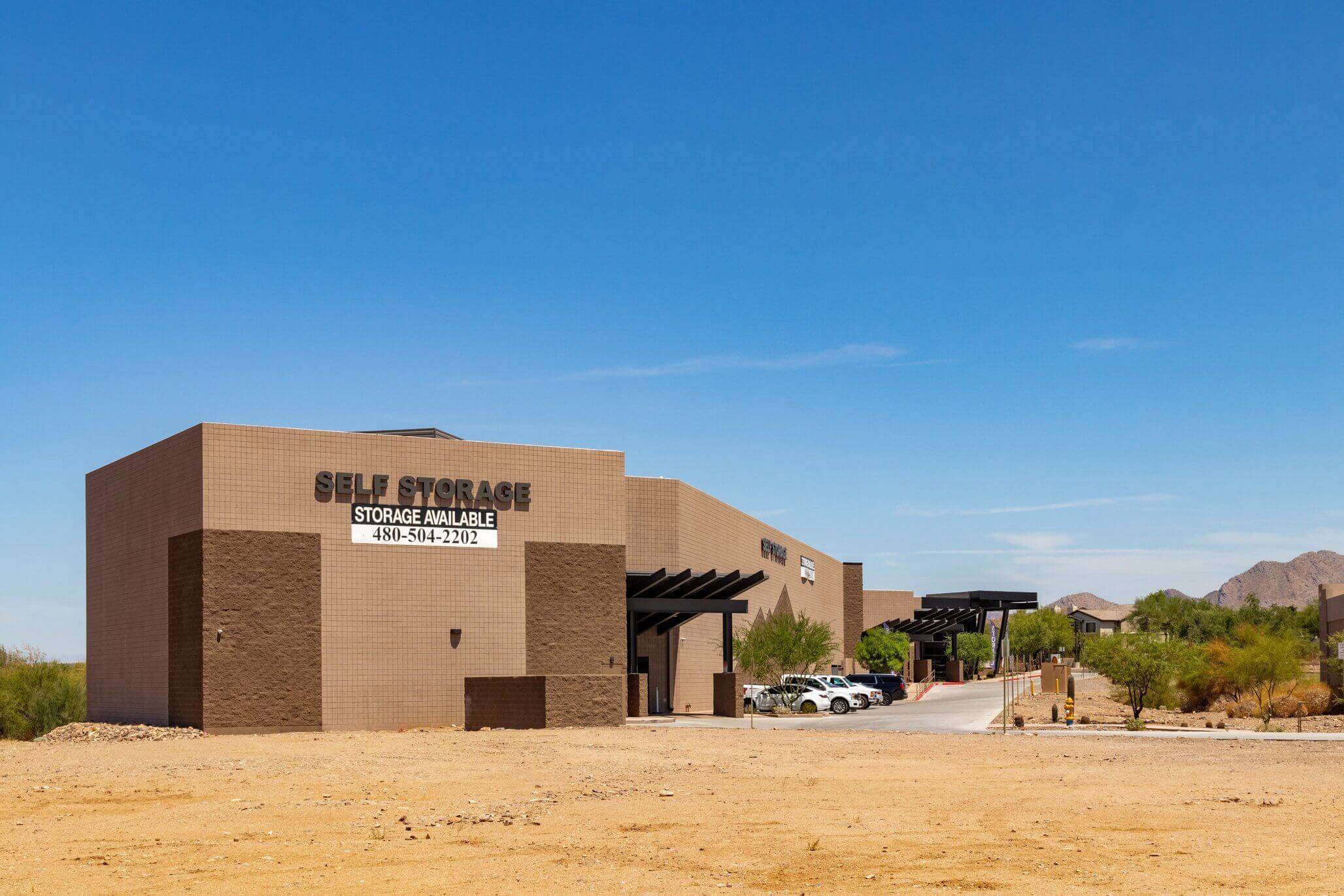
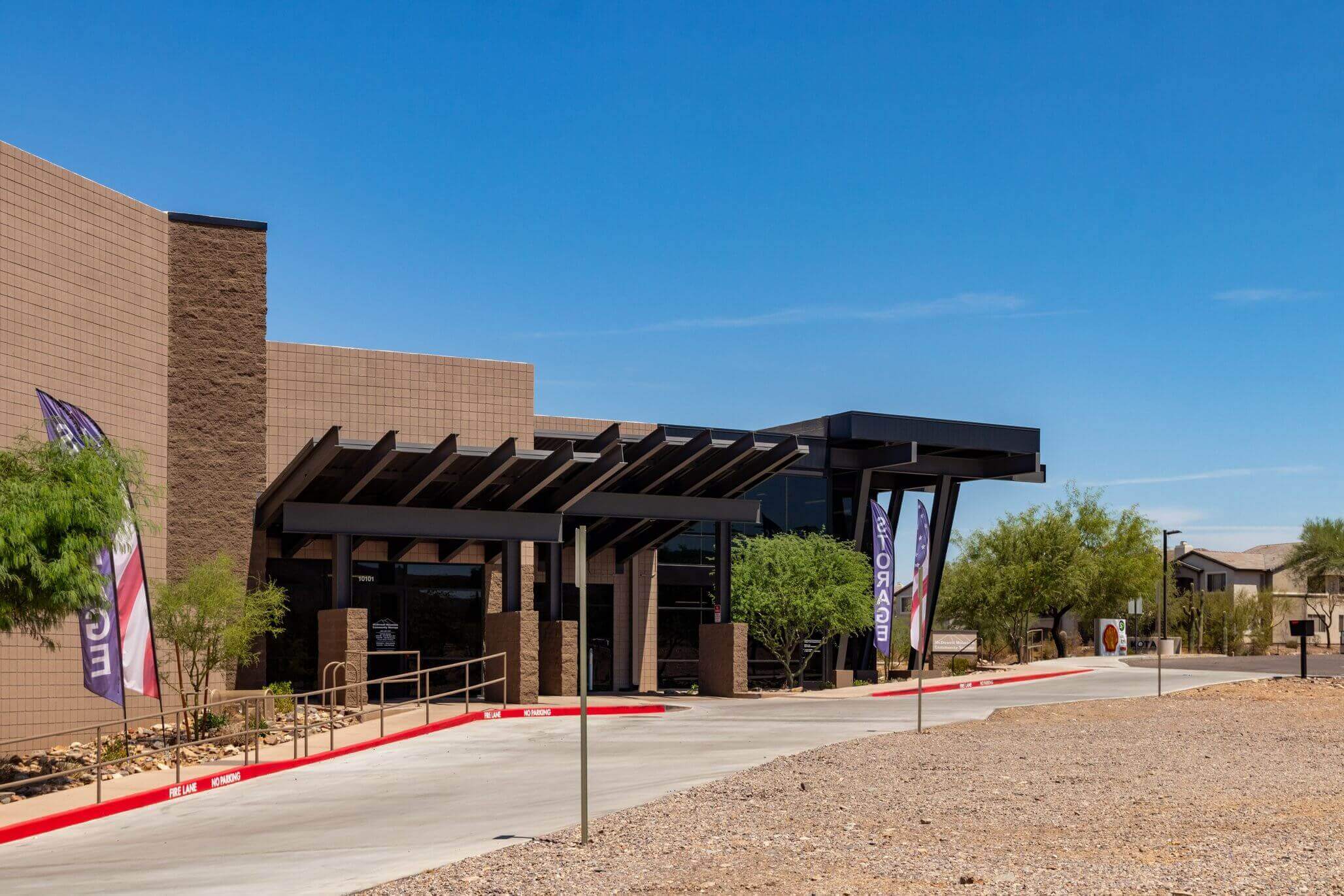
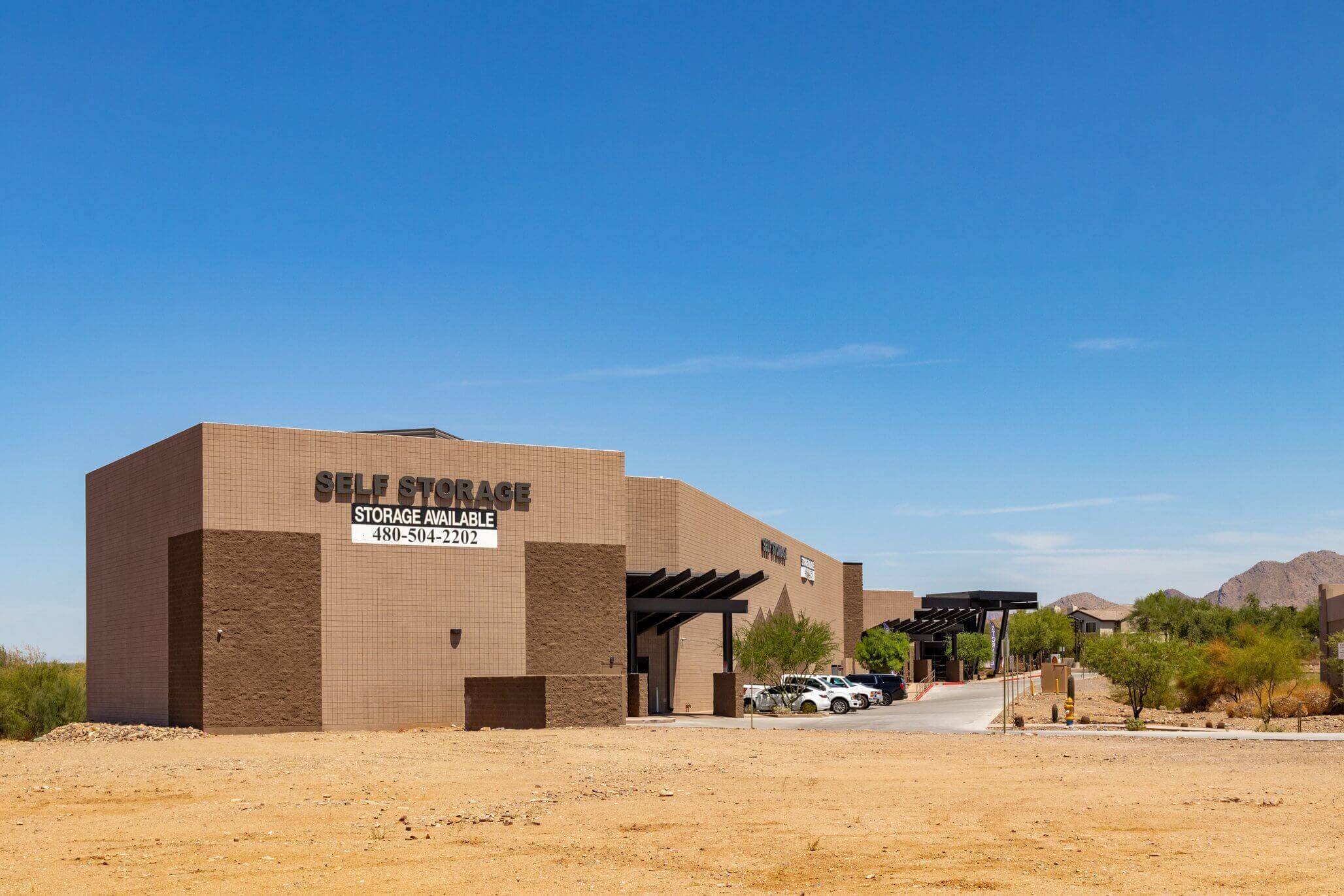
McDowell Mountain Community Storage is located at 10101 E. McDowell Mountain Ranch Rd, Scottsdale, AZ 85260. Ideally positioned for snowbirds in north Scottsdale, Fountain Hills, Cave Creek, and Carefree. Here’s why seasonal residents trust us year after year:
- 100% indoor, climate-controlled units: All units are air-conditioned and fully enclosed, protecting your belongings from Scottsdale’s extreme summer temperatures.
- 660+ units ranging from 5×5 to 10×25: Plenty of size options to match your needs.
- Flexible month-to-month leases: Rent for exactly the season you need, nothing more.
- 4K digital security cameras and keypad-controlled access for maximum security.
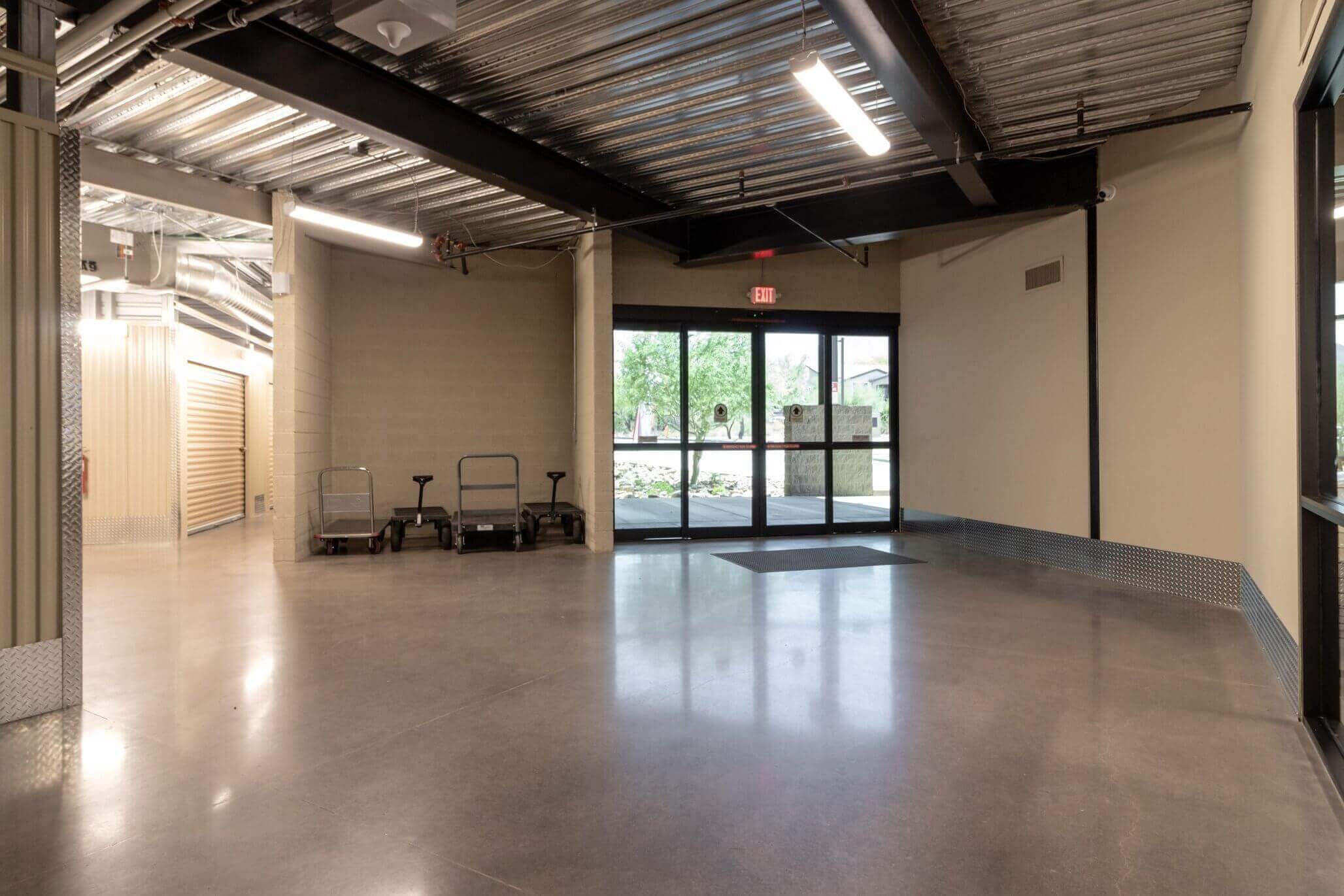
- Multiple loading docks and 2 elevators for easy move-in and move-out.
- Locally owned and operated: Our team knows Scottsdale and understands the snowbird lifestyle.
- Open 7 days a week: Monday–Saturday 9AM–6PM, Sunday 10AM–4PM.
Rent a unit today or call us at (602) 899-5484 to speak with our team. You can also browse our frequently asked questions or storage tips page for additional guidance.
Final Thoughts: Make the Most of Your Scottsdale Season with Smart Storage
Being a snowbird in Scottsdale is one of life’s great pleasures. Warm winters, beautiful landscapes, and a thriving community of fellow seasonal residents. But smart snowbird storage is what makes the lifestyle truly seamless. When your belongings are organized, protected, and ready for you each season, coming and going becomes effortless.
Whether you need a small unit for a few boxes of seasonal gear or a large space to store furniture and a vehicle, McDowell Mountain Community Storage has the climate-controlled, secure, and flexible storage solutions that Scottsdale snowbirds rely on. Reserve your unit online or stop by and see the facility for yourself. We’d love to be part of your Scottsdale story.