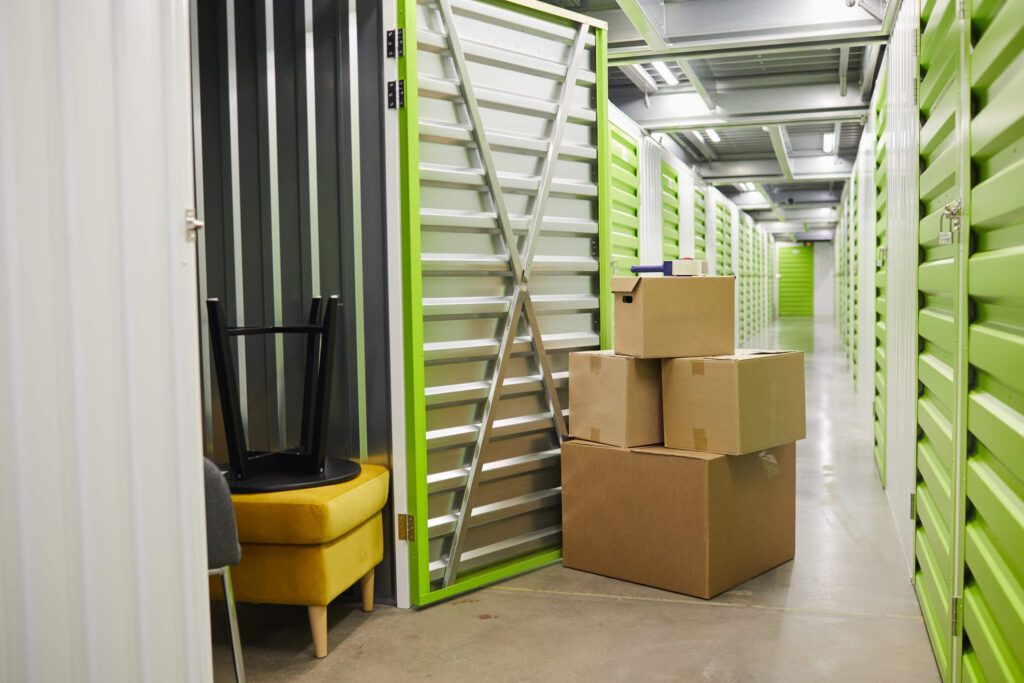

How To Effectively Store Clothes in a Storage Unit

Discover how to effectively store clothes in a storage unit, which involves a strategic approach to ensure that your garments remain in good condition, are easily accessible, and are free from damage. The process can be broken down into several key steps:

1. Assessing and Preparing the Storage Unit:

Before storing your clothing items, carefully inspect the designated self-storage area. Ensure it is orderly, dry, and devoid of undesirable elements like bugs and other insects. If the self storage space lacks organization, consider incorporating shelves or hangers to optimize the available space and prevent your clothes from coming into contact with the floor. Additionally, be proactive in identifying and resolving potential issues such as leaks or drafts; addressing these concerns early on will contribute to maintaining the safety and snugness of your clothes throughout their storage period.

In summary, a brief inspection and strategic adjustments can significantly enhance the comfort of your clothes’ storage, whether in a closet, garage, or any designated area, utilizing options such as plastic storage bins, vacuum-sealed bags, mothballs, and proper labels for efficient sorting and space-saving.

2. Sorting and Organizing Clothes

When arranging your clothing, consider categorizing it based on factors such as the season they are worn, the type of garment, and the frequency of use. This involves separating summer attire from winter wear, separate and sort items together (such as shirts with shirts and pants with pants), and factoring in how regularly specific pieces are worn. This systematic approach simplifies the process of locating specific items later on. Picture needing a warm sweater amid winter – by organizing your clothes seasonally, you can effortlessly locate your winter wardrobe without sifting through everything. This saves time and maintains a higher level of organization, minimizing the risk of damage as you won’t need to disturb everything each time you search for an item.

You establish a structured system that brings order to your closet by categorizing your clothes. It’s akin to creating a navigational size guide for your clothing and fabric, streamlining access to your collection. Moreover, by housing similar items together, you create a safeguarding environment for your garments. Delicate fabrics, for example, will avoid friction with coarser materials, diminishing the likelihood of snags or tears. This meticulous organizational strategy represents a modest time investment that yields dividends when swiftly selecting the ideal outfit or preserving the longevity of your cherished pieces. To enhance protection further, consider employing temperature-controlled self-storage units, packing delicate items in clothing storage containers, using cedar chips or cedar balls to ward off pests, and exploring vacuum packing for compact storage.

3. Cleaning and Wrapping Clothes

Ensure to clean all your clothes thoroughly before storing them away since it is a crucial step in preventing the stubborn setting of stains or lingering odors. This meticulous pre-storage cleaning routine contributes to the overall longevity of your garments and guarantees their freshness and odor-free state upon retrieval. Fold or roll clothes neatly and use appropriate wrapping materials, such as tissue paper or garment bags, to protect them from dust and potential damage. How you fold or roll your clothes is not just a matter of space efficiency; it plays a pivotal role in preserving the integrity of clothing fibers and preventing the formation of unsightly wrinkles.

For an added layer of protection, consider utilizing appropriate wrapping materials such as tissue paper or garment bags. These materials act as a crucial barrier, shielding your clothes from dust and potential damage throughout their storage duration. Adhering to these specific steps is paramount in maintaining the quality of your wardrobe, ensuring that your garments resurface from storage in the same immaculate condition as when you attentively pack them away.

4. Choosing Appropriate Storage Containers

Opt for airtight containers as your primary storage solution, creating a reliable shield that protects your clothes from moisture, dust, and pests. The advantage of choosing clear plastic containers lies in their transparency, allowing for effortless identification of contents without the need to open each container individually. This transparency streamlines the retrieval process and facilitates a quick visual check of the items stored.

To cater to the diverse sizes and types of clothing in your wardrobe, consider selecting containers in various sizes, ensuring they can comfortably house different garments. This thoughtful approach to storage containers ensures the safety of your garments against external elements and contributes to an organized and easily accessible storage system for all your clothing items.

5. Folding and Stacking Techniques

Discovering efficient folding techniques is vital to keeping your clothes neat and saving storage space. By folding your clothes effectively, you minimize wrinkles and optimize the available space. An additional space-saving tip is to stack clothes vertically instead of horizontally. This vertical stacking method maximizes storage space and makes it much simpler to find specific items without disrupting the entire arrangement. So, whether creating a tidy wardrobe or maximizing space in a storage facility, mastering these folding and stacking techniques can make a significant difference in organization and accessibility.

6. Utilizing Hanging Storage Solutions

When it comes to storing your clothing, especially those that are delicate or prone to wrinkling, the selection of hangers becomes a pivotal factor. Opting for robust hangers is essential as they provide crucial support and prevent potential damage to more sensitive fabrics. Moreover, hanging storage solutions significantly contribute to the overall care of your garments, particularly when contemplating long-term storage requirements. A clothing rack and a wardrobe cardboard box or cardboard boxes (wardrobe boxes) emerge as highly beneficial choices in this context, offering a specialized environment ideal for preserving the shape of dresses, suits, and other garments that demand careful maintenance.

Hanging storage not only averts the formation of wrinkles but also ensures that the items maintain their intended structure over an extended duration. This is especially valuable for special occasion wear, formal attire, or any clothing requiring a heightened level of care to retain its original form. Ultimately, the judicious selection of sturdy hangers and hanging storage solutions represents a considerate and effective strategy for upholding the durability and integrity of your more delicate wardrobe items.

7. Using Desiccants for Moisture Control

Implementing desiccants for moisture control is a savvy and efficient approach across various scenarios, mainly when aiming to safeguard the integrity of stored possessions. As exemplified by silica gel packets, desiccants function as adept moisture absorbers, maintaining an ideal environment by minimizing humidity levels. This strategy holds particular significance in environments like storage units, closets, or other enclosed spaces where the accrual of moisture can lead to adverse repercussions.

Elevated humidity levels pose a significant risk to stored items, especially fabrics, creating a favorable setting for mold and mildew development. By strategically placing desiccants in these areas, one actively counteracts surplus moisture, reducing the likelihood of damage to delicate materials. Whether shielding clothing, important documents, or electronic devices, desiccants are a straightforward yet potent measure to prolong the lifespan and condition of stored items by thwarting the onset of mold-related issues and maintaining an appropriately dry storage environment.

How To Effectively Store Clothes in a Storage Unit In Scottsdale, AZ

8. Labeling and Inventory Management

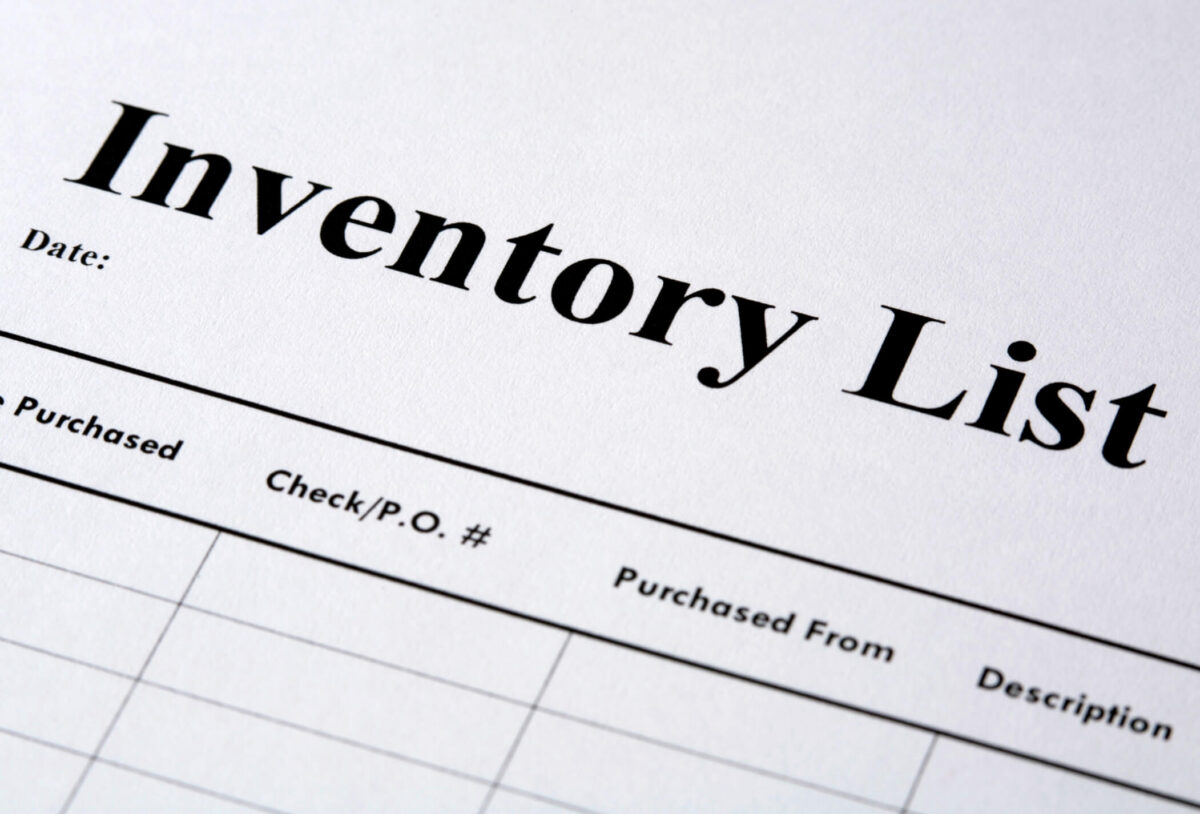
Labeling each storage container is crucial as it establishes an organized method for managing items. Maintaining an inventory list and detailing contents and locations enhances overall efficiency. This proactive measure streamlines item retrieval and offers a comprehensive overview of your stored wardrobe, providing enhanced control over your storage space. The labeling and inventory system facilitates tracking, retrieval, and management with clarity and precision, ensuring easy access and confident navigation of your storage area.

9. Creating a System for Easy Access

Organize your self-storage unit thoroughly to prioritize easy access to frequently used items. Place seasonal belongings towards the rear of the unit, reserving the front for everyday essentials to facilitate quick retrieval. Creating well-defined aisles within the unit enhances navigation, establishing a systematic and efficient arrangement that minimizes the effort required to locate specific items. This intentional organization not only emphasizes accessibility but also maximizes the overall functionality of the storage space, offering a practical and user-friendly setup for a smoother experience when accessing your stored belongings.

10. Regular Maintenance and Inspection

Make it a habit to consistently inspect your storage unit, ensuring it remains in optimal condition. Be vigilant for any indications of pests, mold, or water damage, and promptly attend to any identified issues. Rotate seasonal items as needed, guaranteeing that your frequently used belongings are readily available. Keep your inventory list updated with any modifications, enabling you to monitor your stored items and uphold a well-managed storage space. These regular examinations are fundamental in safeguarding the state of your possessions and fostering a well-organized and trouble-free storage environment.

By following these self-storage tips for your clothes, you can maintain the condition of your clothes while optimizing the space in your storage unit and ensuring easy access when needed.

How To Effectively Store Clothes in a Storage Unit In Scottsdale, Arizona

FAQs

Here are some frequently asked questions about self-storage units to learn more how to effectively store clothes in a storage unit:

Q. Are there specific types of containers or bags suitable for clothing storage in a unit?

Yes, when it comes to storing clothes in a unit, using the right containers or bags is essential. Opt for airtight containers to protect your clothes from dust, moisture, and pests. Clear plastic containers are ideal as they allow you to see the contents without opening them. Additionally, consider using garment bags for hanging items like dresses and suits, which helps prevent wrinkles. Using proper storage solutions ensures that your clothes stay clean, organized, and in good condition while in storage.

Q. How can I prevent mold and mildew from affecting my clothes in storage?

Follow a few simple steps to keep mold and mildew away from your clothes in storage. First, ensure your clothes are spotless and dry before storing them. Moisture attracts mold, so moisture-absorbing products like silica gel packets or desiccants can help. Opt for a climate-controlled storage unit as it helps maintain a stable environment. Use breathable storage containers, like cotton or canvas bags, to allow air circulation and prevent trapped moisture. Avoid plastic bags or airtight containers, which can create a humid environment. Lastly, periodically check on your stored clothes and the storage space to ensure everything stays dry and mold-free.

Q. Are there any precautions for storing delicate or fragile clothing items?

Yes, when storing delicate or fragile clothing items, it’s essential to take some precautions to ensure their preservation. First, clean the items thoroughly to prevent stains or odors from setting in. Use appropriate wrapping materials, such as tissue paper or garment bags, to protect them from dust and potential damage. Consider folding the items carefully or using padded hangers to avoid stretching. Additionally, choose a suitable storage container, like a sturdy box or airtight plastic container, to shield the clothes from environmental factors. Store these items in a cool, dry, and dark place to prevent deterioration. Taking these precautions will help maintain the quality of delicate clothing during storage.

Q. How do I keep pests away from my clothes in a storage unit?

To keep pests away from your clothes in a storage unit, taking a few preventive steps is essential. First, ensure your storage area is clean and free from pests. Consider using pest repellents like cedar balls (mothballs) or lavender sachets, which can help deter insects. Store your clothes in sealed, airtight containers to create a barrier against pests. Additionally, avoid using cardboard boxes, as pests can easily chew through them. Regularly inspect your storage unit for any signs of pests and address the issue promptly if you notice any. Maintaining a clean and protected storage environment can help ensure that your clothes remain pest-free.

Q. How often should I check my clothes in the storage unit to ensure their condition?

To keep your clothes in good shape, checking them in the storage unit regularly is a good idea. How often depends on factors like the climate, storage conditions, and the types of clothes you have stored. Generally, a check every few months is advisable. This way, you can ensure no issues like pests, mold, or moisture could harm your clothes. Regular checks also help you rotate seasonal items and update your inventory, ensuring your stored clothes remain in the best possible condition whenever you need them.

Reserve your Scottsdale Temperature-Controlled Storage Unit Today!

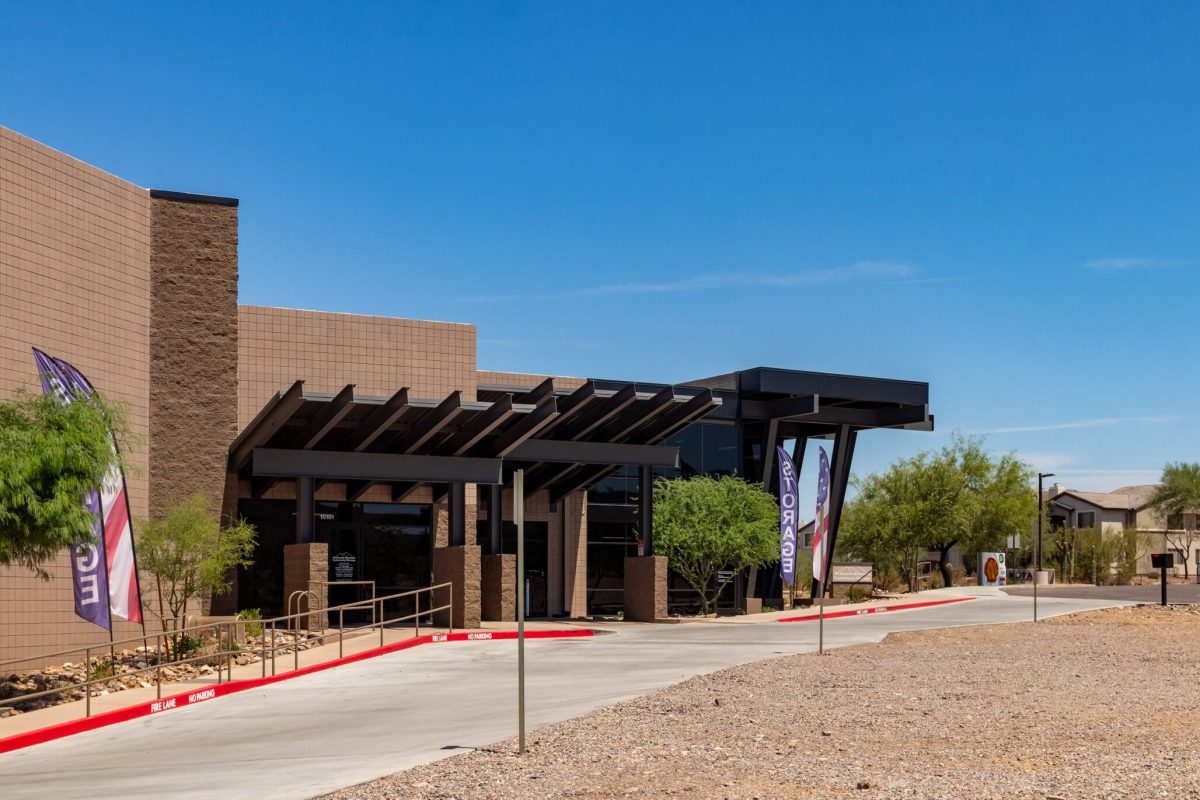
Secure your Scottsdale Temperature-Controlled Storage Unit today with McDowell Mountain Community Storage, the best self-storage in Scottsdale, Arizona. Our facility offers top-notch temperature-controlled storage solutions to ensure the optimal preservation of your belongings. With our commitment to providing the best self-storage options, you can trust McDowell Mountain Community Storage to meet your storage needs conveniently and reliably. Reserve your storage unit now for a secure and well-maintained space to store your belongings in Scottsdale.

Benefits of Climate-Controlled Storage

When considering the storage of our valuable belongings, such as furniture, documents, or cherished mementos, the storage environment plays a crucial role in their safe preservation. While traditional self storage unit may provide a cost-effective solution for items susceptible to temperature and humidity fluctuations, opting for a climate-controlled storage facility can be transformative. This article will delve into the multiple advantages of choosing climate-controlled-storage, highlighting the significance of this contemporary solution in safeguarding the longevity of your possessions. Explore the benefits of climate-controlled storage in Scottsdale, Arizona

Preservation of Belongings in Storage Units from Moisture

Temperature-controlled storage is indispensable for safeguarding items sensitive to temperature fluctuations and high humidity. Possessions such as furniture, electronics, documents, and delicate fabrics are susceptible to damage in extreme conditions. The primary advantage of temperature-controlled storage lies in its consistent environment, effectively minimizing the risks of warping, corrosion, and mold growth. This controlled setting ensures the prolonged preservation of valuable belongings, making it an ideal choice for those prioritizing protection from environmental threats.

Temperature-controlled storage is a protective barrier against potential harm caused by varying temperatures and excessive humidity. By offering a stable environment, it emerges as a dependable solution for individuals and businesses aiming to uphold the integrity and durability of their stored items. Consider a safe and convenient storage option; climate-controlled storage considers all elements, including moisture, temperature, and air circulation, ensuring customers that their belongings, whether furniture, electronics, or delicate fabrics, are kept in a secure and controlled environment.

Prevention of Mold and Mildew: Tackling Humidity Levels and Challenges

Often an underestimated adversary, moisture poses a significant risk to valuable belongings, emphasizing the importance of preventing mold and mildew. These destructive elements thrive in damp conditions, threatening items like wooden furniture, clothing, and delicate paper-based materials. In response to this challenge, temperature-controlled storage facilities play a vital role as a safeguard.

By precisely managing humidity levels, these facilities establish and maintain a dry environment, inherently resistant to the growth of mold and mildew. This proactive approach protects stored items, including sentimental wooden heirlooms, precious garments, and crucial documents, shielding them from the deteriorating effects of these pervasive and often irreversible threats.

The Benefits of Climate Controlled Storage for Electronics Amid Temperature Fluctuations and Humidity in Scottsdale, AZ

Enhanced Security Measures with Easy Access in Self-Storage Facilities

We extend our services beyond conventional extra space storage solutions by integrating advanced security measures. These upgraded features often include cutting-edge surveillance cameras, controlled access systems, and on-site personnel. This comprehensive combination establishes an additional layer of protection, guaranteeing your valuable items’ safety and close monitoring.

The peace of mind from storing your belongings in a facility with high-level security features is invaluable. Whether through vigilant surveillance cameras or the added security of controlled access, these measures contribute to a heightened sense of confidence and reassurance for customers utilizing climate-controlled storage.

Ideal for Temperature-Sensitive Items in a Controlled Climate

Climate-controlled storage is especially beneficial for safeguarding items sensitive to temperature fluctuations, like musical instruments, artwork, and antiques. These fragile belongings are susceptible to extreme heat or cold damage, risking their structural integrity and visual appeal. The significant advantage of climate-controlled storage is its capacity to maintain a steady temperature, creating an ideal setting for preserving temperature-sensitive valuables. In addition to providing a heightened sense of confidence and reassurance, climate-controlled storage units protect and preserve valuable belongings from extreme temperatures, humidity, and other environmental factors that can cause damage over time.

By mitigating the potential hazards linked to temperature variations, this storage option guarantees the lasting protection and conservation of precious and delicate items, assuring owners that these belongings will maintain their beauty and functionality over an extended period.

Extended Lifespan for Electronics Amid Temperature Fluctuations and Humidity

Items like electronics, including computers, audiovisual equipment, and household appliances, are susceptible to temperature changes, which can lead to malfunctions and a shortened lifespan. Recognizing the importance of climate-controlled storage in addressing these vulnerabilities, it becomes evident that such storage facilities offer a controlled and stable environment. This is crucial for mitigating the potential harm caused by extreme temperatures by ensuring the safekeeping of electronic devices.

The controlled environment protects these items from damage and plays a vital role in prolonging their usability and functionality. By neutralizing the risks associated with temperature fluctuations, climate-controlled storage emerges as a reliable solution for preserving the integrity and performance of electronic equipment, maintaining it in optimal condition for an extended period.

Comfortable Access for Users

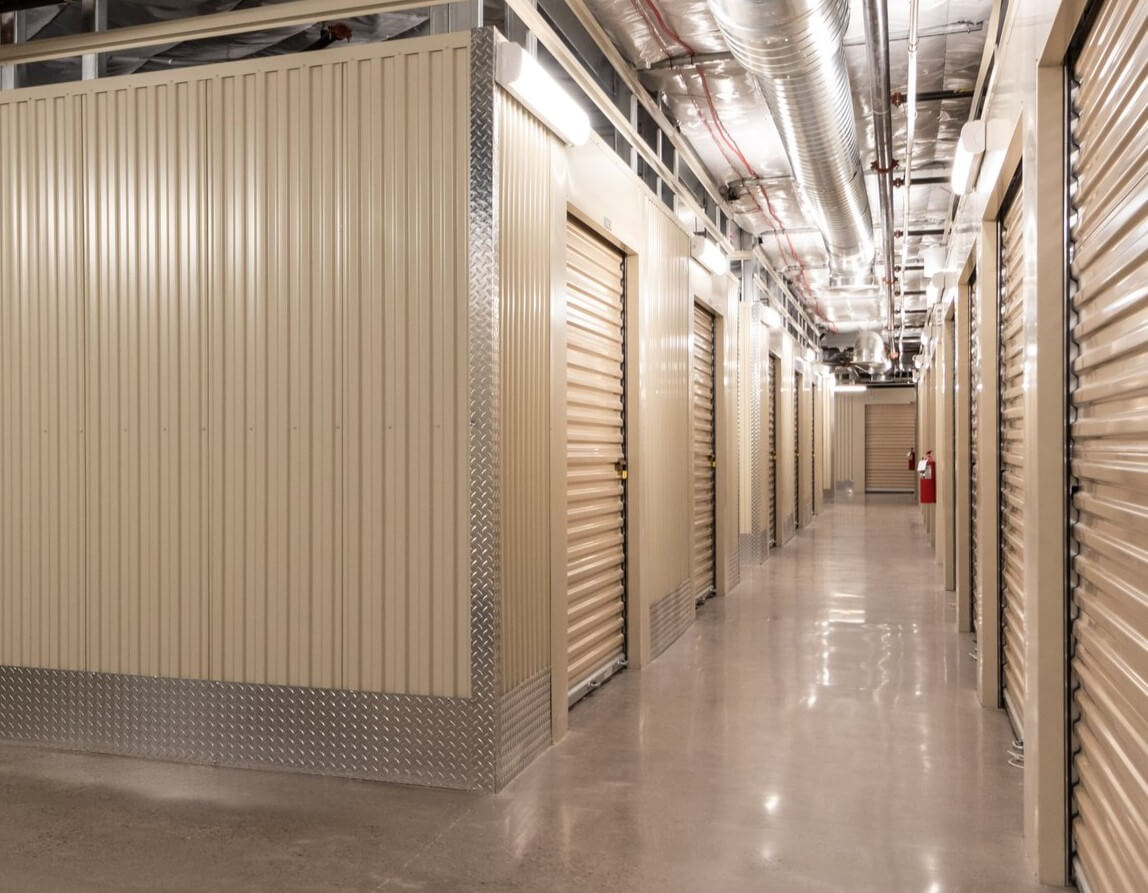
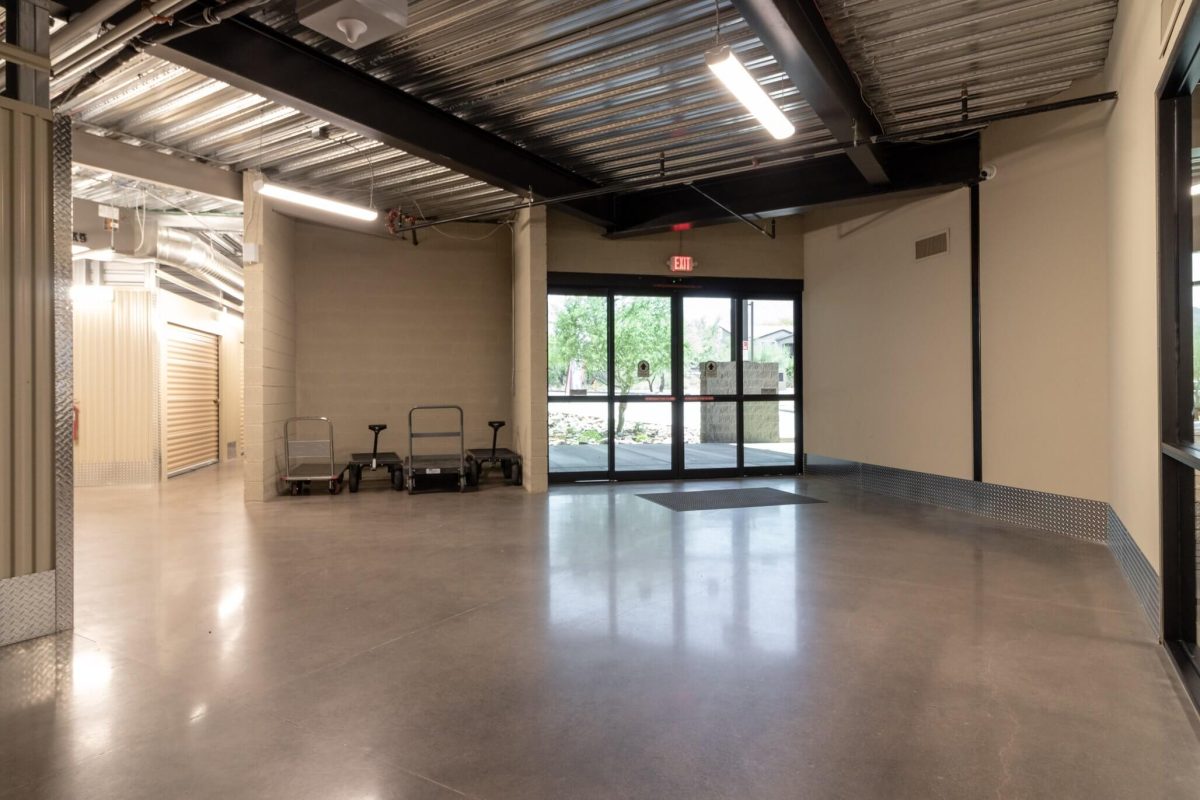
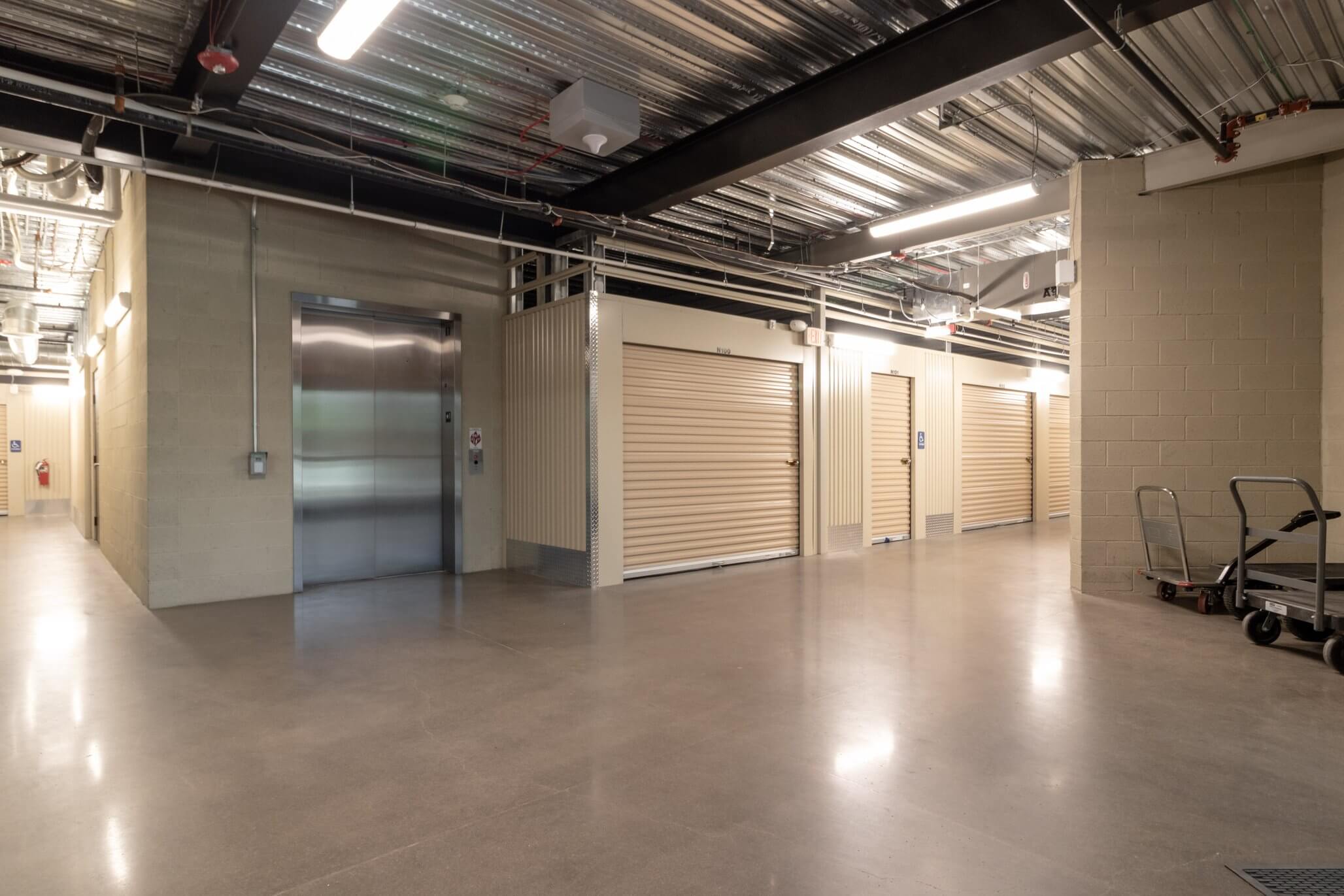
Unlike standard storage units, climate-controlled facilities offer added conveniences such as indoor access, well-lit corridors, and comfortable loading areas. This considerate approach significantly elevates the overall experience for customers, ensuring accessibility and ease beyond the typical storage facility. Indoor access guarantees that individuals can retrieve valuable items without being impacted by external weather conditions, proving especially beneficial in adverse weather.

Well-lit corridors enhance a sense of security and ease during navigation within the storage area, while comfortable loading zones streamline moving items in and out. In summary, these amenities make climate-controlled storage facilities exceptional in their dedication to user-friendly solutions, distinguishing them from conventional storage options.

Peace of Mind During Seasonal Weather Changes:

The benefits of temperature-controlled storage, particularly in self-storage units, are notably apparent when considering seasonal changes. These facilities are a secure haven for valuable items, safeguarding them from the harsh impacts of both summer heat and winter cold. With a focus on maintaining a controlled and consistent environment, climate-controlled storage minimizes the risks associated with temperature fluctuations, such as warping and corrosion. This makes it a safe and reliable option for customers seeking year-round preservation of their belongings, emphasizing the importance of choosing a facility that prioritizes climate control in self-storage solutions.

Conclusion

When climate control and climate change effects are more noticeable, opting for climate-controlled storage emerges as a prudent and sensible decision. The preservation, security, and peace of mind associated with this storage solution make it an ideal choice for safeguarding valuable belongings from the unpredictable forces of nature. Whether you’re storing family heirlooms, business inventory, or personal valuables, climate-controlled storage offers a reliable and protective environment for various items.

The Benefits of Climate Controlled Storage In Scottsdale, Arizona: Ensuring Protection Against Temperature Fluctuations and Humidity

FAQs About Storage Facilities

Here are some frequently asked questions about self-storage units.

Q. Is the cost of climate controlled storage more expensive than regular storage?

Yes, climate-controlled storage units usually have a higher price tag than standard storage options. This elevated cost is justified by the facility’s capacity to uphold a controlled environment, managing temperature and humidity levels to shield valuable and delicate items from potential harm. While conventional storage units offer fundamental protection, opting for climate-controlled storage adds safeguards, making it the favored choice for individuals and businesses aiming to safeguard their valuable possessions. The increased expense aligns with the advanced features and advantages of climate-controlled storage, guaranteeing the optimal condition of stored items despite external weather fluctuations.

Q. Can I access my belongings easily and securely in a climate controlled storage unit?

Yes, gaining access to your items in a temperature-controlled storage unit is generally trouble-free and convenient. Such units typically feature user-friendly amenities, including indoor access, well-lit corridors, and comfortable loading areas, ensuring easy retrieval. In contrast to confident conventional storage choices, temperature-controlled facilities prioritize accessibility, making it simple for customers to get their valuable belongings without any inconvenience. This convenience is a key factor contributing to the attractiveness of climate-controlled storage, guaranteeing that customers can effortlessly and comfortably reach their stored items whenever required.

Q. What are some examples of items that extreme temperature changes can damage?

Valuable items and supplies like electronics, wooden furniture, delicate fabrics, artwork, musical instruments, and specific types of wine are susceptible to damage from abrupt temperature changes. When exposed to extreme heat or cold, these sensitive belongings face risks such as warping, corrosion, degradation, or compromised structural integrity.

Q. What are the potential risks of not using climate-controlled storage for sensitive items amid varying humidity levels?

Refraining from utilizing a climate-controlled storage facility for sensitive items introduces various risks. Temperature fluctuations and high humidity can cause damage like warping, corrosion, mold growth, and structural degradation. Items such as electronics, delicate fabrics, artwork, musical instruments, and specific types of wine are especially susceptible to these hazards. The absence of climate control heightens the chances of irreversible harm to valuable belongings, affecting their overall condition and longevity.

Q. What should I consider regarding security when choosing a climate-controlled storage facility?

When opting for a temperature-controlled self-storage unit, it’s vital to weigh various factors to ensure the safety of your valuable items. First and foremost, examine the facility’s temperature control capabilities, especially if you’re storing items like electronics, delicate fabrics, or wine that are sensitive to temperature fluctuations. Humidity control is equally important to prevent moisture-related issues. Prioritize security features, including surveillance systems and controlled access, to safeguard your belongings. Check the facility’s reputation for cleanliness and pest control, considering the circulation of air to avoid challenges such as mold or debris accumulation. Evaluate accessibility, location, and facility hours for convenience, and ensure that the cost aligns with your budget. By taking all these elements into consideration, you can confidently choose the right storage facility that caters to your specific storage needs.

Choose McDowell Mountain Community Storage for Peace of Mind

McDowell Mountain Community Storage is the top choice for the best self-storage option in Scottsdale, Arizona. Our facility ensures the utmost safety and preservation of your valuable items through state-of-the-art climate-controlled storage units. The controlled environment protects against the challenging weather elements in the region, such as the intense desert heat, making it the ideal choice for storing furniture, electronics, and delicate belongings.

With a commitment to security and climate control, McDowell Mountain Community Storage provides customers with a reliable and safe self-storage unit option, offering their stored items peace of mind and longevity. Choosing us is not just an investment in space; it’s an investment in the quality and stability of your belongings. When deciding on storage solutions in Scottsdale, Arizona, consider McDowell Mountain Community Storage for a facility that prioritizes the well-being of your possessions in all weather conditions. Call us at (602) 899-5487 to reserve your storage unit today!

Things You Need to Know Before Renting a Storage Unit

Are you planning to rent a storage unit? A storage facility can be a lifesaver whether you’re decluttering, moving, or need extra space for your business inventory. Renting a storage unit is a great way to free up your home or office space. However, before you sign a contract, there are essential things you need to know to ensure that you’re making the right decision.

Here Are 11 Things You Need to Know Before Renting a Self-storage Unit

1. Understanding Self Storage Units

Self-storage units are facilities that provide space for individuals or businesses to store their items, furniture, and materials. They offer a secure and convenient place to store items that do not fit in one’s home or office. Some common items people store in self-storage units include seasonal decorations, documents, furniture, electronics, and sporting equipment.

These units are usually rented monthly and can be accessed at any time, day or night, making them ideal for people with busy schedules. Most self-storage facilities offer security features such as surveillance cameras, individual door alarms, and gated access to ensure the customer’s belongings are safe and secure.

It is important to note that customers retain full ownership and control of their items when renting a self-storage unit. This means the facility has no rights to the items stored. Additionally, it is vital to ensure that the items being stored in the unit are legal. Some items, such as hazardous materials, illegal substances, and stolen items, are prohibited from being stored.

2. Types of Self-Storage Units

Different types of self-storage units are available to meet the different needs of the customers. Below are the most common types:

Indoor self-storage units: These units are located inside a building and are usually climate-controlled, making them ideal for storing delicate items sensitive to temperature changes.

Outdoor self-storage units: These units are located outside and are not climate-controlled, making them ideal for storing items that can withstand temperature changes.

Drive-up self-storage units: These units can be accessed by a vehicle and are ideal for individuals who need to unload heavy items.

Portable self-storage units: These are containers delivered to the customer’s location. The customer can load their items at their convenience. Once the container is loaded, it is transported to the self-storage facility.

3. Choosing the Right Size for Your Needs

Choosing the right size for your self-storage unit is crucial. You must ensure the unit is not too small or too large for your needs. A unit that is too small will not fit all your items, while a unit that is too large will result in you paying for space you do not need.

Self-storage facilities typically provide a wide range of unit sizes, catering to diverse needs. Whether you require a compact space for a few boxes or a more expansive unit capable of accommodating furniture and appliances, options are available to suit your specific requirements. To determine the right size for your needs, you must inventory all your items and estimate the space you need. Additionally, you must consider your future needs if you plan to store more items.

4. Cost Factors in Renting a Self-Storage

Consider several cost factors before settling on one when renting a self-storage unit. Payments and fees are usually based on the storage space you’ll need for your stuff and the time you’ll rent the space. However, storage unit costs can vary depending on your location, the size of the unit, and the demand for storage space in your city. It’s also worth noting that some storage facilities offer truck rentals as an added convenience, but these can come with an extra fee.

If you’re on a tight budget, you may want to look into pricing and specials to try and take advantage of any cost-saving options available. Storage unit sizes can also affect the price, as larger units cost more than smaller ones. Don’t be afraid to ask for help and information on storage unit costs and options, as this can help you make an informed decision and potentially save you money.

5. Climate-Controlled Units: Do You Need One?

If you plan to store anything sensitive to heat, cold, or humidity, a climate-controlled unit may be necessary. Climate control ensures that the temperature and humidity levels in the unit remain consistent and within a specific range, which can help protect your belongings from damage caused by extreme heat, cold, or moisture.

Some items that could benefit from a climate-controlled unit include electronics, artwork, wooden furniture, antiques, and food or chemicals. It’s important to note that climate-controlled units may cost more than non-climate-controlled units, so you’ll need to weigh the potential benefits against the added cost.

6. Security Measures in Self-Storage Facilities

When renting a self-storage unit, security is a top concern. Most storage facilities will have some security measures in place, such as security gates and video monitoring. You’ll also need to provide your lock for the unit to ensure that only you can access your belongings.

Some storage facilities may offer additional security measures, such as on-site security guards, individual unit alarms, and insurance coverage for theft or damage. It’s important to consider whether these added security measures are worth the extra cost and if they provide adequate protection for your belongings.

Things You Need to Know Before Renting a Storage Unit in Scottsdale

7. Access Hours: When Can You Get to Your Items?

One of the most critical considerations when renting a self-storage unit is the facility’s access hours. These refer to when you can enter the storage unit to retrieve or store your belongings. Each storage company has different access hours, so confirming these hours is essential before signing a rental agreement.

Some storage companies may have limited access hours, such as only being open during regular business hours or being closed on weekends. Other companies may offer 24-hour access, allowing you to come and go as you please. Knowing the access hours is essential to avoid inconvenience and ensure your items are easily accessible.

Before deciding, consider how often you’ll need to access your storage unit. If you only need access occasionally, a storage facility with limited access hours may be the right option for you. On the other hand, if you frequently visit your storage unit, a facility with extended access hours or 24/7 access may be a better choice.

8. Insurance and Self-Storage

While a storage facility may have insurance coverage, it is essential to have your storage insurance policy. Most self-storage companies require you to have insurance coverage in addition to any insurance they provide. While such insurance covers some damages, it may not cover everything.

It’s essential to consider a separate insurance policy for your storage unit to protect your furniture items and other belongings in case of damage or theft. Insurance policies also provide protection against mold and mildew, which can damage your belongings, especially if you’re storing items long-term.

When selecting a storage insurance policy, consider the coverage limits and deductibles. You must have an insurance policy before moving your belongings into the storage unit.

9. Long-Term vs Short-Term Rentals

When renting a self-storage unit, you need to consider the duration of your rental. Self-storage units are a perfect option for both short-term and long-term storage. Short-term rentals are ideal if you’re between moves, remodeling your home, or temporarily relocating.

However, if you’re storing items long-term, such as seasonal decorations, antique furniture, or items you don’t use often, it’s essential to choose a storage company that offers long-term rentals and rates.

10. Packing and Organizing

Packing and organizing your self-storage unit can be overwhelming, but with the right strategy, you can ensure that your belongings are well-organized, clean, and easily accessible. Before signing a contract with a storage company, consider the unit size you’ll need, depending on your storage.

When packing your belongings, it’s essential to use the suitable materials. Think bubble wrap, packing paper, and sturdy boxes. They’re all essential for keeping your stuff safe and sound. Label all boxes and use stackable containers to optimize space. Keep things clean using moisture-resistant materials or light-colored cloths to protect your belongings from dust and mold.

Storage companies typically offer suggestions for organizing and packing to maximize space. Check their websites for tips and reviews from past customers to understand the facility’s cleanliness and organization. Don’t forget to invest in a solid lock to secure your storage unit and keep your belongings safe.

11. Understanding the Rental Agreement

Before renting a self-storage unit, it is crucial to understand the rental agreement. It is a legal contract that outlines the terms and conditions of renting a storage unit from a facility like Extra Space Storage, and it involves important details that you need to familiarize yourself with. The agreement should be read thoroughly to avoid any misunderstanding that may arise in the future.

The renter must follow specific rules and restrictions when renting a self-storage unit. The agreement usually includes details such as the lease length, the unit rental cost, security deposit requirements, payment due dates, and late payment fees.

It’s important to know whether electricity is included in the rental fee or is an additional cost. Some facilities offer maintenance services, while others do not. The agreement should also include any details regarding the availability of storage units and access to the stored items.

It is recommended that you find out if there are any restrictions on the types of possessions you can store in the unit. Some storage facilities prohibit hazardous materials like chemicals and explosives. Additionally, specific types of goods may require climate-controlled storage, which may impact the rental price.

Reading the rental agreement means understanding what you’re signing up for before signing up. Be sure to ask customer service for clarification on anything you don’t understand so that you can make a well-informed decision on which storage facility to choose.

Things You Need to Know Before Renting a Storage Unit in Scottsdale AZ

Tips for Maximizing Space in Your Unit

Renting a storage unit can be an excellent solution for those who need extra space for their belongings. However, to get the most out of your rental, you need to maximize the space in your unit. In this section, we’ll discuss some tips for doing just that.

1. Organize Your Things

The first step to maximizing space in your storage unit is to organize your things. This will optimize the space and make it easier to access your items. Start by categorizing your belongings into groups, such as clothing, furniture, or holiday decorations. Then, pack similar items together in boxes and label them clearly. By doing this, you can reduce clutter and make it easier to navigate your unit.

2. Utilize Vertical Spaces

Another way to maximize your storage space is to use vertical space. The walls of your unit are valuable real estate, so take advantage of them! Consider investing in shelving that extends up to the ceiling. This will provide more room for boxes and other items, making better use of the vertical space.

3. Strategic Planning for Spaces

Strategic planning of spaces is essential to maximize storage units. To do this, consider the size of the items you’re storing and how you’ll access them. Make sure to store larger items, such as furniture, in the back of the unit and smaller items in front. This will create a clear path for accessing your things and allow you to see everything stored in your unit.

4. Leave Aisle Space

Always leave aisle space in your storage unit for easy access to all your items. While filling every available space with storage may be tempting, aisles will help you move things in and out of the unit more efficiently.

Following these tips will help you make the most of the space in your storage unit. Organizing your belongings, utilizing vertical spaces, strategically planning spaces, and leaving aisle space will help keep your unit tidy and functional. With these tips, you will surely have a hassle-free experience with your storage unit rental.

Conclusion

Renting a storage unit can make life easier when you need extra space. This guide helps you understand what to expect, compare prices, and look for possible discounts before signing any document. Always check the unit’s condition and prioritize security to protect your belongings. Having a clear idea of your storage needs will give you peace of mind and help you choose the right option with confidence.

Choose McDowell Mountain Community Storage for Safe & Simple Storage

At McDowell Mountain Community Storage, we proudly serve Scottsdale with a clean, secure storage facility designed to protect what matters most. While many companies operate in multiple locations across different states, we focus on delivering personalized service right here in our community.
Our air-conditioned and climate-controlled options help shield your belongings from extreme Arizona heat. With advanced surveillance, bright LED lighting, and keypad entry, our facility is built with security as a top priority. We offer a wide variety of storage units to fit everything from small household items to large business inventory.
We believe in straightforward pricing, clear quotes, and flexible month-to-month rentals. Our commitment is to make storage simple, affordable, and stress-free. With easy online reservations and bill pay, managing your space takes just minutes.
Ready to get started? Contact us today for a quick quote and reserve one of our secure storage units. Let us provide the space and peace of mind you deserve.

Frequently Asked Questions

What is a self-storage unit?
A self-storage unit is a rented space where you can keep personal or business items safely.
What type of storage unit should I choose?
You can choose indoor, outdoor, drive-up, or portable units depending on what you plan to store.
How do I know what size unit I need?
Make a list of your items and estimate the space required before renting.
Do storage facilities offer amenities?
Many facilities offer helpful features like security gates, cameras, and climate control.
Do I need to worry about pests in a storage unit?
Most facilities take steps to prevent insects and rodents, but it’s smart to pack items carefully.
Are there temperature-controlled units available?
Yes, some units keep steady temperatures to protect sensitive items like electronics and wood furniture.
Do renters need insurance for stored items?
Yes, most storage companies require renters to have insurance coverage.
What is the rental process like?
The process usually includes choosing a unit, signing an agreement, and making your first payment.
What are the main reasons people rent storage units?
Common reasons include moving, decluttering, remodeling, or storing business inventory.
What are the best ways to pack items for storage?
Use sturdy boxes, label everything clearly, stack items neatly, keep frequently used items near the front, place trash in sealed bins, and protect delicate clothes with covers.
Updated February 26, 2026

Tips for Organizing Your Self-Storage Unit

Need a location to keep your belongings? A nearby climate-controlled storage facility may provide self-storage units for rent. These storage units offer a solution for people who need short- or long-term storage before, during, or after a move.

To avoid losing track of everything you have, just be sure to pack, organize, and plan the storage unit. After all, what good is it if you need help finding what you’re looking for in a storage facility? Hint: not at all good. We can assist if you need help setting up a storage unit. You can maximize your unit’s interior capacity and enhance your storage experience with our straightforward organization tips and packing hacks.

This blog post offers tips for organizing your self-storage unit. So keep on reading.

Common Mistakes People Make When Organizing Their Self-Storage Units?

Organizing a self-storage unit can be a challenging task. Still, it becomes even more complicated when people make common mistakes, leading to disorganization, wasted space, and difficulty accessing their belongings.

Here are some of the most common mistakes people make when organizing their self-storage units:

  1. Failing to plan:  One of the biggest mistakes people make is not having a clear plan before moving their items into the storage unit. Without a plan, you may randomly place items, leading to inefficiency and difficulty finding them later. Take the time to plan and visualize how you want to organize your unit before you start.
  2. Not labeling boxes: Neglecting to label boxes is a recipe for confusion and frustration. When you need to find something in the future, you’ll have to go through each unlabeled box to locate it. Always label your boxes with a brief description of the contents, making it easier to identify what’s inside without opening them.
  3. Overpacking and underutilizing space: Many people tend to overpack boxes or stack them haphazardly, failing to consider available space. Overpacking can lead to damaged items, while underutilizing space wastes potential storage capacity. Optimize space by using appropriately sized boxes, filling them, and stacking them efficiently.
  4. Neglecting to create aisles:  A lack of designated walkways and aisles within the storage unit is a common mistake. You may have to move multiple boxes or items without clear paths to access something you need. Leave ample space between rows of items to create easily accessible aisles so you can reach any part of your unit without hassle.
  5. Forgetting about regular maintenance: Dust and dirt can accumulate in a storage unit over time. Neglecting regular maintenance, such as cleaning and organizing, can lead to a messy, unmanageable space. Schedule periodic visits to your storage unit to clean, organize, and ensure everything remains in good condition.

By avoiding these common mistakes, you can ensure a well-organized and easily accessible self-storage unit that maximizes space and keeps your belongings in good condition.

Tips for Organizing Your Self Storage Unit

8 Tips for Organizing Your Self-Storage Unit

Here are 8 storage tips to organize your self-storage unit.

Label your boxes

Priorities come first. Labeling your storage bins or boxes is one of the most crucial components of storage unit organization. It might be stressful when you’re looking for that one book for a book club, but can’t remember which boxes are for “books” and which are for “kitchen”! Label every box to avoid making this simple error. A box number, the room it originated from, and a description of everything within should all be written at the top and on at least one side of each box. Please be as specific as possible.

It can seem like a waste of effort to unpack and repack boxes to mark them if you’ve already packed everything. However, you’d be happier if you took the time to search your unit immediately rather than waiting until later.

Make a master list

Make a master’s list once you’ve labeled every box. Even while it may seem ominous, it will ultimately be beneficial. Note the box number and contents for every box container in your storage unit. You’ll get a reference sheet for each item that is located this way. If you’re computer literate, you can also build or copy the list into a Word or spreadsheet document and try sorting it out for a better outcome.

Map it out

Making a map of your storage space is an excellent way to keep it tidy. It’s ideal to have a basic sense of where everything is in your storage unit, rather than a precise architectural layout with dimensions (though it’s possible if you like). It might be a simple sketch that divides your storage unit into areas for each room. Pack the kitchen boxes, bedroom boxes, office boxes, and so on all together. When you need a specific item or box later, even designating a small portion of your storage space to a particular area might be helpful.

Stack Everything

Maximizing storage space is crucial, and height is vital to achieving it. Surprisingly, most storage units are 10 feet or taller, providing ample vertical room for your belongings, including keepsakes, mementos, photos, albums, scrapbooks, paperwork, documents or files, electronic appliances, sports equipment and gear, and hobby supplies. To ensure stability and prevent accidental toppling, we advise placing sturdy, large boxes or goods at the base of your stack while positioning lighter or smaller boxes on top. Additionally, you can optimize space utilization by stacking furniture, such as tables, on top of one another. By employing these strategies, you can maximize your storage space while safeguarding and organizing your cherished items.

Put items that you need to access in the front

Place everything you’ll frequently need to access toward the front of your storage container. As a result, you won’t have to dig around in the back of your unit whenever you need certain products, because they will always be nearby and easy to find. Winter clothing like coats or boots for seasonal weather, paperwork documents for the office or school, or holiday decorations are a few examples.

You may even use a special remark or a distinct color to draw attention to these tote boxes before you begin packing everything into your self-storage unit, so that you remember to place them at the front.

Make a center aisle

Your self-storage unit could quickly turn into an impossible maze. Make a central aisle to avoid the pain and embarrassment of struggling to reach the back of the storage unit. Your belongings will still have plenty of areas to spread out, and any boxes in the back of your storage unit are still within easy reach.

Allow your items to breathe

Even if your storage container is climate-controlled, allowing air movement is still crucial. Packing boxes on top of pallets will allow air to circulate beneath them. Additionally, consider leaving a little gap between the walls of your storage room and your belongings to allow for ventilation.

Get stylish and get shelving

Although you may not feel your storage container needs shelving, it might be useful. Utilizing your storage space’s height strategically is essential, but you should avoid putting fragile items like glassware on top of other items. Making the most of your available space with shelves also ensures that nothing will accidentally fall and shatter.

Wrapping Up

We sincerely hope these tips and advice have helped you organize your storage unit and keep your things in order. Check out McDowell Mountain Community Storage if you’re doing preventative research and are now looking for inexpensive storage nearby. To give you the ideal storage option for all your things, we offer a range of unit sizes and high-quality amenities!

Conclusion

Organizing your self-storage unit doesn’t have to feel overwhelming. With a clear plan, labeled boxes, mapped-out sections, and designated pathways, you can dramatically improve both efficiency and accessibility. Creating a simple system that allows you to sort items by category, rotate seasonal belongings as needed, and keep frequently used boxes within reach will save you time and frustration in the long run. By maintaining order and making thoughtful use of vertical space and shelving, your storage unit can remain functional, easy to navigate, and stress-free whenever you need to access your belongings.

Find Your Ideal Storage Unit Now

Discover the perfect storage solution to place items for your needs at McDowell Mountain Community Storage. With a wide range of unit sizes and convenient amenities, we make storage easy and accessible.

Take the first step towards an organized and stress-free life—find your ideal storage unit now! If you have any questions, contact us at (602) 899-5484.

Tips for Organizing Your Self Storage Unit In Scottsdale AZ

Frequently Asked Questions

What is the best way to pack items in a storage unit?
Start by sorting your belongings into clear categories so everything has a designated place. Use sturdy cardboard boxes for lightweight items and durable plastic bins for anything sensitive to moisture. Keeping similar items together makes it easier to track the amount of boxes you have and simplifies future organization.

How should I arrange my storage unit for easy access?
Create a clear path from the door to the back of the unit so you can move around safely. Leave small spaces between stacks to improve accessibility and airflow. This setup lets you quickly reach items without unloading everything.

How can I store furniture properly?
Disassemble large pieces when possible and store chairs upside down on tables to save room. Use the inside of drawers to hold smaller items, but avoid overloading them. Placing furniture along the walls keeps the center open and organized.

How do I keep track of everything in storage?
Label boxes clearly and create a list of item locations within your unit. Keeping an inventory gives you peace of mind and prevents unnecessary searching. A simple tracking system ensures you always know where your belongings are stored.

How can I maximize space in my self-storage unit?
To maximize space in your self-storage unit:

  • Prioritize arranging items based on size and frequency of use.
  • Place larger, less frequently needed items at the bottom or back of the unit, and keep items you’ll access more often towards the front.
  • Make use of vertical space by stacking securely and using shelving units.

This approach maximizes floor area and helps maintain an efficient, organized space in your self-storage unit.

What are some tips for organizing my self-storage unit efficiently?
Organizing your self-storage unit efficiently requires a strategic approach. Begin by categorizing your items before you move them into the unit. Once categorized, arrange these items in a way that allows for easy access. Use labels on boxes and bins to quickly identify contents. A logical system might involve grouping similar items or storing items by season or use. Secure shelving units can provide a stable platform for stacked items, making the best use of vertical space and keeping your floor area clear.

Are there specific storage containers or bins that work best for an organization?
Yes, certain types of storage containers and bins are more effective for keeping your self-storage unit organized. Look for durable, stackable containers with secure lids to protect against dust and damage. Clear bins can be especially helpful because they let you see the contents without opening them. For clothes or fabrics, consider using vacuum-seal bags to save space and protect against moisture. Ensure that all containers are manageable to facilitate easy handling and rearrangement.

How do I categorize and label items in my self-storage unit?
Categorizing and labeling items in your self storage unit begins with dividing your belongings into logical groups. You might categorize by item type (e.g., books, kitchenware, clothes), by event (e.g., holiday decorations), or by season (e.g., summer gear, winter coats). Once categorized, label each box or bin clearly with a detailed description of its contents. Labels can be placed on multiple sides for visibility regardless of orientation. An efficient labeling system reduces the need to search multiple boxes for a single item.

Are there any strategies for preventing damage to items in the storage unit?
Preventing damage to items stored in a self-storage unit involves several vital strategies. Use bubble wrap or other protective materials for fragile items. Ensure that boxes are not overpacked to avoid crushing and that shelving units are not overloaded to prevent collapsing. Keep items off the floor using pallets or tarps to protect against potential water damage. Finally, ensure your storage unit is clean and secure to guard against pests and theft.

What are effective ways to declutter and maintain an organized storage unit over time?
Effective ways to declutter and maintain an organized storage unit include regular reviews of its contents, ideally once or twice a year. During each review, assess whether each item still serves a purpose or holds value. Be prepared to donate, sell, or discard items that no longer meet your needs. Continuously update your inventory and labeling system to reflect any changes. Implementing these practices ensures your self-storage unit remains a functional, efficient space that meets your storage needs over time.

Updated February 12, 2026

How to Choose the Right Storage Unit for Your Needs

The process can feel overwhelming when it comes to finding the ideal storage unit for your needs. Whether you’re looking to store a few personal items, the contents of an entire house, business inventory, or even vehicles like a boat, RV, or car, selecting the proper storage unit is crucial. At McDowell Mountain Community Storage, we understand that every customer has unique needs, and we strive to provide the perfect solution. To help you make an informed decision, we’ve compiled this comprehensive guide on choosing the proper storage unit for your needs, considering availability, recommendation, duration, amenities, proximity, and specific requirements for storage space, room, and things. Whether you’re looking for self storage solutions across various locations or need tips on choosing the best option for your storage needs, we’re here to guide you every step of the way. 

Assessing Your Storage Needs

Before you even look at available storage units, it’s essential to assess exactly what you’re planning to store. The type of items, the size of the items, and the amount of space you need will significantly influence the type of unit you should choose. The most common items people store in storage units include personal belongings such as furniture, electronics, boxes of books, holiday decorations, and even more significant items like cars or boats. When considering what to store, remember things like appliances, parts of a garage, or office equipment that might require additional space.

Start by making a list of all the items you plan to store. This will give you a better sense of the space you’ll need. If you are moving out of your home, you will likely need a larger unit to fit your furniture, electronics, and other household belongings. Alternatively, a smaller unit might suffice if you’re only storing seasonal items, like holiday decorations, books, or keepsakes. If you have any specific questions about the size or type of unit you need, don’t hesitate to reach out for recommendations.

Additionally, consider whether any of your items are particularly sensitive to temperature changes or humidity. If you have electronics, important documents, or artwork, it might be worth looking into storage units that offer climate control. Climate-controlled units are designed to keep the temperature and humidity consistent to protect sensitive items from extreme heat, cold, or moisture damage. Storing your stuff in a climate-controlled unit ensures your appliances and other valuable items remain in optimal condition, saving you money in the long run.

How to Choose the Right Storage Unit for Your Needs In Scottsdale AZ

Choosing the Right Size of Storage Unit

Choosing the right size is one of the most critical factors when selecting a storage unit. Renting a too small unit will leave you scrambling to find additional storage options, while renting a too-large unit may lead to wasted space and higher rental costs. Therefore, thinking carefully about the space you’ll need and the types of items you’ll be storing is essential.

Storage unit size is crucial, and McDowell Mountain Community Storage offers a wide range of options to fit your needs. A smaller unit, such as a 5×5, may be perfect for a few boxes, personal items, or seasonal decorations. This site could work well if you move a few furniture pieces or store office supplies. A 10×10 unit might be an excellent option for storing furniture from a one-bedroom apartment or business inventory that needs to be stored off-site. If you have more oversized items or a lot of belongings, a 10×20 unit might be more appropriate. For those needing space for vehicles like a truck, RV, or even a boat, we offer larger units that can also accommodate these items.

When you think about storage unit size, also consider how easy it will be to access your belongings. Many self-storage facilities offer convenient features like roll-up doors or drive-up access, making it easier for anyone with a truck or large vehicle to load and unload items. Whether you’re storing personal items, business inventory, or anything else, the storage unit size and features must fit your needs.

If you need more clarification on what size you need, feel free to ask the McDowell Mountain Community Storage staff for guidance. They can help you assess your inventory and recommend the right unit size for your specific needs. Check out our blog for more tips on choosing the best self-storage unit. We’re here to make the process as easy as possible and ensure you find the perfect storage solution for your belongings.

Location and Accessibility

Another important factor when choosing a storage unit is location. The location of your storage facility is essential for various reasons, including convenience, security, and the cost of rent. McDowell Mountain Community Storage is a storage company located in a convenient area with easy access so that you can get to your belongings without hassle. Whether you need frequent access to business inventory or occasionally need to retrieve seasonal items, the location should suit your needs.

Additionally, consider the hours of access that a facility offers. Some facilities have limited hours, while others offer 24/7 access. If you’re storing RVs, business inventory, or other items you need to access outside of typical business hours or have unpredictable schedules, choosing a facility with flexible access hours can make a big difference.

Another consideration is whether you must park nearby for loading and unloading. Some facilities offer drive-up access, which allows you to park directly in front of your unit sizes, making the process of loading and unloading more accessible and more convenient. Whether moving everything in one go or dropping off a few items, drive-up access saves time. Be sure to inquire about access details when choosing a storage facility.

Look for facilities that highlight the benefits of their services, such as convenient payments, secure building features, or the ability to park your door directly back to the unit for easy unloading. Finally, consider if the facility is staffed by someone who can assist with inquiries or provide additional on-site support.

Security Features

Security should always be a top priority when selecting a storage facility. Your belongings are valuable, and you want to ensure they are safe and protected in storage. McDowell Mountain Community Storage understands the importance of security, and we go the extra mile to ensure our customers’ peace of mind. Our facilities have advanced security features such as surveillance cameras, well-lit premises, and gated access to protect everything from small boxes to oversized items like furniture or mattresses.

When looking for a storage unit, ask about the security measures. Do they have 24/7 surveillance? Are there security guards on-site? Does the facility have proper lighting to deter criminal activity? It would help if you also inquired about access control systems. Many modern storage facilities use keypads or smartphone apps to allow customers to enter, which helps to ensure that only authorized individuals can access the property.

Matching your needs with the proper storage unit sizes is also important. Whether you’re storing the contents of apartments, homes, or individual item collections, choosing the correct size unit is critical. Consider what you’ll be storing: from furniture sets to seasonal decorations, selecting the proper size storage unit ensures you only pay for the space you need.

These security measures become even more critical if you store valuable items like electronics, documents, or even a boat or RV. Look for facilities with covered parking areas, protection against pests, and insurance options to cover your belongings. Whatever your storage needs, selecting a facility with these features is an intelligent choice to ensure your peace of mind.

How to Choose the Right Storage Unit for Your Needs

Understanding the Costs

When it comes to storage, cost is always a key consideration. While choosing a storage unit with the lowest rental price is the best option, balancing cost with the features and services offered is essential. Some facilities may offer discounted rates for the first month, while others may have additional fees for features such as climate control, 24-hour access, or enhanced security measures. These features can be precious for homeowners looking to manage clutter or store items that require specific temperatures to maintain their condition.

At McDowell Mountain Community Storage, we offer competitive rates and flexible payment options to suit your needs. Whether you’re storing for the short term or need a long-term solution, we can help you find a storage unit that fits your budget. Consider asking about promotions or discounts that might be available, especially if you’re renting for an extended period. Some facilities offer discounts for students or long-term renters.

While looking at prices, note any additional costs that could come up during the rental period. For example, you may be required to purchase insurance for your belongings, or you might need to pay for a lock to secure your unit. Be sure to clarify any potential extra costs upfront to avoid surprises later. Prioritizing features like climate control and security can also enhance the safety of your items, making it worth considering options beyond just the lowest price.

Climate Control and Specialized Storage Options

Suppose you plan to store items sensitive to temperature and humidity changes, such as electronics, artwork, or certain types of furniture. In that case, consider a climate-controlled storage unit. These units maintain a consistent temperature and humidity level, ensuring that your items are protected from extreme weather conditions, whether it’s the heat of summer or the cold of winter.

At McDowell Mountain Community Storage, we offer climate-controlled storage units to ensure that sensitive items like electronics, important documents, antiques, and even mattresses are kept in optimal condition. Climate control is significant for business owners who need to store inventory that may be affected by temperature and humidity, such as documents, artwork, or electronics.

Customer Reviews and Reputation

A great way to gauge the quality of a storage facility is by reading customer reviews. Take some time to check online reviews to get a sense of the reputation of the storage facility you’re considering. Customer feedback can provide valuable insights into the quality of the facilities, customer service, and the overall experience.

At McDowell Mountain Community Storage, we are proud of our reputation for excellent service. Our customers appreciate our clean, secure facilities and friendly, helpful staff. We work hard to ensure that our customers’ storage needs are met, whether they’re storing a few boxes or a house full of belongings.

Flexibility in Rental Terms

Finally, the flexibility of the rental contract should be considered. Some storage companies offer long-term contracts, while others offer month-to-month rentals. If you need to figure out how long you will need storage, choosing a facility that offers more flexible rental terms may be a good idea. This is especially important if you are still determining whether you need to store your items for a few months or longer.

At McDowell Mountain Community Storage, we offer short-term and long-term rental options, so you can choose a rental agreement that best fits your needs. We also offer flexibility in unit size, allowing you to upsize or downsize your unit as your needs change.

Final Thoughts

Choosing the proper storage unit involves evaluating several vital factors, such as the size, security features, location, and cost. By considering these factors carefully and assessing your storage needs, you can select a unit that offers the perfect balance of convenience, affordability, and security. Whether you store personal items, business inventory, or vehicles like a boat or RV, McDowell Mountain Community Storage is here to help.

If you’re ready to find the ideal storage unit, contact us today to learn more about our options. Our friendly team can help determine the best unit size and guide you through the rental process. Whether moving, decluttering, or needing a place to store your business inventory, McDowell Mountain Community Storage provides a secure, accessible, and affordable storage solution.