Common Packing Mistakes That Can Damage Items in Storage

Most people who end up with damaged items in storage made the same mistake: they packed for the move-in day, not for the months in between. The box looked fine going in. The furniture seemed secure. Nothing appeared wrong when they pulled the unit door down and locked it.

The damage happened later, quietly, while no one was looking. Cardboard softened under accumulated humidity. Foam padding compressed under a load it was not rated for. Wood expanded and contracted through seasonal temperature cycles. By the time the unit was opened again, items that had been in good condition on move-in day were warped, cracked, stained, or infested.

Packing for storage is not the same as packing for a move. A moving box needs to survive a few hours in a truck. A storage box may need to survive a year in conditions that change with every season. Here is where most people go wrong, and why the consequences take so long to become visible.

The Difference Between Immediate Damage and Slow Damage

It helps to think about storage damage in two categories. Immediate damage is obvious quickly: a box that fails during move-in, a glass item that was not padded and breaks on first contact, a mattress that gets dirty because it was not covered. These mistakes are easy to catch and relatively easy to prevent with basic care.

Slow damage is the more expensive category. It involves processes that are invisible at move-in and take weeks or months to produce visible results: moisture migration into improperly sealed boxes, compressive load failure in overpacked stacks, adhesive failure on packing tape in high-heat environments, off-gassing from certain plastics that can cloud glass or damage finishes, and pest infiltration through gaps that seemed insignificant at the time.

In Scottsdale’s climate specifically, slow damage has an accelerant that most generic packing guides do not account for: sustained extreme heat. The Valley regularly sees summer temperatures above 110 degrees Fahrenheit, and even with climate control, the thermal environment of a storage unit is different from a home interior. In non-climate-controlled units, interior temperatures during summer can reach extreme levels that significantly accelerate slow-damage processes. Understanding how heat interacts with common storage mistakes changes the calculus of what to prioritize.

Mistake 1: Packing Boxes Too Heavy or Too Light

Overpacking a box is the most common mistake and produces one of the most predictable failure modes. A standard corrugated cardboard box has a compression strength rating (the weight it can bear when stacked) that assumes the box is filled and fully supported by its contents from the inside. An overpacked box exceeds the load the cardboard was designed to carry; an underpacked box is not adequately supported from within and deforms under pressure from above.

The failure typically does not happen immediately. It happens several weeks into storage when the boxes above have settled, when humidity has slightly softened the cardboard, and when the cumulative load has exceeded the box’s rated capacity. The bottom of the stack fails, which cascades upward.

The right approach: heavy items (books, tools, kitchenware) go in smaller boxes to keep the total weight manageable. Lighter items (linens, pillows, clothing) can fill larger boxes. Every box should feel solid when its top is pressed, indicating that the contents are supporting the walls and lid. If the top collapses under light pressure, the box is underpacked and will fail under stack load.

Mistake 2: Using Old or Recycled Boxes

A box that previously held a refrigerator from a grocery store has already been compressed, handled, and possibly exposed to moisture. The corrugated walls have lost a significant percentage of their original compression strength. This degradation is not visible from the outside; the box looks like a box.

In Scottsdale’s climate, the problem is compounded. Packing tape adhesive weakens in sustained high heat, and the flap closures of degraded boxes are more likely to fail when the adhesive loses its bond. A box that was adequately sealed in February may have compromised seams by August.

New boxes from a storage facility have rated compression strength, standard dimensions that stack predictably, and clean interiors without residual moisture, odors, or pest eggs from previous contents. The cost difference between new and salvaged boxes is small relative to the cost of replacing damaged items.

Mistake 3: Skipping the Void Fill

A box with items rattling around inside it is not adequately packed. Every void inside a box allows its contents to shift and impact each other during handling and whenever the stack above settles or shifts. For fragile items, a single impact against the inside wall of an inadequately packed box can cause a crack or break that would not have occurred with proper void fill.

Packing paper is preferable to newspaper for long-term storage: the ink in newspaper can transfer to surfaces, particularly in warm conditions where the ink may become slightly tacky. Bubble wrap is effective for fragile items but compresses over time under load; it should not be the sole support material under heavy items. Foam padding rated for storage compression is the most durable option for long-duration storage of breakable items.

Mistake 4: Sealing Items with Plastic When They Need to Breathe

This is one of the most counterintuitive storage mistakes, and it is particularly relevant in Scottsdale. The instinct when storing fabrics, upholstered furniture, leather goods, and similar items is to wrap them tightly in plastic to protect them from dust and moisture. The reality is that sealing organic materials in plastic bags or plastic sheeting traps any moisture that was present at the time of sealing, and creates a humid microenvironment that accelerates mold, mildew, and off-gassing.

Clothing, bedding, and soft furnishings should be stored in breathable fabric bags or cardboard boxes, not sealed plastic bins or plastic wrap. Leather furniture should be conditioned before storage and covered with breathable cotton drop cloths, not plastic sheeting. Wood furniture similarly benefits from breathable covers rather than plastic, which can trap condensation during temperature swings.

Plastic bins with tight-fitting lids are appropriate for items that are genuinely moisture-sensitive and non-organic: tools, hardware, documents in sealed protective sleeves, electronics in their original packaging. For everything else, breathability is the priority.

Mistake 5: Stacking Furniture Directly on the Floor Without Elevation

Concrete floors in storage units, even in indoor facilities, can transmit moisture upward through capillary action. Furniture placed directly on concrete, particularly wood furniture, can absorb that moisture through the base and develop staining, warping, or mold growth on the contact surface over an extended storage period.

Elevating furniture on pallets, furniture risers, or even boards creates an air gap between the concrete surface and the furniture base, allowing air circulation that prevents moisture accumulation. This is a simple step that is consistently skipped and consistently produces damage during long-term storage of wood furniture.

Mattresses should be stored flat, not upright. A mattress stored on its side for an extended period compresses unevenly, and the internal spring or foam structure shifts toward the bottom. After a few months, the mattress no longer has uniform support and may not recover its original shape.

Mistake 6: Storing Items That Attract Pests

Food is the obvious pest attractant, and most people know not to store opened food containers. The less obvious attractants are the ones that get overlooked: pet food sealed in original packaging that has small tears, birdseed stored for the off-season, candles with food-based fragrance (wax that smells like vanilla or cinnamon to a rodent is food), and soaps and toiletries with food-based scents.

In Scottsdale, the pest environment is specific: Arizona bark scorpions, roof rats, and certain ant species are the most common storage unit intruders. Scorpions are attracted to dark, undisturbed environments and are not food-motivated; they are harder to deter through packing choices. Rodents are highly motivated by scent and will chew through cardboard and fabric to reach anything that smells like food.

Keep all food-scented items out of storage. Store fabric items in sealed plastic bins (the exception to the breathability rule applies here specifically for pest deterrence on short-duration storage). Inspect units periodically rather than leaving items undisturbed for months.

Packing Mistakes That Can Damage Items in Storage

Mistake 7: Not Accounting for Scottsdale’s Heat When Choosing What to Store

Certain items should not go into non-climate-controlled storage in Scottsdale at all, regardless of how well they are packed. Vinyl records warp at sustained temperatures above approximately 140 degrees Fahrenheit, which a non-climate-controlled unit can reach in summer. Candles melt. Photographs and film negatives degrade. Wooden instruments can crack as the wood’s moisture content drops in extreme dry heat. Certain electronics have operating temperature limits that sustained storage heat can exceed even when the electronics are off.

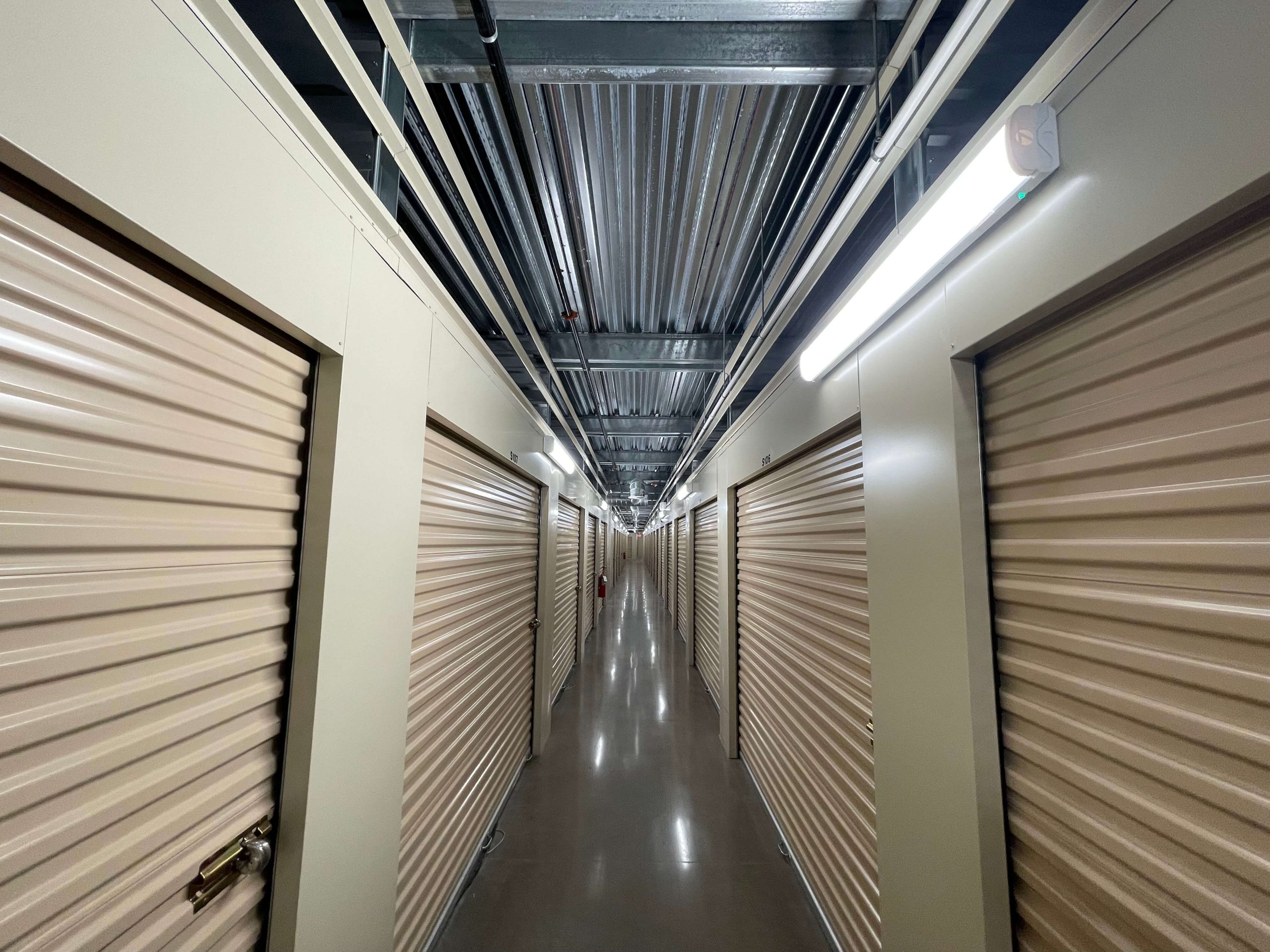
For temperature-sensitive items, climate-controlled storage is not a luxury; it is a storage requirement. At McDowell Mountain Community Storage, all of our units are fully indoor and air-conditioned, which addresses the extreme heat variable that makes non-climate-controlled storage in Scottsdale a genuine risk for this category of items. If you have items that are sensitive to temperature, check our available Scottsdale storage units to find the right size for what you need to protect.

Mistake 8: Not Labeling Boxes on the Sides

Labels on the top of boxes are invisible once a second box is stacked on them. A well-labeled top becomes useless the moment a unit is stacked more than one box high, which is almost immediately. Labels on the sides of boxes, specifically on the sides that face outward in the stack, remain readable without moving anything.

Beyond labeling what is inside, the most useful addition is a contents priority level: items you are likely to need access to during storage should be toward the front and labeled accordingly; items going into long-term storage can go deeper. A unit that was organized at move-in saves significant time and effort at every access visit.

Before You Pack: A Quick Pre-Storage Checklist

  • New or structurally sound boxes only, sized to keep weight manageable
  • All void fill complete so contents cannot shift during handling
  • Fabric and organic materials in breathable covers, not plastic wrap
  • Wood furniture elevated off the concrete floor
  • All food-scented items removed or sealed in hard containers
  • Temperature-sensitive items allocated to a climate-controlled unit
  • Labels on box sides, not just tops, with contents and access priority noted

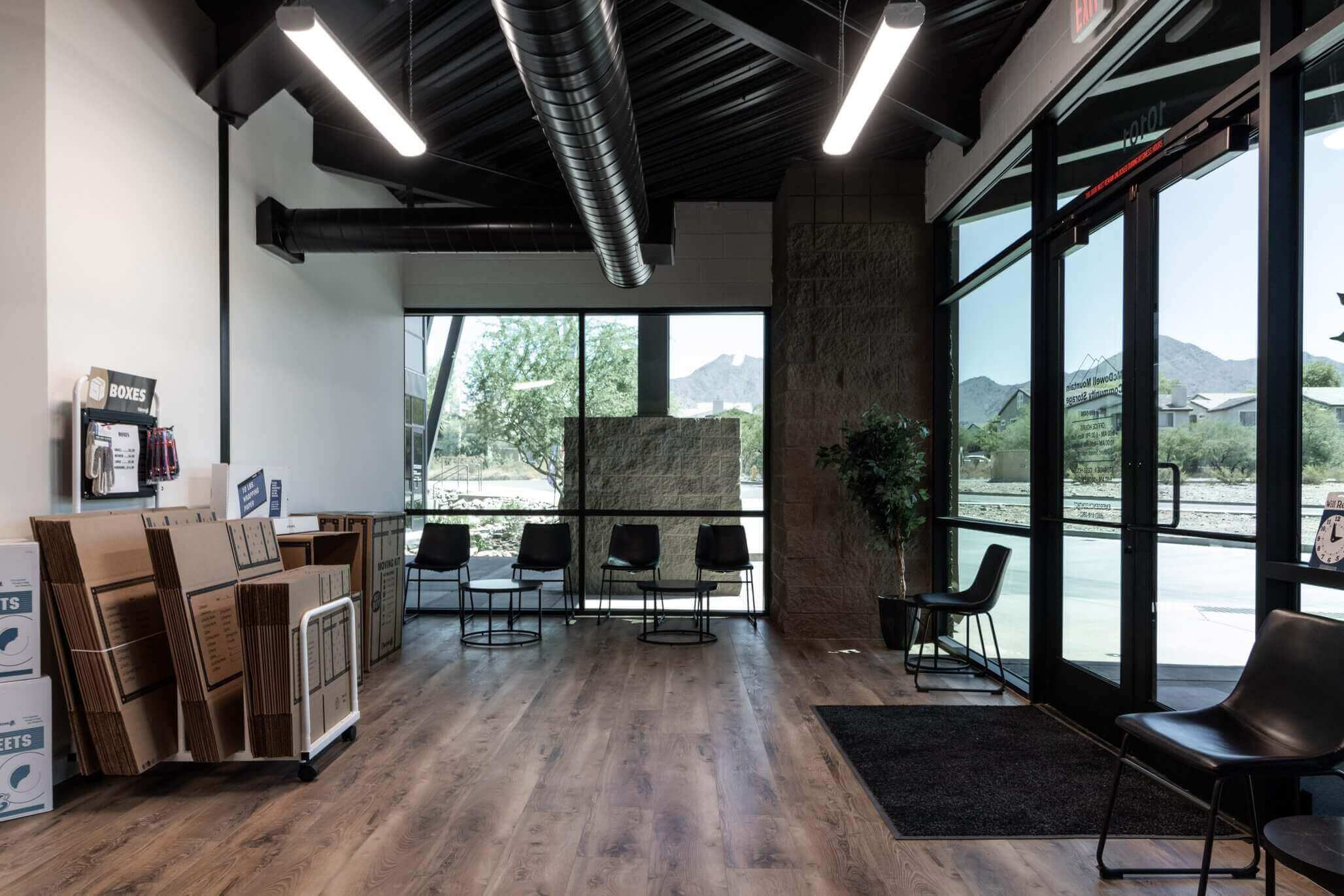
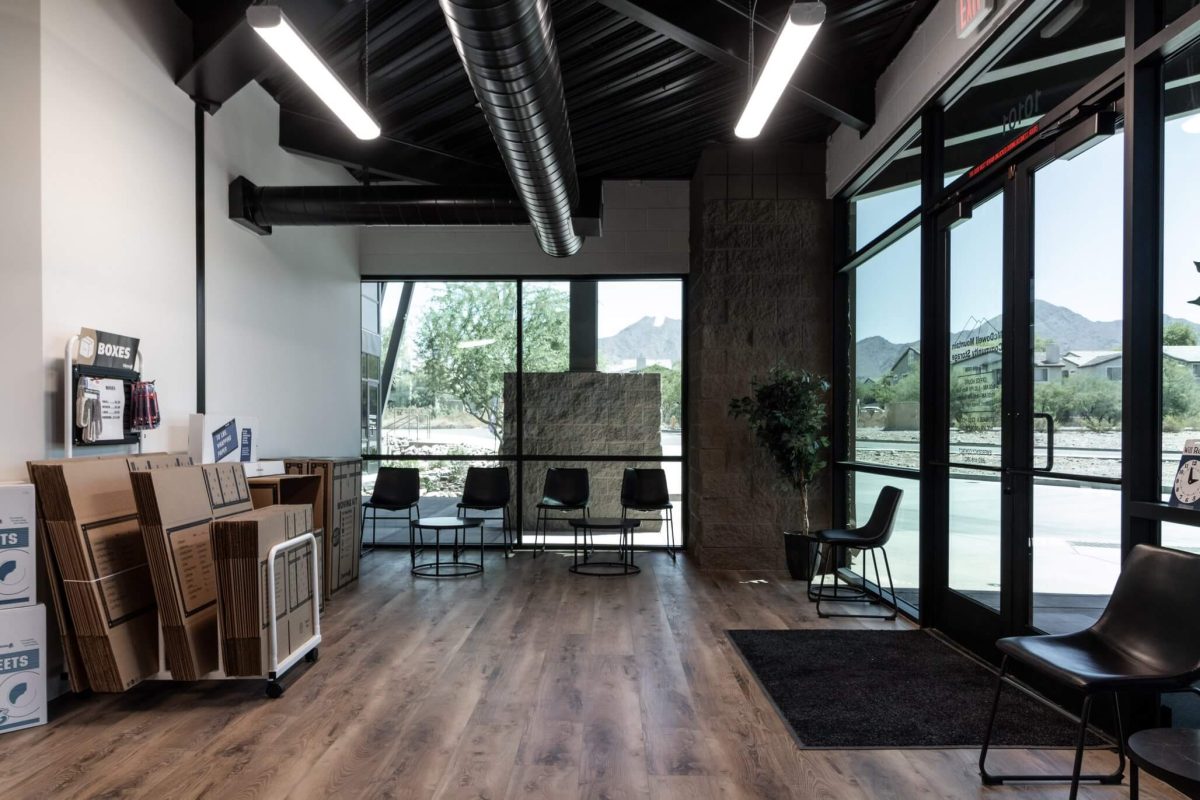
Moving supplies including boxes, packing tape, and packing materials are available on-site at McDowell Mountain Community Storage, so you do not need a separate trip to prepare. If you have questions about which unit size is right for what you are storing, contact us today to find the right storage unit for your needs.


Frequently Asked Questions

Does climate control prevent all storage damage?

Climate control addresses temperature and humidity, which eliminates the largest category of slow-damage risk for temperature-sensitive items. It does not protect against damage from poor packing: overpacked boxes still fail under load, improperly padded items still break on impact, and items stored without elevation can still absorb moisture from the concrete through capillary action. Climate control and proper packing work together; neither is a substitute for the other.

How long can items stay in storage without being checked?

There is no fixed safe period, but periodic inspection is always better than long-term neglect. For items in climate-controlled, well-packed units, many items can be stored for a year or more without significant deterioration. For anything in non-climate-controlled storage in a hot climate like Scottsdale, more frequent checks are warranted during summer months. Items that are particularly sensitive (electronics, wood instruments, photographs, vinyl) should be in climate-controlled storage regardless of duration.

What is the best way to store wood furniture?

Clean and condition wood furniture before storage. Disassemble pieces that can be safely disassembled to reduce their footprint and stress on joints. Elevate off the concrete floor on pallets or boards. Cover with breathable cloth drop cloths, not plastic sheeting. In Scottsdale, climate-controlled storage is recommended for wood furniture, particularly antiques or pieces with veneer, because extreme heat and low humidity can cause cracking and veneer separation.

Can I store electronics in a Scottsdale storage unit?

Electronics should be stored in climate-controlled units in Scottsdale. Most consumer electronics have maximum storage temperature ratings between 113 and 140 degrees Fahrenheit. Non-climate-controlled storage in Scottsdale during summer can exceed these ratings, potentially damaging circuit boards, batteries, and display screens even when the devices are powered off. Store electronics in their original packaging if available, or in anti-static bags inside well-padded boxes, in a climate-controlled unit.

Is packing tape adequate for long-term storage boxes?

Standard packing tape is adequate for short-term storage and moving. For long-term storage, particularly in high-heat environments, acrylic-based packing tape outperforms rubber-based tape because it maintains its bond at higher temperatures and does not yellow or become brittle with age. In Scottsdale, this distinction matters: rubber-based tape adhesive can fail in sustained heat, leaving box seams unsealed months into storage. Check tape bonds as part of any periodic storage unit inspection.

Can You Store Business Inventory in a Storage Unit?

Yes. Business inventory is one of the most common and most practical uses of self-storage, and at a well-equipped facility it works reliably for a wide range of business types and inventory categories. But most articles on this topic answer the “can you” question and stop there, which skips the more interesting question: when is a storage unit not just viable for business inventory but actually the right financial and operational choice compared to the alternatives?

In Scottsdale specifically, that question has a clear answer for a significant number of businesses.

For Scottsdale Businesses, This Is Often the Right Decision, Not Just the Affordable One

Commercial real estate in the Scottsdale and North Scottsdale corridor is expensive. Warehouse and flex-space square footage in the area trades at rates that price out many small businesses, side-by-side businesses, and e-commerce operations that don’t need the full infrastructure of a commercial lease, just the square footage to store, organize, and access their inventory reliably.

A self-storage unit at the right facility provides that square footage at a fraction of commercial rental rates, without a long-term lease commitment, without build-out costs, without separate utility accounts, and without the property management overhead that commercial space typically requires. For a business storing between 50 and several hundred square feet of inventory that needs regular access but not a dedicated staffed location, this isn’t a compromise arrangement. It’s a straightforward financial optimization.

The comparison gets even clearer once you factor in what a quality facility provides that a bare commercial space typically doesn’t: security infrastructure at the building level, climate control maintained by facility management rather than tenant-installed equipment, loading dock access, elevator service for multi-story access, and the ability to scale up or down as inventory volume changes without renegotiating a lease.

What Types of Business Inventory Work Best in Storage

The range of inventory categories that work well in a properly equipped storage unit is broader than most business owners initially assume. A few categories worth understanding specifically:

E-commerce product inventory is one of the most common business storage use cases. Sellers on platforms like Amazon, eBay, Etsy, and Shopify who are operating from home but have outgrown their garage space, or who want to separate business inventory from living space, find that a dedicated storage unit functions well as a warehouse alternative. The unit becomes the pick-and-pack location: inventory in, orders out. The practical requirements are climate control for products sensitive to heat, reliable access during business hours, and enough unit depth and ceiling height to organize efficiently with shelving. All of these are available at a facility with the right specifications.

Seasonal inventory for retail or service businesses that carry significantly different product volumes at different times of year benefits from storage as overflow capacity rather than permanent warehouse space sized to the peak-season volume. A landscaping company storing off-season equipment, a retailer holding holiday inventory in the lead-up to Q4, or a contractor storing materials between projects all represent uses where storage serves a specific operational function rather than replacing a permanent facility.

Product samples and display materials for businesses whose primary operations are digital or office-based, but which need physical product available for client meetings, trade shows, and demonstrations. Storing these materials in a dedicated unit rather than cycling them through office space is a clean operational solution that many professional service businesses use more than people typically imagine.

Temperature-sensitive inventory deserves specific attention in a Scottsdale context. Electronics, cosmetics, pharmaceuticals, supplements, specialty foods, candles, vinyl products, and many other inventory categories have manufacturer-specified storage temperature requirements that a standard outdoor or non-climate-controlled unit absolutely cannot meet during an Arizona summer. In a facility where every unit is fully indoor and climate-controlled, these products can be stored with confidence in their integrity throughout the year. This is not a minor operational detail; for businesses in regulated categories, temperature exposure during storage can affect both product quality and compliance with manufacturer warranties or industry guidelines.

What the Scottsdale Climate Changes About the Storage Calculation

Most generic articles about business inventory storage treat climate control as a feature worth considering. In Scottsdale, it’s a requirement, not a preference, for any inventory category that isn’t specifically designed to withstand sustained exposure above 100 degrees Fahrenheit.

Standard outdoor drive-up storage units in Arizona can reach interior temperatures of 130 degrees or higher during summer months. This temperature range damages or destroys electronics, degrades cosmetics and personal care products, melts candles and wax-based items, warps vinyl and plastic components, and can render pharmaceuticals and supplements ineffective or unsafe. Businesses storing any of these inventory types in a non-climate-controlled unit during an Arizona summer are accepting product loss as a cost of doing business, which is not a necessary cost if the right facility is chosen from the start.

At McDowell Mountain Community Storage, every unit is fully indoor and climate-controlled. There is no category of business inventory that is appropriate for climate-controlled storage that arrives here at risk from Arizona temperatures. The air conditioning is managed at the facility level, not dependent on individual unit configuration or tenant-installed equipment.

Operational Considerations for Running a Business Out of Storage

A few practical points that matter for businesses using storage operationally rather than just for archiving:

Access hours matter for business operations. A business that needs to ship orders daily needs to be able to access the unit reliably during its operating hours. The specific access schedule at your facility of choice should be confirmed before signing an agreement, particularly if your fulfillment activity happens early morning or evening.

Loading dock and elevator access changes what size inventory you can move efficiently. Bringing pallets, large boxes, or multiple cartloads of inventory in or out of a unit on a regular basis is a different operational reality at a facility with a loading dock versus one where everything has to be carried from a parking lot. For businesses with significant inventory movement, this infrastructure matters as much as the unit itself.

Security infrastructure affects insurance and peace of mind. 4K digital camera coverage at the building level, controlled access entry, and a well-lit, professionally managed facility reduce both the actual and insurable risk of storing business inventory. Some business insurance policies have specific requirements for the security level of storage locations; a facility with documented security infrastructure is more likely to satisfy those requirements than an unmonitored location.

Unit size flexibility supports changing inventory volumes. A business that starts with a 5×10 and grows to need a 10×15 six months later should be able to make that transition without finding the larger size unavailable or having to change facilities. Working with a locally owned facility that can manage unit availability with flexibility is a meaningful operational advantage over a regional chain where unit availability is managed at a corporate level.

Can I Store Business Inventory in a Storage Unit?

Getting the Unit Size Right for Your Inventory

The most common business storage mistake is undersizing the unit, which produces a chronically overpacked space that’s difficult to work in and that limits the organized access the business operation requires. A unit sized correctly for your current inventory volume with room to move efficiently is more functional than a maximally packed unit that saves a few dollars per month.

The unit size guide shows what fits in each size from 5×5 through 10×25, with specific examples. The space estimator lets you input your specific inventory items and get a size recommendation. For businesses with unique inventory configurations, such as tall racking systems, pallet storage, or bulk quantities of specific items, the team at the facility can walk you through what unit dimensions will work for your specific setup before you commit.

To see current unit availability and pricing, visit our Scottsdale storage unit rental page, or call us at (602) 899-5484. We’re open seven days a week and are happy to discuss your specific business inventory requirements before you make a decision.


Frequently Asked Questions: Business Inventory Storage in Scottsdale

Can I run my e-commerce business out of a storage unit in Scottsdale?

You can use a storage unit as your inventory and fulfillment location for an e-commerce business, picking and packing orders from the unit and shipping from there or from home. Storage unit rental agreements typically prohibit operating a retail business with customer traffic coming to the unit, meaning the unit can’t function as a storefront, but using it as a private warehouse for online order fulfillment is a common and accepted use. Confirm the specific terms of your rental agreement before setting up your fulfillment operation.

Does temperature control matter for business inventory in Scottsdale?

Yes, significantly. Many inventory categories, including electronics, cosmetics, supplements, specialty foods, candles, and vinyl products, have manufacturer storage temperature specifications that standard outdoor storage units in Arizona cannot meet during summer months. Interior temperatures in non-climate-controlled units can exceed 130 degrees Fahrenheit during Scottsdale summers. A fully indoor, climate-controlled facility maintains temperatures appropriate for sensitive inventory year-round.

How much does business inventory storage cost compared to commercial warehouse space in Scottsdale?

Self-storage rates vary by unit size and facility, but are generally a fraction of commercial warehouse space per square foot in the Scottsdale area, without the lease commitment, build-out costs, or separate utility accounts that commercial space requires. For businesses that need reliable inventory storage and access but not a dedicated staffed location, the cost comparison typically favors storage significantly. Contact McDowell Mountain Community Storage at (602) 899-5484 for current pricing on specific unit sizes.

Can I install shelving in a storage unit for inventory organization?

Freestanding shelving units are typically permitted in storage units and significantly improve the usability of the space for business inventory by creating vertical storage capacity that reduces the footprint required for a given inventory volume. Confirm with your facility whether any modifications to the unit walls or floor are permitted, as permanently attached fixtures may not be allowed, but freestanding commercial shelving is standard practice in business storage situations.

What should I do if my business inventory needs increase over time?

Work with a facility that can accommodate a unit upgrade as your needs grow. At McDowell Mountain Community Storage, with over 660 units ranging from 5×5 to 10×25, moving to a larger unit as inventory volume increases is a conversation with the management team rather than a facility change. Planning for growth at the outset, which might mean starting slightly larger than you immediately need, is typically easier than finding yourself in an undersized unit with a full inventory during a busy period.

How to Prepare Your Belongings for Storage

Almost every guide to preparing belongings for storage gives you the same linear checklist: clean it, wrap it, box it, label it, done. That checklist isn’t wrong. It’s just built around a single assumption, that every item fails the same way if you skip a step. In practice, they don’t.

After years of watching units get packed and unpacked, the items that come out damaged almost always fail for one of three distinct reasons, and they’re not the same reason. Something wrapped perfectly against heat and humidity can still get crushed under a mattress. Something padded and boxed correctly can still vanish into “the pile” for two years because nobody labeled it or wrote it down. The standard checklist treats prep as one problem. It’s actually three, and the fix for one doesn’t cover the other two.

The Three Ways Stored Belongings Actually Get Ruined

Before packing a single box, it helps to sort what you’re storing into three risk categories. Most items fall clearly into one, some sit in two, and figuring out which one (or two) applies to a given item tells you exactly what kind of preparation actually matters for it.

  • Decay risk: damage from heat, humidity, sunlight, or pests, working slowly over weeks and months. This is an environmental problem, and the fix is mostly about where you store, not how you box.
  • Damage risk: physical harm from weight, crushing, impact, or improper handling during the move itself or from stacking afterward. This is a packing and placement problem.
  • Disappearance risk: the item survives perfectly intact and is still effectively lost, because nobody can find it, remember what box it’s in, or reassemble it correctly. This is the one almost every guide skips, and it’s the one we get asked about most once people are trying to retrieve something.

Walk through your belongings with these three categories in mind rather than room by room, and the prep work practically organizes itself.

Decay Risk: What Slowly Ruins Items Over Time

This category covers anything sensitive to temperature swings, humidity, direct sunlight, or pests: wood furniture, electronics, photographs and documents, textiles, musical instruments, artwork, and anything with an adhesive bond (upholstery, veneer, laminate). The damage here rarely shows up on day one. It shows up three months in, when a drawer won’t close right, a screen has a faint shadow across it, or a box of photographs has started to curl at the edges.

In the Phoenix metro area specifically, this risk is not theoretical. Summer temperatures in the region regularly climb above 110°F, according to the National Weather Service, and an unconditioned storage structure doesn’t just match that outdoor temperature; it amplifies it. Preparation matters here, but no amount of wrapping fixes a decay-risk item stored in the wrong environment for months at a time. If most of what you’re storing falls into this category, wood furniture, electronics, documents, instruments, the environment you choose matters more than any single packing technique. We’ve covered exactly what heat does to different materials in how Arizona’s heat affects your stored items, and why climate-controlled storage earns its keep in this climate specifically.

The prep steps that do help within a decay-risk item, regardless of environment:

  • Clean thoroughly before storing. Dust, oils, and residue trap moisture and heat against surfaces and attract pests, even in a good environment.
  • Remove batteries from anything that has them; lithium-ion batteries are the single highest-risk component in stored electronics, and manufacturers publish specific storage temperature limits for exactly this reason. The U.S. Consumer Product Safety Commission specifically warns against exposing lithium-ion batteries to sustained high heat.
  • Use breathable materials, not sealed plastic, for anything organic (wood, textiles, paper, leather). Plastic traps moisture in the item, creating a humid microenvironment that can lead to mold, even in a dry climate.
  • Back up anything digital before it goes into storage. If a laptop or hard drive doesn’t survive, whatever was on it might be the actual loss, not the hardware.

Damage Risk: What Breaks Under Its Own Weight or Someone Else’s

This category is mechanical, not environmental. It covers anything that can be crushed, cracked, scratched, or bent, either during the move itself or from being stacked under something heavier later. This is the risk most people already have some intuition for, which is exactly why most checklists spend the bulk of their space here. It’s worth doing well, but it’s only one-third of the picture.

Disassemble what you can

Bed frames, large tables, and shelving units take up dramatically less space and carry dramatically less risk when disassembled than intact. A queen bed frame leaned against a wall in pieces is far less likely to be damaged than the same frame carried assembled through a doorway or shifted repeatedly under other items.

Protect what you can’t

Mattresses, upholstered furniture, mirrors, and artwork need appropriate wrapping, mattress bags, furniture blankets, mirror boxes, and corner protectors, not just because it looks tidy, but because a single unprotected corner impact can crack glass or tear fabric that then has to be replaced rather than repaired.

Pack boxes to their actual weight capacity, not their volume

A box that’s full but under its rated weight limit holds its shape and stacks safely. A box packed with dense items (books, tools, tile samples) up to the brim, ignoring weight, bows and eventually fails under whatever’s stacked on top of it. As a general rule, heavy items go in small boxes, and light items go in large boxes.

Weight goes down, fragility goes up

Heavy boxes and solid furniture at floor level; lighter, more fragile items on top. This sounds obvious written out, but it’s the single most common mistake we see in units that get repacked mid-rental: someone loaded the truck by convenience (whatever was closest to the door) rather than by what needed to sit on the bottom.

Disappearance Risk: The Category Every Other Checklist Skips

Here’s the failure mode nobody writes about, and it’s the one that generates the most frustrated phone calls to a storage facility months after move-in: the item is completely intact, sitting exactly where it was placed, and the owner genuinely cannot find it, or worse, cannot remember which of forty identical boxes it’s in.

This isn’t a packing problem in the traditional sense. It’s an information problem, and it’s solved with almost no cost, which is exactly why it’s frustrating when it gets skipped.

  • Label every box on two sides, not just the top. Boxes get stacked, and a label facing the ceiling is unreadable without unstacking everything above it.
  • Photograph disassembled furniture before you separate it, and store the hardware (bolts, screws, brackets) in a labeled bag taped directly to one of the main pieces. This is the detail that saves an afternoon of guesswork when you’re reassembling a bed frame a year later with no memory of where anything went.
  • Keep a simple written or digital inventory of what’s in each box, even a one-line list per box number. It takes minutes at pack time and saves hours at retrieval time.
  • Group by category, not by whatever was closest when you were packing. Kitchen items with kitchen items, seasonal decor with seasonal decor. Mixed, catch-all boxes are exactly the ones that get lost in a unit, because nothing about them is memorable or searchable later.

A rough sketch of your unit layout after the initial load, noting which wall holds what, takes fifteen minutes and eliminates most of the guessing on future visits.

Packing Tips for Moving Items Into Storage

Putting It Together: A Practical Prep Order

With the three risk categories in mind, here’s the sequence that actually works, in the order it matters:

  1. Sort by risk category first, not by room. Walk through what you’re storing and mentally tag each item: decay risk, damage risk, or both. This takes longer to describe than to do.
  2. Decide on the environment before you pack anything. If a meaningful share of what you’re storing carries decay risk, that decision (climate-controlled versus standard) should be settled before you buy a single box, since it changes what materials are worth using.
  3. Clean everything. This step protects against decay risk regardless of environment, and it’s far easier to do at home than after months in a box.
  4. Disassemble, wrap, and box according to damage risk. This is the packing work most guides already cover well.
  5. Label, photograph, and inventory as you go, not as an afterthought once everything’s already in the unit.
  6. Load with weight and access in mind: heavy and rarely needed items toward the back, frequently needed items near the door, and a clear walking path down the middle.

If you want a sense of what materials and supplies actually hold up to this process, from box grades to wrapping materials, our guide to essential packing supplies covers what’s worth buying and what isn’t.

A Note on Archival-Grade Habits

Museums and archives deal with a version of this same problem at a much larger scale, protecting collections from decay, damage, and loss, sometimes for decades at a time. The Smithsonian Institution Archives applies the same underlying principles that show up in this post: stable environmental conditions, appropriate protective housing, and rigorous labeling and inventory practices. You don’t need archival supplies for a box of holiday decorations, but the logic scales down cleanly: know what threatens an item, control the environment where you can, protect it physically where you can’t, and always know where it is.

Choosing the Right Space for What You’re Storing

Preparation only gets you so far if the space itself works against you. If your inventory leans heavily toward decay-risk items, wood furniture, electronics, documents, and instruments, the environment matters more than any wrapping technique. If it’s mostly damage-risk items, sturdy furniture, tools, patio equipment, a standard unit with good packing technique will serve you fine.

Getting the size right matters too. An overpacked unit makes every future visit harder and increases the odds of the exact stacking mistakes that cause damage-risk failures. Our space estimator tool gives you a realistic read on what size you actually need before moving day, rather than guessing and repacking later.

At McDowell Mountain Community Storage, every unit is fully indoor and climate-controlled, which takes the environmental half of the decay-risk equation off the table entirely, regardless of what you’re storing or how carefully you prepped it. If you’re ready to find the right fit, our storage units in Scottsdale range from 5×5 to 10×25, with month-to-month terms and no long-term commitment required.

Not sure which unit size or setup fits what you’re storing? McDowell Mountain Community Storage is open seven days a week to help you figure out the right space before moving day.

FAQ: Preparing Belongings for Storage

How far in advance should I start preparing items for storage?

For a full household, start at least two to three weeks ahead. Cleaning, sorting by risk category, and gathering the right supplies take longer than most people expect, and rushing this stage is where damage-risk mistakes (poor wrapping, wrong box sizes, stacking without a plan) tend to happen.

Should I use plastic bins or cardboard boxes?

It depends on what’s inside. Plastic bins are more resistant to crushing and moisture on the outside, which helps with damage risk, but sealed plastic can trap humidity against organic materials like wood, textiles, or paper, worsening decay risk. Cardboard, uniform in size and packed to its rated weight, is often the better choice for items where breathability matters, provided the storage environment itself is climate-controlled.

Do I need to clean everything before putting it in storage?

Yes. Dust, oils, and food residue attract pests and, in some cases, trap moisture against a surface even in a good environment. This is one of the lowest-cost, highest-value steps in the entire process and the one most commonly rushed or skipped.

Can I store items in garbage bags?

Not recommended for anything beyond very short-term, non-sensitive storage. Garbage bags trap moisture, don’t protect against crushing, and tear easily under any weight. They also make the disappearance-risk problem worse, since bagged items are far harder to label and identify at a glance than a labeled box.

What’s the biggest mistake people make when preparing for storage?

Treating prep as a single checklist rather than three separate problems. Someone might pack meticulously against damage (careful wrapping, sturdy boxes) and still lose track of what’s in each box, or protect against heat and humidity but stack everything so poorly that a chair leg cracks under a mattress six weeks in. Preparing for all three risks, decay, damage, and disappearance, is what actually keeps a full storage load intact.

How to Maximize Space in Your Storage Unit in Scottsdale

Most guides on this topic read as if they were written for a generic storage unit in an average climate: stack boxes, use shelving, store furniture vertically. That advice is all sound, but it skips the dimension that matters most if you’re storing in Scottsdale: the environment your unit operates in, and how that changes what maximizing space actually looks like in practice.

Scottsdale summers regularly reach 115 degrees. At McDowell Mountain Community Storage, every unit is fully indoor and climate-controlled, which means your belongings are protected from the heat, regardless of what you store or how you pack them. But how you use the space inside that unit and which packing approaches work best in a facility with multiple loading docks and elevator access are worth thinking through carefully before you start moving things in. Doing it right on the first load saves you from having to rearrange everything a month later.

Start with the Right Unit Size, Not the Cheapest One

The most common storage space mistake isn’t how people pack their unit. It’s renting a unit that’s too small for what they actually have, then spending the entire rental period working around that constraint.

A unit that’s packed to the ceiling with no clear path to the back is technically “maximized,” but it’s maximized in a way that makes accessing anything in the rear impossible without moving half the unit. That’s not efficiency; it’s a recurring inconvenience that gets more frustrating every time you need something from the unit.

Before you start packing, use the space estimator to get a realistic sense of what size unit you actually need. The size guide shows what fits in each unit type, from a 5×5 to a 10×25, with specific examples of furniture combinations and room equivalents. Renting one size up from your initial estimate often costs less per month than you’d expect and eliminates the frustration of a chronically overpacked unit.

Pack Boxes to a Standard Height and Use Uniform Sizes

The single most impactful change most people can make to their packing approach is committing to uniform box sizes, particularly for boxes that will be stacked. Random box sizes create an unstable pyramid that can only go so high before it becomes unsafe, and it wastes the vertical space above every irregular item.

Medium boxes packed uniformly to their rated weight capacity stack more securely than large boxes packed light or heavy boxes that bow at the sides. Most moving supply retailers and storage facilities sell boxes in standardized sizes precisely because uniform stacking is the most efficient use of vertical space.

If you’re using our facility’s moving supplies, the team can help you identify which box sizes work best for what you’re storing. Consistent box dimensions, filled fully but not over-packed so they maintain their cube shape, will let you safely stack four to five boxes high with confidence and reach the top of a standard 8-foot unit without wasted air space between the top box and the ceiling.

Stack Heavy Items Low, Large Furniture to the Back

This principle is consistent across every storage guide for good reason: it affects both safety and accessibility. Heavy boxes and dense items should be placed on the floor or in the bottom layer of any stack. Large furniture, appliances, and bulky items that you’re unlikely to need during the storage period go to the back of the unit first.

In a multi-story facility like ours, with two elevators and multiple loading docks, this is easier to execute than in a single-story drive-up facility where you’re making choices under pressure while unloading a truck in the parking lot. Plan your layout before your first load arrives, not after the truck is half empty.

A simple sketch of your intended unit layout, drawn before moving day, is one of the most underused storage planning tools available. Label which wall the furniture goes on, where the aisle runs, and which area holds the items you’ll need to access regularly. Fifteen minutes of planning saves hours of reorganizing.

Create a Clear Aisle From Front to Back

A storage unit where everything is accessible from the front is one you’ll use. A storage unit where the thing you need is always somewhere in the middle is one you’ll dread visiting.

Leave a clear walking aisle down the center or along one wall from the front door to the back of the unit. This aisle doesn’t need to be wide; roughly two feet is enough to navigate, but it needs to run the full depth of the unit so nothing stored in the back becomes permanently inaccessible under layers of other items.

Items you need frequently go near the front, on the sides of the aisle, where you can reach them without moving anything else. Items you’re storing long-term and rarely need go to the back. This sounds obvious, but most people fill a unit from back to front and end up with the items they access most buried behind what they never use.

Use Furniture as Storage, Not Just Storage Subject Matter

Dressers, wardrobes, filing cabinets, and bookshelves take up floor space in a storage unit whether they’re empty or full. Pack them as if they’re boxes.

Dresser drawers can hold folded clothing, linens, or soft items that don’t need rigid boxes. Wardrobe boxes aren’t necessary if your wardrobe unit has a hanging rod; keep it assembled and fill the base with shoes, small items, or soft goods. Filing cabinets can hold documents, office supplies, or other small items that would otherwise need separate boxes. Bookshelves, if you’re leaving them assembled, are ready-made shelving for the unit itself.

In Scottsdale’s climate-controlled storage environment, you don’t need to worry about humidity warping wood furniture or heat degrading fabric items the way you would in a non-climate-controlled unit. Packing soft items inside furniture rather than in separate boxes is genuinely safe here, unlike in a standard outdoor drive-up unit during an Arizona summer.

Disassemble What You Can, Wrap What You Can’t

Bed frames, dining tables, sectional sofas, and large shelving units all take dramatically less floor space when disassembled. A queen bed frame that occupies eight square feet assembled leans against a wall and takes up less than a foot of depth when broken down into rails and headboard.

Store hardware for disassembled furniture in labeled zip-lock bags taped directly to the furniture pieces they belong to. This is one of those details that seems unnecessary until you’re trying to reassemble a bed frame six months from now with no memory of where the bolts went.

Items that won’t be disassembled, upholstered furniture, mattresses, electronics, mirrors, and artwork benefit from appropriate protective wrapping. Mattress bags, furniture blankets, mirror boxes, and stretch wrap are available at most moving supply outlets and at our facility. In a climate-controlled indoor unit, these materials protect against dust and surface damage rather than heat or moisture, but they’re still worth using for items you care about.

How to Maximize Space in Your Storage Unit

Label Every Box on Two Sides, Not Just the Top

Boxes stacked four high have labels facing the ceiling. You can’t read them without moving everything above them. Label every box on at least two visible sides, ideally the front-facing side and one adjacent side, so the contents are readable without disturbing the stack.

A simple color-coding system by room or category, a piece of colored tape or a colored marker, lets you identify which boxes belong to which category at a glance from across the unit. This matters most when you need one specific item from a unit that’s been organized for months, and the visual pattern of everything has become familiar background noise.

Take Advantage of What the Facility Offers

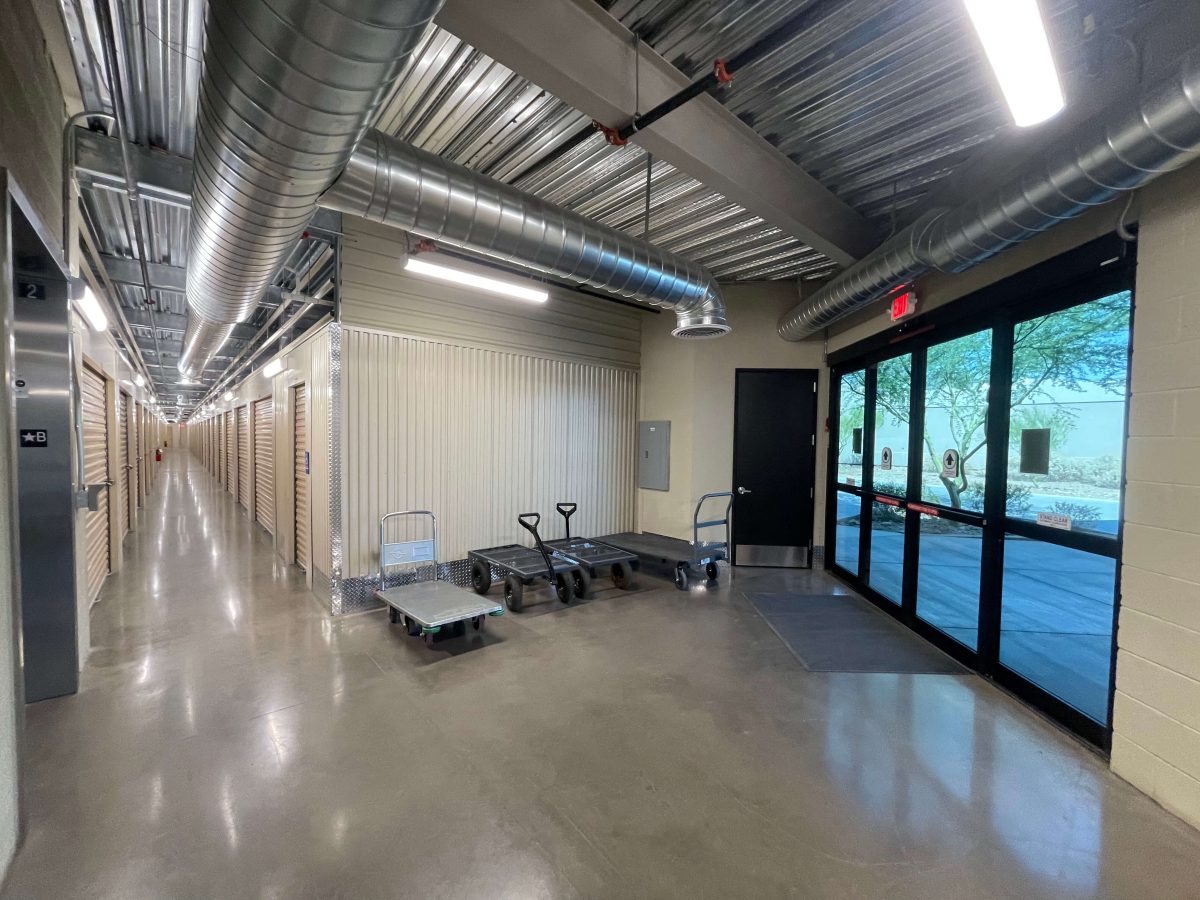
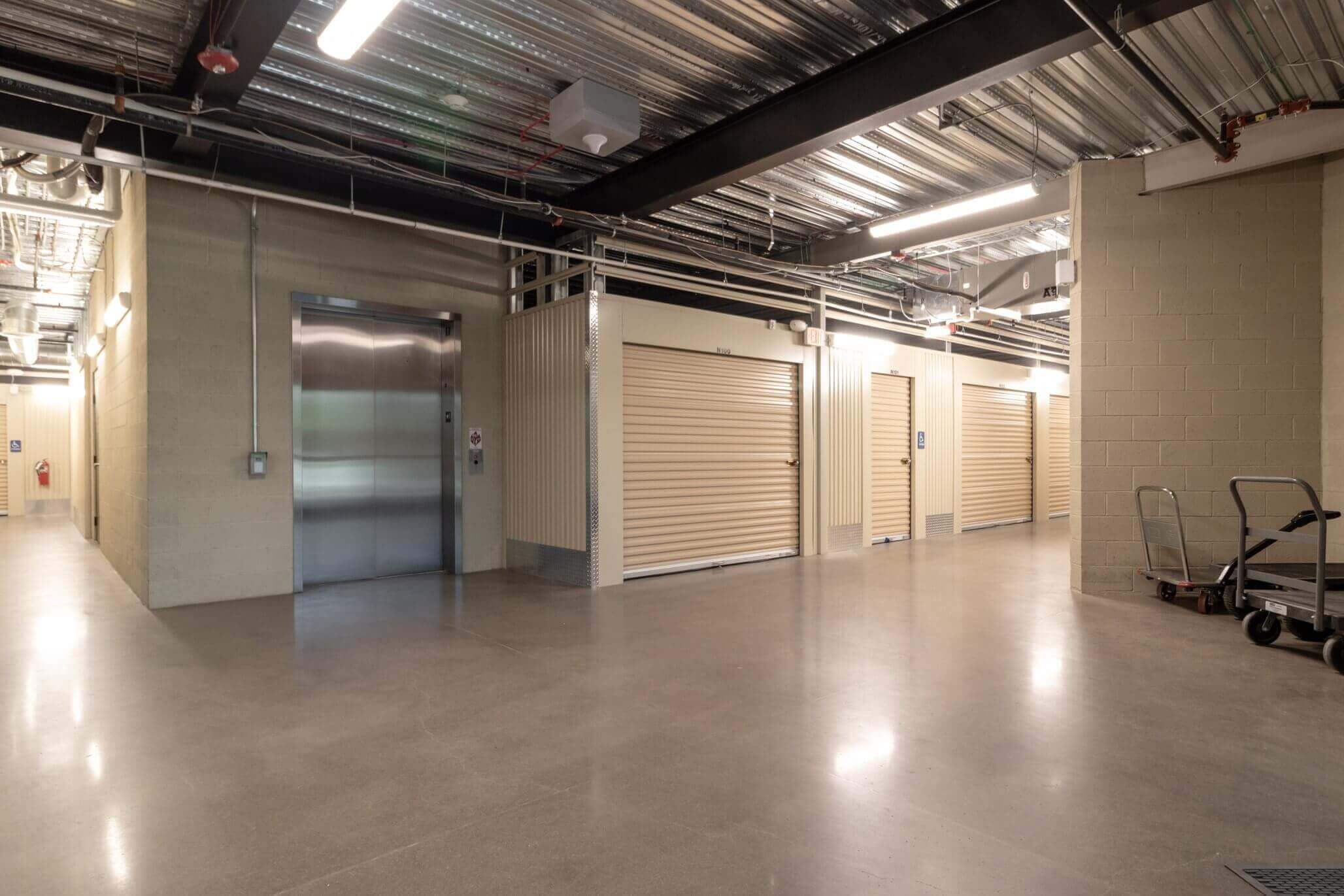
The practical advantages of an indoor, multi-story facility with elevator access and multiple loading docks extend beyond just the climate control. Moving appliances, heavy furniture, and large items to an upper-floor unit is genuinely manageable with elevator access, unlike in a walk-up or outdoor facility. The loading dock structure means a moving truck can unload directly at the building entrance rather than requiring you to cart items across a parking lot in summer heat.

If you’re not sure which unit size gives you the right combination of cost and space for what you’re storing, our team at McDowell Mountain Community Storage can walk you through the options and help you visualize what your specific items would look like in each size. We’re open seven days a week, and the size guide and space estimator on the site give you a useful starting point before you visit.

Reserve your Scottsdale storage unit today to lock in the space you need and get help choosing the right size with confidence.

You can also visit our packing and storage tips page for additional guidance on preparing specific types of items for storage, from electronics to artwork to seasonal clothing.


Frequently Asked Questions: Maximizing Space in a Storage Unit

What is the best way to stack boxes in a storage unit?

Stack heavier, denser boxes on the bottom and lighter boxes on top. Use uniform box sizes when possible for more stable stacking. Fill boxes fully, so they hold their cube shape and don’t bow or collapse under weight. Standard medium boxes stacked to their rated capacity can reach four to five boxes high safely in an 8-foot-ceiling unit, leaving minimal wasted vertical space.

Should I leave an aisle in my storage unit?

Yes. A clear walking path from the front door to the back of the unit makes every item accessible without having to move other items to reach it. Position items you access regularly near the front, along the sides of the aisle, and long-term storage items toward the back. An aisle of roughly two feet is sufficient for most units.

How do I keep my storage unit organized over time?

Labeling on two sides of every box, a simple inventory list with the unit’s contents, and a consistent system for putting items back where they came from after accessing them are the habits that keep a unit organized over months or years. Take a photo of the unit layout after your initial setup as a reference for future visits.

Does climate control change how I should pack my storage unit?

Yes, in some ways. In a climate-controlled, fully indoor unit like those at McDowell Mountain Community Storage, you don’t need to account for moisture-wicking packaging or heat-resistant materials the way you would in a standard outdoor unit in an Arizona summer. Soft goods can be packed inside furniture drawers without risk of mildew. Electronics don’t need extra heat protection. What you still want to protect against is dust accumulation over time, which appropriate coverings and sealed boxes address.

What size storage unit do I need to store the contents of a one-bedroom apartment?

A 10×10 unit is the standard recommendation for a one-bedroom apartment with standard furniture, boxes, and appliances. If you have oversized furniture, a sectional sofa, a king bed, or multiple large appliances, a 10×15 gives you more working room and aisle space.