
Moving can be one of the most stressful times in life. Between packing boxes, organizing your belongings, coordinating transportation, and managing timelines, it’s easy to feel overwhelmed. One of the most effective ways to simplify the process is by using a storage unit.
Whether you’re downsizing from a house to an apartment, handling renovations, or dealing with timing gaps between locations, a storage solution can provide the flexibility, organization, and peace of mind you need.
In this guide, we’ll walk you through using a storage unit during a move, including planning, packing tips, choosing the right unit size, and maximizing efficiency.
Step 1: Plan Ahead for Your Storage Needs
Proper planning is key to making the most of your storage space.
Start by asking:
- How long will you need the unit? (duration)
- What items will you store?
- Do you need climate control for sensitive items, such as electronics or documents?
Creating a checklist can help you stay organized throughout the process.
Step 2: Choose the Right Storage Unit Size
Selecting the correct storage unit size is essential for efficiency and cost control.
For example, a small unit may work for boxes and personal items, while larger storage unit sizes are better for furniture and appliances.
Common storage unit sizes include:
- Small units for boxes and personal items
- Medium units for furniture and appliances
- Large units for full household storage
Choosing the right size helps avoid overpaying while ensuring you have enough room for everything.
Step 3: Pick the Right Storage Facility
Not all storage facilities are the same. Look for features that provide safety, convenience, and value. Comparing different storage options can help you find a facility that fits your needs, budget, and location.
Key features to consider:
- Security features such as cameras, gated access, and unit alarms
- Climate control to manage humidity and protect sensitive items
- Easy access hours
- Clean and well-maintained facilities
Choosing the right location also matters, especially if you need frequent access during your move.
Step 4: Organize and Create an Inventory
Before placing anything in storage, create a detailed inventory list.
Your inventory should include:
- Categories of items (furniture, clothes, electronics)
- Box labels and contents
- Valuable or fragile items
This step helps you keep track of everything and makes it easier to find items later.
Step 5: Use Smart Packing Tips
Packing properly is critical to protecting your belongings.
Packing Tips for Storage:
- Use sturdy boxes and packing materials
- Place heavier items at the bottom and lighter items on top
- Wrap delicate items carefully to prevent damage
- Use protective covers for furniture like sofas
Good packing improves organization and reduces the risk of dust, moisture, or breakage.
Step 6: Protect Your Items
Protection should always be a priority when using storage units.
Consider:
- Using climate control for items sensitive to heat and humidity
- Covering furniture and appliances
- Storing electronics in their original boxes if possible
Insurance is another important factor. Check your rental agreement or existing policy to ensure your belongings are covered.
Step 7: Load the Storage Unit Strategically
How you arrange your storage unit matters.
Best practices:
- Leave a walkway for easy access
- Store frequently used items near the front
- Stack boxes carefully to maximize space
- Place large furniture along the sides
This approach improves efficiency and makes it easier to access your items when needed.
Step 8: Understand Rental Terms and Costs
Before finalizing your rental, review all terms carefully.
Important factors include:
- Rental agreement details
- Monthly price and potential fees
- Duration of use
- Access rules and hours
Understanding the cost and conditions helps you avoid surprises.
Step 9: Consider Transportation and Logistics
Moving items to and from your storage unit requires planning.
Options include:
- Renting a truck
- Hiring a moving service
- Using your own vehicle for smaller loads
Properly coordinating transportation ensures a smooth process.
Step 10: Use Storage for Flexibility During Your Move
Storage units provide flexibility in situations such as:
- Moving between locations at different times
- Staging a home for sale
- Handling renovations
- Downsizing
This makes storage a practical solution for a wide range of moving needs.
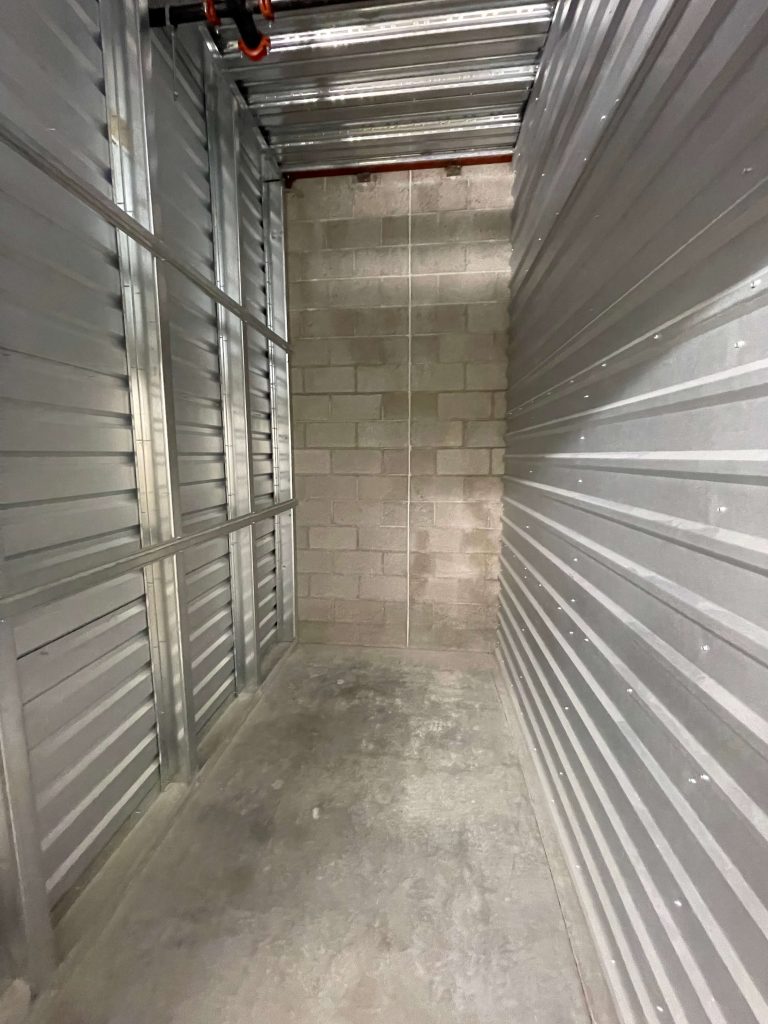
Using a Storage Unit During a Move
Using a storage unit during a move offers several advantages:
- Temporary storage for your belongings during transitions
- Improved organization and less clutter
- Flexible access to your items
- Protection for furniture, appliances, and valuables
For many people, storage units are one of the most effective storage solutions for managing a move without stress.
Common Mistakes to Avoid
Avoid these common errors when using a storage unit:
- Choosing the wrong unit size
- Not labeling boxes
- Skipping inventory tracking
- Overpacking boxes
- Ignoring climate control needs
Avoiding these mistakes can save time, money, and stress.
Benefits of Self Storage During a Move
Using self-storage offers several benefits:
- Better organization
- Increased convenience
- Protection for belongings
- Reduced clutter during the move
For individuals and families, it provides a reliable way to manage the transition.
Following the right steps can help make your move more organized and efficient from start to finish.
Final Thoughts
Using a storage unit during a move is one of the most effective ways to stay organized and reduce stress. With proper planning, packing, and the right storage solution, you can protect your belongings and make your move more efficient.
Find the Right Storage Solution in Scottsdale
If you’re looking for secure, convenient storage in Scottsdale, AZ during your move, McDowell Mountain Community Storage offers clean, reliable units designed to meet your needs.
Whether you need short-term or long-term storage, our facility provides the space, security, and features you need for a smooth moving process.
Contact our team today to find the right storage unit and make your move easier.
Frequently Asked Questions
How long should I rent a storage unit during a move?
The duration depends on your situation, but many people use storage for a few weeks to several months, depending on their moving timeline.
What items should not be stored in a storage unit?
Avoid storing hazardous materials, perishable food, or anything that could cause damage or pose a safety issue to your belongings or the facility.
Do I need climate control?
Climate control is a great option for protecting electronics, documents, furniture, and other sensitive items from temperature and humidity.
How do I choose the right unit size?
Consider how many things and how much stuff you need to store. Many facilities provide guides and dimensions to help you choose the right size.
Is insurance necessary for storage?
Insurance is highly recommended to protect your belongings from unexpected damage, especially during a move.
Can I access my storage unit anytime?
Access depends on the storage company, but many locations offer flexible hours for customers to access their units when needed.
How should I secure my storage unit?
Use a strong lock and make sure your unit is properly secured at all times to protect your belongings.
What features should I look for in a storage facility?
Look for security features, climate control, and amenities that enhance convenience and protect your stored items.
What is the best way to organize my storage unit?
Place frequently used items near the front, label all boxes, and leave space for easy access. This helps you manage your stuff efficiently.
Can storage units help during unexpected delays in a move?
Yes, storage units are a flexible option when timelines change, helping you store your belongings safely until you’re ready to move them.