How to Maximize Space in Your Storage Unit in Scottsdale

Most guides on this topic read as if they were written for a generic storage unit in an average climate: stack boxes, use shelving, store furniture vertically. That advice is all sound, but it skips the dimension that matters most if you’re storing in Scottsdale: the environment your unit operates in, and how that changes what maximizing space actually looks like in practice.

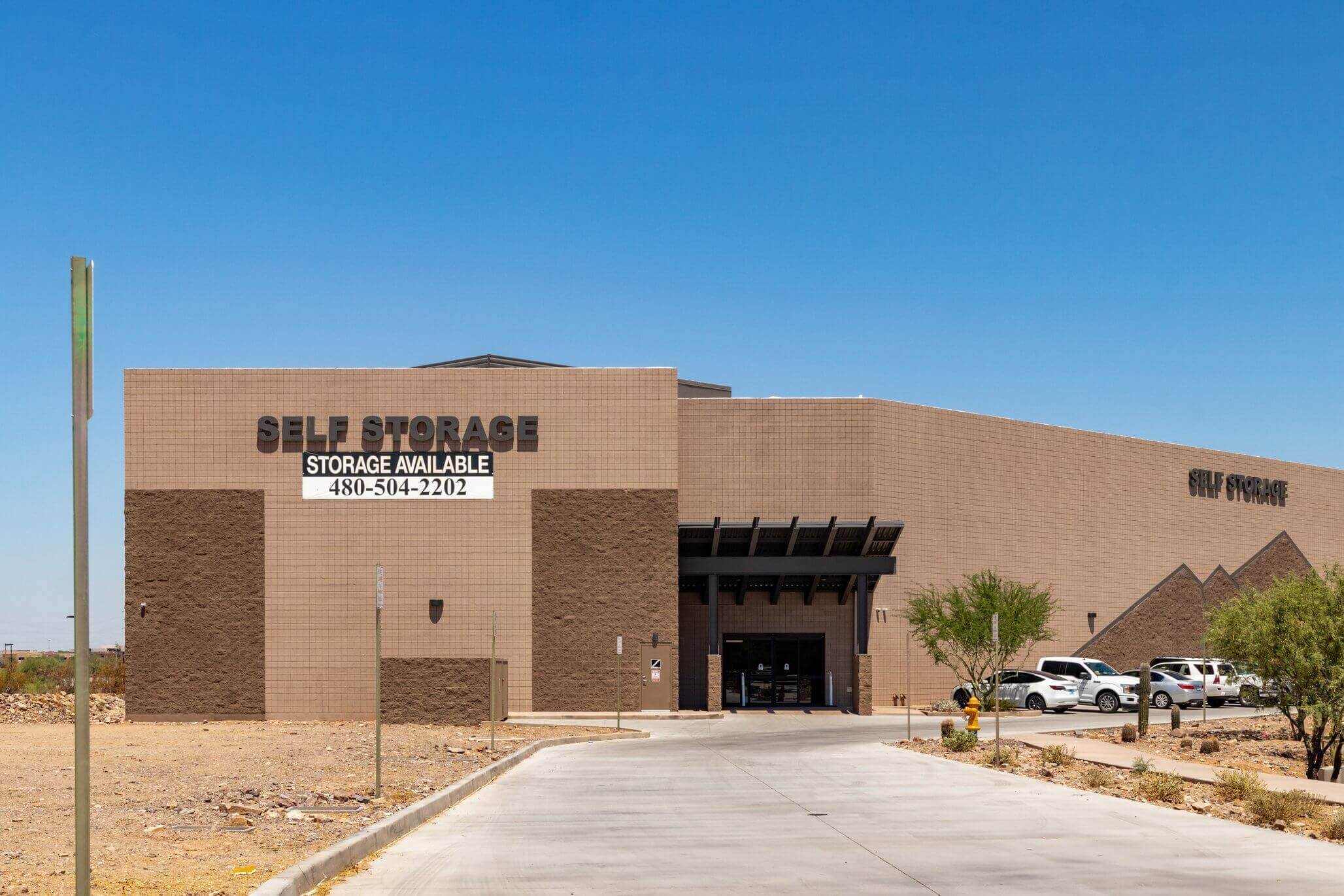
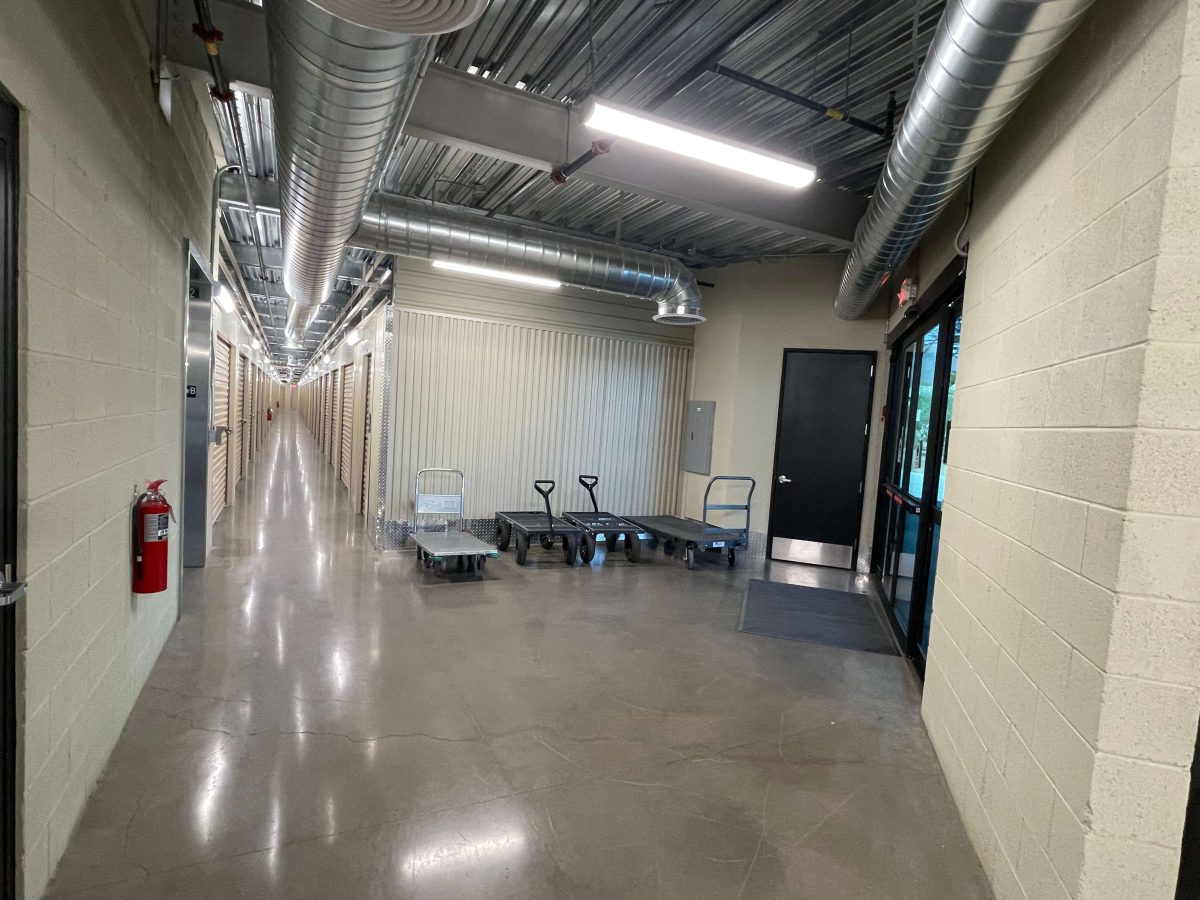
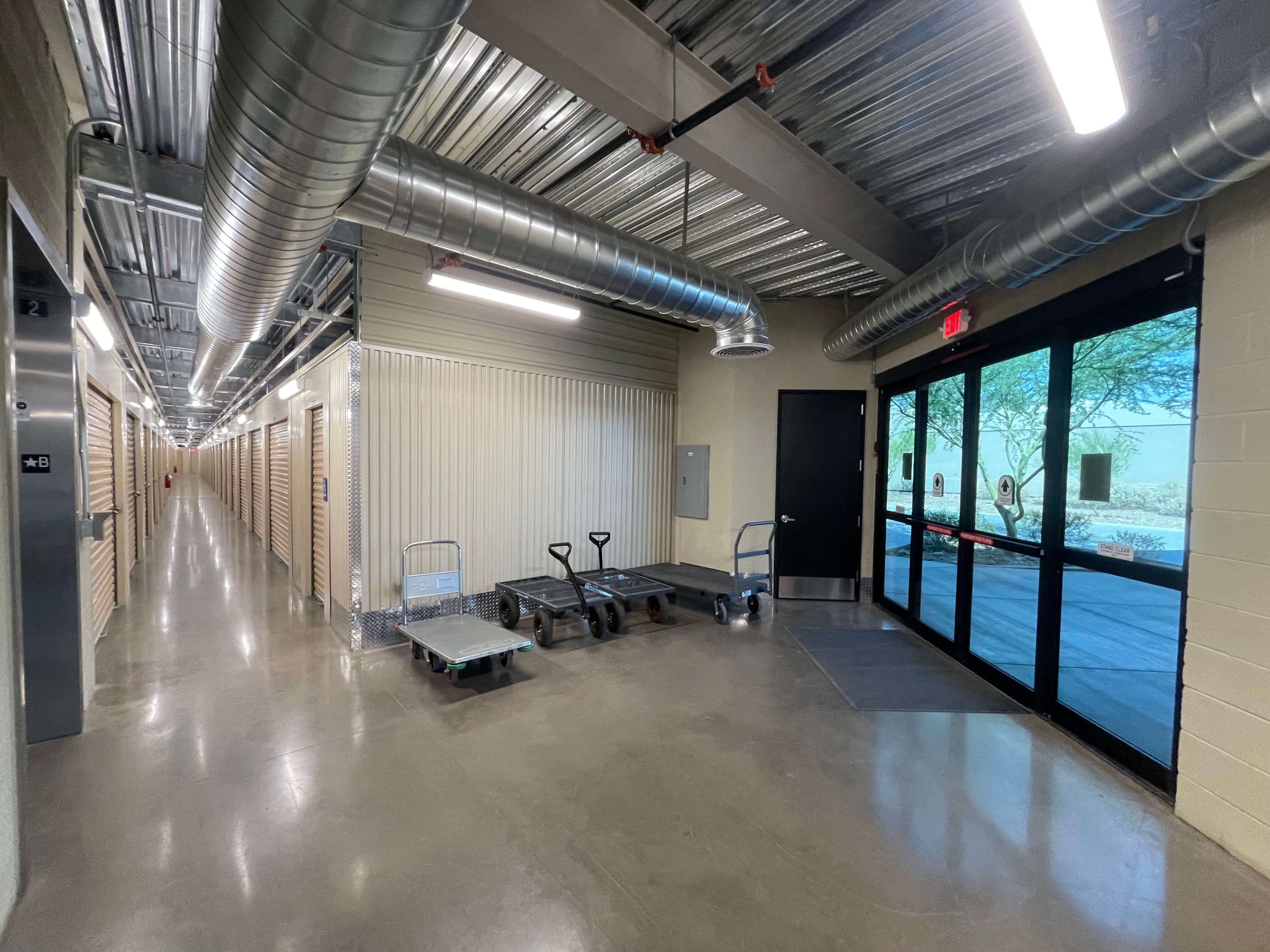
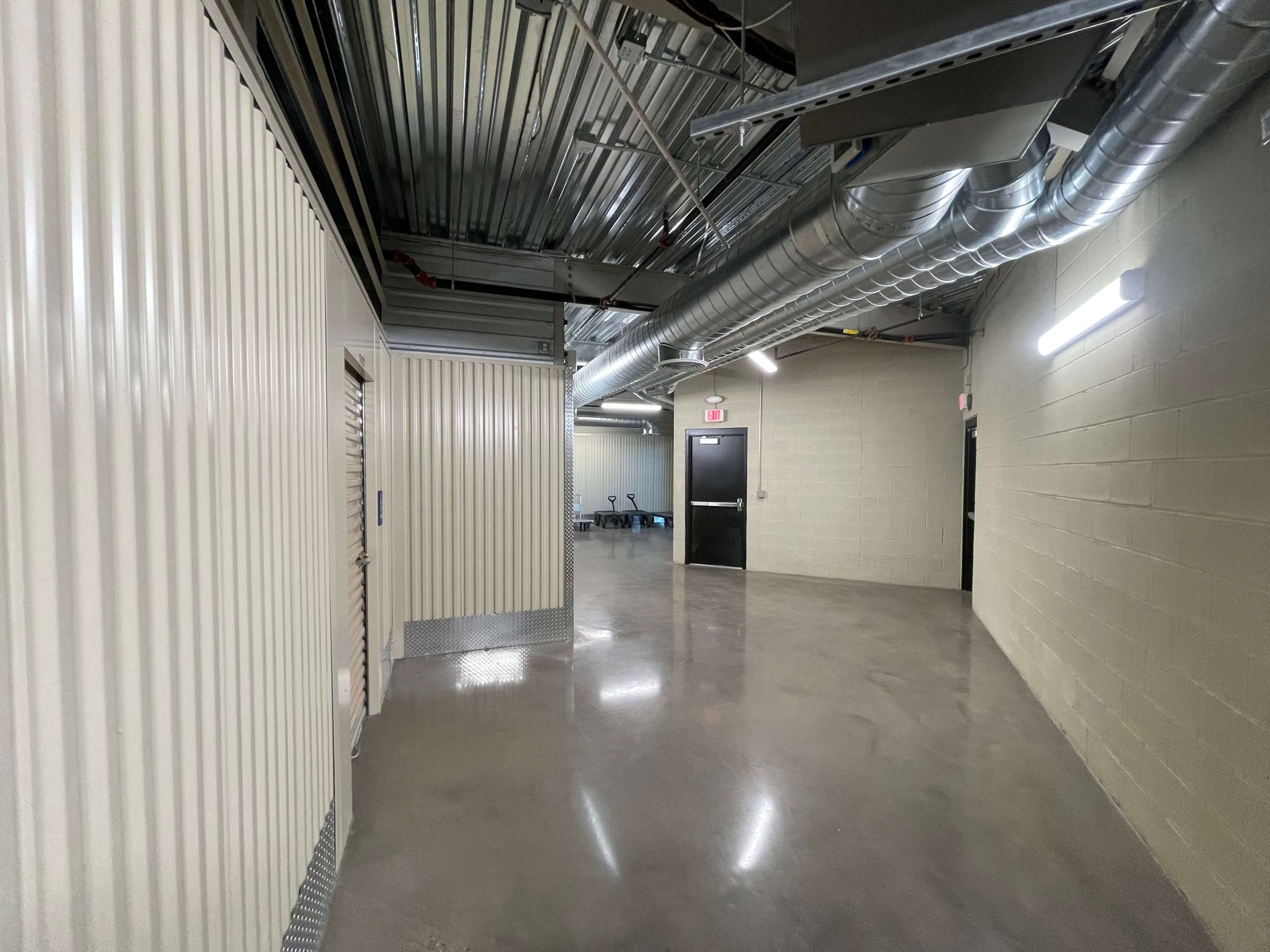
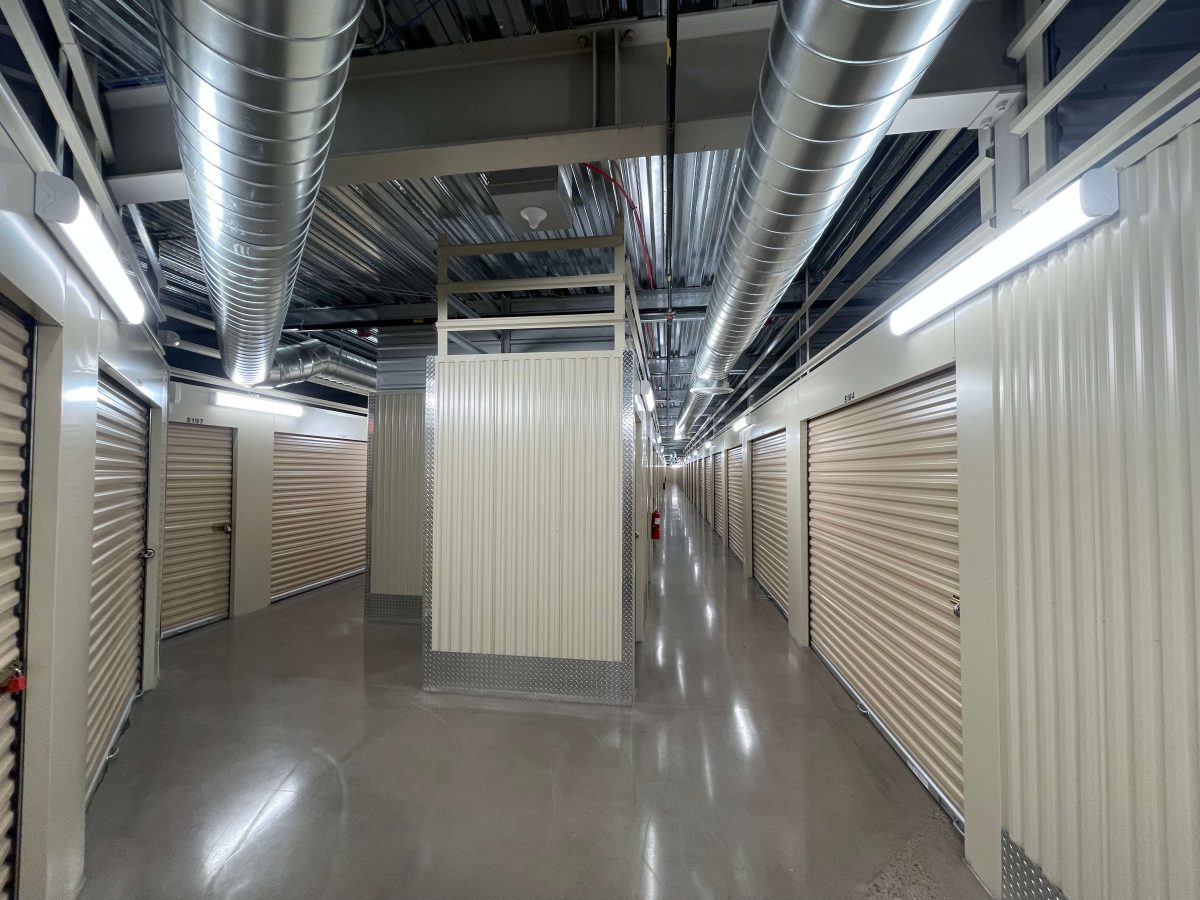
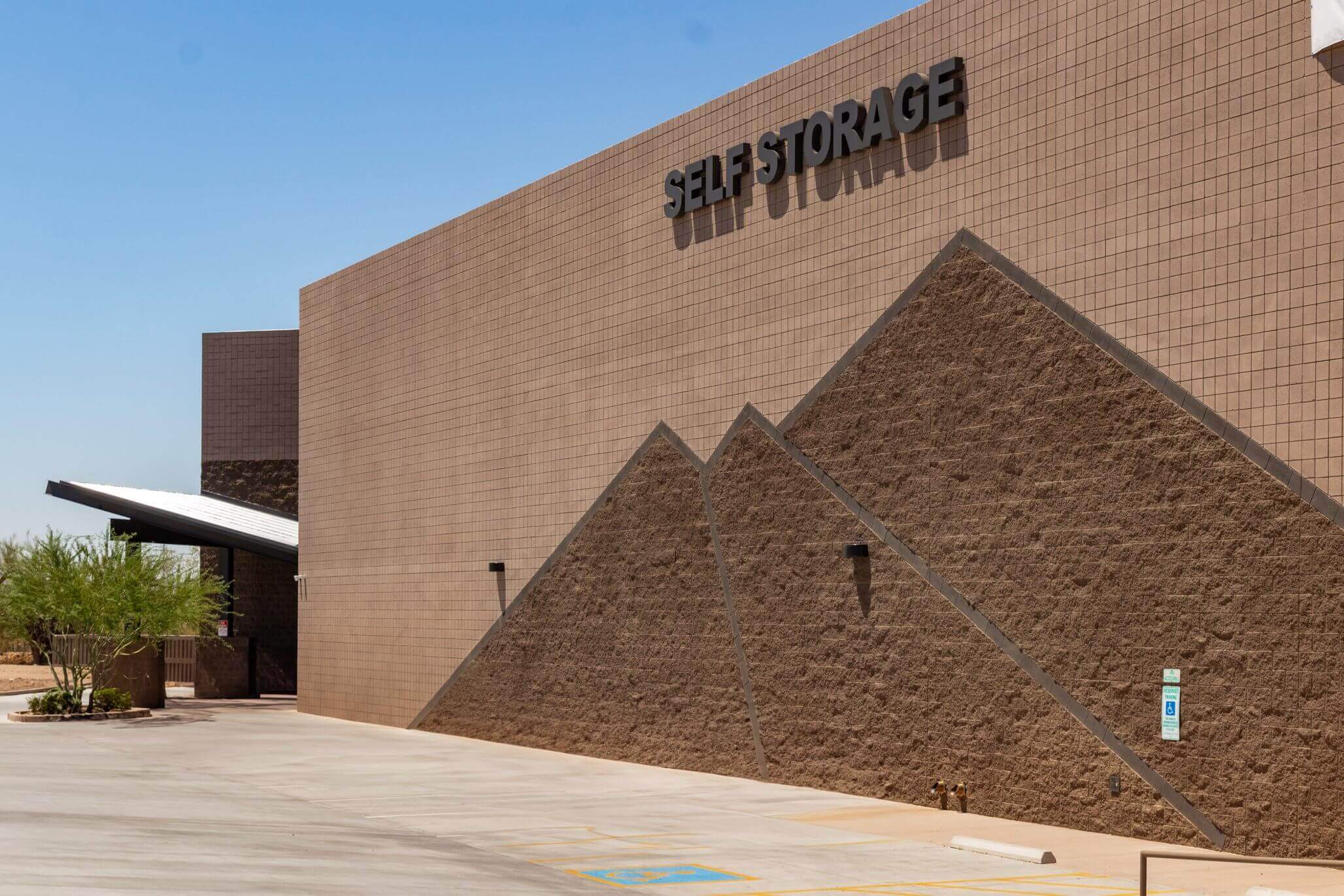
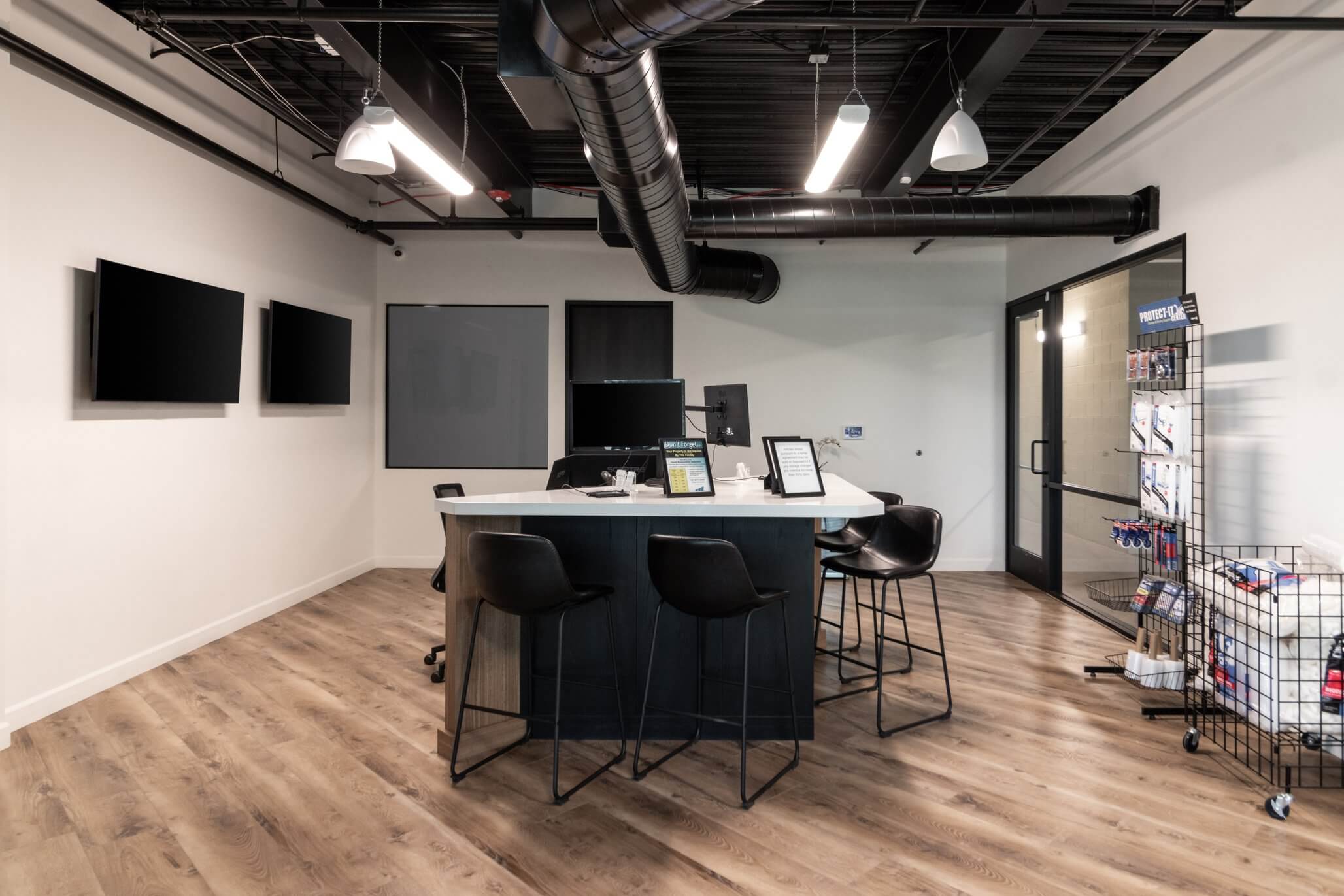
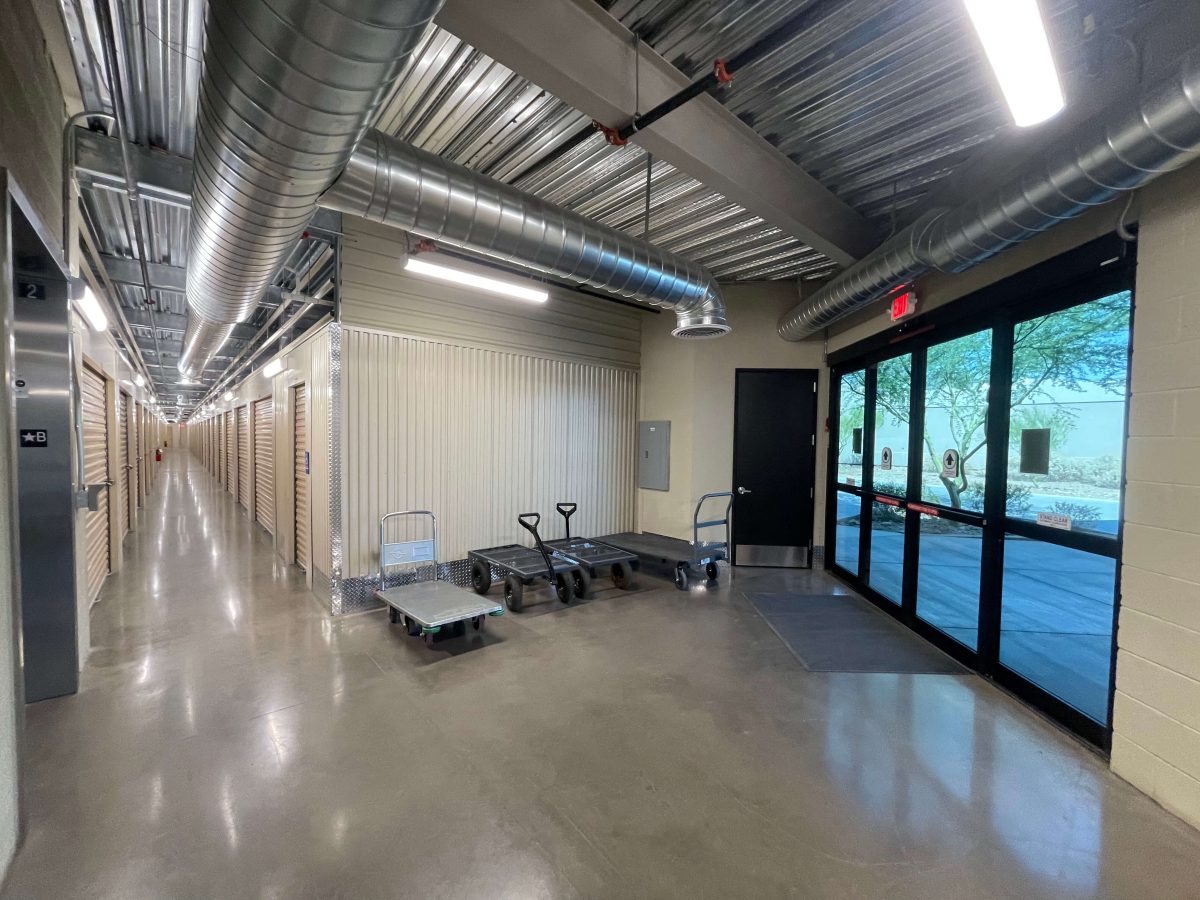
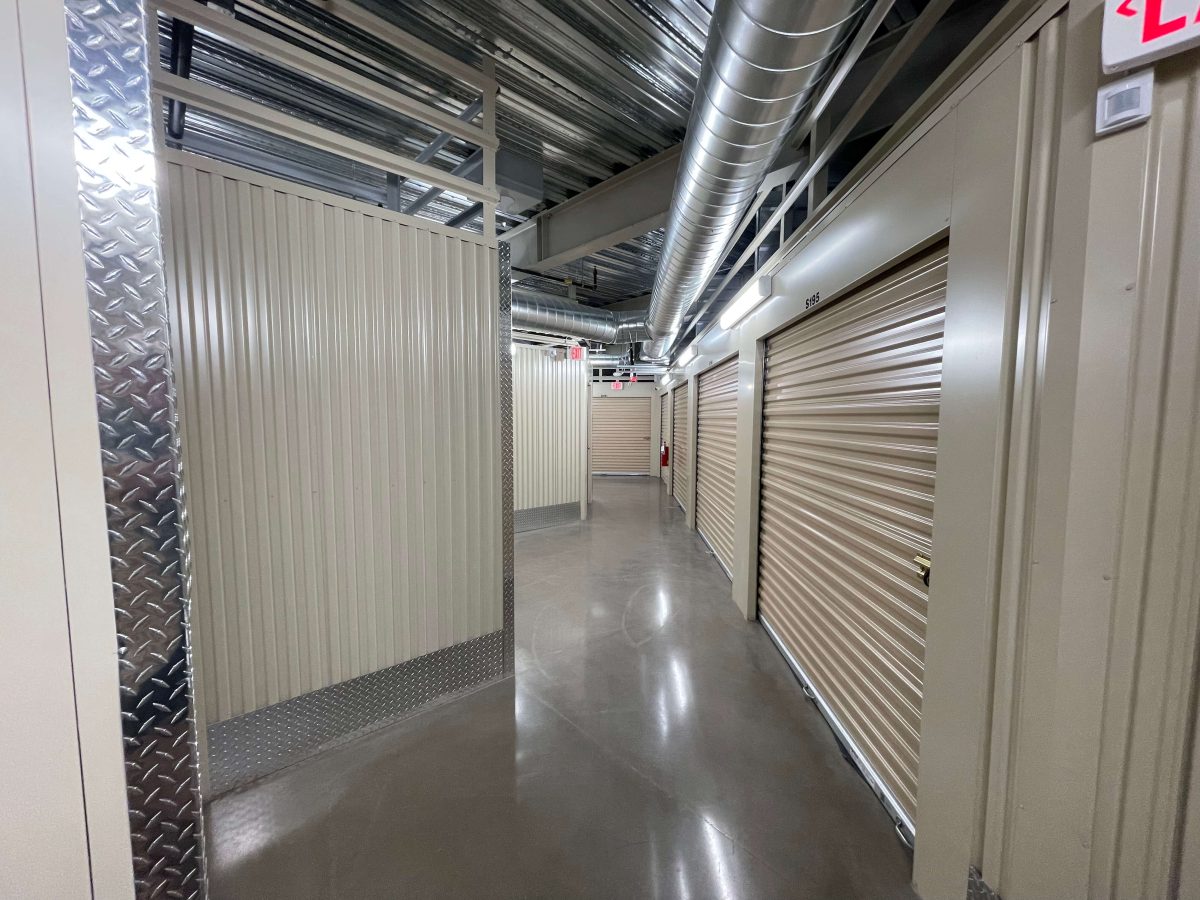
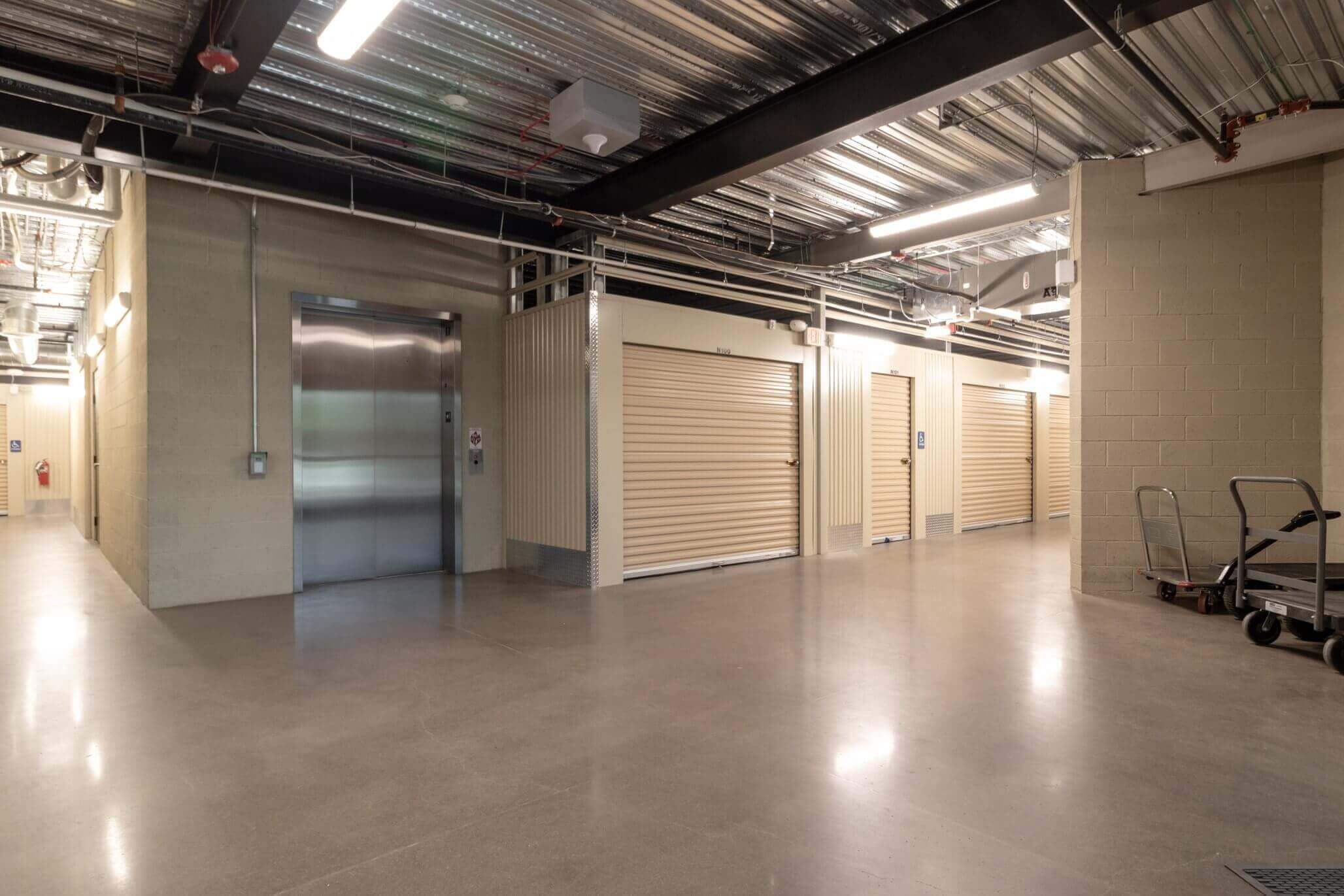
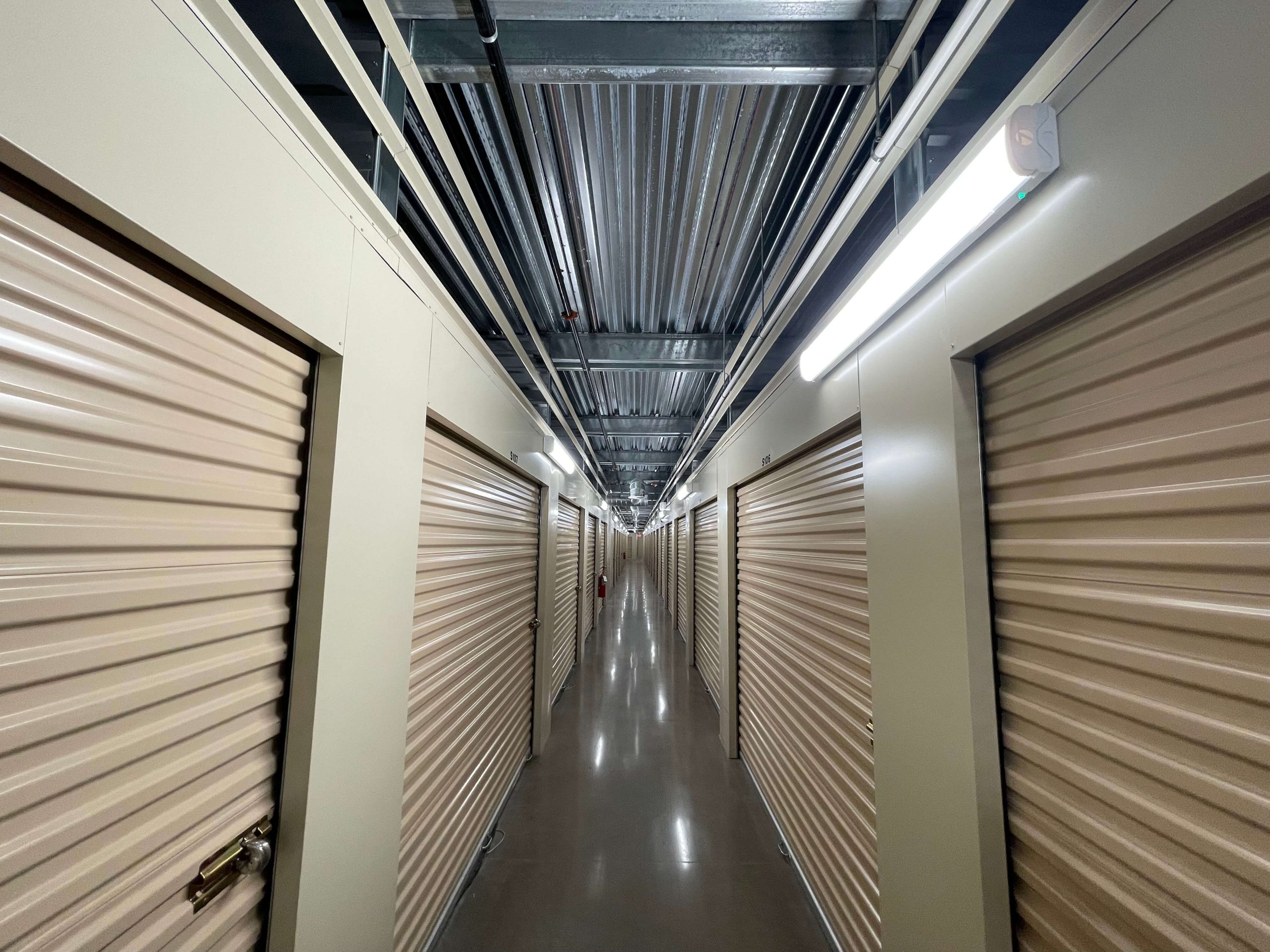
Scottsdale summers regularly reach 115 degrees. At McDowell Mountain Community Storage, every unit is fully indoor and climate-controlled, which means your belongings are protected from the heat, regardless of what you store or how you pack them. But how you use the space inside that unit and which packing approaches work best in a facility with multiple loading docks and elevator access are worth thinking through carefully before you start moving things in. Doing it right on the first load saves you from having to rearrange everything a month later.

Start with the Right Unit Size, Not the Cheapest One

The most common storage space mistake isn’t how people pack their unit. It’s renting a unit that’s too small for what they actually have, then spending the entire rental period working around that constraint.

A unit that’s packed to the ceiling with no clear path to the back is technically “maximized,” but it’s maximized in a way that makes accessing anything in the rear impossible without moving half the unit. That’s not efficiency; it’s a recurring inconvenience that gets more frustrating every time you need something from the unit.

Before you start packing, use the space estimator to get a realistic sense of what size unit you actually need. The size guide shows what fits in each unit type, from a 5×5 to a 10×25, with specific examples of furniture combinations and room equivalents. Renting one size up from your initial estimate often costs less per month than you’d expect and eliminates the frustration of a chronically overpacked unit.

Pack Boxes to a Standard Height and Use Uniform Sizes

The single most impactful change most people can make to their packing approach is committing to uniform box sizes, particularly for boxes that will be stacked. Random box sizes create an unstable pyramid that can only go so high before it becomes unsafe, and it wastes the vertical space above every irregular item.

Medium boxes packed uniformly to their rated weight capacity stack more securely than large boxes packed light or heavy boxes that bow at the sides. Most moving supply retailers and storage facilities sell boxes in standardized sizes precisely because uniform stacking is the most efficient use of vertical space.

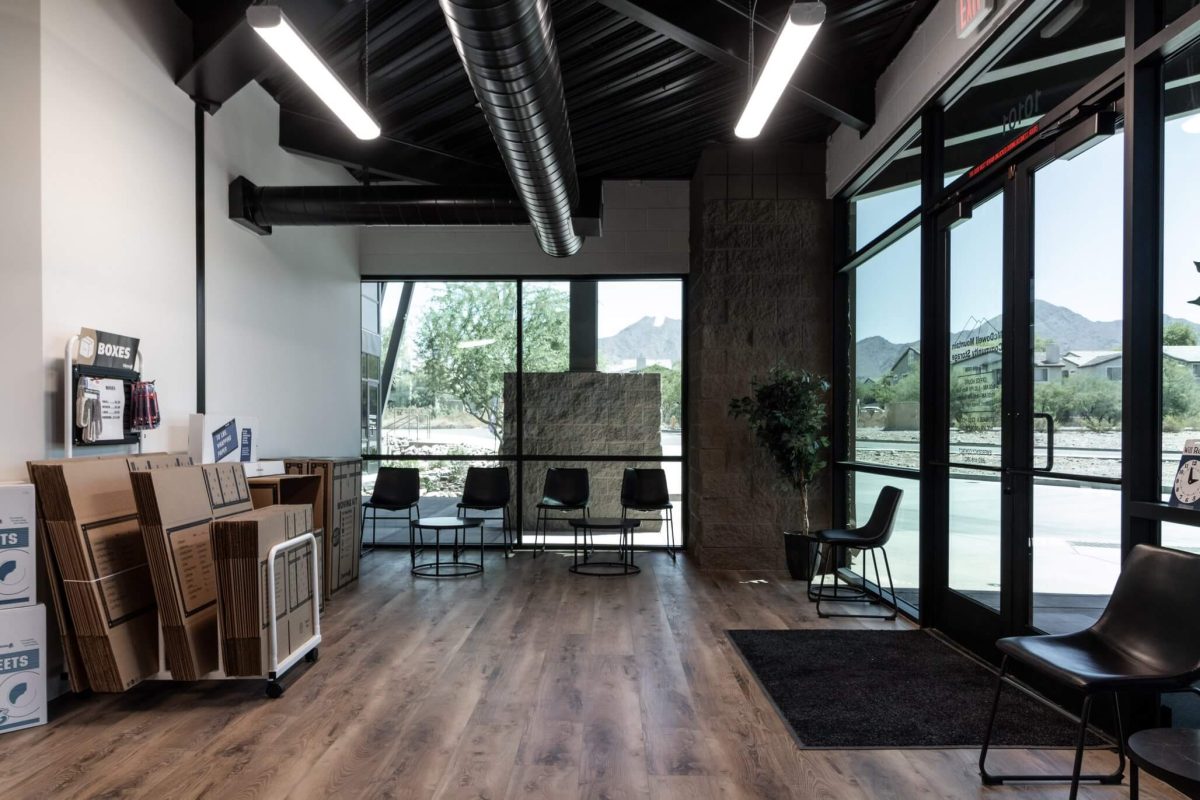
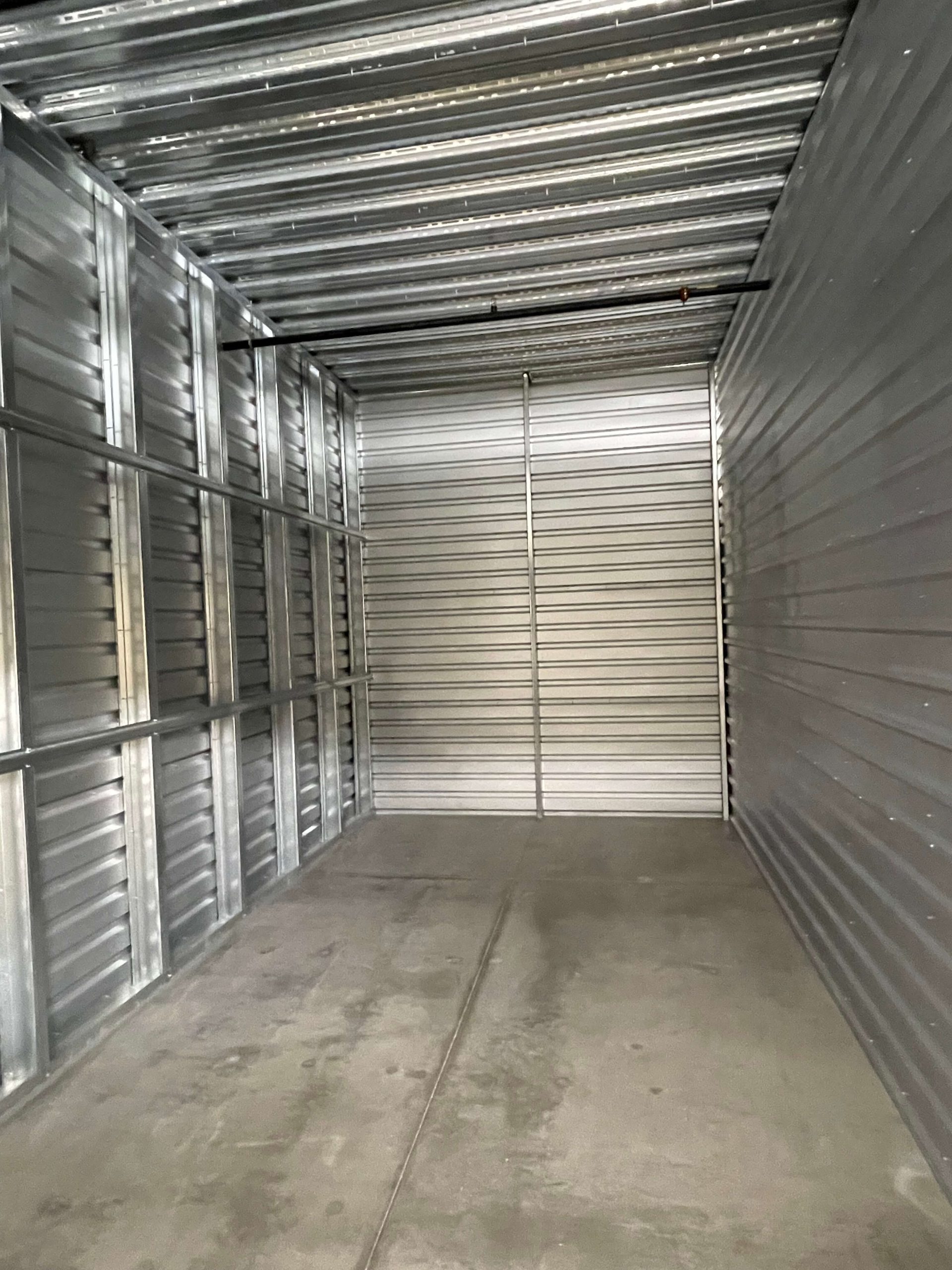
If you’re using our facility’s moving supplies, the team can help you identify which box sizes work best for what you’re storing. Consistent box dimensions, filled fully but not over-packed so they maintain their cube shape, will let you safely stack four to five boxes high with confidence and reach the top of a standard 8-foot unit without wasted air space between the top box and the ceiling.

Stack Heavy Items Low, Large Furniture to the Back

This principle is consistent across every storage guide for good reason: it affects both safety and accessibility. Heavy boxes and dense items should be placed on the floor or in the bottom layer of any stack. Large furniture, appliances, and bulky items that you’re unlikely to need during the storage period go to the back of the unit first.

In a multi-story facility like ours, with two elevators and multiple loading docks, this is easier to execute than in a single-story drive-up facility where you’re making choices under pressure while unloading a truck in the parking lot. Plan your layout before your first load arrives, not after the truck is half empty.

A simple sketch of your intended unit layout, drawn before moving day, is one of the most underused storage planning tools available. Label which wall the furniture goes on, where the aisle runs, and which area holds the items you’ll need to access regularly. Fifteen minutes of planning saves hours of reorganizing.

Create a Clear Aisle From Front to Back

A storage unit where everything is accessible from the front is one you’ll use. A storage unit where the thing you need is always somewhere in the middle is one you’ll dread visiting.

Leave a clear walking aisle down the center or along one wall from the front door to the back of the unit. This aisle doesn’t need to be wide; roughly two feet is enough to navigate, but it needs to run the full depth of the unit so nothing stored in the back becomes permanently inaccessible under layers of other items.

Items you need frequently go near the front, on the sides of the aisle, where you can reach them without moving anything else. Items you’re storing long-term and rarely need go to the back. This sounds obvious, but most people fill a unit from back to front and end up with the items they access most buried behind what they never use.

Use Furniture as Storage, Not Just Storage Subject Matter

Dressers, wardrobes, filing cabinets, and bookshelves take up floor space in a storage unit whether they’re empty or full. Pack them as if they’re boxes.

Dresser drawers can hold folded clothing, linens, or soft items that don’t need rigid boxes. Wardrobe boxes aren’t necessary if your wardrobe unit has a hanging rod; keep it assembled and fill the base with shoes, small items, or soft goods. Filing cabinets can hold documents, office supplies, or other small items that would otherwise need separate boxes. Bookshelves, if you’re leaving them assembled, are ready-made shelving for the unit itself.

In Scottsdale’s climate-controlled storage environment, you don’t need to worry about humidity warping wood furniture or heat degrading fabric items the way you would in a non-climate-controlled unit. Packing soft items inside furniture rather than in separate boxes is genuinely safe here, unlike in a standard outdoor drive-up unit during an Arizona summer.

Disassemble What You Can, Wrap What You Can’t

Bed frames, dining tables, sectional sofas, and large shelving units all take dramatically less floor space when disassembled. A queen bed frame that occupies eight square feet assembled leans against a wall and takes up less than a foot of depth when broken down into rails and headboard.

Store hardware for disassembled furniture in labeled zip-lock bags taped directly to the furniture pieces they belong to. This is one of those details that seems unnecessary until you’re trying to reassemble a bed frame six months from now with no memory of where the bolts went.

Items that won’t be disassembled, upholstered furniture, mattresses, electronics, mirrors, and artwork benefit from appropriate protective wrapping. Mattress bags, furniture blankets, mirror boxes, and stretch wrap are available at most moving supply outlets and at our facility. In a climate-controlled indoor unit, these materials protect against dust and surface damage rather than heat or moisture, but they’re still worth using for items you care about.

How to Maximize Space in Your Storage Unit

Label Every Box on Two Sides, Not Just the Top

Boxes stacked four high have labels facing the ceiling. You can’t read them without moving everything above them. Label every box on at least two visible sides, ideally the front-facing side and one adjacent side, so the contents are readable without disturbing the stack.

A simple color-coding system by room or category, a piece of colored tape or a colored marker, lets you identify which boxes belong to which category at a glance from across the unit. This matters most when you need one specific item from a unit that’s been organized for months, and the visual pattern of everything has become familiar background noise.

Take Advantage of What the Facility Offers

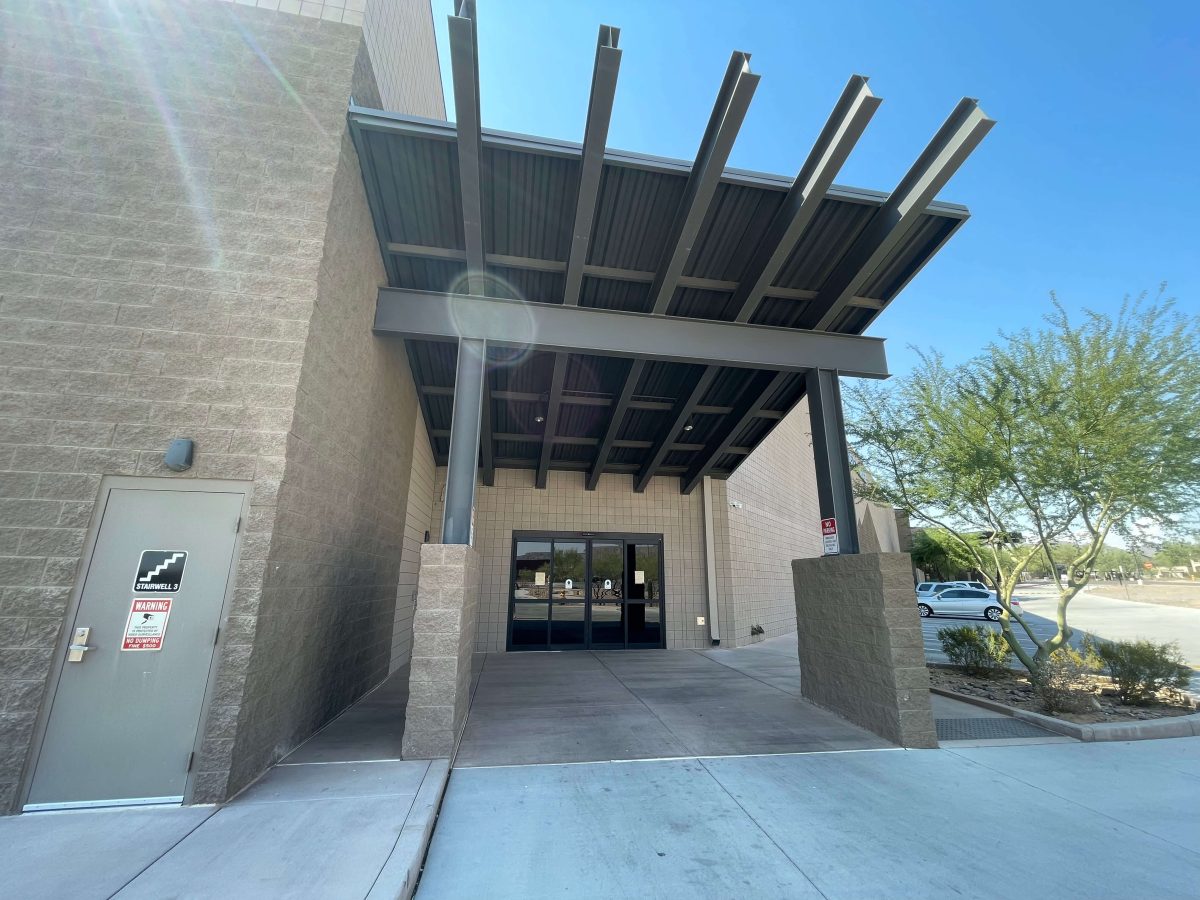
The practical advantages of an indoor, multi-story facility with elevator access and multiple loading docks extend beyond just the climate control. Moving appliances, heavy furniture, and large items to an upper-floor unit is genuinely manageable with elevator access, unlike in a walk-up or outdoor facility. The loading dock structure means a moving truck can unload directly at the building entrance rather than requiring you to cart items across a parking lot in summer heat.

If you’re not sure which unit size gives you the right combination of cost and space for what you’re storing, our team at McDowell Mountain Community Storage can walk you through the options and help you visualize what your specific items would look like in each size. We’re open seven days a week, and the size guide and space estimator on the site give you a useful starting point before you visit.

Reserve your Scottsdale storage unit today to lock in the space you need and get help choosing the right size with confidence.

You can also visit our packing and storage tips page for additional guidance on preparing specific types of items for storage, from electronics to artwork to seasonal clothing.


Frequently Asked Questions: Maximizing Space in a Storage Unit

What is the best way to stack boxes in a storage unit?

Stack heavier, denser boxes on the bottom and lighter boxes on top. Use uniform box sizes when possible for more stable stacking. Fill boxes fully, so they hold their cube shape and don’t bow or collapse under weight. Standard medium boxes stacked to their rated capacity can reach four to five boxes high safely in an 8-foot-ceiling unit, leaving minimal wasted vertical space.

Should I leave an aisle in my storage unit?

Yes. A clear walking path from the front door to the back of the unit makes every item accessible without having to move other items to reach it. Position items you access regularly near the front, along the sides of the aisle, and long-term storage items toward the back. An aisle of roughly two feet is sufficient for most units.

How do I keep my storage unit organized over time?

Labeling on two sides of every box, a simple inventory list with the unit’s contents, and a consistent system for putting items back where they came from after accessing them are the habits that keep a unit organized over months or years. Take a photo of the unit layout after your initial setup as a reference for future visits.

Does climate control change how I should pack my storage unit?

Yes, in some ways. In a climate-controlled, fully indoor unit like those at McDowell Mountain Community Storage, you don’t need to account for moisture-wicking packaging or heat-resistant materials the way you would in a standard outdoor unit in an Arizona summer. Soft goods can be packed inside furniture drawers without risk of mildew. Electronics don’t need extra heat protection. What you still want to protect against is dust accumulation over time, which appropriate coverings and sealed boxes address.

What size storage unit do I need to store the contents of a one-bedroom apartment?

A 10×10 unit is the standard recommendation for a one-bedroom apartment with standard furniture, boxes, and appliances. If you have oversized furniture, a sectional sofa, a king bed, or multiple large appliances, a 10×15 gives you more working room and aisle space.

How Long Can You Rent a Storage Unit?

As long as you want, and that’s not a sales pitch, it’s how the industry is actually structured. There’s no maximum rental period at almost any self-storage facility, including ours. The part people get less clarity on is the minimum, and how billing actually works once you’re in, which is where most of the confusion (and the occasional Reddit thread asking if there’s any way around month-to-month billing) comes from.

Here’s the direct answer to all three questions, plus a framework for figuring out what length actually makes sense for your specific situation, since “however long you want” isn’t all that useful on its own.

The Real Answer: There’s No Maximum, and Barely a Minimum

Self-storage rentals are almost universally structured as month-to-month agreements, not fixed-term leases. That single fact answers most of what people are actually asking when they search for this question, but it’s worth breaking it down into its three practical pieces.

Is There a Maximum Rental Length?

No. There’s no point at which a facility requires you to vacate. People rent units for a single month during a move, and people rent units for a decade while storing inherited furniture, a parent’s belongings, or a business archive. Both are completely normal, and the facility has no built-in mechanism that forces an end date.

Is There a Minimum Rental Length?

Usually, yes, and it’s almost always one month. Most facilities, including ours, bill on a monthly cycle rather than daily or weekly. That means even if you only need the unit for a week or two, you’ll typically pay for the full month. Some facilities prorate the final partial month when you move out; others don’t. It’s worth asking directly when you reserve, since this is exactly the detail that generic articles gloss over and that generates confused Reddit threads after the fact.

How Does Month-to-Month Billing Actually Work?

This is the part that almost nobody explains clearly. A month-to-month storage agreement means you’re billed on a recurring cycle, typically tied to the date you moved in. You can give notice and vacate at any time without breaking a lease or paying an early termination fee. This is structurally different from an apartment lease, which is a fixed-term contract with penalties for leaving early. Storage agreements exist this way because facilities need the flexibility to manage turnover efficiently, and most states regulate self-storage differently from residential tenancy law specifically because of this short-cycle, no-lock-in structure.

The practical upshot: you’re not committing to anything beyond the current month at any point. If your situation changes, you give notice, and you’re done, no lease to break.

A Better Question: How Long Should You Rent a Storage Unit For?

“How long can you” and “how long should you” are different questions, and the second one is more useful. Since there’s no maximum and barely a minimum, the actual decision is about matching the rental length to why you need the space in the first place. Here’s how that breaks down in practice, based on the situations we see most often.

A Few Weeks: Moving and Closing Gaps

If you’re moving between homes and there’s a gap between move-out and move-in dates, even a short rental, sometimes just a few weeks, covers it. Because the minimum billing cycle is typically one month, you’ll likely pay for a full month even if you use only part of it, so it’s worth timing your move-in date to maximize the value of that first cycle. Our post on how to use a storage unit during a move covers the logistics of this kind of short, transitional rental in more detail.

One to Three Months: Renovations and Staging

Home renovations and staging a house for sale are two of the most common reasons for a short-to-medium rental. Renovation timelines run notoriously long, so it’s worth renting for slightly longer than the contractor’s estimate rather than the estimate itself; you can always vacate early with no penalty if the work finishes ahead of schedule, but you can’t always move fast enough to handle a delay if you under-rent.

Three to Six Months: Seasonal Storage

This is the rental length we see constantly in Scottsdale, specifically, driven by the area’s large seasonal population. Snowbirds who spend winters here and head north for summer typically need storage for exactly this window, long enough to cover a multi-month stay, short enough that month-to-month billing makes far more sense than any kind of long-term commitment. If that’s your situation, our guide on storage tips for snowbirds in Scottsdale goes into the specifics of preparing belongings for a seasonal stay.

Six Months or Longer: Downsizing, Estate Situations, and Business Use

Longer rentals tend to come from situations where the timeline genuinely isn’t known in advance: downsizing into a smaller home and working through belongings gradually, managing an estate after a family member’s passing, or storing business inventory and records on an ongoing basis. There’s nothing unusual about a multi-year rental in any of these cases, and because billing stays month-to-month throughout, there’s no added risk in renting without a firm end date in mind. You’re never locked into a term you didn’t plan for.

What Actually Changes the Math: Discounts for Longer Commitments

While the underlying agreement stays month-to-month, many facilities offer reduced rates for tenants who commit to paying for several months up front, even though the flexibility to leave early remains. This isn’t the same as a fixed-term lease; it’s simply a pricing incentive layered on top of the same flexible structure. If you already know you’ll need a unit for an extended period, such as a multi-month seasonal stay or an open-ended downsizing situation, it’s worth asking about prepayment or long-term discounts, since the answer can meaningfully change the cost without affecting your flexibility to leave whenever your situation resolves.

How Long Can You Lease a Storage Unit?

Choosing the Right Unit Size No Matter How Long You’re Renting

Rental length and unit size are separate decisions, but they interact in one practical way: the longer you expect to store something, the more it’s worth taking time to choose the right size from the start, rather than renting smaller and needing to upgrade mid-term. Our space estimator tool is a fast way to figure out what size fits your specific list of belongings before you commit to a term.

For longer-term rentals, especially, climate control is also worth factoring into the decision early rather than realizing partway through a multi-month rental that it would have mattered. Our post on the benefits of climate-controlled storage covers why this matters specifically in Arizona’s climate over an extended rental period.

The Bottom Line on Storage Rental Length

There’s no maximum length you can rent a storage unit for, and the minimum is typically just one month, billed on a recurring cycle you can cancel at any time without penalty. The more useful question isn’t how long you’re allowed to rent, it’s how long actually fits your situation: a few weeks for a moving gap, a few months for a renovation or a seasonal stay, or open-ended for downsizing, an estate, or ongoing business use. Whatever the timeline, month-to-month billing means you’re never locked in beyond the current cycle.

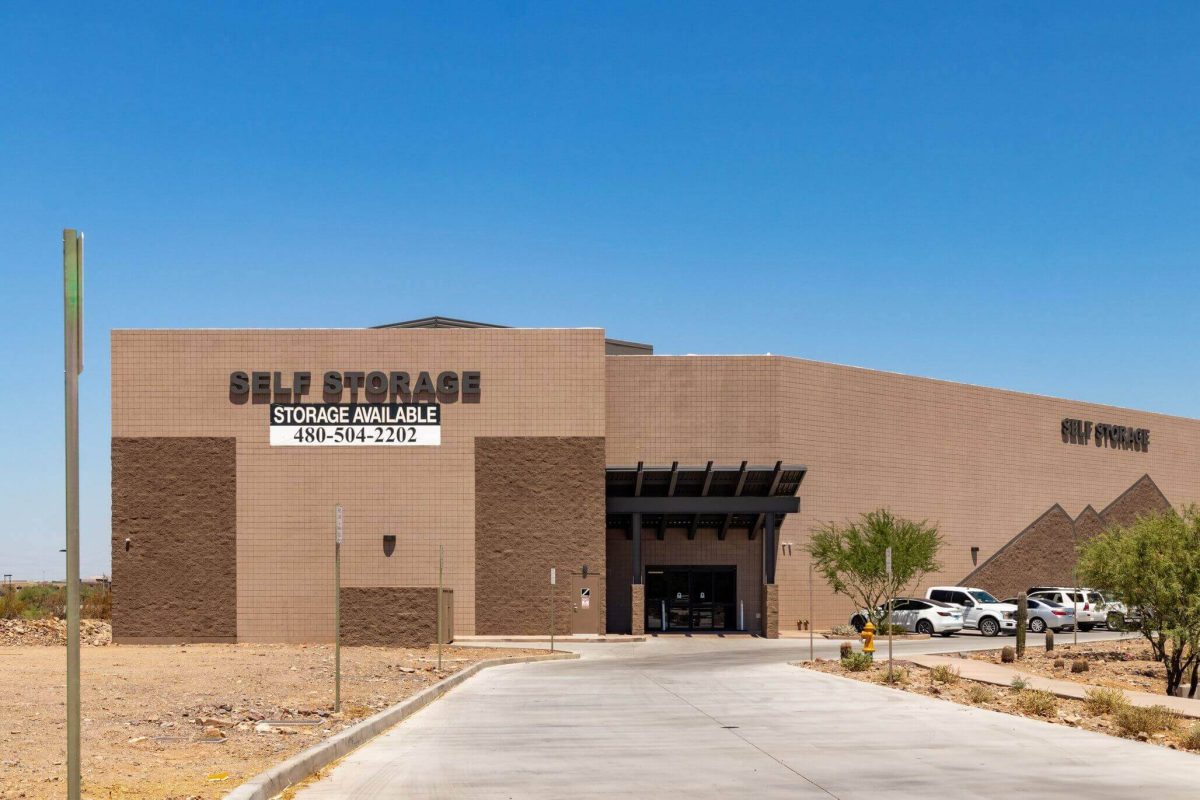
At McDowell Mountain Community Storage, every unit is rented month-to-month with no long-term commitment required, whether you need space for a few weeks or a few years. Our facility is located at 10101 E. McDowell Mountain Ranch Rd, Scottsdale, AZ 85260, and we’re open Monday through Saturday 9am to 6pm and Sunday 10am to 4pm.

If you’re ready to find the right size and term for your situation, browse our space estimator tool, check our frequently asked questions page, or reserve a storage unit in Scottsdale online. You can also call us at (602) 899-5484 to talk through your specific timeline with our team.


Frequently Asked Questions

Is self-storage always month-to-month, or can you get a fixed-term lease?

The overwhelming majority of self-storage facilities, including ours, operate exclusively on a month-to-month basis. Fixed-term storage leases exist but are uncommon, and even when offered, they typically don’t provide a meaningful cost advantage over simply staying month-to-month and giving notice when you’re ready to leave. The flexibility is generally considered an advantage, not a limitation.

Can I rent a storage unit for just a few days or a week?

Most facilities bill in full monthly cycles rather than daily or weekly increments, so while you can technically move out after only a few days, you’ll typically still be charged for the full month. If you genuinely only need storage for a few days, it’s worth confirming the facility’s specific proration policy before reserving, since this varies by location.

What’s the longest you can rent a storage unit for?

There’s no upper limit. Multi-year rentals are common and entirely normal, particularly for estate situations, business storage, or long-term downsizing. Because the agreement remains month-to-month throughout, there’s no added commitment risk in renting without a defined end date.

Do I need to sign a lease to rent a storage unit?

You’ll sign a rental agreement, but it functions differently from a residential lease. It establishes the terms of use and billing rather than locking you into a fixed term with an early termination penalty. You can generally give notice and vacate at any point.

Will I get money back if I move out in the middle of the month?

This depends entirely on the individual facility’s policy, and it’s one of the most useful questions to ask before you reserve. Some facilities prorate the final partial month; others do not refund any unused days within a billing cycle. Ask directly rather than assuming either way.