

Storing a refrigerator properly can save you money and prevent costly damage when you move, renovate, or downsize. Whether you have one fridge, multiple refrigerators, or a large side-by-side model, the preparation and storage process is the same. Follow this step-by-step guide to protect your appliance from mold, mildew, odors, rust, and physical damage while it’s in a self storage unit.
Preparing the Refrigerator for Storage
Preparation starts at least 48 hours before you move the appliance. First, unplug the refrigerator and freezer from the wall. Consume or relocate all food and perishables. Remove ice from the icemaker and any ice buildup in the freezer. Empty water from the dispenser reservoir and drip tray (many modern fridges have a drain pan underneath—empty that too). This early start gives the appliance time to reach room temperature and prevents trapped moisture from turning into a bigger problem later.
Cleaning and Defrosting
Never store a wet fridge. Begin by fully defrosting the freezer—leave the doors open and place a towel on the floor to catch any melting ice and water. Once defrosting is complete, clean every surface: interior walls, shelves, drawers, door gaskets, and compartments. Use a mild solution of warm water and baking soda (two tablespoons per quart of water) or a non-abrasive appliance cleaner. Avoid bleach or other harsh chemicals, as they can damage plastic or leave lingering odors. Wipe every surface dry with a clean towel, then leave the doors open for at least 24 hours in a well-ventilated space to ensure no moisture remains. Moisture is the number one enemy that leads to mold and mildew during storage.
Removing Perishable Items
Even tiny traces of food can cause major odor and mold issues. Double-check all compartments, drawers, crispers, and door bins. Remove shelves and drawers if possible, clean them separately, and wrap them to prevent breakage during transport. Discard anything that might spoil, leak, or attract pests. A single forgotten yogurt container can ruin the entire interior after months in storage.
Securing Doors and Shelves
Loose doors and shelves are a recipe for damage during transport and storage. Remove adjustable shelves and drawers, wrap them in moving blankets or bubble wrap, and pack them separately or tape them securely inside the main compartment. For the doors, use strong painter’s tape or rope to keep them closed during the move, but never tape the gasket directly—it can tear. Once the refrigerator is in its final place in the storage unit, you will leave the doors slightly open for airflow (more on that later). Cardboard or a purpose-made appliance strap works better than tape for long-term securing during the actual move.
Choosing the Right Storage Unit
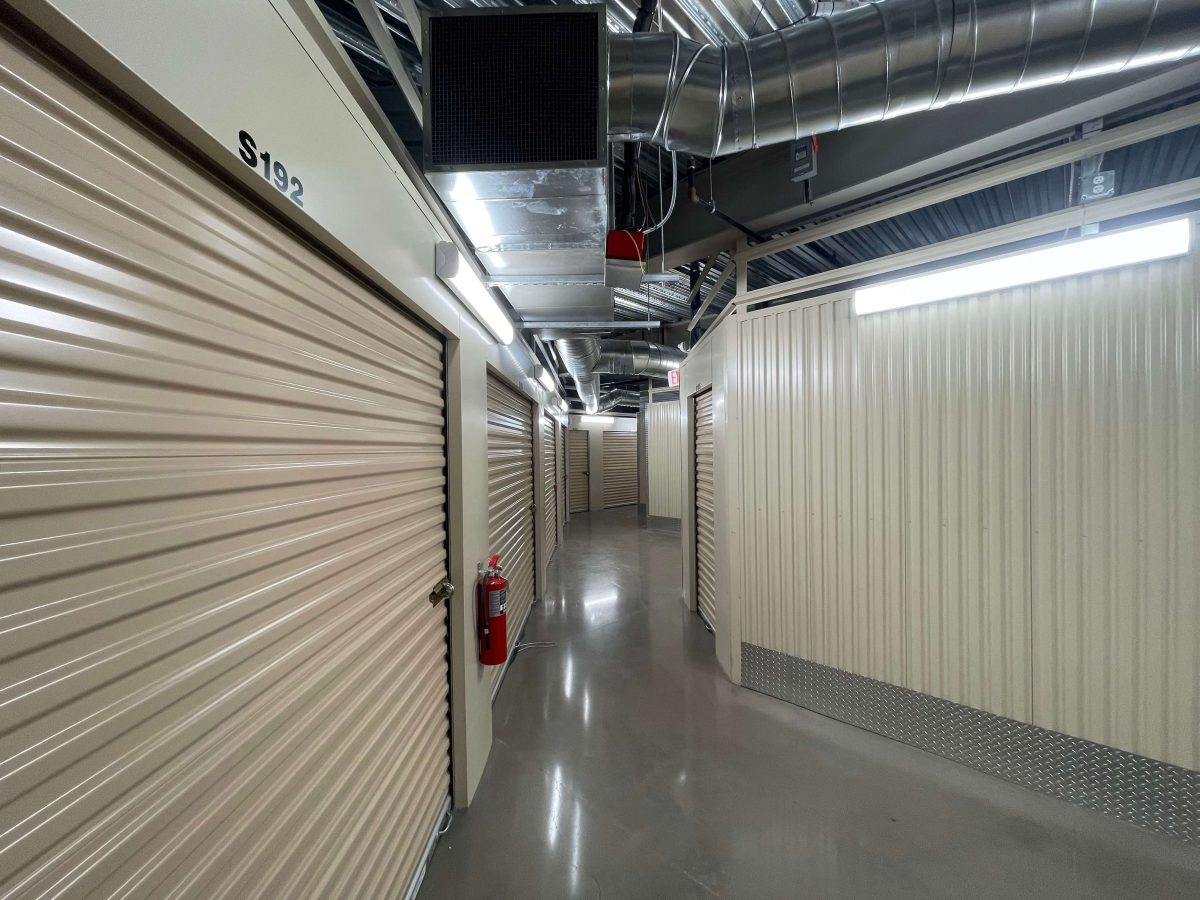
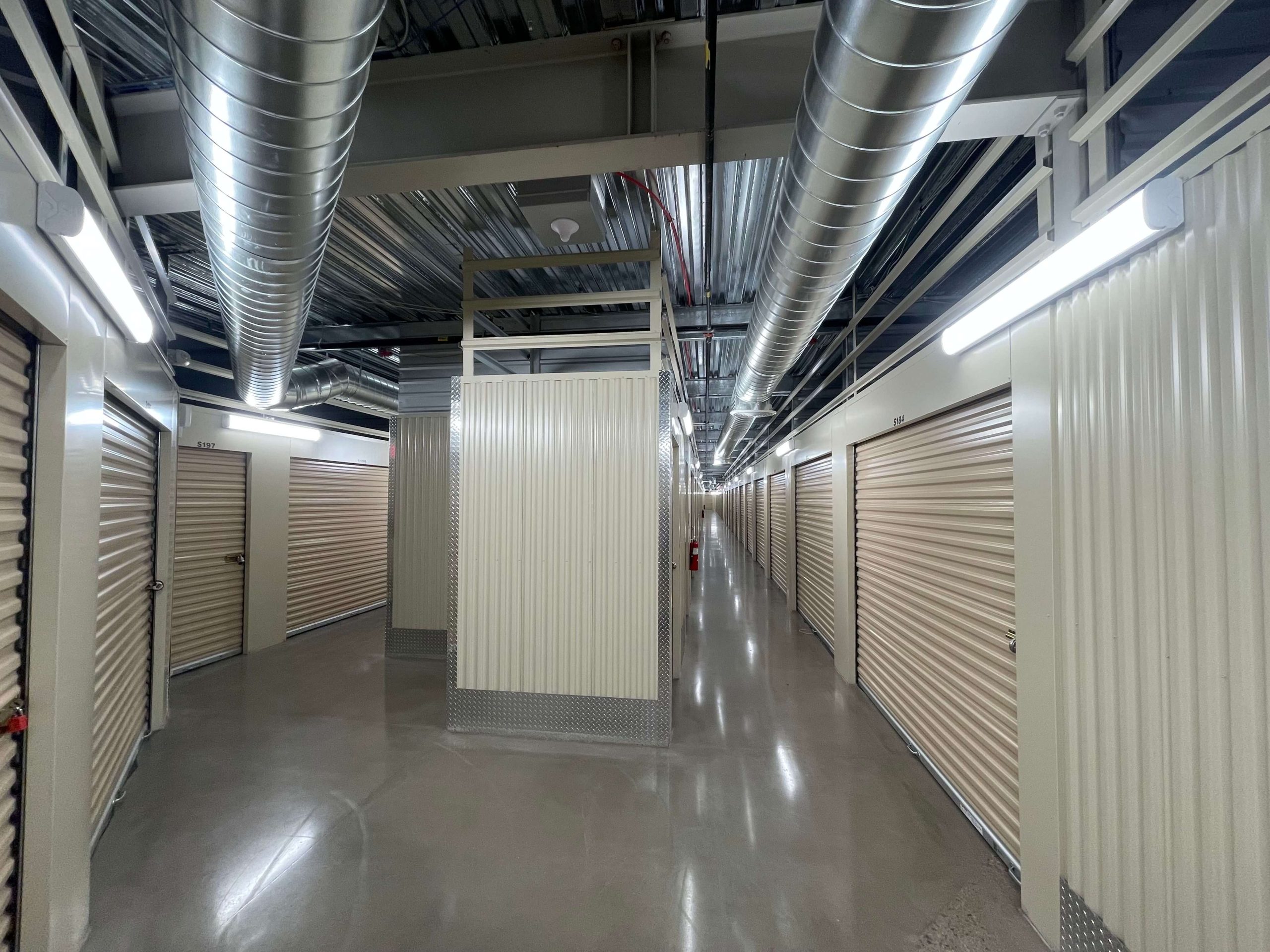
Not all storage units are suitable for appliances. Choose a reputable self-storage facility that offers climate-controlled units, especially if you live in an area with high humidity or extreme temperature swings. Standard drive-up units can work in mild, dry climates, but temperature fluctuations and humidity above 60% dramatically increase the risk of rust, mold, and compressor oil degradation. A climate-controlled unit maintains a temperature between 55–80 °F and humidity below 55%, ideal for refrigerator storage. Verify that the unit size can accommodate your fridge upright with at least 2–3 inches of space on every side for airflow.
Optimal Placement Inside the Storage Unit
Always transport and store refrigerators upright. Laying a fridge on its side can cause compressor oil to flow into the cooling lines, which may ruin the unit when you restart it. Place the refrigerator on a flat, level surface—use plywood or a pallet if the storage unit floor is bare concrete. Position it at least 2–3 inches away from walls and other items to allow airflow around the coils and condenser. Never push it flush against the back wall; restricted airflow can trap heat and moisture.
Temperature and Humidity Considerations
Even in climate-controlled storage units, small fluctuations happen. The biggest threats are high humidity (which promotes mold) and freezing temperatures (which can crack plastic parts and rupture water lines). Climate-controlled units are strongly recommended in most regions. If you must use a non-climate unit, add silica gel packs or commercial moisture absorbers inside the fridge and freezer compartments, and place a dehumidifier bucket in the storage unit itself.
Covering and Protecting the Refrigerator
Once the fridge is clean, dry, and in position, protect the exterior from dust and accidental bumps. Use a breathable refrigerator cover or an old cotton sheet—never plastic sheeting or tarps that trap moisture. If you don’t have a cover, prop the doors open 1–2 inches using a wooden block or a dedicated fridge door prop. This simple step ensures constant ventilation and prevents the stale, musty odor that develops in completely sealed appliances.
Periodic Maintenance During Storage
Visit your storage unit every 2–3 months if possible. Check for any signs of moisture, mildew, or pests. Wipe down the interior with a dry cloth if needed, replace the moisture absorbers, and verify that the doors remain propped open for airflow. A five-minute check-in can prevent hundreds of dollars in damage. If you notice any odor when you open the unit, place fresh baking soda boxes or activated charcoal inside to absorb it.
Tips for Reinstalling After Storage
When you’re ready to bring the refrigerator back to your house, remove the cover and door props. Inspect the power cord and plug for damage. Let the appliance stand upright in its new location for at least 24 hours (longer if it was transported on its side) before plugging it in—this allows compressor oil to settle back into place. Clean the interior one final time, reinstall shelves and drawers, and plug it in. If everything was done correctly, your fridge should start up without issues and be ready to keep food cold again.
Conclusion
Storing a refrigerator properly requires careful planning and attention to detail, but the process can be simple if you organize each step in the right way. Prioritize safety by unplugging the appliance, removing perishables, and handling shelves and doors carefully. Thoughtful packing and securing of all removable parts ensures nothing shifts or breaks during transport. Protect the interior from moisture and odors, and choose a storage unit that maintains a stable temperature and humidity. By following these steps, you can keep your refrigerator in top condition and safeguard your investment. With proper preparation, the right placement, and regular checks, your fridge will stay clean, functional, and ready for use whenever you need it—making the entire storage process smooth, secure, and stress-free.
Find the Right Storage Unit for Your Refrigerator
If you need help storing your refrigerator safely and efficiently and are looking for a climate-controlled storage unit in Scottsdale, McDowell Mountain Community Storage can provide the perfect solution. We offer a variety of unit sizes to fit everything from a compact fridge to a large side-by-side model. Choosing the right size ensures your appliance stays secure, organized, and protected from damage during its time in storage.
Don’t wait—contact McDowell Mountain Community Storage in Scottsdale today to get all the details and find the ideal unit that meets your needs and keeps your refrigerator in top condition.
Frequently Asked Questions
How do I prepare a refrigerator for storage?
Unplug the fridge, remove all food, empty ice and water, and let it reach room temperature.
Unplug the fridge, remove all food, empty ice and water, and let it reach room temperature.
Should I clean the refrigerator before storing it?
Yes, clean all surfaces with a mild solution and make sure it’s completely dry to prevent mold and odors.
Yes, clean all surfaces with a mild solution and make sure it’s completely dry to prevent mold and odors.
Is it necessary to defrost the refrigerator before storage?
Yes, defrost the freezer completely and remove all ice to avoid water damage and mildew.
Yes, defrost the freezer completely and remove all ice to avoid water damage and mildew.
Can a refrigerator be stored upright or sideways?
Always store a refrigerator upright. Laying it on its side can damage the compressor.
Always store a refrigerator upright. Laying it on its side can damage the compressor.
How long can a refrigerator be stored in a storage unit?
Refrigerators can be stored for months or even years if properly prepared and stored in a climate-controlled unit.
Refrigerators can be stored for months or even years if properly prepared and stored in a climate-controlled unit.
Should I leave the refrigerator door open or closed during storage?
Leave the doors slightly open (1–2 inches) to allow airflow and prevent odors.
Leave the doors slightly open (1–2 inches) to allow airflow and prevent odors.
How do I protect the refrigerator from dust and dirt?
Use a breathable cover or an old cotton sheet to keep dust off while still allowing ventilation.
Use a breathable cover or an old cotton sheet to keep dust off while still allowing ventilation.
Is it safe to store a plugged-in refrigerator in a storage unit?
No, always unplug the refrigerator before storage for safety and to prevent electrical issues.
No, always unplug the refrigerator before storage for safety and to prevent electrical issues.
How do you protect the exterior of a stored refrigerator?
Place it on a flat surface and cover it with a breathable sheet or fridge cover to prevent scratches and dust buildup.
Place it on a flat surface and cover it with a breathable sheet or fridge cover to prevent scratches and dust buildup.
What materials can be used to cover the refrigerator?
Use breathable fabrics like cotton sheets or purpose-made refrigerator covers to protect your things inside and outside the fridge. Avoid plastic or tarps that trap moisture.
Use breathable fabrics like cotton sheets or purpose-made refrigerator covers to protect your things inside and outside the fridge. Avoid plastic or tarps that trap moisture.