Most decluttering guides really only give you three options: keep it, donate it, or sell it. Storage gets mentioned as an afterthought, usually treated as just another way of saying “keep.” That’s a mistake, and it’s one we notice constantly from the storage side of this conversation, because storing something for the right reason and storing something because you couldn’t decide look identical on move-in day. Only one of them actually helps.
This guide treats all four as genuinely separate decisions, with their own test for each, including an honest look at when storage is the right call and when it’s just delaying a decision you’ll still have to make eventually.
The Four-Question Test That Sorts Almost Anything
Instead of staring at an object and guessing, run it through these questions in order and stop at the first “yes”:
Do I actually use this regularly? If yes, keep it.
Would it sell for enough to be worth the time? If yes, sell it.
Is it in good enough condition for someone else to use, and would they benefit more from it than I currently am? If yes, donate it.
Will I genuinely need this again, just not right now? If yes, store it.
If the honest answer is no to all four, it’s trash or recycling, not a fifth pile to figure out later. The order matters here: working through keep, then sell, then donate, then store, before landing on toss, keeps you from defaulting to “I’ll just store it” the moment a decision gets uncomfortable, which is exactly the trap covered further down.
Keep: What Actually Earns a Permanent Spot
“Keep” should be reserved for things doing active work in your life right now: daily-use kitchen tools, clothes you actually wear, furniture your current home is built around. If an item hasn’t been touched in a year and isn’t tied to a specific upcoming use, it’s worth pushing it through the rest of the test rather than defaulting to keep out of habit.
Sell: When the Time Investment Is Worth It
Selling makes sense when an item’s resale value clears a reasonable bar for the time it’ll take to list, answer messages, and hand it off. Furniture, electronics, and tools in good condition are usually worth the effort. A chipped picture frame or a five-year-old phone charger almost never is. If you’re on the fence, give yourself a real deadline, list it for a set window, and donate it if it hasn’t sold by then, rather than letting a “maybe I’ll sell this” item sit in a box for months.
Donate: Doing It Right
Donation works best for items in genuinely usable condition. If you’re planning to claim it as a tax deduction, it’s worth knowing that the IRS’s guidance on charitable contributions generally requires clothing and household goods to be in good used condition or better to qualify, with additional documentation required above certain values. Beyond the tax piece, donating promptly, rather than letting a bag sit in the garage for weeks, is what actually gets the clutter out of the house instead of just relocating it internally.
Store: The Category Everyone Gets Wrong
Storage is the right answer for a specific, narrow set of situations: seasonal items you’ll definitely use again, furniture for a room or home that isn’t ready yet, sentimental pieces you genuinely need more time to decide on, or belongings caught in the gap between a move-out and a move-in date. In those cases, storage isn’t a delay, it’s a legitimate holding pattern with a clear reason attached.
Where it goes wrong is when “store it” becomes the answer to every item you didn’t want to make a call on. We’ve seen units filled with boxes that were never really “for later,” they were just “not right now, and I didn’t want to decide.” If you’re not sure which one applies to something, ask yourself whether you could name, right now, what circumstance would bring it back out of storage. If you can’t answer that, it probably belongs in one of the other three piles instead.
The Trap: Using Storage as a Decision-Delay Tax
Here’s the part a storage company doesn’t usually say out loud, but it’s true, and it’s worth hearing directly: storage isn’t free, and using it to avoid a decision has a real cost attached, in monthly rent for space holding something you’ll likely never retrieve. That’s not an argument against storage; it’s an argument for being honest with yourself about which of the four categories something actually belongs in before it goes into a unit. If you’re storing between moves or during a renovation, that’s a legitimate, time-limited reason. If you’re storing because sorting through it felt hard three months ago and still does, that’s worth revisiting. Our guide on how often you should declutter your home is a useful companion to this one if that sounds familiar.
A Few Examples Across Common Categories
Kitchen duplicates: six mismatched mugs you never reach for are a donate. A stand mixer you use twice a year for holiday baking is a legitimate store, since the “when will I use this again” question has a clear answer.
Clothing: anything unworn in over a year, in good condition, is a straightforward donate. Maternity clothes for a pregnancy that hasn’t happened yet, or clearly outgrown by the time it would matter, is a harder call worth being honest about.
Seasonal and holiday items: a classic, legitimate store category, since the “when will this come back out” answer is simply “next season.”
Sentimental boxes: genuinely fine to store short-term while you decide, as long as you’re actually planning to revisit it rather than letting the box become permanent.
If Storage Is the Right Answer for You Right Now
Once you’ve actually sorted, rather than boxed everything up out of habit, sizing a storage unit gets much easier, since you’re working from what’s really staying instead of an inflated pre-decluttering guess. Our storage unit size guide can help you land on the right size for what’s left, and our packing and storage tips cover how to pack it once you know what’s going in. If you’re also weighing timing, our post on the best time to rent a storage unit is worth a look too.
Frequently Asked Questions
What’s the difference between keeping something and storing it?
Keeping means an item is actively part of your daily life right now. Storing means you genuinely expect to use it again, just not currently, with a specific reason you could name if asked.
How do I decide whether to sell or donate something?
Weigh the resale value against the time it’ll take to list and sell it. Higher-value items in good condition are usually worth selling; lower-value or harder-to-sell items are often better donated promptly rather than left sitting while you wait for a buyer.
What items shouldn’t go into storage?
Perishable food, hazardous materials, and flammable items generally shouldn’t be placed in a storage unit. For anything like old paint, solvents, or batteries you’re getting rid of entirely, the EPA’s household hazardous waste guidance covers safer disposal options.
Is it okay to put things in storage if I’m not sure yet?
Yes, within reason, especially during a move, renovation, or a genuinely difficult sentimental decision. The key is knowing why something’s in storage, rather than using the unit to avoid deciding indefinitely.
How do I stop a “maybe” pile from taking over my decluttering project?
Set a hard limit, like one box, and revisit it at the end of your sorting session using the same four-question test as everything else. If you can’t answer why you’d keep, sell, donate, or store a specific item, it’s usually a sign to toss it.
Sort First, Store With Purpose
Keep what earns its place, sell or donate what doesn’t, and store only what you can name a real reason for. When storage genuinely is the right call, McDowell Mountain Community Storage offers storage units in Scottsdale sized for exactly what you’ve decided is worth keeping, not what you haven’t sorted through yet.
Most decluttering advice gives you a schedule: declutter seasonally, declutter twice a year, do a room-by-room sweep every spring. The schedule is not wrong. It is just incomplete, because it treats every home, every household, and every type of clutter the same way. A retired couple in a two-bedroom condo accumulates clutter differently than a family of five with two school-age kids. A kitchen declutters faster than a garage. A household that tends to hold on to things needs a different cadence than one that regularly rotates what it keeps.
The honest answer to how often you should declutter is: it depends on the area, the household, and how you define the work. A framework that matches the cadence to the actual clutter pattern in your home will hold up longer and require less effort than a fixed calendar that doesn’t account for that.
Here is how to build that framework, and what a realistic maintenance schedule actually looks like when it is matched to how clutter behaves rather than how a calendar works.
Why a Fixed Schedule Is the Wrong Starting Point
The reason most decluttering schedules fail is not that people are not disciplined enough to follow them. It is that the schedule was built around the idea of decluttering as an event, something you do once, thoroughly, and then maintain. That model works well for about two months and then breaks down when life accelerates, and the maintenance sessions get skipped.
Clutter is not an event. It is a continuous process. Things come into the home constantly: purchases, gifts, mail, kids’ school papers, items borrowed and never returned, and products replaced without removing the old version. The rate at which things come in varies by area and by household. Matching the decluttering cadence to the inflow rate in each specific area produces a lighter, more sustainable maintenance burden than treating the whole house as a single unit on a fixed schedule.
Research on household behavior and the psychological effects of clutter, including work published in personality and social psychology journals, consistently finds that clutter accumulation is associated with higher cortisol levels and reduced cognitive function at home. The implication is that the cost of deferred decluttering is not just aesthetic; it affects how people feel and function in their space. A lighter, more frequent approach tends to produce better outcomes than an intensive annual sweep.
The Three Cadences: Daily, Seasonal, and Life-Event
Rather than a single schedule, most households benefit from three overlapping cadences, each matched to a different type of clutter and a different rate of accumulation.
Daily and Weekly: Surface Clutter and High-Turnover Areas
Some areas of the home accumulate clutter so quickly that a seasonal or annual pass is useless. The kitchen counter, the entryway table, the dining table surface, and the bathroom countertops are all high-turnover areas where daily or weekly attention is the appropriate cadence, not because you need to do a deep organization session weekly, but because five minutes of resetting these surfaces keeps them from becoming the staging area for everything else.
Mail is the clearest example. A household that lets mail sit for a month will end up with a pile that takes an hour to sort. A household that processes mail three times a week will never have a pile. The time investment is identical across a month; the psychological weight is completely different.
Weekly pass areas: kitchen counters and surfaces, bathroom countertops, entryway and landing zones, dining table. These do not require decision-making about what to keep; they require only returning things to where they belong and discarding what has accumulated.
Seasonal: Areas That Shift With the Calendar
A true seasonal declutter, done two to four times per year, is appropriate for areas where the contents change with the seasons or accumulate at a moderate rate. Clothing is the canonical example: a twice-yearly clothing review, timed to the change of seasons, is a natural fit because what belongs in accessible storage shifts with the weather.
In Scottsdale, the seasonal logic runs a little differently than in most of the country. The shift from cooler winter months to the long hot season is the primary transition, and it is as good a trigger as any for a clothing, outdoor furniture, and seasonal equipment review. The shorter, cooler period is also when people use outdoor spaces more actively, which tends to bring out equipment and gear that has been sitting unused.
Seasonal pass areas: clothing and closets, outdoor furniture and equipment, holiday decorations, garage, pantry and food storage.
Life-Event: The Big Transitions
Some of the most significant decluttering opportunities are tied to life events rather than calendar cadences: a move, a new baby, a child leaving for college, a divorce, a death in the family, a major renovation, or a retirement. These transitions naturally surface items that no longer belong in the household’s next chapter, and they represent moments when motivation and the need for decluttering converge in a way that doesn’t happen on a fixed schedule.
The households that navigate these transitions most smoothly are the ones that treat the decluttering as part of the transition planning rather than as an afterthought. A move that involves a thorough pre-move declutter costs less in moving expenses and produces a cleaner start at the destination. A renovation that includes a pre-renovation clear-out protects items from construction damage and surfaces things buried under the project area.
How to Identify Your Actual Clutter Patterns
Before setting any schedule, it is worth spending one week observing where clutter actually accumulates in your home rather than where you think it does. The answer is often different from the assumption.
Walk through your home at the end of each day for one week and note: which surfaces have new items on them that were not there in the morning, which areas feel visually heavier than they did a week ago, and which spaces you avoid because dealing with them feels overwhelming. Those observations tell you where your high-frequency attention should go and which areas are building toward a larger session.
Common patterns that households discover during this exercise:
The guest room or spare bedroom has become a default storage area for items without a home, which means it is not a once-a-year problem but a continuous intake problem that needs a different solution
The garage accumulates at a rate that requires a dedicated quarterly session rather than an annual one
The kitchen is well-managed at the surface level, but the pantry and the cabinet below the sink have not been cleared in years
Children’s items, especially books, clothes, and toys, cycle through faster than adult items and need their own cadence that aligns with developmental transitions rather than calendar seasons
What to Do With Items You Are Not Ready to Discard
One of the practical reasons people stall in decluttering is that the decision between “keep” and “discard” is genuinely hard for certain categories of items. Sentimental items, things that might be useful someday, items belonging to children who have moved out, family heirlooms that nobody wants but nobody wants to get rid of: these categories create decision paralysis that stops a declutter session in its tracks.
A staging strategy handles these without forcing a premature decision. Items that are not being used but are not ready to be discarded can be moved to an intermediate location, typically a clearly labeled storage area, with a review date attached. If the item hasn’t been accessed or considered by the review date, the decision to let it go becomes much easier.
For households where the volume of “not ready to decide” items exceeds what the home’s storage can hold, external storage is a practical bridge. McDowell Mountain Community Storage in Scottsdale provides climate-controlled indoor storage for exactly this kind of transition period: items that are leaving the active living space but are not yet ready to leave the household permanently. Our Scottsdale storage units range from small 5×5 units for a few boxes of sentimental items to larger units for furniture and full room contents during a renovation or life transition.
A Realistic Decluttering Calendar for a Scottsdale Household
Based on the above framework, a realistic annual cadence for a typical Scottsdale household looks like this:
Weekly (5 to 10 minutes): Reset high-traffic surfaces, process mail and paper, clear entryway landing zones.
Monthly (30 to 60 minutes): One area or category review, rotating through: bathroom cabinets, pantry, one closet, junk drawer, car interior.
Seasonally, twice per year (half day): Clothing and closet rotation timed to the cool-season shift and the return of summer heat; garage and outdoor equipment review; holiday decoration audit when decorations come down.
Annually (full day or spread over a weekend): A full pass through the areas that accumulate slowly but significantly: books, children’s items, hobby supplies, tools, sentimental items, digital files if that is part of the scope.
As needed for life events: Pre-move, post-move, renovation prep, new baby, child leaving for college, managing an estate, major purchase that displaces existing items.
The annual total time investment for a household following this framework is far less than a single intensive annual sweep that starts from a year of accumulated clutter. The maintenance burden is distributed, the decision fatigue is lower because no single session requires hundreds of decisions, and the result is a home that stays at a manageable baseline rather than oscillating between overwhelm and recovery.
Frequently Asked Questions
Is it better to declutter all at once or room by room?
Room by room, or better yet category by category within a defined time window, produces more sustainable results than whole-home purges for most households. A whole-home declutter in a single weekend creates decision fatigue that leads to worse decisions at the end of the session and exhaustion that discourages maintenance. Breaking the work into smaller sessions by area or category keeps decision quality high and makes it easier to fit the work into regular life without treating it as a major project.
How do I know when something has been decluttered enough?
A useful test: every item in a space should have a designated home, and everything in the space should be something you use, need, or genuinely value. If you cannot quickly identify where an item lives when it is not in use, or if you feel reluctant when looking at a category of items, those are signs the area needs more decluttering. The goal isn’t minimalism for its own sake; it is a home where finding things is easy, and the space reflects current life rather than past accumulation.
What should I do with items I want to keep but don’t have room for?
Evaluate whether the item genuinely belongs in the active living space or in longer-term storage. Seasonal items, sentimental items, items tied to a life phase you’ve moved past but aren’t ready to let go of, and furniture or equipment that doesn’t fit your current home but might fit the next one are all candidates for offsite storage rather than in-home storage. A climate-controlled unit prevents deterioration during storage and keeps items accessible when you need them.
How do I motivate myself to keep up with decluttering?
The most reliable motivator is starting small enough that the session always ends before you run out of energy. A fifteen-minute timer on one drawer or one shelf produces a visible result without the exhaustion that comes from a multi-hour session. Visible progress motivates more than intention. The other reliable approach is anchoring decluttering sessions to existing habits: the Sunday evening reset of surfaces, the seasonal clothing swap, the pre-holiday clear-out. Habits that are attached to existing routines require less activation energy than habits that stand alone.
Should children be involved in decluttering their own things?
Age-appropriately, yes. Children who participate in decisions about their own belongings develop a more conscious relationship with their possessions and are more likely to maintain the results of a declutter than children who return from school to find their room reorganized without their input. For younger children, the approach should be guided rather than unilateral, with the parent setting the framework (we are making room for new things by letting go of things we have outgrown) and the child making specific decisions within that framework where possible.
We See the Ending of Every Organizing Project, Not Just the Before-and-After Photos
Most articles on this topic are written by people describing mistakes they made organizing their own home. That’s genuinely useful information, and we’ll cover the same fundamentals everyone else does: measuring before you buy, decluttering before you contain, building systems you’ll actually maintain. Those mistakes are real and worth avoiding.
But we sit in a slightly different seat. At McDowell Mountain Community Storage, we watch what happens after the organizing project is finished, when the “after” photos are taken, and life resumes. We see which systems hold up eight months later and which ones quietly fall apart. We also see the boxes and totes that get moved into a storage unit because a home organizing system, however well-designed, runs out of room for everything a family actually owns. That vantage point points to one mistake almost nobody writes about, and we’ll get to it. First, the fundamentals.
Mistake 1: Buying Containers Before You’ve Decluttered
This is the most common starting mistake, and it’s common because it feels productive. A trip to buy matching bins feels like progress. But if you haven’t first sorted through what you actually own and decided what stays, you’re organizing clutter, not eliminating it. You end up with beautifully labeled bins full of things you didn’t need in the first place.
The correct order is almost always: sort and purge first, measure your actual remaining space and items second, then shop for containers last. Skipping straight to the shopping step is how people end up with a garage full of expensive bins that are the wrong size for what’s inside them.
Mistake 2: Guessing at Sizes Instead of Measuring
Closely related, and just as common: eyeballing a shelf or drawer and buying containers that look about right. Containers that are slightly too large waste space and encourage over-filling with miscellaneous items. Containers that are slightly too small get overstuffed within a month, which defeats the purpose entirely.
Measure the actual width, depth, and height of the space before you shop, and have a rough idea of what’s going into each container. Square and rectangular containers with flat sides use shelf and drawer space far more efficiently than round or heavily tapered ones, which look appealing in photos but waste real space in practice.
Mistake 3: Designing a System for the Person You Wish You Were
This is where a lot of otherwise well-planned systems fail. If you’ve never in your life folded fitted sheets into a perfect square, a linen closet system that requires it isn’t going to survive contact with a real Tuesday. If everyone in your household tosses shoes off at the door instead of lining them up neatly, a shoe rack that demands precision placement will be ignored within a week.
The most durable organizing systems are the ones built around actual behavior, not aspirational behavior. A large, forgiving bin that catches rolled-up socks works better in the long term than a rigid divider that requires each pair to be folded a specific way if rolling and tossing is genuinely how your household operates. Build the system to match the habit. It’s far easier to change a container than to change a person.
Mistake 4: Ignoring Vertical Space
Most closets, garages, and pantries are organized only from waist height to eye level, the zone that’s easiest to reach without a step stool. That leaves several feet of space near the ceiling essentially unused, and it’s often the largest untapped storage space in a home.
Wall-mounted shelving, over-the-door organizers, and stackable bins let you use that vertical space for items you access less frequently: out-of-season clothing, holiday decorations, or luggage. Reserve the easy-to-reach middle zone for the things you actually need each week.
Mistake 5: Skipping Labels and Leaving a “Miscellaneous” Category
An unlabeled bin is an invitation for anything and everything to get tossed into it, at which point it stops being organized storage and becomes a landing pad for clutter. The same goes for any catch-all “misc” category: if a bin’s purpose is undefined, its contents will be too, within weeks.
Label every container clearly, on a side you can actually see when it’s on a shelf or stacked, not just the top. If you find yourself creating a “miscellaneous” bin, that’s usually a sign the sorting step wasn’t finished, not a sign you need a bigger miscellaneous bin.
Mistake 6: The One Nobody Talks About: Organizing as if Your Home Has to Hold Everything, All Year
Here’s the mistake we notice from our side of the process that rarely makes it into a typical organizing article: most home organization advice assumes every item you own has to live inside your house, all twelve months of the year. For a lot of households, that assumption is the actual root of the problem, not the container choice.
Think about what actually fills a closet, garage, or spare room to capacity in most Scottsdale homes: holiday decorations that get used for one month a year, kids’ outgrown clothes and gear waiting to be handed down, patio furniture swapped out seasonally, luggage, off-season sports equipment, or a parent’s furniture during an estate transition. None of that needs to occupy prime real estate in your house year-round. A genuinely well-designed organization system treats your home and any off-site storage you use as one system, not two separate problems: frequently used items stay close and accessible, rarely used items move out of the way until the season or occasion when you actually need them.
This matters more here than in most markets. A garage in Scottsdale is not a neutral storage zone the way it might be in a milder climate; it regularly sits well above outdoor temperatures during the summer, which is genuinely rough on wood furniture, electronics, photographs, and anything else sensitive to sustained heat. Organizing advice written for a national audience rarely accounts for that, but it’s worth factoring in locally: some items people default to storing in a hot garage are better off in a climate-controlled storage unit in Scottsdale instead, both for the sake of your garage’s usable space and for the sake of the items themselves.
You don’t need to rent storage to fix a cluttered closet. But if you’ve already decluttered honestly, measured your space accurately, and built a system that matches how you actually live, and you’re still out of room, the missing piece usually isn’t a better bin. It’s accepting that your home doesn’t have to hold one hundred percent of what you own at one hundred percent of the time.
Mistake 7: Treating the System as Finished the Day You Build It
An organizing system that worked perfectly the day you built it can stop working within a year, not because it was flawed, but because life changed around it. A new baby, a new hobby, a job that shifted to working from home, a kid who outgrew a size of clothing: all of these quietly break systems that were never designed to flex.
Build a habit of revisiting your organization every few months, not a full overhaul, just a short check of whether the categories and zones still match how you’re actually living. Small adjustments made regularly are far less work than the eventual full reorganization that happens when a system has been silently failing for a year.
Frequently Asked Questions
Where should I start when organizing an overwhelming space?
Start with a full sort before buying anything: separate items into keep, donate, and discard categories, room by room. Only after that step is genuinely complete should you measure the remaining space and shop for containers. Starting with a shopping trip is the single most common reason organizing projects stall.
Should I buy storage containers before or after decluttering?
After. Buying containers first almost always leads to mismatched sizes and organized clutter rather than genuine reduction. Decluttering first tells you exactly what you’re storing and how much space it actually needs.
What’s the biggest organizing mistake specific to Arizona homes?
Treating the garage as a general-purpose storage space year-round. Scottsdale garages regularly reach temperatures well above outdoor highs in summer, which can damage furniture, electronics, and anything with adhesives or organic material over time. Heat-sensitive items are better suited to an indoor, climate-controlled space.
How often should I reorganize a space once it’s set up?
A quick check every three to four months is usually enough to catch a system drifting out of alignment with how you’re actually living, well before it collapses into full clutter again.
Is it worth hiring a professional organizer?
For complex spaces, or if previous attempts haven’t stuck, yes. Organizations like the National Association of Productivity and Organizing Professionals maintain directories of certified professional organizers if you want guided, in-person help building a system suited to your specific household.
The Bottom Line
Most home organization mistakes come down to skipping a step: buying before decluttering, guessing instead of measuring, designing for an idealized routine instead of a real one. Those are worth fixing first, and doing so will solve most clutter problems in most homes. But if you’ve done all of that honestly and you’re still out of room, it’s worth asking whether the real issue is a system problem or a volume problem. Not everything you own has to live in your house, all year round, and treating your home and your storage as one flexible system, rather than trying to cram everything into four walls, is often the adjustment that actually sticks.
If part of your organizing plan involves creating room by moving seasonal items, sentimental belongings, or heat-sensitive furniture out of the house, McDowell Mountain Community Storage offers fully indoor, climate-controlled units in a range of sizes from 5×5 to 10×25. Our space estimator tool can help you figure out how much room you’d actually need, and our packing and storage tips page covers how to prepare items properly once you’ve decided what’s moving out of the house.
Arizona is famous for its sunshine, its desert scenery, and its scorching summers. But if you rent a storage unit in Scottsdale or anywhere else in the Valley of the Sun, there is something critical you need to understand: extreme heat is one of the most destructive forces your stored belongings will ever face. From furniture and electronics to artwork, documents, instruments, and clothing, the intense Arizona climate creates a uniquely hostile storage environment that requires real precautions.
At McDowell Mountain Community Storage, we have seen firsthand what happens when belongings are stored without proper protection from Arizona’s heat. This guide covers every item category, explains the specific risks, and offers the best storage tips to preserve everything you own. Whether you store seasonally or year-round, understanding how Arizona temperatures affect your belongings could save you thousands of dollars in damage and loss.
Why Arizona’s Heat Is So Dangerous for Stored Items
Most people understand that Arizona summers are hot. But the scale of the heat is worth putting in numbers. Scottsdale regularly records temperatures above 110 degrees Fahrenheit during peak summer months, and storage units without climate control can reach internal temperatures of 130 to 150 degrees Fahrenheit or higher. That level of heat is not just uncomfortable; it is catastrophic for a wide range of materials.
The risks go beyond direct heat. Arizona also experiences sharp humidity swings, intense UV exposure through gaps and vents, and powerful dust storms known as haboobs that can force fine particulate matter into storage spaces. Each of these environmental factors compounds the vulnerability of your stored items and accelerates deterioration in ways that moderate climates simply do not.
According to the National Weather Service, the Phoenix metro area, including Scottsdale, is one of the hottest urban areas in the United States. Understanding what those temperatures mean for your belongings is the first step toward proper preservation.
How Heat Damages Different Types of Stored Items
Electronics: High Risk of Permanent Damage
Electronics are among the most heat-sensitive items you can store in Arizona. Laptops, televisions, gaming consoles, cameras, tablets, and home theater components all contain materials that break down rapidly under sustained high-temperature exposure. Circuit boards can warp, solder joints can crack, lithium batteries can swell and even rupture, and LCD screens can delaminate or develop permanent discoloration.
Even items that are powered off are at serious risk from heat degradation. Internal components like capacitors, processors, and memory modules have temperature tolerances that are far below what an unventilated storage unit reaches in a Scottsdale summer.
Wood furniture is highly reactive to both temperature and moisture fluctuation. Arizona’s heat causes wood to expand, warp, crack, and split, especially in items with veneers, delicate joinery, or antique finishes. Tabletops can buckle. Chair legs can loosen. Cabinet doors can refuse to close after repeated thermal expansion cycles.
Upholstered furniture faces a different set of risks. Leather and vinyl crack and peel when subjected to sustained heat and UV exposure. Fabric fades and becomes brittle. Foam padding breaks down structurally. Adhesives used in construction soften and fail, leading to pieces separating.
Artwork and Collectibles: Irreversible Deterioration
Artwork is among the most fragile categories of stored items in the Arizona climate. Paintings can blister, crack, and separate from their canvas or board as heat drives moisture in and out of the materials. Photographs yellow, fade, and stick together. Sculptures made from resin, wax, or composite materials can deform permanently.
Plastic, rubber, or vinyl collectibles are particularly susceptible to heat degradation. Action figures, vintage toys, and limited-edition pieces can warp, bubble, or lose paint detail when exposed to conditions beyond their material tolerances. The longevity of any collection depends entirely on a stable, climate-controlled environment.
Documents, Books, and Paper: Yellowing, Brittleness, and Mold
Paper is extraordinarily sensitive to both heat and humidity. In Arizona’s summer climate, stored documents, books, and paper-based items face two distinct threats. During periods of extreme heat, paper dries out and becomes brittle, yellowing and cracking along edges and folds. During Arizona’s monsoon season in July and August, sudden humidity spikes create the perfect conditions for mold and mildew growth, even in a hot environment.
Legal documents, family photographs, rare books, financial records, and sentimental paper items should never be stored in a non-climate-controlled unit in Arizona. The risk of permanent damage or total loss is simply too high.
Clothing and Fabrics: Heat, Mold, and Pest Vulnerability
Clothing stored in an Arizona storage unit is at risk from heat, moisture, and pests. High temperatures cause synthetic fabrics to break down and natural fibers like cotton, wool, and silk to weaken and become brittle. Mold and mildew thrive in fabric when humidity levels rise, and once they take hold, they are nearly impossible to fully remove.
Pests, including moths, silverfish, and cockroaches, are active year-round in Arizona’s warm climate and are attracted to stored clothing, especially natural fibers. Proper containers, cedar blocks, and climate protection are all essential precautions.
Musical Instruments: Warping, Cracking, and Tuning Instability
Musical instruments are built from a combination of sensitive materials, including wood, metal, lacquer, felt, leather, and adhesives, all of which respond poorly to extreme temperatures. Wooden instruments such as guitars, violins, cellos, and pianos can crack along seams and joints when heat drives out their natural moisture content. Brass and wind instruments can develop valve problems and key damage. Synthesizers and electronic instruments face the same circuit and battery risks as other electronics.
Even in their cases, instruments stored in uncontrolled units during an Arizona summer can return warped, cracked, or permanently unplayable. A climate-controlled storage unit is not optional for instruments; it is essential.
Wine and Perishable Products: Heat Is the Enemy
Wine is one of the most temperature-sensitive products that people attempt to store. Even a short exposure to temperatures above 75 degrees Fahrenheit can begin to affect a bottle’s flavor profile. At the temperatures inside an uncontrolled Arizona storage unit, wine is essentially cooked, resulting in flat, oxidized, and vinegary conditions. Corks dry out and shrink in extreme heat, allowing air into the bottle and accelerating spoilage.
Toys, Plastics, and Rubber: Melting, Warping, and Off-Gassing
Toys and items made from plastic or rubber are at significant risk from the Arizona heat. Exposure to temperatures above 90 to 100 degrees Fahrenheit causes many plastics to soften, warp, and deform permanently. Rubber seals, gaskets, and O-rings dry out and crack. Some plastics off-gas, releasing chemical compounds as they break down, which can affect other items nearby in the same storage space.
Vintage and collectible toys are especially vulnerable, as their materials were not formulated for extreme-heat environments. Storing them without climate control risks both physical damage and a significant loss of collector value.
Mattresses and Bedding: Mold, Mildew, and Structural Breakdown
Mattresses stored in hot, unventilated units are vulnerable to mold and mildew growth, particularly during Arizona’s monsoon season when humidity rises sharply. Foam layers can soften and lose their structural integrity under sustained heat. Bedding and linens become breeding grounds for dust mites and pests in warm environments.
Appliances and Refrigerators: Seals, Mold, and Mechanical Risk
Appliances stored in extreme heat are subject to multiple deterioration risks. Rubber door seals on refrigerators and freezers dry out and crack. Residual moisture inside appliances that were not thoroughly dried before storage becomes a mold incubator. Motor lubricants in appliances like washers, dryers, and refrigerators can break down at sustained high temperatures, affecting mechanical components and longevity.
The Hidden Threats: Humidity, Dust, Mold, and Pests in Arizona Storage Units
Heat alone is not the only threat inside an Arizona storage unit. Several related environmental factors significantly multiply the risk.
Monsoon Humidity and Mold
Arizona’s monsoon season, which runs roughly from mid-June through September, introduces dramatic humidity spikes into an otherwise dry climate. During these events, humidity levels can jump from single digits to 50 percent or higher within hours. Mold and mildew require only 24 to 48 hours of elevated moisture to begin colonizing organic materials like wood, fabric, paper, and leather. In a non-climate-controlled storage unit, there is no mechanism to manage these swings.
Dust and Air Quality
Scottsdale’s desert location means that dust is a year-round concern. Fine particles accumulate on surfaces, clog electronics, embed in fabrics, and accelerate wear on mechanical components. During haboob events, dust can penetrate storage units through gaps around doors and ventilation openings, coating everything inside within minutes. Climate-controlled indoor units provide significant protection against dust due to their sealed, internal design.
Pests in the Arizona Desert
Pests are an underappreciated risk in Arizona storage. The warm climate supports a wide range of year-round-active insects and rodents, including cockroaches, scorpions, black widow spiders, pack rats, and termites. These pests can enter storage units through remarkably small gaps, and once inside, they can cause serious damage to clothing, furniture, documents, and boxes. Proper sealing, using hard-sided containers rather than cardboard boxes for sensitive items, and choosing a well-maintained indoor facility all reduce vulnerability.
For more context on the full range of environmental risks in Arizona storage, review our tips for summer storage guide.
The Solution: Climate-Controlled Storage in Scottsdale
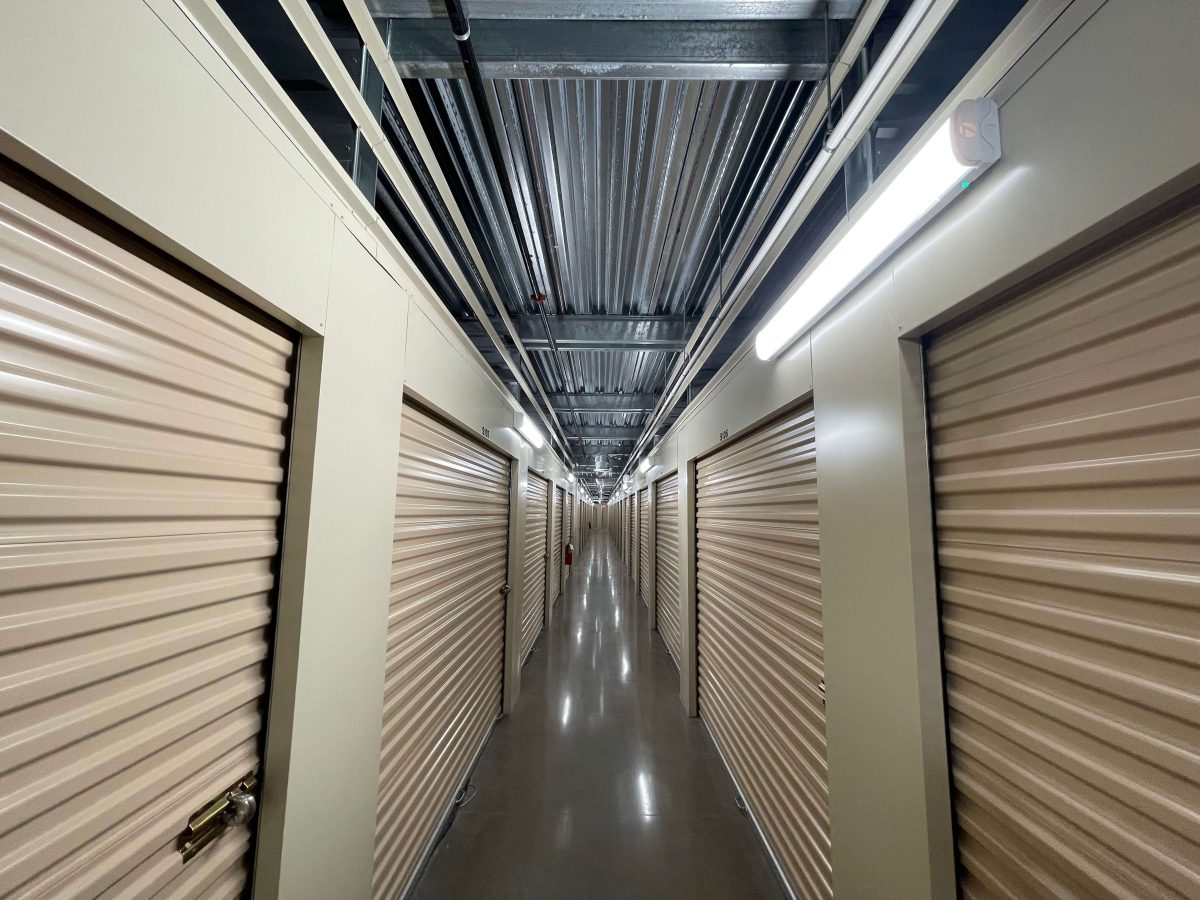
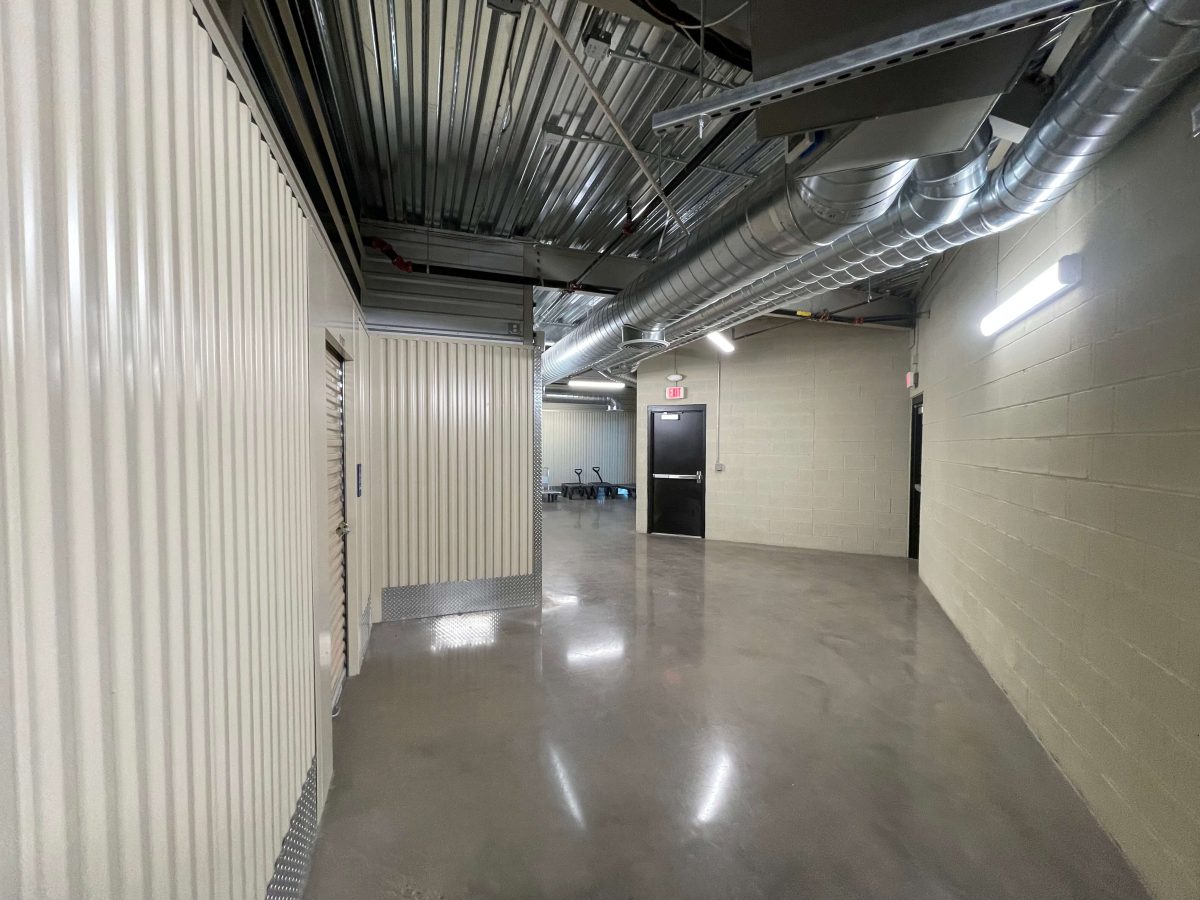
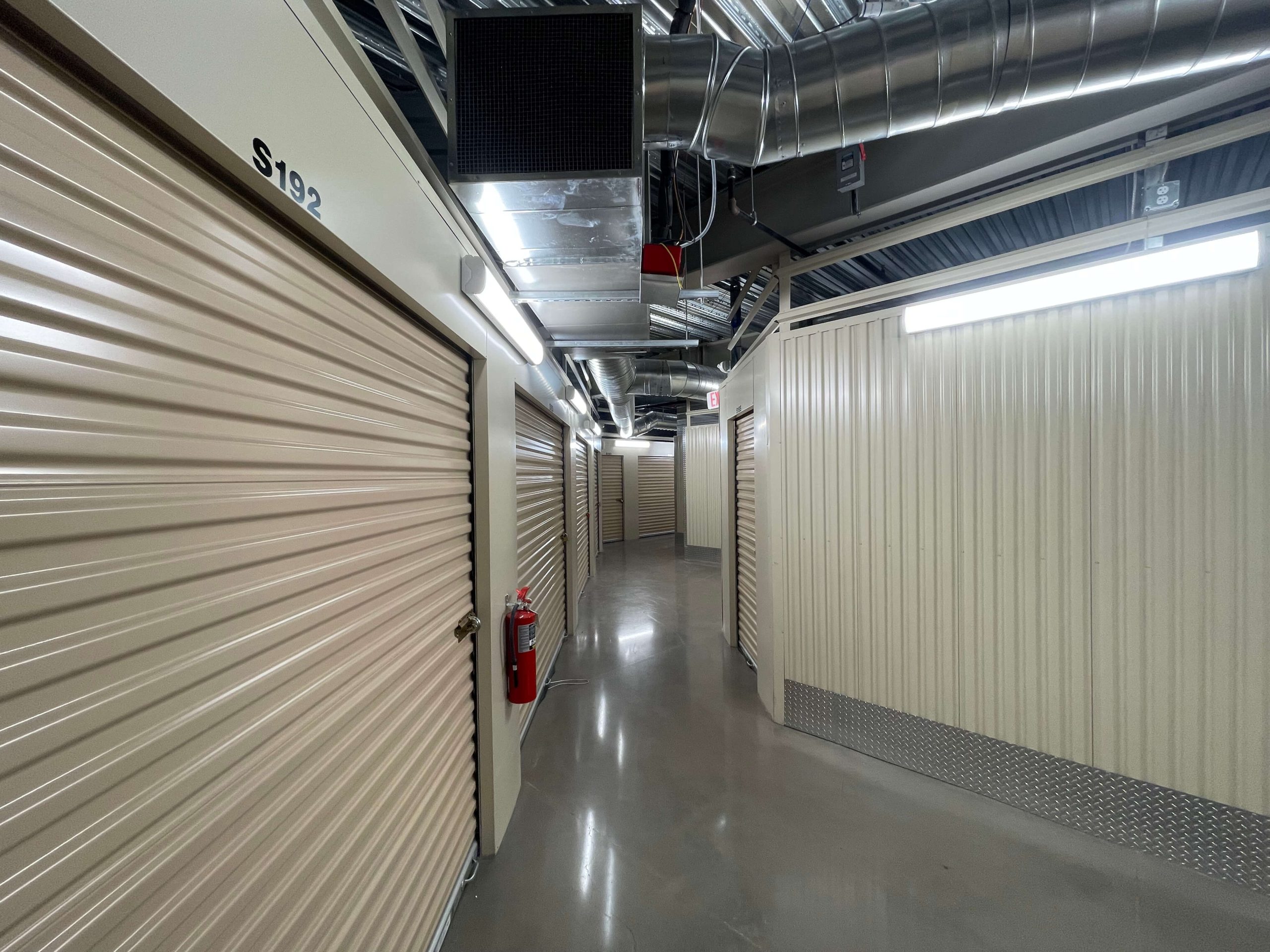
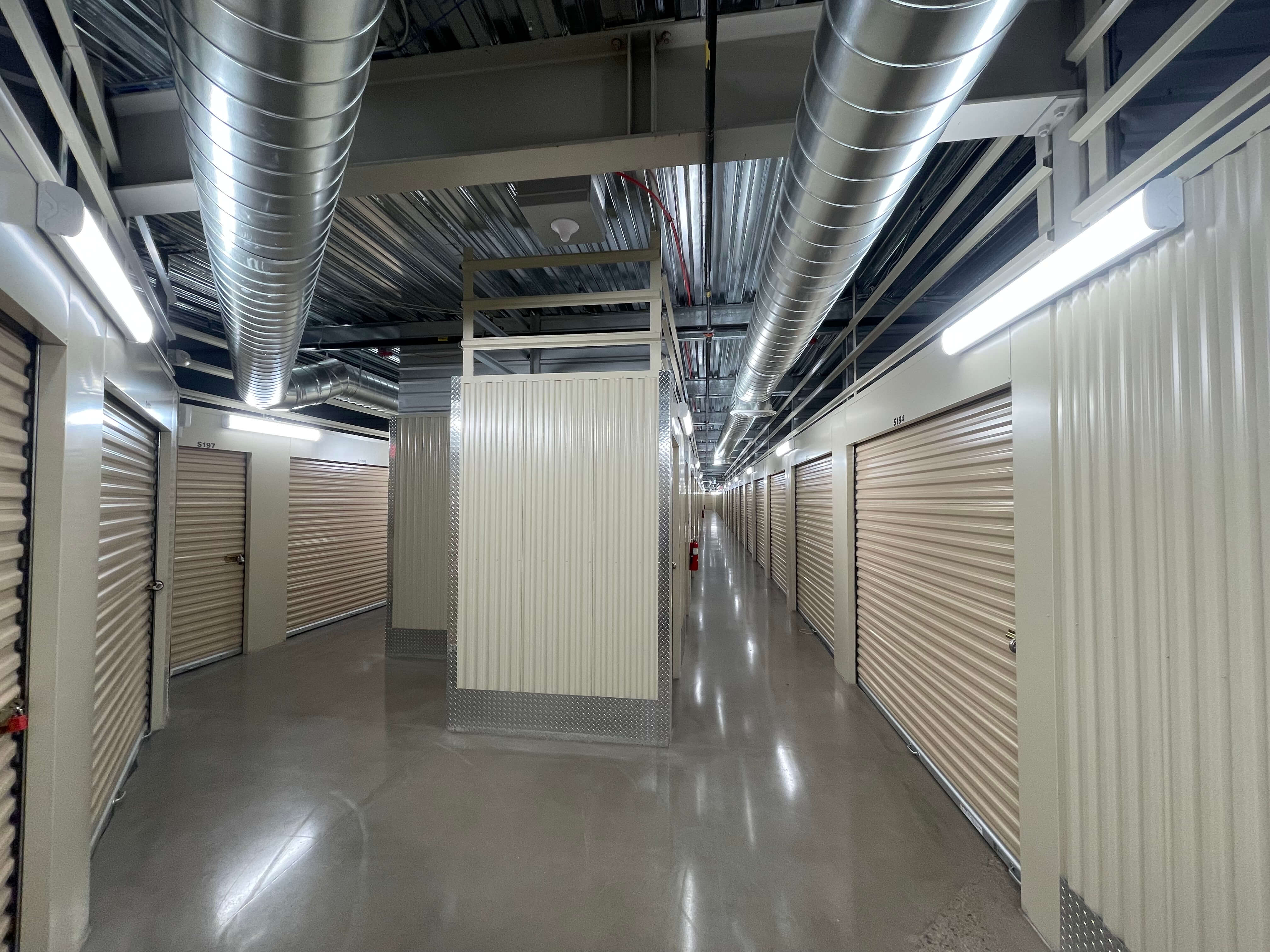
The single most effective precaution you can take to protect your belongings from Arizona’s heat is choosing a climate-controlled storage unit. At McDowell Mountain Community Storage, every unit is fully air-conditioned and internalized, meaning there are no exterior roll-up doors and no direct sunlight exposure for any stored item.
A climate-controlled storage environment in Scottsdale provides several layers of protection that a standard unit cannot match:
Temperature regulation: Maintained at stable indoor temperatures year-round, protecting all items from heat damage and thermal cycling.
Humidity management: Air conditioning reduces moisture levels and prevents mold, mildew, and rust during the monsoon season.
Dust reduction: Sealed, interior units prevent the intrusion of desert dust and keep surfaces clean.
Pest resistance: A clean, well-maintained indoor facility with no exterior openings dramatically reduces pest access.
UV protection: No direct sunlight exposure means no UV-related fading, cracking, or degradation for any stored materials.
Practical Tips to Safeguard Your Belongings from Arizona Heat
Choosing the right storage unit is the most important step, but how you prepare, pack, and organize your belongings also makes a significant difference. Here are the most effective tips for protecting items from Arizona’s heat:
1. Use Airtight, Hard-Sided Containers
Wherever possible, replace cardboard boxes with airtight plastic containers. Cardboard absorbs moisture during humidity spikes, provides easy access for pests, and offers no insulation against heat. Hard-sided plastic containers with secure lids protect fragile materials, block dust and moisture, and deter pests.
Use furniture pads, moving blankets, and bubble wrap to provide an additional layer of insulation and protection for furniture, artwork, and fragile pieces. Wrapping items reduces dust accumulation, minimizes exposure to residual moisture, and provides a buffer against temperature fluctuations, even in a climate-controlled unit.
Even inside a climate-controlled unit, placing items directly on the concrete floor can expose them to residual moisture and temperature variation near ground level. Use pallets, shelving, or storage risers to keep all boxes, furniture, and containers off the ground. This also improves air circulation and ventilation throughout the space, reducing the risk of mold developing on the bottom surfaces.
4. Dry Everything Thoroughly Before Storage
One of the most common causes of mold and mildew in storage units is storing items that still contain moisture. Clean and thoroughly dry all furniture, appliances, clothing, and containers before placing them into storage. Even small amounts of residual moisture trapped in a sealed space can lead to significant mold growth over the course of a season.
5. Add Desiccant Packets to Sensitive Storage Areas
Silica gel desiccant packets absorb moisture from the air inside containers and enclosed spaces. Place them inside boxes of documents, books, and electronics; inside instrument cases; and in drawers of stored furniture. Replace or recharge them periodically. They are an inexpensive and effective safeguard against humidity-related damage to sensitive items.
6. Label and Inventory Everything
Knowing exactly what is in your storage unit and where it is located reduces the amount of time you spend searching through boxes during access, which in turn minimizes the exposure of unpacked items to heat during retrieval. Label every box clearly and maintain an inventory list.
Overpacking a storage unit restricts air circulation and can create hot spots even in a climate-controlled environment. Choose a unit size that allows you to leave space between items and maintain clear pathways for ventilation.
Arizona heatwave events, defined by the National Weather Service as periods of three or more consecutive days above 105 degrees Fahrenheit, are common in Scottsdale. During a heatwave, the impact on non-climate-controlled storage is magnified significantly. Even in a climate-controlled unit, you can take steps to provide additional protection.
Check your facility’s cooling systems: At McDowell Mountain Community Storage, our air conditioning systems are maintained to handle peak Arizona temperatures. If you use another facility, confirm that their climate control is functioning properly before and during extreme weather events.
Avoid accessing your unit during peak heat hours: Opening your storage unit between noon and 5pm during a heatwave lets a burst of superheated outdoor air into the space. If possible, plan your access for early morning or evening when outdoor temperatures are lower.
Add extra desiccant coverage: Before a predicted heatwave or monsoon event, check your storage unit and add fresh desiccant packets to the most sensitive items and containers.
Inspect after monsoon events: Following a major dust storm or monsoon, check your storage unit for any signs of water intrusion, dust penetration, or pest activity.
Security and Safety: Protecting Your Storage Unit from More Than Just Heat
While heat and climate are the primary concerns in Arizona storage, security is equally important, especially for high-value items. When choosing a storage unit, look for facilities that offer:
4K digital security cameras monitoring all areas of the facility around the clock.
Keypad-controlled access that restricts unit entry to authorized tenants only.
Fully internalized, indoor design with no exterior-facing doors that could be accessed from a parking lot.
On-site management during business hours for an extra layer of safety and accountability.
Frequently Asked Questions: Arizona Heat and Your Storage Unit
How hot does the inside of a storage unit get in Arizona?
A non-climate-controlled storage unit in Arizona can reach internal temperatures of 130 to 150 degrees Fahrenheit or higher during peak summer months. Even units with minimal ventilation can trap and amplify outdoor heat. A climate-controlled unit maintains significantly lower temperatures through active air conditioning, providing a safe environment for all stored items.
Can I store electronics in a non-climate-controlled unit in Arizona?
No. Storing electronics in a non-climate-controlled unit during an Arizona summer is one of the most reliable ways to permanently damage them. Circuit boards, batteries, and screens all have temperature tolerances well below what an uncontrolled unit reaches. A climate-controlled storage unit is essential for any electronic items.
What items are most at risk from the Arizona heat in storage?
The highest-risk items include electronics, wooden furniture, artwork, wine, musical instruments, documents, books, clothing, mattresses, rubber and plastic items, and appliances. In general, anything made from organic materials or containing electronic components faces a serious risk without proper climate protection.
Does humidity cause problems in Arizona storage units?
Yes, particularly during the monsoon season. While Arizona is known for being dry, the summer monsoon season brings rapid humidity spikes that can reach 50 percent or more. In a non-climate-controlled unit, these spikes can cause mold, mildew, and rust, as well as damage to paper, fabric, and wood. A climate-controlled unit actively manages humidity levels to protect against these risks.
How do I protect my belongings from heat if I can’t afford climate-controlled storage?
If a climate-controlled unit is not currently within your budget, take these precautions: use airtight plastic containers instead of cardboard boxes, add desiccant packets to sensitive items, wrap furniture and fragile pieces in moving blankets, elevate items off the floor, and avoid storing anything with high vulnerability to heat, such as electronics, artwork, wine, or documents. That said, the cost of replacing heat-damaged belongings typically far exceeds the difference in rent between a standard and a climate-controlled unit.
What is the best storage facility in Scottsdale for heat-sensitive items?
McDowell Mountain Community Storage offers fully air-conditioned, indoor climate-controlled units in every size from 5×5 to 10×25. Every unit is internalized with no exterior doors, providing protection from heat, dust, sunlight, and pests. Located at 10101 E. McDowell Mountain Ranch Rd, Scottsdale, AZ 85260, we are open 7 days a week and offer flexible month-to-month leases. Rent a unit here or call us at (602) 899-5484.
How should I pack boxes to protect items from heat in storage?
Use plastic containers with tight-fitting lids instead of cardboard boxes, especially for fragile, sensitive, or heat-vulnerable items. Pack boxes fully to prevent interior collapse under weight, but avoid overpacking. Include desiccant packets, especially for documents, electronics, and instruments. Read our guide on how to pack boxes the right way for step-by-step instructions.
Can mold grow in a hot, dry storage unit?
Yes. During Arizona’s monsoon season, humidity levels rise rapidly, even inside storage units. If organic materials such as wood, fabric, or paper are exposed to these humidity spikes while already warmed by the surrounding heat, mold can establish quickly. The combination of warmth and moisture is exactly what mold needs to thrive, and monsoon-season humidity in an uncontrolled unit provides both.
Protect Your Belongings at McDowell Mountain Community Storage
Arizona’s heat is one of the most serious threats your stored belongings will ever face. The good news is that with the right storage unit, proper preparation, and a few smart precautions, everything you own can be preserved in excellent condition, regardless of how brutal the summer gets outside.
McDowell Mountain Community Storage is Scottsdale’s trusted climate-controlled storage solution, with over 660 fully air-conditioned units designed to protect your belongings from Arizona’s extreme temperatures, humidity, dust, and pests. Our facility is:
Fully internalized and air-conditioned with no exterior roll-up doors.
Monitored by 4K digital security cameras around the clock.
Open 7 days a week for convenient access. Monday through Saturday, 9am to 6pm; Sunday, 10am to 4pm.
Locally owned and operated, with a team that understands the unique storage challenges of the Arizona climate.
Offering flexible month-to-month leases with no long-term commitment required.
Maintaining an orderly home is about more than just aesthetics; it is about creating a sanctuary where you can focus on what truly matters in your life. At McDowell Mountain Community Storage, we understand that the process of transforming a house from a state of chaos into a streamline system of efficiency can feel overwhelming for many adults balancing a busy schedule. However, with the right strategy and a bit of motivation, anyone can simplify their surroundings to achieve a tidy living environment. Our professional advice focuses on how to categorize, prioritize, and optimize every area of your living space by using a clear checklist to ensure no detail is overlooked.
To reach this goal, we recommend incorporating specialized organizers that turn a cluttered room into a functional masterpiece. Whether you are searching for some creative ideas to manage the mess or need a way to hide anything that does not have a designated home, the key is consistency. Even small daily habits, like loading the dishwasher immediately after a meal, contribute to the overall flow and order of the household. This guide represents our commitment to helping you master the art of organization through practical steps and reliable storage solutions.
Systematic Approach To Decluttering Success
The first step in any successful organization project is to declutter, starting from the top shelves and working down to the ones on the floor. We believe that a single person cannot organize clutter; you can only manage it. To start, we suggest you go through each room and evaluate every item, using a few professional tricks to stay focused. Ask yourself if the thing serves a functional purpose or if you truly love it. If the answer is no, it is time to let it go. This method allows you to clear a bunch of unnecessary items from your floor and countertops, giving you a blank canvas to work with.
We recommend a simple sorting process as our favorite tip for efficiency. Create three piles: keep, donate, and discard. By separating your belongings, such as old bottles or miscellaneous items, into these categories, you gain a clear sense of what needs to stay and what is simply taking up valuable storage space. At times, the process can be difficult, but once you have narrowed down your possessions to the essentials, the real work of organizing begins. Our goal is to help you create a home where everything has a designated place, reducing the time you spend looking for lost items and increasing your overall peace of mind.
Entryway And Mudroom Efficiency
The entryway is the front line of your home, and we believe it should never be an uphill battle to keep it clear. It is the first thing people see and the spot where the outside world meets your private life. Because this area is a magnet for mail, coats, and shoes, we advise implementing a strict routine to prevent a massive pile of clutter from forming. Whether you are a busy woman on the go or a couple managing a shared schedule, use hooks on the side of the entryway for frequently worn jackets and a dedicated bin for others in the family to store their daily gear.
A mudroom should function as a transition zone where you can stow away water bottles and sports gear in a specialized case. We suggest using a bench with built-in storage or a set of baskets tucked at the bottom to keep footwear off the floor. For paper clutter like news and bills, set up a small desk to post reminders or a wall-mounted organizer near the door. This allows you to sort mail immediately, ensuring junk goes to the recycling bin while important papers are placed in a folder for later attention. Thanks to this organized progress, you can even find a spot for a quick touch up of makeup before heading out. If you have any questions about this idea, we recommend looking at how managing this space effectively prevents the mess from creeping further into the house.
Kitchen And Pantry Optimization
The kitchen is often called the heart of the home, but it is also a primary source of clutter that can easily spill over into the dining room. We recommend starting with the counters, as clearing away any appliances that you do not use on a daily basis is the fastest path to an organized space. By keeping surfaces clear of extras and bags, you create more room for cooking and meal preparation. To truly optimize your workflow, incorporating brilliant kitchen organization ideas like using shelf risers inside your cabinets can double your storage capacity for dishes, plates, bowls, and cups. In reality, when items are left everywhere, it becomes impossible to maintain a high level of quality content in your cooking and kitchen management.
In the pantry, we suggest you categorize food items by type to create a logical focal point. Use clear containers and bins to hold snacks, grains, and baking supplies. Labels are your best friend here; they help everyone in the household know exactly where things belong, even stray items like television remotes that occasionally end up in the wrong area. For deep drawers, use drawer dividers to keep utensils, gadgets, and lids in order. If you have a lot of spices, a tiered tray or a turntable can show you everything you have at a glance, preventing you from buying doubles of what you already own. We also recommend checking your refrigerator and fridge door weekly to discard expired items, ensuring your food storage remains fresh and organized.
Living Room And Family Areas
The living room is a place for rest and entertainment, but it often becomes a graveyard for many types of toys, magazines, and electronics. To maintain order, we suggest furniture with hidden storage, such as a coffee table with drawers or a comfortable chair that doubles as a storage nook. The main reason for this approach is to keep the floor clear of items that would otherwise clutter the image of your beautiful home. Use a dedicated box or a decorative basket to corral remote controls and game controllers, ensuring that everyone in the house has the rights to a tidy shared space where the entertainment system actually works without a struggle.
For families with kids, toys can quickly take over common areas and even spill back into the kitchens. We advise setting a rule where only a certain amount of toys are allowed in the living room at one time. Use attractive bins to store lego sets and games, and make it a habit to do a quick sweep every evening; we often see positive comments from parents who find this routine life changing. If you have a large collection of books, arrange them on shelves by height or color for a cleaner look. By keeping the floor clear and using vertical space, you can transform a cluttered room into a relaxing retreat.
Master Bedroom Sanctuary
Your bedroom should be a place of tranquility and the one area in the house where you can truly escape the clutter. To achieve this, we suggest you prioritize a clear surface on your nightstand and dresser, as keeping these areas tidy is the best way to find peace. Use a small tray to hold jewelry, skincare products, and other small items you use before bed so they do not become scattered stuff. If your room is small, consider under bed storage solutions for extra linens or seasonal clothing. By utilizing all available spaces, including the floor under your bed, you ensure that everything has a designated place.
The wardrobe or closet is the most important part of bedroom organization and a primary space for maintaining order. We recommend a seasonal rotation where you move off season clothes and shoes to a different location, such as a basement or a professional storage unit. Within the closet, use a consistent type of hanger in your cabinets or hanging areas to create a streamlined look. Group your clothing by category and then by color; this system makes it much easier to find what you need in the morning without digging through drawers. For accessories like belts and scarves, use hooks on the back of the cabinet or closet door to save space.
Our advice for families is to keep kids and their toys in their own rooms rather than letting them spill into the master bedroom. Use a dedicated bin or drawer for something like extra books or magazines to keep them off the shelves and out of sight. Whether you are organizing a kitchen, a living room, or your private closets, our guide is designed to help you bring all your things into a functional system. By focusing on the drawer and bin layout within your storage furniture, you can ensure your life remains organized and stress free.
Children And Kids Spaces
Organizing for children requires a different mindset compared to the organization required for adults in their own private homes. We believe that the system must be simple enough for a child to follow, almost like a golden rule for maintaining a tidy house. Use open bins, specialized organizers, and low shelves so they can access their belongings and, more importantly, put them back on the right shelf. Labeling bins with both words and a picture can help younger children understand where some of their favorite things go, whether it is in a specific spot on the floor or inside a cabinet.
In a playroom or bedroom, categorize items like art supplies, building blocks, and toys into separate baskets or containers. If space is tight, a loft bed with a home office desk or storage underneath is an excellent way to maximize the layout and provide a dedicated area for school work. We also suggest a regular decluttering project with your children to teach them how to handle paper clutter and keep the lot of stuff they accumulate under control. By involving them in the steps, you help them develop lifelong habits of tidiness that can eventually be applied to the bathroom, the sink area, or even how they organize a dresser for their clothes. This advice ensures that anything from small accessories to a bulky laundry pile has a designated place, keeping the entire home in perfect order.
Home Office Productivity
A cluttered desk leads to a cluttered mind. In your home office, we suggest you focus on paper management as your first priority to declutter the space. Use a filing cabinet or a system of folders to categorize important documents, projects, and tax information. We recommend you arrange your shelves to hold the items you use most frequently, as a smart layout of your furniture can significantly improve your daily efficiency. A shredder should be kept close by to dispose of junk mail and sensitive papers immediately, which is a key method to streamline your workflow.
Keep your desk surface clear of everything except your computer and a few essentials. Use specialized containers or a drawer organizer for pens, paper clips, and cords to simplify your setup. If you have a lot of electronics, use cable ties to keep cords from becoming a tangled mess under your feet. We also recommend a digital cleanup; sort your computer desktop and inbox regularly to ensure your virtual work environment is as tidy as your physical one. Our strategy for a productive space incorporates various home office organization tips into a daily routine backed by an organizational checklist. When you optimize your plan for storage by using clear bins and detailed labels, you create a professional order that truly works. A clean office space improves focus and boosts productivity for adults who need to stay on top of their game.
Bathroom And Linen Closet Order
Maintaining an orderly home is about more than just aesthetics; it is about creating a sanctuary where you can focus on what truly matters in your life. At McDowell Mountain Community Storage, we understand that the process of transforming a house from a state of chaos into a streamline system of efficiency can feel overwhelming for many adults balancing a busy schedule. However, with the right strategy and a bit of motivation, anyone can simplify their surroundings to achieve a tidy living environment. Our professional advice focuses on how to categorize, prioritize, and optimize every area of your living space by using a clear checklist to ensure no detail is overlooked and that the organization of your work and personal life remains a top priority.
To reach this goal, we recommend incorporating specialized organizers that turn a cluttered room into a functional masterpiece in all modern homes. Whether you are searching for some creative ideas to manage the mess or need a way to hide anything that does not have a designated home on a shelf, the key is consistency throughout the house. Even small daily habits, like loading the dishwasher immediately after a meal or clearing a lot of paper from the sink and bathroom area, contribute to the overall flow and order of the household. This guide represents our commitment to helping you master the art of storage through practical steps that keep your laundry, dresser, and floor clear of most common clutter, ensuring every spot in your home serves a purpose for your accessories and daily need.
Laundry Room Workflow
The laundry room is a high traffic area that benefits greatly from a logical layout. We suggest using a three bin system to sort clothes into lights, darks, and delicates as they become dirty. This saves time on wash day and keeps piles of clothing off the floor.
Use shelves or a cabinet above the washer and dryer to store detergent, stain removers, and other supplies. If you have the space, a countertop for folding clothes as they come out of the dryer is a huge help. We also recommend a small basket for lost socks and a jar for items found in pockets. By streamlining your laundry process, you turn a chore into a manageable task.
Garage Basement And Attic Storage
These large areas often become the dumping ground for things we do not know what to do with, but we believe that with the right strategy, they can become models of order. We suggest using heavy duty shelving units to get boxes off the floor and away from potential moisture, as a smart layout of your furniture and shelves is essential for long term success. Use large, clear plastic bins and containers to store seasonal decor, sports equipment, and tools. To simplify the process, we recommend you sort through your belongings and prioritize what needs to stay in the house versus what should move to specialized storage.
Labeling is vital in these spaces because you may only access these items once or twice a year, so be sure to apply clear labels to every bin. We recommend keeping a list or a detailed checklist as an inventory of what is stored in each area. For the garage, use wall hooks to hang bikes, ladders, and garden tools, keeping the floor clear for your car. This method is part of a daily routine to maintain efficiency in your plan. If you find that your attic or basement is overflowing despite your best efforts to streamline the area, it might be time to consider the benefits of a professional storage solution to optimize your living environment.
Maintaining The Results
Achieving a clutter free home is easier with the help of McDowell Mountain Community Storage located in the heart of Scottsdale Arizona.
True organization is not a one time event; it is a habit. We believe that the key to staying organized is to implement small, daily routines. Spend ten minutes each evening doing a quick tidy of the main living areas. Follow the one in, one out rule: for every new item you bring into your home, something else must leave.
We encourage our readers to be patient with the process. Real life can be messy, and it takes time to find the systems that work best for your family. Celebrate the small wins, like a clean kitchen counter or a perfectly organized junk drawer. These small steps build momentum and lead to a more peaceful, orderly home. At McDowell Mountain Community Storage, we are always here to provide the advice and space you need to achieve your organization goals.
The Psychology Of Living In Order
Beyond the physical act of moving things into bins and drawers, there is a mental component to organization that we cannot ignore. A home filled with clutter acts as a constant visual reminder of unfinished tasks. This creates a mental burden that can affect your mood and overall well being. When we help our clients find storage solutions, we are not just giving them a place for their stuff; we are giving them the mental freedom to relax in their own homes.
We have found that when people take control of their environment, they feel more in control of their lives. The simple act of putting a lid on a storage box or labeling a shelf can provide a sense of accomplishment. This positive momentum often spills over into other areas, such as work performance or personal relationships. By viewing organization as a form of self care, you can find the motivation needed to maintain a tidy house even on your busiest days.
Strategic Thinking For Long Term Order
When you look at your home as a whole, it is important to see how the different zones interact to create a lifestyle that everyone in the family can enjoy. An organized kitchen makes dinner time easier, which in turn leaves more time for family activities in the living room. However, when surfaces and countertops are covered in a high amount of paper clutter, that sense of flow is broken. Each room is a piece of a larger puzzle, from the food in your refrigerator to the heavy gadgets in your garage. Our method focuses on creating a sense of balance throughout the entire house, ensuring that every item and individual item is accounted for.
If you find that certain areas, like the door where you drop your mail and news, are constantly becoming a mess, take a step back and analyze why. Perhaps your daily routines are not aligned with your current layout, or maybe you have too many belongings and not enough control over where they go. Do not be afraid to change the pieces of your organization projects or try a different type of organizer to manage your papers and other essentials. The goal is to make your home work for you, not the other way around. By paying attention to the details and staying committed to your plan, you can enjoy a home that is both beautiful and efficient.
Maximizing Small Spaces and Hidden Areas
Not every home comes with expansive closets or a massive basement. We specialize in helping residents with limited square footage find innovative ways to store their belongings. One of the best ways to gain more room is to look up. High shelves in bedrooms or cabinets that reach the ceiling in the kitchen can provide a lot of extra space for things you do not use every day.
We also suggest looking for hidden opportunities, such as the space under a staircase or the back of a door. Using an over the door organizer for shoes or cleaning supplies can free up valuable floor space. For furniture, we recommend choosing pieces that serve multiple functions. A storage bench in the entryway or a bed with built in drawers can hold a surprising amount of stuff while keeping your rooms looking clean and spacious. By being creative with your storage solutions, you can make even the smallest apartment feel like a large, organized home.
The Role of Labeling and Categorization
One of the most common mistakes people make when organizing is putting things away without a clear system. We believe that labels are the key to long term success. When every bin, box, and basket has a clear label, there is no question about where an item belongs. This is especially important in households with multiple people, as it ensures everyone is following the same rules.
When you categorize your belongings, try to think about how you use them. Keep all your baking supplies together, all your sports gear in one place, and all your holiday decorations in another. This logical grouping makes it much easier to find what you need when you need it. It also prevents you from buying duplicates of things you already own but cannot find. By investing a little time in a labeling and categorization system now, you save a lot of time and frustration in the future.
Handling Digital and Mental Clutter
In today’s world, clutter is not just physical. We also deal with a massive amount of digital information every day. Our advice for a tidy home extends to your computer and phone. Organize your files into folders, unsubscribe from emails you do not read, and delete photos you do not need. This digital decluttering can be just as satisfying as cleaning out a closet.
We also suggest being mindful of the mental clutter that comes from having too many projects or commitments. Just as you would purge an old wardrobe, take a look at your schedule and see what you can let go of. By simplifying your life both physically and mentally, you create space for the activities and people that truly matter. This holistic approach to organization is at the heart of our philosophy at McDowell Mountain Community Storage.
Professional Storage Solutions
Sometimes, even the best organization strategy inside the home is not enough. Whether you are dealing with a life transition, a home renovation project, or simply a collection of belongings that exceeds your current square footage, we offer the extra space you need. Using a storage unit can be a vital part of your decluttering process, allowing you to keep valuable items without letting them crowd your living space.
We take pride in providing a clean and secure location for your things. By moving seasonal items, heirlooms, or business inventory to our facility, you can regain control of your home. This allows you to focus on creating a lifestyle that is not weighed down by excess stuff. We invite you to see the difference that a bit of extra space and a professional storage partner can make in your life.
Conclusion On Home Organization
Creating an organized home is a journey that requires both a plan and action. From the front door to the back of the attic, every inch of your house has the potential to be a well ordered part of your daily life. By following the tips and strategies we have outlined, you can transform chaos into clarity.
Remember to prioritize the areas that cause the most stress and take it one step at a time. Use the right products, maintain your routines, and do not be afraid to ask for help when you need it. We hope this guide has provided the information and inspiration you need to start your next organization project. At McDowell Mountain Community Storage, we wish you the best of luck in creating the tidy, efficient home you deserve. Thank you for trusting us with your storage and organization needs.
Frequently Asked Questions (FAQs)
1. How do I choose between plastic, wicker, or fabric bins?
Use clear plastic for kitchens and garages to resist moisture and see contents easily. Choose wicker or fabric for living areas to hide clutter and match decor. Ensure the material suits the room’s humidity and aesthetic.
2. What is the “Container Concept” for managing clutter?
Treat every shelf or bin as a physical limit. If a “toy bin” is full, you cannot add more without removing something. This stops over-buying by reframing your furniture as a boundary for your belongings rather than just a surface.
3. How do I handle sentimental items that take up too much space?
Digitize bulky memorabilia by taking high-quality photos. For physical keepsakes, use a “Legacy Box” with a strict size limit. This allows you to honor your past and keep the most meaningful items without letting them overwhelm your home.
4. What is the best way to label high-rotation bins?
For pantries or playrooms where contents change, use chalkboard labels or clip-on tags. These are easier to update than adhesive stickers and don’t leave a sticky residue, making your organization system flexible and sustainable long-term.
5. How do I organize a home with no built-in closets?
Utilize freestanding armoires, industrial rolling racks, or decorative trunks. Vertical space is key; use tall bookshelves with baskets to mimic a pantry. These “mobile closets” create structure in open layouts without requiring renovation.
6. How do I manage clothes that are worn but not yet dirty?
Avoid “the chair” by installing a dedicated hook rack or a small “in-between” basket in the bedroom. This keeps semi-worn items off the floor and away from clean laundry, maintaining order while acknowledging realistic daily habits.
7. How often should I perform a deep decluttering session?
Aim for a deep purge four times a year, ideally during seasonal transitions. While daily tidying maintains the surface, quarterly reviews help you catch expired pantry items, outgrown clothes, and seasonal gear that no longer serves you.
8. Which documents should go in a fireproof safe versus a file?
Keep tax records and utility bills in standard files. However, vital records like birth certificates, passports, and property deeds should be stored in a fireproof, waterproof safe to ensure they are protected during an emergency.
9. How do I handle a roommate who isn’t as organized as I am?
Establish “common area” standards where shared spaces remain clear. Allow each person a “zone of chaos,” such as a private drawer or desk, where they can maintain their own level of order without impacting the household’s collective peace.
10. What are the most eco-friendly ways to “discard” items?
Research textile recycling for rags, e-waste centers for old tech, and “Buy Nothing” groups for functional items. Donating or recycling responsibly reduces the guilt of decluttering and keeps unnecessary waste out of local landfills.
At McDowell Mountain Community Storage, we understand that a house is more than just a structure; it is the heart of your daily life and a reflection of your peace of mind. However, we also know that when clutter begins to occupy every room, it does more than just take up physical space—it creates mental stress and hampers your efficiency. Maintaining an organize home environment isn’t about a one-time cleaning spree or a frantic weekend of sorting; it is about building sustainable habits and systems that work specifically for your family. To truly streamline your environment, you must prioritize functional steps that allow you to declutter effectively and find a permanent spot for every item you own.
Whether you are dealing with a bunch of toys in the living room, a mountain of paper on the kitchen island, or an overflowing pantry, we are here to help you navigate the complex process of reclaiming your environment. This comprehensive guide explores the most effective ideas and ways to manage your belongings, optimize your storage space, and ensure that everything in your life has a dedicated place. By following a clear checklist and establishing a consistent schedule, you can maintain order regardless of the season.
Foundations Of A Permanent Organizational Mindset
The first step in any major project to organize your life is acknowledging the reality of how we live today, as the chaos of daily lives can often get out of hand. Most people struggle with organization not because of a lack of effort or desire, but because they lack a functional system that can withstand the pressure of everyday routines. In any case, we believe that the ultimate goal of the declutter process is not just to move stuff around from one corner to another, but to create a sense of order that fundamentally improves your quality of life. At some point, you may have seen a video or read an idea that makes it look easy, but the reason many fail is a lack of a clear plan. If it feels like a mess is everywhere, the job of reclaiming your space starts with identifying the ones that matter most and making them your focal point.
When we talk to our clients at McDowell Mountain Community Storage, we often hear stories about how “one little pile” on a desk quickly turned into a mountain of mail and old news. Whether you are a busy professional or a woman managing a household, there are many reasons why clutter accumulates so fast. To combat this, we recommend a total mindset shift: see your home as a collection of active zones rather than just a series of static rooms. You must prioritize the areas that see the most action to break the cycle of constant mess. By using a clear checklist to sort and categorize your items into logical groups, you make the task of tidying feel less like an exhausting chore. A helpful tip we share is to treat your possessions like a laundry system; you must maintain a neat and consistent flow to keep things from piling up. There are lots of ways to organize, but this approach allows everyone in the house to understand where things belong, reducing the “where is my…?” questions that often lead to frustration.
Strategic Decluttering Through Effective Categorization
Before you rush out to buy a single bin, basket, or set of organizers, you must commit to the decluttering phase with a high level of care and attention. We suggest a method where you physically touch every item and sort it into four distinct categories: keep, donate, trash, and store. This part of the process requires focus, a bit of honest self-reflection, and a healthy dose of motivation. We often tell our clients that if you can’t imagine someone else using the item, it shouldn’t be taking up space in your places of rest.
The Donation Box: Keep a dedicated box in the garage, mudroom, or entryway. When you find an item—whether it is clothes that no longer fit the kids or a kitchen gadget you never use—put it in the box immediately. Once the bin is full, make it a habit to drop it off at a local charity. It helps to get feedback from friends or a husband if you are unsure about parting with certain things, as they can offer a fresh perspective on what you actually use.
The “One In, One Out” Rule: For every new piece of furniture, pair of shoes, or electronic device you bring into the house, one old item must leave. This simple habit prevents the slow, silent accumulation of extras that leads to a mess over time. Whether you are updating your personal style or buying gifts during the holidays, this rule ensures that you never have more than you can handle.
Sentimental Items: We suggest saving these for the very end of your project. Dealing with things that have deep emotional weight can quickly drain your energy and slow your progress. There are times when looking at old photos or mementos feels like reading a page from a past life, and it can be hard to let go of anything. Focus on the easy wins first, like the bathroom cabinet or the fridge, to build momentum.
The Reality Check: Ask yourself, “If I were moving today, would I pay to pack and transport this item?” If the answer is no, it’s time to let it go. Many experts agree that holding onto excess only creates a barrier to the life you want to live.
Optimized Kitchen Systems For Daily Efficiency
The kitchen is the undisputed engine room of the home, and incorporating brilliant kitchen organization ideas can make all the difference. Between the refrigerator, the dishwasher, and the pantry, there are a lot of moving parts and high-traffic areas. To maintain efficiency and keep your surfaces clear, we recommend that you organize every cabinet and drawer based on frequency of use. Establishing these habits is the best way to ensure that clutter doesn’t take over the place where your family gathers.
Pantry And Cabinet Structure
In the pantry, use clear bins and tiered organizers to group similar items together—for example, one bin for baking supplies, one for school snacks, and another for pasta and grains. In this system, everyone knows exactly where to look, and you can see at a glance when you are running low on a specific item. We suggest placing the things you use most at eye level. Heavy appliances like mixers or seasonal stuff should go on the top shelves or the very bottom of the kitchen cabinets.
Countertops And Sink Areas
Clear surfaces are the key to a calm house. We advise keeping only the absolute essentials—like the coffee maker or a toaster—on the counters. Use drawers with dividers for utensils and small gadgets to keep the “junk drawer” from becoming an unusable mess. Under the sink, use a tiered pull-out system to store cleaning items. This one small habit ensures you can reach what you need without having to move a bunch of spray bottles out of the way first.
Refrigerator And Freezer Maintenance
The fridge is one of those spaces that can get out of control in just a few days. We recommend a weekly reset as part of your organization routine. Check for expired things and old leftovers that need to go in the trash. Use clear organizers to group eggs, dairy, and produce. This not only looks better but also helps with food safety and reduces waste because you can actually see what you have in the room.
Closet And Wardrobe Management
When you move to the closet, the same steps apply. Group your clothes and accessories by type to maximize your storage space. Avoid letting shoes pile up on the floor by using baskets or racks. These ideas work for both adults and kids to ensure that everything has a home. Whether it’s the living room or the closets, finding new ways to organize will transform your life.
Comprehensive Closet And Wardrobe Management
Closets are notorious for becoming “catch-all” spaces where we hide some of our piles when guests come over. To transform your closet from a dark hole into a functional wardrobe, we recommend a seasonal approach that prioritizes visibility and accessibility. This method helps everyone reduce the stress of a chaotic morning routine by putting things in order. Whether you are looking through articles or scrolling Instagram for organizing tricks, the best information we can provide is to start with a clear list and focus on one area at a time.
Sort By Category
Group clothes by type—shirts with shirts, pants with pants, and dresses with dresses. Within those groups, some people find it helpful to sort by a specific category like color to make finding an outfit easier. For a person with a lot of professional wardrobe items, this part of the process is vital to keep your closets functional. We suggest using a label or a divider to mark each category so you can maintain the system long-term.
Utilize Vertical Space
Many people overlook the top area above the hanging rod or the very bottom of the closet. Use shelves, bins, or sturdy baskets to store accessories like hats, scarves, and handbags. This keeps them from getting crushed on the floor and makes a massive difference in how much storage space you actually have. In the home office, a similar approach works for papers and books; keeping items off the countertops and inside a drawer or on high shelves keeps your work area neat.
Shoe Organization
Avoid leaving shoes in a pile on the floor. A dedicated shoe rack, a hanging organizer, or even clear shoeboxes make a significant difference in how the room feels. In the entryway, this is especially important so that everyone has a spot for their pair, preventing a mess that guests see the moment they enter homes. This is the next step in creating a reset routine that works for the whole family.
Seasonal Rotation
This is where we at McDowell Mountain Community Storage can make the biggest impact. If you have a lot of heavy winter coats, bulky jackets, and thick wool blankets taking up valuable storage space during the summer, consider moving them to a secure unit. This project keeps your home pantry, living room, and closets lean and easy to navigate throughout the year. For the rest of your belongings, such as seasonal furniture or holiday groups of items, our facility provides the help you need to organize without sacrificing the things you love. By moving these items out of your daily zones, you find the motivation to keep your house in top order.
Living Room Solutions For Family Spaces
The living room should be a place for rest and connection, not a field of discarded toys, books, and magazines. To keep this area neat, we suggest furniture that pulls double duty. An ottoman with hidden storage is perfect for tucking away extra pillows or games that aren’t in use. This structure allows you to maintain a sense of minimalism while still keeping the items your family loves close at hand.
Media And Books
Books can quickly clutter shelves if not curated through a regular maintenance routine. Arrange them in a way that feels intentional—perhaps by genre or height. For your electronics, use cable management tricks to hide the bunch of wires that often gather behind the TV. This small step takes very little effort but has a massive visual impact on the room’s tidiness. Many of our clients tell us stories about how this one change helped them prioritize relaxation over stress.
Kids And Toys
If you have kids, toys are a reality of life, but they don’t have to take over every inch of the floor. The best way to manage them is through a rotation system. Keep a small selection of favorite items in a bin, and store the rest in the attic, basement, or a dedicated storage space. Every few weeks, swap the sets according to your schedule. This plan keeps the kids engaged and prevents a permanent mess in your main living room.
Expert Habits
For Success When you organize a high-traffic space, you must pay attention to the small things, like where someone might drop their socks or where the husband leaves his keys. By following a clear checklist, you can streamline the process of cleaning and sorting through your belongings. Whether it is during the holidays or a regular weekend, the goal is to simplify your habits. We suggest getting feedback from friends who have a similar style to find new ideas that work. There are times when a fresh page and a new approach are all the motivation you need to tidy up and optimize your home.
Entryway And Mudroom Flow Optimization
The entryway is the first thing you see when you come home, and it sets the tone for your evening. It is the “launchpad” for your day, meaning it needs to be the most organized area in the house.
Designated Spots: Everyone in the family should have a specific spot—a hook for their bag, a tray for their keys, and a bin for their shoes.
Hooks Over Hangers: For jackets and backpacks, hooks are often much easier for children (and busy adults) to use than hangers. If it’s easy to do, people are more likely to follow the routine.
Mail Management: Don’t let paper build up on the entryway table. Have a system where mail is sorted the moment it enters the house. Immediately recycle the junk, put bills in a “to-pay” folder, and file the important news or information.
Explore the best practices for keeping your home organized year-round with simple tips for a tidy, clutter-free space.
Home Office And Paperwork Organization
In the age of digital information, physical paper still manages to find its way into our homes in surprising volumes. Home office organization is essential—whether you have a dedicated room or just a small desk area, a clear and structured system helps prevent both professional and personal stress.
Filing And Documentation
Use a filing cabinet or a simple desktop organizer to categorize your papers. Labeling is your best friend here. Whether it’s tax documents, medical records, or school papers, having a specific place for each type of document ensures you can find what you need in seconds. If you have the time, consider scanning old papers to save digital copies and tossing the physical versions to save space.
Digital Workspace
Don’t forget your digital environment. Spend a bit of time each week organizing your desktop icons, clearing out your email inbox, and backing up important files. A tidy digital space is just as important for productivity as a clean physical desk.
Bathroom And Vanity Maintenance
Bathrooms are often the smallest rooms in the house, meaning every inch of storage space counts. We recommend using clear acrylic drawers for makeup and skincare products. This allows you to see everything at a glance and prevents you from buying extras of something you already have tucked in the back of a cabinet.
Check your bathrooms regularly for expired products, half-empty bottles, or old medication. If you haven’t used a specific hair tool or a certain type of lotion in over a year, it’s time to let it go. In the shower, use caddies or built-in shelves to keep soaps and shampoos off the edge of the tub or the floor.
The Role Of Professional Storage In Home Maintenance
Sometimes, despite our best efforts at decluttering and organizing, we simply have more belongings than our current square footage can comfortably allow. This is particularly common during major life transitions—such as moving, renovating, or welcoming a new baby.
At McDowell Mountain Community Storage, we provide the extra room you need to keep your home environment breathable and functional. Using a storage unit for items like holiday decorations, specialized sports equipment, or heirloom furniture allows you to maintain minimalism in your daily living spaces without having to get rid of things you truly value. It is a strategic extension of your home, giving you the flexibility to live with only what you need on a daily basis.
Sustainable Habits For Long-Term Success
The secret to a consistently tidy home isn’t a secret at all—it’s consistency. We recommend a “daily reset” routine. This is a 15-minute period, perhaps right before bed or after dinner, where the whole family works together to put items back in their designated spots. It’s not a deep clean; it’s just returning the house to its baseline state of order.
Monthly And Seasonal Checklists
Monthly: Do a quick walkthrough of each room. Are the “hot spots” (like the kitchen island, the bottom of the stairs, or the entryway bench) starting to collect piles again? Address them before they grow.
Seasonally: As the seasons change, evaluate your gear. This is the time to swap out your wardrobe, check the garage for items that need to be organized, and move seasonal decorations in or out of storage.
The Impact Of A Tidy Home
The difference between a cluttered house and an organized one is the level of control you feel over your life. When you aren’t constantly searching for your keys, hunting for matching socks, or tripping over shoes, you have more time and energy for the people and projects that matter most. An organized home reduces the “noise” in your life, allowing you to focus on your goals and your well-being.
Expert Tips For Staying Motivated
It is incredibly easy to get overwhelmed when you look at a large-scale organizing project. We always tell our clients to start small. Choose one drawer, one cabinet, or even just one shelf. The visible progress you make in that small area will give you the motivation and the confidence to tackle the next, bigger project.
Don’t compare your reality to perfectly curated Instagram photos or articles that show impossible, museum-like standards. Your home should be functional and comfortable for your lifestyle. If a system feels too complicated to maintain, it probably is. Simplify it. The best system is the one that you and your family will actually use day after day.
Strategic Planning For Large Scale Projects
If you are planning a major overhaul of your garage, attic, or basement, we suggest writing out a clear plan before you start moving boxes. List the categories you need to sort, the organizers you might need to buy (like heavy-duty bins or shelving units), and a realistic timeline for the project. Taking it step-by-step makes even the most daunting task manageable.
Empty the space entirely: You need to see the “bones” of the room to understand its potential.
Clean thoroughly: While the shelves and floor are empty, give them a good vacuum and wipe down.
Sort with intent: Use the keep/donate/store method strictly.
Arrange for accessibility: Place items back in their groups, ensuring the things you need most often are the easiest to reach. Label every bin so there is no mystery about what is inside.
Trusting The Process Of Organization
We know that organizing is a journey, not a final destination. Your needs will change as your family grows, as your career evolves, and as your interests shift. By implementing these tips and maintaining your habits, you can ensure your home remains a sanctuary rather than a source of stress.
We are proud to be a part of your organization journey. Whether you need professional advice on the best types of bins to use or a secure, clean place to keep your seasonal belongings, we are here to support you. We’ve seen firsthand how a streamlined, neat home can transform a person’s outlook and daily efficiency.
Maintaining The Structure
Once you have established your zones and your routines, the maintenance becomes second nature. You’ll find that you spend less time cleaning and more time actually enjoying your space. Thanks to a bit of initial effort and a solid strategy, a clutter-free life is well within your reach.
Remember, every item in your home should either be useful or bring you genuine joy. If it does neither, it’s just taking up space that could be used for something better. Let us help you find the perfect balance between keeping what you love and having the room you need to breathe and grow.
Frequently Asked Questions (FAQs)
1. How do I handle items that belong to other family members who refuse to declutter?
The guide mentions getting feedback from a husband or friends, but it doesn’t address the “clutter friction” that occurs when a housemate or child is resistant to letting go. A good strategy is to establish “personal zones” where they have autonomy, while maintaining strict “communal zone” rules for shared spaces like the kitchen and living room.
2. What should I do with “Maybe” items that I’m not ready to keep or toss?
The guide suggests a four-category sort (Keep, Donate, Trash, Store), but many people get stuck in indecision. You can implement a “Time-Capsule Box”: place “maybe” items in a bin with a date six months from now. If you haven’t opened it by that date, you can safely donate the contents without looking inside.
3. How do I organize digital photos and cloud storage?
While the blog mentions organizing desktop icons and emails, it doesn’t touch on the “digital junk drawer” of thousands of smartphone photos. Best practices include creating folders by Year > Month, and using a “One-In, One-Out” rule for screenshots—deleting them as soon as the information is no longer needed.
4. Where can I responsibly dispose of E-Waste and hazardous materials?
The guide mentions a “Trash” category, but items like old batteries, expired paint, and broken electronics shouldn’t go in the bin. Researching local hazardous waste drop-off days or tech-store recycling programs is a vital “next step” for an eco-friendly decluttering process.
5. What are the best storage solutions for renters who can’t drill into walls?
The guide suggests hooks and shelving, which often require permanent installation. Renters can utilize tension rods for extra closet hanging space, over-the-door organizers, and command adhesive hooks to maximize vertical space without losing a security deposit.
6. How do I manage “Paperwork” that requires immediate action vs. long-term filing?
The blog suggests a “to-pay” folder, but a “Sunday Basket” system can be more effective. This is a single spot where all actionable paper (invites, forms to sign, bills) goes throughout the week, to be processed in one 20-minute sitting on the weekend.
7. What is the best way to label bins so the system lasts?
The guide mentions labeling but not the method. For high-turnover areas like toy bins or pantries, use chalkboard labels or clip-on bin tags. For long-term storage in a unit, use numbered bins that correspond to a digital list on your phone so you can “search” your storage unit remotely.
8. How do I prevent “Re-Cluttering” after a major shopping holiday?
The “One In, One Out” rule is mentioned, but a “Wait 48 Hours” rule for online shopping is a great preventative measure. Keeping items in the digital cart for two days often results in realizing the item isn’t a “need,” preventing the clutter from ever entering the front door.
9. How should I store delicate heirlooms or textiles in a storage unit?
Since the blog is written by a storage community, users may want to know how to store things safely. Use acid-free tissue paper for old clothing and avoid plastic bags, which can trap moisture and cause mildew. Always elevate boxes off the floor using pallets or shelving.
10. How do I maintain motivation when I hit the “Middle-Project Mess”?
Every big project looks worse before it looks better. To push through the “messy middle,” use the “Pomodoro Technique”—set a timer for 25 minutes of work followed by a 5-minute break. This prevents the burnout that often leads to abandoned half-sorted piles.
Maximizing a studio apartment or a small living space requires a blend of creativity, planning, and the right storage solutions. At McDowell Mountain Community Storage, we understand that living in a smaller footprint doesn’t mean you have to sacrifice style or comfort. The secret lies in how we approach every square footage available, transforming every nook and cranny into a functional area. By utilizing vertical shelving, multifunctional furniture, and smart organization, we can optimize even the most compact apartments. We provide these tips so anyone can find a place for all their clothes and personal items without feeling overwhelmed by clutter.
To truly transform these spaces, we must look at often-overlooked areas, such as the space under our beds or even the surface of a fridge. By keeping a photo or a simple list on the fridge, we can track exactly which box contains specific stuff, ensuring that everything remains easy to find. This guide provides a comprehensive look at the ways we can declutter our home and find room for everything we own, ensuring a tidy and efficient lifestyle for every resident.
1. Vertical Space Utilization For Walls And Doors
When floor space is limited, the walls become the most valuable real estate in a room. We recommend shifting your mind toward vertical solutions to keep items off the ground. Wall-mounted shelves and bookshelves provide an excellent base for books, decor, and accessories. Using a pegboard is a creative way to organize tools, craft supplies, or even kitchen accessories.
We have identified several high-impact ways to reclaim your living space by focusing on overlooked areas:
Door and Cabinet Utility: Hooks installed on the back of doors, inside closets, or even on the interior of cabinet doors offer a simple solution for hanging coats, bags, hats, and scarves.
Corner Optimization: Every corner presents an opportunity for a floating shelf or a tall bookcase to turn a dead spot into a functional display.
Zoned Storage: In the entryway, a wall-mounted rack for keys and mail ensures that small things don’t create piles on the coffee table.
Visual Organization: As a prime example of smart planning, placing a woven basket on a high shelf keeps clutter out of sight while maintaining your rights to a beautiful, breathable home.
By utilizing the full height of the wall space, we can significantly increase the storage space available without encroaching on the living area.
2. Multifunctional Furniture Integrated Into Small Rooms
Selecting the right piece of furniture is critical for a tidy apartment. We suggest choosing pieces that serve more than one purpose. A storage ottoman or a bench with hidden cubbies provides a spot for blankets, pillows, and bedding while offering extra seating.
In the bedroom, a bed frame with built-in drawers or enough clearance for under-bed storage bins is essential. For those in a studio, a desk that doubles as a dining table or a foldable table can save a lot of room. We often see couch designs that include under-seat compartments, providing a discreet place for seasonal clothing or extra linens. Modular furniture allows for a flexible approach, giving you the choices to rearrange your layout as your needs change.
3. Kitchen Organization For Cabinets And Pantries
The kitchen is often the most difficult area to keep organized due to the variety of items like pots, pans, dishes, and cleaning supplies. We focus on maximizing cabinet space by using shelf dividers and stackable bins to protect every inch of surface area. Taking advantage of seasonal sales on organizers is a smart way to acquire bins for spices, ensuring the smaller ones don’t get lost in the back of a deep shelf. Implementing brilliant kitchen organization ideas, such as pull-out drawers inside cabinets, allows for easier access and ensures no item is ever out of sight.
For a couple living in a studio, a magnetic strip for knives or a hanging pot rack frees up vital counter space. Inside the pantry, clear storage bins help keep food in order, while a dedicated part of the closet can be repurposed with a shoe rack to hold bulky pantry items or even act as a secondary coat rack for guests. For smaller apartments, a rolling cart can serve as an extra prep area or a dedicated coffee station. Don’t forget the area under the kitchen sink, where expandable organizers can hold sponges, soap, and lids.
4. Closet And Wardrobe Efficiency Strategies
Efficient closet organization is the difference between a cluttered bedroom and a minimalist haven. We encourage the use of slim hangers to fit more clothing on the rack. Hanging organizers with cubbies are perfect for shoes, hats, and folded sweaters. Integrating a small bookshelf inside the closet is an excellent option for those who need to separate smaller items at eye level, keeping everything in its proper place.
If your wardrobe is small, consider a free-standing clothing rack as a stylish display for your favorite pieces. Small side tables or nightstands can also be repurposed inside bedrooms to offer extra drawers for accessories. Storage boxes on the top shelf of the closet can store off-season items like heavy coats or holiday decor. Using drawer dividers for socks and undergarments keeps every drawer tidy. For bulky items like comforters, vacuum-sealed bags significantly reduce the size and allow for easier stacking.
5. Bathroom Storage Solutions For Toiletries And Linens
Bathrooms in apartments are notoriously small, but with the right storage ideas, we can make them feel spacious. Floating shelves above the toilet provide a place for extra towels and toiletries. A small cabinet or shelving unit under the sink can house cleaning supplies and larger bottles.
Over-the-door organizers are great for hair accessories, makeup, and skincare products. We suggest using small baskets or glass jars to keep smaller items like cotton swabs and brushes neatly arranged on the counter. In the shower, a hanging caddy keeps shampoo and soap within reach without cluttering the tub corners.
6. Minimalist Approach To Decluttering And Lifestyle
One of the most effective ways to manage storage is to declutter your home fast by staying consistent with your organization. Keeping only the things you truly use or love is the key to a tidy home. Before buying new products, take account of what you already own. When shopping at retailers like Ikea, look for designs that fit your specific budget and style while remaining functional.
Using baskets and bins to group similar items together helps maintain order throughout the year. Whether it’s magazines in the living room or toys in a child’s room, having a designated spot for everything reduces clutter and stress. Plants and light can also make a small apartment feel larger and more inviting, serving as the final touch to your interior design.
7. Efficient Solutions For Seasonal And External Storage
This Scottsdale Arizona small apartment uses McDowell Mountain Community Storage for seasonal items and furniture
Sometimes, despite our best efforts, there are items that simply don’t fit in a studio apartment. This is where McDowell Mountain Community Storage comes in. We provide a safe and convenient solution for your extra furniture, holiday decor, and bulky equipment. By moving infrequently used items to a secure unit, you can optimize your living space for daily enjoyment.
Our approach focuses on providing a variety of unit sizes and options to fit every need. Whether you are in the middle of a move, renovating, or just need to clear out some piles of boxes, we offer the flexibility and access you require. Utilizing professional storage is a smart way to maintain a minimalist lifestyle while keeping your valued possessions close by.
8. Implementation Of Storage Systems And Final Planning
Successful organization is a bit of art and a bit of logic. Start by measuring your available space and sketching out a plan. Consider the shapes and sizes of your belongings to determine which containers and shelves will work best. Installation of wall-mounted units should be done carefully to ensure they can support the weight of your items.
We encourage you to look for inspiration in photos and online guides, but remember that your home should reflect your unique needs. Small adjustments, like adding a rug to define a living area or installing extra hooks in the entryway, can make a huge difference in how your apartment functions. With a little creativity and the right tools, we can help you turn any small space into a perfectly organized and efficient home.
Frequently Asked Questions (FAQs)
How do we organize a small apartment without drilling holes?
For those of us renting or wanting to avoid wall damage, tension rods and adhesive-backed hooks are essential. We can use tension rods inside window frames for plants or under sinks for cleaning sprays, and heavy-duty adhesive strips to secure lightweight “wall-mounted” decor and mirrors without using a drill.
What are the best ways to store large sports equipment in a studio?
Large items like bicycles or skis can be treated as part of the decor. We recommend using vertical floor-to-ceiling bike stands that don’t require wall mounting, or sleek wall racks that turn a high-end mountain bike into a statement piece. For bulky gear like camping packs, we suggest using the space behind a sofa or under a high-clearance bed.
How do we handle “the chair” where clothes always pile up?
To eliminate the clutter chair, we suggest adding a dedicated “in-between” rack. A small decorative ladder or a wall-mounted hook rail provides a specific spot for clothes that have been worn once but aren’t ready for the laundry, keeping them off the furniture and off the floor.
Is professional off-site storage worth it for a one-bedroom apartment?
Absolutely. We often find that moving just three or four large, seasonal items—like a Christmas tree, winter tires, or heavy patio furniture—to a small storage unit can reclaim enough square footage to make a one-bedroom feel like a two-bedroom. It is a cost-effective way to maintain a minimalist lifestyle without selling valued belongings.
How do we keep a small kitchen from looking cluttered with open shelving?
The secret is a uniform color palette. When we use open shelving, we suggest sticking to one or two colors for dishes and glassware. This creates a cohesive, intentional look rather than a visual mess. Using matching glass jars for dry goods also helps maintain a clean, organized aesthetic.
What is the best strategy for storing a massive shoe collection?
When floor space is at a premium, we look to the “dead space” at the top of closets. We recommend using clear, drop-front shoe boxes stacked vertically. This protects the shoes, keeps them visible, and utilizes the height of the closet that is usually left empty.
How do we create a home office in a studio without a spare room?
We suggest the “cloffice” (closet office) approach or a “floating” desk. By removing the lower shelves of a pantry or closet, we can tuck a small desk inside and close the doors at the end of the day. Alternatively, a wall-mounted fold-down desk provides a workspace that disappears when not in use.
How do we manage cord and cable clutter in a small room?
In a compact space, tangled wires are an eyesore. We recommend using cable management boxes that hide power strips and excess cord lengths. For bedside or desk areas, adhesive cord clips can keep charging cables lined up and prevent them from falling behind furniture.
What should we do with suitcases when they aren’t being used?
Suitcases are essentially empty storage bins. We suggest using them to store out-of-season items like heavy winter coats, extra blankets, or beach gear. Once filled, they can be tucked under the bed or stacked at the bottom of a closet to maximize every inch of space.
How do we maintain organization when living with a partner?
Communication is key to a tidy home. We recommend assigning “ownership” of specific storage zones. For example, one person manages the kitchen pantry while the other oversees the bathroom cabinetry. This ensures that every item has a designated home that both people agree upon and maintain.
A well-organized kitchen can completely change how smoothly a household runs. Kitchens are often the busiest room, where food preparation, storage, and cleaning all happen at once. When cabinets, drawers, and countertops overflow with kitchen items, clutter builds quickly and the space becomes difficult to manage. Finding the right way to store each item—especially inside a kitchen cabinet or behind a cabinet door—can make a big difference.
Through years of helping people organize their homes, we’ve seen how smart kitchen organization ideas improve efficiency. Simple changes, like using the top shelf properly or choosing the right organizers, can create more room for the items you use most. Even reviewing a quick photo of your kitchen can help identify problem areas.
Below we share practical tips and kitchen storage ideas to maximize cabinet space, streamline drawers, and keep every item in its place.
Smart Cabinet Organization Maximizes Hidden Storage Space
Kitchen cabinets hold most kitchen items, yet many kitchens use only a fraction of their potential cabinet space. One of the best ways to improve efficiency is to first declutter and remove extra stuff that no longer serves a purpose. Once unnecessary items are gone, it becomes easier to arrange everything properly and optimize the available storage areas so the most frequently used items stay within easy reach.
Adding shelf risers, baskets, or stackable containers is one of the simplest ways to use vertical shelf space more effectively. These tools help separate bowls, plates, glasses, and other kitchen items into organized sorts instead of stacking everything in one pile. Choosing the right ones for your cabinet size allows you to create multiple levels of storage while keeping dishes neat and accessible.
Another helpful solution is installing rotating organizers like lazy susans inside corner cabinets, which make it easier to reach items stored at the back. We also recommend using the inside of a cabinet door for hooks or racks that can hold foil, lids, or lightweight utensils. Even nearby areas like the side of the fridge can sometimes support small racks or organizers, adding extra storage while keeping kitchen cabinets tidy and efficient.
Drawer Dividers And Organizers Create Order In Every Kitchen Drawer
Drawers often become chaotic over time. The typical junk drawer collects random things, spoons, rubber bands, batteries, scissors, dish towels, and a lot of other small items that don’t have a clear home. These items often come in different sizes, making the drawer look messy and difficult to manage. In many kitchens, organizing drawers becomes an afterthought, but even a small change can improve how the space functions.
Using drawer dividers or modular drawer organizers instantly creates order. These organizers separate kitchen utensils, cutlery, measuring spoons, and gadgets into clearly defined sections. Choosing dividers in a neutral color or one that matches the kitchen design can also make the space look cleaner and more coordinated. For homeowners who enjoy simple projects, a DIY divider system made from small boxes or containers can work just as well.
In deeper drawers, adjustable dividers help organize cookware like pots, pans, and pot lids. Instead of stacking everything into one pile, vertical dividers keep cookware easy to grab. Sometimes organizing drawers isn’t about buying something expensive—it’s simply about finding the right idea and system that works. No matter the kitchen size, small improvements like these can make a noticeable difference in everyday use.
We also suggest dedicating specific drawers for specific categories:
One drawer for kitchen utensils
One drawer for knives or a knife rack insert
One drawer for food storage lids and containers
One drawer for baking tools such as measuring cups and mixing spoons
This simple organization system reduces clutter and ensures everything has a predictable spot.
Pantry Organization Improves Food Storage And Accessibility
A well-organized pantry dramatically improves kitchen efficiency. Whether someone has a walk-in pantry or small cabinet pantries, a structured pantry system makes it easier to track ingredients and reduce waste. Creating dedicated spaces for different foods helps ensure anything stored in the pantry has a clear place, so finding the right thing becomes quick and simple.
We recommend storing dry goods such as flour, sugar, pasta, cereal, and rice in labeled containers or clear bins. Placing frequently used items toward the front and grouping similar products on both sides keeps everything accessible once the containers are set in place. In taller pantries, shelves reaching toward the ceiling can add extra storage, while simple labels can act like a small guide post that keeps everything organized.
Grouping similar pantry goods together also helps maintain order. For example:
Baking ingredients in one area
Snacks in another section
Breakfast items grouped together
Canned goods organized by type
Using bins, baskets, or stackable boxes keeps items contained while maximizing shelf space.
Labeling containers and bins may seem simple, but it helps everyone in the family return items to the correct spot after use.
Vertical Storage On Walls And Doors Expands Kitchen Capacity
Many kitchens overlook the value of vertical storage on walls, cabinet doors, and even ceilings. Using these areas helps sort kitchen items so frequently used tools stay within easy sight, while the rest can be stored neatly in cabinets or drawers.
Installing wall racks, pegboards, or mounted shelves provides space for cookware, utensils, cutting boards, and even an extra bowl or two used often. Hanging hooks can hold pots, pans, mugs, or frequently used kitchen utensils, which also helps free up valuable drawer space. This vertical approach works especially well in compact kitchens where cabinet space is limited.
Wall-mounted spice racks keep spices visible and organized instead of hidden behind packaging on crowded shelves. These racks can also store small kitchen items or folded grocery bags. By using vertical areas, kitchens gain extra storage without sacrificing floor space, making the entire kitchen layout more efficient and easier to manage—much like a well-organized page where everything has its place.
Countertop Organization Keeps Frequently Used Items Accessible
Countertops are prime workspace in any kitchen. However, when counters become cluttered with appliances, containers, dishes, and decor, food preparation becomes frustrating. Keeping counters clear provides plenty of room for cooking tasks and allows the kitchen to feel more open and organized.
We encourage maintaining only the essentials on the counter while storing the rest in cabinets or nearby pantry space. A small tray or basket can hold frequently used items like cooking oil, salt, pepper, and spices so they remain easy to access. This simple setup also keeps items contained and prevents clutter from spreading across the counter.
Appliances like a mixer, coffee maker, or blender should have designated zones depending on how often they are used. Items used less often can be stored in cabinets, the pantry, or even a nearby freezer area if space allows. Using tiered stands or a decorative cake stand can elevate items vertically, giving the advantage of extra workspace without expanding the counter footprint.
Small design choices also help create a balanced look. A simple kitchen rug can define the cooking area, while neatly arranged appliances make the space feel intentional rather than crowded. Maintaining a clean counter improves efficiency, and for homeowners sharing organization ideas online or publishing inspiration links, a tidy kitchen always creates a better impression.
Under Sink Storage Solutions Organize Cleaning Supplies
The area beneath the kitchen sink often becomes a messy storage zone for cleaning supplies, sponges, trash bags, and dishwashing products.
Adding stackable bins, tension rods, or small shelves can divide this awkward space into organized sections.
For example:
One bin for cleaning products
One container for sponges and brushes
A small rack for cleaning supplies and spray bottles
A tension rod across the cabinet interior can also hang spray bottles, freeing the bottom area for other cleaning products.
By organizing under-sink storage, we create a tidy cleaning station that keeps supplies easy to access.
Kitchen Island Storage Adds Functionality And Extra Workspace
A kitchen island can become one of the most valuable storage areas in the kitchen. This kind of layout feature adds flexibility and can be used in many different ways depending on a household’s needs. For many people, a well-designed island represents part of their kitchen organization dreams, especially when extra storage is limited.
Many kitchen islands include drawers, cabinets, or shelving that can hold cookware, dishes, and frequently used kitchen items. Open shelving on the side of the island is perfect for cookbooks, baskets, or decorative containers, allowing a small collection of kitchen items to stay visible and organized. These shelves can also store items that are used often so they remain easy to reach.
Some homeowners also use a rolling cart or small island as additional kitchen storage when cabinets are limited. These carts can store pantry goods, cooking utensils, or small appliances and can be moved anywhere in the kitchen as needed. When people share kitchen organization ideas online, comments and personal opinion often highlight how helpful this extra storage space can be for improving both functionality and cooking efficiency.
Efficient Pot, Pan, And Lid Storage Prevents Cabinet Clutter
Cookware often takes up a large amount of cabinet space, and pots, pans, and lids stacked together can quickly become difficult to manage. Here are some storage unit tips to keep your kitchen organized:
Using vertical pan racks or adjustable dividers prevents cookware from collapsing into a cluttered pile. Each pot and pan remains easy to grab without moving multiple items.
Lid organizers mounted inside cabinet doors also solve the common problem of loose pot lids sliding around inside cabinets.
These simple storage strategies make cooking more efficient while protecting your cookware from scratches.
Smart Storage For Small Kitchen Items Reduces Everyday Frustration
Brilliant Kitchen Organization Ideas and smart drawer solutions at McDowell Mountain Community Storage Scottsdale Arizona.
Small kitchen items—spices, measuring spoons, gadgets, and utensils—often cause the most clutter because they are easy to lose.
Dedicated organizers help keep these items sorted and accessible.
For example:
A drawer organizer for measuring spoons
A spice rack inside a cabinet
Small bins for tea bags or coffee pods
A knife rack or magnetic strip for knives
These simple solutions streamline kitchen organization and prevent small items from taking over valuable space.
Clear Containers And Labels Improve Pantry Efficiency
One of the most effective kitchen organization systems involves storing dry food in uniform containers.
Clear containers allow us to see ingredients instantly, while labels prevent confusion between similar products like flour, sugar, or baking soda.
Stackable containers also maximize pantry shelf space and keep food fresh longer.
Many people prefer modular container systems because they adapt easily as pantry needs change.
The result is a clean, organized pantry where everything is easy to find.
Creative Storage For Cutting Boards, Baking Sheets, And Trays
Large flat kitchen items such as cutting boards, baking sheets, and trays can be difficult to store.
Vertical dividers inside cabinets or drawers keep these items separated and easy to grab. Another clever solution uses tension rods inside cabinets to create instant compartments for boards and pans.
This vertical system saves space while preventing heavy trays from sliding around.
Thoughtful Kitchen Organization Improves Daily Life
At McDowell Mountain Community Storage, we believe kitchen organization is about more than aesthetics—it’s about improving how the space functions.
When cabinets, drawers, shelves, and pantries are organized effectively:
Cooking becomes faster and easier
Food ingredients are easier to locate
Countertops stay clear
Cleaning supplies remain accessible
The entire room feels more spacious
An organized kitchen supports healthier habits, efficient cooking, and smoother daily routines.
Storage Beyond The Kitchen Supports Long-Term Organization
Even with the best kitchen storage solutions, some households simply have more kitchen items than their space allows. Seasonal cookware, extra appliances, bulk grocery purchases, and rarely used dishes can quickly fill every cabinet.
That’s where we come in.
At McDowell Mountain Community Storage, we help families create extra breathing room in their homes by providing safe, accessible storage for items that don’t need to stay in the kitchen year-round.
Whether someone needs space for extra cookware, small appliances, holiday dishes, or bulk pantry goods, our storage units offer a convenient solution that keeps the kitchen tidy and functional.
A Well Organized Kitchen Creates A More Efficient Home
Great kitchen organization doesn’t require a complete remodel. With the right combination of baskets, containers, shelves, racks, and organizers, even small kitchens can gain significant storage space.
By maximizing cabinet space, organizing drawers, optimizing pantry storage, and using vertical wall storage, kitchens become easier to maintain and far more enjoyable to use.
At McDowell Mountain Community Storage, we’re passionate about helping people simplify their homes and make every space work better. When the kitchen is organized, the entire house benefits—and daily life becomes a little smoother for everyone.
Frequently Asked Questions (FAQs)
How can a kitchen with irregularly shaped cabinets be organized?
Adjustable shelves, lazy susans, or modular bins make the most of awkward spaces. Custom inserts or stackable organizers can maximize storage even in cabinets with unusual shapes.
What are the best solutions for small or narrow kitchen drawers?
Drawer dividers and slim organizers give each item its own space, preventing clutter and keeping utensils easy to find. For very narrow drawers, storing smaller items vertically or using small containers helps maintain order.
How can pantry items be kept from getting stale or expired?
Clear, airtight containers labeled with purchase or expiration dates help track freshness. Rotating items so older products are at the front ensures nothing is forgotten in the back.
What is the most efficient way to store large appliances that are rarely used?
Store infrequently used appliances in cabinets, pantry shelves, or nearby storage units to free up countertop space. Labeling containers or boxes protects appliances from dust and keeps the kitchen tidy.
How can under-sink plumbing areas be organized without blocking access?
Stackable bins, small shelves, or tension rods create compartments while leaving pipes clear. Lightweight, movable containers allow easy access to cleaning products.
Are there eco-friendly or sustainable kitchen organization options?
Bamboo, recycled plastic, or metal organizers, as well as reusable containers, provide sustainable storage options. Repurposing jars or bins already on hand is another environmentally friendly solution.
What is the best way to manage a mixed collection of reusable grocery bags, wraps, and foil?
Dedicate a drawer, cabinet, or hanging basket for these items to keep them organized. Hooks or small containers inside doors make items easy to grab when needed.
How can a functional storage system be created in a shared kitchen?
Assign specific drawers, cabinets, or zones for each person’s items to reduce confusion and clutter. Clear labels or color-coded bins help users quickly find what they need.
Are there modular or customizable storage systems that adapt over time?
Many drawer inserts, stackable bins, and pantry organizers can be rearranged or expanded as kitchen items change. This flexibility allows storage solutions to adjust without replacing the entire system.
How can aesthetics be balanced with practical kitchen storage?
Organizers, bins, and containers in neutral colors or materials complement kitchen design. Frequently used items can be neatly displayed on open shelving, while less attractive supplies remain hidden in cabinets or drawers.
At McDowell Mountain Community Storage, we believe every basement can become a functional, organized extension of the house instead of a forgotten storage area filled with clutter. When you declutter, optimize, and properly arrange items, especially bulky items like seasonal clothes, your basement shifts from chaos to clarity. With the right layout, thoughtful storage solutions placed at the front for easy access, and systems designed to support daily routines, we help families stay organized long after the initial clean-up.
This post is designed to support homeowners navigating a new job, busy schedules, or limited time by offering practical, research-backed strategies. From managing storage content to planning a basement photo zone or work area, we also address common client comments on what works best and when to maintain systems. By organizing intentionally and revisiting storage at the right times, even the most crowded basements can become efficient, tidy spaces that truly support everyday life.
A Clear Plan Turns Basement Chaos Into Purposeful Space
Every successful basement organization process starts with a plan. Without one, it’s easy for things to pile up everywhere, boxes on one side, unused furniture pushed to the left, and a random bunch of bins scattered across the floor, creating unnecessary mess.
We recommend beginning with a clear goal and practical tips to guide the process. Do we want a home office, a TV lounge, a craft supplies area, or simply better storage? Having a solid idea prevents us from moving anything without direction. In many houses, basements serve multiple purposes: part storage, part family room, and part workshop. Defining each section in advance ensures we maximize space and avoid creating another clutter problem later, allowing the rest of the basement to stay functional and organized.
Sketching a simple layout helps us visualize where shelving units, cabinets, racks, and wardrobes will go. We can even designate a small closet area for seasonal items or overflow storage. Assigning zones keeps similar ones grouped together, placing frequently used items within reach and storing the rest efficiently. When every item has a place, we reduce the amount of effort required to keep the basement neat and prevent clutter from building up again.
Decluttering First Creates Room For Better Organization
Before installing shelves or buying storage bins, decluttering is essential. We encourage sorting everything into a clear category system: keep, donate, recycle, or discard. In some cases, creating sub-groups for seasonal décor, hobby projects, or archived paperwork makes decisions easier. Many basements contain plenty of items that no longer serve a purpose—old paint cans, broken furniture, outdated décor, unused kitchen appliances, or boxes filled with stuff from years ago. Often, each forgotten thing feels important, but not everything needs to stay.
During the decluttering process, we suggest handling one area at a time rather than tackling the entire basement at once. Working section by section prevents overwhelm and increases efficiency. Taking a quick picture before and after clearing a space can provide motivation and a clear sense of progress, similar to transformations shared in organization posts. This visual reminder reinforces how much lighter and more functional the space becomes.
Once items are sorted, clearly label each container based on its contents—holiday décor, extra bathroom supplies, guest bedroom linens, tools, or keepsakes. Defined labeling ensures every item has a home and prevents future confusion. Involving the entire family in the sorting process further strengthens the system, making long-term organization easier to maintain.
Defined Zones Improve Function And Flow
Creating designated spaces within the basement is one of the most effective ways to reduce clutter. We often divide basements into functional areas such as:
Storage area for seasonal items
Home office with desk and shelving
TV and lounge area
Craft or DIY project spot
Workout or hobby section
By clearly defining each space, we prevent items from drifting into the wrong area. For example, craft supplies should not spill into the home office, and clothing should not mix with garage tools.
Using shelving units along the walls and keeping the center floor open improves traffic flow and makes the room look larger at first glance. Even a few strategic shelves can dramatically change the look and feel of the basement.
Vertical Storage Maximizes Every Inch Of Space
When floor space is limited, we look upward. Vertical storage is one of the most efficient ways to maximize basement capacity.
Installing storage shelves along the wall, adding tall shelving units, or mounting racks near the ceiling allows us to store more without crowding the ground level. Ceiling-mounted storage is particularly helpful for lightweight seasonal items stored in clearly labeled bins.
Using the right height shelves ensures safety and accessibility. Heavier boxes should remain on lower shelves, while lighter containers can go on the top shelf. This approach reduces strain and protects against accidents.
Clear Containers And Labels Simplify Access
We strongly recommend clear storage bins and consistent labeling. When we can see what’s inside a bin, we reduce the time spent searching for something. Labels add another layer of organization and streamline retrieval.
Grouping similar items into containers by category—holiday decor, sports equipment, craft supplies, extra clothing, or tools—helps us organize and categorize efficiently. Labeling each box or bin ensures nothing gets lost.
We often suggest waterproof labels in basements due to potential humidity. A consistent labeling system across all containers creates a cohesive, minimalist look while keeping everything functional.
Smart Shelving And Cabinets Create A Polished Look
Basements no longer need to look unfinished. Installing cabinets, wardrobes, or closed shelving transforms the area into a clean, cohesive extension of the house.
Closed cabinets hide visual clutter and protect items from dust. Open shelf systems work well when styled neatly with matching bins and baskets. Even affordable Ikea solutions can provide a customized appearance with the right layout and color choices.
Painting walls in light, neutral colors can brighten the basement and make it feel larger. The right paint color improves visibility and creates a welcoming space for both storage and living.
Multi-Functional Furniture Supports Modern Basement Design
Furniture that serves multiple purposes is essential in multi-use basements. Storage ottomans, benches with hidden compartments, and desks with built-in shelves combine comfort with practicality.
In a home office, a compact desk placed against the wall saves space while leaving room for storage shelves above. In a family tv area, modular seating can double as hidden storage for pillows, blankets, or kids’ toys.
Choosing furniture that fits the basement’s size prevents overcrowding. Oversized pieces can quickly create a cramped feeling and reduce functionality.
Strategic Lighting Enhances The Overall Basement Look
Lighting plays a significant role in basement design. Many basements have limited natural light, so layered lighting is critical.
We recommend combining overhead ceiling fixtures with task lighting for specific areas, such as a workbench or desk. Wall-mounted lights brighten darker corners and improve safety near stairs.
Good lighting reduces the visual impact of clutter and makes organizational efforts more visible. It also creates a welcoming environment for family and friends.
Moisture Control Protects Stored Items
Basements are often more susceptible to moisture than other areas of the house. Protecting storage bins, boxes, clothing, and furniture from damp conditions is essential.
We advise keeping items elevated off the ground using shelves or racks. In humid climates, dehumidifiers help protect paint, paper, clothing, and photos from damage. For items that are particularly sensitive or valuable, storing them in a climate-controlled storage unit provides an extra layer of protection against temperature and humidity fluctuations.
Using sealed containers for sensitive items such as old photos, important documents, or seasonal decor prevents mold and mildew. Proper moisture management safeguards both belongings and the overall storage system.
Under-Stair Storage Adds Hidden Functionality
The space under the stairs is frequently overlooked. Converting this spot into a functional storage area can dramatically increase capacity.
We often see custom cabinets or built-in shelving installed beneath stairs to hold shoes, cleaning supplies, or seasonal bins. Even a few neatly arranged labeled boxes can transform this small section into an efficient storage solution.
Maximizing every corner ensures no space goes unused.
A Consistent System Keeps Basements Organized Long Term
The key to maintaining a tidy basement is consistency. Once we sort and organize items into designated categories, we must commit to returning them to the right place after use.
We encourage reviewing the basement every few months. Removing items that no longer serve a purpose prevents clutter from returning. Organization is not a one-time project but an ongoing process.
Using a simple system—clear bins, defined shelves, labeled boxes, and assigned spaces—makes maintenance manageable for the entire family.
Professional Storage Solutions Support Overflow Needs
Maximize basement space and reduce clutter with McDowell Mountain Community Storage in Scottsdale Arizona
Even with the best organization ideas, some households simply have more items than the available basement space can hold. In those cases, we provide additional storage solutions at McDowell Mountain Community Storage.
At McDowell Mountain Community Storage, we offer clean, secure storage units that act as an extension of your home. Whether storing seasonal decor, extra furniture, business supplies, or sentimental items, we help create breathing room in your basement while keeping your belongings safe and easily accessible.
By relocating rarely used belongings to off-site storage, we allow your basement to function as a practical living area rather than a crowded holding zone.
Thoughtful Decor Creates A Comfortable Basement Environment
Organization does not mean sacrificing style. Adding coordinated decor, framed photos, and cohesive colors enhances the overall look.
Matching baskets, coordinated containers, and neutral paint create a streamlined appearance. Even small decorative touches like wall art or accent pieces can transform a basement from utilitarian to inviting.
When the basement looks intentional and organized, we are more likely to keep it that way.
Digital Organization Complements Physical Storage
Physical decluttering can be paired with digital organization. We suggest scanning important documents or photos to reduce the need for paper storage. Digital files free up shelf space and protect important memories.
Keeping an inventory list—either printed or digital—helps track what is stored in specific bins or boxes. This is especially helpful for long-term storage or rarely accessed items.
Small Changes Deliver Big Results Over Time
Many homeowners assume a basement transformation requires a major renovation. In reality, small, strategic changes can deliver significant improvement.
Adding just one shelving unit, reorganizing one corner, or labeling a few storage bins can dramatically reduce visible clutter. Over time, consistent effort builds a fully optimized, functional space.
Basement Organization Enhances Daily Life And Home Value
A well-organized basement improves daily routines. It reduces stress, saves time searching for items, and creates more usable room for hobbies, work, and family gatherings.
Functional basements also add value to a home. Buyers appreciate clean, organized storage spaces and well-defined layouts.
By investing time in proper organization, we enhance both immediate comfort and long-term property appeal.
Organized Basements Start With The Right Support
At McDowell Mountain Community Storage, we understand that managing clutter can feel overwhelming. That is why we offer practical advice, flexible storage options, and secure facilities designed to support every stage of the organization process.
Whether you are decluttering, renovating, or simply seeking better ways to organize your basement, we are here to help. With the right approach, clear containers, smart shelving, and a consistent system, we can transform any basement into a clean, efficient, and functional extension of your home.
Thanks for trusting us to be part of your organization’s journey. When your basement needs extra breathing room, we are ready to provide the storage solutions that make life simpler, neater, and more organized.
Frequently Asked Questions (FAQs)
1. How do I organize a basement with low ceilings?
Low ceilings require strategic layout planning, shorter shelving units, and low-profile furniture. Keeping vertical storage proportional and using lighter paint colors can help prevent the space from feeling cramped.
2. What is the best flooring option for an organized basement?
Water-resistant flooring such as vinyl plank, sealed concrete, or tile works best in basements. These materials are durable, easier to clean, and better suited for moisture-prone environments.
3. How can I soundproof a basement used as a TV or entertainment area?
Adding area rugs, insulated wall panels, upholstered furniture, and acoustic ceiling tiles can help reduce noise transfer to upper floors.
4. What safety precautions should I consider when organizing heavy items?
Store heavy boxes on lower shelves, anchor tall shelving units to walls, and avoid stacking unstable containers. Proper weight distribution reduces the risk of tipping or injury.
5. How do I organize a basement that also houses HVAC or utility equipment?
Create a clear buffer zone around furnaces, water heaters, and electrical panels. Maintain required clearance for safety and easy maintenance access.
6. How can I make a basement feel less like storage and more like a living space?
Incorporate area rugs, comfortable seating, layered lighting, and decorative wall elements to visually separate living zones from storage areas.
7. What’s the best way to childproof an organized basement?
Install cabinet locks where necessary, secure heavy furniture to walls, use covered outlets, and keep sharp tools or hazardous materials in locked storage.
8. How do I manage long-term storage for sentimental items?
Use archival-quality containers, moisture absorbers, and a digital inventory list to track and protect keepsakes without overcrowding your space.
9. How often should I reassess my basement organization system?
A seasonal review—every three to four months—helps remove unused items and ensures your system still aligns with your household’s needs.
10. When should I consider professional help for basement organization?
If clutter feels overwhelming, space planning becomes complicated, or safety concerns arise, consulting a professional organizer or storage provider can streamline the process and reduce stress.
At McDowell Mountain Community Storage, we understand that a productive home office begins with thoughtful organization, efficient storage solutions, and smart use of available space. We work closely with professionals, entrepreneurs, remote workers, and home-based business owners to arrange, sort, and maximize their workspace using practical compartments, proven organization ideas, and flexible storage options. By combining well-planned storage systems, practical organizers, and secure storage units, we help our customers manage all their office supplies, papers, furniture, equipment, and everyday things in the most effective way, without sacrificing comfort or style.
A well-organized home office improves workflow, protects important documents, reduces clutter, and enhances focus. When every item has a place on a shelf, in a drawer, or in designated storage areas, productivity increases, stress decreases, and daily tasks become easier to manage. By strategically using storage space, storage bins, cabinets, shelving, and off-site storage units, along with smart organization tricks and customized solutions, we support long-term efficiency and flexibility for all our clients.
The Foundation Of Effective Home Office Organization
Strong organization starts with understanding how supplies, tools, and documents fit into daily routines. We encourage clients to evaluate their home office space, identify problem areas, and create practical systems that support productivity and accessibility. By focusing on small organizational pieces, a mobile storage cart, and a customized storage solution, we help customers find something that fits their workflow, budget, and long-term goals. Our team also shares proven organization tips to help clients manage their accounts, paperwork, and daily responsibilities with confidence.
Office supplies such as pens, paper clips, notebooks, binders, folders, scissors, labels, thumbtacks, and clips should remain readily accessible. Frequently used items belong in desk drawers, drawer dividers, containers, or organizers placed within reach, while a variety of backup supplies can be stored in a closet, storage bins, or off-site units to ensure there is always plenty available when needed. Less-used items, seasonal supplies, and surplus materials can be stored safely in storage units without sacrificing convenience.
Furniture placement also matters. Desks, shelves, filing cabinets, cabinets, and a cart should support movement and workflow and give professionals a competitive edge in maintaining efficiency. Proper design prevents clutter from building up in corners, under desks, and along walls.
When everything has a designated place, work areas remain tidy, efficient, and visually appealing.
Strategic Use Of Storage Units For Extra Supplies
Storage units play a central role in maintaining an organized home office by providing professionals with a secure place to store extra supplies and equipment. We provide clean, accessible storage space that helps clients unlock the full potential of their workspace without overcrowding the front or back of their work area. With thoughtful placement and proven office storage ideas, we help transform limited space into a more functional environment that supports focus and efficiency.
Extra office furniture, storage drawers, filing cabinets, shelves, carts, and storage bins can take up a lot of valuable floor space and reduce the room’s natural light. By relocating these items to a storage unit, clients reclaim space for productive work and create new ways to display décor, a framed photo, or essential tools, creating a more organized and visually appealing setup.
Storage units also provide ideal locations for:
Archived documents and files
Seasonal decor and décor
Backup electronics and screens
Office furniture upgrades
Household items and overflow supplies
Bulk purchases of paper, folders, and accessories
By keeping non-essential items off-site, we help customers optimize workspace while maintaining convenient access when needed.
Efficient Desk And Drawer Management Systems
Desks and drawers serve as the command center of every home office. We recommend using drawer dividers, organizers, and small containers to separate pens, clips, paper clips, cords, and accessories.
Desk drawers should be divided into sections for:
Writing tools and pens
Notebooks and notes
Receipts and paperwork
Labels and reminders
Small electronics and cables
This system prevents piles, mess, and wasted time searching for items. Desk space remains open, allowing room for computers, screens, documents, and projects.
Proper drawer management supports productivity, workflow, and mental clarity throughout the workday.
Smart Shelving And Wall Organization Solutions
Wall space offers valuable storage opportunities. Shelving, pegboards, wall organizers, hooks, and baskets transform unused walls into functional storage zones.
We encourage customers to use vertical spaces for:
Books and reference materials
Storage boxes and containers
Plants and decorative elements
Office storage solutions
Display items and photos.
Binders and folders
Pegboards and pegboard systems provide flexible storage options for tools, scissors, cords, and accessories. Hooks and baskets improve accessibility while keeping surfaces clear.
Wall-based organization maximizes floor space and enhances the appearance of home offices.
Practical Filing And Document Management
Managing paperwork and documents remains essential for legal compliance, financial organization, and professional credibility. We support clients in creating reliable filing systems that protect information, reduce stress, and bring peace of mind by ensuring that important records are always stored in the right spots. By organizing files thoughtfully, we help professionals stay focused on priority tasks while maintaining easy access to essentials such as contracts, receipts, and account records.
Filing cabinets, filing drawers, and filing cabinet systems should categorize documents by type, date, and priority based on size and frequency of use. Labels improve visibility and speed retrieval, while pen holders, document holders, and desktop organizers ensure that anything needed for daily work remains within reach. Placing a filing unit near a desk screen or in a quiet corner of the office allows professionals to store some materials close by without disrupting workflow.
Recommended filing categories include:
Financial records and receipts
Client accounts and contracts
Tax documents
Project files
Reference materials
Insurance information
Older files and inactive records can be stored in secure storage units, reducing clutter while preserving access.
This approach protects important rights, minimizes risk, and supports long-term organization.
Flexible Storage Solutions For Changing Needs
Home office needs evolve. New projects, equipment upgrades, and business growth often require more storage space. We provide flexible storage units that adapt to changing demands.
Clients can scale storage based on:
Seasonal workload changes
Business expansion
Equipment upgrades
Temporary relocation
Renovation projects
Storage carts, storage bins, cubes, cubbies, and boxes help transport items between home and storage locations. This flexibility ensures that workspaces remain productive even as requirements shift.
By offering adaptable solutions, we help customers manage both short-term and long-term needs.
Decluttering Techniques That Improve Productivity
Decluttering is essential for maintaining efficiency and focus. We encourage regular evaluation of items, supplies, and documents.
Effective declutter strategies include:
Sorting items into keep, donate, recycle, and store categories
Removing duplicate supplies
Eliminating outdated paperwork
Consolidating storage containers
Digitizing records when possible
Decluttering reduces visual distractions and mental overload, making decluttering your home fast an effective way to help workers focus on tasks rather than managing clutter.
When paired with storage units, decluttering becomes sustainable rather than a temporary fix.
Budget-Conscious Organization And Storage Planning
The organization does not require excessive spending. We help clients manage their money wisely by choosing affordable, practical storage options.
Budget-friendly strategies include:
Using multi-purpose storage bins
Repurposing household items as organizers
Selecting modular shelving systems
Investing in durable containers
Renting appropriately sized storage units
Avoiding unnecessary purchases saves money while maintaining functionality. Thoughtful planning prevents overspending on furniture, organizers, and accessories.
Our team assists clients in selecting storage units that match their budget and space requirements.
Enhancing Accessibility And Workflow Design
Accessibility influences productivity. We design storage systems that ensure frequently used items remain within sight and reach.
High-use supplies should be kept near desks and work areas. Medium-use items fit well in nearby cabinets, drawers, and shelves. Low-use items belong in closets or storage units.
This layered approach improves workflow, reduces physical strain, and saves time. It also supports flexibility for different working styles.
Accessibility-focused design benefits professionals managing multiple projects and tight schedules.
Storage Solutions For Technology And Equipment
Modern home offices depend on technology. Screens, computers, printers, scanners, cords, and accessories require careful organization.
We recommend:
Cable organizers and bins
Labeled containers for electronics
Secure shelving for equipment
Storage units for backup devices
Protecting technology helps prevent damage and prolong its lifespan. Off-site storage also reduces clutter and improves safety in home environments.
This approach supports reliable, professional operations.
Creating A Professional And Inspiring Work Environment
Appearance influences motivation and confidence. Organized workspaces project professionalism and improve mental well-being.
We encourage thoughtful décor, balanced lighting, and clean surfaces. Plants, framed photos, and minimal decor enhance visual appeal without creating clutter.
Neat shelves, labeled containers, and coordinated storage systems create a polished look that supports productivity.
A well-designed home office reflects commitment to quality and performance.
Long-Term Storage Planning For Business Growth
Home office organization made easier with storage units from McDowell Mountain Community Storage in Scottsdale Arizona
A sustainable organization requires long-term planning. We help clients anticipate future needs and create scalable systems.
Planning includes:
Reserving space for expansion
Maintaining digital and physical backups
Scheduling regular organization reviews
Upgrading storage systems as needed
Storage units become long-term partners in business growth, supporting evolving projects and increasing workloads. Understanding long-term vs. short-term storage needs allows for proactive planning, reducing disruptions and maintaining operational stability.
Supporting Work-Life Balance Through Organization
Disorganized workspaces often spill into personal life. By separating work materials into storage units and organized systems, clients maintain healthier boundaries.
Clear storage solutions protect personal space, reduce stress, and improve work-life balance. Home offices remain professional without dominating living areas.
This balance improves mental health, focus, and long-term productivity.
Professional Guidance From McDowell Mountain Community Storage
At McDowell Mountain Community Storage, we provide more than storage units. We offer practical guidance, personalized recommendations, and reliable facilities designed for modern professionals.
We work closely with clients to:
Identify storage challenges
Design efficient systems
Select appropriate unit sizes.
Improve organization strategies
Support long-term productivity
Our commitment to quality service, security, and accessibility ensures that every customer receives dependable support.
We believe that organized workspaces empower success, creativity, and confidence.
Maximizing Efficiency Through Integrated Storage Systems
Integrated systems combine home office storage with off-site solutions. This unified approach streamlines organization and simplifies management.
Key components include:
Coordinated labeling systems
Consistent container sizes
Digital inventory tracking
Routine maintenance schedules
Integrated systems reduce lost items, improve accountability, and enhance efficiency.
This structure benefits professionals handling multiple accounts, projects, and responsibilities.
A Sustainable Approach To Office Organization
Sustainability matters. We encourage environmentally responsible practices such as reusing containers, recycling paper, and choosing durable materials.
Digital storage reduces paper clutter. Proper maintenance extends the life of furniture and equipment. Responsible disposal protects community resources.
Our facilities support clean, safe, and sustainable storage practices.
Long-Term Success Through Organized Storage Solutions
Home office organization is not a one-time project. It requires consistent effort, thoughtful systems, and reliable storage partners.
By combining drawers, shelves, cabinets, organizers, containers, and storage units, we help professionals create environments that support productivity, flexibility, and growth.
We remain committed to helping our customers optimize workspace, streamline workflows, and manage supplies effectively.
Through strategic storage solutions and professional guidance, we empower individuals and businesses to work smarter, stay organized, and achieve long-term success.
Frequently Asked Questions (FAQs)
How Do We Choose the Right Storage Unit Size for Home Office Supplies?
The right storage unit size depends on how much furniture, equipment, and paperwork need to be stored. We recommend estimating current storage needs and allowing extra space for future growth.
How Often Should We Review and Reorganize Stored Office Items?
Stored office items should be reviewed every three to six months to ensure they remain useful and properly organized. Regular reviews help prevent unnecessary clutter and improve accessibility.
Can Climate-Controlled Storage Help Protect Sensitive Office Materials?
Climate-controlled storage helps protect documents, electronics, and furniture from moisture, heat, and temperature changes. This added protection extends the lifespan of important materials.
What Security Features Should We Look for in a Storage Facility?
A reliable facility should offer video surveillance, secure gate access, and individual unit locks. On-site management and well-lit areas also enhance overall safety.
How Can We Create an Inventory System for Stored Office Items?
Creating a simple digital or written inventory helps track what is stored and where it is located. Labeling boxes and regularly updating records make retrieval faster and easier.
Is It Better to Store Office Supplies Long-Term or Rotate Them Seasonally?
Seasonal rotation allows frequently used items to stay on-site while backup supplies are stored off-site. This approach helps maintain organization and reduces workspace congestion.
How Can We Protect Documents From Moisture and Dust in Storage Units?
Documents should be placed in sealed, waterproof containers and stored off the floor when possible. Using shelving and moisture absorbers provides additional protection.
What Is the Best Way to Pack Office Furniture for Storage?
Furniture should be disassembled when possible and wrapped in protective materials. Labeling parts and hardware makes setup easier when items are needed again.
How Do We Maintain Productivity While Transitioning Items to Storage?
Planning the transition in stages helps avoid interruptions to daily work routines. Clear labeling and prioritizing essential items keep the workflow consistent.
Can Storage Units Support Remote Teams or Shared Home Offices?
Storage units can securely house shared equipment, documents, and supplies for multiple users. This arrangement helps maintain organization and accountability among team members.