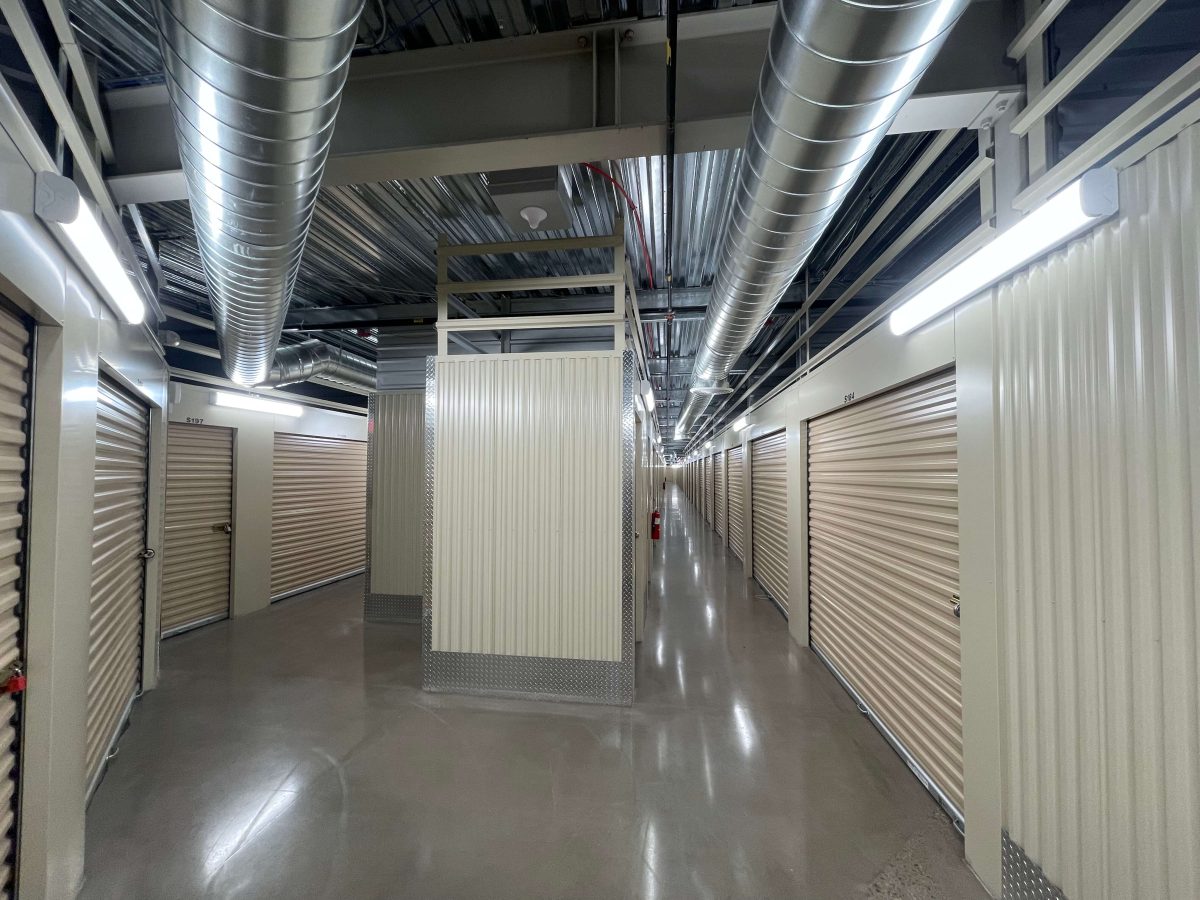
Is It Safe to Store Electronics in a Storage Unit?

Yes, with conditions. The short version: most consumer electronics can be safely stored in a self-storage unit, but “safe” depends entirely on the temperature swing the unit is exposed to and the prep work you do before the door closes. Skip either one, and the risk isn’t theoretical.

That answer is roughly what every other page on this topic tells you, and most stop there. What’s missing from nearly every guide is the actual number that determines whether your specific device is at risk: the temperature threshold where electronics genuinely start to fail, measured against what a non-climate-controlled storage unit in a place like Scottsdale actually reaches in July.

That’s the gap this post fills. Here’s what’s actually happening inside a device at storage temperature, which devices carry the most risk, and the prep steps that matter most, in the order they matter.

The Short Answer, and the Part Every Other Guide Leaves Out

Here’s the detail that changes the calculation: most consumer electronics manufacturers publish a storage temperature specification, separate from the operating temperature range, and it’s lower than people assume. Apple, for example, lists a storage temperature range of -4°F to 113°F for iPhones and iPads, with a note that storing the device outside that range can permanently damage battery capacity even if the device still appears to work afterward.

That 113°F ceiling is the number that matters for anyone in Arizona. A standard, non-climate-controlled storage unit in Scottsdale routinely exceeds that figure during summer months, sometimes by a wide margin, since enclosed metal storage structures absorb and hold heat well above the outdoor ambient temperature. A unit can sit at 130°F or higher on a 110°F day. That’s not a worst-case scenario; it’s a normal Tuesday in July.

So the honest answer to “is it safe” isn’t really yes or no. It’s: safe, if the storage environment stays under the threshold your specific device is built to tolerate, and in Arizona, that almost always means climate control, not because climate control is a nice-to-have upsell, but because the alternative regularly crosses a line the manufacturer itself drew.

What Actually Fails First Inside a Stored Device

“Heat damages electronics” is true but vague enough to be useless for planning. Here’s what specifically happens, broken down by failure mode, so you know what you’re actually protecting against.

Batteries Are the First and Most Dangerous Failure Point

Lithium-ion batteries, found in laptops, phones, tablets, cordless tools, and cameras, are the single highest-risk component in storage. Sustained heat accelerates the internal chemical degradation that already happens slowly over a battery’s life. At storage-unit-in-July temperatures, that degradation can happen fast enough to cause swelling, which in turn can rupture the cell. A swollen or ruptured lithium battery is a genuine fire risk, not just a performance problem.

This is also the one failure mode that’s preventable with zero cost: remove the battery and store it separately in a cool spot, ideally indoors at home rather than in the unit at all. The U.S. Consumer Product Safety Commission specifically advises against exposing lithium-ion batteries to high heat for exactly this reason.

Capacitors and Solder Joints Degrade Quietly

Inside most electronics, internal capacitors and solder joints have their own heat tolerance, and repeated cycling between hot days and cooler nights, what’s called thermal cycling, stresses these connections over months in a way that a single hot day doesn’t. This is the failure mode that explains why a device can come out of storage looking fine and then fail weeks or months later: the damage was cumulative and happened gradually, not all at once on day one.

Screens Are More Fragile to Heat Than People Expect

LCD and OLED screens can experience permanent discoloration, dead pixels, or delamination (where layers of the display separate) after sustained heat exposure. This is one of the more visible failures, which is at least useful: if a stored monitor or TV comes out with a faint shadow or discoloration in one area, heat exposure during storage is a likely cause.

Data Loss Is the Failure Mode Almost Nobody Plans For

Physical damage gets all the attention, but for a lot of people, the actual irreversible loss from a heat-damaged device isn’t the hardware, it’s whatever was on it. A laptop or external hard drive that won’t power on after storage might still be replaceable. The family photos, financial documents, or work files on it might not be, if there’s no backup.

This is the single most overlooked prep step across every guide on this topic, and it costs nothing: back up anything irreplaceable to a cloud service or a second drive that isn’t going into the same storage unit, before you pack the original away.

Not All Electronics Carry the Same Risk: A Practical Ranking

Every other guide on this topic treats “electronics” as one undifferentiated category. It isn’t. Here’s a rough ranking of what to worry about most, based on the components involved and their exposure to environmental extremes.

Highest Risk

  • Laptops, tablets, and phones (lithium battery plus sensitive display plus solid-state storage)
  • Gaming consoles (internal components not designed for long static heat exposure, plus stored game data)
  • External hard drives (mechanical drives are particularly heat-sensitive; data loss risk is high)
  • Cordless power tool batteries (same lithium-ion risk as above)

Moderate Risk

  • Televisions and monitors (screen discoloration and delamination risk, but no battery to worry about)
  • Desktop computers (more thermal mass and often better internal heat dissipation design than laptops, but still vulnerable to humidity and dust)
  • Cameras (lens and sensor components are humidity-sensitive even if heat isn’t the dominant risk)

Lower Relative Risk

  • Speakers and audio equipment (mostly mechanical, though amplifier electronics still benefit from climate control)
  • Wired (non-battery) small appliances

This ranking matters for a practical reason: if you’re working with limited climate-controlled space, it tells you what absolutely cannot go into a standard unit versus what can tolerate slightly less ideal conditions if it has to.
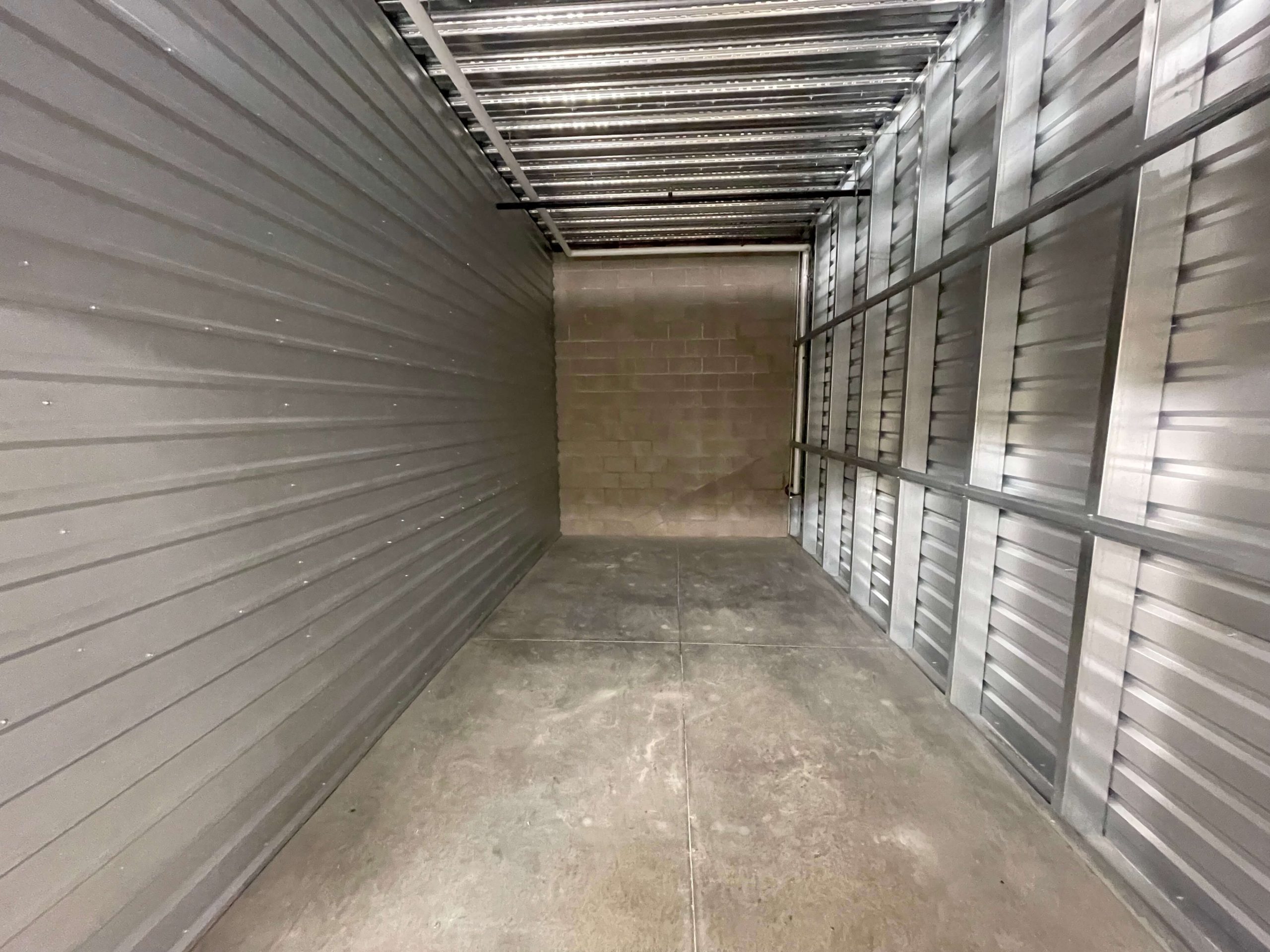
Is It Safe to Store Electronics in a Storage Unit

How to Actually Prepare Electronics for Storage

The prep checklist itself isn’t where competitors go wrong; most of them list the right steps. The issue is that they don’t explain why each step matters, which makes it easy to skip the optional ones. None of them is optional. Here’s the sequence, with the reasoning attached.

1. Back Up Your Data First

Before anything else touches the device, back up anything you can’t afford to lose. This is the step with zero physical cost and the highest potential consequence if skipped.

2. Clean Every Device Thoroughly

Dust and grime trapped inside a device act as insulation, which traps heat against internal components rather than letting it dissipate, even at temperatures the device would otherwise tolerate. Wipe down exteriors and use compressed air on vents, fans, and ports before storage.

3. Remove All Batteries

Take batteries out wherever the device allows it, and store them separately in a cool, dry location, ideally not in the storage unit at all. For built-in batteries that can’t be removed (most phones and many laptops), this isn’t possible, which is exactly why climate control matters most for those specific devices.

4. Use Anti-Static, Padded Packaging

Original manufacturer boxes are genuinely the best option if you still have them; they’re engineered with fitted foam for exactly this purpose. Without original packaging, use anti-static bags (not regular plastic, which can build a static charge) and bubble wrap, then box everything in a sturdy container rather than stacking loose items.

5. Label Cords and Cables Before You Disconnect Them

Take a photo of the setup before unplugging anything complex, then label each cable. This isn’t a safety step, but it’s the one that saves the most frustration on the other end of storage.

6. Elevate Everything Off the Floor

Concrete floors hold residual moisture even in a dry climate, and the temperature near the floor in an unconditioned unit can run hotter than at shelf height due to poor air circulation. Use a shelf, pallet, or even a sturdy table to keep electronics elevated.

7. Leave Airflow Space; Don’t Pack Wall to Wall

This is the step almost every guide skips entirely. A storage unit packed floor to ceiling, with no gaps, traps heat, creating hot pockets even in a climate-controlled space. Leave a few inches of clearance around boxes containing electronics, and avoid stacking anything heavy directly on top of containers holding screens or fragile components.

Why Climate Control Isn’t Optional in Scottsdale Specifically

Everything above applies anywhere. Here’s what’s specific to storing electronics in Arizona.

Scottsdale summers regularly push outdoor highs past 110°F for sustained stretches. A non-climate-controlled storage structure, especially metal-sided units with limited insulation, doesn’t just match that outdoor temperature; it amplifies it, frequently running well above ambient. That puts a standard unit’s interior temperature on a hot July day comfortably above the storage thresholds published by Apple, Samsung, and most other major electronics manufacturers for their own products.

This isn’t a marginal exceedance you can shrug off. It’s the difference between storing within a manufacturer’s tested safe range and storing well outside it for weeks or months at a time, with no way to know exactly how much cumulative damage has occurred until you power the device back on.

For anything in the highest-risk category above, laptops, gaming consoles, external drives, phones, a climate-controlled storage unit isn’t a precaution; in Arizona’s climate, it’s the only option that keeps the device inside its manufacturer-rated safe zone year-round.

Our full guide on how to store electronics in a storage unit walks through device-specific packing techniques in more depth if you’re preparing a larger batch of equipment, such as a full home office or entertainment system, for storage.

If you’re also storing other heat-sensitive belongings alongside your electronics, our post on how Arizona’s heat affects your stored items covers the broader picture across furniture, documents, artwork, and more.

Storing Electronics in Scottsdale: The Bottom Line

Most electronics can be stored safely. The actual risk isn’t generic heat exposure; it’s whether the storage environment stays under the specific temperature threshold your device was built to tolerate, and in Arizona, a non-climate-controlled unit crosses that line for a large share of the year. Pair the right environment with proper prep, in the order that actually matters, and electronics storage in Scottsdale is low-risk. Skip climate control on a high-risk device during summer, and you’re storing it outside its manufacturer-rated safe range for months at a time.

McDowell Mountain Community Storage offers fully air-conditioned, indoor storage units at 10101 E. McDowell Mountain Ranch Rd, Scottsdale, AZ 85260, designed to keep stored electronics and everything else you own, well within a safe temperature range year-round. Browse our space estimator tool to find the right unit size, or check our frequently asked questions page for more on what to expect.

To reserve a climate-controlled storage unit in Scottsdale, book online or call us at (602) 899-5484. We’re open Monday through Saturday 9am to 6pm and Sunday 10am to 4pm.


Frequently Asked Questions

Is it okay to leave electronics in a storage unit long-term?

Yes, provided the unit is climate-controlled or otherwise stays within the manufacturer’s published storage temperature range for the device. Long-term storage in an uncontrolled unit during an Arizona summer carries a meaningfully higher risk than a few weeks in a moderate climate, because cumulative heat exposure and thermal cycling both increase over time.

Will my monitor or TV get ruined in a storage unit?

Not necessarily, but screens are genuinely vulnerable to sustained heat, which can cause discoloration, dead pixels, or delamination of internal display layers. A monitor or TV stored in a climate-controlled unit, packed with adequate padding and not stacked under heavy items, faces a low risk. The same device in a non-climate-controlled unit, through a hot summer, faces a real risk.

Do I need to remove batteries before storing electronics?

For any device with a removable battery, yes. Lithium-ion batteries are the highest-risk component in storage and should be stored separately in a cool location whenever possible. For devices with non-removable built-in batteries, this isn’t an option, which makes climate control for those items more important, not less.

What temperature is too hot for storing electronics?

It depends on the manufacturer and device, but many major electronics makers publish a storage temperature ceiling around 113°F for consumer devices like phones and tablets. A non-climate-controlled storage unit in Scottsdale can exceed that figure during summer afternoons, which is the core reason climate control matters specifically in this climate, not just as a general best practice.

Should I back up my data before storing electronics?

Yes, and this is the step most commonly skipped. If a stored device fails to power on after months in storage, the data on it may be unrecoverable without professional data recovery, which is expensive and not always successful. Backing up to a cloud service or a separate drive before storage costs nothing and eliminates this risk entirely.
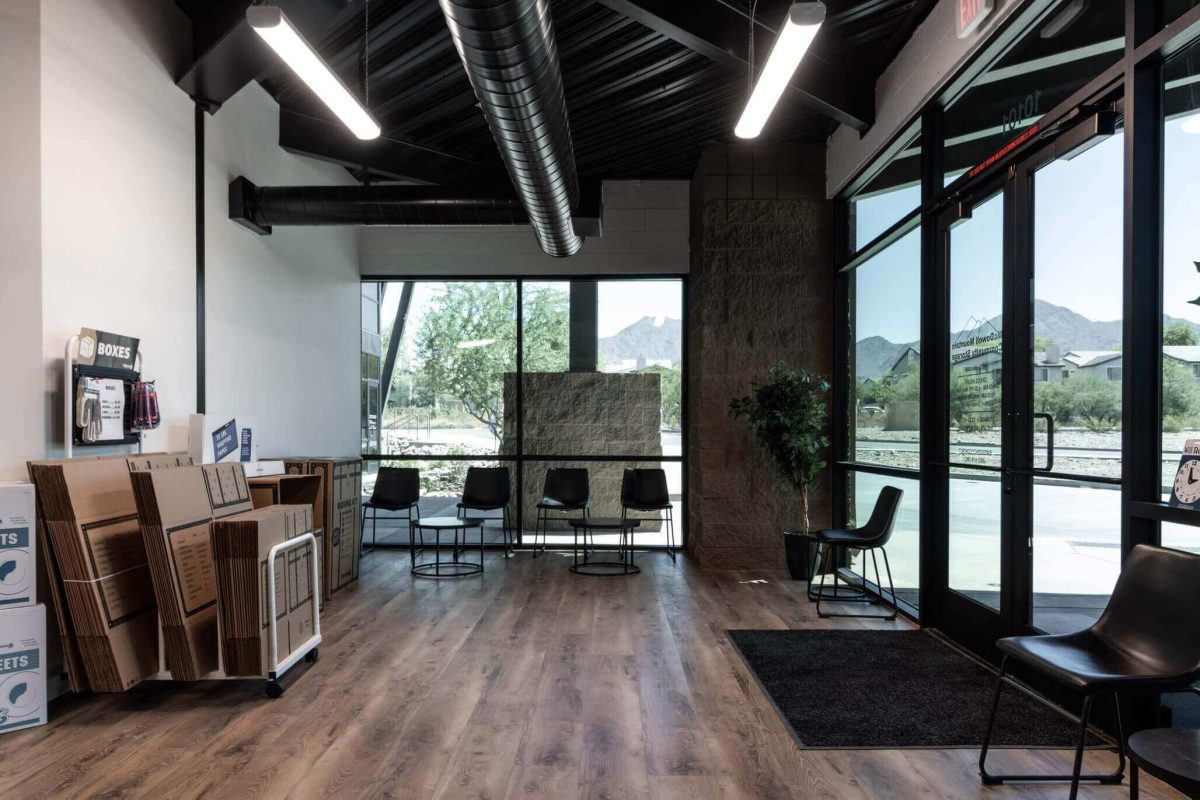
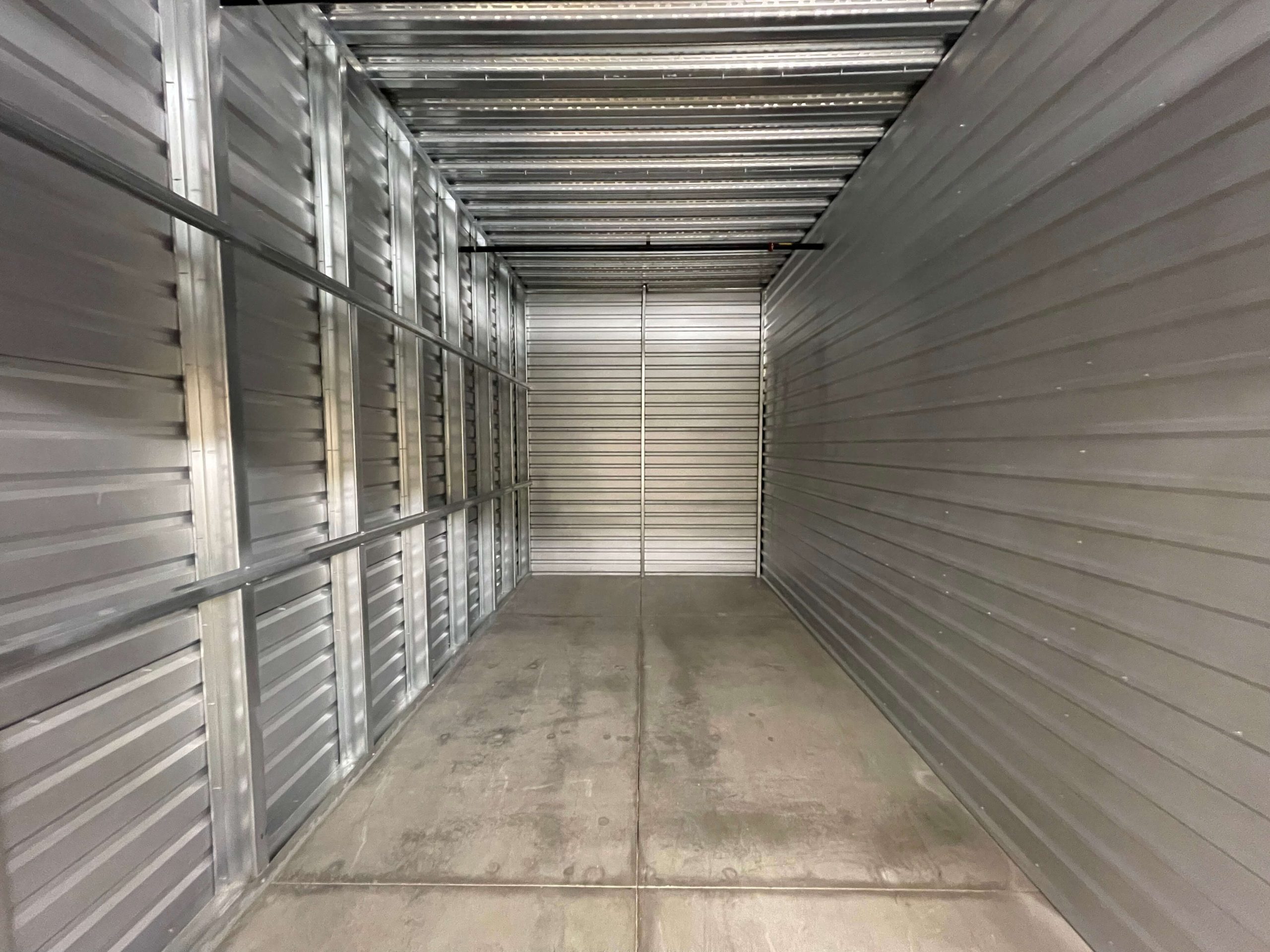
How to Store Rugs Without Ruining Them

Most rug storage advice on the internet tells you the same five things in the same order: clean it, roll it, wrap it, store it somewhere cool and dry. That advice isn’t wrong. It’s just incomplete in exactly the spots where rugs get damaged.

The problems aren’t in the steps people follow. They’re in the assumptions people make between the steps: assuming “clean enough” is clean enough, assuming all rugs roll the same way, assuming any cool-looking space will do. If a rug comes out of storage discolored, misshapen, or smelling of mildew, it’s almost always because of one of those gaps.

This guide covers the full process, including the parts other guides skip, with specific attention to storing rugs in Arizona’s climate — where heat and monsoon humidity create challenges that a generic storage article written for a national audience simply won’t mention.

If you need a climate-controlled storage unit in Scottsdale to keep your rug safe while you’re between homes, renovating, or downsizing, McDowell Mountain Community Storage has fully air-conditioned indoor units available. But the preparation process matters just as much as the location — so let’s start there.


The Three Mistakes That Destroy Stored Rugs (and How to Avoid Every One)

Before the step-by-step, it helps to understand what actually goes wrong. Every rug that comes out of storage in poor condition can usually be traced to one of three errors.

Mistake 1: Storing a Rug That Isn’t Truly Clean

A rug that looks clean to the eye is not necessarily clean enough for storage. Foot traffic embeds oils, skin cells, and fine particulate matter deep into the pile, where a quick vacuum won’t reach. Pet dander and food residue can be invisible on the surface and still attract insects. Even a faint odor that’s barely noticeable in a ventilated room will intensify dramatically inside a sealed roll.

The fix: Have the rug professionally cleaned before storage if it’s been in active use for more than a year. For rugs that are already relatively clean, a thorough vacuum on both sides — not just the pile face — followed by a spot-check for any residue or odor is the minimum. Let it dry completely before doing anything else. Any residual moisture trapped inside a rolled rug is a direct path to mold.

Mistake 2: Rolling It the Wrong Way

Most guides tell you to roll a rug rather than fold it, which is correct. Folding creates permanent creases in the pile and can crack the backing. But the roll direction matters more than most people realize, and the internet is genuinely divided on it in a way that creates real confusion.

Here’s the clearest way to think about it: roll with the pile facing inward for most rugs. This protects the rug’s face from abrasion and compression caused by the wrapping material. The backing, which is more structurally resilient than the pile, faces out. For flatweave rugs with no pile (kilims, dhurries, and similar), the direction matters less, but rolling with the pattern facing inward still protects the surface.

The exception is antique or very delicate rugs with fragile pile knots. For those, rolling pile-out reduces stress on the foundation. If you’re not sure, consult a professional rug cleaner or conservator before storing a high-value piece.

Roll firmly but not tightly. A roll compressed under its own weight over months will distort the foundation. Aim for snug, not cinched.

Mistake 3: Underestimating the Storage Environment

This is where Arizona specifically demands attention. Storing a rug in a garage, shed, or non-climate-controlled unit in Scottsdale exposes it to temperatures that regularly exceed 110°F in summer, and to monsoon humidity spikes that can push indoor relative humidity past 50% within hours during a storm event.

The damage profile is different depending on which threat dominates:

  • Sustained heat dries out natural fibers (wool, silk, jute, cotton) and makes them brittle. It also degrades the latex or glue compounds that bond tufted rug backings, causing delamination.
  • Humidity spikes create the conditions for mold and mildew to colonize organic fibers. Once mold is established in a rolled rug, it is extremely difficult to remove fully without professional intervention.
  • Thermal cycling — repeated expansion and contraction as temperatures swing between cool nights and hot days — weakens fiber bonds over time, even if individual peak temperatures don’t cause immediate visible damage.

The fix for all three is a climate-controlled indoor storage environment. This isn’t the upsell it might sound like; for anyone storing a rug worth more than a few hundred dollars in an Arizona summer, it’s straightforwardly the most cost-effective choice compared to rug restoration or replacement.

See our post on the benefits of climate-controlled storage for a fuller explanation of what the temperature and humidity control actually mean for stored textiles and other organic materials.

How to Store a Rug: The Full Step-by-Step Process

With the common failure points understood, here is the complete process from floor to storage unit.

Step 1: Clean the Rug Thoroughly

Vacuum both sides. For area rugs on hard floors, turn the rug over and vacuum the back first to dislodge embedded debris, then flip it and vacuum the pile. For wall-to-wall sections or large rugs, focus on the pile face with multiple slow passes in different directions.

Spot-treat any stains using a cleaner appropriate for the rug’s fiber type. The World Floor Covering Association and most rug manufacturers publish fiber-specific care guidelines; follow those rather than assuming a general-purpose cleaner is safe on a wool or silk piece.

For rugs that have had heavy use, consider professional cleaning. A professional wash removes oils and allergens that home vacuuming cannot reach, giving you confidence that the rug is genuinely clean before it goes into a sealed environment for months.

Dry completely before proceeding. Lay the rug flat in a well-ventilated area and allow it to air dry on both sides. Do not roll a rug that is still moist.

Step 2: Apply Pest Protection

This step is missing from most storage guides and is worth specific attention in Arizona, where the warm climate keeps insects active year-round. Wool rugs, in particular, are vulnerable to carpet beetle and moth larvae, both of which feed on animal fibers.

Cedar products — cedar blocks, cedar chips, or cedar-lined storage tubes — are a widely used natural deterrent. Place cedar blocks inside the roll and around the wrapped rug in storage. Replace or sand them every few months, as cedar’s repellent oils dissipate over time.

For valuable wool or silk rugs, consult a professional rug conservator about appropriate moth protection before long-term storage. Some pesticides that are safe for synthetic fibers can damage natural dyes or protein fibers.

Step 3: Roll the Rug

If you have a cardboard or PVC tube of appropriate diameter, rolling onto a tube is ideal: it prevents the center of the roll from compressing under its own weight over time. A tube with a diameter of three to four inches is suitable for most residential area rugs.

Position the rug pile-side down on a clean, flat surface. Begin rolling from one end, keeping the roll as even and aligned as possible. Uneven rolling creates tension across the rug’s width, which can distort its shape over months.

Roll firmly, not tightly. Check periodically that the roll is staying straight and even as you go.

For very large rugs, enlist help. A rug that shifts or bunches during rolling will not lie flat when unrolled.

Step 4: Wrap in Breathable Material

Do not use plastic. Plastic wrap, plastic sheeting, or plastic bags trap moisture and create exactly the humid micro-environment that promotes mold. This is true even in a dry climate: a sealed plastic wrap around an organic fiber will trap the rug’s own off-gassing moisture.

Use materials that allow air to circulate while keeping dust and insects out:

  • Acid-free kraft paper is an excellent choice for most rugs. It breathes, it’s widely available, and it provides a barrier against dust and surface abrasion.
  • Unbleached cotton muslin or similar woven fabric wraps are the professional conservation standard for valuable or antique pieces. Muslin allows air exchange while protecting against light, dust, and incidental contact.
  • Breathable rug storage bags (often sold as felt or non-woven polypropylene) are a convenient commercial option that works well for synthetic and semi-synthetic rugs.

Wrap the roll completely and secure with cotton twine or fabric tape. Avoid rubber bands or plastic tape directly on the rug or wrapping material: both can leave residue or cause compression marks over long periods.

Label the outside of the roll with the rug’s dimensions, fiber type, and the date it was stored. You’ll thank yourself later when you’re trying to identify it.

For packing supplies guidance, see our post on essential packing supplies for an efficient move into storage.

Step 5: Choose and Prepare Your Storage Space

The non-negotiables for rug storage are: consistent temperature, low humidity, darkness, and no direct contact with a concrete floor.

In Scottsdale and the greater Phoenix area, climate-controlled indoor storage is effectively mandatory for any rug you care about. An uncontrolled garage or shed will swing between extremes, damaging fiber, backing, and dye. A climate-controlled unit maintains stable temperature and humidity through Arizona’s summer highs and monsoon season swings.

Our post on tips for summer storage covers the full range of items that need climate protection in Arizona’s extreme heat, and explains exactly why the temperature differential in an uncontrolled unit matters.

Step 6: Store the Rug Correctly Inside the Unit

Store rolled rugs standing upright, on their end. This is the most important positioning detail and the one most often skipped. A rug stored flat — lying horizontally — develops a compression flat spot at the bottom of the roll over weeks and months. Stored upright, the weight is distributed along the length of the roll rather than pressing down on the same fibers continuously.

If you must store a rug horizontally (because the unit ceiling won’t accommodate the upright height), rotate it every few weeks so the compression point changes.

Never place rugs directly on concrete. Concrete wicks moisture, and even in a dry environment, direct contact over months can draw enough humidity into the bottom of the roll to cause mildew. Place the roll on a wooden pallet, a shelf, or even a layer of cardboard as a minimum barrier.

Keep rugs away from exterior walls of the storage unit, which are subject to greater temperature variation than interior positions.

Step 7: Check on the Rug Periodically

For rugs stored longer than a month or two, a periodic check is worth the trip. Unroll slightly to inspect for any signs of pest activity, moisture, or mold. Refresh cedar pest deterrents. Confirm the wrapping material is intact.

If storing through an Arizona monsoon season (roughly mid-June through September), a check immediately after any major storm event is good practice, even in a climate-controlled unit.

Rug Storage Ideas

Rug Storage by Material Type: What Changes and Why

Generic storage guides treat every rug identically. In practice, the fiber type changes a few specific decisions.

Wool Rugs

Wool is the most vulnerable to pest damage. Cedar protection and professional cleaning before storage are worth the effort. Wool also responds poorly to prolonged exposure to dry heat, which can make fibers brittle — another argument for climate control in Arizona specifically. Store in breathable cotton muslin or acid-free paper.

Silk Rugs

Silk rugs require the most careful handling. The fibers are delicate; rolling too tightly or storing with significant weight on the roll can distort the pile permanently. Use a large-diameter tube if possible. Wrapping in acid-free tissue paper inside a cotton muslin outer layer is the conservation standard. High-value silk rugs should be professionally cleaned and ideally stored in consultation with a rug conservator.

Jute and Natural Fiber Rugs

Jute, sisal, seagrass, and similar plant-fiber rugs are highly susceptible to moisture damage. Even moderate humidity will cause mold and mildew to develop relatively quickly. These rugs benefit the most from rigorous moisture control and should not be stored in any environment that isn’t actively climate-controlled in Arizona.

Synthetic Rugs (Polypropylene, Nylon, Polyester)

Synthetics are the most forgiving to store. They’re not vulnerable to moths or mold in the same way natural fibers are. Sustained extreme heat can still cause some synthetics to distort or off-gas, so climate control is still preferable, but the consequences of a less-than-ideal environment are less severe than with natural fiber rugs.

Antique and Hand-Knotted Rugs

These deserve the most conservative approach: professional cleaning, professional assessment of the backing condition before rolling, acid-free materials throughout, climate-controlled storage, and a periodic inspection schedule. If the rug has significant monetary or sentimental value, treat it accordingly.

What to Do If You’re Storing a Rug During a Move or Renovation

Rugs stored for short periods — a few weeks during a renovation — still benefit from the same preparation steps, though the consequences of shortcuts are lower. The cleaning step is still worth doing; dust and debris trapped in the pile during renovation will be much harder to remove later. The wrapping step is especially important to protect against construction dust.

If you’re using storage as a staging point during a move, read our post on how to use a storage unit during a move for a broader look at managing belongings through the transition.

For organizing everything else you’re storing alongside the rug, our guide to organizing a storage unit covers layout strategies that make retrieval easier when you’re ready to bring things back out.

Frequently Asked Questions

Should I roll a rug pile-in or pile-out?

For most rugs, pile facing inward is the right approach. Rolling pile-in protects the rug’s face from abrasion and compression against the wrapping material, with the more durable backing facing out. The exception is antique or very delicate rugs with fragile pile knots, where rolling pile-out reduces stress on the foundation. When in doubt about a high-value piece, consult a professional rug cleaner or conservator.

Can I store a rug in a garage in Arizona?

It depends on the rug and the timeframe. For a synthetic rug stored for a few weeks, a garage is probably fine. For a wool, silk, or jute rug stored through an Arizona summer, a garage is a genuinely bad environment: temperatures inside an unventilated garage regularly exceed 110°F, which can dry out natural fibers, degrade adhesive backings, and cause permanent color change. A climate-controlled storage unit is the better choice for any natural-fiber rug stored in Arizona for more than a few weeks.

How long can a rug stay in storage?

Rugs stored correctly in a climate-controlled environment can remain in good condition for years. The main risks that increase over time are pest infestation and fiber brittleness from sustained conditions. Periodic checks every few months and the use of refreshed cedar pest deterrents significantly extend the storage period. Rugs stored in poor conditions can begin to show damage within weeks.

Can you fold a rug for storage?

No, not for anything longer than a day or two of transport. Folding creates hard creases in the pile and backing that may be permanent, particularly in wool, jute, and older rugs where the fibers have less elasticity. Even a fold that seems to relax after unrolling may leave a lasting impression on the backing structure, affecting how the rug lies flat.

Do rugs need to be stored in a climate-controlled unit?

In most of the United States, a dry, temperate space is sufficient for short-term storage. In Arizona, the answer is more straightforwardly yes for anything stored through the summer: temperatures in non-climate-controlled units regularly exceed safe thresholds for natural fiber rugs, and monsoon season creates humidity spikes that promote mold even in an otherwise dry climate. For natural fiber rugs stored longer than a few weeks in Scottsdale, climate control is the practical choice.

What is the best way to store a large area rug?

Clean it thoroughly, roll it (don’t fold) with the pile facing in, wrap it in breathable acid-free paper or cotton muslin, and store it upright on its end in a climate-controlled indoor space. For very large rugs that can’t be stood upright, store horizontally on a pallet and rotate the roll every few weeks to prevent compression flat spots.

How do I protect a stored rug from moths and insects?

Thorough cleaning before storage removes the oils and debris that attract pests. Cedar blocks, cedar chips, or lavender sachets placed inside and around the roll provide a natural deterrent. Replace or refresh cedar every few months. For valuable wool or silk rugs, consult a professional about appropriate protection before long-term storage — some common pesticide products are harmful to natural dyes.

Storing Rugs in Scottsdale: The Bottom Line

The standard advice — clean it, roll it, wrap it, store it somewhere cool — is right. It just leaves out the parts where things go wrong: the between-step decisions about roll direction, wrapping material, positioning, and environment.

In Arizona specifically, the environmental question is the most consequential one. A well-prepared rug stored in a non-climate-controlled space through a Scottsdale summer is taking a real risk that a well-prepared rug in a climate-controlled indoor unit simply isn’t. The preparation still matters; the environment determines whether that preparation holds.

McDowell Mountain Community Storage offers fully air-conditioned indoor storage units at 10101 E. McDowell Mountain Ranch Rd, Scottsdale, AZ 85260, with flexible month-to-month leases and no exterior roll-up doors. If you have questions about which unit size works best for rugs plus the other belongings you’re storing, our space estimator tool is a good starting point, and our frequently asked questions page covers what you need to know before renting.

To reserve a climate-controlled storage unit in Scottsdale, you can book online or call us at (602) 899-5484. We’re open Monday through Saturday 9am to 6pm and Sunday 10am to 4pm.

Best Ways to Pack Fragile Items for Storage: Step-by-Step Guide

Packing fragile items for storage requires the right materials, careful handling, and a proven method to reduce the risk of damage. Whether you’re storing glassware, dishes, mirrors, or valuable collectibles, proper packing ensures your belongings stay safe during transport, transit, and long-term storage.

This step-by-step guide covers expert tips, essential packing supplies, and the best way to protect delicate items so everything arrives in perfect shape.

Why Proper Packing Matters for Fragile Items

Fragile items like glass, ceramics, and artwork are highly sensitive to pressure, movement, and improper arrangement. Without proper cushioning and protection, even a small shift inside a box can lead to breakage.

Taking the time to organize your packing and use the right materials helps protect your possessions, especially during moves or when items are stored for extended periods.

Essential Packing Supplies You’ll Need

Before you start, gather all necessary packing materials to make the task easier and more efficient:

  • Bubble wrap for cushioning and wrapping
  • Packing paper for layering and protection
  • Foam peanuts or foam inserts to fill gaps
  • Sturdy cardboard boxes or specialty boxes
  • Packing tape to secure boxes
  • Blankets or pillows for larger items like furniture or mirrors
  • Dividers for dishes, glasses, and glassware
  • Marker for labeling
  • Dish boxes for plates, dishes, and ceramics

Having plenty of supplies on hand ensures you won’t run out in the middle of packing.

Step-by-Step Guide to Packing Fragile Items

Follow these expert steps to pack fragile items safely and reduce the chance of damage:

Step 1: Prepare the Box with Cushioning

Start by adding a thick layer of padding at the bottom of the box. Use bubble wrap, packing paper, foam, or peanuts to create a cushioned base.

This layer absorbs pressure and protects items from impact during transport.

Step 2: Wrap Each Item Individually

Each fragile item should be wrapped separately using packing paper or bubble wrap. For extra protection, use multiple layers, especially for delicate pieces like glassware, dishes, and stemware.

Proper wrapping helps prevent direct contact between items and reduces the risk of breakage.

Step 3: Pack Heavier Items at the Bottom

Place heavier items, such as plates, dishes, and ceramics, at the bottom of the box. Lighter items, such as glasses and smaller pieces, should go on top.

This arrangement helps distribute weight evenly and prevents crushing.

Step 4: Use Dividers for Extra Protection

For glassware, stemware, and delicate items, use dividers inside the box. These create separate spaces for each item and help keep everything secure.

Dividers are especially helpful when packing multiple fragile items in one box.

Step 5: Fill Gaps to Prevent Movement

One of the biggest risks during transit is movement inside the box. Fill all empty spaces with foam peanuts, packing paper, or soft materials like blankets or pillows.

There should be nothing loose inside the box. Everything should feel secure when you gently shake it.

Step 6: Add a Top Layer of Cushioning

Before sealing the box, add another layer of padding on top. This protects the contents from pressure when boxes are stacked during storage or transport.

Step 7: Seal and Label the Box

Use strong packing tape to seal all sides of the box. Then clearly label it with a marker.

Write:

  • Fragile
  • This Side Up
  • A brief description of the contents

Proper labeling helps movers and anyone handling the box understand how to treat it with care.

Learn the best ways to pack fragile items for storage with simple, step-by-step tips to protect glassware, dishes, and valuables.

Best Ways to Pack Specific Fragile Items

Different items require slightly different packing techniques. Here’s how to handle some of the most common fragile belongings:

Packing Glasses and Glassware

Wrap each glass individually with packing paper or bubble wrap. Place them upright inside the box, not on their sides, to reduce pressure on the glass.

Use dividers if possible and fill gaps with cushioning materials.

Packing Plates and Dishes

Stack plates vertically instead of flat. This reduces the chance of breakage during movement.

Wrap each dish with packing paper and add layers between each piece for extra protection.

Packing Mirrors and Picture Frames

Use specialty boxes or large cardboard boxes for mirrors and picture frames. Wrap them with bubble wrap and blankets, and secure the sides with packing tape.

Always store these items upright to avoid damage.

Packing Artwork and Collectibles

Artwork and heirlooms require extra care. Use foam, blankets, or custom packing materials to protect surfaces and edges.

For valuable pieces, consider professional packing services to ensure maximum safety.

Packing Furniture with Fragile Components

Furniture with glass or delicate parts should be wrapped with blankets and secured with padding. Remove any fragile pieces if possible and pack them separately.

Common Packing Mistakes to Avoid

Avoid these mistakes to protect your fragile items:

  • Using boxes that are too large or weak
  • Not using enough cushioning or padding
  • Leaving empty spaces inside the box
  • Overpacking or underpacking boxes
  • Forgetting to label fragile contents
  • Placing heavy items on top of delicate ones

These errors can increase the risk of damage during moves or storage.

Expert Tips for Safer Packing

Here are some additional expert tips to improve your packing process:

  • Always use high-quality packing supplies
  • Double-wrap especially delicate items
  • Keep similar items together and organize boxes clearly
  • Use specialty boxes for dishes, glassware, and mirrors
  • Take your time, rushing increases the chance of mistakes

Packing fragile items properly is not just about materials. It’s about technique and attention to detail.

Final Thoughts

Packing fragile items for storage doesn’t have to be stressful. With the right supplies, proper technique, and careful handling, you can protect your belongings and reduce the risk of breakage.

Taking the time to follow a step-by-step guide like this ensures everything stays safe, from everyday items to valuable heirlooms.

Store Your Items with Confidence

Packing is just one part of the process. Where and how you store your belongings matters just as much. If you’re looking for storage units in Scottsdale, McDowell Mountain Community Storage offers clean, secure storage spaces designed to help protect your items long-term.

Whether you’re storing furniture, delicate pieces, or important possessions, our facility offers the security and care your belongings deserve.

If you need reliable self-storage in Scottsdale, contact McDowell Mountain Community Storage today to find the right space for your needs.

For more expert tips and helpful guides on packing, organizing, and protecting your belongings, be sure to explore our blog.

FAQs About Packing Fragile Items

What is the best way to pack fragile items?

The best way to pack boxes with fragile items is to use proper wrapping, cushioning, and sturdy boxes, ensuring everything is secure and cannot move, giving you peace of mind during storage or transport.

How do I protect glass items during a move?

Wrap each piece individually, use dividers, and add plenty of padding to prevent movement and pressure.

Should I label fragile boxes?

Yes, always label boxes with “Fragile” and “This Side Up” to ensure careful handling.

Can I use towels or blankets instead of bubble wrap?

Yes, soft materials like blankets and pillows can provide additional cushioning, especially for larger items.

How do I prevent items from shifting in a box?

Fill all gaps with packing materials like foam peanuts, packing paper, or bubble wrap.

Is it worth using professional packing services?

Yes, especially for valuable or delicate items, as experts reduce the risk of damage during transport and storage.

What is the safest way to load fragile items into a truck?

When loading a truck, place fragile boxes on top of heavier ones and keep them in a stable area where they won’t shift. Make sure nothing heavy is pressing against delicate items to avoid breakage during the move.

Can I pack different types of things in one box?

It’s best to avoid mixing too many different items in one box, especially fragile or heavy ones. Keeping similar items together makes packing more organized and helps protect delicate pieces.

What should I do with loose stuff before packing?

Before you start packing, organize all loose stuff into categories. This makes it easier to wrap and pack boxes properly, ensuring nothing gets damaged or lost during the process.

Can I use newspapers for packing fragile items?

Yes, but newspapers can leave ink stains. It’s better to use clean packing paper to protect your items.

Storing a Refrigerator in a Storage Unit — What You Need to Know

Storing a refrigerator properly can save you money and prevent costly damage when you move, renovate, or downsize. Whether you have one fridge, multiple refrigerators, or a large side-by-side model, the preparation and storage process is the same. Follow this step-by-step guide to protect your appliance from mold, mildew, odors, rust, and physical damage while it’s in a self storage unit.

Preparing the Refrigerator for Storage

Preparation starts at least 48 hours before you move the appliance. First, unplug the refrigerator and freezer from the wall. Consume or relocate all food and perishables. Remove ice from the icemaker and any ice buildup in the freezer. Empty water from the dispenser reservoir and drip tray (many modern fridges have a drain pan underneath—empty that too). This early start gives the appliance time to reach room temperature and prevents trapped moisture from turning into a bigger problem later.

Cleaning and Defrosting

Never store a wet fridge. Begin by fully defrosting the freezer—leave the doors open and place a towel on the floor to catch any melting ice and water. Once defrosting is complete, clean every surface: interior walls, shelves, drawers, door gaskets, and compartments. Use a mild solution of warm water and baking soda (two tablespoons per quart of water) or a non-abrasive appliance cleaner. Avoid bleach or other harsh chemicals, as they can damage plastic or leave lingering odors. Wipe every surface dry with a clean towel, then leave the doors open for at least 24 hours in a well-ventilated space to ensure no moisture remains. Moisture is the number one enemy that leads to mold and mildew during storage.

Removing Perishable Items

Even tiny traces of food can cause major odor and mold issues. Double-check all compartments, drawers, crispers, and door bins. Remove shelves and drawers if possible, clean them separately, and wrap them to prevent breakage during transport. Discard anything that might spoil, leak, or attract pests. A single forgotten yogurt container can ruin the entire interior after months in storage.

Securing Doors and Shelves

Loose doors and shelves are a recipe for damage during transport and storage. Remove adjustable shelves and drawers, wrap them in moving blankets or bubble wrap, and pack them separately or tape them securely inside the main compartment. For the doors, use strong painter’s tape or rope to keep them closed during the move, but never tape the gasket directly—it can tear. Once the refrigerator is in its final place in the storage unit, you will leave the doors slightly open for airflow (more on that later). Cardboard or a purpose-made appliance strap works better than tape for long-term securing during the actual move.

Choosing the Right Storage Unit

Not all storage units are suitable for appliances. Choose a reputable self-storage facility that offers climate-controlled units, especially if you live in an area with high humidity or extreme temperature swings. Standard drive-up units can work in mild, dry climates, but temperature fluctuations and humidity above 60% dramatically increase the risk of rust, mold, and compressor oil degradation. A climate-controlled unit maintains a temperature between 55–80 °F and humidity below 55%, ideal for refrigerator storage. Verify that the unit size can accommodate your fridge upright with at least 2–3 inches of space on every side for airflow.

Optimal Placement Inside the Storage Unit

Always transport and store refrigerators upright. Laying a fridge on its side can cause compressor oil to flow into the cooling lines, which may ruin the unit when you restart it. Place the refrigerator on a flat, level surface—use plywood or a pallet if the storage unit floor is bare concrete. Position it at least 2–3 inches away from walls and other items to allow airflow around the coils and condenser. Never push it flush against the back wall; restricted airflow can trap heat and moisture.

Temperature and Humidity Considerations

Even in climate-controlled storage units, small fluctuations happen. The biggest threats are high humidity (which promotes mold) and freezing temperatures (which can crack plastic parts and rupture water lines). Climate-controlled units are strongly recommended in most regions. If you must use a non-climate unit, add silica gel packs or commercial moisture absorbers inside the fridge and freezer compartments, and place a dehumidifier bucket in the storage unit itself.

Covering and Protecting the Refrigerator

Once the fridge is clean, dry, and in position, protect the exterior from dust and accidental bumps. Use a breathable refrigerator cover or an old cotton sheet—never plastic sheeting or tarps that trap moisture. If you don’t have a cover, prop the doors open 1–2 inches using a wooden block or a dedicated fridge door prop. This simple step ensures constant ventilation and prevents the stale, musty odor that develops in completely sealed appliances.

Periodic Maintenance During Storage

Visit your storage unit every 2–3 months if possible. Check for any signs of moisture, mildew, or pests. Wipe down the interior with a dry cloth if needed, replace the moisture absorbers, and verify that the doors remain propped open for airflow. A five-minute check-in can prevent hundreds of dollars in damage. If you notice any odor when you open the unit, place fresh baking soda boxes or activated charcoal inside to absorb it.

Tips for Reinstalling After Storage

When you’re ready to bring the refrigerator back to your house, remove the cover and door props. Inspect the power cord and plug for damage. Let the appliance stand upright in its new location for at least 24 hours (longer if it was transported on its side) before plugging it in—this allows compressor oil to settle back into place. Clean the interior one final time, reinstall shelves and drawers, and plug it in. If everything was done correctly, your fridge should start up without issues and be ready to keep food cold again.
Best Way to Store a Refrigerator in a Storage Unit

Conclusion

Storing a refrigerator properly requires careful planning and attention to detail, but the process can be simple if you organize each step in the right way. Prioritize safety by unplugging the appliance, removing perishables, and handling shelves and doors carefully. Thoughtful packing and securing of all removable parts ensures nothing shifts or breaks during transport. Protect the interior from moisture and odors, and choose a storage unit that maintains a stable temperature and humidity. By following these steps, you can keep your refrigerator in top condition and safeguard your investment. With proper preparation, the right placement, and regular checks, your fridge will stay clean, functional, and ready for use whenever you need it—making the entire storage process smooth, secure, and stress-free.

Find the Right Storage Unit for Your Refrigerator

If you need help storing your refrigerator safely and efficiently and are looking for a climate-controlled storage unit in Scottsdale, McDowell Mountain Community Storage can provide the perfect solution. We offer a variety of unit sizes to fit everything from a compact fridge to a large side-by-side model. Choosing the right size ensures your appliance stays secure, organized, and protected from damage during its time in storage.
Don’t wait—contact McDowell Mountain Community Storage in Scottsdale today to get all the details and find the ideal unit that meets your needs and keeps your refrigerator in top condition.

Frequently Asked Questions

How do I prepare a refrigerator for storage?
Unplug the fridge, remove all food, empty ice and water, and let it reach room temperature.
Should I clean the refrigerator before storing it?
Yes, clean all surfaces with a mild solution and make sure it’s completely dry to prevent mold and odors.
Is it necessary to defrost the refrigerator before storage?
Yes, defrost the freezer completely and remove all ice to avoid water damage and mildew.
Can a refrigerator be stored upright or sideways?
Always store a refrigerator upright. Laying it on its side can damage the compressor.
How long can a refrigerator be stored in a storage unit?
Refrigerators can be stored for months or even years if properly prepared and stored in a climate-controlled unit.
Should I leave the refrigerator door open or closed during storage?
Leave the doors slightly open (1–2 inches) to allow airflow and prevent odors.
How do I protect the refrigerator from dust and dirt?
Use a breathable cover or an old cotton sheet to keep dust off while still allowing ventilation.
Is it safe to store a plugged-in refrigerator in a storage unit?
No, always unplug the refrigerator before storage for safety and to prevent electrical issues.
How do you protect the exterior of a stored refrigerator?
Place it on a flat surface and cover it with a breathable sheet or fridge cover to prevent scratches and dust buildup.
What materials can be used to cover the refrigerator?
Use breathable fabrics like cotton sheets or purpose-made refrigerator covers to protect your things inside and outside the fridge. Avoid plastic or tarps that trap moisture.

How to Protect Your Belongings in Storage

Storing your belongings can be a convenient solution when you have a lot of items and need extra storage space. However, without proper preparation, items stored can be exposed to moisture, dust, pests, or damage over time.

If you’re planning to rent a storage unit in Scottsdale, taking the right steps can help protect everything. This guide will walk you through the best ways to protect your belongings in storage, whether you’re planning short-term or long-term use. From choosing the right storage unit to organizing your space effectively, a thoughtful approach can help keep your items in excellent condition.

Choose a Secure Storage Facility in Scottsdale

Many storage facilities offer multiple locations, so choosing one in a convenient Scottsdale area can make access easier and more efficient.

Look for storage units in Scottsdale that offer:

  • Gated access and monitored entry points
  • On-site management and surveillance systems
  • Well-lit areas for added safety
  • Strong lock options for your storage unit

A reliable self storage facility reduces theft risk and keeps your items safe.

Consider Climate-Controlled Storage Units

Arizona’s heat can create harsh environments for stored items. Climate control helps regulate temperature and humidity in your storage unit, which is especially important for sensitive items.

Items That Benefit from Climate Control:

Climate-controlled storage units reduce risks like mold, mildew, warping, and heat damage.

Use Proper Packing Materials

Using proper packing materials is an effective way to prevent damage and protect fragile items in storage.

Recommended Packing Tips:

  • Use sturdy boxes or plastic containers
  • Wrap fragile items with bubble wrap or paper
  • Cover furniture with blankets or protective covers
  • Use plastic wrap to create a barrier against dust and moisture

Avoid overloading boxes, especially for heavier items. Proper packing helps maintain the condition and value of your belongings while in storage.

Protect Against Moisture, Mold, and Mildew

Moisture is one of the biggest threats in any storage environment, especially in long-term storage units.

How to Prevent Moisture Damage:

  • Use moisture absorbers inside your storage unit
  • Elevate boxes and items off the floor using pallets or shelving units
  • Avoid placing items directly against walls
  • Ensure everything is completely dry before storing

Following these tips avoids mold, mildew, and odors that may harm your belongings.

Disassemble and Cover Furniture

Large items such as couches, tables, and shelving units should be properly prepared before being placed in storage.

Best Practices:

  • Disassemble furniture when possible
  • Wrap items in blankets or protective covers
  • Store cushions separately in breathable containers
  • Keep heavier items on the bottom to avoid damage

Taking extra care during preparation helps protect furniture and maximize your storage space.

Organize Your Storage Unit Efficiently

Proper organization is key to both protection and easy access.

Organization Tips:

  • Label every box clearly
  • Keep a simple inventory of your items so you can easily track and locate your belongings
  • Place frequently used items near the front
  • Use shelves to maximize vertical storage space
  • Leave a walkway for easy access to your items

well-organized storage unit makes it easier to locate your belongings and reduces the risk of accidental damage.

Avoid Overpacking Your Storage Unit

Trying to store too many items in one unit can lead to crushed boxes and damaged contents.

  • Leave space between items for airflow
  • Avoid stacking boxes too high
  • Choose the right size storage unit for your needs

Giving your belongings room helps maintain their condition and prevents unnecessary damage.

How to Keep Your Items Safe in a Storage Unit
Learn how to protect your belongings in storage with expert tips on packing, climate control, and security in Scottsdale. Contact us today.

Protect Valuables and Important Items

Certain items require extra care when placed in storage.

Additional Protection Tips:

  • Keep valuables and important documents in sealed containers
  • Consider insurance coverage for high-value items
  • Store fragile items in clearly labeled boxes
  • Avoid placing sensitive items near the top where they could fall

Taking these extra precautions adds another layer of protection for your most important belongings.

Check Your Storage Unit Regularly

If you have long-term storage, it’s a good idea to check your unit periodically.

  • Look for signs of pests or moisture
  • Adjust boxes or items if needed
  • Replace any damaged packing materials

Routine checks can help catch small issues before they turn into bigger problems.

Protect Your Belongings with the Right Storage Approach

Keeping your belongings safe in storage comes down to choosing the right storage facility, using proper packing techniques, and maintaining organization inside your unit. Whether you’re storing furniture, electronics, or personal items, taking the time to prepare properly can make a significant difference.

If you’re looking for secure, reliable storage units in Scottsdale, working with a trusted facility can help ensure your belongings stay protected in the right environment.

Find Secure Storage in Scottsdale Today

If you need a safe and reliable place to store your belongings, McDowell Mountain Community Storage offers clean, secure storage units designed to protect your items and other important things in all types of environments.

Whether you’re storing household items, furniture, or valuables, our storage facility provides the security, climate control, and access you need for peace of mind.

Contact us now to reserve your self-storage unit in Scottsdale and ensure your belongings stay protected today.

Visit our blog now for more storage tips, packing advice, and organization ideas to maximize your storage experience.

Frequently Asked Questions: Protecting Items in Storage

What items should not be stored in a storage unit?

Perishable food, hazardous materials, and flammable items should not be placed in storage units.

Is climate-controlled storage necessary in Scottsdale?

Yes, climate control helps protect items from heat, moisture, and damage caused by extreme temperatures.

How do I prevent mold in a storage unit?

Use moisture absorbers, keep items dry, and choose climate-controlled storage units when possible.

Should I use plastic containers or boxes for storage?

Both can work, but a plastic container offers better protection against moisture and pests.

How do I protect items from moisture in storage?

Use moisture absorbers, ensure items are completely dry before storage, and choose climate-controlled storage units to help prevent mold, mildew, and damage.

What materials should I use for packing fragile belongings?

Use sturdy boxes, bubble wrap, packing paper, and protective blankets. Clearly label fragile items and avoid overpacking to reduce the risk of damage.

How can I prevent pests in my storage unit?

Keep food and perishable items out of your storage unit, use sealed plastic containers, and maintain a clean, organized space to reduce the risk of pests.

How do I secure my storage unit against theft?

Choose a secure storage facility with gated access and surveillance, and use a strong lock on your unit to protect your belongings from theft.

How do I organize items to avoid damage in storage?

Place heavier items on the bottom, use shelving units to maximize space, label boxes clearly, and leave walkways for easy access and better organization.

How often should I check on my stored belongings?

It’s recommended to check your storage unit periodically, especially for long-term storage, to monitor for moisture, pests, or any signs of damage.

Complete Furniture Storage Guide: Protect Your Wood & Upholstered Furniture

Complete Furniture Storage Guide to Protect Your Wood and Upholstered Furniture

At McDowell Mountain Community Storage, we understand that your furniture represents both a financial investment and a source of personal comfort. Whether you are relocating, renovating, or simply seeking extra storage space, properly preserving and packing your furniture is essential to maintaining the quality, appearance, and integrity of your items. Taking the proper steps before placing your pieces into storage—such as cleaning surfaces, vacuuming upholstery, and protecting delicate finishes—ensures your furniture retains its shape and stays safe from damage, moisture, pests, and environmental risks.

Our goal is to provide a comprehensive guide that covers everything you need to know for safeguarding wood, upholstered, and leather furniture. From packing techniques and climate considerations to organization tips for your storage space, understanding the effects of temperature, humidity, and other environmental factors helps prevent issues such as warping, staining, and mold growth. By following these steps, you can confidently store your belongings and keep them in excellent condition for years to come.

Prepare Furniture for Storage Properly

The first step in furniture storage is thorough preparation. Cleaning your items before storage prevents dirt, dust, grime, and stains from settling, which can compromise surfaces, fabrics, and the overall material over time. For wood furniture, use a soft cloth and a quality wood cleaner or furniture polish to remove oils and residues, focusing on weight-bearing areas, edges, and joints. Upholstered furniture, including couches and chairs, benefits from vacuuming and spot cleaning with mild soap or fabric-safe cleaners, which makes a noticeable difference in maintaining appearance and longevity.

Remove all loose items, including cushions, pillows, drawers, and hardware such as bolts, screws, and detachable legs. Disassembling large furniture pieces—like dressers, bed frames, tables, or anything bulky—helps reduce stress on joints and prevents accidental breakage during transport or stacking. Use tape to secure loose parts and keep components organized, maintaining the shape and integrity of each piece. Consider the layout of your storage space, ensuring furniture does not press against walls or crowd the room, and account for environmental factors such as humidity, temperature, and other location-specific factors. Choosing a climate-controlled self storage unit is a smart option to protect your furniture in varying environments.

Use Proper Wrapping and Padding Techniques

Protective wrapping is crucial to prevent scratches, dents, and stains during storage. For wooden surfaces, apply a thin layer of wax or polish, then cover the entire surface with a furniture pad or cotton sheet to protect all sides, edges, and wall-facing areas. Bubble wrap or foam sheets offer additional protection for delicate surfaces like tabletops, mirrors, or glass cabinets, and help prevent rust on metal components. Wrapping furniture for storage properly is one of the simplest and most effective ways to safeguard your items during transit or in a storage unit.

Upholstered furniture and leather sofas benefit from breathable coverings. Avoid using plastic wrap directly on fabrics, as trapped moisture can encourage mold and mildew growth. Instead, use cotton sheets, fabric covers, or furniture pads, and keep a safe distance from walls and doors to allow airflow. Cushions and pillows can be stored in ventilated plastic bags to protect against dust, pests, and the elements. Wrapping furniture for storage is an essential step when planning storage options, whether you are loading a truck, organizing spaces within the storage unit, or determining how much furniture to store. Our company provides solutions and guidance to ensure your belongings remain protected regardless of weather or environmental conditions.

Maintain a Stable Storage Environment

The storage environment plays a vital role in preserving furniture. Fluctuations in temperature and humidity can cause wood furniture to warp, split, or discolor, and may lead to odors, stains, or mildew on upholstery and leather. Even small factors, like the side of the unit exposed to sunlight or drafts, can affect furniture condition. Using drop cloths, paper, or protective padding during transportation and within storage units adds an extra layer of caution, helping prevent scratches, dents, and other damage.

At our storage facility, climate-controlled units are available to maintain consistent temperature and humidity. This type of storage solution reduces the risk of moisture damage, warping, rust, and mold growth while providing peace of mind that your furniture will remain in optimal condition. Customers across cities and locations can confidently store everything from bookshelves and couches to delicate chairs and dressers. Careful planning, vehicle transport, and thoughtful decisions about unit placement all help protect your belongings while in our storage spaces.

Protect Furniture from Moisture and Pests

Moisture is one of the most common threats to stored furniture, and taking precautions can prevent long-term harm. To mitigate water damage, place pallets, cinder blocks, or a moisture barrier on the floor of your storage unit, keeping mattresses, dressers, and other items off concrete to prevent dampness from reaching wood, upholstery, or delicate fabrics. Using these steps is a simple tip that helps preserve the shape and integrity of some of your most valuable pieces and prevents splitting or warping.

Pests, including rodents and insects, can also damage furniture and cause other issues such as odors or scratches. Our team designs storage units to minimize access points for pests, theft, and environmental hazards. We provide service and guidance to ensure convenience and peace of mind for customers, and using breathable covers or protective wrapping further safeguards your belongings from harm while maintaining a positive storage experience.

Organize Furniture Within the Storage Unit

Proper organization ensures both protection and accessibility while addressing potential issues such as odor, health concerns, and warping. Place heavier items on the bottom and lighter pieces on top, using furniture pads, blankets, or a drop cloth between stacked items to prevent scratches, dents, or surface damage. Avoid placing furniture directly against walls or the door to allow for air circulation, which reduces the risk of mold, mildew, and other concerns.

Maintain clear pathways to facilitate easy access and answer any questions about placement or retrieval. Strategically plan the layout of your storage unit so that frequently used items are near the front, while long-term storage items are positioned toward the back. This approach considers both safety and convenience, helping customers choose appropriate storage solutions and make informed storage decisions while minimizing unnecessary movement and the risk of accidental damage.

Use the Right Storage Unit Size

Selecting the appropriate storage unit size is essential for furniture safety. Units that are too small force items to be tightly packed, increasing the risk of scratches, warping, and joint stress. Oversized units may allow items to shift during transport or storage.

At McDowell Mountain Community Storage, we offer a range of unit sizes to accommodate everything from a single sofa or dresser to entire homes. Choosing the correct unit size ensures furniture pieces remain stable, organized, and protected from environmental threats.

Handle Wood Furniture with Care

Wood furniture requires special attention to preserve its finish, structural integrity, and appearance. Avoid placing wood directly on cold or damp surfaces, and use furniture pads or blankets to create a protective barrier. Cover tabletops and exposed surfaces with wax, oil, or protective coatings to prevent scratches and discoloration.

Pay attention to joints, legs, and hardware. Disassembled components should be stored together in labeled bags or boxes to prevent loss and simplify reassembly. Inspect wood furniture periodically for signs of warping, cracks, or moisture damage, and address issues promptly to maintain value and quality.

Preserve Upholstered and Leather Furniture

Fabric, leather, and other upholstery materials are susceptible to dust, stains, odors, and moisture. Before storage, clean fabrics thoroughly and remove any crumbs or debris. Use vacuuming and gentle fabric cleaners to maintain appearance and hygiene.

Leather furniture requires conditioning and a breathable cover to prevent cracking, drying, and discoloration. Avoid placing plastic wrap directly on leather, as it can trap moisture and cause mildew or surface stains. Cushions and pillows should be stored to prevent flattening and deformation, ideally stacked loosely or stored separately in ventilated bags.

Disassemble and Pack Components Strategically

Large furniture pieces such as beds, wardrobes, and dining tables benefit from disassembly. Removing legs, drawers, headboards, and other components reduces stress during transport and storage. Wrap each piece individually, and secure hardware in labeled bags to avoid confusion.

Use bubble wrap, foam, or padding to protect edges, corners, and glass surfaces. Place heavier components at the bottom of storage stacks and lighter items on top. Avoid stacking furniture directly on top of each other without padding to prevent dents, scratches, and pressure marks.

Monitor and Inspect Stored Furniture Regularly

Regular inspection of your stored furniture helps identify potential issues before they become severe. Check for signs of moisture, mold, mildew, pests, or scratches. Pay attention to odors, discoloration, or unusual stains, which may indicate environmental problems while storing furniture in a storage unit.

We recommend scheduling inspections at least once every few months, particularly for long-term storage. Climate-controlled units reduce the need for frequent monitoring, but periodic checks provide additional peace of mind that your furniture remains safe and in excellent condition.

Prevent Damage During Transport

Transporting furniture to a storage unit is a critical step in the storage process. Use proper padding, blankets, and secure tie-downs in trucks or vehicles to prevent movement, scratches, or breakage. Protect corners and delicate surfaces with bubble wrap or foam.

When handling heavy items, lift carefully and avoid dragging furniture across floors, which can damage legs, joints, and surfaces. Using dollies or carts improves safety and efficiency while reducing the risk of injury to both furniture and people.

Maintain Airflow and Ventilation in Storage Units

Air circulation within a storage unit prevents condensation, reduces the risk of mold growth, and helps maintain furniture condition. Avoid placing furniture flush against walls or windows, and leave small gaps between stacked pieces to allow airflow.

Climate-controlled units at our facility maintain consistent ventilation, humidity, and temperature, reducing the risk of environmental damage. Proper airflow is significant for fabric, leather, and wood furniture, which can warp, crack, or develop odors if stored in stagnant or damp conditions.

Explore the best practices for keeping your home organized year-round with simple tips for a tidy, clutter-free space.

Protect Against Environmental Risks

Storage units are susceptible to threats from temperature extremes, humidity, condensation, water leaks, dust, sunlight, and pests. Taking proactive steps—like using moisture barriers, climate-controlled units, furniture pads, and secure coverings—significantly reduces these risks.

Consider the long-term impact of exposure when storing antiques, valuable wood furniture, or leather items. Proper care and planning protect not only the physical structure but also the aesthetic quality, color, and finish of your furniture.

Choose the Right Materials for Wrapping

Selecting suitable wrapping materials is critical for furniture protection. Bubble wrap, moving blankets, cotton sheets, and plastic sheeting each serve specific purposes. Bubble wrap cushions fragile surfaces like glass, mirrors, and tabletops. Blankets or furniture pads prevent scratches and dents, while cotton sheets provide breathable protection for upholstery.

Avoid materials that trap moisture directly against furniture, such as unventilated plastic wrap, which can cause condensation, mildew, and odors. Appropriately layering protective materials ensures maximum safety during storage.

Keep Furniture Off the Floor

Raising furniture off the ground reduces exposure to moisture, dirt, and pests, which is essential for the long-term preservation of your items. Use pallets, cinder blocks, or storage risers to elevate wood, metal, or upholstered furniture. This approach protects the furniture from concrete floors that may become damp, particularly in unheated storage units where fluctuating temperatures can affect wood and fabrics.

Elevating furniture also facilitates airflow beneath pieces, reducing the risk of mold growth and helping maintain the condition of legs, bottoms, and structural joints. Proper elevation, combined with attention to storage temperatures, ensures that your furniture stays in optimal shape while in storage.

Label and Organize Boxes and Components

Clear labeling simplifies storage, organization, and retrieval. Store screws, bolts, and small components in labeled bags or boxes and attach them directly to the furniture piece. Label boxes containing cushions, fabrics, or small furniture parts to streamline unpacking.

Organized storage reduces the risk of damage during access and ensures that every item is accounted for. Proper labeling also saves time and minimizes stress when retrieving pieces for reassembly or transport.

Plan for Long-Term Storage Needs

Long-term storage requires additional considerations. Periodically inspect furniture, rotate items if necessary, and ensure the storage unit remains clean and well-ventilated. Choose climate-controlled options for sensitive materials, valuable wood furniture, leather, or upholstered pieces.

Plan your storage layout carefully to maintain accessibility, avoid overstacking, and prevent pressure on delicate items. Anticipating potential risks ensures your furniture retains its value, appearance, and structural integrity for years to come.

Conclusion: Secure Your Furniture With Confidence

At McDowell Mountain Community Storage, we provide reliable, professional furniture storage solutions, ensuring your items remain protected from damage, moisture, pests, and other environmental threats. By following these steps—preparing, cleaning, wrapping, disassembling, organizing, and monitoring—you can confidently store wood, upholstered, and leather furniture with peace of mind.

Our storage facilities offer climate control, security, and flexible unit sizes tailored to your needs, providing a safe environment for every furniture piece. Protect your investment, maintain the quality of your belongings, and simplify your storage process with our expert guidance.

Frequently Asked Questions (FAQs)

1. How long can furniture be safely stored in a self-storage unit?

Furniture can be safely stored for months or even years, depending on the storage environment and precautions taken. Climate-controlled units and proper packing significantly extend the life and condition of stored items.

2. Can antiques or heirloom furniture be stored safely?

Yes. Antiques and heirlooms require extra care, including padded coverings, moisture barriers, and climate-controlled units to prevent warping, discoloration, or other damage.

3. Is it necessary to disassemble furniture before storage?

Disassembly is recommended for large or heavy pieces, such as bed frames, dressers, and tables. It reduces stress on joints, prevents accidental damage, and makes packing and organization more efficient.

4. How should mattresses and cushions be stored?

Mattresses and cushions should be elevated off the floor, stored flat or vertically with adequate support, and covered with breathable protective covers to prevent mold, dust, and odors.

5. Can leather furniture be stored with other items?

Leather furniture can be stored safely with other items if it is cleaned, conditioned, and covered with breathable fabric. Avoid direct contact with plastic, as it can trap moisture and promote mildew.

6. How often should stored furniture be inspected?

We recommend checking stored furniture every few months, especially for long-term storage. Inspect for signs of moisture, pests, odor, mold, or shifting to ensure ongoing protection.

7. Are climate-controlled units necessary for all furniture types?

Climate control is not always required but is highly recommended for wood, leather, and upholstered pieces, particularly in areas with high humidity or temperature fluctuations. It helps prevent warping, cracking, and mold growth.

8. How can I prevent pests from damaging furniture?

Use sealed or breathable coverings, moisture barriers, and keep furniture elevated off the floor. Our facility also minimizes access points for pests, providing an added layer of protection.

9. What is the best way to transport furniture to a storage unit?

Use proper padding, blankets, and tie-downs in a truck or vehicle. Protect edges and delicate surfaces with bubble wrap, and avoid dragging items across floors to prevent scratches or breakage.

10. Can I access my furniture at any time?

Yes. Our storage facilities are designed for easy access. Planning the layout of your storage space ensures that frequently needed items are near the front while long-term items are organized toward the back, maintaining safety and convenience.

Tips For Safe And Organized Storage Unit Maintenance

At McDowell Mountain Community Storage, we understand that your storage unit is more than just a space—it’s a sanctuary for your belongings. Whether you are storing furniture, electronics, seasonal items, or essential documents, proper maintenance ensures they remain safe, organized, and in excellent condition. By paying attention to ventilation, keeping a checklist of your belongings, and thoughtfully arranging every area and room in your unit, we help ensure nothing is overlooked. Even moving something delicate or valuable can require extra care, and we provide guidance to ensure every item is stored in a way that protects it from damage, moisture, pests, and dust.

With a combination of preparation, proactive care, and innovative organization, we help our customers make the most of their self-storage units. From labeling boxes and containers to planning the unit’s layout so every piece of furniture, equipment, or document has its place, we focus on maximizing both accessibility and space. Whether it’s a lot of holiday decorations, fragile electronics, or everyday belongings, following a practical checklist allows us to maintain the condition of all stored items, ensuring peace of mind and long-term protection for everything entrusted to us.

Keep Your Storage Unit Clean and Free of Debris

Maintaining a clean environment in your self-storage unit is the foundation for protecting your belongings. We recommend routinely removing dust, dirt, and debris from floors, shelves, and shelving units. Items stored directly on the floor are more susceptible to moisture damage, leaks, and pests, so using pallets or raised shelving is a simple solution to create airflow and prevent direct contact with the surface. A clean unit not only preserves the condition of your furniture, boxes, appliances, and even a car stored in vehicle storage areas but also enhances accessibility, making it easier to locate everything efficiently. Keeping labels on boxes, bins, and containers up to date provides critical information about the contents, so you can move items safely and avoid unnecessary handling.

Using proper cleaning supplies—brooms, dusters, microfiber cloths, and mild cleaning agents—can remove dirt without damaging sensitive items such as electronics, artwork, glassware, or clothes. We also advise sweeping the aisles and corners regularly to prevent dust and mold from accumulating, which can compromise storage space and affect the overall environment in your unit. For the same reason, maintaining cleanliness and organization gives you the advantage of quickly retrieving something you need, whether it’s a phone, documents, or other essential belongings.

Organize Your Items Strategically for Maximum Efficiency

Proper organization is key to maintaining a functional and safe storage unit. We always recommend grouping items logically and labeling boxes and storage containers clearly. This practice ensures that your contents are easily accessible and prevents unnecessary handling that could lead to damage.

When placing boxes and storage bins, heavier items should be on the bottom, while fragile or lighter items should be on top. This not only protects delicate belongings like glassware, artwork, and electronics but also prevents boxes from collapsing under weight. Shelving units are invaluable for keeping your storage space orderly, allowing you to store a variety of items while keeping the unit clutter-free.

We also encourage creating an inventory list of all items, including clothing, documents, appliances, and equipment, to maintain an overview of what’s in your self-storage unit. This simple step enhances both organization and peace of mind.

Protect Your Belongings From Moisture and Humidity

One of the most common causes of damage in storage units is moisture. Water, high humidity, and leaks can lead to mold, mildew, and warping of wood, furniture, and documents. At our facilities, climate control options are available for units of different sizes. They are designed to state-of-the-art standards, providing consistent temperature and humidity levels to protect sensitive items such as electronics, computers, paper, and clothing. For those looking for the right spots to store delicate items or seasonal belongings, we provide guidance to ensure everything is stored safely and efficiently.

We recommend storing items in moisture-resistant containers or sealed storage bins, particularly those containing clothing, books, or holiday decorations. Placing silica gel packets or moisture absorbers inside boxes can further prevent mold and mildew growth. Following our storage guide and regularly inspecting the condition of your unit for leaks or water accumulation on the floor are crucial steps to protect your belongings from irreversible damage.

Implement Pest Prevention Measures

Pests such as rodents and insects pose a significant threat to stored items. Boxes, storage containers, furniture, and even electronics can be compromised if pests gain access. We advise sealing boxes tightly with tape and using plastic storage bins wherever possible. Elevating items off the floor and keeping the unit clean discourages pests from settling in.

We also recommend periodic checks for signs of pest activity. If you notice any droppings or damage, taking prompt action is critical to protect the contents of your storage unit. Our facilities implement robust pest control measures to safeguard all units, giving our customers confidence that their belongings remain secure.

Use Proper Packing Materials to Avoid Damage

The right packing materials can make a significant difference in preserving the condition of your items. We advise using sturdy boxes, bubble wrap, packing paper, and tape to protect fragile items such as glassware, artwork, and electronics. For clothing, vacuum-sealed bags or wardrobe boxes can save space and reduce exposure to dust and moisture.

Labeling each box clearly with its contents ensures that everything is easy to locate without unnecessary searching. Using uniform-sized boxes wherever possible allows for more efficient stacking and better use of shelving units, further enhancing the organization and safety of your storage space.

Prioritize Accessibility and Efficient Layout

Accessibility is an often-overlooked aspect of storage unit maintenance. We recommend placing frequently used items near the front of your unit for easy access. Seasonal items, such as holiday decorations, camping gear, or skis, can be stored at the back, while less frequently accessed belongings occupy the top shelves or deeper areas.

Creating clear aisles within your unit ensures that all items are reachable without having to move multiple boxes or furniture. This layout not only protects your belongings from unnecessary handling and potential damage but also provides a safer environment when using equipment, moving vehicles, or accessing larger items.

Regularly Inspect the Condition of Your Storage Unit

Maintaining a routine inspection schedule is one of the most effective ways to ensure the ongoing safety of your storage unit. We recommend checking the unit at least once a month to examine boxes, furniture, appliances, and electronics for signs of wear, damage, or pest activity.

This proactive approach allows us to identify potential issues early, such as water leaks, mold, or humidity-related damage, and take corrective steps immediately. Regular inspections also allow us to rotate items if needed, ensuring that the condition of all belongings remains optimal over time.

Protect Fragile and Valuable Items

Special care is required for fragile and high-value items. When safely storing fragile items in a storage unit, it’s important to wrap glassware, artwork, electronics, and collectibles in protective materials and place them in sturdy storage containers. Items like computers, phones, and delicate appliances should be kept off the floor and away from areas prone to moisture or dirt.

For additional security, some customers choose to store documents, jewelry, or sensitive equipment in a climate-controlled unit with enhanced locks. This dual strategy—physical protection and controlled environment—provides maximum safeguarding for the most valuable belongings.

Maintain Furniture and Large Equipment

When storing furniture, tables, chairs, desks, or large appliances like washers, dryers, and refrigerators, we encourage proper preparation to maintain their condition. Cleaning surfaces, removing liquids from refrigerators, and disassembling larger pieces help prevent damage.

Placing furniture on elevated pallets or shelving units reduces contact with moisture on the floor, and covering items with breathable materials prevents dust accumulation while avoiding mold buildup. For large equipment like vehicles, RVs, or cars, using appropriate storage options, covering the surface, and maintaining fluid levels help ensure everything remains in good condition throughout storage.

Plan Your Storage Unit Layout With a Strategy

A well-thought-out strategy transforms your storage unit into an organized and accessible space. We encourage our customers to plan the unit layout based on the frequency of access, the weight of boxes, and the fragility of items. Heavier items and bins go on the bottom or on sturdy shelving units, while lighter, fragile items go on top.

Using labeling systems, color-coded tape, and clear signage for each section makes it easy to identify items. Creating zones for clothing, electronics, documents, furniture, holiday decorations, and miscellaneous supplies minimizes confusion and keeps your self-storage unit orderly.

Rotate and Declutter Items Periodically

Even the most organized unit benefits from occasional rotation and decluttering. We recommend reviewing stored items every few months to assess whether anything can be donated, discarded, or reorganized.

This process prevents overcrowding, keeps dust and dirt from accumulating, and ensures that frequently used belongings remain accessible. Rotating items also allows us to inspect the condition of boxes and containers, ensuring that nothing suffers unnoticed damage over time.

Secure Your Storage Unit Effectively

Best practices for maintaining and organizing storage units by McDowell Mountain Community Storage in Scottsdale Arizona
Follow professional tips from McDowell Mountain Community Storage in Scottsdale Arizona to safely store fragile items, electronics, and furniture while keeping units clean and organized

At McDowell Mountain Community Storagewe prioritize security, and we take it very seriously. We use high-quality locks, maintain a well-lit and well-monitored facility, and implement access control measures to protect your belongings.

We also encourage maintaining insurance coverage for high-value items and electronics to provide an extra layer of protection. By combining physical security, climate control, and regular maintenance, we make sure every storage unit under our care is a safe, reliable solution for all types of belongings.

Keep Electronics and Sensitive Items Safe

Electronics, computers, phones, and appliances are susceptible to environmental changes. When storing electronics in a storage unit, it’s best to choose a climate-controlled space, use original packaging or protective storage bins, and keep items away from moisture-prone areas.

Using anti-static materials, bubble wrap, or padded storage containers reduces the risk of damage, while labeling cords and components ensures everything is ready for easy setup when retrieved. Careful handling and proper storage methods help keep electronics functional, secure, and well-protected throughout their time in storage.

Maintain an Up-to-Date Inventory

An accurate inventory is one of the best tools for managing storage units. We encourage our customers to maintain a detailed list of all items, including their location within the unit, condition, and special handling instructions.

This practice not only improves organization but also protects against loss or damage. In the event of an insurance claim, a thorough inventory provides critical documentation for your belongings. Keeping an updated inventory is a simple step that maximizes peace of mind and enhances overall storage efficiency.

Use the Right Storage Containers and Bins

Choosing the correct storage containers and bins is vital for protection and organization. We recommend plastic storage bins for moisture-sensitive items and cardboard boxes for lightweight, non-fragile items. Clearly labeled containers with tight-fitting lids prevent dust, pests, and accidental spills, keeping the contents safe and in excellent condition.

For specialized storage, consider using shelving units, wardrobe boxes, or stackable bins to optimize vertical space. The combination of proper containers, labeling, and shelving creates a reliable system for managing all types of belongings.

Conclusion: Maintain Storage Units With Care and Strategy

At McDowell Mountain Community Storage, we understand that proper storage unit maintenance is the key to protecting your belongings, from furniture and electronics to clothing and holiday decorations. By keeping your unit clean, organized, and secure; using proper packing materials; monitoring for pests and moisture; and maintaining an up-to-date inventory, you can maximize the safety and longevity of your possessions.

Our approach combines strategy, preparation, and regular care to ensure that every storage space meets your needs efficiently. With careful attention to detail, thoughtful organization, and the right supplies, our customers enjoy peace of mind knowing that their belongings are protected, accessible, and well-maintained in every self storage unit.

Frequently Asked Questions (FAQs)

1. Can Hazardous Materials Be Stored in a Storage Unit?

Flammable, corrosive, or hazardous chemicals should not be stored in a storage unit, as they pose safety risks to other items and units. Proper handling and alternative storage options are recommended.

2. How Should Valuable Documents Be Stored Long-Term?

Essential documents should be kept in waterproof and fire-resistant containers with clear labels. Climate-controlled units provide added protection against humidity, temperature changes, and environmental damage.

3. Is It Safe to Store Appliances Like Refrigerators or Washers?

Yes, appliances can be stored if they are cleaned, dried, and disassembled when possible. Elevating them off the floor and covering surfaces prevents moisture, dust, and potential damage.

4. How Can Space Be Maximized in a Small Storage Unit?

Using uniform-sized boxes, stackable storage bins, and shelving units optimizes vertical space. Clearly labeling items and strategically organizing them allows efficient access without overcrowding.

5. What Items Require Climate-Controlled Units?

Electronics, computers, phones, artwork, antiques, and sensitive paper documents benefit most from climate control. It protects against mold, humidity, and temperature fluctuations.

6. Can a Vehicle or Car Be Stored in a Storage Unit?

Yes, specific units are designed for vehicle storage. Preparing the vehicle by covering it, maintaining fluid levels, and selecting a dry, clean area helps preserve its condition.

7. How Often Should a Storage Unit Be Inspected?

Monthly inspections are recommended to check for leaks, moisture, dust, pests, or damage to boxes, furniture, or electronics. Early detection prevents long-term damage.

8. What Materials Are Best for Packing Fragile Items?

Bubble wrap, packing paper, sturdy boxes, and plastic storage containers protect glassware, artwork, electronics, and delicate appliances. Labels on each box make retrieval safer and easier.

9. How Can Pests Be Prevented From Entering a Unit?

Sealed boxes, plastic storage containers, elevating items off the floor, and maintaining cleanliness reduce the risk of pest activity. Regular checks help ensure continued protection.

10. Is Maintaining an Inventory Important?

Yes, a detailed inventory listing the location, description, and condition of items provides peace of mind, simplifies retrieval, and supports insurance claims if necessary.

Top Storage Unit Tips You Must Know in 2025

As we enter 2025, the demand for self-storage solutions continues to rise. The proper storage unit is essential for storing seasonal items, business inventory, or personal belongings. From labeling and organizing contents to maximizing storage space to ensuring proper maintenance and understanding security measures, these top tips will help you make informed decisions about everything in one convenient place. 

Whether you’re a homeowner, business owner, or renter, investing in a high-quality self-storage facility can bring peace of mind while protecting your things from damage, dust, pests, and moisture. This approach ensures that your room stays clutter-free while keeping your house organized. This guide will help you select the best unit storage, ensuring efficiency, organization, and money-saving strategies. This idea will make your storage experience smooth and hassle-free, from storing equipment to optimizing space. 

1. Understanding Your Storage Needs

Before renting a storage unit, evaluate your storage needs. Consider the condition of your items and the spaces available. Consider whether you’ll store furniture, electronics, clothing, or business storage units for documents and inventory. The difference between storage types can impact accessibility and protection. Ask yourself important questions about security, climate control, and option availability to ensure your storage run is smooth and efficient. 

  • Short-term vs. long-term storage: An essential storage unit might suffice if you need a solution for just a few months. However, long-term storage facilities require extra precautions, such as climate control and security features. For example, renters storing furniture like dressers should consider a climate-controlled unit to prevent damage. Each step of the process, from choosing the right level of protection to stacking each item properly, helps maintain your belongings. People storing valuable goods should add a protective layer of bubble wrap or covers, ensuring anything fragile stays secure. 
  • Size considerations: The right unit size depends on the number of items you plan to store. Large storage units accommodate furniture, while smaller ones are ideal for boxes, bags, and packing supplies. If you’re storing belongings from an apartment, select the right size to avoid unnecessary costs. Using the proper tools and storage practices will help maximize space with minimal effort. Make a list of what you plan to store to streamline the task. Another critical factor is stacking efficiently, especially when dealing with many fragile or heavy items. 
  • Accessibility: A convenient location with 24/7 access ensures you can retrieve your possessions whenever needed. Consider the facility’s operations—does it offer security and climate control? If you’re storing a vehicle, check if the unit size and accessibility fit your needs. Asking the right questions about locations and security features can make a big difference. Choosing the proper method for organizing your unit will ease your storage experience. Whether you’re storing seasonal items or making space for a new chapter in your life, finding something that fits your needs is essential. 

2. Choosing the Right Storage Facility

When selecting a storage provider, consider key factors that impact security, cost, and convenience. Not all storage facilities are equal—consider the environment inside the unit to ensure it protects your products from damage. Check the walls for insulation and security features. Look for suggestions from other homeowners who have used the facility. Compare price options and review the storage policies to avoid hidden fees. A well-chosen unit can lead to significant savings while keeping your belongings secure, so consider the following:

Security Measures to Look for in a Storage Facility

  • Locks and access control: Ensure your storage unit has strong security measures, including keypad entry, gated areas, and individual unit locks.
  • Monitoring and surveillance: The best storage facilities have 24/7 monitoring to track items and prevent theft.
  • Climate control and protection: To keep possessions safe from humidity levels, temperature fluctuations, and moisture, opt for a climate-controlled storage unit.

Pricing and Insurance Options

  • Storage unit prices: Compare costs and read the description of what’s included in your rental fee.
  • Insurance coverage: Some storage providers offer insurance to protect against theft, damage, or natural disasters.
  • Budget considerations: Plan your storage solution based on your budget and the value of your stored items.

3. Packing Like a Pro for Maximum Protection

Proper packing prevents damage, reduces clutter, and ensures easy accessibility. A well-organized aisle inside your storage unit allows for effortless navigation. Using sturdy boxes and stacking them correctly improves stability, preventing accidents. Focusing on strategic packing will maximize space and minimize frustration when retrieving items. Additionally, labeling boxes offer benefits by making it easier to locate specific belongings. Learning from the experiences of others and seeking advice from customer service can further enhance your storage approach.  Follow these expert packing tips:

Best Packing Supplies to Use

  • Bubble wrap and plastic covers: Protect fragile items like glassware, electronics, and decorations from impact.
  • Boxes and containers: Use sturdy boxes or plastic bins to store documents, clothing, and linens.
  • Labels and inventory lists: Label each box clearly and create a checklist for better organization.

Packing Strategies for Efficiency

  • Stacking and shelving: Use shelves, racks, and floor space wisely to optimize your storage space.
  • Arrangement and accessibility: Place frequently used items at the front and stack seasonal items in the back.
  • Climate considerations: Protect delicate belongings from extreme temperature changes using a climate-controlled storage unit.

4. Maximizing Storage Space and Organization

Discover essential storage unit tips for 2025 from McDowell Mountain Community Storage in Scottsdale Arizona.
Learn how to maximize space and security with expert storage tips from McDowell Mountain Community Storage in Scottsdale Arizona.

An organized self storage facility reduces stress and makes finding items easier. Placing heavier boxes at the bottom and lighter ones on top helps maintain stability. Sorting belongings by category—such as seasonal décor, blankets, or office supplies—ensures better organization. For instance, using clear bins for frequently accessed items allows quick retrieval. Working with a team can save time and effort when moving or rearranging storage. There are many ways to optimize your unit, from shelving to labeling, making storage more efficient. Here are some expert organization techniques:

Space-Saving Tips

  • Utilize vertical space: Install shelving to efficiently store boxes, office supplies, and business inventory.
  • Use multi-purpose storage solutions: Opt for stackable containers and bags for better efficiency.
  • Declutter before storing: Remove unnecessary stuff to free up storage space and keep only essential possessions.

Maintaining Order in Your Storage Unit

  • Check storage conditions regularly: Inspect for pests, dust, and moisture to prevent damage.
  • Rearrange items as needed: Update your organization system based on seasonal items and business needs.
  • Keep pathways clear: Avoid clutter by creating a floor space for easy movement inside the unit storage.

5. Protecting Your Belongings from Damage and Theft

Ensuring the safety of your belongings is a top priority when renting a storage facility. Follow these strategies to keep your items secure:

Preventing Common Storage Risks

  • Humidity and moisture protection: Use climate control to avoid mold growth on furniture, clothing, and documents.
  • Pest prevention: Keep food and perishable items out of the storage unit to prevent pests.
  • Dust and debris management: Use protective covers and store boxes off the floor to minimize exposure to dust.

Enhancing Storage Unit Security

  • Use high-quality locks: Invest in secure locks for added protection.
  • Check for security features: Look for storage solutions that include alarm systems, security cameras, and controlled access.
  • Limit access to trusted individuals: Share your unit key or access code only with those needing it.

6. Choosing the Best Storage Solution for Your Needs

Whether you’re storing business storage units, holiday decorations, or home belongings, selecting the proper storage solution is essential. Organizing items by category helps maximize space and improve accessibility. Be mindful of how often you’ll need to access your unit, as frequently used items should be placed on the most accessible sides. Choosing a well-maintained site prevents unnecessary waste of space and resources, ensuring your belongings remain safe and in good condition.

Types of Storage Units Available

  • Indoor vs. outdoor storage: Indoor units offer better security, while outdoor units provide easy vehicle access.
  • Climate-controlled storage: Ideal for sensitive items like electronics, furniture, and documents.
  • Business storage units: Great for business owners needing extra storage space for inventory and office supplies.

Cost Considerations and Budget Planning

  • Compare unit prices: Research the cost of storage facilities in your area before deciding.
  • Factor in additional fees: Some facilities charge extra for climate control, insurance, or 24-hour access.
  • Look for discounts and deals: Many storage providers offer promotions, especially for long-term rentals.

7. Final Steps: Moving into Your Storage Unit

Once you’ve chosen the right storage facility, it’s time to move inefficiently. Follow these steps:

Before Moving Day

  • Create a detailed plan: List all items and decide on their arrangement inside the storage unit.
  • Gather necessary packing supplies: Ensure you have enough boxes, bubble wrap, and labels.
  • Consider rental truck options: If moving large furniture, look for businesses that offer moving services.

During Move-In Day

  • Pack strategically: Place frequently used items at the front for easy access.
  • Check unit conditions: Inspect the storage space for security measures, pests, and humidity.
  • Secure your unit: Lock the door and ensure all items are appropriately arranged for maximum efficiency.

Conclusion

Choosing a storage unit in 2025 requires careful planning, from understanding storage needs to selecting the right storage facility. Following these tips ensures your belongings remain safe, organized, and easily accessible.

Whether you need self-storage for business storage units, household goods, or seasonal items, prioritizing security, climate control, and efficient packing will help you maximize your storage solution.

For those looking for a trusted storage provider, McDowell Mountain Community Storage offers secure, climate-controlled storage units, competitive prices, and top-notch security measures.

Would you like to learn more about storage options? Contact us today for expert guidance on selecting the perfect storage unit for your needs!

Frequently Asked Questions

What items are prohibited in a storage unit?

Most storage facilities prohibit flammable materials (gasoline, propane, fireworks), hazardous chemicals, perishable food, live animals, plants, and illegal substances. Always check the facility’s rules to avoid potential fines or eviction.

How do I determine if I need climate-controlled storage?

Climate-controlled storage is essential for temperature-sensitive items like electronics, wooden furniture, artwork, musical instruments, and documents. It is highly recommended if you’re storing items for an extended period or live in an area with extreme weather conditions.

What is the best way to protect furniture in a storage unit?

Use furniture covers or blankets to prevent dust accumulation. Disassemble large furniture pieces when possible and store them upright to save space. Avoid placing items directly on the floor using pallets or plastic sheeting to prevent moisture damage.

How does storage unit insurance work?

Storage unit insurance protects your belongings against theft, fire, flooding, and other unexpected events. Some storage facilities offer in-house insurance, or you can check if your renters’ or homeowners’ insurance covers off-site storage.

Can I use a storage unit for my small business operations?

Many small businesses use storage units for inventory, equipment, or document archiving. However, operating a business from a unit (e.g., meeting clients or conducting daily operations) may violate facility policies, so check the terms before renting.

What are the best security measures for protecting my storage unit?

Choose a facility with gated access, security cameras, and well-lit surroundings. Invest in a high-quality, tamper-resistant lock, and avoid sharing your access code or key with others unless necessary.

Are there penalties for late payments on storage units?

Yes, most storage facilities charge late fees if you miss a payment. If you fail to pay for an extended period, the facility may auction off your belongings. Review your rental agreement to understand the terms and avoid unexpected penalties.

Can I store a vehicle in a storage unit?

Yes, but it depends on the size of the unit. Cars, motorcycles, boats, and RVs require specific storage accommodations. Some facilities offer indoor vehicle storage, while others provide outdoor parking spaces. Ensure the vehicle is clean, insured, and maintained before storage.

How do I prepare items for long-term storage?

Clean and dry all items before storing them to prevent mold or mildew. To avoid deterioration, use plastic bins instead of cardboard boxes. Place moisture absorbers in the unit and periodically check stored items if possible.

What are the benefits of renting a storage unit versus using a portable storage solution?

Traditional storage units provide better security, climate control, and accessibility, making them ideal for long-term storage. Portable storage units offer convenience for short-term needs, as they can be delivered to your location. The choice depends on your storage duration and mobility requirements.

Best Comic Book Storage Ideas for Protecting Your Collection

Comic books are more than just stories—they are valuable collectibles that require proper care to maintain their condition and worth. Whether you’re a casual reader or a serious collector, ensuring your comic book collection is stored safely with the correct catalog, proper stacking, and thoughtful arrangement can protect it from damage caused by dust, humidity, and poor handling.

Many options exist for keeping your comics pristine, from boxes and shelves to storage units and display cases. Whether using a shelf near the floor, placing boxes at the front of a corner, or stacking items carefully so they don’t press against each other, the right amount of space and organization can make a difference. This guide will walk you through the best comic book storage ideas, including furniture solutions, archival protection, and even climate storage units to prevent deterioration. 

1. Why Proper Comic Book Storage Matters

When stored improperly, comic books can suffer from issues like creases, fading, and yellowing pages. Paper is fragile, and exposure to air, moisture, and sunlight can degrade its quality over time. Keeping them in a file cabinet or a drawer can be a good option for anyone looking for extra protection. Finding the right place for storage makes a lot of sense, whether you’re organizing the ones you read frequently or preserving valuable ones. Planning can go a long way in ensuring your collection stays in top condition, just like others who invest in proper storage solutions. 

Poor storage methods can also warp comic boxes, cause pages to stick together, or cause water damage to entire collections. The weight of improperly stacked boxes can cause bending, and placing them on their side instead of upright can make board support less effective. Over time, this can become a serious thing that damages your collection. Proper comic book storage protects your comics and makes your collection easier to organize and display. Many storage solutions are available; finding the right kind depends on your needs. The point is to ensure your comics have a safe and structured life, and you can find links to some of the best options to keep them in top condition.

2. Choosing the Right Comic Book Storage Box

One of the first things every collector needs is a proper storage box. There are different types of comic boxes, each with its benefits:

  • Cardboard boxes – Affordable and commonly used, but may wear out over time.
  • BCW storage boxes are popular among collectors for their durability and design.
  • Plastic storage boxes – Offer better protection against moisture and are ideal for long-term storage.
  • Short and long boxes – Depending on your storage unit size guide, short boxes are more manageable, while long boxes hold more comics but can be harder to move.

Always use acid-free bags with backing boards to prevent bending and deterioration when storing your comics. Keeping your collection in a storage box protects it from dust and light exposure, making this one of the best storage solutions available. Be sure to choose the proper sizes of bags and boards to fit each comic book properly. Remember that proper storage can preserve the condition of your comics for years. For example, a sturdy case can provide extra protection, especially if you store your comics in a house with varying humidity. Many stores offer specialized products for comic book storage so that you can find the best options for all your storage needs. 

3. Bookshelves and Cabinets for Comic Book Storage

If you prefer a storage solution that makes your comic book collection easily accessible, consider using bookshelves, a bookcase, or a cabinet. These furniture options are great for organizing comic books while keeping them in excellent condition. Storage methods, such as placing comics in a protective bag or ensuring their covers are shielded from dust, can help maintain their quality. Different storage space areas can be designated for specific collections, making sorting and displaying your comics easier.

Bookshelves vs. Cabinets: Which is Best?

  • Bookshelves: The open design allows for easy access, and you can separate different comic series with bins, racks, or dividers.
  • Cabinets with drawers: Protect comics from dust and light exposure while providing a neat storage unit for your collection.
  • File cabinets are a great way to store books in a storage unit upright and prevent warping, similar to how libraries store magazines.

Popular Bookshelf and Cabinet Brands for Comic Book Storage

  • IKEA bookshelves – Known for affordability and customization.
  • BCW storage solutions – Specifically designed for comic storage.
  • Custom-built shelving – Ideal for extensive collections or high-end comic book displays.

Using a bookshelf or cabinet makes your comic book collection easy to browse while ensuring protection.

4. Climate-Controlled Storage Units for Comic Preservation

For serious collectors, a climate-controlled storage unit is one of the best investments for long-term comic book storage. At McDowell Mountain Community Storage, we offer secure, temperature-controlled storage units to protect your collection from humidity, heat, and environmental damage. Whether you’re storing a few prized issues or an entire comic book collection, our facility provides the ideal space to keep your comics pristine.

Why Use a Climate Storage Unit?

  • Temperature control – Prevents paper from becoming brittle.
  • Humidity regulation – Avoids mold and mildew growth.
  • Protection from external elements – Prevents exposure to sunlight and fluctuating conditions.

If you’re unsure about the proper storage unit for your comic book collection, follow a storage unit size guide to determine the space you need.

5. Comic Book Display Solutions for Collectors

While keeping your comics in boxes or cabinets is practical, some collectors like to showcase their most prized comic book editions.

Ways to Display Comic Books

  • Wall-mounted shelves – Perfect for displaying high-value comics.
  • Comic bookcases with glass doors – Protect from dust while keeping them visible.
  • Shadow boxes or frames – Ideal for limited editions or signed comic books.

Using magazine shelving or a bookcase can turn your comic book collection into a stunning visual display.

6. Protecting Your Comics with Archival Storage

McDowell Mountain Community Storage in Scottsdale Arizona provides secure storage options for comic book collectors
Protect your valuable comic book collection with top storage solutions at McDowell Mountain Community Storage in Scottsdale Arizona

For valuable or rare comic editions, archival protection is essential. Here are some key materials to use:

  • Acid-free bags and sleeves – Prevents yellowing and paper degradation.
  • Archival storage boxes – Made with acid-free materials for maximum preservation.
  • Climate-controlled filing system – Helps maintain ideal conditions.

Using proper storage solutions reduces the risk of damage and ensures your comic book collection remains in top condition for years.

7. Sorting and Labeling for Comic Book Organization

Proper organization makes it easier to find specific comic books within your collection. Here are some tips for sorting and labeling:

  • Alphabetical order – Arranging by title ensures quick access.
  • Series and issue number – Keeps comic book collections together.
  • Filing cabinets with dividers – Great for easy browsing.
  • Labeling storage boxes – Use labels to indicate the contents of each box.

Using bins, racks, and containers makes the organization process more efficient.

8. Business Storage for Large Comic Book Collections

Consider business storage options if your comic book collection has outgrown your home. Storage units offer a secure way to keep your comics safe while freeing up space in your room.

Many collectors store their comic books in storage units when they run out of shelves, bookcases, or furniture. Be sure to choose a storage solution that protects against water, temperature fluctuations, and pests.

9. Online Communities and Reddit for Comic Book Storage Ideas

Platforms like Reddit and collector forums offer great storage solutions for more comic book collection ideas. Many collectors share tips on the best boxes, shelves, and storage unit setups.

Reddit comments often provide real-world advice on:

  • The best comic book display options
  • How to organize comic books efficiently
  • Where to find BCW boxes and magazine shelving

Engaging with the online comic community can help you refine your storage solution.

10. Final Thoughts: The Best Storage Solution for Your Collection

Keeping your comic book collection safe requires the proper storage solutions, whether it’s boxes, a cabinet, or a storage unit. Sorting, labeling, and organization make it easier to manage your comics, while archival protection ensures they remain in excellent condition.

Whether storing a few X-Men series issues or a massive comic book archive, investing in the best storage will keep your collection in shape for years.

Frequently Asked Questions

1. How do I prevent comic books from sticking together over time?

To prevent comic books from sticking together, always store them in acid-free bags with backing boards. Avoid stacking them in humid environments, as moisture can cause pages to stick. Keeping your comics in a climate-controlled storage unit or a room with stable temperature and humidity helps prevent this issue.

2. What is the best way to store oversized or graphic novel editions?

Oversized comics and graphic novels should be stored upright on bookshelves or in magazine file holders. Using adjustable dividers or bookends can help keep them in place without bending. If storing in a box, ensure it is large enough to prevent curling or damage to the covers.

3. Are plastic bins a good alternative to cardboard boxes for long-term storage?

Plastic bins offer better protection against moisture, pests, and general wear than cardboard boxes. However, ensure the bins are acid-free and adequately ventilated to avoid trapping humidity. Also, please keep them in a cool, dark space to prevent heat buildup.

4. How often should I check and reorganize my comic book storage?

You should check your collection at least once or twice a year to ensure there are no signs of mold, pests, or deterioration. If you frequently add new comics, regular sorting and labeling will help keep your collection organized.

5. What are the risks of stacking too many comics in one box or shelf?

Overstacking can cause warping, spine damage, and page compression. Heavy stacks pressure the lower comics, potentially causing creases or misalignment. Always store comics upright in sturdy boxes with dividers or spacers to keep them from pressing against each other.

6. Can I store comic books in a basement or attic without damaging them?

Basements and attics are generally not ideal due to temperature fluctuations and humidity. If you must use these spaces and store comics in airtight, acid-free containers with silica gel packets to absorb excess moisture, a climate-controlled storage unit is a better option for long-term preservation.

7. What are the best lighting options for displaying comic books without causing fading?

Use UV-protected glass frames or display cases to reduce exposure to sunlight and fluorescent lighting. LED lights are the safest option, emitting little to no UV rays and heat, minimizing damage. Avoid direct sunlight at all costs.

8. Should I remove comics from their original plastic wrap before storing them?

Factory-sealed comics should be removed from their original plastic wrap and placed in acid-free bags with backing boards. The original wrap may contain chemicals that degrade paper over time and do not adequately protect against air exposure.

9. How do I protect comics from pests like insects or rodents?

Store comics in sealed plastic bins and avoid keeping them in damp, dark areas where pests thrive. Use pest deterrents like cedar blocks or lavender sachets instead of chemical sprays. If storing in a basement or garage, check regularly for signs of insects or rodents.

10. What are the best apps or software for cataloging a comic book collection?

Popular options include CLZ Comics, Comic Book Collector, and League of Comic Geeks, which help track issues, values, and organization. Spreadsheets can also be helpful for custom cataloging, especially for extensive collections.

How to Store a Mattress in a Storage Unit

How to store a mattress in a storage unit? Storing a mattress in a storage unit may appear simple; however, some preparation is necessary to guarantee its preservation. These measures will support a mattress’s shape, comfort, and longevity, whether you are moving, redecorating, or temporarily storing it. When transporting a mattress, it’s essential to use the right supplies, such as a mattress topper or storage bag, to protect it from lumps or damage. Consider using a vehicle with enough room to move the mattress without bending it, which can affect its quality. If you’re using self-storage, ensure the unit has climate control to protect the mattress from extreme weather conditions.

For the best results, you can use an upholstery cleaner to remove dirt or bacteria before storage. It’s essential to store your mattress in a clean, dry space, away from garages or damp spots in the house. If you’re unsure about the best way to store your mattress, someone with experience can provide helpful information. These steps will ensure that your mattress remains in good condition, no matter how long it’s stored. Whether you’re storing it for a few weeks or months, these precautions will help maintain its comfort and durability when you need it again.

Clean the Mattress Before Storing

It is crucial to thoroughly clean your mattress before storing it. Dust, grime, and allergens can accumulate over time, and storing a dirty mattress can result in mold growth or unpleasant odors.

  • Vacuum: Utilize a handheld vacuum or upholstery attachment to thoroughly clean the mattress’s surface thoroughly, emphasizing the seams and margins where dust may accumulate.
  • Spot Clean: To remove any stains, apply a solution of moderate detergent and water. Avoid immersing the mattress in water, which can cause mold or fungus growth.
  • Dry: Allow the mattress to fully air out before storing it, particularly if it has been cleansed with water. Please place it in a well-ventilated area to ensure that it is scorched.

Wrap the Mattress in a Protective Cover

It is imperative to safeguard your mattress from dust, dirt, and potential moisture during storage using a mattress protector or plastic wrap. A mattress bag constructed from thick plastic is optimal, as it preserves the mattress’s cleanliness and impedes vermin entry.

  • Utilize a Mattress Bag: You can acquire a mattress bag specifically engineered for storage. These waterproof and durable containers will safeguard your mattress from environmental factors.
  • Plastic Wrap: If a mattress bag is unavailable, the mattress can be similarly safeguarded by being wrapped in heavy-duty plastic wrap. Ensure the entire mattress, including the sides and corners, is covered.

Select the Appropriate Storage Unit

Selecting the appropriate storage unit to maintain your mattress’s condition is imperative. There are several variables to evaluate:

  • Climate-Controlled Storage: If feasible, select a climate-controlled storage unit. Mold growth or foam disintegration are among the potential consequences of extreme temperatures and humidity on mattresses. A climate-controlled unit assists in maintaining a consistent humidity and temperature.
  • Size of the Unit: Ensure the storage unit is sufficiently spacious to accommodate your mattress without folding or bending it. To prevent injury, it is recommended that a standard mattress be positioned flat within the unit.

Arrange the Mattress Appropriately

The positioning of your mattress is crucial for maintaining its optimal condition during storage.

  • Keep it level: Staying your mattress on level is essential, as standing it on its side can cause the internal structure to warp or bend. This is particularly crucial for hybrid or memory foam mattresses, as they may lose their contour if not stored correctly.
  • Prevent Stacking: If you store multiple items in the same unit, avoid stacking weighty objects on your mattress. The weight may damage the mattress’s internal springs or foam, compressing it.

Prevent Storing in Direct Contact with the Floor

Although it may be appealing to position your mattress directly on the storage unit’s floor, this can expose it to moisture, dirt, and pests. Instead, elevate the mattress using a timber platform, pallet, or piece of plywood.

  • Elevating the mattress guarantees it is shielded from moisture or grime accumulating on the storage unit’s floor.

Check Your Mattress Regularly

If you intend to store your mattress for an extended period, it is advisable to conduct routine inspections. This will enable you to identify prospective issues before they escalate into significant problems.

  • Inspect for Damage: When you visit your storage unit, examine the mattress for any indications of damage, including mold, moisture, or rodents.
  • Air It Out: To prevent the development of musty aromas, it is recommended that the mattress be removed from the storage unit every few months to allow it to air out. 

Evaluate the Mattress Type

Different mattress varieties may necessitate slightly different storage considerations. The following is a comprehensive guide to the proper handling of a variety of bedding types:

  • Inner Spring Mattresses: These mattresses are more durable and less susceptible to damage than foam mattresses. However, they should still be stored flat to prevent any deformation or bending of the internal springs. To safeguard the metal coils from moisture or rust, guarantee that they are securely enclosed in plastic.
  • Memory Foam Mattresses: Memory foam mattresses are more susceptible to pressure and can be easily deformed if stored incorrectly. Always store them horizontally and refrain from folding or bending them. If space is a concern, it may be advantageous to coil the mattress (provided that the manufacturer permits it) and store it upright in a manner that does not exert excessive pressure on the foam.
  • Hybrid Mattresses: These mattresses are more intricate to store due to the combination of innerspring coils and polyurethane layers. Similar to innerspring mattresses, they should be stored, and extra precautions should be taken to prevent the foam layers from becoming compressed or misshapen.
  • Latex Mattresses: Although latex mattresses are inherently resistant to dust mites and allergens, they are still susceptible to extreme heat or moisture damage. They should be stored at a level, in a climate-controlled environment, and under a protective cover to maintain durability.

Avoid Storing the Mattress for Too Long

Although mattresses can be stored for prolonged periods, it is advisable to avoid doing so, particularly if stored in a non-climate-controlled unit. Environmental factors, including humidity, heat, and pressure, can cause even the most exceptional mattresses to degrade over time.

It is advisable to plan to retrieve the mattress within a reasonable timeframe or to periodically inspect it to guarantee that it remains in good condition.

Guarantee Proper Ventilation

Although it is imperative to safeguard your mattress by wrapping it in plastic, it is also crucial to maintain a certain degree of airflow to prevent moisture accumulation. If you are storing the mattress for an extended period, consider leaving a small distance between the mattress and the walls or other items in the storage unit. This will facilitate the circulation of air and prevent moisture from becoming confined.

Maintain the Storage Unit in a Clean and Pest-Free Condition

It is imperative to maintain the condition of your mattress by utilizing a tidy storage unit. If your unit exhibits any indications of rodents or vermin, it is advisable to seek an alternative unit, as these pests can potentially damage your mattress. Conduct routine inspections of the unit to guarantee it is free of moisture, insects, and grime.

Use pest repellents or traps around the perimeter of the storage unit to prevent rodents and pest infestations, if feasible.

Consider the Use of a Mattress Storage Service

Mattress storage services are accessible for those who are apprehensive about the logistics of storing a mattress independently. These services, which specialize in properly storing and managing mattresses, may provide climate-controlled units or even pick-up and delivery services to guarantee that your mattress is maintained in optimal conditions. They also offer ways to protect your mattress, such as using a seal or a protective layer of material to prevent damage. Whether you’re storing your mattress for the spring or any other time of year, these services ensure that your mattress stays in top condition, no matter the changes in temperature or humidity.

A mattress storage in Scottsdale, Arizona at McDowell Mountain Community Storage
Storing a Mattress in a Storage Unit in Scottsdale, Arizona at McDowell Mountain Community Storage

Conclusion

It is unnecessary to be intimidated by the prospect of storing a mattress in a storage unit. By following the appropriate preparation, protection, and care, you can ensure your mattress remains in top condition until you’re ready to use it again. A mattress cover or mattress protector will help protect it from bacteria, smells, and dust. A mattress storage bag is a great way to organize and safeguard your mattress from contaminants, while sheets and covers offer additional protection. Proper cleaning before storage is essential to avoid bacteria buildup and maintain the mattress’s freshness.

Investing in the proper storage solutions will prolong your mattress’s lifespan. Storing your mattress in a climate-controlled unit will protect it from dampness, moisture, and extreme weather conditions, which can cause damage over time. Areas like basements or damp spaces should be avoided, as they can negatively affect the mattress’s condition. By following expert advice and taking these precautions, you ensure your mattress stays in excellent shape, making it a wise investment for the future. Proper storage can extend the mattress’s lifespan, saving you money and effort when using it again.

Frequently Asked Questions

Is it necessary to disassemble my bed frame before storing my mattress?

Disassembling your bed frame isn’t required for mattress storage, but it can save space in your unit. If you plan to store the entire bed frame, disassembling it can improve efficiency and help optimize the space.

How long can I preserve my mattress without causing it any harm?

When stored in the appropriate conditions, a mattress can be stored for several months or even years without sustaining any harm. Protecting it from physical pressure, temperature extremes, and precipitation is crucial. If your mattress is stored for an extended period, it is essential to conduct regular inspections to guarantee its continued excellent condition.

Is storing a mattress in a self-storage unit without a cover permissible?

Although technically feasible, it is not advised. Storing a mattress without a cover exposes it to the risk of moisture damage, dust, and debris. Utilizing a mattress or plastic cover is imperative to ensure the mattress’s cleanliness and safety while it is in storage.

What are the signs that my mattress has been damaged during storage?

Upon removing your mattress from storage, conduct a thorough examination to identify any indications of damage, including mold, mildew, discoloration, or unusual odors. The mattress should be in excellent condition if it has been appropriately stored and protected. If you observe any problems, it may indicate that the storage environment was not optimal.

Is it permissible to stow a mattress in a garage or basement?

I do not recommend storing a mattress in a cellar or garage, as there is a risk of moisture, temperature fluctuations, and pests. Typically, these regions are not climate-controlled, which can result in the development of mold or mildew. For safety reasons, storing your mattress in a climate-controlled storage unit is advisable.

What if my mattress exceeds the capacity of a conventional storage unit?

If your mattress exceeds the standard dimensions of storage units, such as a California king-size mattress, consider a larger unit, such as a 10×15 or 10×20. Numerous storage facilities offer a wide range of sizes, ensuring you can locate the ideal measurement for your mattress.

Is it possible to store a mattress in a perpendicular position?

It is not advisable to store a mattress vertically, as this may cause it to lose shape or develop permanent folds. Therefore, you must store your mattress evenly to preserve its structure and comfort.

Is it advisable to store a mattress in a cardboard box?

Although cardboard crates can offer some protection, they are not optimal for mattress storage. Cardboards can accumulate moisture, which can result in the development of fungi or mold. For optimal protection against vermin, moisture, and dust, it is recommended to employ a mattress-specific plastic cover or bag.

Is it permissible to stow a mattress with the bedding still in place?

Before storing your mattress, it is advisable to remove all bedding, including pillows, blankets, and linens. Bedding can trap moisture and grime, which may damage the mattress. It is also advisable to wash and fold your bedding in distinct loads.

Is it permissible to store a memory foam mattress in a storage unit?

Yes, memory foam mattresses can be stored in a storage unit; however, it is crucial to safeguard them from compression. Avoid positioning heavy items on the mattress and utilize a mattress bag. It is imperative to store memory foam horizontally, as it can lose shape if compressed for extended periods. 

Expert Tips on How to Properly Store a Mattress in a Storage Unit

While it may appear simple to store a mattress in a storage unit, it is crucial to take the necessary steps to ensure its longevity and condition. Our team of professionals at McDowell Mountain Community Storage Facility can assist you in safely storing your mattress. We provide climate-controlled storage units to protect your mattress from moisture, dampness, and extreme weather conditions. This will help control potential damage caused by climate change, ensuring your mattress remains in top condition. Additionally, we recommend wrapping your mattress in a protective cover or plastic bag to safeguard it from dust, grime, and pests. When you transport your mattress, ensure it is handled carefully to avoid any damage during the move.

We suggest storing your mattress on a horizontal surface, ideally elevated off the floor, to protect it from sagging or warping. This simple step helps maintain the integrity of your mattress and keeps it in pristine condition for future use. Our storage units are designed to accommodate various mattress sizes, from twin to king-size, and our team can guide you in selecting the right unit for your needs. Whether you’re storing a mattress, furniture, or other materials, we offer short-term and long-term storage options to suit your budget.

At McDowell Mountain Community Storage Facility, we prioritize your peace of mind by offering secure, clean, organized storage solutions. We provide easy access to your items, ensuring your mattress and belongings are stored safely and efficiently. Our units are designed to protect your possessions from dents, tears, and other potential damage. Contact us today to reserve your storage unit and find the best storage options for your mattress and other items. Let us help you keep your possessions in top condition, regardless of weather or storage needs.