Is It Safe to Store Electronics in a Storage Unit?

Yes, with conditions. The short version: most consumer electronics can be safely stored in a self-storage unit, but “safe” depends entirely on the temperature swing the unit is exposed to and the prep work you do before the door closes. Skip either one, and the risk isn’t theoretical.

That answer is roughly what every other page on this topic tells you, and most stop there. What’s missing from nearly every guide is the actual number that determines whether your specific device is at risk: the temperature threshold where electronics genuinely start to fail, measured against what a non-climate-controlled storage unit in a place like Scottsdale actually reaches in July.

That’s the gap this post fills. Here’s what’s actually happening inside a device at storage temperature, which devices carry the most risk, and the prep steps that matter most, in the order they matter.

The Short Answer, and the Part Every Other Guide Leaves Out

Here’s the detail that changes the calculation: most consumer electronics manufacturers publish a storage temperature specification, separate from the operating temperature range, and it’s lower than people assume. Apple, for example, lists a storage temperature range of -4°F to 113°F for iPhones and iPads, with a note that storing the device outside that range can permanently damage battery capacity even if the device still appears to work afterward.

That 113°F ceiling is the number that matters for anyone in Arizona. A standard, non-climate-controlled storage unit in Scottsdale routinely exceeds that figure during summer months, sometimes by a wide margin, since enclosed metal storage structures absorb and hold heat well above the outdoor ambient temperature. A unit can sit at 130°F or higher on a 110°F day. That’s not a worst-case scenario; it’s a normal Tuesday in July.

So the honest answer to “is it safe” isn’t really yes or no. It’s: safe, if the storage environment stays under the threshold your specific device is built to tolerate, and in Arizona, that almost always means climate control, not because climate control is a nice-to-have upsell, but because the alternative regularly crosses a line the manufacturer itself drew.

What Actually Fails First Inside a Stored Device

“Heat damages electronics” is true but vague enough to be useless for planning. Here’s what specifically happens, broken down by failure mode, so you know what you’re actually protecting against.

Batteries Are the First and Most Dangerous Failure Point

Lithium-ion batteries, found in laptops, phones, tablets, cordless tools, and cameras, are the single highest-risk component in storage. Sustained heat accelerates the internal chemical degradation that already happens slowly over a battery’s life. At storage-unit-in-July temperatures, that degradation can happen fast enough to cause swelling, which in turn can rupture the cell. A swollen or ruptured lithium battery is a genuine fire risk, not just a performance problem.

This is also the one failure mode that’s preventable with zero cost: remove the battery and store it separately in a cool spot, ideally indoors at home rather than in the unit at all. The U.S. Consumer Product Safety Commission specifically advises against exposing lithium-ion batteries to high heat for exactly this reason.

Capacitors and Solder Joints Degrade Quietly

Inside most electronics, internal capacitors and solder joints have their own heat tolerance, and repeated cycling between hot days and cooler nights, what’s called thermal cycling, stresses these connections over months in a way that a single hot day doesn’t. This is the failure mode that explains why a device can come out of storage looking fine and then fail weeks or months later: the damage was cumulative and happened gradually, not all at once on day one.

Screens Are More Fragile to Heat Than People Expect

LCD and OLED screens can experience permanent discoloration, dead pixels, or delamination (where layers of the display separate) after sustained heat exposure. This is one of the more visible failures, which is at least useful: if a stored monitor or TV comes out with a faint shadow or discoloration in one area, heat exposure during storage is a likely cause.

Data Loss Is the Failure Mode Almost Nobody Plans For

Physical damage gets all the attention, but for a lot of people, the actual irreversible loss from a heat-damaged device isn’t the hardware, it’s whatever was on it. A laptop or external hard drive that won’t power on after storage might still be replaceable. The family photos, financial documents, or work files on it might not be, if there’s no backup.

This is the single most overlooked prep step across every guide on this topic, and it costs nothing: back up anything irreplaceable to a cloud service or a second drive that isn’t going into the same storage unit, before you pack the original away.

Not All Electronics Carry the Same Risk: A Practical Ranking

Every other guide on this topic treats “electronics” as one undifferentiated category. It isn’t. Here’s a rough ranking of what to worry about most, based on the components involved and their exposure to environmental extremes.

Highest Risk

  • Laptops, tablets, and phones (lithium battery plus sensitive display plus solid-state storage)
  • Gaming consoles (internal components not designed for long static heat exposure, plus stored game data)
  • External hard drives (mechanical drives are particularly heat-sensitive; data loss risk is high)
  • Cordless power tool batteries (same lithium-ion risk as above)

Moderate Risk

  • Televisions and monitors (screen discoloration and delamination risk, but no battery to worry about)
  • Desktop computers (more thermal mass and often better internal heat dissipation design than laptops, but still vulnerable to humidity and dust)
  • Cameras (lens and sensor components are humidity-sensitive even if heat isn’t the dominant risk)

Lower Relative Risk

  • Speakers and audio equipment (mostly mechanical, though amplifier electronics still benefit from climate control)
  • Wired (non-battery) small appliances

This ranking matters for a practical reason: if you’re working with limited climate-controlled space, it tells you what absolutely cannot go into a standard unit versus what can tolerate slightly less ideal conditions if it has to.

Is It Safe to Store Electronics in a Storage Unit

How to Actually Prepare Electronics for Storage

The prep checklist itself isn’t where competitors go wrong; most of them list the right steps. The issue is that they don’t explain why each step matters, which makes it easy to skip the optional ones. None of them is optional. Here’s the sequence, with the reasoning attached.

1. Back Up Your Data First

Before anything else touches the device, back up anything you can’t afford to lose. This is the step with zero physical cost and the highest potential consequence if skipped.

2. Clean Every Device Thoroughly

Dust and grime trapped inside a device act as insulation, which traps heat against internal components rather than letting it dissipate, even at temperatures the device would otherwise tolerate. Wipe down exteriors and use compressed air on vents, fans, and ports before storage.

3. Remove All Batteries

Take batteries out wherever the device allows it, and store them separately in a cool, dry location, ideally not in the storage unit at all. For built-in batteries that can’t be removed (most phones and many laptops), this isn’t possible, which is exactly why climate control matters most for those specific devices.

4. Use Anti-Static, Padded Packaging

Original manufacturer boxes are genuinely the best option if you still have them; they’re engineered with fitted foam for exactly this purpose. Without original packaging, use anti-static bags (not regular plastic, which can build a static charge) and bubble wrap, then box everything in a sturdy container rather than stacking loose items.

5. Label Cords and Cables Before You Disconnect Them

Take a photo of the setup before unplugging anything complex, then label each cable. This isn’t a safety step, but it’s the one that saves the most frustration on the other end of storage.

6. Elevate Everything Off the Floor

Concrete floors hold residual moisture even in a dry climate, and the temperature near the floor in an unconditioned unit can run hotter than at shelf height due to poor air circulation. Use a shelf, pallet, or even a sturdy table to keep electronics elevated.

7. Leave Airflow Space; Don’t Pack Wall to Wall

This is the step almost every guide skips entirely. A storage unit packed floor to ceiling, with no gaps, traps heat, creating hot pockets even in a climate-controlled space. Leave a few inches of clearance around boxes containing electronics, and avoid stacking anything heavy directly on top of containers holding screens or fragile components.

Why Climate Control Isn’t Optional in Scottsdale Specifically

Everything above applies anywhere. Here’s what’s specific to storing electronics in Arizona.

Scottsdale summers regularly push outdoor highs past 110°F for sustained stretches. A non-climate-controlled storage structure, especially metal-sided units with limited insulation, doesn’t just match that outdoor temperature; it amplifies it, frequently running well above ambient. That puts a standard unit’s interior temperature on a hot July day comfortably above the storage thresholds published by Apple, Samsung, and most other major electronics manufacturers for their own products.

This isn’t a marginal exceedance you can shrug off. It’s the difference between storing within a manufacturer’s tested safe range and storing well outside it for weeks or months at a time, with no way to know exactly how much cumulative damage has occurred until you power the device back on.

For anything in the highest-risk category above, laptops, gaming consoles, external drives, phones, a climate-controlled storage unit isn’t a precaution; in Arizona’s climate, it’s the only option that keeps the device inside its manufacturer-rated safe zone year-round.

Our full guide on how to store electronics in a storage unit walks through device-specific packing techniques in more depth if you’re preparing a larger batch of equipment, such as a full home office or entertainment system, for storage.

If you’re also storing other heat-sensitive belongings alongside your electronics, our post on how Arizona’s heat affects your stored items covers the broader picture across furniture, documents, artwork, and more.

Storing Electronics in Scottsdale: The Bottom Line

Most electronics can be stored safely. The actual risk isn’t generic heat exposure; it’s whether the storage environment stays under the specific temperature threshold your device was built to tolerate, and in Arizona, a non-climate-controlled unit crosses that line for a large share of the year. Pair the right environment with proper prep, in the order that actually matters, and electronics storage in Scottsdale is low-risk. Skip climate control on a high-risk device during summer, and you’re storing it outside its manufacturer-rated safe range for months at a time.

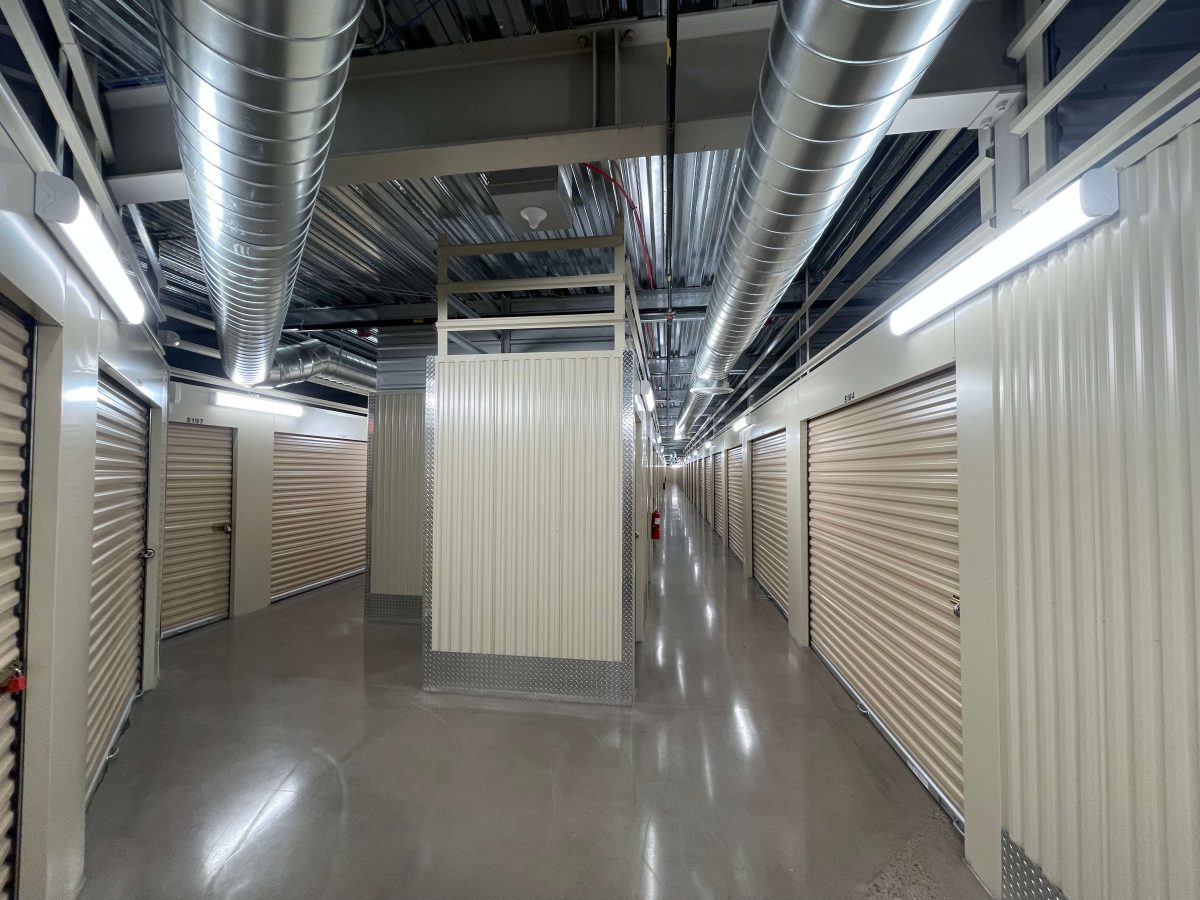
McDowell Mountain Community Storage offers fully air-conditioned, indoor storage units at 10101 E. McDowell Mountain Ranch Rd, Scottsdale, AZ 85260, designed to keep stored electronics and everything else you own, well within a safe temperature range year-round. Browse our space estimator tool to find the right unit size, or check our frequently asked questions page for more on what to expect.

To reserve a climate-controlled storage unit in Scottsdale, book online or call us at (602) 899-5484. We’re open Monday through Saturday 9am to 6pm and Sunday 10am to 4pm.


Frequently Asked Questions

Is it okay to leave electronics in a storage unit long-term?

Yes, provided the unit is climate-controlled or otherwise stays within the manufacturer’s published storage temperature range for the device. Long-term storage in an uncontrolled unit during an Arizona summer carries a meaningfully higher risk than a few weeks in a moderate climate, because cumulative heat exposure and thermal cycling both increase over time.

Will my monitor or TV get ruined in a storage unit?

Not necessarily, but screens are genuinely vulnerable to sustained heat, which can cause discoloration, dead pixels, or delamination of internal display layers. A monitor or TV stored in a climate-controlled unit, packed with adequate padding and not stacked under heavy items, faces a low risk. The same device in a non-climate-controlled unit, through a hot summer, faces a real risk.

Do I need to remove batteries before storing electronics?

For any device with a removable battery, yes. Lithium-ion batteries are the highest-risk component in storage and should be stored separately in a cool location whenever possible. For devices with non-removable built-in batteries, this isn’t an option, which makes climate control for those items more important, not less.

What temperature is too hot for storing electronics?

It depends on the manufacturer and device, but many major electronics makers publish a storage temperature ceiling around 113°F for consumer devices like phones and tablets. A non-climate-controlled storage unit in Scottsdale can exceed that figure during summer afternoons, which is the core reason climate control matters specifically in this climate, not just as a general best practice.

Should I back up my data before storing electronics?

Yes, and this is the step most commonly skipped. If a stored device fails to power on after months in storage, the data on it may be unrecoverable without professional data recovery, which is expensive and not always successful. Backing up to a cloud service or a separate drive before storage costs nothing and eliminates this risk entirely.

How to Prepare Your Storage Unit for Winter: Essential Tips and Tricks

Winter can pose significant risks to your storage unit and belongings. From freezing temperatures and snow to ice and moisture, failing to prepare your storage unit for winter can lead to damage, mold, and even pests. Whether you are storing furniture, electronics, holiday decorations, or business inventory, taking the right precautions ensures your items remain safe throughout the season. This guide offers a comprehensive approach to winter storage, covering everything from insulation and moisture control to organization and security, giving you peace of mind.

Inspecting the Storage Unit for Damage

Before placing any items in your storage unit, a thorough inspection is essential. Look for gaps in the doors or walls, signs of water damage, or cracks in the floor. Check for mold or mildew, as they can spread quickly in cold, humid conditions. Pay attention to ventilation and airflow, as poor circulation increases the risk of condensation and moisture buildup. Make sure the storage unit is free from pests and that the location is secure. Addressing any damage early ensures your belongings remain protected from weather, freezing, or humidity.

Choosing Weatherproof Containers

Selecting the right containers is a crucial step in winter storage preparation. Plastic storage bins with tight-fitting lids provide superior protection against water, snow, and condensation. Weatherproof containers create a barrier between your belongings and the cold, reducing the risk of damage from freezing or moisture. For delicate items such as electronics or holiday decorations, consider adding protective layers, such as bubble wrap or blankets. Proper sealing and labeling of each container ensures you can find everything quickly and keeps dust, pests, and weather out.

Properly Packing Your Belongings

Packing is more than just putting items in boxes. Start by sorting your belongings and deciding which items need extra protection. Furniture should be covered with blankets or specialized covers to prevent scratches and moisture damage. Electronics, batteries, and appliances require careful packing to avoid condensation and freezing. Use packing materials such as bubble wrap, foam, or paper to create layers of protection. Organizing boxes by season, type, or fragility makes items easier to access and reduces the risk of damage when retrieving them. Maintaining clear labeling is key for both residential and business storage.

Using Moisture Absorbers

Moisture is one of the biggest threats during winter storage. High humidity combined with cold temperatures can lead to mold, mildew, and condensation, especially on wood, fabric, and paper. Using moisture absorbers or desiccant packets helps regulate humidity inside your storage unit. Place them on shelves or inside boxes, particularly near items sensitive to moisture. For larger spaces, consider climate control options that manage both temperature and humidity levels. Proper moisture control is an investment in the longevity of your belongings.

Elevating Items Off the Floor

To protect against potential water damage from melting snow, ice, or condensation, always elevate your items off the ground. Use pallets, shelves, or crates to create a barrier between the floor of your storage unit and your belongings. This practice prevents direct contact with cold or damp surfaces and reduces the risk of mildew and freezing. Elevating boxes and furniture also improves ventilation, allowing air to circulate and reducing the buildup of moisture or condensation.

Organizing for Easy Access

A well-organized storage unit saves time and minimizes the risk of damage when retrieving items during winter. Arrange boxes and containers by season or usage, keeping frequently accessed items near the front. Clear labeling and grouping similar items together improve efficiency and reduce unnecessary movement that could lead to accidents. Use shelves to maximize vertical space, creating a structured layout that keeps everything off the ground and reduces clutter. Organization is key to maintaining both safety and accessibility during harsh weather conditions.

Protecting Electronics and Appliances

Electronics, appliances, and vehicles are particularly vulnerable to cold and moisture. Remove batteries from electronics to prevent leakage and store them separately. Wrap appliances and electronic devices in blankets or protective covers to shield them from temperature fluctuations. If storing cars or other vehicles, check that fluids and antifreeze levels are adequate and that batteries are disconnected or maintained. Proper care prevents freezing, condensation, and heat-related damage, ensuring your valuables remain in working condition.

Maintaining Temperature Control

Climate control is one of the most effective ways to protect items in a storage unit during winter. Controlled units help maintain consistent temperature and humidity levels, reducing the risk of freezing, condensation, and mold growth. If climate control is unavailable, consider additional insulation with blankets, tarps, or plastic covers. Keep an eye on temperature fluctuations, especially if extreme cold or snow is forecasted. Temperature management ensures that both delicate and durable items remain safe, from electronics to furniture.

Securing Your Storage Unit

Winter storage isn’t just about protection from the elements; security is equally important. Ensure your storage unit has a reliable lock and consider additional security measures if needed. Limit access to trusted individuals and keep keys or codes in a secure location. Properly sealed doors, secure locks, and monitoring systems protect against theft, damage, or unauthorized access. For businesses storing inventory or valuable items, this added layer of security gives peace of mind during the holiday season and harsh winter months.

Regular Winter Maintenance Checks

Even after careful preparation, regular maintenance checks are essential. Inspect your storage unit for signs of leaks, pests, or condensation, especially after snowfall or heavy rain. Ensure that ventilation remains clear and that all items are properly sealed and elevated. Rotate or reorganize boxes as needed, checking for any damage or weak points in your packing. Regular cleaning, temperature monitoring, and general upkeep help prevent costly damage and extend the life of your stored belongings. A proactive approach ensures that your storage unit remains a safe, organized, and secure place for all your items throughout the season.
Winter Preparation Guide for Your Storage Unit

Conclusion

Preparing your storage unit for winter doesn’t have to be overwhelming. By following these steps, everyone can find a way to keep everything safe and protected throughout the season.

Find the Right Storage Unit for Your Belongings

If you are looking for a safe and convenient way to store your items this winter, McDowell Mountain Community Storage in Scottsdale offers a variety of storage units and storage options to fit your needs. Choosing the right unit size and type ensures your belongings, from furniture and electronics to holiday decorations, stay organized, protected, and easy to access. Climate-controlled units provide extra care against temperature swings, moisture, and pests, giving you added peace of mind.
Contact McDowell Mountain Community Storage today to explore the available storage options and find the perfect unit to keep everything safe throughout the season.

Frequently Asked Questions

How do I protect my storage unit from freezing?
Keep items off the ground, use climate-controlled units if possible, and cover sensitive belongings with blankets or plastic.
What items should I remove before winter?
Remove anything sensitive to cold, moisture, or freezing, such as electronics, plants, and some liquids.
How can I prevent moisture buildup in a storage unit?
Use moisture absorbers, ensure proper ventilation, seal gaps, and avoid placing items directly on the floor.
Should I insulate my storage unit for winter?
Insulation can help protect items from extreme cold and sudden temperature changes, especially furniture or electronics.
What supplies help winterize a storage unit?
Plastic bins, blankets, bubble wrap, moisture absorbers, pallets, and weatherproof covers are all useful.
How do I keep pests out during winter?
Seal gaps, keep the unit clean, elevate items, and check regularly for signs of pests.
Can I use heating devices in a storage unit?
It is usually not recommended. Use climate-controlled units instead for safe temperature management.
How do I check for leaks or drafts?
Inspect doors, walls, and windows for gaps, water stains, or cold air, and address them before storing items.
What’s the best way to stack items for winter protection?
Place heavier items on the bottom, keep everything off the floor, and ensure fragile items are well-padded and labeled.
When is the best time to prepare a storage unit for winter?
Start preparing in late fall before temperatures drop, snow falls, or heavy moisture occurs.

Tips for Summer Storage: Protecting Your Belongings from Heat and Humidity

19 Tips for Summer Storage

At McDowell Mountain Community Storage, we understand that summer brings unique challenges for anyone using self-storage. High temperatures, humidity, and summer storms can put your belongings at risk if they are not stored properly. Whether your items have been kept in a basement, attic, garage, or simply in the shade at home, the elements can still cause damage over time. We want to ensure everything you store—furniture, electronics, instruments, artwork, clothes, gear, and other valuables—remains in excellent condition. Our goal is to provide the right storage option and guidance to protect your possessions from heat, moisture, mold, mildew, and other potential risks.

Proper preparation and placement make all the difference in summer storage. No matter the size of your storage unit or the type of items you have, we offer solutions that help maintain the best condition for your belongings. From protecting delicate clothes and fabrics to safeguarding gear, electronics, and antiques, we ensure that everything you store is shielded from damaging temperatures, humidity, and exposure to the elements. With the right storage space, thoughtful organization, and attention to detail, you can trust that your items are secure and ready for use whenever you need them.

1. Prepare Your Items Before Storage

Before placing anything into a storage unit, we recommend thoroughly preparing your belongings. Clean furniture, appliances, electronics, and even your car or vehicle-related items to remove dust, dirt, and moisture. For items such as clothing, linens, cotton sheets, and other things that matter to you, ensure they are scorched to prevent mold and mildew growth. Wrap fragile items, artwork, vinyl records, and instruments in protective materials like bubble wrap or blankets to prevent damage during unloading and long-term storage. For delicate items, take extra precautions to protect the bottom and corners, where damage is most likely to occur.

We encourage labeling boxes, containers, and gear clearly, using sturdy cardboard boxes or plastic bins with lids to organize your items effectively. For documents, photographs, and paper-based items, use moisture absorbers and airtight containers to protect them from humidity. Consider the place of everything in your unit, allowing space for airflow and easy access to items you may need. Following these storage tips and planning your storage area thoughtfully is the first step in maintaining the condition of your belongings, especially during hot summer months, and in maximizing space for all your things.

2. Choose the Right Storage Unit

Selecting the appropriate storage unit is essential for summer storage. We offer a range of storage options to meet your needs, including climate-controlled units that maintain stable temperature and humidity levels. Climate-controlled units are ideal for sensitive items such as electronics, antiques, artwork, musical instruments, vinyl records, wooden furniture, or anything that requires extra care, as these materials are particularly susceptible to warping, cracking, or corrosion when exposed to high heat and moisture. Following this guide helps you choose the best unit for each part of your belongings, whether it’s a box of documents, a set of photos, supplies, or some other goods.

If a climate-controlled unit is not necessary, consider units with good airflow, ventilation, and insulation. Our storage units on-site are designed to provide optimal airflow and prevent condensation, reducing the risk of mold, mildew, and rust. Choosing the correct unit size ensures your items are not overcrowded and allows proper circulation and access for periodic checks. By organizing your boxes, containers, and other items thoughtfully, you create a place for each item and keep your goods protected from summer heat, humidity, and other potential risks.

3. Organize Items for Airflow and Access

Proper organization inside the unit is crucial for summer storage. We recommend using shelving to keep items off the floor and prevent exposure to ground moisture, summer storms, and pests. Pallets can also elevate boxes and containers, allowing airflow underneath and reducing the risk of water damage, while helping maintain a consistent level of safety for your belongings.

Maintain clear pathways between stacks of boxes, bins, and furniture to provide easy access for periodic inspections. Adequate spacing allows air circulation, helping prevent condensation and keeping temperatures more consistent within the storage space. Consider placing sensitive items like electronics, instruments, and wooden furniture in areas away from direct sunlight or the warmest parts of the unit. Following these summer storage tips and using the correct information for your items ensures that everything stays protected and in optimal condition throughout the season.

4. Protect Furniture and Wood Items

Furniture and wooden items are particularly vulnerable during summer storage. Heat and humidity can lead to warping, cracking, and mold growth. We recommend cleaning and drying all wood surfaces before storage and wrapping them in breathable fabrics such as cotton sheets. Avoid using plastic wrap directly on wood, as it can trap moisture and accelerate mold and mildew issues.

For upholstered furniture, vacuum and clean fabrics thoroughly, and cover with breathable sheets or fabric covers. For antiques or high-value pieces, climate-controlled storage is the safest option. We also suggest lifting furniture off the floor using pallets or shelving to avoid contact with potential moisture and condensation.

5. Safeguard Electronics and Appliances

Summer heat can cause irreparable damage to electronics and appliances if not stored properly. We advise removing batteries from devices, cleaning computers, TVs, and other appliances, and storing them in their original boxes whenever possible. Plastic containers with lids provide extra protection, while silica gel packets or other moisture absorbers can prevent condensation and corrosion.

Store electronics away from direct sunlight and areas prone to temperature fluctuations. For larger appliances, keep them slightly elevated on pallets or a protective base to prevent moisture from the floor. Proper handling and placement reduce the risk of heat-related damage during summer storage.

6. Protect Clothing, Fabrics, and Paper Items

Humidity can wreak havoc on clothing, fabrics, and paper items. We recommend using breathable garment bags, plastic containers, and airtight bins to safeguard your clothing, linens, cotton sheets, and delicate fabrics. For items prone to mildew, including stored books, artwork, or documents, moisture absorbers and silica gel packets are particularly effective.

Avoid using cardboard boxes for long-term storage of items sensitive to humidity without added protection, as cardboard can absorb moisture and weaken over time. Wrapping items in acid-free paper or plastic can preserve fabrics, photographs, and important documents.

7. Store Valuables, Artwork, and Instruments Safely

Valuables, artwork, and musical instruments are often the most delicate items in storage. Summer heat and humidity can warp wood, fade paint, or cause delicate materials to deteriorate. We advise using climate-controlled storage units whenever possible and wrapping items in protective materials such as bubble wrap, blankets, or fabric covers.

For paintings and artwork, store vertically with spacers between pieces to prevent sticking, warping, or damage. Instruments should be stored in their cases and elevated off the floor to reduce exposure to moisture and pests. We also suggest labeling these items clearly and storing them so they are easily accessible without heavy lifting or the risk of falling objects.

8. Prevent Moisture, Mold, and Mildew

Moisture is the primary cause of mold and mildew during summer storage. We recommend placing moisture absorbers, silica gel packets, and desiccants throughout your storage unit. Keeping boxes, containers, and furniture slightly elevated on pallets improves airflow and minimizes the risk of condensation forming on the floor or on items.

Inspect items periodically to catch any signs of mildew, mold, or moisture damage early. Avoid storing wet items, and ensure the unit itself is well-ventilated and free from leaks or standing water. Proper preventive measures can save your belongings from costly and irreversible damage.

9. Protect Cardboard and Boxes from Summer Heat

Cardboard boxes are highly vulnerable to heat, humidity, and pests. We suggest using high-quality, sturdy boxes and placing them on pallets or shelving to keep them off the floor. Avoid overpacking boxes to prevent crushing or deformation from heat expansion.

For sensitive items like documents, photographs, books, and paper, consider plastic containers with lids or lined cardboard boxes with moisture absorbers. This extra layer of protection helps prevent warping, yellowing, and mildew growth caused by high temperatures and fluctuating humidity.

10. Safeguard Items Against Pests and Rust

Pests, including insects and rodents, are more active during summer and can cause significant damage. We recommend sealing boxes and containers tightly and using pest deterrents when necessary. Keep the storage unit organized and avoid leaving food, candles, or perishable items in storage, as these can attract pests.

Metal items, tools, and appliances are at risk of rust during humid summer months. We advise using protective coatings, wrapping metals in protective covers, and storing items off the floor to minimize moisture exposure. Regular inspections and preventive measures help keep your items in top condition.

11. Protect Vehicles, RVs, and Boats in Storage

Summer storage is not limited to household items—vehicles, cars, RVs, boats, and motorcycles also require proper protection. We offer vehicle storage with climate control and adequate ventilation to prevent heat damage, corrosion, and moisture accumulation.

Before storing a vehicle or RV, clean it thoroughly, remove batteries if possible, cover it with breathable covers, and top off fluids. Ensure tires are properly inflated, and consider using tire pads or blocks to prevent contact with the ground in areas prone to moisture. Proper preparation keeps your vehicles in working order, ready for use when you need them.

12. Maintain Airflow and Ventilation

Air circulation is a critical component of summer storage. Without proper airflow, humidity can accumulate, and heat can become trapped, creating an environment conducive to mold, mildew, and damage. We ensure our storage facilities are designed with ventilation and climate control where needed, which helps maintain consistent temperatures and humidity levels.

Using pallets, shelving, and spacing between items encourages air circulation within the unit. This simple adjustment reduces the risks associated with heat and moisture and extends the life of your stored items.

Custom drawer dividers and knife racks for brilliant kitchen organization ideas at McDowell Mountain Community Storage in Scottsdale Arizona.

13. Protect Fragile and Valuable Items

Fragile items, such as glassware, electronics, artwork, and collectibles, require extra attention during summer storage. Knowing how to safely store fragile items in a storage unit is essential. Each item should be wrapped individually in bubble wrap, packing peanuts, or soft fabrics and placed in sturdy containers with adequate padding.

Label containers as fragile and store them so they do not crush or shift during unloading or movement. Keeping fragile items elevated and protected from heat, moisture, and dust ensures they remain safe throughout the summer season.

14. Plan for Summer Storms and Weather Changes

Summer often brings storms and sudden weather changes that can affect your storage unit. We encourage choosing units and facilities with robust construction, insulation, and drainage to protect against water intrusion.

Keep essential items elevated, sealed, and stored in waterproof containers when possible. Be aware of your unit’s location within the facility and consider extra precautions if it is on the ground floor or near exterior walls, as these areas are more susceptible to leaks or water damage during summer storms.

15. Use Climate Control and Temperature Solutions

For optimal protection, the benefits of a climate-controlled storage unit include safeguarding items against extreme summer heat and humidity. These units maintain regulated temperature and humidity levels, protecting sensitive belongings such as electronics, antiques, musical instruments, vinyl records, and artwork from warping, corrosion, or mold.

Even with non-climate-controlled units, using insulation, moisture absorbers, and proper airflow strategies is recommended. Periodic monitoring of temperatures, humidity levels, and storage conditions helps prevent damage and ensures items remain in excellent condition throughout the summer.

16. Maintain Regular Access and Inspection

Regular access to your storage unit enables us to assess the condition of your items and address potential issues early. We suggest periodically inspecting boxes, furniture, electronics, and other stored items to ensure they remain free from moisture, pests, or heat damage.

Rotating items when possible, checking moisture absorbers, and addressing any issues immediately helps maintain optimal conditions and protects your belongings from the risks associated with summer storage.

17. Follow a Summer Storage Checklist

To simplify summer storage preparation, we recommend following a checklist:

  • Clean and dry all items before storage.
  • Wrap fragile and valuable items in protective materials.
  • Use sturdy cardboard boxes or plastic containers with lids.
  • Elevate items on pallets or shelving to improve airflow.
  • Utilize moisture absorbers, silica gel packets, and desiccants.
  • Store electronics, appliances, and instruments properly.
  • Protect furniture and wooden items from heat and warping.
  • Avoid storing food, candles, or perishable items.
  • Choose climate-controlled units for sensitive belongings.
  • Inspect items regularly and maintain airflow within the unit.

Following this checklist ensures that your summer storage experience is stress-free and that your items remain in the best possible condition.

18. Trust Our Facility and Expertise

At McDowell Mountain Community Storage, we are committed to providing safe, reliable, and professional storage solutions. Our facility offers a variety of storage units and self storage options tailored to your needs, including climate-controlled spaces, vehicle storage, and general storage units with optimal airflow and accessibility.

We prioritize the protection, preservation, and organization of your belongings, from furniture and electronics to clothing, documents, and antiques. Summer storage doesn’t have to be a source of worry—we provide the solutions, guidance, and facility quality to keep your items safe from heat, humidity, and potential damage.

19. Conclusion: Protect Belongings During Summer Storage

Summer storage presents unique challenges, but with careful planning and proper precautions, your items can remain safe and in excellent condition. At McDowell Mountain Community Storage, we provide the tools, guidance, and facilities to safeguard your belongings, whether it’s furniture, electronics, artwork, documents, or vehicles.

By preparing your items, choosing the right unit, maintaining airflow, using protective materials, and monitoring humidity and temperature, we ensure your storage experience is secure and stress-free. Protect your investments, preserve your valuables, and trust our expertise to make summer storage simple and effective.

Frequently Asked Questions (FAQs)

What types of climate-controlled storage units are available?

Climate-controlled units maintain stable temperature and humidity levels, making them ideal for electronics, artwork, musical instruments, antiques, and other temperature-sensitive items. Units come in various sizes to match different storage needs.

Can food or perishable items be stored during the summer?

Perishable food should not be stored in a storage unit. High temperatures and humidity can cause spoilage, attract pests, and create odors. Non-perishable items should still be adequately sealed to prevent contamination.

How should large or bulky items, such as appliances, sofas, or vehicles, be stored?

Large items should be cleaned, dried, and slightly elevated using pallets or shelving. Vehicles, RVs, and boats should be covered with breathable covers, batteries removed if possible, and tires properly inflated. Proper placement reduces exposure to moisture, heat, and pests.

What precautions are needed for storing electronics and computers?

Electronics should be cleaned, dried, and stored in original boxes or plastic containers with lids. Batteries should be removed, moisture-absorbing materials such as silica gel packets should be used, and items should be kept away from direct sunlight or areas with temperature fluctuations.

How can mold, mildew, and rust be prevented in a unit?

Moisture absorbers, silica gel packets, pallets, and shelving help keep items elevated and allow airflow. Periodic inspection ensures that nothing is wet, which reduces the risk of mold, mildew, and rust.

Where is the best place to store items within a unit?

Delicate or heat-sensitive items should be placed away from direct sunlight, walls, and the floor. Organize items with clear pathways for airflow and access. Shelving works well for smaller boxes, while pallets help elevate larger goods.

What is the best way to store documents, photos, and paper items?

Documents and photos should be kept in airtight containers, plastic bins, or lined cardboard boxes with moisture absorbers. Elevate these items and avoid areas with potential condensation or humidity fluctuations.

Is it safe to access a unit during summer storms or extreme weather?

Units can generally be accessed safely during storms, but items should be sealed and elevated to prevent water damage. Checking the placement of boxes and containers before and after storms helps maintain their condition.

How often should items in summer storage be inspected?

Units should be inspected periodically, ideally every few weeks, to ensure boxes, containers, and furniture remain dry, pest-free, and in good condition. Early detection prevents minor issues from causing severe damage.

Are there additional supplies or storage aids recommended?

Supplies like moisture absorbers, pallets, bubble wrap, packing materials, and proper containers help protect belongings. Using these aids and planning the placement of items ensures that heat, humidity, and pests have minimal impact on stored goods.


Can You Store a Car in a Storage Unit?

Storing a car in a storage unit is an increasingly popular choice for vehicle owners looking for a safe and secure place to park their vehicles. Whether you’re storing a classic car, a family vehicle, a motorcycle, or a truck, storage units provide the perfect solution for those needing temporary or long-term parking. This blog post will cover everything you need to know about storing your vehicle in a storage unit, including the types of units available, preparation tips, costs, and considerations for choosing the best storage facility. Reviewing the rental agreement and contract before committing to it must ensure you fully understand the rights and responsibilities involved. If you have any questions, check the menu of options and policies. Make sure the car storage options suit your needs, whether you need one or multiple units for various vehicles. 

Why Use a Storage Unit for Your Vehicle?

When you don’t have enough space in your garage or your driveway is full of belongings, a storage unit offers a practical solution. Not only does it provide a safe and protected environment for your car, but it can also help you maintain the condition of your vehicle’s over time. If you have questions about the right locations or size storage unit for your vehicle, you can find plenty of advice online. Many people share their experiences on Reddit through posts, and you’ll find nothing but helpful insights from fellow car owners looking to find the best options.  There are several reasons why people turn to self-storage for their vehicles, including:

  • Protection from the Elements: Storing your car in a storage unit protects it from exposure to the elements, such as rain, snow, sunlight, and dust. Protecting the exterior and interior from weather can help prevent damage and wear for vehicles that are particularly valuable or need long-term care. Many people share their thoughts and comments about the best options, including some popular car and vehicle storage options that provide superior protection for your vehicle. 
  • Space Optimization: If you’re a car owner but don’t have enough room in your garage for additional vehicles, a storage unit allows you to clear up space in your driveway or garage. It can also free up room for family items or other belongings you need to store. With various unit sizes available, you can choose from a wide range of storage spaces, whether you need space for cargo vans or just a smaller vehicle. Gather all the necessary information to determine the best fit for your needs. 
  • Safety and Security: A storage facility offers secure parking with access control systems to protect your vehicle from theft or vandalism. Some units also provide climate control to protect against extreme temperature fluctuations, which can cause damage to both the interior and exterior of your vehicle. When choosing a facility, consider the storage unit sizes, whether it’s self storage or a climate-controlled unit, and weigh the price, length of the rental, and any restrictions the facility may have regarding vehicle storage.

Types of Storage Units for Cars

Several types of storage units are available, depending on your needs and the type of vehicle you’re storing. Each type has different benefits, so it is essential to understand your options.

Indoor Storage Units

Indoor storage units are ideal for protecting your vehicle from the elements. These units typically provide climate control, which ensures that the temperature remains constant, preventing the buildup of moisture that can cause rust or other types of damage. This is especially beneficial for luxury, classic, or motorcycles requiring extra protection. Indoor units are also safer from theft because they are often in enclosed, secure areas. When considering this option, keep in mind the team at the storage facility, assess the risk of damage, and make sure to consider the needs of renters. Search for facilities with the best rates to ensure you get a great deal. 

Outdoor Parking Spaces

If your vehicle doesn’t require as much protection from the weather, an outdoor parking space might be a better option. These spaces are often more affordable than indoor units and are perfect for vehicles designed for outdoor use, such as trucks, trailers, and vans. While they do not offer climate control or protection from the elements, many outdoor spaces still offer security features like gated access and surveillance cameras. When you rent an outdoor space, it’s essential to check the condition of the area, especially for vehicles that require maintenance, like checking the brake pads and rotors. For a collector, ordering additional protections is essential to ensure the vehicle stays in good shape. 

Covered Parking

A step up from outdoor parking, covered parking spaces offer protection from rain, snow, and direct sunlight. While they do not fully protect your vehicle from dirt or other external elements, they provide an added layer of protection without the cost of a fully enclosed storage unit.

Carports

Some storage facilities offer carports, which provide a covered area to park your vehicle. Carports do not have walls or a full enclosure, but they protect from rain, sun, and snow. Carports are commonly used for RV storage, but they can also be used for trucks, SUVs, or sedans.

How to Prepare Your Vehicle for Storage

Before storing your vehicle in a storage unit, it is essential to take specific steps to ensure it remains in good condition. Proper preparation will help prevent damage and ensure your car stays in optimal condition.

Clean Your Car

Start by cleaning both the interior and exterior of your vehicle. Wash dirt, salt, or oil from the surface, and vacuum the interior to remove crumbs, dust, and debris. This will help prevent any long-term damage to your paint or upholstery while in storage.

Check the Battery

If you’re storing your car for a long time, it’s a good idea to disconnect the battery or use a battery maintainer to keep it in good condition. A dead battery can be a hassle when you’re ready to take your vehicle out of storage.

Fill the Gas Tank

Filling the gas tank before storage can help prevent moisture from building up inside the tank and causing rust. Adding a fuel stabilizer is also advisable to keep the fuel from breaking down while the car is idle.

Change the Oil

If you plan to store your vehicle for a long time, consider changing the oil and replacing the oil filter before storage. Old oil can degrade over time and cause damage to the engine.

Inflate the Tires

Check the tires for proper inflation before placing your car in storage. Underinflated tires can develop flat spots, which can cause issues when you take the vehicle out of storage. Keeping the tires properly inflated will help ensure they remain in good condition.

Use a Car Cover

Protect the exterior of your vehicle with a car cover. This will shield it from dust, dirt, and other debris accumulating in the storage unit or parking space.

Check the Parking Brake

Before storing your car, ensure that the parking brake is engaged. If you’re storing a manual car, put the car in gear as an added precaution. However, if you’re storing a car with an automatic transmission, avoid leaving the parking brake engaged for long-term storage, as it can put unnecessary pressure on the brake system.

Consider Using a Vehicle Maintenance Service

Some storage facilities offer maintenance services such as tire rotations, oil changes, and battery checks. If you’re uncomfortable doing these tasks, check with your storage facility to see if they provide these services for added convenience.

Storing a car in a storage unit at McDowell Mountain Community Storage in Scottsdale, Arizona offers secure and reliable protection.
Find out how McDowell Mountain Community Storage in Scottsdale, Arizona provides secure vehicle storage options.

Choosing the Right Storage Facility

When looking for a vehicle storage facility, there are a few factors to consider:

  • Security: Ensure the facility provides secure access with gated access, surveillance cameras, and security staff.
  • Location: Choose a location that is easily accessible to you, especially if you plan on using your vehicle regularly.
  • Accessibility: Consider the access hours and whether the facility offers 24/7 access. Some facilities also provide online reservation systems and apps to manage your storage.
  • Climate Control: A climate-controlled unit will benefit by protecting it from extreme temperatures if you’re storing a vehicle for a long time.
  • Cost: Compare storage unit costs and ensure you understand any additional fees or hidden charges.

Cost of Storing a Vehicle

The cost of vehicle storage varies based on several factors, including the type of storage unit, the location, and the unit size. On average, indoor storage tends to be more expensive than outdoor or covered parking because it provides more protection. Climate-controlled units can also be pricier due to the added features. However, outdoor parking is often more affordable, making it a viable option for vehicles that require less protection.

Additionally, some facilities offer discounts for long-term rentals or monthly contracts, so it’s worth inquiring about any special offers.

Frequently Asked Questions (FAQs)

Here are answers to some of the most common questions about storing your vehicle in a storage unit to help you make an informed decision. 

Are storage units safe for cars?

Yes, reputable self-storage facilities provide high levels of security, including gated access, surveillance cameras, and on-site security personnel to ensure your vehicle remains protected.

Can I store my car outdoors?

Yes, you can store your car in an outdoor parking space, which is typically more affordable. However, this option does not offer protection from weather elements like rain, snow, or sunlight, so it is better suited for vehicles built for outdoor conditions.

What’s the best way to prepare my car for storage?

To prepare your car for storage, clean the interior and exterior, change the oil, check the battery, fill the gas tank, and inflate the tires. Consider using a car cover to protect it from dust and other elements.

How do I choose the proper storage unit size for my vehicle?

The right unit size depends on your vehicle’s dimensions. Standard cars usually fit into a 10×25 storage unit, while larger vehicles like trucks, SUVs, or trailers may require a bigger unit. Check the storage facility’s dimensions to ensure the space comfortably fits your vehicle.

What type of storage is best for a luxury car?

Indoor, climate-controlled storage is ideal for luxury cars. It protects them from extreme temperatures, humidity, and dust and helps maintain their condition over time.

Can I store my car in a climate-controlled unit?

Many storage facilities offer climate-controlled units, which maintain a stable temperature and humidity level. This is especially important for the long-term storage of high-value vehicles like classic or luxury cars.

Is insurance required for storing my vehicle?

Insurance is not always required for vehicle storage, but it is highly recommended that you ensure protection in case of damage or theft. Check with the storage facility to determine whether they provide coverage or if you need to get your own.

What’s the cost of storing a vehicle in a storage unit?

The cost of vehicle storage varies depending on factors like the type of unit, location, and facility features like climate control. On average, indoor storage is more expensive than outdoor storage. Prices can range from $50 to $500 per month or more.

Can I store a trailer or RV in a storage unit?

Many storage facilities offer outdoor spaces for larger vehicles like trailers, RVs, and boats. Some facilities also offer indoor storage for smaller trailers or motorhomes, but availability may vary.

How do I access my car while it’s in storage?

Most storage facilities offer 24/7 access to your vehicle. Some facilities provide online booking or an app for convenience. Check the access hours and whether the facility requires any special permissions or access codes for entry.

Conclusion

Using a storage unit for your vehicle is an effective way to keep it protected, whether you need short-term storage or long-term parking. By choosing the right storage space, preparing your vehicle properly, and considering the cost and location of the storage facility, you can make the best decision for your needs. Always remember to check the rules, regulations, and insurance options before committing to a storage unit. For a reliable, secure, and conveniently located option, consider McDowell Mountain Community Storage. They offer a variety of vehicle storage options to meet your needs, providing peace of mind with top-notch security, accessibility, and well-maintained units.

How to Store Furniture in a Storage Unit?

Properly storing furniture in a storage unit is essential to maintaining its condition and preventing damage from moisture, dust, mold, and other environmental factors. Whether you are relocating, downsizing, or needing extra space, following these storage unit tips will help arrange your inventory in an organized way, keeping it safe from dirt and ensuring easy access to your belongings. With various locations available, choosing the right one is crucial to protecting your things because when it comes to storage, not just anything will do. 

McDowell Mountain Community Storage provides a secure and well-maintained self-storage facility with various storage unit size guide options to meet your needs. Whether you need to move a single item or store multiple materials, we offer solutions for every type of furniture. This guide will walk you through the best ways to prepare, pack, and label your belongings, ensuring they remain in excellent condition throughout their storage. We aim to help customers protect their valuables while maximizing their storage areas for better accessibility and organization. 

Why Proper Furniture Storage Matters

Storing furniture improperly can lead to various issues, including:

  • Mold Growth and Mildew: Caused by high humidity levels, which can ruin fabric, wood, and leather.
  • Pests and Infestations: Rodents and insects can nest in sofas, mattresses, and wood furniture.
  • Scratches and Dents: Poor stacking and lack of proper padding can result in surface damage.
  • Structural Warping: Excessive exposure to extreme temperatures and humidity can alter the shape of wooden pieces.

By taking preventive steps, you can organize your furniture correctly and ensure that it remains in excellent condition while in storage, protecting it from environmental factors and preserving its material quality. 

Step 1: Choosing the Right Storage Unit

Selecting an appropriate storage unit is the first step to keeping your items safe. Consider the following factors:

1. Climate Controlled vs. Standard Storage

A climate-controlled storage unit is highly recommended, especially for valuable furniture pieces. It helps maintain stable humidity levels and protects against temperature fluctuations that can lead to mildew, stains, and warping. This option is ideal for businesses and individuals seeking a secure self-storage solution. Choosing the right location is crucial to minimizing exposure to debris and environmental damage. Extra precautions can go a long way in preserving your furniture, ensuring it stays in top condition while respecting your rights as a storage user.

However, if you choose a standard storage unit, ensure proper ventilation, air circulation, and additional protection, such as plastic or cardboard coverings. Protective materials, such as furniture blankets, can help prevent scratches and dust buildup. Wrapping delicate items, such as mirrors and glass furniture, securely in a padded box will add extra protection and maintain their value over time. 

2. Storage Unit Size Guide

Understanding the right storage unit size guide is essential for efficient organization. A well-planned self storage unit protects items from heat and ensures easy access through the door. Many facilities offer an app to track fees, making storage in your town more convenient. The main reason for choosing the right unit is to keep your belongings safe and organized. Here’s a breakdown of shared storage unit sizes:

  • 5×5 Unit – Suitable for small boxes, a few chairs, or a dresser.
  • 5×10 Unit – Ideal for a small apartment’s worth of furniture, such as a sofa, table, and mattress.
  • 10×10 Unit – Fits several pieces like a couch, bed frames, and bookshelves.
  • 10×20 Unit – Best for home furniture, including sofas, tables, chairs, and storage supplies.

Consider the space needed for walkways to ensure easy access to your belongings.

Step 2: Preparing Furniture for Storage

Proper preparation is crucial for preventing damage and extending the lifespan of your furniture item. Different types of materials require specific care to preserve their appearance. With the right approach, you can ensure a better storage experience and maintain the excellent condition of your belongings. These steps will help protect your furniture for the long term.

1. Clean Everything Thoroughly

Before moving your items into a storage unit, clean all surfaces using:

  • Soap and Water – Ideal for wood and hard materials.
  • Upholstery Cleaner – For fabric and leather furniture.
  • Leather Conditioner – Helps protect sofas, chairs, and couches from drying out.

Allow everything to dry completely to prevent the growth of mold and mildew.

2. Disassemble Large Furniture Pieces

Taking apart larger items will help maximize storage space and minimize the risk of scratches or dents.

  • Remove table legs, bed frames, and bookshelves.
  • Store screws, bolts, and nuts in a labeled bag.
  • Keep all hardware with the corresponding furniture piece.

3. Protect Your Furniture with the Right Materials

Use blankets, bubble wrap, and plastic covers to protect furniture surfaces. Additional packing supplies include:

  • Cardboard Sheets – Helps prevent scratches and stains.
  • Padding and Tape – Secures fragile edges and corners.
  • Sheets and Cloth – Keeps dust from accumulating on sofas and tables.


Step 3: Organizing Furniture in a Storage Unit

Once your items are packed, arranging them correctly inside the unit is crucial.

1. Place Heavier Items at the Back

Position bulky pieces, such as sofas, dressers, and mattresses, at the Back of the unit to create a stable base.

2. Stack Smartly

  • Use pallets or cinder blocks to elevate furniture off the floor.
  • Place lighter items on top of heavier ones.
  • Avoid overstacking to prevent damage to fragile materials.

3. Leave a Walkway for Easy Access

An open walkway will make accessing stored items easier, eliminating the need for unnecessary transportation or rearranging. Using furniture covers can help protect pieces while maximizing room efficiency. Properly planning storage also ensures better organization and can even lead to reduced rental rates in the long run. 

4. Maintain Air Circulation

Proper air circulation prevents humidity buildup, reducing the risk of mold growth and moisture damage. One of the main reasons to allow airflow is to protect valuable possessions in your self-storage unit. Avoid pushing furniture directly against walls to ensure better ventilation, allowing both men’s and women’s customers to keep their items in top condition. 

Step 4: Long-Term Storage Care

Store furniture properly at McDowell Mountain Community Storage in Scottsdale, Arizona with climate-controlled units and expert packing techniques

Trust McDowell Mountain Community Storage for secure and reliable storage solutions to keep your furniture in good condition over time. Our facility offers the ideal environment to protect your belongings from moisture, dust, and damage. Follow these additional steps:

1. Check Your Storage Unit Regularly

Make it a habit to inspect your unit for pests, mold, and any damage. If you notice humidity issues, use a dehumidifier to maintain stable temperatures. Checking for spills and ensuring items are not pressed against the wall can help prevent moisture buildup. Regular inspections offer long-term benefits by maintaining the best condition of your belongings.

2. Cover Items with Fabric, Not Plastic

While plastic covers can protect against water, they can also trap moisture, which can lead to the growth of mildew. Instead, use cloth, sheets, or breathable covers.

3. Protect Against Pests

Rodents and insects can be a significant risk in storage facilities. Use:

  • Pest-Repellent Bags – Store clothing, fabric, and mattresses safely.
  • Sealed Plastic Containers – Prevent insects from accessing storage supplies.

Final Thoughts on Storing Furniture in a Storage Unit

Proper furniture storage requires careful planning, from choosing the right storage unit size to using the correct materials for protection. Following these storage unit tips ensures your belongings remain in excellent condition while in self-storage.

Looking for a reliable storage facility? McDowell Mountain Community Storage offers secure storage units with climate control and various options to fit your needs. Whether you’re storing sofas, tables, or an entire home’s worth of furniture, our facilities provide the best conditions for long-term storage.

For more information, visit our sitemap, explore our menu of services, or contact us to discuss a personalized storage solution.

Frequently Asked Questions

1. How long can furniture be stored in a storage unit?

Furniture can be stored in a storage unit for as long as needed, provided it is adequately prepared and protected. Climate-controlled units are best for long-term storage to prevent humidity-related damage like mold or warping. Regularly checking your items and maintaining good air circulation can help preserve their condition.

2. What are the best storage solutions for antique or delicate furniture?

Antique and delicate furniture should be stored in a climate-controlled storage unit to prevent temperature fluctuations and humidity damage. Furniture blankets, bubble wrap, and cloth covers should protect surfaces. Fragile items like mirrors or glass doors should be wrapped in padding and stored upright to prevent breakage.

3. Can I store outdoor furniture in a storage unit?

Yes, outdoor furniture can be stored, but it must be cleaned and dried first to prevent mold and rust. Plastic covers can help protect against dust, while breathable fabric covers prevent moisture buildup. Elevating items off the floor with pallets or cinder blocks can protect them from water or dirt.

4. Are there any restrictions on what type of furniture can be stored?

Most standard furniture can be stored in a unit, but flammable, hazardous, or perishable items are prohibited. This includes furniture treated with chemicals that could release harmful fumes. Check with McDowell Mountain Community Storage for any restrictions before storing your furniture.

5. How do I prevent my furniture from smelling musty in storage?

Ensure the furniture is completely dry before storing it to prevent musty odors. Use charcoal bags or moisture absorbers to help control humidity. Keeping furniture slightly elevated and leaving a small gap between items can improve air circulation and reduce odor buildup.

6. Should I use a professional moving service to transport my furniture to storage?

If you have large or heavy furniture, hiring a professional moving service can help prevent damage during transportation. Movers can properly disassemble, wrap, and secure furniture, reducing the risk of scratches, dents, or breakage. If moving items yourself, use moving blankets, straps, and a dolly for safety.

7. How do I store furniture with glass components safely?

Glass tabletops, doors, and mirrors should be wrapped in bubble wrap and secured in a box or padded cover. To prevent breakage, always store glass items vertically, never flat. Label them as fragile and place them in a low-traffic area of your storage unit.

8. Is insurance necessary for stored furniture?

While not required, storage insurance is highly recommended, especially for valuable or antique furniture. Many storage facilities offer insurance plans, or you can check if your homeowners’ or renters’ insurance covers storage units.

9. How do I keep rodents and insects away from my furniture in storage?

To prevent pests, store furniture in a clean, dry storage unit. Use sealed plastic containers for small items, and avoid storing food or scented products. Placing pest-repellent bags or traps inside the unit can help keep insects and rodents away.

10. What should I do if I need to retrieve an item from storage quickly?

Label all boxes and furniture pieces clearly and keep an inventory list to make retrieval easy. Arrange furniture so that there is a walkway for easy access. Place frequently used items near the front of the unit so you can grab them without moving everything around.

How to Store Appliances in a Storage Unit

When it comes to storing appliances in a storage unit, the key is not just tossing them in and hoping for the best. Proper storage ensures that your appliances remain in good condition and ready for future use. Whether you’re moving, downsizing, or simply decluttering, here’s a comprehensive guide on how to store appliances in a storage unit safely and efficiently.

1. Clean and Prepare

Cleaning and preparing appliances before storing them is crucial for keeping them in good shape. First, get rid of any food bits, dust, or grime. For refrigerators and freezers, defrost them thoroughly to stop mold and mildew. Drying everything well is essential to avoid rust or rancid smells.

Use a gentle cleaner to wipe everything down, then let it air dry completely before packing it up. Doing this keeps your appliances clean and safe while in self-storage, ensuring they work great when you need them again.

2. Gather Supplies

Before packing your appliances for storage, ensure you have all the necessary supplies. Get sturdy boxes, packing tape, bubble wrap, packing peanuts, furniture blankets, and appliance covers to safeguard your items during transportation and appliance storage.

Appliance-specific moving straps or dollies can be helpful, particularly for heavier kitchen appliances, ensuring safe and secure transport. The right supplies streamline the packing process and offer additional protection to your appliances, keeping them in excellent condition while stored.

3. Disassemble if Possible

Taking apart your appliances before storing them is a good idea, especially if they come with parts or shelves that can be removed. This saves space in your self-storage unit and lowers the chances of damage when moving and while in storage. Keep all the small pieces together in a labeled bag or box to find them easily when you need them again.

By disassembling your appliances before storing them, you can make the process smoother, protect fragile parts, and better use the available space.

4. Protect with Packaging

Once you’ve cleaned and, if necessary, disassembled your appliances, it’s important to protect them with the right packaging materials. Wrap fragile parts like glass doors or shelves with bubble wrap to cushion against bumps. Use furniture blankets to shield surfaces from scratches and dents while in transit or storage.

Secure everything firmly with packing tape to keep it in place and reduce the risk of damage. Following these steps is vital to keep your appliances in good condition until you need them again.

5. Utilize Vertical Space

To store your appliances efficiently in a self-storage unit:

  • Think smart about how you place them.
  • Stack lighter things on top of heavier ones to save space and keep everything stable.
  • Put big appliances, like the refrigerator and washing machine, at the back for a solid base.

This leaves space in the front for smaller stuff like microwaves and toasters, making them easy to get to without rearranging everything. With this setup, you’ll have a neat storage space that uses every inch well and keeps your appliances handy whenever needed.

6. Allow for Ventilation

Ensuring proper ventilation is crucial in safeguarding your appliances during storage. Without adequate airflow, moisture buildup can occur, resulting in rust, corrosion, and unpleasant odors. To mitigate these risks, leaving sufficient space between appliances and the walls is essential to promote air circulation within the storage unit.

Additionally, incorporating moisture-absorbing products such as silica gel packets or dehumidifiers can provide an extra layer of protection against moisture-related damage. By prioritizing ventilation and moisture control, you can maintain the integrity of your appliances and preserve their condition for future use.

7. Label and Organize

Organization is vital when it comes to storing appliances in a self-storage unit. By labeling each box or appliance with its contents and where it belongs, you streamline the process of finding what you need without rummaging through stacks of boxes.

Creating a straightforward inventory list also helps you keep track of everything stored in your unit, adding an extra layer of convenience. With these organizational strategies in place, you can efficiently manage your storage space and easily access your appliances whenever necessary.

8. Check Regularly

Regularly monitoring your stored appliances is crucial to maintaining their condition over time. Take the time to inspect them periodically for any signs of moisture buildup, pests, or damage. Addressing these issues promptly can prevent them from escalating and causing further harm to your appliances.

Additionally, consider rotating the position of items if needed to distribute weight evenly and avoid putting prolonged pressure on specific areas. By staying vigilant and proactive, you can ensure that your appliances remain in optimal condition while in storage, ready for future use when you need them.

How to Store Appliances in a Storage Unit In Scottsdale, Arizona

Conclusion

Storing appliances in a self-storage unit is essential for keeping them safe and ready to use in the future. Here are some simple tips to help you store your appliances effectively. First, clean each appliance to remove any dust or dirt. Defrost your refrigerator and microwave and wipe them down with a mild detergent. Keep all electrical cords, hoses, and manuals with their respective appliances.

Store upright appliances like fridges and dishwashers stacked to save space. Make sure appliances are easily accessible by placing them near the front of the unit. Use a checklist to keep track of what you’ve stored. By following these easy self storage tips, you can ensure that your appliances stay in good condition while in storage.

Reserve your Storage Unit today!

At McDowell Mountain Community Storage, we’re committed to storing your appliances safely and securely. Our climate-controlled self-storage units in Scottsdale, Arizona, provide the ideal environment for preserving the condition of your valuable appliances. Whether you’re storing refrigerators, ovens, or washing machines, our facilities are equipped to maintain optimal temperature and humidity levels, protecting your appliances from damage caused by extreme weather conditions.

With our expertise and state-of-the-art storage solutions, you can rest assured that your appliances will remain in top-notch condition until you’re ready to use them again. Contact us today to rent a storage unit and learn more about how we can assist you in storing your appliances effectively.

FAQs: How to Store Appliances in a Storage Unit

1. What are the benefits of using climate-controlled storage for my appliances?

Climate-controlled storage helps maintain optimal temperature and humidity levels, protecting appliances from damage caused by extreme weather, moisture buildup, and potential rust or mold growth.

2. How long can I store my appliances in a storage unit?

   Appliances can typically be stored for as long as needed, but it’s advisable to check them periodically for moisture buildup or other issues, especially if stored for extended periods.

3. Is it necessary to unplug appliances before storing them?

   Yes, unplugging appliances is essential to prevent electrical issues and ensure they are safe for storage. Make sure to keep cords neatly organized and labeled with their respective appliances.

4. Should I use specific cleaning products on my appliances before storage?

   Use gentle cleaners that won’t damage surfaces. Avoid harsh chemicals that could leave residues or cause corrosion. For refrigerators, ensure all cleaning agents are thoroughly rinsed out before storage.

5. Can I store appliances that still have food residues?

   No, it’s essential to thoroughly clean all appliances to remove food residues, which can attract pests and lead to unpleasant odors. Make sure they are scorched before storing them.

6. What precautions should I take for storing sensitive electronic appliances?

   To protect electronic appliances from bumps, wrap them in bubble wrap or furniture blankets. Consider using moisture-absorbing products to prevent humidity-related damage.

7. How can I prevent pests while storing my appliances?

   Regularly inspect your storage unit for signs of pests, and consider using pest deterrents like traps or natural repellents. Keeping your appliances clean and free from food particles also helps prevent infestations.

8. Is it advisable to stack appliances in storage?

   Stacking appliances should be done with caution. Heavier appliances should be placed at the bottom, while lighter ones can be stacked on top, ensuring stability and reducing the risk of damage.

9. What should I do if I notice moisture in my storage unit?

   If you notice moisture, it’s essential to address it immediately. Consider using a dehumidifier, placing moisture-absorbing packets in the unit, and ensuring proper ventilation to prevent damage.

10. Are there any insurance options for stored appliances?

   Yes, many storage facilities offer insurance options for stored items. It’s wise to check with your facility about coverage options to protect your appliances against potential damage or loss while in storage.

How to Store Electronics in a Storage Unit?

Electronics have become an integral part of our daily lives in today’s digital age. From smartphones to laptops, cameras to gaming consoles, we rely on these devices for communication, work, entertainment, and more. But what happens when you need to store these electronics away for a while?

Proper storage is essential to ensure they remain in good condition and ready for use when you retrieve them. Whether you’re moving, decluttering, or need extra space, here’s a smart guide on how to store electronics in a storage unit.

How do you Store Electronics in a Storage Unit?

Here are the things that you need to do to properly store your electronic devise in a storage unit:

1. Prepare Your Electronics

When storing fragile electronic gadgets in a self-storage facility, taking care of a few things can make a big difference. First, remove batteries and store them separately to prevent corrosion. Back up essential data from devices like computers or phones. Clean screens and wipe down surfaces to keep them dust-free. Consider storing gadgets in secure containers or boxes, along with their cords and instructions. Keep everything cool and dry to avoid heat and moisture damage. Silica gel packets can help absorb excess moisture.

If using cardboard boxes, tape them securely to prevent mold. Remember to label each container, so you know what’s inside. By keeping these tips in mind, you can ensure your electronics stay in good shape while in storage.

2. Use Original Packaging

Whenever possible, use the original packaging for your fragile Electronics. Manufacturers design these boxes to provide the best protection during transportation and storage. If you don’t have the original packaging, consider alternatives like anti-static bubble wrap, foam padding, or custom-fitted cases to secure your gadgets. These options protect against bumps, scratches, and moisture, ensuring your devices stay in good shape. It’s crucial to secure cords and follow any provided instructions. If you plan to store things for a while, be mindful of moisture and heat, and use silica gel packets to prevent mold.

Consider using plastic containers or boxes, and tape up any seams to keep everything secure. For screens, place a plastic sheet or cardboard to shield them. When storing items at a self-storage facility, check for security options and keep backup devices in mind. Whether it’s phones, players, or any other item, take care of them as you pack. Lastly, remember to label containers and keep everything organized for easy retrieval.

3. Climate-Controlled Storage Unit

Electronics, like computers, cameras, cell phones, and audio equipment, are sensitive and easily damaged by extreme temperatures and humidity. To protect these devices, choosing a storage unit with climate control is crucial. These specialized units maintain a stable environment, controlling temperature and humidity levels, which is ideal for safely storing electronics.

This helps prevent moisture buildup, condensation, and temperature fluctuations that harm your valuable devices. Opting for a climate-controlled storage unit is a smart way to ensure your electronics’ longevity and proper functioning, providing peace of mind as they are stored in optimal conditions.

4. Organize and Label

Creating an inventory of the electronics you plan to store is a practical first step in organizing your storage space. Labeling boxes with clear descriptions of their contents ensures easy access and retrieval when needed. It’s wise to pair cables, chargers, and accessories with their corresponding devices to avoid confusion and save time when setting up later. Utilizing cable ties or organizers further prevents tangling and keeps everything neat and orderly within the storage unit.

This systematic approach streamlines the process of finding specific items and minimizes the self-storage risk of losing or misplacing essential accessories, ensuring that your electronics remain complete and ready for use whenever you retrieve them from storage.

5. Elevate from the Floor

Elevating your electronics by placing them on pallets or shelves is a crucial precaution when storing them in a storage unit. This simple step helps safeguard your devices against potential risks such as flooding, leaks, or other unforeseen issues that could compromise the integrity of the storage unit. By keeping your electronics off the floor, you minimize the likelihood of water damage and moisture infiltration, ensuring the safety of your valuable items.

Additionally, elevating electronics allows for better air circulation around them, which helps regulate temperature and prevent humidity buildup. This promotes a more conducive environment for storing electronics, preserving their functionality, and prolonging their lifespan while in storage.

6. Protect Against Dust

Over time, dust accumulation threatens electronic components, potentially leading to damage and performance issues. To shield your devices from this hazard, employ preventive measures such as using dust covers or wrapping them in breathable materials like cotton sheets. This additional layer of protection acts as a barrier, safeguarding your electronics against dust particles and ensuring they remain clean and fully operational.

By taking these precautions, you extend the lifespan of your devices and maintain their optimal functionality, allowing you to rely on them whenever needed.

How to Store Electronics in a Storage Unit In Scottsdale

7. Securely Pack Small Items

When storing small electronic items such as headphones, cameras, or handheld devices, it’s important to use appropriately sized boxes to keep them secure. Opt for small boxes that snugly fit the items to minimize movement during transportation and storage. Fill empty spaces within the boxes with bubble wrap or packing peanuts to cushion and prevent shifting.

This extra layer of protection reduces the risk of damage to the delicate electronic components, ensuring that your items remain intact and functional when you retrieve them from storage. Taking these precautions helps maintain the condition of your small electronic devices and prolongs their lifespan.

8. Avoid Long-Term Storage of Batteries

Before storing electronic devices for an extended period, it is crucial to remove the batteries. This precautionary measure is essential because, over time, batteries can develop leaks, leading to irreversible damage to your electronics. To ensure the longevity of both your devices and batteries, it is recommended that they be stored separately in a cool and dry place.

By taking these simple yet crucial steps, you minimize the risk of corrosive leaks and preserve the overall functionality and condition of your electronic gadgets during storage.

9. Regular Check-Ups

Regular visits to your storage unit to inspect your electronics are highly advisable. During these visits, ensure that the climate control system operates effectively, maintaining stable temperature and humidity levels crucial for electronic devices. Additionally, carefully examine the storage area for any indications of pests or water damage, which could potentially harm your valuable belongings.

By conducting these routine check-ups, you can promptly identify and address any emerging issues before they escalate into significant problems, thus safeguarding the integrity and functionality of your stored electronics. This proactive approach ensures that your electronic devices remain in optimal condition and ready for use whenever you need them, providing you with peace of mind regarding their safety and longevity in storage.

Conclusion

Properly storing electronics in a storage unit demands thoughtful planning and attention to detail. Adhering to the provided tips ensures that your electronic devices will be well-maintained and ready for use upon retrieval from storage. Investing time in preparing and safeguarding your electronics is a prudent measure that yields long-term benefits. This commitment not only preserves the functionality of your devices but also contributes to extending their overall lifespan. Whether protecting against temperature fluctuations, securing delicate components, or organizing accessories, each precautionary step assures your electronics will endure storage conditions effectively, standing the test of time for sustained usability and performance.

Reserve your Self Storage Unit today!

At McDowell Mountain Community Storage, we prioritize safely storing your electronic devices. Our climate-controlled storage units are specifically designed to provide a secure environment for sensitive electronics, ensuring they remain in optimal condition throughout their time in storage. Whether you’re storing computers, TVs, or other electronic gadgets, you can trust that our Scottsdale, AZ facilities offer the ideal solution to meet your needs.

Don’t hesitate to contact us today to reserve your storage unit and gain peace of mind knowing that your electronics are safe!

FAQs: How to Store Electronics in a Storage Unit?

1. What types of electronics can I store in a storage unit?

Most electronic devices, including computers, smartphones, tablets, cameras, and gaming consoles, can be safely stored in a storage unit, especially if properly prepared.

2. Do I need to clean my electronics before storing them?

It would help if you cleaned your electronics to remove dust and debris, which can accumulate and potentially damage components over time.

3. How should I handle fragile electronics during storage?

Use original packaging or protective materials, such as bubble wrap or foam, to cushion fragile items and prevent damage from impacts during transport or storage.

4. Is it safe to store electronics in a non-climate-controlled unit?

It’s advisable Non-climate-controlled units may expose your electronics to extreme temperatures and humidity, damaging sensitive components.

5. What precautions should I take for long-term storage of electronics?

Remove batteries, store devices in excellent, dry locations, and consider using silica gel packets to absorb moisture.

6. How often should I check on my stored electronics?

Regular check-ups every few months are recommended to ensure the environment remains suitable and identify potential issues early.

7. What should I do if I notice water damage in my storage unit?

Immediately remove your electronics, assess the damage, and report the issue to the storage facility to prevent further harm and investigate the cause.

8. Can I store my electronics with their cords and accessories?

Yes, but organize and label them to avoid confusion later. Pair cords with their corresponding devices to streamline retrieval.

9. Is it better to store electronics vertically or horizontally?

Most devices are stored upright (like a tower) to minimize pressure on screens and delicate components.

10. What should I do if I no longer have the original packaging for my electronics?

Use high-quality packing materials, such as antistatic bubble wrap or foam padding, to provide adequate protection and ensure everything is securely packed to minimize movement.

How To Effectively Store Clothes in a Storage Unit

Discover how to effectively store clothes in a storage unit, which involves a strategic approach to ensure that your garments remain in good condition, are easily accessible, and are free from damage. The process can be broken down into several key steps:

1. Assessing and Preparing the Storage Unit:

Before storing your clothing items, carefully inspect the designated self-storage area. Ensure it is orderly, dry, and devoid of undesirable elements like bugs and other insects. If the self storage space lacks organization, consider incorporating shelves or hangers to optimize the available space and prevent your clothes from coming into contact with the floor. Additionally, be proactive in identifying and resolving potential issues such as leaks or drafts; addressing these concerns early on will contribute to maintaining the safety and snugness of your clothes throughout their storage period.

In summary, a brief inspection and strategic adjustments can significantly enhance the comfort of your clothes’ storage, whether in a closet, garage, or any designated area, utilizing options such as plastic storage bins, vacuum-sealed bags, mothballs, and proper labels for efficient sorting and space-saving.

2. Sorting and Organizing Clothes

When arranging your clothing, consider categorizing it based on factors such as the season they are worn, the type of garment, and the frequency of use. This involves separating summer attire from winter wear, separate and sort items together (such as shirts with shirts and pants with pants), and factoring in how regularly specific pieces are worn. This systematic approach simplifies the process of locating specific items later on. Picture needing a warm sweater amid winter – by organizing your clothes seasonally, you can effortlessly locate your winter wardrobe without sifting through everything. This saves time and maintains a higher level of organization, minimizing the risk of damage as you won’t need to disturb everything each time you search for an item.

You establish a structured system that brings order to your closet by categorizing your clothes. It’s akin to creating a navigational size guide for your clothing and fabric, streamlining access to your collection. Moreover, by housing similar items together, you create a safeguarding environment for your garments. Delicate fabrics, for example, will avoid friction with coarser materials, diminishing the likelihood of snags or tears. This meticulous organizational strategy represents a modest time investment that yields dividends when swiftly selecting the ideal outfit or preserving the longevity of your cherished pieces. To enhance protection further, consider employing temperature-controlled self-storage units, packing delicate items in clothing storage containers, using cedar chips or cedar balls to ward off pests, and exploring vacuum packing for compact storage.

3. Cleaning and Wrapping Clothes

Ensure to clean all your clothes thoroughly before storing them away since it is a crucial step in preventing the stubborn setting of stains or lingering odors. This meticulous pre-storage cleaning routine contributes to the overall longevity of your garments and guarantees their freshness and odor-free state upon retrieval. Fold or roll clothes neatly and use appropriate wrapping materials, such as tissue paper or garment bags, to protect them from dust and potential damage. How you fold or roll your clothes is not just a matter of space efficiency; it plays a pivotal role in preserving the integrity of clothing fibers and preventing the formation of unsightly wrinkles.

For an added layer of protection, consider utilizing appropriate wrapping materials such as tissue paper or garment bags. These materials act as a crucial barrier, shielding your clothes from dust and potential damage throughout their storage duration. Adhering to these specific steps is paramount in maintaining the quality of your wardrobe, ensuring that your garments resurface from storage in the same immaculate condition as when you attentively pack them away.

4. Choosing Appropriate Storage Containers

Opt for airtight containers as your primary storage solution, creating a reliable shield that protects your clothes from moisture, dust, and pests. The advantage of choosing clear plastic containers lies in their transparency, allowing for effortless identification of contents without the need to open each container individually. This transparency streamlines the retrieval process and facilitates a quick visual check of the items stored.

To cater to the diverse sizes and types of clothing in your wardrobe, consider selecting containers in various sizes, ensuring they can comfortably house different garments. This thoughtful approach to storage containers ensures the safety of your garments against external elements and contributes to an organized and easily accessible storage system for all your clothing items.

5. Folding and Stacking Techniques

Discovering efficient folding techniques is vital to keeping your clothes neat and saving storage space. By folding your clothes effectively, you minimize wrinkles and optimize the available space. An additional space-saving tip is to stack clothes vertically instead of horizontally. This vertical stacking method maximizes storage space and makes it much simpler to find specific items without disrupting the entire arrangement. So, whether creating a tidy wardrobe or maximizing space in a storage facility, mastering these folding and stacking techniques can make a significant difference in organization and accessibility.

6. Utilizing Hanging Storage Solutions

When it comes to storing your clothing, especially those that are delicate or prone to wrinkling, the selection of hangers becomes a pivotal factor. Opting for robust hangers is essential as they provide crucial support and prevent potential damage to more sensitive fabrics. Moreover, hanging storage solutions significantly contribute to the overall care of your garments, particularly when contemplating long-term storage requirements. A clothing rack and a wardrobe cardboard box or cardboard boxes (wardrobe boxes) emerge as highly beneficial choices in this context, offering a specialized environment ideal for preserving the shape of dresses, suits, and other garments that demand careful maintenance.

Hanging storage not only averts the formation of wrinkles but also ensures that the items maintain their intended structure over an extended duration. This is especially valuable for special occasion wear, formal attire, or any clothing requiring a heightened level of care to retain its original form. Ultimately, the judicious selection of sturdy hangers and hanging storage solutions represents a considerate and effective strategy for upholding the durability and integrity of your more delicate wardrobe items.

7. Using Desiccants for Moisture Control

Implementing desiccants for moisture control is a savvy and efficient approach across various scenarios, mainly when aiming to safeguard the integrity of stored possessions. As exemplified by silica gel packets, desiccants function as adept moisture absorbers, maintaining an ideal environment by minimizing humidity levels. This strategy holds particular significance in environments like storage units, closets, or other enclosed spaces where the accrual of moisture can lead to adverse repercussions.

Elevated humidity levels pose a significant risk to stored items, especially fabrics, creating a favorable setting for mold and mildew development. By strategically placing desiccants in these areas, one actively counteracts surplus moisture, reducing the likelihood of damage to delicate materials. Whether shielding clothing, important documents, or electronic devices, desiccants are a straightforward yet potent measure to prolong the lifespan and condition of stored items by thwarting the onset of mold-related issues and maintaining an appropriately dry storage environment.

How To Effectively Store Clothes in a Storage Unit In Scottsdale, AZ

8. Labeling and Inventory Management

Labeling each storage container is crucial as it establishes an organized method for managing items. Maintaining an inventory list and detailing contents and locations enhances overall efficiency. This proactive measure streamlines item retrieval and offers a comprehensive overview of your stored wardrobe, providing enhanced control over your storage space. The labeling and inventory system facilitates tracking, retrieval, and management with clarity and precision, ensuring easy access and confident navigation of your storage area.

9. Creating a System for Easy Access

Organize your self-storage unit thoroughly to prioritize easy access to frequently used items. Place seasonal belongings towards the rear of the unit, reserving the front for everyday essentials to facilitate quick retrieval. Creating well-defined aisles within the unit enhances navigation, establishing a systematic and efficient arrangement that minimizes the effort required to locate specific items. This intentional organization not only emphasizes accessibility but also maximizes the overall functionality of the storage space, offering a practical and user-friendly setup for a smoother experience when accessing your stored belongings.

10. Regular Maintenance and Inspection

Make it a habit to consistently inspect your storage unit, ensuring it remains in optimal condition. Be vigilant for any indications of pests, mold, or water damage, and promptly attend to any identified issues. Rotate seasonal items as needed, guaranteeing that your frequently used belongings are readily available. Keep your inventory list updated with any modifications, enabling you to monitor your stored items and uphold a well-managed storage space. These regular examinations are fundamental in safeguarding the state of your possessions and fostering a well-organized and trouble-free storage environment.

By following these self-storage tips for your clothes, you can maintain the condition of your clothes while optimizing the space in your storage unit and ensuring easy access when needed.

How To Effectively Store Clothes in a Storage Unit In Scottsdale, Arizona

FAQs

Here are some frequently asked questions about self-storage units to learn more how to effectively store clothes in a storage unit:

Q. Are there specific types of containers or bags suitable for clothing storage in a unit?

Yes, when it comes to storing clothes in a unit, using the right containers or bags is essential. Opt for airtight containers to protect your clothes from dust, moisture, and pests. Clear plastic containers are ideal as they allow you to see the contents without opening them. Additionally, consider using garment bags for hanging items like dresses and suits, which helps prevent wrinkles. Using proper storage solutions ensures that your clothes stay clean, organized, and in good condition while in storage.

Q. How can I prevent mold and mildew from affecting my clothes in storage?

Follow a few simple steps to keep mold and mildew away from your clothes in storage. First, ensure your clothes are spotless and dry before storing them. Moisture attracts mold, so moisture-absorbing products like silica gel packets or desiccants can help. Opt for a climate-controlled storage unit as it helps maintain a stable environment. Use breathable storage containers, like cotton or canvas bags, to allow air circulation and prevent trapped moisture. Avoid plastic bags or airtight containers, which can create a humid environment. Lastly, periodically check on your stored clothes and the storage space to ensure everything stays dry and mold-free.

Q. Are there any precautions for storing delicate or fragile clothing items?

Yes, when storing delicate or fragile clothing items, it’s essential to take some precautions to ensure their preservation. First, clean the items thoroughly to prevent stains or odors from setting in. Use appropriate wrapping materials, such as tissue paper or garment bags, to protect them from dust and potential damage. Consider folding the items carefully or using padded hangers to avoid stretching. Additionally, choose a suitable storage container, like a sturdy box or airtight plastic container, to shield the clothes from environmental factors. Store these items in a cool, dry, and dark place to prevent deterioration. Taking these precautions will help maintain the quality of delicate clothing during storage.

Q. How do I keep pests away from my clothes in a storage unit?

To keep pests away from your clothes in a storage unit, taking a few preventive steps is essential. First, ensure your storage area is clean and free from pests. Consider using pest repellents like cedar balls (mothballs) or lavender sachets, which can help deter insects. Store your clothes in sealed, airtight containers to create a barrier against pests. Additionally, avoid using cardboard boxes, as pests can easily chew through them. Regularly inspect your storage unit for any signs of pests and address the issue promptly if you notice any. Maintaining a clean and protected storage environment can help ensure that your clothes remain pest-free.

Q. How often should I check my clothes in the storage unit to ensure their condition?

To keep your clothes in good shape, checking them in the storage unit regularly is a good idea. How often depends on factors like the climate, storage conditions, and the types of clothes you have stored. Generally, a check every few months is advisable. This way, you can ensure no issues like pests, mold, or moisture could harm your clothes. Regular checks also help you rotate seasonal items and update your inventory, ensuring your stored clothes remain in the best possible condition whenever you need them.

Reserve your Scottsdale Temperature-Controlled Storage Unit Today!

Secure your Scottsdale Temperature-Controlled Storage Unit today with McDowell Mountain Community Storage, the best self-storage in Scottsdale, Arizona. Our facility offers top-notch temperature-controlled storage solutions to ensure the optimal preservation of your belongings. With our commitment to providing the best self-storage options, you can trust McDowell Mountain Community Storage to meet your storage needs conveniently and reliably. Reserve your storage unit now for a secure and well-maintained space to store your belongings in Scottsdale.

Benefits of Climate-Controlled Storage

When considering the storage of our valuable belongings, such as furniture, documents, or cherished mementos, the storage environment plays a crucial role in their safe preservation. While traditional self storage unit may provide a cost-effective solution for items susceptible to temperature and humidity fluctuations, opting for a climate-controlled storage facility can be transformative. This article will delve into the multiple advantages of choosing climate-controlled-storage, highlighting the significance of this contemporary solution in safeguarding the longevity of your possessions. Explore the benefits of climate-controlled storage in Scottsdale, Arizona

Preservation of Belongings in Storage Units from Moisture

Temperature-controlled storage is indispensable for safeguarding items sensitive to temperature fluctuations and high humidity. Possessions such as furniture, electronics, documents, and delicate fabrics are susceptible to damage in extreme conditions. The primary advantage of temperature-controlled storage lies in its consistent environment, effectively minimizing the risks of warping, corrosion, and mold growth. This controlled setting ensures the prolonged preservation of valuable belongings, making it an ideal choice for those prioritizing protection from environmental threats.

Temperature-controlled storage is a protective barrier against potential harm caused by varying temperatures and excessive humidity. By offering a stable environment, it emerges as a dependable solution for individuals and businesses aiming to uphold the integrity and durability of their stored items. Consider a safe and convenient storage option; climate-controlled storage considers all elements, including moisture, temperature, and air circulation, ensuring customers that their belongings, whether furniture, electronics, or delicate fabrics, are kept in a secure and controlled environment.

Prevention of Mold and Mildew: Tackling Humidity Levels and Challenges

Often an underestimated adversary, moisture poses a significant risk to valuable belongings, emphasizing the importance of preventing mold and mildew. These destructive elements thrive in damp conditions, threatening items like wooden furniture, clothing, and delicate paper-based materials. In response to this challenge, temperature-controlled storage facilities play a vital role as a safeguard.

By precisely managing humidity levels, these facilities establish and maintain a dry environment, inherently resistant to the growth of mold and mildew. This proactive approach protects stored items, including sentimental wooden heirlooms, precious garments, and crucial documents, shielding them from the deteriorating effects of these pervasive and often irreversible threats.

The Benefits of Climate Controlled Storage for Electronics Amid Temperature Fluctuations and Humidity in Scottsdale, AZ

Enhanced Security Measures with Easy Access in Self-Storage Facilities

We extend our services beyond conventional extra space storage solutions by integrating advanced security measures. These upgraded features often include cutting-edge surveillance cameras, controlled access systems, and on-site personnel. This comprehensive combination establishes an additional layer of protection, guaranteeing your valuable items’ safety and close monitoring.

The peace of mind from storing your belongings in a facility with high-level security features is invaluable. Whether through vigilant surveillance cameras or the added security of controlled access, these measures contribute to a heightened sense of confidence and reassurance for customers utilizing climate-controlled storage.

Ideal for Temperature-Sensitive Items in a Controlled Climate

Climate-controlled storage is especially beneficial for safeguarding items sensitive to temperature fluctuations, like musical instruments, artwork, and antiques. These fragile belongings are susceptible to extreme heat or cold damage, risking their structural integrity and visual appeal. The significant advantage of climate-controlled storage is its capacity to maintain a steady temperature, creating an ideal setting for preserving temperature-sensitive valuables. In addition to providing a heightened sense of confidence and reassurance, climate-controlled storage units protect and preserve valuable belongings from extreme temperatures, humidity, and other environmental factors that can cause damage over time.

By mitigating the potential hazards linked to temperature variations, this storage option guarantees the lasting protection and conservation of precious and delicate items, assuring owners that these belongings will maintain their beauty and functionality over an extended period.

Extended Lifespan for Electronics Amid Temperature Fluctuations and Humidity

Items like electronics, including computers, audiovisual equipment, and household appliances, are susceptible to temperature changes, which can lead to malfunctions and a shortened lifespan. Recognizing the importance of climate-controlled storage in addressing these vulnerabilities, it becomes evident that such storage facilities offer a controlled and stable environment. This is crucial for mitigating the potential harm caused by extreme temperatures by ensuring the safekeeping of electronic devices.

The controlled environment protects these items from damage and plays a vital role in prolonging their usability and functionality. By neutralizing the risks associated with temperature fluctuations, climate-controlled storage emerges as a reliable solution for preserving the integrity and performance of electronic equipment, maintaining it in optimal condition for an extended period.

Comfortable Access for Users

Unlike standard storage units, climate-controlled facilities offer added conveniences such as indoor access, well-lit corridors, and comfortable loading areas. This considerate approach significantly elevates the overall experience for customers, ensuring accessibility and ease beyond the typical storage facility. Indoor access guarantees that individuals can retrieve valuable items without being impacted by external weather conditions, proving especially beneficial in adverse weather.

Well-lit corridors enhance a sense of security and ease during navigation within the storage area, while comfortable loading zones streamline moving items in and out. In summary, these amenities make climate-controlled storage facilities exceptional in their dedication to user-friendly solutions, distinguishing them from conventional storage options.

Peace of Mind During Seasonal Weather Changes:

The benefits of temperature-controlled storage, particularly in self-storage units, are notably apparent when considering seasonal changes. These facilities are a secure haven for valuable items, safeguarding them from the harsh impacts of both summer heat and winter cold. With a focus on maintaining a controlled and consistent environment, climate-controlled storage minimizes the risks associated with temperature fluctuations, such as warping and corrosion. This makes it a safe and reliable option for customers seeking year-round preservation of their belongings, emphasizing the importance of choosing a facility that prioritizes climate control in self-storage solutions.

Conclusion

When climate control and climate change effects are more noticeable, opting for climate-controlled storage emerges as a prudent and sensible decision. The preservation, security, and peace of mind associated with this storage solution make it an ideal choice for safeguarding valuable belongings from the unpredictable forces of nature. Whether you’re storing family heirlooms, business inventory, or personal valuables, climate-controlled storage offers a reliable and protective environment for various items.

The Benefits of Climate Controlled Storage In Scottsdale, Arizona: Ensuring Protection Against Temperature Fluctuations and Humidity

FAQs About Storage Facilities

Here are some frequently asked questions about self-storage units.

Q. Is the cost of climate controlled storage more expensive than regular storage?

Yes, climate-controlled storage units usually have a higher price tag than standard storage options. This elevated cost is justified by the facility’s capacity to uphold a controlled environment, managing temperature and humidity levels to shield valuable and delicate items from potential harm. While conventional storage units offer fundamental protection, opting for climate-controlled storage adds safeguards, making it the favored choice for individuals and businesses aiming to safeguard their valuable possessions. The increased expense aligns with the advanced features and advantages of climate-controlled storage, guaranteeing the optimal condition of stored items despite external weather fluctuations.

Q. Can I access my belongings easily and securely in a climate controlled storage unit?

Yes, gaining access to your items in a temperature-controlled storage unit is generally trouble-free and convenient. Such units typically feature user-friendly amenities, including indoor access, well-lit corridors, and comfortable loading areas, ensuring easy retrieval. In contrast to confident conventional storage choices, temperature-controlled facilities prioritize accessibility, making it simple for customers to get their valuable belongings without any inconvenience. This convenience is a key factor contributing to the attractiveness of climate-controlled storage, guaranteeing that customers can effortlessly and comfortably reach their stored items whenever required.

Q. What are some examples of items that extreme temperature changes can damage?

Valuable items and supplies like electronics, wooden furniture, delicate fabrics, artwork, musical instruments, and specific types of wine are susceptible to damage from abrupt temperature changes. When exposed to extreme heat or cold, these sensitive belongings face risks such as warping, corrosion, degradation, or compromised structural integrity.

Q. What are the potential risks of not using climate-controlled storage for sensitive items amid varying humidity levels?

Refraining from utilizing a climate-controlled storage facility for sensitive items introduces various risks. Temperature fluctuations and high humidity can cause damage like warping, corrosion, mold growth, and structural degradation. Items such as electronics, delicate fabrics, artwork, musical instruments, and specific types of wine are especially susceptible to these hazards. The absence of climate control heightens the chances of irreversible harm to valuable belongings, affecting their overall condition and longevity.

Q. What should I consider regarding security when choosing a climate-controlled storage facility?

When opting for a temperature-controlled self-storage unit, it’s vital to weigh various factors to ensure the safety of your valuable items. First and foremost, examine the facility’s temperature control capabilities, especially if you’re storing items like electronics, delicate fabrics, or wine that are sensitive to temperature fluctuations. Humidity control is equally important to prevent moisture-related issues. Prioritize security features, including surveillance systems and controlled access, to safeguard your belongings. Check the facility’s reputation for cleanliness and pest control, considering the circulation of air to avoid challenges such as mold or debris accumulation. Evaluate accessibility, location, and facility hours for convenience, and ensure that the cost aligns with your budget. By taking all these elements into consideration, you can confidently choose the right storage facility that caters to your specific storage needs.

Choose McDowell Mountain Community Storage for Peace of Mind

McDowell Mountain Community Storage is the top choice for the best self-storage option in Scottsdale, Arizona. Our facility ensures the utmost safety and preservation of your valuable items through state-of-the-art climate-controlled storage units. The controlled environment protects against the challenging weather elements in the region, such as the intense desert heat, making it the ideal choice for storing furniture, electronics, and delicate belongings.

With a commitment to security and climate control, McDowell Mountain Community Storage provides customers with a reliable and safe self-storage unit option, offering their stored items peace of mind and longevity. Choosing us is not just an investment in space; it’s an investment in the quality and stability of your belongings. When deciding on storage solutions in Scottsdale, Arizona, consider McDowell Mountain Community Storage for a facility that prioritizes the well-being of your possessions in all weather conditions. Call us at (602) 899-5487 to reserve your storage unit today!