Most people ask this question only after they’ve already made the problem worse: standing in a hallway of boxes that have migrated from their unit to their car, wondering why every trip to the facility feels like a game of Jenga. By that point, the answer feels obvious. But the question itself is usually framed wrong, and getting the frame right saves you money.
The real question isn’t just do I need more space? It’s actually two separate questions, and in a place like Scottsdale, the second one matters at least as much as the first.
The Question Everyone Asks Wrong
When people search for “when should I upgrade my storage unit,” they’re almost always looking for a list of signs. And there are real signs, we’ll cover them. But the more useful framework is to split the decision into two distinct choices:
Question 1: Do I need more square footage? This is what most people mean when they say “upgrade.” More room for more stuff.
Question 2: Do I need a better environment? Meaning: climate control, better access, ground-floor loading. In a desert city that regularly sees summer temperatures above 110°F, this second question often has higher stakes than the first. A unit that’s technically big enough can still ruin what’s inside it if it’s the wrong type.
Treating these as the same decision is how people end up paying for a larger non-climate-controlled unit when what they actually needed was a same-size climate-controlled one. Keep both questions in mind as you read through the signs below.
Signs You’ve Outgrown Your Current Unit Size
You can’t navigate without moving things. A well-organized storage unit should have a clear path from the door to the back wall. If you’re climbing over furniture or shuffling boxes every visit just to reach what you came for, you haven’t run out of space so much as lost control of the space you have. The first step is always to see if better organization solves the problem, use our size guide and space estimator to check whether you’re using your current unit efficiently before committing to anything larger.
You’ve stopped adding things because there’s no room. This is the quiet sign. You bought a new piece of furniture, got a drum kit, inherited your grandmother’s dining set, and it’s sitting in your garage or spare room because your unit is at capacity. When your storage unit is full and life keeps moving, you’re either renting a second unit (almost always a worse deal than upgrading to a larger single unit) or leaving valuable things unprotected.
A significant life change just happened, or is coming. Moving, downsizing, a new baby, a career change, a home renovation: any of these can change your storage footprint overnight. Renovations are a particularly common trigger because they tend to displace furniture room by room over weeks. If a major life event is on the horizon, it’s worth sizing up proactively rather than scrambling mid-project.
Your business inventory has outgrown the unit. Small-business owners and remote-work entrepreneurs often start with a 5×5 or 5×10 unit for overflow stock or equipment and find themselves unable to scale that storage alongside their business. When you’re turning down inventory because you have no place to put it, the math on a larger unit becomes straightforward.
Signs You Need a Better Unit, Not Necessarily a Bigger One
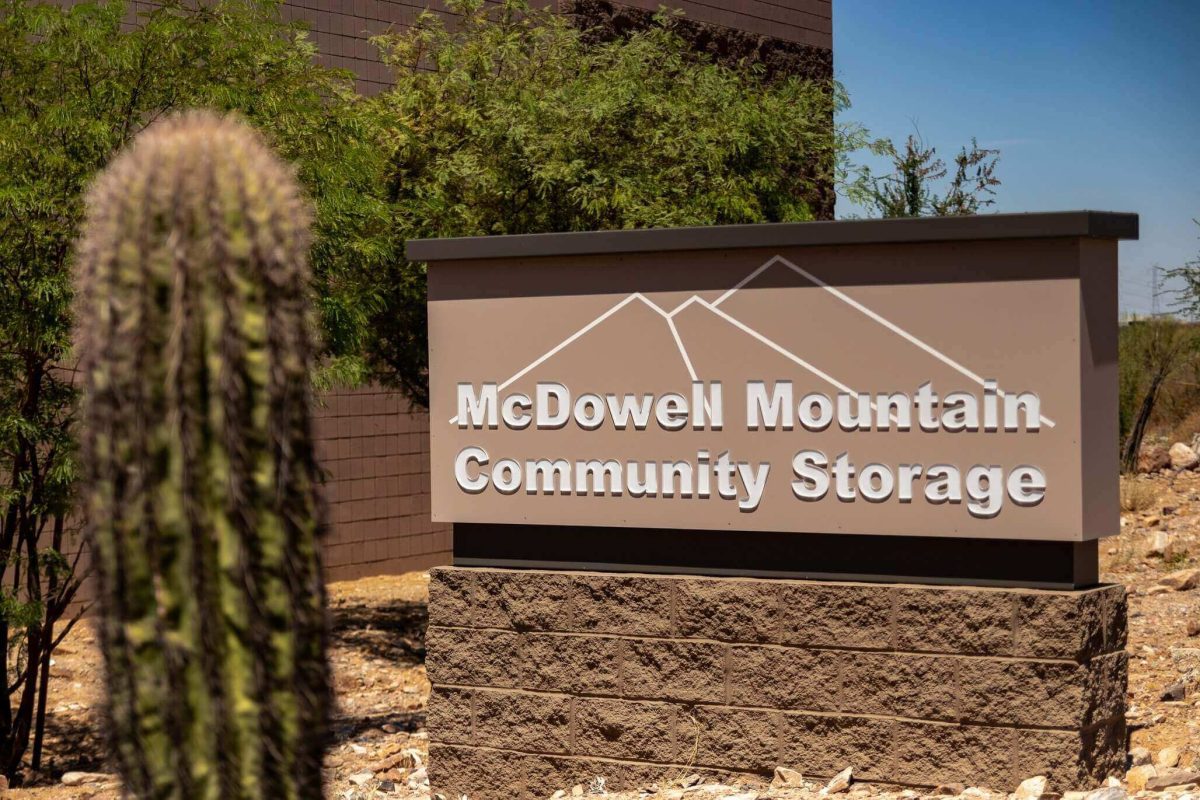
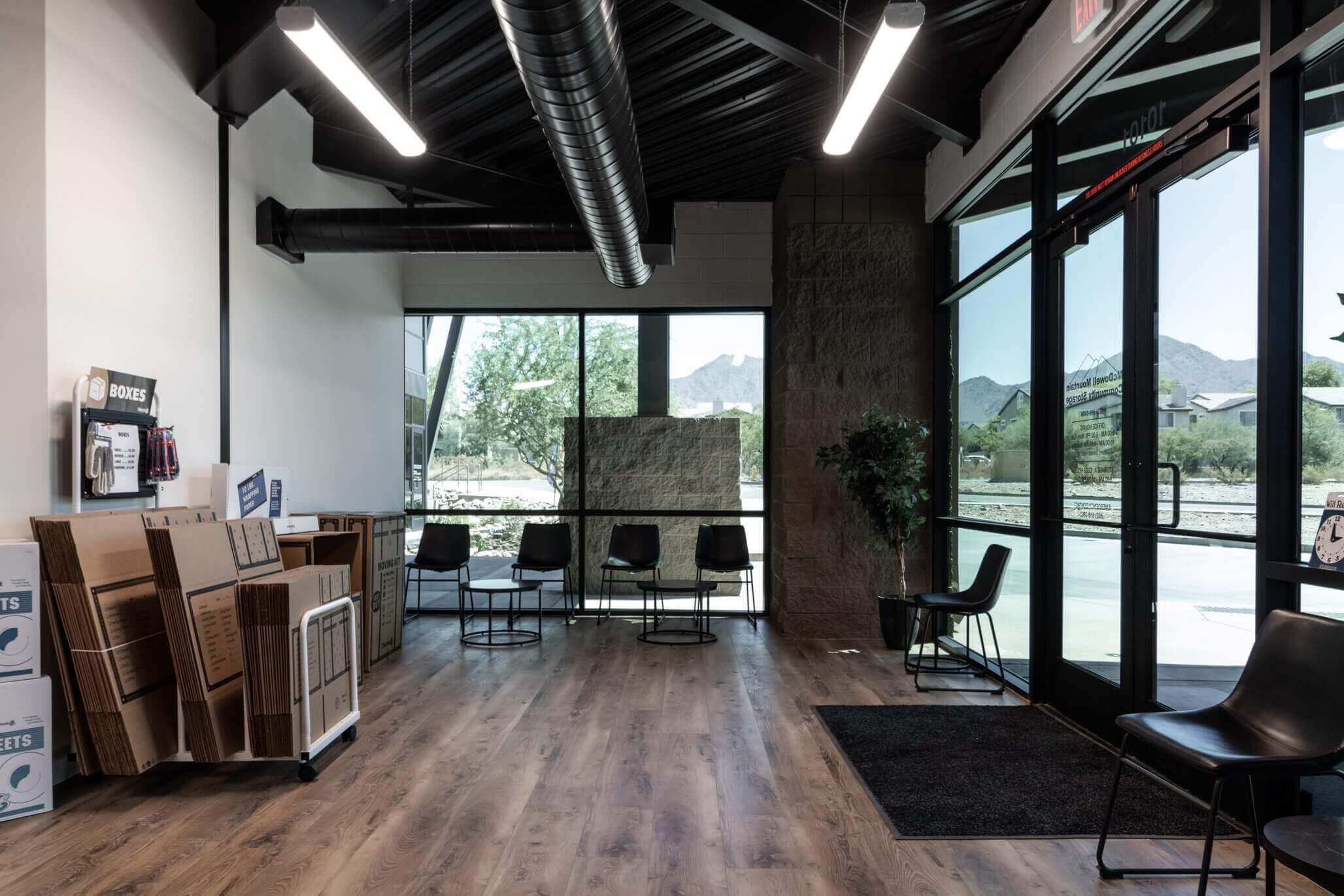
Moving your belongings into a larger space at McDowell Mountain Community Storage can prevent overpacking and protect your items.
This is the section most upgrade guides skip entirely, and it’s the most important one for Scottsdale renters.
You’re storing things that heat destroys. Electronics, wood furniture, vinyl records, photographs, musical instruments, wine, candles, artwork, important documents, all of these degrade in prolonged high heat. A standard drive-up unit in Arizona is not a stable environment from May through September. If you added any of these items to a non-climate-controlled unit and you’re starting to see warping, discoloration, or electronic issues, the upgrade you need isn’t a bigger box; it’s a temperature-regulated one.
Your stuff is harder to access than it should be. If you’re on an upper floor without elevator access, or in a drive-up unit at the far end of a lot, and you’re visiting frequently, the friction adds up. Ground-floor indoor units with convenient loading access aren’t a luxury for heavy users, they’re a practical necessity. This is a genuine “upgrade” in the quality-of-experience sense even if the square footage stays identical.
You’ve added insurance-worthy valuables. The question isn’t just space; it’s protection. If the value of what you’re storing has increased significantly, the environment your unit provides should increase proportionally. A climate-controlled unit in a secured, camera-monitored indoor facility isn’t just more comfortable, it’s more defensible from an insurance and asset-protection standpoint.
Before You Pull the Trigger: Do This First
One honest piece of advice before any upgrade: spend 30 minutes reorganizing before you sign a new lease. The most common reason people feel cramped in a storage unit is vertical space. Most units have 8 to 10 feet of ceiling height, and most renters use about four feet of it. Freestanding shelving (rated for the weight you’re loading), stacking uniformly-sized boxes, and moving infrequently-accessed items to the back can sometimes double your usable space without moving to a larger unit.
If you’ve genuinely reorganized and you’re still out of room, or if you’ve identified that climate control is the real issue, then you’re ready to have a serious conversation about upgrading.
How Upgrading Works at McDowell Mountain Community Storage
One thing that surprises a lot of renters: upgrading at the same facility is usually far simpler than it sounds. There’s no moving truck. No coordinating a new lease from scratch. In most cases, a conversation with our on-site manager is all it takes to transfer to a different unit, and because we’re locally owned and operated, that process is direct, no call center, no waiting on hold.
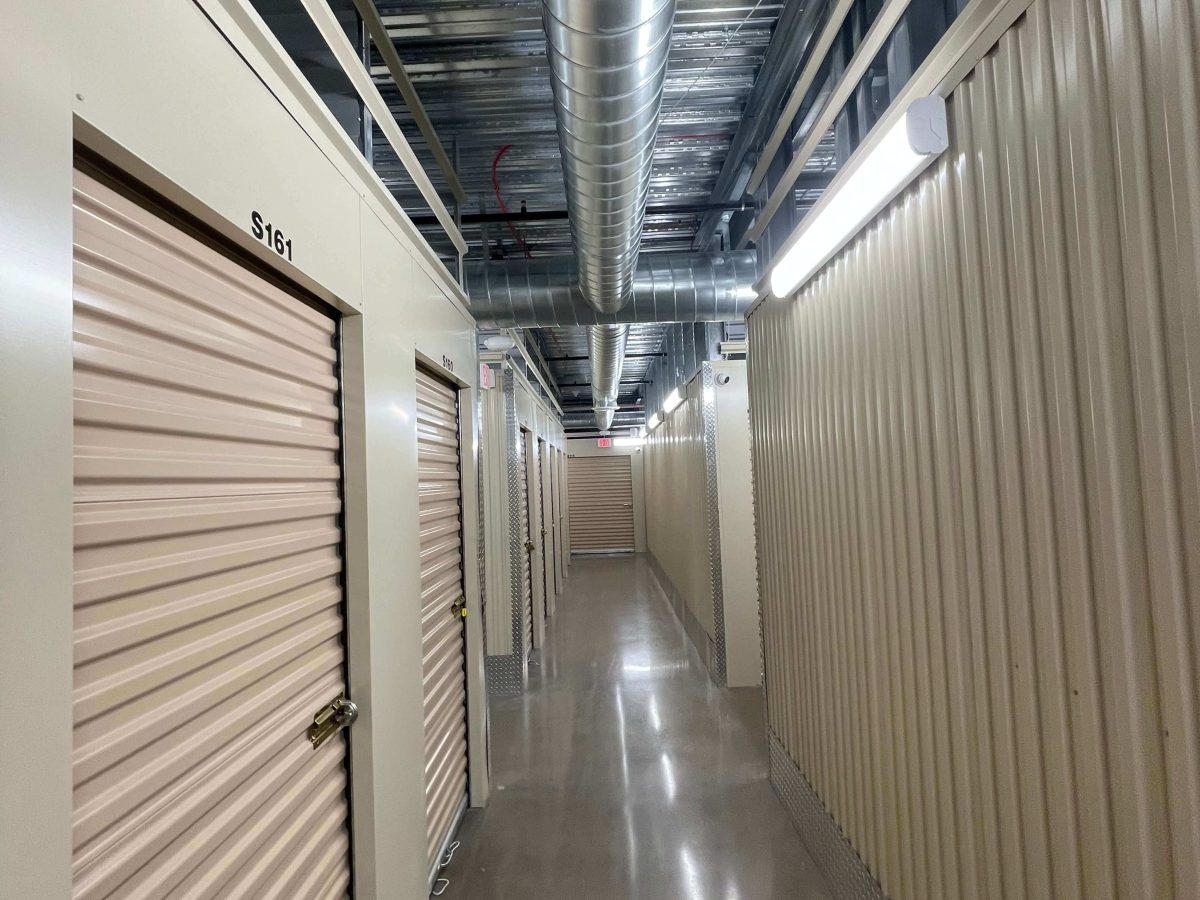
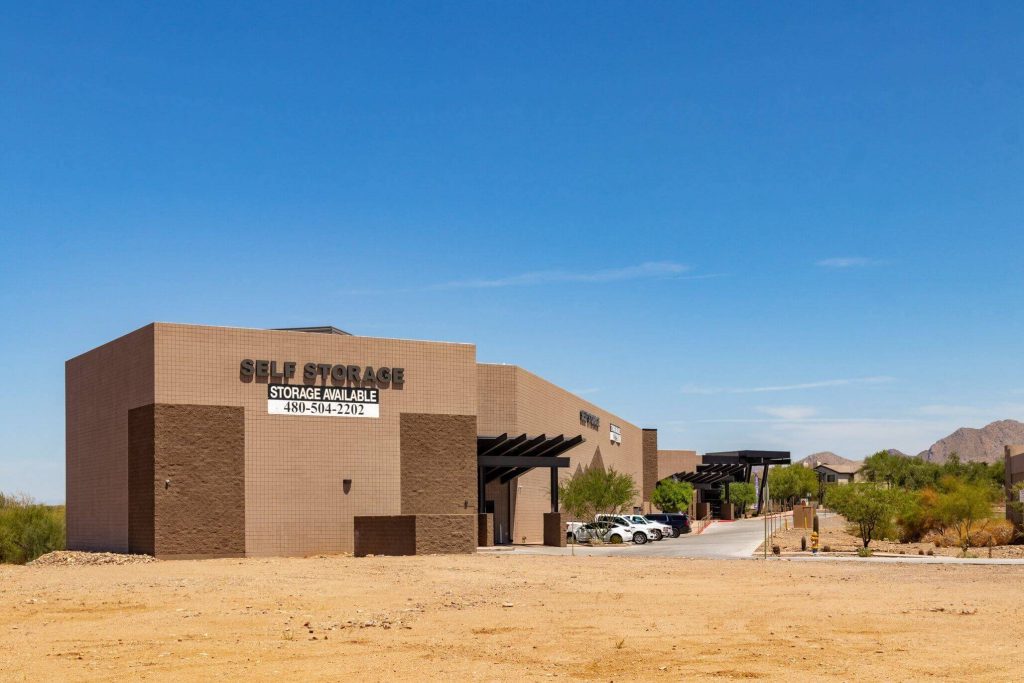
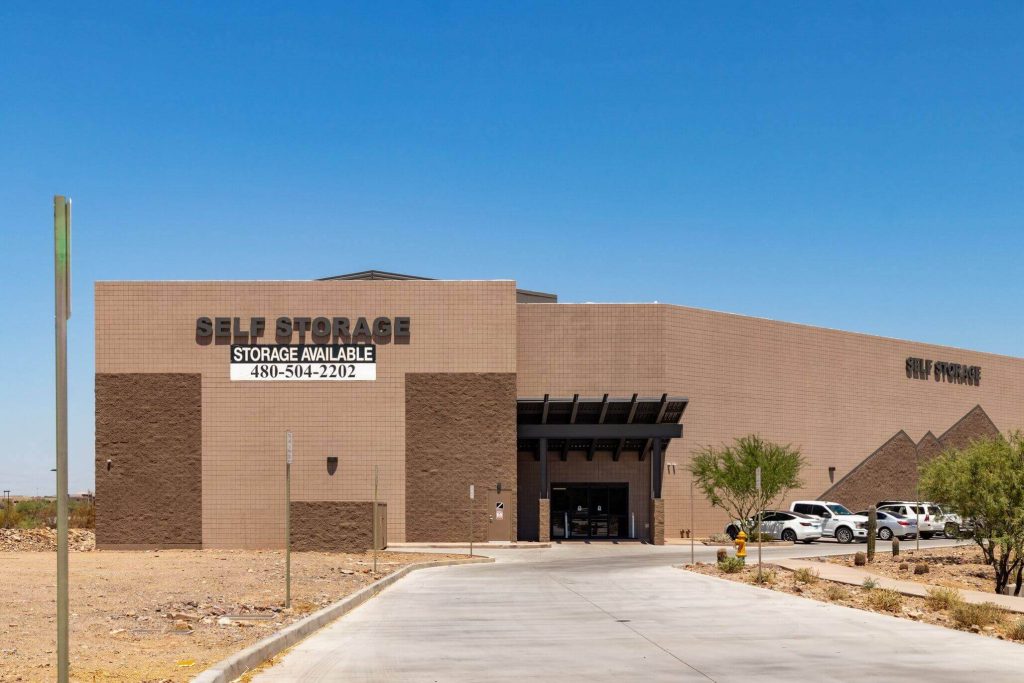
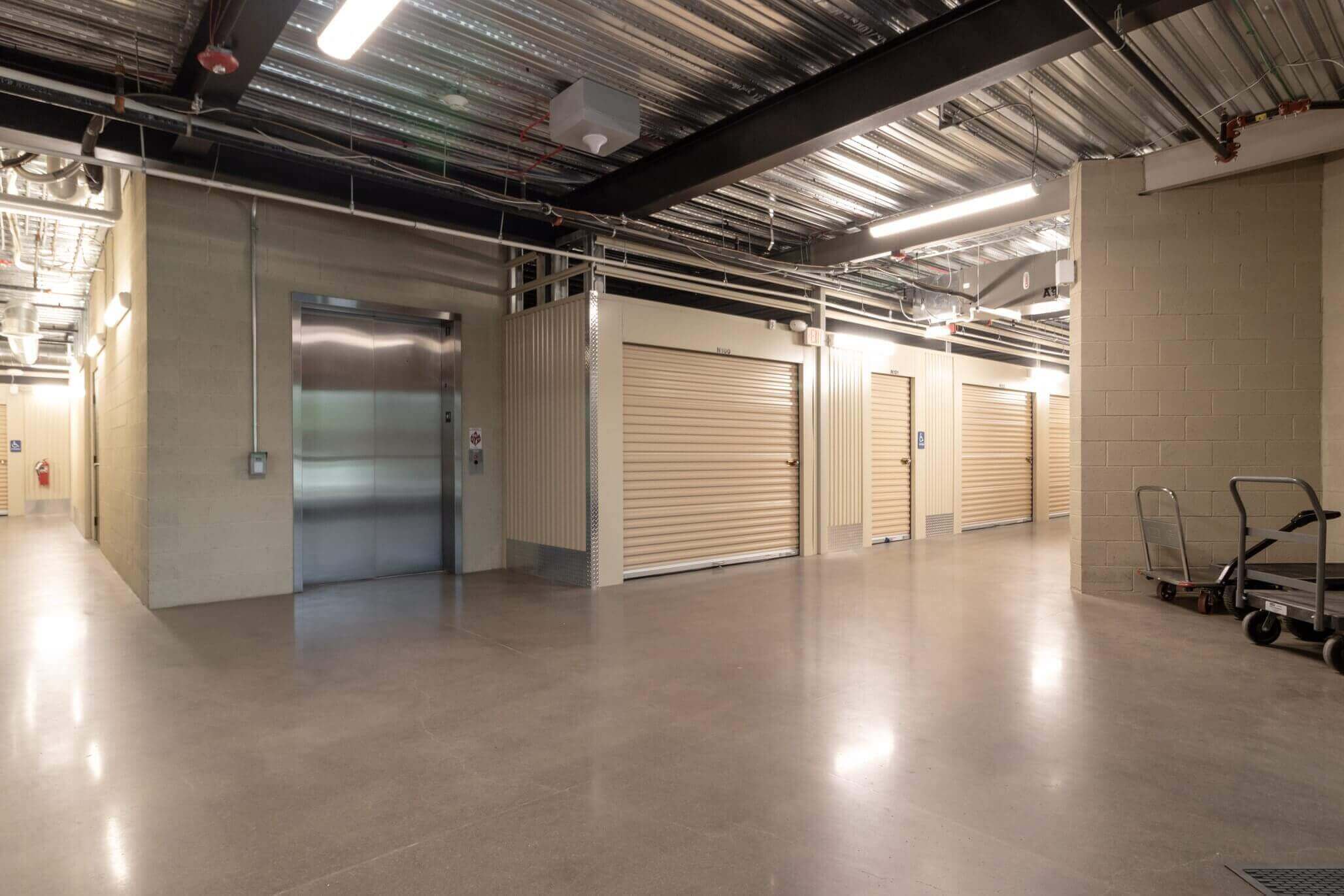
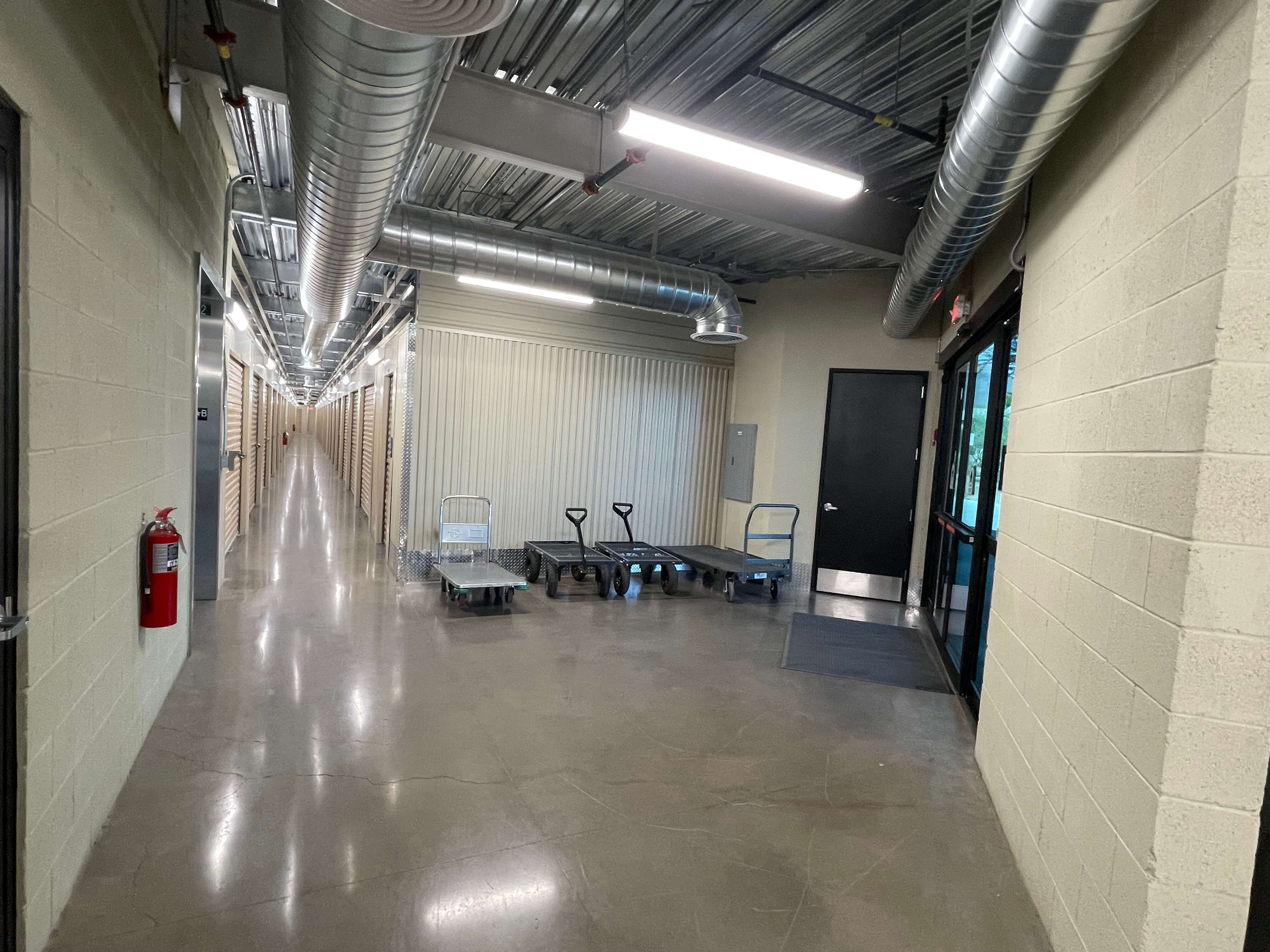
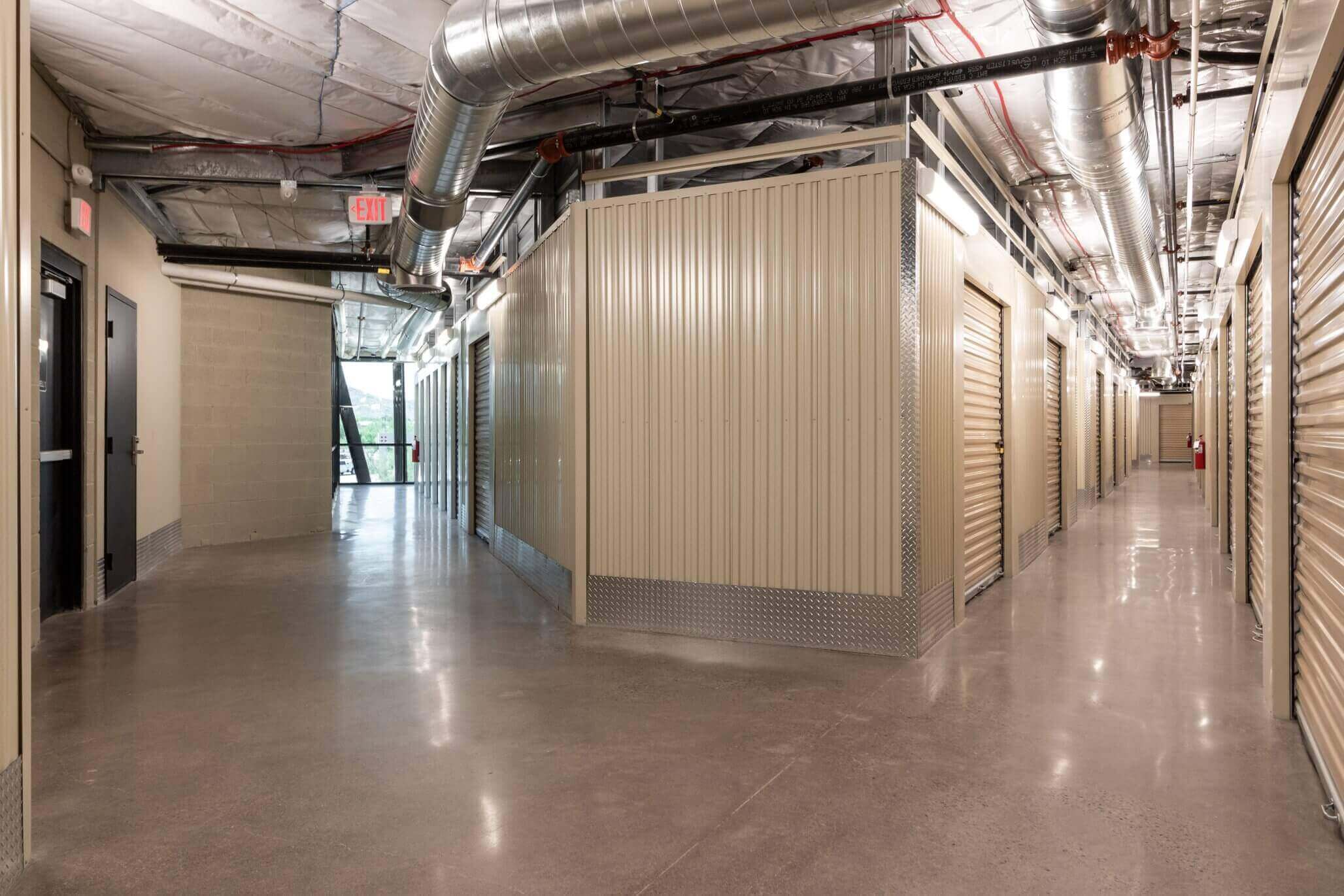
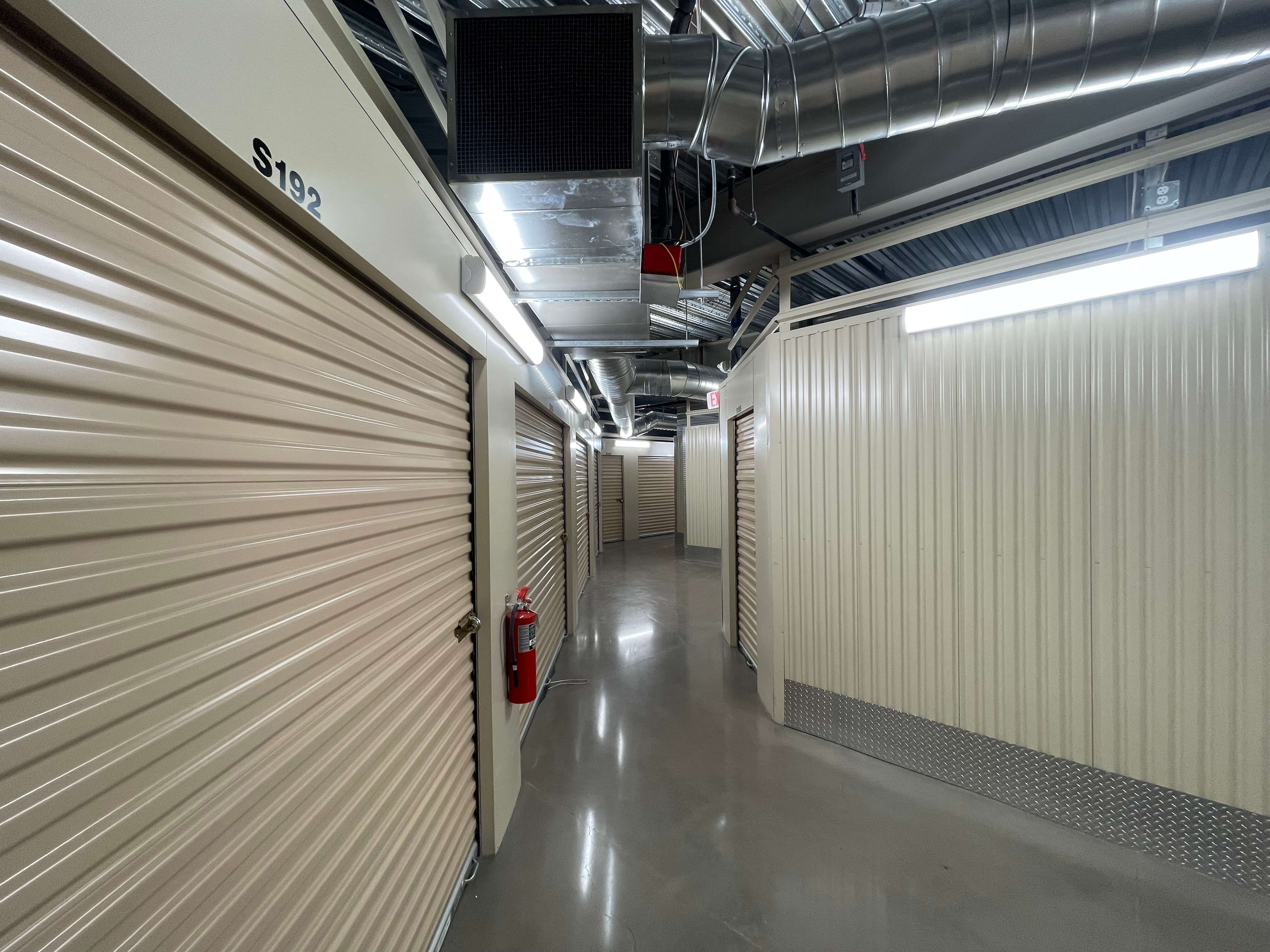
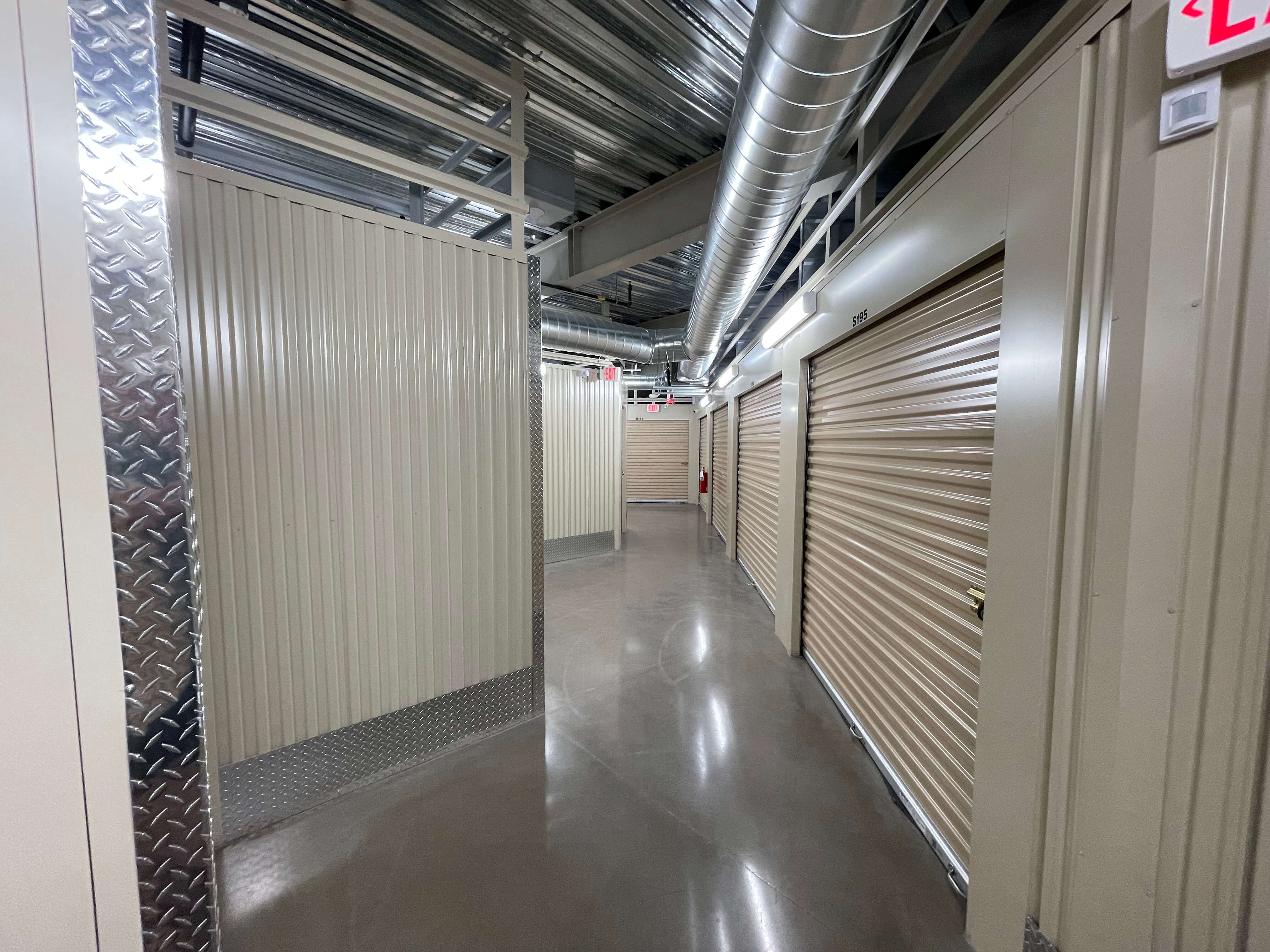
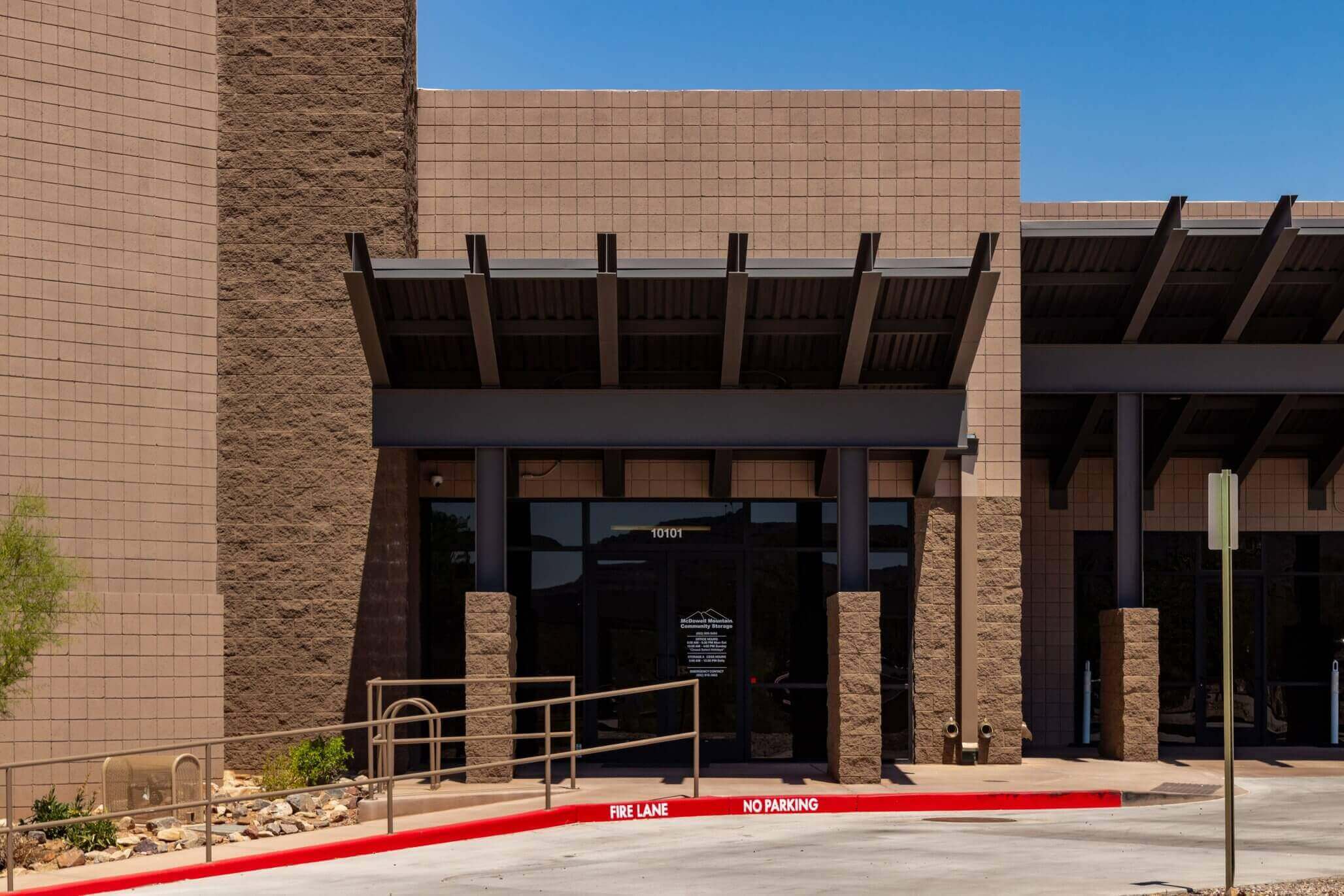
Our facility at 10101 E. McDowell Mountain Ranch Rd offers storage units in Scottsdale ranging from 5×5 to 10×25, all fully indoor and climate-controlled, which means if climate control is the upgrade you need, every available unit here already has it. You can see current availability and reserve online, or call us at (602) 899-5484 during office hours to talk through what size makes sense for your situation.
Frequently Asked Questions
Can I upgrade my storage unit size without moving everything out?
At most facilities, including ours, you can transfer to a new unit within the same facility. You’ll still need to physically move your belongings from one unit to the other, but you avoid the cost and logistics of an external move. Coordinate the timing with the facility manager so both units are accessible simultaneously, it makes the process significantly easier.
How do I know what size storage unit I actually need?
A general rule: a 5×5 handles the contents of a large closet; a 5×10 fits a studio apartment’s worth of furniture; a 10×10 covers a one-bedroom apartment; a 10×20 handles a two- to three-bedroom home. Our space estimator walks through this room by room if you want a more precise starting point.
Is a climate-controlled unit really necessary in Scottsdale?
For anything beyond basic tools, patio furniture, or non-sensitive sporting equipment: yes. The interior of a non-climate-controlled unit in a Scottsdale summer routinely exceeds outdoor temperatures, which can cause irreversible damage to wood, electronics, adhesives, fabrics, and anything heat-sensitive. If your belongings have meaningful monetary or sentimental value, climate control is protection, not a premium.
Will upgrading to a bigger unit cost significantly more?
The monthly difference between adjacent size tiers varies by market and facility, but moving up one unit size (say, from a 5×10 to a 10×10) typically costs less per month than renting a second smaller unit. If you’re considering renting a second unit anywhere because your current one is full, compare that total cost against the price of a single larger unit first, it almost always makes more financial sense to consolidate.
How do I make the most of the storage unit I already have?
Use vertical space aggressively: shelving, stackable uniform-sized boxes, and items hung on wall hooks where permitted. Store infrequently-used items at the back and frequently-needed items near the door. Label every box on the side facing the aisle. For a more detailed walkthrough, our storage tips page covers packing and organization strategies that apply whether you’re in a 5×5 or a 10×25.
Decluttering Before Selling Your Home: A Complete Guide
Preparing a residential property for the competitive real estate market requires an objective, comprehensive, and deeply strategic plan. As premier storage professionals at McDowell Mountain Community Storage, we understand exactly how physical items and environmental presentation impact a modern listing. This comprehensive guide details how to systemically audit, sort, and organize a residence to maximize market interest, capture consumer attention, and elevate the overall transaction value. The decision to sell a house demands an immediate psychological shift from a personalized living space to an objective, universally appealing commercial asset. Through this professional guide, we share our industry expertise to help you navigate every operational step of this transformative undertaking.
When prospective buyers explore local residential real estate options, their first impressions are heavily influenced by the immediate visual layout. A home that feels open, clean, and organized naturally projects a sense of luxury and structural integrity. Conversely, spaces overflowing with excess possessions can cause immediate hesitation, making even the most beautiful properties feel cramped and poorly maintained. In our years of helping local families transition between properties, we have witnessed firsthand how structural decluttering serves as one of the most cost-effective ways to elevate a property’s final closing price. By systematically removing non-essential items, you allow buyers to focus entirely on the architectural assets, premium finishes, and inherent spatial potential of your home look. Every curated photo used in your online listing will reflect this hard work, proving that the option to proactively arrange your rooms is the best strategy among the available ones to capture the market’s attention.
The Direct Impact of Spatial Presentation on Real Estate Valuation
When potential buyers tour local homes, they subconsciously evaluate the total square footage based on visible floor area and structural elements. Overflowing clutter compromises this mental assessment by making large rooms look restricted, small, and uninviting. In our extensive experience helping homeowners transition into new residences, we recognize that the decision to market a house demands a clean break from the past. Strategic decluttering represents one of the most effective ways to elevate a property value and ensure a highly successful transaction. A home look that emphasizes open layouts allows individuals to envision their own lifestyle inside the environment, creating a powerful positive impression from the moment they step across the threshold.
Every professional real estate agent emphasizes that visual spatial abundance directly influences the final price. When sellers leave excessive belongings scattered across visible surfaces, it diminishes the home presentation and raises a psychological question in the buyer mind regarding the structural maintenance and care of the house. Our primary company objective is to supply the offsite storage solutions required to bridge this structural transition smoothly. By partnering with us, you gain direct access to external storage areas that preserve your valuable possessions while completely transforming the aesthetic marketability of your current property. This strategic removal of excess goods is not merely about hiding items, it is an intentional design method that positions your home at the top of the local market hierarchy.
The Systematic Multi-Bin Sorting Method for Efficient Asset Reduction
Approaching an entire household full of items can feel overwhelming without a concrete, disciplined strategy. We always recommend implementing a strict sorting method to organize the process into manageable steps. This specific preparation strategy requires setting up four distinct collection bins or designated zones in each room labeled Keep, Donate, Trash, and Storage. Adhering to this classification system ensures that every single item undergoes an active review, eliminating the natural tendency to move unneeded objects from one corner of the house to another. This structured workflow provides clarity and efficiency, helping you maintain momentum through every phase of your home optimization project.
The first fundamental step is to categorize smaller articles and determine their immediate utility. If a specific piece serves no functional or aesthetic purpose in your future life, it should immediately enter the donate or trash category. For the things you absolutely want to preserve but do not require for daily staging, our local self storage facility offers the ideal climate controlled environment. Utilizing secure external storage options allows you to streamline your moving timeline. Instead of handling everything during a chaotic moving week, you can systematically transport packed boxes to our clean facilities over time, which significantly maximizes operational efficiency during the ultimate move. This method removes the logistical pressure, letting you focus on making your property look pristine for potential buyers.
Room Guide for Optimizing Living and Gathering Environments
The presentation of primary social rooms influences prospective buyers more than almost any other area. In a formal living room or family den, a crowded layout completely disrupts the visual flow by introducing unnecessary clutter. We advise implementing strategic tips to transform this space in your house before offering it for sale. Our primary recommendation is removing excess furniture such as secondary accent chairs, oversized side tables, and bulky entertainment centers. A single, well positioned couch paired with a cleared coffee table establishes an open, balanced framework. This specific spatial arrangement gives the room a sense of sophisticated breathing space, allowing natural light to reflect off the floor and highlight the true dimensions of the property.
Taking these steps is the most effective way to capture the attention of a motivated buyer looking at modern real estate listings. This intentional presentation should eventually extend from your social lounges to your kitchen, your storage closets, and your garage to ensure that all non essential things and auxiliary items are cleared completely. Do not leave anything out in the open, including stray toys, personal photos, or misplaced articles that belong in bedroom drawers.
Personal artwork, family photos, individual trophies, and unique collectibles must be packed away entirely. While these pieces contain immense sentimental value, they distract visitors from focusing on the architectural features of the building. The ultimate goal during scheduled showings is to present a pristine canvas where anyone can imagine their own family creating future stories. Any highly personal items or framed pictures should be cataloged, wrapped securely, and transferred to our offsite storage spaces to keep them safe and out of sight. Even secondary areas like guest homes or private bathrooms should follow this approach, keeping loose towels tucked away to ensure the place looks immaculate. This clean presentation ensures that the physical features of the property stand out clearly in the minds of everyone who walks through the door.
Kitchen Countertop Clear Surfaces and Cabinet Space Maximization
The kitchen often serves as the central anchor of a modern real estate transaction. Buyers consistently prioritize counter space and storage capacity when viewing houses. To generate an optimal impression and enhance overall market value, we recommend clearing every single object off the countertops as a primary staging assignment. Small appliances like blenders, toasters, and coffee makers must be neatly stored within deep cupboards or pantry shelves. If your cabinets are currently full, it is a clear sign that you need to minimize your inventory before the property enters the active market. This simple preparation step creates a dramatic visual difference, instantly making the room feel larger, cleaner, and more luxurious. Managing this task effectively forms the core of our property optimization strategy.
To execute this plan smoothly, homeowners should establish an organized environment by utilizing our moving resources and following a strict pre-listing checklist. It helps to sort, simplify, and categorize all culinary products into specific categories. There is no question that potential clients will open every single door and drawer to evaluate total holding capacity during a property presentation. When you purge unneeded items and donate duplicate cookware, you dramatically improve the spatial efficiency and visual appeal of your culinary workstation.
Open every cupboard, drawer, and fridge to evaluate the contents from a clean perspective. Remove mismatched bins, rarely used cookware, duplicate utensils, and expired food items. A crowded pantry suggests that the available storage options are inadequate for a growing household. Our best professional advice is to tidy, clean, and streamline these areas entirely. Clean, orderly cabinets filled with neatly arranged containers signify that the property has been meticulously maintained by the current homeowners. Taking the time to organize and arrange these culinary spaces gives modern buyers confidence that the rest of the house has been cared for with these helpful tips and the exact same level of detail.
Bedroom Simplification to Evoke Luxury Hotel Presentation Standards
A bedroom must serve as a restful, serene sanctuary to maximize buyer appeal. When an agent guides people through these private rooms, clothes left on a chair or shoes left scattered across the floor immediately disrupt the professional staging environment. We advise limiting the space to foundational furniture pieces: a bed, two basic nightstands, and a single chest of drawers. Remove extra blankets, excessive decorative pillows, and unseasonable garments to cultivate an airy, uncluttered environment that invites relaxation. A minimalist aesthetic allows the natural dimensions of the room to become the main focal point.
A master bedroom should look elegant, spacious, and expansive. In children bedrooms, managing the sheer volume of toys is a distinct challenge. To handle this task, categorize a small selection of toys into uniform, stackable bins that can be neatly hidden away before a scheduled showing. The remaining items should be boxed up and placed directly into our offsite units. This strategy keeps the floor clear while keeping your child favorite toys organized and accessible during the interim listing period. By treating bedrooms as curated hotel suites, you create an emotional connection that makes buyers eager to see themselves living in the space.
Closet Storage Audits to Demonstrate Abundant Capacity
Closets are critical focal points during property walkthroughs. A packed closet implies a fundamental lack of built-in storage areas throughout the home. To address this, we recommend removing at least half of the clothes, coats, and footwear currently stored inside your master walk-in closets. Organize the remaining garments by category and color tone, utilizing matching hangers to create an aesthetically unified display. This simple change turns a functional closet into a premium design feature that stands out during house tours.
Ensure that the upper shelves and floor surfaces are completely clear of clutter. When a buyer looks inside a closet and sees empty space, they immediately feel a sense of satisfaction regarding the storage potential. This psychological response increases the perceived value of the home. Our facility provides the extra space required to house your seasonal wardrobes, heavy winter coats, and auxiliary footwear, allowing your closets to present their maximum physical dimensions. A clean, spacious closet suggests an organized lifestyle, which is exactly what buyers are looking for when purchasing a new property.
Bathroom Organization Strategies to Project Flawless Hygiene
A modern bathroom must mirror the immaculate atmosphere of a high-end luxury spa. Personal toiletries, prescription bottles, used towels, and everyday cosmetics should never be left within sight. We instruct our clients to purchase small, portable organizers for daily hygiene items. This allows you to quickly place everything under the sink cabinet right before a real estate agent arrives with prospective buyers. A completely clear vanity top instantly conveys cleanliness and updates the feel of the entire space.
Examine the bathtub, shower ledge, and sink basins closely. Remove all accumulated scrubbers, half empty bottles, and personal products. Replace these items with a set of fresh, neatly folded white towels and a single small green plant to serve as an accent. Ensure that the vanity surfaces are completely clean, wiped down, and devoid of any personal context, ensuring that the primary visual focus remains on the quality of the tile, fixtures, and cabinetry. This level of meticulous care creates a lasting impression of a home that is pristine, hygienic, and ready for immediate occupancy.
Garage and Backyard Clearances to Showcase True Utility
The garage and outdoor areas represent significant financial investments that buyers examine thoroughly. Unfortunately, the garage frequently becomes a default dumping ground for unwanted clutter during the moving process. To reverse this trend, allocate a dedicated weekend to organize your tools, sports gear, and lawn maintenance equipment. You can select garage storage ideas for a more organized space to completely transform the functionality of the area. Implementing these strategic garage storage ideas for a more organized space will allow you to utilize sturdy shelves, wall hooks, and uniform bins to lift items off the ground and establish clear pathways. A well-ordered garage demonstrates that the current owners value organization and upkeep, which reassures buyers about the property overall condition.
The backyard and front entry areas dictate the initial curb appeal of the home. Remove broken lawn chairs, rusted tools, empty planters, and unnecessary yard debris. A tidy patio featuring clean furniture and well maintained plants makes an impressive statement. If you possess massive collections of tools, automotive parts, or outdoor recreational equipment, relocating them to our storage units is the most efficient way to demonstrate the full functional potential of your garage and lot. Enhancing the exterior presentation creates an inviting atmosphere that makes people excited to step inside and see what else the home has to offer.
Digital and Social Media Formatting for Modern Property Marketing
Preparing a kitchen for the competitive Scottsdale Arizona real estate market using local organizational systems from McDowell Mountain Community Storage
In the contemporary real estate market, a significant percentage of buyers discover properties online through specialized listing sites, Instagram posts, or professional networks like LinkedIn. This digital shift makes flawless visual presentation absolutely vital. When real estate agents photograph a room for an online listing, the camera amplifies the presence of clutter. Even a small stack of mail on a desk or a few decorative magnets on a fridge door can disrupt an otherwise stunning image. High resolution photography demands clean lines and open spaces to generate the maximum amount of online traffic.
By utilizing our dedicated storage services, you can ensure that your home stands out beautifully across all digital platforms during the process of decluttering your home fast. Our clean, secure spaces allow you to store your belongings safely while your real estate agent captures high-quality marketing materials. A minimalist, impeccably staged home generates far more online engagement, which leads to a greater number of physical showings, increased market interest, and ultimately, a more lucrative final price. Investing time in offsite storage ensures that your digital footprint makes a compelling case for your property value.
Additional Operational Resources and Moving Advice
When you seek expert advice or helpful tips from a trusted friend, the consensus is always clear: preparation is the key to a stress-free transaction. Do not leave anything to chance during this important transition in your life. Our job is to provide the exact information and physical resources you need to simplify the purging process. For instance, when prospective buyers look closely at the property, their eyes notice every detail, from the cleanliness of the primary bathrooms to the way extra stuff is organized inside the storage bins.
If someone feels that a house is crowded with miscellaneous items, it directly impacts their perception of value. This realization presents an excellent opportunity to systematically sort and purge your possessions. Using actual market data, real estate professionals can confirm that an organized home sells significantly faster. By securing the keys to a dedicated storage unit, you ensure that every part of your home look is completely optimized. Finding something as simple as an extra storage area can turn a chaotic move into a highly structured, successful strategy.
The Operational Support Role of Our Storage Services
At McDowell Mountain Community Storage, we provide the logistical framework needed for a stress-free residential sale. We offer a wide range of unit sizes designed to accommodate everything from a few boxes of books and seasonal clothes to substantial collections of heavy furniture. Our state-of-the-art facility is designed with convenience, accessibility, and robust security in mind, providing homeowners with absolute peace of mind throughout the entire process. Our professional team is always available to offer expert advice on packing, moving, and selecting the right size unit for your specific needs.
We view our services as an essential tool for sellers looking to unlock the true market potential of their properties. By trusting us at McDowell Mountain Community Storage with your extra possessions, you can confidently navigate the decluttering process, stage your home to perfection, and secure the best possible outcome in your real estate journey. Contact our team today to find the ideal storage solution for your needs.
Strategic Checklist for Pre-Showing Preparation
To ensure your home is always ready for a last minute walkthrough, we recommend keeping this quick operational checklist in mind:
Remove all personal family photos, custom artwork, and specific collectibles from every room to create a neutral canvas.
Clear every countertop, sink, and table surface entirely of daily products, mail, and miscellaneous clutter.
Audit all closets and drawers, transferring half of the contents to offsite storage to demonstrate maximum capacity.
Ensure all beds are cleanly made, pillows are neatly arranged, and floors are completely free of shoes and toys.
Clean the front entry, porch, and driveway area to optimize immediate curb appeal and make a positive initial statement.
Comprehensive Asset Review and Categorization System
Managing a household reduction project requires clear distinctions between different types of possessions. We advise breaking down your belongings into structured categories to ensure nothing is overlooked:
Seasonal Items: Heavy winter blankets, coats, holiday decorations, and unseasonable sports equipment should be moved to external storage immediately.
Daily Essentials: Keep only the essential cookware, toiletries, and clothing items required for day to day living during the active listing period.
Media and Entertainment: Pack away large collections of books, board games, video games, and extra electronic components to free up shelf space.
Professional Workspace: Clear your home office desk of excess paperwork, folders, and technical gear to highlight a clean, productive environment.
Outdoor Maintenance: Organize your garden tools, lawn mowers, and automotive supplies into uniform bins or relocate them offsite entirely.
By systematically applying this method to every room, you can streamline your entire moving process while dramatically enhancing your home market presentation. Our team at McDowell Mountain Community Storage is dedicated to supporting you through every step of this transition, ensuring your real estate journey is seamless, efficient, and financially rewarding. Connect with us today to reserve your secure storage unit and take the first step toward a flawless property listing.
Frequently Asked Questions (FAQs)
1. How early should we start the decluttering process?
We recommend starting at least four to six weeks before your home goes live on the market. This gives you ample time to sort items room by room without feeling rushed, keeping your moving timeline completely stress-free.
2. Can we access our stored items during active listings?
Yes, our state-of-the-art storage facility offers secure, convenient gate access. If you ever need to retrieve seasonal garments, documents, or extra items between scheduled showings, you can quickly get into your unit.
3. What storage unit size do we need for home staging?
A 5×10 or 10×10 unit is usually perfect for staging a standard home. These sizes easily hold extra accent furniture, packed closet boxes, and seasonal gear, providing the extra space needed to open up your layout.
4. How should we handle large, built-in wall mirrors?
Keep built-in mirrors completely clean and clear of decorative stickers or hanging items. Mirrors are excellent assets because they reflect natural light and maximize the perceived square footage of a smaller room or hallway.
5. What should we do with valuable jewelry during tours?
Never leave high-value jewelry, prescription medications, or sensitive financial data inside drawers or closets. We advise packing these valuable belongings into a portable safe and keeping them with you during tours.
6. Should we empty the garage completely for a sale?
Not completely, but it must look organized. Buyers want to see the total vehicle capacity, so clear the floor space entirely by utilizing deep wall shelving, high hooks, and uniform bins for remaining tools.
7. How do we keep the house tidy during sudden showings?
Keep large plastic bins on hand for emergency cleanups. Right before a real estate agent arrives with clients, quickly place stray daily products, mail, or dog toys into the bin and slide it into your car trunk.
8. Is climate-controlled storage necessary for furniture?
Yes, we highly recommend climate control for sensitive pieces. Storing wooden tables, upholstered couches, family photos, and custom artwork in a regulated environment protects them from temperature damage.
9. How do we handle large collections of indoor plants?
Limit your display to one or two healthy, vibrant plants per room to serve as a fresh accent. Relocate the rest of your plant collection to the patio or a friend’s house to prevent surfaces from looking crowded.
10. What is the best way to handle cluttered pet areas?
Move pet crates, food bowls, and litter boxes to a low-traffic service area, or tuck them away completely before showings. Ensure all pet spaces are completely clean, tidy, and entirely free of lingering odors.
Our team knows that moving your life into a storage facility is a significant transition that requires a high level of attention to details. We aim to provide a seamless experience where we offer the space and you find the peace of mind knowing your belongings are safe. A successful process begins with a strategic plan and a commitment to organization from the very first label you apply to a box. By following our professional guide, we can help you maximize your storage space while ensuring your items, from large chairs to delicate glassware, remain in pristine condition. Whether you are packing small bags or heavy furniture, we believe that every item you own tells a story, and our mission is to help you preserve those stories through meticulous planning and care.
We understand that different types of goods require a specific material for proper protection and long term safety. In addition to standard cardboard boxes, you might find that a sturdy case is the best option for your most sensitive electronics or antiques. Our approach focuses on helping you arrange every piece, even the contents within your drawers, to ensure they are protected from dust and moisture. At McDowell Mountain Community Storage, we provide the solution, the units, and the strategies to help you keep your world organized, tidy, and safe. Trust us to provide the perfect environment for your possessions, as we treat your valuables with the same respect we would our own.
Executing A Thorough Pre-Storage Decluttering Strategy
Before we even move a single item into a unit, we recommend a thorough approach to declutter. Look through every room and evaluate your things to determine what truly needs to stay. We suggest you categorize your goods into groups: those you use daily, seasonal essentials, and those that no longer serve a purpose in your current life. This system allows you to prioritize what will occupy your storage space and what can be removed, making the eventual retrieval from your self-storage unit much more efficient.
When you sort through your life, you simplify the future task of finding a specific piece. We advise grouping similar items together, for example, keeping all electronics in one area and all kitchen glassware in another. By organizing your belongings by category, you create a logical method that saves a lot of time later. Before placing any item in a bag or box, perform a deep cleaning of the material to ensure no dirt or oils remain. Once we have a clear idea of the total volume, we can better allocate the necessary materials and storage units. Taking the time to inventory your belongings now prevents stress and confusion later on when you are looking for that one specific box.
Utilizing High Quality Packing Materials For Maximum Protection
The quality of your packing materials directly impacts the protection of your valuables. We advise using sturdy cardboard boxes or heavy-duty plastic bins with secure lids. While boxes are excellent for a clean stack, plastic containers offer an advantage against dust and unexpected moisture. To ensure stability, follow essential tips for packing moving boxes: always place heavier items at the bottom to create a solid base and use crushed paper to fill any empty gaps, preventing the contents from shifting. For fragile pieces like glassware and mirrors, bubble wrap and padding are non-negotiable essentials. We recommend that you wrap each item individually to prevent scratches and risk of breakage during the move.
For larger furniture pieces, such as bed frames, dressers, tables, and couches, we suggest using specialized furniture covers, sheets, or moving blankets. These tools protect the finish of your wood and the fabric of your upholstery from dirt, dust, and accidental damage. When dealing with appliances like refrigerators, ensure they are completely dry and clean before they enter the unit. Leaving a door slightly ajar on these appliances can provide necessary air circulation to prevent odors, mildew, and mold from developing inside the equipment. The care you put into the wrapping and padding process today is what ensures the safety of your belongings tomorrow.
Implementing A Detailed Inventory And Labeling System
One of the most effective strategies we share on our blog is the creation of a detailed inventory checklist. As you pack each box, assign it a number and record the contents in a central document. This information acts as your key when you need to find something specific months down the line. Use clear identification labels on at least two sides of every container so that they are visible regardless of how you stack them in the storage unit.
For office documents, paper, and books, we suggest using smaller, uniform wardrobe boxes or specialized file boxes. Books are heavy, and filling a large box to the top makes it difficult to move and increases the risk of the bottom failing. Always place heavier items like tools and books at the bottom of a stack, and keep lighter garments, towels, or blankets toward the top. This arrangement ensures the structural integrity of your storage and prevents crushing your valuable possessions. By creating an inventory for storage unit organization, you can track exactly which items are in which box, turning a sea of cardboard into a searchable database. Proper labeling is not just about writing on a box; it is about creating a map of your storage unit that makes every retrieval task a breeze.
Mastering Strategic Unit Layout For Optimal Access
When you finally bring your belongings to our storage facility, the way you arrange the unit is critical. We recommend a layout that includes aisles. By leaving a small space between rows of boxes and the walls, you improve ventilation and make retrieval much easier. You should never pack a unit so tightly that you lose access to the items at the back. Place the things you anticipate needing soonest near the front door for quick use.
Utilizing shelving units or standalone shelves within your self-storage unit is an excellent option to maximize vertical space. Shelving allows you to store items without putting too much weight on the containers below. If you are storing furniture, consider if pieces can be disassembled. Removing legs from tables or taking apart bed frames can save a lot of room and protect the components from stress. For items that must stay on the floor, using pallets is a smart choice to keep your belongings slightly elevated, which protects them from potential dampness or water damage. We believe that a well organized storage unit is a reflection of a well-managed movement.
Preserving Sensitive Items Through Specialized Care Methods
Certain materials require extra attention to maintain their condition over time. Clothing, garments, and clothes should be washed and completely dried before packing to avoid attracting pests or developing mildew. Use wardrobe boxes for hanging clothes to prevent deep creases. For electronics, cables, cords, and devices, remember to remove batteries and wrap cables neatly to avoid tangling. If you are storing photos or sensitive paper documents, consider airtight containers to protect them from sunlight, heat, and humidity issues.
At McDowell Mountain Community Storage, we take pride in maintaining a facility that respects the details of your life. While we provide a secure environment, the way you prepare your items is the final step to success. Signs of proactive care, such as using moisture absorbers or ensuring items are not pushed directly against the walls, go a long way in providing you with peace of mind. Whether you are storing antiques, furniture, or modern office equipment, a tidy and streamline approach ensures that every item remains in the same condition as the day you brought it to us. We know that details matter, especially when it comes to the long term safety of your valuables.
Performing Final Stability And Safety Inspections
Before you lock your storage unit, perform one last check of your layout. Ensure that everything is stable and that there is no risk of a stack falling. Verify that your inventory list is updated with the location of each box. We believe that an efficient system is the result of careful planning and attention to details. By following these steps and using the right tools, you transform the daunting task of moving into a manageable and even satisfying experience.
Our team is always here to answer any questions you might have about our units or the best way to protect your specific belongings. We offer a variety of storage options to fit your needs. Trust us to provide the space, and we will trust you to use these strategies to keep your world organized, tidy, and safe. Let us help you maximize your storage experience today.
Establishing A Long Term Maintenance Routine For Your Unit
Once your belongings are tucked away in our storage facility, our relationship with you does not end. We recommend that you visit your storage unit periodically to check on the condition of your items. This is an excellent opportunity to rotate stock, update your inventory, and ensure that no dust or pests have found their way inside. A quick check of the aisles and the front area can give you peace of mind that everything is exactly as you left it.
During these visits, you might find that your needs have changed. Perhaps you need to retrieval certain furniture pieces or add more wardrobe boxes to your space. We are always here to help you streamline your storage experience. If you notice any signs of dampness or humidity in your specific area, please let us know immediately so we can address the issues. Our approach is always proactive, and we value the feedback our clients provide.
Leveraging Professional Storage Insights For Better Organization
We have seen thousands of different ways people organize their units, and we have learned what works best. One tips we often give is to keep a small tool kit and some extra tape inside the unit. This makes it easy to repair a box or tighten a table leg without having to bring tools from home every time. Another idea is to use clear plastic containers for smaller items so you can see the contents without having to open the lid.
We also suggest creating a map of your storage unit and taping it to the inside of the door. This visual guide shows exactly where the mattresses, refrigerators, and wardrobe boxes are located. It turns a potential stress into a simple task. At McDowell Mountain Community Storage, we are more than just a place to store your things; we are your partners in organization. We provide the solution, the units, and the strategies to help you keep your life in order.
Managing Large Appliances And Specialized Equipment In Storage
Storing appliances like refrigerators, washing machines, and heavy equipment requires a specific set of steps. We emphasize that these items must be thoroughly cleaned and dried. Any moisture left inside can lead to mold and mildew, which can spread to other belongings in the unit. We recommend placing a box of baking soda inside refrigerators to absorb any lingering odors.
For heavy machinery or tools, ensure they are free of grease and dirt. Wrapping them in bubble wrap or moving blankets can prevent scratches and damage to the floor of the unit. If you are storing equipment with moving components, a light coating of oil can prevent rust if the storage is for a long term. We want your investments to be protected, and these small details make all the difference in the long run.
Protecting Your Heritage Antiques And Valuables
How to Organize Your Belongings Before Using Storage Scottsdale
If you are lucky enough to own antiques or high value valuables, the care process becomes even more critical. We advise against using plastic wrap directly on wood surfaces, as it can trap moisture and damage the finish. Instead, use soft towels, sheets, or professional furniture padding. Ensure these items are not placed directly on the concrete floor; use pallets or rugs to provide a buffer against potential dampness.
For delicate glassware and ceramics, we recommend double boxing. Place the wrapped item in a small box, and then place that box inside a larger box filled with packing peanuts or crumpled paper. This creates a cushion that absorbs shocks during the move. At McDowell Mountain Community Storage, we treat your valuables with the same respect we would our own. Our safety features and your careful packing create a winning combination.
Creating A Clutter Free Future Through Smart Storage Use
The ultimate goal of using a self storage unit is to simplify your life. By moving non essential items out of your home, you create space for new memories and a more efficient living environment. We see storage not as a place to hide clutter, but as a tool for better living. When you arrange your unit with care, you are essentially organizing your future.
We invite you to think of your storage unit as an extension of your home or office. With the right system, it becomes a functional space where you can easily retrieval what you need when you need it. Whether you are in the process of a move, a home renovation, or just need to declutter, McDowell Mountain Community Storage is here to provide the perfect solution. Let us take the weight off your shoulders and give your belongings the home they deserve.
Optimizing Storage Efficiency For Business And Office Needs
For our commercial clients, storage is often about inventory management and document retention. We offer units that are perfect for storing extra office furniture, equipment, and years of paper records. Using shelving units for office files allows for easy access and prevents the bottom boxes from being crushed under the weight of information.
We recommend a strict labeling category for business records, perhaps by year or by client name. This method ensures that when it comes time for an audit or a document retrieval, the task is quick and painless. Our facility offers the security and access that modern businesses needs. By choosing us, you are choosing a partner that understands the details of professional organization and the value of your time.
Navigating Seasonal Transitions With Ease And Planning
Many of our clients use our units to manage seasonal items. From holiday decorations and winter clothes to summer sporting goods and patio tables, we help you keep your home tidy year round. The key to seasonal storage is a rotating system. As one season ends, you pack away the items you no longer needs and retrieval the ones for the upcoming months.
This process keeps your home feeling fresh and clutter free. We suggest placing these seasonal items toward the front of your unit for easy access. By following our tips on packing and protection, your holiday antiques and summer electronics will be ready for use exactly when you need them. At McDowell Mountain Community Storage, we are proud to be a part of your seasonal life transitions.
Conclusion On Professional Storage And Organization
In conclusion, a successful storage experience is built on a foundation of planning, care, and the right materials. From the initial declutter to the final stack in your unit, every step you take contributes to the safety and longevity of your belongings. We provide the storage space, the security, and the expert guide, but your attention to details is what truly makes the difference.
We hope this blog has given you the tools and strategies you need to arrange your life with confidence. At McDowell Mountain Community Storage, we are dedicated to providing the best storage solution in the country. We value your trust and look forward to helping you maximize your space and protect your valuables. Thank you for choosing us to be a part of your journey toward a more organized and peaceful life.
Frequently Asked Questions (FAQs)
1. Can I store gasoline or chemicals if they are sealed?
No. For safety and insurance reasons, storing flammable, explosive, or toxic materials is strictly prohibited. This includes gasoline, propane tanks, paint thinner, and fertilizers. Always drain fuel from lawnmowers before moving them in.
2. How do I choose the right unit size for my belongings?
Start by measuring your largest furniture. A $5 times 5$ unit is like a large closet, while a $10 times 20$ fits a three-bedroom house. Use our online size calculator or visit us for a tour to visualize how your specific inventory will fit.
3. Do you provide moving trucks or loading assistance?
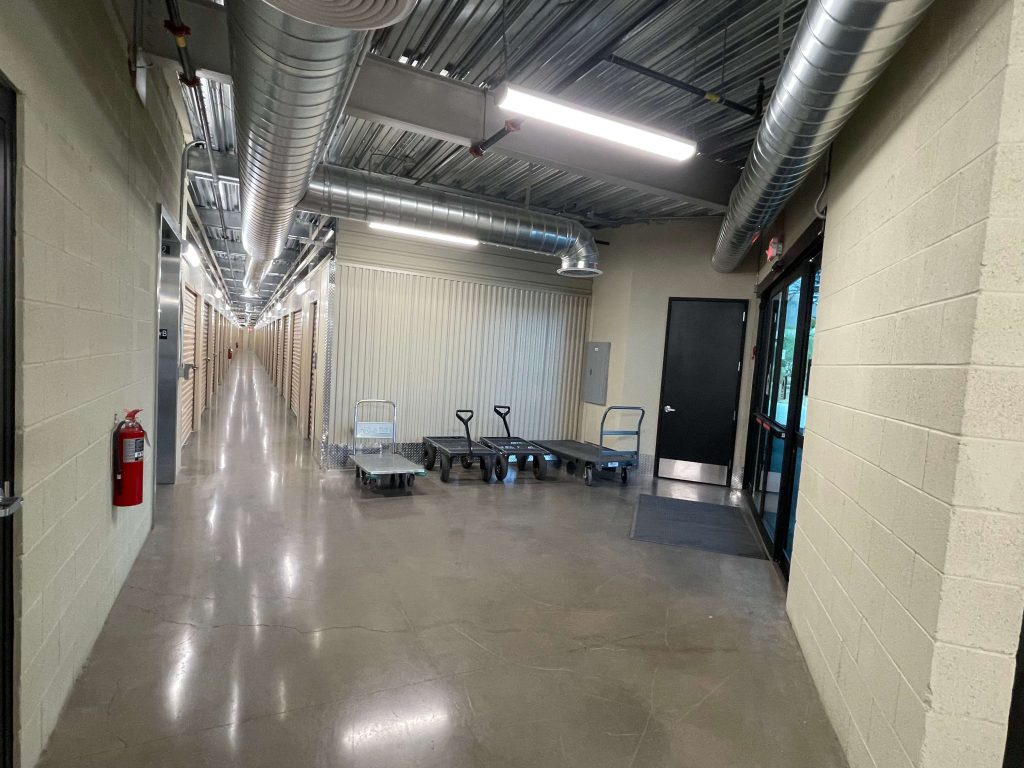
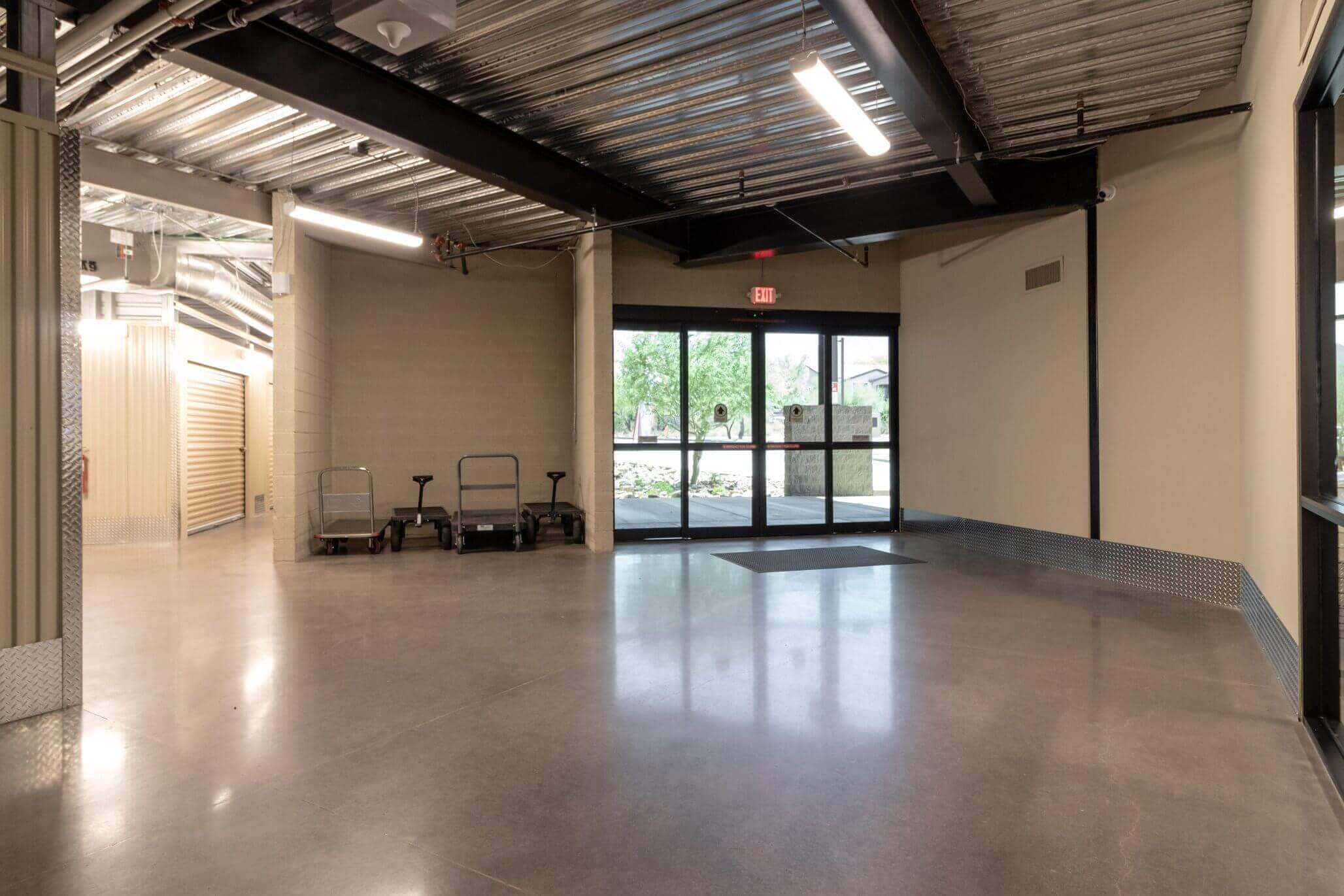
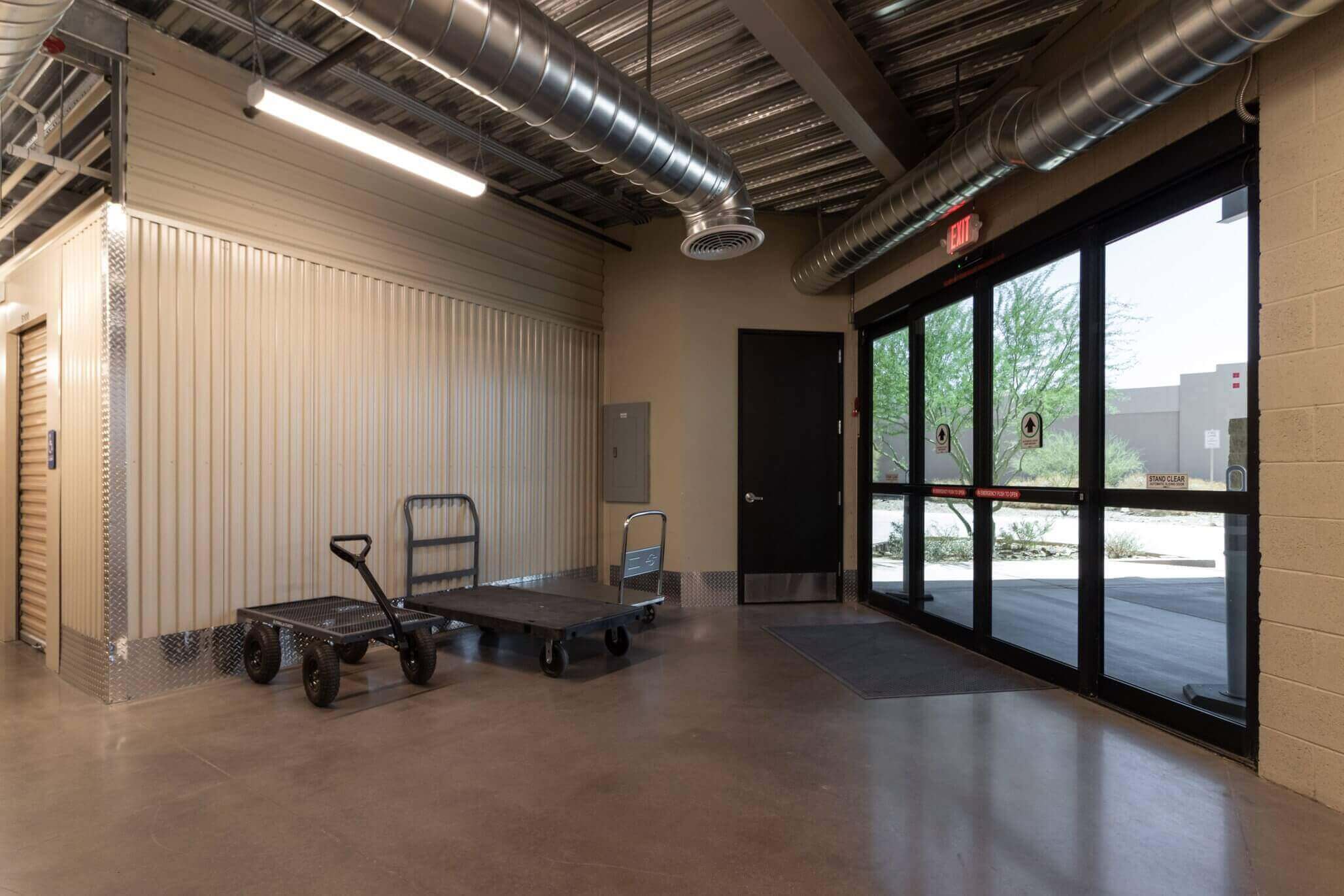
While we don’t provide a moving crew, we offer complimentary use of on-site dollies and carts to help you transport heavy items from your vehicle to your unit. We can also recommend local, trusted moving companies to help with the heavy lifting.
4. What kind of lock should I use for my storage unit?
We highly recommend using a disc lock. Unlike standard padlocks, their unique shape makes them nearly impossible to cut with bolt cutters, providing a much higher level of security for your valuables and giving you extra peace of mind.
5. Is there a limit to how high I can stack my boxes?
Stacking is encouraged to maximize space, but avoid going higher than shoulder level without shelving. Ensure the heaviest boxes are at the base. Stacking too high can be a safety hazard and may cause the bottom boxes to collapse over time.
6. Are my items insured automatically by the facility?
Our facility insurance covers the building, not your personal contents. We require tenants to have a tenant insurance policy. Often, your existing homeowners or renters insurance covers off-site storage, but we offer affordable plans on-site.
7. Can I share my unit access code with family or friends?
Yes, but you are responsible for anyone who uses your code. For security tracking, we recommend notifying management if you plan to have multiple people accessing the unit regularly. Never post your gate code in a visible place on your unit.
8. What happens if I lose the key to my unit lock?
Because you hold the only key to your lock for privacy, we cannot “master key” it. If a key is lost, you must contact a professional locksmith to grind the lock off in the presence of our staff. We carry replacement locks in our front office.
9. Are there items that pests are specifically attracted to?
Pests love food, soy-based inks, and starches. Never store perishable food, pet food, or birdseed. Even “sealed” pantry items can attract rodents. Vacuum all upholstered furniture to remove crumbs that might have fallen into the crevices.
10. Can I run a business or work out of my unit?
Our units are designed for storage only. While they are perfect for business inventory or records, you cannot use them as an active office, workshop, or retail storefront. There are no electrical outlets inside the units for running machinery.
At McDowell Mountain Community Storage, we understand that finding enough space for everything you own can feel like a constant battle against clutter across all your rooms. Whether you are moving into a compact new apartment or trying to reclaim your living room from a sea of belongings, the way you organize your environment determines the quality of your daily life. We have seen firsthand how the right storage solutions can transform a cramped room into a tidy, minimalist sanctuary by implementing a creative and space-saving idea. We suggest looking at a photo of a minimalist layout to visualize how a clean arrangement can optimize even the smallest footage.
A great example of our approach involves utilizing the top area of your walls and the side of your furniture to maximize efficiency. By focusing on vertical solutions, you can store accessories, books, or anything else that currently lacks a place, ensuring that all your items are kept in order. This guide represents our professional design for providing functional options that streamline your home and mind. Through the use of modular shelving units and compact bins, we help you attain a tidy and balanced environment.
The Foundation Of Efficient Storage Layouts
When we help our clients evaluate their needs across various homes, we always start with a comprehensive declutter process. You cannot find an effective place for every item if you are holding onto something that no longer serves a purpose. We recommend a systematic arrangement where you create a list to categorize your belongings into essentials and non essentials. By clearing out the unnecessary material, we create a blank canvas to design a layout that prioritizes functionality and flow. This site preparation is a bit like editing a story; we remove the clutter to reveal the true style of your living spaces.
In any small unit, the floor space is your most valuable real estate. To protect it, we focus on vertical storage ideas that draw the eye upward, especially in tight entryways or crowded bathrooms where towels and shoes often pile up. Utilizing the full height of your walls allows us to move things off the ground, opening up the area for movement and traffic. We offer tips on using built-ins or lofted beds to maximize efficiency and reach. This strategy is the best way to ensure that even the smallest spaces feel open and breathable rather than claustrophobic.
Vertical Systems And Wall Space Optimization
The walls of your home offer vast, often untapped potential. We suggest installing sturdy shelving units that reach from the floor to the ceiling. By using adjustable shelves, you can customize the height to fit specific pieces of furniture or large boxes. For smaller items, floating shelves provide a sleek, modern look while keeping surfaces like your desk or coffee table clear of distractions.
Hooks and racks are some of the most versatile tools in our organization kit. In an entryway, a series of hooks can manage coats, bags, and hats, preventing them from piling up on a chair. In the kitchen, a magnetic strip or a pegboard provides easy access to tools and hardware, keeping your drawers free for larger kitchen gadgets. We believe that every wall space should be viewed as an opportunity for creative storage solutions.
Furniture Selection And Multifunctional Pieces
One of the most effective ways we maximize efficiency is through the use of multifunctional furniture. In a small bedroom, a bed with built in drawers or a lift up frame provides massive storage space for linens, bedding, and seasonal clothes. Instead of a traditional sofa, we often recommend options with hidden compartments underneath the cushions to store extra pillows or holiday decorations.
Every piece of furniture in a compact home should do double duty. A sturdy trunk can serve as a coffee table while providing a spot for bulky items like blankets. Bookshelves do not just hold books; they can be fitted with baskets and bins to hide away miscellaneous items that would otherwise create visual noise. When we select furniture pieces for our clients, we look for designs that offer a minimalist aesthetic without sacrificing practicality.
Categorization With Bins And Containers
To maintain order inside your cabinets and closets, we advocate for a strict categorization system. Clear plastic containers allow you to see exactly what is inside without having to open every box. Labeling these bins ensures that everyone in the household knows where things belong, making the cleaning process much faster.
In areas like the bathroom or laundry room, small organizers and cubbies keep essentials within easy reach. We suggest using stacking bins to take advantage of the vertical space inside deep cabinetry. For items used less frequently, such as specialized tools or ceramics, the back and bottom of a storage unit are appropriate locations. By keeping daily use items at the front, we streamline your morning routine and reduce the time spent searching for what you need.
Specialized Solutions For Every Room
Each room presents unique challenges that require a tailored design. In the kitchen, we maximize cabinet space by using pull out organizers and tiered shelving. This ensures that even the items at the very back of the shelf are accessible. For those with limited pantry space, we often suggest a modular shelving unit that can be tucked into a corner or alongside the refrigerator.
In the living spaces, we focus on creating a sense of balance. Large built ins can provide a home for electronics, art, and decor while hiding clutter behind cabinet doors. If you work from home, a compact desk with integrated storage can help define your workspace without overwhelming the room. We aim to create an environment where your hobbies and professional life can coexist in harmony.
Strategic Lighting And Visual Space Extension
The way a room is lit significantly impacts how large it feels. We encourage the use of light colors for large surfaces and furniture to reflect natural light throughout the space. Mirrors placed opposite doors or windows can create the illusion of another room, effectively doubling the perceived area.
Inside your storage units, adding a small battery powered light can make it much easier to find a specific item. This is especially helpful in deep closets or under stairs storage areas where natural light cannot reach. We believe that a well lit space is a tidy space, as it eliminates the dark corners where clutter tends to accumulate.
Strategic Inventory Planning And Logic
We believe that successful organization is as much about mindset as it is about physical products. Before we suggest any specific storage unit, we ask our clients to envision their ideal life. Creating an inventory for a storage unit is the first step in this logical process, as it helps us decide what stays in the home and what belongs in professional storage units. By viewing your belongings through the lens of utility, we can optimize the arrangement of your living spaces.
For kids, we suggest low level cubbies and baskets that allow them to participate in the cleaning process. When everything has a designated spot, children learn the value of order from a young age. This approach ensures that toys and school gear do not take over the common areas like the sofa or dining table.
Maximizing Small Footprint Efficiency
When dealing with limited square footage, our design philosophy hinges on the concept of space saving modularity. We often recommend furniture that can be folded or stacked when not in use. A folding desk or a set of nesting tables allows you to reclaim your room for different activities throughout the day. This adaptability is the hallmark of a modern, efficient home.
We also focus on the “dead zones” of a house. These include the area above door frames, the gap under the bed, and the often ignored corners of closets. By installing a high shelf above a door, we create a perfect spot for items you only need once a year. By using under bed storage bins, we turn a dusty gap into a high capacity linens cabinet.
Professional Storage Unit Management
Sometimes, the best way to handle an abundance of items is to move them to a secure, external storage unit. We offer a variety of sizes to fit your specific needs, from small lockers for boxes of documents to large spaces for furniture and appliances. Our facility provides a clean and safe environment for your most prized possessions, giving you the freedom to breathe in your own home.
When you use our storage units, we suggest applying the same organizational principles. Use sturdy shelving units to keep boxes off the floor and create a center aisle for easy access to the back of the unit. This arrangement ensures that you can retrieve any item whenever you need it without having to move everything else out of the way.
Maintaining The System Long Term
Clear bins and strategic furniture placement help organize belongings at McDowell Mountain Community Storage in Scottsdale Arizona.
Once we have helped you establish a perfect layout, the goal is to keep it that way. We recommend a “one in, one out” rule for new purchases to prevent the slow creep of belongings from reclaiming your floor. Regular maintenance is part of a successful organization strategy. Taking a few minutes each week to return things to their designated spot prevents small messes from turning into overwhelming projects.
Our team at McDowell Mountain Community Storage is dedicated to helping you optimize your living environment. We provide the storage solutions and expertise needed to manage your belongings with ease. By following this guide, you can take control of your space and enjoy a more organized, stress free life.
Final Design Considerations For Aesthetics
While functionality is our primary goal, we never ignore the role of style. The way a room looks affects how you feel when you enter it. We suggest choosing storage pieces that complement your existing decor and accents. Using uniform hangers in a closet or matching baskets on a shelf can create a sense of harmony that feels more like a high end image from a magazine than a cluttered room.
We also encourage the use of color to define different zones. Perhaps one color of bin is for kitchen items while another is for office supplies. This visual shorthand makes the organization process intuitive for everyone in the home. Our job is to provide you with the tools to make your home a place of peace.
Conclusion
Transforming a small unit into a highly functional home is a journey that requires careful planning and the right tools. From the initial declutter to the final placement of decor accents, every decision we make is aimed at improving your quality of life. At McDowell Mountain Community Storage, we are proud to be your partner in this process. We provide the space, the products, and the advice you need to reclaim your home from the chaos of clutter. Let us help you design a lifestyle where everything has its place and your living spaces are a true reflection of your personal style and order. Through our commitment to excellence, we help you streamline your life one box at a time.
Frequently Asked Questions (FAQs)
How Is Climate Control Managed For Sensitive Items? Specialized units maintain consistent temperature and humidity levels. This is essential for protecting delicate wood furniture, electronics, and paper documents from harsh heat that causes warping or permanent structural damage.
What Security Measures Are In Place For Peace Of Mind? The facility features 24 hour digital surveillance, gated electronic access with individual codes, and well lit pathways. Safety remains a priority so that high value items and personal family heirlooms remain protected around the clock.
Are Logistics Services Available For Moving Items Into Storage? While the primary focus is providing space, moving carts and dollies are available on site to make the transition easier. Referrals to local professional moving partners who specialize in navigating tight residential corners are also provided.
What Is The Best Way To Store Seasonal Sporting Equipment? Utilizing vertical wall racks within the unit is best for bicycles, skis, or golf clubs. This keeps equipment off the floor and prevents damage to frames or gears while ensuring everything stays ready for use when the next season begins.
How Is The Right Unit Size Determined For Specific Needs? A detailed space assessment helps clients avoid paying for more footage than necessary. Staff members review inventory lists to suggest a layout that maximizes every cubic foot, often fitting more than expected into a smaller footprint.
Is Access To Belongings Available Outside Of Business Hours? Extended gate hours allow for reaching items whenever a personal schedule requires. Whether an item is needed early in the morning or late at night, the secure access system ensures property is never unreachable for the owner.
What Materials Are Recommended For Long Term Packing? Acid free boxes and high quality packing tape prevent moisture buildup and structural collapse. For furniture, breathable fabric covers are superior to plastic wrap because they avoid trapping humidity against sensitive surfaces and finishes.
How Should Heavy Appliances Be Handled? Appliances must be cleaned and dried thoroughly before entering the facility. Leaving doors slightly ajar allows for airflow, which prevents odors and mold from developing during long periods of inactivity within the storage environment.
Can Professional Business Inventory Be Stored At The Facility? The facility caters to many local businesses needing a tidy spot for extra stock or archives. These units provide a cost effective alternative to expensive commercial real estate, allowing for inventory scaling without increasing overhead.
What Happens If Storage Needs Change Over Time? Flexible month to month agreements allow for upsizing or downsizing a unit as life evolves. Whether a guest room is being cleared or a major move is being prepared, services adapt to fit the current situation of any client.
Effective Purse Storage Ideas for Homes and Storage Units
At McDowell Mountain Community Storage, we understand how important it is for our customers to keep purses, handbags, clutches, and bags in excellent condition. Whether they’re displayed in a bedroom closet, neatly arranged on a bed during sorting, carefully stacked on a shelf, stored behind a door, or secured inside one of our climate-controlled storage units. Our goal is to help anyone with a handbag collection create an organization system that is tidy, accessible, and optimized for long-term preservation. We know that the right purse organizer, combined with clever placement and thoughtful handling, can make a significant difference in maintaining the structure, color, and longevity of every piece.
Below, we share our most effective purse storage ideas for home or storage units, built on years of hands-on knowledge managing personal items, accessories, and household goods of all sizes, materials, and value levels. By guiding customers on how to protect the back of each bag, prevent accidental compression when they stack items, and choose organizers that support the shape of each bag, we help ensure that every handbag remains in ideal condition for everyday use or long-term safekeeping.
Purse Storage Begins with Clean, Protected Foundations
Before arranging purses, bags, wallets, or clutches on a shelf, rack, or in cubbies, ensure the surfaces are clean. In our experience, cleanliness prevents long-term damage to handles, fabrics, leather, and hardware. At home, wiping down shelves, drawers, or bins ensures that each purse or handbag rests on a dust-free base. In our storage units, we maintain high standards of cleanliness to protect our clients’ items from dust and particles that might accumulate on bag materials over time.
As part of initial preparation, we encourage customers to empty all handbag content and evaluate the items inside—jewelry, hats, accessories, and things that could scratch or deform the interior lining. When items are removed, it becomes easier to categorize, sort, and label boxes or bins later. Having a clean starting point helps maximize both space and protection.
Thoughtful Selection of Storage Spaces Enhances Preservation
Choosing the right place to store purses is one of the most critical factors in long-term preservation. At home, closets offer versatile options, as shelves, wall hooks, racks, drawers, baskets, and boxes can be combined to create a personalized purse organization system. In a bedroom, a top shelf above shoes or clothes is often underused; placing handbags there can free up closet space while offering easy access.
Within our facility, we provide storage units designed to maintain stable conditions, protecting purse materials—especially leather and suede—from heat, moisture, and light exposure. Customers storing large numbers of handbags or extensive collections often benefit from climate-controlled spaces, as temperature fluctuations can warp bag shapes or fade colors. By selecting the right storage environment, our customers help ensure their handbag collection remains neat, compact, and display-ready.
Strategic Use of Dividers, Bins, and Baskets Encourages Structure
Shelf dividers, bins, and baskets play a vital role in keeping a handbag collection tidy. When purses sit upright and separated, they maintain their shape and avoid flattening. We have seen many effective ways to use these organizational tools: shelf dividers can keep bags in neat rows; bins can be categorized by size, material, or color; and baskets can help sort less frequently used handbags while keeping them accessible.
For customers storing purses in our units, we recommend using breathable bins rather than sealed plastic boxes, which can trap moisture. Structured dividers or racks inside these bins help keep each bag upright. When bins are clearly labeled, customers can locate items quickly without having to handle every bag, reducing wear. Organizational methods like these maximize both security and space efficiency.
Hanging Solutions Increase Flexibility and Efficiency
Hooks, hangers, and wall hooks offer a practical way to create vertical storage for purses. Behind-the-door racks or shower-curtain rings can hold lightweight bags or clutches, freeing up floor and shelf space. We advise customers to hang bags only by strong handles to prevent stretching, and to avoid hanging heavy handbags for long periods. Still, hanging solutions remain a valuable part of purse organization because they allow anyone to arrange items in ways that fit their space.
Hanging handbags in our storage units is possible when done thoughtfully. Customers using garment racks or closet systems can hang bags inside dust bags to prevent scratching. Hooks can also be used for accessories associated with purses, such as wallets or small crossbody bags. By combining hanging solutions with shelving, customers create well-balanced systems that are both efficient and protective.
Dust Bags, Cubbies, and Drawers Increase Protection
Dust bags are one of the most effective forms of protection for handbags. They shield materials from dust, fading, and accidental scuffs. We encourage customers to store valuable or delicate purses in dust bags, whether in a bedroom closet or in one of our storage units. When a dust bag isn’t available, a soft cotton pillowcase can serve as a safe alternative.
Cubbies and drawers add another layer of organization. Dividers inside drawers help separate purses, preventing handles or hardware from rubbing together. Cubbies, especially those sized appropriately for handbags, allow customers to sort by size, color, or use frequency. These structured spaces support consistent organizational practices and protect each bag within an orderly, well-labeled system.
One of the most common issues we see with purse storage is loss of shape. Bags collapse when they are empty, and over time, this can lead to permanent creases. To prevent this, we recommend filling handbags with acid-free materials. Tissue paper, clean cloth, or professional bag shapers keep the interior firm without adding weight.
Our customers who store bags long-term benefit greatly from shape preservation. Inside storage units, handbags may sit untouched for months. Filling them prevents sagging and ensures the bag emerges in display condition. By stacking bags only when necessary—and consistently placing the lightest items on top—customers can avoid accidental warping or flattening. This careful approach protects both structure and style.
Color, Material, and Size Sorting Methods Improve Organization
Sorting purses by color, material, or size offers several advantages: visual clarity, quicker access, and better preservation. When customers group leather handbags and fabric bags separately, they reduce the chance of material transfer or accidental staining. Sorting by size also prevents large bags from pressing against smaller, more delicate ones.
Categorizing bags by color is popular among customers who want a visually appealing display. In a bedroom closet, a rainbow-style organization method can make the collection feel curated and stylish. In our storage units, we see customers sort by material first—especially if they have lots of bags—because preservation often matters more than aesthetics in long-term storage. Regardless of method, sorting helps maximize space and maintain order.
Accessories and Related Items Benefit from Coordinated Storage
Purses rarely sit alone; wallets, small accessories, jewelry, and handles often accompany them. When storing these items together, customers reduce the chances of losing pieces that belong with particular bags. Small bins, drawer organizers, or labeled boxes can keep accessories sorted by category.
In our storage units, customers frequently store seasonal accessories, such as hats and jewelry, alongside handbags. By grouping related content carefully and using organizers, they streamline both storage and retrieval. This system also ensures that when someone needs a particular bag, its matching accessories are accessible and accounted for.
Seasonal Rotation Creates Fresh Space and Better Access
Many customers enjoy rotating bags by season. Summer totes, bright-colored handbags, and travel bags can be stored in storage units during winter, while darker, structured handbags return home. This rotation makes room in closets and helps customers stay connected to their favorite pieces without feeling overwhelmed by clutter.
We support seasonal rotation by offering easily accessible units that allow customers to retrieve stored items quickly. Because our facility prioritizes organization and labeling, customers can open a bin, find the exact purse they want, and update their rotation without unnecessary searching. This practice keeps home closets neat and manageable while keeping handbags protected year-round.
When customers prepare to store handbags long-term—whether during a move, extended travel, or a home renovation—they benefit from thoughtful packing strategies, especially when organizing home renovation for easy access is part of the plan. We guide customers to wrap each bag in soft, breathable materials, use dividers in boxes, and avoid placing heavy items on top of handbags. Handles should be wrapped to prevent indentations, and hardware should be covered to prevent scratching.
Inside our units, stacking should be kept to a minimum, and boxes should be clearly labeled with contents and sizes. This not only optimizes organization but also reduces handling, which can cause wear. By adequately preparing handbags before placing them in long-term storage, customers protect their investment and maintain each purse’s structural integrity.
Climate-Controlled Storage Units Strengthen Preservation
Climate-controlled storage is one of the most important tools we offer for handbag preservation, and the benefits of a climate-controlled storage unit extend far beyond simple temperature regulation. Temperature and humidity can affect leather, suede, coated canvas, and even hardware, making proper environmental control essential. Humid environments may cause mold, while dry air can crack leather and weaken delicate materials. Climate-controlled units stabilize these conditions, providing a reliable environment for long-term handbag storage and ensuring that every purse remains protected from the fluctuations that often damage high-quality accessories.
Our climate-controlled units also help protect materials from fading, warping, or sticking. When customers store extensive collections or high-value handbags, these units offer essential protection. By combining climate control with proper organization, dividers, shelving, and dust bags, customers create ideal conditions that safeguard their handbag collection for years.
Thoughtful Layouts Maximize Usability and Space
Whether organizing a bedroom closet or arranging items inside a storage unit, layout matters. Customers who design their closet with shelves at varying heights, wall hooks, door racks, and baskets can fit more handbags without feeling cluttered. In our storage units, customers often bring modular shelving to create layouts similar to ours.
Using vertical space, stacking carefully, categorizing by use, and labeling boxes all contribute to a logical, efficient system. Customers who build layouts that reflect their personal habits—such as keeping frequently used bags at eye level—benefit from faster access and easier maintenance. A well-planned layout makes purse organization sustainable and straightforward.
Consistent Maintenance Keeps Collections in Top Condition
Maintaining purse storage isn’t a one-time task. Dusting shelves, checking bag condition, adjusting shelf dividers, and updating labels help keep systems neat and functional. We encourage customers to perform a quick inspection every few months to ensure their handbags remain in optimal condition.
For those storing items at our facility, we design units that are easy to navigate, allowing customers to visit, adjust, and reorganize their belongings without stress. Regular maintenance ensures that handbags stay protected, organized, and ready for use anytime.
Support for Every Step of Purse Organization
At McDowell Mountain Community Storage, our mission is to make purse storage easier, safer, and more efficient. We take pride in helping customers organize home closet space, manage seasonal collections, and preserve handbags in our clean, secure, and accessible storage units. By offering stability, protection, and thoughtful guidance, we support customers who want to display, protect, categorize, or optimize their handbag storage systems.
Our facility is designed for anyone looking to maximize space while keeping purses in excellent condition. From racks and shelving to dividers and bins, we help our customers create systems that reflect their personal style and organizational goals. With our storage options and expertise, customers can feel confident that their handbag collection is well preserved, well organized, and always ready for use.
Frequently Asked Questions
1. Can I store vintage or designer handbags in long-term storage without damaging them?
Yes, but they need extra care. Vintage and designer handbags should be stored in climate-controlled environments, kept in breathable dust bags, and supported internally with acid-free materials to maintain structure.
2. How do I prevent metal hardware on my handbags from tarnishing during storage?
Keep hardware wrapped lightly in soft, non-abrasive cloth and avoid exposing it to moisture or plastic. Climate-controlled storage also reduces the risk of oxidation.
3. Are there specific purse organizers recommended for small closets or limited space?
Compact vertical purse organizers, slim shelf dividers, and over-the-door racks are ideal for small closets. These solutions maximize height and depth without taking up floor space.
4. Should I store handbags with their straps tucked inside or left out?
Straps should be stored in a neutral position to prevent creasing. Tuck longer straps inside gently, but avoid bending them sharply. Short handles can remain upright if appropriately supported.
5. What is the safest way to store handbags made of delicate fabrics like satin or silk?
Please place them in individual breathable dust bags and avoid stacking. Cushion them with soft materials and keep them away from coarse surfaces that may snag the fabric.
6. Are storage units safe for handbags that contain natural materials such as leather or straw?
Yes—especially climate-controlled units. Natural materials are sensitive to humidity and temperature changes, so controlled environments prevent cracking, fading, and mold.
7. How often should I rotate or inspect purses kept in long-term storage?
Every 2–3 months is ideal. Regular inspection allows you to air out bags, reshape interiors, and ensure no moisture or pressure marks have formed.
8. Can I store handbags inside their original designer boxes?
You can, but only if the boxes are breathable. Many designer boxes are sturdy but may trap humidity. Add silica packets and monitor moisture if storing this way.
9. What is the best method for storing oversized totes or travel bags that don’t fit standard shelves?
Use wide, open cubbies or large bins with supportive structure. Oversized totes should not be folded; instead, keep them upright with interior support to maintain shape.
10. Should I clean or condition leather handbags before placing them in storage?
Absolutely. Light cleaning and conditioning help leather retain moisture and flexibility during storage. This prevents cracking and keeps the bag in display-ready condition.
At McDowell Mountain Community Storage, we understand that a productive home office begins with thoughtful organization, efficient storage solutions, and smart use of available space. We work closely with professionals, entrepreneurs, remote workers, and home-based business owners to arrange, sort, and maximize their workspace using practical compartments, proven organization ideas, and flexible storage options. By combining well-planned storage systems, practical organizers, and secure storage units, we help our customers manage all their office supplies, papers, furniture, equipment, and everyday things in the most effective way, without sacrificing comfort or style.
A well-organized home office improves workflow, protects important documents, reduces clutter, and enhances focus. When every item has a place on a shelf, in a drawer, or in designated storage areas, productivity increases, stress decreases, and daily tasks become easier to manage. By strategically using storage space, storage bins, cabinets, shelving, and off-site storage units, along with smart organization tricks and customized solutions, we support long-term efficiency and flexibility for all our clients.
The Foundation Of Effective Home Office Organization
Strong organization starts with understanding how supplies, tools, and documents fit into daily routines. We encourage clients to evaluate their home office space, identify problem areas, and create practical systems that support productivity and accessibility. By focusing on small organizational pieces, a mobile storage cart, and a customized storage solution, we help customers find something that fits their workflow, budget, and long-term goals. Our team also shares proven organization tips to help clients manage their accounts, paperwork, and daily responsibilities with confidence.
Office supplies such as pens, paper clips, notebooks, binders, folders, scissors, labels, thumbtacks, and clips should remain readily accessible. Frequently used items belong in desk drawers, drawer dividers, containers, or organizers placed within reach, while a variety of backup supplies can be stored in a closet, storage bins, or off-site units to ensure there is always plenty available when needed. Less-used items, seasonal supplies, and surplus materials can be stored safely in storage units without sacrificing convenience.
Furniture placement also matters. Desks, shelves, filing cabinets, cabinets, and a cart should support movement and workflow and give professionals a competitive edge in maintaining efficiency. Proper design prevents clutter from building up in corners, under desks, and along walls.
When everything has a designated place, work areas remain tidy, efficient, and visually appealing.
Strategic Use Of Storage Units For Extra Supplies
Storage units play a central role in maintaining an organized home office by providing professionals with a secure place to store extra supplies and equipment. We provide clean, accessible storage space that helps clients unlock the full potential of their workspace without overcrowding the front or back of their work area. With thoughtful placement and proven office storage ideas, we help transform limited space into a more functional environment that supports focus and efficiency.
Extra office furniture, storage drawers, filing cabinets, shelves, carts, and storage bins can take up a lot of valuable floor space and reduce the room’s natural light. By relocating these items to a storage unit, clients reclaim space for productive work and create new ways to display décor, a framed photo, or essential tools, creating a more organized and visually appealing setup.
Storage units also provide ideal locations for:
Archived documents and files
Seasonal decor and décor
Backup electronics and screens
Office furniture upgrades
Household items and overflow supplies
Bulk purchases of paper, folders, and accessories
By keeping non-essential items off-site, we help customers optimize workspace while maintaining convenient access when needed.
Efficient Desk And Drawer Management Systems
Desks and drawers serve as the command center of every home office. We recommend using drawer dividers, organizers, and small containers to separate pens, clips, paper clips, cords, and accessories.
Desk drawers should be divided into sections for:
Writing tools and pens
Notebooks and notes
Receipts and paperwork
Labels and reminders
Small electronics and cables
This system prevents piles, mess, and wasted time searching for items. Desk space remains open, allowing room for computers, screens, documents, and projects.
Proper drawer management supports productivity, workflow, and mental clarity throughout the workday.
Smart Shelving And Wall Organization Solutions
Wall space offers valuable storage opportunities. Shelving, pegboards, wall organizers, hooks, and baskets transform unused walls into functional storage zones.
We encourage customers to use vertical spaces for:
Books and reference materials
Storage boxes and containers
Plants and decorative elements
Office storage solutions
Display items and photos.
Binders and folders
Pegboards and pegboard systems provide flexible storage options for tools, scissors, cords, and accessories. Hooks and baskets improve accessibility while keeping surfaces clear.
Wall-based organization maximizes floor space and enhances the appearance of home offices.
Practical Filing And Document Management
Managing paperwork and documents remains essential for legal compliance, financial organization, and professional credibility. We support clients in creating reliable filing systems that protect information, reduce stress, and bring peace of mind by ensuring that important records are always stored in the right spots. By organizing files thoughtfully, we help professionals stay focused on priority tasks while maintaining easy access to essentials such as contracts, receipts, and account records.
Filing cabinets, filing drawers, and filing cabinet systems should categorize documents by type, date, and priority based on size and frequency of use. Labels improve visibility and speed retrieval, while pen holders, document holders, and desktop organizers ensure that anything needed for daily work remains within reach. Placing a filing unit near a desk screen or in a quiet corner of the office allows professionals to store some materials close by without disrupting workflow.
Recommended filing categories include:
Financial records and receipts
Client accounts and contracts
Tax documents
Project files
Reference materials
Insurance information
Older files and inactive records can be stored in secure storage units, reducing clutter while preserving access.
This approach protects important rights, minimizes risk, and supports long-term organization.
Flexible Storage Solutions For Changing Needs
Home office needs evolve. New projects, equipment upgrades, and business growth often require more storage space. We provide flexible storage units that adapt to changing demands.
Clients can scale storage based on:
Seasonal workload changes
Business expansion
Equipment upgrades
Temporary relocation
Renovation projects
Storage carts, storage bins, cubes, cubbies, and boxes help transport items between home and storage locations. This flexibility ensures that workspaces remain productive even as requirements shift.
By offering adaptable solutions, we help customers manage both short-term and long-term needs.
Decluttering Techniques That Improve Productivity
Decluttering is essential for maintaining efficiency and focus. We encourage regular evaluation of items, supplies, and documents.
Effective declutter strategies include:
Sorting items into keep, donate, recycle, and store categories
Removing duplicate supplies
Eliminating outdated paperwork
Consolidating storage containers
Digitizing records when possible
Decluttering reduces visual distractions and mental overload, making decluttering your home fast an effective way to help workers focus on tasks rather than managing clutter.
When paired with storage units, decluttering becomes sustainable rather than a temporary fix.
Budget-Conscious Organization And Storage Planning
The organization does not require excessive spending. We help clients manage their money wisely by choosing affordable, practical storage options.
Budget-friendly strategies include:
Using multi-purpose storage bins
Repurposing household items as organizers
Selecting modular shelving systems
Investing in durable containers
Renting appropriately sized storage units
Avoiding unnecessary purchases saves money while maintaining functionality. Thoughtful planning prevents overspending on furniture, organizers, and accessories.
Our team assists clients in selecting storage units that match their budget and space requirements.
Enhancing Accessibility And Workflow Design
Accessibility influences productivity. We design storage systems that ensure frequently used items remain within sight and reach.
High-use supplies should be kept near desks and work areas. Medium-use items fit well in nearby cabinets, drawers, and shelves. Low-use items belong in closets or storage units.
This layered approach improves workflow, reduces physical strain, and saves time. It also supports flexibility for different working styles.
Accessibility-focused design benefits professionals managing multiple projects and tight schedules.
Storage Solutions For Technology And Equipment
Modern home offices depend on technology. Screens, computers, printers, scanners, cords, and accessories require careful organization.
We recommend:
Cable organizers and bins
Labeled containers for electronics
Secure shelving for equipment
Storage units for backup devices
Protecting technology helps prevent damage and prolong its lifespan. Off-site storage also reduces clutter and improves safety in home environments.
This approach supports reliable, professional operations.
Creating A Professional And Inspiring Work Environment
Appearance influences motivation and confidence. Organized workspaces project professionalism and improve mental well-being.
We encourage thoughtful décor, balanced lighting, and clean surfaces. Plants, framed photos, and minimal decor enhance visual appeal without creating clutter.
Neat shelves, labeled containers, and coordinated storage systems create a polished look that supports productivity.
A well-designed home office reflects commitment to quality and performance.
Long-Term Storage Planning For Business Growth
Home office organization made easier with storage units from McDowell Mountain Community Storage in Scottsdale Arizona
A sustainable organization requires long-term planning. We help clients anticipate future needs and create scalable systems.
Planning includes:
Reserving space for expansion
Maintaining digital and physical backups
Scheduling regular organization reviews
Upgrading storage systems as needed
Storage units become long-term partners in business growth, supporting evolving projects and increasing workloads. Understanding long-term vs. short-term storage needs allows for proactive planning, reducing disruptions and maintaining operational stability.
Supporting Work-Life Balance Through Organization
Disorganized workspaces often spill into personal life. By separating work materials into storage units and organized systems, clients maintain healthier boundaries.
Clear storage solutions protect personal space, reduce stress, and improve work-life balance. Home offices remain professional without dominating living areas.
This balance improves mental health, focus, and long-term productivity.
Professional Guidance From McDowell Mountain Community Storage
At McDowell Mountain Community Storage, we provide more than storage units. We offer practical guidance, personalized recommendations, and reliable facilities designed for modern professionals.
We work closely with clients to:
Identify storage challenges
Design efficient systems
Select appropriate unit sizes.
Improve organization strategies
Support long-term productivity
Our commitment to quality service, security, and accessibility ensures that every customer receives dependable support.
We believe that organized workspaces empower success, creativity, and confidence.
Maximizing Efficiency Through Integrated Storage Systems
Integrated systems combine home office storage with off-site solutions. This unified approach streamlines organization and simplifies management.
Key components include:
Coordinated labeling systems
Consistent container sizes
Digital inventory tracking
Routine maintenance schedules
Integrated systems reduce lost items, improve accountability, and enhance efficiency.
This structure benefits professionals handling multiple accounts, projects, and responsibilities.
A Sustainable Approach To Office Organization
Sustainability matters. We encourage environmentally responsible practices such as reusing containers, recycling paper, and choosing durable materials.
Digital storage reduces paper clutter. Proper maintenance extends the life of furniture and equipment. Responsible disposal protects community resources.
Our facilities support clean, safe, and sustainable storage practices.
Long-Term Success Through Organized Storage Solutions
Home office organization is not a one-time project. It requires consistent effort, thoughtful systems, and reliable storage partners.
By combining drawers, shelves, cabinets, organizers, containers, and storage units, we help professionals create environments that support productivity, flexibility, and growth.
We remain committed to helping our customers optimize workspace, streamline workflows, and manage supplies effectively.
Through strategic storage solutions and professional guidance, we empower individuals and businesses to work smarter, stay organized, and achieve long-term success.
Frequently Asked Questions (FAQs)
How Do We Choose the Right Storage Unit Size for Home Office Supplies?
The right storage unit size depends on how much furniture, equipment, and paperwork need to be stored. We recommend estimating current storage needs and allowing extra space for future growth.
How Often Should We Review and Reorganize Stored Office Items?
Stored office items should be reviewed every three to six months to ensure they remain useful and properly organized. Regular reviews help prevent unnecessary clutter and improve accessibility.
Can Climate-Controlled Storage Help Protect Sensitive Office Materials?
Climate-controlled storage helps protect documents, electronics, and furniture from moisture, heat, and temperature changes. This added protection extends the lifespan of important materials.
What Security Features Should We Look for in a Storage Facility?
A reliable facility should offer video surveillance, secure gate access, and individual unit locks. On-site management and well-lit areas also enhance overall safety.
How Can We Create an Inventory System for Stored Office Items?
Creating a simple digital or written inventory helps track what is stored and where it is located. Labeling boxes and regularly updating records make retrieval faster and easier.
Is It Better to Store Office Supplies Long-Term or Rotate Them Seasonally?
Seasonal rotation allows frequently used items to stay on-site while backup supplies are stored off-site. This approach helps maintain organization and reduces workspace congestion.
How Can We Protect Documents From Moisture and Dust in Storage Units?
Documents should be placed in sealed, waterproof containers and stored off the floor when possible. Using shelving and moisture absorbers provides additional protection.
What Is the Best Way to Pack Office Furniture for Storage?
Furniture should be disassembled when possible and wrapped in protective materials. Labeling parts and hardware makes setup easier when items are needed again.
How Do We Maintain Productivity While Transitioning Items to Storage?
Planning the transition in stages helps avoid interruptions to daily work routines. Clear labeling and prioritizing essential items keep the workflow consistent.
Can Storage Units Support Remote Teams or Shared Home Offices?
Storage units can securely house shared equipment, documents, and supplies for multiple users. This arrangement helps maintain organization and accountability among team members.
At McDowell Mountain Community Storage, we understand that moving into a storage unit can feel overwhelming, especially when you have a combination of furniture, appliances, electronics, boxes, and personal belongings to organize, protect, and store. Our company is dedicated to providing the information, guidance, and storage solutions you need to make the process smooth, efficient, and stress-free, whether you are storing a few essential things or the contents of an entire home. From helping you choose the right unit size to providing tips on packing, labeling, and protecting your items, we aim to cover every aspect of your storage experience so you can feel confident that anything you place in our facility is safe and secure.
When you rent a unit with us, the contract is designed to be straightforward and transparent, giving you full access to your belongings while maintaining the security and organization of your space. Our step-by-step guide walks you through preparation, packing, moving, and long-term maintenance, ensuring that all items—whether fragile, bulky, or valuable—are correctly stored. By following our recommendations, every box, piece of furniture, and personal belonging can be organized in a way that maximizes your storage space, protects your belongings, and ensures you can retrieve them quickly when needed. With McDowell Mountain Community Storage, our name represents a commitment to convenience, safety, and a stress-free self storage experience.
Gather All Packing Supplies Before You Begin
Before you start moving any items, we strongly recommend collecting all the packing supplies you will need, including boxes in a variety of sizes, packing tape, bubble wrap, blankets, bags, containers, and any other packing materials designed to protect fragile or bulky items. Having all supplies ready prevents unnecessary delays and ensures a systematic packing process rather than a chaotic one. We also suggest organizing these materials by purpose—for example, keeping packing tape, markers, and labels together, while storing bubble wrap and blankets for delicate furniture or electronics. By preparing your supplies in advance, you create a foundation for a more efficient move, protect your belongings from damage, and make it easier to label and organize boxes for future access.
Plan Storage Space According to Your Items and Needs
One of the first steps in a successful move is evaluating exactly what you need to store so that you can select the appropriate unit size and type for your belongings. We encourage all customers to take a comprehensive inventory of their furniture, appliances, electronics, boxes, and miscellaneous stuff, including essentials like sofas, mattresses, hardware, and bolts, as well as any perishables or fragile items that need special protection. Considering the contents of every room or multiple rooms in your home or apartment, along with the best placement of each item and the type of packing materials or covers needed, helps ensure nothing is overlooked and nothing important is left behind. By taking the time to plan carefully, people can maximize the use of available spaces within the unit, keep most items accessible, and organize everything efficiently.
Our storage facilities, located in convenient cities, provide a variety of unit sizes and features, including climate-controlled spaces for sensitive items and standard units for general storage, allowing us to accommodate everything from a few boxes to the contents of an entire apartment, house, or office. By following our guide, arranging items thoughtfully, and labeling each box or piece of furniture clearly on every page of your inventory, customers can prevent damage, maintain easy access, and make changes when needed without disrupting other belongings. With our team of pros, people can store their stuff confidently, knowing that every item—whether delicate, bulky, or essential—is protected, organized, and ready to be accessed whenever needed.
Create a Detailed Inventory List for Organization and Security
We recommend creating a detailed inventory list of all items going into storage, including furniture, electronics, boxes, appliances, and even small or miscellaneous belongings. Documenting each item helps with organization, labeling, and space management, and it also serves as an essential reference when you need to locate a particular item quickly or file an insurance claim due to damage or loss. Taking photos of your items, especially fragile or high-value belongings, complements the inventory list and provides visual documentation that can protect your investment. Keeping an accurate inventory ensures your storage unit remains organized, your items are easy to find, and you maintain control over your belongings at all times.
Organize Items Into Categories for Efficient Packing
We advise grouping your items into clear categories, such as furniture, electronics, kitchenware, seasonal decorations, clothing, and documents. Organizing by category makes packing more efficient, helps you label boxes clearly, and ensures that items are stored logically within the unit. For example, keeping electronics together and wrapping them in bubble wrap protects them from damage, while stacking boxes of similar sizes maximizes vertical space. Organizing your belongings also makes retrieval easier, reduces clutter, and allows our team to provide storage solutions tailored to the specific needs of your items, ensuring a more convenient and practical storage experience.
Clean All Items Before Placing Them in Storage
Before moving items into your storage unit, we strongly recommend cleaning everything, including furniture, appliances, electronics, boxes, and personal belongings. Dust, dirt, and moisture can cause damage over time, so wiping down surfaces, vacuuming upholstery, and checking electronics for dust or residue is essential. For fragile items such as artwork or mirrors, we suggest using protective materials like bubble wrap or blankets, while appliances should be thoroughly dried to prevent corrosion or mold. By cleaning your items before storing them, you preserve their condition, maintain a hygienic storage environment, and reduce the risk of damage to other items in your unit.
Pack Items Securely Using Proper Materials
We emphasize the importance of packing items securely using the right materials for their type and size. Boxes, bubble wrap, packing tape, blankets, and containers help prevent damage during transportation and while in storage. Fragile items such as electronics, artwork, and glass should be wrapped carefully, while furniture can be disassembled and cushioned with blankets or padding. Using sturdy boxes and distributing weight evenly ensures that heavier items remain at the bottom and lighter items stay on top, protecting both the contents and your storage unit from accidents or damage. Proper packing not only safeguards your belongings but also optimizes space utilization and creates a safer, more organized storage experience.
Label Boxes and Units Clearly for Easy Access
We recommend labeling every box and container with the room, type of contents, and special handling instructions, such as “fragile” or “handle with care.” Using clear markers, printed labels, or color-coded systems allows you to locate items when needed quickly and ensures that items like electronics or delicate artwork are handled correctly. Labeling your storage unit itself, especially if you have multiple units or a large quantity of belongings, also helps maintain organization and accessibility. Clear labeling reduces stress, prevents unnecessary unpacking, and makes it easy to retrieve essential items without disrupting the rest of your storage space.
Arrange Items Strategically in the Storage Unit
We suggest arranging items in your storage unit with careful thought to size, weight, and accessibility. Place heavier furniture or appliances on the bottom and stack lighter boxes on top, leaving walkways so that you can reach everything without moving large items. Using shelving, stacking techniques, and containers allows you to maximize vertical space, while grouping similar items enhances organization. Strategically arranging your storage unit not only protects items from damage but also ensures that you can access what you need quickly, maintain an organized environment, and fully utilize the space available in your unit.
Protect Fragile and Valuable Items Thoroughly
We prioritize protecting fragile or high-value items, such as electronics, artwork, mirrors, and collectibles. Using bubble wrap, blankets, and reinforced boxes helps prevent damage during transportation and while in storage. Furniture can be disassembled and cushioned with padding, while boxes containing delicate items should be labeled and stacked carefully. For items susceptible to temperature or humidity, climate-controlled units are ideal for preventing warping, corrosion, and other damage. Protecting your belongings ensures they remain in the same condition as when you packed them, giving you peace of mind and preserving your investment.
Ensure Security and Accessibility
At McDowell Mountain Community Storage, we maintain strict security measures across all our facilities, including surveillance cameras, gated access, and secure locks on every unit, to protect your belongings. We also recommend choosing units that allow convenient access, such as ground-level units or those with front-facing doors, to make moving items in and out easier. Combining security with accessibility allows customers to store their items safely while maintaining the convenience of easy access whenever needed, whether retrieving a single box or reorganizing the entire unit.
Protect Belongings With Insurance
We advise all customers to consider insurance for stored items, as even in secure facilities, accidents such as water damage, fire, or theft can occur. Insurance coverage protects your investment and provides financial security, particularly for high-value items like furniture, appliances, or electronics. Reviewing policy options and ensuring your coverage matches the value and type of items stored adds an extra layer of protection and peace of mind during storage, complementing the security features offered by our storage facilities.
Plan Your Move and Transportation Carefully
We encourage customers to plan their move and transportation carefully to ensure a smooth, organized process:
Select the Right Vehicle or Truck: Choose a vehicle or moving truck that can accommodate all your items, including large furniture, appliances, and boxes, so that you can move everything efficiently without multiple trips across the city.
Load Items Systematically: Place heavy items on the bottom, secure them properly, and cushion fragile belongings with blankets, bubble wrap, or other packing materials to prevent damage during transit.
Consider Professional Help: For larger moves, hiring a pro or additional movers can make transporting bulky or delicate items safer and more efficient, reducing the risk of damage and stress.
Plan for Accessibility and Change: Think ahead about how items will be unloaded and arranged in your storage unit, leaving room to reposition boxes, furniture, or other belongings if needed for better organization or future access.
Reduce Stress and Protect Belongings: Proper planning, careful loading, and consideration of city traffic or logistical challenges ensure the move into your storage unit is well-coordinated, efficient, and minimizes the risk of damage to anything you store.
Unload Items Methodically Into the Unit
When unloading items into your storage unit, we recommend a methodical approach: start with large furniture and appliances, then boxes and smaller items. Heavier items should be placed on the bottom with lighter boxes stacked on top, and pathways should remain clear for accessibility. Organizing items as you unload, using labels and inventory lists, ensures that each box or item is in the proper location and that retrieval remains straightforward. A systematic unloading process preserves the organization of your unit, prevents damage, and makes the overall storage experience more convenient.
Maximize Storage Space With Smart Organization Techniques
We advise customers to maximize storage space by using shelving units, stacking boxes of similar sizes together, and grouping items by category or room. Frequently used items should be stored near the front, while less-used items can be placed toward the back. Using containers, blankets, and packing materials effectively helps protect items while optimizing space, and arranging items thoughtfully ensures that the unit remains accessible, organized, and clutter-free. Strategic organization enhances both the usability and the security of your storage space.
Maintain Your Storage Unit Regularly
We recommend that customers check their storage units periodically to ensure that items remain safe, clean, and organized. Regular maintenance includes checking for dust, moisture, pest activity, or damage to boxes, containers, and furniture, as well as ensuring locks and doors remain functional. Keeping the unit in good condition helps preserve the integrity of stored items and maintains a positive, stress-free storage experience over time.
Keep Essential Items Accessible
We advise storing frequently used or essential items near the front of your storage unit for easy access. Documents, cleaning supplies, tools, or seasonal items should be within reach so that retrieving them does not require moving large quantities of other belongings. We also recommend keeping a small kit of packing supplies inside the unit for quick fixes, tape, or emergency packing needs, which improves convenience and reduces unnecessary effort.
Follow Our Complete Storage Checklist for Peace of Mind
By following our comprehensive storage checklist, customers can ensure that every step of the move, from preparation and packing to labeling, unloading, and maintenance, is completed efficiently and effectively. Our checklist helps prevent oversight, protects belongings, and keeps the storage process organized, secure, and stress-free. Using a systematic approach ensures your storage unit remains orderly, your items are well-protected, and your overall storage experience is smooth and convenient.
Use of Climate-Controlled Units for Sensitive Items
We provide climate-controlled storage units for items sensitive to temperature or humidity, including electronics, artwork, certain furniture, and essential documents. The benefits of a climate-controlled storage unit include preventing damage such as warping, corrosion, mold, or fading, ensuring your belongings remain in excellent condition over time. Selecting the appropriate unit type for the items you store adds an extra layer of protection and helps you preserve your belongings for the long term.
Take Photos Before and After Storing
We recommend photographing items before packing and after placing them in the unit to document their condition. Photos serve as a visual record for inventory purposes, insurance claims, and personal peace of mind. Capturing fragile, valuable, or sentimental items ensures that any damage or loss can be addressed quickly and accurately, complementing your inventory list and overall organization strategy.
Secure Units With High-Quality Locks
We stress the importance of securing your storage unit with strong, reliable locks, including high-quality padlocks, cylinder locks, or combination locks. A sturdy lock prevents unauthorized access, protects your belongings, and enhances the security features of our facilities. Combining secure locks with surveillance and gated access provides comprehensive protection and peace of mind for customers storing valuable items.
Utilize Professional Packing Tips for Maximum Protection
Our team recommends professional packing strategies to ensure all items, from delicate electronics to large furniture, are stored safely. Wrap fragile items with bubble wrap or blankets, disassemble bulky furniture when possible, distribute weight evenly in boxes, and clearly label all containers. Following these packing techniques safeguards your belongings, optimizes storage space, and ensures that retrieval remains convenient and damage-free.
Plan for Accessibility and Future Needs
We advise customers to consider accessibility when organizing their storage units, placing frequently accessed items near the front and leaving pathways for easy movement. Proper planning ensures that boxes, furniture, and containers can be reached without disturbing other belongings, making storage more efficient and convenient for both short- and long-term needs.
Update Your Inventory Regularly
Maintaining an up-to-date inventory list is essential as items are added or removed from your storage unit. Accurate records support organization, insurance claims, and space planning, while also allowing you to locate specific items quickly without unnecessary searching. Using a storage size guide can help you choose the right unit for your needs, ensuring your items fit comfortably and efficiently. Our team can guide you on maintaining inventory and implementing efficient labeling systems for continued organization and protection.
Use Our Storage Solutions Across Multiple Cities
McDowell Mountain Community Storage offers convenient storage solutions across multiple locations in the United States, ensuring that no matter where you live or move, we have a facility that meets your needs. Our storage units come in various sizes and types, including climate-controlled spaces, standard units, and specialty solutions for delicate or high-value items. By selecting the right unit and location, customers enjoy secure, accessible, and well-organized storage space wherever they are.
Learn how to move your items safely into a storage unit with this step by step checklist from McDowell Mountain Community Storage in Scottsdale Arizona
Reduce Clutter With Flexible Self-Storage Solutions
Self-storage provides a practical solution for individuals and families looking to declutter apartments, homes, or offices while keeping essential items safe and accessible. We help customers store everything from seasonal decorations and furniture to electronics, documents, and personal belongings, providing a flexible solution that accommodates changing needs. By utilizing self-storage, you can reclaim space in your home, organize your belongings efficiently, and maintain easy access to everything you need.
Enhance the Overall Storage Experience With Expert Guidance
At McDowell Mountain Community Storage, we prioritize the customer experience, ensuring that every step of the storage process is as smooth and stress-free as possible. Our facilities are equipped with secure, accessible units of varying sizes. Our team offers expert guidance on packing, labeling, and organizing, and our storage solutions are designed to meet diverse needs. By following our checklist, utilizing the proper materials, and planning each step thoughtfully, customers enjoy a secure, organized, and convenient storage experience from start to finish.
Conclusion: Follow Our Checklist for a Successful Move
Moving into a storage unit requires careful planning, preparation, and organization, but by following our step-by-step checklist, the process becomes manageable, efficient, and secure. From gathering packing supplies and selecting the right unit size to labeling, protecting, and maintaining your belongings, every step is designed to optimize space, minimize stress, and ensure the safety of your items. At McDowell Mountain Community Storage, we provide the facilities, tools, and guidance needed to make your storage experience seamless, giving you peace of mind and confidence that your belongings are well cared for every step of the way.
Frequently Asked Questions (FAQs)
1. Can I Access My Storage Unit Anytime?
Many people wonder if they can retrieve or add items outside of regular business hours. Our storage facilities typically offer flexible access times, but some locations have limited access hours. It’s essential to check your unit’s accessibility when renting so you can plan your schedule accordingly.
2. What Items Am I Not Allowed to Store?
Certain items, like hazardous materials, perishables, flammable liquids, or illegal items, cannot be stored in self-storage units. This ensures safety for all customers and prevents damage to other belongings or the facility.
3. How Do Climate-Controlled Units Work?
Climate-controlled units maintain stable temperature and humidity levels, which are essential for sensitive items such as electronics, artwork, wooden furniture, and important documents. These units protect items from warping, mold, corrosion, or fading over time.
4. How Do I Handle Long-Term Storage?
For long-term storage, it’s important to periodically check your unit for maintenance issues, dust, or moisture, and ensure that boxes remain stacked safely. Keeping an updated inventory and rotating seasonal items helps keep everything organized over months or years.
5. Can I Share My Unit With Someone Else?
Some people consider sharing storage units with friends, family, or roommates. While it’s possible, only the renter named on the contract has legal access. If you share, it’s essential to clarify responsibilities and insurance coverage.
6. How Do I Protect Valuables While in Storage?
High-value items such as jewelry, artwork, electronics, or collectibles should be insured, securely packed, and placed in areas less prone to damage. Using reinforced boxes, bubble wrap, blankets, and climate-controlled units adds extra protection.
7. What Security Features Are in Place at Your Facilities?
Our facilities include gated access, surveillance cameras, secure locks, and, often, on-site staff. These measures reduce the risk of theft or unauthorized access, giving customers peace of mind that their belongings are safe.
8. Can I Change My Unit Size After Moving In?
Yes! If your storage needs increase or decrease, you can often transfer to a different unit size within the facility. Planning for growth or downsizing helps ensure that your belongings continue to fit comfortably and remain organized.
9. Do You Offer Packing Supplies On-Site?
Many of our storage locations provide packing supplies, including boxes, tape, bubble wrap, blankets, and containers. Having these items on-site is convenient for last-minute packing or replacements.
10. How Do I Set Up Insurance for My Stored Items?
Insurance can cover damage or loss due to fire, water, theft, or accidents. Customers can usually purchase insurance through the storage facility or a third-party provider, ensuring that high-value or fragile items are protected while in storage.
At McDowell Mountain Community Storage, we understand that your storage unit is more than just a space—it’s a sanctuary for your belongings. Whether you are storing furniture, electronics, seasonal items, or essential documents, proper maintenance ensures they remain safe, organized, and in excellent condition. By paying attention to ventilation, keeping a checklist of your belongings, and thoughtfully arranging every area and room in your unit, we help ensure nothing is overlooked. Even moving something delicate or valuable can require extra care, and we provide guidance to ensure every item is stored in a way that protects it from damage, moisture, pests, and dust.
With a combination of preparation, proactive care, and innovative organization, we help our customers make the most of their self-storage units. From labeling boxes and containers to planning the unit’s layout so every piece of furniture, equipment, or document has its place, we focus on maximizing both accessibility and space. Whether it’s a lot of holiday decorations, fragile electronics, or everyday belongings, following a practical checklist allows us to maintain the condition of all stored items, ensuring peace of mind and long-term protection for everything entrusted to us.
Keep Your Storage Unit Clean and Free of Debris
Maintaining a clean environment in your self-storage unit is the foundation for protecting your belongings. We recommend routinely removing dust, dirt, and debris from floors, shelves, and shelving units. Items stored directly on the floor are more susceptible to moisture damage, leaks, and pests, so using pallets or raised shelving is a simple solution to create airflow and prevent direct contact with the surface. A clean unit not only preserves the condition of your furniture, boxes, appliances, and even a car stored in vehicle storage areas but also enhances accessibility, making it easier to locate everything efficiently. Keeping labels on boxes, bins, and containers up to date provides critical information about the contents, so you can move items safely and avoid unnecessary handling.
Using proper cleaning supplies—brooms, dusters, microfiber cloths, and mild cleaning agents—can remove dirt without damaging sensitive items such as electronics, artwork, glassware, or clothes. We also advise sweeping the aisles and corners regularly to prevent dust and mold from accumulating, which can compromise storage space and affect the overall environment in your unit. For the same reason, maintaining cleanliness and organization gives you the advantage of quickly retrieving something you need, whether it’s a phone, documents, or other essential belongings.
Organize Your Items Strategically for Maximum Efficiency
Proper organization is key to maintaining a functional and safe storage unit. We always recommend grouping items logically and labeling boxes and storage containers clearly. This practice ensures that your contents are easily accessible and prevents unnecessary handling that could lead to damage.
When placing boxes and storage bins, heavier items should be on the bottom, while fragile or lighter items should be on top. This not only protects delicate belongings like glassware, artwork, and electronics but also prevents boxes from collapsing under weight. Shelving units are invaluable for keeping your storage space orderly, allowing you to store a variety of items while keeping the unit clutter-free.
We also encourage creating an inventory list of all items, including clothing, documents, appliances, and equipment, to maintain an overview of what’s in your self-storage unit. This simple step enhances both organization and peace of mind.
Protect Your Belongings From Moisture and Humidity
One of the most common causes of damage in storage units is moisture. Water, high humidity, and leaks can lead to mold, mildew, and warping of wood, furniture, and documents. At our facilities, climate control options are available for units of different sizes. They are designed to state-of-the-art standards, providing consistent temperature and humidity levels to protect sensitive items such as electronics, computers, paper, and clothing. For those looking for the right spots to store delicate items or seasonal belongings, we provide guidance to ensure everything is stored safely and efficiently.
We recommend storing items in moisture-resistant containers or sealed storage bins, particularly those containing clothing, books, or holiday decorations. Placing silica gel packets or moisture absorbers inside boxes can further prevent mold and mildew growth. Following our storage guide and regularly inspecting the condition of your unit for leaks or water accumulation on the floor are crucial steps to protect your belongings from irreversible damage.
Implement Pest Prevention Measures
Pests such as rodents and insects pose a significant threat to stored items. Boxes, storage containers, furniture, and even electronics can be compromised if pests gain access. We advise sealing boxes tightly with tape and using plastic storage bins wherever possible. Elevating items off the floor and keeping the unit clean discourages pests from settling in.
We also recommend periodic checks for signs of pest activity. If you notice any droppings or damage, taking prompt action is critical to protect the contents of your storage unit. Our facilities implement robust pest control measures to safeguard all units, giving our customers confidence that their belongings remain secure.
Use Proper Packing Materials to Avoid Damage
The right packing materials can make a significant difference in preserving the condition of your items. We advise using sturdy boxes, bubble wrap, packing paper, and tape to protect fragile items such as glassware, artwork, and electronics. For clothing, vacuum-sealed bags or wardrobe boxes can save space and reduce exposure to dust and moisture.
Labeling each box clearly with its contents ensures that everything is easy to locate without unnecessary searching. Using uniform-sized boxes wherever possible allows for more efficient stacking and better use of shelving units, further enhancing the organization and safety of your storage space.
Prioritize Accessibility and Efficient Layout
Accessibility is an often-overlooked aspect of storage unit maintenance. We recommend placing frequently used items near the front of your unit for easy access. Seasonal items, such as holiday decorations, camping gear, or skis, can be stored at the back, while less frequently accessed belongings occupy the top shelves or deeper areas.
Creating clear aisles within your unit ensures that all items are reachable without having to move multiple boxes or furniture. This layout not only protects your belongings from unnecessary handling and potential damage but also provides a safer environment when using equipment, moving vehicles, or accessing larger items.
Regularly Inspect the Condition of Your Storage Unit
Maintaining a routine inspection schedule is one of the most effective ways to ensure the ongoing safety of your storage unit. We recommend checking the unit at least once a month to examine boxes, furniture, appliances, and electronics for signs of wear, damage, or pest activity.
This proactive approach allows us to identify potential issues early, such as water leaks, mold, or humidity-related damage, and take corrective steps immediately. Regular inspections also allow us to rotate items if needed, ensuring that the condition of all belongings remains optimal over time.
Protect Fragile and Valuable Items
Special care is required for fragile and high-value items. When safely storing fragile items in a storage unit, it’s important to wrap glassware, artwork, electronics, and collectibles in protective materials and place them in sturdy storage containers. Items like computers, phones, and delicate appliances should be kept off the floor and away from areas prone to moisture or dirt.
For additional security, some customers choose to store documents, jewelry, or sensitive equipment in a climate-controlled unit with enhanced locks. This dual strategy—physical protection and controlled environment—provides maximum safeguarding for the most valuable belongings.
Maintain Furniture and Large Equipment
When storing furniture, tables, chairs, desks, or large appliances like washers, dryers, and refrigerators, we encourage proper preparation to maintain their condition. Cleaning surfaces, removing liquids from refrigerators, and disassembling larger pieces help prevent damage.
Placing furniture on elevated pallets or shelving units reduces contact with moisture on the floor, and covering items with breathable materials prevents dust accumulation while avoiding mold buildup. For large equipment like vehicles, RVs, or cars, using appropriate storage options, covering the surface, and maintaining fluid levels help ensure everything remains in good condition throughout storage.
Plan Your Storage Unit Layout With a Strategy
A well-thought-out strategy transforms your storage unit into an organized and accessible space. We encourage our customers to plan the unit layout based on the frequency of access, the weight of boxes, and the fragility of items. Heavier items and bins go on the bottom or on sturdy shelving units, while lighter, fragile items go on top.
Using labeling systems, color-coded tape, and clear signage for each section makes it easy to identify items. Creating zones for clothing, electronics, documents, furniture, holiday decorations, and miscellaneous supplies minimizes confusion and keeps your self-storage unit orderly.
Rotate and Declutter Items Periodically
Even the most organized unit benefits from occasional rotation and decluttering. We recommend reviewing stored items every few months to assess whether anything can be donated, discarded, or reorganized.
This process prevents overcrowding, keeps dust and dirt from accumulating, and ensures that frequently used belongings remain accessible. Rotating items also allows us to inspect the condition of boxes and containers, ensuring that nothing suffers unnoticed damage over time.
Secure Your Storage Unit Effectively
Follow professional tips from McDowell Mountain Community Storage in Scottsdale Arizona to safely store fragile items, electronics, and furniture while keeping units clean and organized
At McDowell Mountain Community Storage, we prioritize security, and we take it very seriously. We use high-quality locks, maintain a well-lit and well-monitored facility, and implement access control measures to protect your belongings.
We also encourage maintaining insurance coverage for high-value items and electronics to provide an extra layer of protection. By combining physical security, climate control, and regular maintenance, we make sure every storage unit under our care is a safe, reliable solution for all types of belongings.
Keep Electronics and Sensitive Items Safe
Electronics, computers, phones, and appliances are susceptible to environmental changes. When storing electronics in a storage unit, it’s best to choose a climate-controlled space, use original packaging or protective storage bins, and keep items away from moisture-prone areas.
Using anti-static materials, bubble wrap, or padded storage containers reduces the risk of damage, while labeling cords and components ensures everything is ready for easy setup when retrieved. Careful handling and proper storage methods help keep electronics functional, secure, and well-protected throughout their time in storage.
Maintain an Up-to-Date Inventory
An accurate inventory is one of the best tools for managing storage units. We encourage our customers to maintain a detailed list of all items, including their location within the unit, condition, and special handling instructions.
This practice not only improves organization but also protects against loss or damage. In the event of an insurance claim, a thorough inventory provides critical documentation for your belongings. Keeping an updated inventory is a simple step that maximizes peace of mind and enhances overall storage efficiency.
Use the Right Storage Containers and Bins
Choosing the correct storage containers and bins is vital for protection and organization. We recommend plastic storage bins for moisture-sensitive items and cardboard boxes for lightweight, non-fragile items. Clearly labeled containers with tight-fitting lids prevent dust, pests, and accidental spills, keeping the contents safe and in excellent condition.
For specialized storage, consider using shelving units, wardrobe boxes, or stackable bins to optimize vertical space. The combination of proper containers, labeling, and shelving creates a reliable system for managing all types of belongings.
Conclusion: Maintain Storage Units With Care and Strategy
At McDowell Mountain Community Storage, we understand that proper storage unit maintenance is the key to protecting your belongings, from furniture and electronics to clothing and holiday decorations. By keeping your unit clean, organized, and secure; using proper packing materials; monitoring for pests and moisture; and maintaining an up-to-date inventory, you can maximize the safety and longevity of your possessions.
Our approach combines strategy, preparation, and regular care to ensure that every storage space meets your needs efficiently. With careful attention to detail, thoughtful organization, and the right supplies, our customers enjoy peace of mind knowing that their belongings are protected, accessible, and well-maintained in every self storage unit.
Frequently Asked Questions (FAQs)
1. Can Hazardous Materials Be Stored in a Storage Unit?
Flammable, corrosive, or hazardous chemicals should not be stored in a storage unit, as they pose safety risks to other items and units. Proper handling and alternative storage options are recommended.
2. How Should Valuable Documents Be Stored Long-Term?
Essential documents should be kept in waterproof and fire-resistant containers with clear labels. Climate-controlled units provide added protection against humidity, temperature changes, and environmental damage.
3. Is It Safe to Store Appliances Like Refrigerators or Washers?
Yes, appliances can be stored if they are cleaned, dried, and disassembled when possible. Elevating them off the floor and covering surfaces prevents moisture, dust, and potential damage.
4. How Can Space Be Maximized in a Small Storage Unit?
Using uniform-sized boxes, stackable storage bins, and shelving units optimizes vertical space. Clearly labeling items and strategically organizing them allows efficient access without overcrowding.
5. What Items Require Climate-Controlled Units?
Electronics, computers, phones, artwork, antiques, and sensitive paper documents benefit most from climate control. It protects against mold, humidity, and temperature fluctuations.
6. Can a Vehicle or Car Be Stored in a Storage Unit?
Yes, specific units are designed for vehicle storage. Preparing the vehicle by covering it, maintaining fluid levels, and selecting a dry, clean area helps preserve its condition.
7. How Often Should a Storage Unit Be Inspected?
Monthly inspections are recommended to check for leaks, moisture, dust, pests, or damage to boxes, furniture, or electronics. Early detection prevents long-term damage.
8. What Materials Are Best for Packing Fragile Items?
Bubble wrap, packing paper, sturdy boxes, and plastic storage containers protect glassware, artwork, electronics, and delicate appliances. Labels on each box make retrieval safer and easier.
9. How Can Pests Be Prevented From Entering a Unit?
Sealed boxes, plastic storage containers, elevating items off the floor, and maintaining cleanliness reduce the risk of pest activity. Regular checks help ensure continued protection.
10. Is Maintaining an Inventory Important?
Yes, a detailed inventory listing the location, description, and condition of items provides peace of mind, simplifies retrieval, and supports insurance claims if necessary.
At McDowell Mountain Community Storage, we understand that maximizing the space in a small storage unit can be challenging. Whether you’re storing furniture, seasonal items, documents, or business inventory, taking time to declutter and categorize your belongings before placing them in the unit is essential. By carefully sorting and arranging your things, you can create a system that makes every inch of space functional. Our team works with you to systematize your storage, ensuring that every item has a designated place and nothing gets lost or damaged over time.
We also know that storing something in a small unit requires thoughtfulness, rather than simply piling boxes or containers. With our guidance, you can efficiently arrange and categorize your belongings, declutter unnecessary items, and maximize the benefits of your self storage experience. From labeling boxes to creating accessible pathways, we help you implement strategies that keep your unit tidy, organized, and easy to navigate, regardless of the size or type of items you are storing.
Prioritize Planning Before You Pack
Before placing any items in your storage unit, we recommend taking time to assess your storage needs and review what other storage facilities offer. Consider the size of your unit, the types of belongings you plan to store, and how often you’ll need access. Creating a plan enables us to recommend the ideal storage unit size, shelving options, and packing materials, providing you with a clear understanding of how to maximize your space. Our menu of available unit sizes and features helps you choose the one that fits best. Browsing helpful articles and guides can also provide valuable organization tips.
We also advise creating an account to keep track of your rental, payments, and unit details, and making a comprehensive list of all items, categorizing them by use and priority. Store frequently used items near the front of the unit for easy access, while seasonal or long-term items can go toward the back. With this thoughtful planning, your small storage unit can feel spacious, organized, and easy to navigate, even if it’s only a few hundred square feet.
Use Shelves and Containers to Maximize Space
One of our most effective tips is to utilize shelving and containers whenever possible. In other words, shelves allow you to utilize vertical space, keeping items off the floor where moisture, pests, or mold could become a problem. Clear plastic containers are handy, as they allow you to see your items without opening every box and provide protection against dust and pests. Taking a little bit of extra time to sort your belongings before placing them on shelves makes a big difference in organization and accessibility.
When stacking boxes, we suggest placing heavier items on the bottom and lighter ones on top. Using uniform-sized containers creates a compact and stable stack, which prevents tipping and maximizes every inch of your unit. Considering factors such as item size, fragility, and storage locations within the unit helps ensure that everything is stored efficiently. Our self-storage facility provides all the information and guidance you need to place another layer of boxes safely, maintaining a tidy and well-organized space.
Label Everything Clearly
Labeling is one of the simplest yet most effective ways to stay organized. At McDowell Mountain Community Storage, we encourage customers to label each box or container with its contents clearly. Label the top and sides of each box so you can easily identify items without having to move multiple boxes.
Maintaining an organized labeling system helps anyone accessing the unit—whether it’s you, our team, or a family member—locate what’s needed quickly and efficiently. A well-labeled unit also saves time, reduces the risk of damage from shifting boxes, and ensures your inventory remains easy to manage.
Keep Frequently Used Items Accessible
Accessibility is critical in a small storage unit. We advise placing items you need most often near the front. This approach reduces the time spent moving boxes and keeps your storage experience efficient. Items like seasonal clothing, documents, or appliances you use occasionally should still be easily accessible without unpacking the entire unit.
Creating clear paths in your storage unit and avoiding overpacking the middle can improve access and safety. Our team can advise on layout strategies to optimize space and ensure every inch of your unit is functional.
Store Furniture and Large Items Wisely
When storing furniture, mattresses, or large appliances, we suggest using proper covers to protect them from dust, weather fluctuations, and pests. Keep mattresses upright and off the floor when possible. If you have multiple pieces of furniture, consider disassembling them to save space and placing protective padding between pieces to avoid scratches or damage.
Using our storage facility’s Storage Tips on shelving and floor layout ensures that even large items fit without creating hazards. By planning the arrangement of bulky goods, you maintain room for smaller boxes and containers, making the unit more organized overall and maximizing every inch of your storage space.
Avoid Storing Perishable or Unsafe Items
One of the key don’ts we emphasize is storing perishable food, plants, or anything that could attract pests. Food can spoil and create mold, while plants may not survive in fluctuating temperatures. Similarly, avoid storing hazardous materials such as flammable liquids, chemicals, or explosives.
Our self-storage units are designed for personal and business belongings, with climate-controlled options available for sensitive items. Following these safety measures protects your items and ensures the storage facility remains secure for everyone.
Protect Documents and Valuables
For important documents, photos, or valuable items, we recommend using waterproof containers and keeping them off the floor. Creating a dedicated container for paperwork, financial records, or sentimental goods allows us to advise you on additional security measures, such as locks or insurance options.
We also suggest maintaining a digital inventory or photo record of your stored belongings. This helps track what’s in your unit, simplifies insurance claims if necessary, and allows you to locate items quickly without having to dig through boxes.
Maximize Vertical Space Without Overloading
Vertical stacking is a key strategy in small storage units, but there’s a delicate balance between maximizing space and maintaining safety. We advise against stacking boxes too high or placing cumbersome items. Using shelving units ensures that even the topmost levels remain stable, accessible, and safe.
Our storage facility offers guidance on load distribution and space utilization, ensuring that every shelf and container serves its intended purpose without compromising the integrity of your items or unit structure.
Keep an Organized Layout With Zones
Creating zones within your unit can significantly improve organization. At McDowell Mountain Community Storage, we recommend dividing the unit into separate areas for different categories, including clothing, seasonal items, documents, appliances, and business inventory.
Zoning prevents mixing items, reduces the time spent searching, and keeps your storage unit organized and tidy. Use bins, containers, or even temporary dividers to keep categories separate, ensuring a neat system that maximizes efficiency.
Implement a Tidy Packing Strategy
Packing efficiently starts with selecting the right boxes and containers. We suggest using sturdy, uniform-sized boxes that fit together well. Avoid overpacking boxes to prevent damage. Cushion fragile items with padding or materials like bubble wrap or towels.
When placing boxes in the unit, consider stacking by size and weight. Heavy items should be placed at the bottom, and lighter, less dense items should be placed on top. This approach prevents crushing, optimizes storage space, and maintains the safety of all your belongings.
Don’t Overcrowd or Block Access
A common mistake we see is overfilling a storage unit to the point that access is blocked. While it’s tempting to maximize every inch of space, overcrowding reduces accessibility and increases the risk of damage or injury.
Leave walkways and space to maneuver, especially if you plan to visit the unit frequently. Our team can help you identify layout strategies that strike a balance between capacity and accessibility, ensuring you can retrieve items with ease.
Use Climate-Controlled Options When Needed
Expert tips for arranging and organizing a small storage unit at McDowell Mountain Community Storage in Scottsdale Arizona
Certain items, such as electronics, wooden furniture, or sensitive documents, benefit from climate-controlled storage. We offer units with temperature and humidity control to protect items from mold, weather, and other forms of deterioration.
Choosing the right self-storage unit for your contents prevents long-term damage and ensures your items remain in the same condition as when you stored them. Our customer service team can help you find the ideal unit type and features that match your storage needs.
Maintain Security Measures
Security is a top priority for us. Our facility features gated access, surveillance cameras, and secure locks to protect your belongings. When storing valuable or sensitive items, consider additional personal locks or insurance for peace of mind.
Regularly reviewing your security measures and understanding the options available at our facility ensures that your storage experience is safe, convenient, and worry-free.
Keep an Updated Inventory
Maintaining an inventory of everything in your storage unit allows you to track items and plan for future storage needs. We encourage customers to note the contents of each box, its location within the unit, and the date it was stored.
An up-to-date inventory also helps with insurance claims, unit cleanouts, and planning for future storage needs. Digital tools or simple spreadsheets can streamline the inventory process, making it easy to manage even a small unit efficiently.
Label Boxes by Priority
In addition to labeling contents, we advise noting the priority of items on each box. Using labels such as “frequent access,” “seasonal,“ or “long-term storage“ helps us plan the layout and ensures that items are easily accessible when needed.
This method keeps your storage system organized, reduces unnecessary movement of boxes, and allows you to optimize the storage space in your unit.
Avoid Storing Damaged or Moldy Items
Before placing anything in a unit, check for damage, pests, or mold. Storing compromised items can harm other belongings and reduce storage efficiency. Cleaning, drying, and repairing items before storage ensures they remain in good condition and do not negatively impact other contents. Following our advice on item preparation helps you systemize your unit from the start, creating a safer and more organized storage environment.
We also recommend periodically inspecting your unit to catch any potential issues early, especially if you plan to store items for long periods. Regular check-ins allow you to adjust your organization strategy and keep your storage unit fully systemized for maximum efficiency.
Utilize All Available Storage Options
Our facility provides a variety of unit sizes and storage solutions. Using the appropriate size prevents overcrowding and ensures optimal use of space. Whether you need small units for documents or large units for furniture and appliances, we help you find options that match your budget, storage needs, and accessibility requirements.
Additionally, accessories like shelving units, protective covers, and specialized containers help optimize space and maintain organization. Our team can advise on the best combination for your unique storage situation.
Make Regular Visits to Stay Organized
Even with the best planning, small storage units require occasional maintenance. We suggest visiting your unit periodically to check for damaged items, reorganize boxes, and ensure the layout still meets your needs.
Regular visits also allow you to update your inventory, assess storage strategies, and address any potential security or accessibility concerns. Staying proactive keeps your storage unit efficient and clutter-free.
Choose the Right Facility Location
Location matters. Choosing a self-storage facility close to your home or business increases convenience, accessibility, and reduces travel time. At McDowell Mountain Community Storage, we prioritize customer accessibility by offering a location that is easily accessible and well-organized to meet all your storage needs.
An ideal location paired with professional customer service ensures your storage experience is smooth, secure, and reliable.
Take Advantage of Promotions and Services
We offer a variety of services, promotions, and storage solutions to enhance your experience. From flexible rental rates to additional security features, our team is here to help you maximize your storage space while staying within your budget.
Staying informed about available options enables you to adjust your storage strategy, expand your unit size as needed, and maintain an organized and efficient storage system.
Conclusion: Organized Storage is Achievable with Planning and Strategy
At McDowell Mountain Community Storage, even a small storage unit can be functional, tidy, and efficient when approached strategically. By planning, using shelving and containers, labeling items, maintaining accessibility, and adhering to our storage dos and don’ts, you can optimize every inch of your unit.
Our self-storage facility offers the tools, guidance, and services to make storage simple and stress-free. Whether you’re storing personal belongings, business inventory, or seasonal goods, following these tips ensures your storage experience is organized, safe, and tailored to your needs. With the right strategy, any small storage unit can feel spacious, manageable, and perfectly suited to your life.
Frequently Asked Questions
Can I store items directly on the floor of my storage unit?
While you can, we recommend using shelves or pallets to keep items off the floor, thereby avoiding moisture, pests, and mold damage. Proper elevation also makes your unit more straightforward to navigate.
How do I decide which items to place at the front versus the back of my unit?
Frequently accessed items, such as seasonal clothing, documents, or appliances, should be placed near the front. Long-term storage or bulky items are best toward the back for efficiency and accessibility.
What is the best way to protect fragile items in a small storage unit?
Use sturdy boxes with padding such as bubble wrap, towels, or foam. Clearly label fragile boxes and place them on top of heavier boxes to avoid crushing.
Is it necessary to use climate-controlled storage for small units?
It depends on the items. Electronics, wooden furniture, important documents, and photos benefit from climate-controlled units to prevent damage from temperature and humidity fluctuations.
How often should I visit my storage unit to maintain organization?
Periodic visits every few months are recommended. This allows you to check for damage, adjust the layout, update your inventory, and maintain accessibility.
Can I use mismatched boxes and containers in a small storage unit?
You can, but uniform-sized boxes are more space-efficient and stack safely. Clear containers also allow you to quickly identify contents without unpacking.
How should I store furniture, such as mattresses or large appliances, to prevent damage?
Keep mattresses upright, disassemble larger furniture if possible, and use protective covers to prevent damage. Place heavy items at the bottom and lighter items on top to prevent damage.
Are there any items I should never store in a self-storage unit?
Yes. Avoid perishable food, plants, hazardous materials, chemicals, or anything that could attract pests or create safety hazards.
What is the safest way to stack boxes in a small storage unit?
Stack heavier boxes at the bottom and lighter boxes on top. Consider shelving for vertical space and stability. Always leave walkways for easy access.
How can I create an efficient labeling and inventory system?
Label boxes on the top and sides with contents and priority (frequent access, seasonal, long-term). Maintain a digital or written inventory with detailed locations and dates to locate items and manage space effectively.
Storing belongings in a storage unit is one of the most practical ways to free up room at home, protect valuable items, and simplify life. But without proper order and strategy, a storage unit can quickly become cluttered, stressful, and hide what you need, putting your belongings at risk of damage. At McDowell Mountain Community Storage, organizing your storage unit neat ensures easy access to everything while maximizing available height and space.
This guide provides clear steps, tips, and ideas to efficiently sort your items, optimize your storage units, and create a systematic approach that maximizes every inch. With careful planning, smart packing, and strategic layout, you can transform your storage unit into an organized, tidy system that protects your belongings for the long term.
Planning the Storage Process
The process begins with a solid plan. Before moving items into a unit, consider what you need to store, the condition of each piece, and the space required. A well-thought-out plan helps you avoid last-minute stress and prevents problems such as damaged boxes, poor access, or wasted space.
Start with a list of all belongings you plan to store—furniture pieces, boxes of books, electronics, seasonal clothing, decorations, and kitchenware. Use an inventory list to keep track of everything. Once your list is ready, map out the layout of the unit. Consider where shelving units, large furniture, and containers will go.
Planning also allows you to determine the correct unit size. A small unit may work for boxes and bins, while a larger space is better for couches, tables, bed frames, and vehicles. Knowing this upfront ensures that you choose a storage facility that matches your needs.
Decluttering Before Packing
Decluttering is the first physical step in the storage process. Use a straightforward method and the right tools to go through every item by hand, categorizing it into four groups: keep, donate, recycle, or discard. This approach ensures your self-storage unit has plenty of free space, keeps the area organized, and turns the idea of decluttering into a manageable, efficient process.
Why is this step so important? Because the fewer unnecessary things you store, the more you save on space, effort, and money. For example:
Old books, damaged paper records, or broken furniture may not be worth the cost of storage.
Duplicate kitchenware or unused electronics can be donated to someone in need.
Outdated decorations or clothing may be recycled or discarded.
By sorting belongings before packing, you prevent clutter from following you into the unit and ensure that everything stored truly matters.
Choosing the Right Storage Containers
Once you know what you’ll be storing, it’s time to make a decision and select the proper containers. Not all boxes are created equal, and choosing between bins, cardboard boxes, and specialty containers can provide the perfect solution for each category of items. Picking the right spot for your containers gives you a confident feeling that your belongings will fit safely—almost like finding the right vehicle for every load. Plastic bins with lids: Durable, stackable, and resistant to moisture and pests. Ideal for long-term storage.
Cardboard boxes: Affordable and easy to stack, but best for short-term use. They should be kept off the floor to avoid dirt or moisture damage.
Specialty containers: Wardrobe boxes for clothing, dish packs for glassware, and padded cartons for electronics provide extra protection.
Always declutter and categorize your items, then use bubble wrap, packing paper, or bags for cushioning. These supplies prevent scratches, dents, and broken glassware. Each container should fit its contents snugly without leaving empty spaces where items can shift.
Labeling for Easy Identification
A well-organized storage system requires clear labeling. Without it, even the tidiest storage unit becomes a guessing game.
Use bold markers or printed labels to mark each box with its contents and category (e.g., “Books – Office,” “Clothing – Winter,” or “Holiday Decorations – Fragile”). Label both the top and front of each box so that identification is easy, even when stacked.
Organize and label stored boxes properly to maximize efficiency, and maintain a master inventory list—digital or paper—that matches your labeling system. Include box numbers, a brief description of contents, and the box’s location in the unit (front, back, or shelf). This approach eliminates the need to open boxes when searching for something.
Maximizing Storage Space with Shelving
Shelving is one of the best ways to maximize storage space. Instead of stacking boxes directly on the floor, use shelving units to build vertical organization.
Place heavier bins, such as books or equipment, on lower shelves.
Store frequently used items at eye level for quick access.
Keep lighter or seasonal belongings, such as decorations or towels, on upper shelves.
Shelving protects boxes from dirt, dust, and moisture on the floor while keeping your layout tidy. Adjustable shelving allows for flexibility as box sizes and storage needs change over time.
Protecting Furniture and Large Items
Furniture pieces and large belongings require special care to remain in good condition. The proper preparation ensures they last through long-term storage.
Disassemble furniture such as bed frames, tables, and shelving units. Keep screws and small parts in labeled bags taped securely to the corresponding item.
Cover couches, chairs, and dressers with breathable cloth covers, not plastic, to protect against dust while allowing airflow.
Stack carefully by keeping furniture pieces upright, never placing heavy boxes on top.
Use pallets or blankets under furniture to prevent direct contact with the floor and reduce exposure to moisture.
Electronics should be packed in their original boxes. If not, use bubble wrap, foam, or sturdy bins for added protection.
Packing Belongings Safely
Safe packing ensures that belongings stay intact from the moment they are placed in the unit until the day they are retrieved.
Clothing: Use wardrobe boxes for hanging garments or sealed bins to keep pests and dust away.
Books and paper records: Pack in smaller boxes to keep weight manageable. Store flat to protect spines.
Glassware and decorations: Wrap each item in bubble wrap or paper, and fill empty spaces to prevent shifting.
Electronics: Cushion with foam or padded materials. Avoid stacking heavy items on top.
Pack methodically by grouping similar items and filling containers. This not only saves space but also prevents damage from shifting contents.
Arranging the Storage Unit Layout
How you arrange your storage unit determines how easy it is to access items later. A thoughtful layout transforms the unit into a functional system instead of a chaotic pile.
Create an aisle: Leave a walkway through the middle or sides for access.
Stack smartly: Place heavy boxes at the bottom and lighter ones on top.
Group by category: Keep kitchenware together, furniture in one section, and holiday decorations in another.
Prioritize access: Store frequently used belongings in the front and less-used items in the back.
Map the unit: Draw a simple diagram of where boxes, bins, and furniture are placed.
This arrangement keeps everything accessible, tidy, and easy to maintain.
Protecting Against Environmental Issues
Benefits of climate-controlled storage include protection from environmental factors like humidity, mold, dust, and pests, which can damage belongings if not appropriately managed. Safeguarding against these issues ensures long-term preservation.
Moisture control: Place items on pallets or shelves to keep them off the floor. Use moisture absorbers to reduce humidity.
Air circulation: Leave space between items and walls to encourage airflow.
Pest prevention: Avoid storing food. Seal all bins and boxes tightly, and consider pest deterrents.
Dust and dirt protection: Cover furniture and larger belongings with breathable materials.
At McDowell Mountain Community Storage, our facilities are designed to maintain safe conditions that protect against these environmental risks.
Maintaining Long-Term Organization
Organization is not a one-time project—it requires ongoing attention. A storage unit that starts organized can quickly become disordered without regular maintenance.
Review belongings every few months to check condition.
Update the inventory list when adding or removing boxes.
Clean the unit periodically by sweeping floors, wiping down shelves, and dusting covers.
Reorganize as necessary to maintain accessibility.
Consistent upkeep ensures your system remains efficient and reliable.
Saving Time, Effort, and Money
An organized storage unit saves more than just space. It also saves time, effort, and money.
Time: With labels, a map, and a clear layout, you can quickly find what you need.
Effort: A well-planned system reduces the strain of moving heavy boxes or searching through piles.
Money: Efficient use of space may allow you to rent a smaller unit, while protecting belongings prevents costly replacements.
By investing a little effort up front, you ensure long-term benefits that make storage truly worthwhile.
Reasons to Choose Our Storage Solutions
Learn how to declutter categorize and label boxes to maximize space at McDowell Mountain Community Storage in Scottsdale Arizona
At McDowell Mountain Community Storage, we provide more than just space—we provide peace of mind. Our storage facility is designed with customer needs in mind, offering:
A variety of unit sizes to suit different storage needs
Clean, secure, and climate-controlled units for sensitive belongings
Easy access with thoughtful facility layouts
Professional staff to support your planning and packing process
Whether you’re storing furniture pieces, holiday decorations, kitchenware, or electronics, we help you protect what matters most.
Final Thoughts on Organizing a Storage Unit
Organizing a storage unit is about more than stacking boxes—it’s about creating a system that keeps belongings safe, accessible, and protected. By decluttering, choosing the proper containers, labeling, using shelves, and arranging an innovative layout, you maximize space and ensure peace of mind.
At McDowell Mountain Community Storage, we make storage simple, secure, and stress-free. With the right approach and the right facility, your belongings remain in excellent condition for as long as you need.
Frequently Asked Questions
1. Can I store temperature-sensitive items in my storage unit?
Yes. Climate-controlled units are ideal for temperature-sensitive items like electronics, artwork, essential documents, and musical instruments. These units maintain a stable environment to protect belongings from extreme heat, cold, and humidity.
2. What is the best way to store seasonal clothing or sports equipment?
Use sealed plastic bins or wardrobe boxes to keep clothing dust-free. For sports equipment, store items in labeled bins and use shelving to maximize vertical space. Keep frequently used seasonal items accessible at eye level for convenience.
3. Are there items that should never be stored in a self-storage unit?
Yes. Flammable materials, perishable food, plants, pets, and hazardous chemicals should never be stored. These items can pose safety risks or attract pests. Check with the storage facility for a complete list of prohibited items.
4. How do I protect valuables like jewelry, documents, or electronics long-term?
Store valuables in a secure, climate-controlled unit inside sturdy, labeled containers. Consider waterproof bags or small lockboxes for extra protection. Keep an inventory of these items for insurance purposes.
5. Can I access my storage unit any time, or are there restricted hours?
Access hours vary by facility. Many provide extended or 24-hour access, while others have set opening and closing times. Check with your storage provider to ensure their schedule fits your needs.
6. How do I safely store large items like vehicles, boats, or appliances?
Clean and dry all large items before storage. For vehicles, ensure they are mechanically ready, tires are inflated, and fuel tanks are partially filled. Cover boats and appliances with breathable covers and store them on pallets to prevent moisture damage.
7. What insurance options are available for stored belongings?
Many storage facilities offer tenant insurance or allow you to use existing homeowners’ insurance. Coverage protects against theft, fire, or water damage. Review policy details to ensure your belongings are fully protected.
8. How can I prevent pests from damaging my stored items?
Seal all boxes tightly, avoid storing food, and use plastic bins over cardboard when possible. Consider adding mothballs or pest deterrents, and keep items off the floor using pallets or shelving. Regularly inspect your unit for any signs of pests.
9. Is it better to use pallets, shelves, or floor space for heavy items?
Use a combination: pallets protect items from moisture, shelves maximize vertical space, and floor space is best for very heavy or large items. Place heavier items at the bottom and lighter ones on top to prevent damage.
10. How do I decide what items to donate, sell, or throw away before storing?
Start by decluttering: keep what you use frequently, donate items in good condition that you no longer need, recycle broken or outdated goods, and discard things that can’t be salvaged. Prioritizing this ensures your storage unit only contains meaningful and valuable belongings.