
Search “how to pack lamps for moving,” and you’ll get the same five steps from every result: remove the bulb, wrap the base, box the shade separately, pack the harp and finial in a bag. That advice isn’t wrong. It’s also incomplete for anyone moving in the Valley, because none of those guides account for what happens when a fully loaded moving truck sits in a Scottsdale driveway for a few hours in July.
This guide covers the packing basics, but the real point of it is the part almost everyone skips: how a lamp actually fails, and why desert heat is a bigger threat to lamps than it is to almost anything else you’re moving that day.
Why Lamps Break Differently Than Almost Everything Else You Pack
Most moving guides treat a lamp as one object. It isn’t. A lamp is really three separate things bolted together, and each one fails in its own way:
- The base, which might be glass, ceramic, resin, marble, or turned wood, each with its own breaking point and its own sensitivity to impact, humidity, or heat.
- The shade, which is usually a wire frame wrapped in fabric, paper, or a laminated shell, and which crushes or dents rather than shatters.
- The hardware: the harp, the finial, the socket, and the cord, which are small enough to get lost and, in older lamps, brittle enough to crack.
Packing a lamp well means treating each of those three problems separately instead of wrapping the whole thing in one blanket and hoping for the best.
The Desert Problem Most Packing Guides Never Mention
Here’s what almost never comes up in a national moving guide written for a mild climate: what heat does to a lamp sitting in a closed vehicle. The National Highway Traffic Safety Administration has documented how quickly a closed vehicle’s interior temperature climbs in direct sun, reaching dangerous levels in as little as ten minutes on a hot day. A moving truck or trailer sitting on Scottsdale asphalt in the summer behaves the same way, and it’s easy to underestimate what that means for a lamp specifically:
- Wax, resin, and some painted or lacquered finishes can soften, discolor, or develop a tacky surface after hours in that kind of heat.
- Shade adhesive and trim glue, especially on older or vintage shades, can loosen enough that trim starts to peel once the shade cools back down.
- Cord insulation that’s already a little brittle from age can crack faster after a heat cycle like that, which is exactly the kind of damage the Consumer Product Safety Commission’s home electrical safety checklist specifically tells you to check lamp cords for before plugging them back in.
None of this means you need to panic about a quick trip across town. It does mean that if your move involves any real time in a hot truck, a trailer, or a driveway, lamps deserve to travel somewhere shaded, or in the front of the load where they’re not sitting against a hot metal wall, rather than being treated like just another box.
Step 1: Handle the Base Like What It Actually Is
Wrap glass, ceramic, or marble bases in packing paper first, then bubble wrap, securing the wrap without taping directly to any painted or finished surface, since tape can pull paint or lift a glaze when it’s removed later. Wood and metal bases are more forgiving but still deserve a layer of padding against scratches and chips in transit. If the lamp has a heavy marble or stone base, pack it upright in a snug box rather than lying it on its side, where the weight of the base can stress the neck where it meets the body.
Step 2: Protect the Shade Without Crushing It
Never wrap a fabric or paper shade directly in bubble wrap. The plastic can leave permanent ring marks on the material, especially in heat, and it doesn’t actually protect the shade’s shape. Instead, stuff the inside of the shade loosely with packing paper to help it hold its form, then place it in a box sized close to the shade itself; a box that’s too large lets the shade shift and crush during transit. If you kept the shade’s original box, it’s still the best-fitting option.
Step 3: Don’t Let the Small Parts Disappear
Harps, finials, and any decorative trim pieces are easy to lose in a move, and they’re often harder to replace than the lamp itself. Place them in a small zip-top bag, taped directly to the base or the base’s box, so they travel with the lamp rather than in a junk drawer box labeled “misc.”
Step 4: Load and Label So Nothing Gets Crushed Later
Mark shade boxes clearly as fragile on more than one side, and load them last or on top, never underneath anything else. Lamp base boxes can generally handle being lower in a stack, but avoid placing anything heavy directly on top of them regardless. If you’re loading a truck yourself, keep lamps toward the middle of the load, away from the metal walls that heat up fastest in direct sun.
If You’re Storing Lamps Rather Than Moving Straight Through
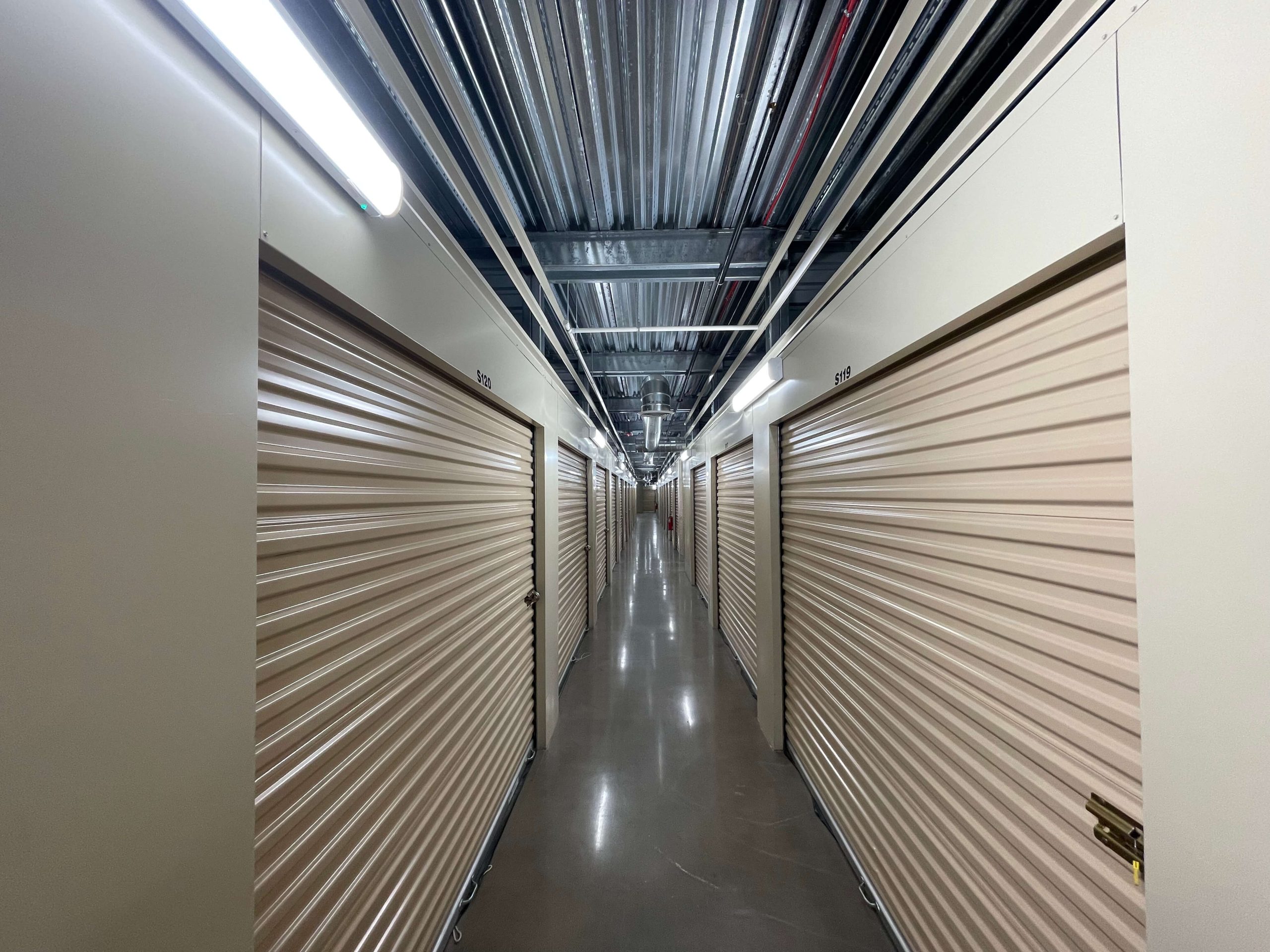
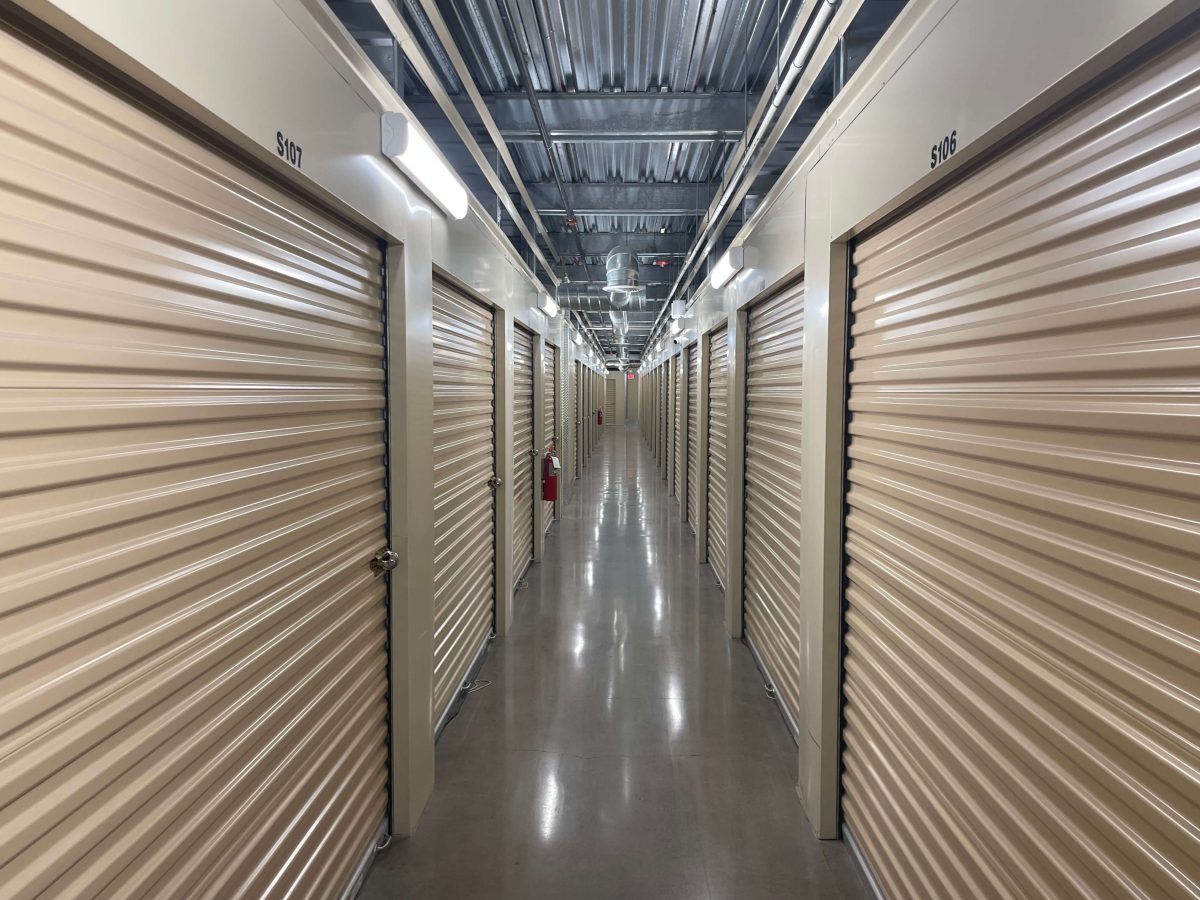
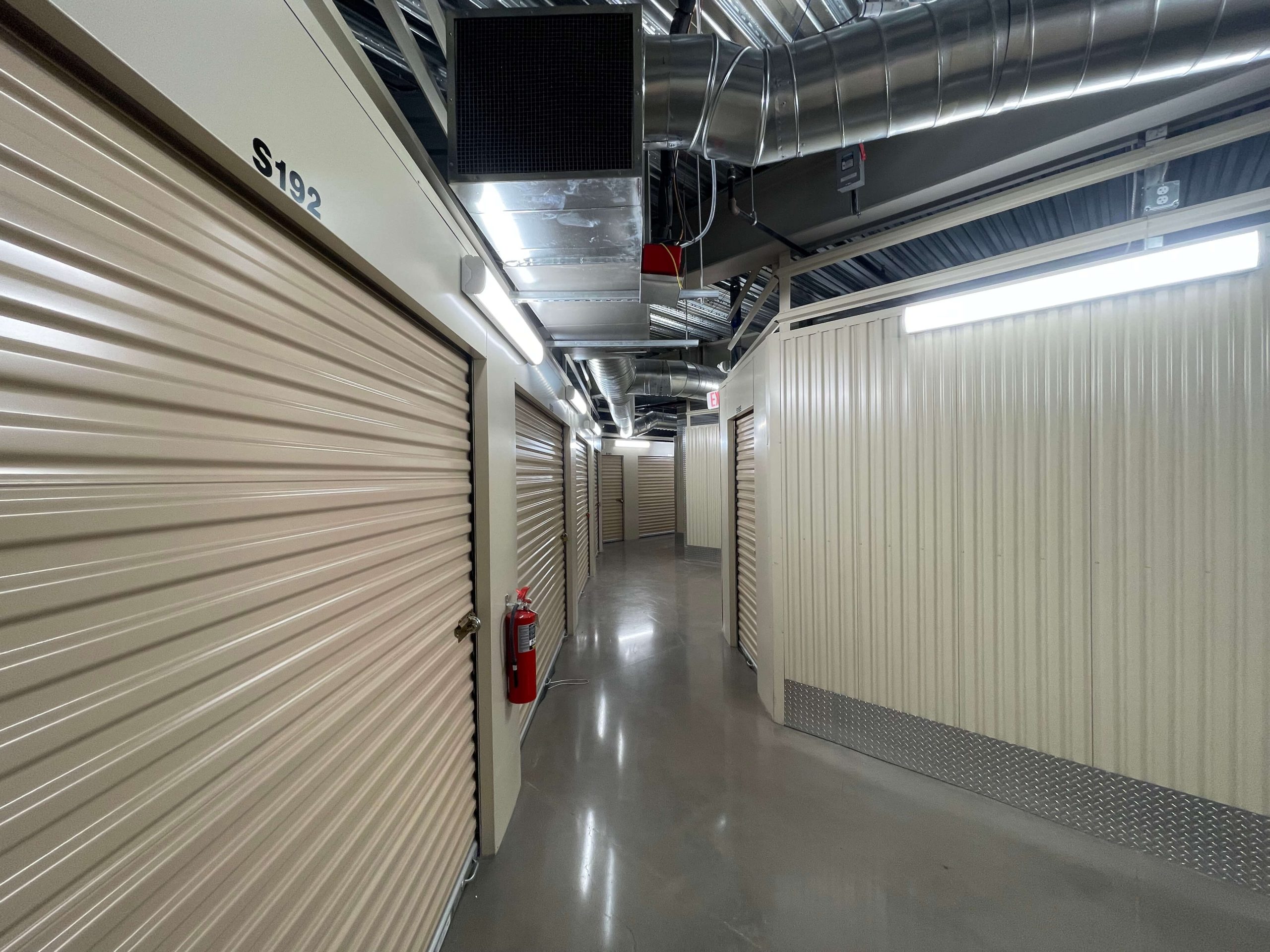
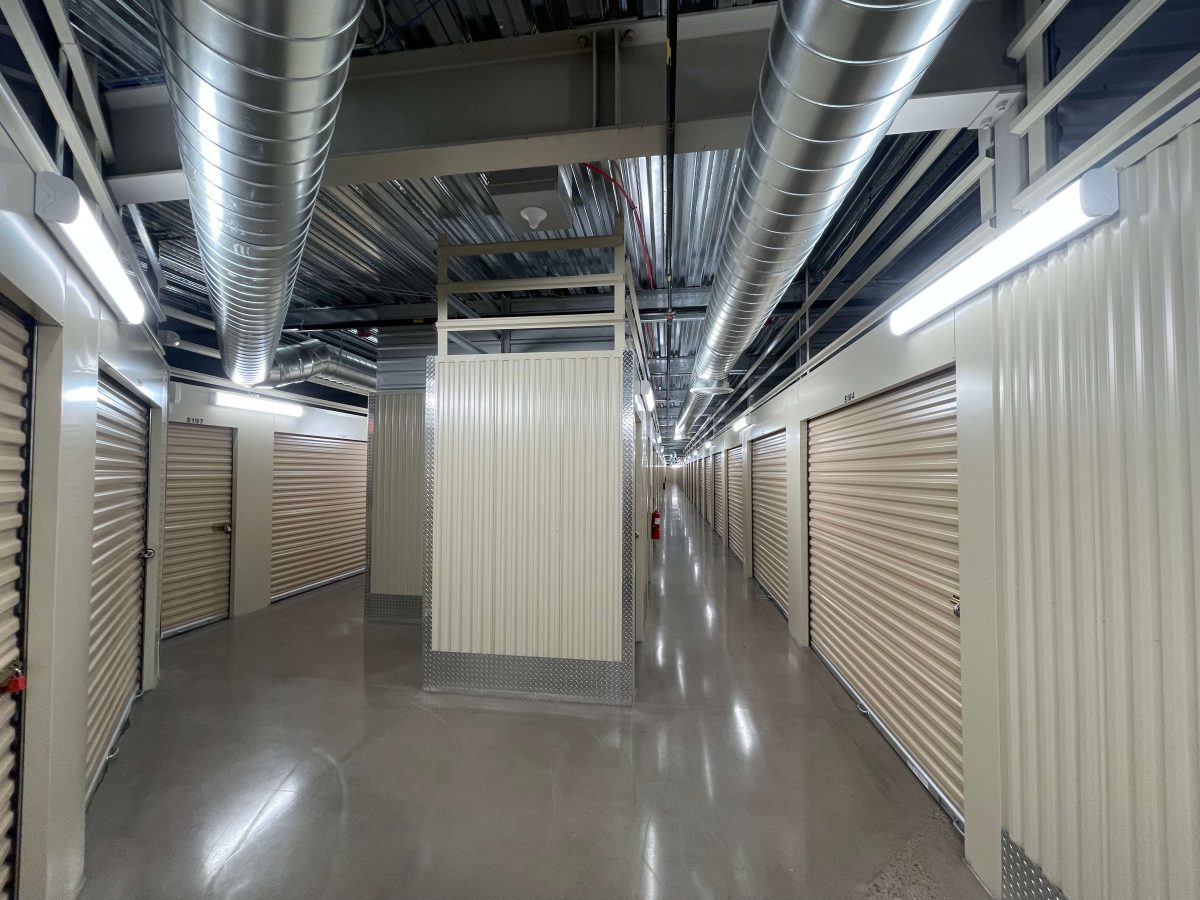
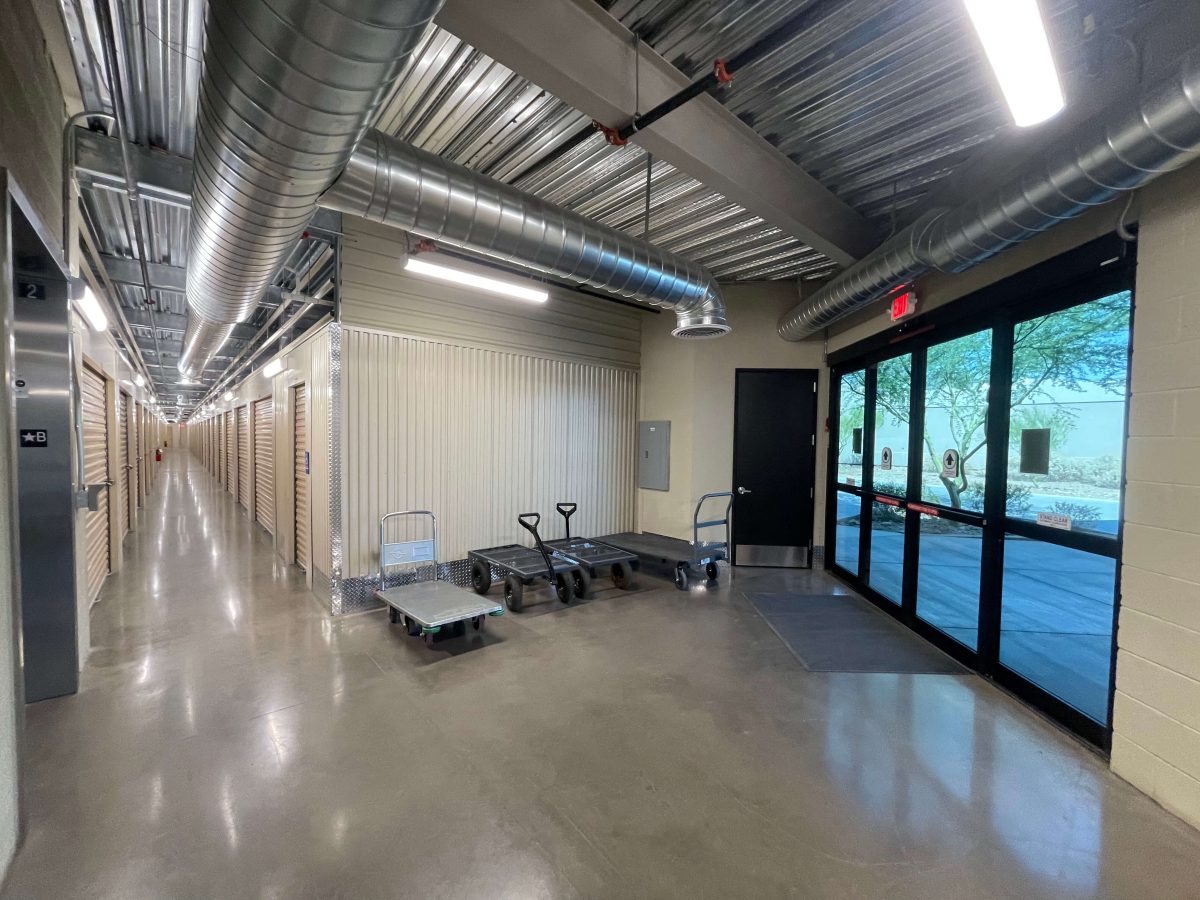
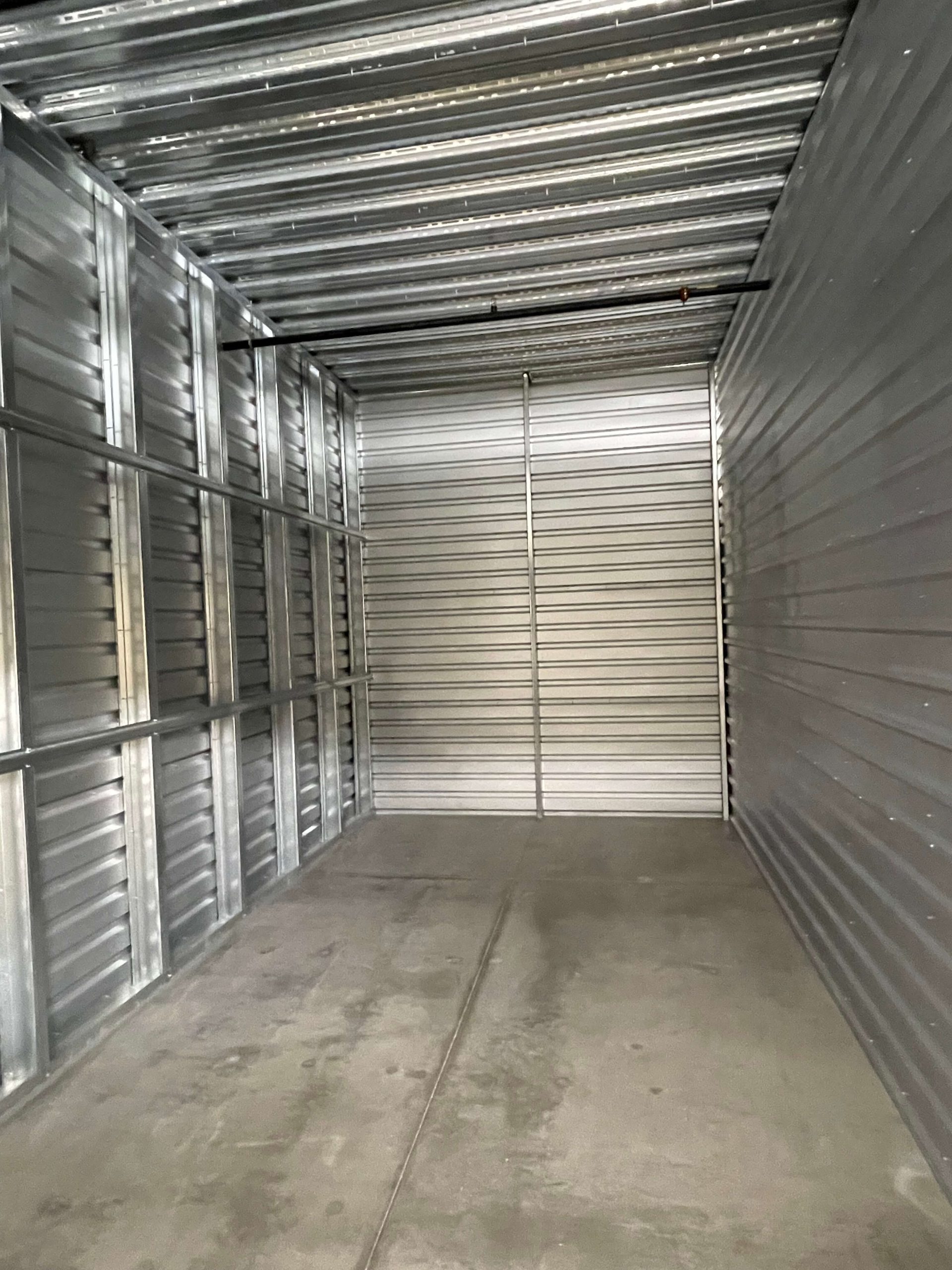
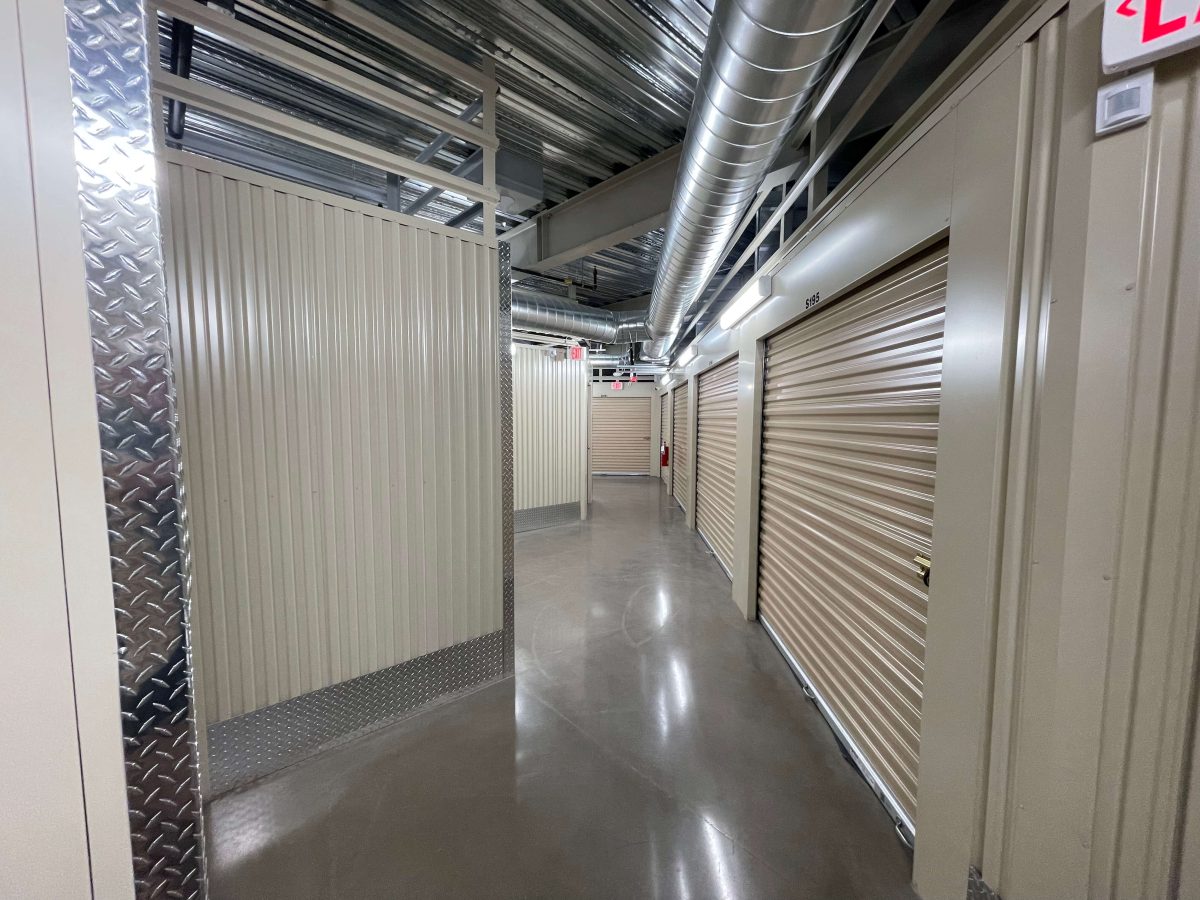
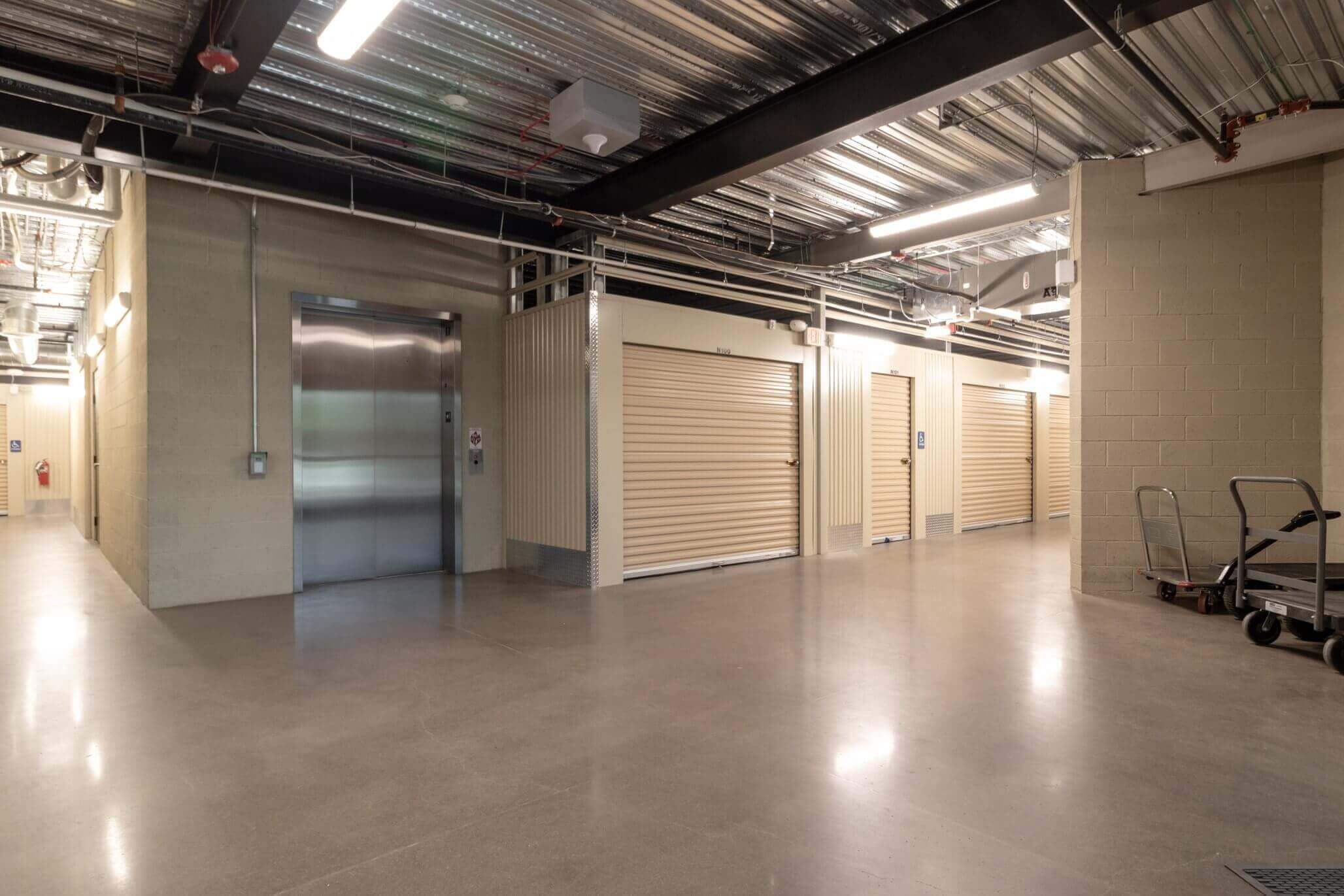
Plenty of moves involve a gap between packing day and move-in day, and that’s where storage conditions start to matter as much as the packing job itself. A unit that isn’t climate-controlled goes through the same heat swings as a parked truck, day after day, for as long as your items sit there. If your move includes any stretch of storage time, it’s worth reviewing our broader packing and storage tips and, if you’re not sure what size unit actually fits your load, our storage unit size guide before you commit to a space.
Mistakes We See Most Often at Move-In
- Nesting shades inside each other with no paper between them, which usually means at least one arrives dented.
- Leaving bulbs in the socket during transport, which risks breakage and, on the off chance the lamp gets plugged in accidentally, a shattered bulb.
- Taping bubble wrap directly to a shade or a finished base, which can strip paint, glaze, or fabric backing when the tape comes off later.
- Assuming a lamp that survived the move is fine to plug in immediately, without a quick check of the cord for cracks after any time in extreme heat.
Frequently Asked Questions
Should I remove the lightbulb before packing a lamp?
Yes. Always remove bulbs before packing a lamp to prevent breakage and avoid any risk if the lamp is accidentally plugged in during the move.
What’s the best box size for a lamp shade?
A box that closely matches the shade’s dimensions works best. Too much extra space lets the shade shift and get crushed under its own box flaps or anything stacked nearby.
Can I pack a lamp shade in the same box as the base?
It’s better not to. The shade and base have different fragility profiles, and combining them in one box usually means padding one at the expense of the other.
Is it safe to store lamps in a non-climate-controlled unit in Scottsdale?
It depends on the lamp. Delicate finishes, vintage shades, and older wiring hold up noticeably better in a climate-controlled space, especially through a Scottsdale summer, where uncontrolled units go through the same daily heat swings as a parked vehicle.
How do I pack an antique or vintage lamp?
Treat it more conservatively than a newer lamp: extra padding, a snug box, and climate-controlled storage or transport if there’s going to be any delay, since older glazes, adhesives, and cord insulation tend to be more heat- and impact-sensitive.
Get the Rest of Your Move Sorted
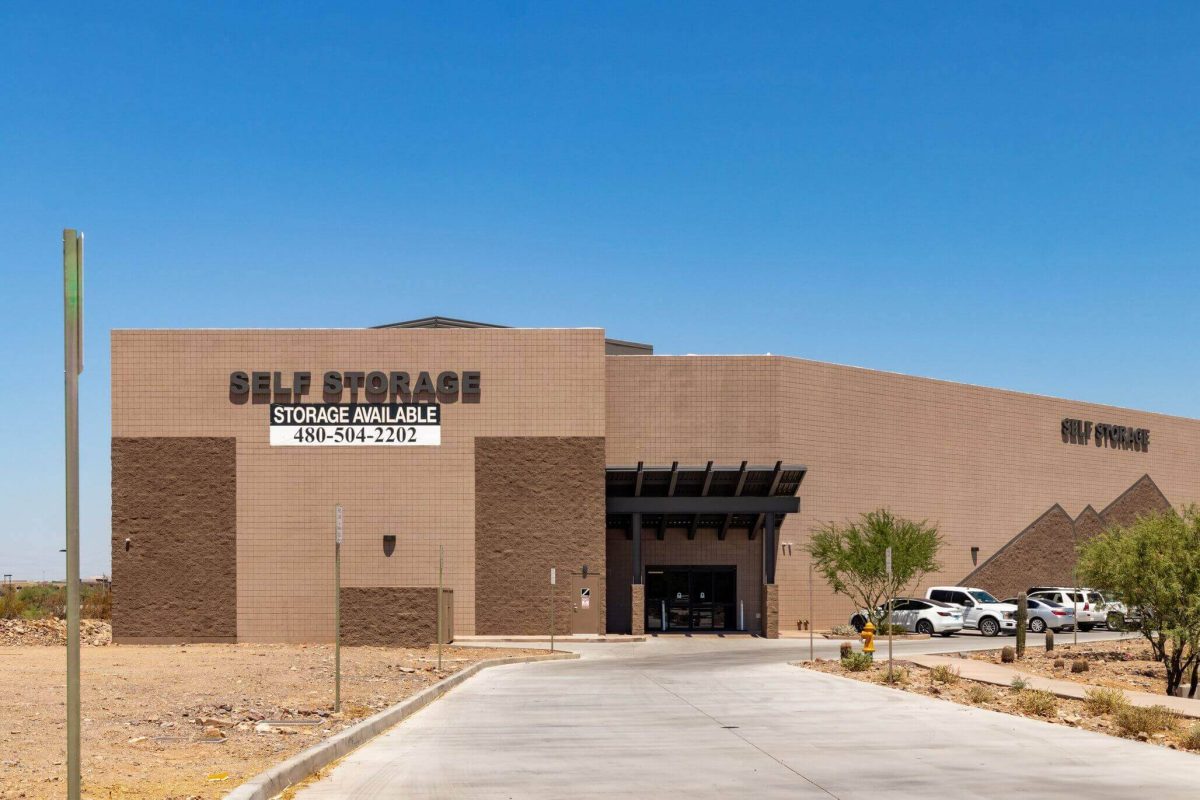
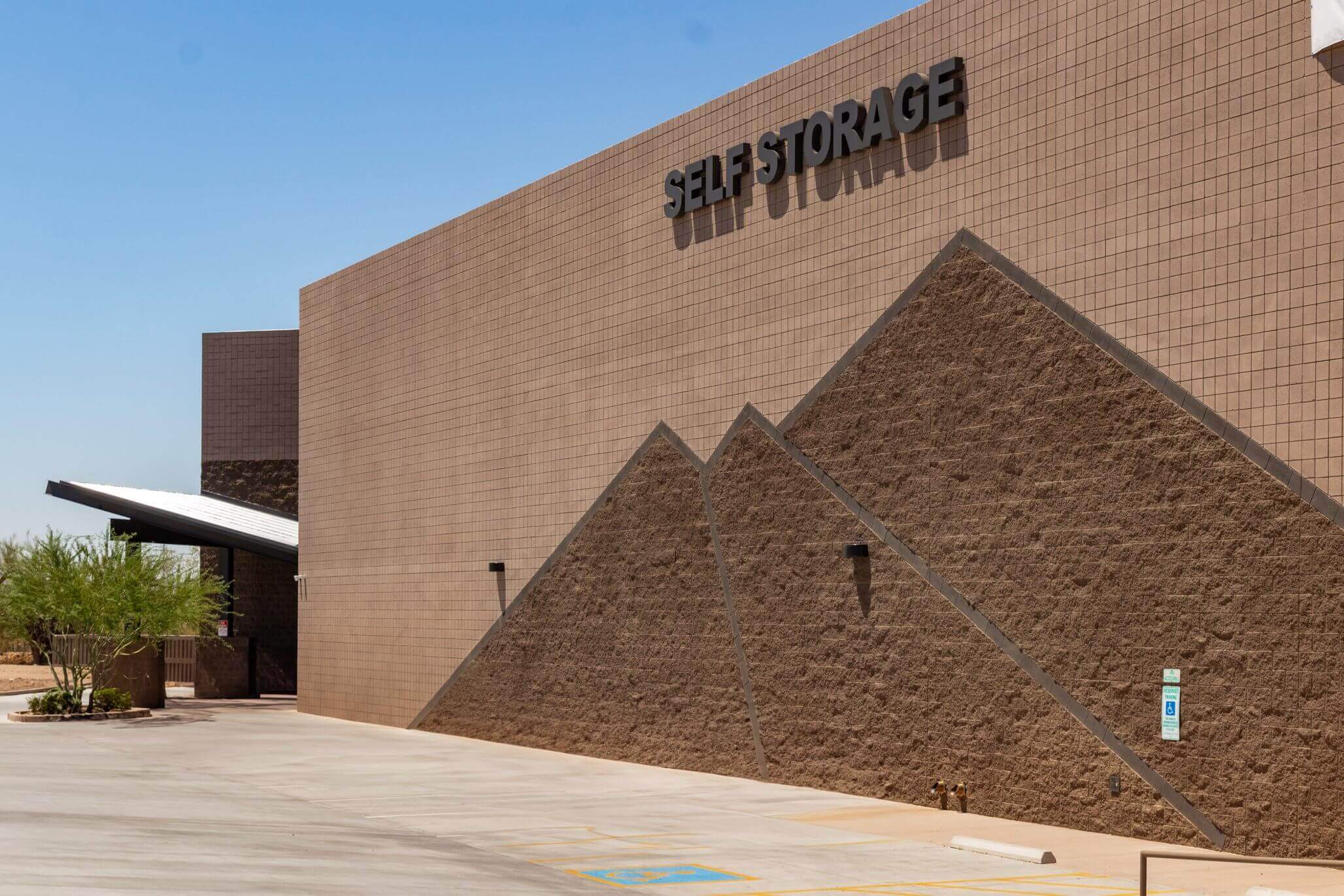
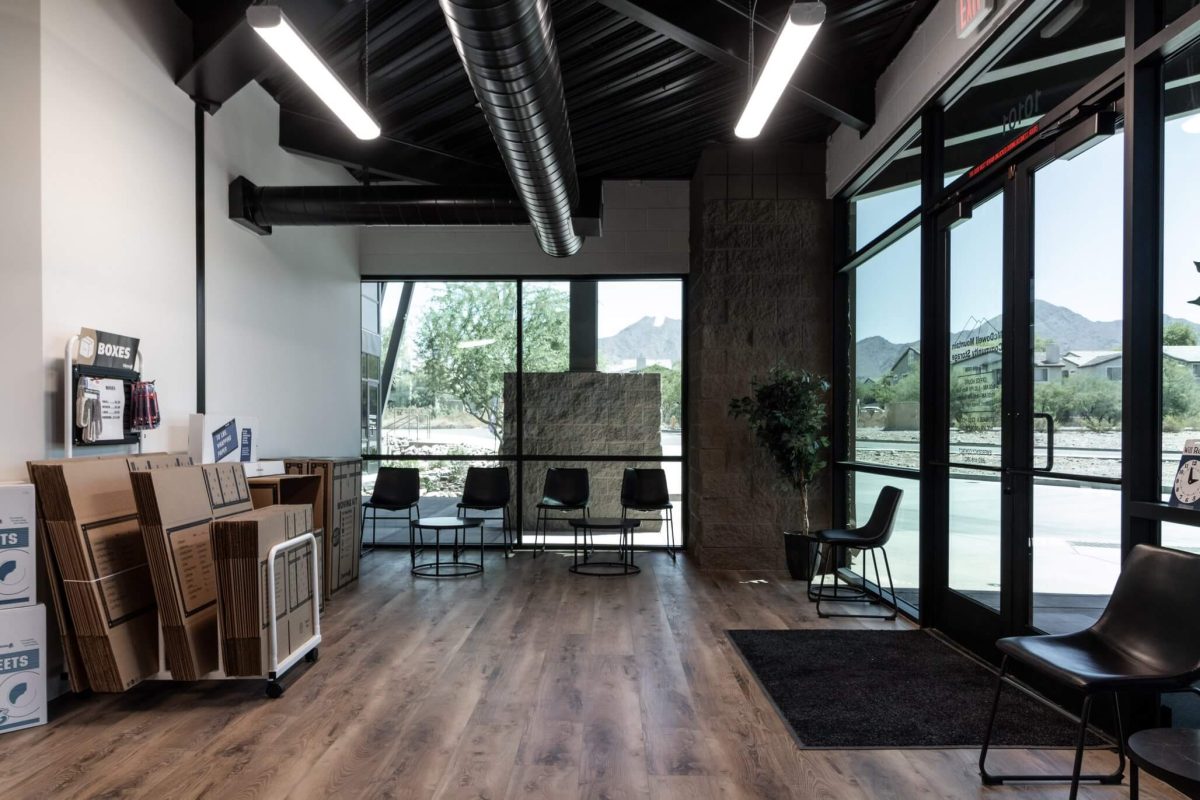
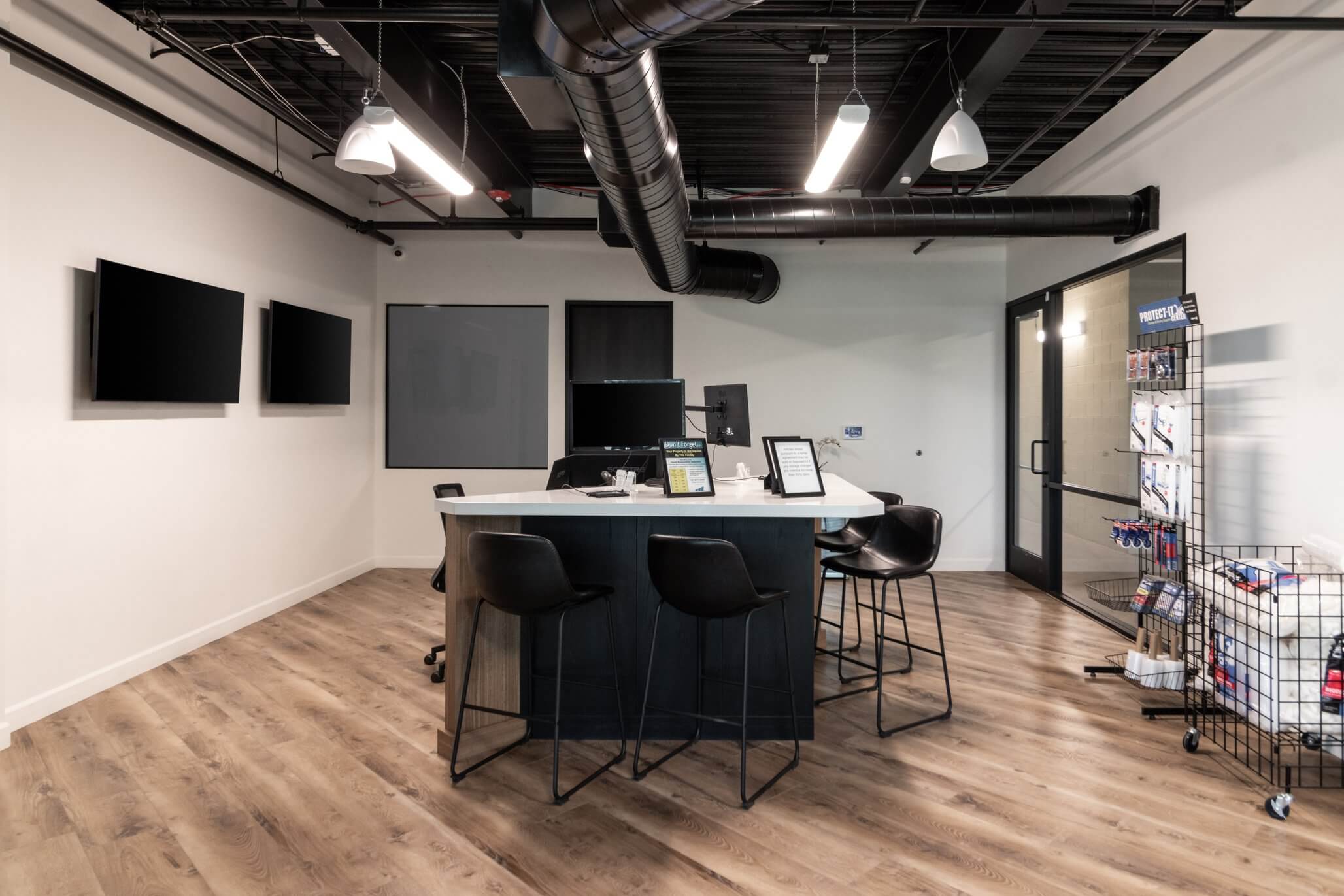
Lamps are a small part of any move, but they’re a good example of why “wrap it and hope” doesn’t hold up in a place like Scottsdale. If your move includes a gap before you’re back in a permanent space, McDowell Mountain Community Storage offers storage units in Scottsdale with indoor, climate-controlled units built for exactly this kind of desert heat, so your lamps and everything else are still in good shape when you’re ready to unpack.