Best Practices For Organizing Your Home Room By Room: All You Need to Get Started

Maintaining an orderly home is about more than just aesthetics; it is about creating a sanctuary where you can focus on what truly matters in your life. At McDowell Mountain Community Storage, we understand that the process of transforming a house from a state of chaos into a streamline system of efficiency can feel overwhelming for many adults balancing a busy schedule. However, with the right strategy and a bit of motivation, anyone can simplify their surroundings to achieve a tidy living environment. Our professional advice focuses on how to categorize, prioritize, and optimize every area of your living space by using a clear checklist to ensure no detail is overlooked.

To reach this goal, we recommend incorporating specialized organizers that turn a cluttered room into a functional masterpiece. Whether you are searching for some creative ideas to manage the mess or need a way to hide anything that does not have a designated home, the key is consistency. Even small daily habits, like loading the dishwasher immediately after a meal, contribute to the overall flow and order of the household. This guide represents our commitment to helping you master the art of organization through practical steps and reliable storage solutions.

Systematic Approach To Decluttering Success

The first step in any successful organization project is to declutter, starting from the top shelves and working down to the ones on the floor. We believe that a single person cannot organize clutter; you can only manage it. To start, we suggest you go through each room and evaluate every item, using a few professional tricks to stay focused. Ask yourself if the thing serves a functional purpose or if you truly love it. If the answer is no, it is time to let it go. This method allows you to clear a bunch of unnecessary items from your floor and countertops, giving you a blank canvas to work with.

We recommend a simple sorting process as our favorite tip for efficiency. Create three piles: keep, donate, and discard. By separating your belongings, such as old bottles or miscellaneous items, into these categories, you gain a clear sense of what needs to stay and what is simply taking up valuable storage space. At times, the process can be difficult, but once you have narrowed down your possessions to the essentials, the real work of organizing begins. Our goal is to help you create a home where everything has a designated place, reducing the time you spend looking for lost items and increasing your overall peace of mind.

Entryway And Mudroom Efficiency

The entryway is the front line of your home, and we believe it should never be an uphill battle to keep it clear. It is the first thing people see and the spot where the outside world meets your private life. Because this area is a magnet for mail, coats, and shoes, we advise implementing a strict routine to prevent a massive pile of clutter from forming. Whether you are a busy woman on the go or a couple managing a shared schedule, use hooks on the side of the entryway for frequently worn jackets and a dedicated bin for others in the family to store their daily gear.

A mudroom should function as a transition zone where you can stow away water bottles and sports gear in a specialized case. We suggest using a bench with built-in storage or a set of baskets tucked at the bottom to keep footwear off the floor. For paper clutter like news and bills, set up a small desk to post reminders or a wall-mounted organizer near the door. This allows you to sort mail immediately, ensuring junk goes to the recycling bin while important papers are placed in a folder for later attention. Thanks to this organized progress, you can even find a spot for a quick touch up of makeup before heading out. If you have any questions about this idea, we recommend looking at how managing this space effectively prevents the mess from creeping further into the house.

Kitchen And Pantry Optimization

The kitchen is often called the heart of the home, but it is also a primary source of clutter that can easily spill over into the dining room. We recommend starting with the counters, as clearing away any appliances that you do not use on a daily basis is the fastest path to an organized space. By keeping surfaces clear of extras and bags, you create more room for cooking and meal preparation. To truly optimize your workflow, incorporating brilliant kitchen organization ideas like using shelf risers inside your cabinets can double your storage capacity for dishes, plates, bowls, and cups. In reality, when items are left everywhere, it becomes impossible to maintain a high level of quality content in your cooking and kitchen management.

In the pantry, we suggest you categorize food items by type to create a logical focal point. Use clear containers and bins to hold snacks, grains, and baking supplies. Labels are your best friend here; they help everyone in the household know exactly where things belong, even stray items like television remotes that occasionally end up in the wrong area. For deep drawers, use drawer dividers to keep utensils, gadgets, and lids in order. If you have a lot of spices, a tiered tray or a turntable can show you everything you have at a glance, preventing you from buying doubles of what you already own. We also recommend checking your refrigerator and fridge door weekly to discard expired items, ensuring your food storage remains fresh and organized.

Living Room And Family Areas

The living room is a place for rest and entertainment, but it often becomes a graveyard for many types of toys, magazines, and electronics. To maintain order, we suggest furniture with hidden storage, such as a coffee table with drawers or a comfortable chair that doubles as a storage nook. The main reason for this approach is to keep the floor clear of items that would otherwise clutter the image of your beautiful home. Use a dedicated box or a decorative basket to corral remote controls and game controllers, ensuring that everyone in the house has the rights to a tidy shared space where the entertainment system actually works without a struggle.

For families with kids, toys can quickly take over common areas and even spill back into the kitchens. We advise setting a rule where only a certain amount of toys are allowed in the living room at one time. Use attractive bins to store lego sets and games, and make it a habit to do a quick sweep every evening; we often see positive comments from parents who find this routine life changing. If you have a large collection of books, arrange them on shelves by height or color for a cleaner look. By keeping the floor clear and using vertical space, you can transform a cluttered room into a relaxing retreat.

Master Bedroom Sanctuary

Your bedroom should be a place of tranquility and the one area in the house where you can truly escape the clutter. To achieve this, we suggest you prioritize a clear surface on your nightstand and dresser, as keeping these areas tidy is the best way to find peace. Use a small tray to hold jewelry, skincare products, and other small items you use before bed so they do not become scattered stuff. If your room is small, consider under bed storage solutions for extra linens or seasonal clothing. By utilizing all available spaces, including the floor under your bed, you ensure that everything has a designated place.

The wardrobe or closet is the most important part of bedroom organization and a primary space for maintaining order. We recommend a seasonal rotation where you move off season clothes and shoes to a different location, such as a basement or a professional storage unit. Within the closet, use a consistent type of hanger in your cabinets or hanging areas to create a streamlined look. Group your clothing by category and then by color; this system makes it much easier to find what you need in the morning without digging through drawers. For accessories like belts and scarves, use hooks on the back of the cabinet or closet door to save space.

Our advice for families is to keep kids and their toys in their own rooms rather than letting them spill into the master bedroom. Use a dedicated bin or drawer for something like extra books or magazines to keep them off the shelves and out of sight. Whether you are organizing a kitchen, a living room, or your private closets, our guide is designed to help you bring all your things into a functional system. By focusing on the drawer and bin layout within your storage furniture, you can ensure your life remains organized and stress free.

Children And Kids Spaces

Organizing for children requires a different mindset compared to the organization required for adults in their own private homes. We believe that the system must be simple enough for a child to follow, almost like a golden rule for maintaining a tidy house. Use open bins, specialized organizers, and low shelves so they can access their belongings and, more importantly, put them back on the right shelf. Labeling bins with both words and a picture can help younger children understand where some of their favorite things go, whether it is in a specific spot on the floor or inside a cabinet.

In a playroom or bedroom, categorize items like art supplies, building blocks, and toys into separate baskets or containers. If space is tight, a loft bed with a home office desk or storage underneath is an excellent way to maximize the layout and provide a dedicated area for school work. We also suggest a regular decluttering project with your children to teach them how to handle paper clutter and keep the lot of stuff they accumulate under control. By involving them in the steps, you help them develop lifelong habits of tidiness that can eventually be applied to the bathroom, the sink area, or even how they organize a dresser for their clothes. This advice ensures that anything from small accessories to a bulky laundry pile has a designated place, keeping the entire home in perfect order.

Home Office Productivity

A cluttered desk leads to a cluttered mind. In your home office, we suggest you focus on paper management as your first priority to declutter the space. Use a filing cabinet or a system of folders to categorize important documents, projects, and tax information. We recommend you arrange your shelves to hold the items you use most frequently, as a smart layout of your furniture can significantly improve your daily efficiency. A shredder should be kept close by to dispose of junk mail and sensitive papers immediately, which is a key method to streamline your workflow.

Keep your desk surface clear of everything except your computer and a few essentials. Use specialized containers or a drawer organizer for pens, paper clips, and cords to simplify your setup. If you have a lot of electronics, use cable ties to keep cords from becoming a tangled mess under your feet. We also recommend a digital cleanup; sort your computer desktop and inbox regularly to ensure your virtual work environment is as tidy as your physical one. Our strategy for a productive space incorporates various home office organization tips into a daily routine backed by an organizational checklist. When you optimize your plan for storage by using clear bins and detailed labels, you create a professional order that truly works. A clean office space improves focus and boosts productivity for adults who need to stay on top of their game.

Bathroom And Linen Closet Order

Maintaining an orderly home is about more than just aesthetics; it is about creating a sanctuary where you can focus on what truly matters in your life. At McDowell Mountain Community Storage, we understand that the process of transforming a house from a state of chaos into a streamline system of efficiency can feel overwhelming for many adults balancing a busy schedule. However, with the right strategy and a bit of motivation, anyone can simplify their surroundings to achieve a tidy living environment. Our professional advice focuses on how to categorize, prioritize, and optimize every area of your living space by using a clear checklist to ensure no detail is overlooked and that the organization of your work and personal life remains a top priority.

To reach this goal, we recommend incorporating specialized organizers that turn a cluttered room into a functional masterpiece in all modern homes. Whether you are searching for some creative ideas to manage the mess or need a way to hide anything that does not have a designated home on a shelf, the key is consistency throughout the house. Even small daily habits, like loading the dishwasher immediately after a meal or clearing a lot of paper from the sink and bathroom area, contribute to the overall flow and order of the household. This guide represents our commitment to helping you master the art of storage through practical steps that keep your laundry, dresser, and floor clear of most common clutter, ensuring every spot in your home serves a purpose for your accessories and daily need.

Laundry Room Workflow

The laundry room is a high traffic area that benefits greatly from a logical layout. We suggest using a three bin system to sort clothes into lights, darks, and delicates as they become dirty. This saves time on wash day and keeps piles of clothing off the floor.

Use shelves or a cabinet above the washer and dryer to store detergent, stain removers, and other supplies. If you have the space, a countertop for folding clothes as they come out of the dryer is a huge help. We also recommend a small basket for lost socks and a jar for items found in pockets. By streamlining your laundry process, you turn a chore into a manageable task.

Garage Basement And Attic Storage

These large areas often become the dumping ground for things we do not know what to do with, but we believe that with the right strategy, they can become models of order. We suggest using heavy duty shelving units to get boxes off the floor and away from potential moisture, as a smart layout of your furniture and shelves is essential for long term success. Use large, clear plastic bins and containers to store seasonal decor, sports equipment, and tools. To simplify the process, we recommend you sort through your belongings and prioritize what needs to stay in the house versus what should move to specialized storage.

Labeling is vital in these spaces because you may only access these items once or twice a year, so be sure to apply clear labels to every bin. We recommend keeping a list or a detailed checklist as an inventory of what is stored in each area. For the garage, use wall hooks to hang bikes, ladders, and garden tools, keeping the floor clear for your car. This method is part of a daily routine to maintain efficiency in your plan. If you find that your attic or basement is overflowing despite your best efforts to streamline the area, it might be time to consider the benefits of a professional storage solution to optimize your living environment.

Maintaining The Results

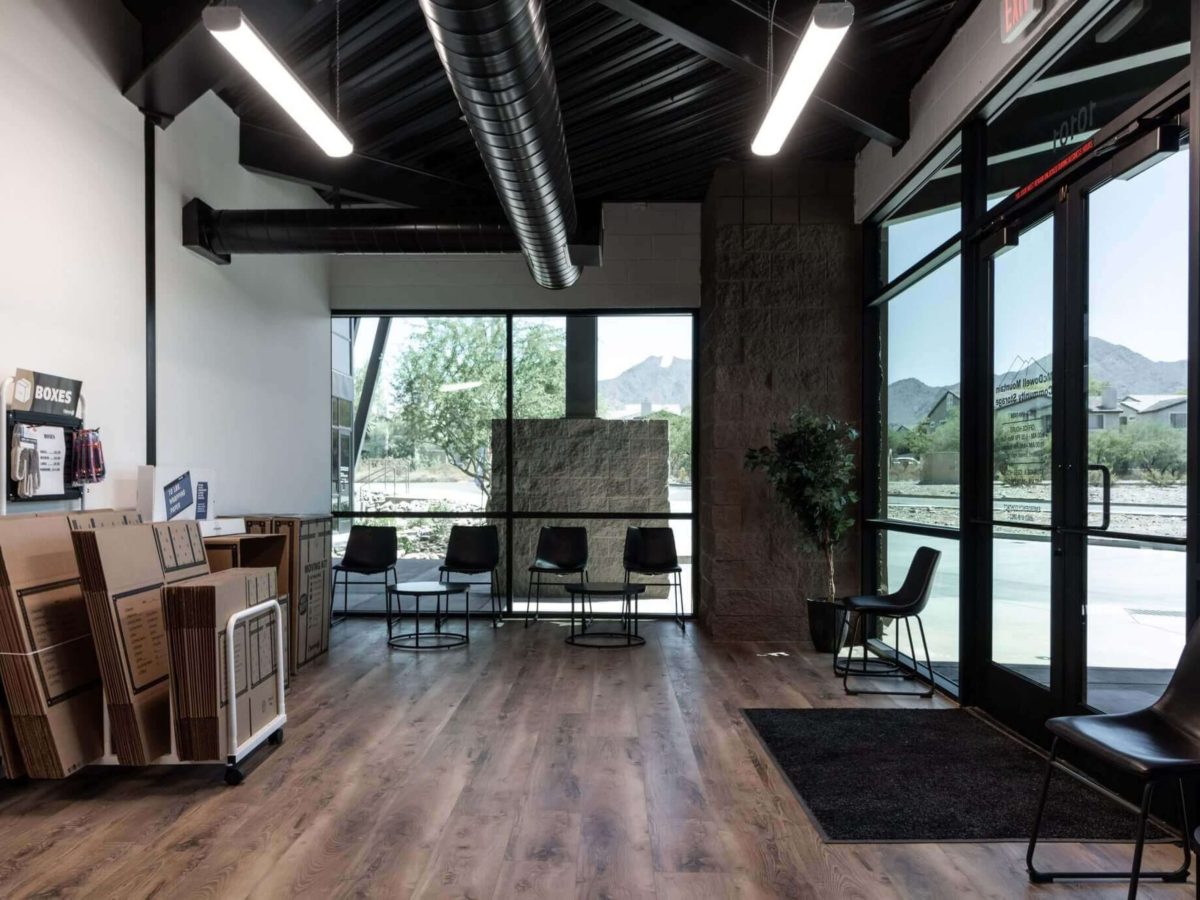
A perfectly organized modern living space in Scottsdale Arizona highlighting the benefits of using McDowell Mountain Community Storage for seasonal items.
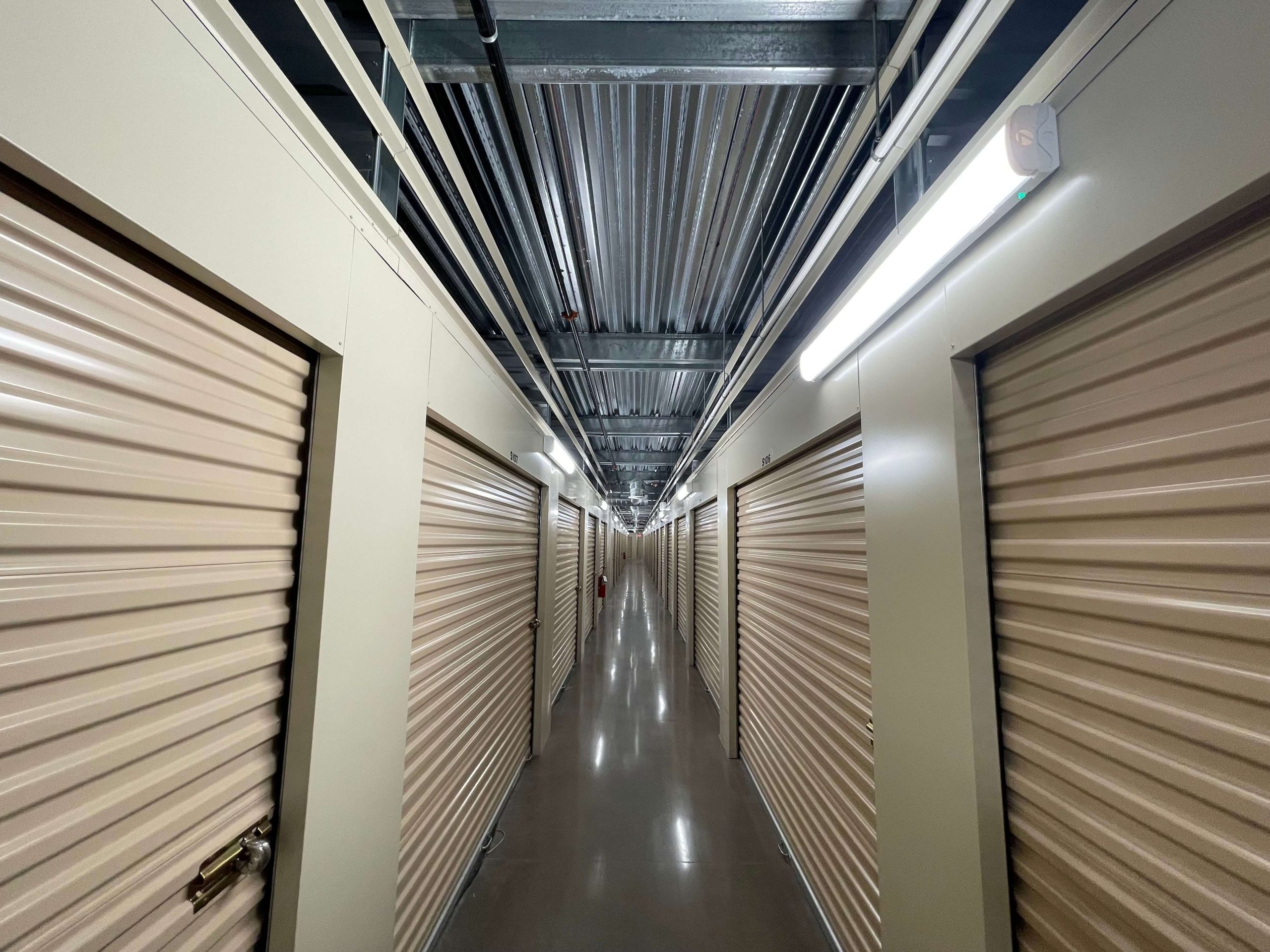
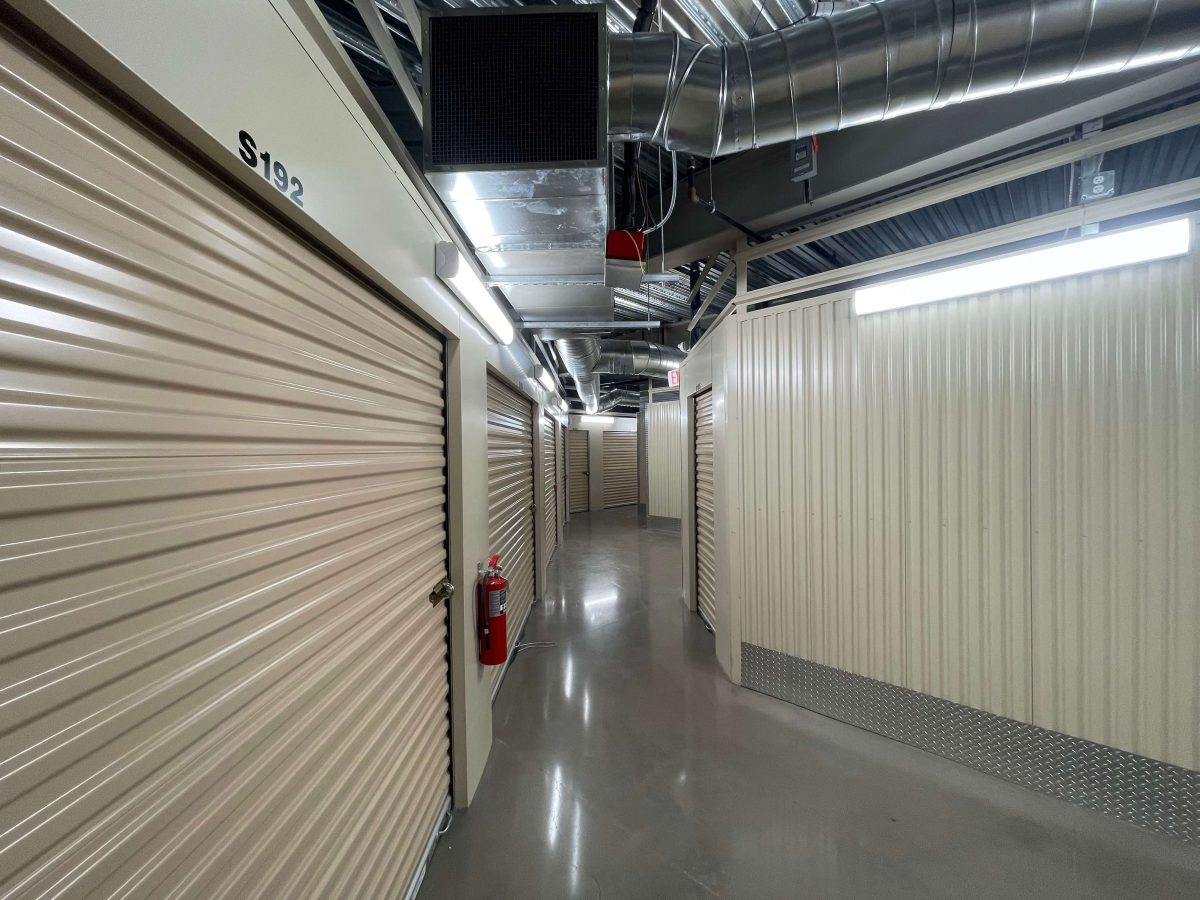
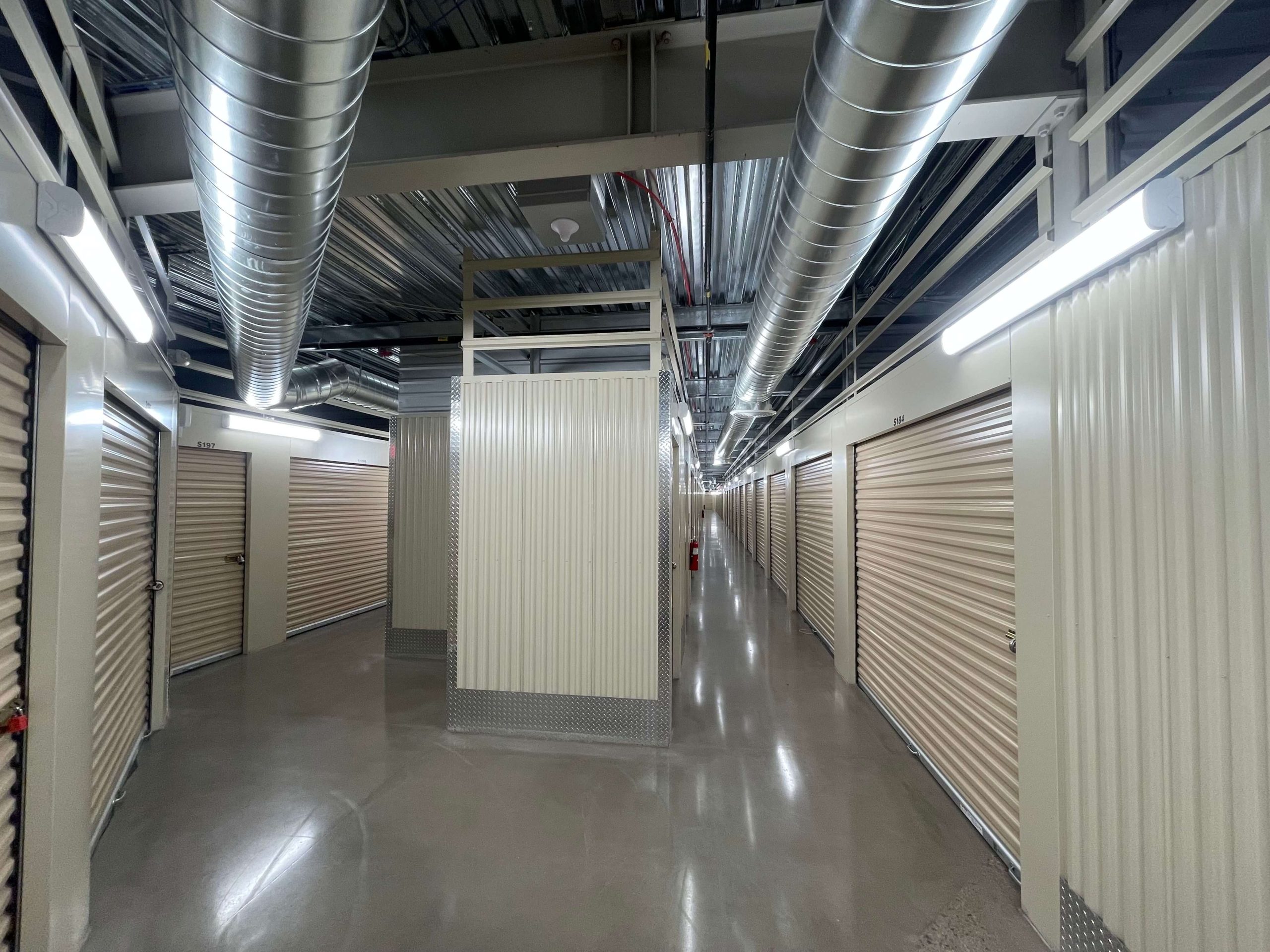
Achieving a clutter free home is easier with the help of McDowell Mountain Community Storage located in the heart of Scottsdale Arizona.

True organization is not a one time event; it is a habit. We believe that the key to staying organized is to implement small, daily routines. Spend ten minutes each evening doing a quick tidy of the main living areas. Follow the one in, one out rule: for every new item you bring into your home, something else must leave.

We encourage our readers to be patient with the process. Real life can be messy, and it takes time to find the systems that work best for your family. Celebrate the small wins, like a clean kitchen counter or a perfectly organized junk drawer. These small steps build momentum and lead to a more peaceful, orderly home. At McDowell Mountain Community Storage, we are always here to provide the advice and space you need to achieve your organization goals.

The Psychology Of Living In Order

Beyond the physical act of moving things into bins and drawers, there is a mental component to organization that we cannot ignore. A home filled with clutter acts as a constant visual reminder of unfinished tasks. This creates a mental burden that can affect your mood and overall well being. When we help our clients find storage solutions, we are not just giving them a place for their stuff; we are giving them the mental freedom to relax in their own homes.

We have found that when people take control of their environment, they feel more in control of their lives. The simple act of putting a lid on a storage box or labeling a shelf can provide a sense of accomplishment. This positive momentum often spills over into other areas, such as work performance or personal relationships. By viewing organization as a form of self care, you can find the motivation needed to maintain a tidy house even on your busiest days.

Strategic Thinking For Long Term Order

When you look at your home as a whole, it is important to see how the different zones interact to create a lifestyle that everyone in the family can enjoy. An organized kitchen makes dinner time easier, which in turn leaves more time for family activities in the living room. However, when surfaces and countertops are covered in a high amount of paper clutter, that sense of flow is broken. Each room is a piece of a larger puzzle, from the food in your refrigerator to the heavy gadgets in your garage. Our method focuses on creating a sense of balance throughout the entire house, ensuring that every item and individual item is accounted for.

If you find that certain areas, like the door where you drop your mail and news, are constantly becoming a mess, take a step back and analyze why. Perhaps your daily routines are not aligned with your current layout, or maybe you have too many belongings and not enough control over where they go. Do not be afraid to change the pieces of your organization projects or try a different type of organizer to manage your papers and other essentials. The goal is to make your home work for you, not the other way around. By paying attention to the details and staying committed to your plan, you can enjoy a home that is both beautiful and efficient.

Maximizing Small Spaces and Hidden Areas

Not every home comes with expansive closets or a massive basement. We specialize in helping residents with limited square footage find innovative ways to store their belongings. One of the best ways to gain more room is to look up. High shelves in bedrooms or cabinets that reach the ceiling in the kitchen can provide a lot of extra space for things you do not use every day.

We also suggest looking for hidden opportunities, such as the space under a staircase or the back of a door. Using an over the door organizer for shoes or cleaning supplies can free up valuable floor space. For furniture, we recommend choosing pieces that serve multiple functions. A storage bench in the entryway or a bed with built in drawers can hold a surprising amount of stuff while keeping your rooms looking clean and spacious. By being creative with your storage solutions, you can make even the smallest apartment feel like a large, organized home.

The Role of Labeling and Categorization

One of the most common mistakes people make when organizing is putting things away without a clear system. We believe that labels are the key to long term success. When every bin, box, and basket has a clear label, there is no question about where an item belongs. This is especially important in households with multiple people, as it ensures everyone is following the same rules.

When you categorize your belongings, try to think about how you use them. Keep all your baking supplies together, all your sports gear in one place, and all your holiday decorations in another. This logical grouping makes it much easier to find what you need when you need it. It also prevents you from buying duplicates of things you already own but cannot find. By investing a little time in a labeling and categorization system now, you save a lot of time and frustration in the future.

Handling Digital and Mental Clutter

In today’s world, clutter is not just physical. We also deal with a massive amount of digital information every day. Our advice for a tidy home extends to your computer and phone. Organize your files into folders, unsubscribe from emails you do not read, and delete photos you do not need. This digital decluttering can be just as satisfying as cleaning out a closet.

We also suggest being mindful of the mental clutter that comes from having too many projects or commitments. Just as you would purge an old wardrobe, take a look at your schedule and see what you can let go of. By simplifying your life both physically and mentally, you create space for the activities and people that truly matter. This holistic approach to organization is at the heart of our philosophy at McDowell Mountain Community Storage.

Professional Storage Solutions

Sometimes, even the best organization strategy inside the home is not enough. Whether you are dealing with a life transition, a home renovation project, or simply a collection of belongings that exceeds your current square footage, we offer the extra space you need. Using a storage unit can be a vital part of your decluttering process, allowing you to keep valuable items without letting them crowd your living space.

We take pride in providing a clean and secure location for your things. By moving seasonal items, heirlooms, or business inventory to our facility, you can regain control of your home. This allows you to focus on creating a lifestyle that is not weighed down by excess stuff. We invite you to see the difference that a bit of extra space and a professional storage partner can make in your life.

Conclusion On Home Organization

Creating an organized home is a journey that requires both a plan and action. From the front door to the back of the attic, every inch of your house has the potential to be a well ordered part of your daily life. By following the tips and strategies we have outlined, you can transform chaos into clarity.

Remember to prioritize the areas that cause the most stress and take it one step at a time. Use the right products, maintain your routines, and do not be afraid to ask for help when you need it. We hope this guide has provided the information and inspiration you need to start your next organization project. At McDowell Mountain Community Storage, we wish you the best of luck in creating the tidy, efficient home you deserve. Thank you for trusting us with your storage and organization needs.

Frequently Asked Questions (FAQs)

1. How do I choose between plastic, wicker, or fabric bins? 

Use clear plastic for kitchens and garages to resist moisture and see contents easily. Choose wicker or fabric for living areas to hide clutter and match decor. Ensure the material suits the room’s humidity and aesthetic.

2. What is the “Container Concept” for managing clutter? 

Treat every shelf or bin as a physical limit. If a “toy bin” is full, you cannot add more without removing something. This stops over-buying by reframing your furniture as a boundary for your belongings rather than just a surface.

3. How do I handle sentimental items that take up too much space? 

Digitize bulky memorabilia by taking high-quality photos. For physical keepsakes, use a “Legacy Box” with a strict size limit. This allows you to honor your past and keep the most meaningful items without letting them overwhelm your home.

4. What is the best way to label high-rotation bins? 

For pantries or playrooms where contents change, use chalkboard labels or clip-on tags. These are easier to update than adhesive stickers and don’t leave a sticky residue, making your organization system flexible and sustainable long-term.

5. How do I organize a home with no built-in closets? 

Utilize freestanding armoires, industrial rolling racks, or decorative trunks. Vertical space is key; use tall bookshelves with baskets to mimic a pantry. These “mobile closets” create structure in open layouts without requiring renovation.

6. How do I manage clothes that are worn but not yet dirty? 

Avoid “the chair” by installing a dedicated hook rack or a small “in-between” basket in the bedroom. This keeps semi-worn items off the floor and away from clean laundry, maintaining order while acknowledging realistic daily habits.

7. How often should I perform a deep decluttering session? 

Aim for a deep purge four times a year, ideally during seasonal transitions. While daily tidying maintains the surface, quarterly reviews help you catch expired pantry items, outgrown clothes, and seasonal gear that no longer serves you.

8. Which documents should go in a fireproof safe versus a file? 

Keep tax records and utility bills in standard files. However, vital records like birth certificates, passports, and property deeds should be stored in a fireproof, waterproof safe to ensure they are protected during an emergency.

9. How do I handle a roommate who isn’t as organized as I am? 

Establish “common area” standards where shared spaces remain clear. Allow each person a “zone of chaos,” such as a private drawer or desk, where they can maintain their own level of order without impacting the household’s collective peace.

10. What are the most eco-friendly ways to “discard” items? 

Research textile recycling for rags, e-waste centers for old tech, and “Buy Nothing” groups for functional items. Donating or recycling responsibly reduces the guilt of decluttering and keeps unnecessary waste out of local landfills.

Purse Storage Ideas for Home or Storage Units

Effective Purse Storage Ideas for Homes and Storage Units

At McDowell Mountain Community Storage, we understand how important it is for our customers to keep purses, handbags, clutches, and bags in excellent condition. Whether they’re displayed in a bedroom closet, neatly arranged on a bed during sorting, carefully stacked on a shelf, stored behind a door, or secured inside one of our climate-controlled storage units. Our goal is to help anyone with a handbag collection create an organization system that is tidy, accessible, and optimized for long-term preservation. We know that the right purse organizer, combined with clever placement and thoughtful handling, can make a significant difference in maintaining the structure, color, and longevity of every piece.

Below, we share our most effective purse storage ideas for home or storage units, built on years of hands-on knowledge managing personal items, accessories, and household goods of all sizes, materials, and value levels. By guiding customers on how to protect the back of each bag, prevent accidental compression when they stack items, and choose organizers that support the shape of each bag, we help ensure that every handbag remains in ideal condition for everyday use or long-term safekeeping.

Purse Storage Begins with Clean, Protected Foundations

Before arranging purses, bags, wallets, or clutches on a shelf, rack, or in cubbies, ensure the surfaces are clean. In our experience, cleanliness prevents long-term damage to handles, fabrics, leather, and hardware. At home, wiping down shelves, drawers, or bins ensures that each purse or handbag rests on a dust-free base. In our storage units, we maintain high standards of cleanliness to protect our clients’ items from dust and particles that might accumulate on bag materials over time.

As part of initial preparation, we encourage customers to empty all handbag content and evaluate the items inside—jewelry, hats, accessories, and things that could scratch or deform the interior lining. When items are removed, it becomes easier to categorize, sort, and label boxes or bins later. Having a clean starting point helps maximize both space and protection.

Thoughtful Selection of Storage Spaces Enhances Preservation

Choosing the right place to store purses is one of the most critical factors in long-term preservation. At home, closets offer versatile options, as shelves, wall hooks, racks, drawers, baskets, and boxes can be combined to create a personalized purse organization system. In a bedroom, a top shelf above shoes or clothes is often underused; placing handbags there can free up closet space while offering easy access.

Within our facility, we provide storage units designed to maintain stable conditions, protecting purse materials—especially leather and suede—from heat, moisture, and light exposure. Customers storing large numbers of handbags or extensive collections often benefit from climate-controlled spaces, as temperature fluctuations can warp bag shapes or fade colors. By selecting the right storage environment, our customers help ensure their handbag collection remains neat, compact, and display-ready.

Strategic Use of Dividers, Bins, and Baskets Encourages Structure

Shelf dividers, bins, and baskets play a vital role in keeping a handbag collection tidy. When purses sit upright and separated, they maintain their shape and avoid flattening. We have seen many effective ways to use these organizational tools: shelf dividers can keep bags in neat rows; bins can be categorized by size, material, or color; and baskets can help sort less frequently used handbags while keeping them accessible.

For customers storing purses in our units, we recommend using breathable bins rather than sealed plastic boxes, which can trap moisture. Structured dividers or racks inside these bins help keep each bag upright. When bins are clearly labeled, customers can locate items quickly without having to handle every bag, reducing wear. Organizational methods like these maximize both security and space efficiency.

Hanging Solutions Increase Flexibility and Efficiency

Hooks, hangers, and wall hooks offer a practical way to create vertical storage for purses. Behind-the-door racks or shower-curtain rings can hold lightweight bags or clutches, freeing up floor and shelf space. We advise customers to hang bags only by strong handles to prevent stretching, and to avoid hanging heavy handbags for long periods. Still, hanging solutions remain a valuable part of purse organization because they allow anyone to arrange items in ways that fit their space.

Hanging handbags in our storage units is possible when done thoughtfully. Customers using garment racks or closet systems can hang bags inside dust bags to prevent scratching. Hooks can also be used for accessories associated with purses, such as wallets or small crossbody bags. By combining hanging solutions with shelving, customers create well-balanced systems that are both efficient and protective.

Dust Bags, Cubbies, and Drawers Increase Protection

Dust bags are one of the most effective forms of protection for handbags. They shield materials from dust, fading, and accidental scuffs. We encourage customers to store valuable or delicate purses in dust bags, whether in a bedroom closet or in one of our storage units. When a dust bag isn’t available, a soft cotton pillowcase can serve as a safe alternative.

Cubbies and drawers add another layer of organization. Dividers inside drawers help separate purses, preventing handles or hardware from rubbing together. Cubbies, especially those sized appropriately for handbags, allow customers to sort by size, color, or use frequency. These structured spaces support consistent organizational practices and protect each bag within an orderly, well-labeled system.

Shape Preservation Techniques Maintain Long-Term Quality

One of the most common issues we see with purse storage is loss of shape. Bags collapse when they are empty, and over time, this can lead to permanent creases. To prevent this, we recommend filling handbags with acid-free materials. Tissue paper, clean cloth, or professional bag shapers keep the interior firm without adding weight.

Our customers who store bags long-term benefit greatly from shape preservation. Inside storage units, handbags may sit untouched for months. Filling them prevents sagging and ensures the bag emerges in display condition. By stacking bags only when necessary—and consistently placing the lightest items on top—customers can avoid accidental warping or flattening. This careful approach protects both structure and style.

Color, Material, and Size Sorting Methods Improve Organization

Sorting purses by color, material, or size offers several advantages: visual clarity, quicker access, and better preservation. When customers group leather handbags and fabric bags separately, they reduce the chance of material transfer or accidental staining. Sorting by size also prevents large bags from pressing against smaller, more delicate ones.

Categorizing bags by color is popular among customers who want a visually appealing display. In a bedroom closet, a rainbow-style organization method can make the collection feel curated and stylish. In our storage units, we see customers sort by material first—especially if they have lots of bags—because preservation often matters more than aesthetics in long-term storage. Regardless of method, sorting helps maximize space and maintain order.

Accessories and Related Items Benefit from Coordinated Storage

Purses rarely sit alone; wallets, small accessories, jewelry, and handles often accompany them. When storing these items together, customers reduce the chances of losing pieces that belong with particular bags. Small bins, drawer organizers, or labeled boxes can keep accessories sorted by category.

In our storage units, customers frequently store seasonal accessories, such as hats and jewelry, alongside handbags. By grouping related content carefully and using organizers, they streamline both storage and retrieval. This system also ensures that when someone needs a particular bag, its matching accessories are accessible and accounted for.

Seasonal Rotation Creates Fresh Space and Better Access

Many customers enjoy rotating bags by season. Summer totes, bright-colored handbags, and travel bags can be stored in storage units during winter, while darker, structured handbags return home. This rotation makes room in closets and helps customers stay connected to their favorite pieces without feeling overwhelmed by clutter.

We support seasonal rotation by offering easily accessible units that allow customers to retrieve stored items quickly. Because our facility prioritizes organization and labeling, customers can open a bin, find the exact purse they want, and update their rotation without unnecessary searching. This practice keeps home closets neat and manageable while keeping handbags protected year-round.

Purse Storage Ideas for Home or Storage Units

Safe Packing Methods Optimize Long-Term Storage Conditions

When customers prepare to store handbags long-term—whether during a move, extended travel, or a home renovation—they benefit from thoughtful packing strategies, especially when organizing home renovation for easy access is part of the plan. We guide customers to wrap each bag in soft, breathable materials, use dividers in boxes, and avoid placing heavy items on top of handbags. Handles should be wrapped to prevent indentations, and hardware should be covered to prevent scratching.

Inside our units, stacking should be kept to a minimum, and boxes should be clearly labeled with contents and sizes. This not only optimizes organization but also reduces handling, which can cause wear. By adequately preparing handbags before placing them in long-term storage, customers protect their investment and maintain each purse’s structural integrity.

Climate-Controlled Storage Units Strengthen Preservation

Climate-controlled storage is one of the most important tools we offer for handbag preservation, and the benefits of a climate-controlled storage unit extend far beyond simple temperature regulation. Temperature and humidity can affect leather, suede, coated canvas, and even hardware, making proper environmental control essential. Humid environments may cause mold, while dry air can crack leather and weaken delicate materials. Climate-controlled units stabilize these conditions, providing a reliable environment for long-term handbag storage and ensuring that every purse remains protected from the fluctuations that often damage high-quality accessories.

Our climate-controlled units also help protect materials from fading, warping, or sticking. When customers store extensive collections or high-value handbags, these units offer essential protection. By combining climate control with proper organization, dividers, shelving, and dust bags, customers create ideal conditions that safeguard their handbag collection for years.

Thoughtful Layouts Maximize Usability and Space

Whether organizing a bedroom closet or arranging items inside a storage unit, layout matters. Customers who design their closet with shelves at varying heights, wall hooks, door racks, and baskets can fit more handbags without feeling cluttered. In our storage units, customers often bring modular shelving to create layouts similar to ours.

Using vertical space, stacking carefully, categorizing by use, and labeling boxes all contribute to a logical, efficient system. Customers who build layouts that reflect their personal habits—such as keeping frequently used bags at eye level—benefit from faster access and easier maintenance. A well-planned layout makes purse organization sustainable and straightforward.

Consistent Maintenance Keeps Collections in Top Condition

Maintaining purse storage isn’t a one-time task. Dusting shelves, checking bag condition, adjusting shelf dividers, and updating labels help keep systems neat and functional. We encourage customers to perform a quick inspection every few months to ensure their handbags remain in optimal condition.

For those storing items at our facility, we design units that are easy to navigate, allowing customers to visit, adjust, and reorganize their belongings without stress. Regular maintenance ensures that handbags stay protected, organized, and ready for use anytime.

Support for Every Step of Purse Organization

At McDowell Mountain Community Storage, our mission is to make purse storage easier, safer, and more efficient. We take pride in helping customers organize home closet space, manage seasonal collections, and preserve handbags in our clean, secure, and accessible storage units. By offering stability, protection, and thoughtful guidance, we support customers who want to display, protect, categorize, or optimize their handbag storage systems.

Our facility is designed for anyone looking to maximize space while keeping purses in excellent condition. From racks and shelving to dividers and bins, we help our customers create systems that reflect their personal style and organizational goals. With our storage options and expertise, customers can feel confident that their handbag collection is well preserved, well organized, and always ready for use.

Frequently Asked Questions

1. Can I store vintage or designer handbags in long-term storage without damaging them?

Yes, but they need extra care. Vintage and designer handbags should be stored in climate-controlled environments, kept in breathable dust bags, and supported internally with acid-free materials to maintain structure.

2. How do I prevent metal hardware on my handbags from tarnishing during storage?

Keep hardware wrapped lightly in soft, non-abrasive cloth and avoid exposing it to moisture or plastic. Climate-controlled storage also reduces the risk of oxidation.

3. Are there specific purse organizers recommended for small closets or limited space?

Compact vertical purse organizers, slim shelf dividers, and over-the-door racks are ideal for small closets. These solutions maximize height and depth without taking up floor space.

4. Should I store handbags with their straps tucked inside or left out?

Straps should be stored in a neutral position to prevent creasing. Tuck longer straps inside gently, but avoid bending them sharply. Short handles can remain upright if appropriately supported.

5. What is the safest way to store handbags made of delicate fabrics like satin or silk?

Please place them in individual breathable dust bags and avoid stacking. Cushion them with soft materials and keep them away from coarse surfaces that may snag the fabric.

6. Are storage units safe for handbags that contain natural materials such as leather or straw?

Yes—especially climate-controlled units. Natural materials are sensitive to humidity and temperature changes, so controlled environments prevent cracking, fading, and mold.

7. How often should I rotate or inspect purses kept in long-term storage?

Every 2–3 months is ideal. Regular inspection allows you to air out bags, reshape interiors, and ensure no moisture or pressure marks have formed.

8. Can I store handbags inside their original designer boxes?

You can, but only if the boxes are breathable. Many designer boxes are sturdy but may trap humidity. Add silica packets and monitor moisture if storing this way.

9. What is the best method for storing oversized totes or travel bags that don’t fit standard shelves?

Use wide, open cubbies or large bins with supportive structure. Oversized totes should not be folded; instead, keep them upright with interior support to maintain shape.

10. Should I clean or condition leather handbags before placing them in storage?

Absolutely. Light cleaning and conditioning help leather retain moisture and flexibility during storage. This prevents cracking and keeps the bag in display-ready condition.

Tips for Summer Storage: Protecting Your Belongings from Heat and Humidity

19 Tips for Summer Storage

At McDowell Mountain Community Storage, we understand that summer brings unique challenges for anyone using self-storage. High temperatures, humidity, and summer storms can put your belongings at risk if they are not stored properly. Whether your items have been kept in a basement, attic, garage, or simply in the shade at home, the elements can still cause damage over time. We want to ensure everything you store—furniture, electronics, instruments, artwork, clothes, gear, and other valuables—remains in excellent condition. Our goal is to provide the right storage option and guidance to protect your possessions from heat, moisture, mold, mildew, and other potential risks.

Proper preparation and placement make all the difference in summer storage. No matter the size of your storage unit or the type of items you have, we offer solutions that help maintain the best condition for your belongings. From protecting delicate clothes and fabrics to safeguarding gear, electronics, and antiques, we ensure that everything you store is shielded from damaging temperatures, humidity, and exposure to the elements. With the right storage space, thoughtful organization, and attention to detail, you can trust that your items are secure and ready for use whenever you need them.

1. Prepare Your Items Before Storage

Before placing anything into a storage unit, we recommend thoroughly preparing your belongings. Clean furniture, appliances, electronics, and even your car or vehicle-related items to remove dust, dirt, and moisture. For items such as clothing, linens, cotton sheets, and other things that matter to you, ensure they are scorched to prevent mold and mildew growth. Wrap fragile items, artwork, vinyl records, and instruments in protective materials like bubble wrap or blankets to prevent damage during unloading and long-term storage. For delicate items, take extra precautions to protect the bottom and corners, where damage is most likely to occur.

We encourage labeling boxes, containers, and gear clearly, using sturdy cardboard boxes or plastic bins with lids to organize your items effectively. For documents, photographs, and paper-based items, use moisture absorbers and airtight containers to protect them from humidity. Consider the place of everything in your unit, allowing space for airflow and easy access to items you may need. Following these storage tips and planning your storage area thoughtfully is the first step in maintaining the condition of your belongings, especially during hot summer months, and in maximizing space for all your things.

2. Choose the Right Storage Unit

Selecting the appropriate storage unit is essential for summer storage. We offer a range of storage options to meet your needs, including climate-controlled units that maintain stable temperature and humidity levels. Climate-controlled units are ideal for sensitive items such as electronics, antiques, artwork, musical instruments, vinyl records, wooden furniture, or anything that requires extra care, as these materials are particularly susceptible to warping, cracking, or corrosion when exposed to high heat and moisture. Following this guide helps you choose the best unit for each part of your belongings, whether it’s a box of documents, a set of photos, supplies, or some other goods.

If a climate-controlled unit is not necessary, consider units with good airflow, ventilation, and insulation. Our storage units on-site are designed to provide optimal airflow and prevent condensation, reducing the risk of mold, mildew, and rust. Choosing the correct unit size ensures your items are not overcrowded and allows proper circulation and access for periodic checks. By organizing your boxes, containers, and other items thoughtfully, you create a place for each item and keep your goods protected from summer heat, humidity, and other potential risks.

3. Organize Items for Airflow and Access

Proper organization inside the unit is crucial for summer storage. We recommend using shelving to keep items off the floor and prevent exposure to ground moisture, summer storms, and pests. Pallets can also elevate boxes and containers, allowing airflow underneath and reducing the risk of water damage, while helping maintain a consistent level of safety for your belongings.

Maintain clear pathways between stacks of boxes, bins, and furniture to provide easy access for periodic inspections. Adequate spacing allows air circulation, helping prevent condensation and keeping temperatures more consistent within the storage space. Consider placing sensitive items like electronics, instruments, and wooden furniture in areas away from direct sunlight or the warmest parts of the unit. Following these summer storage tips and using the correct information for your items ensures that everything stays protected and in optimal condition throughout the season.

4. Protect Furniture and Wood Items

Furniture and wooden items are particularly vulnerable during summer storage. Heat and humidity can lead to warping, cracking, and mold growth. We recommend cleaning and drying all wood surfaces before storage and wrapping them in breathable fabrics such as cotton sheets. Avoid using plastic wrap directly on wood, as it can trap moisture and accelerate mold and mildew issues.

For upholstered furniture, vacuum and clean fabrics thoroughly, and cover with breathable sheets or fabric covers. For antiques or high-value pieces, climate-controlled storage is the safest option. We also suggest lifting furniture off the floor using pallets or shelving to avoid contact with potential moisture and condensation.

5. Safeguard Electronics and Appliances

Summer heat can cause irreparable damage to electronics and appliances if not stored properly. We advise removing batteries from devices, cleaning computers, TVs, and other appliances, and storing them in their original boxes whenever possible. Plastic containers with lids provide extra protection, while silica gel packets or other moisture absorbers can prevent condensation and corrosion.

Store electronics away from direct sunlight and areas prone to temperature fluctuations. For larger appliances, keep them slightly elevated on pallets or a protective base to prevent moisture from the floor. Proper handling and placement reduce the risk of heat-related damage during summer storage.

6. Protect Clothing, Fabrics, and Paper Items

Humidity can wreak havoc on clothing, fabrics, and paper items. We recommend using breathable garment bags, plastic containers, and airtight bins to safeguard your clothing, linens, cotton sheets, and delicate fabrics. For items prone to mildew, including stored books, artwork, or documents, moisture absorbers and silica gel packets are particularly effective.

Avoid using cardboard boxes for long-term storage of items sensitive to humidity without added protection, as cardboard can absorb moisture and weaken over time. Wrapping items in acid-free paper or plastic can preserve fabrics, photographs, and important documents.

7. Store Valuables, Artwork, and Instruments Safely

Valuables, artwork, and musical instruments are often the most delicate items in storage. Summer heat and humidity can warp wood, fade paint, or cause delicate materials to deteriorate. We advise using climate-controlled storage units whenever possible and wrapping items in protective materials such as bubble wrap, blankets, or fabric covers.

For paintings and artwork, store vertically with spacers between pieces to prevent sticking, warping, or damage. Instruments should be stored in their cases and elevated off the floor to reduce exposure to moisture and pests. We also suggest labeling these items clearly and storing them so they are easily accessible without heavy lifting or the risk of falling objects.

8. Prevent Moisture, Mold, and Mildew

Moisture is the primary cause of mold and mildew during summer storage. We recommend placing moisture absorbers, silica gel packets, and desiccants throughout your storage unit. Keeping boxes, containers, and furniture slightly elevated on pallets improves airflow and minimizes the risk of condensation forming on the floor or on items.

Inspect items periodically to catch any signs of mildew, mold, or moisture damage early. Avoid storing wet items, and ensure the unit itself is well-ventilated and free from leaks or standing water. Proper preventive measures can save your belongings from costly and irreversible damage.

9. Protect Cardboard and Boxes from Summer Heat

Cardboard boxes are highly vulnerable to heat, humidity, and pests. We suggest using high-quality, sturdy boxes and placing them on pallets or shelving to keep them off the floor. Avoid overpacking boxes to prevent crushing or deformation from heat expansion.

For sensitive items like documents, photographs, books, and paper, consider plastic containers with lids or lined cardboard boxes with moisture absorbers. This extra layer of protection helps prevent warping, yellowing, and mildew growth caused by high temperatures and fluctuating humidity.

10. Safeguard Items Against Pests and Rust

Pests, including insects and rodents, are more active during summer and can cause significant damage. We recommend sealing boxes and containers tightly and using pest deterrents when necessary. Keep the storage unit organized and avoid leaving food, candles, or perishable items in storage, as these can attract pests.

Metal items, tools, and appliances are at risk of rust during humid summer months. We advise using protective coatings, wrapping metals in protective covers, and storing items off the floor to minimize moisture exposure. Regular inspections and preventive measures help keep your items in top condition.

11. Protect Vehicles, RVs, and Boats in Storage

Summer storage is not limited to household items—vehicles, cars, RVs, boats, and motorcycles also require proper protection. We offer vehicle storage with climate control and adequate ventilation to prevent heat damage, corrosion, and moisture accumulation.

Before storing a vehicle or RV, clean it thoroughly, remove batteries if possible, cover it with breathable covers, and top off fluids. Ensure tires are properly inflated, and consider using tire pads or blocks to prevent contact with the ground in areas prone to moisture. Proper preparation keeps your vehicles in working order, ready for use when you need them.

12. Maintain Airflow and Ventilation

Air circulation is a critical component of summer storage. Without proper airflow, humidity can accumulate, and heat can become trapped, creating an environment conducive to mold, mildew, and damage. We ensure our storage facilities are designed with ventilation and climate control where needed, which helps maintain consistent temperatures and humidity levels.

Using pallets, shelving, and spacing between items encourages air circulation within the unit. This simple adjustment reduces the risks associated with heat and moisture and extends the life of your stored items.

Custom drawer dividers and knife racks for brilliant kitchen organization ideas at McDowell Mountain Community Storage in Scottsdale Arizona.

13. Protect Fragile and Valuable Items

Fragile items, such as glassware, electronics, artwork, and collectibles, require extra attention during summer storage. Knowing how to safely store fragile items in a storage unit is essential. Each item should be wrapped individually in bubble wrap, packing peanuts, or soft fabrics and placed in sturdy containers with adequate padding.

Label containers as fragile and store them so they do not crush or shift during unloading or movement. Keeping fragile items elevated and protected from heat, moisture, and dust ensures they remain safe throughout the summer season.

14. Plan for Summer Storms and Weather Changes

Summer often brings storms and sudden weather changes that can affect your storage unit. We encourage choosing units and facilities with robust construction, insulation, and drainage to protect against water intrusion.

Keep essential items elevated, sealed, and stored in waterproof containers when possible. Be aware of your unit’s location within the facility and consider extra precautions if it is on the ground floor or near exterior walls, as these areas are more susceptible to leaks or water damage during summer storms.

15. Use Climate Control and Temperature Solutions

For optimal protection, the benefits of a climate-controlled storage unit include safeguarding items against extreme summer heat and humidity. These units maintain regulated temperature and humidity levels, protecting sensitive belongings such as electronics, antiques, musical instruments, vinyl records, and artwork from warping, corrosion, or mold.

Even with non-climate-controlled units, using insulation, moisture absorbers, and proper airflow strategies is recommended. Periodic monitoring of temperatures, humidity levels, and storage conditions helps prevent damage and ensures items remain in excellent condition throughout the summer.

16. Maintain Regular Access and Inspection

Regular access to your storage unit enables us to assess the condition of your items and address potential issues early. We suggest periodically inspecting boxes, furniture, electronics, and other stored items to ensure they remain free from moisture, pests, or heat damage.

Rotating items when possible, checking moisture absorbers, and addressing any issues immediately helps maintain optimal conditions and protects your belongings from the risks associated with summer storage.

17. Follow a Summer Storage Checklist

To simplify summer storage preparation, we recommend following a checklist:

  • Clean and dry all items before storage.
  • Wrap fragile and valuable items in protective materials.
  • Use sturdy cardboard boxes or plastic containers with lids.
  • Elevate items on pallets or shelving to improve airflow.
  • Utilize moisture absorbers, silica gel packets, and desiccants.
  • Store electronics, appliances, and instruments properly.
  • Protect furniture and wooden items from heat and warping.
  • Avoid storing food, candles, or perishable items.
  • Choose climate-controlled units for sensitive belongings.
  • Inspect items regularly and maintain airflow within the unit.

Following this checklist ensures that your summer storage experience is stress-free and that your items remain in the best possible condition.

18. Trust Our Facility and Expertise

At McDowell Mountain Community Storage, we are committed to providing safe, reliable, and professional storage solutions. Our facility offers a variety of storage units and self storage options tailored to your needs, including climate-controlled spaces, vehicle storage, and general storage units with optimal airflow and accessibility.

We prioritize the protection, preservation, and organization of your belongings, from furniture and electronics to clothing, documents, and antiques. Summer storage doesn’t have to be a source of worry—we provide the solutions, guidance, and facility quality to keep your items safe from heat, humidity, and potential damage.

19. Conclusion: Protect Belongings During Summer Storage

Summer storage presents unique challenges, but with careful planning and proper precautions, your items can remain safe and in excellent condition. At McDowell Mountain Community Storage, we provide the tools, guidance, and facilities to safeguard your belongings, whether it’s furniture, electronics, artwork, documents, or vehicles.

By preparing your items, choosing the right unit, maintaining airflow, using protective materials, and monitoring humidity and temperature, we ensure your storage experience is secure and stress-free. Protect your investments, preserve your valuables, and trust our expertise to make summer storage simple and effective.

Frequently Asked Questions (FAQs)

What types of climate-controlled storage units are available?

Climate-controlled units maintain stable temperature and humidity levels, making them ideal for electronics, artwork, musical instruments, antiques, and other temperature-sensitive items. Units come in various sizes to match different storage needs.

Can food or perishable items be stored during the summer?

Perishable food should not be stored in a storage unit. High temperatures and humidity can cause spoilage, attract pests, and create odors. Non-perishable items should still be adequately sealed to prevent contamination.

How should large or bulky items, such as appliances, sofas, or vehicles, be stored?

Large items should be cleaned, dried, and slightly elevated using pallets or shelving. Vehicles, RVs, and boats should be covered with breathable covers, batteries removed if possible, and tires properly inflated. Proper placement reduces exposure to moisture, heat, and pests.

What precautions are needed for storing electronics and computers?

Electronics should be cleaned, dried, and stored in original boxes or plastic containers with lids. Batteries should be removed, moisture-absorbing materials such as silica gel packets should be used, and items should be kept away from direct sunlight or areas with temperature fluctuations.

How can mold, mildew, and rust be prevented in a unit?

Moisture absorbers, silica gel packets, pallets, and shelving help keep items elevated and allow airflow. Periodic inspection ensures that nothing is wet, which reduces the risk of mold, mildew, and rust.

Where is the best place to store items within a unit?

Delicate or heat-sensitive items should be placed away from direct sunlight, walls, and the floor. Organize items with clear pathways for airflow and access. Shelving works well for smaller boxes, while pallets help elevate larger goods.

What is the best way to store documents, photos, and paper items?

Documents and photos should be kept in airtight containers, plastic bins, or lined cardboard boxes with moisture absorbers. Elevate these items and avoid areas with potential condensation or humidity fluctuations.

Is it safe to access a unit during summer storms or extreme weather?

Units can generally be accessed safely during storms, but items should be sealed and elevated to prevent water damage. Checking the placement of boxes and containers before and after storms helps maintain their condition.

How often should items in summer storage be inspected?

Units should be inspected periodically, ideally every few weeks, to ensure boxes, containers, and furniture remain dry, pest-free, and in good condition. Early detection prevents minor issues from causing severe damage.

Are there additional supplies or storage aids recommended?

Supplies like moisture absorbers, pallets, bubble wrap, packing materials, and proper containers help protect belongings. Using these aids and planning the placement of items ensures that heat, humidity, and pests have minimal impact on stored goods.


Complete Furniture Storage Guide: Protect Your Wood & Upholstered Furniture

Complete Furniture Storage Guide to Protect Your Wood and Upholstered Furniture

At McDowell Mountain Community Storage, we understand that your furniture represents both a financial investment and a source of personal comfort. Whether you are relocating, renovating, or simply seeking extra storage space, properly preserving and packing your furniture is essential to maintaining the quality, appearance, and integrity of your items. Taking the proper steps before placing your pieces into storage—such as cleaning surfaces, vacuuming upholstery, and protecting delicate finishes—ensures your furniture retains its shape and stays safe from damage, moisture, pests, and environmental risks.

Our goal is to provide a comprehensive guide that covers everything you need to know for safeguarding wood, upholstered, and leather furniture. From packing techniques and climate considerations to organization tips for your storage space, understanding the effects of temperature, humidity, and other environmental factors helps prevent issues such as warping, staining, and mold growth. By following these steps, you can confidently store your belongings and keep them in excellent condition for years to come.

Prepare Furniture for Storage Properly

The first step in furniture storage is thorough preparation. Cleaning your items before storage prevents dirt, dust, grime, and stains from settling, which can compromise surfaces, fabrics, and the overall material over time. For wood furniture, use a soft cloth and a quality wood cleaner or furniture polish to remove oils and residues, focusing on weight-bearing areas, edges, and joints. Upholstered furniture, including couches and chairs, benefits from vacuuming and spot cleaning with mild soap or fabric-safe cleaners, which makes a noticeable difference in maintaining appearance and longevity.

Remove all loose items, including cushions, pillows, drawers, and hardware such as bolts, screws, and detachable legs. Disassembling large furniture pieces—like dressers, bed frames, tables, or anything bulky—helps reduce stress on joints and prevents accidental breakage during transport or stacking. Use tape to secure loose parts and keep components organized, maintaining the shape and integrity of each piece. Consider the layout of your storage space, ensuring furniture does not press against walls or crowd the room, and account for environmental factors such as humidity, temperature, and other location-specific factors. Choosing a climate-controlled self storage unit is a smart option to protect your furniture in varying environments.

Use Proper Wrapping and Padding Techniques

Protective wrapping is crucial to prevent scratches, dents, and stains during storage. For wooden surfaces, apply a thin layer of wax or polish, then cover the entire surface with a furniture pad or cotton sheet to protect all sides, edges, and wall-facing areas. Bubble wrap or foam sheets offer additional protection for delicate surfaces like tabletops, mirrors, or glass cabinets, and help prevent rust on metal components. Wrapping furniture for storage properly is one of the simplest and most effective ways to safeguard your items during transit or in a storage unit.

Upholstered furniture and leather sofas benefit from breathable coverings. Avoid using plastic wrap directly on fabrics, as trapped moisture can encourage mold and mildew growth. Instead, use cotton sheets, fabric covers, or furniture pads, and keep a safe distance from walls and doors to allow airflow. Cushions and pillows can be stored in ventilated plastic bags to protect against dust, pests, and the elements. Wrapping furniture for storage is an essential step when planning storage options, whether you are loading a truck, organizing spaces within the storage unit, or determining how much furniture to store. Our company provides solutions and guidance to ensure your belongings remain protected regardless of weather or environmental conditions.

Maintain a Stable Storage Environment

The storage environment plays a vital role in preserving furniture. Fluctuations in temperature and humidity can cause wood furniture to warp, split, or discolor, and may lead to odors, stains, or mildew on upholstery and leather. Even small factors, like the side of the unit exposed to sunlight or drafts, can affect furniture condition. Using drop cloths, paper, or protective padding during transportation and within storage units adds an extra layer of caution, helping prevent scratches, dents, and other damage.

At our storage facility, climate-controlled units are available to maintain consistent temperature and humidity. This type of storage solution reduces the risk of moisture damage, warping, rust, and mold growth while providing peace of mind that your furniture will remain in optimal condition. Customers across cities and locations can confidently store everything from bookshelves and couches to delicate chairs and dressers. Careful planning, vehicle transport, and thoughtful decisions about unit placement all help protect your belongings while in our storage spaces.

Protect Furniture from Moisture and Pests

Moisture is one of the most common threats to stored furniture, and taking precautions can prevent long-term harm. To mitigate water damage, place pallets, cinder blocks, or a moisture barrier on the floor of your storage unit, keeping mattresses, dressers, and other items off concrete to prevent dampness from reaching wood, upholstery, or delicate fabrics. Using these steps is a simple tip that helps preserve the shape and integrity of some of your most valuable pieces and prevents splitting or warping.

Pests, including rodents and insects, can also damage furniture and cause other issues such as odors or scratches. Our team designs storage units to minimize access points for pests, theft, and environmental hazards. We provide service and guidance to ensure convenience and peace of mind for customers, and using breathable covers or protective wrapping further safeguards your belongings from harm while maintaining a positive storage experience.

Organize Furniture Within the Storage Unit

Proper organization ensures both protection and accessibility while addressing potential issues such as odor, health concerns, and warping. Place heavier items on the bottom and lighter pieces on top, using furniture pads, blankets, or a drop cloth between stacked items to prevent scratches, dents, or surface damage. Avoid placing furniture directly against walls or the door to allow for air circulation, which reduces the risk of mold, mildew, and other concerns.

Maintain clear pathways to facilitate easy access and answer any questions about placement or retrieval. Strategically plan the layout of your storage unit so that frequently used items are near the front, while long-term storage items are positioned toward the back. This approach considers both safety and convenience, helping customers choose appropriate storage solutions and make informed storage decisions while minimizing unnecessary movement and the risk of accidental damage.

Use the Right Storage Unit Size

Selecting the appropriate storage unit size is essential for furniture safety. Units that are too small force items to be tightly packed, increasing the risk of scratches, warping, and joint stress. Oversized units may allow items to shift during transport or storage.

At McDowell Mountain Community Storage, we offer a range of unit sizes to accommodate everything from a single sofa or dresser to entire homes. Choosing the correct unit size ensures furniture pieces remain stable, organized, and protected from environmental threats.

Handle Wood Furniture with Care

Wood furniture requires special attention to preserve its finish, structural integrity, and appearance. Avoid placing wood directly on cold or damp surfaces, and use furniture pads or blankets to create a protective barrier. Cover tabletops and exposed surfaces with wax, oil, or protective coatings to prevent scratches and discoloration.

Pay attention to joints, legs, and hardware. Disassembled components should be stored together in labeled bags or boxes to prevent loss and simplify reassembly. Inspect wood furniture periodically for signs of warping, cracks, or moisture damage, and address issues promptly to maintain value and quality.

Preserve Upholstered and Leather Furniture

Fabric, leather, and other upholstery materials are susceptible to dust, stains, odors, and moisture. Before storage, clean fabrics thoroughly and remove any crumbs or debris. Use vacuuming and gentle fabric cleaners to maintain appearance and hygiene.

Leather furniture requires conditioning and a breathable cover to prevent cracking, drying, and discoloration. Avoid placing plastic wrap directly on leather, as it can trap moisture and cause mildew or surface stains. Cushions and pillows should be stored to prevent flattening and deformation, ideally stacked loosely or stored separately in ventilated bags.

Disassemble and Pack Components Strategically

Large furniture pieces such as beds, wardrobes, and dining tables benefit from disassembly. Removing legs, drawers, headboards, and other components reduces stress during transport and storage. Wrap each piece individually, and secure hardware in labeled bags to avoid confusion.

Use bubble wrap, foam, or padding to protect edges, corners, and glass surfaces. Place heavier components at the bottom of storage stacks and lighter items on top. Avoid stacking furniture directly on top of each other without padding to prevent dents, scratches, and pressure marks.

Monitor and Inspect Stored Furniture Regularly

Regular inspection of your stored furniture helps identify potential issues before they become severe. Check for signs of moisture, mold, mildew, pests, or scratches. Pay attention to odors, discoloration, or unusual stains, which may indicate environmental problems while storing furniture in a storage unit.

We recommend scheduling inspections at least once every few months, particularly for long-term storage. Climate-controlled units reduce the need for frequent monitoring, but periodic checks provide additional peace of mind that your furniture remains safe and in excellent condition.

Prevent Damage During Transport

Transporting furniture to a storage unit is a critical step in the storage process. Use proper padding, blankets, and secure tie-downs in trucks or vehicles to prevent movement, scratches, or breakage. Protect corners and delicate surfaces with bubble wrap or foam.

When handling heavy items, lift carefully and avoid dragging furniture across floors, which can damage legs, joints, and surfaces. Using dollies or carts improves safety and efficiency while reducing the risk of injury to both furniture and people.

Maintain Airflow and Ventilation in Storage Units

Air circulation within a storage unit prevents condensation, reduces the risk of mold growth, and helps maintain furniture condition. Avoid placing furniture flush against walls or windows, and leave small gaps between stacked pieces to allow airflow.

Climate-controlled units at our facility maintain consistent ventilation, humidity, and temperature, reducing the risk of environmental damage. Proper airflow is significant for fabric, leather, and wood furniture, which can warp, crack, or develop odors if stored in stagnant or damp conditions.

Explore the best practices for keeping your home organized year-round with simple tips for a tidy, clutter-free space.

Protect Against Environmental Risks

Storage units are susceptible to threats from temperature extremes, humidity, condensation, water leaks, dust, sunlight, and pests. Taking proactive steps—like using moisture barriers, climate-controlled units, furniture pads, and secure coverings—significantly reduces these risks.

Consider the long-term impact of exposure when storing antiques, valuable wood furniture, or leather items. Proper care and planning protect not only the physical structure but also the aesthetic quality, color, and finish of your furniture.

Choose the Right Materials for Wrapping

Selecting suitable wrapping materials is critical for furniture protection. Bubble wrap, moving blankets, cotton sheets, and plastic sheeting each serve specific purposes. Bubble wrap cushions fragile surfaces like glass, mirrors, and tabletops. Blankets or furniture pads prevent scratches and dents, while cotton sheets provide breathable protection for upholstery.

Avoid materials that trap moisture directly against furniture, such as unventilated plastic wrap, which can cause condensation, mildew, and odors. Appropriately layering protective materials ensures maximum safety during storage.

Keep Furniture Off the Floor

Raising furniture off the ground reduces exposure to moisture, dirt, and pests, which is essential for the long-term preservation of your items. Use pallets, cinder blocks, or storage risers to elevate wood, metal, or upholstered furniture. This approach protects the furniture from concrete floors that may become damp, particularly in unheated storage units where fluctuating temperatures can affect wood and fabrics.

Elevating furniture also facilitates airflow beneath pieces, reducing the risk of mold growth and helping maintain the condition of legs, bottoms, and structural joints. Proper elevation, combined with attention to storage temperatures, ensures that your furniture stays in optimal shape while in storage.

Label and Organize Boxes and Components

Clear labeling simplifies storage, organization, and retrieval. Store screws, bolts, and small components in labeled bags or boxes and attach them directly to the furniture piece. Label boxes containing cushions, fabrics, or small furniture parts to streamline unpacking.

Organized storage reduces the risk of damage during access and ensures that every item is accounted for. Proper labeling also saves time and minimizes stress when retrieving pieces for reassembly or transport.

Plan for Long-Term Storage Needs

Long-term storage requires additional considerations. Periodically inspect furniture, rotate items if necessary, and ensure the storage unit remains clean and well-ventilated. Choose climate-controlled options for sensitive materials, valuable wood furniture, leather, or upholstered pieces.

Plan your storage layout carefully to maintain accessibility, avoid overstacking, and prevent pressure on delicate items. Anticipating potential risks ensures your furniture retains its value, appearance, and structural integrity for years to come.

Conclusion: Secure Your Furniture With Confidence

At McDowell Mountain Community Storage, we provide reliable, professional furniture storage solutions, ensuring your items remain protected from damage, moisture, pests, and other environmental threats. By following these steps—preparing, cleaning, wrapping, disassembling, organizing, and monitoring—you can confidently store wood, upholstered, and leather furniture with peace of mind.

Our storage facilities offer climate control, security, and flexible unit sizes tailored to your needs, providing a safe environment for every furniture piece. Protect your investment, maintain the quality of your belongings, and simplify your storage process with our expert guidance.

Frequently Asked Questions (FAQs)

1. How long can furniture be safely stored in a self-storage unit?

Furniture can be safely stored for months or even years, depending on the storage environment and precautions taken. Climate-controlled units and proper packing significantly extend the life and condition of stored items.

2. Can antiques or heirloom furniture be stored safely?

Yes. Antiques and heirlooms require extra care, including padded coverings, moisture barriers, and climate-controlled units to prevent warping, discoloration, or other damage.

3. Is it necessary to disassemble furniture before storage?

Disassembly is recommended for large or heavy pieces, such as bed frames, dressers, and tables. It reduces stress on joints, prevents accidental damage, and makes packing and organization more efficient.

4. How should mattresses and cushions be stored?

Mattresses and cushions should be elevated off the floor, stored flat or vertically with adequate support, and covered with breathable protective covers to prevent mold, dust, and odors.

5. Can leather furniture be stored with other items?

Leather furniture can be stored safely with other items if it is cleaned, conditioned, and covered with breathable fabric. Avoid direct contact with plastic, as it can trap moisture and promote mildew.

6. How often should stored furniture be inspected?

We recommend checking stored furniture every few months, especially for long-term storage. Inspect for signs of moisture, pests, odor, mold, or shifting to ensure ongoing protection.

7. Are climate-controlled units necessary for all furniture types?

Climate control is not always required but is highly recommended for wood, leather, and upholstered pieces, particularly in areas with high humidity or temperature fluctuations. It helps prevent warping, cracking, and mold growth.

8. How can I prevent pests from damaging furniture?

Use sealed or breathable coverings, moisture barriers, and keep furniture elevated off the floor. Our facility also minimizes access points for pests, providing an added layer of protection.

9. What is the best way to transport furniture to a storage unit?

Use proper padding, blankets, and tie-downs in a truck or vehicle. Protect edges and delicate surfaces with bubble wrap, and avoid dragging items across floors to prevent scratches or breakage.

10. Can I access my furniture at any time?

Yes. Our storage facilities are designed for easy access. Planning the layout of your storage space ensures that frequently needed items are near the front while long-term items are organized toward the back, maintaining safety and convenience.

Storage Solutions for Artists, Collectors, and Hobbyists

Smart Storage Solutions For Artists, Collectors, And Hobbyists

At McDowell Mountain Community Storage, we provide reliable, flexible storage solutions designed to protect art, materials, artworks, and creative investments of every size. From the individual artist organizing art supplies, paint, and tools in a studio space or office, to hobbyists storing creative materials in a drawer or box, to serious collectors managing extensive collections, we understand that the right way to store art is essential for long-term success. Our storage features are built to support organization, accessibility, and efficient use of space while providing clear information that helps clients make confident storage decisions.

We focus on protecting artworks from damage while supporting practical workflows that adapt to real-world creative needs. By offering storage solutions that maintain stable environments and reduce handling risks, we help preserve artistic integrity and long-term value. Whether managing a single studio space or overseeing an extensive collection, our approach ensures that every artist and collector has a dependable solution that grows alongside their creative journey.

Professional Storage Supports Creative Work And Long-Term Value

Creative work depends on safe storage in the right place and room to maintain long-term quality. Paintings, drawings, prints, sculptures, photographs, and mixed-media artwork all require specific conditions to remain in good condition. We help artists and collectors safeguard each piece of an art collection by offering professional art storage solutions, including secure storage racks and well-planned units designed to protect against moisture, dust, light exposure, temperature fluctuations, and physical damage. Every storage area is structured to support both protection and accessibility.

Art storage is not one-size-fits-all, and effective organization depends on selecting the proper method for each material. Paper, canvases, glass, paints, brushes, pencils, frames, and portfolios all benefit from tailored storage approaches. Our solutions are designed to accommodate a wide variety of sizes, surfaces, and materials while preserving integrity, reducing handling risks, and supporting efficient retrieval across every art storage area.

Organized Storage Preserves Artwork Condition And Accessibility

Proper organization is a critical factor in art preservation, especially for each painting and finished piece within a collection. When artwork and supplies are stored without structure, the risk of scratches, discoloration, bending, or deterioration increases. We encourage the use of shelves, racks, cabinets, drawers, and bins to keep every painting and related items separated, visible, and protected.

Boxes, containers, and compartments help prevent contact between pieces and reduce unnecessary handling. Foam inserts, labeled drawers, and stackable bins allow artists and collectors to access items quickly without disturbing the rest of the collection. This organized approach protects artwork while saving time and reducing stress in the studio or workspace.

Climate Control Protects Against Environmental Damage

Environmental factors play a significant role in preserving art. Temperature, humidity, airflow, and light exposure all affect how materials age over time. We offer storage environments designed to minimize moisture, reduce dust accumulation, and maintain stable temperature conditions.

Fluctuations in temperature and humidity can cause warping, cracking, mold growth, and adhesive failure. By storing art in a controlled environment, collectors and artists reduce the risk of long-term damage and maintain the original condition and value of their masterpieces. Climate-aware storage is essential for paper, canvases, photographs, and painted surfaces.

Flexible Storage Options Support Artists And Hobbyists

Artists and hobbyists often need storage that evolves with their creative process. Our storage options support flexibility, allowing users to store tools, supplies, and finished artwork in one secure location. From paints and brushes to bottles, jars, and specialty products, we provide space that adapts to changing inventory.

Portable, modular, and stackable storage solutions allow artists to scale up or down as needed. Whether storing a small hobby collection or managing a growing body of work, we help create efficient systems that maximize available space without compromising safety or accessibility.

Storage Units Accommodate Artwork Of All Sizes

Artwork comes in many sizes, from small sketches and prints to large paintings and sculptures. Our storage units are designed to accommodate a full range of dimensions, including oversized canvases, framed pieces, and three-dimensional works.

Floor space, wall storage, vertical racks, and shelving systems allow for safe placement without stacking artwork in a way that could cause damage. We recommend separating pieces by size and type to reduce pressure and prevent accidental scratches or breakage. Proper spacing also improves airflow, further protecting delicate materials.

Secure Storage Protects Investment And Artistic Value

Art is both a creative expression and a valuable asset. Collectors and galleries rely on secure storage to protect their investments from theft, environmental damage, and accidental loss. Our storage solutions emphasize safety, controlled access, and secure placement to protect collections of all types.

By using lockable cabinets, designated storage units, and well-organized containers, we help maintain each piece’s integrity. Secure storage also supports accurate inventory management, ensuring that every artwork, tool, and supply is accounted for and easy to retrieve.

Specialized Storage Supports Different Art Types

Different art forms require different storage methods. Paintings benefit from upright storage on racks or shelves that prevent surface contact. Drawings and prints are best stored flat in drawers or portfolios to prevent bending. Sculptures require stable surfaces and adequate space to avoid tipping or pressure points.

Photographs and paper-based artwork need protection from light, humidity, and acidic materials. Using appropriate boxes, archival containers, and labeled compartments helps preserve these items over time. We help artists and collectors match the proper storage solution to each type of artwork.

Studio Storage Improves Workflow And Creativity

A well-organized studio or workspace enhances creativity and productivity. When tools, materials, and supplies are readily accessible, artists spend less time searching and more time creating. Our storage solutions support efficient studio organization by providing designated areas for paints, brushes, tools, and works in progress.

Drawers, cabinets, shelves, and wall-mounted storage keep surfaces clear and protect items from accidental spills or damage. Clear labeling and logical organization methods improve workflow and help maintain a clean, functional studio environment.

Storage Solutions Reduce Wear And Handling Damage

Frequent handling is a common cause of damage to artwork. Improper storage increases the need to move items repeatedly, raising the risk of scratches, tears, and surface wear. Organized storage reduces unnecessary handling by making retrieval straightforward and efficient.

By storing artwork in accessible, well-labeled locations, artists and collectors minimize contact and protect delicate surfaces. This approach is essential for valuable or fragile pieces that require careful preservation.

Long-Term Preservation Requires Strategic Storage Planning

Preservation is a long-term commitment. Storage decisions made today directly affect how artwork looks years or decades from now. We encourage artists and collectors to consider future needs when selecting storage solutions, including potential collection growth and changing storage requirements.

Strategic planning includes choosing appropriate unit sizes, incorporating modular storage systems, and maintaining consistent environmental conditions. This proactive approach helps prevent deterioration and ensures that collections remain protected as they evolve.

Storage Accessibility Supports Efficient Collection Management

Easy access to stored items is essential for effective collection management. Whether preparing for an exhibition, rotating displays, or reviewing inventory, accessible storage saves time and reduces risk. Our solutions prioritize clear pathways, logical layouts, and efficient organization.

Bins, shelves, and racks arranged by category, size, or medium allow for quick identification and retrieval. This system supports both individual artists and larger collectors who manage extensive collections.

Proper Storage Enhances Display And Exhibition Preparation

Storage plays a key role in preparing artwork for display. Well-preserved pieces maintain their visual impact and structural integrity when moved from storage to galleries or display spaces. By protecting artwork from environmental stress and physical damage, storage supports successful exhibitions.

We help ensure that artwork remains exhibition-ready by providing clean, stable environments and organized storage methods that prevent deterioration during downtime.

Storage Solutions Adapt To Changing Creative Needs

Creative needs change over time. New tools, materials, and projects require additional space and different storage configurations. At McDowell Mountain Community Storage, our storage options are designed to adapt, offering flexibility for artists, hobbyists, and collectors at every stage.

Modular units, adjustable shelving, and stackable containers allow for easy reconfiguration. This adaptability supports experimentation and growth without requiring constant replacement of storage systems.

Organized Inventory Supports Accountability And Planning

Accurate inventory management is essential for collectors and professional artists. Organized storage simplifies tracking artwork, supplies, and tools. Labeling systems, designated compartments, and clear organization methods improve accountability and reduce the risk of loss.

Maintaining an up-to-date inventory also supports insurance documentation, sales preparation, and collection planning. We encourage storage systems that make inventory management straightforward and reliable.

Environmental Awareness Protects Artistic Integrity

Understanding the environment in which artwork is stored is essential for preservation. Factors such as airflow, light exposure, and temperature stability influence how materials age. By offering climate-controlled storage units, we ensure artworks are protected from environmental fluctuations, supporting their longevity and maintaining their integrity over time.

Reducing exposure to direct light prevents fading and discoloration. Proper airflow minimizes moisture buildup and mold risk. Stable temperatures prevent expansion and contraction that can damage surfaces and structural components.

Storage Methods Support Both Short-Term And Long-Term Needs

Some artwork requires temporary storage between projects or exhibitions, while other pieces need long-term preservation. Whether you need short-term vs. long-term storage, our solutions accommodate both scenarios by offering flexible access and consistent protection.

Short-term storage benefits from easy retrieval and adaptable organization, while long-term storage prioritizes environmental stability and minimal handling. We help clients choose the proper method for each situation.

Practical Tips to Improve Art Storage Effectiveness

Practical art storage benefits from thoughtful planning and attention to detail. Using appropriate boxes, avoiding overcrowding, and maintaining clean storage areas all contribute to better preservation. We recommend regular checks to ensure conditions remain stable and items remain properly organized.

Simple practices such as rotating stored items, updating labels, and monitoring environmental factors can significantly extend the lifespan of artwork and materials.

Reliable Storage Supports Creative Communities

At McDowell Mountain Community Storage, we serve artists, collectors, hobbyists, and creative professionals who value protection, organization, and accessibility. Our storage solutions support creative communities by providing safe, adaptable spaces for artwork, supplies, and tools.

Proper storage is an essential part of the creative process. By protecting materials, preserving artwork, and supporting efficient workflows, we help artists and collectors focus on what matters most—creating, collecting, and sharing meaningful work with the world.

Frequently Asked Questions (FAQs)

How Do I Choose The Right Storage Unit Size For My Art Collection?

Selecting the right unit size depends on the number, size, and type of artworks you plan to store, as well as future growth. We recommend allowing extra space to ensure safe spacing, airflow, and easy access, preventing overcrowding.

Can Art Storage Be Used For Business Inventory Or Online Art Sales?

Yes, art storage can support business inventory for artists selling online or through galleries. Organized storage allows for secure inventory management, easy retrieval, and efficient order fulfillment.

What Packing Materials Are Best For Transporting Artwork Into Storage?

Acid-free paper, foam padding, protective sleeves, and sturdy boxes are ideal for transporting artwork. Using proper materials helps prevent scratches, pressure damage, and exposure during handling.

How Often Should Stored Artwork Be Inspected Or Rotated?

Stored artwork should be inspected periodically to ensure stable conditions and identify any early signs of damage. Regular checks help maintain preservation standards and provide peace of mind.

Is Art Storage Suitable For Collaborative Studios Or Shared Creative Spaces?

Art storage works well for collaborative environments where multiple artists share resources and space. Designated areas and labeled storage help maintain organization and accountability.

Can Storage Units Accommodate Ongoing Projects And Works In Progress?

Yes, storage units can be used for both completed artwork and works in progress. Flexible layouts allow artists to safely store unfinished pieces without disrupting their workflow.

What Are The Best Practices For Storing Framed Versus Unframed Artwork?

Framed artwork should be stored upright with spacing to prevent pressure on the glass and frames. Unframed pieces are best stored flat in drawers or portfolios with protective layers.

How Does Long-Term Storage Affect Insurance Coverage For Art Collections?

Insurance requirements vary, but proper storage can support coverage by reducing risk and documenting preservation efforts. Keeping organized inventory records is also beneficial for claims and valuations.

Are There Storage Solutions That Support Seasonal Or Rotating Exhibitions?

Yes, accessible storage makes it easy to rotate artwork for seasonal displays or exhibitions. Organized systems allow for smooth transitions between storage and display.

What Common Storage Mistakes Should Artists And Collectors Avoid?

Common mistakes include overcrowding, improper packing, and ignoring environmental conditions. Avoiding these issues helps prevent unnecessary damage and long-term deterioration.

How to Wrap a Couch for Storage Without Damage: Step-by-Step Guide

Step-by-Step Guide to Wrapping a Couch for Safe Storage

At McDowell Mountain Community Storage, we understand that protecting your furniture during storage is critical. Improper wrapping can lead to scratches, warping, stains, or even mold, so following clear instructions is essential. We provide step-by-step guidance that emphasizes safety while handling different types of furniture, from sofas to chairs, ensuring every part of your items is properly cared for. Using the right materials, including blankets, wool pads, and a protective bag, is one of the best ways to prevent damage and maintain your furniture’s condition.

Our guide not only explains the safest way to wrap each piece but also gives an idea of how to handle various size and shape of couches and other furniture. We show the best cleaner to use before storage, how to protect delicate surfaces, and the correct way to secure cushions, legs, and hardware. By following these steps, you can confidently store your items, knowing every part is shielded from dust, moisture, pests, and debris while keeping everything in pristine condition.

Prepare the Couch for Storage

Before wrapping, we always start by thoroughly preparing the couch. This step is essential to prevent scratches, stains, and the accumulation of dirt or debris. Remove all cushions, pillows, and removable hardware like legs, drawers, or metal attachments. Keep all small parts and any contents from drawers in labeled bags so nothing gets lost. Vacuum the upholstery carefully, paying attention to corners, seams, and the back of the couch. This removes crumbs, dust, and dirt that can attract pests or cause stains over time. Using some basic tools and supplies, we make sure nothing is overlooked, whether it’s mirrors, cushions, or any other part of the couch.

Check the condition of the couch’s wood, metal, or leather parts. Lightly clean wood surfaces to remove dust and potential oxidation, and wipe metal legs with a cloth to prevent rust. For leather or fabric upholstery, use the appropriate cleaner to eliminate any stains or grime. Preparing the couch in this way ensures that when we move it, either ourselves or with movers, we are not trapping moisture, dirt, or anything else against its surfaces, keeping every part in excellent condition.

Choose the Right Wrapping Materials

Using the proper materials is key to protecting your couch in a storage unit. We recommend a combination of the following:

  • Furniture blankets or moving blankets – Ideal for cushioning and protecting the couch from scratches, dust, and minor impacts.

  • Plastic wrap or shrink wrap – Helps protect against moisture, humidity, and pests while keeping the blankets in place.

  • Bubble wrap – Perfect for fragile areas, such as glass panels or decorative trim.

  • Packing tape – Secures wrapping without adhering directly to upholstery or delicate surfaces.

  • Cardboard or paper – Can provide extra padding on sharp corners or delicate wood edges.

Using these materials strategically allows us to create multiple protective layers that shield the couch from scratches, dust, debris, and environmental risks such as water or humidity. It’s important to avoid wrapping fabric or leather directly with tape or plastic, as this can trap moisture and lead to mildew.

Protect the Couch Legs and Hardware

Couch legs, metal attachments, and other hardware are particularly vulnerable during storage. We always remove legs when possible and wrap them separately in bubble wrap or cloth. Small screws, bolts, and other hardware go into clearly labeled bags to prevent loss.

If the legs are non-removable, we carefully wrap them with padding or extra layers of blankets. Covering metal parts prevents scratches, dents, and rust. This also reduces the risk of damage to the floors or other items in the storage unit.

Cushion and Pillow Preparation

Cushions and pillows are often the first things to show wear during storage. We always vacuum them to remove crumbs, dirt, and dust before wrapping. For extra protection, we place cushions in large plastic bags or vacuum-sealed bags to reduce exposure to humidity and pests.

When storing cushions, we place them on top of the wrapped couch or in a dedicated space within the storage unit. This prevents deformation and keeps their shape intact. Using protective covers or blankets also prevents scratches and fabric stains.

Wrap the Couch With Blankets First

The first layer of protection we apply is a furniture blanket or moving blanket. Blankets absorb shocks, prevent scratches, and create a barrier between the couch and any debris in the storage unit. We make sure to cover the entire couch, including the back, sides, and top.

Pay attention to corners and edges, as these areas are more likely to suffer damage. Secure blankets using packing tape without allowing the tape to touch upholstery directly. This layer not only cushions the couch but also provides insulation against fluctuating temperatures in storage units.

Add Plastic or Shrink Wrap for Moisture Protection

After the blanket layer, plastic wrap or shrink wrap is applied. This step is crucial to prevent moisture, mold, and mildew, especially when storing furniture in climate-controlled storage units. Proper wrapping ensures that humidity in the storage facility doesn’t compromise the couch’s condition.

The entire piece is wrapped in a single, even layer, making sure not to cover ventilation areas for fabric or leather couches. Plastic protects against water splashes, accidental spills, and pests while keeping blankets securely in place. Wrapping too tightly should be avoided to prevent pressure marks or fabric warping.

Reinforce Fragile Parts With Bubble Wrap

Any fragile or decorative parts of the couch, such as glass panels, carved wood, or delicate hardware, get an additional layer of bubble wrap. Bubble wrap acts as padding and protects against breakage during transit or when placing the couch in a storage unit, demonstrating how to safely store fragile items in a storage unit.

Corners, legs, and metal trims benefit most from this extra protection. For glass components, cardboard is sometimes placed underneath the bubble wrap to prevent cracking or chipping. The goal is to create a multi-layer system that shields the couch from all angles while ensuring delicate pieces remain intact.

Secure Wrapping With Packing Tape

Once the blankets, plastic wrap, and bubble wrap are in place, we secure everything with packing tape. Tape should be applied carefully to avoid touching fabric, leather, or wooden surfaces directly. Instead, we anchor tape to blankets or plastic wrap layers.

This ensures that the wrapping remains tight and secure during moves or storage. Properly applied tape prevents shifting, which could cause scratches, dents, or scuffs. Avoid excessive tape, as it can create pressure points that damage cushions or upholstery.

Prepare the Storage Unit Space

Before placing the couch inside a storage unit, we prepare the floor and walls. We use pallets or furniture pads to lift the couch off the floor, preventing contact with moisture and protecting against pests. Pallets also allow airflow underneath the couch, reducing the risk of mold or mildew.

Ensure the storage unit is clean, dry, and free of debris. Position the couch in a location that minimizes the risk of scratches from other furniture, walls, or doors. Consider leaving space between pieces for easy access and ventilation, especially for leather or wooden furniture.

Place the Couch Carefully Inside the Storage Unit

Moving the couch into a storage unit requires careful handling. We use furniture sliders or moving pads to prevent scratches on both the couch and the floor. If moving with a truck, we secure the couch with straps to avoid shifting during transit.

Once inside the unit, we place the couch upright on its legs if possible, or on the side if necessary, ensuring the weight is evenly distributed. Avoid leaning the couch against walls without padding, as this can cause scratches or dents. Maintaining proper placement protects the couch and other stored items.

Cover Remaining Furniture and Items

If storing multiple pieces in the same unit, we wrap additional furniture such as chairs, tables, or metal items with the same level of care. We protect glass surfaces with bubble wrap and cardboard, and cover wooden or metal furniture with blankets or pads to prevent scratches, rust, or warping.

Boxes containing smaller items are stacked around the couch carefully. Heavy boxes go on the bottom to avoid crushing lighter items, and fragile boxes are padded with extra blankets or bubble wrap. Proper organization ensures that everything in the storage unit stays in excellent condition.

Maintain the Couch During Storage

Even after careful wrapping and placement, we advise regular checks on stored furniture. Inspect the storage unit for temperature changes, humidity, or signs of pests. We recommend using moisture absorbers or dehumidifiers to maintain stable conditions, especially for leather, wood, or fabric couches.

If any movement is necessary within the unit, handle the couch carefully, keeping all protective layers in place. Avoid dragging furniture, which could damage both the couch and other items in the storage space. Regular attention ensures that everything remains protected throughout the storage period.

Couch wrapped for storage at McDowell Mountain Community Storage Scottsdale Arizona showing proper protection

Additional Tips for Safe Couch Storage

Over the years, we’ve compiled several tips to help maintain furniture condition during storage:

  • Avoid stacking heavy items on top of the couch. This prevents sagging, dents, or deformation.

  • Keep cushions in their original shape. Use vacuum-sealed bags or storage covers.

  • Protect delicate surfaces. Wrap glass, metal, and wood with bubble wrap or blankets.

  • Monitor humidity and temperature. Extremes can cause warping, oxidation, mildew, or scratches.

  • Use furniture sliders for moves. This minimizes floor damage and preserves couch legs.

  • Label everything. Bags of hardware, boxes, and wrapped items should be clearly marked.

By following these tips, we reduce the risk of scratches, stains, moisture damage, and other common problems in storage units.

Avoid Common Wrapping Mistakes

When wrapping a couch for storage, we make sure to avoid mistakes that could compromise protection:

  • Skipping preparation. Dirt, crumbs, and moisture left on furniture increase the risk of mold and stains.

  • Direct tape on upholstery. This can leave marks or damage leather, cloth, or fabric surfaces.

  • Overpacking a storage unit. Crowding increases the chance of scratches and reduces airflow.

  • Ignoring fragile parts. Glass, wood trim, and metal hardware require extra padding.

  • Failing to monitor storage conditions. Humidity, temperature fluctuations, and pests can ruin furniture over time.

Awareness of these common mistakes allows us to wrap and store couches safely, preserving their condition for years.

Ensure Proper Wrapping for Transport

If the couch will also be moved to the storage facility, proper wrapping for transport is critical. We use furniture pads and straps to secure the couch in trucks, preventing scratches, breakage, or shifting. Crumbs, dust, or dirt should be cleaned beforehand to avoid transferring debris into the truck or storage unit.

During transit, we protect glass, metal, and wood surfaces with extra layers of bubble wrap and blankets. This double layer of care ensures the couch arrives in perfect condition before it even reaches the storage unit.

Final Layer and Inspection

Once the couch is wrapped, secured, and placed in the storage unit, we conduct a final inspection. We check corners, cushions, legs, and upholstery for proper coverage and ensure all materials are snug without pressing too tightly.

This final review confirms that all parts are protected from scratches, moisture, pests, and dust. We also verify that everything is labeled and organized so that retrieving or moving the couch in the future is safe and simple.

Conclusion

At McDowell Mountain Community Storage, we know that storing a couch safely requires careful preparation, proper materials, and attention to detail. By following our step-by-step guide, we ensure that couches, chairs, and other furniture pieces remain protected from scratches, moisture, dust, pests, and damage.

Using blankets, plastic wrap, bubble wrap, padding, and careful handling, we create a system that preserves furniture condition throughout transit and storage. With proper placement, regular monitoring, and strategic use of storage units, your furniture remains in excellent condition and ready for years of use.

Whether you’re storing one piece or multiple items, our approach ensures peace of mind and reliable protection. By combining preparation, wrapping, and careful placement, we minimize risk and maximize furniture longevity. At McDowell Mountain Community Storage, keeping your belongings safe is our priority.

Frequently Asked Questions (FAQs)

Can a couch be stored in a climate-controlled unit, and is it necessary?

Climate-controlled units help protect leather, wood, and delicate fabrics from extreme temperatures and humidity. Using such a unit reduces the risk of warping, mildew, and deterioration over time.

How long can a couch safely stay in storage?

A couch can generally remain in storage for several months to a few years if properly wrapped and protected. Regular inspections are recommended to ensure that moisture, pests, or temperature changes do not damage the furniture.

Is it safe to store a couch on its side or back?

Couches are best stored upright on their legs to evenly distribute weight and prevent frame or cushion deformation. Storing on the side or back can lead to sagging or pressure marks over time.

Can cushions be stored separately from the couch?

Cushions can be stored separately in vacuum-sealed or plastic bags to protect them from dust, moisture, and pests. Keeping them flat or upright prevents deformation and maintains their original shape.

What is the best way to handle sectional sofas or multi-piece couches?

Disassemble sectional pieces if possible to reduce stress on frames and make wrapping easier. Wrap each section individually with blankets, plastic, and padding to protect edges and surfaces.

How should leather couches be treated differently than fabric couches?

Leather requires specialized cleaning and conditioning before storage to prevent cracking or stains. Avoid airtight wrapping that traps moisture, and use breathable protective covers to maintain the leather’s condition.

Are there items that should never be stored inside or under a couch?

Avoid placing boxes, liquids, or heavy objects under or inside the couch, as they can cause stains, mold, or structural damage. Fragile or perishable items should also be stored separately to prevent accidents.

Can household plastic sheets be used instead of professional shrink wrap?

Household plastic can offer some moisture protection but may not secure blankets or cushions as effectively. Professional shrink wrap provides a tighter, more durable seal for long-term storage protection.

How can pests be prevented from damaging stored couches?

Use moisture absorbers, sealed bags for cushions, and elevated pallets to minimize the risk of insects or rodents. Keep the storage unit clean and avoid storing food or organic material nearby.

What should be done if a couch is already damaged before storage?

Repair scratches, stains, or minor structural issues before storing to prevent worsening damage. Proper wrapping and padding will help preserve the couch during storage and transit.

Keeping Your Home Organized Year-Round: A Complete Guide to Best Practices

At McDowell Mountain Community Storage, we understand that a house is more than just a structure; it is the heart of your daily life and a reflection of your peace of mind. However, we also know that when clutter begins to occupy every room, it does more than just take up physical space—it creates mental stress and hampers your efficiency. Maintaining an organize home environment isn’t about a one-time cleaning spree or a frantic weekend of sorting; it is about building sustainable habits and systems that work specifically for your family. To truly streamline your environment, you must prioritize functional steps that allow you to declutter effectively and find a permanent spot for every item you own.

Whether you are dealing with a bunch of toys in the living room, a mountain of paper on the kitchen island, or an overflowing pantry, we are here to help you navigate the complex process of reclaiming your environment. This comprehensive guide explores the most effective ideas and ways to manage your belongings, optimize your storage space, and ensure that everything in your life has a dedicated place. By following a clear checklist and establishing a consistent schedule, you can maintain order regardless of the season.

Foundations Of A Permanent Organizational Mindset

The first step in any major project to organize your life is acknowledging the reality of how we live today, as the chaos of daily lives can often get out of hand. Most people struggle with organization not because of a lack of effort or desire, but because they lack a functional system that can withstand the pressure of everyday routines. In any case, we believe that the ultimate goal of the declutter process is not just to move stuff around from one corner to another, but to create a sense of order that fundamentally improves your quality of life. At some point, you may have seen a video or read an idea that makes it look easy, but the reason many fail is a lack of a clear plan. If it feels like a mess is everywhere, the job of reclaiming your space starts with identifying the ones that matter most and making them your focal point.

When we talk to our clients at McDowell Mountain Community Storage, we often hear stories about how “one little pile” on a desk quickly turned into a mountain of mail and old news. Whether you are a busy professional or a woman managing a household, there are many reasons why clutter accumulates so fast. To combat this, we recommend a total mindset shift: see your home as a collection of active zones rather than just a series of static rooms. You must prioritize the areas that see the most action to break the cycle of constant mess. By using a clear checklist to sort and categorize your items into logical groups, you make the task of tidying feel less like an exhausting chore. A helpful tip we share is to treat your possessions like a laundry system; you must maintain a neat and consistent flow to keep things from piling up. There are lots of ways to organize, but this approach allows everyone in the house to understand where things belong, reducing the “where is my…?” questions that often lead to frustration.

Strategic Decluttering Through Effective Categorization

Before you rush out to buy a single bin, basket, or set of organizers, you must commit to the decluttering phase with a high level of care and attention. We suggest a method where you physically touch every item and sort it into four distinct categories: keep, donate, trash, and store. This part of the process requires focus, a bit of honest self-reflection, and a healthy dose of motivation. We often tell our clients that if you can’t imagine someone else using the item, it shouldn’t be taking up space in your places of rest.

  • The Donation Box: Keep a dedicated box in the garage, mudroom, or entryway. When you find an item—whether it is clothes that no longer fit the kids or a kitchen gadget you never use—put it in the box immediately. Once the bin is full, make it a habit to drop it off at a local charity. It helps to get feedback from friends or a husband if you are unsure about parting with certain things, as they can offer a fresh perspective on what you actually use.
  • The “One In, One Out” Rule: For every new piece of furniture, pair of shoes, or electronic device you bring into the house, one old item must leave. This simple habit prevents the slow, silent accumulation of extras that leads to a mess over time. Whether you are updating your personal style or buying gifts during the holidays, this rule ensures that you never have more than you can handle.
  • Sentimental Items: We suggest saving these for the very end of your project. Dealing with things that have deep emotional weight can quickly drain your energy and slow your progress. There are times when looking at old photos or mementos feels like reading a page from a past life, and it can be hard to let go of anything. Focus on the easy wins first, like the bathroom cabinet or the fridge, to build momentum.
  • The Reality Check: Ask yourself, “If I were moving today, would I pay to pack and transport this item?” If the answer is no, it’s time to let it go. Many experts agree that holding onto excess only creates a barrier to the life you want to live.

Optimized Kitchen Systems For Daily Efficiency

The kitchen is the undisputed engine room of the home, and incorporating brilliant kitchen organization ideas can make all the difference. Between the refrigerator, the dishwasher, and the pantry, there are a lot of moving parts and high-traffic areas. To maintain efficiency and keep your surfaces clear, we recommend that you organize every cabinet and drawer based on frequency of use. Establishing these habits is the best way to ensure that clutter doesn’t take over the place where your family gathers.

Pantry And Cabinet Structure

In the pantry, use clear bins and tiered organizers to group similar items together—for example, one bin for baking supplies, one for school snacks, and another for pasta and grains. In this system, everyone knows exactly where to look, and you can see at a glance when you are running low on a specific item. We suggest placing the things you use most at eye level. Heavy appliances like mixers or seasonal stuff should go on the top shelves or the very bottom of the kitchen cabinets.

Countertops And Sink Areas

Clear surfaces are the key to a calm house. We advise keeping only the absolute essentials—like the coffee maker or a toaster—on the counters. Use drawers with dividers for utensils and small gadgets to keep the “junk drawer” from becoming an unusable mess. Under the sink, use a tiered pull-out system to store cleaning items. This one small habit ensures you can reach what you need without having to move a bunch of spray bottles out of the way first.

Refrigerator And Freezer Maintenance

The fridge is one of those spaces that can get out of control in just a few days. We recommend a weekly reset as part of your organization routine. Check for expired things and old leftovers that need to go in the trash. Use clear organizers to group eggs, dairy, and produce. This not only looks better but also helps with food safety and reduces waste because you can actually see what you have in the room.

Closet And Wardrobe Management

When you move to the closet, the same steps apply. Group your clothes and accessories by type to maximize your storage space. Avoid letting shoes pile up on the floor by using baskets or racks. These ideas work for both adults and kids to ensure that everything has a home. Whether it’s the living room or the closets, finding new ways to organize will transform your life.

Comprehensive Closet And Wardrobe Management

Closets are notorious for becoming “catch-all” spaces where we hide some of our piles when guests come over. To transform your closet from a dark hole into a functional wardrobe, we recommend a seasonal approach that prioritizes visibility and accessibility. This method helps everyone reduce the stress of a chaotic morning routine by putting things in order. Whether you are looking through articles or scrolling Instagram for organizing tricks, the best information we can provide is to start with a clear list and focus on one area at a time.

Sort By Category 

Group clothes by type—shirts with shirts, pants with pants, and dresses with dresses. Within those groups, some people find it helpful to sort by a specific category like color to make finding an outfit easier. For a person with a lot of professional wardrobe items, this part of the process is vital to keep your closets functional. We suggest using a label or a divider to mark each category so you can maintain the system long-term.

Utilize Vertical Space 

Many people overlook the top area above the hanging rod or the very bottom of the closet. Use shelves, bins, or sturdy baskets to store accessories like hats, scarves, and handbags. This keeps them from getting crushed on the floor and makes a massive difference in how much storage space you actually have. In the home office, a similar approach works for papers and books; keeping items off the countertops and inside a drawer or on high shelves keeps your work area neat.

Shoe Organization 

Avoid leaving shoes in a pile on the floor. A dedicated shoe rack, a hanging organizer, or even clear shoeboxes make a significant difference in how the room feels. In the entryway, this is especially important so that everyone has a spot for their pair, preventing a mess that guests see the moment they enter homes. This is the next step in creating a reset routine that works for the whole family.

Seasonal Rotation 

This is where we at McDowell Mountain Community Storage can make the biggest impact. If you have a lot of heavy winter coats, bulky jackets, and thick wool blankets taking up valuable storage space during the summer, consider moving them to a secure unit. This project keeps your home pantry, living room, and closets lean and easy to navigate throughout the year. For the rest of your belongings, such as seasonal furniture or holiday groups of items, our facility provides the help you need to organize without sacrificing the things you love. By moving these items out of your daily zones, you find the motivation to keep your house in top order.

Living Room Solutions For Family Spaces

The living room should be a place for rest and connection, not a field of discarded toys, books, and magazines. To keep this area neat, we suggest furniture that pulls double duty. An ottoman with hidden storage is perfect for tucking away extra pillows or games that aren’t in use. This structure allows you to maintain a sense of minimalism while still keeping the items your family loves close at hand.

Media And Books

Books can quickly clutter shelves if not curated through a regular maintenance routine. Arrange them in a way that feels intentional—perhaps by genre or height. For your electronics, use cable management tricks to hide the bunch of wires that often gather behind the TV. This small step takes very little effort but has a massive visual impact on the room’s tidiness. Many of our clients tell us stories about how this one change helped them prioritize relaxation over stress.

Kids And Toys

If you have kids, toys are a reality of life, but they don’t have to take over every inch of the floor. The best way to manage them is through a rotation system. Keep a small selection of favorite items in a bin, and store the rest in the attic, basement, or a dedicated storage space. Every few weeks, swap the sets according to your schedule. This plan keeps the kids engaged and prevents a permanent mess in your main living room.

Expert Habits

For Success When you organize a high-traffic space, you must pay attention to the small things, like where someone might drop their socks or where the husband leaves his keys. By following a clear checklist, you can streamline the process of cleaning and sorting through your belongings. Whether it is during the holidays or a regular weekend, the goal is to simplify your habits. We suggest getting feedback from friends who have a similar style to find new ideas that work. There are times when a fresh page and a new approach are all the motivation you need to tidy up and optimize your home.

Entryway And Mudroom Flow Optimization

The entryway is the first thing you see when you come home, and it sets the tone for your evening. It is the “launchpad” for your day, meaning it needs to be the most organized area in the house.

  • Designated Spots: Everyone in the family should have a specific spot—a hook for their bag, a tray for their keys, and a bin for their shoes.
  • Hooks Over Hangers: For jackets and backpacks, hooks are often much easier for children (and busy adults) to use than hangers. If it’s easy to do, people are more likely to follow the routine.
  • Mail Management: Don’t let paper build up on the entryway table. Have a system where mail is sorted the moment it enters the house. Immediately recycle the junk, put bills in a “to-pay” folder, and file the important news or information.
Explore the best practices for keeping your home organized year-round with simple tips for a tidy, clutter-free space.

Home Office And Paperwork Organization

In the age of digital information, physical paper still manages to find its way into our homes in surprising volumes. Home office organization is essential—whether you have a dedicated room or just a small desk area, a clear and structured system helps prevent both professional and personal stress.

Filing And Documentation

Use a filing cabinet or a simple desktop organizer to categorize your papers. Labeling is your best friend here. Whether it’s tax documents, medical records, or school papers, having a specific place for each type of document ensures you can find what you need in seconds. If you have the time, consider scanning old papers to save digital copies and tossing the physical versions to save space.

Digital Workspace

Don’t forget your digital environment. Spend a bit of time each week organizing your desktop icons, clearing out your email inbox, and backing up important files. A tidy digital space is just as important for productivity as a clean physical desk.

Bathroom And Vanity Maintenance

Bathrooms are often the smallest rooms in the house, meaning every inch of storage space counts. We recommend using clear acrylic drawers for makeup and skincare products. This allows you to see everything at a glance and prevents you from buying extras of something you already have tucked in the back of a cabinet.

Check your bathrooms regularly for expired products, half-empty bottles, or old medication. If you haven’t used a specific hair tool or a certain type of lotion in over a year, it’s time to let it go. In the shower, use caddies or built-in shelves to keep soaps and shampoos off the edge of the tub or the floor.

The Role Of Professional Storage In Home Maintenance

Sometimes, despite our best efforts at decluttering and organizing, we simply have more belongings than our current square footage can comfortably allow. This is particularly common during major life transitions—such as moving, renovating, or welcoming a new baby.

At McDowell Mountain Community Storage, we provide the extra room you need to keep your home environment breathable and functional. Using a storage unit for items like holiday decorations, specialized sports equipment, or heirloom furniture allows you to maintain minimalism in your daily living spaces without having to get rid of things you truly value. It is a strategic extension of your home, giving you the flexibility to live with only what you need on a daily basis.

Sustainable Habits For Long-Term Success

The secret to a consistently tidy home isn’t a secret at all—it’s consistency. We recommend a “daily reset” routine. This is a 15-minute period, perhaps right before bed or after dinner, where the whole family works together to put items back in their designated spots. It’s not a deep clean; it’s just returning the house to its baseline state of order.

Monthly And Seasonal Checklists

  • Monthly: Do a quick walkthrough of each room. Are the “hot spots” (like the kitchen island, the bottom of the stairs, or the entryway bench) starting to collect piles again? Address them before they grow.
  • Seasonally: As the seasons change, evaluate your gear. This is the time to swap out your wardrobe, check the garage for items that need to be organized, and move seasonal decorations in or out of storage.

The Impact Of A Tidy Home

The difference between a cluttered house and an organized one is the level of control you feel over your life. When you aren’t constantly searching for your keys, hunting for matching socks, or tripping over shoes, you have more time and energy for the people and projects that matter most. An organized home reduces the “noise” in your life, allowing you to focus on your goals and your well-being.

Expert Tips For Staying Motivated

It is incredibly easy to get overwhelmed when you look at a large-scale organizing project. We always tell our clients to start small. Choose one drawer, one cabinet, or even just one shelf. The visible progress you make in that small area will give you the motivation and the confidence to tackle the next, bigger project.

Don’t compare your reality to perfectly curated Instagram photos or articles that show impossible, museum-like standards. Your home should be functional and comfortable for your lifestyle. If a system feels too complicated to maintain, it probably is. Simplify it. The best system is the one that you and your family will actually use day after day.

Strategic Planning For Large Scale Projects

If you are planning a major overhaul of your garage, attic, or basement, we suggest writing out a clear plan before you start moving boxes. List the categories you need to sort, the organizers you might need to buy (like heavy-duty bins or shelving units), and a realistic timeline for the project. Taking it step-by-step makes even the most daunting task manageable.

  1. Empty the space entirely: You need to see the “bones” of the room to understand its potential.
  2. Clean thoroughly: While the shelves and floor are empty, give them a good vacuum and wipe down.
  3. Sort with intent: Use the keep/donate/store method strictly.
  4. Arrange for accessibility: Place items back in their groups, ensuring the things you need most often are the easiest to reach. Label every bin so there is no mystery about what is inside.

Trusting The Process Of Organization

We know that organizing is a journey, not a final destination. Your needs will change as your family grows, as your career evolves, and as your interests shift. By implementing these tips and maintaining your habits, you can ensure your home remains a sanctuary rather than a source of stress.

We are proud to be a part of your organization journey. Whether you need professional advice on the best types of bins to use or a secure, clean place to keep your seasonal belongings, we are here to support you. We’ve seen firsthand how a streamlined, neat home can transform a person’s outlook and daily efficiency.

Maintaining The Structure

Once you have established your zones and your routines, the maintenance becomes second nature. You’ll find that you spend less time cleaning and more time actually enjoying your space. Thanks to a bit of initial effort and a solid strategy, a clutter-free life is well within your reach.

Remember, every item in your home should either be useful or bring you genuine joy. If it does neither, it’s just taking up space that could be used for something better. Let us help you find the perfect balance between keeping what you love and having the room you need to breathe and grow.

Frequently Asked Questions (FAQs)

1. How do I handle items that belong to other family members who refuse to declutter?

The guide mentions getting feedback from a husband or friends, but it doesn’t address the “clutter friction” that occurs when a housemate or child is resistant to letting go. A good strategy is to establish “personal zones” where they have autonomy, while maintaining strict “communal zone” rules for shared spaces like the kitchen and living room.

2. What should I do with “Maybe” items that I’m not ready to keep or toss?

The guide suggests a four-category sort (Keep, Donate, Trash, Store), but many people get stuck in indecision. You can implement a “Time-Capsule Box”: place “maybe” items in a bin with a date six months from now. If you haven’t opened it by that date, you can safely donate the contents without looking inside.

3. How do I organize digital photos and cloud storage?

While the blog mentions organizing desktop icons and emails, it doesn’t touch on the “digital junk drawer” of thousands of smartphone photos. Best practices include creating folders by Year > Month, and using a “One-In, One-Out” rule for screenshots—deleting them as soon as the information is no longer needed.

4. Where can I responsibly dispose of E-Waste and hazardous materials?

The guide mentions a “Trash” category, but items like old batteries, expired paint, and broken electronics shouldn’t go in the bin. Researching local hazardous waste drop-off days or tech-store recycling programs is a vital “next step” for an eco-friendly decluttering process.

5. What are the best storage solutions for renters who can’t drill into walls?

The guide suggests hooks and shelving, which often require permanent installation. Renters can utilize tension rods for extra closet hanging space, over-the-door organizers, and command adhesive hooks to maximize vertical space without losing a security deposit.

6. How do I manage “Paperwork” that requires immediate action vs. long-term filing?

The blog suggests a “to-pay” folder, but a “Sunday Basket” system can be more effective. This is a single spot where all actionable paper (invites, forms to sign, bills) goes throughout the week, to be processed in one 20-minute sitting on the weekend.

7. What is the best way to label bins so the system lasts?

The guide mentions labeling but not the method. For high-turnover areas like toy bins or pantries, use chalkboard labels or clip-on bin tags. For long-term storage in a unit, use numbered bins that correspond to a digital list on your phone so you can “search” your storage unit remotely.

8. How do I prevent “Re-Cluttering” after a major shopping holiday?

The “One In, One Out” rule is mentioned, but a “Wait 48 Hours” rule for online shopping is a great preventative measure. Keeping items in the digital cart for two days often results in realizing the item isn’t a “need,” preventing the clutter from ever entering the front door.

9. How should I store delicate heirlooms or textiles in a storage unit?

Since the blog is written by a storage community, users may want to know how to store things safely. Use acid-free tissue paper for old clothing and avoid plastic bags, which can trap moisture and cause mildew. Always elevate boxes off the floor using pallets or shelving.

10. How do I maintain motivation when I hit the “Middle-Project Mess”?

Every big project looks worse before it looks better. To push through the “messy middle,” use the “Pomodoro Technique”—set a timer for 25 minutes of work followed by a 5-minute break. This prevents the burnout that often leads to abandoned half-sorted piles.

Small Apartment Storage Ideas: 8 Ways To Maximize Your Space

Maximizing a studio apartment or a small living space requires a blend of creativity, planning, and the right storage solutions. At McDowell Mountain Community Storage, we understand that living in a smaller footprint doesn’t mean you have to sacrifice style or comfort. The secret lies in how we approach every square footage available, transforming every nook and cranny into a functional area. By utilizing vertical shelving, multifunctional furniture, and smart organization, we can optimize even the most compact apartments. We provide these tips so anyone can find a place for all their clothes and personal items without feeling overwhelmed by clutter.

To truly transform these spaces, we must look at often-overlooked areas, such as the space under our beds or even the surface of a fridge. By keeping a photo or a simple list on the fridge, we can track exactly which box contains specific stuff, ensuring that everything remains easy to find. This guide provides a comprehensive look at the ways we can declutter our home and find room for everything we own, ensuring a tidy and efficient lifestyle for every resident.

1. Vertical Space Utilization For Walls And Doors

When floor space is limited, the walls become the most valuable real estate in a room. We recommend shifting your mind toward vertical solutions to keep items off the ground. Wall-mounted shelves and bookshelves provide an excellent base for books, decor, and accessories. Using a pegboard is a creative way to organize tools, craft supplies, or even kitchen accessories.

We have identified several high-impact ways to reclaim your living space by focusing on overlooked areas:

  • Door and Cabinet Utility: Hooks installed on the back of doors, inside closets, or even on the interior of cabinet doors offer a simple solution for hanging coats, bags, hats, and scarves.
  • Corner Optimization: Every corner presents an opportunity for a floating shelf or a tall bookcase to turn a dead spot into a functional display.
  • Zoned Storage: In the entryway, a wall-mounted rack for keys and mail ensures that small things don’t create piles on the coffee table.
  • Visual Organization: As a prime example of smart planning, placing a woven basket on a high shelf keeps clutter out of sight while maintaining your rights to a beautiful, breathable home.

By utilizing the full height of the wall space, we can significantly increase the storage space available without encroaching on the living area.

2. Multifunctional Furniture Integrated Into Small Rooms

Selecting the right piece of furniture is critical for a tidy apartment. We suggest choosing pieces that serve more than one purpose. A storage ottoman or a bench with hidden cubbies provides a spot for blankets, pillows, and bedding while offering extra seating.

In the bedroom, a bed frame with built-in drawers or enough clearance for under-bed storage bins is essential. For those in a studio, a desk that doubles as a dining table or a foldable table can save a lot of room. We often see couch designs that include under-seat compartments, providing a discreet place for seasonal clothing or extra linens. Modular furniture allows for a flexible approach, giving you the choices to rearrange your layout as your needs change.

3. Kitchen Organization For Cabinets And Pantries

The kitchen is often the most difficult area to keep organized due to the variety of items like pots, pans, dishes, and cleaning supplies. We focus on maximizing cabinet space by using shelf dividers and stackable bins to protect every inch of surface area. Taking advantage of seasonal sales on organizers is a smart way to acquire bins for spices, ensuring the smaller ones don’t get lost in the back of a deep shelf. Implementing brilliant kitchen organization ideas, such as pull-out drawers inside cabinets, allows for easier access and ensures no item is ever out of sight.

For a couple living in a studio, a magnetic strip for knives or a hanging pot rack frees up vital counter space. Inside the pantry, clear storage bins help keep food in order, while a dedicated part of the closet can be repurposed with a shoe rack to hold bulky pantry items or even act as a secondary coat rack for guests. For smaller apartments, a rolling cart can serve as an extra prep area or a dedicated coffee station. Don’t forget the area under the kitchen sink, where expandable organizers can hold sponges, soap, and lids.

4. Closet And Wardrobe Efficiency Strategies

Efficient closet organization is the difference between a cluttered bedroom and a minimalist haven. We encourage the use of slim hangers to fit more clothing on the rack. Hanging organizers with cubbies are perfect for shoes, hats, and folded sweaters. Integrating a small bookshelf inside the closet is an excellent option for those who need to separate smaller items at eye level, keeping everything in its proper place.

If your wardrobe is small, consider a free-standing clothing rack as a stylish display for your favorite pieces. Small side tables or nightstands can also be repurposed inside bedrooms to offer extra drawers for accessories. Storage boxes on the top shelf of the closet can store off-season items like heavy coats or holiday decor. Using drawer dividers for socks and undergarments keeps every drawer tidy. For bulky items like comforters, vacuum-sealed bags significantly reduce the size and allow for easier stacking.

5. Bathroom Storage Solutions For Toiletries And Linens

Bathrooms in apartments are notoriously small, but with the right storage ideas, we can make them feel spacious. Floating shelves above the toilet provide a place for extra towels and toiletries. A small cabinet or shelving unit under the sink can house cleaning supplies and larger bottles.

Over-the-door organizers are great for hair accessories, makeup, and skincare products. We suggest using small baskets or glass jars to keep smaller items like cotton swabs and brushes neatly arranged on the counter. In the shower, a hanging caddy keeps shampoo and soap within reach without cluttering the tub corners.

6. Minimalist Approach To Decluttering And Lifestyle

One of the most effective ways to manage storage is to declutter your home fast by staying consistent with your organization. Keeping only the things you truly use or love is the key to a tidy home. Before buying new products, take account of what you already own. When shopping at retailers like Ikea, look for designs that fit your specific budget and style while remaining functional.

Using baskets and bins to group similar items together helps maintain order throughout the year. Whether it’s magazines in the living room or toys in a child’s room, having a designated spot for everything reduces clutter and stress. Plants and light can also make a small apartment feel larger and more inviting, serving as the final touch to your interior design.

7. Efficient Solutions For Seasonal And External Storage

McDowell Mountain Community Storage provides brilliant kitchen organization ideas for Scottsdale Arizona residents
This Scottsdale Arizona small apartment uses McDowell Mountain Community Storage for seasonal items and furniture

Sometimes, despite our best efforts, there are items that simply don’t fit in a studio apartment. This is where McDowell Mountain Community Storage comes in. We provide a safe and convenient solution for your extra furniture, holiday decor, and bulky equipment. By moving infrequently used items to a secure unit, you can optimize your living space for daily enjoyment.

Our approach focuses on providing a variety of unit sizes and options to fit every need. Whether you are in the middle of a move, renovating, or just need to clear out some piles of boxes, we offer the flexibility and access you require. Utilizing professional storage is a smart way to maintain a minimalist lifestyle while keeping your valued possessions close by.

8. Implementation Of Storage Systems And Final Planning

Successful organization is a bit of art and a bit of logic. Start by measuring your available space and sketching out a plan. Consider the shapes and sizes of your belongings to determine which containers and shelves will work best. Installation of wall-mounted units should be done carefully to ensure they can support the weight of your items.

We encourage you to look for inspiration in photos and online guides, but remember that your home should reflect your unique needs. Small adjustments, like adding a rug to define a living area or installing extra hooks in the entryway, can make a huge difference in how your apartment functions. With a little creativity and the right tools, we can help you turn any small space into a perfectly organized and efficient home.

Frequently Asked Questions (FAQs)

How do we organize a small apartment without drilling holes?

For those of us renting or wanting to avoid wall damage, tension rods and adhesive-backed hooks are essential. We can use tension rods inside window frames for plants or under sinks for cleaning sprays, and heavy-duty adhesive strips to secure lightweight “wall-mounted” decor and mirrors without using a drill.

What are the best ways to store large sports equipment in a studio?

Large items like bicycles or skis can be treated as part of the decor. We recommend using vertical floor-to-ceiling bike stands that don’t require wall mounting, or sleek wall racks that turn a high-end mountain bike into a statement piece. For bulky gear like camping packs, we suggest using the space behind a sofa or under a high-clearance bed.

How do we handle “the chair” where clothes always pile up?

To eliminate the clutter chair, we suggest adding a dedicated “in-between” rack. A small decorative ladder or a wall-mounted hook rail provides a specific spot for clothes that have been worn once but aren’t ready for the laundry, keeping them off the furniture and off the floor.

Is professional off-site storage worth it for a one-bedroom apartment?

Absolutely. We often find that moving just three or four large, seasonal items—like a Christmas tree, winter tires, or heavy patio furniture—to a small storage unit can reclaim enough square footage to make a one-bedroom feel like a two-bedroom. It is a cost-effective way to maintain a minimalist lifestyle without selling valued belongings.

How do we keep a small kitchen from looking cluttered with open shelving?

The secret is a uniform color palette. When we use open shelving, we suggest sticking to one or two colors for dishes and glassware. This creates a cohesive, intentional look rather than a visual mess. Using matching glass jars for dry goods also helps maintain a clean, organized aesthetic.

What is the best strategy for storing a massive shoe collection?

When floor space is at a premium, we look to the “dead space” at the top of closets. We recommend using clear, drop-front shoe boxes stacked vertically. This protects the shoes, keeps them visible, and utilizes the height of the closet that is usually left empty.

How do we create a home office in a studio without a spare room?

We suggest the “cloffice” (closet office) approach or a “floating” desk. By removing the lower shelves of a pantry or closet, we can tuck a small desk inside and close the doors at the end of the day. Alternatively, a wall-mounted fold-down desk provides a workspace that disappears when not in use.

How do we manage cord and cable clutter in a small room?

In a compact space, tangled wires are an eyesore. We recommend using cable management boxes that hide power strips and excess cord lengths. For bedside or desk areas, adhesive cord clips can keep charging cables lined up and prevent them from falling behind furniture.

What should we do with suitcases when they aren’t being used?

Suitcases are essentially empty storage bins. We suggest using them to store out-of-season items like heavy winter coats, extra blankets, or beach gear. Once filled, they can be tucked under the bed or stacked at the bottom of a closet to maximize every inch of space.

How do we maintain organization when living with a partner?

Communication is key to a tidy home. We recommend assigning “ownership” of specific storage zones. For example, one person manages the kitchen pantry while the other oversees the bathroom cabinetry. This ensures that every item has a designated home that both people agree upon and maintain.

Brilliant Kitchen Organization Ideas to Maximize Space With Smart Storage Solutions

A well-organized kitchen can completely change how smoothly a household runs. Kitchens are often the busiest room, where food preparation, storage, and cleaning all happen at once. When cabinets, drawers, and countertops overflow with kitchen items, clutter builds quickly and the space becomes difficult to manage. Finding the right way to store each item—especially inside a kitchen cabinet or behind a cabinet door—can make a big difference.

Through years of helping people organize their homes, we’ve seen how smart kitchen organization ideas improve efficiency. Simple changes, like using the top shelf properly or choosing the right organizers, can create more room for the items you use most. Even reviewing a quick photo of your kitchen can help identify problem areas.

Below we share practical tips and kitchen storage ideas to maximize cabinet space, streamline drawers, and keep every item in its place.

Smart Cabinet Organization Maximizes Hidden Storage Space

Kitchen cabinets hold most kitchen items, yet many kitchens use only a fraction of their potential cabinet space. One of the best ways to improve efficiency is to first declutter and remove extra stuff that no longer serves a purpose. Once unnecessary items are gone, it becomes easier to arrange everything properly and optimize the available storage areas so the most frequently used items stay within easy reach.

Adding shelf risers, baskets, or stackable containers is one of the simplest ways to use vertical shelf space more effectively. These tools help separate bowls, plates, glasses, and other kitchen items into organized sorts instead of stacking everything in one pile. Choosing the right ones for your cabinet size allows you to create multiple levels of storage while keeping dishes neat and accessible.

Another helpful solution is installing rotating organizers like lazy susans inside corner cabinets, which make it easier to reach items stored at the back. We also recommend using the inside of a cabinet door for hooks or racks that can hold foil, lids, or lightweight utensils. Even nearby areas like the side of the fridge can sometimes support small racks or organizers, adding extra storage while keeping kitchen cabinets tidy and efficient.

Drawer Dividers And Organizers Create Order In Every Kitchen Drawer

Drawers often become chaotic over time. The typical junk drawer collects random things, spoons, rubber bands, batteries, scissors, dish towels, and a lot of other small items that don’t have a clear home. These items often come in different sizes, making the drawer look messy and difficult to manage. In many kitchens, organizing drawers becomes an afterthought, but even a small change can improve how the space functions.

Using drawer dividers or modular drawer organizers instantly creates order. These organizers separate kitchen utensils, cutlery, measuring spoons, and gadgets into clearly defined sections. Choosing dividers in a neutral color or one that matches the kitchen design can also make the space look cleaner and more coordinated. For homeowners who enjoy simple projects, a DIY divider system made from small boxes or containers can work just as well.

In deeper drawers, adjustable dividers help organize cookware like pots, pans, and pot lids. Instead of stacking everything into one pile, vertical dividers keep cookware easy to grab. Sometimes organizing drawers isn’t about buying something expensive—it’s simply about finding the right idea and system that works. No matter the kitchen size, small improvements like these can make a noticeable difference in everyday use.

We also suggest dedicating specific drawers for specific categories:

  • One drawer for kitchen utensils

  • One drawer for knives or a knife rack insert

  • One drawer for food storage lids and containers

  • One drawer for baking tools such as measuring cups and mixing spoons

This simple organization system reduces clutter and ensures everything has a predictable spot.

Pantry Organization Improves Food Storage And Accessibility

A well-organized pantry dramatically improves kitchen efficiency. Whether someone has a walk-in pantry or small cabinet pantries, a structured pantry system makes it easier to track ingredients and reduce waste. Creating dedicated spaces for different foods helps ensure anything stored in the pantry has a clear place, so finding the right thing becomes quick and simple.

We recommend storing dry goods such as flour, sugar, pasta, cereal, and rice in labeled containers or clear bins. Placing frequently used items toward the front and grouping similar products on both sides keeps everything accessible once the containers are set in place. In taller pantries, shelves reaching toward the ceiling can add extra storage, while simple labels can act like a small guide post that keeps everything organized.

Grouping similar pantry goods together also helps maintain order. For example:

  • Baking ingredients in one area

  • Snacks in another section

  • Breakfast items grouped together

  • Canned goods organized by type

Using bins, baskets, or stackable boxes keeps items contained while maximizing shelf space.

Labeling containers and bins may seem simple, but it helps everyone in the family return items to the correct spot after use.

Vertical Storage On Walls And Doors Expands Kitchen Capacity

Many kitchens overlook the value of vertical storage on walls, cabinet doors, and even ceilings. Using these areas helps sort kitchen items so frequently used tools stay within easy sight, while the rest can be stored neatly in cabinets or drawers.

Installing wall racks, pegboards, or mounted shelves provides space for cookware, utensils, cutting boards, and even an extra bowl or two used often. Hanging hooks can hold pots, pans, mugs, or frequently used kitchen utensils, which also helps free up valuable drawer space. This vertical approach works especially well in compact kitchens where cabinet space is limited.

Wall-mounted spice racks keep spices visible and organized instead of hidden behind packaging on crowded shelves. These racks can also store small kitchen items or folded grocery bags. By using vertical areas, kitchens gain extra storage without sacrificing floor space, making the entire kitchen layout more efficient and easier to manage—much like a well-organized page where everything has its place.

Countertop Organization Keeps Frequently Used Items Accessible

Countertops are prime workspace in any kitchen. However, when counters become cluttered with appliances, containers, dishes, and decor, food preparation becomes frustrating. Keeping counters clear provides plenty of room for cooking tasks and allows the kitchen to feel more open and organized.

We encourage maintaining only the essentials on the counter while storing the rest in cabinets or nearby pantry space. A small tray or basket can hold frequently used items like cooking oil, salt, pepper, and spices so they remain easy to access. This simple setup also keeps items contained and prevents clutter from spreading across the counter.

Appliances like a mixer, coffee maker, or blender should have designated zones depending on how often they are used. Items used less often can be stored in cabinets, the pantry, or even a nearby freezer area if space allows. Using tiered stands or a decorative cake stand can elevate items vertically, giving the advantage of extra workspace without expanding the counter footprint.

Small design choices also help create a balanced look. A simple kitchen rug can define the cooking area, while neatly arranged appliances make the space feel intentional rather than crowded. Maintaining a clean counter improves efficiency, and for homeowners sharing organization ideas online or publishing inspiration links, a tidy kitchen always creates a better impression.

Under Sink Storage Solutions Organize Cleaning Supplies

The area beneath the kitchen sink often becomes a messy storage zone for cleaning supplies, sponges, trash bags, and dishwashing products.

Adding stackable bins, tension rods, or small shelves can divide this awkward space into organized sections.

For example:

  • One bin for cleaning products

  • One container for sponges and brushes

  • A small rack for cleaning supplies and spray bottles

A tension rod across the cabinet interior can also hang spray bottles, freeing the bottom area for other cleaning products.

By organizing under-sink storage, we create a tidy cleaning station that keeps supplies easy to access.

Kitchen Island Storage Adds Functionality And Extra Workspace

A kitchen island can become one of the most valuable storage areas in the kitchen. This kind of layout feature adds flexibility and can be used in many different ways depending on a household’s needs. For many people, a well-designed island represents part of their kitchen organization dreams, especially when extra storage is limited.

Many kitchen islands include drawers, cabinets, or shelving that can hold cookware, dishes, and frequently used kitchen items. Open shelving on the side of the island is perfect for cookbooks, baskets, or decorative containers, allowing a small collection of kitchen items to stay visible and organized. These shelves can also store items that are used often so they remain easy to reach.

Some homeowners also use a rolling cart or small island as additional kitchen storage when cabinets are limited. These carts can store pantry goods, cooking utensils, or small appliances and can be moved anywhere in the kitchen as needed. When people share kitchen organization ideas online, comments and personal opinion often highlight how helpful this extra storage space can be for improving both functionality and cooking efficiency.

Efficient Pot, Pan, And Lid Storage Prevents Cabinet Clutter

Cookware often takes up a large amount of cabinet space, and pots, pans, and lids stacked together can quickly become difficult to manage. Here are some storage unit tips to keep your kitchen organized:

Using vertical pan racks or adjustable dividers prevents cookware from collapsing into a cluttered pile. Each pot and pan remains easy to grab without moving multiple items.

Lid organizers mounted inside cabinet doors also solve the common problem of loose pot lids sliding around inside cabinets.

These simple storage strategies make cooking more efficient while protecting your cookware from scratches.

Smart Storage For Small Kitchen Items Reduces Everyday Frustration

Custom drawer dividers and knife racks for brilliant kitchen organization ideas at McDowell Mountain Community Storage in Scottsdale Arizona.
Brilliant Kitchen Organization Ideas and smart drawer solutions at McDowell Mountain Community Storage Scottsdale Arizona.

Small kitchen items—spices, measuring spoons, gadgets, and utensils—often cause the most clutter because they are easy to lose.

Dedicated organizers help keep these items sorted and accessible.

For example:

  • A drawer organizer for measuring spoons

  • A spice rack inside a cabinet

  • Small bins for tea bags or coffee pods

  • A knife rack or magnetic strip for knives

These simple solutions streamline kitchen organization and prevent small items from taking over valuable space.

Clear Containers And Labels Improve Pantry Efficiency

One of the most effective kitchen organization systems involves storing dry food in uniform containers.

Clear containers allow us to see ingredients instantly, while labels prevent confusion between similar products like flour, sugar, or baking soda.

Stackable containers also maximize pantry shelf space and keep food fresh longer.

Many people prefer modular container systems because they adapt easily as pantry needs change.

The result is a clean, organized pantry where everything is easy to find.

Creative Storage For Cutting Boards, Baking Sheets, And Trays

Large flat kitchen items such as cutting boards, baking sheets, and trays can be difficult to store.

Vertical dividers inside cabinets or drawers keep these items separated and easy to grab. Another clever solution uses tension rods inside cabinets to create instant compartments for boards and pans.

This vertical system saves space while preventing heavy trays from sliding around.

Thoughtful Kitchen Organization Improves Daily Life

At McDowell Mountain Community Storage, we believe kitchen organization is about more than aesthetics—it’s about improving how the space functions.

When cabinets, drawers, shelves, and pantries are organized effectively:

  • Cooking becomes faster and easier

  • Food ingredients are easier to locate

  • Countertops stay clear

  • Cleaning supplies remain accessible

  • The entire room feels more spacious

An organized kitchen supports healthier habits, efficient cooking, and smoother daily routines.

Storage Beyond The Kitchen Supports Long-Term Organization

Even with the best kitchen storage solutions, some households simply have more kitchen items than their space allows. Seasonal cookware, extra appliances, bulk grocery purchases, and rarely used dishes can quickly fill every cabinet.

That’s where we come in.

At McDowell Mountain Community Storage, we help families create extra breathing room in their homes by providing safe, accessible storage for items that don’t need to stay in the kitchen year-round.

Whether someone needs space for extra cookware, small appliances, holiday dishes, or bulk pantry goods, our storage units offer a convenient solution that keeps the kitchen tidy and functional.

A Well Organized Kitchen Creates A More Efficient Home

Great kitchen organization doesn’t require a complete remodel. With the right combination of baskets, containers, shelves, racks, and organizers, even small kitchens can gain significant storage space.

By maximizing cabinet space, organizing drawers, optimizing pantry storage, and using vertical wall storage, kitchens become easier to maintain and far more enjoyable to use.

At McDowell Mountain Community Storage, we’re passionate about helping people simplify their homes and make every space work better. When the kitchen is organized, the entire house benefits—and daily life becomes a little smoother for everyone.

Frequently Asked Questions (FAQs)

How can a kitchen with irregularly shaped cabinets be organized?

Adjustable shelves, lazy susans, or modular bins make the most of awkward spaces. Custom inserts or stackable organizers can maximize storage even in cabinets with unusual shapes.

What are the best solutions for small or narrow kitchen drawers?

Drawer dividers and slim organizers give each item its own space, preventing clutter and keeping utensils easy to find. For very narrow drawers, storing smaller items vertically or using small containers helps maintain order.

How can pantry items be kept from getting stale or expired?

Clear, airtight containers labeled with purchase or expiration dates help track freshness. Rotating items so older products are at the front ensures nothing is forgotten in the back.

What is the most efficient way to store large appliances that are rarely used?

Store infrequently used appliances in cabinets, pantry shelves, or nearby storage units to free up countertop space. Labeling containers or boxes protects appliances from dust and keeps the kitchen tidy.

How can under-sink plumbing areas be organized without blocking access?

Stackable bins, small shelves, or tension rods create compartments while leaving pipes clear. Lightweight, movable containers allow easy access to cleaning products.

Are there eco-friendly or sustainable kitchen organization options?

Bamboo, recycled plastic, or metal organizers, as well as reusable containers, provide sustainable storage options. Repurposing jars or bins already on hand is another environmentally friendly solution.

What is the best way to manage a mixed collection of reusable grocery bags, wraps, and foil?

Dedicate a drawer, cabinet, or hanging basket for these items to keep them organized. Hooks or small containers inside doors make items easy to grab when needed.

How can a functional storage system be created in a shared kitchen?

Assign specific drawers, cabinets, or zones for each person’s items to reduce confusion and clutter. Clear labels or color-coded bins help users quickly find what they need.

Are there modular or customizable storage systems that adapt over time?

Many drawer inserts, stackable bins, and pantry organizers can be rearranged or expanded as kitchen items change. This flexibility allows storage solutions to adjust without replacing the entire system.

How can aesthetics be balanced with practical kitchen storage?

Organizers, bins, and containers in neutral colors or materials complement kitchen design. Frequently used items can be neatly displayed on open shelving, while less attractive supplies remain hidden in cabinets or drawers.

Ultimate Guide to Drive-Up vs Indoor Storage Units: Pros, Cons, and Differences

At McDowell Mountain Community Storage, we understand that choosing the right self storage unit and size is an important decision for protecting your things and making your life easier. With so many self storage options available in the U.S., a comparison between drive-up storage units, indoor units, or even a garage-style unit can feel overwhelming. We are here to explain the ways, reasons, and factors to consider so you can make the best choice for your storage needs.

Drive-Up Storage Units Offer Unmatched Convenience

Our drive-up storage units provide direct access from your vehicle to your storage space, making them ideal for people who need to load and unload stuff frequently or want to move bulky objects, like furniture, appliances, or tools, with minimal effort. Drive-up units allow you to pull your truck, van, or car directly up to the storage door, eliminating the need to carry items down a hallway or across other areas of the self-storage facility.

We designed our drive-up facilities with convenience, availability, and easy navigation in mind. With wide access points, multiple unit sizes, and clearly organized areas, we make moving your belongings a seamless process. Managing your account, tracking your money, and storing your stuff alongside others in a secure space is straightforward. For those who value speed, efficiency, and accessibility, drive-up units are often the first choice—news travels fast among people who know the benefits.

Indoor Storage Units Provide Enhanced Protection

Indoor storage units offer a higher level of protection for your belongings. Located within a building, these self-storage units shield your items from weather, dust, and pests. Indoor units also provide climate control, helping maintain consistent temperature and humidity levels that protect sensitive items such as electronics, artwork, fabrics, antiques, and collectibles.

Our indoor storage units are perfect for people storing items that require extra care, including documents, photographs, and musical instruments. By reducing exposure to elements like rain, snow, and fluctuating temperatures, we help you preserve the condition and value of your possessions.

Comparing Storage Unit Types Helps Guide Decisions

Understanding the differences between drive-up and indoor storage units can simplify your decision. Drive-up units focus on accessibility, convenience, and ease of loading, while indoor units emphasize security, climate control, and protection from the elements. Some factors we encourage you to consider include:

  • Access Frequency: Drive-up units are ideal for frequent visits; indoor units work well for long-term storage.

  • Item Sensitivity: Furniture, electronics, and antiques benefit from indoor climate-controlled storage.

  • Loading Effort: Drive-up units reduce the effort of moving boxes, appliances, and other heavy items.

  • Vehicle Compatibility: Larger vehicles like trucks or boats can be accommodated in drive-up spaces.

  • Security Features: Indoor units are often located behind additional security layers, including cameras and restricted entry points.

By weighing these factors, we help you select a storage solution that matches your preferences, lifestyle, and budget.

Drive-Up Storage Units Offer Quick Loading and Unloading

One of the major benefits of drive-up units is the efficiency of loading and unloading. When your truck or van can pull directly up to your storage unit, the process is faster and safer. This setup reduces the risk of damage to furniture, appliances, and other belongings.

We also offer drive-up units in a variety of sizes, allowing you to store everything from a few boxes to an entire household’s worth of items. Whether you are moving, decluttering, or storing seasonal supplies, our drive-up units make your storage experience straightforward and stress-free.

Indoor Storage Units Provide Climate-Controlled Protection

Indoor storage units come with the advantage of climate control, which is essential for protecting sensitive items. We maintain stable temperatures and humidity levels inside our facilities, ensuring your electronics, artwork, antiques, fabrics, and other valuables remain in optimal condition.

For example, high humidity can warp furniture or damage musical instruments, while extreme temperatures can harm electronics or photos. By offering climate-controlled storage units, we help prevent these issues and give you peace of mind knowing your items are safe.

Security Features Enhance Safety of Stored Items

At McDowell Mountain Community Storage, we make security a top priority for both our drive-up and indoor units. Our self-storage facilities feature security cameras, gated access, and well-lit areas to minimize the risk of theft. For our indoor units, we provide additional layers of protection, including controlled entry points and monitored hallways.

We also recommend that customers use quality locks and inventory their items. By combining our facility security features with your personal precautions, we ensure a safe environment for all types of belongings, from clothing and documents to cars and boats.

Variety of Unit Sizes Meets Different Storage Needs

We offer a wide range of storage unit sizes to accommodate every storage need. Our units vary from small closet-like spaces for boxes and decorations to large garages for vehicles, appliances, or business equipment.

By providing multiple sizes, we allow you to pay for the exact space you need, avoiding unnecessary cost. Our team can help you determine which unit is the right fit based on your inventory, space requirements, and the type of items you plan to store.

Drive-Up Units Provide Direct Vehicle Access

One of the key advantages of drive-up storage units is the direct vehicle access they offer. You can park in front of your unit, load and unload items with minimal effort, and avoid navigating long hallways or tight spaces.

This type of access is particularly valuable for people storing large or heavy items such as furniture, boats, tools, or appliances. Our drive-up units are designed with wide doors and unobstructed rows to make your storage experience as smooth as possible.

Indoor Units Shield Belongings From Weather and Elements

Indoor storage units are ideal for safeguarding your belongings against the elements. Items stored indoors are protected from rain, snow, dirt, dust, and sun exposure, all of which can cause long-term damage.

We also help customers store sensitive items such as fabrics, electronics, artwork, and antiques in a controlled environment, reducing the risk of deterioration due to temperature fluctuations or humidity. By choosing indoor storage, you gain an extra layer of protection for items of high value or sentimental importance.

Evaluating Costs and Pricing Options

Pricing is an important consideration when choosing between drive-up and indoor storage units. Drive-up units typically have a lower cost due to the absence of climate control and indoor facility maintenance. Indoor storage units, especially climate-controlled ones, may come at a higher price but offer superior protection for sensitive items.

We provide transparent pricing and flexible rental options to ensure you can find a storage solution that fits both your budget and your storage needs. Our team is always ready to help you understand the cost differences and select the best value for your situation.

Flexibility and Accessibility Influence Storage Decisions

Flexibility and accessibility play a major role in choosing a storage unit. Drive-up units provide easy access any time you need to retrieve or store items, making them ideal for frequent visits. Indoor units, while still accessible, may require additional steps such as entering a building or navigating hallways.

We design our storage facilities to optimize convenience for all customers, offering multiple access points, wide hallways, and organized rows to streamline visits. This approach ensures your experience is as effortless and efficient as possible.

Consider Item Sensitivity and Protection Requirements

Different types of belongings require varying levels of protection. Furniture, clothing, household supplies, and tools can generally tolerate standard storage conditions. However, sensitive items like electronics, artwork, antiques, and important documents benefit from indoor, climate-controlled units.

We always assess the type of items our customers are storing to recommend the most suitable storage solution. By matching your items with the proper environment, we help preserve their condition, value, and longevity.

Security and Peace of Mind Are Top Priorities

We understand that storing your belongings requires trust. That’s why we focus on the security features to look for in a storage facility—cameras, gated access, on-site management, and well-lit areas—all of which contribute to the safety of both our indoor and drive-up units.

Our goal is to provide peace of mind so you can focus on other aspects of your move, life, or business without worrying about theft, damage, or pests. At McDowell Mountain Community Storage, your safety and satisfaction are always our highest priorities.

Loading, Unloading, and Accessibility Considerations

The ease of loading and unloading can greatly impact your storage experience. Drive-up units minimize the effort required, allowing you to move boxes, furniture, and appliances directly from your vehicle to your unit.

Indoor units may involve navigating hallways, elevators, or stairs, which can increase the time and effort needed. We recommend considering how often you’ll access your belongings, the type of items you’re storing, and the vehicles or equipment you’ll use for moving.

Location and Facility Features Affect Storage Experience

The location of your storage facility matters. Our McDowell Mountain Community Storage locations are conveniently situated for easy access from homes and businesses. Proximity saves time, reduces fuel costs, and makes frequent visits simpler.

We also offer modern amenities such as climate control, security cameras, and well-organized layouts to enhance your storage experience. Choosing the right location combined with the right facility features ensures a smooth and efficient storage process.

Understanding the Pros and Cons of Each Option

Choosing between drive-up and indoor storage units involves weighing benefits and drawbacks.

Drive-Up Unit Pros:

  • Direct vehicle access for fast loading and unloading

  • Ideal for large, heavy, or frequently accessed items

  • Often lower cost than climate-controlled options

Drive-Up Unit Cons:

  • Limited protection against temperature and humidity

  • Items more exposed to dust, dirt, and pests

Indoor Unit Pros:

  • Climate control protects sensitive items

  • Additional security and protection from weather and elements

  • Ideal for long-term storage of valuables

Indoor Unit Cons:

  • Slightly less convenient for frequent access

  • Typically higher rental costs

We guide customers in understanding these pros and cons to make an informed storage decision.

Making the Right Choice for Your Storage Needs

Drive-Up vs Indoor Storage Units Ultimate Guide with Pros and Cons at McDowell Mountain Community Storage in Scottsdale Arizona
Ultimate guide to drive-up versus indoor storage units including pros and cons by McDowell Mountain Community Storage located in Scottsdale Arizona

Ultimately, the best storage solution depends on your specific needs, preferences, and budget. By considering item types, frequency of access, security requirements, protection needs, and cost, we help you make a choice that fits your lifestyle.

Whether you select a drive-up unit for convenience or an indoor unit for climate-controlled protection, our facilities provide a reliable, flexible, and secure space for your belongings.

Steps to Maximize Storage Efficiency and Protection

We encourage all customers to take steps to optimize their storage experience:

  1. Inventory Your Items: Keep track of everything you store.

  2. Use Quality Packing Materials: Boxes, wraps, and furniture covers protect items.

  3. Label Everything Clearly: Makes retrieval easier.

  4. Organize Your Space: Place frequently used items near the front.

  5. Use Climate-Controlled Units for Sensitive Items: Electronics, artwork, and fabrics benefit most.

  6. Maintain Security Precautions: Use strong locks and follow facility guidelines.

Following these steps ensures your items remain safe, organized, and accessible.

We Help Simplify Your Storage Decisions

At McDowell Mountain Community Storage, we are committed to providing expert guidance, a variety of unit types, and secure, convenient facilities. Our team helps you weigh the pros and cons of drive-up versus indoor storage units, ensuring you select the best solution for your needs.

With our focus on accessibility, security, climate control, and convenience, we provide a storage experience that meets the highest standards in the U.S. Whether storing household items, business supplies, vehicles, or collectibles, we have the storage space, features, and options to protect your belongings.

Contact Us to Explore Storage Options

We invite you to visit our facility, tour available units, and discuss your storage requirements. Our knowledgeable staff can answer questions, recommend suitable unit sizes, and provide detailed information about our security, climate control, and amenities.

Choosing a self-storage unit doesn’t have to be complicated. With our guidance, variety of options, and focus on customer satisfaction, we make it easy for you to find the right storage solution and enjoy peace of mind knowing your belongings are protected.

Conclusion

Deciding between drive-up and indoor storage units involves understanding your storage needs, item sensitivity, accessibility requirements, and budget. Drive-up units excel in convenience and ease of loading, while indoor units provide superior protection, climate control, and security.

At McDowell Mountain Community Storage, we offer both types of units, a wide range of sizes, and secure, well-maintained facilities. Our team is here to guide you through every step, helping you make the best storage decision for your household, business, or personal items.

We combine flexibility, convenience, and protection to deliver storage solutions that truly meet your needs, giving you confidence, organization, and peace of mind.

Frequently Asked Questions (FAQs)

1. Can a customer switch between drive-up and indoor units after renting?

Yes, transferring belongings to a different unit type within the facility is allowed, depending on availability and size, providing flexibility as storage needs change.

2. Are there restrictions on what can be stored?

Certain hazardous materials, flammable items, and perishable goods are prohibited. A list of prohibited items ensures the safety of stored belongings and other customers’ property.

3. How can a unit be reserved in advance?

Units can be reserved online or in-person. Creating an account secures the space and guarantees availability before moving, reducing stress during the storage process.

4. Is insurance required for stored items?

Insurance is recommended but not mandatory. Valuable items such as electronics, artwork, antiques, or sensitive belongings benefit from additional protection against theft, damage, or environmental factors.

5. Are units accessible after hours?

Access depends on the facility’s security policies. Some units allow extended access hours, while others restrict entry to specific times. Policies are communicated clearly at the time of rental.

6. Are moving tools available for loading heavy items?

Yes, carts, dollies, and hand trucks are provided to assist with moving boxes, furniture, and appliances, minimizing effort and reducing the risk of damage during loading or unloading.

7. How do climate-controlled units protect items from humidity?

Climate-controlled indoor units maintain stable temperature and humidity levels, protecting fabrics, electronics, musical instruments, and collectibles from warping, mold, or environmental damage.

8. Can a vehicle be stored in a drive-up or indoor unit?

Drive-up units can accommodate cars, trucks, and some boats or vans depending on size. Indoor units protect smaller vehicles from weather, dust, and debris. Unit dimensions should be verified.

9. What are recommended steps to organize storage efficiently?

Label boxes, place frequently used items near the front, stack heavy boxes on the bottom, and create aisles for easy access. Good organization saves time and prevents damage.

10. How can a rental be canceled or ended?

Once belongings are removed and the account updated, the final payment is processed and confirmation is provided. Facility staff guide customers through each step if assistance is needed.