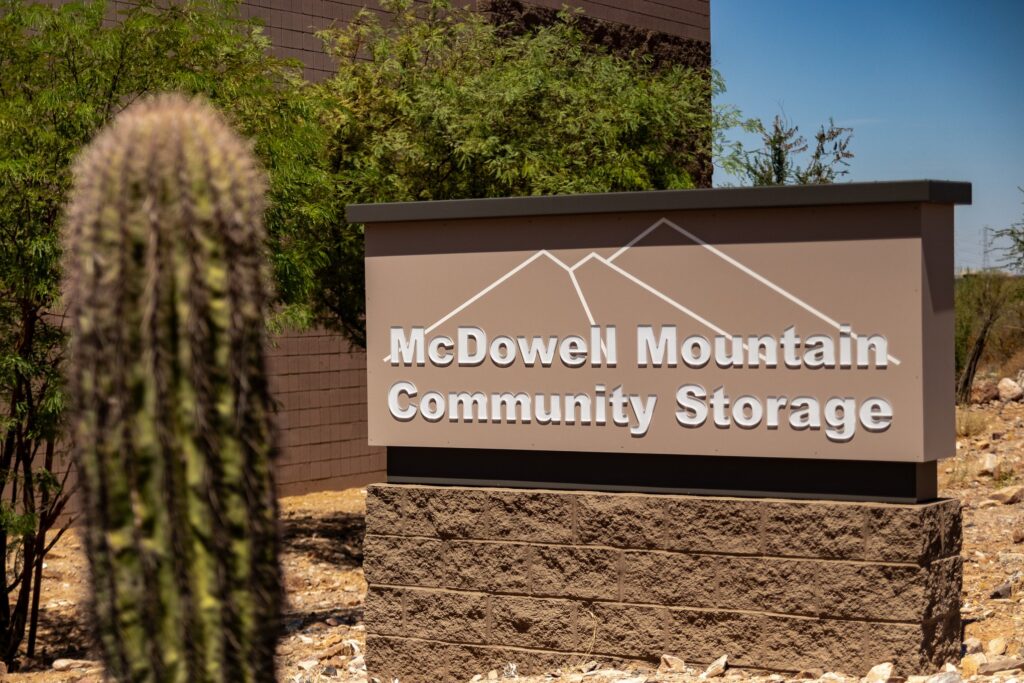
How Self-Storage Can Help When Downsizing Your Home

Updated August 22, 2026

Most advice about downsizing treats storage as one big holding pen: put whatever you’re not ready to decide about into a unit and sort it out later. That’s not wrong, exactly, but it misses something that actually matters once you’re standing in a storage facility trying to pick a unit size. Downsizing storage is really two different jobs, and treating them as one is how people end up paying for more space than they need, or not enough.

The Two Kinds of Storage You Need When Downsizing

The first job is staging storage: furniture, boxes, and household items you’re actively sorting through, trying to sell, or holding onto until your new place is ready. This is short-term by nature, weeks to a few months, and it’s usually the bulk of the volume. A dining set you haven’t decided whether to keep, boxes from a closet you haven’t fully sorted, appliances waiting for a buyer, all of this belongs here.

The second job is keepsake storage: the sentimental items you’re genuinely not ready to part with, but also won’t need again soon. Photo albums, a parent’s furniture, holiday decorations built up over decades, the kids’ childhood things. This is smaller in volume, longer in duration, and it calls for a different mindset entirely, this is storage measured in months or years, not weeks.

Why the distinction matters: staging storage is about maximizing space efficiently for a short window, so unit size and cost tend to be the priority. Keepsake storage is about protecting things that matter over a longer stretch, so climate control and security matter more than squeezing in every last box. Knowing which job you’re actually solving for changes what you should be looking for in a unit, and it’s the first real decision to make before you start packing anything.

Why Downsizing Storage Is Especially Common in Scottsdale

Scottsdale has a large population of retirees, empty-nesters, and seasonal residents, people moving from a larger family home into a condo, a 55-plus community, or a smaller place better suited to their current stage of life. That transition rarely happens in one clean move. Furniture that fit a five-bedroom house doesn’t fit a two-bedroom condo, and most people aren’t ready to make permanent decisions about everything at once, especially with items that carry real sentimental weight.

What to Actually Do With Your Belongings

Before anything goes into a box, sort what you own into four honest categories:

  • Keep: it fits your new space and your current life.
  • Sell or donate: it has value to someone else, but not enough to you to justify moving it.
  • Store short-term: you haven’t decided yet, or you need it out of the way during the move itself.
  • Store long-term: it’s sentimental, and you’re not ready, and may never be ready, to let it go.

The mistake most people make is skipping straight to “store everything” without sorting first. That’s how a storage unit quietly becomes a second attic. Sorting first, even roughly, means you’re only paying to store what you’ve actually decided is worth storing.

Decluttering Doesn’t Just Help You, It Helps Your Home Sell

If downsizing means selling your current home, there’s a practical upside to clearing things out beyond your own peace of mind. According to the National Association of Realtors’ 2025 Profile of Home Staging, almost half of sellers’ agents indicated that staging, which starts with decluttering, reduced the amount of time a home spent on the market, and roughly a third of agents said it increased the dollar value of offers received. Even among agents who don’t do full staging, decluttering is still the single most common recommendation they give sellers.

Practically, that means moving excess furniture and personal items into storage before your home goes on the market isn’t just about making your own move easier, it can genuinely help the sale itself. A living room that photographs as open and uncluttered tends to perform better than one that photographs as full, and that’s true whether or not you hire a professional stager.

Storage Units Scottsdale

Choosing the Right Unit for Each Job

For staging storage, prioritize size and access. You’ll likely be back in the unit repeatedly as you continue sorting, so an easily accessible unit that fits your furniture and boxes without excess overflow saves both money and hassle. Ground-floor, drive-up-style access is worth asking about if you’ll be moving items in and out frequently.

For keepsake storage, prioritize protection over size. A climate-controlled unit matters more here, Scottsdale’s summer heat is genuinely hard on wood furniture, photographs, and anything with adhesive or fabric components, and these are exactly the items you’re planning to keep for years, not weeks. It’s worth paying a bit more for the right environment when the whole point is protecting things you can’t easily replace.

Frequently Asked Questions

How much storage space do I need when downsizing?

It depends on how much you’re moving to storage versus your new home, but most people downsizing from a house to a smaller condo or apartment land somewhere between a 10×10 and 10×15 unit for staging storage, with a smaller unit sufficient for long-term keepsakes alone. Walking through your actual inventory with a facility representative is the most reliable way to choose the right size, rather than guessing.

Should I store furniture I haven’t decided whether to keep?

Yes, generally. Storage gives you time to decide without the pressure of a moving deadline forcing a rushed choice you might regret. Just set a real deadline to revisit those items; storage should be a pause button, not a permanent solution for indecision.

Is a storage unit worth it if I’m only downsizing temporarily, like during a renovation?

Yes. Short-term staging storage is exactly what a month-to-month unit is built for, you’re not committing to a long-term keepsake situation, just bridging the gap until your space is ready again.

What items benefit most from climate-controlled storage during downsizing?

Wood furniture, photographs, documents, electronics, and anything with fabric or adhesive components hold up far better in a climate-controlled unit, especially for the long-term keepsake items you’re planning to store for months or years rather than weeks.

Start Your Downsizing Plan With the Right Storage

Whether you’re actively sorting through a house full of decisions or setting aside the things you’re not ready to part with, McDowell Mountain Community Storage offers both the short-term flexibility and the climate-controlled protection downsizing actually calls for. If you’re ready to see what fits your plan, self storage in Scottsdale is available in a range of sizes, reserve your unit today.

How To Store Books In A Storage Unit

Book storage seemed simple at first. Many people throw their books into boxes or pile them high. However, if you wish to preserve their quality, there are a few things to remember when putting them in a storage unit. This is why, in this article, we will tackle how to store books in a storage unit.

7 Tips for Storing Your Books in a Storage Unit

Proper organization and protection are key to preserving the condition of your cherished book collection when stored in a storage unit. Whether you’re downsizing, moving, or just needing extra space, these tips will help you maintain the integrity of your books while they’re in storage.

Store Books Efficiently

Use Book Storage Bins Or Boxes To Keep Your Books Organized

Use book storage boxes or bins if you’re looking for a way to arrange and organize your books in a storage unit. These storage containers are especially for books and can help maintain and protect their condition.

Make sure the box or bin you choose for your book storage is the appropriate size for your collection of books. The container must be sufficient to accommodate all the books without taking up too much room in your storage facility.

Additionally, confirm that the container has a lid. This will help shield your books from moisture and dust. You can also maintain the quality of your books by including silica gel packets in your boxes. The majority of book storage boxes and bins have these moisture-absorbing packets. Before storing your books, organize them, and it is wise also to add some packets, even if you don’t think they’ll be needed.

There are two primary factors to consider when choosing book storage boxes and bins: size and material.

The two most common materials to choose from are plastic and cardboard. Plastic is somewhat superior since it doesn’t absorb moisture, has less odor, and is difficult for rodents to gnaw through. Nevertheless, cardboard boxes are designed especially for that purpose, and many plastic bins don’t fit books correctly. It’s also a little more expensive.

The size of the book bin or book box is the second item to consider. There should be enough space to accommodate many books without being so big that it overtakes your storage container or becomes too heavy for you to lift when covered with books.

Stack Books With Their Covers Facing Up Or Down

It’s crucial to arrange books in a self-storage unit to remain in good shape after storage. You have two options for stacking them: cover up or down. Stacked along their vertical sides, they may put additional strain on the binding and eventually break. Books turned sideways are likewise more likely to bend if someone presses against them.

If you are stacking books, you might want to put something soft—like a paper towel or packing material—between them so they don’t contact each other. It will lessen the chance of damage to the covers.

Place Books That Are Lighter Or Smaller On Top And Heavier Ones At The Bottom

Stacking heavier books at the bottom and lighter volumes on top of each other is crucial when organizing books in a Scottsdale self-storage unit. It will lessen the likelihood that the books will sustain damage, such as wear and tear on the cover or binding failure that could cause the books to become bent or deformed.

Avoid Placing Heavy Or Potentially Leaky Items On Top Of Book Boxes

In keeping with the previous tips, after the book boxes are packed, you should also refrain from putting heavy or potentially fragile leaky objects on top of them. Placing heavy books on lighter, smaller ones should be avoided: it may rip the covers, deteriorate the binding, or cause the book to warp or bend.

Store In A Dry Environment

Books should always be kept dry because moisture can harm them. Lidded book storage bins, boxes, and silica gel packs are critical to preserve quality.

Storage Units in Scottsdale AZ

Choose Climate-Controlled Storage

Climate-controlled storage is the most excellent option for long-term book storage. These temperature-controlled storage units provide the finest protection for your library against frequent changes in humidity and temperature. 

Even with all the other precautions taken for ideal book storage, a collection of books can quickly become bad if stored in a location that experiences high humidity and temperature changes. For this reason, serious book collectors need to have a professional Scottsdale climate-controlled storage unit

If you don’t have enough money for climate-controlled storage, find the best book location in your house. It will probably be an upstairs closet or some other temperature-controlled area.

Place the Containers on the Shelves

After securing a climate-controlled storage unit, you must buy shelving or another item to place your book boxes on. A box or other container containing valuable books should never be left on the floor in a storage unit. This floor contact exposes your books to a multitude of possible risks. 

Store your books with the best Scottsdale Self-Storage Units

Consider using McDowell Mountain Community Storage in Scottsdale to store extra things. View our recently constructed Arizona storage facility. We feature per-month contracts, excellent customer service, competitive rates, and move-in perks. Contact us right now to find out availability!

FAQs: How To Store Books In A Storage Unit

1. What type of storage containers are best for books?

   Use book storage bins or boxes specifically designed for books, preferably with lids to protect them from moisture and dust.

2. How should I stack my books in storage?

   To prevent damage, stack books with their covers facing up or down. Avoid stacking them vertically, as this can strain the binding.

3. What is the recommended arrangement for stacking books?

   Place heavier books at the bottom and lighter ones on top to minimize the risk of bending or damage.

4. Can I store other items on top of my book boxes?

   Avoid placing heavy or potentially leaky items on book boxes to prevent damage to the books underneath.

5. Why is it important to keep books dry in storage?

   Moisture can damage books, leading to mold growth and deterioration. To keep them dry, use lidded containers and silica gel packs.

6. What is climate-controlled storage, and why is it recommended for books?  

   Climate-controlled storage maintains stable temperature and humidity levels, protecting books from damage caused by environmental changes.

7. Where should I place my book containers in a storage unit?

   Always place containers on shelves rather than the floor to protect them from potential risks like moisture and pests.

8. Are plastic or cardboard storage boxes better for books?

   Plastic boxes are often preferred as they do not absorb moisture and are more resistant to pests, but ensure they fit your books correctly.

9. How can I organize my book collection before storing it?

   Sort books by size or genre and use moisture-absorbing packets to help maintain their condition during storage.

10. What should I do if I can’t afford climate-controlled storage?

    If climate-controlled storage is not an option, choose a cool, dry area in your home, like an upstairs closet, for storing books.

What Are the Most Overlooked Self Storage Risks?

Self-storage has become an indispensable solution for individuals and businesses alike. Whether you’re downsizing, decluttering, or safeguarding business records, renting a storage unit offers unparalleled convenience. But while it’s easy to focus on finding a location with adequate space, many renters overlook critical risks such as deterioration, a potential break-in, or the loss of stored items. Failing to choose the correct option or share important information with someone knowledgeable can lead to complications. Additionally, relying on others without thoroughly vetting the storage units may result in unforeseen challenges.

At McDowell Mountain Community Storage, proactive planning and informed decision-making are the keys to mitigating these often-overlooked risks. Below, we dive deep into the factors you should consider to keep your valuables safe, secure, and well-maintained.

What Are the Most Overlooked Self Storage Risks In Scottsdale

The Most Overlooked Self-Storage Risks

1. Humidity and Climate Control

One of the most significant threats to stored belongings is excessive humidity. It can cause irreversible damage to sensitive items, such as furniture, electronics, documents, and clothing. Without proper climate control, you might find yourself dealing with issues like:

  • Mold growth, which can destroy fabrics, paper, and wood.
  • Condensation leads to rust on metal items.
  • Infestation of pests, including insects, is attracted to damp environments.

Always check if the company offers robust climate-control options when choosing a self storage units. Investing a small amount of money upfront in a well-regulated self storage unit can save you significant losses later. Pay attention to details such as the lock quality and ventilation, as these can be a critical line of defense against danger caused by moisture and pests.

Additionally, the number of facilities providing adequate climate control is limited, so finding the right way to compare companies is essential. Make sure to settle for something adequate, as the long-term risks to your stored belongings in poorly managed self-storage units are considerable, especially in regions with fluctuating weather conditions.

2. Security Risks

While most storage facilities advertise their security features, not all offer the same level of protection. Overlooked vulnerabilities include:

  • Outdated locks: Basic padlocks often need to be improved against modern tools.
  • Limited surveillance systems: Ensure the facility has 24/7 camera coverage.
  • Inadequate lighting: Poorly lit areas invite theft and unauthorized access.

Neglecting regulations and ignoring humidity levels can also exacerbate security-related problems, leaving the contents of your self storage unit vulnerable to theft or damage, ultimately jeopardizing the trust and satisfaction of customers who rely on these facilities for the safekeeping of their valuable belongings. storage units vulnerable to damage or loss. For instance, an event like a power outage could compromise security systems, while insufficient oversight from employees may delay response times.

As a tenant, you should also evaluate how well the facility safeguards everything within its premises. Whether you’re storing sentimental stuff or valuable contents, ensuring proper regulation can prevent problems before they arise.

At McDowell Mountain Community Storage, we utilize cutting-edge security systems, robust locks, and dedicated on-site staff to minimize risks. For some, these measures might seem like extras, but they are essential for maintaining peace of mind.

3. Pest Infestations

Another overlooked risk is the potential for pest and insect infestations. Termites, mice, and other critters can cause severe damage to boxes, furniture, and other stored goods. Warning signs include droppings, chewed packaging, or a musty odor. Mistakes in choosing a storage space without proper pest control can result in costly consequences. It’s important to remember that maintaining the integrity of your stored items is part of selecting a reliable facility.

While pests are a significant concern, they are not the only thing that can go wrong. Poor decisions regarding storage can lead to unexpected expenses. Ensuring the facility meets your specific requirements, including pest control and cleanliness, can help prevent these problems.

To combat infestations, ensure your storage facility has regular pest control measures. Additionally, consider these precautions:

  • Use sealed containers instead of cardboard boxes.
  • Avoid storing food or perishable items.
  • Inspect the unit’s cleanliness before moving in.

These decisions will reduce the risk of damage to your belongings and help maintain a safe storage environment.

4. Water Damage and Flooding

Water damage significantly threatens stored items, especially in facilities prone to leaks or flooding. The effects can be catastrophic, from warped wood to destroyed documents. The likelihood of water damage increases if the facility lacks proper maintenance, waterproofing, or drainage systems.

To mitigate this risk, follow these steps:

  • Elevate items using pallets or shelves to avoid contact with the floor.
  • Store sensitive belongings in waterproof containers.
  • Verify that the storage facility offers insurance coverage for water damage.

5. Fire Hazards

Many renters fail to consider the potential fire hazards in a storage unit. A single incident can destroy stored belongings. Key fire risks include:

  • Flammable materials are stored improperly.
  • Lack of smoke detectors or sprinkler systems in the facility.

A lack of proper security measures, such as a padlock that cannot withstand heat or flame, could increase the expense of recovering items after a fire.

To protect against fire risks, ask the facility about its compliance with safety regulations, fire-resistant building materials, and emergency procedures.

6. Neglecting Insurance Coverage

Many people assume the facility’s insurance automatically covers their facility’s expenses. Unfortunately, this is not always the case. You may face financial losses from theft, flooding, or other disasters without personal insurance.

Before signing a contract, clarify the facility and invest in additional coverage if necessary. Comprehensive insurance can provide peace of mind and protect your valuables from unforeseen circumstances.

7. Improper Packaging

Improper packaging is another common oversight. Poorly packed items are more susceptible to damage, especially during transit or when stacked inside a unit. Consider these tips for safe packing:

  • Use sturdy boxes and label them for easy identification.
  • Wrap fragile items in bubble wrap or foam.
  • Distribute weight evenly to avoid collapsed stacks.

8. Overloading the Unit

Overcrowding your storage unit may seem like a cost-saving measure, but it increases the risk of damage and makes retrieving items inconvenient. Avoid stacking items too high or blocking access to frequently used belongings. Proper organization protects your goods and saves time in the long run.

9. Ignoring Facility Maintenance

A poorly maintained facility can expose your belongings to pests, water leaks, and structural weaknesses. Look for a facility that prioritizes cleanliness and conducts regular inspections.

10. Misjudging the Cost

While the monthly rent for a self-storage unit might seem affordable, additional costs can add up quickly. When budgeting, consider insurance, climate-control fees, and security upgrades. Choose a facility that provides transparent pricing and no hidden fees.

What Are the Most Overlooked Self Storage Risks In Scottsdale, AZ

How to Choose the Right Self-Storage Facility

Key Features to Look For

When evaluating potential storage facilities, prioritize these essential features:

  1. Climate Control: Protect sensitive items from extreme temperatures and humidity.
  2. Security Measures: Ensure the facility has 24/7 surveillance, secure locks, and controlled access.
  3. Cleanliness: A well-maintained facility reduces the risk of pests and structural damage.
  4. Insurance Options: Confirm coverage for potential risks, including theft, fire, and water damage.

Questions to Ask Before Renting

  • What security systems are in place?
  • Are the units climate-controlled?
  • Does the facility provide pest control services?
  • What are the facilities on liability and insurance?
  • Are there restrictions on what can be stored?

How McDowell Mountain Community Storage Stands Out

At McDowell Mountain Community Storage, we go beyond essential storage solutions to ensure the safety and satisfaction of our customers. Here sets us apart:

  • Advanced Security: Our facility has state-of-the-art security systems, including motion-detecting cameras and keypad access.
  • Climate-Controlled Units: We offer temperature-regulated spaces to protect against humidity and extreme temperatures.
  • Expert Staff: Our experienced team is always available to answer questions and assist with storage tips.
  • Transparent Pricing: No hidden fees or surprises—just straightforward, affordable services.

Tips for Maintaining a Secure and Organized Storage Unit

Stay Organized

  • Create an inventory list of all stored items.
  • Label boxes clearly and keep frequently used items near the front.

Protect Valuables

  • Use high-quality locks for additional security.
  • Store sensitive documents and valuables in waterproof and fireproof containers.

Regularly Check Your Unit

  • Inspect your unit periodically for signs of damage, infestation, or other issues.
  • Report any concerns to the facility immediately.

The Final Word: Prioritize Safety and Security

Renting a self-storage unit is more than just finding a convenient space. By addressing overlooked risks—from humidity and pests to theft and fire—you can ensure the safety and longevity of your stored belongings.

At McDowell Mountain Community Storage, we’re committed to providing secure, reliable, and cost-effective storage solutions. Whether you have personal items or important business records, trust us to keep your valuables safe.

Take the first step towards a better storage experience. Contact McDowell Mountain Community Storage today to reserve your unit or learn more about our comprehensive services.

Frequently Asked Questions

1. What are the most common risks to consider when renting a self-storage unit?

The most common risks include humidity damage, security vulnerabilities, pest infestations, water damage, fire hazards, and improper packaging. These factors can compromise your belongings’ safety, so choosing a facility with proper safeguards is essential.

2. How can humidity affect the items in my storage unit?

Excessive humidity can lead to mold growth, rusting of metal items, and damage to fabrics, paper, and wood. Choosing a climate-controlled unit helps to prevent these issues, especially for sensitive items like electronics, furniture, and business records.

3. What security features should I look for in a self-storage facility?

Look for 24/7 surveillance systems, secure locks, and controlled access. It’s also essential to ensure the facility has adequate lighting and well-maintained fences and gates to prevent unauthorized access and theft.

4. How can I protect my stored belongings from pests and insects?

To avoid infestations, choose a facility that offers regular pest control services. Use sealed containers, avoid storing food or perishable items, and inspect your unit for cleanliness before moving in.

5. What should I do to prevent water damage in my storage unit?

Elevate your items off the floor using pallets or shelves, use waterproof containers for sensitive belongings, and ensure the facility has proper waterproofing and drainage systems. You can also inquire about insurance coverage for water damage.

6. Why is fire safety important when renting a storage unit?

Fire hazards can completely destroy your stored items. It is crucial to ensure the facility has fire-resistant materials, smoke detectors, and sprinkler systems. You should also check the quality of locks, as inadequate locks can increase the damage in case of a fire.

7. Do I need additional insurance for my stored items?

While some facilities offer basic insurance, it’s essential to check for sufficient coverage. Consider purchasing additional insurance to cover theft, water damage, fire, or any other unforeseen issues affecting your belongings.

8. What are the risks of improper packaging in a storage unit?

Poor packaging can lead to damage, especially for fragile items. It’s important to use sturdy boxes, wrap fragile items in bubble wrap, and ensure evenly distributed weight to prevent collapse or breakage during storage or transportation.

9. How do I choose a suitable self-storage unit for my needs?

Consider the size of the unit, security measures, climate control options, cleanliness, and insurance offerings. Ensure the facility meets your specific requirements and ask about pest control, maintenance, and additional fees.

10. What steps can I take to maintain a secure and organized storage unit?

Create an inventory list of your stored items, label boxes clearly, and keep frequently used items near the front. Regularly inspect your unit for any damage or pest issues, and immediately report any concerns to the facility.

Ways You Can Keep Your Stuff Safe In Self Storage Unit

It might be challenging to determine whether a self-storage facility is the best option for you at times, particularly if keeping your stuff safe is your top concern. It would be best if you located a facility that will treat your possessions with the same level of care as you do. But only some self-storage units are made equally. Additionally, you should consider a few security factors when selecting a self-storage facility. 

This article will tackle ways you can keep your stuff safe in self storage unit, so if you’re planning to rent one, you should read this.

Secured Self-Storage Units in Scottsdale

8 Ways You Can Keep Your Stuff Safe In Self Storage Unit

These eight ways will help you and your selected Scottsdale self-storage facility ensure that everything you have is kept secure.

Pack Items Properly

The way you pack your belongings determines how safe they will be. Ultimately, the security of a self-storage facility won’t matter if you don’t take the necessary precautions to keep your belongings safe after they are locked up. When putting things away for an extended period of time, be sure to cover and wrap furniture, lay soft separators between fragile items, and dry and clean appliances first.

You may use wooden pallets or shelving to keep items off the ground and away from moisture. Finally, labeling and storing smaller items in boxes is essential so you can quickly find them when needed. Items stored inside the storage unit will be safer the more organized you are during packing.

Choose Digital Security Locks

It’s time to start considering the external security measures after you’ve taken all the necessary steps to secure your belongings. Padlocks, which aren’t necessarily the safest option when it comes to stopping break-ins, are still required by many storage facilities. Physical locks that are easy to identify will prevent thieves from using a key. Bolt cutters are just too powerful for a typical padlock. So what must you search for in its place?

A digital lock is far safer since it lets you access it using the password-protected phone’s security code. It’s also simpler to grant access to just the visitors that you’d like. They no longer have to be concerned about misplacing a physical key.

Look For A Climate-Controlled Unit

The year-round weather changes can be terrible for the long-term storage of your valuable belongings. Therefore, finding a storage unit with a climate-controlled environment is essential. No matter what the outside weather is like, climate control can keep your items safe. Depending on where you reside, this can be more important than you believe. 

The humidity from the air can cause mold and mildew to grow on your possessions. Moisture damage can be avoided by packing items carefully and selecting a climate-controlled unit. Anything that will be stored exposed to weather conditions, such as electronics, wood furniture, collectibles, antiques, artwork, and personal documentation, needs to be kept in a controlled environment.

Give 24/7 Surveillance Priority

For a forward-thinking world, modern security features are necessary, so look for facilities with innovative video surveillance technology. Look for a self storage facility that has updated its camera devices to the digital era because it offers higher protection than tape storage. Cameras will have minimal chance of a coverage lapse and record in far more excellent quality.

Safe and Secured Scottsdale Self-Storage Units

Keep Limited Access

When you trust a storage facility with your items, you don’t want just anybody to be able to stroll around the property. The most excellent storage facilities will have highly restricted access, so only you and anyone with permission can enter. Limited access is essential for self-storage units, so it should also be vital for you. Give access to your storage facility only to those you can rely on entirely.

Consider A Fully-Fenced Area

Every organization strives to keep unwanted people out, but sometimes, they don’t take the proper measures to keep them out. It is crucial to have completely enclosed surroundings and well protected access. In this case, entry is limited to a gated entrance guarded around the clock by security personnel.

Look For High-Visibility Lighting

Self-storage facilities sometimes lack the type of lighting that deters thieves from breaking in at all hours of the day. It is an alarm feature that has been shown to make it considerably harder for someone to conceal their identity when trying to steal goods, and it is high visibility lighting. It also acts as a bright spotlight, alerting anyone nearby to their suspicious activities.

These factors make it far more likely for burglars to choose facilities without enough lighting, so they may stay in the shadows and try to break in. Thanks to high visibility lighting, your belongings are protected at night just as much as during the day.

Choose An Indoor Self-Storage Unit

Although outdoor self-storage facilities remain extremely secure, indoor units can provide additional protection. Usually, a larger building that has a keypad-protected entry has these rental units. Outdoor storage will work perfectly most of the time. However, an indoor unit may provide additional peace of mind if the things you’re storing are precious.

Conclusion

For short-term and long-term use, self-storage units offer a secure way to store your things, but you should look for a storage company that values security as much as you do. Additionally, when you start looking for a storage unit after deciding that the garage is no longer enough, you may keep an eye out for this level of safety.

Secure Your Belongings with Our Safe Self Storage Units

At McDowell Mountain Community Storage, we prioritize the prevention of any risks to your treasured items. Our safe self-storage units are equipped with state-of-the-art security measures, ensuring a proactive approach to risk prevention for renters. Trust us for a secure haven where your valuables are shielded from potential threats. Explore our range of services, tailor-made for your peace of mind. 

If you have any questions or want more information, Contact us at (602) 899-5484.

FAQs: Ways You Can Keep Your Stuff Safe In Self Storage Unit

1. What should I consider when packing my items for self-storage?

   Proper packing involves using protective materials, keeping items organized, and using pallets or shelves to prevent moisture damage.

2. Are digital security locks better than traditional padlocks?

   Yes, digital locks provide enhanced security. They allow access through a password-protected code, reducing the risk of key loss or theft.

3. Why is climate control important in self-storage units?

   Climate control helps prevent moisture damage, mold, and mildew by maintaining a stable environment for sensitive items like electronics and antiques.

4. What security features should I look for in a self-storage facility?

   To enhance security, look for features like 24/7 surveillance, restricted access, high-visibility lighting, and fully fenced areas.

5. How does 24/7 surveillance improve security at storage facilities?

   Continuous video monitoring helps deter criminal activity and ensures that any suspicious actions are recorded for review.

6. What does limited access mean in a self-storage facility?

   Limited access restricts entry to authorized individuals, reducing the theft risk and ensuring that only trusted people can access your unit.

7. How can high-visibility lighting enhance security in self-storage areas?

   Well-lit facilities deter potential thieves, making it harder for them to conceal their actions and increasing the likelihood of detection.

8. What are the benefits of choosing an indoor self-storage unit?

   Indoor units often provide additional protection, with features like keypad access and better climate control, making them ideal for valuable items.

9. How can I ensure my belongings are safe during transportation to the storage unit?

   Secure items correctly in the vehicle, use padding for fragile items, and avoid overcrowding to prevent damage during transit.

10. What should I do if I have questions about storage security measures?

    You should contact the storage facility directly to inquire about its security protocols and any specific measures it takes to protect your belongings.

Common Self-Storage Mistakes to Avoid

Updated August 8, 2026

You’re excited about loading up the storage unit you reserved with all your things. They’re great for keeping your belongings while you move, organize your home, create extra space, or run a business. Tossing everything in, shutting the door, and walking away is tempting, but it’s also how most storage regrets start.

Self-storage has real advantages, but only when you store items properly. Like most things, moving, packing, and storing need a bit of planning. Being unprepared is a rookie error. To make the most of your space, here are the common self-storage mistakes to avoid, along with some organization tips that actually make a difference.

What Can and Cannot Be Stored in Your Self-Storage Unit?

Before anything else, it helps to know what belongs in storage and what doesn’t. Proper storage practices keep you safe and make organization far easier.

What You Can Store

Appliances

Freezers, washers, dryers, microwaves, stoves, and refrigerators are all fine. Appliances can be kept in storage as long as they’re cleaned and dried out beforehand, and never left plugged in. Smaller appliances like toasters, vacuums, and coffee makers are fine too, as long as they’re free of dried-on drips or crumbs.

Business Files

Businesses increasingly use self-storage for offsite storage and relocation, at a fraction of the cost per square foot of an office or warehouse. For small business owners, realtors, caterers, house stagers, organizers, self-storage is often a genuinely good option.

Electronics

Electronics like computers, printers, TVs, and audio systems occasionally need storage, and given what they typically cost, a secure spot for them matters. Remove batteries, ink cartridges, and any CDs or DVDs before storing, these are the parts most likely to corrode or get stuck over time.

Household Goods

Furniture, toys, books, clothing, antiques, collectibles, and keepsakes are the most common things people put into storage. Climate-controlled storage is the best choice for items like these, since it manages humidity and temperature swings that would otherwise degrade them over time.

Seasonal Items

Seasonal items and self-storage go hand in hand, camping gear, holiday decorations, and winter clothing all fall into this category. A storage unit is a natural place to keep them out of the way until the season actually calls for them.

What You Cannot Store

Hazardous Materials

Anything combustible or explosive is off-limits: paint, aerosols, chemicals, propane, oil, and gasoline included.

  • Leave paint thinner or mineral spirits out of any art supplies you store.
  • Remove aerosol sprays like hairspray or cooking spray, plus nail polish remover, from bathroom or kitchen items.
  • Remove fertilizer and weed killer from gardening supplies.
  • Drain gasoline and oil from lawn equipment before storing it.

Non-hazardous substances, like non-toxic paint or beauty products, should still be sealed in airtight containers to prevent spills. For anything genuinely hazardous, contact your local waste management provider about proper disposal.

Living Things

People, plants, and animals don’t belong in a storage unit, full stop. Storage units aren’t fit for human habitation, and numerous local and federal housing laws prohibit it, with real legal consequences for trying. Plants fare just as poorly: beyond the plant itself dying, the soil retains moisture and invites bugs, mold, and mildew.

Perishable Goods

If it needs refrigeration, it’s perishable, and produce, dairy, and meat should never go into a storage unit. Non-perishable items are usually fine in sealed containers, but a few exceptions still cause problems: pet food, rice, other grains, boxed goods, powdered milk, and flour, even freeze-dried or dehydrated versions, can go rancid, smell bad, and attract pests over time. Check expiration dates on canned goods and inspect for any broken seals that could let in moisture or bacteria.

Wet or Scented Items

Damp items or anything with a strong scent should stay out. Moisture invites mold and mildew, so make sure everything is fully dry before it goes in. Bring extra towels if you’re moving on a rainy day rather than tossing damp items straight into the unit. Scented candles, potpourri, and other fragrances also attract rodents and pests, which can go on to damage furniture, wiring, and anything else in the unit once they’re inside.

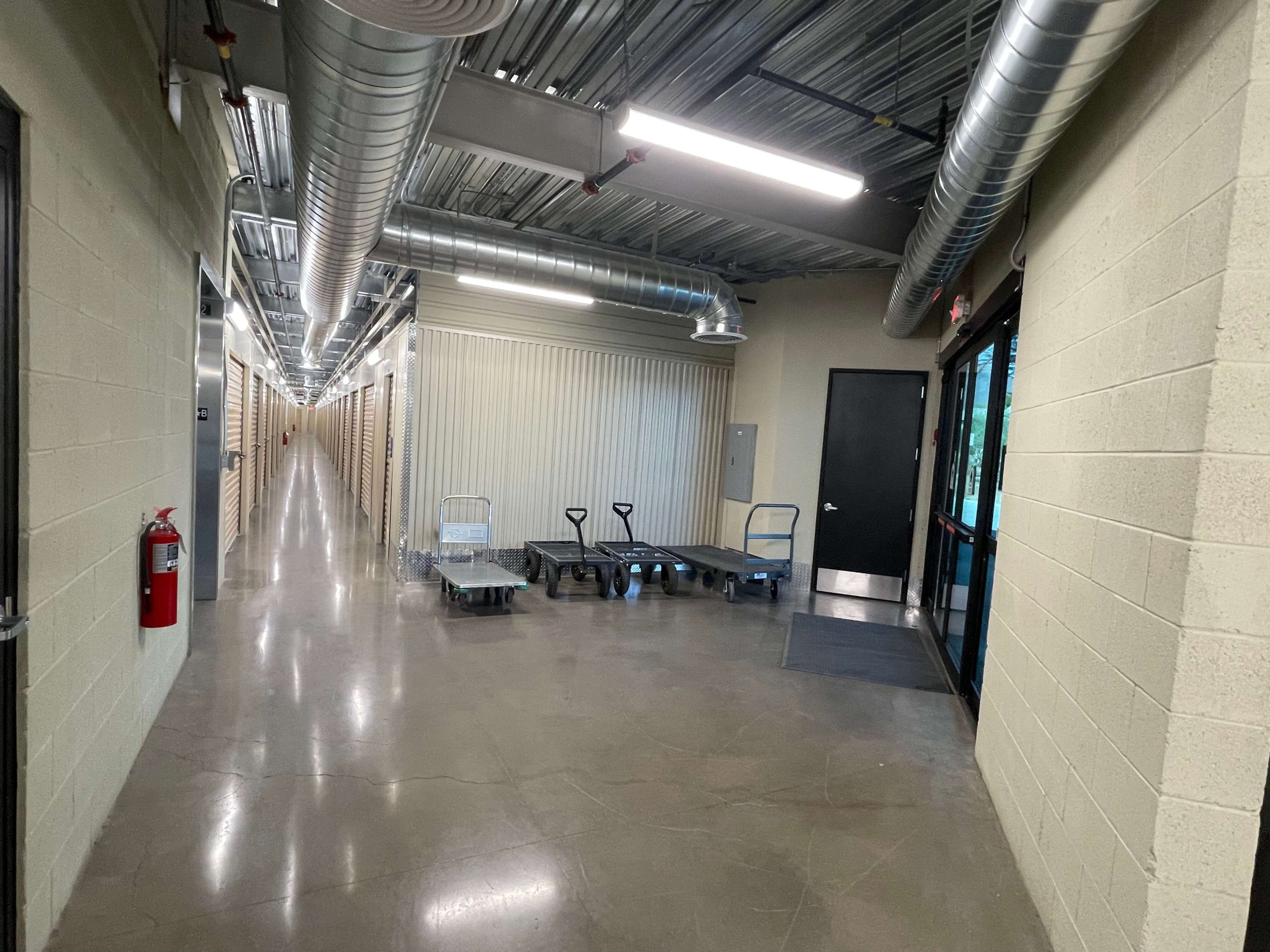
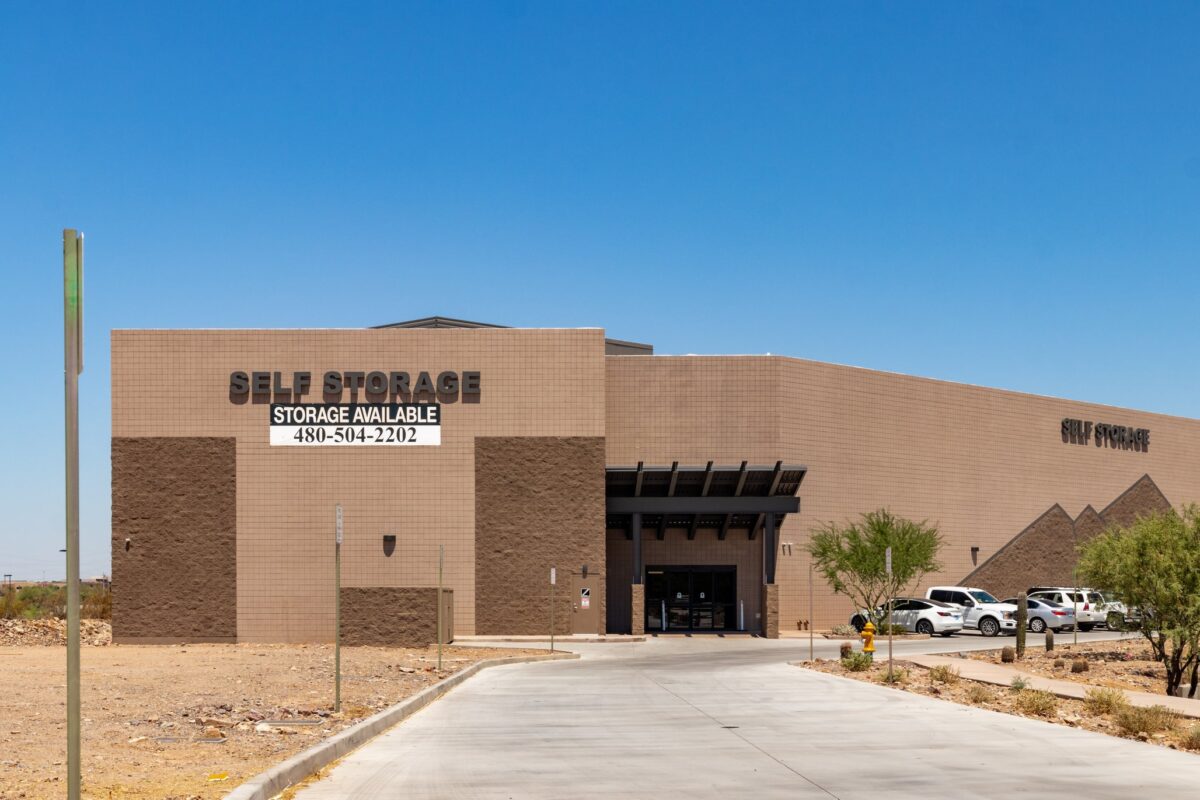
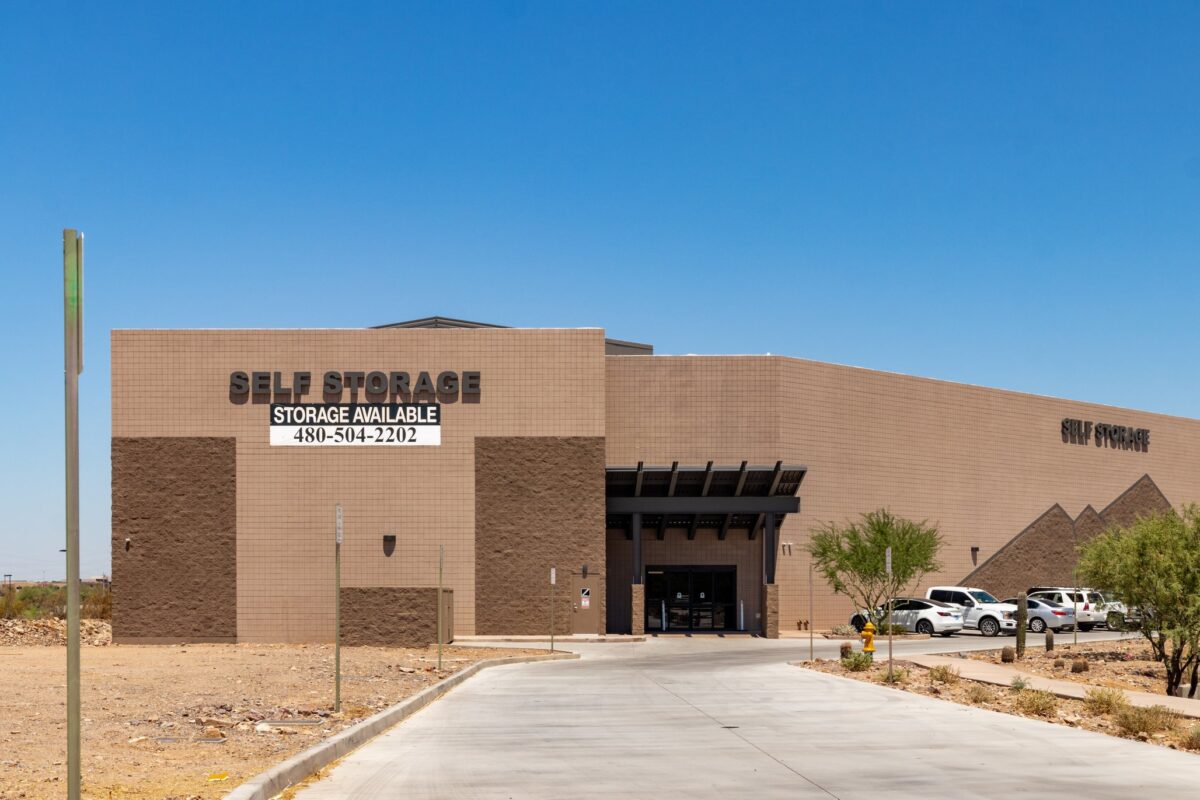
A wide view of McDowell Mountain Community Storage in Scottsdale Arizona showing how to avoid common self storage mistakes like choosing the wrong unit size.

11 Self-Storage Mistakes You Should Avoid

Take the time to avoid these mistakes when renting a Scottsdale self-storage unit, they’re the difference between a smooth experience and a frustrating one.

1. Using the Wrong Box Size

One of the most common mistakes people make is packing with a mismatched assortment of box sizes. Recycling old fruit or liquor boxes is a fine instinct, but it makes stacking and organizing genuinely harder. Uniform moving boxes in small, medium, and large sizes save time and stack far more reliably.

2. Using Newspaper as a Wrapper

Newspaper ink smears and bleeds onto whatever it touches, especially without climate control to keep things stable. Unpacking stained or tarnished belongings later is nobody’s idea of fun. Bubble wrap or plain, ink-free paper works better, even inexpensive butcher paper is a real improvement.

3. Using Cardboard Boxes or Plastic Bags

Plastic bags offer almost no real protection, and cardboard boxes attract pests and moisture over time. Plastic bins hold up far better on both counts, sturdy and much less prone to water damage.

4. Not Packing Correctly

There’s no single right way to set up a unit, but a bit of planning goes a long way. Wrap plates, platters, fine china, and picture frames in bubble wrap, nested between thin cardboard for extra padding. Pack food in individually sealed containers. Disassemble furniture where you can. Use packing peanuts or cushioning for bigger, heavier items.

When filling the unit, leave yourself room to actually reach everything. Heaviest and most durable items go on the bottom, and anything you’ll need regularly should stay up front.

5. Moving Excessively Heavy Boxes

Overloading a single box with bulky items puts its stability at risk and makes it harder to carry. Split heavy items across multiple boxes instead, keeping each one under 40 pounds, both your back and your belongings will thank you.

6. Not Giving Yourself Enough Time

Leaving everything until the last minute is one of the worst things you can do when moving. Rushing means dropped boxes, broken items, and a higher chance of getting hurt. Give yourself real time to pack properly, and bring in professional movers for the heavy lifting if you can.

7. Not Labeling Your Boxes

Digging through unlabeled boxes in a storage unit is its own kind of frustration. Make a list of what’s going into storage, and label boxes accordingly, it helps you find things later and gives you a clear record for insurance purposes too.

8. Choosing the Wrong Unit Size

Choosing the right unit size matters more than most first-time renters expect. A smaller unit might save money upfront, but cramming too much into too little space risks long-term damage to your belongings. If you’re not sure what size fits, our space estimator can help you visualize what actually fits in each unit size before you commit.

9. Neglecting to Clean Before Storing

Storing dirty items invites decomposition, pests, mold, and bacteria, and it doesn’t take much for a problem with one item to spread to everything around it. A quick dusting and wipe-down before storing solves most of this.

10. Failing to Inspect Storage Security Features

Choosing a storage facility is a bigger decision than most people treat it as. It’s easy to assume everything’s fine just because the unit door is closed, but security is worth a closer look. Check the actual security features a facility offers, and don’t hesitate to ask questions if something’s unclear, it’s your belongings on the line.

11. Storing Prohibited Items

Self-storage is great for organizing your life, but not everything belongs in a unit: flammable items, food, pets, and plants all fall outside what’s allowed. If you’re unsure whether something qualifies, ask the facility manager before you pack it.

Conclusion

Keep these tips in mind and self-storage stays easy and stress-free. If you’ve already made one of these mistakes with a unit in Scottsdale, now’s a good time to fix it, your things, and your sanity, will thank you.

Looking for self storage units in Scottsdale? McDowell Mountain Community Storage offers safe, well-maintained units in a range of sizes. Call (602) 899-5484 to find the right fit and reserve yours today.

FAQs: Common Self-Storage Mistakes to Avoid

What items should be kept in climate-controlled storage?

Electronics, antiques, and sensitive documents all benefit from climate-controlled storage, which protects against temperature swings and humidity that standard units don’t manage.

How can I ensure my storage unit is secure?

Check for gated access, surveillance cameras, and individual locks, and don’t hesitate to ask the facility directly about its security protocols.

What should I do if I need to access my storage unit frequently?

Choose an easily accessible unit, label boxes clearly, and keep frequently used items near the front so you’re not digging through everything each visit.

How can I prevent pests in my storage unit?

Store items in sealed plastic bins rather than cardboard, keep the unit clean and clutter-free, and check in periodically for any early signs of pests.

Is it advisable to store electronics in a self-storage unit?

Yes, as long as they’re in a climate-controlled unit with batteries removed beforehand to prevent corrosion.

How do I choose the right size storage unit?

Take stock of what you’re storing and use a space estimator, or talk to the facility directly, to land on the right size rather than guessing.

What should I do with items that have strong odors?

Avoid storing them altogether where possible, strong odors attract pests. Make sure everything is clean and fully dry before it goes into the unit.

Can I store my car in a self-storage unit?

Many facilities offer vehicle storage, but policies and requirements vary, check with the facility directly for specifics.

What are the best packing materials for fragile items?

Bubble wrap, packing peanuts, and sturdy boxes protect fragile items well. Skip newspaper, the ink can smudge onto whatever it touches.

What should I do if I accidentally stored prohibited items?

Contact facility management right away for guidance on removing them safely.

How To Effectively Store Clothes in a Storage Unit

Updated July 27, 2026

Storing clothes in a storage unit takes a bit more strategy than just boxing everything up. Done right, your garments stay in good condition, stay easy to find, and come out exactly as you packed them. Here’s how to do it well.

1. Assess and Prepare the Storage Unit

Before storing anything, inspect the unit. It should be dry, orderly, and free of pests. If it lacks shelving or hanging options, add some, keeping clothes off the floor makes a real difference. Check for leaks or drafts ahead of time rather than discovering them after your clothes have been sitting for months.

2. Sort and Organize by Season and Type

Group clothing by season, type, and how often you wear it, summer separate from winter, shirts with shirts, pants with pants. This makes finding a specific item later much faster, especially seasonal pieces you only need a few months a year, and it means you’re not digging through the whole unit and disturbing everything each time.

Grouping similar items also protects them: delicate fabrics stored apart from coarser materials avoid the friction that causes snags and tears. For extra protection, pair this with a climate-controlled unit, cedar chips to deter pests, and vacuum-sealed bags for compact, out-of-season storage.

3. Clean and Wrap Clothes Before Storing

Clean everything thoroughly before it goes into storage. Stains and odors set in over time, and cleaning first prevents that. Fold or roll items neatly, folding well isn’t just about saving space, it also prevents the kind of creasing that becomes a permanent wrinkle over months of storage. Wrap items in tissue paper or garment bags for an added layer of protection against dust.

4. Choose the Right Storage Containers

For Scottsdale’s dry climate, airtight or vacuum-sealed containers work well for out-of-season items you won’t be opening often, they keep out dust and pests. Just make sure everything is completely dry before sealing, and drop in a moisture absorber (see Tip 7) as extra insurance. Clear plastic containers make it easy to see what’s inside without opening every box, and having a few different sizes on hand helps you fit different garment types comfortably.

5. Fold and Stack Efficiently

Good folding technique keeps clothes wrinkle-free and saves space. Stack containers vertically rather than horizontally, it uses your unit’s height, and makes it easier to find one item without unstacking everything else.

6. Use Hanging Storage for Delicate Items

For anything delicate or prone to wrinkling, dresses, suits, formal wear, use sturdy hangers and a wardrobe box or clothing rack instead of folding. Hanging storage holds a garment’s shape over long periods in a way folded storage can’t, which matters most for pieces you want to pull out ready to wear.

7. Control Moisture with Desiccants

Silica gel packets or other desiccants absorb ambient moisture and help prevent the mold and mildew that thrive in humid, enclosed spaces. Drop a few into containers, especially airtight ones, to keep the environment inside genuinely dry rather than just sealed.

8. Label Everything and Keep an Inventory

Label each container and keep an inventory list of what’s inside and where. This alone saves the most time of any tip here, no more opening five boxes to find one sweater.

How to Store Clothes in a Storage Unit

9. Set Up Your Unit for Easy Access

Put seasonal or rarely used items toward the back, everyday essentials up front. Leave a walkable aisle so you’re not climbing over boxes to reach something. A little planning here pays off every single time you visit the unit.

10. Check In Periodically

Inspect your unit every few months for pests, mold, or water damage, and catch problems early rather than after they’ve spread to your clothes. Rotate seasonal items as needed and keep your inventory list current.

Following these steps keeps your clothes in good condition, makes the most of your space, and means you can actually find what you’re looking for when you need it.

Reserve Your Scottsdale Temperature-Controlled Storage Unit Today

Ready to store your clothes the right way? McDowell Mountain Community Storage offers temperature-controlled units built for exactly this. Reserve your unit in Scottsdale today for a secure, well-maintained space for your wardrobe.

FAQs

Are there specific types of containers or bags suitable for clothing storage in a unit?

Yes. Airtight containers protect clothes from dust, moisture, and pests, and clear plastic lets you see contents without opening every box. For hanging items like dresses and suits, garment bags help prevent wrinkles.

How can I prevent mold and mildew from affecting my clothes in storage?

Make sure clothes are completely clean and dry before storing them, moisture is what attracts mold, not the fabric itself. In Scottsdale’s dry climate, airtight or vacuum-sealed containers are fine as long as items go in dry and you add a moisture absorber like silica gel inside. A climate-controlled unit adds another layer of protection by keeping humidity stable year-round. Check on stored items periodically to catch any moisture issues early.

Are there any precautions for storing delicate or fragile clothing items?

Clean items thoroughly first, then wrap them in tissue paper or use garment bags. Fold carefully or use padded hangers to avoid stretching, and store in a sturdy, protective container in a cool, dry, dark spot.

How do I keep pests away from my clothes in a storage unit?

Start with a clean storage area. Cedar balls or lavender sachets help deter insects, and sealed, airtight containers create a physical barrier pests can’t chew through the way they can cardboard. Check your unit periodically for any signs of pests.

How often should I check my clothes in the storage unit to ensure their condition?

Every few months is a good baseline, more often in extreme conditions. Regular checks let you catch pests, mold, or moisture issues early and give you a chance to rotate seasonal items and update your inventory.

Benefits of Climate-Controlled Storage

Updated July 25, 2026

Scottsdale summers aren’t gentle on stored belongings. Average highs push past 105°F for most of July and August, with peak days regularly topping 110°F, and a standard, non-climate-controlled unit can run even hotter than the outside air by afternoon. If you’re storing anything beyond patio furniture, that heat is doing real damage before you notice it. McDowell Mountain Community Storage keeps every unit indoor and air-conditioned for exactly this reason. Here’s what that actually protects against, and why it matters more here than almost anywhere else in the country.

Why Scottsdale’s Desert Heat Makes Climate Control Worth It

A standard, non-climate-controlled unit tracks the outside temperature closely, and in a Scottsdale summer, that means long stretches above 100°F combined with wide day-to-night swings. Wood furniture cracks and warps as it expands and contracts. Electronics, from laptops to home audio equipment, can suffer permanent damage to internal components after repeated heat cycling. Vinyl records warp, photographs and documents yellow and become brittle, and adhesives in furniture, artwork, and instruments break down faster than they would in a stable environment.

Because every unit at McDowell Mountain Community Storage is indoor and air-conditioned, that swing gets removed entirely. Your belongings aren’t sitting behind a metal door absorbing direct sun and radiant heat all afternoon, they’re inside a conditioned building. That’s the entire value proposition: it’s not about comfort, it’s about removing the temperature swings that cause the actual damage.

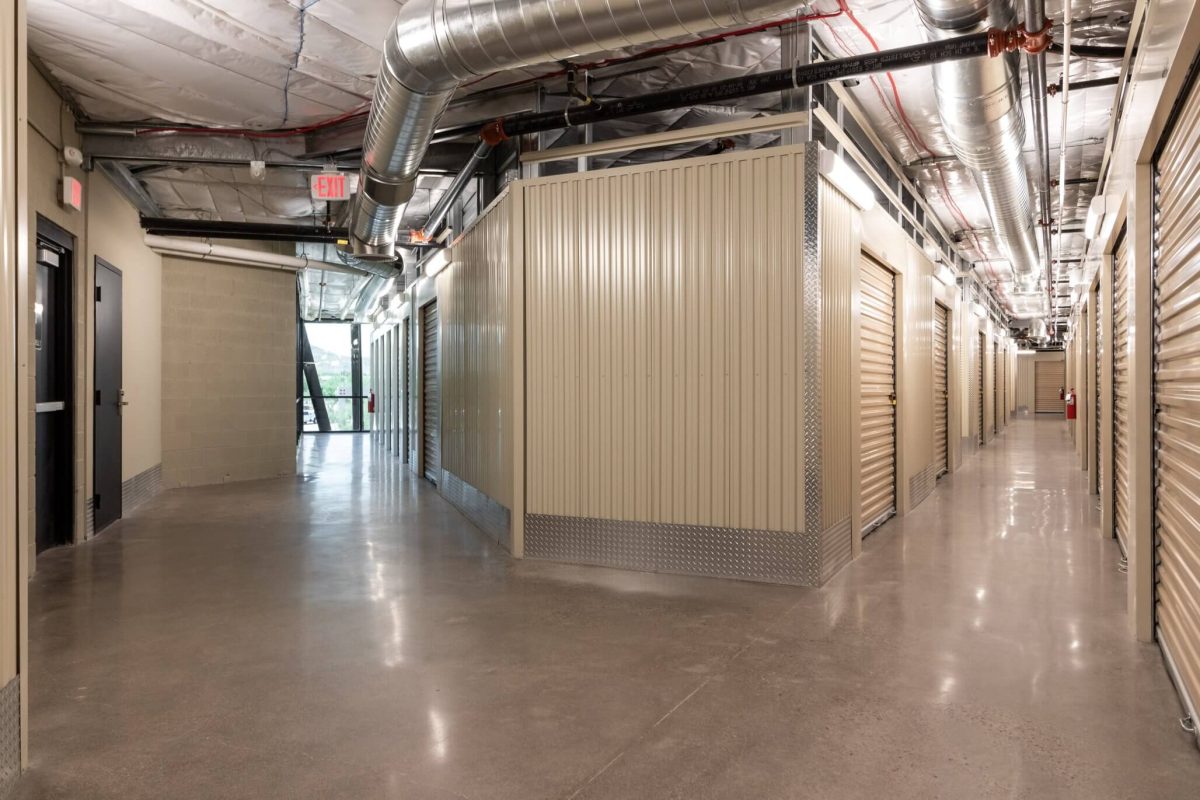
A big McDowell Mountain Community Storage Climate Controlled Storage Unit in Scottsdale, Arizona

What Climate Control Protects Against

Beyond heat itself, Arizona’s dry conditions bring a different but related risk: static electricity and material brittleness from very low humidity, followed by the monsoon season’s sudden humidity spikes. That combination of extremes is harder on stored items than steady heat or steady humidity alone would be. A properly climate-controlled unit manages both sides of that swing, which matters for:

  • Wood furniture and heirlooms: Stable humidity prevents warping, cracking, and joint separation.
  • Electronics and appliances: Consistent temperatures protect internal components from heat-cycle damage that shortens their lifespan.
  • Documents, photos, and artwork: Controlled humidity slows yellowing, brittleness, and mold growth on paper-based and canvas materials.
  • Musical instruments and antiques: Wood, strings, and finishes are especially sensitive to both temperature and humidity extremes.
  • Wine and specialty items: Temperature stability is essential for anything with a narrow safe storage range.

Security and Access

McDowell Mountain Community Storage pairs its indoor, air-conditioned units with 4k digital security cameras, multiple loading docks, and two elevators for upper-floor units, so moving items in and out doesn’t mean hauling everything up a single stairwell in the heat. The facility is open 7 days a week and locally owned and operated, which matters if you need to talk to someone who actually knows the building rather than a call center. Indoor access also means you’re not loading or unloading in direct summer sun, which matters as much for your own comfort as it does for whatever you’re carrying in.

Is Climate-Controlled Storage Worth the Extra Cost?

Climate-controlled units do cost more than standard units. In a market like Scottsdale, that premium is doing real work: it’s the difference between furniture and electronics that hold up over years of storage and ones that show heat and humidity damage within a single summer. For anything you’d be upset to replace, wood furniture, electronics, documents, artwork, instruments, the added cost is generally the cheaper option compared to replacing damaged items later.

A climate controlled unit in Scottsdale, Arizona at McDowell Mountain Community Storage

Reserve a Climate-Controlled Unit in Scottsdale

McDowell Mountain Community Storage offers climate-controlled units built for exactly this climate, protecting furniture, electronics, and other sensitive items from the desert heat and humidity swings that damage standard storage. Reserve your climate-controlled unit in Scottsdale or call (602) 899-5487 to talk through the right size for what you’re storing.

Frequently Asked Questions

Is climate-controlled storage more expensive than standard storage?

Yes. Climate-controlled units typically cost more because the facility is actively managing temperature and humidity rather than just providing space. Given how extreme Scottsdale summers get, that premium tends to pay for itself for anything sensitive to heat.

Can I access my belongings easily in a climate-controlled unit?

Yes. McDowell Mountain Community Storage offers indoor access, multiple loading docks, and two elevators for upper-floor units, so you’re not hauling items up stairs or retrieving them in direct summer heat.

What items are most at risk from extreme temperature changes?

Electronics, wood furniture, artwork, musical instruments, documents, photographs, and wine are the most commonly damaged items in non-climate-controlled units, especially in a climate with Scottsdale’s summer extremes.

What happens if I store sensitive items without climate control?

Expect a higher risk of warping, corrosion, mold growth, and structural degradation. In Scottsdale specifically, the combination of extreme summer heat and dry conditions accelerates this compared to milder climates.

What should I look for when choosing a climate-controlled facility?

Check the facility’s actual temperature range (not just “climate-controlled” as a label), humidity control, security features, cleanliness and pest control, and accessibility. See our full FAQ for more on choosing the right unit.

Things You Need to Know Before Renting a Storage Unit

Are you planning to rent a storage unit? A storage facility can be a lifesaver whether you’re decluttering, moving, or need extra space for your business inventory. Renting a storage unit is a great way to free up your home or office space. However, before you sign a contract, there are essential things you need to know to ensure that you’re making the right decision.

Here Are 11 Things You Need to Know Before Renting a Self-storage Unit

1. Understanding Self Storage Units

Self-storage units are facilities that provide space for individuals or businesses to store their items, furniture, and materials. They offer a secure and convenient place to store items that do not fit in one’s home or office. Some common items people store in self-storage units include seasonal decorations, documents, furniture, electronics, and sporting equipment.

These units are usually rented monthly and can be accessed at any time, day or night, making them ideal for people with busy schedules. Most self-storage facilities offer security features such as surveillance cameras, individual door alarms, and gated access to ensure the customer’s belongings are safe and secure.

It is important to note that customers retain full ownership and control of their items when renting a self-storage unit. This means the facility has no rights to the items stored. Additionally, it is vital to ensure that the items being stored in the unit are legal. Some items, such as hazardous materials, illegal substances, and stolen items, are prohibited from being stored.

2. Types of Self-Storage Units

Different types of self-storage units are available to meet the different needs of the customers. Below are the most common types:

Indoor self-storage units: These units are located inside a building and are usually climate-controlled, making them ideal for storing delicate items sensitive to temperature changes.

Outdoor self-storage units: These units are located outside and are not climate-controlled, making them ideal for storing items that can withstand temperature changes.

Drive-up self-storage units: These units can be accessed by a vehicle and are ideal for individuals who need to unload heavy items.

Portable self-storage units: These are containers delivered to the customer’s location. The customer can load their items at their convenience. Once the container is loaded, it is transported to the self-storage facility.

3. Choosing the Right Size for Your Needs

Choosing the right size for your self-storage unit is crucial. You must ensure the unit is not too small or too large for your needs. A unit that is too small will not fit all your items, while a unit that is too large will result in you paying for space you do not need.

Self-storage facilities typically provide a wide range of unit sizes, catering to diverse needs. Whether you require a compact space for a few boxes or a more expansive unit capable of accommodating furniture and appliances, options are available to suit your specific requirements. To determine the right size for your needs, you must inventory all your items and estimate the space you need. Additionally, you must consider your future needs if you plan to store more items.

4. Cost Factors in Renting a Self-Storage

Consider several cost factors before settling on one when renting a self-storage unit. Payments and fees are usually based on the storage space you’ll need for your stuff and the time you’ll rent the space. However, storage unit costs can vary depending on your location, the size of the unit, and the demand for storage space in your city. It’s also worth noting that some storage facilities offer truck rentals as an added convenience, but these can come with an extra fee.

If you’re on a tight budget, you may want to look into pricing and specials to try and take advantage of any cost-saving options available. Storage unit sizes can also affect the price, as larger units cost more than smaller ones. Don’t be afraid to ask for help and information on storage unit costs and options, as this can help you make an informed decision and potentially save you money.

5. Climate-Controlled Units: Do You Need One?

If you plan to store anything sensitive to heat, cold, or humidity, a climate-controlled unit may be necessary. Climate control ensures that the temperature and humidity levels in the unit remain consistent and within a specific range, which can help protect your belongings from damage caused by extreme heat, cold, or moisture.

Some items that could benefit from a climate-controlled unit include electronics, artwork, wooden furniture, antiques, and food or chemicals. It’s important to note that climate-controlled units may cost more than non-climate-controlled units, so you’ll need to weigh the potential benefits against the added cost.

6. Security Measures in Self-Storage Facilities

When renting a self-storage unit, security is a top concern. Most storage facilities will have some security measures in place, such as security gates and video monitoring. You’ll also need to provide your lock for the unit to ensure that only you can access your belongings.

Some storage facilities may offer additional security measures, such as on-site security guards, individual unit alarms, and insurance coverage for theft or damage. It’s important to consider whether these added security measures are worth the extra cost and if they provide adequate protection for your belongings.
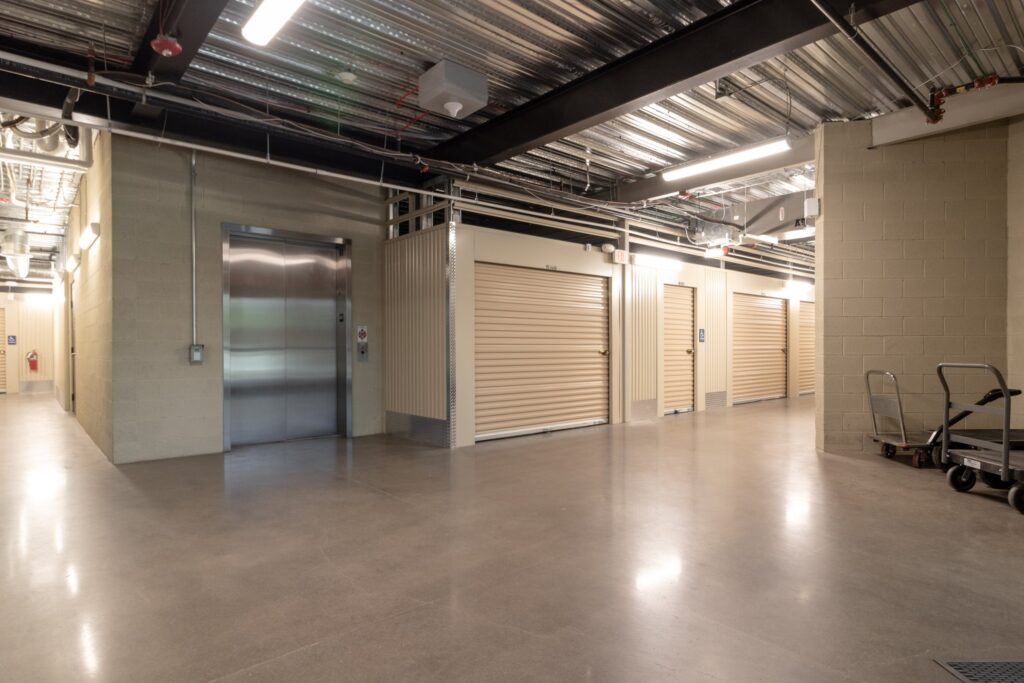
Things You Need to Know Before Renting a Storage Unit in Scottsdale

7. Access Hours: When Can You Get to Your Items?

One of the most critical considerations when renting a self-storage unit is the facility’s access hours. These refer to when you can enter the storage unit to retrieve or store your belongings. Each storage company has different access hours, so confirming these hours is essential before signing a rental agreement.

Some storage companies may have limited access hours, such as only being open during regular business hours or being closed on weekends. Other companies may offer 24-hour access, allowing you to come and go as you please. Knowing the access hours is essential to avoid inconvenience and ensure your items are easily accessible.

Before deciding, consider how often you’ll need to access your storage unit. If you only need access occasionally, a storage facility with limited access hours may be the right option for you. On the other hand, if you frequently visit your storage unit, a facility with extended access hours or 24/7 access may be a better choice.

8. Insurance and Self-Storage

While a storage facility may have insurance coverage, it is essential to have your storage insurance policy. Most self-storage companies require you to have insurance coverage in addition to any insurance they provide. While such insurance covers some damages, it may not cover everything.

It’s essential to consider a separate insurance policy for your storage unit to protect your furniture items and other belongings in case of damage or theft. Insurance policies also provide protection against mold and mildew, which can damage your belongings, especially if you’re storing items long-term.

When selecting a storage insurance policy, consider the coverage limits and deductibles. You must have an insurance policy before moving your belongings into the storage unit.

9. Long-Term vs Short-Term Rentals

When renting a self-storage unit, you need to consider the duration of your rental. Self-storage units are a perfect option for both short-term and long-term storage. Short-term rentals are ideal if you’re between moves, remodeling your home, or temporarily relocating.

However, if you’re storing items long-term, such as seasonal decorations, antique furniture, or items you don’t use often, it’s essential to choose a storage company that offers long-term rentals and rates.

10. Packing and Organizing

Packing and organizing your self-storage unit can be overwhelming, but with the right strategy, you can ensure that your belongings are well-organized, clean, and easily accessible. Before signing a contract with a storage company, consider the unit size you’ll need, depending on your storage.

When packing your belongings, it’s essential to use the suitable materials. Think bubble wrap, packing paper, and sturdy boxes. They’re all essential for keeping your stuff safe and sound. Label all boxes and use stackable containers to optimize space. Keep things clean using moisture-resistant materials or light-colored cloths to protect your belongings from dust and mold.

Storage companies typically offer suggestions for organizing and packing to maximize space. Check their websites for tips and reviews from past customers to understand the facility’s cleanliness and organization. Don’t forget to invest in a solid lock to secure your storage unit and keep your belongings safe.

11. Understanding the Rental Agreement

Before renting a self-storage unit, it is crucial to understand the rental agreement. It is a legal contract that outlines the terms and conditions of renting a storage unit from a facility like Extra Space Storage, and it involves important details that you need to familiarize yourself with. The agreement should be read thoroughly to avoid any misunderstanding that may arise in the future.

The renter must follow specific rules and restrictions when renting a self-storage unit. The agreement usually includes details such as the lease length, the unit rental cost, security deposit requirements, payment due dates, and late payment fees.

It’s important to know whether electricity is included in the rental fee or is an additional cost. Some facilities offer maintenance services, while others do not. The agreement should also include any details regarding the availability of storage units and access to the stored items.

It is recommended that you find out if there are any restrictions on the types of possessions you can store in the unit. Some storage facilities prohibit hazardous materials like chemicals and explosives. Additionally, specific types of goods may require climate-controlled storage, which may impact the rental price.

Reading the rental agreement means understanding what you’re signing up for before signing up. Be sure to ask customer service for clarification on anything you don’t understand so that you can make a well-informed decision on which storage facility to choose.
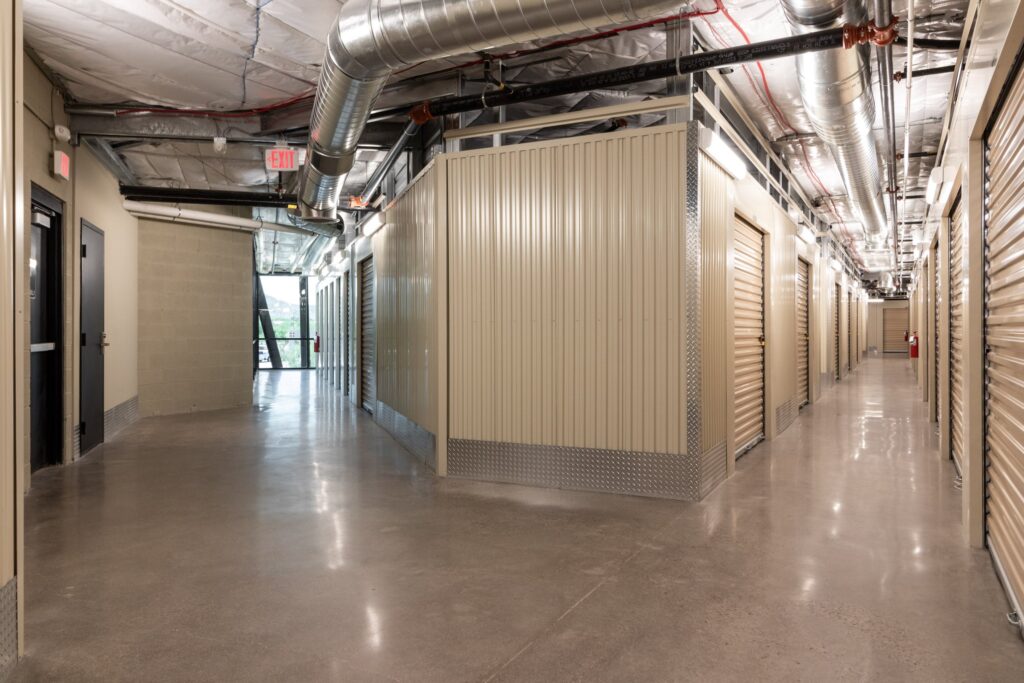
Things You Need to Know Before Renting a Storage Unit in Scottsdale AZ

Tips for Maximizing Space in Your Unit

Renting a storage unit can be an excellent solution for those who need extra space for their belongings. However, to get the most out of your rental, you need to maximize the space in your unit. In this section, we’ll discuss some tips for doing just that.

1. Organize Your Things

The first step to maximizing space in your storage unit is to organize your things. This will optimize the space and make it easier to access your items. Start by categorizing your belongings into groups, such as clothing, furniture, or holiday decorations. Then, pack similar items together in boxes and label them clearly. By doing this, you can reduce clutter and make it easier to navigate your unit.

2. Utilize Vertical Spaces

Another way to maximize your storage space is to use vertical space. The walls of your unit are valuable real estate, so take advantage of them! Consider investing in shelving that extends up to the ceiling. This will provide more room for boxes and other items, making better use of the vertical space.

3. Strategic Planning for Spaces

Strategic planning of spaces is essential to maximize storage units. To do this, consider the size of the items you’re storing and how you’ll access them. Make sure to store larger items, such as furniture, in the back of the unit and smaller items in front. This will create a clear path for accessing your things and allow you to see everything stored in your unit.

4. Leave Aisle Space

Always leave aisle space in your storage unit for easy access to all your items. While filling every available space with storage may be tempting, aisles will help you move things in and out of the unit more efficiently.

Following these tips will help you make the most of the space in your storage unit. Organizing your belongings, utilizing vertical spaces, strategically planning spaces, and leaving aisle space will help keep your unit tidy and functional. With these tips, you will surely have a hassle-free experience with your storage unit rental.

Conclusion

Renting a storage unit can make life easier when you need extra space. This guide helps you understand what to expect, compare prices, and look for possible discounts before signing any document. Always check the unit’s condition and prioritize security to protect your belongings. Having a clear idea of your storage needs will give you peace of mind and help you choose the right option with confidence.

Choose McDowell Mountain Community Storage for Safe & Simple Storage

At McDowell Mountain Community Storage, we proudly serve Scottsdale with a clean, secure storage facility designed to protect what matters most. While many companies operate in multiple locations across different states, we focus on delivering personalized service right here in our community.
Our air-conditioned and climate-controlled options help shield your belongings from extreme Arizona heat. With advanced surveillance, bright LED lighting, and keypad entry, our facility is built with security as a top priority. We offer a wide variety of storage units to fit everything from small household items to large business inventory.
We believe in straightforward pricing, clear quotes, and flexible month-to-month rentals. Our commitment is to make storage simple, affordable, and stress-free. With easy online reservations and bill pay, managing your space takes just minutes.
Ready to get started? Contact us today for a quick quote and reserve one of our secure storage units. Let us provide the space and peace of mind you deserve.

Frequently Asked Questions

What is a self-storage unit?
A self-storage unit is a rented space where you can keep personal or business items safely.
What type of storage unit should I choose?
You can choose indoor, outdoor, drive-up, or portable units depending on what you plan to store.
How do I know what size unit I need?
Make a list of your items and estimate the space required before renting.
Do storage facilities offer amenities?
Many facilities offer helpful features like security gates, cameras, and climate control.
Do I need to worry about pests in a storage unit?
Most facilities take steps to prevent insects and rodents, but it’s smart to pack items carefully.
Are there temperature-controlled units available?
Yes, some units keep steady temperatures to protect sensitive items like electronics and wood furniture.
Do renters need insurance for stored items?
Yes, most storage companies require renters to have insurance coverage.
What is the rental process like?
The process usually includes choosing a unit, signing an agreement, and making your first payment.
What are the main reasons people rent storage units?
Common reasons include moving, decluttering, remodeling, or storing business inventory.
What are the best ways to pack items for storage?
Use sturdy boxes, label everything clearly, stack items neatly, keep frequently used items near the front, place trash in sealed bins, and protect delicate clothes with covers.
Updated February 26, 2026

Tips for Organizing Your Self-Storage Unit

Need a location to keep your belongings? A nearby climate-controlled storage facility may provide self-storage units for rent. These storage units offer a solution for people who need short- or long-term storage before, during, or after a move.

To avoid losing track of everything you have, just be sure to pack, organize, and plan the storage unit. After all, what good is it if you need help finding what you’re looking for in a storage facility? Hint: not at all good. We can assist if you need help setting up a storage unit. You can maximize your unit’s interior capacity and enhance your storage experience with our straightforward organization tips and packing hacks.

This blog post offers tips for organizing your self-storage unit. So keep on reading.

Common Mistakes People Make When Organizing Their Self-Storage Units?

Organizing a self-storage unit can be a challenging task. Still, it becomes even more complicated when people make common mistakes, leading to disorganization, wasted space, and difficulty accessing their belongings.

Here are some of the most common mistakes people make when organizing their self-storage units:

  1. Failing to plan:  One of the biggest mistakes people make is not having a clear plan before moving their items into the storage unit. Without a plan, you may randomly place items, leading to inefficiency and difficulty finding them later. Take the time to plan and visualize how you want to organize your unit before you start.
  2. Not labeling boxes: Neglecting to label boxes is a recipe for confusion and frustration. When you need to find something in the future, you’ll have to go through each unlabeled box to locate it. Always label your boxes with a brief description of the contents, making it easier to identify what’s inside without opening them.
  3. Overpacking and underutilizing space: Many people tend to overpack boxes or stack them haphazardly, failing to consider available space. Overpacking can lead to damaged items, while underutilizing space wastes potential storage capacity. Optimize space by using appropriately sized boxes, filling them, and stacking them efficiently.
  4. Neglecting to create aisles:  A lack of designated walkways and aisles within the storage unit is a common mistake. You may have to move multiple boxes or items without clear paths to access something you need. Leave ample space between rows of items to create easily accessible aisles so you can reach any part of your unit without hassle.
  5. Forgetting about regular maintenance: Dust and dirt can accumulate in a storage unit over time. Neglecting regular maintenance, such as cleaning and organizing, can lead to a messy, unmanageable space. Schedule periodic visits to your storage unit to clean, organize, and ensure everything remains in good condition.

By avoiding these common mistakes, you can ensure a well-organized and easily accessible self-storage unit that maximizes space and keeps your belongings in good condition.

Tips for Organizing Your Self Storage Unit

8 Tips for Organizing Your Self-Storage Unit

Here are 8 storage tips to organize your self-storage unit.

Label your boxes

Priorities come first. Labeling your storage bins or boxes is one of the most crucial components of storage unit organization. It might be stressful when you’re looking for that one book for a book club, but can’t remember which boxes are for “books” and which are for “kitchen”! Label every box to avoid making this simple error. A box number, the room it originated from, and a description of everything within should all be written at the top and on at least one side of each box. Please be as specific as possible.

It can seem like a waste of effort to unpack and repack boxes to mark them if you’ve already packed everything. However, you’d be happier if you took the time to search your unit immediately rather than waiting until later.

Make a master list

Make a master’s list once you’ve labeled every box. Even while it may seem ominous, it will ultimately be beneficial. Note the box number and contents for every box container in your storage unit. You’ll get a reference sheet for each item that is located this way. If you’re computer literate, you can also build or copy the list into a Word or spreadsheet document and try sorting it out for a better outcome.

Map it out

Making a map of your storage space is an excellent way to keep it tidy. It’s ideal to have a basic sense of where everything is in your storage unit, rather than a precise architectural layout with dimensions (though it’s possible if you like). It might be a simple sketch that divides your storage unit into areas for each room. Pack the kitchen boxes, bedroom boxes, office boxes, and so on all together. When you need a specific item or box later, even designating a small portion of your storage space to a particular area might be helpful.

Stack Everything

Maximizing storage space is crucial, and height is vital to achieving it. Surprisingly, most storage units are 10 feet or taller, providing ample vertical room for your belongings, including keepsakes, mementos, photos, albums, scrapbooks, paperwork, documents or files, electronic appliances, sports equipment and gear, and hobby supplies. To ensure stability and prevent accidental toppling, we advise placing sturdy, large boxes or goods at the base of your stack while positioning lighter or smaller boxes on top. Additionally, you can optimize space utilization by stacking furniture, such as tables, on top of one another. By employing these strategies, you can maximize your storage space while safeguarding and organizing your cherished items.

Put items that you need to access in the front

Place everything you’ll frequently need to access toward the front of your storage container. As a result, you won’t have to dig around in the back of your unit whenever you need certain products, because they will always be nearby and easy to find. Winter clothing like coats or boots for seasonal weather, paperwork documents for the office or school, or holiday decorations are a few examples.

You may even use a special remark or a distinct color to draw attention to these tote boxes before you begin packing everything into your self-storage unit, so that you remember to place them at the front.

Make a center aisle

Your self-storage unit could quickly turn into an impossible maze. Make a central aisle to avoid the pain and embarrassment of struggling to reach the back of the storage unit. Your belongings will still have plenty of areas to spread out, and any boxes in the back of your storage unit are still within easy reach.

Allow your items to breathe

Even if your storage container is climate-controlled, allowing air movement is still crucial. Packing boxes on top of pallets will allow air to circulate beneath them. Additionally, consider leaving a little gap between the walls of your storage room and your belongings to allow for ventilation.

Get stylish and get shelving

Although you may not feel your storage container needs shelving, it might be useful. Utilizing your storage space’s height strategically is essential, but you should avoid putting fragile items like glassware on top of other items. Making the most of your available space with shelves also ensures that nothing will accidentally fall and shatter.

Wrapping Up

We sincerely hope these tips and advice have helped you organize your storage unit and keep your things in order. Check out McDowell Mountain Community Storage if you’re doing preventative research and are now looking for inexpensive storage nearby. To give you the ideal storage option for all your things, we offer a range of unit sizes and high-quality amenities!

Conclusion

Organizing your self-storage unit doesn’t have to feel overwhelming. With a clear plan, labeled boxes, mapped-out sections, and designated pathways, you can dramatically improve both efficiency and accessibility. Creating a simple system that allows you to sort items by category, rotate seasonal belongings as needed, and keep frequently used boxes within reach will save you time and frustration in the long run. By maintaining order and making thoughtful use of vertical space and shelving, your storage unit can remain functional, easy to navigate, and stress-free whenever you need to access your belongings.

Find Your Ideal Storage Unit Now

Discover the perfect storage solution to place items for your needs at McDowell Mountain Community Storage. With a wide range of unit sizes and convenient amenities, we make storage easy and accessible.

Take the first step towards an organized and stress-free life—find your ideal storage unit now! If you have any questions, contact us at (602) 899-5484.

Tips for Organizing Your Self Storage Unit In Scottsdale AZ

Frequently Asked Questions

What is the best way to pack items in a storage unit?
Start by sorting your belongings into clear categories so everything has a designated place. Use sturdy cardboard boxes for lightweight items and durable plastic bins for anything sensitive to moisture. Keeping similar items together makes it easier to track the amount of boxes you have and simplifies future organization.

How should I arrange my storage unit for easy access?
Create a clear path from the door to the back of the unit so you can move around safely. Leave small spaces between stacks to improve accessibility and airflow. This setup lets you quickly reach items without unloading everything.

How can I store furniture properly?
Disassemble large pieces when possible and store chairs upside down on tables to save room. Use the inside of drawers to hold smaller items, but avoid overloading them. Placing furniture along the walls keeps the center open and organized.

How do I keep track of everything in storage?
Label boxes clearly and create a list of item locations within your unit. Keeping an inventory gives you peace of mind and prevents unnecessary searching. A simple tracking system ensures you always know where your belongings are stored.

How can I maximize space in my self-storage unit?
To maximize space in your self-storage unit:

  • Prioritize arranging items based on size and frequency of use.
  • Place larger, less frequently needed items at the bottom or back of the unit, and keep items you’ll access more often towards the front.
  • Make use of vertical space by stacking securely and using shelving units.

This approach maximizes floor area and helps maintain an efficient, organized space in your self-storage unit.

What are some tips for organizing my self-storage unit efficiently?
Organizing your self-storage unit efficiently requires a strategic approach. Begin by categorizing your items before you move them into the unit. Once categorized, arrange these items in a way that allows for easy access. Use labels on boxes and bins to quickly identify contents. A logical system might involve grouping similar items or storing items by season or use. Secure shelving units can provide a stable platform for stacked items, making the best use of vertical space and keeping your floor area clear.

Are there specific storage containers or bins that work best for an organization?
Yes, certain types of storage containers and bins are more effective for keeping your self-storage unit organized. Look for durable, stackable containers with secure lids to protect against dust and damage. Clear bins can be especially helpful because they let you see the contents without opening them. For clothes or fabrics, consider using vacuum-seal bags to save space and protect against moisture. Ensure that all containers are manageable to facilitate easy handling and rearrangement.

How do I categorize and label items in my self-storage unit?
Categorizing and labeling items in your self storage unit begins with dividing your belongings into logical groups. You might categorize by item type (e.g., books, kitchenware, clothes), by event (e.g., holiday decorations), or by season (e.g., summer gear, winter coats). Once categorized, label each box or bin clearly with a detailed description of its contents. Labels can be placed on multiple sides for visibility regardless of orientation. An efficient labeling system reduces the need to search multiple boxes for a single item.

Are there any strategies for preventing damage to items in the storage unit?
Preventing damage to items stored in a self-storage unit involves several vital strategies. Use bubble wrap or other protective materials for fragile items. Ensure that boxes are not overpacked to avoid crushing and that shelving units are not overloaded to prevent collapsing. Keep items off the floor using pallets or tarps to protect against potential water damage. Finally, ensure your storage unit is clean and secure to guard against pests and theft.

What are effective ways to declutter and maintain an organized storage unit over time?
Effective ways to declutter and maintain an organized storage unit include regular reviews of its contents, ideally once or twice a year. During each review, assess whether each item still serves a purpose or holds value. Be prepared to donate, sell, or discard items that no longer meet your needs. Continuously update your inventory and labeling system to reflect any changes. Implementing these practices ensures your self-storage unit remains a functional, efficient space that meets your storage needs over time.

Updated February 12, 2026

How to Choose the Right Storage Unit for Your Needs

The process can feel overwhelming when it comes to finding the ideal storage unit for your needs. Whether you’re looking to store a few personal items, the contents of an entire house, business inventory, or even vehicles like a boat, RV, or car, selecting the proper storage unit is crucial. At McDowell Mountain Community Storage, we understand that every customer has unique needs, and we strive to provide the perfect solution. To help you make an informed decision, we’ve compiled this comprehensive guide on choosing the proper storage unit for your needs, considering availability, recommendation, duration, amenities, proximity, and specific requirements for storage space, room, and things. Whether you’re looking for self storage solutions across various locations or need tips on choosing the best option for your storage needs, we’re here to guide you every step of the way. 

Assessing Your Storage Needs

Before you even look at available storage units, it’s essential to assess exactly what you’re planning to store. The type of items, the size of the items, and the amount of space you need will significantly influence the type of unit you should choose. The most common items people store in storage units include personal belongings such as furniture, electronics, boxes of books, holiday decorations, and even more significant items like cars or boats. When considering what to store, remember things like appliances, parts of a garage, or office equipment that might require additional space.

Start by making a list of all the items you plan to store. This will give you a better sense of the space you’ll need. If you are moving out of your home, you will likely need a larger unit to fit your furniture, electronics, and other household belongings. Alternatively, a smaller unit might suffice if you’re only storing seasonal items, like holiday decorations, books, or keepsakes. If you have any specific questions about the size or type of unit you need, don’t hesitate to reach out for recommendations.

Additionally, consider whether any of your items are particularly sensitive to temperature changes or humidity. If you have electronics, important documents, or artwork, it might be worth looking into storage units that offer climate control. Climate-controlled units are designed to keep the temperature and humidity consistent to protect sensitive items from extreme heat, cold, or moisture damage. Storing your stuff in a climate-controlled unit ensures your appliances and other valuable items remain in optimal condition, saving you money in the long run.

How to Choose the Right Storage Unit for Your Needs In Scottsdale AZ

Choosing the Right Size of Storage Unit

Choosing the right size is one of the most critical factors when selecting a storage unit. Renting a too small unit will leave you scrambling to find additional storage options, while renting a too-large unit may lead to wasted space and higher rental costs. Therefore, thinking carefully about the space you’ll need and the types of items you’ll be storing is essential.

Storage unit size is crucial, and McDowell Mountain Community Storage offers a wide range of options to fit your needs. A smaller unit, such as a 5×5, may be perfect for a few boxes, personal items, or seasonal decorations. This site could work well if you move a few furniture pieces or store office supplies. A 10×10 unit might be an excellent option for storing furniture from a one-bedroom apartment or business inventory that needs to be stored off-site. If you have more oversized items or a lot of belongings, a 10×20 unit might be more appropriate. For those needing space for vehicles like a truck, RV, or even a boat, we offer larger units that can also accommodate these items.

When you think about storage unit size, also consider how easy it will be to access your belongings. Many self-storage facilities offer convenient features like roll-up doors or drive-up access, making it easier for anyone with a truck or large vehicle to load and unload items. Whether you’re storing personal items, business inventory, or anything else, the storage unit size and features must fit your needs.

If you need more clarification on what size you need, feel free to ask the McDowell Mountain Community Storage staff for guidance. They can help you assess your inventory and recommend the right unit size for your specific needs. Check out our blog for more tips on choosing the best self-storage unit. We’re here to make the process as easy as possible and ensure you find the perfect storage solution for your belongings.

Location and Accessibility

Another important factor when choosing a storage unit is location. The location of your storage facility is essential for various reasons, including convenience, security, and the cost of rent. McDowell Mountain Community Storage is a storage company located in a convenient area with easy access so that you can get to your belongings without hassle. Whether you need frequent access to business inventory or occasionally need to retrieve seasonal items, the location should suit your needs.

Additionally, consider the hours of access that a facility offers. Some facilities have limited hours, while others offer 24/7 access. If you’re storing RVs, business inventory, or other items you need to access outside of typical business hours or have unpredictable schedules, choosing a facility with flexible access hours can make a big difference.

Another consideration is whether you must park nearby for loading and unloading. Some facilities offer drive-up access, which allows you to park directly in front of your unit sizes, making the process of loading and unloading more accessible and more convenient. Whether moving everything in one go or dropping off a few items, drive-up access saves time. Be sure to inquire about access details when choosing a storage facility.

Look for facilities that highlight the benefits of their services, such as convenient payments, secure building features, or the ability to park your door directly back to the unit for easy unloading. Finally, consider if the facility is staffed by someone who can assist with inquiries or provide additional on-site support.

Security Features

Security should always be a top priority when selecting a storage facility. Your belongings are valuable, and you want to ensure they are safe and protected in storage. McDowell Mountain Community Storage understands the importance of security, and we go the extra mile to ensure our customers’ peace of mind. Our facilities have advanced security features such as surveillance cameras, well-lit premises, and gated access to protect everything from small boxes to oversized items like furniture or mattresses.

When looking for a storage unit, ask about the security measures. Do they have 24/7 surveillance? Are there security guards on-site? Does the facility have proper lighting to deter criminal activity? It would help if you also inquired about access control systems. Many modern storage facilities use keypads or smartphone apps to allow customers to enter, which helps to ensure that only authorized individuals can access the property.

Matching your needs with the proper storage unit sizes is also important. Whether you’re storing the contents of apartments, homes, or individual item collections, choosing the correct size unit is critical. Consider what you’ll be storing: from furniture sets to seasonal decorations, selecting the proper size storage unit ensures you only pay for the space you need.

These security measures become even more critical if you store valuable items like electronics, documents, or even a boat or RV. Look for facilities with covered parking areas, protection against pests, and insurance options to cover your belongings. Whatever your storage needs, selecting a facility with these features is an intelligent choice to ensure your peace of mind.

How to Choose the Right Storage Unit for Your Needs

Understanding the Costs

When it comes to storage, cost is always a key consideration. While choosing a storage unit with the lowest rental price is the best option, balancing cost with the features and services offered is essential. Some facilities may offer discounted rates for the first month, while others may have additional fees for features such as climate control, 24-hour access, or enhanced security measures. These features can be precious for homeowners looking to manage clutter or store items that require specific temperatures to maintain their condition.

At McDowell Mountain Community Storage, we offer competitive rates and flexible payment options to suit your needs. Whether you’re storing for the short term or need a long-term solution, we can help you find a storage unit that fits your budget. Consider asking about promotions or discounts that might be available, especially if you’re renting for an extended period. Some facilities offer discounts for students or long-term renters.

While looking at prices, note any additional costs that could come up during the rental period. For example, you may be required to purchase insurance for your belongings, or you might need to pay for a lock to secure your unit. Be sure to clarify any potential extra costs upfront to avoid surprises later. Prioritizing features like climate control and security can also enhance the safety of your items, making it worth considering options beyond just the lowest price.

Climate Control and Specialized Storage Options

Suppose you plan to store items sensitive to temperature and humidity changes, such as electronics, artwork, or certain types of furniture. In that case, consider a climate-controlled storage unit. These units maintain a consistent temperature and humidity level, ensuring that your items are protected from extreme weather conditions, whether it’s the heat of summer or the cold of winter.

At McDowell Mountain Community Storage, we offer climate-controlled storage units to ensure that sensitive items like electronics, important documents, antiques, and even mattresses are kept in optimal condition. Climate control is significant for business owners who need to store inventory that may be affected by temperature and humidity, such as documents, artwork, or electronics.

Customer Reviews and Reputation

A great way to gauge the quality of a storage facility is by reading customer reviews. Take some time to check online reviews to get a sense of the reputation of the storage facility you’re considering. Customer feedback can provide valuable insights into the quality of the facilities, customer service, and the overall experience.

At McDowell Mountain Community Storage, we are proud of our reputation for excellent service. Our customers appreciate our clean, secure facilities and friendly, helpful staff. We work hard to ensure that our customers’ storage needs are met, whether they’re storing a few boxes or a house full of belongings.

Flexibility in Rental Terms

Finally, the flexibility of the rental contract should be considered. Some storage companies offer long-term contracts, while others offer month-to-month rentals. If you need to figure out how long you will need storage, choosing a facility that offers more flexible rental terms may be a good idea. This is especially important if you are still determining whether you need to store your items for a few months or longer.

At McDowell Mountain Community Storage, we offer short-term and long-term rental options, so you can choose a rental agreement that best fits your needs. We also offer flexibility in unit size, allowing you to upsize or downsize your unit as your needs change.

Final Thoughts

Choosing the proper storage unit involves evaluating several vital factors, such as the size, security features, location, and cost. By considering these factors carefully and assessing your storage needs, you can select a unit that offers the perfect balance of convenience, affordability, and security. Whether you store personal items, business inventory, or vehicles like a boat or RV, McDowell Mountain Community Storage is here to help.

If you’re ready to find the ideal storage unit, contact us today to learn more about our options. Our friendly team can help determine the best unit size and guide you through the rental process. Whether moving, decluttering, or needing a place to store your business inventory, McDowell Mountain Community Storage provides a secure, accessible, and affordable storage solution.