How to Protect Your Belongings in Storage

Storing your belongings can be a convenient solution when you have a lot of items and need extra storage space. However, without proper preparation, items stored can be exposed to moisture, dust, pests, or damage over time.

If you’re planning to rent a storage unit in Scottsdale, taking the right steps can help protect everything. This guide will walk you through the best ways to protect your belongings in storage, whether you’re planning short-term or long-term use. From choosing the right storage unit to organizing your space effectively, a thoughtful approach can help keep your items in excellent condition.

Choose a Secure Storage Facility in Scottsdale

Many storage facilities offer multiple locations, so choosing one in a convenient Scottsdale area can make access easier and more efficient.

Look for storage units in Scottsdale that offer:

  • Gated access and monitored entry points
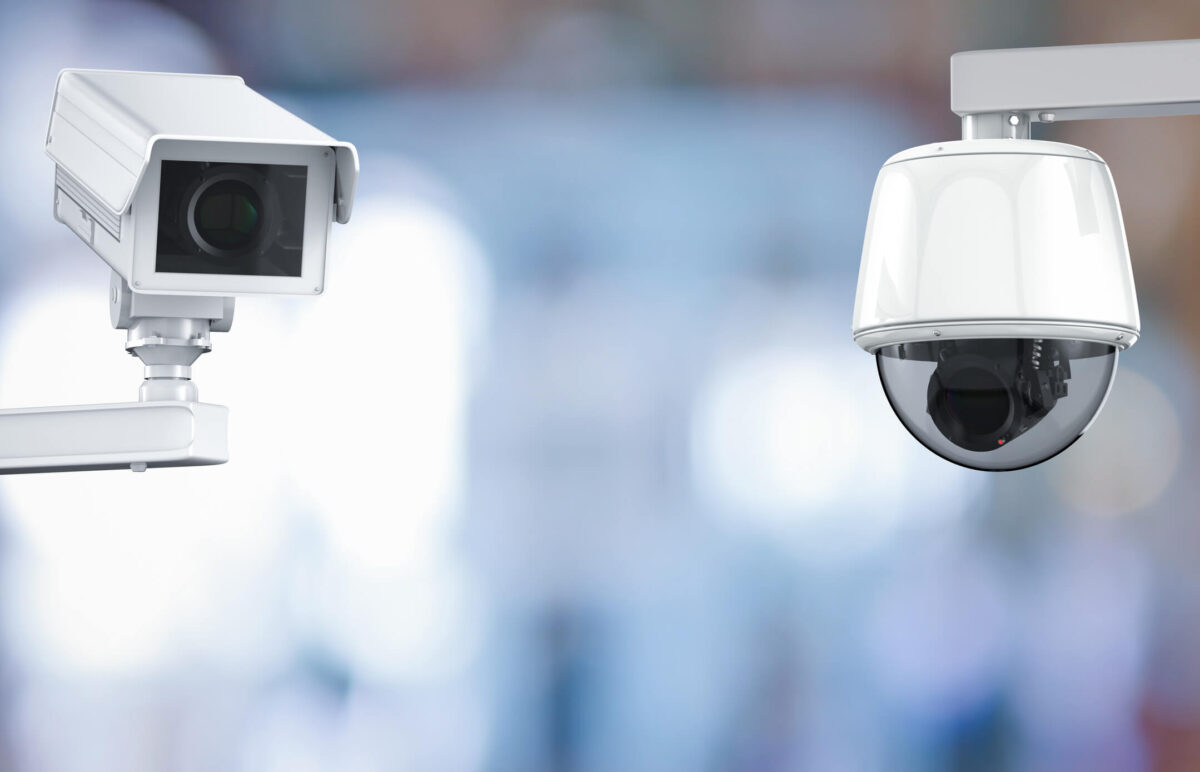
  • On-site management and surveillance systems
  • Well-lit areas for added safety
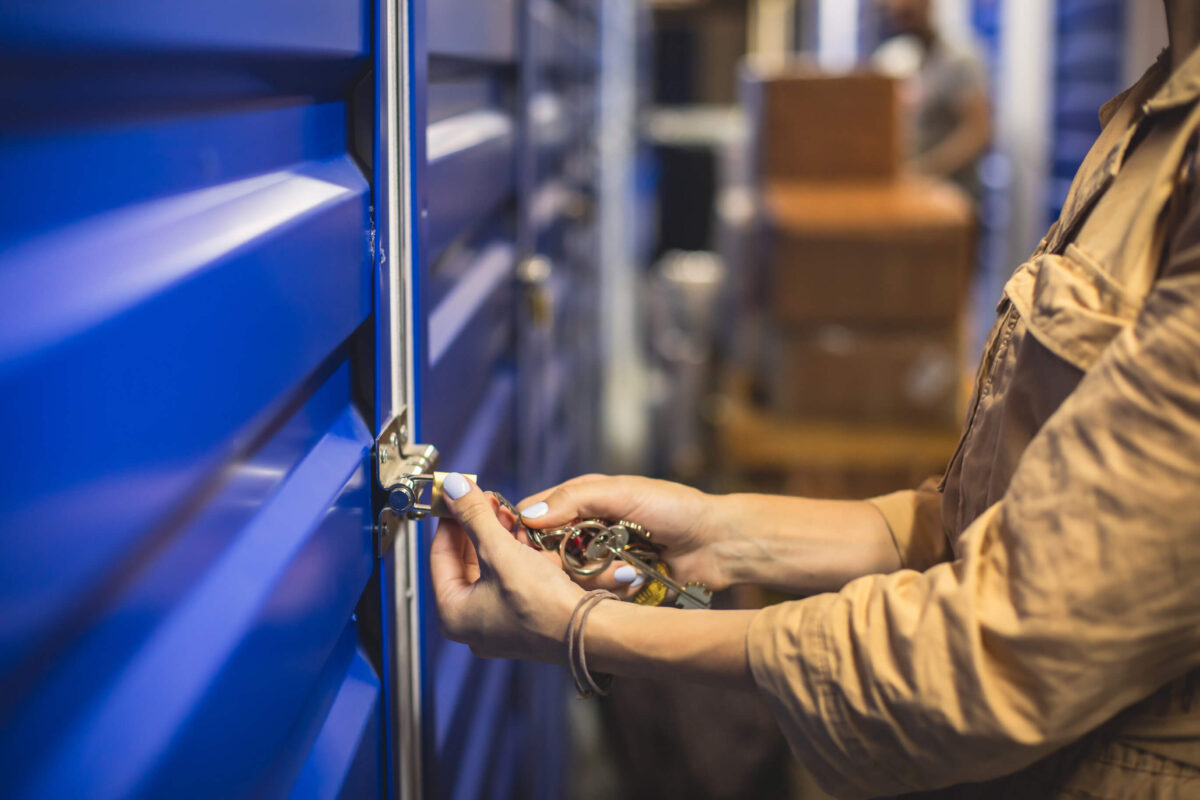
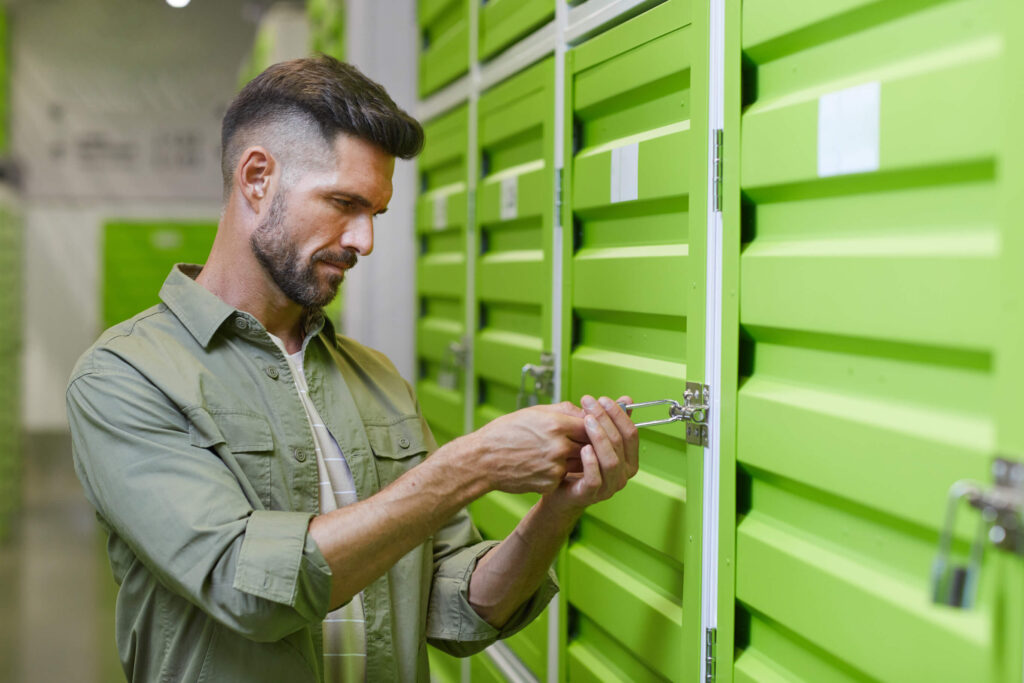
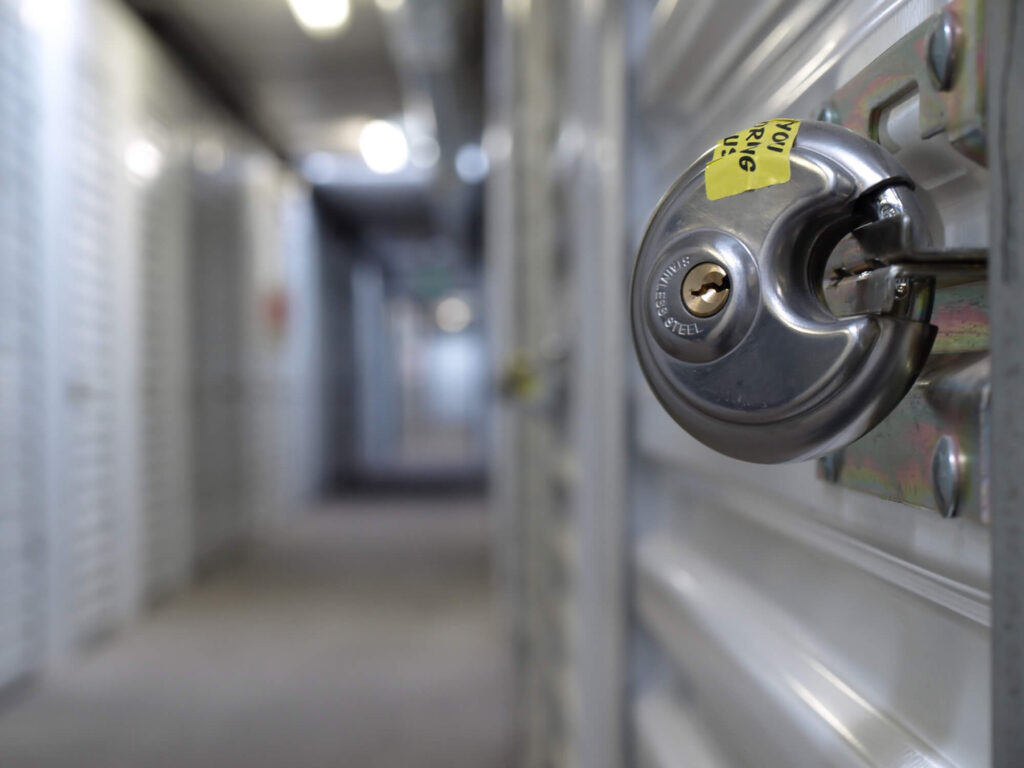
  • Strong lock options for your storage unit

A reliable self storage facility reduces theft risk and keeps your items safe.

Consider Climate-Controlled Storage Units

Arizona’s heat can create harsh environments for stored items. Climate control helps regulate temperature and humidity in your storage unit, which is especially important for sensitive items.

Items That Benefit from Climate Control:

Climate-controlled storage units reduce risks like mold, mildew, warping, and heat damage.

Use Proper Packing Materials

Using proper packing materials is an effective way to prevent damage and protect fragile items in storage.

Recommended Packing Tips:

  • Use sturdy boxes or plastic containers
  • Wrap fragile items with bubble wrap or paper
  • Cover furniture with blankets or protective covers
  • Use plastic wrap to create a barrier against dust and moisture

Avoid overloading boxes, especially for heavier items. Proper packing helps maintain the condition and value of your belongings while in storage.

Protect Against Moisture, Mold, and Mildew

Moisture is one of the biggest threats in any storage environment, especially in long-term storage units.

How to Prevent Moisture Damage:

  • Use moisture absorbers inside your storage unit
  • Elevate boxes and items off the floor using pallets or shelving units
  • Avoid placing items directly against walls
  • Ensure everything is completely dry before storing

Following these tips avoids mold, mildew, and odors that may harm your belongings.

Disassemble and Cover Furniture

Large items such as couches, tables, and shelving units should be properly prepared before being placed in storage.

Best Practices:

  • Disassemble furniture when possible
  • Wrap items in blankets or protective covers
  • Store cushions separately in breathable containers
  • Keep heavier items on the bottom to avoid damage

Taking extra care during preparation helps protect furniture and maximize your storage space.

Organize Your Storage Unit Efficiently

Proper organization is key to both protection and easy access.

Organization Tips:

  • Label every box clearly
  • Keep a simple inventory of your items so you can easily track and locate your belongings
  • Place frequently used items near the front
  • Use shelves to maximize vertical storage space
  • Leave a walkway for easy access to your items

well-organized storage unit makes it easier to locate your belongings and reduces the risk of accidental damage.

Avoid Overpacking Your Storage Unit

Trying to store too many items in one unit can lead to crushed boxes and damaged contents.

  • Leave space between items for airflow
  • Avoid stacking boxes too high
  • Choose the right size storage unit for your needs

Giving your belongings room helps maintain their condition and prevents unnecessary damage.

How to Keep Your Items Safe in a Storage Unit
Learn how to protect your belongings in storage with expert tips on packing, climate control, and security in Scottsdale. Contact us today.

Protect Valuables and Important Items

Certain items require extra care when placed in storage.

Additional Protection Tips:

  • Keep valuables and important documents in sealed containers
  • Consider insurance coverage for high-value items
  • Store fragile items in clearly labeled boxes
  • Avoid placing sensitive items near the top where they could fall

Taking these extra precautions adds another layer of protection for your most important belongings.

Check Your Storage Unit Regularly

If you have long-term storage, it’s a good idea to check your unit periodically.

  • Look for signs of pests or moisture
  • Adjust boxes or items if needed
  • Replace any damaged packing materials

Routine checks can help catch small issues before they turn into bigger problems.

Protect Your Belongings with the Right Storage Approach

Keeping your belongings safe in storage comes down to choosing the right storage facility, using proper packing techniques, and maintaining organization inside your unit. Whether you’re storing furniture, electronics, or personal items, taking the time to prepare properly can make a significant difference.

If you’re looking for secure, reliable storage units in Scottsdale, working with a trusted facility can help ensure your belongings stay protected in the right environment.

Find Secure Storage in Scottsdale Today

If you need a safe and reliable place to store your belongings, McDowell Mountain Community Storage offers clean, secure storage units designed to protect your items and other important things in all types of environments.

Whether you’re storing household items, furniture, or valuables, our storage facility provides the security, climate control, and access you need for peace of mind.

Contact us now to reserve your self-storage unit in Scottsdale and ensure your belongings stay protected today.

Visit our blog now for more storage tips, packing advice, and organization ideas to maximize your storage experience.

Frequently Asked Questions: Protecting Items in Storage

What items should not be stored in a storage unit?

Perishable food, hazardous materials, and flammable items should not be placed in storage units.

Is climate-controlled storage necessary in Scottsdale?

Yes, climate control helps protect items from heat, moisture, and damage caused by extreme temperatures.

How do I prevent mold in a storage unit?

Use moisture absorbers, keep items dry, and choose climate-controlled storage units when possible.

Should I use plastic containers or boxes for storage?

Both can work, but a plastic container offers better protection against moisture and pests.

How do I protect items from moisture in storage?

Use moisture absorbers, ensure items are completely dry before storage, and choose climate-controlled storage units to help prevent mold, mildew, and damage.

What materials should I use for packing fragile belongings?

Use sturdy boxes, bubble wrap, packing paper, and protective blankets. Clearly label fragile items and avoid overpacking to reduce the risk of damage.

How can I prevent pests in my storage unit?

Keep food and perishable items out of your storage unit, use sealed plastic containers, and maintain a clean, organized space to reduce the risk of pests.

How do I secure my storage unit against theft?

Choose a secure storage facility with gated access and surveillance, and use a strong lock on your unit to protect your belongings from theft.

How do I organize items to avoid damage in storage?

Place heavier items on the bottom, use shelving units to maximize space, label boxes clearly, and leave walkways for easy access and better organization.

How often should I check on my stored belongings?

It’s recommended to check your storage unit periodically, especially for long-term storage, to monitor for moisture, pests, or any signs of damage.

Self Storage Provides Safe and Flexible Space for Your Belongings

Self-storage has become a reliable and convenient solution for people and businesses looking for additional space. It provides a practical way to organize everything from furniture during a move to seasonal items, electronics, and business inventory. This beginner’s guide provides essential information and ideas for efficiently managing your belongings, helping you understand how self-storage works and how to select the best unit for your specific needs. 

Self Storage Offers Flexible Solutions for Everyone

Self-storage allows a person to rent units at a storage facility to store belongings, boxes, furniture, and vehicles, such as a car or boat, safely. Units come in a lot of sizes and types, from small lockers suitable for documents, holiday decorations, or a garage-sized room, to large spaces capable of holding full household contents or business inventory. There are many reasons people choose self-storage, and an explicit rental agreement provides answers to common questions about accessing and using each part of the unit. 

Individuals frequently use self-storage for situations such as:

  • Moving or Downsizing: Temporary storage for furniture, electronics, and boxes while transitioning to a new home.
  • Seasonal Storage: Keeping holiday decorations, outdoor furniture, or sporting equipment safe during the off-seasons.
  • Protecting Valuable Items: Storing antiques, artwork, instruments, and electronics in controlled environments.

Businesses also benefit from self-storage, using units to store office equipment, documents, inventory, and vehicles. Making the right decision about which unit to rent is easier when you understand the basics of the self-storage industry and the range of storage unit sizes available. Facilities provide flexible access at different times, allowing both personal and professional users to retrieve or store any item. Before renting, it’s essential to know the name of the facility, the state it is located in, and ensure it can safely hold anything you plan to store. 

Storage Facilities Provide Security and Convenience

Modern self-storage facilities focus heavily on security, accessibility, and convenience. Security measures include gated access, key codes, surveillance cameras, alarm systems, and on-site staff. Each unit is secured by the renter’s lock, giving them complete control over who can access their belongings. When signing a contract, it is essential to choose the right size storage unit and understand the available storage spaces, including rooms or smaller sections. These features help ensure that articles and other items remain safe from theft, vandalism, or unauthorized access. In some cases, renters keep a track of items on one side of the unit for easier organization. For every reason related to security and accessibility, a self-storage facility provides peace of mind.

In addition to security, convenience is a key feature. Many facilities offer 24-hour access, drive-up loading, well-lit parking areas, and equipment like dollies, carts, and ramps to simplify the moving process. Facilities may also provide climate-controlled units for sensitive items, ensuring that belongings such as electronics, furniture, and documents are protected from extreme temperatures and humidity.

By choosing a facility with these features, renters can enjoy peace of mind knowing their items are secure, accessible, and well-maintained.

Climate-Controlled Units Protect Sensitive Belongings

Climate-controlled units are essential for storing items sensitive to temperature and humidity. Electronics, artwork, antiques, instruments, and wooden furniture can be damaged by extreme heat, cold, or moisture. These units maintain consistent environmental conditions, preventing deterioration, mold, and warping.

Even vehicles can benefit from climate control. Cars, motorcycles, RVs, and boats may experience paint or interior damage if exposed to fluctuating temperatures and sunlight. Understanding the benefits of climate-controlled storage unit use helps maintain the condition and value of vehicles and other sensitive belongings. This makes it a wise choice for high-value or delicate items, protecting against extreme temperatures, humidity, and environmental damage. 

Unit Types Cater to Different Needs

Self-storage facilities offer a range of unit types designed to accommodate different needs:

  • Indoor Units: Located within a building for added security and protection from the elements. Ideal for boxes, furniture, and sensitive electronics.
  • Outdoor Units: Drive-up units for more effortless loading and unloading of bulky items, such as appliances and large furniture.
  • Vehicle Storage: Spaces specifically designed for cars, motorcycles, RVs, and boats, often including covered or enclosed options.
  • Specialty Units: Climate-controlled or high-security units for valuable or delicate items, including artwork, antiques, and instruments.

Choosing the correct unit type is crucial for protecting items and ensuring convenient access. Consider what you plan to store, how often you’ll access it, and whether climate or security is a priority.

Choosing the Right Storage Unit Size

Selecting the correct unit size is critical for maximizing space and minimizing costs. Standard unit sizes include:

  • Small (5×5 to 5×10 feet): Perfect for boxes, small electronics, or holiday decorations.
  • Medium (10×10 to 10×15 feet): Ideal for apartment furniture, office equipment, and multiple boxes.
  • Large (10×20 to 10×30 feet): Suitable for full-house storage, vehicles, or large business inventory.

Before renting a unit, create a detailed inventory of items you plan to store, including furniture, electronics, documents, appliances, and fragile items. Planning your storage space prevents overpaying for a unit that is too large and avoids the frustration of a cluttered unit that is too small.

Consider special storage requirements. For example, delicate electronics, instruments, or artwork may require climate control, while vehicles may need covered or enclosed spaces. Taking these factors into account ensures the unit meets your long-term needs.

Packing and Organizing Your Storage Unit

Proper packing and organization are key to maximizing storage space and protecting items:

  • Use Durable Boxes: High-quality boxes prevent damage to fragile items like electronics and artwork.
  • Label Clearly: Label each box with its contents to simplify retrieval.
  • Protect Valuable Items: Wrap furniture, artwork, and instruments with bubble wrap, blankets, or protective padding.
  • Stack Strategically: Place heavier items on the bottom and lighter boxes on top.
  • Maintain an Inventory: Keep a detailed list of all stored items for insurance and easy access.

Efficiently organizing units ensures belongings remain in good condition and allows renters to retrieve items without difficulty. For larger items like furniture or appliances, consider disassembling pieces to save space and reduce the risk of damage.

Renting a Unit Is a Simple Process

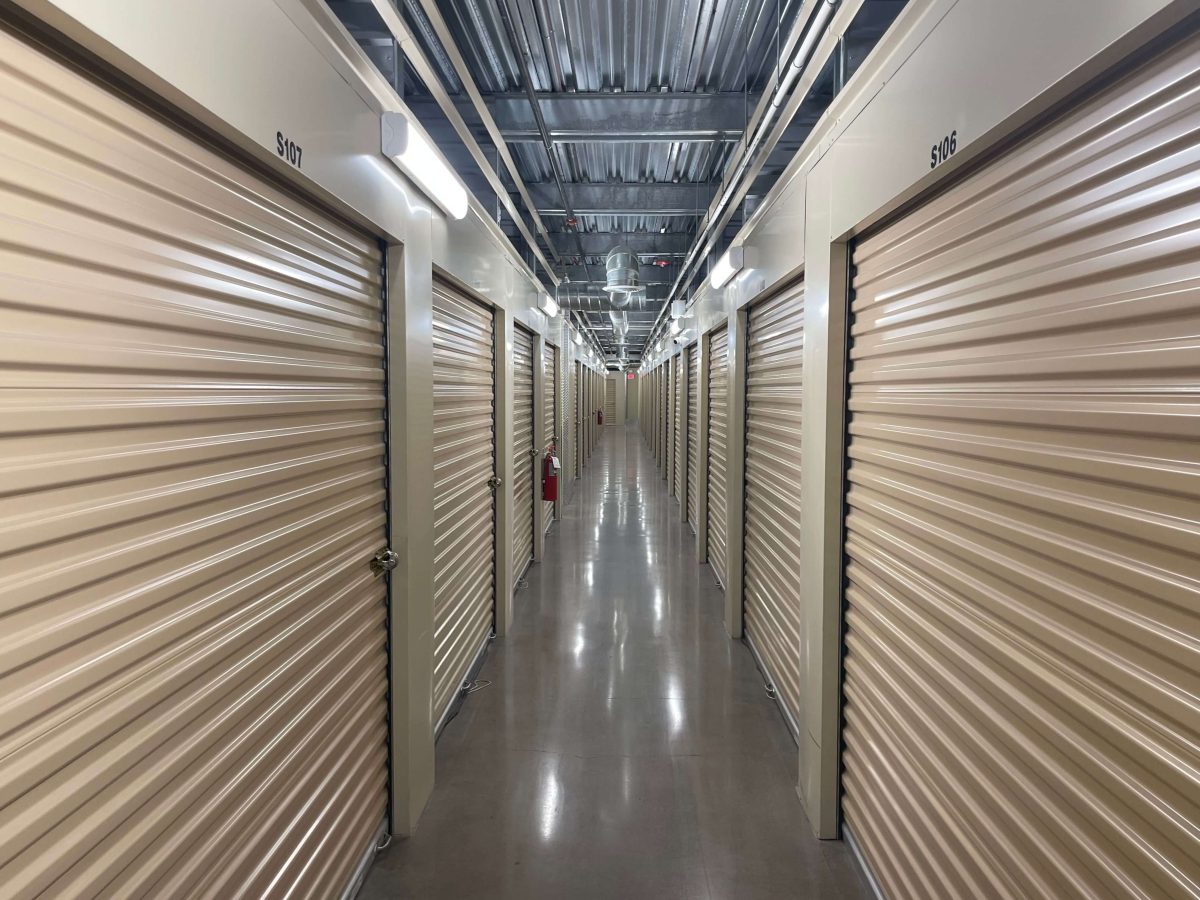
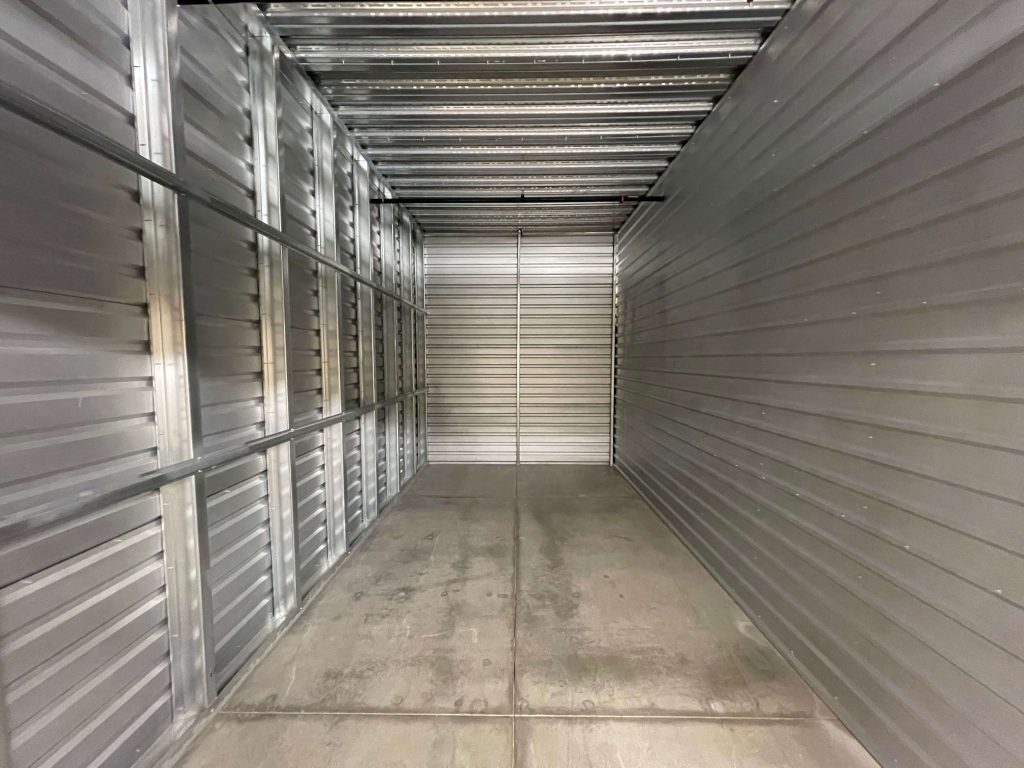
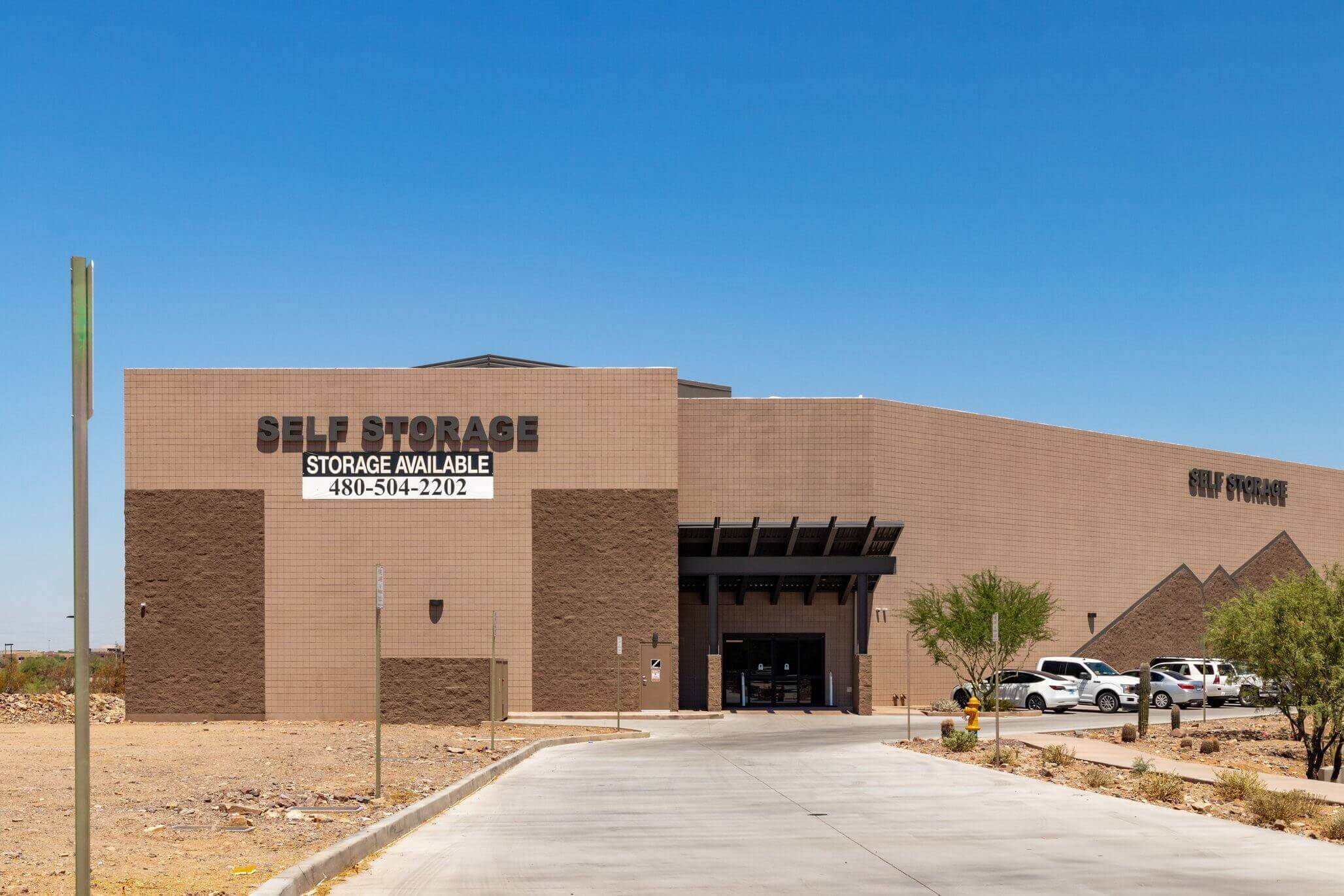
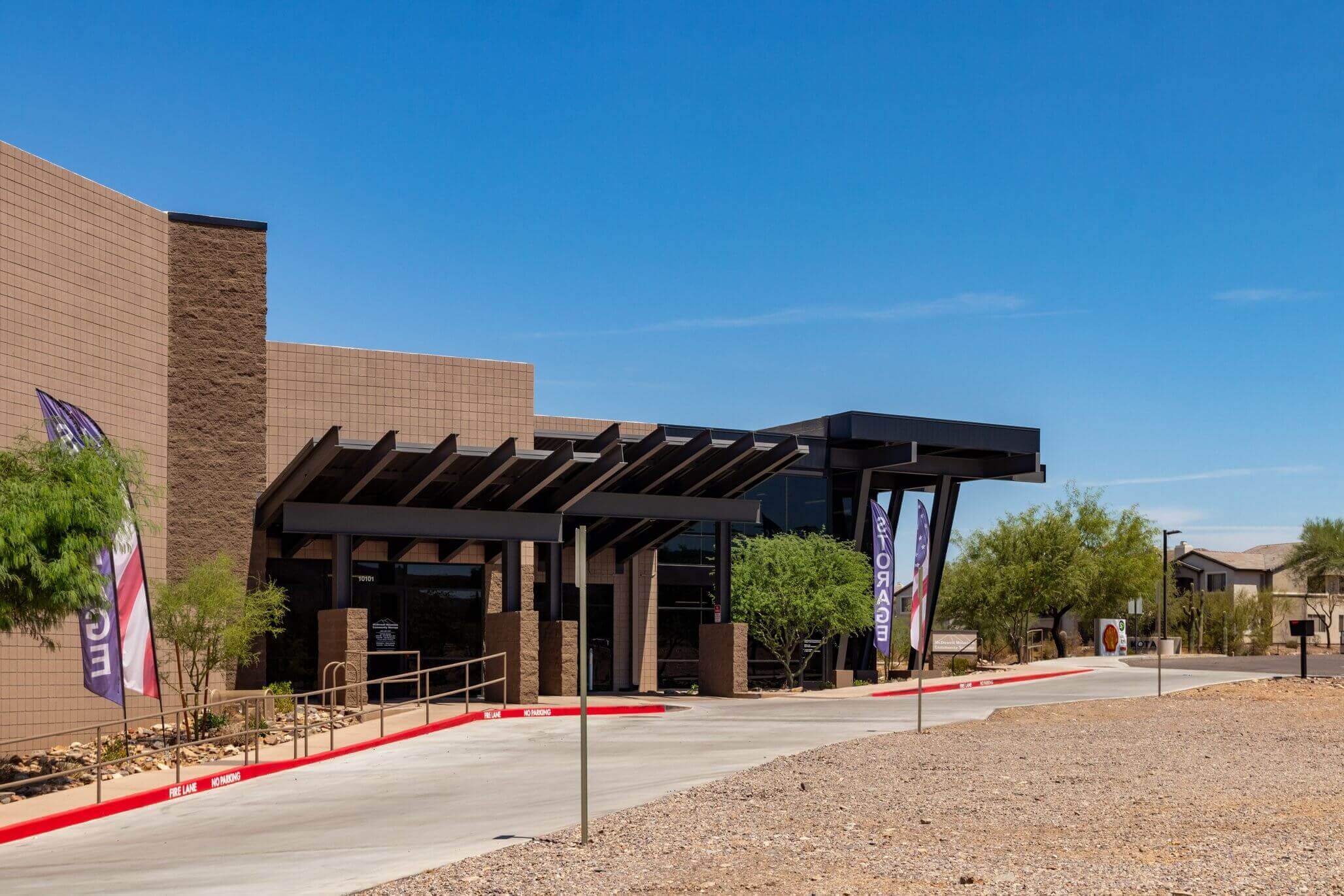
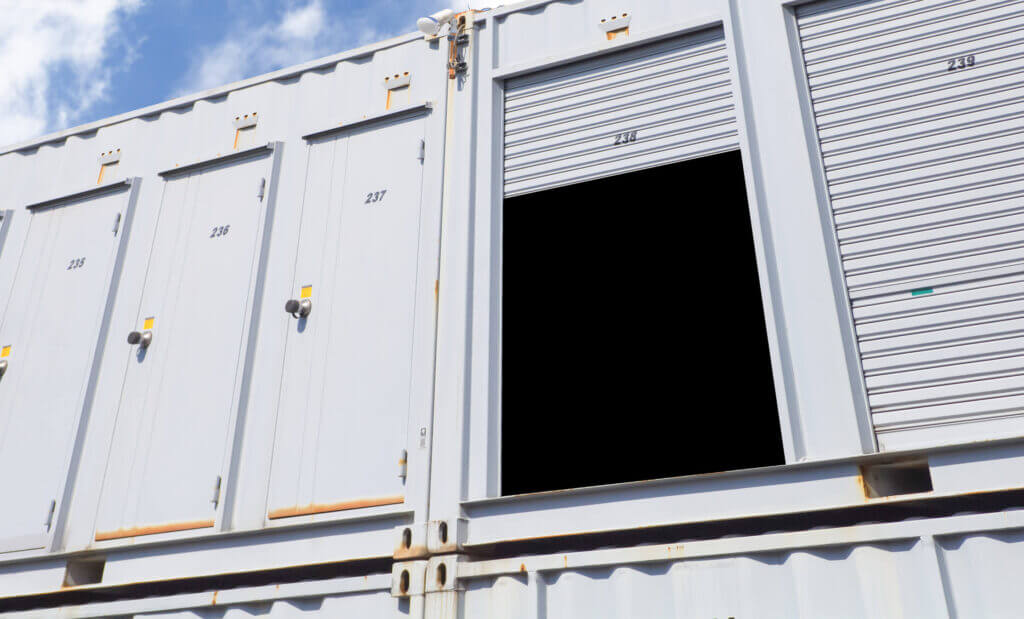
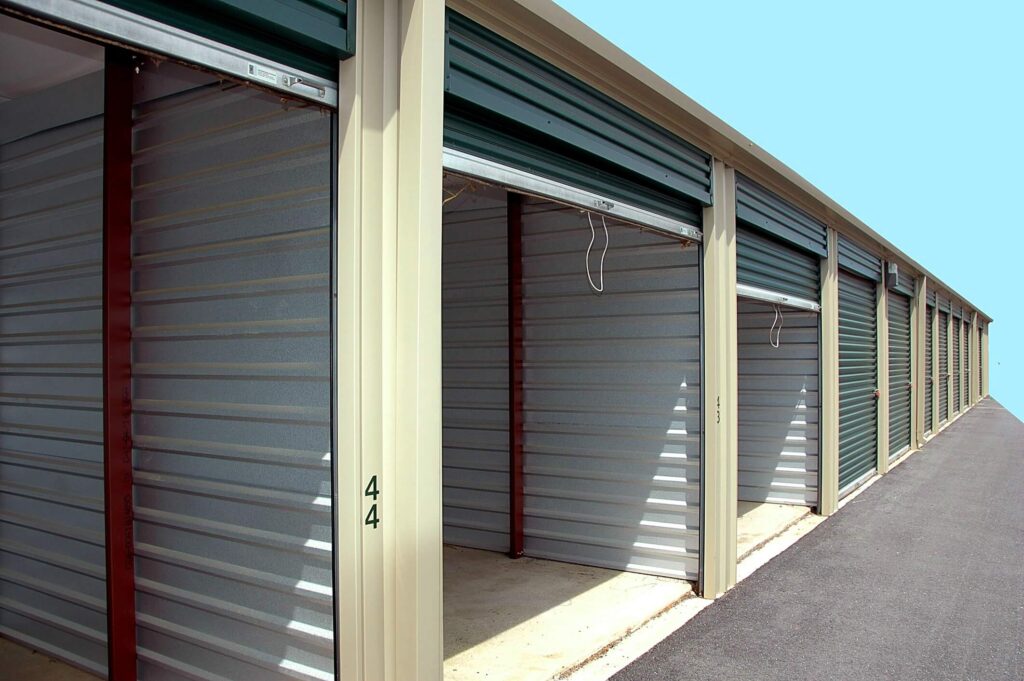
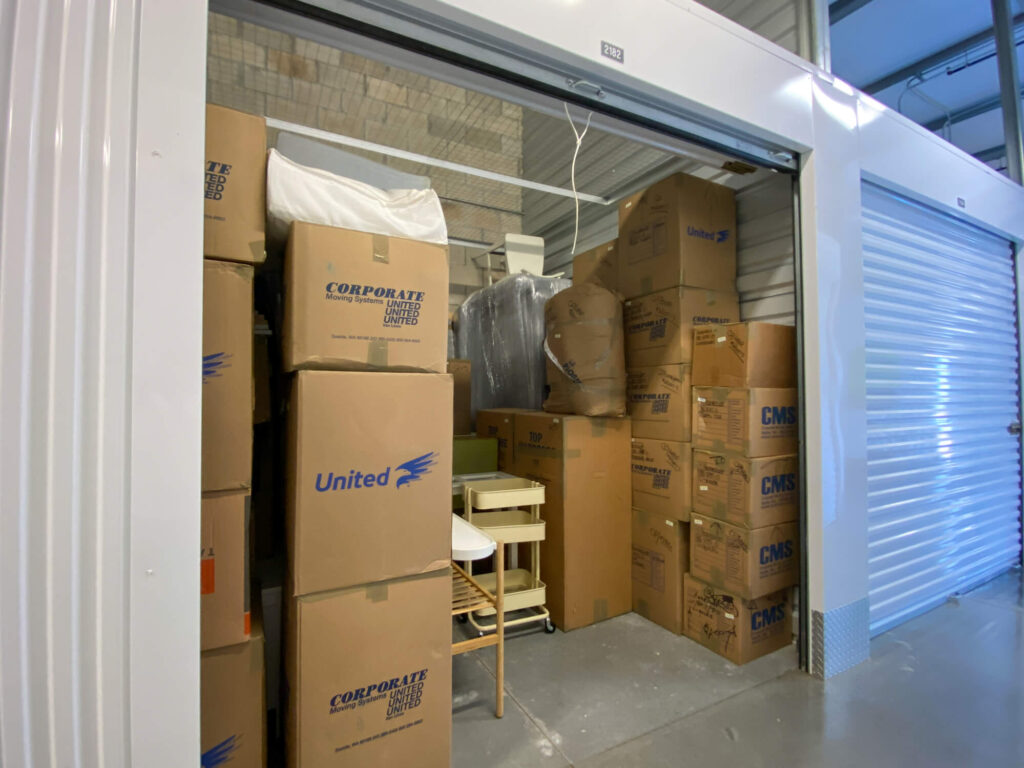
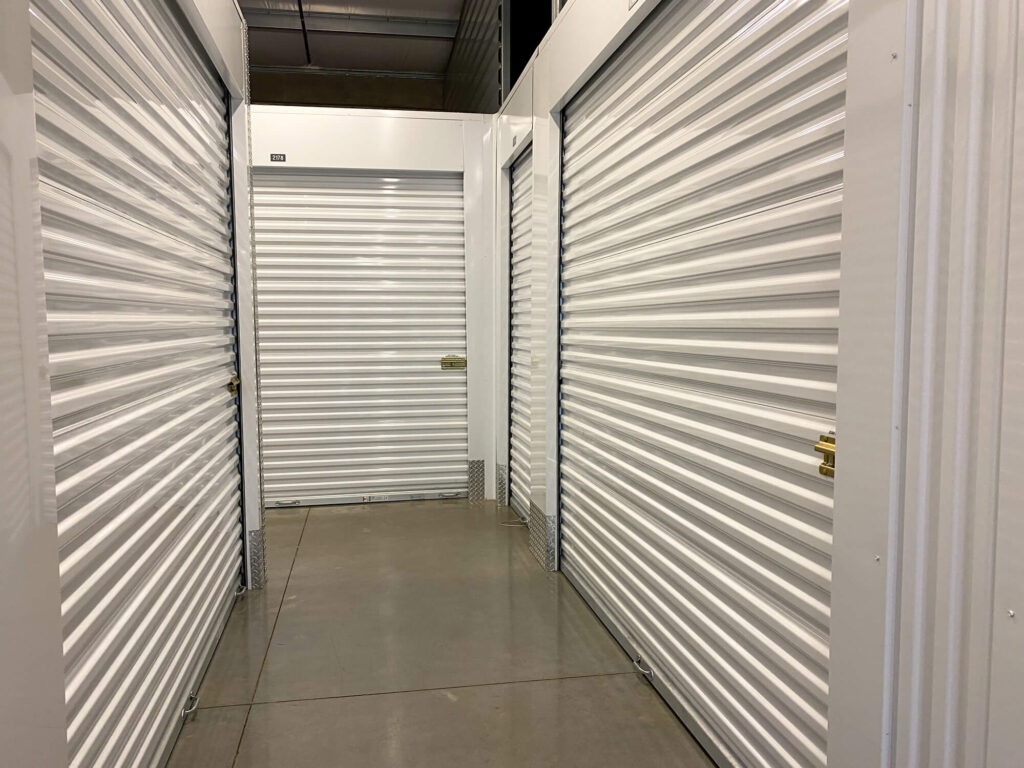
Wide view of self storage units and facility at McDowell Mountain Community Storage in Scottsdale Arizona
Explore the variety of storage unit sizes and types available at McDowell Mountain Community Storage located in Scottsdale Arizona

Renting a self-storage unit is straightforward:

  1. Research Facilities: Compare locations, amenities, unit types, and prices.
  2. Reserve a Unit: Book online or by phone to ensure availability.
  3. Review the Lease Agreement: Check rental fees, access hours, and insurance requirements.
  4. Move In: Transport your belongings, secure your unit with a lock, and maintain an updated inventory.
  5. Make Payments: Most facilities offer monthly payment plans or flexible leases for short-term or long-term storage.

Understanding the rental process helps new renters avoid common mistakes and ensures a smooth experience. Facilities may also provide moving assistance, such as dollies, carts, or packing materials, making the process more convenient.

Pricing Factors Affect Self-Storage Costs

The cost of a self-storage unit depends on multiple factors:

  • Unit Size: Larger units generally have higher monthly fees.
  • Climate Control: Temperature- and humidity-controlled units may cost more.
  • Location: Facilities in high-demand areas often have higher prices.
  • Lease Duration: Short-term rentals can be more expensive per month compared to long-term leases.
  • Additional Services: Insurance, vehicle storage, and packing materials may affect the total cost.

By evaluating your storage needs and comparing multiple facilities, you can choose an option that balances cost, convenience, and security. Consider potential hidden fees or extra charges for late payments, access, or insurance.

Security Measures Ensure Peace of Mind

High-quality self-storage facilities provide multiple security measures to protect belongings, inventory, and vehicles:

  • Gated Access and Key Codes: Restricts entry to authorized customers.
  • Surveillance Cameras: Monitor the property and deter theft.
  • On-Site Staff: Offer assistance and monitor activity.
  • Individual Unit Locks: Give renters control over access to their belongings.

These security measures create a safe environment, allowing customers to store valuable items like electronics, antiques, artwork, and instruments with confidence.

Businesses Benefit from Self Storage

Self-storage is ideal for businesses looking for extra space:

  • Inventory Storage: Store seasonal stock or excess products.
  • Document Storage: Protect essential records and files.
  • Equipment Storage: Utilize free office space to store rarely used equipment or appliances.
  • Vehicle Storage: Secure company cars, trucks, or boats.

Business storage and how renting a unit boosts efficiency provide a cost-effective and flexible solution for businesses that need extra space. Facilities may also offer specialized services tailored to business customers, such as shipping, delivery, or multiple-unit rentals, helping companies manage inventory, equipment, and documents more efficiently. 

Choosing the Best Location

The correct storage facility location is key for convenience and cost efficiency:

  • Proximity: Facilities close to your home, office, or business save time and effort.
  • Accessibility: Wide roads, driveways, and parking spaces accommodate large vehicles.
  • Multiple Locations: Some companies offer flexibility across several facilities.

Location affects both convenience and pricing, so it should be a primary factor in choosing a self-storage facility like McDowell Mountain Community Storage

Insurance and Safety Tips

Protecting your items is essential:

  • Renters Insurance: Covers potential damage or theft.
  • Packing Materials: Bubble wrap, padding, and sturdy boxes protect fragile items.
  • Climate Considerations: Sensitive items should be stored in temperature- and humidity-controlled units.
  • Vehicle Maintenance: Stored vehicles should be maintained and protected from environmental damage.

By planning and taking safety precautions, customers can avoid common risks and ensure the longevity of their stored items.

Tips for Maximizing Storage Space

To make the most of your storage unit:

  • Disassemble Furniture: Saves space and reduces the risk of damage.
  • Stack Uniform Boxes: Optimizes vertical space.
  • Use Shelving: Keeps smaller items organized.
  • Keep Frequently Used Items Accessible: Place them near the front.
  • Protect Fragile Belongings: Wrap electronics, artwork, and antiques carefully.

These tips enable renters to store their items while maintaining easy access and efficient organization.

Long-Term and Temporary Storage Solutions

Self-storage accommodates both temporary and long-term storage needs:

  • Temporary Storage: Ideal during moves, renovations, or travel.
  • Long-Term Storage: Suitable for seasonal items, business inventory, or estate storage.
  • Flexible Leases: Rent units monthly or for extended periods depending on your storage needs.

The flexibility of self-storage allows renters to adapt as their needs change over time.

Bottom Line on Self Storage

Self-storage is a safe, flexible, and convenient solution for managing belongings, furniture, vehicles, and business inventory. By understanding unit types, sizes, security measures, pricing, and planning storage strategies, renters can make informed decisions that meet their specific needs.

McDowell Mountain Community Storage provides a variety of self-storage units, climate-controlled spaces, and vehicle storage options with high-level security features. Whether storing household items, business inventory, or vehicles, these facilities offer convenience, peace of mind, and organized storage solutions.

With proper planning, packing, and the right facility, self-storage is a cost-effective and reliable solution for individuals and businesses seeking additional space.

Frequently Asked Questions

1. Can I store items that I need frequent access to?

Yes. When choosing a unit, consider its location within the facility and access times. Placing frequently used items near the side or front of the unit makes retrieval faster.

2. Are there storage options for very large or unusually shaped items?

Yes. Some storage spaces and rooms can accommodate bulky items such as furniture, boats, or large equipment. Proper planning of the unit size ensures everything fits safely.

3. How do I track what’s inside my storage unit?

Keeping a written or digital inventory of items helps you track belongings. This ensures you know where everything is and can locate anything quickly without unpacking the entire unit.

4. Can I rent more than one storage unit at a time?

Yes. Renting multiple units is an option for larger households, businesses, or individuals who need to store collections of articles and things in separate rooms for better organization.

5. What kind of locks are recommended for storage units?

A high-quality padlock is recommended. Some renters use keyed locks, while others choose combination locks for convenience. Proper locking ensures all items remain secure.

6. How should I pack fragile or valuable items?

Fragile items, such as electronics, artwork, and instruments, should be wrapped in protective materials like bubble wrap and stored in sturdy boxes. Placing them off the floor and away from walls helps prevent damage.

7. Can I use a storage unit to store items during a renovation?

Yes. Units are ideal for temporarily storing furniture, appliances, and things while rooms are being renovated. Proper organization helps keep items safe from dust, paint, and moisture.

8. How do seasonal changes affect my stored items?

Items sensitive to heat, cold, or humidity may require climate-controlled storage spaces. Electronics, wooden furniture, and documents benefit from consistent temperature and humidity levels.

9. Is there a way to save space when storing many small items?

Yes. Group small items in clearly labeled boxes and place them strategically in the unit. Using vertical space efficiently and stacking items correctly maximizes the storage space available.

10. Can I combine different types of storage items in one unit?

Yes, but careful organization is essential. Combining articles, furniture, boxes, and things works best when heavier items are placed at the bottom and lighter or fragile items on top. Keeping a track of what is stored in each room or section of the unit prevents confusion.

Storage Facilities Offer Greater Security and Flexibility Than Home Storage

In today’s fast-paced world, finding reliable and secure storage solutions is more critical than ever. Whether you’re a homeowner overwhelmed with seasonal decorations and extra furniture or a business owner managing inventory overflow, the need for efficient and flexible storage is universal. While storing items at home may seem like the easiest option, it often comes with limitations in space, organization, and protection. In contrast, modern storage facilities offer a wide range of features designed to meet diverse needs—providing not just space, but peace of mind.

Storage facilities offer greater security and flexibility than home storage, making them an increasingly popular choice for individuals and businesses alike.

Storage Needs Must Be Assessed Before Choosing a Solution

Choosing between home storage and a professional storage facility begins with a thoughtful decision—one that depends on several key elements. You need to assess your storage needs, including the items, furniture, and belongings you plan to store. Whether you’re looking to declutter your home, manage business inventory, or prepare for a move, it’s essential to understand the volume, type, and duration of storage required. Gathering the correct information early on helps you make a more confident decision. Consider the reason for needing extra space, the cons of overcrowded areas at home, and the advantages of offsite delivery and convenience that storage facilities offer.

Everyday items needing storage include:

  • Seasonal decorations
  • Extra appliances
  • Archived documents
  • Tools and equipment
  • Hobby-related items
  • Stored vehicles or electronics

At McDowell Mountain Community Storage, we help you identify your specific needs and recommend the proper storage solutions based on size, type, and budget.

Storage Facilities Offer Dedicated Units With More Space

Unlike limited garage, attic, or closet space in your home, a professional storage facility provides a wide range of unit sizes and types designed for different contents.

From small boxes and personal belongings to larger items like furniture, artwork, and even vehicles, our facility offers:

  • Compact units for personal effects
  • Medium-sized storage units for full-room contents
  • Drive-up units for easy loading/unloading
  • Covered vehicle and pod spaces

This variety allows you to select the option that best fits your current storage needs while leaving room to expand if needed.

Security Features Provide Superior Protection at Storage Facilities

A key advantage of professional self-storage units is advanced security and protection. Home storage often lacks the infrastructure to keep valuables, electronics, or confidential documents fully secure.

At McDowell Mountain Community Storage, our facility features:

  • 24/7 HD surveillance cameras
  • Individual unit locks
  • Secure gated access with PIN codes
  • On-site staff for monitoring
  • Perimeter fencing and climate control systems

These security features help deter unauthorized access, theft, and damage—particularly important when storing high-value or sensitive items.

Climate Control Ensures Environmental Stability for Stored Items

Storing your belongings at home might expose them to fluctuating temperatures, humidity, and poor air circulation—especially in Arizona‘s extreme weather conditions. These environmental factors can damage electronics, wooden furniture, appliances, and artwork, making it critical to evaluate the differences between home storage and a professional storage solution. For many people living in the area, relying on a secure self-storage unit is a more innovative way to protect valuable items. Whether you’re a homeowner or run a small company, having dedicated storage space on hand helps you address storage needs without sacrificing livable space. This process is even more beneficial when storing bulkier items or pods, which require more room and protection than a typical home setup can provide. One of the significant pros of using a facility is reducing the physical labor and risk associated with cramming something fragile or important into an already overfilled space. 

Our climate-controlled storage units regulate both temperature and humidity, offering year-round protection for sensitive items. This environment helps prevent:

  • Mold and mildew
  • Warping of wood
  • Corrosion of metals
  • Pest infestations

If you’re storing things like musical instruments, important documents, or fragile antiques, climate control is essential.

Offsite Storage Improves Home Organization and Functionality

Choosing an offsite storage unit helps declutter your property, improves organization, and makes everyday spaces like your garage, hallways, or office more functional. Many homeowners across the U.S. unknowingly dedicate valuable living space to underutilized storage, not realizing the difference a well-designed building can make. A professional facility often includes practical amenities such as elevators, ground-level access, and a helpful guide to assist with smooth moves. These features not only save you money and time, but also reduce stress during the transition. In conclusion, investing in a modern storage unit is an innovative, space-saving solution for long-term convenience and protection. 

By moving seldom-used items offsite, you can:

  • Free up closets, rooms, or garages
  • Improve access to essentials
  • Maintain a cleaner home environment
  • Reduce visual clutter and stress

Our storage facility allows you to organize your stuff in clearly labeled containers or storage bins, with easy access and efficient use of space.

Accessibility and Convenience Are Improved With Self-Storage

While storing at home may seem more convenient, it often leads to disorganized, cramped spaces with limited access. In contrast, professional storage facilities like ours are designed with accessibility and user experience in mind.

At McDowell Mountain Community Storage, we provide:

  • Extended access hours and flexible entry
  • Wide hallways and easy-to-navigate layouts
  • Drive-up units and ground-level options
  • On-site customer service and support

Whether you’re visiting weekly or once a year, accessing your unit is always quick and hassle-free.

Storage Facility Costs Offer Long-Term Value

Although home storage may appear “free,” it comes with hidden costs—such as lost usable space, increased maintenance, and potential damage due to poor protection, especially when comparing a short-term and long-term storage unit as part of your overall storage strategy.

Storage facilities operate on transparent, predictable rental pricing based on:

  • Unit size
  • Duration of storage
  • Added features like climate control
  • Insurance or protection plans

McDowell Mountain Community Storage offers:

  • Competitive costs
  • No hidden fees
  • Flexible terms
  • Discounts for long-term rentals

This makes self-storage a wise budget choice, especially for large quantities of items or long-term needs.

Transportation to Storage Facilities Is Straightforward

Some worry that offsite storage complicates transportation. In reality, modern storage services simplify the move with well-located facilities and convenient loading zones.

We provide:

  • Ample truck access
  • Loading docks and drive-up entries
  • Dollies, carts, and ramps
  • Nearby locations within the city

Our team is happy to offer tips and guides on best packing practices and loading techniques to ensure a smooth experience from doorstep to unit.

Home Storage Has Limited Security and Storage Capacity

While home storage works for small items and frequently used tools, it falls short in several key areas:

  • Lack of climate regulation
  • Poor security
  • Limited unit sizes
  • Risk of theft, pests, or water damage

Furthermore, converting home space into storage may require construction, incur ongoing maintenance, and lower your property’s functional value.

Business and Office Storage Is More Efficient Offsite

Business storage needs continue to grow as companies face challenges managing seasonal inventory, outdated documents, office furniture, or promotional materials. Instead of leasing larger offices or cluttering your workplace, self-storage units offer a more efficient, cost-effective solution. Offsite business storage provides the flexibility to scale up or down based on demand, while keeping your operational spaces organized and productive. 

Our commercial clients enjoy:

  • Secure, accessible spaces
  • Month-to-month rental flexibility
  • Room for tools, electronics, and vehicles
  • A professional environment with reliable services

Whether you’re an e-commerce seller, real estate agent, or local artisan, offsite storage supports your business growth without expanding your footprint.

Vehicle and Large Item Storage Is Better in a Facility

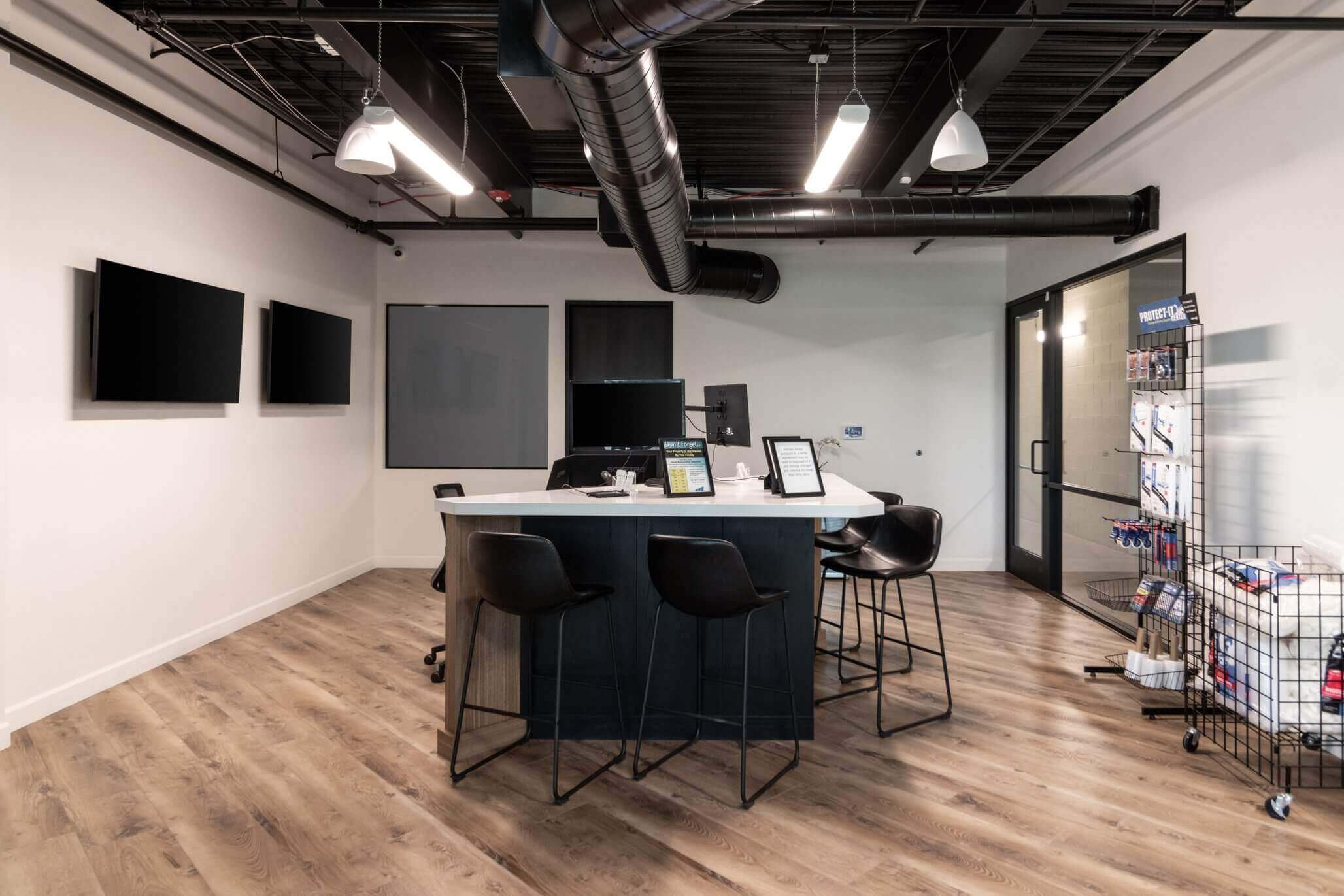
Security benefits of using McDowell Mountain Community Storage in Scottsdale Arizona over typical home storage options
McDowell Mountain Community Storage in Scottsdale Arizona provides advanced security for belongings compared to home storage

Storing cars, trucks, RVs, trailers, or large equipment at home poses security and space challenges. Local regulations, HOA restrictions, or lack of covered space make home storage impractical.

McDowell Mountain Community Storage offers:

  • Secured outdoor and indoor vehicle storage
  • 24/7 surveillance and gated access
  • Covered spaces for weather protection
  • Drive-up units for large furniture and appliances

For oversized or high-value items, professional storage ensures both protection and peace of mind.

Professional Staff Enhance Customer Experience

Our on-site staff and support team help streamline your entire storage process—from choosing a unit, signing paperwork, to understanding proper storage container use and insurance options.

We also provide:

  • Helpful customer service
  • Regular maintenance of facilities
  • Ongoing security monitoring
  • Guidance for both new and returning customers

At McDowell Mountain Community Storage, we’re more than a facility—we’re a storage partner committed to helping you make informed decisions.

Comparing Advantages and Disadvantages Objectively

Here’s a final comparison to summarize both storage options:

Cost

  • Home Storage: No monthly rent, but hidden costs over time (e.g., lost space, potential damage).
  • Storage Facility: Transparent pricing with flexible budget plans and optional insurance.

Space

  • Home Storage: Limited and often shared with living areas or the garage.
  • Storage Facility: Dedicated units available in various sizes to suit specific storage needs.

Security

  • Home Storage: Basic locks, no surveillance or professional oversight.
  • Storage Facility: Comprehensive security features including surveillance cameras, gated access, and on-site staff.

Climate Control

  • Home Storage: Typically lacks temperature and humidity control.
  • Storage Facility: Regulated environments that protect items from extreme weather and humidity.

Convenience

  • Home Storage: Immediate access, but often disorganized and cluttered.
  • Storage Facility: Organized layout, easy access with extended hours, and drive-up units.

Scalability

  • Home Storage: Difficult to expand without costly renovations or cluttering living areas.
  • Storage Facility: Scalable options with a variety of unit sizes and rental terms.

Maintenance

  • Home Storage: Maintenance and upkeep fall on the homeowner.
  • Storage Facility: Facility maintenance is handled by professional staff for a clean, secure environment.

Final Recommendation: Storage Facilities Provide Long-Term Benefits

If your storage needs are growing—or you’re seeking a secure, organized, and scalable solution—a professional storage facility is the superior choice.

At McDowell Mountain Community Storage, we offer:

  • Reliable, secure facilities
  • Wide range of unit sizes
  • Friendly, helpful staff
  • Clean, well-maintained spaces
  • Convenient location with easy access

Let us help you store your items safely and affordably—so you can focus on what matters most.

Contact Us Today

Reserve your storage unit now or speak with our team about available options. We’re here to help with every step—from selecting the right unit to providing tips for efficient packing and storage.

Frequently Asked Questions

1. What types of items are prohibited in a storage unit?

Most storage facilities prohibit flammable items, hazardous materials, perishable food, live animals, and illegal substances. Always check with the facility for a complete list of restricted items.

2. How do I choose the proper storage unit size for my needs?

Unit size depends on how much you’re storing and how often you’ll need to access it. For example, a 5×5 unit is great for boxes and small items, while a 10×20 unit can store the contents of an entire home. Ask for a size guide or use a virtual calculator for help.

3. Is insurance required for stored items?

Many storage facilities require insurance coverage, either through your homeowner’s or renter’s policy or a policy offered by the facility. Insurance protects your belongings against theft, fire, weather damage, and more.

4. What is the difference between indoor and outdoor storage units?

Indoor units are located within a building and often offer climate control, making them ideal for sensitive items. Outdoor units are more accessible by vehicle and great for storing large items like equipment or vehicles.

5. Can I access my storage unit outside of regular business hours?

Many modern facilities offer extended or even 24/7 access to your unit through secure gate codes or keycards. Be sure to confirm access hours when renting.

6. How secure are self-storage facilities at night?

Well-managed facilities offer round-the-clock surveillance, gated access, motion lighting, and on-site staff. These security measures help protect your unit day and night.

7. Are there any additional fees beyond monthly rent?

Besides rent, you may encounter fees for insurance, late payments, administration, or optional amenities like shelving, locks, or climate control. Always request a complete fee breakdown before signing.

8. How should I prepare my items for long-term storage?

Use plastic bins or heavy-duty boxes, label everything clearly, and protect furniture with covers. For electronics and documents, opt for climate-controlled units to prevent damage from humidity and extreme temperatures.

9. Do storage facilities offer help with moving or labor?

Some facilities offer moving assistance or partner with local movers. They may provide dollies, carts, and loading docks, and some even offer paid labor services upon request.

10. What happens if I miss a payment on my storage unit?

Most facilities have a grace period, followed by late fees. Continued non-payment can result in a lien sale or auction of your stored items, so it’s essential to stay on top of your account.

How to Choose the Best Storage Facility in Scottsdale

Finding the right storage facility in Scottsdale, Arizona, requires more than a quick search. In a growing city like Scottsdale, AZ, the cost and price of self storage units can vary widely based on location and features. Whether you’re looking to store furniture, documents, a vehicle, or even business inventory, choosing a place that’s secure, accessible, and tailored to your storage needs is essential. We understand that no two customers are the same at McDowell Mountain Community Storage. That’s why we’re breaking down what you should consider when picking the best storage unit for your belongings—using real data and insights from some of the most common storage scenarios. 

1. Understand Your Storage Needs

Before selecting a storage facility, it’s crucial to evaluate what you’re storing. Are you moving, downsizing, or needing business storage? Are you looking for self-storage for personal items or more specialized options like climate-controlled storage units for sensitive materials? People across the country, from Los Angeles to Scottsdale, rely on tailored storage solutions to protect their belongings. Knowing the appropriate storage unit size and understanding your rights as a renter, depending on your state, can help you avoid issues and unnecessary rent expenses. 

Everyday items placed in storage units include:

  • Furniture
  • Cars, trucks, and RVs
  • Business records and documents
  • Boats
  • Household items
  • Seasonal decorations
  • Valuables like antiques or electronics

The first step in choosing the right unit size and storage facility is to determine how much space you need and how long you’ll be storing your belongings.

2. Choose the Right Unit Size

Storage units come in various sizes, from small lockers to large garage-like spaces. Choosing the right size saves you money and ensures your items are stored safely. For example:

  • 5×5 or 5×10 units are great for small items, documents, or a closet’s worth of goods.
  • 10×10 or 10×15 is ideal for a one-bedroom apartment’s worth of things.
  • 10×20 or larger can hold vehicles, multiple rooms of furniture, or business inventory.

Discuss your needs with the staff at your local Scottsdale self storage facility. Based on your inventory, they can help you estimate the size required.

3. Consider Climate Controlled Storage

Arizona’s weather is known for extreme temperatures, especially during summer. A climate-controlled storage unit is a wise choice if you’re storing temperature-sensitive items such as wooden furniture, electronics, vinyl records, artwork, or essential records. These units maintain consistent temperature and humidity levels, protecting your belongings from warping, mold, and other damage. Whether in Arizona, New York, or anywhere in between, investing in proper climate control shows a serious commitment to preserving the quality and longevity of your stored possessions.

4. Security Measures Matter

The best storage facilities in Scottsdale prioritize security. Look for features like:

  • 24/7 video surveillance
  • Coded gate access
  • Well-lit premises
  • On-site management
  • Individual unit alarms

These security measures protect your items and provide peace of mind. Always ask about the security protocols and read customer reviews to verify their effectiveness.

5. Accessibility and Convenience

Access is a significant consideration. Ask yourself:

  • What are the facility’s hours of operation?
  • Is 24-hour access available?
  • Is it easy to load/unload?
  • Are there parking spaces available for large vehicles?

If you’re storing a car, RV, or boat, ensure the facility offers drive-up access and adequate turning radius. For regular visits, proximity to your home or business in Scottsdale, Tempe, or Phoenix can make a big difference.

6. Pricing, Availability, and Flexibility

Prices vary depending on unit size, features, location, and availability. Ask about:

  • Monthly rates
  • Discounts for long-term rentals
  • Hidden fees or insurance requirements
  • Contract flexibility

Whether you’re storing for a month or over a year, you’ll want a storage facility that provides rental options and flexibility without compromising quality.

7. Facility Features and Amenities

Modern storage facilities offer a wide range of amenities designed to improve the customer experience, such as:

  • Online bill pay and account access
  • Moving supplies for purchase
  • Indoor and outdoor storage unit types
  • Elevator access to upper levels
  • On-site restrooms
  • Dollies or carts for easy moving

These small details can make your move-in or visit smoother, especially if you store large items or vehicles.

8. Cleanliness and Reputation

The best storage units are well-maintained, pest-controlled, and regularly cleaned. A strong cleanliness standard is essential, especially if you’re storing fabric-based goods or perishable items that are more susceptible to damage in poor conditions. When evaluating a location, consider the surrounding area, the level of access provided, and the facility’s amenities. Also, please pay close attention to customer reviews, which often reveal insights about unit size, service quality, and overall cleanliness. 

Also, check the facility’s reputation. Online reviews, word-of-mouth, and the company’s standing with the Better Business Bureau or local business community can be valuable quality indicators.

9. Compare Locations and Availability

With so many locations across Arizona, it’s worth comparing Scottsdale self-storage facilities to those in nearby cities like Phoenix, Tempe, Las Vegas, or even Dallas and Chicago if you travel frequently. Consider factors like:

  • Distance from your home or business
  • Nearby highways or freeways
  • Safety of the surrounding area

Your time is valuable. A conveniently located storage space saves hours over time.

10. Ask the Right Questions

Before signing a lease, make sure you ask:

  • What types of units are available?
  • Is there 24/7 access?
  • Are there late-payment penalties?
  • What happens if I need to move to a larger or smaller unit?
  • Is insurance required or provided?
  • Are there any additional fees or deposits?

Gathering the correct information upfront ensures you won’t be surprised. A trustworthy storage facility will gladly provide answers and help you choose the best storage solution for your situation.

11. Business and Vehicle Storage

Many storage units are perfect for businesses needing overflow space for:

  • Inventory
  • Files
  • Equipment
  • Seasonal displays

Additionally, facilities that accommodate cars, RVs, boats, or other vehicles are perfect for those with limited parking or garage space at home.

12. Self-Storage vs Public Storage

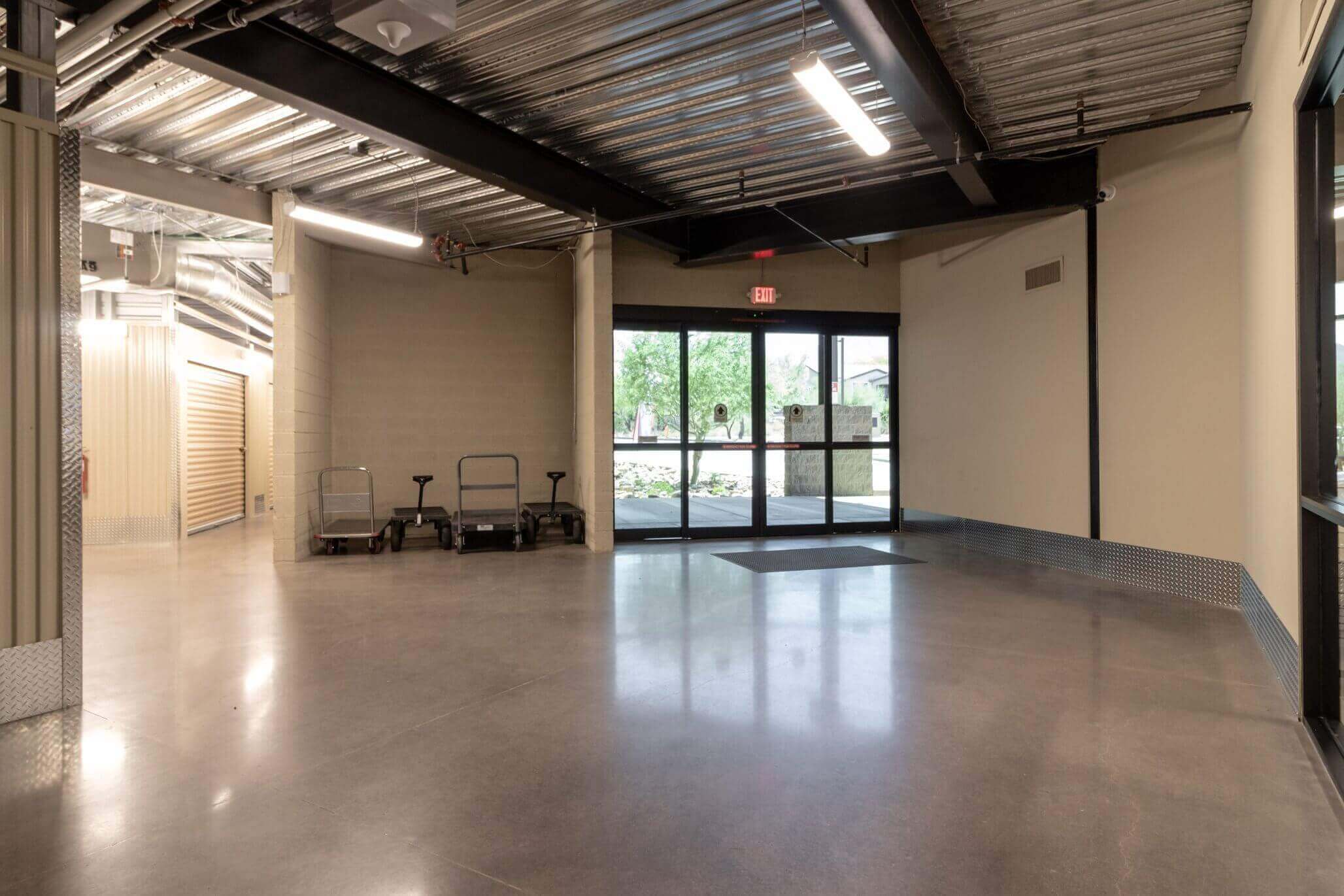
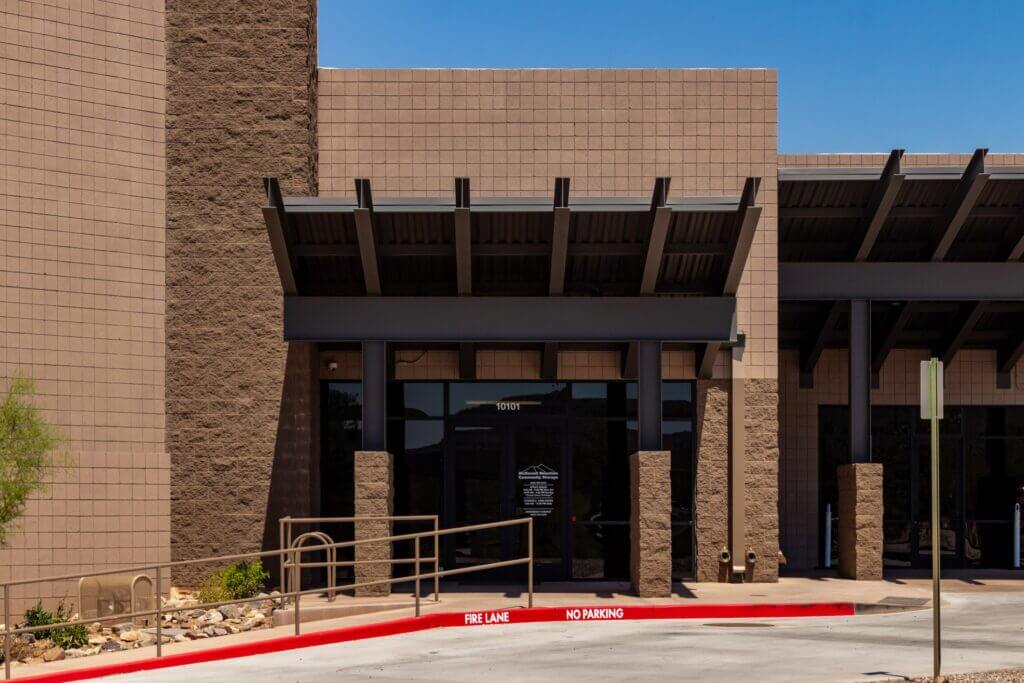
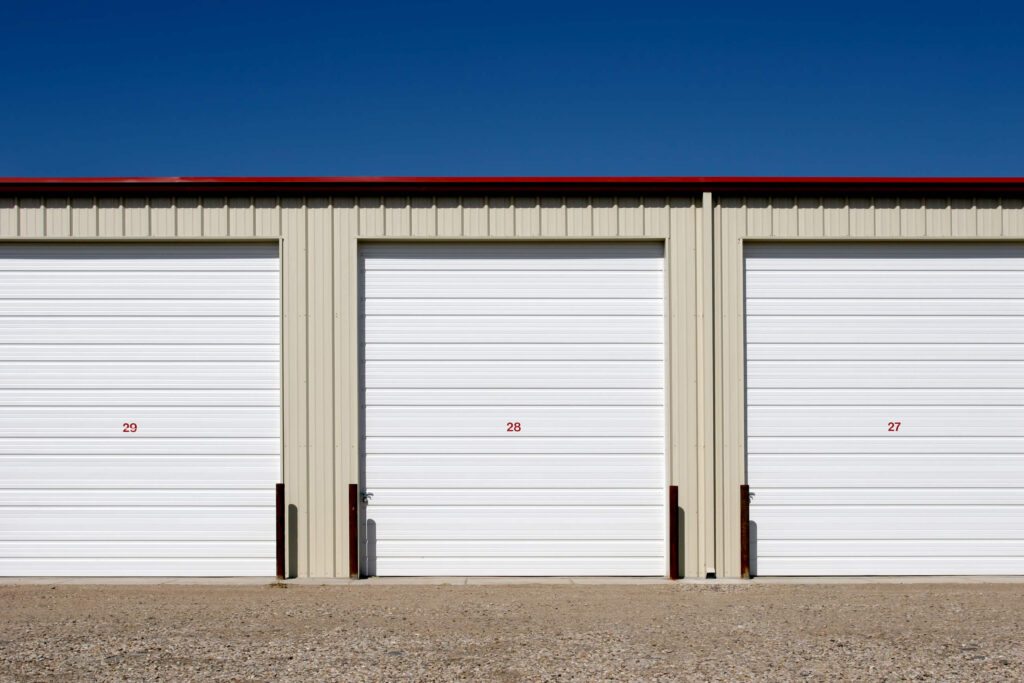
A view of storage units available at McDowell Mountain Community Storage located in Scottsdale, Arizona
Explore how to find the right storage solution at McDowell Mountain Community Storage in Scottsdale, Arizona

You might see terms like self-storage,” “public storage, and “self-storage units used interchangeably, but they can differ slightly depending on the company. McDowell Mountain Community Storage offers clarity and transparency regarding these terms. Self-storage generally implies that you manage your own unit access and handling. Public storage may be more general in branding but could offer fewer specialty options than a facility like McDowell Mountain Community Storage, which provides tailored services and features. 

Regardless of the name, continually evaluate:

  • Size
  • Climate control
  • Security measures
  • Access
  • Rates
  • Availability

13. Local Knowledge and Personal Service

At McDowell Mountain Community Storage, we proudly serve Scottsdale, Phoenix, and the broader Arizona region. We know that residents and businesses have unique storage needs, and we offer customized solutions for all.

From climate-controlled units to flexible rental options, we prioritize convenience, security, and customer satisfaction. Our experienced staff is ready to help you sort through types, features, and unit sizes so you find the perfect fit.

14. Tips for First-Time Renters

If you’re renting a storage unit for the first time, here are a few quick storage tips:

  • Take inventory of everything you plan to store.
  • Pack strategically and label every box.
  • Leave an aisle in the middle for easy access to items.
  • Store items you’ll use often near the front.
  • Use shelves to maximize vertical space.

Protect temperature-sensitive items and valuables by placing them in climate-controlled storage and ensuring your unit is secure.

15. Why Choose McDowell Mountain Community Storage?

We stand out in Scottsdale for our:

  • Secure, well-lit facility with round-the-clock surveillance
  • A variety of unit sizes and specialized storage options
  • Competitive prices and flexible rental terms
  • Convenient location and drive-up access
  • Professional, helpful staff
  • Strong local reputation and high reviews

Whether you’re storing items from across the U.S., relocating from Las Vegas or Miami, or need extra space in Scottsdale, we provide safe, affordable, and convenient self-storage units.

Final Thoughts

Choosing the right storage unit isn’t just about the price—it’s about the right features, security, and peace of mind. With so many options available, from RV to climate-controlled to business storage, your choice of storage facility in Scottsdale should reflect your priorities and lifestyle.

At McDowell Mountain Community Storage, we’re here to answer your questions, provide transparent information, and help you find the best fit for your storage needs. Contact us today to explore our availability, get a quote, or schedule a tour. Your ideal storage solution is just around the corner.

Frequently Asked Questions

Do I need insurance for my stored items?

Yes, many storage facilities either require or strongly recommend insurance. It protects your belongings from unforeseen events like fire, theft, or natural disasters. Some facilities offer in-house insurance options, while others accept third-party policies.

What documents are required to rent a storage unit?

Typically, you’ll need a valid government-issued photo ID (like a driver’s license), a signed rental agreement, and proof of insurance if you don’t purchase it through the facility.

Can I store a motorcycle or small recreational vehicle in a standard unit?

Many facilities allow motorcycles or small ATVs in units as small as 5×10 or 10×10. Ensure the unit is ground-level and confirm that storing vehicles complies with the facility’s rules (e.g., drained fluids, registration).

What happens if I miss a payment or pay late?

Most storage facilities charge late fees, and some may deny access to your unit until the balance is paid. After a specific period, facilities may initiate a lien process, so it’s essential to understand the payment terms upfront.

Are there restrictions on what I can store in a unit?

Yes. Hazardous materials, flammable items, food, live animals, weapons, and illegal substances are strictly prohibited. Always ask for a list of restricted items during rental.

How can I maximize the space inside my unit?

Use shelving, stack boxes by weight (heaviest on the bottom), and disassemble furniture. Leave an aisle so items can be easily accessed without unloading the entire unit.

Are there any discounts or promotions for new customers?

Yes, many facilities offer move-in specials such as first month free, discounted rates, or unrestricted use of a moving truck. Be sure to ask about any current promotions when you inquire.

Can I change to a larger or smaller unit later?

Absolutely. Most storage providers offer flexibility to upgrade or downgrade based on your needs. It’s best to discuss this with the staff before you sign your rental agreement to understand any related fees or requirements.

How often can I access my storage unit?

Access policies vary. Some facilities offer 24/7 access, while others have business-hour restrictions. Ensure the access hours fit your schedule, especially if you need frequent or emergency access.

What measures are in place to protect against pest infestations?

Reputable facilities conduct regular pest control treatments and encourage customers to avoid storing food or perishable items. Cleanliness, sealed containers, and off-the-ground storage also help deter pests.

Who is Responsible If a Storage Unit Gets Broken Into?

Who is Responsible If a Storage Unit Gets Broken Into?

In today’s world, storage units are essential for individuals and families who need extra space to store their items. Whether due to downsizing, moving, or simply a lack of available space at home, renting a storage unit provides an excellent option to store belongings safely. However, what happens when the worst-case scenario occurs—your storage unit is broken into, and your items are stolen? Many are unsure who is ultimately responsible for covering stolen or damaged property costs in these situations. Is it the storage facility? The tenant? The insurance company?

If you find yourself in this predicament, you’re not alone. This blog post will delve deep into understanding the legalities, insurance claims, tenant rights, and how to protect yourself against theftbreach, and loss. We will also explore the role of storage facilities like McDowell Mountain Community Storage, a premier Scottsdale-based storage facility, in ensuring your belongings are secure. 

Understanding Your Rental Agreement and Insurance Coverage

When renting a storage unit, it’s crucial to understand the legal framework that governs your relationship with the storage facility. This relationship is typically defined by a rental agreement, a contract that outlines the terms of your lease, and, more importantly, where the responsibility lies if your storage unit is broken into or your items are stolen.

One of the first things to look for in your rental agreement is a section on liability. Most storage facilities include a clause that explicitly limits or excludes their responsibility for stolen or damaged property. This means that, in most cases, the facility will not cover the cost of replacing stolen items unless the theft was due to the facility’s negligence. For instance, if a lock was tampered with due to a failure in the security system or the facility did not maintain its security measures, the tenant may have grounds to hold the facility accountable.

While the storage facility may not be liable for theft, this doesn’t mean you’re out of options. Most storage facilities, including McDowell Mountain Community Storage, offer insurance plans that cover specific types of losses, such as theftfire, or natural disasters. It’s highly recommended that you purchase insurance through the facility or ensure that your current homeowner’s or renter’s insurance covers the items in your storage unit. You may ask your insurance company for details regarding what is covered when your belongings are offsite.

Another critical factor is that many insurance policies limit coverage for items stored outside your home. Therefore, it’s a good idea to thoroughly review your policy or speak to an insurance attorney if necessary. In many cases, you may be able to purchase additional coverage to ensure that your items are fully protected in the event of theft or damage.

At McDowell Mountain Community Storage, we understand how important your personal property is to you. That’s why we advise on the best insurance options for your storage needs. Whether you’re storing valuable family heirlooms, business documents, or extra furniture, having adequate coverage can offer much-needed peace of mind.

Security Measures and Preventive Actions

Security is often the first defense when preventing theft at a storage facility. Most reputable storage facilities, including McDowell Mountain Community Storage, implement comprehensive security measures to protect tenants and their belongings. These include security cameras, secure gates, personal locks, and limited access points that require tenants to enter personal codes or badges to enter the facility.

Despite these robust security measures, no system is entirely foolproof. Thieves can be highly opportunistic, and some may have extensive knowledge about bypassing locks or avoiding detection from security cameras. Therefore, tenants should also take preventive actions to reduce the theft risk. For instance, it’s advisable to use a high-quality lock, such as a disc lock or cylinder lock, which are generally more resistant to tampering. If you’re storing high-value items, you may consider adding an extra layer of protection, like a portable alarm system for your unit.

At McDowell Mountain Community Storage, we employ state-of-the-art security systems that monitor the premises 24/7. Our facilities have security cameras, motion detectors, and on-site personnel to deter unauthorized access. We regularly update our security measures based on the latest technology to provide our tenants with the safest storage environment possible.

If a break-in does occur despite these security measures, the first step is to file a police report. This is crucial for documenting the incident and can be required when filing an insurance claim. You should also immediately notify the storage facility management so they can begin an investigation and review any evidence, such as footage from security cameras or records of who accessed the facility during the break-in.

Who-is-Responsible-If-a-Storage-Unit-Gets-Broken-Into

Legal Liability: Who is at Fault?

The issue of legal liability after a storage unit break-in can be complicated. As mentioned earlier, most storage facilities are not automatically held liable for theft unless there is clear evidence of negligence. If a facility fails to maintain proper security measures—such as malfunctioning locks, broken cameras, or gates that don’t close properly—the tenant may have grounds for legal action. However, the burden of proof lies with the tenant to show that the facility’s negligence contributed directly to the theft.

Tenants who wish to pursue legal action should first gather all available evidence. This includes the police report, a list of stolen items, and any correspondence with the facility regarding previous security concerns. It’s also essential to consult with an attorney specializing in property law or tenant rights to explore your options for filing a lawsuit. In some cases, lawsuits can be settled out of court through mediation or arbitration, depending on the terms of your rental agreement.

In rare instances, tenants may also file a negligence claim against the storage facility if the facility’s security system is compromised or maintenance is overlooked. However, such claims can be challenging to prove and often require the guidance of legal counsel.

At McDowell Mountain Community Storage, we maintain an open dialogue with our tenants and take all complaints about security seriously. We aim to prevent issues before they arise by regularly inspecting our facilities and addressing potential security concerns. Should a tenant experience a break-in, we work with local law enforcement and insurance companies to ensure that the tenant’s needs are handled efficiently and professionally.

The Role of Insurance Claims

If your storage unit is broken into and your belongings are stolen, filing an insurance claim is one of the most critical steps. Whether your insurance is through the storage facility, owner, or renter insurance policy, filing a claim follows a similar path.

The first step is to document everything. Make a detailed list of the stolen items, their estimated value, and any evidence you have that proves ownership (e.g., receipts, photographs, or appraisals). You’ll also need to submit the police report and, in some cases, provide a copy of your rental agreement.

Next, contact your insurance company to begin the claims process. Depending on your policy, the insurance company may cover the total value of the stolen items or a portion based on depreciation or a deductible. It’s essential to ask for answers to any questions you might have upfront so that you fully understand what will and won’t be covered.

At McDowell Mountain Community Storage, we assist our tenants in navigating the insurance claims process by offering support and helping them compile the necessary documentation. While we hope our tenants never face such an unfortunate situation, we aim to make the process as smooth and stress-free as possible.

In some cases, tenants may find that their insurance policy does not fully cover the value of their storage. This is why it’s vital to periodically review your insurance coverage and update it as needed, especially if you’re ng precious items. Many insurance companies offer additional coverage for offsite storage, which can be worth the investment if you’re concerned about potential losses.

Tenant Rights and Legal Recourse

As a tenant of a storage facility, you have specific rights that protect you in the event of a theft or break-in. However, these rights can vary depending on your state and the terms outlined in your rental agreement.

For example, in some states like Texas or Arizonastorage facilities must meet specific minimum security measures, and tenants have the right to take legal action if the facility fails to meet those standards. In other cases, tenants may need to go through arbitration rather than taking the case to court, depending on whether the court has an arbitration clause.

If you believe that your storage facility is at fault due to negligence, it’s critical to consult an attorney who specializes in property or tenant law. A good lawyer can advise you on whether you have a strong case and what legal actions are available. Whether you’re seeking compensation for losing your items or trying to hold the facility accountable for failing to meet basic security measures, a lawyer can guide you through filing a lawsuit or negotiating a settlement.

At McDowell Mountain Community Storage, we work diligently to ensure that our tenants are well informed about their rights and have all the necessary resources. We encourage our tenants to ask questions and express concerns at any point during their lease.

Conclusion

While storage facilities like McDowell Mountain Community Storage take every precaution to ensure that your belongings remain safe, the unfortunate reality is that theft can happen anywhere. Whether due to negligence on the part of the facility or the actions of a determined thief, having a plan in place can make all the difference.

Understanding your rental agreement, investing in insurance, and being proactive about security measures can significantly reduce your risk and protect yourself during a break-in. At McDowell Mountain Community Storage, we offer top-tier storage solutions and the information and resources needed to make informed decisions about security and insurance.

We encourage you to review your rental agreement carefully, consult your insurance provider, and stay informed about the latest security measures. Whether you’re a renter or considering renting a storage unit, please contact us with any questions. We’re here, too, and are committed to providing the highest level of protection for your belongings.

Final Key Points Recap:

  • Understand the rental agreement and the liability clauses under all circumstances, ensuring you are clear on who is responsible for anything that happens to your stored belongings.
  • Review your insurance coverage and consider additional policies for offsite storage, ensuring they fit your unique circumstances as a client.
  • Take preventive actions such as using high-quality locks and staying informed about security protocols to avoid leaving anything to chance.
  • Be prepared to file a detailed insurance claim if necessary, considering the steps that might involve multiple persons and lawyers during the process.
  • Know your rights as a tenant and consult with lawyers or legal counsel if you believe the facility is at fault to ensure you properly handle anything related to the breach of responsibility.

McDowell Mountain Community Storage is always available to provide guidance and support in the event of a theft or break-in. Your peace of mind is our priority, and we’re here to answer any questions about your storage unit and its security.

Frequently Asked Questions

How frequently should I inspect my storage unit to guarantee its security?

Regular inspections, such as monthly visits, can help guarantee the security of your unit and enable you to identify any potential issues at an early stage.

Is it permissible to install my security camera in my storage unit?

While storage facilities have varying policies, most do not permit tenants to install personal security cameras. Inquire with the facility regarding the availability of this option.

What is the frequency of storage unit break-ins?

Although break-ins are uncommon at reputable facilities with robust security measures, they are somewhat unheard of. Risk is mitigated by selecting a secure facility and insuring products.

Is theft from a storage unit covered by my credit card?

Purchase protection is available on specific credit cards, which may provide coverage for items that are temporarily stored. Contact your credit card provider to inquire about the terms of storage units.

In the event of a break-in, does my selection of a lock impact my liability?

In certain instances of larceny, the use of a high-quality, tamper-resistant lock, which may reduce risk and demonstrate diligence, may impact liability.

Are alarms installed in storage units to prevent break-ins?

While some units are equipped with individual alarms, others depend on security measures implemented throughout the building. It is advisable to inquire about the specific security features.

Can I file a lawsuit against the storage facility for a break-in?

If you suspect the facility was negligent, you may have a valid claim for a lawsuit. It is possible to ascertain whether there is a viable case by consulting with a legal professional.

Is it mandatory for the storage facility to notify tenants of break-ins?

Indeed, reputable facilities typically inform tenants about break-ins, particularly if they impact their units. Additionally, facility personnel may collaborate with law enforcement to conduct investigations.

Can I hold them accountable if the storage facility’s security measures are unsuccessful?

You may have a valid claim in certain instances if you demonstrate that the facility’s negligence or lack of security contributed to the break-in. Legal counsel may be required.

Does my storage facility offer compensation for missing items?

The majority of storage facilities do not provide compensation unless negligence contributed to the break-in. Please consult your contract for the specific terms and conditions.

Are Storage Units Safe?

Are Storage Units Safe?

When storing your belongings, the safety and security of self-storage units are a top priority for most people. Whether you’re a homeowner looking to declutter, a small business needing extra space, or someone transitioning between homes, knowing that your possessions are safe in a storage facility is crucial. At MCDOWELL MOUNTAIN COMMUNITY STORAGE, A Scottsdale Storage Facility, The Best Self Storage Option in Scottsdale, we understand the importance of providing a secure environment for your valuables. We use advanced technology to enhance security while balancing the costs involved. This blog will explore the various reasons contributing to the safety of storage units, including the role of employees and liability coverage, and offer tips on how to further protect your belongings, from using proper boxes to understanding your storage needs. 

The Importance of Security in Storage Facilities

Why Security Matters

Security is a fundamental aspect of any storage facility. Without proper security measures, the storage space becomes an easy target for theft, vandalism, and other risks. The inventory of items stored within these units—furniture, appliances, or essential documents—must be safeguarded against potential threats.

To protect everything effectively, the facility should have multiple layers of security solutions, including alarms, guards, padlocks, and cameras at the entrance. If homeowners have any questions or concerns about the security of their property, they should review the contract and be aware of how their stuff is being protected.

Creating a comprehensive list of security measures and understanding the numbers associated with them—such as the frequency of guard patrols and the number of cameras in place—can provide peace of mind. It’s important to consider these measures as solutions to potential risks and ensure that any situation involving your belongings is managed with the utmost care.

Common Security Features in Storage Facilities

At MCDOWELL MOUNTAIN COMMUNITY STORAGE, we prioritize the safety of our customers’ belongings by implementing a variety of security measures:

  1. Surveillance Cameras: Continuous monitoring through high-quality surveillance cameras ensures that all activities within the storage facility are recorded, providing a deterrent to potential thieves.
  2. Secure Locks and Padlocks: We recommend using heavy-duty locks, such as disc or padlocks, for your storage unit. These locks are designed to resist tampering and provide an additional layer of security.
  3. Controlled Access Gates: Access to the storage facility is restricted to authorized individuals through gated entry systems that require a code or keycard. This prevents unauthorized persons from entering the premises.
  4. Lighting and Visibility: Well-lit areas, both inside and outside the storage facility, reduce the chances of break-ins, making it harder for intruders to go unnoticed.

Storage Unit

Additional Safety Measures

Aside from the standard security features, there are additional measures that can enhance the safety of your storage unit:

  • Climate-Controlled Units: Climate-controlled units are essential for storing sensitive items such as electronics, documents, or furniture. They regulate temperature and humidity, preventing mold, mildew, and other forms of damage.
  • Insurance Coverage: It’s wise to consider purchasing insurance for your stored belongings. In the event of unexpected incidents such as fire, flooding, or theft, insurance provides financial protection.
  • Security Measures: A well-managed facility not only has experienced staff on-site but also employs security measures like alarms, padlocks, cameras, and guards. These features add a layer of protection, ensuring your belongings are safe from unauthorized access and other potential risks.

Risks and How to Mitigate Them

While storage facilities like MCDOWELL MOUNTAIN COMMUNITY STORAGE go to great lengths to secure your belongings, it’s essential to be aware of potential risks and how to mitigate them.

Common Risks in Storage Facilities
  1. Theft: Although rare in reputable facilities, theft remains a concern. Thieves may target storage units containing valuables such as electronics, firearms, or high-value items.
  2. Damage: Weather-related incidents, such as floods or fires, can cause significant damage to stored items. Also, improper packing or storing items prone to damage, like electronics or documents, can lead to problems.
  3. Clutter and Poor Organization: Storing items haphazardly or cluttered increases the risk of damage. Heavy items placed on top of fragile ones or improper stacking can lead to breakage or injury.
Tips to Enhance the Safety of Your Storage Unit
  1. Choose the Right Lock: As mentioned earlier, a strong lock is your first line of defense. Invest in a high-quality lock that is resistant to cutting and picking.
  2. Organize Your Unit: Keep your storage unit organized using shelving units, bins, and clear labels. This protects your items and makes it easier to locate them when needed.
  3. Consider Insurance: Even with all the security measures, insurance provides an extra layer of protection. Ensure that your policy covers the total value of your belongings.
  4. Regularly Visit Your Unit: Regular visits to your storage unit allow you to check for any signs of tampering or damage. This way, you can address any issues before they become significant problems.

How to Choose a Secure Storage Facility

Factors to Consider When Selecting a Storage Facility

When choosing a storage facility, there are several factors to consider ensuring the safety of your belongings:

  1. Location: The location of the storage facility plays a crucial role in its security. Facilities in safe, well-monitored areas are less likely to experience break-ins or vandalism.
  2. Security Features: As outlined above, a good storage facility will have various security features, including surveillance cameras, gated access, and secure locks.
  3. Customer Reviews: Researching customer reviews can provide insights into the security and reliability of a storage facility. Look for feedback on how well the facility has handled security incidents.
  4. Staff and Management: A facility with knowledgeable and responsive staff will likely maintain high-security standards. Staff presence can deter unauthorized access and assist when needed.
  5. Cost: While cost is an important consideration, don’t compromise on security to save a few dollars. The safety of your belongings should be a priority, and paying a bit more for a secure facility is often worth the investment.

Conclusion: Are Storage Units Safe?

In conclusion, storage units are generally safe, mainly in a reputable facility like MCDOWELL MOUNTAIN COMMUNITY STORAGE. The key to ensuring the safety of your belongings lies in choosing a facility with robust security features, such as an alarm, padlock, camera, and guard. Following the tips outlined in this article and selecting a facility with these protective measures, you can rest assured that your belongings are well-protected. 

If you want more information on how storage units can benefit you, check out our previous blog posts: Benefits of Using Self Storage for Small Business and Pros and Cons of Renting a Storage Unit.

MCDOWELL MOUNTAIN COMMUNITY STORAGE is committed to providing a safe and secure environment for all your storage needs. Contact us today to learn more about our facilities and how we can help keep your belongings safe.

Frequently Asked Questions

Are storage facilities suitable for long-term storage?

Indeed, storage units are generally safe for long-term storage, especially if you choose a climate-controlled unit for sensitive items and use a secure facility.

What are the repercussions of a break-in?

The facility will typically notify law enforcement in case of a break-in, and your insurance policy may provide coverage for any resulting damages or losses, contingent upon your policy.

Can I remotely monitor the security of my unit?

While some contemporary storage facilities offer online account access for payment and unit status, only a few provide continuous video monitoring. You can also sign in in person.

Are storage facilities secure during periods of severe weather?

During periods of severe weather, climate-controlled or indoor units provide superior protection. If this is a matter of concern, inquire whether the facility has flood protection or reinforced buildings.

Is my storage unit accessible at any given moment?

Access periods are subject to change. Some facilities provide access 24 hours a day, while others have restricted hours. This may improve security during off-hours.

What is the frequency of storage facility patrols?

Numerous facilities implement regular staff patrols; however, the frequency of these patrols fluctuates. While some facilities provide on-site personnel 24 hours a day, others depend on electronic surveillance.

Is it possible to securely store valuables in a storage unit?

Certainly, valuables can be securely stored if you select a secure facility, use a high-quality safeguard, and insure your items for additional protection.

Are enclosed storage units more secure than outdoor storage units?

Indoor units, particularly those located within secure structures, provide additional protection against theft and weather, as they are less susceptible to potential break-ins.

Are there any limitations on the types of items that may be stored in a compartment to ensure its safety?

Indeed, hazardous items, combustible materials, and perishables are typically prohibited for safety reasons. The most effective action is to consult the facility’s specific list of prohibited objects.

Are vermin capable of causing an issue in storage units?

Reputable storage facilities implement consistent pest control measures to mitigate the risk of insects and rodents. Keeping food out of your unit also aids in the prevention of vermin.

Security Features to Look for in a Storage Facility

When choosing a storage facility, security should be a top priority. Ensuring that your belongings are safe and protected from theft, damage, and unauthorized access is crucial. Here’s an in-depth look at the essential security features to look for in a storage facility:

1. Surveillance Cameras

Surveillance cameras are pivotal for ensuring the security of a storage facility. They act as a deterrent to potential thieves and serve as crucial evidence in the event of an incident.

  • 24/7 Monitoring – It’s essential that the facility offers continuous surveillance, ensuring all activities are monitored around the clock. This constant oversight helps detect any suspicious behavior promptly.
  • High-Resolution Cameras – Opt for facilities equipped with high-definition security cameras that deliver clear and detailed images. This quality ensures that any recorded footage is of sufficient clarity for identifying individuals and actions.
  • Wide Coverage – Cameras should be strategically positioned to cover all critical areas, including entrances, exits, and common areas. Comprehensive coverage minimizes blind spots, enhancing overall security and providing comprehensive surveillance of the entire facility.

2. Access Control Systems

Access control systems are crucial for regulating who can enter the facility and individual storage units, ensuring a high level of security.

  • Electronic Gates – Facilities with electronic gates that need a specific admission code or key card have considerably increased security. This mechanism ensures that only authorized personnel can enter the premises.
  • Individual Unit Alarms – Some storage facilities offer units with individual alarms that activate if unauthorized access is attempted. These alarms provide an additional layer of protection for your belongings.
  • Biometric Access – Advanced storage facilities may implement biometric access systems, such as fingerprint or retina scanners, for even greater security. These systems provide precise and highly secure access control, ensuring that only the unit’s owner or authorized personnel can gain entry.

3. Perimeter Fencing

A strong, well-maintained perimeter fence acts as the first line of defense against intruders. Here are key aspects to consider:

  • Height and Material –The fence should be tall and constructed from durable materials such as steel or reinforced concrete. These features make it difficult for intruders to climb or break through.
  • Barbed Wire or Electric Fencing – Adding barbed wire or electric fencing on top of the perimeter fence provides an additional layer of deterrence. These features can further discourage unauthorized entry by increasing the physical difficulty and potential consequences of attempting to breach the perimeter.

4. Lighting

Adequate lighting is crucial for both security and safety in a storage facility. Proper lighting not only deters potential intruders but also ensures a safe environment for users accessing their units during the evening or nighttime. Here are two essential lighting features to look for:

  • Motion-Activated Lights – Motion-activated lights are an effective security feature that can startle potential intruders and draw attention to unusual activity. These lights turn on when they detect movement, providing an immediate alert to both security personnel and anyone nearby. This sudden illumination can deter criminal activity and enhance overall security.
  • Well-Lit Areas – Ensure that all parts of the facility, including driveways, walkways, and individual unit doors, are well-lit at all times. Consistent and adequate lighting in these areas increases visibility, helping to prevent accidents and making it easier to spot any suspicious behavior. Well-lit surroundings contribute significantly to the overall safety and security of the storage facility.

5. On-Site Management

Having on-site management or security personnel at a storage facility is crucial for maintaining high security standards. Here’s how they contribute to the overall safety of the premises:

  • Regular Patrols – On-site staff should conduct regular security patrols to monitor the facility. These patrols involve checking for any unusual activity, ensuring a secure facility, and verifying that security systems are functioning correctly. Regular patrols act as a deterrent to potential intruders and help identify any issues before they escalate.
  • Immediate Response – In the event of a security breach or emergency, having personnel on-site allows for a swift response. Whether it’s addressing an attempted break-in, handling a fire, or managing any other unexpected situations, immediate intervention can prevent further damage and ensure the safety of stored items. On-site staff can also coordinate with law enforcement or emergency services if needed.

Overall, on-site management significantly enhances the security of a storage facility by providing continuous oversight and the ability to respond quickly to any threats.

6. Security Guards

For added protection, some high-end self-storage facilities employ security guards to monitor and secure the premises.

  • Trained Professionals – Security guards should be professionally trained to handle various security scenarios, ensuring they can effectively respond to potential threats. They are often equipped with the knowledge and tools necessary to manage emergencies, conduct regular patrols, and enforce facility rules.
  • 24/7 Presence – The continuous presence of security personnel provides constant vigilance, significantly enhancing the overall security of the self storage facility. Around-the-clock surveillance by trained guards means there is always someone on-site to deter criminal activity and address any security issues immediately.

Security Features to Look for in a Storage Facility

7. Secure Locks

The locks used on storage units are a critical component of security. Here are some types to consider for enhanced protection:

  • Disc Locks or Cylinder Locks – These locks are more secure than standard padlocks. Their design makes them resistant to tampering, cutting, and picking, offering an additional layer of security for your storage unit.
  • High-Security Locks – Some facilities offer high-security locks, which are specifically designed to be more difficult for thieves to bypass. These locks often feature advanced mechanisms that provide superior protection against lock-picking and forced entry, ensuring your belongings remain safe.

8. Insurance Options

While not a direct security feature, insurance options offered by a storage facility can provide significant peace of mind, ensuring your belongings are protected against various risks.

  • Coverage for Theft and Damage – Ensure the facility offers insurance options that cover theft, vandalism, and natural disasters. This coverage can help you recover the value of your items in case of unforeseen events.
  • Third-Party Insurance – Some facilities may partner with third-party insurers to provide comprehensive coverage. These partnerships can offer more extensive insurance plans, tailored to meet specific needs, providing an additional layer of security for your stored items.

9. Fire and Smoke Alarms

Protection against fire is a crucial component of storage security, ensuring the safety of your stored items from fire hazards. Here are two essential features to look for:

  • Fire Alarms – A modern fire alarm system is vital for any storage facility. These systems should be capable of quickly detecting the presence of fire and alerting both the facility’s occupants and the local fire department. An efficient fire alarm system ensures a rapid response, minimizing potential damage and enhancing the safety of stored items.
  • Smoke Detectors – Smoke detectors are another critical feature. They should be installed in every storage unit and common area. Smoke detectors can identify the presence of smoke at an early stage, providing an early warning and allowing for prompt action to prevent the fire from spreading. This early detection is crucial in protecting your belongings from extensive damage.

By ensuring that a storage facility is equipped with both fire alarms and smoke detectors, you can significantly reduce the risk of fire damage and safeguard your possessions.

10. Climate Control

Climate control in a storage facility serves not only to maintain the condition of stored items but also plays a critical role in enhancing security. Here’s how:

  • Humidity Control – By regulating humidity levels, climate control prevents the growth of mold and mildew. These contaminants not only compromise the structural integrity of storage units but also pose risks to stored items, such as documents, furniture, and electronics.
  • Temperature Regulation – Maintaining stable temperatures protects items from extremes that can cause damage. For instance, fluctuating temperatures can warp wood, melt certain plastics, or degrade sensitive materials like photographs and electronics components.

In essence, while climate control is primarily about preserving the physical condition of stored goods, it indirectly reinforces security by safeguarding items against environmental threats that could lead to costly damages or loss. When choosing a storage facility, opting for climate-controlled storage units ensures your belongings remain secure and well-preserved over time.

Conclusion

When selecting a self-storage facility, it’s essential to prioritize those equipped with robust security measures. Look for facilities that offer a comprehensive array of safeguards including video surveillance, gate access with keypad codes, secure premises with strong perimeter fencing, well-lit areas, on-site management, security guards, reliable locks for storage units, insurance options, and fire suppression systems.

These factors collectively create multiple layers of protection, ensuring the safety and security of your valuables. Choosing a storage facility that integrates these features provides peace of mind, knowing your belongings are stored in a secure environment.

Frequently Asked Questions (FAQs)

Here are some FAQs about security features to look for in a storage facility:

Q. Should I prioritize storage facilities with alarm systems?

Yes, prioritizing storage facilities with alarm systems is crucial for enhancing security. Alarm systems act as a deterrent to potential thieves and alert both facility management and authorities in case of unauthorized access or suspicious activity, ensuring a swift response to potential threats. This added layer of security helps protect your belongings and provides peace of mind while they are stored.

Q. Are there any fire prevention measures I should consider when choosing a storage facility?

Yes, when selecting a storage facility, inquire about their fire prevention measures, including modern fire alarm systems and smoke detectors in both units and common areas. Ensure they have protocols for regular maintenance and inspections of these systems to mitigate fire risks effectively. Additionally, facilities offering climate-controlled units can further reduce fire hazards by regulating temperature and humidity levels.

Secure Your Belongings At McDowell Mountain Community Storage Today!

When selecting a storage facility, it’s crucial to prioritize “Security Features to Look for in a Storage Facility” to guarantee the safety of your belongings. At McDowell Mountain Community Storage in Scottsdale, Arizona, we go above and beyond to prioritize your peace of mind. Our facility is outfitted with cutting-edge surveillance systems that run around the clock, assuring continuous monitoring and prevention of any suspicious activity.

Advanced electronic access control systems allow only authorized personnel to enter the premises, providing an additional degree of security. Our robust perimeter fencing serves as a formidable barrier, while our dedicated 24/7 on-site management team is always ready to respond to any concerns. Whether you’re storing personal items, business inventory, or valuable assets, our comprehensive security measures provide the unparalleled protection you need.

Contact us today and discover why McDowell Mountain Community Storage is the trusted choice for secure storage solutions in Scottsdale, AZ!

Tips Before Signing a Storage Rental Agreement in Arizona

Renting a storage unit can be a practical solution for personal and business needs, whether moving from an apartment, downsizing, or dealing with an unexpected situation. It’s essential to carefully review the details of your rental agreement, including the amount of rent, fees, and other costs involved, to ensure you’re managing your money wisely. At McDowell Mountain Community Storage, we prioritize transparency and aim to help tenants make informed decisions. If you have questions about your agreement, please request a detailed letter outlining the terms. Whether you’re storing items long-term or short-term, understanding your agreement’s rules, costs, and benefits is crucial. Here are some tips before signing a storage rental agreement in Arizona. 

Understanding the Rules and Responsibilities

Every storage facility has specific rules governing its operation, and these policies are in place to protect tenants, landlords, and the property itself. As a tenant, familiarize yourself with the lease or rental agreement outlining your rights and responsibilities. For example, are there restrictions on what you can store? Some facilities may prohibit hazardous materials, perishable goods, or pets. It’s essential to control what you store and understand the rules about different types of things. Ensure the facility’s address and contact information are listed in the agreement if any issues arise. Additionally, some facilities may require payment in cash or have specific guidelines on payment methods. If a dispute arises, it’s essential to know the reason for the disagreement and, in the worst-case scenario, understand the potential for legal action in court. 

Tenants should also understand how notices are handled. In case of a policy change or eviction, proper notice from the landlord is required by Arizona state laws. Similarly, if you decide to end your tenancy, you must provide the required notice stated in the lease. The lease should outline the specific process for giving notice, which may include providing a written letter or notice through a specific communication method, such as email or a menu of options in the tenant portal. Review any posts or updates from the facility that may pertain to your tenancy. Anyone involved in the lease, including co-tenants, should know the notice requirements. Also, please understand if any lease fees are associated with early termination or other aspects of ending the agreement. 

Reviewing these details ahead of time can prevent misunderstandings. Don’t hesitate to ask the landlord or management if you have questions about the agreement or any specific terms. They should be able to clarify any points regarding payment, property rights, and more.

Review the Terms of Your Lease

Storage leases are not one-size-fits-all. While some tenants might prefer month-to-month arrangements, others may want a long-term lease for consistency and reduced fees. Whatever your preference, carefully review the lease’s duration, cancelation policies, and renewal notice requirements. Additionally, examine any fees associated with the lease, including insurance or security deposit fees. Understanding these costs upfront can help avoid surprises and ensure you’re prepared for the financial aspects of your storage arrangement.

Certain agreements may include lease fees and additional charges added to your monthly payment. Knowing these costs in advance ensures you won’t face unexpected fees later. Additionally, check the agreement for clauses about termination. For example, some leases may allow you to end the contract early with proper notice and payment of a cancellation fee. Review the lease’s duration and how it affects access to the facility, especially if you need to retrieve your items or adjust your storage plan during the contract period. 

Understanding the finer details of your agreement will save you from issues down the road. For businesses relying on storage for inventory or equipment, long-term leases may offer financial advantages compared to short-term solutions.

Consider the Costs and Security

Storage costs involve more than just monthly rent. Facilities often require a security deposit, and you might also need insurance for your items. The agreement should clearly outline all fees, including payment obligations, insurance requirements, and additional costs for specific services like climate-controlled storage units.

Climate-controlled storage units are particularly important in Arizona, where high temperatures can damage sensitive items like electronics, artwork, and important documents. Although these units typically cost more, they provide an advantage by protecting belongings from extreme heat and humidity.

Additionally, assess the facility’s security measures. Look for features like gated access, security cameras, and on-site staff. Knowing your items are well-protected provides peace of mind and ensures that your valuable possessions are safe.

Evaluate the Unit Size and Storage Tips

Choosing the right storage size is a critical step in your decision-making process. Use a storage size guide to avoid paying for more space than you need—or struggling to fit everything into a smaller unit. This tool can help you estimate the square footage required for your belongings.

For example, a 5×5 unit might be suitable for small items or seasonal decorations, while a 10×20 unit can accommodate the contents of a three-bedroom home. Business storage needs may vary, requiring larger spaces for inventory or specialized setups.

When packing your unit, follow practical storage tips to maximize space and protect your items. For instance, stack boxes vertically, use sturdy containers and label everything for easy access. Consider a climate storage unit to prevent damage if you’re storing fragile or temperature-sensitive items.

Tips Before Signing a Storage Rental Agreement in Arizona Scottsdale

Be Aware of Legal and Financial Implications

Storage agreements are legally binding contracts, and tenants should understand their legal obligations before signing. One key area to review is liability. Who is responsible if a storage unit gets broken into? Most agreements state that the tenant is responsible for insuring their belongings. However, some facilities offer insurance options to provide additional protection.

It’s also important to know your rights as a tenant. Arizona state laws require landlords to provide proper notice before making changes to the lease or initiating eviction proceedings. Similarly, landlords must maintain the property and make necessary repairs to ensure the facility is safe and functional.

Keep proof of payment, correspondence, and a copy of your agreement in a safe place. These documents serve as evidence in case of disputes or legal issues. Whether it’s a question about lease fees or a problem with the unit, having documentation can help resolve matters efficiently.

Prepare for Unexpected Situations

Life is unpredictable, and planning for unexpected situations is essential when renting storage. For instance, you might encounter damage to your items caused by normal wear and tear or unforeseen incidents like leaks. Facilities are generally not liable for such damages, so having insurance is crucial.

Additionally, check the agreement for details on what happens if payment is delayed. Some contracts include a grace period, while others impose immediate late fees or eviction notices for non-payment.

When considering storage for business purposes, think about long-term solutions. A well-maintained and secure facility with flexible lease terms can be a strategic advantage for businesses needing reliable storage for inventory or equipment. At McDowell Mountain Community Storage, we offer secure, climate-controlled storage options and flexible agreements to meet your needs. Our facility provides the peace of mind that your items are in good hands, whether for personal or business use.

Key Considerations When Moving In

Before moving items into your unit, scrutinize the space. Look for pre-existing damage, wear, or issues that could affect your belongings. Notify the landlord of any problems in writing, and document the condition of the unit with photos.

Facilities offering additional amenities, like climate-controlled units or on-site storage for oversize items, can provide added convenience. Ensure the facility has a reliable access system, allowing you to retrieve items when needed without hassle.

Finally, pack strategically. Place frequently used items near the entrance of your unit and store heavier items at the bottom to prevent damage. Proper organization will save time and make your storage experience smoother.

Tips Before Signing a Storage Rental Agreement in Arizona Scottsdale, AZ

Frequently Asked Questions

Are there discounts available for long-term storage rentals?

Some storage facilities offer discounts for tenants who commit to long-term leases. These discounts vary, so it’s worth asking about any promotions or reduced rates for extended agreements.

Can I share a storage unit with someone else?

Many facilities allow tenants to share units, but both parties should be listed on the rental agreement. Clarify how payments, access, and liability will be handled in case of disputes.

What happens to items left behind after the lease ends?

If tenants don’t remove their belongings before the lease expires, the facility may declare the items abandoned. This often leads to auctioning the contents to recover unpaid rent, as permitted by Arizona state laws.

Can I switch to a different unit if my needs change?

Yes, most facilities offer the option to upgrade or downgrade your storage unit based on availability. Be sure to ask if additional fees or steps are involved in transferring to a new unit.

Are there penalties for accessing the unit after hours?

Some storage facilities have strict operating hours, and accessing your unit outside of these times may result in penalties. Check the lease for any restrictions on after-hours access.

Do I need to clean the unit before moving out?

Yes, most facilities require tenants to leave the unit in the same condition as when renting it. Failure to clean the space could result in cleaning fees being deducted from the security deposit.

Can I run a small business from a storage unit?

Certain facilities permit business operations, such as inventory storage or document archiving, but running a full-scale business from a storage unit is typically prohibited. Check with management for their policies on business use.

What happens if the facility is sold to a new owner?

If ownership changes, the new landlord must honor the terms of your existing agreement. You should receive notice of the transition and any updates to payment methods or contact information.

Are there restrictions on renovating or customizing a storage unit?

Tenants are generally not allowed to permanently change storage units, such as painting or installing shelving. Temporary modifications might be permitted with prior approval.

What should I do if I lose the key to my unit?

If you lose your key, contact the facility immediately. Some may charge a fee to cut and replace the lock, and you’ll likely need to provide proof of identity to access your unit.

Final Thoughts

Signing a storage rental agreement is an important decision that requires careful consideration. By understanding the rules, reviewing the lease terms, and evaluating your specific needs, you can avoid common issues and maximize your storage experience.

At McDowell Mountain Community Storage, we provide guidance every step of the way. From selecting the right unit size to offering secure climate storage units, we’re committed to helping you find the perfect solution for your storage needs.

For more storage tips, a detailed storage size guide, or advice on protecting your belongings, visit our website or contact us today!

How to Avoid Storage Unit Evictions?

In today’s fast-paced world, storage units have become vital resources for individuals and businesses. They offer a convenient solution for storing belongings that don’t fit into our daily living or working spaces. However, failing to adhere to the terms can lead to eviction, like any rental agreement. Storage unit evictions can be stressful and costly, but they are entirely avoidable with proper planning and management.

How to Avoid Storage Unit Evictions

Avoid Storage Unit Evictions with Ease!

At McDowell Mountain Community Storage in Scottsdale, Arizona, we believe in providing a stress-free storage experience for all our clients. By following these simple tips, you can ensure that your belongings remain safe and secure. Whether you need help understanding your rental agreement, setting up automatic payments, or exploring insurance options, we’re here to assist you every step of the way.

Call us today at McDowell Mountain Community Storage and let our friendly staff help you avoid eviction and maintain peace of mind. Your satisfaction is our priority!

How to Avoid Storage Unit Evictions In Scottsdale

Frequently Asked Questions (FAQs)

Here are some FAQs about how to avoid storage unit evictions:

Q. What steps can I take if I receive an eviction notice for my storage unit?

If you receive an eviction notice for your storage unit, the first step is to review the terms of your rental agreement to understand the reasons for the eviction. Contact the storage facility immediately to discuss the situation and explore potential solutions, such as paying any outstanding fees or renegotiating the terms of your contract. Take prompt action to remove your belongings from the unit before the specified deadline to avoid further complications or loss of property.

Q. How do I ensure I don’t get evicted from my storage unit?

To avoid eviction from your storage unit, make sure to pay your rent on time and in full. Keep the unit clean and organized, following any rules or guidelines set by the facility. Additionally, ensure that your lock is secure at all times to prevent unauthorized access. Regularly review and comply with the terms of your rental agreement to maintain a good standing with the storage facility.

Can You Store Firearms in a Storage Unit?

When it comes to storing firearms, understanding the rules and regulations is crucial. Many gun owners often wonder, “Can I store weapons in a self-storage unit?” The answer to this question largely depends on the state in which you live and the specific laws that govern the storage of firearms. Whether you’re looking to store things like firearms temporarily or for an extended period, it’s essential to have a thorough understanding of the guidelines to ensure that you remain compliant with all relevant regulations. This article will provide an in-depth look at the specific considerations, safety tips, and best practices for gun owners who are considering utilizing a self-storage unit to ensure that no one, including kids, can access their firearms. 

Legal Considerations and Regulations

Storing firearms in a self-storage facility is not as straightforward as simply placing them in a unit and locking them up. The storage of firearms is heavily regulated in many states and cities across the U.S., and it is essential for gun owners to familiarize themselves with local laws before attempting to store firearms in a unit.

For example, states like Texas and California have laws and regulations regarding the storage of firearms. In Texas, gun owners are generally allowed to store firearms in a self-storage unit, but they must follow specific safety protocols. Meanwhile, in California, regulations are stricter, and gun owners must comply with specific storage requirements, such as the use of secure storage containers and compliance with all local ordinances.

Before signing a rental agreement at a self-storage facility, you must research whether storing firearms and ammunition is legal in your area. Local ordinances and facility policies often vary, and knowing whether the facility you choose allows firearm storage is critical. Some self-storage facilities may prohibit firearms entirely due to liability concerns, while others may only allow firearms under certain conditions.

Self-storage facilities also have specific rules regarding the storage of firearms, designed to ensure the safety of all customers and comply with state and federal laws. Many facilities require you to store firearms in a secure, locked container or safe and may impose additional regulations to ensure that firearms are stored properly.

Safety Tips for Firearm Storage

For those permitted to store rifles and firearms in a storage unit, safety is always a top priority for everyone, as it’s essential to ensure that no person or people, including anyone attempting to access the unit, can gain unauthorized access. This is especially important when considering the safety of everything inside and the importance of proper storage in the facility’s posts. Here are some essential storage tips for ensuring that your firearms are stored securely and safely:

  1. Use a Gun Safe: The most effective way to store firearms is in a locked, secure gun safe. A gun safe is designed to prevent unauthorized access and minimize the risk of theft or accidental discharge. Please ensure the safe is large enough to accommodate your firearms and ammunition and that it is adequately secured to prevent it from being easily removed or tampered with. This is important, as someone could attempt to access your property. Many different types of firearms are stored in safes, so ensure the safe can fit anything you plan to store. This partly ensures that the firearms are secure and inaccessible to unauthorized individuals.  
  2. Choose Climate-Controlled Storage: Firearms and ammunition are sensitive to temperature and humidity fluctuations, which can cause rust, corrosion, and damage over time. A climate-controlled storage unit is ideal for preserving the condition of your firearms. These units maintain a stable environment that helps prevent moisture buildup and temperature extremes, which can negatively impact your guns and ammo. Having this space can be crucial in places where humidity or temperature fluctuates frequently. This is especially important when considering the menu of storage options available to company members, as their rights to a secure unit are key in any case or situation. 
  3. Store Firearms and Ammunition Separately: Many states and storage facilities require that firearms and ammunition be stored separately for added security. This reduces the risk of accidental discharge and makes it more difficult for unauthorized individuals to access both firearms and ammunition at the same time. For a friend or anyone else trying to access your unit, it’s essential to clarify the issue and ensure that the contract clearly outlines the nature of storage. Storing firearms and ammunition separately may also be crucial if you plan to auction your firearms or transfer them under your name. 
  4. Inspect Regularly: It’s essential to check on the condition of your firearms and ensure that they are still securely stored. Make it a habit to visit your storage unit periodically to inspect your firearms, verify that the safe remains locked, and ensure that the facility complies with its storage regulations. Suppose you’re unsure about something or need more information. In that case, you might find helpful content on YouTube in the relevant category or contact the facility to clarify their services. Don’t hesitate to call if you need assistance with your storage or have any concerns. 
  5. Keep Records: Maintaining an inventory of your firearms is an innovative practice. Record the make, model, serial number, and description of each firearm you store. This can be helpful in theft or loss and may also be required by law in certain jurisdictions. Some storage facilities may also ask for this information when reviewing your storage. In an emergency, providing these details to the police or your local office could help recover your firearms. If your firearms are stolen from your vehicle or car, having a thorough inventory will be invaluable for reporting the incident. 

Prohibited Items and Restricted Access

As with any self-storage facility, there are often restrictions on what can and cannot be stored in the units. Some storage facilities may allow firearms but place limits on what kinds of firearms or ammunition are permitted. It is crucial to check with the facility before storing any firearms to ensure you are complying with their rules and regulations.

Some standard prohibited items in self-storage units may include:

  • Loaded firearms: Many facilities prohibit storing loaded firearms in a storage unit due to safety concerns. It is essential to ensure that your firearms are unloaded before storing them.
  • High-caliber ammunition: Certain types of ammunition, especially high-caliber rounds, may be prohibited in self-storage units.
  • Explosives or incendiary devices: Storage of explosives, pyrotechnics, or other dangerous materials is strictly prohibited in almost all self-storage units.

Additionally, it’s vital to ensure that no unauthorized individuals, including children, have access to the storage unit. This is especially important in households with children or young adults who may not fully understand the dangers of firearms.

Can You Store Firearms in a Storage Unit In Scottsdale

Insurance and Compliance

When storing firearms in a self-storage unit, consider insurance coverage. While most self-storage facilities offer limited insurance for belongings, this coverage may not protect your firearms in the event of theft, fire, or other types of damage. It’s wise to purchase additional insurance for your firearms to ensure adequate protection.

Before choosing a storage facility, verify that it complies with all state and federal firearm storage laws. Additionally, ensure the facility provides adequate security measures, such as surveillance cameras, gated access, and alarm systems. These security features provide added peace of mind and help deter theft.

Frequently Asked Questions About Firearm Storage

As a gun owner considering storage options, you may have several common questions. Here are the answers to some frequently asked questions about firearm storage:

What is the safest way to store firearms in a storage unit? 

The safest way to store firearms is in a locked, tamper-resistant, secure gun safe. This ensures that unauthorized individuals cannot access your firearms.

Are climate-controlled storage units necessary for firearms? 

Yes, climate-controlled storage units are highly recommended for firearms and ammunition. They help prevent damage caused by humidity and temperature fluctuations.

Can ammunition be stored with firearms? 

It is generally best to store ammunition separately from firearms to comply with regulations in many states and storage facilities.

What should I do if a storage facility prohibits firearms? 

If a facility prohibits firearms, look for another facility that allows firearm storage and check that it complies with all local laws.

How can I ensure my firearms are secure in a storage unit? 

Choose a facility with robust security measures like video surveillance, gated access, and individual unit alarms to keep your firearms safe.

Can I store firearms in a rental unit indefinitely? 

Long-term storage is possible, but it’s essential to regularly inspect and maintain your firearms properly.

What are the legal requirements for firearm storage? 

Legal requirements vary by state and jurisdiction, so it’s essential to research and comply with all applicable laws and regulations.

Can I access my firearms anytime in a storage facility? 

Most storage facilities have designated access hours. Ensure you check the facility’s hours of operation to plan your visits accordingly.

What happens if a facility discovers unauthorized firearm storage? 

If unauthorized firearm storage is discovered, the facility may evict you, impose fines, or involve law enforcement authorities.

Do storage facilities provide insurance for firearms? 

Some facilities offer insurance options, but purchasing third-party insurance is often recommended to ensure that your firearms are fully covered.

Final Thoughts

Storing firearms in a self-storage unit requires careful planning, research, and adherence to safety protocols and local laws. Whether you need to store firearms temporarily or for the long term, choosing a secure facility that provides the necessary security and complies with all regulations is essential. Always check with your chosen facility to ensure they allow firearm storage and that you follow their policies to avoid any legal complications. Reading reviews of the facility can also give you insight into its reliability and safety measures. 

If you need a storage solution, McDowell Mountain Community Storage offers tailored options that meet various storage needs. Contact us today for more information on firearm storage and to find the perfect storage unit for your needs.