
Most advice about storing golf clubs assumes a garage in a mild climate. In Scottsdale, that advice misses the two things that shorten golf gear’s life here: heat and long gaps between rounds. Clubs get left in a parked car after a morning round, bags sit in a garage through July, and snowbirds head north for half the year.
The short version: clean and dry everything, keep it out of the heat, and store it upright in a cool indoor space. Details vary depending on how long the gear sits, so this guide breaks it down by situation, then covers prep, sizing, and what to check when you pull everything back out.
Fix the Car Problem Before the Storage Problem
For many Scottsdale golfers, the hottest place their clubs ever sit is not the garage or a storage unit. It is the trunk. NHTSA notes that the inside of a parked car can heat up by about 20 degrees in just 10 minutes, and a trunk is no cooler on a summer afternoon.
Titleist makes the same point about golf balls: its guidance is to store balls indoors year-round and avoid leaving them in a car trunk in sweltering or freezing weather. Club makers and fitters give similar advice for clubs, since heat is hard on grips and on the epoxy that bonds each head to its shaft. Manufacturers don’t publish a precise temperature limit for that bond, so treat it as a reason for caution, not a hard rule.
The fix costs nothing: bring the bag inside right after the round, and if you are driving it to storage, go straight there instead of running errands first.
What Heat and Dry Air Do to Each Piece of Gear
- Grips: rubber and synthetic grips dry out, harden, and lose tack with sustained heat and sun. If your grips already feel slick or cracked, replace them before storing, not after.
- Shafts and heads: sustained heat is the main concern for the glue joint, and moisture is the concern for steel heads. Clean and dry them fully before they go away.
- Balls: Titleist advises letting balls that have been exposed to extremes return gradually to room temperature before playing them.
- Bag, towels, and gloves: a damp towel or glove left in a pocket can grow mildew, and Arizona’s monsoon season (mid-June through September) brings humidity spikes even in a dry climate.
- Shoes and leather gloves: leather dries out and cracks in extreme heat, and wet shoes sealed in plastic develop odor and mold.
- Rangefinders and GPS devices: lithium batteries and heat do not mix. See our guide to storing electronics safely.
- Push carts: wipe down, dry completely, and fold before storing. Metal parts can rust if they’re stored damp.
Pick Your Storage Situation
Where the gear should go depends mostly on how long it will sit.
A summer break (a few weeks to a few months)
Many golfers play less from June through August, but the clubs stay in the house. The best spot is an interior closet in the air-conditioned part of your home, which beats a garage by a wide margin. If closet space is the problem, a small indoor unit solves it without moving the clubs into extreme heat. Our post on how Arizona’s heat affects stored items explains why garages and sheds are the weak link.
The snowbird off-season (six months or more)
Gear that sits for half a year deserves a more careful prep. Make the grip decision before you store, not when you get back: if grips are worn, schedule the regrip now so the clubs are ready for your first round in the fall. Plan a check-in too; our guide on how often to check on your storage unit covers what to do if you will be out of state. For the rest of the seasonal routine, see storage tips for snowbirds in Scottsdale.
Between homes or during a renovation
The priority here is protecting gear while everything else is in motion. Keep the bag upright and separate from boxes that could be stacked on it, and do not store it with paint, solvents, or fuel. Combustibles are not allowed in storage units.
How to Prep Clubs, Bag, and Shoes for Storage
- Clean the heads. Use warm water, mild soap, and a soft brush on the grooves, then dry fully with a towel.
- Wipe shafts and grips. Mild soap and water are enough. Let the grips dry completely before the clubs go in the bag.
- Empty the bag and check every pocket. Remove towels, gloves, balls, tees, and food. Look especially for sunscreen, bug spray, drinks, and other liquids or aerosols, since liquids and flammables are not allowed in a unit.
- Use headcovers and keep the bag upright. Stand it on a shelf or a stand, off the floor, with nothing stacked on top.
- Prep shoes and gloves. Clean and dry shoes, stuff them with paper or use shoe trees, and condition the leather. Avoid sealed plastic bags.
- Fold and wipe the push cart. Dry it completely first, and wipe metal parts so they do not rust.
- Take photos and label. A quick photo of what is in the unit and a labeled bag make retrieval easier. Our packing and storage tips have more on this.
A note on batteries: golf cart and electric push-cart batteries are the one item to ask about before you pack anything. Facilities generally restrict liquids, flammables, and hazardous materials, and our prohibited list includes all three, so confirm with the office first. If a battery is not approved, store it at home away from heat.

What Size Unit Do You Need?
A golf bag is tall but narrow, so you do not need much floor space. A 5×5, about the size of a walk-in closet, typically fits one or two bags and a folded push cart. A 5×10 gives you space for several sets, shoes, and bins on a shelf. Measure your bag height and the folded size of your cart before you decide. Our guides to 5×5 units and 5×10 units and the space estimator can help you confirm.
When You Take the Gear Back Out
- Check grips for cracks, slickness, or a hard surface.
- Look over the heads for rust or loose ferrules, and listen for any rattle in the hosel.
- Let balls come up to room temperature gradually before you play them.
- Check shoes and bag pockets for mildew or odor.
- Hit a few balls on the range before your first full round.
Need a Cool, Indoor Place for the Off-Season?
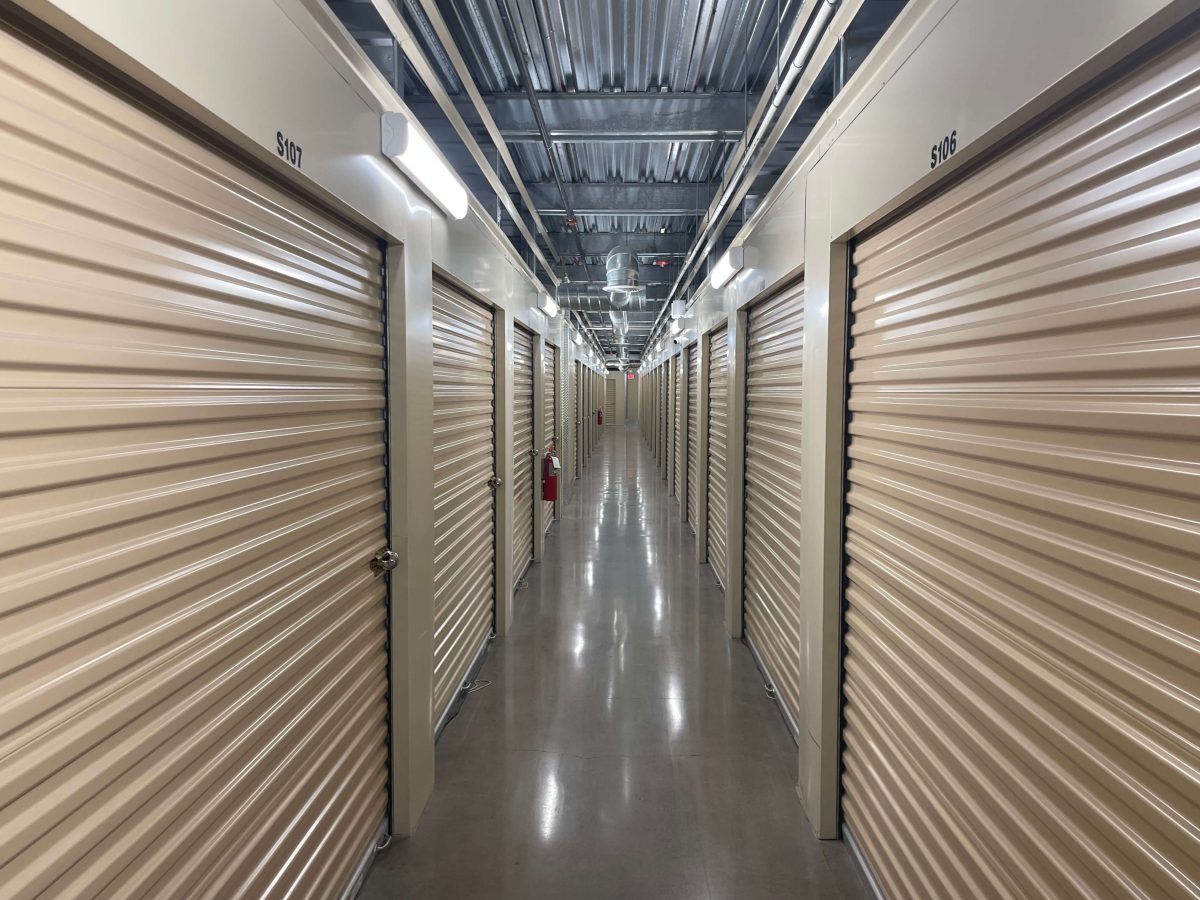
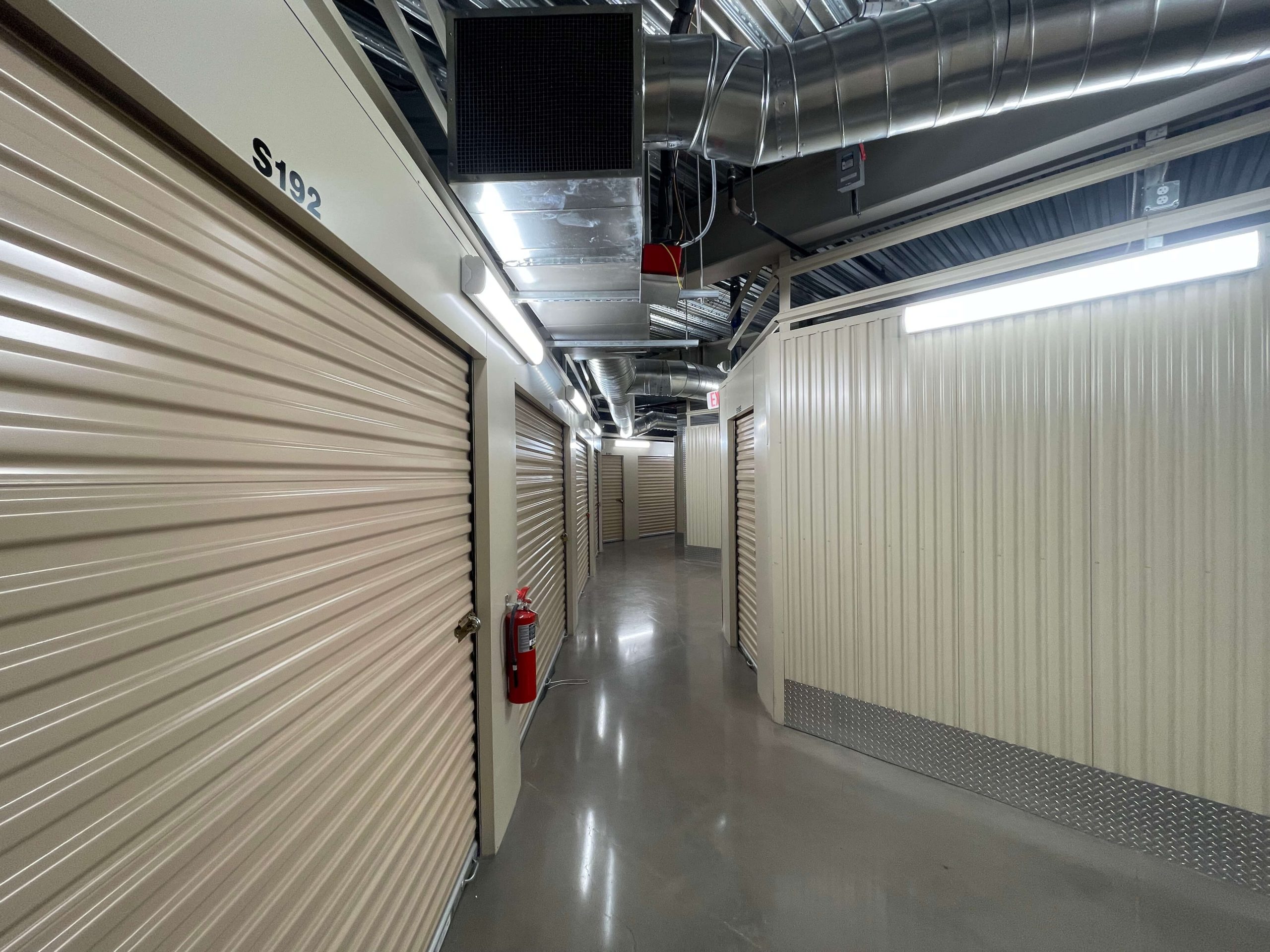
Every unit at McDowell Mountain Community Storage is indoors and air-conditioned, which keeps clubs, bags, and shoes out of the heat that builds up in garages and parked cars. Browse storage units in Scottsdale, or call (602) 899-5484 with questions, including whether we can take a cart battery. The office is open seven days a week.
Frequently Asked Questions
Can you store golf clubs in a garage in Arizona?
You can, but a garage is a weak choice from May through September, when it can get much hotter than the house. An interior closet or an air-conditioned space is a safer place for clubs, grips, and shoes.
Is it OK to leave golf clubs in a hot car?
Occasionally, for a short time, is unlikely to cause trouble. Regularly leaving them in a trunk through a Scottsdale summer is not advised, since heat is hard on grips and on the glue that holds the heads on.
How should you store golf clubs for the summer?
Clean and dry the clubs, bag, and shoes, then store them upright in a cool, indoor space with headcovers on. Avoid garages, sheds, and car trunks.
Should golf clubs be stored in or out of the bag?
Either works if the bag is clean and dry and the clubs have headcovers. Keeping them in the bag is simplest, as long as the bag stands upright and nothing is stacked on top.
Can you store golf cart batteries in a storage unit?
Ask the facility first. Many restrict liquids, flammables, and hazardous materials, and batteries can fall into those categories. If it is not approved, store the battery at home away from heat.
How long can you store golf equipment?
Clubs, bags, and shoes can be stored for many months if they are clean, dry, and kept out of the heat. Check them periodically if they will be stored for the whole off-season.