

Every moving day checklist assumes the same thing: you wake up, load a truck, drive to a new address, and unload by evening. For a lot of moves, that’s exactly how it goes. For a lot of others, especially in the Valley, it isn’t. Closing dates don’t line up, a lease ends before the new place is ready, or a renovation pushes the move-in date back a month. The checklist you’ll find almost everywhere doesn’t account for that gap, and it doesn’t account for what a Scottsdale summer does to a moving timeline either.
This is a complete checklist covering everything the standard guides cover, and it’s built around two things most of them skip: what to do when your move-out and move-in dates don’t match, and how to plan a moving day around desert heat instead of pretending it isn’t a factor.
Moving Day Checklists Assume a Clean Handoff, and That’s Not Always How It Works
The generic version of this checklist treats moving day as one continuous event: out of the old place and into the new one, same day, done. In practice, a meaningful share of moves have a gap in the middle, sometimes a day, sometimes weeks. If your plan only covers the “load and unload same day” scenario, you’ll be scrambling the moment your timeline doesn’t cooperate.
The other thing most checklists ignore is timing around heat. A moving day plan built for a mild climate doesn’t hold up when the forecast says 108 degrees, and treating an Arizona moving day exactly like one in a cooler region is how boxes, electronics, and movers all end up worse off than they needed to.
Two Weeks Before Moving Day
- Confirm your moving date and time window with your moving company or truck rental in writing, and ask specifically about their policy for extreme heat, since some companies adjust loading schedules during summer.
- File your change of address through the official USPS change of address page so mail forwarding is active by your move date rather than started as an afterthought.
- Transfer or schedule disconnect and connect dates for utilities: electricity, water, internet, and gas at both addresses.
- Start using up perishable food and cleaning supplies you don’t want to move.
- Order any moving supplies you’re missing, boxes, tape, furniture blankets, so you’re not making a last-minute run the week of the move.
The Week Before
- Finish packing everything except what you’ll use in the final 48 hours. Rooms should be fully boxed except the kitchen and bathroom essentials.
- Label every box on two sides, not just the top, with its destination room and a general contents note. A label on top becomes useless the moment you stack another box on it.
- Disassemble large furniture you can safely take apart yourself, and bag the hardware, taped directly to the piece it belongs to, so nothing goes missing between here and reassembly.
- Pack an essentials box for each family member: medications, chargers, a change of clothes, basic toiletries, and any documents you’ll need in the first 24 hours.
- Confirm parking or loading access at both addresses, especially if either is an apartment, gated community, or has HOA rules about moving trucks.
The Night Before
- Charge phones, cameras, and any battery-powered tools you’ll use on moving day.
- Set aside cash for tipping movers, if you’re using a moving company, and confirm the pickup time one more time.
- Freeze a few water bottles if you’re moving in warm weather; they’ll thaw through the day and keep drinks cold longer than ice alone.
- Do a final sweep of closets, cabinets, and drawers, the places that get missed when a room otherwise looks packed and ready.
- Set out the essentials boxes somewhere they won’t get loaded onto the truck by mistake.
Moving Day, Hour by Hour
This is where a Scottsdale move genuinely needs a different plan than the generic checklist. If your move falls between May and September, start as early as your movers or building will allow, ideally loading before 9 a.m. and aiming to have the truck unloaded before the afternoon heat peaks. The Occupational Safety and Health Administration’s heat illness prevention guidance recommends water, shade, and rest breaks for anyone doing physical work in high heat, and that applies just as much to a DIY move as it does to a job site.
- Load heavy and sturdy items first, appliances, dressers, boxed books, so they sit at the bottom and back of the truck, with lighter, more fragile items loaded last and closer to the door.
- Keep a cooler with water and snacks accessible near the truck, not packed away, for yourself and anyone helping.
- If any part of the load will sit in a closed truck or trailer in direct sun for more than an hour, keep electronics, candles, vinyl records, and anything wax or adhesive-based toward the middle of the load, away from the metal walls that heat up fastest.
- Do a walkthrough of the old address once the truck is loaded: every closet, cabinet, attic space, and the garage.
- Take final utility meter readings if that’s part of your move-out agreement, and drop off keys or garage remotes as required.
When Move-Out and Move-In Don’t Line Up
If there’s any gap between leaving your old place and getting into the new one, even a few days, that gap needs its own plan rather than being figured out on the fly. A few common versions of this: a home sale closes before the new house does, a lease ends mid-month while the new lease starts on the first, or a renovation delays move-in by weeks.
In that situation, most of what you own doesn’t need to travel twice, it needs somewhere secure to sit for however long the gap lasts. A climate-controlled unit handles that better than a garage, a POD sitting in a driveway through a Scottsdale summer, or a spare room at a relative’s house, particularly for anything heat-sensitive: electronics, wood furniture, documents, and photographs. If you’re weighing what actually needs that level of protection versus what can sit in standard conditions, our guide on how to prepare your belongings for storage breaks that down by what actually damages items in storage rather than treating everything the same way.
This is also where sizing matters more than people expect. Guessing too small means a second trip or items left out in the heat; guessing too large means paying for space you don’t need. If you’re not sure what you’ll need to fit, the space estimator gives a realistic estimate before moving day, not after. When the gap is the actual problem, storage units in Scottsdale are the practical bridge between the two dates, sized for anything from a few boxes to a full household load.
The Final Walkthrough, Both Homes
Before you leave the old address for the last time, walk through with your moving-day checklist in hand rather than from memory: check every closet, the attic access, behind doors, under sinks, and the garage. At the new place, do the same thing once the truck is unloaded, confirming nothing got left behind in the truck’s corners or under moving blankets before the truck pulls away.
Mistakes We See Most Often on Moving Day
- Scheduling a summer move for midday instead of early morning, which turns a manageable day into a heat-exhaustion risk for anyone doing the lifting.
- Packing the essentials box last and burying it on the truck, which means digging through everything else to find a phone charger on night one.
- Leaving temperature-sensitive items, electronics, candles, records, in a hot truck or garage for days after the move instead of unpacking or moving them to a climate-controlled space promptly.
- Not confirming parking or loading dock access in advance, which can turn a scheduled two-hour load into a much longer one.
- Assuming the gap between homes will “probably be fine” without a real plan for where belongings go in the meantime.
Frequently Asked Questions
How far in advance should I start preparing for moving day?
Start serious preparation 2 to 3 weeks out: file your change of address, schedule utility transfers, and get most of your packing done. The final week should be about finishing details, not starting from scratch.
What should be in a moving day essentials box?
Medications, phone chargers, a change of clothes per person, basic toiletries, important documents, and anything you’d need if unpacking took longer than expected. Keep it separate from the general load so it isn’t buried on the truck.
Is it better to move in the morning or afternoon in Scottsdale?
Morning, especially between May and September. Loading and unloading before the afternoon heat peaks is safer for anyone doing physical labor and better for anything temperature-sensitive sitting in the truck.
What if my new home isn’t ready on my move-out date?
Plan for the gap deliberately rather than improvising. A short-term, climate-controlled storage unit is usually a better option than a garage or outdoor pod, especially for electronics, wood furniture, and documents that don’t hold up well in extreme heat.
Do movers expect a tip?
Tipping isn’t required but is customary for professional movers, typically based on the size and difficulty of the job. Setting cash aside the night before avoids a last-minute scramble on moving day itself.
If Your Timeline Needs a Bridge
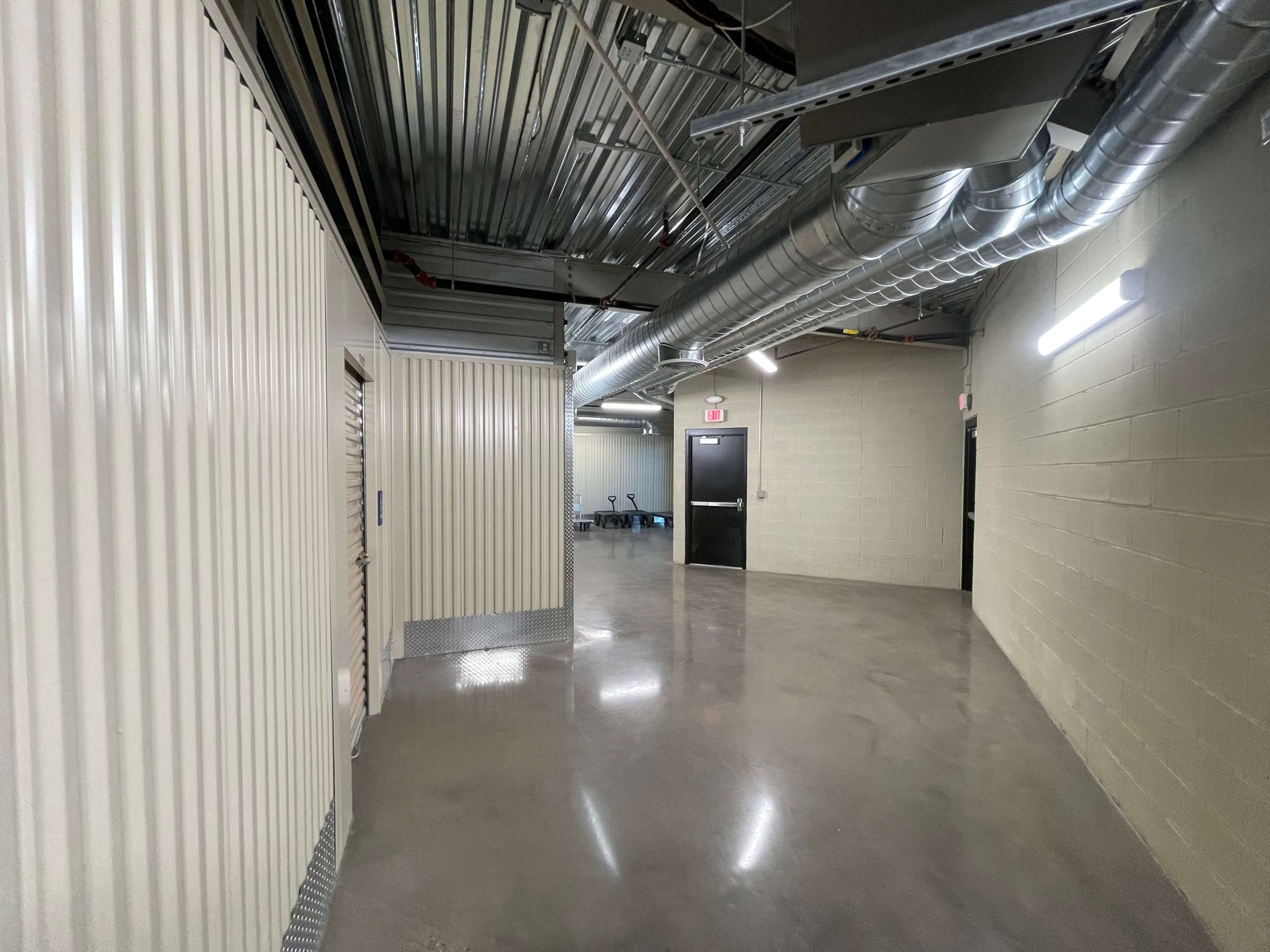
Most of this checklist works the same whether your move is a single clean day or spread across a few weeks. The difference is having a real plan for the gap instead of hoping it works itself out. McDowell Mountain Community Storage offers fully indoor, climate-controlled storage units in Scottsdale sized from a few boxes to a full household, so whatever’s between your old address and your new one has somewhere secure to sit until you’re ready for it.