Your Guide to 5×10 Storage Units

When it comes to finding extra storage space for your belongings, a 5×10 storage unit is one of the most versatile and cost‑effective solutions available, offering a variety of types—from a walk‑in closet’s worth of boxes to a small vehicle—and giving you the flexibility to organize, lock, and store all your items securely, freeing up room in your home. Whether packing boxes filled with items from your bedroom, moving to a new location or simply needing extra space storage for furniture and appliances, this storage unit size offers a perfect balance of space and affordability. This comprehensive guide covers everything you need about 5×10 units, from storage unit prices and amenities to organizational tips and security features. Read on to discover how McDowell Mountain Community Storage can provide your storage solution. 

Why Choose a 5×10 Storage Unit?

A 5×10 unit provides 50 square feet—roughly the size of a walk‑in closet or one bedroom—making it ideal for storing:

  • Furniture includes couches, a queen mattress, or a box spring.
  • Appliances like a washer, dryer, or appliances you’re not currently using.
  • Business inventory: storage items, office equipment, and products.
  • Vehicles include motorcycles, a motorcycle, or even a compact car.
  • Household belongings: books, decorations, bags, and containers.

Many customers find that 5×10 storage units meet most of their storage needs without the higher cost of a larger 10×10 or 10×20 unit. Whether you’re a student in an apartment, a homeowner tackling a move, or a business owner needing extra storage space, it’s a great option. These units are perfect for storing items like patio furniture, a small vehicle, or even pieces of furniture. Plus, with various storage unit sizes available, you’ll find that a 5×10 unit offers just the right amount of space, comparable to a walk-in closet for your needs. 

Comparing Unit Sizes: 5×10 vs. Other Options

When evaluating unit sizes, consider the range of options at your storage facility:

  • 5×10 storage units: Perfect for small furniture, a mattress, and several boxes.
  • 10×10: Twice, the storage space fits the contents of a one‑bedroom apartment.
  • 10×20: Comparable to a garage, accommodates vehicles, boats, or large appliances.
  • Smaller storage spaces like a walk‑in closet (5×5) are ideal for seasonal items and decorations.

Understanding the differences in unit sizes, types, locations, and the number of units available and current demand ensures you select the storage unit size that aligns with your needs and budget. While larger units offer more capacity for dressers and other items, they also come with higher storage unit prices and potentially unused space; consult our list of storage facilities to find the best option. 

Key Features and Amenities

Your choice of storage facility should hinge on the facility amenities and features that matter most:

  • Climate control: Vital for protecting sensitive contents—artwork, electronics, and wooden furniture—from dust, humidity, and extreme temperatures.
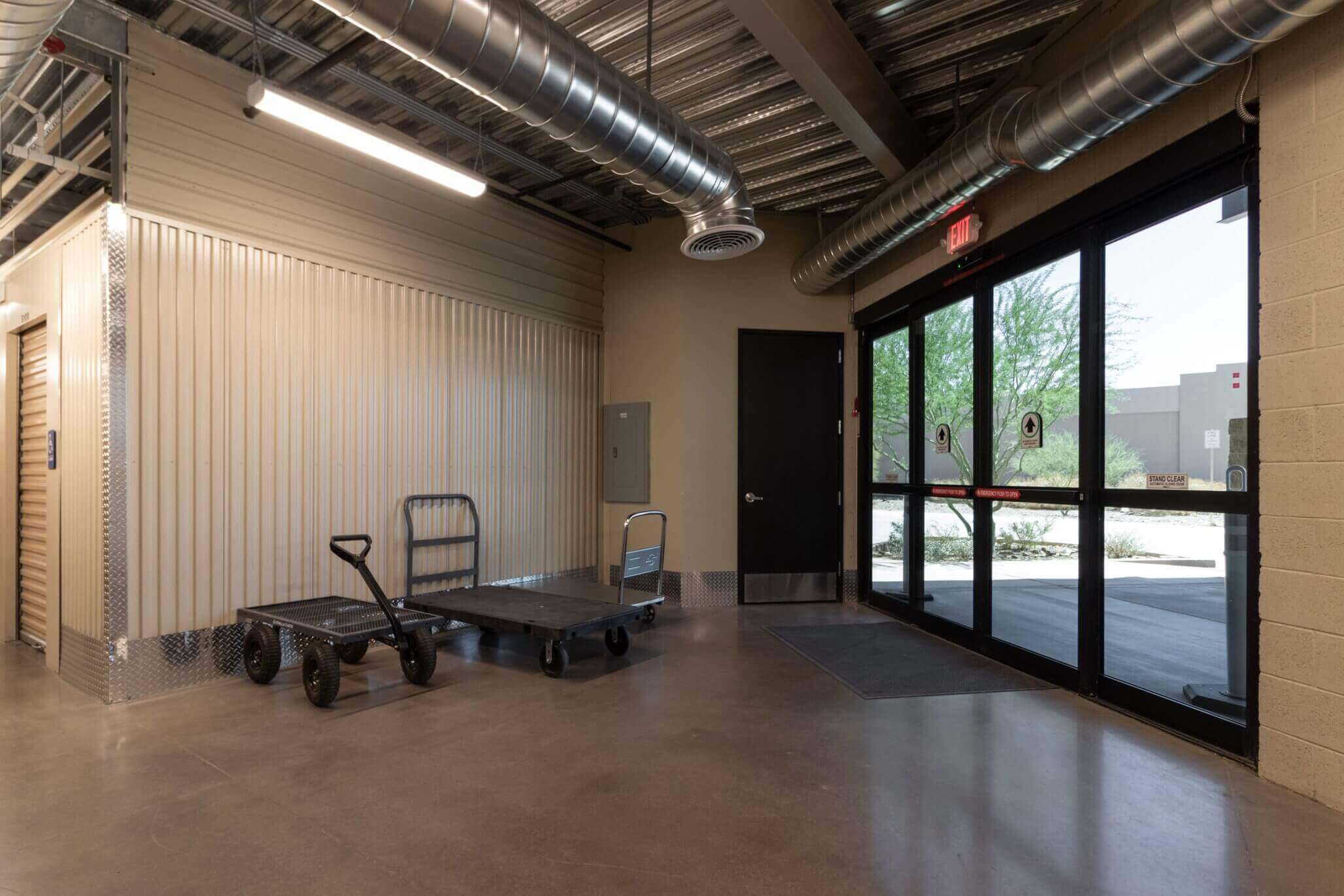
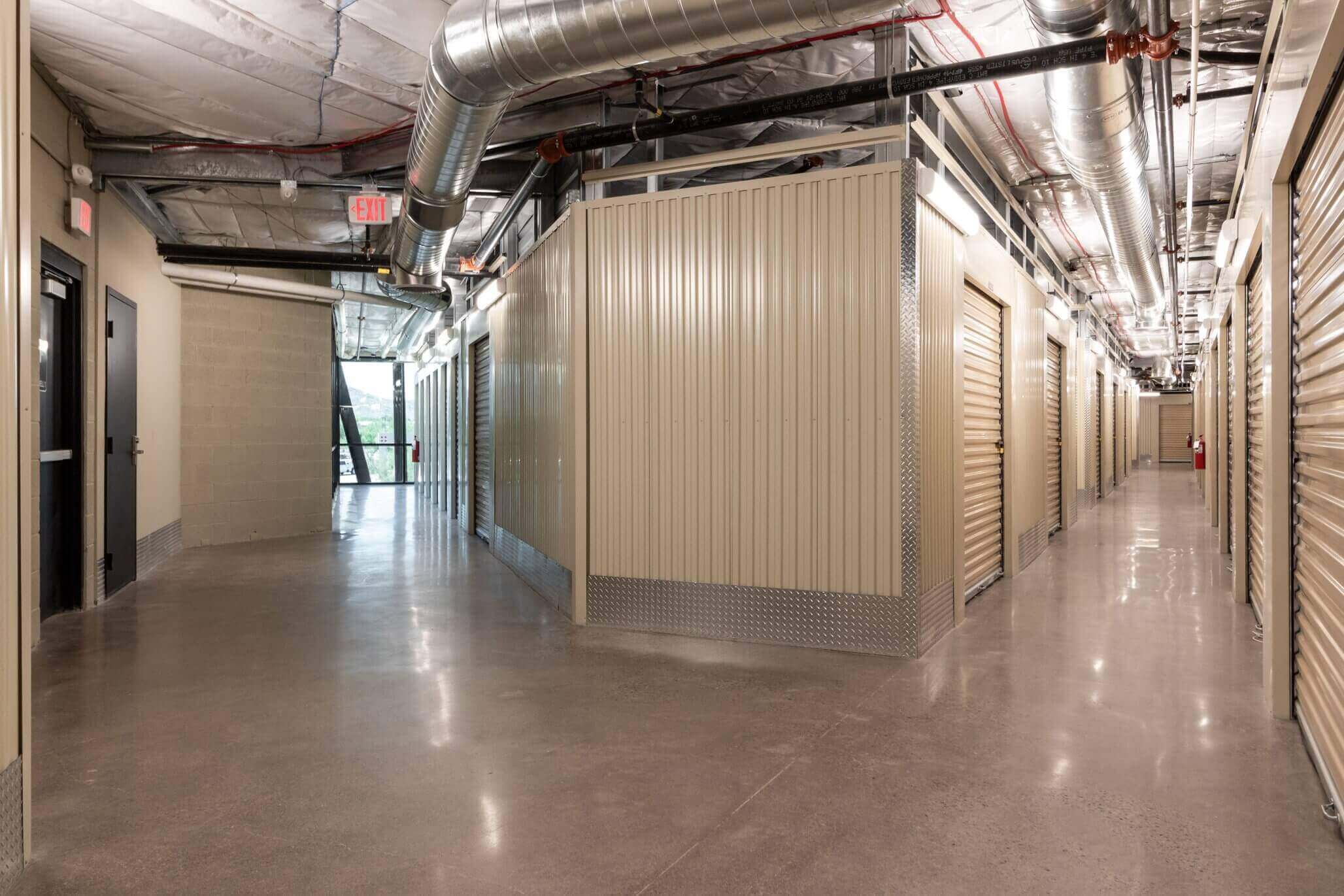
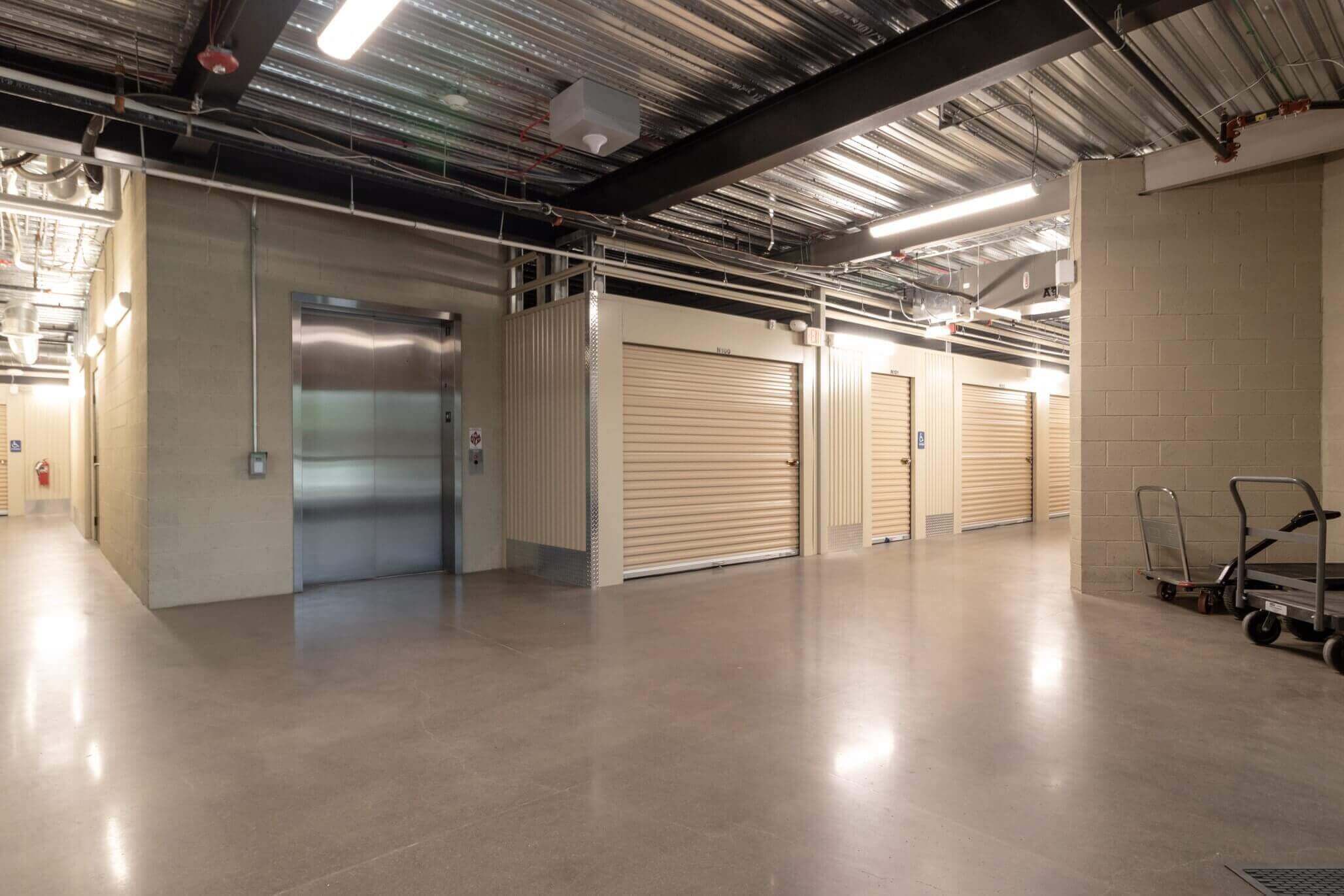
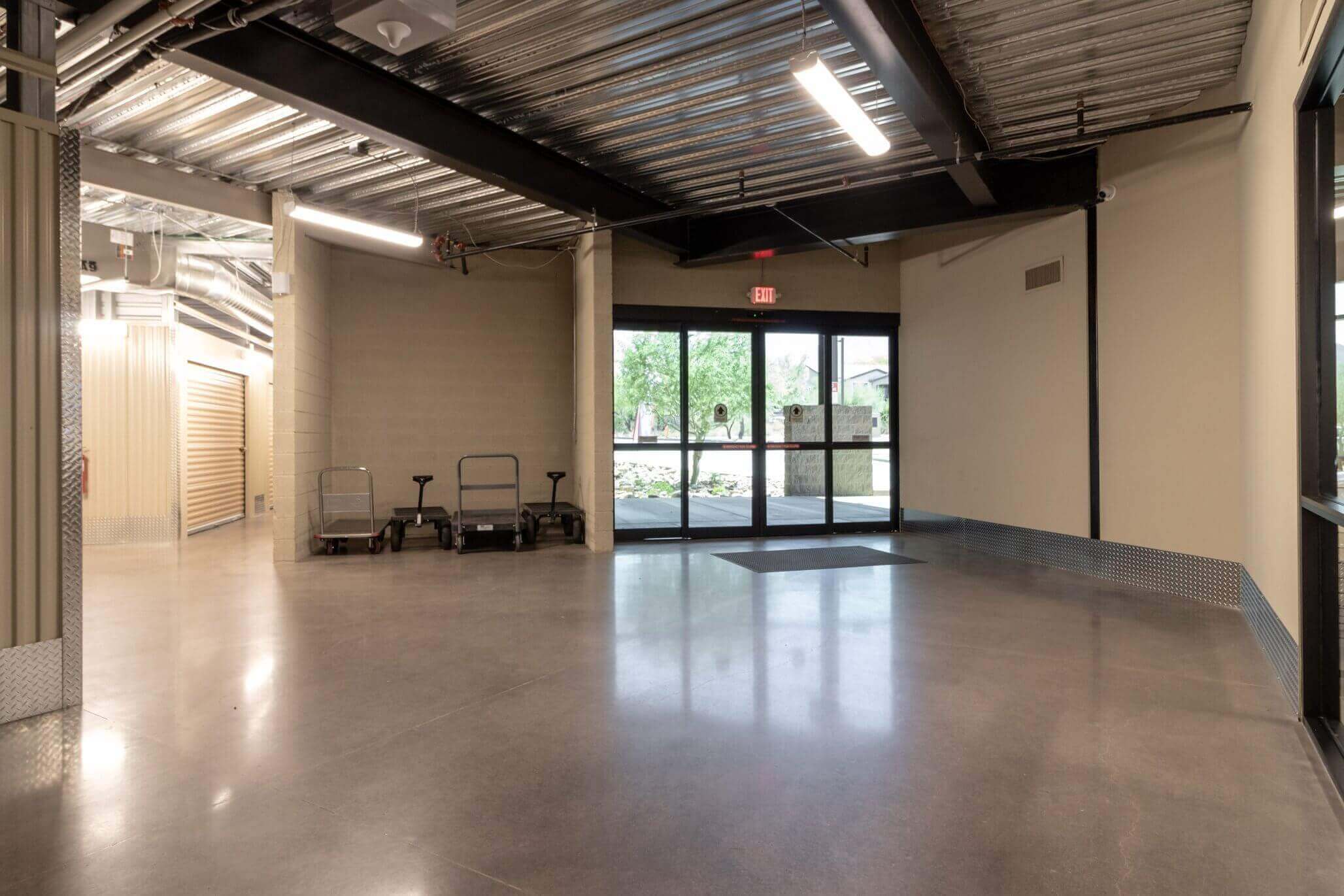
  • Self storage amenities: The facility includes indoor storage indoor hallways, gate access, and wide walkways to accommodate dollies and hand trucks.
  • Facility amenities: Extended access hours, video surveillance, security features, and an on‑site facility manager.
  • Protection and insurance: Ensure your belongings are covered against damage or theft.
  • Convenience: Proximity to your location, online rental, and easy gate access make visits seamless.

By selecting a facility with robust security features and thoughtful amenities, including self storage unit options that cater to various needs, you’ll know that your items—a bed, furniture queen, or anything else—are well protected. With high ceilings and secure storage, you can trust that your belongings are in good hands, whether in the U.S. or locally. 

Security and Protection

Security should be a top priority when storing your belongings:

  • Video surveillance monitors all front entrances, hallways, and facility grounds.
  • Secure access systems use keypad locks or electronic gates requiring unique codes.
  • Regular patrols by the on‑site team and a responsive facility manager.
  • Insurance options to cover storage items against unforeseen damage.
  • Proper packing tips, sturdy containers, and high‑quality boxes reduce risk.

Combining these security features with thorough packing and protection measures at McDowell Mountain Community Storage ensures your storage spaces remain safe and undisturbed.

Tips for Organizing Your 5×10 Storage Unit

This guide provides detailed information about 5x10 storage units available at McDowell Mountain Community Storage in Scottsdale, Arizona.
Learn how McDowell Mountain Community Storage in Scottsdale, Arizona, can help you with all your 5×10 storage unit needs

Maximizing your space in a 5×10 storage unit requires strategy and Storage Unit tips to ensure you make the most of every inch of space.

Plan Your Layout

Sketch a floor plan noting length, width, and height. Position larger pieces—dressers, cabinets, and equipment—against the walls, leaving a central walkway for easy access.

Use Uniform Boxes and Containers

Stack identical boxes and containers to optimize vertical space. Label each box with contents and date to locate items quickly.

Protect Your Furniture and Mattress

To combat dust, cover your furniture, including queen mattresses and couches, with plastic covers. To save floor space, stand a box spring on its side along a wall.

Create Aisles for Frequent Access

If you plan to retrieve certain belongings regularly—essential documents, seasonal decorations, or everyday household goods—store them near the front.

Use Shelving Units

Lightweight, collapsible shelves hold boxes, books, and small accessories. For stability, place heavier equipment on the bottom shelves.

Maintain Flexibility

Leave plenty of space at the bottom and top for airflow and future additions. Avoid overpacking so everything remains accessible.

Choosing the Right Facility

Your storage solution is only as good as the facility that houses it. Consider these factors when selecting a location:

Location and Accessibility

Facilities in the U.S. vary by region. Pick a facility close to your home, office, or school, and verify its access hours.

Range of Unit Sizes

Look for a provider offering unit sizes from 5×5 to 10×20 so you can upgrade or downsize.

Price and Value

Compare self storage units prices, factoring in availability, seasonal discounts, and promotional offers.

Customer Service

A knowledgeable facility manager and friendly team can provide guidance on unit size, packing tips, and insurance choices.

Self Storage Options

Decide between indoor and outdoor, drive-up units and hall access, and climate and non‑climate control. Each type serves a different purpose.

You’ll secure a rental that fits your needs and budget by evaluating these options.

Conclusion

Choosing the right 5×10 storage unit involves understanding your needs, comparing unit sizes, and selecting a facility with the amenities and security features you value. With proper planning, organization, and the right storage solution, your belongings will remain safe, accessible, and pristine. If you have any further questions or require guidance, contact our McDowell Mountain Community Storage team for personalized information and advice.

Frequently Asked Questions About 5×10 Storage Units.

What types of items should not be stored in a 5×10 storage unit?

It’s important not to store hazardous materials like chemicals, flammable items, or perishable goods in your 5×10 unit. Check with your storage facility for specific restrictions.

Can I store a car in a 5×10 storage unit?

While a 5×10 unit is large enough to store motorcycles and small vehicles, it’s typically unsuitable for a full-sized car. Check with your storage provider for vehicle-specific units.

Are there any discounts or promotions for renting a 5×10 storage unit?

Many storage facilities offer seasonal discounts, first-time renter promotions, or special rates for long-term rentals. Be sure to ask about available offers.

How do I prepare my items for long-term storage in a 5×10 unit?

Use proper packing materials, such as bubble wrap and sturdy boxes, to ensure your items remain in good condition. For sensitive items like electronics, consider climate-controlled storage.

How do I access my 5×10 storage unit?

Most storage facilities offer 24/7 access or specific hours during the day. Some facilities use keypads, while others may require a key or electronic access code.

Can I upgrade to a larger unit if I outgrow my 5×10 storage unit?

Yes, many facilities allow for easy upgrades. Depending on availability, ask your facility manager to assist you in moving to a larger unit.

How secure are the 5×10 storage units at McDowell Mountain Community Storage?

McDowell Mountain Community Storage offers enhanced security features such as video surveillance, electronic gate access, and regular patrols by an on-site team to keep your items safe.

What is the minimum rental period for a 5×10 storage unit?

Most facilities offer flexible rental terms, but there may be a minimum rental period, typically 30 days. Check with the storage provider for specific requirements.

Can I store sensitive or valuable items in a 5×10 unit?

For items like artwork, electronics, or antiques, consider opting for a climate-controlled 5×10 unit to protect your valuable possessions from temperature fluctuations and humidity.

What happens if I forget to make a payment for my storage unit?

If you miss a payment, your storage facility may impose a late fee or temporarily restrict access to your unit. After an extended period of non-payment, the facility may initiate a lien process. Always stay in communication with the facility if you’re facing payment issues.

Seasonal Storage Hacks for a Clutter-Free Home

Maintaining a clutter-free home year-round requires more than a quick tidy-up. It involves thoughtful organization, space-saving strategies, and an efficient approach to how you arrange items throughout your home. Smart storage is the key solution, especially when it comes to seasonal rotation of items. Whether you’re storing winter clothes, sports equipment, or holiday decorations, understanding how to maximize your space can transform your home into a peaceful, organized retreat.

At McDowell Mountain Community Storage, we specialize in helping families find practical storage hack to keep their house clean, accessible, and stress-free. Whether you’re overwhelmed with seasonal stuff or just need a better way to store something you don’t use daily, we’ve got plenty of solutions. In this post, we’ll walk you through the best seasonal storage hack, the essential item to rotate throughout the year, and how a climate-controlled storage unit can make all the difference.

Why Seasonal Storage Matters

As the seasons change, so do our household needs. In the summer, you reach for flip-flops and patio gear. In the winter, it’s all about coats, scarves, and gloves. The key point is knowing when to rotate items, especially after big transitions like the holidays or at the end of a season. Storing out-of-season clothing, decor, and accessories in labeled cubbies or a sturdy bag helps you make better use of your closet, garage, and other storage spaces.

When you organize your items by season, you reduce clutter, free up valuable floor space, and improve accessibility for everyday essentials. Using designated bins, boxes, and containers, you create a system that simplifies your lifestyle.

Step 1: Declutter Before You Store

Before you begin organizing, start with a full home audit. Go through your closets, drawers, garage, attic, basement, and wardrobe to identify unused items. Set aside things you no longer wear, use, or need.

Ask yourself:

  • Did I use this in the last year?

  • Does it still serve a purpose?

  • Could someone else benefit more from it?

Once you’ve sorted through everything, separate your items into three categories: keep, donate, and toss. You’ll be surprised how much space you can reclaim just by letting go of extra bags, broken furniture, or expired decorations.

Step 2: Categorize and Label Everything

Next, sort all the remaining items by season and type. For example:

  • Winter gear: jackets, coats, hats, scarves, gloves

  • Holiday decorations: lights, greenery, ornaments, wreaths

  • Sports equipment: skis, snowboards, surfboards, bicycles

  • Summer gear: swimwear, picnic supplies, sandals

Use stackable, compact storage bins and containers with secure lids to protect your belongings. Invest in quality labels and write clear descriptions, such as “Fall Sweaters” or “Christmas Decor – Living Room.”

Use color-coded storage bins for each season. For instance, red for holiday items, blue for winter clothing, and green for spring accessories. This method allows everyone in the household to locate what they need without hassle.

Step 3: Maximize Small Spaces

Don’t underestimate the power of small spaces. Use every available inch in your closet, mudroom, entryway, or garage. Here are some creative ideas to make the most of tight areas:

Wall and Vertical Storage

Install hooks, racks, or shelves on unused walls to hang bags, umbrellas, or folded clothing. In the garage, consider hanging bicycles or holiday lights from ceiling mounts.

Under-the-Bed Storage

For seasonal clothing like sweaters or blankets, use vacuum bags or foldable boxes that slide under your bed or sofa.

Door Storage

Over-the-door trays, baskets, and containers are ideal for small items such as sunglasses, gloves, or keys. Hang one in the entryway for daily grab-and-go essentials.

Furniture with Storage

Opt for furniture that doubles as storage. Ottomans with hidden compartments or benches with drawers help store books, toys, or extra clothing out of sight.

Step 4: Clean and Prepare Items for Storage

Before you store anything, make sure it’s clean and dry. Dirt, moisture, and dust can lead to damage or mold over time.

For clothing, wash, fold, and place in breathable storage containers or vacuum bags. Add moisture-absorbing packets or cedar blocks to deter mildew and pests. For holiday decor, wrap fragile items in paper or bubble wrap and place them in a protective box.

Seasonal sports equipment should be wiped down, deflated (if applicable), and stored in bins labeled by category or activity.

Step 5: Choose the Right Storage Unit

Sometimes, even the most organized home runs out of space. That’s where McDowell Mountain Community Storage comes in.

Benefits of a Storage Unit:

  • Free up valuable space in your home

  • Securely store out-of-season items

  • Access boxes, bins, or furniture whenever needed

  • Protect sensitive belongings in a climate-controlled storage unit

Not sure what size you need? Our Ultimate Storage Unit Size Guide helps you figure out how much storage space you require based on your contents and the number of items you’re storing.

Whether you need room for a few boxes or a full set of seasonal decorations, we have the right storage unit to fit your lifestyle.

Real-Life Example: The Organized Entryway

Let’s say your entryway becomes chaotic during the winter. Shoes pile up, hats, gloves, and scarves go missing, and the dog’s leash is always somewhere else. Here’s how to solve that using seasonal storage hacks:

  1. Add a bench with drawers for shoes and sweaters

  2. Use wall-mounted hooks for coats, umbrellas, and bags

  3. Install a tray or small rack for mail and keys

  4. Store off-season items in a nearby closet or labeled bin

  5. Declutter the area monthly using the keep/donate/toss method

Now you’ve transformed a chaotic space into a tidy, functional spot that sets the tone for an organized home.

Top Storage Tips to Try This Season

Seasonal storage hacks from McDowell Mountain Community Storage in Scottsdale, Arizona to help create a clutter-free home.
Discover practical seasonal storage solutions from McDowell Mountain Community Storage in Scottsdale, Arizona for a clutter-free and organized home.

Here’s a quick list of ideas and tips to streamline your seasonal storage:

  • Store holiday decor in labeled boxes by room (e.g., “Living Room Decor”)

  • Use stackable, clear containers so you can see what’s inside

  • Create a rotating wardrobe: Store out-of-season clothes in bins with clear labels

  • Use shelves and hooks to keep high-use items off the floor

  • Assign each family member a specific container or basket

  • Hang a mail tray near the door for paper, flyers, and keys

  • Separate books, kids’ toys, or hobby items into labeled categories

These small changes can lead to big results, saving you time and reducing clutter around the home.

Seasonal Essentials to Store

Some items just don’t need to be in your way all year. Here’s a breakdown of seasonal essentials you should rotate in and out:

Spring/Summer:

  • Picnic gear

  • Swimwear and beach towels

  • Patio cushions and garden tools

  • Summer clothing and shoes

Fall/Winter:

  • Holiday decorations

  • Winter gear like coats, gloves, and hats

  • Cold-weather clothing like sweaters and boots

  • Snow and ski equipment

All these items can be stored safely in a climate-controlled storage unit to ensure they remain in good condition, ready for the next season.

Don’t Forget: Kids and Pets Need Storage Too

Children come with a lot of things—from seasonal clothes and toys to schoolwork and hobby supplies. Items that need storage often pile up quickly, making it essential to stay organized. Store outgrown clothes in labeled bins by size or type. Use individual containers for art supplies, sports gear, or books.

Pets also have seasonal accessories. Use a small basket or box for leashes, sweaters, booties, and feeding supplies.

Make Storage a Family Routine

When the whole family is involved in organizing, it’s easier to maintain a clutter-free home. Assign small storage-related tasks to everyone, such as:

  • Kids label their own bins

  • Someone rotates seasonal shoes

  • Another family member organizes the wardrobe each season

Getting all people in the household involved creates habits that stick and teaches responsibility over shared spaces.

Final Thoughts

A clutter-free home isn’t a one-time project—it’s an ongoing process. But with the right storage solutions, proper labeling, seasonal rotation, and a little help from McDowell Mountain Community Storage, it becomes a habit you’ll never want to break.

Whether it’s your living room, garage, entryway, or closet, every area has potential. By using practical storage hacks, you not only organize your items but also make room for new memories, essentials, and a little more peace of mind.

So next time you’re overwhelmed by boxes, random things, or misplaced decor, remember: the right storage unit, a few smart ideas, and a solid plan go a long way.

Frequently Asked Questions

1. What’s the best way to store seasonal decorations safely?

To protect fragile holiday decorations, wrap items in bubble wrap or packing paper and store them in hard plastic containers with secure lids. Label by room or theme to make retrieval easy next season.

2. How do I prevent moisture and pests in my stored items?

Use moisture absorbers like silica gel packets and pest deterrents like cedar blocks. Always clean and dry items before storage to avoid mold and insect damage, especially in fabric and paper-based items.

3. Are there specific containers I should avoid using for long-term storage?

Yes—avoid cardboard boxes for long-term storage, especially in non-climate-controlled spaces. They’re more prone to absorbing moisture and attracting pests. Opt for sealed plastic bins instead.

4. How often should I rotate seasonal items in and out of storage?

Aim to rotate items at the beginning and end of each season—spring, summer, fall, and winter. This habit keeps your home organized and makes sure you’re only keeping out the essentials you actually use.

5. Can I store electronics or battery-operated decorations in a storage unit?

Yes, but be sure to remove batteries to prevent leaks. Store electronics in their original packaging when possible and choose a climate-controlled unit to protect them from temperature fluctuations.

6. What should I do with sentimental or heirloom items I don’t use seasonally?

Consider storing these in labeled containers within a storage unit to preserve them long-term. Use acid-free tissue paper for delicate fabric or paper items to maintain quality over time.

7. How do I decide between attic, garage, and off-site storage?

Use attic or garage space for durable items like tools and sports gear. Reserve your off-site storage unit for items sensitive to temperature or those that take up a lot of space, like furniture, decorations, or winter gear.

8. What’s the most space-saving way to store clothing?

Use vacuum-sealed bags for bulky clothing like sweaters, jackets, and blankets. They reduce volume and protect fabric from dust and moisture. Store upright in bins or under furniture for added convenience.

9. How do I keep track of what’s inside each container or bin?

Label clearly with the item category and season. For extra organization, consider creating a digital inventory on your phone or spreadsheet that matches bin numbers with contents.

10. Can seasonal storage help with small home living or apartment life?

Absolutely. Seasonal rotation clears out unnecessary clutter and gives you more breathing room. Renting a small storage unit can give you the extra space you need without having to upsize your home.

Garage Storage Ideas for a More Organized Space

If you’ve ever opened your garage and felt overwhelmed by the clutter, you’re not alone. For many families, the garage becomes a catch-all area for bins, tools, old furniture, holiday decorations, sports equipment, and just about anything else that doesn’t have a clear place in the house. The good news? With the right approach to garage organization, you can arrange your space, creating solutions for everything. Whether you need a shelving unit for kids’ toys, access to seasonal gear, or a convenient spot to store a bag and equipment, a well-planned garage space can solve all your storage needs. 

At McDowell Mountain Community Storage, we understand how valuable a well-organized garage can be—not just for your belongings but for your peace of mind. You can create a neat, efficient space that works for most families with the right solutions. Whether you need a spot for many items or want to store the ones you use less frequently, we have the correct bin or shelving unit for the job. In this guide, we’ll explore practical, creative, and affordable garage storage ideas that will help you take back control of your space, no matter the weight or size of your storage needs. Whether you’re working with a basement garage or an overhead storage system, we have the perfect solution to get you organized. 

Why Garage Organization Matters

A disorganized garage isn’t just an eyesore—it’s also a waste of valuable floor space. Many garages are large enough to hold a car and still offer plenty of storage space possibilities. But it’s hard to find what you need when your items are spread across the floor, piled in random boxes, or hidden in unmarked bins. You might have many items like recycling bins, food supplies, or bathroom essentials scattered around, adding to the clutter. Organizing these items can be a real challenge for a busy woman or anyone trying to make the most of their space. The solution? A bit of planning and the proper storage system to keep things in their place.

Bright garage storage ideas help you manage and maximize your efficiency. By getting hazardous items off the ground and out of reach, you’ll save time looking for tools, protect your equipment from damage, and keep your family within reach.

Step 1: Declutter and Sort Everything

Before organizing your garage, you must know what you’re working with. Pull everything into the driveway or yard and group your belongings by category—tools, sports equipment, cleaning supplies, holiday decorations, appliances, etc.

Use baskets, containers, or labeled bins to separate what you keep from donating, tossing, or relocating. This is a great time to get the whole family involved—everyone can help sort and categorize the stuff that’s been piling up for months (or years).

Step 2: Design Your Garage Storage System

Once you’ve sorted your items, you can plan an innovative storage system that matches your layout and goals. Start by thinking vertically—garage walls, ceilings, and unused corners are perfect for storing bulky or seasonal items.

Here are a few garage storage ideas to consider:

Wall-Mounted Options

  • Pegboards are perfect for hanging tools, hooks, and accessories in a visible, easy-to-reach way.
  • Wall shelves help get bins, boxes, and supplies off the floor, freeing up more garage space.
  • Install racks for shovels, brooms, bikes, and helmets. This will keep your gear visible but out of the way.
  • For a custom look, build a cabinet or shelf unit tailored to the size of a storage unit that you need.

Ceiling Storage

  • A garage ceiling is often underutilized. Install overhead racks to store rarely used items like holiday decorations, old clothes, or seasonal sports equipment.
  • Use clear storage bins with labels to see what’s red up top.

Floor Units

  • Heavy-duty shelving units are ideal for larger bins, cleaning supplies, and tools.
  • Rolling shelves or carts make rearranging your garage storage layout easy as your needs change.
  • If your garage floor gets dirty, choose storage with elevated legs or waterproof containers.

Step 3: Tidy Up with Labels and Bins

Now that you’ve got your garage storage system in place, you need to make it functional and easy to maintain. That’s where labeling and bins come in. Transparent containers let you quickly see what’s inside, but even if you’re using solid boxes or baskets, a simple label or photo taped to the front can save tons of time.

Keep your bins, hooks, and shelves organized by use. For example:

  • Laundry and cleaning supplies near the mudroom or door.
  • Sports equipment, balls, and helmets are grouped in one zone.
  • Tools, nails, screws, and DIY gear together on a pegboard wall.
  • Holiday decorations are stacked in clearly marked boxes.
  • Kids’ stuff, such as shoes, bags, or toys, is organized in low, reachable bins in the corner of the garage wall.

Store dangerous or heavy tools and chemicals high up or behind locked cabinets if you have young children. Safety first!

Organize by Frequency of Use

One of the best ways to create a genuinely functional garage storage system is to organize it based on how often you use the items. Keep frequently used tools, brooms, or gear at eye level or on open shelves. Reserve higher shelves or overhead racks for things you only need occasionally.

You can also create zones by season—winter clothes, snow gear, and heaters in one area, summer sports equipment, planters, and outdoor appliances in another. As the season changes, rotate bins or update labels to stay current.

Use Every Part of Your Garage Space

Efficient garage storage solutions to help you organize your space, provided by McDowell Mountain Community Storage in Scottsdale, Arizona.
Get expert advice on organizing your garage with McDowell Mountain Community Storage, offering effective storage solutions in Scottsdale, Arizona.

No garage storage project is complete without addressing awkward corners or forgotten spaces. Small changes like adding a shelf above the garage door or placing a narrow cabinet next to the garage wall can make a big difference.

Some other smart tips:

  • Hang a foldable desk or workbench for your DIY projects.
  • Mount a basket or tray by the door for keys, gloves, and essentials.
  • Use a shoe rack or hooks near the mudroom or entrance to keep clothes and outerwear tidy.
  • Use stackable shelving units and adjustable shelving to customize as your storage needs grow.

When to Use a Storage Unit

Consider an external storage unit if you’ve all you can with your garage space and still don’t have enough room. This is especially helpful if you’re storing:

  • Sensitive belongings like electronics, artwork, or vintage furniture.
  • Seasonal items like holiday decorations, winter clothes, or gardening supplies.
  • Overflow products or tools for a side shop, small business, or house renovation.

At McDowell Mountain Community Storage, we offer a range of options—from small lockers to full-size units. We’ll help you choose the size storage unit that you need based on your garage organization goals and space limitations. Our climate-controlled storage units protect your items from dirt, moisture, and extreme temperatures—ideal for long-term or sensitive storage.

Budget-Friendly Garage Storage Deals

You don’t have to break the bank to get organized. Some budget-friendly options include:

  • Repurposing Ikea furniture into garage-friendly storage.
  • Using old bins, baskets, or containers to sort tools or parts.
  • DIY shelving or pegboard systems using leftover wood or recycled materials.
  • Checking for local deals or community services that offer free or discounted shelving options.

Simple changes—like using labeled bins, adding a single hook, or placing a basket in a cluttered corner—can significantly impact.

Final Thoughts

No matter the size or layout of your garage, you can always find ways to improve your organization and create a better system for storing all the things life throws your way. From hooks and shelves to pegboards, bins, and off-site storage units, plenty of options work for every lifestyle and budget.

The key is to tidy, categorize, and optimize what you have. Make Use of your wall and floor space, don’t forget to label, and keep your garage storage system updated with the changing seasons.

Still feeling overwhelmed? McDowell Mountain Community Storage is here to help. Whether you need more garage storage ideas, advice on choosing the right size storage unit, or reading about your extra gear in a climate-controlled storage unit, we have the tools, space, and support to help you get started.

Frequently Asked Questions

How can I make the most of my garage ceiling for storage?

Utilize ceiling-mounted storage systems such as overhead racks or pulley systems to store seasonal items, bins, or rarely used equipment. This keeps your floor space clear while allowing easy access when needed. Just use sturdy systems and label your bins for easy identification.

What are the best types of shelving units for heavy tools and equipment?

Consider metal shelving units with adjustable shelves for heavy-duty tools and equipment to accommodate various sizes. Plastic bins or storage containers with lids work well for smaller tools. Ensure the shelving units are rated for the weight of the equipment you plan to store and place the heaviest items on lower shelves for safety.

How do I organize seasonal items like holiday decorations in my garage?

Store your holiday decorations in clear, labeled bins in a designated storage area. For easy access, stack the bins according to the season, placing frequently used items at the top. Consider overhead ceiling storage for items you only need once or twice a year.

What should I store in a climate-controlled storage unit versus my garage?

Climate-controlled storage units are ideal for sensitive items such as electronics, artwork, documents, vintage furniture, and antiques. Garages suit non-sensitive items like tools, sports equipment, and outdoor furniture that can withstand temperature and humidity fluctuations.

How do I create an efficient storage solution for sports equipment?

Install wall-mounted racks or pegboards for hanging sports equipment like helmets, bats, and bikes. Use bins or storage shelves to store smaller gear like balls, pads, and shoes. Label each container to identify the contents easily. For more visibility, install a dedicated sports equipment zone near the garage door for easy access.

How can I safely store hazardous materials or chemicals in my garage?

Store hazardous materials like chemicals, paints, or cleaners in high cabinets or shelving units that are out of reach of children and pets. Ensure the storage area is well-ventilated and clearly labeled for safety. Use sealed containers to prevent spills or leaks, and never store flammable materials near heat sources.

Can I use repurposed items, like old furniture, for garage organization?

Yes! Repurposing old furniture can be a great way to save money and add character to your garage organization. Old dressers can hold small tools or gardening supplies, while bookshelves can hold bins or baskets. Just ensure the furniture is sturdy enough to handle the weight of the items you plan to store.

What are some space-saving tips for garages with limited floor space?

If your garage has limited floor space, try installing wall-mounted shelveshooks, or pegboards to store tools and gear. Utilize overhead storage racks for seasonal or bulky items, and consider using stackable bins to maximize vertical storage. Keep frequently used items at eye level for easy access.

How can I organize a shared garage space for multiple family members?

Create zones within the garage to separate each family’s belongings. Bins or cabinets for each person who shared items, like sports equipment or cleaning supplies, have a designated storage space. To prevent clutter, ensure everything has a specific spot, and encourage everyone to tidy up after using the space.

What are the benefits of using labeled bins and clear containers for organizing?

Labeled bins and clear containers help you easily identify contents without opening them, saving time and effort. Clear bins allow you to see what is inside and help categorize items. This method reduces clutter and makes it easier to locate items, especially when your garage is packed with various tools, equipment, or seasonal supplie

Storage Unit Organization Ideas

Renting a storage unit is a great way to create extra space for your belongings, whether moving, downsizing, or simply trying to free up room at home. However, a storage unit can become cluttered and difficult to navigate without proper organization. Taking the time to declutter and sort your items will help create a more efficient storage space. By implementing smart storage tips, anyone can keep their account of stored belongings in order, whether it’s in a closet, garage, or self-storage location. Whether you’re storing a car, furniture, or personal items, the right system will ensure that your most-needed ones remain easily accessible while protecting everything from damage. 

When planning your storage unit, it’s essential to consider the layout and use the right supplies to keep everything in order. A well-organized unit can be beneficial for a woman managing household items or running a business. Whether you’re storing furniture, seasonal clothes, or business storage documents, arranging items strategically will help maintain easy accessibility. Following a guide with expert advice on storage tips can make a big difference in how efficiently you use your space. Proper organization is crucial to keeping your unit functional, and a simple tip like labeling boxes can save time and reduce stress when searching for specific things. 

Plan Your Storage Unit Layout

Before moving your items into your storage unit, take a moment to plan the best layout for efficiency. Keeping frequently accessed items at the front of the unit will make retrieval more straightforward, while less-used belongings can be placed towards the back. Using a map of your storage space can help track where you’ve placed things, preventing unnecessary searching later.

Using shelving units along the side walls is a great way to maximize space and prevent stacking boxes too high. Place heavy furniture and large bins at the bottom to maintain stability while keeping smaller items on top.

Use the Right Storage Supplies

The right supplies can make a big difference in maintaining an organized storage unit. Use stackable boxes, labeled bins, and durable shelves to store your items properly. If you’re experiencing trouble finding the best solution, try using a table or surface to help with sorting. Assess the needs of your stored items and determine if you need to place each other in specific options like protective containers to prevent damage, especially for fragile items. 

If you need to store furniture in a storage unit, disassemble large pieces whenever possible to save space. Wrap delicate surfaces with blankets or plastic covers to protect them from dust and scratches. Keeping an inventory of your stored items can also help you track your belongings and avoid misplacing anything.

Label and Categorize Everything

Labeling is one of the simplest but most effective storage tips. Mark all bins, boxes, and shelves to locate specific items quickly. Use a system to categorize your belongings based on box size, room, or purpose. For example:

  • Clothes can go in breathable garment bags or labeled bins.
  • Kitchen supplies should be stored in durable containers to prevent spills.
  • Business storage files and paperwork should be kept in waterproof bins.
  • Seasonal decorations should be placed in a dedicated storage unit section.

A proper system will streamline your storage space and make finding things more manageable.

Make Use of Doors, Corners, and Wall Space

Maximizing storage space means using every available area, including the doors, corner spaces, and wall areas. Hanging lightweight tools, supplies, or small items on hooks attached to the door can help keep frequently used things within easy reach. Installing floating shelves or using shelving ideas for the walls can further optimize your unit.

Leave enough room for maneuverability if you’re storing a vehicle or large items. A well-planned layout will ensure smooth access without moving multiple boxes whenever you need something.

Keep Your Storage Unit Secure

When renting a storage unit, security is an essential factor to consider. Choosing a facility with strong security features to look for in a storage facility can help protect your belongings. Features like surveillance cameras, gated access, and on-site management add an extra layer of protection.

Despite these measures, break-ins can still occur, leading to concerns about who is responsible if a storage unit is broken into. Responsibility generally depends on the facility’s policies and whether you have insurance. It’s always best to check the contract and consider getting renter’s insurance for additional protection.

Protect Your Items from Damage

Explore smart and practical storage unit organization ideas at McDowell Mountain Community Storage in Scottsdale Arizona, designed to maximize space and ensure easy access to your belongings.
Transform your storage unit with practical organization tips from McDowell Mountain Community Storage in Scottsdale Arizona.

To avoid damage, keep delicate items in padded containers and use waterproof bins when necessary. Never place items directly on the floor—using pallets or shelving units can provide additional protection. If storing electronics, ensure they are in climate-controlled storage units to prevent overheating or moisture buildup.

Keep heavier furniture at the bottom of stacks for protection, and avoid placing fragile items under heavier bins or boxes. At McDowell Mountain Community Storage, we recommend maintaining an inventory list to help you keep track of your belongings and make retrieval easier. Our secure, organized storage units are perfect for ensuring your items are safely stored and easy to access whenever you need them.

Arrange Items for Accessibility

A common mistake in storage unit organization is stacking items without considering accessibility. You don’t want to dig through multiple boxes to find a single item. To prevent this issue, follow these storage tips:

  • Keep frequently used items at the front of the storage unit.
  • Place bulkier, less-used belongings toward the back.
  • Leave a clear floor path for easy movement.
  • Store similar items together in labeled bins for quick identification.

A well-thought-out plan will keep your storage space tidy and efficient.

Keep an Updated Inventory List

Maintaining an inventory of all your stored items can help prevent confusion and misplaced belongings. Whether you use a digital spreadsheet or a handwritten list, keeping track of what’s inside your storage unit will save time when retrieving things.

You can even create a link to an online blog or document where you store articles or guides about storage tips, allowing easy reference when organizing your storage space.

Final Thoughts on Storage Unit Organization

An adequately organized storage unit ensures that you can quickly find items, maximize space, and protect your belongings from damage. You can create an efficient and neat storage system by following these storage tips, using shelving units, and categorizing items with clear labels.

Additionally, choosing a secure facility with strong security features to look for in a storage facility can help keep your belongings safe. If you ever wonder who is responsible for a storage unit getting broken into, it’s always best to review the facility’s policies and ensure you have adequate insurance coverage.

Keeping important documents, inventory, and office supplies well-organized for those needing business storage will make it easier to manage company resources. Proper wrapping and stacking techniques will also help maintain furniture in a storage unit.

With these organizational strategies, your storage unit will remain tidy, accessible, and optimized for efficiency. Whether you’re storing kitchen products, vehicle accessories, or seasonal clothes, planning and arranging your items properly will make a significant difference.

For more expert storage tips, check out McDowell Mountain Community Storage’s latest blog articles on effective organization, shelving ideas, and ways to keep your storage space in perfect order.

Frequently Asked Questions

How Can I Efficiently Organize a Storage Unit for Seasonal Items? 

Use labeled bins for each season and keep frequently used items at the front. Store delicate items in breathable bags and stack boxes to maximize space.

What Are the Best Practices for Storing Large Appliances? 

Clean appliances, disassemble parts if possible, and wrap them in blankets. Elevate them off the floor to avoid moisture damage and keep doors ajar to prevent odors.

How Do I Prevent Mold and Mildew in a Storage Unit? 

Rent a climate-controlled unit, use moisture-absorbing packs, and ensure items are clean and dry before storing. Avoid storing wet items.

What Is the Ideal Temperature for Storing Sensitive Items? 

Store sensitive items in a climate-controlled unit with temperatures between 50°F and 75°F to protect them from environmental damage.

How Can I Use a Storage Unit to Organize a Home Renovation Project? 

Store tools, materials, and furniture in a designated space. Keep frequently used items at the front for easy access during the renovation.

What Should I Do If I Need Long-Term Storage for Furniture? 

When possible, disassemble furniture, wrap it in protective covers, and store it on pallets to keep it off the floor and prevent damage.

Can I Rent a Climate-Controlled Storage Unit? 

Many facilities offer climate-controlled units, ideal for sensitive items like electronics and furniture that need stable conditions.

How Can I Store Important Documents Safely in a Storage Unit? 

Use waterproof and fire-resistant containers, label everything clearly, and keep documents off the floor to avoid damage.

How Do I Choose the Right Size Storage Unit for My Needs? 

Take inventory of your items, and choose a unit that fits them with extra space for easy access. Staff at the facility can help guide you.

What Are the Benefits of Using a Self-Storage Facility for Business Inventory? 

It’s cost-effective and flexible, offering secure space for inventory, seasonal products, and documents, with 24-hour access and security features.

How to Save on Storage Unit Costs

Renting a storage unit can be a great solution when you need extra space for your belongings, whether for a move, downsizing, or decluttering. However, storage unit costs can quickly increase, especially when you don’t plan. In this blog, we’ll explore ways to save on storage unit costs while keeping everything you need in mind. You can make the most of your storage space without overspending with the right strategies. Be sure to consider the storage cost, potential fee, and any commitment the storage provider requires. If you have any questions about the rights and terms of your storage agreement, always ask for clarification before you sign. Additionally, remember that prices can change depending on factors like demand, location, and the unit size you need. You may even receive a special discount or promotion to lower your overall cost if you’re lucky. 

1. Choosing the Right Storage Unit Size

One of the most critical factors in saving money on storage is selecting the correct storage unit size. When you rent a storage unit, the cost is often determined by the unit size. Larger units cost more, so picking a unit that suits your storage needs is essential without overestimating the space you’ll need. Understanding the type of storage you need can make a massive difference in the savings you’ll enjoy. Additionally, considering your experience with different storage facilities and the area you’re in can help you make better decisions. Requesting quotes from various companies allows you to compare prices and decide on the best storage solution for your business or personal needs. Be sure to gather all the details you need, whether about the storage costs, insurance, or other factors. If you’re in a different country, the storage cost and availability might vary, so always check what’s available in your location. 

The best storage solution for your belongings is one that gives you enough space but doesn’t go beyond what you need. Many facilities offer a storage size guide to help you figure out which storage unit size fits your inventory. Before renting, inventory your items and consider whether you need to store boxes, furniture, or other stuff. Choosing the right unit size can make your storage costs manageable.

2. Consider Self-Storage Units and Facilities

Not all storage units are created equal. Some self-storage facilities offer more competitive rates, especially those located further from busy urban areas. When choosing between different storage facilities, consider the location as well. Due to demand, storage units near major cities or tourist areas may be more expensive. Opting for a unit further away from the city center can lower your costs, which makes sense for everyone looking to save money. Members of a family or a group that runs a small business might also find it beneficial to consider a more affordable option. It’s essential to look at the big picture and choose a practical unit that fits your budget. This is a part of the decision-making process that ensures you get the best deal for your needs. Whether in Miami or another location, factoring in the distance can help you make a wiser choice. 

Additionally, some storage companies offer discounts or promotions to attract new customers. You can also find self-storage facilities that provide flexible contract lengths. A long-term contract might be more affordable if you plan to store items for an extended period. However, a short-term agreement could be the best option for shorter storage needs. Some facilities also have storage promotions that provide discounts for the first few months, so inquire about these options. When considering your privacy choices, ensure the facility offers appropriate security measures that meet your needs. Some self-storage facilities consider self-storage costs relative to things like temperature, especially for items sensitive to climate. Whether you store anything valuable or seasonal items, use a trusted app or service to help manage your storage inventory. A good app can keep track of everything, making your storage experience more efficient and organized, no matter where you place your belongings. 

3. Organize Your Belongings Efficiently

Packing and organizing your items logically and efficiently can help you maximize your storage space, reducing your needed unit size. When you pack items in boxes, be sure to stack them neatly. Storing items vertically is a good way to maximize your storage space without needing a bigger storage unit. You can also organize your belongings by category to make it easier to find them when needed. Humidity can affect certain items, so consider adding moisture-absorbing products to store items sensitive to the weather. Anyone can benefit from these simple organizing tips; they ensure success when utilizing your storage space. For more tips and information, refer to this helpful article or search for relevant tips on Google to discover additional benefits of organizing your storage space effectively. 

Consider using containers for small items and labeling everything clearly. By efficiently packing and organizing your belongings, you’ll minimize wasted space and, as a result, reduce your storage costs. Additionally, using containers and boxes makes it easier to stack your items to minimize the amount of space they take up.

4. Understand Pricing and Additional Fees

When comparing prices, asking about additional fees that might not be included in the initial price quote is important. For example, some storage facilities charge service fees, delivery charges, or even fees for 24/7 access. Ensure you ask about all potential costs, including any insurance for your belongings. Many self-storage companies require additional insurance for your stored items, which can add to your overall storage costs. Check the available resources to help you understand the terms and conditions. Some storage stores offer competitive rates, but always compare prices and services across different options, even if you’re far from us.

Understanding the full scope of pricing and any service fees associated with your rental will allow you to make an informed decision. Discounts or promotions can cover these costs for a limited time, so don’t forget to ask about them.

5. Negotiate Rates and Terms

Many storage companies are open to negotiation, especially if you plan on renting a unit for an extended period. If you want to sign a longer-term contract, you can negotiate a lower rate for your storage unit. Some self-storage units also offer seasonal discounts during times of low demand. For example, you may find lower rates in winter when demand for storage units tends to be lower.

Don’t hesitate to ask for a better deal when you talk to storage providers. If a storage company is offering promotions, try to ask for a deal that includes discounts on storage fees and waives any administrative or additional charges. Be sure to inquire whether the storage facility offers control over the terms, such as flexibility in contract length or the ability to adjust your plan if your needs change. This will give you more power to manage your storage costs. 

6. Use Online Tools to Compare Options

Using online tools to compare rates across different storage facilities can help you find the best deal without visiting each facility in person. Many websites allow you to enter the location, unit size, and length of rental to see the prices for nearby facilities. You can choose the best storage solution for your budget by comparing prices across several storage companies.

In addition, most storage providers have online tools or apps that let you manage your storage unit. These tools may include payment reminders, discounts for paying online, or easy inventory management access. If you’re storing personal belongings, having access to an online account can save time and ensure that you are always aware of any changes to your storage costs or rates.

7. Review Customer Feedback and Reviews

Before committing to a specific storage facility, checking out customer reviews to see what others think about the company’s service is a good idea. Reviews can give you insights into whether the facility offers reliable security, has clean and well-maintained units, and provides good customer service. Some storage facilities may offer unique amenities like climate-controlled Storage Units, enhanced security features, or 24/7 access. Look for reviews that discuss these features to ensure you’re getting a high-quality storage solution for your belongings.

Additionally, reading customer feedback will help you gauge the facility’s reputation for honoring discounts, providing excellent service, and offering competitive rates. At McDowell Mountain Community Storage, we pride ourselves on delivering top-notch service with competitive rates and transparent pricing. Our customers’ satisfaction is a testament to our commitment to offering the best storage experience in the area. 

Learn how to save on storage unit costs by choosing McDowell Mountain Community Storage in Scottsdale Arizona for affordable options.
Save on storage costs with McDowell Mountain Community Storage, a trusted facility in Scottsdale Arizona offering budget-friendly options.

8. Plan for Seasonal Changes

Just like any service, storage costs can vary based on demand. Storage rates are often higher during peak seasons when people are moving or need temporary storage for their items. The price for self-storage units may drop during off-peak times, such as winter or early spring. Plan your rental around seasonal pricing if you need storage space for a while.

If you’re not in a rush, consider waiting for lower prices during the off-season. You can also ask for promotions or discounts during this time, as facilities often offer more special deals when demand is lower.

9. Understanding Insurance Options

Whether you need insurance for your stored items depends on what you’re storing. Some storage companies require you to purchase insurance to cover damages or theft. Insurance can be beneficial if you’re storing high-value items but can also add to your overall costs. Be sure to understand the coverage options before signing any agreement.

If you store valuable items, you may want to negotiate for better insurance coverage to protect your stuff from potential damage. You can also check your home or renters’ insurance to see if your policy covers items in a self-storage unit.

10. Optimize Your Storage Space

By organizing your belongings properly, you can make the most of your storage space and reduce the size of the unit you need. Take the time to pack your items carefully, and use containers and boxes to keep everything organized. Stacking boxes and maximizing vertical space can help you store more items in a smaller unit, reducing your overall costs.

If you’re unsure how to pack your items effectively, plenty of storage tips are available online or directly from your chosen storage facility. Some companies even offer packing materials like boxes or bubble wrap to protect your items during storage.

Conclusion

Saving on storage unit costs requires thoughtful planning and smart decisions. By choosing the right storage unit size, organizing your belongings efficiently, and taking advantage of promotions, discounts, and long-term contracts, you can find an affordable storage solution that works for you. Whether you’re storing items for a short period or a longer-term project, these storage tips will help you reduce storage costs and keep your belongings secure.

Understanding the factors influencing storage costs, such as location, unit size, and additional services, allows you to make informed decisions that save you money. The proper storage solution lets you keep your items safe and organized while staying within your budget. Always watch for seasonal deals, and don’t hesitate to ask for discounts when negotiating with storage providers.

By following these strategies and keeping your storage unit costs low, you’ll have peace of mind knowing that your items are safely stored at an affordable price.

Frequently Asked Questions

How Can I Tell Which Storage Unit Size is Right for Me?

To determine the right storage unit size, start by taking inventory of your items. Consider whether you’ll be storing boxes, furniture, or other large items. Many storage facilities provide size guides to help you choose the appropriate unit. It’s better to opt for a slightly smaller unit and pack efficiently than to rent a larger one you don’t need.

What Should I Look for in Terms of Security Features When Renting a Storage Unit?

Look for facilities that offer robust security measures such as 24/7 surveillance, gated access, individual unit alarms, and on-site staff. Some facilities also provide climate control, which can protect valuable or sensitive items from temperature fluctuations. Always ask about the facility’s security protocols to ensure your belongings will be safe.

Can I Change My Storage Unit Size After Renting?

Many storage companies allow you to change the size of your unit during your rental period, but you may need to check availability and adjust your rental contract. Some companies may offer flexibility regarding unit changes, while others may have restrictions, so it’s best to inquire beforehand.

Are There Any Hidden Fees I Should Be Aware of When Renting a Storage Unit?

Be sure to ask about hidden fees not included in the initial quote, such as administrative fees, delivery charges, insurance, or access fees. Some facilities also charge additional fees for things like late payments or requiring 24/7 access. Always get a clear breakdown of all potential costs before committing.

What Are the Benefits of Climate-Controlled Storage Units?

Climate-controlled storage units maintain a consistent temperature and humidity level, ideal for storing sensitive items like electronics, furniture, documents, artwork, and antiques. These units help protect your belongings from extreme temperatures, moisture, and pests, ensuring they remain in good condition over time.

How Do I Ensure That My Belongings Are Properly Insured During Storage?

Some storage facilities offer insurance policies for an additional fee. It’s essential to ask about the coverage options available and read the terms carefully. Alternatively, check if your existing renters’ or homeowners’ insurance covers items stored off-site. If you’re storing valuable items, extra insurance might be a good idea to protect them from damage or theft.

What Are the Seasonal Trends in Storage Unit Pricing?

Storage unit pricing can fluctuate depending on demand. Rates tend to be higher during peak moving seasons (summer months) and around holidays when people may need temporary storage for their items. Conversely, off-peak seasons, like winter or early spring, may offer lower rates, as demand is typically lower. If you can wait, consider renting during these slower months for a better deal.

Are Discounts Available for Long-Term Storage Rentals?

Many storage facilities offer discounts for long-term rentals, especially if you’re willing to commit to a year or more. Long-term contracts lock in lower rates, which helps reduce your overall storage costs. Always ask about any available promotions or discounts when negotiating your rental terms.

Can I Store Vehicles, Boats, or Other Large Items in a Storage Unit?

Many storage facilities offer specialized units for vehicles, boats, RVs, and other large items. These units are often outdoor parking spaces or larger indoor units designed to accommodate oversized items. Make sure to inquire about the size and availability of these units and check if there are any restrictions or additional fees for storing large items.

What Is the Best Way to Pack My Storage Unit for Easy Access and Organization?

Organize your storage unit by grouping similar items and labeling all boxes clearly. Use sturdy containers and stack them efficiently, maximizing vertical space to avoid wasting room. Place frequently accessed items near the front of the unit for easy retrieval. Consider using shelving units to help keep things organized and off the floor. Additionally, ensure that any climate-sensitive items are placed in climate-controlled units for protection.

Garden Tool Storage Ideas

Organizing your garden tools can sometimes feel overwhelming, especially if you have various equipment and accessories scattered across your backyard, shed, or garage. However, a well-organized tool storage system can save you time, effort, and money by ensuring your garden tools are easily accessible and in good condition. Whether you’re working with a limited space or have an entire shed, there are plenty of garden tool storage ideas to consider. You can use a rack, hangers, and arrangement options to keep things in order or even create custom storage with holes for organizing tools and small items inside containers. Here are some of the most effective ways to organize your tools and tidy your outdoor space. 

Wall Organization for Garden Tools

One of the best ways to store garden tools is by utilizing wall-mounted storage. This is particularly useful if you have limited floor space and want to make the most of your walls. Using the wall for storage keeps tools off the ground, which helps prevent rust, damage, and clutter. Installing hooks, racks, or pegboards on your walls is a great way to store garden tools like rakes, shovels, hoes, and watering cans. For more ideas, you can search Pinterest for creative solutions. Consider placing your tools on a shelf near the door or front of the house for easy access. You can add custom handles to your racks for a unique touch and better functionality. This setup keeps your tools organized and provides valuable information about your space’s most efficient storage solutions. 

Pegboard for Versatile Storage

A pegboard is an incredibly versatile storage solution that allows you to customize your organization system. It’s perfect for storing gardening tools that vary in size and shape. You can hang your tools on hooks or store smaller items in bins attached to the board. Different shelves or baskets can separate smaller accessories like gloves, garden markers, and seed packets for a more organized system. There’s an idea to explore when using a pegboard for tool storage. For more inspiration, check Instagram to see how others organize their stuff. You can attach your pegboard to studs in the wall for added stability and consider various storage options like adjustable hooks and bins to make your setup work. Pegboards are affordable, easy to install, and can be adjusted to fit different tool sizes, making them a perfect choice for any garden place. 

Using Hooks for Garden Tools

If you don’t have the space for a large pegboard, installing a few hooks on the walls is an easy and affordable solution. By placing hooks at different heights on the wall, you can store various tools in an organized way. For instance, you can hang long-handled tools like rakes, shovels, and hoes on the top of the wall, leaving smaller tools and accessories like pruners and gloves closer to the floor. You can even use wall-mounted hooks for hanging bags, garden aprons, or hoses, keeping all your tools in one convenient spot. This setup can save you a lot of space and make your tools more accessible. With some creativity, you can incorporate hooks on the side of your shed, garage, or kitchen wall for easy access. You can also check out various products on the site to see how they could enhance your storage solutions. Update your garden tool storage content regularly for fresh life and organization tips! 

Shed and Garage Storage Solutions

For those with a shed or garage, there are plenty of ways to maximize your storage space. One of the most effective ways to store tools in these areas is to use the available vertical space. Shelves, racks, and wall-mounted systems allow you to store items without wasting valuable floor space. You can hang long-handled tools like a rake on the wall or store them on shelves for easy access. It’s essential to plan your layout carefully, considering how you use each tool and where it’s most efficient to store them. Including pictures of different storage setups can provide helpful inspiration and show details on organizing your tools. Keep a menu of your tool storage ideas or a design icon to track your progress and ensure you’re meeting your storage needs, making it a simple task for you to stay on top of tool duty. 

Installing Shelves for Larger Items

If you have more extensive garden tools like lawnmowers or weed eaters, installing shelves is a great way to keep them organized. You can place the more significant tools on the bottom shelves and store smaller items like pots, soil bags, and seed trays on the top shelves. Shelves are ideal for organizing gardening tools that are frequently used, ensuring that everything has its dedicated spot. Additionally, shelves can store bins of smaller items, keeping everything within easy reach. You can even add a piece of pegboard or hooks for extra storage. For those wondering how to secure shelves, screws are key to keeping everything in place, so make sure to use the right size and type for your wall material. Thanks to innovative shelf systems, organizing your tools has never been easier. It’s a simple solution that saves space and keeps things tidy. If you have any questions or need help with installation, post in the comments below – the guys at the hardware store can give you tips on what to use to secure your shelves. You can even drill a hole to hang a hook if needed. 

Use of Pegboard in Sheds and Garages

Pegboards aren’t just for indoor use; they can also be incredibly effective in sheds and garages. The garage is one of the best places to implement pegboard storage. It keeps your tools off the floor, making the entire space more organized. You can hang garden tools, accessories, and your toolbox on the pegboard. By using a combination of pegboard and wall-mounted hooks, you can store a wide variety of gardening items in a neat and accessible way.

DIY Garden Tool Storage Ideas

Sometimes, the best storage solutions are the ones you make yourself. DIY garden tool storage projects can help you create a storage system that fits your unique needs and space constraints. With some creativity and effort, you can design and build your own storage solutions tailored to your gardening habits.

Wall-Mounted Storage Projects

If you’re good with tools, you can create a custom wall-mounted storage system for your garden tools. A simple project involves building a wooden board with attached hooks to store long-handled tools. You can build a pegboard system with adjustable hooks and shelves for a more advanced project. Consider using materials like wood or metal for durability, and ensure that the system is sturdy enough to hold heavier items like rakes and shovels. These DIY projects can be tailored to your specific storage needs, allowing you to build the best system for your tools.

Storage Boxes and Bins for Smaller Tools

Custom storage boxes or bins can be great for smaller garden tools like pruners, hand trowels, and gloves. These can be stored on shelves, stacked in the corner of your shed, or even used as portable storage containers. You can also build a simple toolbox with separate compartments for each tool to ensure that everything stays organized and easy to find. A toolbox can also keep your most frequently used tools in one place, reducing the time it takes to gather everything for your gardening projects.

Tool Storage in Cabinets and Containers

Another great way to organize your garden tools is by using cabinets or containers. Cabinets provide a clean and enclosed storage space that keeps your tools out of sight, which is especially useful if you want to keep your garage or shed looking neat and tidy. Containers are great for storing smaller items, such as seeds, fertilizers, and gardening gloves. Storage bins with lids can also help keep dirt and dust from getting into your tools when unused. Additionally, you can label each container to make finding things more manageable.

Space-Saving Tips for Small Gardens

If you have a small garden, you must be incredibly creative with your storage. Here are some space-saving ideas to help you store your tools without taking up too much space:

Utilize Ceiling Storage

If your shed or garage has high ceilings, you can use ceiling-mounted racks or hooks to store tools like rakes and shovels. This is a handy option for smaller spaces, as it frees up floor space while allowing you to store your tools conveniently. Ceiling-mounted storage is also a good solution for seasonal tools that are used less frequently, such as snow shovels or leaf blowers.

Corner Shelves and Racks

Maximizing corner space is another effective way to save room. Install corner shelves or use corner racks to store tools and accessories. Corner racks are ideal for organizing gardening tools like watering cans, spades, and pots. You can also use corner shelves to store small containers, tools, and baskets. These systems help use every available inch in your garden shed or garage.

Compact Storage Units

Compact storage units are an excellent solution for those with limited space. You can use compact shelving units, tool boxes, or wall-mounted organizers to store your garden tools without wasting too much space. These space-saving systems keep your tools organized and accessible while maximizing your space.

Storing Garden Tools in Climate-Controlled Units

Creative garden tool storage ideas that help organize tools efficiently with McDowell Mountain Community Storage in Scottsdale Arizona
Learn how to organize your garden tools with innovative storage solutions from McDowell Mountain Community Storage in Scottsdale Arizona

Consider a climate-controlled storage unit if you’re storing your tools for an extended period, such as during the off-season. These units provide consistent temperature and humidity levels to help preserve the condition of your garden tools. For example, a climate-controlled storage unit will protect wooden or metal tools from damage caused by extreme heat or cold. Additionally, a climate-controlled unit helps prevent rust and decay in tools that may otherwise be exposed to moisture or humidity in your shed or garage. At McDowell Mountain Community Storage, we offer climate-controlled storage options that ensure your garden tools stay in excellent condition all year. Whether you’re storing tools, outdoor furniture, or other equipment, our units provide a safe, secure, and convenient solution for all your storage needs.

Choosing the Right Storage Unit

When selecting a storage unit for your garden tools, consider the size. A storage unit size guide can help determine which storage unit best fits your needs. Whether you’re storing a few yard tools or a complete set of equipment, a storage unit can keep your tools safe, organized, and protected from the elements.

Conclusion

Keeping your garden tools organized doesn’t have to be complicated. Whether you install wall-mounted hooks, build a custom pegboard, or utilize storage cabinets and bins, plenty of options help you maintain an organized space. By following these storage ideas and incorporating space-saving solutions, you’ll ensure that your tools remain in good condition and are always within easy reach. Whether you have a small garden shed or a large garage, these tips will help you create an efficient, clutter-free storage system that works for your needs. Your gardening experience will be more enjoyable, productive, and organized with the right tools and storage ideas.

Frequently Asked Questions

What are the benefits of using pegboards for garden tool storage?

Pegboards help organize tools by offering a customizable and space-efficient solution. They keep tools off the floor, reducing clutter and preventing damage like rust. Pegboards maximize vertical space, making them perfect for small sheds or garages, and allow easy adjustment of hooks for better tool organization.

How do I choose the right hooks for my garden tool storage system?

Select hooks based on the size and weight of your tools. Use heavy-duty hooks for large items like shovels and rakes and smaller hooks for light tools such as gloves or pruners. Adjustable hooks offer flexibility, allowing you to rearrange the setup as your collection changes.

Can I create a custom storage system for my gardening tools?

Creating a custom storage system allows you to tailor your setup to fit your space and needs. Use wood, metal, or other materials to build racks, shelves, or pegboards. Customize your storage to organize tools by size, frequency of use, and easy access for efficiency.

What are some space-saving storage options for small garden sheds?

Use vertical storage solutions like wall-mounted pegboards, shelves, or hooks in small garden sheds. Ceiling-mounted racks can free up valuable floor space. Compact shelving, stackable bins, or corner shelves allow you to store tools and supplies efficiently, maximizing your shed’s limited space while keeping everything organized.

How do I keep my garden tools organized during the off-season?

During the off-season, store tools in sealed, dry bins or cabinets to protect them from dust, moisture, or damage. Consider using climate-controlled storage to prevent rust or corrosion. Label boxes or store tools in clear bins for easy access, and clean and oil them before storage.

What are the best storage solutions for extensive garden tools like lawnmowers and weed eaters?

Extensive garden tools like lawnmowers can be stored using rolling carts, shelving units, or wall-mounted hooks. If space is limited, consider ceiling-mounted racks for hanging tools. A dedicated storage shed or corner space works well for these bulky items, keeping them off the floor and easily accessible.

How can I store garden tools safely to prevent rust and decay?

Store garden tools in a dry, cool area to avoid rust and decay. Use weatherproof cabinets or bins to protect tools from moisture. Regularly clean and oil tools before storage to prevent rust. Consider a climate-controlled unit for long-term storage to ensure that tools remain in good condition.

What are some DIY storage projects for organizing garden tools?

DIY projects can include building custom shelves, racks, or pegboards to store tools efficiently. Consider repurposing wooden pallets, crates, or buckets as storage solutions. You can also design wall-mounted racks for long-handled tools, creating a personalized and functional storage system that fits your available space and tool needs.

Can I use ceiling-mounted storage for garden tools in small spaces?

Ceiling-mounted storage is ideal for small spaces, as it helps free up floor area. Install hooks or racks on the ceiling to store long-handled tools like rakes, shovels, or hoses. This method maximizes vertical space and is especially useful for storing seasonal or infrequently used items in compact areas.

How do I maintain a climate-controlled storage unit for my garden tools?

Check the temperature and humidity in your climate-controlled storage unit regularly to maintain optimal conditions for your tools. Store tools in sealed containers or protective covers to keep them dry and prevent dust buildup. Ensure adequate ventilation to avoid moisture accumulation, which can lead to rust or damage.

Top Storage Unit Tips You Must Know in 2025

As we enter 2025, the demand for self-storage solutions continues to rise. The proper storage unit is essential for storing seasonal items, business inventory, or personal belongings. From labeling and organizing contents to maximizing storage space to ensuring proper maintenance and understanding security measures, these top tips will help you make informed decisions about everything in one convenient place. 

Whether you’re a homeowner, business owner, or renter, investing in a high-quality self-storage facility can bring peace of mind while protecting your things from damage, dust, pests, and moisture. This approach ensures that your room stays clutter-free while keeping your house organized. This guide will help you select the best unit storage, ensuring efficiency, organization, and money-saving strategies. This idea will make your storage experience smooth and hassle-free, from storing equipment to optimizing space. 

1. Understanding Your Storage Needs

Before renting a storage unit, evaluate your storage needs. Consider the condition of your items and the spaces available. Consider whether you’ll store furniture, electronics, clothing, or business storage units for documents and inventory. The difference between storage types can impact accessibility and protection. Ask yourself important questions about security, climate control, and option availability to ensure your storage run is smooth and efficient. 

  • Short-term vs. long-term storage: An essential storage unit might suffice if you need a solution for just a few months. However, long-term storage facilities require extra precautions, such as climate control and security features. For example, renters storing furniture like dressers should consider a climate-controlled unit to prevent damage. Each step of the process, from choosing the right level of protection to stacking each item properly, helps maintain your belongings. People storing valuable goods should add a protective layer of bubble wrap or covers, ensuring anything fragile stays secure. 
  • Size considerations: The right unit size depends on the number of items you plan to store. Large storage units accommodate furniture, while smaller ones are ideal for boxes, bags, and packing supplies. If you’re storing belongings from an apartment, select the right size to avoid unnecessary costs. Using the proper tools and storage practices will help maximize space with minimal effort. Make a list of what you plan to store to streamline the task. Another critical factor is stacking efficiently, especially when dealing with many fragile or heavy items. 
  • Accessibility: A convenient location with 24/7 access ensures you can retrieve your possessions whenever needed. Consider the facility’s operations—does it offer security and climate control? If you’re storing a vehicle, check if the unit size and accessibility fit your needs. Asking the right questions about locations and security features can make a big difference. Choosing the proper method for organizing your unit will ease your storage experience. Whether you’re storing seasonal items or making space for a new chapter in your life, finding something that fits your needs is essential. 

2. Choosing the Right Storage Facility

When selecting a storage provider, consider key factors that impact security, cost, and convenience. Not all storage facilities are equal—consider the environment inside the unit to ensure it protects your products from damage. Check the walls for insulation and security features. Look for suggestions from other homeowners who have used the facility. Compare price options and review the storage policies to avoid hidden fees. A well-chosen unit can lead to significant savings while keeping your belongings secure, so consider the following:

Security Measures to Look for in a Storage Facility

  • Locks and access control: Ensure your storage unit has strong security measures, including keypad entry, gated areas, and individual unit locks.
  • Monitoring and surveillance: The best storage facilities have 24/7 monitoring to track items and prevent theft.
  • Climate control and protection: To keep possessions safe from humidity levels, temperature fluctuations, and moisture, opt for a climate-controlled storage unit.

Pricing and Insurance Options

  • Storage unit prices: Compare costs and read the description of what’s included in your rental fee.
  • Insurance coverage: Some storage providers offer insurance to protect against theft, damage, or natural disasters.
  • Budget considerations: Plan your storage solution based on your budget and the value of your stored items.

3. Packing Like a Pro for Maximum Protection

Proper packing prevents damage, reduces clutter, and ensures easy accessibility. A well-organized aisle inside your storage unit allows for effortless navigation. Using sturdy boxes and stacking them correctly improves stability, preventing accidents. Focusing on strategic packing will maximize space and minimize frustration when retrieving items. Additionally, labeling boxes offer benefits by making it easier to locate specific belongings. Learning from the experiences of others and seeking advice from customer service can further enhance your storage approach.  Follow these expert packing tips:

Best Packing Supplies to Use

  • Bubble wrap and plastic covers: Protect fragile items like glassware, electronics, and decorations from impact.
  • Boxes and containers: Use sturdy boxes or plastic bins to store documents, clothing, and linens.
  • Labels and inventory lists: Label each box clearly and create a checklist for better organization.

Packing Strategies for Efficiency

  • Stacking and shelving: Use shelves, racks, and floor space wisely to optimize your storage space.
  • Arrangement and accessibility: Place frequently used items at the front and stack seasonal items in the back.
  • Climate considerations: Protect delicate belongings from extreme temperature changes using a climate-controlled storage unit.

4. Maximizing Storage Space and Organization

Discover essential storage unit tips for 2025 from McDowell Mountain Community Storage in Scottsdale Arizona.
Learn how to maximize space and security with expert storage tips from McDowell Mountain Community Storage in Scottsdale Arizona.

An organized self storage facility reduces stress and makes finding items easier. Placing heavier boxes at the bottom and lighter ones on top helps maintain stability. Sorting belongings by category—such as seasonal décor, blankets, or office supplies—ensures better organization. For instance, using clear bins for frequently accessed items allows quick retrieval. Working with a team can save time and effort when moving or rearranging storage. There are many ways to optimize your unit, from shelving to labeling, making storage more efficient. Here are some expert organization techniques:

Space-Saving Tips

  • Utilize vertical space: Install shelving to efficiently store boxes, office supplies, and business inventory.
  • Use multi-purpose storage solutions: Opt for stackable containers and bags for better efficiency.
  • Declutter before storing: Remove unnecessary stuff to free up storage space and keep only essential possessions.

Maintaining Order in Your Storage Unit

  • Check storage conditions regularly: Inspect for pests, dust, and moisture to prevent damage.
  • Rearrange items as needed: Update your organization system based on seasonal items and business needs.
  • Keep pathways clear: Avoid clutter by creating a floor space for easy movement inside the unit storage.

5. Protecting Your Belongings from Damage and Theft

Ensuring the safety of your belongings is a top priority when renting a storage facility. Follow these strategies to keep your items secure:

Preventing Common Storage Risks

  • Humidity and moisture protection: Use climate control to avoid mold growth on furniture, clothing, and documents.
  • Pest prevention: Keep food and perishable items out of the storage unit to prevent pests.
  • Dust and debris management: Use protective covers and store boxes off the floor to minimize exposure to dust.

Enhancing Storage Unit Security

  • Use high-quality locks: Invest in secure locks for added protection.
  • Check for security features: Look for storage solutions that include alarm systems, security cameras, and controlled access.
  • Limit access to trusted individuals: Share your unit key or access code only with those needing it.

6. Choosing the Best Storage Solution for Your Needs

Whether you’re storing business storage units, holiday decorations, or home belongings, selecting the proper storage solution is essential. Organizing items by category helps maximize space and improve accessibility. Be mindful of how often you’ll need to access your unit, as frequently used items should be placed on the most accessible sides. Choosing a well-maintained site prevents unnecessary waste of space and resources, ensuring your belongings remain safe and in good condition.

Types of Storage Units Available

  • Indoor vs. outdoor storage: Indoor units offer better security, while outdoor units provide easy vehicle access.
  • Climate-controlled storage: Ideal for sensitive items like electronics, furniture, and documents.
  • Business storage units: Great for business owners needing extra storage space for inventory and office supplies.

Cost Considerations and Budget Planning

  • Compare unit prices: Research the cost of storage facilities in your area before deciding.
  • Factor in additional fees: Some facilities charge extra for climate control, insurance, or 24-hour access.
  • Look for discounts and deals: Many storage providers offer promotions, especially for long-term rentals.

7. Final Steps: Moving into Your Storage Unit

Once you’ve chosen the right storage facility, it’s time to move inefficiently. Follow these steps:

Before Moving Day

  • Create a detailed plan: List all items and decide on their arrangement inside the storage unit.
  • Gather necessary packing supplies: Ensure you have enough boxes, bubble wrap, and labels.
  • Consider rental truck options: If moving large furniture, look for businesses that offer moving services.

During Move-In Day

  • Pack strategically: Place frequently used items at the front for easy access.
  • Check unit conditions: Inspect the storage space for security measures, pests, and humidity.
  • Secure your unit: Lock the door and ensure all items are appropriately arranged for maximum efficiency.

Conclusion

Choosing a storage unit in 2025 requires careful planning, from understanding storage needs to selecting the right storage facility. Following these tips ensures your belongings remain safe, organized, and easily accessible.

Whether you need self-storage for business storage units, household goods, or seasonal items, prioritizing security, climate control, and efficient packing will help you maximize your storage solution.

For those looking for a trusted storage provider, McDowell Mountain Community Storage offers secure, climate-controlled storage units, competitive prices, and top-notch security measures.

Would you like to learn more about storage options? Contact us today for expert guidance on selecting the perfect storage unit for your needs!

Frequently Asked Questions

What items are prohibited in a storage unit?

Most storage facilities prohibit flammable materials (gasoline, propane, fireworks), hazardous chemicals, perishable food, live animals, plants, and illegal substances. Always check the facility’s rules to avoid potential fines or eviction.

How do I determine if I need climate-controlled storage?

Climate-controlled storage is essential for temperature-sensitive items like electronics, wooden furniture, artwork, musical instruments, and documents. It is highly recommended if you’re storing items for an extended period or live in an area with extreme weather conditions.

What is the best way to protect furniture in a storage unit?

Use furniture covers or blankets to prevent dust accumulation. Disassemble large furniture pieces when possible and store them upright to save space. Avoid placing items directly on the floor using pallets or plastic sheeting to prevent moisture damage.

How does storage unit insurance work?

Storage unit insurance protects your belongings against theft, fire, flooding, and other unexpected events. Some storage facilities offer in-house insurance, or you can check if your renters’ or homeowners’ insurance covers off-site storage.

Can I use a storage unit for my small business operations?

Many small businesses use storage units for inventory, equipment, or document archiving. However, operating a business from a unit (e.g., meeting clients or conducting daily operations) may violate facility policies, so check the terms before renting.

What are the best security measures for protecting my storage unit?

Choose a facility with gated access, security cameras, and well-lit surroundings. Invest in a high-quality, tamper-resistant lock, and avoid sharing your access code or key with others unless necessary.

Are there penalties for late payments on storage units?

Yes, most storage facilities charge late fees if you miss a payment. If you fail to pay for an extended period, the facility may auction off your belongings. Review your rental agreement to understand the terms and avoid unexpected penalties.

Can I store a vehicle in a storage unit?

Yes, but it depends on the size of the unit. Cars, motorcycles, boats, and RVs require specific storage accommodations. Some facilities offer indoor vehicle storage, while others provide outdoor parking spaces. Ensure the vehicle is clean, insured, and maintained before storage.

How do I prepare items for long-term storage?

Clean and dry all items before storing them to prevent mold or mildew. To avoid deterioration, use plastic bins instead of cardboard boxes. Place moisture absorbers in the unit and periodically check stored items if possible.

What are the benefits of renting a storage unit versus using a portable storage solution?

Traditional storage units provide better security, climate control, and accessibility, making them ideal for long-term storage. Portable storage units offer convenience for short-term needs, as they can be delivered to your location. The choice depends on your storage duration and mobility requirements.

Best Comic Book Storage Ideas for Protecting Your Collection

Comic books are more than just stories—they are valuable collectibles that require proper care to maintain their condition and worth. Whether you’re a casual reader or a serious collector, ensuring your comic book collection is stored safely with the correct catalog, proper stacking, and thoughtful arrangement can protect it from damage caused by dust, humidity, and poor handling.

Many options exist for keeping your comics pristine, from boxes and shelves to storage units and display cases. Whether using a shelf near the floor, placing boxes at the front of a corner, or stacking items carefully so they don’t press against each other, the right amount of space and organization can make a difference. This guide will walk you through the best comic book storage ideas, including furniture solutions, archival protection, and even climate storage units to prevent deterioration. 

1. Why Proper Comic Book Storage Matters

When stored improperly, comic books can suffer from issues like creases, fading, and yellowing pages. Paper is fragile, and exposure to air, moisture, and sunlight can degrade its quality over time. Keeping them in a file cabinet or a drawer can be a good option for anyone looking for extra protection. Finding the right place for storage makes a lot of sense, whether you’re organizing the ones you read frequently or preserving valuable ones. Planning can go a long way in ensuring your collection stays in top condition, just like others who invest in proper storage solutions. 

Poor storage methods can also warp comic boxes, cause pages to stick together, or cause water damage to entire collections. The weight of improperly stacked boxes can cause bending, and placing them on their side instead of upright can make board support less effective. Over time, this can become a serious thing that damages your collection. Proper comic book storage protects your comics and makes your collection easier to organize and display. Many storage solutions are available; finding the right kind depends on your needs. The point is to ensure your comics have a safe and structured life, and you can find links to some of the best options to keep them in top condition.

2. Choosing the Right Comic Book Storage Box

One of the first things every collector needs is a proper storage box. There are different types of comic boxes, each with its benefits:

  • Cardboard boxes – Affordable and commonly used, but may wear out over time.
  • BCW storage boxes are popular among collectors for their durability and design.
  • Plastic storage boxes – Offer better protection against moisture and are ideal for long-term storage.
  • Short and long boxes – Depending on your storage unit size guide, short boxes are more manageable, while long boxes hold more comics but can be harder to move.

Always use acid-free bags with backing boards to prevent bending and deterioration when storing your comics. Keeping your collection in a storage box protects it from dust and light exposure, making this one of the best storage solutions available. Be sure to choose the proper sizes of bags and boards to fit each comic book properly. Remember that proper storage can preserve the condition of your comics for years. For example, a sturdy case can provide extra protection, especially if you store your comics in a house with varying humidity. Many stores offer specialized products for comic book storage so that you can find the best options for all your storage needs. 

3. Bookshelves and Cabinets for Comic Book Storage

If you prefer a storage solution that makes your comic book collection easily accessible, consider using bookshelves, a bookcase, or a cabinet. These furniture options are great for organizing comic books while keeping them in excellent condition. Storage methods, such as placing comics in a protective bag or ensuring their covers are shielded from dust, can help maintain their quality. Different storage space areas can be designated for specific collections, making sorting and displaying your comics easier.

Bookshelves vs. Cabinets: Which is Best?

  • Bookshelves: The open design allows for easy access, and you can separate different comic series with bins, racks, or dividers.
  • Cabinets with drawers: Protect comics from dust and light exposure while providing a neat storage unit for your collection.
  • File cabinets are a great way to store books in a storage unit upright and prevent warping, similar to how libraries store magazines.

Popular Bookshelf and Cabinet Brands for Comic Book Storage

  • IKEA bookshelves – Known for affordability and customization.
  • BCW storage solutions – Specifically designed for comic storage.
  • Custom-built shelving – Ideal for extensive collections or high-end comic book displays.

Using a bookshelf or cabinet makes your comic book collection easy to browse while ensuring protection.

4. Climate-Controlled Storage Units for Comic Preservation

For serious collectors, a climate-controlled storage unit is one of the best investments for long-term comic book storage. At McDowell Mountain Community Storage, we offer secure, temperature-controlled storage units to protect your collection from humidity, heat, and environmental damage. Whether you’re storing a few prized issues or an entire comic book collection, our facility provides the ideal space to keep your comics pristine.

Why Use a Climate Storage Unit?

  • Temperature control – Prevents paper from becoming brittle.
  • Humidity regulation – Avoids mold and mildew growth.
  • Protection from external elements – Prevents exposure to sunlight and fluctuating conditions.

If you’re unsure about the proper storage unit for your comic book collection, follow a storage unit size guide to determine the space you need.

5. Comic Book Display Solutions for Collectors

While keeping your comics in boxes or cabinets is practical, some collectors like to showcase their most prized comic book editions.

Ways to Display Comic Books

  • Wall-mounted shelves – Perfect for displaying high-value comics.
  • Comic bookcases with glass doors – Protect from dust while keeping them visible.
  • Shadow boxes or frames – Ideal for limited editions or signed comic books.

Using magazine shelving or a bookcase can turn your comic book collection into a stunning visual display.

6. Protecting Your Comics with Archival Storage

McDowell Mountain Community Storage in Scottsdale Arizona provides secure storage options for comic book collectors
Protect your valuable comic book collection with top storage solutions at McDowell Mountain Community Storage in Scottsdale Arizona

For valuable or rare comic editions, archival protection is essential. Here are some key materials to use:

  • Acid-free bags and sleeves – Prevents yellowing and paper degradation.
  • Archival storage boxes – Made with acid-free materials for maximum preservation.
  • Climate-controlled filing system – Helps maintain ideal conditions.

Using proper storage solutions reduces the risk of damage and ensures your comic book collection remains in top condition for years.

7. Sorting and Labeling for Comic Book Organization

Proper organization makes it easier to find specific comic books within your collection. Here are some tips for sorting and labeling:

  • Alphabetical order – Arranging by title ensures quick access.
  • Series and issue number – Keeps comic book collections together.
  • Filing cabinets with dividers – Great for easy browsing.
  • Labeling storage boxes – Use labels to indicate the contents of each box.

Using bins, racks, and containers makes the organization process more efficient.

8. Business Storage for Large Comic Book Collections

Consider business storage options if your comic book collection has outgrown your home. Storage units offer a secure way to keep your comics safe while freeing up space in your room.

Many collectors store their comic books in storage units when they run out of shelves, bookcases, or furniture. Be sure to choose a storage solution that protects against water, temperature fluctuations, and pests.

9. Online Communities and Reddit for Comic Book Storage Ideas

Platforms like Reddit and collector forums offer great storage solutions for more comic book collection ideas. Many collectors share tips on the best boxes, shelves, and storage unit setups.

Reddit comments often provide real-world advice on:

  • The best comic book display options
  • How to organize comic books efficiently
  • Where to find BCW boxes and magazine shelving

Engaging with the online comic community can help you refine your storage solution.

10. Final Thoughts: The Best Storage Solution for Your Collection

Keeping your comic book collection safe requires the proper storage solutions, whether it’s boxes, a cabinet, or a storage unit. Sorting, labeling, and organization make it easier to manage your comics, while archival protection ensures they remain in excellent condition.

Whether storing a few X-Men series issues or a massive comic book archive, investing in the best storage will keep your collection in shape for years.

Frequently Asked Questions

1. How do I prevent comic books from sticking together over time?

To prevent comic books from sticking together, always store them in acid-free bags with backing boards. Avoid stacking them in humid environments, as moisture can cause pages to stick. Keeping your comics in a climate-controlled storage unit or a room with stable temperature and humidity helps prevent this issue.

2. What is the best way to store oversized or graphic novel editions?

Oversized comics and graphic novels should be stored upright on bookshelves or in magazine file holders. Using adjustable dividers or bookends can help keep them in place without bending. If storing in a box, ensure it is large enough to prevent curling or damage to the covers.

3. Are plastic bins a good alternative to cardboard boxes for long-term storage?

Plastic bins offer better protection against moisture, pests, and general wear than cardboard boxes. However, ensure the bins are acid-free and adequately ventilated to avoid trapping humidity. Also, please keep them in a cool, dark space to prevent heat buildup.

4. How often should I check and reorganize my comic book storage?

You should check your collection at least once or twice a year to ensure there are no signs of mold, pests, or deterioration. If you frequently add new comics, regular sorting and labeling will help keep your collection organized.

5. What are the risks of stacking too many comics in one box or shelf?

Overstacking can cause warping, spine damage, and page compression. Heavy stacks pressure the lower comics, potentially causing creases or misalignment. Always store comics upright in sturdy boxes with dividers or spacers to keep them from pressing against each other.

6. Can I store comic books in a basement or attic without damaging them?

Basements and attics are generally not ideal due to temperature fluctuations and humidity. If you must use these spaces and store comics in airtight, acid-free containers with silica gel packets to absorb excess moisture, a climate-controlled storage unit is a better option for long-term preservation.

7. What are the best lighting options for displaying comic books without causing fading?

Use UV-protected glass frames or display cases to reduce exposure to sunlight and fluorescent lighting. LED lights are the safest option, emitting little to no UV rays and heat, minimizing damage. Avoid direct sunlight at all costs.

8. Should I remove comics from their original plastic wrap before storing them?

Factory-sealed comics should be removed from their original plastic wrap and placed in acid-free bags with backing boards. The original wrap may contain chemicals that degrade paper over time and do not adequately protect against air exposure.

9. How do I protect comics from pests like insects or rodents?

Store comics in sealed plastic bins and avoid keeping them in damp, dark areas where pests thrive. Use pest deterrents like cedar blocks or lavender sachets instead of chemical sprays. If storing in a basement or garage, check regularly for signs of insects or rodents.

10. What are the best apps or software for cataloging a comic book collection?

Popular options include CLZ Comics, Comic Book Collector, and League of Comic Geeks, which help track issues, values, and organization. Spreadsheets can also be helpful for custom cataloging, especially for extensive collections.

How Old Do You Have to Be to Rent a Storage Unit?

Renting a storage unit can be convenient for those looking to store belongings, whether for personal, business, or vehicle storage needs. Many people turn to self storage as a flexible option for securing their items safely. However, if you are underage, you may be wondering, as a person without legal rental rights, how old do you have to be to rent a storage unit? Checking a map of nearby facilities and reviewing the rental menu of available storage units can help you navigate this experience smoothly. 

In most locations, including California (CA) and other states, the legal age requirement to sign a rental agreement for a storage unit is 18 years old. This ensures that a tenant can enter into a binding contract, be responsible for the unit space, and follow the storage provider’s regulations. The reason for this rule is to protect both the renter and the facility from potential legal issues. Anyone under 18 may need a guardian to co-sign. Having flexible rental terms is essential; a storage app can help manage payments and access. Additionally, fire safety rules are in place to prevent risks to property, as damage to things inside the unit could be costly. 

If you are under 18, you will likely need a family member or guardian to co-sign the lease agreement. This helps protect the facility from potential legal issues and ensures that the storage space is used responsibly. Once the agreement is signed, you can log in to your account through the facility’s link to manage your rental. The logo of the storage provider will be visible on the app or website for easy recognition. If you’re storing vehicles or boats, check the space and part of the country where the facility is located to ensure it fits your needs. 

In this guide, we’ll cover the rental process, the different storage unit sizes, security deposit requirements, and factors that impact choosing the proper storage unit.

Understanding the Rental Process

Before securing a storage unit, customers must complete a few steps to finalize the rental process. This includes reviewing the available range of storage units, checking the icon for unit details, and ensuring you have the right supplies for packing your belongings. You can also find helpful content on the facility’s website to guide you through the process. You can also explore job opportunities if you’re interested in careers with a career provider. Here’s what you need to know:

1. Meeting the Age Requirement

The first step in the rental process is confirming that you meet the age requirement. If you’re 18 or older, you can sign the rental agreement without assistance. If not, you will need a legal guardian to sign. Once confirmed, you can proceed to make a reservation for your unit. Review the trademarks associated with the facility to ensure you’re renting from a trusted provider. You may also need to choose the room or space based on your storage needs before finalizing your rentals. 

2. Selecting a Storage Unit Size

One of the most common questions is, “What Size Storage Unit Do I Need?” The answer depends on your storage needs.

  • Small units (5×5, 5×10): Great for storing boxes, seasonal items, or small furniture.
  • Medium units (10×10, 10×15): Ideal for apartment-sized moves or business storage.
  • Large units (10×20, 10×30): Perfect for significant house moves, vehicle storage, or storing bulky items.

Check out Your Ultimate Storage Unit Size Guide to determine the best option for your needs.

3. Understanding Pricing and Fees

Prices for storage units vary based on size, location, and additional amenities. Here are some factors that impact price:

  • Storage unit size: Larger units cost more.
  • Climate-controlled storage units provide temperature regulation for sensitive belongings but may be more expensive.
  • Security deposit: Some storage facilities require a security deposit upfront.
  • Monthly payment: Most facilities operate on a month-to-month rental basis.

Choosing the Right Storage Facility

Not all storage facilities are the same, so it’s essential to consider a few factors before deciding.

1. Location Matters

A nearby storage unit is more convenient, especially if you need frequent access. Searching for storage unit locations near your home or office ensures easy access to your items.

2. Safety and Security

One of the most common concerns is “Are Storage Units Safe?” The answer depends on the facility’s security measures. Look for facilities that offer:

  • 24/7 surveillance cameras
  • Gated access with identification requirements
  • Secure lock options for extra protection
  • Insurance plans for added protection

These features ensure your belongings remain safe while in storage.

3. Access and Convenience

Some storage facilities offer 24-hour access rights, while others have restricted hours. If you need frequent access to your unit, check the facility’s schedule before signing a lease agreement. At McDowell Mountain Community Storage, we offer flexible access hours to accommodate your needs, ensuring you can access your belongings conveniently. Our facility provides excellent service with secure, reliable, and easily accessible units, making it the perfect choice for your storage requirements.

Other convenient features include:

  • Online account management for easy rental payments
  • Drive-up storage units for quick loading/unloading
  • Climate-controlled storage units for sensitive items

Types of Storage Units Available

Discover the age requirement and rental process for renting a storage unit at McDowell Mountain Community Storage located in Scottsdale Arizona.
McDowell Mountain Community Storage in Scottsdale Arizona offers a range of storage options, including secure, accessible units for all your storage needs.

There are different types of storage units based on your specific needs.

1. Business Storage

Many businesses use storage facilities to store excess inventory, office furniture, or important documents. Business storage helps free up office space while keeping essential materials accessible.

2. Vehicle Storage

Vehicle storage is an excellent option if you have an extra car, boat, or RV. These storage spaces are designed for long-term vehicle parking, ensuring your car is safe when not in use.

3. Household Storage

Are you moving to a new house or downsizing? Household storage needs vary, and our storage space options can accommodate anything from a few boxes to an entire home’s worth of furniture.

4. Climate Controlled Storage Units

Climate-controlled storage units provide regulated temperatures to protect temperature-sensitive items against extreme heat, cold, and humidity.

Legal Considerations and Contracts

Signing a lease agreement means committing to regulations regarding your storage unit. Some key aspects of a rental agreement include:

  • Identification: You must present a valid ID to rent a storage unit.
  • Security deposit: Some facilities require this as a safeguard.
  • Monthly payment: Most storage providers charge on a month-to-month basis.
  • Access rights: Rules about who can enter the unit space.
  • Insurance: Some facilities require proof of insurance for valuable items.

Read the contract carefully before signing to understand all the details.

How to Reserve a Storage Unit

If you’re ready to rent a storage unit, here’s a simple guide to securing your space:

Step 1: Research Storage Facilities

Look for storage providers in your area by searching on Google or checking reviews from other customers.

Step 2: Choose the Right Size

Use a storage unit size guide to determine what works best for your needs.

Step 3: Check Pricing and Promotions

Some facilities offer discounts or promotions for new customers.

Step 4: Sign the Rental Agreement

Ensure you meet the age requirement and provide the necessary identification.

Step 5: Move in Your Belongings

Use a truck to transport your items, and secure everything with a reliable lock.

Why Choose McDowell Mountain Community Storage?

At McDowell Mountain Community Storage, we offer the following:

  • Variety of storage unit sizes
  • Secure facilities with gated access
  • Climate-controlled storage units for sensitive belongings
  • Competitive prices and flexible lease agreements
  • Friendly assistance from our professional staff

We understand that choosing the proper storage unit is essential. Whether you need business, vehicle, or personal storage space, we provide secure and reliable options for every situation.

For more information, visit our location in Fresno, check our website, or call our phone number. Let us help you find the perfect storage unit for your needs today!

Frequently Asked Questions

What Is the Best Way to Pack a Storage Unit?

The best way to pack a storage unit is to use proper packing materials like boxes, bubble wrap, and packing tape. Start by storing large, heavy items like furniture at the back of the unit. Then, stack lighter boxes on top. Label all boxes for easy access, and leave an aisle to walk through for easier retrieval of items.

Can I Store Hazardous Materials in a Storage Unit?

Hazardous materials such as chemicals, flammable liquids, paints, and explosives are not allowed in storage units. Storage facilities have strict guidelines on what can be stored, and hazardous items are prohibited for safety reasons. Always check the facility’s policy to avoid any issues.

Are There Any Restrictions on What I Can Store?

Yes, most storage facilities restrict items that pose a safety or health risk, such as perishable goods, hazardous materials, firearms, and illegal substances. Always confirm with the storage provider what can and cannot be stored in your unit to ensure compliance with regulations.

How Can I Protect My Belongings in a Storage Unit?

Consider using climate-controlled storage units for sensitive items such as electronics, antiques, and artwork to protect your belongings. Also, use high-quality locks and secure fragile items with protective padding. For extra peace of mind, look for facilities that offer insurance coverage options for your stored belongings.

How Do I Choose Between a Standard or Climate-Controlled Storage Unit?

Choose a climate-controlled storage unit to store sensitive items like electronics, documents, artwork, furniture, or collectibles susceptible to extreme temperatures or humidity damage. Standard units are suitable for items that aren’t affected by these conditions.

What Is the Difference Between Indoor and Outdoor Storage Units?

Indoor storage units are located inside a building and typically provide more security, with restricted access and temperature control. On the other hand, outdoor storage units are often more affordable and convenient for storing vehicles, boats, or large items, as they offer drive-up access for easy loading and unloading.

Can I Use My Storage Unit for Business Purposes?

Many use storage units for business purposes such as inventory, office supplies, or equipment. However, it’s essential to check with the storage facility about any restrictions or regulations regarding business storage, especially if you plan to use it for commercial purposes like shipping or manufacturing.

What Happens If I Miss a Payment for My Storage Unit?

If you miss a payment for your storage unit, the facility may charge late fees or restrict access to your unit. If payments remain overdue, the facility might eventually auction off your belongings to recover the owed amount. Always communicate with the storage provider if you’re having trouble making payments to avoid complications.

How Can I Access My Storage Unit After Hours?

Some storage facilities offer 24/7 access, while others may have restricted hours. If you need access outside regular business hours, check if the facility provides a keycode or electronic gate access. At McDowell Mountain Community Storage, we offer flexible access hours to accommodate your needs.

Do You Offer Moving and Packing Supplies at the Facility?

Many storage facilities, including McDowell Mountain Community Storage, offer a range of moving and packing supplies, such as boxes, bubble wrap, packing tape, and furniture covers. These supplies can be purchased at the facility to help make your storage experience more convenient.

Maximize Your Handbag Storage with Self-Storage Units

A well-organized handbag collection can make your daily routine smoother, ensuring you always have the perfect bag for any occasion. However, finding enough space to store your purses, handbags, and bags can become a challenge as your collection grows. The proper storage solution can help you declutter, organize, arrange, and optimize your closet space, whether in an apartment or a house. Using the proper containers can maximize your storage capacity, making packing and accessing your belongings more straightforward and efficient. 

The Benefits of Self-Storage for Handbags

A self-storage unit is an excellent option for individuals who want to maintain a clutter-free wardrobe while keeping their handbags in excellent condition. Whether you need something to free up spaces in your closet or an idea for better organization, a self-storage unit can help. It provides the perfect corner to store everything safely, and this blog will guide you through the best ways to maximize your handbag storage. Here are some reasons why using storage solutions for handbags is beneficial:

  • Maximize Closet Space: A storage unit frees up valuable closet shelves to better organize everyday items.
  • Protect Handbags from Damage: A climate-controlled storage unit ensures your bags are safe from humidity, mold, and temperature fluctuations.
  • Improve Organization: A designated storage space prevents clutter and makes locating the perfect purse for any occasion easier.
  • Secure Valuable Items: Some handbags are luxury investments. Keeping them in a storage facility adds an extra layer of protection.
  • Flexible Storage Solutions: Whether you need short-term vs. long-term storage, self-storage allows you to select the best option based on your needs.

Creative Handbag Storage Ideas

If you’re looking for practical handbag storage ideas, there are many ways to store your purses and maintain a tidy closet. Whether you have limited room in an apartment or an expansive walk-in closet, these tips will help keep your handbag collection in order. Using a box to store seasonal bags, organizing clothes and shoes efficiently, and using clever storage solutions can simplify your life. A well-structured image of your storage layout offers easy access, and a storage app can help track and manage your handbag collection effortlessly. 

1. Use Closet Shelves and Dividers

One of the best storage ideas is to dedicate specific closet shelves for your bags. Use shelf dividers to keep each handbag upright, preventing it from slouching or losing shape. If you have adjustable closet shelving, customize the height to fit different bag sizes. This method ensures a neat display that anyone can easily navigate. With various shapes and styles of handbags, organizing them properly saves a lot of space while protecting your investment. Like a brand’s logo represents its identity, a well-organized closet reflects your style and storage rights.

2. Organize with Bins, Boxes, and Baskets

  • Bins and boxes help protect bags from dust and dirt while keeping them organized. You can use a bag organizer to separate different types of bags for easy access.
  • Choose clear storage bins for easy access or label opaque boxes for a neat storage solution. The right purse organizer can make all the difference in keeping everything in order.
  • Baskets can be used for casual or everyday purses, keeping them within reach for quick use. Having an organizer ensures you can grab your favorite bag in no time.

3. Utilize Wall Hooks and Racks

If you’re short on closet space, use wall hooks or a hanging rack to store handbags vertically. This method keeps bags off the floor while making them easily accessible. Whether you’re storing books or bags, utilizing your area efficiently ensures everything stays organized and within reach.

  • Install hooks on a wall or the back of a door to hang clutches and small purses.
  • Use rack-style storage to neatly line up your favorite bags.

4. Repurpose Shower Curtain Rings and Closet Rods

  • Hang bags from shower curtain rings attached to a closet rod. This method works well for storing things like bags anywhere in your closet.
  • This is an efficient way to store multiple handbags while preventing them from getting crushed. It’s also an excellent option for storing drawers of bags without adding extra weight.
  • Ideal for lightweight purses and totes, especially for people who prefer using plastic rings to keep bags organized without taking up too much space.

5. Store Seasonal Handbags in a Self-Storage Unit

Not all bags are used year-round. If you have seasonal handbags, consider storing them in a self storage facility to free up closet space.

  • Use dust bags to prevent damage, especially when storing bags for long periods. This is important for protecting your investment and keeping your handbags in excellent condition.
  • Place structured purses in compartments to maintain their shape. This storage method works well for animals that require different care or games with various information on the items inside.
  • Stack handbags in labeled boxes for easy retrieval. This helps you organize others like shoes or accessories while ensuring you can quickly find the right bag when needed.

6. Use Furniture for Hidden Storage

For a creative storage solution, incorporate multi-purpose furniture that doubles as handbag storage.

  • Ottomans with storage compartments offer a stylish and functional way to store your handbags. This option is perfect for any menu of storage ideas you want to try.
  • Under-bed bins are great for rarely used bags. These bins can be tucked away, saving space in your bedroom while keeping your bags in good condition.
  • Shelving units with built-in organizers provide an excellent choice for storing handbags and keeping them visible. You can choose a color that matches your room’s decor for a more personalized look, making the most out of your storage space.

7. Store Luxury Handbags Securely

High-end handbags require special care to maintain their value. Use the following storage solutions for designer purses:

  • Climate-controlled storage units to prevent humidity damage.
  • Boxes with acid-free tissue paper to maintain structure.
  • Drawer storage with soft lining for delicate materials.
  • Storage bins with silica gel packets to absorb excess moisture.
Maximize Your Handbag Storage with Self-Storage Units at McDowell Mountain Community Storage in Scottsdale, Arizona
Explore how McDowell Mountain Community Storage in Scottsdale, Arizona, offers the perfect self-storage units to help you organize and protect your handbag collection

How to Choose the Right Self-Storage Unit for Handbags

When selecting a self-storage unit for your handbags, consider the following factors:

1. Storage Size Guide

Choose the perfect storage unit for your handbag collection with our Storage Size Guide. From small units for a few bags to large units for your entire collection, find the right fit for your needs! 

  • Small Units (5×5 feet): Ideal for a modest handbag collection, boxes, bins, and small storage organizers.
  • Medium Units (5×10 feet): Provides space for multiple purse organizers, shelves, and additional items.
  • Large Units (10×10 feet and up): Best for storing an extensive handbag collection, clothing, furniture, and other storage solutions.

2. Climate-Controlled Storage Units vs. Standard Units

  • Climate-controlled storage units regulate temperature and humidity, protecting bags from damage.
  • Standard units are suitable for short-term storage but may expose handbags to environmental changes.

3. Short-Term vs. Long-Term Storage

  • If you’re remodeling or organizing, short-term storage is a great option to free up closet space.
  • For a permanent storage solution, a long-term storage unit ensures your handbags remain pristine.

4. Accessibility and Security

  • Look for a storage facility with 24/7 access so you can retrieve bags whenever needed.
  • Choose a secure location with surveillance cameras and gated access.

Storage Tips for Keeping Handbags in Excellent Condition

To keep your handbag collection looking new, follow these storage tips:

  • Clean bags before storing them to prevent stains.
  • Stuff bags with tissue paper to maintain their shape.
  • Rotate handbags seasonally to avoid wear and tear.
  • Keep bags in dust bags for added protection.

Common Handbag Storage Mistakes to Avoid

  • Stacking handbags on top of each other – This can lead to deformities.
  • Ignoring humidity control – Moisture can cause mold and material damage.
  • Overloading closet shelves – This can crush softer handbags.

Why Choose McDowell Mountain Community Storage?

At McDowell Mountain Community Storage, we offer high-quality self-storage solutions for handbag collectors. Our climate-controlled storage units, various sizes, and top-tier security make us the best option for keeping your handbags in excellent condition. With easy-access doors and well-maintained posts for organization, we ensure that your handbags are stored securely. Whether you’re storing a small or an extensive collection, our name is trusted to provide the best thing for preserving your valuable handbags.

Our Storage Solutions Include:

Final Thoughts: Organize, Declutter, and Optimize Your Handbag Storage

Finding the proper storage solution for your handbag collection can transform your closet and free up valuable space. Whether you’re organizing a few purses or a vast handbag collection, a self-storage facility can provide the protection, convenience, and efficiency you need.

We understand the value of proper storage and organization at McDowell Mountain Community Storage. Contact us today to find the perfect self-storage unit for your handbags and enjoy a clutter-free wardrobe!

Frequently Asked Questions

Is storing leather handbags in a self-storage unit safe for long periods?

Yes, as long as you use climate-controlled storage, which helps prevent humidity and temperature changes that can damage leather.

Can I store bags in plastic bags or containers for a long time?

While plastic bags offer dust protection, they can trap moisture. For long-term storage, it’s better to use breathable fabric dust bags or climate-controlled units.

How often should I check on my handbags stored in a self-storage unit?

It’s advisable to check on your handbags every 3 to 6 months to ensure that they remain in good condition and that no environmental issues have affected them.

Can I store handbags with clothes and shoes in the same storage unit?

Yes, but make sure to store handbags in separate, labeled bins or boxes to avoid them getting scratched or damaged by other items.

What is the best temperature range for storing handbags in a self-storage unit?

Ideally, the temperature should be between 60°F and 75°F (15°C and 24°C) to prevent material damage.

Is it better to store handbags upright or lying in a self-storage unit?

For structured handbags, it’s best to store them upright to maintain their shape. Soft bags can be stored lying down if necessary.

How can I protect my handbags from dust while storing them in a self-storage unit?

Use dust bags or place them in clear plastic bins to prevent dust accumulation and keep them in excellent condition.

Can I store handbags in a regular (non-climate-controlled) self-storage unit?

While it’s possible, non-climate-controlled units may expose your handbags to humidity, extreme temperatures, or other elements that could damage them over time. Climate-controlled units are a better option.

How do I prevent my handbags from getting deformed when stored in a self-storage unit?

Stuff them with soft materials like tissue paper or bubble wrap to help maintain their shape during storage.

Should I keep my handbags in the original dust bags provided by the brand?

Yes, using the original dust bags is an excellent way to protect handbags from dirt and moisture while in storage.