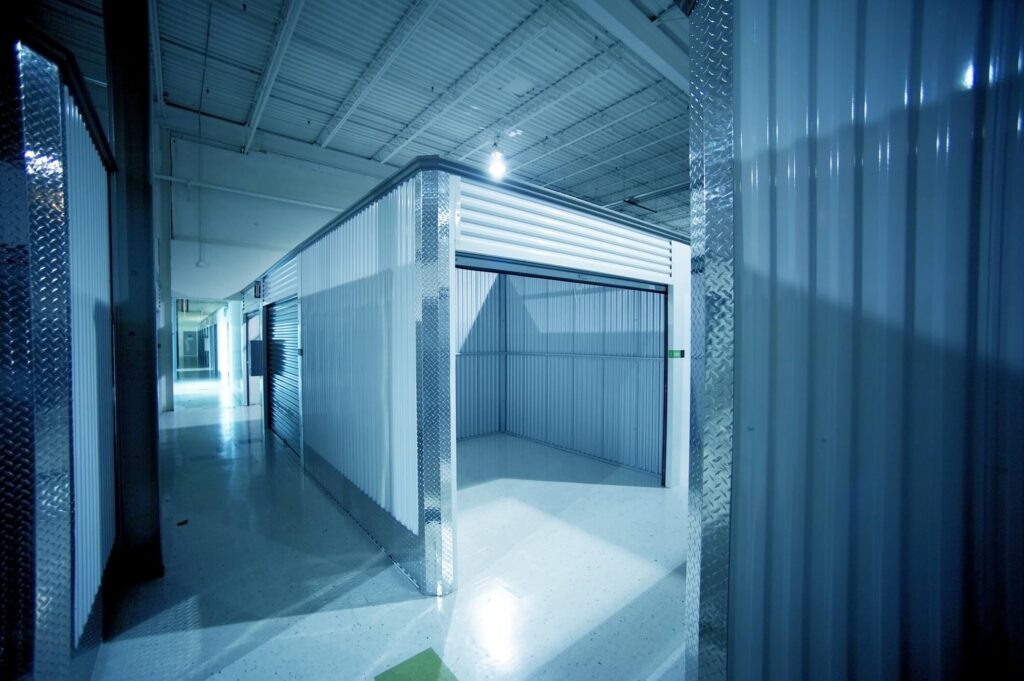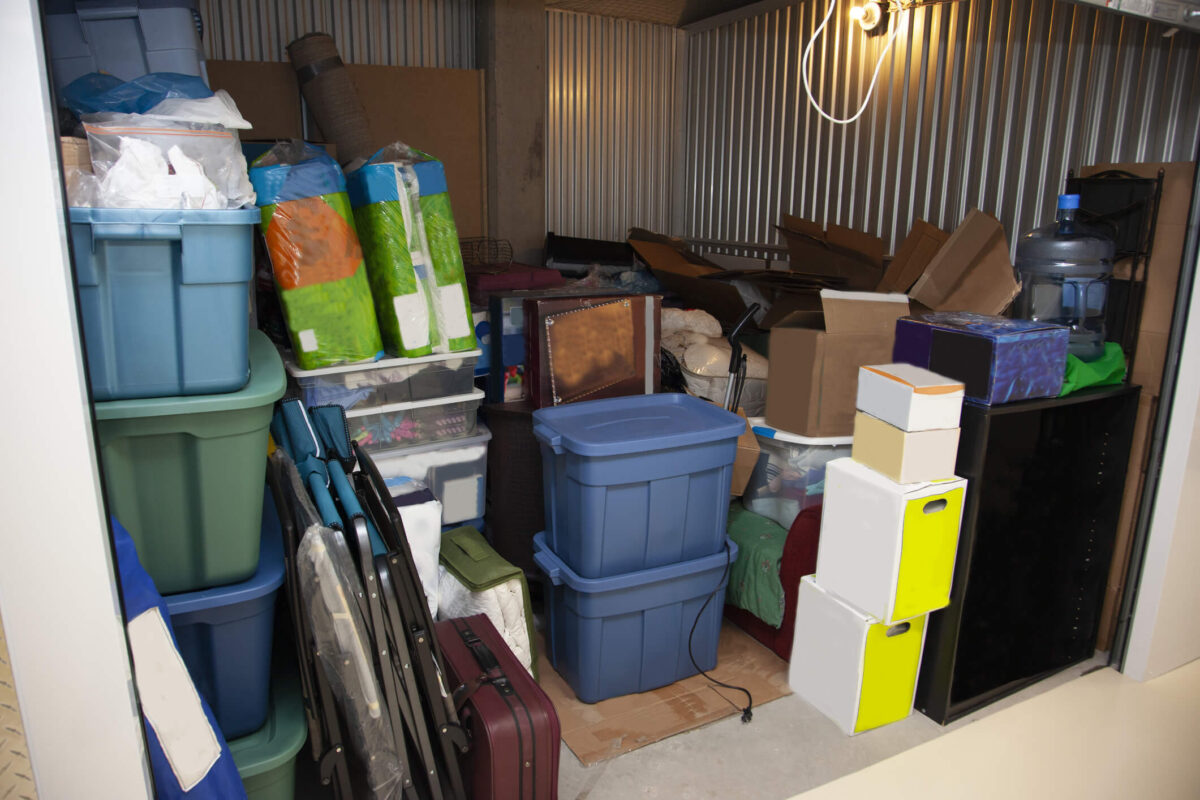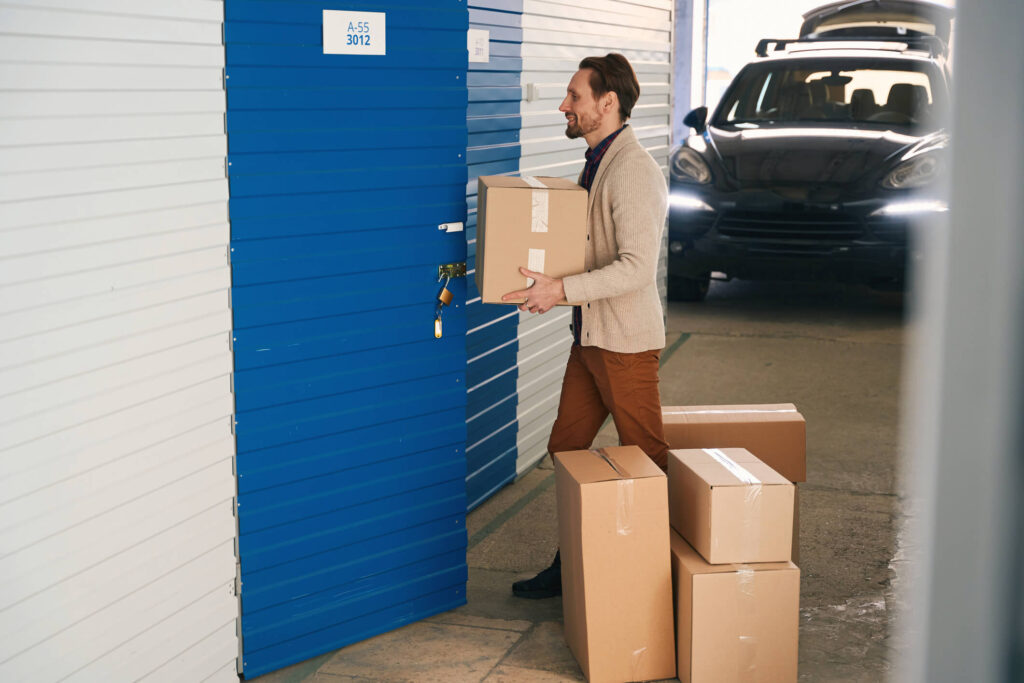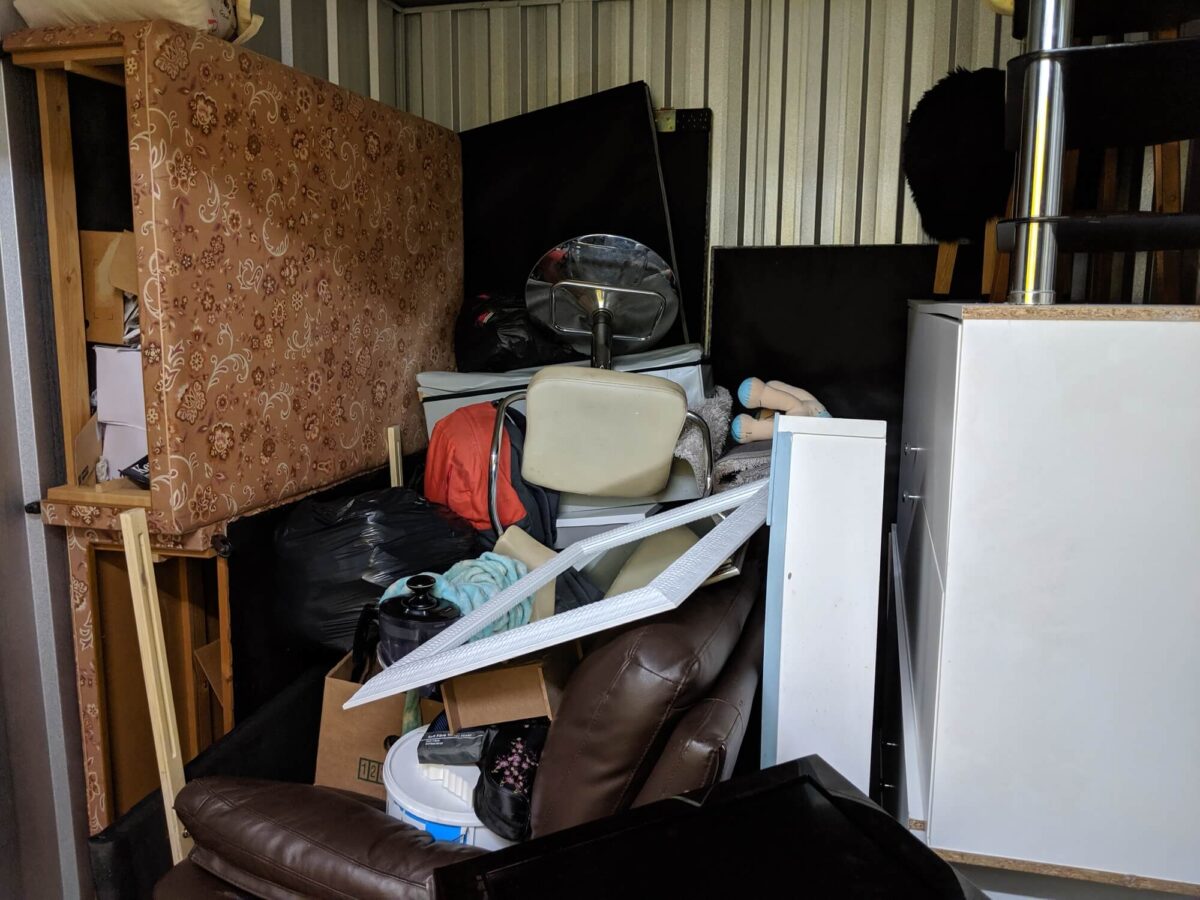

What to Do If Your Storage Unit Gets Damaged?

Storage units are a convenient solution for housing belongings you may not have space for at home. Whether seasonal items, furniture, or sentimental keepsakes, these units provide a safe and secure environment. However, despite the best precautions, accidents can happen, and a storage unit gets damaged due to natural disasters, vandalism, or even negligence. When faced with a damaged storage unit, knowing how to navigate the situation effectively is essential. Here’s what you can do if your storage unit gets damaged.

Assess the Damage

When you discover or suspect that your storage unit has been damaged, it’s crucial to act immediately by visiting the site to evaluate the situation firsthand. Upon arrival, thoroughly inspect the unit and use your smartphone or camera to take comprehensive photos and videos from multiple perspectives.

Document every item that has been impacted, along with any clear indications of what might have caused the damage, like watermarks indicating flooding, scorch marks from a fire, or signs of a break-in such as a tampered lock or forced door.

Capturing this evidence in detail is vital, as these images and videos will serve as indispensable proof for your insurance claims and any necessary reports you file with the storage facility’s management. This initial documentation not only supports your claims but also helps in the accurate assessment and reimbursement for your losses.
What to Do If Your Storage Unit Gets Damaged In Scottsdale, Arizona

Contact the Storage Facility

After assessing the property damage to your storage unit, it is crucial to promptly report the incident to the self-storage facility’s management. Provide detailed information about the extent and nature of the damage to ensure they have a full inventory of the affected valuables.

Most facilities are well-prepared for such occurrences and have established response protocols to handle these situations effectively. They can offer guidance, facilitate access to the damaged area, and work with you as part of their business operations to address the issue. Moreover, it’s essential to inquire about the facility’s liability protection under their insurance policies, which may cover damages under specific conditions.

Understanding these policies can clarify your rights as a tenant or renter, the facility’s contractual obligations, and the actions you may need to pursue to secure compensation for your losses.

Review Your Rental Agreement

When dealing with damage to your storage unit, it’s crucial to thoroughly review your rental agreement to fully grasp the storage facility’s policies regarding damage and liability. Typically, storage facilities have limited liability for personal goods stored within their units, meaning they are not responsible for damages unless proven that the damage was due to their gross negligence.

Understanding the details of your contract is essential as it outlines what types of damage are covered, such as water damage, floods, or problems caused by rodents, and under what circumstances you might expect compensation, if any, from the facility. This knowledge helps you set realistic expectations about the support and financial recovery you might receive in cases where your possessions, including boxes, family heirlooms, or other valuables, are affected.

Knowing your rights under the lease agreements can help alleviate headaches. In some instances, consulting with lawyers might be an option if the facility’s responsibility for safety is questioned.

In the case of severe damages where the facility offers no services to help, a lawyer can clarify whether there is any chance of claiming damages based on local laws or unusual causes like vandalism. This understanding is crucial as it influences your decisions regarding the safety and security of your stored items.

Contact Your Insurance Company

If you experience storage unit damage, whether from theft, vandalism, or an accident, and your items are insured, you must contact your insurance provider immediately to initiate a claim.

Start by supplying your insurer with all pertinent documentation and evidence you have collected, including detailed photographs, videos, and any communication records with the storage facility management.

Be prepared to discuss the loss of each item affected, providing extensive information about their value, including submitting purchase receipts, previous appraisals, or other proof of value you might have. This helps your insurer accurately assess the cost implications and the extent of harm caused.

As you navigate this procedure, your insurance company will offer step-by-step guidance and advice based on your insurance coverage and the specific factors related to the event. This advice is crucial, as it informs you about the best way to proceed under your policy’s terms and the damage’s state.

By understanding these processes, you’ll be better equipped to handle issues related to claims, ensure that everything necessary is done to mitigate additional problems, and optimize the chances of receiving appropriate compensation for your loss.

Engaging with these strategies not only aids in immediate recovery but also in preventing future incidents, safeguarding both your belongings and your peace of mind.
What to Do If Your Storage Unit Gets Damaged

Retrieve Salvageable Items

Dealing with a damaged storage unit can be an overwhelming experience, but it’s crucial to focus on salvaging what you can. Start by carefully removing any items that remain in good condition from the unit and transferring them to a secure place to prevent further harm.

Depending on the nature and severity of the damage—such as from water exposure or fire—it might be necessary to hire professional cleanup and salvage crews that specialize in restoring items from such incidents.

As you manage these efforts, maintain meticulous records of all related expenses. This documentation is essential, as you can recover these costs through your insurance policy claims or even claim them as deductions on your taxes.

In addition, consider consulting an attorney who can provide answers about the law and the right course of action if the storage facility’s procedures or the response to vandals or other problems seem inadequate. An attorney can also help ensure that the storage service is held accountable and that tenants receive the compensation they deserve.

Keeping a detailed log will support your claims and help you navigate the complexities of such situations, ensuring you are adequately compensated for your losses and out-of-pocket expenditures.

Prevent Future Damage

After addressing the immediate aftermath of damage to your storage unit, it’s wise to take proactive measures to safeguard against future incidents. Investing in enhanced security features can significantly deter potential storage risks.

Consider options such as installing security cameras, motion sensors, or more robust locks to strengthen protection. If the damage originated from a natural disaster, assess the geographic vulnerability of the storage facility. Should the location be prone to such events, looking into alternative storage solutions in safer areas might be prudent.

Additionally, make it a routine to thoroughly inspect your storage unit and its immediate surroundings regularly. This regular check-up helps identify and mitigate any emergent hazards or security vulnerabilities, ensuring your stored possessions’ ongoing safety and integrity.

Conclusion

Dealing with a damaged storage unit can be a stressful experience, but knowing how to handle the situation can make the recovery process smoother. By assessing the damage, contacting the storage facility, filing an insurance claim, retrieving salvageable items, and taking preventive measures, you can minimize the impact of the damage and protect your belongings in the future. Remember to stay organized, keep thorough documentation, and seek professional assistance. With patience and perseverance, you can overcome the challenges a damaged storage unit poses and restore peace of mind.

Contact McDowell Mountain Community Storage Today!

At McDowell Mountain Community Storage, we prioritize the safety and security of your belongings in Scottsdale, Arizona. Our facility is designed to offer robust protection against various risks that could damage your stored items. We understand the importance of safeguarding your possessions, so our storage units are built to withstand various adverse conditions, ensuring a safe environment for everything from household goods to valuable collectibles.

If you ever face an unfortunate situation where your storage unit is compromised, our expert team is ready to guide you through the necessary steps to manage the situation effectively. We’ll help you understand how to assess the damage, communicate with insurance, and take appropriate actions to secure your belongings. For a detailed understanding of how we can assist you if your storage unit gets damaged or to learn more about our safety features, please contact us today at (602) 899-5484!

FAQs: What to Do If Your Storage Unit Gets Damaged?

1. What are the common causes of storage unit damage?  

   Storage units can be damaged due to natural disasters (like floods or earthquakes), vandalism, theft, or negligence, such as improper packing or inadequate maintenance.

2. How can I prevent damage to my belongings in a storage unit?  

   To prevent damage, use sturdy containers, wrap fragile items properly, avoid overloading boxes, and choose a facility with strong security measures and climate control options.

3. What should I include in my insurance policy for stored items?  

   Ensure your policy covers damage from theft, fire, flooding, and natural disasters, and consider adding specific coverage for high-value items.

4. Are storage facilities responsible for damage to my items?  

   Responsibility varies by facility; many have limited liability unless negligence can be proven. Always check the facility’s rental agreement for specific terms.

5. How often should I check on my storage unit?  

   Regularly inspecting your storage unit every few months is recommended to ensure everything is secure and in good condition, allowing you to catch any issues early.

6. Can I access my storage unit at any time?  

   Most facilities allow 24/7 access, but some may have restricted hours. Check with your facility for their specific access policies.

7. What should I do if I suspect my unit has been broken?  

   Report any suspicions immediately to the facility management, and document the situation with photos and notes before contacting local law enforcement.

8. Is it possible to receive compensation for damaged items?  

   Compensation depends on your insurance coverage, the storage facility’s policies, and the circumstances surrounding the damage. Always document everything for claims.

9. What steps can I take to secure my storage unit?  

   Use quality locks, install an alarm system, choose a facility with security cameras, and consider units with climate control to protect sensitive items.

10. Should I hire professionals to help with damaged items?  

    If your items have been significantly damaged (like by water or fire), hiring professional restoration services can help salvage and restore your belongings properly.

Do I Need Insurance for My Storage Unit?

Are you considering renting a storage unit to store your belongings? Whether you’re downsizing, decluttering, or transitioning between homes, renting a storage unit can be a convenient solution. However, one question that often arises is whether you need insurance for your storage unit. In this blog post, we’ll explore the question, “Do I need insurance for my storage unit?” and why it’s essential to protect your belongings.

Understanding the Risks

Storage units are susceptible to potential hazards, ranging from malicious acts of theft to the devastating consequences of fire, water damage, and the wrath of natural disasters. Despite the diligent efforts of storage facility management to bolster security measures and safeguard against such perils, the unpredictability of accidents and unforeseen events looms ominously. With self-storage facilities becoming increasingly popular for individuals and businesses alike, whether insurance is necessary to protect one’s belongings stored in these spaces remains a pressing concern.

The absence of insurance coverage leaves individuals perilously exposed to substantial financial ramifications in the event of damage, theft, or complete destruction of their stored possessions. In essence, insurance serves as a crucial shield, offering a vital layer of protection against the inherent vulnerabilities inherent in storing belongings outside the confines of one’s home.

Facility Insurance vs. Personal Insurance

Facility insurance and personal insurance serve distinct purposes when it comes to protecting your belongings stored in a storage unit.

1. Facility Insurance – This is often offered by the storage facility as part of the rental agreement or as an add-on service, primarily covers the facility’s liability. This means it protects the storage facility in cases where they might be held responsible for damage or loss that occurs on their premises. While it may offer some coverage for your stored belongings, it tends to be limited and may not fully protect the total value of your items. Additionally, the terms and coverage limits of facility insurance can vary, so it’s essential to review the policy carefully to understand what is covered and any limitations that may apply.

2. Personal Insurance – Personal insurance such as homeowners insurance or renters insurance, provides broader coverage for your belongings, both on and off your property. These policies typically include coverage for items stored in a storage unit, offering more comprehensive protection against a wider range of risks, including theft, fire, water damage, and natural disasters. Personal insurance policies also tend to have higher coverage limits and may offer additional benefits, such as liability coverage and coverage for temporary living expenses in case of a disaster.

While facility insurance may offer some level of protection for your stored belongings, it’s often limited and may not fully meet your needs. Personal insurance, on the other hand, provides more comprehensive coverage and greater peace of mind, ensuring that your belongings are adequately protected, both at home and in storage.

Do I Need Insurance for My Storage Unit In Scottsdale, Arizona

Benefits of Having Insurance

Having insurance for your storage unit goes beyond just a sense of security; it offers tangible benefits that can make a significant difference when the unexpected occurs. Let’s delve into some key advantages:

1. Financial Protection – If your belongings are stolen, damaged, or lost, insurance steps in to help cover the costs of replacing or repairing them. This saves you from having to bear significant expenses out of your own pocket.

2. Coverage Flexibility – Personal insurance policies aren’t one-size-fits-all. They often come with options to customize your coverage according to your specific needs and the value of your stored items. This flexibility ensures that you’re not paying for coverage you don’t need while ensuring that your most valuable possessions are adequately protected.

3. Additional Coverage – Ever worried about those high-value items, antiques, or collectibles you’ve stashed away? Personal insurance policies have your back. They can extend coverage to items that might not be covered by facility-provided insurance, offering you peace of mind knowing that your prized possessions are safeguarded.

4. Continued Coverage – Already have renters’ or homeowners’ insurance? Extending coverage to your storage unit is often a seamless process. This means your belongings remain protected under the umbrella of your existing policy, ensuring uninterrupted coverage without any hassle.

Having insurance for your storage unit isn’t just a precautionary measure; it’s a practical investment that provides invaluable protection and peace of mind for your treasured belongings.

Considerations When Choosing Insurance

When you’re in the process of choosing insurance for your storage unit, there are several crucial factors to consider ensuring you have the right coverage in place:

1. Coverage Limits

Before finalizing any insurance policy, it’s vital to assess whether the coverage limits offered are sufficient to protect the total value of your stored belongings. Take an inventory of all the items you plan to store and estimate their collective value. Ensure that the policy’s coverage limits align with this valuation to avoid being underinsured in the event of a claim.

2. Deductibles

Understanding the deductible amount is essential, as it directly impacts the financial responsibility you bear in the event of a claim. A deductible is the amount you must pay out of pocket before your insurance coverage kicks in. While policies with higher deductibles often come with lower premiums, consider your financial situation and risk tolerance when choosing a deductible amount. Opting for a higher deductible can lower your premium but may result in higher out-of-pocket expenses in the event of a claim.

3. Exclusions

Carefully review the policy’s exclusions and limitations to ensure that it provides coverage for the specific types of damage or loss you’re concerned about. Common exclusions may include damage due to neglect, gradual wear and tear, vermin infestation, or certain types of natural disasters. If there are specific risks you want coverage for, ensure that they are not excluded from the policy or consider purchasing additional coverage if necessary.

4. Documentation

Maintaining accurate documentation of your stored items is crucial for filing insurance claims effectively. Keep an inventory of all items stored in your unit, including descriptions, serial numbers (if applicable), and their estimated value. Additionally, retain supporting documentation such as receipts, appraisals, or photographs of valuable items. This documentation serves as evidence of ownership and helps substantiate the value of your belongings in the event of a claim.

By carefully considering these factors when selecting insurance for your storage unit, you can ensure that you have adequate coverage in place to protect your belongings and mitigate financial risk effectively. It’s essential to review your insurance needs periodically and update your coverage as necessary to reflect any changes in the value or contents of your storage unit.

Do I Need Insurance for My Storage Unit In Scottsdale, AZ

Conclusion

Investing in insurance for your storage unit may appear to add to your costs, but it’s a prudent decision that can shield you from potential financial setbacks and offer invaluable reassurance. Whether you decide on storage unit insurance provided by the facility or opt to include coverage within your existing renter or homeowner insurance policy, ensuring the security of your stored belongings is paramount. It’s worth taking the time to carefully assess your options, thoroughly comprehend the terms outlined in the insurance contract, and select the appropriate coverage tailored to your requirements. By taking these proactive steps, you can relish the convenience of utilizing a storage unit while having confidence in the protection and safety of your possessions.

FAQs

Here are some frequently asked questions about “Insurance for My Storage Unit”:

Q. What are the risks of not having insurance for my storage unit?

The risks of not having insurance for your storage unit include financial loss in the event of theft, damage, or destruction of your belongings due to factors like fire, water damage, or natural disasters. Without insurance, you would be solely responsible for replacing or repairing your items, potentially facing significant expenses.

Q. Are there any legal requirements for storage unit insurance?

The legal requirements for storage unit insurance can vary depending on your location and the specific regulations in place. In some areas, storage facilities may require tenants to have insurance coverage as part of their rental agreement. However, there may not be a universal legal mandate for storage unit insurance in all jurisdictions. It’s essential to check with your storage facility and local authorities to understand any legal requirements or recommendations regarding insurance coverage for Storage units.

Q. What types of events or damages does storage unit insurance cover?

Storage unit insurance typically covers a range of events or damages, including theft, fire, water damage, vandalism, and natural disasters. It provides financial protection in case your belongings are damaged, stolen, or destroyed while stored in a storage unit.

Q. How much does storage unit insurance typically cost?

The cost of storage unit insurance can vary depending on factors such as the coverage amount, deductible, and location of the storage facility. On average, storage unit insurance premiums can range from $10 to $50 per month. It’s essential to review different insurance options and consider factors like coverage limits and exclusions to determine the best value for your needs.

Q. Can I use my homeowner’s or renter’s insurance for my storage unit?

Yes, you can typically use your homeowner’s or renter’s insurance to cover your storage unit. Many policies extend coverage to items stored off-site, including in a storage unit. However, it’s essential to review your policy to confirm coverage limits, exclusions, and any additional requirements for insuring your storage unit.

Reserve Your Self Storage Unit Today!

At McDowell Mountain Community Storage, we understand the importance of addressing the question, “Do I Need Insurance for My Storage Unit?” We take pride in providing comprehensive solutions to ensure the safety and security of your belongings. Our climate-controlled storage units are meticulously maintained to safeguard your items from environmental fluctuations. Whether you’re storing household furniture, seasonal gear, or valuable possessions, rest assured that our storage facilities offer a secure environment for your belongings.

Contact us today at (602) 899-5484 to reserve your unit and gain peace of mind knowing that your items are in trusted hands!

What Fits in a 10×20 Storage Unit?

Are you considering renting a 10×20 storage unit but need to know how much it can hold? Whether you’re in the process of moving, downsizing, or needing extra space to store your belongings, understanding what fits in a 10×20 storage unit of this size can help you make informed decisions and maximize the utility of your rental space.

Understanding the Dimensions

A huge storage size or a 10×20 storage unit, measuring 10 feet wide by 20 feet long and totaling 200 square feet of space, offers ample room akin to a standard one-car garage. Its dimensions accommodate a wide array of items, from bulky furniture pieces to smaller belongings.

With its generous space, individuals can comfortably store large items like sofas, mattresses, and appliances, alongside boxes of various sizes containing clothes, books, kitchenware, and decorations. This large storage unit size also allows for the storage of vehicles such as cars or small boats, making it a versatile option for both personal and business storage needs.

What Fits in a 10x20 Storage Unit In Scottsdale

What Fits Inside?

10×20 storage units offer ample room for various items, making them suitable for personal and business storage. Let’s explore what you can expect to fit inside this spacious storage unit and some tips for optimizing the available space.

1. Furniture

One of the primary uses for a 10×20 storage unit is storing furniture. With its generous dimensions, you can comfortably fit the contents of a one to two-bedroom apartment or house. Common items include:

  • Couches and sofas
  • Armchairs
  • Coffee tables
  • Dining tables and chairs
  • Beds and mattresses
  • Dressers and wardrobes

When storing furniture (e.g., living room furniture, patio furniture, and bedroom furniture), disassemble larger pieces whenever possible to maximize space. This not only facilitates more accessible transport but also enables the stacking of components, such as chairs and tables.

Additionally, storing mattresses and bed frames vertically rather than horizontally can further maximize floor space within the unit, ensuring efficient utilization of the available area.

2. Appliances

When it comes to storing appliances in a 10×20 storage unit, there’s ample room to accommodate various household essentials. From refrigerators and washing machines to stoves and dryers, these bulky items can be neatly arranged to optimize space.

Remember to clean and dry appliances thoroughly before storage to prevent mold and mildew buildup. Additionally, consider leaving refrigerator and freezer doors slightly ajar to ensure proper ventilation.

With careful planning and organization, you can effectively utilize the available space in your storage unit while keeping your appliances in top condition for future use.

3. Boxes and Containers

Utilize sturdy boxes and containers to organize and store smaller items efficiently. Label boxes clearly to easily locate items when needed. Common household items to store in boxes include:

  • Clothing and linens
  • Books and documents
  • Kitchenware and small appliances
  • Electronics
  • Decorations and seasonal items

To make the most of the available space, it’s important to maximize vertical storage by strategically stacking boxes and containers. Heavier items should be placed at the bottom to ensure stability, while lighter ones can be safely stacked on top.

Additionally, incorporating shelving units into the storage layout further optimizes space by providing additional storage space and keeping items off the floor, ultimately creating a more organized and accessible storage environment.

4. Vehicles and Recreational Equipment

For those needing to store vehicles or recreational equipment, a 10×20 storage unit provides ample space. You can store:

  • Cars
  • Motorcycles
  • Bicycles
  • Kayaks or canoes
  • Camping gear
  • Sports equipment

To optimize the space further, consider investing in storage racks or wall-mounted hooks. These accessories enable you to store bicycles, kayaks, and sports equipment vertically, effectively utilizing the height of the unit and leaving more floor space available for larger items like vehicles or bulky furniture.

When it comes to car storage, a 10×20 storage unit can accommodate a compact car, making it an ideal option for those in need of a secure place to store their vehicle. This strategic approach not only maximizes the storage capacity but also ensures easy accessibility to your recreational gear whenever needed.

5. Miscellaneous Items

Finally, a 10×20 storage unit can accommodate various miscellaneous items, including:

  • Tools and equipment
  • Gardening supplies
  • Seasonal decorations
  • Musical instruments
  • Business inventory or supplies

To ensure the longevity of your stored items, it’s essential to clean, dry, and properly package them before storage. Utilizing storage bins or shelves helps maintain organization and facilitates easy access to smaller items amidst the array of belongings within the unit.

What Fits in a 10x20 Storage Unit In Scottsdale, AZ

Tips for Maximizing Space

To make the most of your 10×20 storage unit, consider the following tips:

1. Plan and Organize – Before filling your 10×20 storage unit, take the time to create a detailed layout plan. Visualize where each item will go, considering accessibility and space optimization. Planning ahead allows you to arrange your belongings strategically, maximizing the available space and ensuring easy access to items when needed.

2. Use Vertical Space – To maximize floor space, invest in sturdy shelving units and utilize vertical storage. Stack boxes and lighter items on shelves, freeing up valuable floor space for larger furniture pieces or vehicles. By utilizing vertical space effectively, you can store more items while maintaining an organized and accessible storage unit.

3. Optimize Packing – When packing items for storage, aim to pack them tightly to prevent wasted space. Use uniform-sized boxes for easy stacking, ensuring stability and maximizing the use of available space. Consider disassembling large furniture items to save space and packing smaller items inside larger ones to make the most of every inch of your storage unit.

4. Label Everything – Clearly label boxes and containers with their contents to streamline the retrieval process. By labeling each box, you can quickly locate specific items without the need for extensive searching or unpacking. This not only saves time but also helps maintain organization within the self storage unit, preventing unnecessary clutter and confusion.

5. Create Aisles – Leave narrow aisles between stacks of boxes and furniture to facilitate easy access to items stored towards the back of the unit. By creating clear pathways, you can navigate through the storage unit without obstacles, ensuring that every item remains accessible whenever needed. Additionally, periodically rearrange items to maintain access to all parts of the unit and prevent items from becoming inaccessible over time.

6. Consider Climate Control – If you’re storing items that are sensitive to temperature and humidity fluctuations, such as electronics, wooden furniture, or important documents, investing in a climate-controlled storage unit is worth considering. Climate control helps protect your belongings from damage caused by extreme environmental conditions, ensuring they remain in optimal condition for the duration of their storage.

By implementing these tips, you can make the most of your 10×20 storage unit, optimizing space and ensuring that your belongings are stored safely and securely. Whether you’re storing furniture, appliances, vehicles, or miscellaneous items, strategic planning and organization are key to maximizing the efficiency of your storage space.

Choosing the Right Storage Solution for Your Needs

When seeking a storage solution for your various needs, it’s essential to consider the range of items you plan to store. Whether it’s sporting goods, toys, files, holiday decorations, exercise equipment, kitchen appliances, or office furniture, a well-organized storage unit can accommodate them all.

Before selecting a storage facility, assess your storage needs and determine the appropriate size unit. Most facilities offer a variety of storage unit sizes to suit different requirements. Once you’ve identified the right size, review the rental agreement carefully to understand the terms, including pricing, access hours, and security measures.

Ensure the facility has availability for your desired timeframe and inquire about any current promotions or discounts. With the right storage facility and a well-planned approach, you can safely store your belongings and declutter your living spaces effectively.

FAQs

Here are some frequently asked questions about what fits in a 10×20 storage unit:

Q. How many boxes can I fit in a 10×20 storage unit?

The number of boxes you can fit in a 10×20 storage unit depends on several factors, including the size of the boxes and how tightly you pack them. However, as a rough estimate, you could potentially fit around 100 to 150 medium-sized moving boxes in a 10×20 unit. Keep in mind that this number can vary based on the layout of the unit and the size of your items. It’s always a good idea to create a layout plan and utilize vertical space to maximize storage capacity.

Q. What gardening tools can fit in a 10×20 storage unit?

A 10×20 storage unit provides sufficient space to accommodate a wide range of gardening tools. You can store essentials like shovels, rakes, hoes, hand trowels, pruners, and garden hoses. Additionally, larger items such as lawnmowers, wheelbarrows, and gardening pots can typically fit comfortably in this size of storage unit. With proper organization and utilization of vertical space, you can efficiently store all your gardening equipment while still leaving room for other items.

Q. What types of vehicles can fit in a 10×20 storage unit?

A 10×20 storage unit can typically accommodate various types of vehicles, including cars, motorcycles, small boats, jet skis, ATVs, and bicycles. The spacious dimensions of the unit provide ample room for storing vehicles securely, making it a convenient option for vehicle storage needs.

Q. How much is a 10×20 storage unit?

The cost of a 10×20 storage unit can vary depending on factors such as location, amenities, and demand. On average, you can expect to pay anywhere from $100 to $300 per month for a standard 10×20 unit. However, prices may be higher in urban areas or facilities with climate control and enhanced security features. It’s recommended to contact local storage facilities for accurate pricing information based on your specific needs and location.

Q. How do I find cheap 10×20 storage units near me?

To find affordable 10×20 storage units near you, start by researching local storage facilities online or through directories. Compare prices, promotions, and available amenities. Additionally, consider reaching out directly to storage companies to inquire about any current deals or discounts. Don’t forget to check for customer reviews and ratings to ensure you’re selecting a reputable facility.

Rent a Storage Unit Today!

At McDowell Mountain Community Storage, we’re dedicated to providing solutions tailored to your storage needs, including insights into what fits in a 10×20 storage unit. Our spacious 10×20 units are designed to accommodate a wide range of belongings, from furniture and appliances to vehicles and miscellaneous items. Whether you’re in the midst of a move, decluttering your home, or seeking long-term storage solutions, our units offer ample space to securely store your possessions. Our self storage facilities provides easy access for residents in Scottsdale, Arizona.

Contact us today to rent one of our self storage units and experience the peace of mind that comes with knowing your belongings are safe and accessible whenever you need them!

What not to put in a Storage Unit?

In today’s fast-paced world, storage units have become essential for many individuals and businesses dealing with limited space. Whether you’re downsizing your home, moving, or simply decluttering, renting a storage unit can provide a convenient way to temporarily or temporarily store belongings. However, only some things are suitable for storage. Knowing what not to put in a storage unit is crucial to avoid damage, hazards, or violating storage facility policies. In this guide, we’ll explore what not to put in a storage unit.

1. Perishable Items

Perishable goods have a limited shelf life and are prone to spoilage or decay over time. These include food items such as fruits, vegetables, dairy products, meats, baked goods, plants, and flowers. Due to their organic nature, perishable items are susceptible to bacteria, mold, and other pathogens that thrive in storage conditions. Storing perishable items in a storage unit can lead to foul odors, pest infestations, and the spread of harmful contaminants, posing health risks and potentially damaging other items stored nearby.

Therefore, it’s essential to avoid storing perishable items in storage units and instead opt for proper refrigeration or disposal methods to maintain food safety and prevent unnecessary waste.

What not to put in a Storage Unit In Scottsdale, Arizona

2. Living Creatures/Animals

Keeping live animals in storage units is not advisable. These spaces lack ventilation, proper temperature control, and natural light for animals to thrive. Doing so is not only unethical but also goes against most facility policies. Besides ethical concerns, storing animals in such conditions can lead to health risks and legal problems. Animals may suffer from stress, dehydration, and even death without proper care.

Additionally, their presence can attract pests like rodents, creating issues for other renters. Therefore, finding alternative arrangements for pets or animals is essential to avoid any problems or risks associated with storing them in a self storage unit.

3. Hazardous Materials

Hazardous materials refer to substances that pose a risk to health, safety, property, or the environment. These materials include chemicals, flammable liquids, explosives, toxic substances, and radioactive materials. Storing hazardous materials in a storage unit is extremely dangerous and, in most cases, against the law. These substances can leak, spill, or react with other materials, leading to fires, explosions, or contamination.

Moreover, exposure to hazardous materials can cause severe health issues, such as respiratory problems, chemical burns, or even death. Proper handling, storage, and disposal of hazardous materials are crucial to prevent accidents and protecting public health and the environment. Therefore, it’s essential to adhere to regulations and guidelines set by local authorities when handling hazardous materials.

4. Valuables and Irreplaceable Items

Valuable and irreplaceable items, like jewelry, important documents, and family heirlooms, are possessions that hold deep meaning or significant monetary value for individuals. Storing these items in a self-storage unit can have many issues. There’s a theft risk, as even secure storage companies may not guarantee complete protection.

Environmental factors like temperature changes, bugs, and rodents could also cause damage. If something were to happen to these items while in storage, the emotional toll would be immense, since they’re often irreplaceable. That’s why it’s wise to keep valuables and irreplaceable items in a secure place, like a home safe or a safe deposit box at the bank, where they’re less likely to be affected by theft or environmental factors.

5. Illegal or Stolen Goods

Illegal or stolen goods are items acquired through unlawful methods or taken without permission. This includes fake items, stolen vehicles, stolen stuff, drugs, or items gotten dishonestly. Keeping illegal or stolen goods in a storage unit is a big problem. It’s not just wrong; it’s against the law and can get you into serious trouble.

Storing these things encourages bad behavior and can also lead to legal issues for the storage company. Plus, it might bring unwanted attention from the police and put other people at risk. That’s why it’s essential to follow the rules and only store things you’ve acquired legally and ethically.

What not to put in a Storage Unit In Scottsdale, AZ

6. Firearms and Ammunition

Its require special consideration regarding storage due to their potential dangers. Firearms, including guns and rifles, are designed to discharge projectiles at high speeds, making them inherently hazardous if mishandled or accessed by unauthorized individuals. Likewise, ammunition contains explosive materials that can cause significant harm if not handled properly.

Storing firearms and ammunition responsibly is crucial to ensure one’s safety and that of others. It’s essential to keep firearms unloaded and secured in a locked container, such as a gun safe or a designated firearm storage unit, separate from ammunition. When it comes to what not to put in a storage unit, it is crucial to avoid storing any explosive items, including fireworks, as they pose a significant risk of causing damage to the unit and endangering the safety of others.

Additionally, ammunition should be stored in a cool, dry place away from heat sources to prevent accidental detonation. Proper storage of firearms and ammunition reduces the risk of accidents and helps prevent theft and unauthorized access, promoting overall safety and responsible gun ownership.

7. Uninsured Items

Uninsured items are stored in storage facilities without protection under an insurance policy. This means that there is no financial coverage to compensate for the loss or damage incurred in the event of theft, damage, or loss. Understanding the risks associated with storing uninsured items in a self-storage unit is crucial. Without insurance coverage, renters bear full responsibility for any damages or losses that may occur, resulting in significant financial setbacks.

Therefore, it’s highly recommended to ensure that valuable or irreplaceable items stored in a self-storage unit are adequately insured to mitigate financial risks and provide peace of mind.

8. Unsealed or Unprotected Items

Unsealed or unprotected items are not adequately shielded from potential harm or damage. They are at risk from dust, moisture, physical damage, and pests. Without protection, electronics, wooden furniture, clothes, and artwork can deteriorate. For example, electronics might be damaged by dust or moisture, wooden furniture could warp or rot in humidity, and clothes or artwork could get stained or moldy.

It’s important to seal, wrap, or store items in protective containers to avoid these issues. Using pallets or raised platforms can also help prevent moisture damage. By taking these steps, people can keep their belongings safe and in good condition while in storage.

Conclusion

In conclusion, it’s crucial to understand what not to put in a self-storage unit, particularly temperature-sensitive or fragile items. By avoiding storing perishable items, living creatures, hazardous materials, valuables, illegal goods, firearms, uninsured items, and unprotected items like household items, you can ensure the safety and integrity of your belongings. Always review the storage facility’s policies and guidelines to maintain compliance and peace of mind. With careful planning, your self-storage unit can effectively accommodate your storage needs while preserving the condition of your items, especially those sensitive to temperatures or fragile.

FAQs

Here are some frequently asked questions about what not to put in a storage unit:

Q. Can I store plants in a storage unit?

Storing plants in a storage unit is generally not recommended. Storage units lack proper ventilation, natural light, and suitable plant growth conditions. Without adequate care, plants may wilt, die, or attract pests, potentially damaging other items stored in the unit. It’s best to find alternative solutions for plants, such as asking a friend or family member to care for them or finding a temporary outdoor location with proper sunlight and water access.

Q. How can flammable materials be safely stored in a storage unit?

To safely store flammable materials in a storage unit, it’s essential to follow a few key guidelines:

  • Check with the storage facility to ensure they allow the storage of flammable items.
  • Store them in approved containers specifically designed for flammable materials, such as metal cans or containers made of fire-resistant materials. Keep flammable materials away from heat, direct sunlight, and ignition sources.
  • Maintain proper ventilation in the storage unit to prevent the buildup of flammable vapors.
  • Consider storing flammable materials in a dedicated unit section away from other belongings for added safety.

Q. How do you maintain the condition of artwork and collectibles in a storage unit?

To maintain the condition of artwork and collectibles in a storage unit, it’s essential to follow a few key steps:

  • Ensure a climate-controlled-storage unit to regulate temperature and humidity, as extreme conditions can damage delicate pieces.
  • Wrap artwork and collectibles in acid-free paper or bubble wrap to protect them from scratches and other physical damage. Use sturdy boxes or containers to store smaller items, and avoid stacking heavy objects on top of delicate pieces.
  • Periodically check your stored items to ensure they remain in good condition and make any necessary adjustments to their storage arrangements as needed.

Q. What are the specific restrictions at my storage facility?

You should consult the facility’s rental agreement and guidelines or request a list of prohibited or restricted items directly from the management.

Q. Is it advisable to refrain from storing products in cardboard boxes?

Although cardboard is ubiquitous, it has the potential to attract vermin and degrade over time. For optimal safeguarding, implement plastic containers with closures.

Q. Is it advisable to store items that require regular maintenance?

It is crucial to store items that require regular maintenance, such as vehicles, in suitable conditions to prevent deterioration.

Q. Are there any restrictions on the quantity of products that can be stored?

Most facilities have policies concerning the utmost number of items, particularly when they obstruct access or pose a hazard. Consult with your facility.

Q. Is it advisable to preserve items that hold sentimental value?

If adequately safeguarded, it is advisable to store items that hold significant sentimental value, as storage conditions can be unpredictable.

Q. What consequences may result from the storage of prohibited items?

Upon discovering prohibited items, the facility reserves the right to remove them and impose a charge for any resulting cleansing or damage.

Q. Is it permissible to store cleansing supplies or chemicals?

No, most facilities do not allow the storage of chemicals, cleaning supplies, or any other items that could threaten health and safety.

Reserve Your McDowell Mountain Community Storage Unit Today!

At McDowell Mountain Community Storage, we prioritize the safety and security of our clients’ belongings in Scottsdale, Arizona. We understand the importance of knowing what not to put in a storage unit to maintain a safe environment for all renters. While our self-storage units can accommodate a wide range of items, there are certain things we do not allow, such as perishable items, living creatures, hazardous materials, and illegal goods. By adhering to these guidelines, we ensure the protection of your belongings and the integrity of our facility.

Contact us today to schedule an appointment and learn more about our storage solutions tailored to your needs. Rent a storage unit today!

How Self-Storage Units Can Save You Money?

When most people think about self-storage units, they often associate them with decluttering or finding extra space for their belongings. Self-storage can help you manage the amount of things you own and organize your belongings in various areas of your life. Some overlook the broader benefits, but self-storage units can also serve as a cost-effective solution to save you money in various ways. However, self-storage units can also be cost-effective in various ways to save you money. Whether you’re a business owner, a small apartment dweller, or simply someone managing life’s transitions, self-storage facilities offer a variety of benefits. Let’s explore how storage solutions can help optimize your budget while providing peace of mind.

1. Maximize Your Living Space

The cost of larger living spaces can significantly impact your budget. Renting a self-storage unit is an affordable alternative to upgrading to a bigger apartment or house. A self-storage unit can help you manage many of your belongings daily, allowing you to deal with the clutter and free up valuable space. Whether furniture, decorations, or items you use occasionally, this arrangement can work well for you and your friends, highlighting the importance of a secure and organized storage solution. By storing seldom-used items such as decorations, collectibles, or furniture, you can create more living space in your current residence without the added expense. Self-storage units are a budget-friendly solution for organizing and managing overflow.

For example, bulky furniture or seasonal items can take up valuable space if you live in a small apartment or house. As highlighted in this blog, a self-storage unit can be a valuable tool in organizing your space. A storage unit provides a secure place to keep these items, allowing you to focus on making your home more comfortable and functional. This simple step can also help reduce stress and improve your living environment.

2. Reduce Office Space Costs

For businesses and small business owners, self-storage facilities offer a flexible and economical way to manage office supplies, inventory, or equipment. Instead of leasing larger office spaces, a self-storage unit can function as a secure and organized warehouse. This option benefits business owners looking to optimize costs while maintaining efficient operations. Utility bills, rate information, and family considerations can all factor into the decision, but using self-storage to reduce overhead remains an appealing solution. 

Many businesses find that using a storage unit helps reduce overhead costs. For example, a business owner who sells seasonal products can store inventory in a self-storage facility instead of renting expensive retail or warehouse space year-round. Self-storage offers a flexible solution if a person needs extra space for stuff during off-season periods. The decisions to choose self-storage can also come with a discount for long-term rentals, making it an even more economical option. With 24/7 access and security features, self-storage units can support your business needs without breaking the budget. 

3. Protect Your Valuables

Self-storage units with climate control and security features provide a safe place for sensitive items like electronics, documents, or appliances. You save money on replacements and repairs by avoiding damage to these valuables. This is especially important in a world where preserving your possessions is crucial. Climate-controlled storage units are a part of this experience, offering a way to safeguard collectibles, tools, and other materials susceptible to environmental factors. 

For instance, if you own delicate furniture, antiques, or artwork, a climate-controlled storage facility ensures that these items remain pristine. The added security features, such as surveillance cameras, gated access, and on-site staff, give you peace of mind knowing your belongings are safe.

How Self-Storage Units Can Save You Money In Scottsdale, AZ

4. Support During a Move or Transition

Moving can be stressful and expensive. Renting a self-storage unit provides a convenient place to temporarily store your belongings during transitions, whether relocating to a new area, downsizing, or waiting for a new home to be ready. This option reduces the need for costly short-term leases or oversized moving trucks, giving you flexibility and peace of mind.

For example, families moving between homes often find that self-storage units simplify the process. By having a secure location to store boxes, furniture, and appliances, they can focus on the logistics of the move without worrying about space constraints.

5. Declutter and Improve Efficiency

Clutter not only takes up physical space but can also reduce productivity and increase stress. Self-storage facilities offer a way to declutter your home, office, or garage, making your environment more efficient and organized. With various storage unit sizes available, you can choose one that fits your needs without overspending.

Decluttering can also positively impact mental health. A clean, organized space promotes peace of mind and productivity. For businesses, decluttering office space can improve operations and give clients a more professional appearance.

6. Cost-Effective Solutions for Seasonal Items

Seasonal equipment, decorations, and other occasional-use items often occupy valuable storage space in your home. Renting a self-storage unit lets you store these items conveniently and affordably. This approach is ideal for families, businesses, and individuals who want to organize their spaces year-round.

For example, items like summer sports equipment, outdoor furniture, or gardening tools can be safely stored in a self-storage unit in winter. This protects these items from weather-related damage and frees up a garage or living space for other uses.

7. Flexible Options for Every Budget

Self-storage facilities cater to a wide range of needs and budgets. From small storage units for personal items to large spaces for business equipment, there are options for everyone. Look for promotions or discounts to make your rental even more cost-effective. By selecting the right unit size and location, you can ensure that your storage solution meets your needs without exceeding your budget.

Many facilities offer flexible rental terms, so you can rent a unit for as long or as short as you need. This flexibility benefits people managing temporary situations, such as renovations or extended travel.

8. Avoid Long-Term Storage Costs at Home

Keeping unused items at home often increases costs in the long run. Items stored in garages, basements, or attics may suffer damage due to humidity, temperature fluctuations, or pests. A self-storage facility provides a clean, secure environment to keep your belongings safe while avoiding potential repair or replacement costs.

This is especially important for electronics, documents, and furniture, which can deteriorate quickly in unfavorable conditions. Investing in a self-storage unit makes you make a cost-effective choice to protect your possessions.

9. Optimize Business Operations

Self-storage units can be valuable for business owners looking to streamline operations. Whether you need a place to store inventory, tools, or promotional materials, a storage unit offers an affordable alternative to traditional warehouses. This is particularly beneficial for small businesses that need to manage costs carefully.

For example, contractors and tradespeople can use self-storage units to secure and organize tools and equipment. Having a designated storage space can improve productivity and reduce the time spent searching for misplaced items.

How Self-Storage Units Can Save You Money In Scottsdale, Arizona

10. Enhance Organization and Peace of Mind

An organized storage system allows you to keep track of your belongings and access them quickly when needed. Self-storage facilities often provide helpful tools like shelving, dollies, and packing materials to simplify organization. This added convenience saves you time and effort, giving you more peace of mind.

With a well-organized storage unit, you’ll always know where to find your items. This reduces stress and ensures that your possessions are stored in a way that maximizes their longevity and usability.

Storage Tips for Savings

  • Plan Ahead: Identify what items you need to store and choose the appropriate unit size. Use a size guide to avoid renting a unit that’s too big or too small.
  • Pack Smart: Use sturdy boxes, dollies, and proper materials to protect your belongings.
  • Organize Effectively: Store frequently used items at the front of the unit for easy access.
  • Compare Deals: Shop for the best prices and look for facilities offering gate access and security features.
  • Consider Climate Control: Invest in a climate-controlled unit if you’re storing sensitive items like electronics or antiques.

FAQs About Self-Storage Units

Answers to Common Questions About Using Self-Storage 

What is a climate-controlled storage unit?

It’s a unit that maintains consistent temperature and humidity levels, protecting sensitive items from environmental damage.

How can a self-storage unit save me money?

By reducing living or office space costs, preventing damage to valuables, and offering a cost-effective solution for managing excess items.

What size unit should I rent?

Use a size guide to match your storage needs with the appropriate unit size.

Are self-storage facilities secure?

Many facilities offer advanced security features like surveillance cameras, gated access, and on-site staff.

Can I access my belongings anytime?

Most facilities provide 24/7 access or extended hours for customer convenience.

How do I pack my items for storage?

Use durable boxes and bubble wrap for fragile items, and label everything clearly to stay organized.

Are there discounts or promotions available?

Many storage facilities offer discounts for long-term leases or promotions for new customers.

Can businesses use self-storage units?

Absolutely. Self-storage units are an excellent option for storing inventory, tools, or office supplies.

What’s the difference between indoor and outdoor units?

Indoor units are located within a building and are often climate-controlled, while outdoor units typically offer drive-up access for convenience.

How do I choose the right facility?

Consider location, price, security features, and customer reviews when selecting a storage facility.

Self storage unit is a wise investment for managing possessions, reducing expenses, and optimizing your living or working space. Whether you need storage for personal use or business operations, the convenience and flexibility of self-storage solutions can help you achieve financial savings and peace of mind. For top-notch storage solutions in the McDowell Mountain area, trust McDowell Mountain Community Storage to meet all your needs with secure, convenient, and affordable options. Consider this economical solution for your storage needs today!

Why Use a Storage Unit When Traveling Overseas?

Traveling overseas is an exciting experience. Whether you are heading off on a business trip, embarking on a long-term adventure, or relocating to a new country, exploring new destinations and immersing yourself in different cultures can be thrilling. However, with all the excitement comes the challenge of what to do with your belongings back home. While you are away, the storage of your items becomes a crucial consideration. With the proper protection for your possessions, you can rest assured that your belongings will be safe and secure.

One of the most practical and convenient solutions is to rent a self-storage unit. These storage units provide an excellent way to manage your possessions, offering protection, organization, and flexibility. Whether you need a short-term solution for a few months or longer, renting a self-storage unit helps you avoid clutter while saving you money and offering peace of mind. Here’s why you should consider using a storage unit when traveling overseas.

The Benefits of Using a Storage Unit

A Safe Place for Your Belongings

One of the most obvious reasons to use a self-storage unit when traveling overseas is to ensure your belongings are safe while you are away. Leaving items in your home, an unoccupied apartment, or a garage can make them vulnerable to theft, environmental damage, or pests. You can securely store everything from furniture to essential documents by renting a self-storage unit. Most storage facilities have 24/7 surveillance cameras and advanced security systems to protect your possessions.

For example, a climate-controlled storage unit can protect sensitive items from extreme temperatures, such as electronics, artwork, and family heirlooms. Whether you’re storing valuable antiques or seasonal clothing, using a storage unit ensures your belongings are safe and protected while you’re away. This peace of mind allows you to focus on your travels without worrying about your possessions’ safety.

Whether it’s your work equipment or seasonal clothes, a self-storage unit gives you the extra room you need to store important items. You don’t have to worry about cluttering your home or office while you’re away, and you won’t have to deal with the hassle of making quick decisions about what to keep and what to throw away. Storage units are the perfect solution for addressing these questions and providing the ultimate solution for protecting your things while traveling.

Flexibility in Storage Options

A significant advantage of renting a self storage unit is the flexibility it offers. There are a variety of storage units to suit different needs and budgets. Whether you need a small space to store a few boxes of personal items or a larger unit to accommodate furniture, appliances, or even a vehicle, you can find a storage facility with the right options.

The sizes of storage units can vary, from 5×5 units (perfect for a few boxes) to 10×30 units that can hold the contents of an entire house. For travelers, this flexibility allows you to choose a storage unit that aligns with the amount of space you need. A larger unit might be the best choice if you’re storing items like furniture or appliances. In contrast, those looking to store seasonal clothing, documents, or personal effects can opt for a smaller, more affordable unit.

This flexibility also helps you manage the costs of storage. Depending on the size of the unit and the duration of your rental, the costs can vary, but self-storage remains an affordable option for protecting your essentials while you’re away. Whether you need a short-term solution or a more extended arrangement, the advantages of having a secure space to store your belongings far outweigh any potential concerns.

Moreover, many storage facilities offer flexible rental periods. This is especially useful for those traveling on different timelines, as you can choose a contract length that suits your plans—whether you need a temporary storage solution for a few months or a longer-term arrangement. This option provides the flexibility to store anything you need, from seasonal clothing to essential documents, without the absence of anything that might be important while you’re away. The storage unit you choose can easily fit your life, needs, and budget, making it a practical and worthwhile solution for travelers.

Cost-Effective Storage Solution

While traveling overseas can be expensive, using a self-storage unit is a cost-effective way to store your belongings while you’re gone. Self-storage units are generally more affordable than renting a larger garage or leaving items with a friend. The price of a storage unit will depend on the size of the unit, the duration of the rental, and the level of security and climate control offered by the facility. However, the value far outweighs the cost, especially considering the peace of mind and flexibility it provides.

There are many types of self-storage units to choose from, and you can find the right one anywhere in the world. Whether you’re storing a few boxes or an entire home’s worth of furniture, there’s a unit that fits your needs. Plus, in many cities, you’ll find a variety of storage facilities to choose from, giving you ample options. Whether you’re in a bustling city or a quiet suburban area, you can find the proper storage for your possessions, and it can save you a lot of hassle when it comes to the road ahead.

Renting a storage unit also saves you from the hassle of worrying about your possessions while you’re overseas. You won’t have to bother a friend or family member to store your stuff, and you won’t have to leave your items in an apartment or house that might not be as secure as you’d like. This peace of mind makes it a smart option for your travel plans, and the list of types of units available ensures there’s an option for everyone.

A Way to Declutter Your Home

For many people, part of the excitement of traveling overseas is the opportunity to declutter their home. Storing unnecessary items in a self-storage unit helps create a clean, organized space perfect for your luggage and the things you’ll need to travel. When renting a storage unit, you don’t have to worry about squeezing your clothes and gear into an already-packed home. You can organize and store your belongings away from the clutter and create a more efficient living environment.

Storing items you won’t need while traveling also helps free up valuable storage space in your apartment, making it easier to prepare for your journey. Knowing that your possessions are safely tucked away in a secure unit provides a sense of order. Of course, you can access your stored items at any time, which is an added benefit when you return from your trip and need to retrieve something you left behind. If you need a team to help you move or organize your storage, many storage facilities offer assistance, ensuring you have a range of services to suit your needs. Renting a storage unit allows you to make the most of your space and time, giving you peace of mind while you’re away.

Why Use a Storage Unit When Traveling Overseas In Scottsdale, Arizona

The Peace of Mind That Comes with Self-Storage

Security Features

Many self-storage facilities offer high levels of security to ensure that your belongings remain protected throughout your trip. This includes surveillance cameras, secure gates, individual unit locks, and staff on-site to monitor the facility. In addition, storage units often have features such as keypad access, which limits who can enter the facility and provides an extra layer of security.

Knowing that their belongings are under the watchful eye of trained staff and advanced security systems is invaluable for travelers. The peace of mind that comes from knowing your items are protected allows you to focus on enjoying your trip without worrying about the safety of your home possessions. Whether you’re storing a carfurniture, or personal items, knowing that your things are safe ensures you can fully embrace your travels and focus on the adventure ahead without any concerns about your stored belongings. For those embarking on a long-term relocation or business storage, the security of a self-storage unit becomes even more essential.

Temporary or Long-Term Storage

Another reason to choose a self-storage unit is the flexibility of temporary and long-term storage needs. If you only travel briefly, renting a storage unit for a few months is convenient. Alternatively, if you’re moving overseas for an extended period or planning a lengthy adventure, you can opt for long-term storage at competitive rates. Renting a unit for a specific duration is a significant advantage, especially if you aren’t sure how long you’ll need to store your belongings.

With a range of locations available, you can find a storage facility close to your home or easily accessible, no matter where you are. You don’t have to worry about making long-term commitments that may not fit your plans. Many self-storage providers offer flexible contracts and provide the option to extend your stay or cancel your rental if your travel dates change. Whether you need a short or long-term storage unit, this flexibility is invaluable when planning a trip or relocation, allowing you to adapt as your travel plans evolve.

Convenience and Accessibility

One of the most significant benefits of using a self-storage unit is its convenience. Most storage facilities offer easy access to your unit during business hours. Some facilities even offer 24/7 access, allowing you to retrieve your items anytime, no matter when you need them. This flexibility is ideal for travelers who want to access their belongings before, during, or after their trip.

When traveling, you often need space for items that you don’t want to take with you but still need to store safely. A self-storage unit allows you to keep these items secure, knowing they’re just a phone call away if needed.

Store Your Valuables Safely

Traveling can sometimes mean your valuable items are at risk, especially when you’re far from home. Whether it’s essential paperwork, electronics, or sentimental belongings, a storage unit can provide a haven for these items. With advanced security features and climate-controlled unit options, your valuables are well taken care of.

By renting a storage unit, you eliminate the risks of keeping valuable items in your home while away. Instead, you can have peace of mind, knowing that everything from your furniture to your appliances is safe.

How to Choose the Right Storage Facility

Several factors must be considered when selecting a storage facility. First, consider the size of the unit you need. Are you storing just a few boxes, or must you store large pieces of furniture? A storage size guide can help you choose the appropriate unit based on your needs.

Additionally, consider the facility’s location. Is it close to your home or office or more convenient for your travel plans? Check if the facility offers the right security features, such as surveillance cameras and gated access. Also, ensure the rental cost fits your budget and that the facility offers flexible contracts matching your travel timeline.

Lastly, many storage facilities provide additional services, such as packing supplies and advice on organizing items. These services can make the storage process smoother and more efficient, helping you save time and reduce stress as you prepare for your overseas journey.

Conclusion

Traveling overseas is an exciting opportunity to explore new destinations, but it also comes with the challenge of managing your belongings back home. A self-storage unit offers a safe, flexible, and cost-effective way to store your items while away. With climate-controlled units, 24/7 surveillance, and various unit sizes, self-storage facilities provide a secure and convenient solution for storing your belongings.

Whether planning a short trip or a long-term adventure, renting a storage unit ensures that your possessions are protected, organized, and easily accessible. With flexible contracts, affordable prices, and reliable security, self-storage is the perfect choice for any traveler who wants peace of mind while away. If you’re in the area and need a trustworthy storage solution, McDowell Mountain Community Storage offers secure, convenient, and cost-effective options tailored to your needs. Their top-notch security features and flexible rental terms make it a perfect choice for storing your belongings while you’re traveling. So, before you head out on your next journey, consider how a self-storage unit at McDowell Mountain Community Storage can make your travel experience smoother and more convenient.

Frequently Asked Questions

1. What items are best suited for self-storage when traveling overseas?

When traveling overseas, items like furniture, seasonal clothing, electronics, important documents, and personal belongings you don’t need immediately are ideal for self-storage. If you’re planning a long trip, you can store household goods or other essentials you don’t want to take while keeping them safe and secure.

2. How do I choose the right size self-storage unit?

The size of your storage unit depends on the number of belongings you need to store. A 5×5 or 5×10 unit may be enough for small personal items. Larger storage units, 10×15 or 10×30, are better if you need to store furniture. Many facilities offer a storage size guide to help you determine the best fit for your belongings.

3. Are self-storage units available in all countries?

Yes, self-storage is available in many cities and countries around the world. Whether traveling to bustling cities or remote areas, you can usually find self-storage facilities with varying levels of security and climate control to meet your needs.

4. How much does renting a self-storage unit cost?

The cost of a self-storage unit depends on several factors, including the size, location, and the level of security or climate control required. In general, self-storage units are affordable compared to renting a garage or asking friends or family to store your items. It’s always best to compare prices and find a storage facility that suits your budget.

5. How long can I rent a storage unit for?

You can rent a self-storage unit for either short-term or long-term storage. Many facilities offer flexible rental periods, allowing you to rent for a few months or even longer if you’re relocating or going on an extended trip. Flexible contracts make it easy to adjust your rental period if your travel dates change.

6. What security features do self-storage units offer?

Most self-storage units have high-end security features such as 24/7 surveillance cameras, secure gates, individual unit locks, and on-site staff. Additionally, many units have keypad access, providing an extra layer of security and ensuring that only authorized personnel can enter the facility.

7. Can I store my car or other vehicles in a storage unit?

Yes, many self-storage facilities offer vehicle storage. In some units, you can store a car, motorcycle, or even a boat. If you need a storage unit to keep your vehicle safe while you’re overseas, inquire about the facility’s specific vehicle storage space.

8. Is climate-controlled storage necessary?

Climate-controlled storage is ideal for sensitive items such as electronics, artwork, or important documents that may be damaged by extreme temperatures or humidity. It’s recommended that you choose a climate-controlled unit if you are storing valuable possessions or items prone to environmental damage.

9. Can I access my storage unit during my trip?

Many self-storage facilities offer convenient access hours, with some allowing 24/7 access. This makes it easy to retrieve items from your storage unit if needed while you’re traveling. Always check with the facility for accessibility options before renting.

10. What are the advantages of using a self-storage unit when relocating?

Renting a self-storage unit during a relocation allows you to declutter your home, store items you don’t need immediately, and maintain a clean, organized living space. Additionally, if you are moving internationally, a storage unit provides a secure, flexible space for your belongings while you manage your new life in a different country.

How to Create an Inventory for My Storage Unit?

Organization is essential when storing your belongings in a self storage unit. A well-structured inventory system not only assists in managing your supplies but also offers the advantage of minimizing tension and saving time when retrieving anything. By conducting a thorough audit, you can ensure that all possessions, whether seasonal items, valuable belongings, or important documents, are correctly accounted for. The reasons to maintain a self-storage inventory are clear—it helps you optimize storage space and guarantees that your items are easy to locate when needed. Here is a way to generate an inventory for your storage unit to maximize its benefits.

Organize Your Items

It is beneficial to categorize each item before listing it. Categories will facilitate the subsequent retrieval of specific products and maintain the organization of your inventory. Common categories consist of:

  • Furniture: Tables, chairs, sofas, and so forth.
  • Electronics: Speakers, PCs, televisions, and so forth.
  • Seasonal Items: Winter clothing, holiday decorations, and so forth.
  • Documents: Tax papers, legal documents, and other significant files.
  • Personal Items: Clothing, literature, memorabilia, and other personal items.

Label Containers and Boxes

After you have organized your possessions, clearly indicate the contents of each box or container along with the box number. This procedure necessitates efficient retrieval, and there are a variety of ways to label your items, ensuring that everything is easy to identify. Ensure that the labels are legible and of sufficient size, and position them in a prominent location on the container. Employ a permanent marker or pre-printed words to prevent fading or staining over time.

How to Create an Inventory for My Storage Unit In Scottsdale, AZ

Create a Master Inventory List

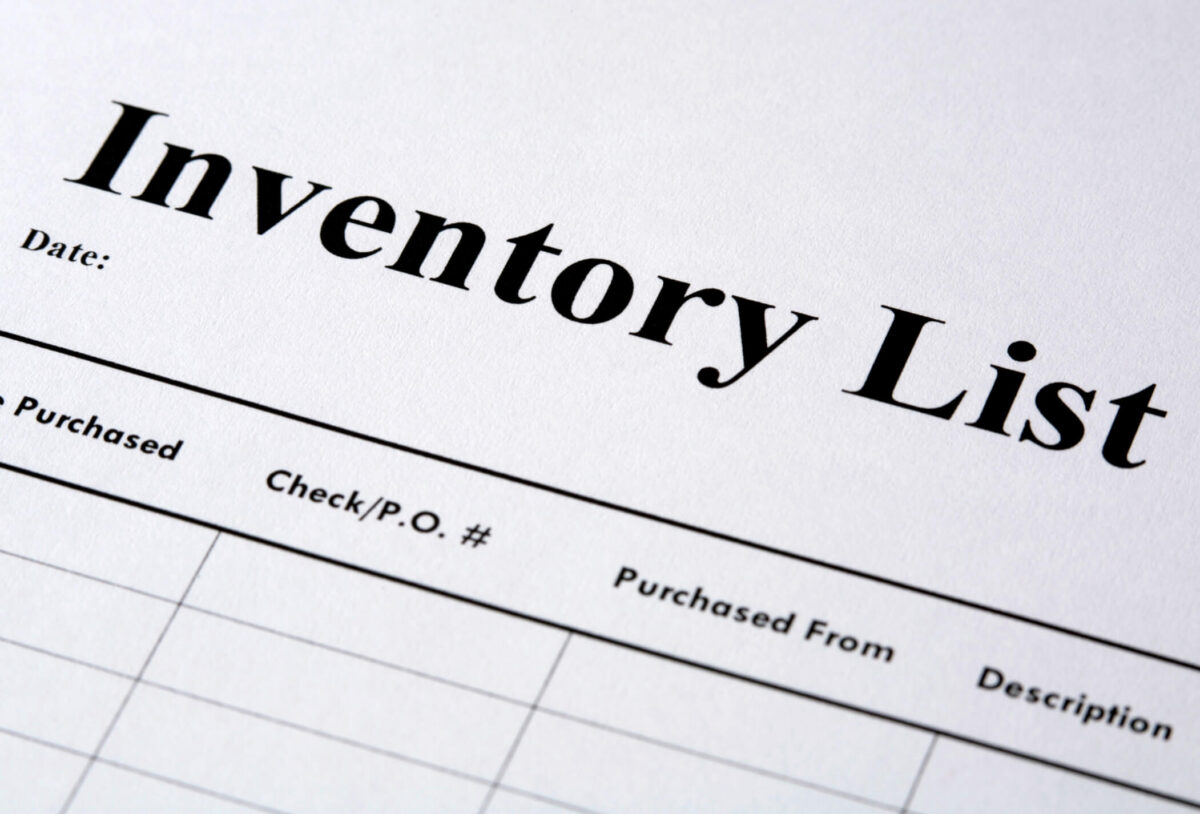
Create a master inventory list after your products have been categorized and labeled. This can be accomplished using a mobile application, a spreadsheet, or paper. Key information that must be incorporated into each item is as follows:

  • Item Name: A succinct description of the item, such as “Winter coat” or “Leather sofa.”
  • Category: The category in which the item is classified (e.g., “Clothing,” “Furniture”).
  • Quantity: The quantity of each item that is being stored.
  • Condition: Any significant information regarding the condition (e.g., “New,” “Scratched”).
  • Locations: The precise region or container where the item is situated (e.g., “Box 3, the left side of the unit”).

Capture a Picture of Your Thing

A visual record of your stowed items can be exceedingly beneficial, particularly for insurance purposes. Capture images of electronics, high-value items, or anything you wish to have documented. For convenient access, maintain these images in digital format alongside your inventory list, which could include columns for details like box numbers and descriptions. This effort will make it easier for businesses or people helping you to identify and track items quickly. Keep one version of the list and images organized to support your plan for future access.

Use Storage Unit App or Software

Various storage management software and applications are available to assist in creating and monitoring an inventory of your possessions. These applications frequently enable users to upload photos or scan barcodes, expediting the process and making it easier to track items with a sense of clarity. The following are some of the most frequently selected alternatives, each offering helpful features to streamline inventory management.

  • Sortly: Sortly is a visual inventory management application.
  • Encircle: An application for home inventory that emphasizes insurance claims.
  • InventoryBase: InventoryBase is a comprehensive inventory management application.

Maintain a Back-up

Maintaining a reserve guarantees the security of your inventory. For example, consider scanning or photographing the physical inventory list to generate a digital copy. To ensure your digital inventories are accessible from any device, utilize cloud storage services such as Dropbox, Google Drive, or iCloud. A good step is to create a map or a digital record of your shelving system and box numbers so you and others can quickly locate items. You can also share this information with family members via phone or other communication tools, making it easier for everyone to access and manage your inventory across different rooms or storage spaces.

Make Regular Inventory Updates

Ensure your inventory is updated as you add or remove anything from your storage unit. This will guarantee that your list is consistently precise and up-to-date. A helpful tip is to sort through your belongings occasionally and move items that no longer matter to another location or out of the unit. This guide can help you stay organized and make room for things that truly matter in your life or house. Periodically evaluating your inventory simplifies your possessions and ensures that someone else doesn’t have to do it later.

Keep a Copy of Your Inventory Off-Site

To enhance security, store a duplicate of your self-storage inventory in a secure location outside the storage unit, such as a secure cloud account, email, or external hard drive. This is particularly critical if your storage unit contains valuable or irreplaceable items. Keeping a back-up of your data gives you peace of mind, knowing that in case something happens, you can easily access notes and information about your things. Sorting your stuff and having one central place to store important details about your items can save a lot of work and provide a clear idea of how to manage your belongings. With a few simple steps, you can ensure that your thoughts on storage are backed up, offering peace of mind for the long run.

How to Create an Inventory for My Storage Unit In Scottsdale, Arizona

Conclusion

An inventory of your self-storage unit is a straightforward yet highly effective method of guaranteeing that your assets are organized and easily accessible when required. You can efficiently manage your space by creating a catalog, sorting items, and following a checklist. Using technology to track and update your inventory can provide ease and ensure accountability. Various options, from labeling containers to auditing your inventory, offer you the choice and flexibility to maintain your unit. Regularly updating your inventory plan will help you stay on top of your assets, providing tips for efficient storage management.

Frequently Asked Questions

What occurs if I misplace my inventory list?

If your inventory list is lost, it can be rebuilt using distinct labels and photographs on each container. Check your cloud storage or email for a backup if your list is digital. Maintaining a duplicate of your inventory in a secure, off-site location is imperative to prevent its complete loss.

What is the most effective method for organizing my storage unit according to the inventory?

Arrange your storage unit by categorizing similar items. For instance, it is advisable to position furniture in the rear of the unit and seasonal items in the front. This will simplify the process of locating items and guarantee that your inventory corresponds to the actual contents of your unit.

What is the most effective method for managing inventory when you have multiple storage units?

If you possess multiple storage units, it is recommended that you either maintain a master list that delineates the items that are stored in each unit or construct individual inventories for each unit. Staying organized necessitates labeling each container with the unit and container numbers.

What if I have a limited number of items to store?

Even if you have a limited number of items to store, it is still beneficial to establish a basic inventory. It ensures everything is in order and provides a reference for future requirements. A concise inventory can also be equally effective in preventing the misplacement or confusion of your possessions.

Is it permissible to utilize an inventory for insurance purposes?

A comprehensive inventory that includes descriptions, quantities, and photographs can be exceedingly beneficial for theft, loss, or damage insurance purposes. Absolutely. List valuable items and, if feasible, include their condition and any receipts or proof of purchase.

What measures can I take to guarantee the security of my inventory?

Keep a copy of your inventory in a secure location as a back-up. Store your digital inventory on cloud services like Dropbox, Google Drive, or iCloud. Consider scanning or photographing physical inventories and storing them digitally.

What should I do if I neglect the contents of my storage unit?

If you need help remembering the contents of your unit, consult your inventory list. A master list and clear labels facilitate identifying the contents of each box without the need to explore the entire unit. Additionally, photographs may prove advantageous as visual aids.

What actions should I take before storing an item if I am still determining whether to retain or donate it?

If you are still determining whether to retain an item, establish a transient category for items you are contemplating donating. You may modify your inventory later after you have concluded. This method enables you to maintain the organization of your storage unit while also spending the necessary time assessing the value of each item.

What is the most effective method for managing sentimental products in my inventory?

When including sentimental items (such as photos, heirlooms, or mementos), it is essential to provide a concise description and acknowledge their emotional significance, if applicable. Additionally, it may be beneficial to take additional photographs to document the significance of the items, as this can assist in preserving memories beyond the mere monitoring of possessions.

Can I monitor rental payments or agreements using my storage unit inventory?

Although your inventory’s primary focus is your possessions, it is possible to establish a distinct section in your inventory file to monitor rental payments and rental agreement. This will assist you in maintaining your organization and guarantee that you always succeed in meeting a payment or renewal deadline. 

Expert Guidance for Creating an Inventory for Your Storage Unit

At McDowell Mountain Community Storage Company, we recognize that organizing and monitoring your possessions in a storage unit can be overwhelming. It is essential to maintain order and readily locate your possessions by creating an accurate inventory, regardless of whether you store personal items, business inventory, or seasonal goods. Our team of experts is available to assist you in categorizing your items and establishing a suitable labeling system for your needs. We suggest employing straightforward categories, such as furniture, electronics, and documents, and utilizing digital tools like spreadsheets or inventory apps to ensure your list is readily accessible. In addition to taking photographs, we recommend noting serial numbers for high-value items to enhance security.

We provide solutions to assist you in maintaining your organization, whether you’re storing a few items or a lot, making it a breeze to keep track of. Our professionals can help you develop a customized solution that meets your needs, whether temporarily storing items or needing a long-term inventory management system. A well-maintained inventory will save you time and effort, giving you peace of mind by knowing that the ones you need can be easily located. Please contact us today for expert advice on the most effective methods for creating and managing your storage inventory.

Why Self-Storage Can Make Your Transition Easier

Updated August 22, 2026

Most advice about storage during a life transition covers the same three situations: you’re moving, you’re downsizing, or you’re decluttering. All true, all common, and all worth covering. But there’s a transition that’s become significantly more common in the last few decades and rarely gets mentioned in this context at all: combining two households into one.

The Transition Nobody Writes About: Combining Two Households

According to Pew Research Center data, the share of adults living in someone else’s household who are a parent of that household’s head has doubled, from 7% in 1995 to 14% today. In plain terms: parents moving in with their adult children has become significantly more common, and it’s one half of a broader “shared living” trend that also includes adult children moving back in with parents and multiple generations settling under one roof.

This kind of transition creates a genuinely different storage problem than a standard move. It’s not just one household’s belongings being packed up, it’s two households’ worth of furniture, kitchen equipment, and personal items suddenly needing to fit into a single home. Someone is almost always downsizing hard and fast, and the emotional weight of deciding what a parent, or you, can keep versus what has to go into storage tends to be heavier than a routine move. This is exactly the kind of situation storage is built for: a place to hold the overflow while everyone involved has the time to make thoughtful decisions rather than rushed ones during an already stressful transition.

The More Familiar Transitions Storage Also Helps With

The classic scenarios still apply, and storage solves a slightly different problem in each one:

  • Moving: Storage bridges the gap between move-out and move-in dates, especially when they don’t line up cleanly, or when you’re staging a home for sale and need furniture out of sight to help it show well.
  • Downsizing: Whether it’s retirement, an empty nest, or a move to a smaller space, storage gives you time to sort through belongings without the pressure of a moving truck deadline forcing quick, regrettable decisions. We cover this scenario in more depth in our guide to downsizing with self-storage.
  • Decluttering: Sometimes there’s no move at all, just a home that’s outgrown its own storage capacity. A unit gives seasonal items, hobby equipment, or rarely used belongings somewhere to live without cluttering daily life.
  • Renovation: Furniture and belongings need to come out of a room, or a whole home, during a remodel, and a storage unit keeps them safe and out of the way of dust, contractors, and construction debris.

What to Actually Look For in a Storage Facility During a Transition

Transitions rarely come with a fixed timeline, so flexibility matters as much as the space itself:

  • Month-to-month terms. You often don’t know exactly how long you’ll need the unit at the outset, avoid locking into a long-term contract you don’t actually need.
  • Security you can verify. Surveillance cameras, gated or coded access, and individually alarmed units matter more during a transition, when you’re less likely to be checking in on your belongings regularly.
  • Climate control. Especially relevant here in Scottsdale, where summer heat is hard on wood furniture, electronics, and photographs, exactly the kind of sentimental items that tend to come out of a combined-household situation.
  • Convenient access. If you’ll be moving items in and out repeatedly rather than storing everything in one trip, ground-floor access and reasonable proximity to your home save real time and effort.

Frequently Asked Questions

What should I do with a parent’s belongings if they’re moving in with me?

Sort with them, not for them, where possible. Storage gives you both time to make these decisions together rather than rushing through everything before a move-in date. Items that are genuinely needed can come into the shared home, and everything else can wait in storage until there’s time and emotional bandwidth to revisit it.

How long can I keep items in a storage unit during a transition?

As long as you need, most facilities offer month-to-month terms specifically because transitions rarely have a fixed end date. You don’t need to have everything sorted by a specific deadline.

Is climate-controlled storage necessary for a short-term transition?

It depends on what you’re storing. Sentimental items, electronics, wood furniture, and photographs benefit from climate control regardless of how long they’ll be there, Scottsdale’s heat can affect items even over a matter of weeks.

Make Your Next Transition Easier

Whatever’s bringing you to storage, a move, a downsize, a combined household, or simply too much stuff for the space you have, McDowell Mountain Community Storage offers the flexibility and security a transition actually calls for. Self storage in Scottsdale is available in a range of sizes and terms, reserve your unit today.

Whatever brings you to storage, whether it’s a move, a downsize, a combined household, or simply more belongings than your current space can handle, McDowell Mountain Community Storage offers the flexibility, convenience, and security you need during a transition. With storage units in Scottsdale available in a range of sizes and flexible terms, you can choose the space that fits your needs. Reserve your unit today.

How to Store Appliances in a Storage Unit

Updated August 22, 2026

Most guides to storing appliances give you one checklist: clean everything, let it dry, wrap it up, keep it off the floor. That’s not wrong, but it treats a washing machine and a microwave as if they’ll fail the same way if you get it wrong. They won’t. A few appliance-specific risks get left out of nearly every version of this advice, and they’re the kind of thing that turns “I stored my washer for a few months” into “I need a new washer.”

Why “Clean and Wrap” Isn’t Enough

Cleaning, drying, and wrapping matters for every appliance, and we’ll cover it. But the appliances people most often store, refrigerators, washing machines, ovens, dishwashers, and small kitchen appliances, each have at least one specific failure point that has nothing to do with cleanliness. Here’s what actually matters for each.

Refrigerators and Freezers

The single most important rule: always store a refrigerator upright, never on its side. Laying a fridge down lets compressor oil flow into the cooling lines, which can ruin the unit the next time it’s plugged in. Beyond that, full defrosting and thorough drying matter more here than with almost any other appliance, since a fridge that isn’t completely dry inside is a mold problem waiting to happen. We’ve written a full step-by-step guide covering fridge-specific prep, from defrost timing to the exact humidity range that protects a stored refrigerator, in our refrigerator storage guide, worth a read if this is your main concern.

Washing Machines: The Risk Almost Nobody Mentions

If you have a front-load washer, this is the step that gets skipped more than any other. The drum inside a front-load washer is suspended on springs so it can move during the wash and spin cycles. That’s fine while it’s sitting still and running normally, but during transport, an unsecured drum can swing and repeatedly strike the inner casing, wiring, or motor.

That’s exactly what shipping bolts are for. Every front-load washer originally shipped with these bolts installed, and manufacturers including Whirlpool specifically instruct owners to reinstall them before moving the machine again, whether that’s across town or into a storage unit. If you kept the original bolts when you first set up the washer, dig them out. If not, they’re available from most appliance parts retailers by model number. Skipping this step is how a washer that worked fine before storage comes out with drum damage, excess vibration, or motor strain after it.

Beyond the bolts: drain the drum and hoses completely, wipe down the rubber door seal on front-loaders where mildew commonly builds up, and leave the door propped open during storage so trapped moisture doesn’t turn into an odor problem.

Dryers

Dryers are more forgiving than washers since there’s no suspended drum to worry about, but clean the lint trap and exhaust vent thoroughly before storage, residual lint is both a fire risk and something that attracts pests if left sitting for months. Disconnect and coil the exhaust duct separately rather than leaving it attached and bent.

Ovens, Ranges, and Cooktops

If you have a gas range, this matters: have the gas line properly disconnected and capped by someone qualified to do it, residual gas in the line is a genuine fire hazard, not a theoretical one. Never store an appliance with an active gas connection. For electric ranges and ovens, clean thoroughly to remove grease and food residue, which otherwise bakes on further or attracts pests during storage. Remove and separately wrap any glass components, oven doors and stovetop panels are more fragile than the rest of the unit.

Dishwashers

Run a final empty cycle to clear out residue, then disconnect and fully drain the water supply line and drain hose, standing water left in either is a common source of mold and unpleasant odors months later. Prop the door open slightly during storage rather than latching it shut.

Small Kitchen Appliances

Toasters, blenders, coffee makers, and similar countertop appliances are lower-risk but still benefit from real prep: clear out crumbs and residue, run a water-and-vinegar cycle through coffee makers before storing, and detach and separately wrap blades or other removable parts. Coil and secure cords so they don’t tangle with other stored items, and keep frequently used small appliances toward the front of your unit rather than buried behind everything else.

General Rules That Apply to All Appliances

A few things matter regardless of appliance type:

  • Keep everything off the floor on pallets or shelving, direct floor contact traps moisture and invites pests.
  • Leave space around each appliance for airflow rather than pushing everything flush against walls or each other.
  • Use a climate-controlled unit if you’re storing for more than a few weeks, especially in Scottsdale’s summer heat, which is hard on rubber seals, plastic components, and anything with a compressor.
  • Keep an inventory of what’s stored and its condition going in, useful both for finding things later and for insurance purposes if anything goes wrong.

Frequently Asked Questions

Do I really need to reinstall shipping bolts on my washer before storing it?

Yes, if it’s a front-load model. The drum is suspended on springs specifically so it can move during normal operation, which is exactly what makes it vulnerable during transport or storage without the bolts securing it in place.

Can I store a refrigerator on its side to save space?

No. Laying a refrigerator on its side risks letting compressor oil flow into the cooling lines, which can damage the compressor when you plug the unit back in. Always store and transport refrigerators upright.

Should appliances be stored in a climate-controlled unit?

For anything beyond a few weeks, yes. Temperature swings and humidity are hard on seals, plastic components, and any appliance with a compressor or motor, and Scottsdale’s summer heat makes this more relevant here than in milder climates.

How do I prevent mold and odors in stored appliances?

Make sure everything is completely clean and dry before storage, that’s more important than any single storage technique. Prop doors open on washers, dishwashers, and refrigerators rather than sealing them shut, and drain all water lines and hoses completely.

Store Your Appliances the Right Way

Appliances are some of the most expensive things people put into storage, so taking the right steps to protect them is important. If you’re ready to store yours properly, McDowell Mountain Community Storage offers climate-controlled units in Scottsdale in a range of sizes, making it easy to find the right space for your needs. Reserve your storage unit today.

How to Store Electronics in a Storage Unit?

Electronics have become an integral part of our daily lives in today’s digital age. From smartphones to laptops, cameras to gaming consoles, we rely on these devices for communication, work, entertainment, and more. But what happens when you need to store these electronics away for a while?

Proper storage is essential to ensure they remain in good condition and ready for use when you retrieve them. Whether you’re moving, decluttering, or need extra space, here’s a smart guide on how to store electronics in a storage unit.

How do you Store Electronics in a Storage Unit?

Here are the things that you need to do to properly store your electronic devise in a storage unit:

1. Prepare Your Electronics

When storing fragile electronic gadgets in a self-storage facility, taking care of a few things can make a big difference. First, remove batteries and store them separately to prevent corrosion. Back up essential data from devices like computers or phones. Clean screens and wipe down surfaces to keep them dust-free. Consider storing gadgets in secure containers or boxes, along with their cords and instructions. Keep everything cool and dry to avoid heat and moisture damage. Silica gel packets can help absorb excess moisture.

If using cardboard boxes, tape them securely to prevent mold. Remember to label each container, so you know what’s inside. By keeping these tips in mind, you can ensure your electronics stay in good shape while in storage.

2. Use Original Packaging

Whenever possible, use the original packaging for your fragile Electronics. Manufacturers design these boxes to provide the best protection during transportation and storage. If you don’t have the original packaging, consider alternatives like anti-static bubble wrap, foam padding, or custom-fitted cases to secure your gadgets. These options protect against bumps, scratches, and moisture, ensuring your devices stay in good shape. It’s crucial to secure cords and follow any provided instructions. If you plan to store things for a while, be mindful of moisture and heat, and use silica gel packets to prevent mold.

Consider using plastic containers or boxes, and tape up any seams to keep everything secure. For screens, place a plastic sheet or cardboard to shield them. When storing items at a self-storage facility, check for security options and keep backup devices in mind. Whether it’s phones, players, or any other item, take care of them as you pack. Lastly, remember to label containers and keep everything organized for easy retrieval.

3. Climate-Controlled Storage Unit

Electronics, like computers, cameras, cell phones, and audio equipment, are sensitive and easily damaged by extreme temperatures and humidity. To protect these devices, choosing a storage unit with climate control is crucial. These specialized units maintain a stable environment, controlling temperature and humidity levels, which is ideal for safely storing electronics.

This helps prevent moisture buildup, condensation, and temperature fluctuations that harm your valuable devices. Opting for a climate-controlled storage unit is a smart way to ensure your electronics’ longevity and proper functioning, providing peace of mind as they are stored in optimal conditions.

4. Organize and Label

Creating an inventory of the electronics you plan to store is a practical first step in organizing your storage space. Labeling boxes with clear descriptions of their contents ensures easy access and retrieval when needed. It’s wise to pair cables, chargers, and accessories with their corresponding devices to avoid confusion and save time when setting up later. Utilizing cable ties or organizers further prevents tangling and keeps everything neat and orderly within the storage unit.

This systematic approach streamlines the process of finding specific items and minimizes the self-storage risk of losing or misplacing essential accessories, ensuring that your electronics remain complete and ready for use whenever you retrieve them from storage.

5. Elevate from the Floor

Elevating your electronics by placing them on pallets or shelves is a crucial precaution when storing them in a storage unit. This simple step helps safeguard your devices against potential risks such as flooding, leaks, or other unforeseen issues that could compromise the integrity of the storage unit. By keeping your electronics off the floor, you minimize the likelihood of water damage and moisture infiltration, ensuring the safety of your valuable items.

Additionally, elevating electronics allows for better air circulation around them, which helps regulate temperature and prevent humidity buildup. This promotes a more conducive environment for storing electronics, preserving their functionality, and prolonging their lifespan while in storage.

6. Protect Against Dust

Over time, dust accumulation threatens electronic components, potentially leading to damage and performance issues. To shield your devices from this hazard, employ preventive measures such as using dust covers or wrapping them in breathable materials like cotton sheets. This additional layer of protection acts as a barrier, safeguarding your electronics against dust particles and ensuring they remain clean and fully operational.

By taking these precautions, you extend the lifespan of your devices and maintain their optimal functionality, allowing you to rely on them whenever needed.

How to Store Electronics in a Storage Unit In Scottsdale

7. Securely Pack Small Items

When storing small electronic items such as headphones, cameras, or handheld devices, it’s important to use appropriately sized boxes to keep them secure. Opt for small boxes that snugly fit the items to minimize movement during transportation and storage. Fill empty spaces within the boxes with bubble wrap or packing peanuts to cushion and prevent shifting.

This extra layer of protection reduces the risk of damage to the delicate electronic components, ensuring that your items remain intact and functional when you retrieve them from storage. Taking these precautions helps maintain the condition of your small electronic devices and prolongs their lifespan.

8. Avoid Long-Term Storage of Batteries

Before storing electronic devices for an extended period, it is crucial to remove the batteries. This precautionary measure is essential because, over time, batteries can develop leaks, leading to irreversible damage to your electronics. To ensure the longevity of both your devices and batteries, it is recommended that they be stored separately in a cool and dry place.

By taking these simple yet crucial steps, you minimize the risk of corrosive leaks and preserve the overall functionality and condition of your electronic gadgets during storage.

9. Regular Check-Ups

Regular visits to your storage unit to inspect your electronics are highly advisable. During these visits, ensure that the climate control system operates effectively, maintaining stable temperature and humidity levels crucial for electronic devices. Additionally, carefully examine the storage area for any indications of pests or water damage, which could potentially harm your valuable belongings.

By conducting these routine check-ups, you can promptly identify and address any emerging issues before they escalate into significant problems, thus safeguarding the integrity and functionality of your stored electronics. This proactive approach ensures that your electronic devices remain in optimal condition and ready for use whenever you need them, providing you with peace of mind regarding their safety and longevity in storage.

Conclusion

Properly storing electronics in a storage unit demands thoughtful planning and attention to detail. Adhering to the provided tips ensures that your electronic devices will be well-maintained and ready for use upon retrieval from storage. Investing time in preparing and safeguarding your electronics is a prudent measure that yields long-term benefits. This commitment not only preserves the functionality of your devices but also contributes to extending their overall lifespan. Whether protecting against temperature fluctuations, securing delicate components, or organizing accessories, each precautionary step assures your electronics will endure storage conditions effectively, standing the test of time for sustained usability and performance.

Reserve your Self Storage Unit today!

At McDowell Mountain Community Storage, we prioritize safely storing your electronic devices. Our climate-controlled storage units are specifically designed to provide a secure environment for sensitive electronics, ensuring they remain in optimal condition throughout their time in storage. Whether you’re storing computers, TVs, or other electronic gadgets, you can trust that our Scottsdale, AZ facilities offer the ideal solution to meet your needs.

Don’t hesitate to contact us today to reserve your storage unit and gain peace of mind knowing that your electronics are safe!

FAQs: How to Store Electronics in a Storage Unit?

1. What types of electronics can I store in a storage unit?

Most electronic devices, including computers, smartphones, tablets, cameras, and gaming consoles, can be safely stored in a storage unit, especially if properly prepared.

2. Do I need to clean my electronics before storing them?

It would help if you cleaned your electronics to remove dust and debris, which can accumulate and potentially damage components over time.

3. How should I handle fragile electronics during storage?

Use original packaging or protective materials, such as bubble wrap or foam, to cushion fragile items and prevent damage from impacts during transport or storage.

4. Is it safe to store electronics in a non-climate-controlled unit?

It’s advisable Non-climate-controlled units may expose your electronics to extreme temperatures and humidity, damaging sensitive components.

5. What precautions should I take for long-term storage of electronics?

Remove batteries, store devices in excellent, dry locations, and consider using silica gel packets to absorb moisture.

6. How often should I check on my stored electronics?

Regular check-ups every few months are recommended to ensure the environment remains suitable and identify potential issues early.

7. What should I do if I notice water damage in my storage unit?

Immediately remove your electronics, assess the damage, and report the issue to the storage facility to prevent further harm and investigate the cause.

8. Can I store my electronics with their cords and accessories?

Yes, but organize and label them to avoid confusion later. Pair cords with their corresponding devices to streamline retrieval.

9. Is it better to store electronics vertically or horizontally?

Most devices are stored upright (like a tower) to minimize pressure on screens and delicate components.

10. What should I do if I no longer have the original packaging for my electronics?

Use high-quality packing materials, such as antistatic bubble wrap or foam padding, to provide adequate protection and ensure everything is securely packed to minimize movement.