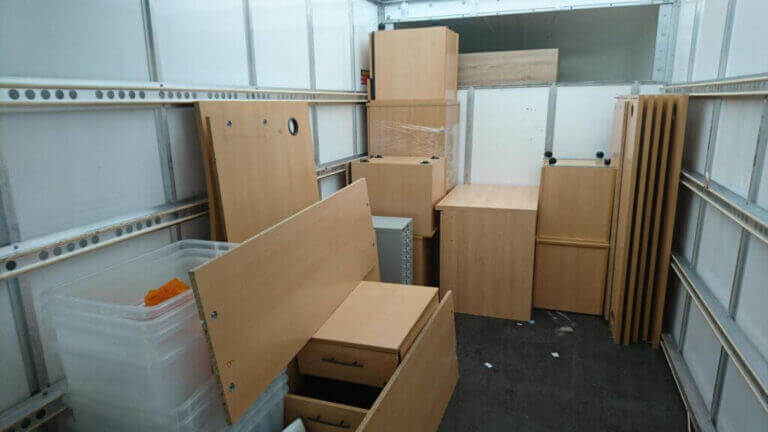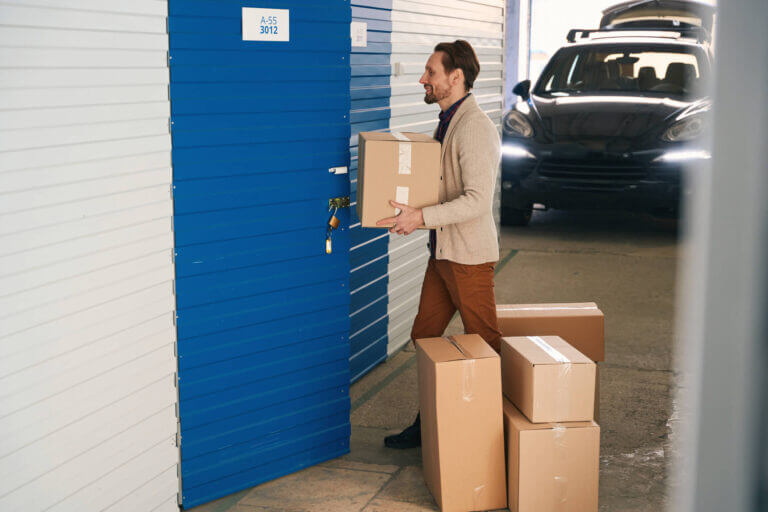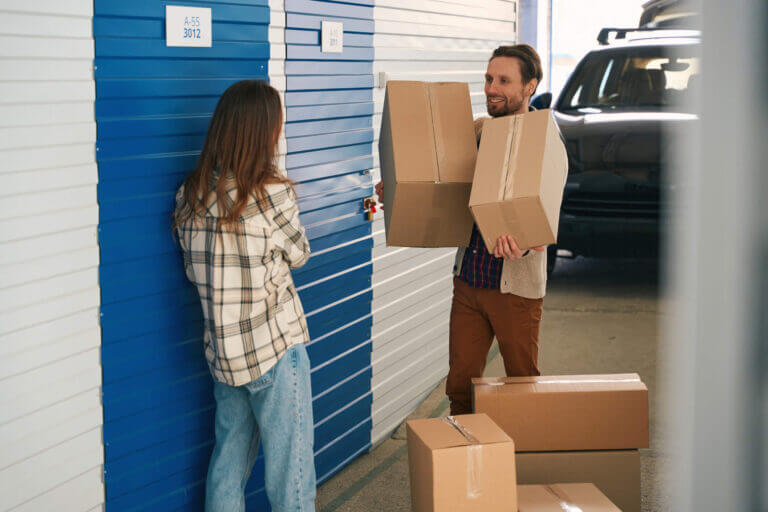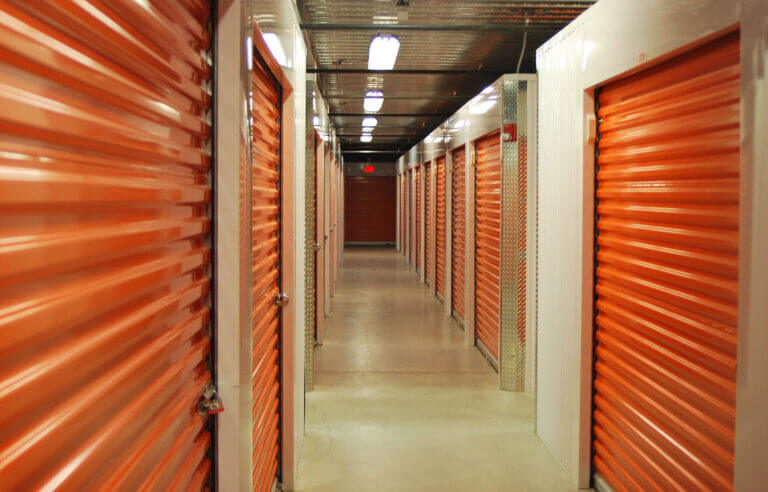
Your Ultimate Storage Unit Size Guide

Selecting the appropriate storage unit measurement is essential for a stress-free and hassle-free experience, regardless of downsizing, decluttering, or requiring additional space. Finding the ideal solution for your requirements can be daunting due to the abundance of alternatives available. This ultimate storage unit measurement guide has been developed to assist you in making an informed decision. Learn how to select the appropriate measurement for your possessions by continuing to read.

What is a Storage Unit?

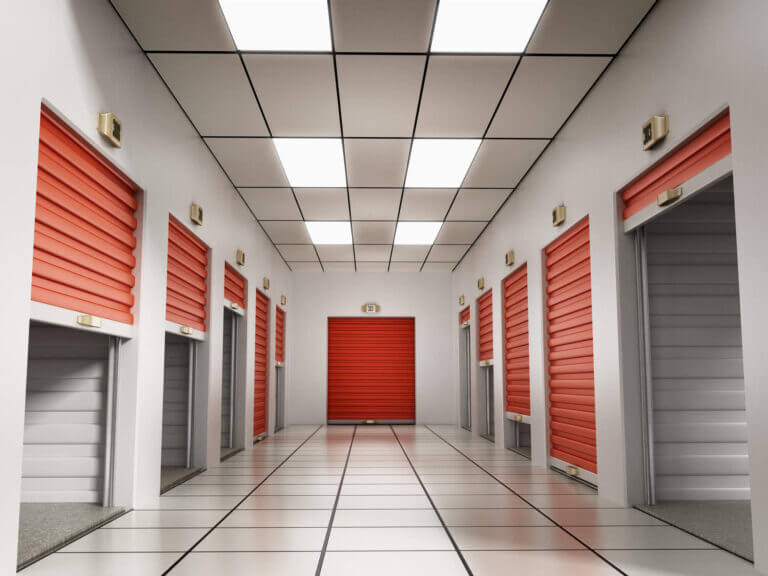
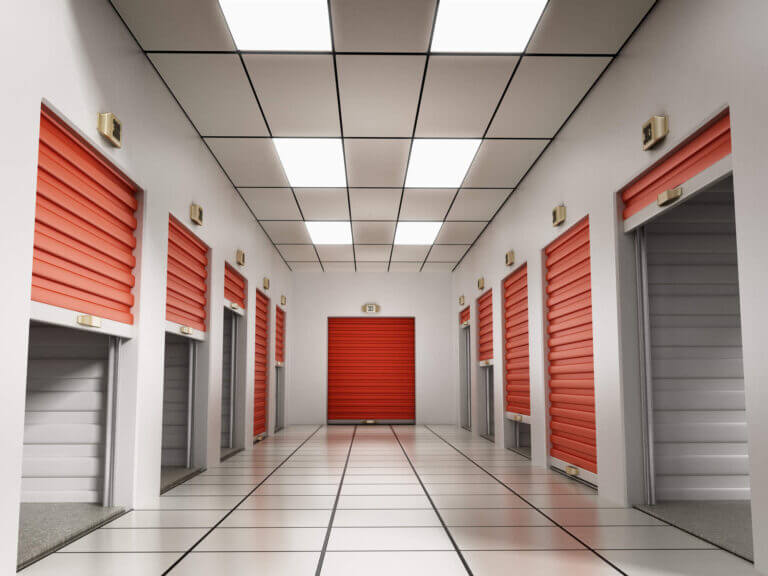
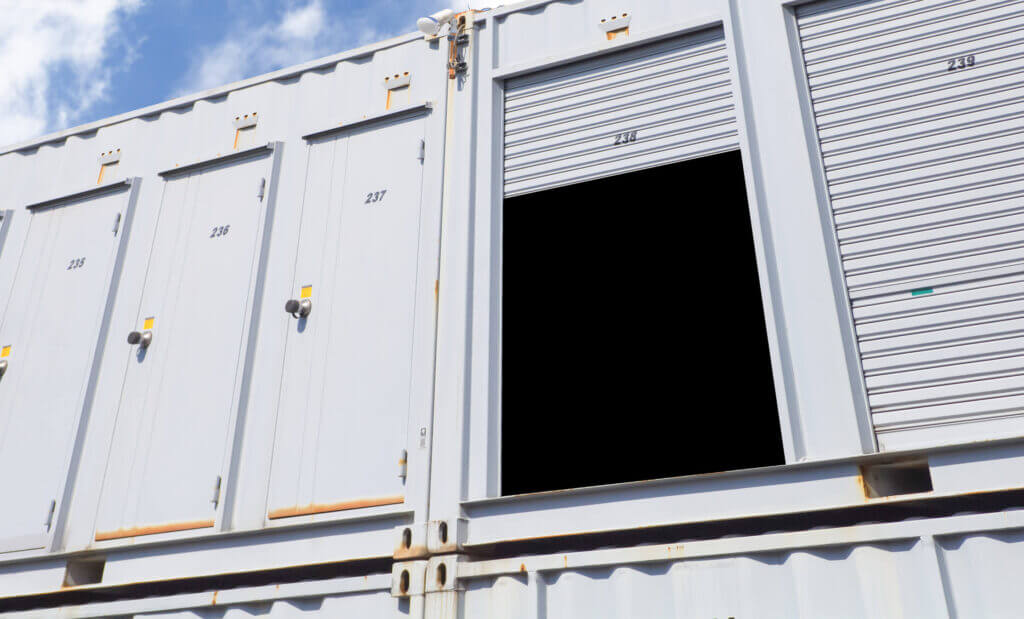
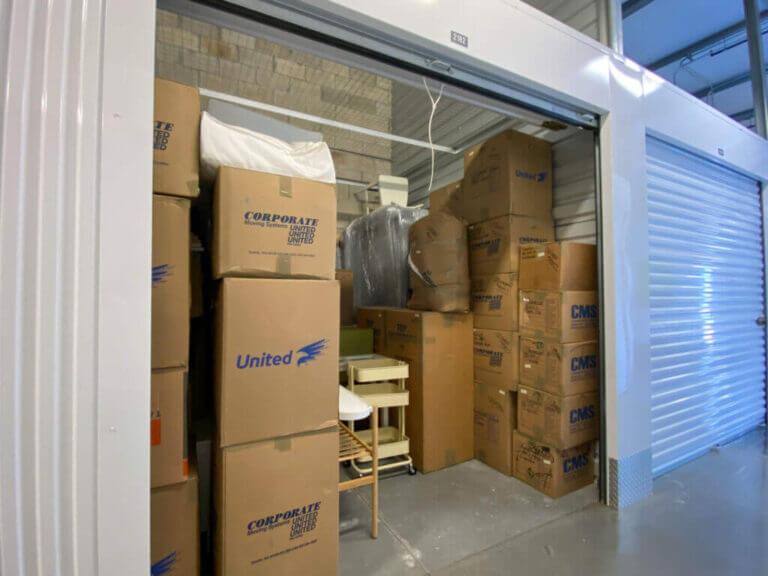
A storage unit is a rented, secure space that allows individuals and businesses to store personal possessions, furniture, or inventory for a certain amount of time. Accommodated self-storage units typically offer a variety of unit capacities to accommodate storage unit requirements of various sizes. These units are rentable monthly and enclosed, rendering them suitable for short-term and long-term storage solutions. Storage units come in different types, including self-storage units, similar to small car garage spaces, and climate-controlled units that regulate humidity and temperature. Each unit is accessible through a lockable door, ensuring only the tenant has access. Some facilities offer 24-hour access, while others have specific operating hours, but all prioritize the security of your belongings.

Storage containers are employed for a variety of purposes, including:

  • Decluttering or Downsizing: Storage units provide a temporary solution for excess items when relocating to a smaller residence or reclaiming space.
  • Storage of Seasonal Items: When unused, items such as Christmas trees, winter clothing, or recreational equipment can be stored.
  • During a Move: Storage units are especially beneficial during transitions, such as moving homes or renovating a living room, as they offer a secure location for personal belongings and furnishings.
  • Business Storage: Storage units are a convenient and user-friendly solution for individuals needing extra space. They come in various sizes and options, making finding one that suits your needs easy. 

Types of Storage Units

The selection of the storage unit that is most appropriate for your requirements is facilitated by an understanding of the various types of storage units that are available. The following is a comprehensive description of the different varieties of storage units and their respective attributes:

Standard Storage Units 

These are the most prevalent storage units. They are typically available in various sizes to meet the requirements of different individuals and are situated in an easily accessible warehouse-like facility.

Ideal for furniture, seasonal storage, and general household objects. They are frequently more cost-effective than specialized alternatives and appropriate for short-term and long-term use.

Climate-Controlled Storage Units 

These units safeguard delicate items from extreme weather conditions by regulating temperature and humidity. They ensure that the environment remains consistent to prevent injury from fluctuations in moisture or temperature.

This is ideal for items susceptible to temperature and humidity fluctuations, including electronics, antiquities, documents, artwork, and delicate fabrics.

Drive-Up Storage Units 

Drive-up units are directly accessible from your vehicle. They are situated on the ground level and feature roll-up doors, which facilitate the loading and unloading of items.

It is ideal for Frequent access, convenience, and storing large or weighty items. It is also ideal for rapidly moving or storing substantial quantities of products.

Indoor Storage Units 

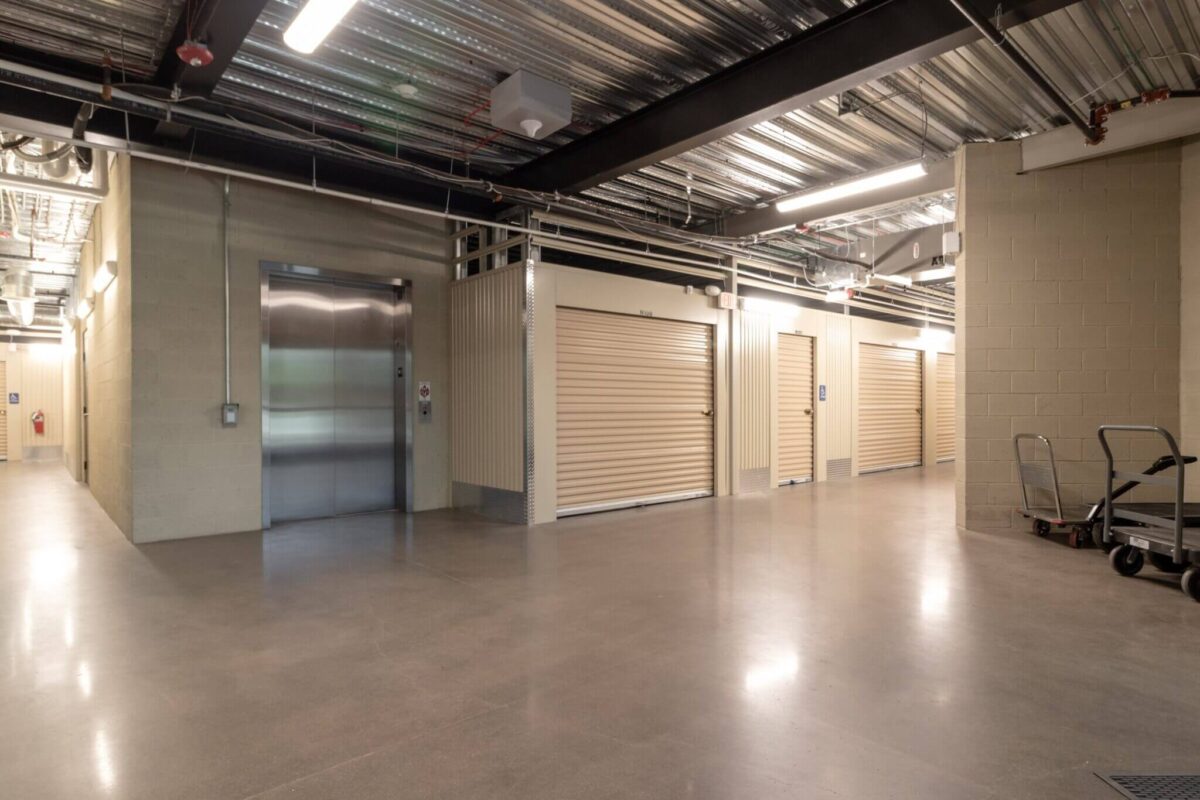
These units are situated within a building and offer additional security and protection from the elements. They are frequently located within a multi-story facility equipped with temperature control.

Ideal for items necessitating safeguarding from temperature and weather extremes and for individuals prioritizing security.

Outdoor Storage Units 

These units are frequently situated outside and are frequently a component of a fenced facility. They are typically accessible through a roll-up door and are less protected from environmental conditions.

Ideal for items that do not necessitate climate control, watercraft, RVs, and vehicles. Frequently employed for the long-term storage of more oversized products.

Vehicle Storage 

Specialized units are designed to accommodate vehicles such as automobiles, trucks, motorcycles, boats, or recreational vehicles. These may provide additional security features and can be either covered or uncovered.

It is most suitable for Vehicle storage that requires extended periods, whether for seasonal use or to prevent a vehicle from being driven.

Business Storage Units 

Specifically engineered to accommodate inventory, equipment, and records. These units may provide supplementary features, such as larger capacities and improved security.

Optimal for business proprietors who require additional space for archival storage, office supplies, or products.

Portable Storage Units 

These mobile units are delivered to your location and can be loaded at your convenience. After filling them, they can be transported to a storage facility or another location.

This option is best if you require flexible storage solutions that can be accessed at various locations or if you have moving and short-term storage requirements.

Self-Storage Units 

You can access a self-storage unit anytime during the facility’s operating hours. These containers are available in various sizes and types, including climate-controlled options.

Ideal for flexible access, personal possessions, and business items. Ideal for individuals who require the ability to administer their storage and access it at their leisure.

High-Security Storage Units 

These units are designed with advanced security features, including surveillance cameras, restricted access controls, and securing systems.

Best suited for High-security requirements, sensitive documents, and valuable items that require additional protection.

Warehouse Storage 

Rentable warehouses or more extensive facilities. These facilities are frequently outfitted to accommodate industrial or commercial storage requirements and offer a variety of sizes.

Optimal for businesses with substantial inventory, large-scale storage requirements, or bulk storage of products. 

Understanding the Dimensions of Storage Units

When renting a storage unit, selecting the appropriate quantity can be challenging. You should avoid overpaying for space that will not be utilized and underestimating the size, which could result in congestion or damage to your possessions. This comprehensive guide will assist you in determining the optimal storage unit sizes for your requirements, regardless of whether you are storing a few crates or the contents of an entire house.

5×5 Storage Unit: Ideal for Half Single Rooms

5×5 unit is approximately the measure of a small bathroom. It is an ideal storage solution for seasonal items, tiny furniture, or a few boxes. This compact dimension is perfect for individuals who are either college students who need to store dorm essentials over the summer break or individuals who are decluttering a room.

What may be accommodated?

  • Chairs and lamps are examples of small furnishings.
  • Décor or apparel that is specific to the season
  • Books, documents, toys, or small things

5×10 Storage Unit: Ideal for Single Rooms

5×10 unit is an excellent choice for storing the contents of a studio room. It provides ample space for oversized furniture, such as a settee or mattress, a desk, and smaller possessions and boxes.

What may be accommodated?

  • A cot that is queen-sized
  • A small settee or chair
  • Sports Equipment (sports gear)
  • Small appliances, bicycles, or crates

10×10 Storage Unit: Ideal for Couple Bedroom House

A standard bedroom is approximately the measure of a 10×10 unit. This size accommodates furniture, culinary appliances, and boxes when moving or remodeling a small apartment.

What may be accommodated?

  • A bedroom set which includes a bed, dresser, desks, and nightstands
  • Dryer, washer, or refrigerator
  • Miscellaneous objects and numerous boxes

10×15 Storage Unit: Ample Space for Multiple Rooms

Do you require additional space? A 10×15 unit can accommodate the contents of a two-bedroom apartment or garage car. It is also an excellent choice for storing large, unwieldy items such as furniture, construction equipment, or office supplies.

What may be accommodated?

  • More oversized furniture (such as dining sets and sofas)
  • Major appliances
  • Supplies and equipment for the office or business

10×20 Storage Unit: Suitable for Homes of a Larger Size

The contents of a three-bedroom residence can be stored in a 10×20 unit. This unit size is ideal for those who are in the process of downsizing, moving, or storing a vehicle.

What may be accommodated?

  • Household furnishings in its entirety
  • Several very enormous appliances
  • A motorcycle vehicle (such as an RV car, truck, SUV, or boat)

10×30 Storage Unit: The Maximum Storage Capacity for Large Moves

Massive in dimensions, the 10×30 unit is approximately equivalent to a garage. It can accommodate the contents of a substantial residence or serve as a business storage solution for substantial quantities of inventory, supplies, or equipment.

What may be accommodated?

  • Entire households with numerous bedrooms
  • Equipment and inventory of the business
  • Trailers, boats, RVs, vans, or oversized cars

Assessing Your Storage Needs

It is essential to thoroughly evaluate your storage requirements to select the appropriate storage facility and guarantee your possessions’ efficient and secure storage. The following is a comprehensive guide that will assist you in evaluating your storage needs:

Conduct an inventory of your possessions.

  • Items in the List: Compile an exhaustive inventory of all items that require storage. Incorporate specifics, including the quantity of crates, appliances, large furniture pieces, and other items.
  • Divide into categories: To comprehend the potential organization of items in the storage unit, categorize them (e.g., seasonal, office supplies, furniture).

Determine the Size Requirements

  • Items to Measure: Measure the dimensions of bulky objects, such as furniture and appliances. Please observe the dimensions of containers or cartons.
  • Volume Estimation: Determine the total volume of your possessions. This can assist you in determining the quantity of storage space you will require.

Evaluate accessibility

  • Access Frequency: Determine the frequency at which you will require access to your items. If you require frequent access, consider an easily accessible storage unit.
  • Accessibility Requirements: Consider the degree of accessibility that items will require. You may wish to ensure that frequently utilized items are stored near the front of the unit.

Inspect Special Requirements

  • Climate Control: Determine whether your possessions, including electronics, antiques, artwork, or documents, necessitate climate control. This will assist you in determining whether or not you require a climate-controlled unit.
  • Security Requirements: Assess whether you require additional security features, particularly for sensitive or valuable objects.

Develop an Organizational 

  • Strategy for Storage Solutions: Determine how to arrange items within the unit. Do you require shelving, containers, or other organizational tools?
  • Stacking and Layout: Develop a strategy for strategically stacking and arranging crates and items to optimize the available space while maintaining order.

Take into account potential future requirements.

  • Potential Growth: Be prepared for any future modifications or additions to your inventory. Select a unit that offers some adaptability if you require additional storage capacity later.
  • Seasonal Variations: Develop a strategy for rotating seasonal objects in and out of storage.

Evaluate Accessibility and Location

  • Facility Location: The storage facility’s location should be considered. Select the most convenient option for you in terms of accessibility and distance.
  • Hours of Access: Verify that the facility’s access hours meet your requirements. While some facilities provide access 24 hours a day, others have restricted hours.

Budgetary Factors

  • Cost: Establish your storage budget. Compare the prices of various unit sizes and varieties to determine which is cost-effective and suitable for your requirements.
  • Surcharges: Be aware of any additional fees, including those for climate control, enhanced security, or access.

Consult with storage professionals.

If you are still determining the appropriate unit size or type, it is advisable to seek the advice of a storage facility expert. They can offer suggestions that are tailored to your inventory and needs.

Visit the Facility 

  • Inspect Units: If feasible, visit the storage facility to evaluate the available units. This lets you observe the space in person and ascertain whether it suits your requirements.
  • Assessing Features: Evaluate the facility’s attributes, including sanitation, security, and accessibility, to guarantee that they meet your needs. 

Tips for Choosing the Right Storage Unit Size

Tips for Choosing the Right Storage Unit Size

Selecting the appropriate storage unit size is crucial to guarantee that your items are housed adequately without incurring additional costs for unused space. The following are some practical storage tips to assist you in selecting the most suitable unit for your requirements:

Conduct an inventory of your area.

Before selecting a storage solution, conducting a comprehensive inventory of your space is crucial to determine the precise items you need to store and the space you need. The following is a comprehensive guide to inventorying your area efficiently:

Compile a List of Items

  • Dividing possessions into categories: Sort objects into categories, including furniture, appliances, boxes, seasonal items, and documents. This will help you better understand the quantity and nature of the necessary space.
  • Provide a detailed description of each item: Incorporate information such as the quantity, dimensions, and any unique storage requirements (e.g., climate control for delicate products).

Measurements for Large Items

  • Use a tape measure to measure the dimensions (length, width, and height) of larger objects such as furniture, appliances, and equipment. Note these measurements to assist you in selecting a unit that can accommodate them.
  • Disassembly is a viable option: It is advisable to disassemble substantial items (e.g., bed frames) to optimize stowage and conserve space.

Assess the Contents of the Box

  • Box Counting: Please estimate the number of boxes and their average dimensions. This will help estimate the number of crates accommodated in a specific storage unit.
  • Boxes with labels: The contents of each package should be clearly labeled to facilitate organization and retrieval.

Evaluate Accessibility Requirements

  • Frequent Access Items: Determine which items require frequent access and determine how they will be organized in the storage unit to facilitate retrieval.
  • Organize by Access Frequency: Place items frequently accessed near the front of the unit or in a readily accessible location.

Take Special Requirements into Account

  • Climate Sensitivity: Determine whether any items, such as electronics, artwork, or critical documents, require climate control to prevent harm.
  • Security Requirements: If you possess valuable items, verify that the storage solution includes sufficient security features.

Determine Space Requirements

  • Volume Estimation: Using your list and measurements, estimate the total volume of items that require storage. Use this estimate as a reference point for selecting the appropriate unit measurement.
  • Utilize Storage Calculators: Numerous storage facilities provide online calculators that enable you to input your inventory information to obtain a suggested unit size.

Evaluate and Modify

  • Confirmation: Verify the integrity of your inventory list and measurements. Modify as required in response to any modifications or supplementary items.
  • Revise Inventory: If you acquire or remove items, keep your inventory list up-to-date to assess your storage requirements accurately.

Conducting a comprehensive inventory will better prepare you to select a storage unit suitable for your requirements, guaranteeing a streamlined and organized storage experience. 

Measurements for Large Items

It is crucial to obtain precise measurements of large items to determine the appropriate storage unit size and guarantee that all items are accommodated comfortably. Compare units that can accommodate bulky items, including furniture, mattresses, and appliances, by measuring them. Understanding the dimensions will facilitate comprehension of the necessary space. To effectively measure large products, follow these steps:

Collect the necessary equipment.

  • Tape Measure: Employ a dependable tape measure with distinct markings.
  • Pen and Notebook: This misfortune.
  • Helper (Optional): The assistance of a third party can facilitate the measurement of larger objects.

Measure the dimensions.

  • Length: Measure the item’s longest dimension from one end to the other.
  • Width: Measure the lesser side in a perpendicular direction to the length.
  • Height: The vertical dimension from the base to the summit.

Example: To determine the length of a settee, measure it from end to end, from the front to the back, and from the floor to the top of the backrest.

Incorporate Additional Components

  • Disassembled Components: If the item is disassembled, measure each component individually (e.g., legs, cushions, or removable shelving).
  • Accessories: Include any accessories or supplementary items requiring stowage, such as mattress toppers or table legs.

Take into account any unique features.

  • Protrusions and Handles: Measure any handles, knobs, or other conspicuous features that may impact the item’s fit in a storage unit.
  • Shape Disturbances: To comprehensively comprehend the space that irregularly shaped items will occupy, measure the most comprehensive and tallest points.

Measurements are documented. 

  • Unambiguous Detailed Notes: Record each dimension and any unique characteristics. If it is beneficial to visualize the item’s fit, include a design or diagram.
  • Categorize: To facilitate planning and maintain inventory organization, organize measurements by item type or room.

Take into account the available space for navigation.

When organizing storage, it is advisable to allocate additional space around large items to facilitate movement and prevent harm. This is particularly crucial if you require frequent access to items.

Examine the measurements twice.

Verify your measurements to guarantee their precision. Mistakes are commonly made, mainly when dealing with intricate or substantial items.

Use measurements to determine the appropriate unit size and compare it to the unit’s dimensions. 

To ascertain the optimal fit, compare your measurements to the dimensions of the available storage facilities. Ensure that there is sufficient space for the items and for simple access and movement.

By meticulously measuring your oversized items, you can minimize the risk of damage and improve the organization of your storage experience. This will ensure that you select a storage unit that can accommodate them efficiently. 

Utilize a storage calculator or size guide.

A handy storage calculator or size guide is a tool for determining the appropriate storage unit size for your requirements. Here is a method for utilizing these instruments to ensure that you choose the ideal unit:

Gain an understanding of the significance of a storage calculator.

  • Objective: Storage estimators or calculators determine the space required for the objects intended for storage. They recommend an appropriate unit size based on inputs such as the quantity and type of items.
  • Features: Certain calculators provide visual aids or diagrams to help users comprehend the compatibility of items with various unit sizes.

Compile Inventory Data

  • Items on the List: Create a comprehensive inventory of all items that require storage, including their dimensions if feasible. This inventory should include furniture, boxes, appliances, and other large or small items.
  • Quantity: Provide a comprehensive understanding of your storage requirements by specifying the quantity of each item.

Utilize online storage calculators.

  • Locate a Calculator: Numerous storage facility websites provide online calculators. Search for one on the website of the storage provider you are considering, or utilize a general storage calculator application accessible online.
  • Input Details: The calculator requires the inventory details to be entered. This may encompass the categories of items, their dimensions, and their quantities.
  • Results Review: The calculator will generate an optimal unit measurement for your inputs. It may also provide recommendations for the organization of the elements within the unit.

Refer to size guides.

  • Access measurement Guides: Storage facilities frequently offer measurement guides on their websites. These guides illustrate various unit sizes and provide examples of what can be accommodated in each dimension.
  • Size Comparison: Utilize the guide to ensure that your inventory corresponds with the unit measurements. For instance, the contents of a one-bedroom apartment may serve as an illustration for a 10×10 unit.

Use diagrams to visualize

  • Utilize visual aids: Certain calculators and size guides include diagrams or images that illustrate the compatibility of various items with different unit sizes. These can assist you in imagining how your possessions will be organized.
  • Layout Planning: Use these visual aids to determine the optimal arrangement of items within the unit, maximizing space utilization and facilitating access.

Modify by unique requirements.

  • Climate Control: If your items necessitate climate control, verify that the recommended unit size includes access to climate-controlled options.
  • Access Requirements: If you frequently need to access specific items, select a dimension that facilitates effortless movement and organization.

Verify with the facility.

  • Request Assistance: If you are still determining the results, seek guidance from the storage facility. They can verify whether the recommended unit size suits your requirements and offer further insights.
  • In-Person Visitation: If feasible, arrange to visit the storage facility to inspect the units in person and verify that they satisfy your needs.

Examine the measurements twice.

  • Size Verification: Before making a final decision, verify that the unit size corresponds with the measurements of your inventory to guarantee that it will accommodate all items as intended.
  • Employing a storage calculator or measurement guide can help you make an informed decision and guarantee that you choose the most suitable storage unit for your requirements. It streamlines the process of determining the appropriate measurement and assists in avoiding common pitfalls associated with organization and space. 

Organize for Accessibility

Organizing your storage unit for accessibility guarantees that you can promptly locate and retrieve items when required. Here is a method for efficiently organizing your storage space to improve accessibility:

Develop a Layout Plan

  • Divide your storage unit into zones according to the frequency of consumption or the categories of items. For instance, designate distinct seasonal, frequently used, and long-term storage areas.
  • Map Out Accessibility: Design a layout that facilitates the effortless retrieval of frequently used products. Place these items in a prominent location or in a position that is easily accessible without the need to relocate other items.

Use Proper Stacking Techniques 

  • For Heavy Items: Initially, place heavy items at the bottom to ensure a stable foundation and prevent injury to lighter items. Arrange lighter items on top.
  • Establish accessible stacks: If items are frequently accessible, avoiding stacking them excessively high is advisable. Ensure the top boxes or items are readily accessible without disassembling the stack.

Utilize transparent containers.

  • Transparent Bins: Items are stored in transparent, clear bins, which allow for easy viewing of their contents without the need to uncover them. This expedites the process of locating items and minimizes the necessity of opening multiple containers.
  • Label: Indicate the contents, room of origin, or pertinent information on each container or package. To facilitate identification, use labels that are both large and easily readable.

Establish Pathways and Aisles

  • Leave Walkways: Guarantee that the unit has clear walkways or aisles to facilitate retrieval of items from the rear. This eliminates the necessity of removing or relocating numerous objects to access a desired item.
  • Prevent Overcrowding: Ensure that the unit is not overcrowded to the extent that it becomes difficult to navigate and that there is sufficient space to navigate it effectively.

Employ Racks and Shelves

  • Install shelving: If permissible, vertically store items by employing shelving units. Shelves can organize items and facilitate their accessibility without relocating other crates.
  • Racks can be utilized to organize and make items such as bicycles and extended tools accessible. They can also be employed to store items in an easily accessible manner or to display them.

Categorize Similar Items 

  • Categorize similar Group items, Such as holiday decorations, culinary supplies, or office documents. This facilitates the identification and retrieval of particular items.
  • Arrange similar items: Streamline access and prevent the need to seek through unrelated items by storing items from the same category in the same area of the unit.

Take into account the access frequency.

  • Front Placement: Position items that require frequent access near the front of the unit or in a readily accessible location.
  • Seasonal Rotation: Consider rotating seasonal items to ensure that the current season’s items are easily accessible and the off-season items are positioned at the rear.

Employ Organizational Instruments

  • Bins and Containers: Utilize bins, hampers, and containers to maintain order and prevent clutter among smaller items.
  • Hooks and Hangers: To conserve space and maintain order, utilize hooks or hangers for items that can be suspended, such as coats, bags, or tools.

Ensure that the organization is up.

  • Conducting routine inspections: Ensure your storage unit is accessible and organized by conducting regular reviews and reorganizations. Modify the arrangement as required to accommodate fluctuations in your storage requirements.
  • Label Updates: To maintain the system’s efficiency and precision, labels must be updated, and the configuration must be reconfigured when items are added or removed. 

Visualizing Unit Sizes

Visualizing the size of a storage unit can help you better understand how much space you’ll need and how to arrange your items effectively. Here’s a guide to help you calculate, visualize, and conceptualize different storage unit sizes:

Small Storage Units (e.g., 5×5 or 5×10 feet)

Visual Representation:

  • Size Comparison: A 5×5 unit is equivalent to a small walk-in closet. It is about the size of a small bedroom closet, while a 5×10 unit resembles an enormous closet or a small office space.
  • Examples:
    • 5×5: It can fit small furniture pieces, seasonal clothing, and a few boxes. It is ideal for storing personal items, holiday decorations, or small appliances.
    • 5×10: This size fits the contents of a small studio apartment or the items from a typical room. It is suitable for storing a mattress, small furniture, and several boxes.

Visualization Tips:

  • Imagery: Picture a small closet filled with boxes and a few pieces of furniture. For the 5×10 unit, imagine a closet with additional space for oversized items or boxes.
  • Floor Plan: Visualize the unit as a small room where you can stand in one corner and see the entire space around you.

Medium Storage Units (e.g., 10×10 or 10×15 feet)

Visual Representation:

  • Size Comparison: Comparable to a small bedroom or a large walk-in closet. A 10×10 unit can be compared to a typical bedroom, while a 10×15 is slightly larger, similar to a small guest room.
  • Examples:
    • 10×10: Can hold the contents of a one-bedroom apartment, including furniture, boxes, and appliances.
    • 10×15: Accommodates the contents of a one-bedroom apartment with additional space for more oversized furniture or more items.

Visualization Tips:

  • Imagery: Imagine a small bedroom where you can arrange furniture and stack boxes along the walls. For the 10×15, picture a room with extra space for more extensive or bulkier items.
  • Floor Plan: Visualize the unit as a room where you can walk around and organize items, with enough space for more substantial storage.

Large Storage Units (e.g., 10×20 or 10×30 feet)

Visual Representation:

  • Size Comparison: Equivalent to an oversized garage or a small warehouse. A 10×20 unit is similar to a standard two-car garage, while a 10×30 is larger, comparable to a small warehouse or oversized garage.
  • Examples:
    • 10×20: Can hold the contents of a two- or three-bedroom home, including large furniture, multiple appliances, and numerous boxes.
    • 10×30: This size is suitable for storing the contents of a three-bedroom house or a small business inventory. It provides ample space for large furniture, multiple rooms’ worth of items, or business equipment.

Visualization Tips:

  • Imagery: Picture a two-car garage with additional shelving or storage room. For the 10×30, imagine a spacious warehouse or oversized garage with ample room for organizing large items.
  • Floor Plan: Visualize the unit as an ample open space to arrange items in rows or sections, with plenty of room to move around.

Using Online Tools

  • Storage Unit Size Calculators: Many storage facilities offer online calculators or size guides to help you visualize and select the right size for your needs. These tools often include diagrams and examples to give you a better sense of each unit size.
  • Interactive Floor Plans: Some facilities provide interactive floor plans or virtual tours that allow you to see the unit sizes more visually.

Tips for Visualizing

  • Measure Your Items: Measure your more oversized items and use the measurements to estimate how they’ll fit in the unit.
  • Create a Mock Layout: Use graph paper or digital tools to create a mock layout of how you plan to arrange items in the unit.
  • Visit the Facility: If possible, visit the storage facility to see the units in person. This provides a tangible sense of size and helps you make a more informed decision.

By visualizing storage unit sizes through these methods, you can better understand how much space you need and plan your packing and organization accordingly.

Packing Tips for Different Sizes

Packing efficiently according to the size of your storage unit is critical to maximizing space and ensuring your items are well-protected. Here’s how to approach packing for various storage unit sizes:

Small Storage Units (e.g., 5×5 or 5×10 feet)

Plan Your Layout

  • Vertical Space: Utilize vertical space by stacking items. Place heavier items at the bottom and lighter items on top.
  • Shelving: Consider using small shelving units to keep items organized and accessible.

Packing Techniques

  • Compact Packing: Use smaller boxes and containers to fit items neatly. Avoid overloading boxes to ensure they’re easy to handle.
  • Protective Wrapping: Wrap fragile items in bubble wrap or packing paper. Use towels or blankets for additional cushioning.

Efficient Use of Space

  • Labeling: Label boxes for easy identification. Group similar items together to make retrieval simpler.
  • Flat Items: Store flat items like pictures or mirrors against the walls to save space.

Medium Storage Units (e.g., 10×10 or 10×15 feet)

Organize by Zone

  • Create Zones: Designate areas for different types of items (e.g., seasonal decorations, furniture, sports equipment).
  • Accessibility: Keep frequently accessed items near the front for easy retrieval.

Packing Techniques

  • Stacking and Shelving: Use shelving units and stack boxes to maximize vertical space. Ensure stacks are stable and well-supported.
  • Furniture Protection: If possible, disassemble large furniture and cover it with protective sheets or covers to prevent dust and damage.

Maximize Space

  • Use Furniture: Store items inside furniture (e.g., drawers, cabinets) to save space.
  • Optimize Box Sizes: Use medium-sized boxes to avoid overloading. Pack items tightly, but avoid crushing delicate items.

Large Storage Units (e.g., 10×20 or 10×30 feet)

Strategic Layout

  • Create Aisles: Leave space for walkways to access items without moving everything. Designate clear paths through the unit.
  • Zone Division: Create distinct zones for different categories of items, such as clothing, tools, or seasonal decorations.

Packing Techniques

  • Shelving and Racking: Utilize large shelving units or racks to organize and access items easily. Consider using pallet racks for heavy or bulky items.
  • Protective Measures: Use furniture covers, protective sheets, and climate control measures for sensitive items.

Efficient Use of Space

  • Stack Wisely: Stack boxes and containers to maximize vertical space. Ensure heavier boxes are on the bottom and lighter ones on top.
  • Disassemble Large Items: Disassemble large furniture and store pieces flat if possible. Use the space inside more oversized items for additional storage.

General Tips for All Sizes

Use Quality Packing Materials

  • Boxes and Containers: Sturdy boxes and plastic containers protect your belongings. Avoid using weak or damaged boxes.
  • Bubble Wrap and Packing Paper: Protect fragile items with bubble wrap or packing paper to prevent damage during storage.

Label Everything

  • Clear Labels: Label each box with its contents and the room to which it belongs. This makes it easier to locate items without unpacking everything.

Prioritize Accessibility

  • Keep Essentials Accessible: Store essential items near the front or in easily accessible areas for quick retrieval.
  • Plan for Retrieval: Consider how you will retrieve items and plan the packing layout accordingly to avoid moving multiple boxes.

Maintain a Clean Environment

  • Regular Checks: Periodically check the storage unit for any issues, such as pests or moisture, and keep it clean to protect your belongings.

Determining Accessibility Requirements

Understanding your accessibility needs for a storage unit is crucial for ensuring you can efficiently access your items when needed. Here’s a guide to help you determine your accessibility requirements:

Frequency of Access

  • Regular Access: If you frequently need to access your storage unit, choose a unit with convenient access hours and consider a location that minimizes travel time. If you anticipate needing to retrieve items at various times, opt for a facility that offers 24/7 access.
  • Occasional Access: Standard access hours might be sufficient for items you rarely need. However, ensure the facility’s access times align with your schedule.

Type of Items

  • Frequently Used Items: Store frequently accessed items near the front of the unit or in an easily reachable location. Consider using clear bins and labels to identify and retrieve these items quickly.
  • Rarely Used Items: Place items you seldom need toward the back or in a less accessible area. This allows you to keep more frequently used items within easy reach.

Size and Layout of the Unit

  • Space Planning: Choose a unit size that provides enough space for easy movement and access. Ensure you can navigate the unit comfortably without moving many items to reach what you need.
  • Organizational Layout: Plan the layout of your storage unit to create clear pathways and designated areas for different categories of items. This organization helps improve accessibility.

Unit Type and Features

  • Drive-Up Units: If convenience is a priority, drive-up units allow you to load and unload items directly from your vehicle, making them ideal for frequent access.
  • Indoor Units: Indoor units might be preferable for added security and protection from weather, though they may require navigating hallways and elevators.

Facility Access

  • Location and Proximity: Consider the facility’s location relative to your home or business. A facility closer to you reduces travel time and effort.
  • Access Hours: Check the facility’s access hours and policies. Ensure they match your needs for accessing the storage unit when required.

Physical Accessibility

  • Elevators and Lifts: For indoor storage units on higher floors, verify if the facility has elevators or lifts to transport items easily.
  • Accessibility Features: If you have mobility concerns, ensure the facility has features such as ramps, wide aisles, and accessible restrooms.

Security and Convenience

  • Security Measures: Consider the facility’s security features, such as surveillance cameras, secure entry points, and well-lit areas. Safe access can enhance the convenience of retrieving items.
  • Customer Service: Evaluate the facility’s customer service and support. Good customer service can assist with any special accessibility needs or issues.

Consultation with Experts

Get Advice: Consult storage facility experts to discuss your accessibility needs. They can recommend unit types, sizes, and features that best meet your requirements.

Trial Access

Inspect the Facility: Visit the storage facility to evaluate the unit’s accessibility. Test the ease of access to ensure it aligns with your needs before finalizing your choice.

Review and Adjust

Monitor Accessibility: Once you start using the storage unit, periodically review its accessibility and adjust as needed. This includes reorganizing items or choosing a different unit if your needs change.

Evaluation of Your Requirements

Conducting a comprehensive assessment of your requirements before selecting a storage unit is crucial. This evaluation will guarantee that you select the appropriate capacity and avoid paying excessively for unused or insufficient space. Take into account the subsequent characteristics:

  • Inventory of Items: Develop a comprehensive inventory of the items you intend to store. Furniture, crates, appliances, and any smaller items should be included in this category. Estimating the size and quantity of each item can help you gain a more comprehensive comprehension of the space required.
  • Type of Belongings: The storage requirements of various goods may vary. For example, fragile or sensitive items such as electronics, artwork, or family artifacts may require additional space and potentially climate control. Conversely, furniture and other durable items can be stored and laid down more efficiently.
  • Short-Term vs. Long-Term Needs: You are in control of your storage needs. If you only store items briefly, you can pack them securely. Nevertheless, ensuring sufficient space to access specific items without retrieving everything is essential if you require long-term storage.
  • Future Requirements: Evaluate whether you will require additional products in the future. If so, it may be more advantageous to lease a unit that offers additional space for expansion rather than renting an additional unit later.
  • Accessibility: How frequently will you need access to your possessions? If frequent access is necessary, selecting a spacious unit to accommodate pathways between items is advisable. A well-organized unit with sufficient space can prevent injury to items and save time during retrieval.

By thoroughly assessing your needs, you can make an informed decision and prevent unnecessary anxiety during storage. 

Prices of Storage Units

The price details of a storage unit can fluctuate based on various factors, including the specific facility, location, unit size, and additional features (such as climate control). A comprehensive list of the prices of typical storage units is provided below:

The average monthly cost of a 5×5 foot storage unit (25 square feet) ranges from $40 to $75.

Suitable for seasonal decorations, tiny items, or boxes.

Monthly rent for a 5×10-foot space (50 square feet) ranges from $50 to $125.

Appropriate for the contents of a modest bedroom or office.

Monthly rent for a 10×10 foot (100 square feet) space ranges from $90 to $175.

Ideal for the storage of the contents of a one-bedroom apartment.

Monthly rent for a 10×15-foot (150 square foot) space ranges from $120 to $225.

Enough space to accommodate the furniture and domestic items of a two-bedroom apartment.

$150 to $300 per month for a 10×20-foot (200 sq. ft.) space

Capable of accommodating the contents of a three-bedroom home or a compact vehicle.

$200 to $400 per month for a 10×30-foot (300 sq. ft.) space

Appropriate for substantial household contents or business inventory and equipment.

Surcharges:

Climate-controlled units are typically 20% to 50% more expensive than standard units because they provide additional protection for sensitive objects.

  • Location: Prices are typically more expensive in urban areas or prominent neighborhoods due to the high demand, whereas rural or less central locations frequently offer more affordable rates.
  • Security Features: Rental fees may be increased for facilities implementing additional security measures, such as gated access, 24/7 surveillance, and individual unit alarms.

Additionally, there are additional fees to think about:

  • Initial Administration Fees: A one-time establishment fee, which is typically between $20 and $50, may be charged by specific facilities.
  • Insurance: Insurance for your stored items may incur a monthly fee of $10 to $30, although it is effective at certain facilities.
  • Promotions or Discounts: Numerous facilities provide incentives for initial tenants, including complimentary months or discounted rates for extended leases.

Please verify the precise pricing with your local storage facility. Rates may vary depending on availability, promotions, and demand. 

Conclusion

Selecting the appropriate storage unit size is imperative to guarantee that your possessions are securely stored and readily accessible. Make the most of your storage experience by assessing your storage requirements, comprehending the different unit sizes, and employing space-optimizing strategies. It is essential to consider the type of items being stored, future access, and facility features such as climate control and security. This comprehensive guide will provide the tools to identify the optimal storage solution for your requirements, whether for short-term or long-term use. 

Frequently Asked Questions

Can I modify the capacity of my storage unit at a later time?

Indeed, numerous storage facilities permit customers to modify their unit sizes in response to fluctuations in their storage requirements. Before deciding, it is advisable to inquire about the facility’s policies regarding downsizing or renovating.

Is it possible to store large items, such as utilities or vehicles?

Indeed, larger units (e.g., 10×20 feet or 10×30 feet) can accommodate appliances, vehicles, and other oversize objects. Additionally, specific vehicle storage options are available at certain facilities.

What is the frequency of access to my storage unit?

It depends on the facility. Some storage facilities provide 24/7 access, while others have specific operating hours. Review the facility’s access policy to ensure that it meets your requirements.

For How Long Can I Rent a Storage Unit?

Storage facilities are typically rented month-to-month, making them suitable for short-term and long-term storage solutions. At certain facilities, long-term reservations may be eligible for discounts.

If my unit is at capacity, what are the consequences?

If you encounter insufficient space, you may either rent an additional unit or upgrade to a larger one, provided that your facility provides the option. Prepare in advance to prevent the necessity of transporting items between units.

Streamline Your Storage Unit Selection with Expert Guidance!

By selecting the appropriate storage unit size, you can prevent congestion and guarantee that you only pay for the required space. Our team of professionals at McDowell Mountain Community Storage is available to assist you in selecting a unit that is optimally suited to your requirements, regardless of whether you are storing a few crates or the contents of an entire home. 

For additional information on related subjects, please refer to our previous blog posts: “Ways You Can Keep Your Stuff Safe In Self Storage Unit” and “How to Utilize Self Storage for Home Renovation Projects?” 

We are committed to offering exceptional storage solutions in a clean, controlled environment at McDowell Mountain Community Storage in Scottsdale, ArizonaContact us today to discover how our state-of-the-art facilities and expert guidance can facilitate your self-storage unit requirements and ensure the safety of your possessions.

Are Storage Units Safe?

Are Storage Units Safe?

When storing your belongings, the safety and security of self-storage units are a top priority for most people. Whether you’re a homeowner looking to declutter, a small business needing extra space, or someone transitioning between homes, knowing that your possessions are safe in a storage facility is crucial. At MCDOWELL MOUNTAIN COMMUNITY STORAGE, A Scottsdale Storage Facility, The Best Self Storage Option in Scottsdale, we understand the importance of providing a secure environment for your valuables. We use advanced technology to enhance security while balancing the costs involved. This blog will explore the various reasons contributing to the safety of storage units, including the role of employees and liability coverage, and offer tips on how to further protect your belongings, from using proper boxes to understanding your storage needs. 

The Importance of Security in Storage Facilities

Why Security Matters

Security is a fundamental aspect of any storage facility. Without proper security measures, the storage space becomes an easy target for theft, vandalism, and other risks. The inventory of items stored within these units—furniture, appliances, or essential documents—must be safeguarded against potential threats.

To protect everything effectively, the facility should have multiple layers of security solutions, including alarms, guards, padlocks, and cameras at the entrance. If homeowners have any questions or concerns about the security of their property, they should review the contract and be aware of how their stuff is being protected.

Creating a comprehensive list of security measures and understanding the numbers associated with them—such as the frequency of guard patrols and the number of cameras in place—can provide peace of mind. It’s important to consider these measures as solutions to potential risks and ensure that any situation involving your belongings is managed with the utmost care.

Common Security Features in Storage Facilities

At MCDOWELL MOUNTAIN COMMUNITY STORAGE, we prioritize the safety of our customers’ belongings by implementing a variety of security measures:

  1. Surveillance Cameras: Continuous monitoring through high-quality surveillance cameras ensures that all activities within the storage facility are recorded, providing a deterrent to potential thieves.
  2. Secure Locks and Padlocks: We recommend using heavy-duty locks, such as disc or padlocks, for your storage unit. These locks are designed to resist tampering and provide an additional layer of security.
  3. Controlled Access Gates: Access to the storage facility is restricted to authorized individuals through gated entry systems that require a code or keycard. This prevents unauthorized persons from entering the premises.
  4. Lighting and Visibility: Well-lit areas, both inside and outside the storage facility, reduce the chances of break-ins, making it harder for intruders to go unnoticed.

Storage Unit

Additional Safety Measures

Aside from the standard security features, there are additional measures that can enhance the safety of your storage unit:

  • Climate-Controlled Units: Climate-controlled units are essential for storing sensitive items such as electronics, documents, or furniture. They regulate temperature and humidity, preventing mold, mildew, and other forms of damage.
  • Insurance Coverage: It’s wise to consider purchasing insurance for your stored belongings. In the event of unexpected incidents such as fire, flooding, or theft, insurance provides financial protection.
  • Security Measures: A well-managed facility not only has experienced staff on-site but also employs security measures like alarms, padlocks, cameras, and guards. These features add a layer of protection, ensuring your belongings are safe from unauthorized access and other potential risks.

Risks and How to Mitigate Them

While storage facilities like MCDOWELL MOUNTAIN COMMUNITY STORAGE go to great lengths to secure your belongings, it’s essential to be aware of potential risks and how to mitigate them.

Common Risks in Storage Facilities
  1. Theft: Although rare in reputable facilities, theft remains a concern. Thieves may target storage units containing valuables such as electronics, firearms, or high-value items.
  2. Damage: Weather-related incidents, such as floods or fires, can cause significant damage to stored items. Also, improper packing or storing items prone to damage, like electronics or documents, can lead to problems.
  3. Clutter and Poor Organization: Storing items haphazardly or cluttered increases the risk of damage. Heavy items placed on top of fragile ones or improper stacking can lead to breakage or injury.
Tips to Enhance the Safety of Your Storage Unit
  1. Choose the Right Lock: As mentioned earlier, a strong lock is your first line of defense. Invest in a high-quality lock that is resistant to cutting and picking.
  2. Organize Your Unit: Keep your storage unit organized using shelving units, bins, and clear labels. This protects your items and makes it easier to locate them when needed.
  3. Consider Insurance: Even with all the security measures, insurance provides an extra layer of protection. Ensure that your policy covers the total value of your belongings.
  4. Regularly Visit Your Unit: Regular visits to your storage unit allow you to check for any signs of tampering or damage. This way, you can address any issues before they become significant problems.

How to Choose a Secure Storage Facility

Factors to Consider When Selecting a Storage Facility

When choosing a storage facility, there are several factors to consider ensuring the safety of your belongings:

  1. Location: The location of the storage facility plays a crucial role in its security. Facilities in safe, well-monitored areas are less likely to experience break-ins or vandalism.
  2. Security Features: As outlined above, a good storage facility will have various security features, including surveillance cameras, gated access, and secure locks.
  3. Customer Reviews: Researching customer reviews can provide insights into the security and reliability of a storage facility. Look for feedback on how well the facility has handled security incidents.
  4. Staff and Management: A facility with knowledgeable and responsive staff will likely maintain high-security standards. Staff presence can deter unauthorized access and assist when needed.
  5. Cost: While cost is an important consideration, don’t compromise on security to save a few dollars. The safety of your belongings should be a priority, and paying a bit more for a secure facility is often worth the investment.

Conclusion: Are Storage Units Safe?

In conclusion, storage units are generally safe, mainly in a reputable facility like MCDOWELL MOUNTAIN COMMUNITY STORAGE. The key to ensuring the safety of your belongings lies in choosing a facility with robust security features, such as an alarm, padlock, camera, and guard. Following the tips outlined in this article and selecting a facility with these protective measures, you can rest assured that your belongings are well-protected. 

If you want more information on how storage units can benefit you, check out our previous blog posts: Benefits of Using Self Storage for Small Business and Pros and Cons of Renting a Storage Unit.

MCDOWELL MOUNTAIN COMMUNITY STORAGE is committed to providing a safe and secure environment for all your storage needs. Contact us today to learn more about our facilities and how we can help keep your belongings safe.

Frequently Asked Questions

Are storage facilities suitable for long-term storage?

Indeed, storage units are generally safe for long-term storage, especially if you choose a climate-controlled unit for sensitive items and use a secure facility.

What are the repercussions of a break-in?

The facility will typically notify law enforcement in case of a break-in, and your insurance policy may provide coverage for any resulting damages or losses, contingent upon your policy.

Can I remotely monitor the security of my unit?

While some contemporary storage facilities offer online account access for payment and unit status, only a few provide continuous video monitoring. You can also sign in in person.

Are storage facilities secure during periods of severe weather?

During periods of severe weather, climate-controlled or indoor units provide superior protection. If this is a matter of concern, inquire whether the facility has flood protection or reinforced buildings.

Is my storage unit accessible at any given moment?

Access periods are subject to change. Some facilities provide access 24 hours a day, while others have restricted hours. This may improve security during off-hours.

What is the frequency of storage facility patrols?

Numerous facilities implement regular staff patrols; however, the frequency of these patrols fluctuates. While some facilities provide on-site personnel 24 hours a day, others depend on electronic surveillance.

Is it possible to securely store valuables in a storage unit?

Certainly, valuables can be securely stored if you select a secure facility, use a high-quality safeguard, and insure your items for additional protection.

Are enclosed storage units more secure than outdoor storage units?

Indoor units, particularly those located within secure structures, provide additional protection against theft and weather, as they are less susceptible to potential break-ins.

Are there any limitations on the types of items that may be stored in a compartment to ensure its safety?

Indeed, hazardous items, combustible materials, and perishables are typically prohibited for safety reasons. The most effective action is to consult the facility’s specific list of prohibited objects.

Are vermin capable of causing an issue in storage units?

Reputable storage facilities implement consistent pest control measures to mitigate the risk of insects and rodents. Keeping food out of your unit also aids in the prevention of vermin.

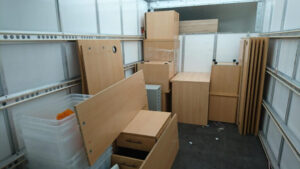
How to Store Furniture in a Storage Unit?

Properly storing furniture in a storage unit is essential to maintaining its condition and preventing damage from moisture, dust, mold, and other environmental factors. Whether you are relocating, downsizing, or needing extra space, following these storage unit tips will help arrange your inventory in an organized way, keeping it safe from dirt and ensuring easy access to your belongings. With various locations available, choosing the right one is crucial to protecting your things because when it comes to storage, not just anything will do. 

McDowell Mountain Community Storage provides a secure and well-maintained self-storage facility with various storage unit size guide options to meet your needs. Whether you need to move a single item or store multiple materials, we offer solutions for every type of furniture. This guide will walk you through the best ways to prepare, pack, and label your belongings, ensuring they remain in excellent condition throughout their storage. We aim to help customers protect their valuables while maximizing their storage areas for better accessibility and organization. 

Why Proper Furniture Storage Matters

Storing furniture improperly can lead to various issues, including:

  • Mold Growth and Mildew: Caused by high humidity levels, which can ruin fabric, wood, and leather.
  • Pests and Infestations: Rodents and insects can nest in sofas, mattresses, and wood furniture.
  • Scratches and Dents: Poor stacking and lack of proper padding can result in surface damage.
  • Structural Warping: Excessive exposure to extreme temperatures and humidity can alter the shape of wooden pieces.

By taking preventive steps, you can organize your furniture correctly and ensure that it remains in excellent condition while in storage, protecting it from environmental factors and preserving its material quality. 

Step 1: Choosing the Right Storage Unit

Selecting an appropriate storage unit is the first step to keeping your items safe. Consider the following factors:

1. Climate Controlled vs. Standard Storage

A climate-controlled storage unit is highly recommended, especially for valuable furniture pieces. It helps maintain stable humidity levels and protects against temperature fluctuations that can lead to mildew, stains, and warping. This option is ideal for businesses and individuals seeking a secure self-storage solution. Choosing the right location is crucial to minimizing exposure to debris and environmental damage. Extra precautions can go a long way in preserving your furniture, ensuring it stays in top condition while respecting your rights as a storage user.

However, if you choose a standard storage unit, ensure proper ventilation, air circulation, and additional protection, such as plastic or cardboard coverings. Protective materials, such as furniture blankets, can help prevent scratches and dust buildup. Wrapping delicate items, such as mirrors and glass furniture, securely in a padded box will add extra protection and maintain their value over time. 

2. Storage Unit Size Guide

Understanding the right storage unit size guide is essential for efficient organization. A well-planned self storage unit protects items from heat and ensures easy access through the door. Many facilities offer an app to track fees, making storage in your town more convenient. The main reason for choosing the right unit is to keep your belongings safe and organized. Here’s a breakdown of shared storage unit sizes:

  • 5×5 Unit – Suitable for small boxes, a few chairs, or a dresser.
  • 5×10 Unit – Ideal for a small apartment’s worth of furniture, such as a sofa, table, and mattress.
  • 10×10 Unit – Fits several pieces like a couch, bed frames, and bookshelves.
  • 10×20 Unit – Best for home furniture, including sofas, tables, chairs, and storage supplies.

Consider the space needed for walkways to ensure easy access to your belongings.

Step 2: Preparing Furniture for Storage

Proper preparation is crucial for preventing damage and extending the lifespan of your furniture item. Different types of materials require specific care to preserve their appearance. With the right approach, you can ensure a better storage experience and maintain the excellent condition of your belongings. These steps will help protect your furniture for the long term.

1. Clean Everything Thoroughly

Before moving your items into a storage unit, clean all surfaces using:

  • Soap and Water – Ideal for wood and hard materials.
  • Upholstery Cleaner – For fabric and leather furniture.
  • Leather Conditioner – Helps protect sofas, chairs, and couches from drying out.

Allow everything to dry completely to prevent the growth of mold and mildew.

2. Disassemble Large Furniture Pieces

Taking apart larger items will help maximize storage space and minimize the risk of scratches or dents.

  • Remove table legs, bed frames, and bookshelves.
  • Store screws, bolts, and nuts in a labeled bag.
  • Keep all hardware with the corresponding furniture piece.

3. Protect Your Furniture with the Right Materials

Use blankets, bubble wrap, and plastic covers to protect furniture surfaces. Additional packing supplies include:

  • Cardboard Sheets – Helps prevent scratches and stains.
  • Padding and Tape – Secures fragile edges and corners.
  • Sheets and Cloth – Keeps dust from accumulating on sofas and tables.


Step 3: Organizing Furniture in a Storage Unit

Once your items are packed, arranging them correctly inside the unit is crucial.

1. Place Heavier Items at the Back

Position bulky pieces, such as sofas, dressers, and mattresses, at the Back of the unit to create a stable base.

2. Stack Smartly

  • Use pallets or cinder blocks to elevate furniture off the floor.
  • Place lighter items on top of heavier ones.
  • Avoid overstacking to prevent damage to fragile materials.

3. Leave a Walkway for Easy Access

An open walkway will make accessing stored items easier, eliminating the need for unnecessary transportation or rearranging. Using furniture covers can help protect pieces while maximizing room efficiency. Properly planning storage also ensures better organization and can even lead to reduced rental rates in the long run. 

4. Maintain Air Circulation

Proper air circulation prevents humidity buildup, reducing the risk of mold growth and moisture damage. One of the main reasons to allow airflow is to protect valuable possessions in your self-storage unit. Avoid pushing furniture directly against walls to ensure better ventilation, allowing both men’s and women’s customers to keep their items in top condition. 

Step 4: Long-Term Storage Care

Store furniture properly at McDowell Mountain Community Storage in Scottsdale, Arizona with climate-controlled units and expert packing techniques

Trust McDowell Mountain Community Storage for secure and reliable storage solutions to keep your furniture in good condition over time. Our facility offers the ideal environment to protect your belongings from moisture, dust, and damage. Follow these additional steps:

1. Check Your Storage Unit Regularly

Make it a habit to inspect your unit for pests, mold, and any damage. If you notice humidity issues, use a dehumidifier to maintain stable temperatures. Checking for spills and ensuring items are not pressed against the wall can help prevent moisture buildup. Regular inspections offer long-term benefits by maintaining the best condition of your belongings.

2. Cover Items with Fabric, Not Plastic

While plastic covers can protect against water, they can also trap moisture, which can lead to the growth of mildew. Instead, use cloth, sheets, or breathable covers.

3. Protect Against Pests

Rodents and insects can be a significant risk in storage facilities. Use:

  • Pest-Repellent Bags – Store clothing, fabric, and mattresses safely.
  • Sealed Plastic Containers – Prevent insects from accessing storage supplies.

Final Thoughts on Storing Furniture in a Storage Unit

Proper furniture storage requires careful planning, from choosing the right storage unit size to using the correct materials for protection. Following these storage unit tips ensures your belongings remain in excellent condition while in self-storage.

Looking for a reliable storage facility? McDowell Mountain Community Storage offers secure storage units with climate control and various options to fit your needs. Whether you’re storing sofas, tables, or an entire home’s worth of furniture, our facilities provide the best conditions for long-term storage.

For more information, visit our sitemap, explore our menu of services, or contact us to discuss a personalized storage solution.

Frequently Asked Questions

1. How long can furniture be stored in a storage unit?

Furniture can be stored in a storage unit for as long as needed, provided it is adequately prepared and protected. Climate-controlled units are best for long-term storage to prevent humidity-related damage like mold or warping. Regularly checking your items and maintaining good air circulation can help preserve their condition.

2. What are the best storage solutions for antique or delicate furniture?

Antique and delicate furniture should be stored in a climate-controlled storage unit to prevent temperature fluctuations and humidity damage. Furniture blankets, bubble wrap, and cloth covers should protect surfaces. Fragile items like mirrors or glass doors should be wrapped in padding and stored upright to prevent breakage.

3. Can I store outdoor furniture in a storage unit?

Yes, outdoor furniture can be stored, but it must be cleaned and dried first to prevent mold and rust. Plastic covers can help protect against dust, while breathable fabric covers prevent moisture buildup. Elevating items off the floor with pallets or cinder blocks can protect them from water or dirt.

4. Are there any restrictions on what type of furniture can be stored?

Most standard furniture can be stored in a unit, but flammable, hazardous, or perishable items are prohibited. This includes furniture treated with chemicals that could release harmful fumes. Check with McDowell Mountain Community Storage for any restrictions before storing your furniture.

5. How do I prevent my furniture from smelling musty in storage?

Ensure the furniture is completely dry before storing it to prevent musty odors. Use charcoal bags or moisture absorbers to help control humidity. Keeping furniture slightly elevated and leaving a small gap between items can improve air circulation and reduce odor buildup.

6. Should I use a professional moving service to transport my furniture to storage?

If you have large or heavy furniture, hiring a professional moving service can help prevent damage during transportation. Movers can properly disassemble, wrap, and secure furniture, reducing the risk of scratches, dents, or breakage. If moving items yourself, use moving blankets, straps, and a dolly for safety.

7. How do I store furniture with glass components safely?

Glass tabletops, doors, and mirrors should be wrapped in bubble wrap and secured in a box or padded cover. To prevent breakage, always store glass items vertically, never flat. Label them as fragile and place them in a low-traffic area of your storage unit.

8. Is insurance necessary for stored furniture?

While not required, storage insurance is highly recommended, especially for valuable or antique furniture. Many storage facilities offer insurance plans, or you can check if your homeowners’ or renters’ insurance covers storage units.

9. How do I keep rodents and insects away from my furniture in storage?

To prevent pests, store furniture in a clean, dry storage unit. Use sealed plastic containers for small items, and avoid storing food or scented products. Placing pest-repellent bags or traps inside the unit can help keep insects and rodents away.

10. What should I do if I need to retrieve an item from storage quickly?

Label all boxes and furniture pieces clearly and keep an inventory list to make retrieval easy. Arrange furniture so that there is a walkway for easy access. Place frequently used items near the front of the unit so you can grab them without moving everything around.

Benefits of Using Self Storage for Small Business

Small business owners are always looking for ways to maximize efficiency, save money, and streamline operations. One solution that offers a lot of advantages is using a self-storage unit. Whether you’re an entrepreneur just starting out or a growing company looking to expand, self-storage provides a convenient and cost-effective way to manage your space and resources. In this article, we’ll explore the benefits of using self-storage for small businesses and why it might be the right choice for you.

1. Cost-Effective Solution

For small business owners, managing costs is a constant concern. Traditional office spaces and warehouses often come with high rents, long-term leases, and additional expenses for utilities and maintenance. Self-storage units offer a more affordable alternative. By choosing a storage unit size that fits your specific needs, you can avoid overpaying for space you don’t use.

This is especially important for entrepreneurs and small businesses that need to allocate their funds wisely. Whether you’re storing office supplies, electronics, or furniture, a self-storage unit can save you a lot of money in the long run.

2. Flexibility and Scalability

As your business grows, your storage needs will likely change. You might start with a home office that gradually fills with belongings, packages, and office supplies. Eventually, you may need more room to store additional items like furniture, electronics, or even a car.

A self-storage unit provides the flexibility to scale your storage space up or down as needed. You can easily switch to a larger or smaller unit without the hassle of relocating your business, giving you the freedom to expand or downsize based on your current situation.

3. Enhanced Security

Security is a top priority for small business owners, especially when storing valuable items like electronics, furniture, or important documents. Self-storage facilities are designed with security in mind, offering security features like 24/7 surveillance, gated access, and individual unit alarms.

Some facilities even offer climate control options, which are essential for protecting sensitive items from extreme temperatures or humidity. By using a secure storage facility, you can ensure that your business belongings are safe and protected at all times.

4. Improved Organization

Clutter can be a major obstacle for any business, particularly for those operating out of a small office or home office. A disorganized workspace can lead to inefficiencies and lost time searching for things you need. By moving non-essential items to a self-storage unit, you can free up valuable space in your office or home.

This improved organization allows you to create a more productive work environment, where everything is in its place. Whether you need to store seasonal items, promotional materials, or extra office supplies, a storage unit gives you the room to keep your workspace tidy and functional.

5. Convenient Access

For many small businesses, convenience and accessibility are key factors when choosing a storage solution. Self-storage facilities typically offer flexible access hours, with some providing 24/7 access. This means you can retrieve or store items whenever it suits your schedule, whether it’s during regular business hours or after-hours.

For companies that deal with logistics, such as shipping and receiving packages, this level of accessibility is crucial. You won’t have to worry about being limited by the facility’s hours of operation, giving you the freedom to run your business on your terms.

Benefits of Using Self Storage for Small Business Scottsdale

6. Inventory Management

Managing inventory can be a logistical challenge for small businesses, especially those that operate from a home office or small storefront. Self-storage units provide a practical solution for storing excess stock, bulk purchases, or seasonal items. By using a business storage unit, you can keep your inventory organized and easily accessible, which is essential for maintaining efficient operations.

With a range of storage unit sizes available, you can choose the right option for your needs, ensuring that your inventory is stored safely and ready for distribution when needed.

7. Document and Record Storage

Small businesses generate a lot of paperwork, from contracts and invoices to tax records and employee files. Storing these documents in your office can quickly take up space and create clutter. A self-storage unit offers a secure and organized way to store important documents offsite.

With climate control options, you can protect sensitive documents from environmental damage, such as moisture or extreme temperatures. This not only frees up space in your office but also ensures that your records are safe and easily accessible when needed.

8. Support for Seasonal Business Fluctuations

Many small businesses experience seasonal fluctuations in demand, leading to varying space requirements throughout the year. During peak seasons, you might need extra room for inventory, promotional materials, or even furniture. Conversely, during slower periods, you may want to downsize your storage needs to save money.

A self-storage unit offers the flexibility to adjust your storage options according to your business cycle, providing a convenient and cost-effective solution for managing seasonal changes.

9. Backup Location for Business Operations

Unexpected events, such as natural disasters, fires, or other emergencies, can disrupt your business operations. Having a backup location is essential for minimizing downtime and ensuring business continuity. A self-storage unit can serve as a secure backup location for essential business items, such as electronics, documents, and equipment. In the event of an emergency, having these items safely stored in a storage facility can help you quickly resume operations, minimizing the impact on your business and your customers.

10. Support for Entrepreneurs and Startups

Entrepreneurship comes with unique challenges, particularly when it comes to finding affordable space to store inventory, equipment, or office supplies. Renting a full office or warehouse space may not be financially viable in the early stages of your business. A self-storage unit offers a practical and affordable solution for entrepreneurs, providing a safe and secure space to store business belongings. Whether you’re a woman starting a new venture from your garage or an entrepreneur looking to grow your business, self-storage provides the flexibility and scalability needed to support your goals.

Conclusion

Self-storage is more than just a place to keep extra things—it’s a strategic tool that can support the growth and efficiency of your small business. With options ranging from small units for office supplies to larger spaces for furniture and inventory, self-storage offers a convenient, cost-effective, and secure solution for managing your business’s storage needs. By utilizing a self-storage unit, you can optimize your workspace, improve organization, and adapt to changing business needs. Whether you’re just starting out or looking to expand, self-storage provides the flexibility and convenience that small business owners need to succeed.

Frequently Asked Questions (FAQs)

Here are some FAQs about the benefits of using self storage for small business:

Q. Is self storage a secure option for storing business items?

Yes, self-storage is a secure option for storing business items, as many facilities offer 24/7 surveillance, gated access, and individual unit alarms. These features provide peace of mind and ensure that your inventory, archive, and other valuable business assets are well-protected.

Q. How does using self storage reduce clutter in a small business?

Using self-storage reduces clutter by allowing you to move non-essential items, seasonal inventory, and office supplies offsite, creating more room in your workspace. This organized approach helps streamline operations, making it easier to manage your business and plan for expansion.

Q. Are there any limitations or restrictions on what can be stored in self storage for small businesses?

Yes, there are typically some limitations on what can be stored in self-storage, including restrictions on hazardous materials, perishable goods, and illegal items. However, most business-related items like furniture, electronics, and archive documents are perfectly suited for these storage solutions.

Q. Can self storage provide flexibility for small business owners?

Self-storage offers significant flexibility for small business owners by allowing them to scale their storage space up or down as needed, depending on their current needs. This adaptability is ideal for businesses experiencing growth, expansion, or seasonal fluctuations.

Q. Are there any additional services or amenities offered by self storage facilities for small businesses?

Many self-storage facilities offer additional services and amenities, such as climate-controlled units, package acceptance, and extended access hours. These solutions are designed to cater to the unique needs of small businesses, providing convenient and secure storage options.

Unlock Extra Space for Your Business with McDowell Mountain Community Storage

As a small business owner in Scottsdale, Arizona, maximizing your workspace while ensuring the safety of your belongings is crucial. At McDowell Mountain Community Storage, we understand the challenges of running a business and offer climate-controlled storage units that cater perfectly to your needs. Our facilities provide the ideal environment to protect your valuable inventory, sensitive documents, and essential equipment from the intense Arizona heat. Whether you’re looking to store seasonal items, expand your inventory, or declutter your office, we have a variety of storage options to suit your requirements.

With the added convenience of flexible access and the security you can trust, McDowell Mountain Community Storage offers the perfect solution for creating more room to grow your business. Discover the benefits of using self storage for small business today and take the next step in optimizing your business operations!

How Big is a 10×5 Storage Unit?

When choosing the right storage unit, understanding the dimensions and capacity is crucial. A 10×5 storage unit, one of the more commonly available storage unit sizes, provides ample space for various storage needs. This blog will delve into what you can expect from a 10×5 storage unit, including its dimensions, typical uses, and tips for maximizing the space.

Dimensions and Space

When considering a 5×10 storage unit, understanding the dimensions and how much space you have to work with is essential for planning what you can store and how to organize it. Let’s break down these aspects in detail.

Floor Space

A 5×10 storage unit has a width of 5 feet and a length of 10 feet, for a total floor space of 50 square feet. This storage unit’s size is frequently compared to a large walk-in closet or half of a one-car garage. It has ample of space for diverse objects, making it an excellent choice for a variety of storage requirements.

Vertical Space

Most self storage units have ceilings that are around 8 feet tall, which gives you approximately 400 cubic feet of vertical storage space. This extra space allows you to stack items and store taller objects like a mattress or bookshelves, maximizing the available storage unit size.

Space Utilization

To make the most out of your 5×10 storage unit, it’s crucial to optimize both the floor and vertical space. Here are some tips for effective space utilization:

  • Stacking Boxes: Utilize the full height of the unit by stacking boxes. Use uniform box sizes for easier stacking and better stability. Keep a list or inventory of the items in each box for easy access.
  • Shelving Units: If allowed by the storage facilities, consider bringing in freestanding shelves. These can help organize smaller items and office supplies efficiently, making use of the vertical space.
  • Disassembling Furniture: Break down larger items like a bed frame, desk, or patio furniture to save space. Store disassembled parts vertically or flat against a wall.
  • Using Corners: Place bulkier items like a washer, motorcycle, or business inventory in the corners. This leaves the center and sides of the unit more accessible for smaller items and boxes.

Accessibility and Organization

When arranging your self storage unit, consider how frequently you’ll need to access the stored items. If regular access is necessary, create a narrow aisle down the middle or along one side of the unit. Place items you need frequently near the front. Label all boxes clearly and keep an inventory list to make finding things easier.

Cost and Pricing

The price of a 5×10 storage unit can vary based on location, amenities, and demand. In cities with high demand, prices might be higher. Look for discounts or promotions offered by storage facilities. Extra space storage options might provide added features like climate control storage, enhancing the value despite a higher cost.

Understanding the dimensions and space of a 5×10 storage unit helps you plan and organize effectively. With 50 square feet of floor space and approximately 400 cubic feet of vertical space, you can store a considerable amount of items by utilizing smart organization techniques. Whether you’re storing bedroom furniture, business supplies, or seasonal items, a 5×10 unit offers a practical and versatile storage solution. Consider your specific needs, the types of items you’ll store, and the amenities offered by the storage facility to choose the best unit for you. Whether it’s for personal use, business storage, or even storing a motorcycle, a 5×10 storage unit can be worth the investment.

What Can You Fit in a 10×5 Storage Unit?

A 10×5 storage unit offers 50 square feet of floor space, making it a versatile choice for various storage needs. Here’s a detailed look at what you can fit in this size storage unit:

1. Furniture

  • Living Room Items: A small couch, coffee table, and a couple of chairs. Disassembling larger furniture can help maximize space.
  • Bedroom Furniture: A queen or king mattress, bed frame, dresser, and nightstands. If you disassemble the bed, it will fit more easily.
  • Office Furniture: A desk, office chair, filing cabinets, and shelves.

2. Boxes

  • Storage Boxes: Around 20-30 medium-sized boxes, depending on how you stack them. Labeling boxes helps in organizing and easy retrieval.
  • Seasonal Items: Holiday decorations, winter clothes, and other seasonal belongings.

3. Appliances

  • Small Appliances: A washing machine, dryer, or a small refrigerator. Larger appliances might fit if space is managed efficiently.
  • Kitchen Items: Microwaves, toaster ovens, and other small kitchen appliances.

4. Personal Items

  • Sports Equipment: Bicycles, skis, golf clubs, and other sports gear.
  • Tools and Supplies: Toolboxes, gardening equipment, and other household tools.
  • Hobby Items: Craft supplies, musical instruments, and hobby gear.

5. Business Storage

  • Office Supplies: Boxes of documents, office supplies, and extra inventory.
  • Retail Inventory: Small business owners can store excess stock, promotional materials, and seasonal items.

6. Miscellaneous

  • Outdoor Items: Patio furniture, grills, and gardening tools.
  • Vehicles: Although not large enough for a car, it can store a motorcycle, scooter, or bicycles.
  • Miscellaneous Household Goods: Items that don’t fit in your home but you want to keep, like extra furniture or heirlooms.

A 10×5 storage unit is a practical solution for storing a wide range of items, from storing furniture and storing appliances to personal belongings and business supplies. By efficiently organizing and utilizing the vertical space, you can fit a surprising amount into this unit size. A 10×5 unit is a versatile and cost-effective storage solution for those who are relocating, renovating, or simply need more space.

How Big is a 10x5 Storage Unit Scottsdale Arizona

Typical Uses for a 10×5 Storage Unit

A 10×5 storage unit is versatile and can accommodate a variety of storage needs. Here are some typical uses for this unit size:

1. Home Renovation

  • Temporary Storage: Store furniture, appliances, and personal items from a bedroom, living room, or office while you renovate. This ensures your belongings are safe and out of the way during the renovation process.

2. Moving

  • Transition Storage: If you’re between homes, a 10×5 unit is perfect for holding the contents of a one-bedroom apartment. This includes items like a queen bed, sofa, desk, and several boxes, keeping them safe until you’re ready to move into your new place.

3. Decluttering

  • Seasonal Storage: Store seasonal items such as holiday decorations, winter clothing, and patio furniture. This helps free up space in your home for items you use more frequently.
  • Organizing: Use the unit to store items you don’t need on a daily basis, like extra office supplies, books, and collectibles.

4. Business Storage

  • Inventory Storage: Small businesses can use a 10×5 unit to store excess inventory, marketing materials, or office furniture. This is especially useful for home-based businesses that need extra space.
  • Document Storage: Keep important documents, files, and records organized and secure without cluttering your office space.

5. Personal Storage

  • Hobby Equipment: Store hobby-related items such as sports equipment, tools, and craft supplies. This helps keep your home organized and your equipment in good condition.
  • Motorcycle Storage: A 10×5 unit can accommodate a motorcycle or bicycle, along with related gear and accessories.

A 10×5 storage unit offers a practical and flexible solution for various storage needs. Whether you’re relocating, renovating, organizing, or need extra room for business, this unit size can help you stay organized and secure your items.

Tips for Maximizing Your 10×5 Storage Unit

Making the most of your 10×5 storage unit requires thoughtful planning and organization. Here are some detailed tips to help you maximize the space:

1. Disassemble Large Items

Breaking down furniture and other large items can save significant space and make organizing easier. Here’s how:

  • Furniture: Remove the legs from tables and chairs, disassemble bed frames, and take apart shelving units. This not only saves space but also makes it easier to fit these items through the storage unit door.
  • Shelves and Bookcases: Taking these apart can allow you to store them flat, making it easier to stack other items on top.

2. Use Uniform Boxes

Storing items in uniform boxes allows for easier stacking and better space utilization. Consider these points:

  • Stackability: Uniform boxes ensure a stable stack, which is crucial for preventing items from toppling over and making the best use of vertical space.
  • Efficiency: Same-sized boxes can be arranged like bricks in a wall, leaving minimal gaps and ensuring you use every inch of space.
  • Durability: Invest in sturdy, high-quality boxes that can withstand the weight of being stacked.

3. Label Everything

Clearly labeling all boxes and containers makes finding items easier and quicker. Here’s how to do it effectively:

  • Descriptive Labels: Use detailed labels on each box, including a list of contents. This saves time when searching for specific items.
  • Inventory List: Keep an inventory list of all items stored in the unit. Number the boxes and match them to your list for easy reference.
  • Color Coding: Consider using colored labels or markers for different categories of items (e.g., red for kitchen items, blue for office supplies).

4. Create an Aisle

Leaving a small aisle in the unit allows for easy access to items at the back. Here’s why it’s important:

  • Accessibility: An aisle means you won’t have to unload half of your unit to reach something stored at the back. This is especially useful for frequently accessed items.
  • Organization: An aisle helps maintain order within the unit, making it easier to move things around without causing a mess.
  • Space Planning: Plan the layout of your unit so that larger, less frequently accessed items are at the back, and smaller, more frequently used items are near the front.

5. Utilize Vertical Space

Stacking boxes and employing shelving systems, if allowed, can significantly improve storage capacity.:

  • Stacking Boxes: Place heavier, sturdier boxes at the bottom and lighter boxes on top. Ensure that stacks are stable and secure.
  • Shelving Units: If your storage facility allows, use freestanding shelves to organize smaller items and maximize vertical space. Shelves can help keep items accessible and reduce the need to stack boxes too high.
  • Hooks and Hangers: Consider using adhesive hooks or over-the-door hangers for items like bicycles, garden tools, or sports equipment.

Additional Tips

  • Vacuum Bags: Use vacuum-sealed bags for storing clothing, bedding, and other fabric items. These bags reduce the volume of soft goods and protect them from dust and moisture.
  • Plastic Bins: Clear plastic bins allow you to see the contents without opening them, making it easier to find what you need.
  • Priority Access: Store items you may need to access frequently at the front of the unit, such as seasonal decorations or important documents.

Maximizing your 10×5 storage unit requires strategic planning and efficient use of space. By disassembling large items, using uniform boxes, labeling everything, creating an aisle, and utilizing vertical space, you can fit more into your unit and keep it well-organized. With these storage tips, you’ll be able to store a surprising amount of belongings while ensuring everything is easily accessible when you need it. Happy storing!

Conclusion

A 10×5 storage container provides a versatile and practical solution for a variety of storage requirements. Whether you’re relocating, remodeling, or just seeking to declutter, knowing the capacity and potential of particular unit size will help you make the most of your storage space. You can pack a surprising amount of goods into a 10×5 unit if you organize and use the vertical space properly. Happy storage!

Feel free to share your storage experiences or ask any questions in the comments below. We’d love to hear from you!

Frequently Asked Questions

What is the difference between a 10×5 and a 5×10 storage unit?

Although both units provide 50 square feet, the 10×5 is wider, which facilitates the accessibility of items across the space’s span. Nevertheless, the 5×10 is more substantial.

What is the maximum number of cartons accommodated in a 10×5 storage unit?

The manner in which the boxes are arranged and organized allows for the accommodation of approximately 10–15 medium—to large boxes.

Is a 10×5 storage unit sufficient for furniture?

Certainly, depending on the configuration, it can accommodate a variety of compact furniture, such as a small couch, end tables, and chairs.

How much cubic space does a 10×5 storage unit offer?

The cubic space is contingent upon the ceiling height, which typically ranges from 8 to 10 feet. A 10×5 unit provides approximately 400 cubic feet of space with an 8-foot elevation.

Are 10×5 storage units equipped with climate control?

Certain facilities provide climate-controlled 10×5 units, particularly well-suited for items susceptible to temperature and humidity, such as electronics or wooden furniture.

Can a 10×5 storage unit accommodate an entire bedroom?

True, it can accommodate most items in a bedroom, including a bed, dresser, and boxes of apparel or other personal items.

Is a 10×5 storage facility appropriate for the possessions of a college student?

Yes, it is the perfect storage solution for the belongings of a college student, accommodating a bed, desk, tiny furniture, and personal items in boxes.

Can a motorcycle be stored in a 10×5 storage unit?

Indeed, a motorcycle can be accommodated in a 10×5 storage unit, providing adequate ceiling height and convenient access.

Is a 10×5 storage unit sufficient for appliances?

It can accommodate tiny appliances, such as a microwave, mini-fridge, or TV; however, large appliances, such as refrigerators, may require a significant amount of space or may not fit.

Is it permissible to store seasonal objects in a 10×5 storage unit?

Yes, it is an excellent choice for seasonal storage, as it can accommodate multiple bins or boxes for winter apparel, gardening tools, and holiday decorations.

Maximize Your Space with a 10×5 Unit at McDowell Mountain Community Storage!

Are you ready to optimize your storage solutions effortlessly? At McDowell Mountain Community Storage in Scottsdale, Arizona, our 10×5 storage units offer the perfect blend of convenience and capacity. Understanding the size and dimensions of your storage unit is crucial, and our 10×5 units provide 50 square feet (4.65 square meters) of area with a height of approximately 8 feet (2.44 meters), resulting in about 400 cubic feet (11.33 cubic meters) of volume. When you calculate these dimensions it will help you plan and utilize the space effectively.

Whether you’re in the midst of moving, tackling a home renovation, or simply looking to declutter your living space, our secure and easily accessible units cater to all your storage needs. Use our handy storage calculator to estimate the footage or measurement of items you need to store, and determine the perfect fit. Whether you need space for a studio apartment’s worth of belongings or a vehicle, we have various sizes like 5×10 storage units available at multiple locations. Compare our available options and see why renting a unit with us is the best choice. Our state-of-the-art facilities ensure that your belongings are kept safe, and our dedicated team provides top-notch customer service to assist you every step of the way.

Contact us today to reserve your unit and experience a seamless storage solution designed to fit your lifestyle. Don’t wait—transform your space with McDowell Mountain Community Storage now!

How Big is a 5×5 Storage Unit?

When you’re looking to declutter your home or store some extra belongings, renting a storage unit can be a great solution. Among the various storage unit sizes available, the 5×5 storage unit is often the smallest. Despite its modest dimensions, it can hold a surprising amount of items. This guide will help you understand how big a 5×5 storage unit is, what it can store, and tips for maximizing this space.

Understanding the Dimensions

When considering a 5×5 storage unit, it’s essential to grasp its size to plan effectively for your storage needs. A 5×5 storage unit measures 5 feet in width and 5 feet in depth, providing a total floor area of 25 square feet. This size is comparable to a small walk-in closet. The height of these units typically ranges from 8 to 10 feet, which translates to approximately 200 to 250 cubic feet of storage volume.

While the footprint might seem modest, the vertical space significantly increases the unit’s capacity. Utilizing the full height allows you to stack boxes and items, maximizing the available storage area. This makes the 5×5 unit surprisingly versatile, capable of holding a variety of belongings, from small furniture and appliances to boxes of clothing, books, and seasonal decorations. Understanding these dimensions helps you estimate the unit’s capacity and plan how to organize your contents effectively.

What Can You Store in a 5×5 Storage Unit?

A 5×5 storage unit, despite its modest size, offers a surprising amount of storage capacity and can accommodate a wide variety of items. Think of it as the size of a small walk-in closet or half of a standard bedroom, giving you enough space to store essentials and seasonal items without cluttering your living space. Here’s a detailed look at what you can store in a 5×5 storage unit:

1. Boxes and Bins – You can stack several small to medium-sized boxes or plastic bins in a 5×5 unit. This is perfect for those who need to store documents, books, holiday decorations, or clothing. By using uniform boxes, you can make the most of the vertical space available, stacking them neatly to the ceiling.

2. Small Furniture – A 5×5 storage unit can easily accommodate small pieces of furniture. Items like a small dresser, a nightstand, an end table, or even a compact bookshelf can fit comfortably. Disassembling larger items, like a bed frame, can also help you utilize the space more efficiently.

3. Appliances -This unit size is suitable for storing small household appliances. You can fit a microwave, a mini-fridge, a small washer and dryer, or a couple of fans. This makes it an ideal choice for students or temporary relocations where you need to store appliances safely.

4. Miscellaneous Items – For hobbyists and sports enthusiasts, a 5×5 unit can store a range of equipment and accessories. From sports equipment like golf clubs and bicycles to crafting supplies and gardening tools, this unit keeps your hobbies organized and accessible.

5. Seasonal Items – A 5×5 storage unit is perfect for storing seasonal items that you don’t need year-round. This includes holiday decorations, winter clothing, or summer patio furniture. Storing these items off-season frees up valuable space in your home.

6. Office Supplies – For small business owners, a 5×5 unit can serve as an extension of your office. Store excess inventory, important documents, or office equipment like chairs, printers, and small desks. This helps keep your business space organized and clutter-free.

7. Electronics – Sensitive electronics like TVs, computers, and stereo systems can also be stored in a 5×5 unit, especially if it’s climate-controlled. This ensures they are protected from extreme temperatures and humidity.

8. Personal Items – Personal items like clothing, shoes, and accessories can be stored in garment bags or boxes. This is particularly useful for those with limited closet space at home.

In conclusion, a 5×5 storage unit offers a versatile and practical storage solution for a variety of items. By carefully organizing and maximizing the vertical space, you can store much more than you might initially think. Whether for personal, business, or seasonal needs, a 5×5 unit can help you declutter and organize your life effectively.

Storage Tips for a 5×5 Unit

Maximizing the capacity of a 5×5 storage unit requires strategic planning and storage organization. Despite its modest size, you can store a surprising variety of items by following these essential tips:

  1. Use Uniform Boxes: Choosing boxes of the same size makes stacking more efficient and stable. This uniformity allows you to maximize the vertical space in your unit, keeping the contents organized and easily accessible.
  2. Disassemble Furniture: To save space, disassemble any furniture that can be taken apart. This way, items like bed frames, tables, and chairs can be stored flat against the walls, leaving more room for other belongings.
  3. Utilize Vertical Space: To maximize the unit’s height, stack heavier goods at the bottom and lighter ones on top. Shelving units can help keep smaller items organized and off the floor.
  4. Create Aisles: If you need to access items regularly, leave a small aisle or pathway. This allows you to reach boxes or items at the back of the unit without having to move everything around.
  5. Label Everything: Clearly label all boxes and bins with their contents. This will save you time and hassle when you need to find something specific. Consider using a numbering system and keeping a corresponding inventory list outside the unit.
  6. Use Space-Saving Solutions: Vacuum-sealed bags can compress clothing, bedding, and other soft items, reducing their volume. This is especially useful for storing seasonal items like winter coats and blankets.
  7. Protect Your Items: Wrap fragile items in bubble wrap or packing paper and place them in sturdy boxes. For added protection, consider using moving blankets to cover larger pieces of furniture.
  8. Plan Ahead: Before you start loading your unit, plan the layout. Place items you’ll need more frequently near the front and stack less-used items toward the back.
  9. Optimize for Accessibility: If you have items you need to access frequently, like tools or office supplies, consider placing them in clear plastic bins. This way, you can easily see what’s inside without having to open each container.
  10. Consider Climate Control: If you’re storing sensitive items like electronics, documents, or artwork, consider renting a climate-controlled unit. This will help protect your belongings from extreme temperatures and humidity.

By following these tips, you can effectively organize and maximize the space in your 5×5 storage unit. Proper planning and smart packing will ensure you make the most of this compact storage solution, keeping your items safe and easily accessible.

How Big is a 5x5 Storage Unit

Ideal Uses for a 5×5 Storage Unit

A 5×5 storage unit, while compact, offers a surprisingly versatile solution for various storage needs. This small yet efficient space is ideal for individuals and businesses alike, providing a convenient way to store items without taking up valuable room in your home or office. Here are some ideal uses for a 5×5 storage unit:

1. College Students

College students often face the challenge of finding storage for their dorm room essentials during summer breaks. A 5×5 storage unit is perfect for storing books, clothing, small furniture, and other dorm room items. It offers a secure place to keep belongings without the hassle of transporting them back home between semesters.

2. Small Businesses

Small businesses can benefit greatly from the additional storage space a 5×5 unit provides. It can be used to store excess inventory, documents, office supplies, or promotional materials. By moving non-essential items out of the main workspace, businesses can maintain a clutter-free and efficient environment.

3. Hobbyists and Crafters

For hobbyists and crafters, having a dedicated space to store supplies and equipment is essential. A 5×5 storage unit can hold a variety of craft supplies, tools, and finished projects. It keeps the home workspace organized and ensures that all materials are readily accessible when creativity strikes.

4. Apartment Dwellers

Living in a small apartment often means limited storage space. A 5×5 storage unit acts like an extension of your closet or garage, providing room for seasonal clothing, holiday decorations, and other items that are not needed on a daily basis. This helps to keep the living space tidy and functional.

5. Storing Seasonal Items

Seasonal items like festive decorations, winter sports equipment, and summer clothing can take up a lot of room in your home. A 5×5 storage unit is ideal for keeping these items orderly and out of the way during the off-season. This guarantees that your home is uncluttered throughout the year.

6. Moving or Renovating

If you’re in the process of moving or renovating your home, a 5×5 storage unit can be a lifesaver. It provides a temporary space to store furniture, boxes, and other belongings during the transition. This helps to protect your items and keep them organized until you’re ready to move them into your new or renovated space.

7. Storing Important Documents

For both individuals and businesses, a 5×5 storage unit can serve as a secure place to store important documents. By keeping tax records, legal papers, and other important files in a storage unit, you can free up space in your home or office while ensuring these documents are safe and accessible.

8. Storing Sports Equipment

Sports equipment, such as bicycles, golf clubs, and camping gear, can take up a lot of space in your home. A 5×5 storage unit offers a convenient place to store these items when they’re not in use. This helps to keep your garage or living area organized and free from clutter.

9. Storing Small Appliances

If you have to store appliances like a microwave, mini-fridge, washer, or dryer that you don’t use regularly, a 5×5 storage unit is a great place to keep them. This allows you to free up space in your home for more frequently used items.

10. Storing Children’s Items

As children grow, they often outgrow clothing, toys, and furniture. A 5×5 storage unit provides a place to keep these items until you decide to sell, donate, or pass them on to someone else. It’s a great way to keep your home organized while holding onto items that may still have sentimental or practical value.

In summary, a 5×5 storage unit is a versatile and cost-effective solution for a variety of storage needs. Whether you’re a student, a small business owner, a hobbyist, or someone looking to declutter their home, this compact storage option can help you stay organized and make the most of your space.

Cost and Availability

The cost of a 5×5 storage unit varies depending on location, facility, and additional features like climate control. Generally, you can expect to pay between $30 and $75 per month. Always check for promotions or discounts, especially if you plan to rent long-term. In major cities, prices may be higher due to demand. Be sure to compare prices across different self-storage facilities to find the best deal.

Storage Facilities and Amenities

Many self-storage facilities offer a variety of storage amenities to make your experience more convenient. These can include 24/7 access, climate-controlled units to protect your belongings from extreme temperatures, and enhanced security features. Some facilities also offer online account management and payment options, making it easier to keep track of your storage unit.

Additional Considerations

When choosing a storage facility, it’s important to consider factors such as location, security, and customer reviews. Some facilities offer additional services such as moving truck rentals, packing supplies, and insurance options. Make sure to account for these amenities when comparing facilities. Also, consider the facility’s commitment to customer service and its reputation within the community. Look for facilities that are well-maintained, have friendly and helpful staff, and offer flexible rental options.

A 5×5 storage unit is roughly the size of a small walk-in closet or half of a standard bedroom. It’s perfect for storing items that you don’t need on a daily basis but still want to keep safe and accessible. With proper organization and planning, this small storage solution can go a long way in helping you declutter and organize your life.

Conclusion

A 5×5 storage unit may be small in footage and measurement, but with careful planning and organization, it offers ample storage capacity. It’s an ideal solution for students, small businesses, and individuals looking to store seasonal items or declutter their homes. For more detailed information on storage unit sizes and to find a storage solution that fits your needs, check out self-storage unit options available in your city or state and consider using an online storage unit calculator to estimate your needs and compare prices in your area.

Frequently Asked Questions

How does a 5×5 storage unit compare to other small units?

A 5×5 unit is one of the most minor options, and it is best for storing a closet’s worth of items. For slightly more storage, a 5×10 unit might be more suitable.

Is a 5×5 storage unit usually climate-controlled?

Some storage facilities offer climate-controlled 5×5 units, which can help protect sensitive items like electronics, wooden furniture, or artwork.

Can I store art or collectibles in a 5×5 storage unit?

A 5×5 unit is suitable for storing small art pieces, collectibles, or delicate items, especially in a climate-controlled unit to prevent damage.

Is it easy to access items in a 5×5 storage unit?

Yes, with proper organization, accessing items is straightforward. Stacking boxes with labels facing outwards and arranging items thoughtfully can make access easier.

Can a 5×5 unit hold appliances?

A 5×5 unit can accommodate small appliances like a microwave, toaster oven, or mini-fridge. However, it is too small for large appliances like full-sized refrigerators.

Can I store sports equipment in a 5×5 storage unit?

A sports 5×5 storage unit can hold equipment such as golf clubs, skis, or a few pieces of gym equipment.

Is a 5×5 storage unit suitable for small business inventory?

Yes, a 5×5 unit provides sufficient space for small-scale inventory, such as a few boxes of products or supplies.

Will a 5×5 storage unit fit an entire bedroom’s worth of items?

No, a 5×5 unit is too small for a complete bedroom’s contents, but it can hold select items like a twin mattress, a few boxes, and small furniture pieces.

What is a 5×5 storage unit similar to in size?

A 5×5 unit is similar to a small walk-in closet or half of a standard bathroom, making it useful for limited storage.

Is a 5×5 storage unit suitable for seasonal storage?

A 5×5 unit is ideal for storing seasonal items like holiday decorations, gardening tools, and winter clothing.

Maximize Your Space with McDowell Mountain Community Storage Today!

Are you ready to declutter your life and maximize your space? Look no further than McDowell Mountain Community Storage in Scottsdale, Arizona. Our 5×5 storage units offer the ideal solution for storing your extra belongings, whether you’re a student needing summer storage, a small business owner managing inventory, or simply looking to organize your home.

With top-notch security, climate-controlled options, and a variety of storage amenities, we ensure your items are safe and accessible. Contact us today to explore our affordable options and start your storage journey with the best in Scottsdale!

How Big is a 10×10 Storage Unit?

Finding the right unit to fit your needs is essential for storage. You’re in the right place if you’ve been wondering how big a 10×10 storage unit is and what it can store. A 10×10 storage unit offers ample space for various belongings, from furniture to appliances, making it a popular choice for many people. Let’s explain what you can expect from a 10×10 unit and why it might be the perfect solution for your storage needs. Consider the rental process, and remember to get an estimate of the volume of your items to determine how much you can fit. It’s also helpful to take measurements of your belongings and plan the layout of your storage space to make the most of the unit. Proper packing techniques will allow you to maximize the available space and keep your items organized and safe.

What is a 10×10 Storage Unit?

A 10×10 storage unit provides 100 square feet of space. That’s enough room for various items, whether you’re storing personal belongings, business inventory, or larger items like furniture and appliances. Typically, this unit size can hold the contents of a one-bedroom apartment, including boxes, furniture, mattresses, and appliances. It’s perfect for storing items during a move or renovation or as a long-term solution.

When considering whether a 10×10 storage unit is right for you, consider the dimensions and how much space you need for your storage items. It can accommodate a variety of items such as furniture, boxes, and even more significant things like refrigerators, washers, or dryers. Depending on the facility’s location, a 10×10 unit might be suitable for garage storage or a convenient self-storage unit for storing other large items.

How Much Can You Fit in a 10×10 Storage Unit?

A 10×10 unit can fit the following:

  • Furniture: A couch, chairs, tables, and dressers can easily fit in a 10×10 storage unit.
  • Appliances: If you need to store a washer, dryer, or refrigerator, a 10×10 unit will have enough space to accommodate them.
  • Boxes: It can hold several boxes, making it ideal for storing packed belongings during a move or remodel.
  • Mattresses: This space comfortably accommodates a queen-size mattress, box spring, and other bedroom pieces.
  • Vehicles: Depending on how you organize the items, you may store motorcycles, snowmobiles, or even a tiny car in a 10×10 unit.

Essentially, a 10×10 storage unit is large enough to store the items of a one-bedroom apartments, a small office, or a few vehicles. It’s an ideal choice if you need to store more significant things like furniture, appliances, or inventory. For business storage, it’s perfect for holding inventory, files, and other materials that need to be kept out of the way but are still accessible.

When considering the number of items you need to store, make sure to account for the ceilings of the unit as well. Many locations offer different sizes of units, so be sure to ask for the information you need to make an informed decision. If you’re unsure about the space required for your belongings, questions about the dimensions and available units that suit your storage needs are always good. A 10×10 unit might be a perfect option for a family with multiple bedrooms.

How Big is a 10x10 Storage Unit Scottsdale

Why Choose a 10×10 Storage Unit?

There are many reasons why people choose a 10×10 storage unit. Whether moving or needing extra space, a 10×10 storage unit provides the flexibility and capacity you need. For example, a 10×10 unit can hold half of the items from a typical house, including cars, a truck, or other significant belongings. This makes it ideal for storing furniture, appliances, and stuff you want to keep out of the way during a transition. Additionally, comparing storage unit prices from different providers will help you find the best deal for your needs, especially if you have your items for an extended period. Let’s list some of the main reasons for considering this unit size. 

1. Flexibility and Size

The dimensions of a 10×10 unit offer just the right balance of space size for storing various items. It’s so big or small, making it versatile enough for most storage needs. It stores everything from furniture to appliances, boxes, and seasonal items. If you’re sure how much space you need, a 10×10 self-storage unit is often a safe bet because it can hold a lot without being overwhelming. Additionally, if you need items like trucks, you can ask for answers about the ceiling height to ensure everything fits properly. A 10×10 unit offers flexibility regarding what you can store while still being compact enough to meet your needs. 

2. Convenient for Moving

Suppose you’you’re’you’re10×10 storage unit is often large enough to hold the contents of your entire apartment or family room. During the moving process, you might need temporary storage for your furniture, mattresses, and boxes before settling into your new home. This unit provides an excellent solution for short-term storage during your move, keeping your belongings safe and organized. Whether in New York, moving from Miami, or anywhere else, 10×10 storage units can store anything you need during your transition. It is ideal for those looking to keep their items secure while they finalize their living situation. 

3. Ideal for Renovations

Renovating your home? A 10×10 unit offers enough room to store furniture, appliances, and other items while work is done in your home. It protects your belongings from dust, debris, and potential damage, especially if you have multiple rooms or need to clear out an entire room. Additionally, consider the availability and size of storage unit options that best suit your needs. You may also find a shed or other storage options that fit your specific requirements, depending on what you need to store. A 10×10 unit is versatile enough to protect all your items during renovation. 

4. Business Storage

For small businesses, a 10×10 storage unit can be the perfect solution for storing inventory, equipment, documents, etc. Business storage allows you to keep your office or work area uncluttered while quickly accessing materials and supplies when needed. If your business has seasonal storage needs or you’re running out of space in the office, a 10×10 unit is an affordable option. Check the FAQ for additional information if you’re interested in the specifics. Whether in Chicago or New Jersey, a 10×10 unit offers plenty of space for business materials. For example, you can even make a car fit in the medium space of a 10×10 unit and still have room for other business equipment. With extra covers for items or seasonal products, a 10×10 unit provides the length you need for various materials. 

5. Budget-Friendly

One of the main reasons people choose a 10×10 storage unit is because it offers good value for the space. Whether you need it for a short-term move, renovation, or long-term storage, this size unit typically comes at an affordable price. While prices may vary based on location, facility amenities, and other factors, a 10×10 unit remains one of the most cost-effective choices in the storage facility market. You can find the perfect match for your needs by comparing storage unit sizes. The advantage of a 10×10 unit is that it strikes the right balance between affordability and storage capacity, making it ideal for those looking to store personal or business items. No matter the country or region, your unit size is a popular choice for short- and long-term storage solutions. 

What Can You Store in a 10×10 Storage Unit?

A 10×10 storage unit can hold a wide variety of items. Some of the most common things stored in these units include:

  • Furniture: As mentioned earlier, couches, chairs, tables, and coffee tables are everyday items stored in this size unit.
  • Appliances: Refrigerators, washers, dryers, and microwaves can also fit in a 10×10 unit.
  • Personal Belongings: Boxes of clothes, books, electronics, and documents are typically stored in this size unit.
  • Seasonal Items: Think of holiday decorations, outdoor furniture, bikes, and sports equipment.
  • Business Inventory: Many small businesses store this space’s inventory, supplies, and equipment.

If you have a 10×10 storage unit, you can rest assured that there is space for all your personal, business, or seasonal objects. Whether in Los Angeles or elsewhere, you can maximize the space available in your 10×10 unit.

How Big is a 10x10 Storage Unit Scottsdale AZ

Benefits of Renting a 10×10 Storage Unit

Renting a 10×10 storage unit has several advantages, making it an excellent option for various storage needs.

1. Storage Tips and Organization

A 10×10 storage unit offers an excellent opportunity to organize your belongings efficiently. Storage tips such as stacking boxes and vertical space can help you make the most out of this unit. By arranging your items properly, you can fit more in the unit and keep your belongings protected and easily accessible. Whether storing yours, creating a list of your items for easier retrieval, or organizing materials as a student, a 10×10 unit can help. For businesses, special promotions may offer discounts on storage, saving you money while helping you store thousands of items. With so many ways to organize, a 10×10 unit provides a flexible solution for all your storage needs. 

2. Climate-Controlled Storage Unit

A climate-controlled storage unit is an excellent option for sensitive items like electronics, artwork, or documents. These self-storage units maintain a consistent temperature and humidity level to protect your items from the damaging effects of extreme heat, cold, or moisture. This is particularly beneficial if you live in a place with harsh weather conditions or want to keep your belongings in top condition. Whether you’re looking for your self-storage items or need the protection of a climate-controlled environment, this option ensures your valuables stay pristine. 

3. Business Storage Solutions

For businesses, a 10×10 storage unit provides the flexibility to store essential documents, excess inventory, or office furniture. This business storage type allows easy access to your items without cluttering your office or workspace. It’s also a cost-effective solution for your company. Whether you’re storing your or you’re business-related items, a 10×10 self storage unit offers a practical solution for any person or business looking to stay organized and efficient. 

4. Accessibility and Convenience

Most storage facilities, including McDowell Mountain Community Storage, offer accessibility features such as extended hours, drive-up units, and secure access points. This makes storing and retrieving your items quick and easy. Whether you’re storing your refrigerators, you’ll find that your convenience unit makes your life easier. You can store anything from couches to tables, coffee tables, and even larger items like a mattress, washer, or dryer. Many self-storage units offer box sizes that can fit your needs. Whether you’re in Miami or anywhere in the country, the 10×10 availability can fit a wide range of storage needs.

5. Self-Storage Options for Everyone

Whether moving, entering, or entering storage space for your apartment, a self-storage unit like a 10×10 unit provides everything you need. It’s flexible and offers peace of mind, knowing that your belongings, such as lamps, closets, records, and products, are safe and easily accessible when needed. For students, a 10×10 storage unit can be perfect for storing your box sizes and keeping your belongings safe over the summer. Promotions offer great prices and help estimate the money you’ll spend. You’ll store thousands of items or more significant pieces like mattresses, coffee tables, couches, and seasonal equipment. Access to your self storage units is simple, and you’ll find that you can store everything you need without feeling cluttered. This option is a great way to manage your storage needs on a budget, whether you’re storing your items or your inventory.

How to Choose the Right Storage Unit for Your Needs

If you’re still unsure whether a 10×10 storage unit is the best option, here’s the simple answer: Here’s the right unit for your needs.

1. Evaluate What You Need to Store

Inventory your belongings and determine how much space you’ll need. If you stay in your apartment or a family room, a 10×10 unit is likely sufficient. However, if you have larger items, such as vehicles or bulky furniture, you may want to opt for a larger unit.

2. Consider Additional Services

Some storage facilities offer additional services like climate-controlled storage units or business storage options. If you have unique storage needs, consider these services.

3. Budget and Price

Prices for storage units can vary based on location, facility amenities, and accessibility features. Be sure to compare prices from different facilities to find the best deal for your budget.

Conclusion

A 10×10 storage unit is a versatile and cost-effective choice for those needing extra space. Whether moving, courting, or searching for a place to store your belongings, this unit offers the size and flexibility you need. With options like climate-controlled storage and business storage solutions, you can tailor your storage experience to suit your specific needs. If you’re ready, contact a reliable storage provider today to secure your 10×10 unit.

Frequently Asked Questions

Can I rent a 10×10 storage unit for a short period?

Yes, many storage facilities offer flexible rental terms, including month-to-month leases, allowing you to rent a unit for as little as a few weeks or as long as you need.

Is climate control available for a 10×10 storage unit?

Some storage facilities offer climate-controlled units to protect sensitive items like electronics, antiques, or artwork from extreme temperatures and humidity. You should check with the facility if they offer climate-controlled options.

What should I do if I can’t access business hours?

Many facilities provide extended access hours or 24/7 access for a convenience fee. Contact the facility for more options if you need access outside of regular hours.

Can I upgrade or downgrade the size of my storage unit during my rental?

Yes, many storage facilities allow you to change the size of your unit based on your needs, but be sure to check for availability and any associated costs when making changes.

How far in advance should I reserve a 10×10 storage unit?

It’s generally recommended to storage unit as soon as you know you’ll need it. You’ll especially be busy during busy seasons like summer or moving times. Reserving in advance ensures you get the unit size you want.

Can I store items for my business in a 10×10 storage unit?

Businesses often use storage units for inventory, equipment, or documents. Ensure that the storage unit is appropriate for the business items you plan to store.

Do I need to clean my storage unit before moving out?

While it is not always required, most facilities ask that you leave your unit clean and free of the trash when you move out. Some facilities may charge a cleaning fee if the unit is in poor condition.

What happens if I miss a payment for my storage unit?

Missing a payment could result in a late fee or even loss of access to your unit. If you anticipate missing a payment, contact the facility to discuss possible payment arrangements and avoid additional penalties.

Can I have someone else access my storage unit?

Many facilities allow you to add authorized persons to access your unit. You’ll typically provide their details, and they may need to present their ID.

What is the typical size of a 10×10 storage unit in cubic feet?

A 10×10 storage unit typically offers about 800 cubic feet of space to store the contents of a one-bedroom apartment or small home.

10×15 Storage Unit Size Guide

One of the most common choices is the 10×15 storage unit when looking for a storage solution. This unit size is highly versatile and can accommodate a variety of belongings, from everyday household items to business inventory. Understanding its capacity, dimensions, what can fit into a 10×15 storage unit, and its benefits will help you make the most of your Space. This guide will explore how a 10×15 storage unit is an excellent option for storing everything from mattresses to motorcycles and business supplies. Whether you’re deciding to rent, estimate the Space you need, or plan the best layout for your items, this unit offers an excellent solution for storing your contents. If you need self-storage for your house or business in a major city, a 10×15 storage unit provides plenty of room to store your items safely and securely. 

Understanding the Size of a 10×15 Storage Unit

A 10×15 storage unit offers 150 square feet of Space, roughly the size of a small to medium-sized room or a garage. This Space allows you to store many items, including furniture, appliances, and even larger items like motorcycles or vehicles. For those considering a self-storage unit, the 10×15 option provides the flexibility to store various items in an organized and accessible way. The spacious layout allows you to stack boxes, store larger items, and even fit multiple furniture pieces, making it ideal for moves or home renovations.

Exploring its different locations and storage unit sizes is essential when choosing self-storage. The 10×15 storage unit is just one of many options available. Depending on the amount of items you need to store, you can choose from various storage unit sizes to find the best fit for your belongings. With options ranging from smaller units to much larger spaces, finding the right unit ensures you can keep your things secure and organized in the most convenient way possible.

Household Storage Solutions with a 10×15 Unit

One of the primary uses for a 10×15 storage unit is personal storage. If you’re in the middle of a move or need to store seasonal items, this size unit can provide ample Space. Many use it to store furniture, appliances, and boxes during home renovations or relocations. You can easily fit items like couches, dressers, tables, and chairs in this unit size, along with electronics such as TVs and refrigerators. Additionally, this size can accommodate mattresses, which are often bulky and difficult to store in smaller spaces. This unit is also ideal for storing items from bedrooms or extra content from your homes, making it a great place to keep personal belongings safe during a move. If you need a walk-in closet’s worth of clothing, seasonal decorations, or other miscellaneous items, this unit has the Space to store it all. It can hold the contents of several bedrooms, giving you plenty of room to organize your items quickly. Whether you’re storing boxes, household goods, or other personal items, this site offers a convenient solution with the information you need to manage your belongings efficiently. 

For example, a family moving into a new apartment or home can store living room furniture, including a couch, coffee tables, and chairs, while also keeping other belongings like boxes of clothes, toys, and other small household items. In addition to furniture, larger items like appliances such as a washer, dryer, and dishwasher can also be stored. A 10×15 storage unit is also perfect for storing items from other rooms, such as the dining room or bedrooms, providing ample Space for self-storage units to keep your belongings organized and safe during the transition. Whether it’s seasonal decorations, extra furniture, or bulky household appliances, a 10×15 storage unit can accommodate a variety of items in one place. 

10x15 Storage Unit Size Guide Scottsdale AZ

Business Inventory Storage

For businesses, a 10×15 storage unit offers a convenient and affordable way to store extra inventory, equipment, and supplies. Many small business owners rely on storage units to keep their stock organized and easily accessible. Whether you’re storing seasonal items, office supplies, or equipment, this unit size provides the necessary Space without taking up valuable office space. Business storage in a 10×15 unit can also accommodate larger items like a mattress or a refrigerator, which might be needed for a showroom or unique project. This unit size is versatile enough to handle various types of inventory, and a wide range of customers across different states rely on it to help store their goods. Its flexibility and Space make it an ideal solution for organizing your business’s inventory. 

For example, if you’re in the furniture business, you may store excess inventory in the unit, such as couches, chairs, and dressers. Alternatively, business owners in industries such as event planning, construction, or retail can use the 10×15 unit for storing products or supplies. The storage space is large enough to fit large containers of items, making it easier to organize and retrieve inventory as needed. You can also store smaller items like a TV, patio furniture, or other equipment. A 10×10 unit might be a more economical option for businesses with fewer items, but the 10×15 unit offers greater flexibility for those with more extensive inventory. Whether you’re looking to reduce your business’s cost or streamline your storage, this unit can accommodate a list of items, from furniture to seasonal products. Additionally, you can use an app to help manage your storage needs, ensuring you are fully aware of your unit’s capacity and rights when accessing your inventory. 

Storing Vehicles and Larger Items

A 10×15 storage unit can also accommodate vehicles like motorcycles, cars, or even a boat. While this size may not suit larger vehicles like trucks or RVs, it can easily fit motorcycles or a small car. If you’re not using your vehicle for some time, this unit is a great way to store it in a secure, climate-controlled environment. This is particularly useful for areas with harsh winters, where you may not want to leave your vehicle outside. In addition to vehicles, this unit can also store skis, cabinets, and larger items like sofas. You might even find that storing your seasonal items in the same Space is a good idea, helping you save time and Space. For those managing multiple belongings, you can create an account to track and organize the amounts of items you’re storing in the unit, ensuring everything is easily accessible when you need it. 

For motorcycle owners, a 10×15 storage unit provides enough Space to store the motorcycle and other items such as tools, gear, and accessories. With its generous capacity and dimensions, this unit is perfect for storing belongings that may be too bulky for other storage options. It’s also ideal for those who need to store business inventory like motorcycle parts or accessories. Additionally, the unit can accommodate larger items like furniture or multiple boxes, making it a versatile option for personal and business storage.

Climate-Controlled Storage for Sensitive Items

climate-controlled storage unit is an excellent choice for sensitive items such as electronics, mattresses, or clothing. Many storage unit locations offer climate-controlled options to maintain a stable temperature and humidity level inside the storage unit, helping prevent damage caused by extreme heat or cold.

For example, moisture can easily damage mattresses, and electronics such as TVs or computers can be susceptible to heat and humidity. Storing these items in a climate-controlled self-storage unit ensures they remain in good condition, especially if you’re storing them for an extended period. Whether in a unit that fits your belongings like a walk-in closet or in a larger unit that can accommodate items from multiple bedrooms, this storage unit offers a wide variety of sizes to meet your storage needs. From furniture like couches, chairs, and dressers to larger items like a washer or dryer, a storage unit in a facility with climate control can provide the right solution for keeping your inventory or personal content safe. Whether you’re storing items for your home, office, or business, these features make climate-controlled storage an ideal option for customers who need to protect their valuable goods.

The flexibility of a 10×15 Storage Unit

One of the most significant advantages of a 10×15 storage unit is its flexibility. It can be used for a wide range of storage needs, whether you’re storing personal or business items. For homeowners, this unit can accommodate furniture from a living room or bedroom and appliances like refrigerators and washers. It allows businesses to store inventory, equipment, and seasonal supplies.

Whether you’re storing boxes of clothes, toys, or tools, the unit is large enough to fit these items while leaving Space to walk around and organize your belongings. Many people also use this unit to store extra furniture or household items they don’t use regularly but want to keep for future use. This includes couches, dressers, or larger items such as a washer, dryer, or vehicle. With the proper climate control, you can keep your items in good condition no matter the weather. For businesses or personal storage, the 10×15 storage unit provides the ideal solution for your storage needs, offering easy access to your items and ensuring they are stored securely in a facility that meets your requirements. Customers in cities like Los Angeles, Atlanta, and Chicago can take advantage of the available storage unit prices and facilities, with prices that range depending on the unit and storage features offered.

10x15 Storage Unit Size Guide Scottsdale, Arizona

Pricing and Location Considerations

The price of a 10×15 storage unit can vary depending on several factors, including location, amenities, and the facility’s features. For example, storage unit prices in large cities such as Los Angeles, Chicago, or Atlanta may be higher than in smaller towns or rural areas. However, the price often reflects the location’s demand for storage units.

When choosing a storage facility, considering the features offered, such as security, access, and climate control, is essential. Many facilities offer 24/7 access to your unit, which is crucial if you need to retrieve or store items anytime. Some facilities also offer on-site staff who can assist and answer any questions about renting a unit. Whether you need to store furniture, patio furniture, or boxes, it’s essential to plan the layout, estimate the amount of stuff you have, and determine how to stack and organize your belongings. The capacity and dimensions of the unit are designed to fit a variety of items, from sofas and skis to cabinets and larger furniture pieces. You can use a mobile app to manage your account or rent a storage unit to make moving, packing, and organizing easier. You’ll have plenty of Space to store items like a vehicle, apartment or garage contents, and seasonal furniture. Many facilities offer secure storage and options to organize items on shelves for easy access and a more efficient storage experience.

Using a 10×15 Storage Unit for Moving and Packing

If you’re moving to a new home or apartment, a 10×15 storage unit can help you manage the moving process. This unit size provides enough Space to store your moving boxes, furniture, and appliances until you’re ready to move them into your new home. Additionally, a truck rental can help you transport your items to the storage unit, making the process more efficient.

Use moving supplies such as boxes, bubble wrap, and packing peanuts to protect your belongings when packing. Organizing your items by category (e.g., furniture, electronics, clothes) will make it easier to find what you need when you’re ready to retrieve it from the unit. Trust McDowell Mountain Community Storage to provide clean, secure, and convenient storage options for a safe and reliable solution. 

How to Maximize Space in a 10×15 Storage Unit

Organizing your items efficiently is essential to get the most out of your 10×15 storage unit. Here are some storage tips for making the most of your storage space:

  1. Stack boxes: To maximize vertical Space, stack boxes on top of one another. Label the boxes clearly so you know what’s inside.
  2. Disassemble large furniture: If possible, disassemble furniture such as beds or tables to save Space.
  3. Store items in containers: Use containers to store smaller items like clothes, toys, and tools. This will keep your items organized and prevent them from getting damaged.
  4. Use shelves: If the facility allows, you can store boxes and smaller items on shelves, making it easier to access things at the back of the unit.

Organizing your belongings and packing carefully can maximize the unit’s Space and protect your items.

Conclusion

A 10×15 storage unit is a highly versatile and convenient option for storing various items, from furniture and appliances to motorcycles and business inventory. Whether you’re storing seasonal items, moving, or need extra Space for belongings, this unit size offers plenty of room for your needs. With the proper organization, you can maximize the Space and keep your stuff safe and secure.

When considering renting a 10×15 unit, research local storage facilities, their pricing, and available features like climate control or access. No matter your needs, the 10×15 storage unit offers Space, security, and convenience, making it an excellent choice for personal and business storage.

Frequently Asked Questions

What is the difference between a 10×15 storage unit and other unit sizes like 10×10 or 10×20? 

A 10×15 unit is more significant than a 10×10 but smaller than a 10×20, providing a middle ground for those who need more Space than the smaller unit but don’t require the full capacity of the larger one.

Can a 10×15 storage unit fit a king-sized bed? 

Yes, a 10×15 storage unit comfortably fits a king-sized bed and other bedroom furniture like dressers and nightstands.

How can I ensure the security of my items in a 10×15 storage unit? 

Look for facilities that offer security features such as surveillance cameras, gated access, and on-site staff to ensure the safety of your items.

Is it possible to store a motorcycle and other items in the same 10×15 unit? 

Yes, a motorcycle can fit alongside other items, such as furniture, boxes, or business supplies, as long as the Space is organized correctly.

What packaging materials should I use for fragile items in a 10×15 storage unit? 

During storage, use bubble wrap, moving blankets, and sturdy boxes to protect fragile items like glassware, electronics, and ceramics.

How do I maintain my stored items in a 10×15 unit over time? 

Ensure items stay in good condition, avoid storing perishable goods, check periodically for moisture or pests, and keep items elevated off the floor to prevent water damage.

Can a 10×15 storage unit accommodate a washer and dryer? 

Yes, a 10×15 storage unit is spacious enough to store large appliances like a washer, dryer, and refrigerator.

How do I determine the best layout for my items in a 10×15 storage unit? 

Plan your layout by grouping similar items and placing frequently accessed items near the front of the unit for easy retrieval.

Are there any restrictions on the types of items I can store in a 10×15 unit? 

Hazardous materials, flammable substances, and perishables are not allowed in storage units. Always check with your facility for specific guidelines.

Can I upgrade or downgrade my storage unit size if I need more or less Space? 

Many storage facilities allow customers to upgrade or downgrade their units based on availability and storage needs so that you can adjust as necessary.

How Big is a 5×10 Storage Unit?

When considering renting a storage unit, understanding the dimensions and capacity of the unit is crucial to ensuring you have adequate space for your belongings. One of the most popular sizes is the 5×10 storage unit. This guide will delve into the specifics of a 5×10 storage unit, helping you determine if it suits your needs.

Dimensions and Space: A Closer Look at a 5×10 Storage Unit

When considering a 5×10 storage unit, it’s essential to understand its dimensions to determine how well it meets your storage needs. This size unit is one of the most commonly rented, offering a good balance of space and affordability.

Floor Space

A 5×10 storage unit provides 50 square feet of floor space. To visualize this, imagine a space that is five feet wide and ten feet long. For a more tangible reference, picture a large walk-in closet or a small bedroom. This amount of floor space can accommodate a range of items, making it a versatile choice for various storage needs.

Vertical Space

The height of a 5×10 storage unit typically ranges between 8 and 10 feet, although this can vary by facility. This vertical space translates to approximately 400 to 500 cubic feet of storage capacity. The height allows for stacking items, which is a crucial aspect of maximizing storage efficiency. When packing your unit, think vertically to make the most of the available space. For example, stack boxes and furniture to utilize the full height of the unit.

Practical Considerations

While the floor space and vertical dimensions provide a basic understanding, it’s important to consider a few practical aspects:

1. Checking Exact Measurements – Storage units can slightly vary in height depending on the facility. Always confirm the exact measurements with the storage provider to ensure the unit meets your specific needs.

2. Accessibility – Think about how you’ll arrange items within the unit for easy access. Creating a layout that allows you to reach your belongings without having to unload the entire unit is crucial, especially if you’ll need to access your items frequently.

3. Utilizing Shelving – Adding freestanding shelves can help organize smaller items and take advantage of the vertical space. This is particularly useful for keeping boxes or bins neatly stacked and easily accessible.

Storage Capacity Examples

To better understand the capacity of a 5×10 storage unit, consider these common storage scenarios:

  • Furniture – A loveseat, a small dining table with chairs, and a few end tables can fit comfortably.
  • Household Items – A queen-size mattress set, several medium-sized boxes, and small appliances like a microwave or a mini-fridge.
  • Business Use – Office equipment, filing cabinets, and inventory boxes for a small business can be stored efficiently.

Maximizing Space Utilization

  • Making the most of your 5×10 storage unit involves strategic packing:
  • Disassemble Large Items – Breaking down furniture, such as bed frames and tables, can save considerable space.
  • Stack Strategically – Place heavier items at the bottom and lighter, more fragile items on top to prevent damage and make use of the vertical space.
  • Label and Organize – Clearly labeling boxes and maintaining an inventory list will help you find items quickly and keep the unit organized.

Understanding the dimensions and space of a 5×10 storage unit is the first step in determining if it suits your needs. With 50 square feet of floor space and up to 500 cubic feet of total storage capacity, this unit size offers ample room for a variety of items. By considering the practical aspects of vertical space, accessibility, and packing strategies, you can maximize the efficiency of your storage unit and ensure your belongings are stored safely and conveniently.

Visualizing the Space

Understanding the size of a 5×10 storage unit can be challenging without a frame of reference. Here’s a more detailed visualization to help you grasp just how much space you’ll have at your disposal:

1. Walk-In Closet Comparison – Imagine stepping into a standard walk-in closet. These closets typically offer enough room to walk around and store a variety of items, including hanging clothes, shoes, and boxes. A 5×10 storage unit provides a similar amount of space but with greater height, which means you can stack items higher, maximizing the vertical space.

2. Small Bedroom Comparison – Think about a small bedroom, often found in apartments or older homes. This room might fit a twin bed, a dresser, a nightstand, and still have some floor space left. In a storage unit, without the bed and furniture, you can use the entire floor space and stack items up to the ceiling, significantly increasing the storage capacity.

3. Half a One-Car Garage Comparison – A standard one-car garage is typically around 10×20 feet. Picture splitting this space in half lengthwise; you’re left with a 5×10 area. This comparison helps to understand the depth and width. If you’ve ever parked a compact car in a garage, the 5×10 storage unit is like fitting half of that garage space.

Detailed Breakdown of Potential Layouts

1. Against the Walls

  • Shelving Units: Place shelves along the longer 10-foot walls. This allows for organized storage of boxes, small appliances, and tools.
  • Tall Items: Position tall items like bookcases or mattresses upright against the shorter 5-foot walls to use the height efficiently.

2. Center Space

  • Furniture: Place bulkier furniture pieces like a loveseat or a small dining table in the center. Ensure they are covered with protective sheets to prevent damage.
  • Bikes and Equipment: Position bikes or lawn equipment in the middle, ensuring they are easy to access if needed frequently.

3. Stacking Strategy

  • Boxes: To make stacking easier, choose boxes of the same size. Place heavy boxes on the bottom and lighter ones on the top..
  • Disassembled Furniture: Break down larger furniture items like bed frames and tables to save space and stack them flat against a wall.

4. Accessibility Considerations

  • Pathways: If you need regular access to your belongings, create a narrow pathway down the middle or along one side of the unit. This allows you to reach items without having to move everything out of the way.

Capacity and Versatility

The compact yet ample space of a 5×10 storage unit can surprise you with its capacity. For instance, you could store the contents of a small one-bedroom apartment, including:

  • A queen-size mattress and box spring
  • A small sofa
  • A coffee table and end tables
  • Several medium-sized boxes of household items
  • Seasonal decorations
  • Sporting equipment like bikes or golf clubs

By visualizing the space in terms of familiar areas in your home, you can better plan and organize your storage strategy. This approach ensures you make the most of every inch, keeping your items secure and accessible.

Understanding How Big is a 5x10 Storage Unit in Scottsdale, Arizona at McDowell Mountain Community Storage

What Can Fit in a 5×10 Storage Unit?

A 5×10 self storage unit is versatile and can store a variety of items. Here are some examples of what you can typically fit:

1. Furniture

  • A couch or a loveseat
  • A queen-size mattress and box spring
  • A small dining table and chairs
  • Coffee tables and end tables
  • Bookcases and shelves

2. Appliances

  • A refrigerator
  • A washer and dryer
  • Smaller kitchen appliances like microwaves and toasters

3. Boxes and Personal Items

  • 10-15 medium-sized boxes
  • Suitcases and duffel bags
  • Seasonal items like holiday decorations and sports equipment

4. Other Items

  • Bicycles
  • Office supplies and small office furniture
  • Lawn equipment like a push mower

Ideal Uses for a 5×10 Storage Unit

A 5×10 storage unit offers a versatile solution for a variety of storage needs. Its size and capacity make it ideal for numerous scenarios, whether you’re moving, renovating, decluttering, or need extra space for business purposes. Here’s a more detailed look at the ideal uses for a 5×10 storage unit:

1. Moving

Moving can be a chaotic and stressful process. A 5×10 storage unit can help alleviate some of this stress by providing temporary storage for your belongings. This unit size is perfect for:

  • Transitioning Between Homes: A 5×10 unit can be used to store necessary items such as furniture, cartons, and personal possessions while you are transitioning from your old to new house. This keeps your belongings safe and secure until you are ready to relocate them to your new house.
  • Staging a Home for Sale: Real estate agents often recommend decluttering your home to make it more appealing to potential buyers. A 5×10 storage unit can store excess furniture, personal items, and décor, creating a more open and inviting space for showings.

2. Renovating

Home renovations can disrupt your daily life and create a lot of mess. A 5×10 storage unit provides a safe space to store your belongings while work is being done. This is particularly useful for:

  • Kitchen and Bathroom Remodels: These areas often require significant clearing out to make way for construction. A 5×10 unit can hold appliances, cabinets, and other fixtures temporarily.
  • Whole-Home Renovations: If you’re renovating multiple rooms, a 5×10 unit can serve as a central storage space for furniture, electronics, and personal items, protecting them from dust and damage.

3. Decluttering

Decluttering your home can free up valuable space and make your living environment more comfortable. A 5×10 storage unit can help with:

  • Seasonal Storage: Store items you only use during certain times of the year, such as holiday decorations, winter clothing, or summer sports equipment. This keeps your home organized and clutter-free.
  • Sentimental Items: If you have family heirlooms, photo albums, or other sentimental items you want to keep but don’t use daily, a 5×10 unit provides a secure space to store these precious belongings.

4. Business Use

Small businesses, especially those operating out of a home office or a small commercial space, can benefit significantly from a 5×10 storage unit. It can be used for:

  • Inventory Storage: If you run an e-commerce business or a retail store, a 5×10 unit can hold excess inventory, promotional materials, and seasonal stock, freeing up space in your primary location.
  • File and Document Storage: Keep important business records, files, and documents organized and secure. This is particularly useful for businesses that must retain records for several years.
  • Equipment and Supplies: Store office equipment, trade show materials, or tools that are not used daily but are essential for your business operations.

Additional Uses

Beyond these primary scenarios, a 5×10 storage unit can also be useful for:

  • College Students: Students can store their dorm room belongings during summer breaks, making the transition between school years smoother.
  • Hobbyists: If you have a hobby that requires a lot of equipment or materials, such as crafting, biking, or gardening, a 5×10 unit can keep your supplies organized and accessible without cluttering your home.
  • Military Personnel: Military members who are deployed or relocating frequently can use a 5×10 unit to store personal belongings securely.

A 5×10 storage unit is a practical and flexible solution for a wide range of storage needs. Whether you’re moving, renovating, decluttering, or running a small business, this unit size offers ample space to store your belongings safely and efficiently. Understanding the ideal uses for a 5×10 storage unit can help you make the most of this valuable resource, ensuring your items are well-organized and easily accessible whenever you need them.

Conclusion

A 5×10 storage unit is a versatile and practical option for many storage needs. Whether you’re moving, renovating, decluttering, or need extra space for business items, this storage unit size can accommodate a variety of belongings. With approximately 50 square feet of floor space and ample vertical footage, a 5×10 unit is comparable to the size of a small studio apartment.

To determine if this size storage unit is right for you, use an online storage calculator to estimate the length, height, and capacity you’ll need. Understanding the dimensions and capacity of 5×10 storage units can help you make an informed decision. These self storage units are perfect for storing items like furniture, boxes, and even a motorcycle.

When comparing storage unit sizes, prices, and locations, consider the cost and difference between a 5×10 and a larger unit, such as a 10×10 storage unit. Pricing varies based on city, storage facilities, and amenities offered. Extra Space Storage and other self-storage providers often have a range of storage solutions to fit your needs.

Maximize your 5×10 unit’s space by employing smart packing strategies, such as using uniform boxes and stacking items to the ceiling. Whether you need a temporary storage solution during a move or a long-term option for decluttering, a 5×10 storage unit offers an affordable and efficient way to store your belongings. Always choose a reputable storage facility to ensure peace of mind and security for your valuables.

With various storage unit options available, including vehicle storage and business storage, you can find the perfect self-storage unit to meet your needs. By understanding storage unit prices and utilizing a storage unit size calculator, you can find the ideal storage solution at the right price.

Frequently Asked Questions

Is there climate control in a 5×10 storage unit?

Certain establishments have climate-controlled 5×10 units, which can help safeguard objects like electronics or wooden furniture susceptible to humidity and temperature changes.

What is the difference between a walk-in closet and a 5×10 storage unit?

Since a 5×10 unit is about the size of a large walk-in closet, it can be used for various purposes, including storing household and personal belongings.

Can college students’ things be stored in a 5×10 unit?

Yes, a 5×10 unit can usually hold a bed, desk, and numerous boxes, among other goods, in a college dorm room.

Can you fit a whole bedroom’s worth in a 5×10 unit?

Indeed, it may accommodate most furniture in a typical bedroom, including a bed, dresser, nightstands, and boxes of clothes or personal belongings.

Is everything conveniently accessible in a 5×10 storage unit?

Yes, if properly organized. Accessibility can be increased by stacking boxes with labels facing outward or by leaving an aisle in the center.

Can business inventory be stored in a 5×10 unit?

As long as things are arranged effectively, it is an excellent option for small business owners who require space for boxes, merchandise, or minor supplies.

Can a 5×10 storage container accommodate a small dining set?

Yes, a small dining table and a few seats will fit if the table is deconstructed.

Will all my moving boxes fit in a 5 x 10 storage unit?

Depending on how the medium to large moving boxes are stacked and placed, it can accommodate roughly 15 to 20.

Can a 5×10 storage box hold a motorcycle?

Although many motorcycles may fit in a 5×10 unit with ease, it’s a good idea to check the facility’s exact unit measurements.

Can a studio apartment’s belongings fit in a 5×10 storage unit?

In most cases, it can. A 5×10 unit can hold the necessities of a tiny studio apartment, such as a bed, a tiny sofa, and boxes.

Reserve Your 5X10 Storage Unit at McDowell Mountain Community Storage Today!

At McDowell Mountain Community Storage in Scottsdale, Arizona, we are committed to supporting advancements in healthcare and providing our community with valuable information. And speaking of valuable information, ever wondered, “How Big is a 5×10 Storage Unit?”

Contact us today to learn more about the benefits of 5×10 storage unit and find out how a 5×10 storage unit can meet your needs for secure, convenient storage!

Security Features to Look for in a Storage Facility

When choosing a storage facility, security should be a top priority. Ensuring that your belongings are safe and protected from theft, damage, and unauthorized access is crucial. Here’s an in-depth look at the essential security features to look for in a storage facility:

1. Surveillance Cameras

Surveillance cameras are pivotal for ensuring the security of a storage facility. They act as a deterrent to potential thieves and serve as crucial evidence in the event of an incident.

  • 24/7 Monitoring – It’s essential that the facility offers continuous surveillance, ensuring all activities are monitored around the clock. This constant oversight helps detect any suspicious behavior promptly.
  • High-Resolution Cameras – Opt for facilities equipped with high-definition security cameras that deliver clear and detailed images. This quality ensures that any recorded footage is of sufficient clarity for identifying individuals and actions.
  • Wide Coverage – Cameras should be strategically positioned to cover all critical areas, including entrances, exits, and common areas. Comprehensive coverage minimizes blind spots, enhancing overall security and providing comprehensive surveillance of the entire facility.

2. Access Control Systems

Access control systems are crucial for regulating who can enter the facility and individual storage units, ensuring a high level of security.

  • Electronic Gates – Facilities with electronic gates that need a specific admission code or key card have considerably increased security. This mechanism ensures that only authorized personnel can enter the premises.
  • Individual Unit Alarms – Some storage facilities offer units with individual alarms that activate if unauthorized access is attempted. These alarms provide an additional layer of protection for your belongings.
  • Biometric Access – Advanced storage facilities may implement biometric access systems, such as fingerprint or retina scanners, for even greater security. These systems provide precise and highly secure access control, ensuring that only the unit’s owner or authorized personnel can gain entry.

3. Perimeter Fencing

A strong, well-maintained perimeter fence acts as the first line of defense against intruders. Here are key aspects to consider:

  • Height and Material –The fence should be tall and constructed from durable materials such as steel or reinforced concrete. These features make it difficult for intruders to climb or break through.
  • Barbed Wire or Electric Fencing – Adding barbed wire or electric fencing on top of the perimeter fence provides an additional layer of deterrence. These features can further discourage unauthorized entry by increasing the physical difficulty and potential consequences of attempting to breach the perimeter.

4. Lighting

Adequate lighting is crucial for both security and safety in a storage facility. Proper lighting not only deters potential intruders but also ensures a safe environment for users accessing their units during the evening or nighttime. Here are two essential lighting features to look for:

  • Motion-Activated Lights – Motion-activated lights are an effective security feature that can startle potential intruders and draw attention to unusual activity. These lights turn on when they detect movement, providing an immediate alert to both security personnel and anyone nearby. This sudden illumination can deter criminal activity and enhance overall security.
  • Well-Lit Areas – Ensure that all parts of the facility, including driveways, walkways, and individual unit doors, are well-lit at all times. Consistent and adequate lighting in these areas increases visibility, helping to prevent accidents and making it easier to spot any suspicious behavior. Well-lit surroundings contribute significantly to the overall safety and security of the storage facility.

5. On-Site Management

Having on-site management or security personnel at a storage facility is crucial for maintaining high security standards. Here’s how they contribute to the overall safety of the premises:

  • Regular Patrols – On-site staff should conduct regular security patrols to monitor the facility. These patrols involve checking for any unusual activity, ensuring a secure facility, and verifying that security systems are functioning correctly. Regular patrols act as a deterrent to potential intruders and help identify any issues before they escalate.
  • Immediate Response – In the event of a security breach or emergency, having personnel on-site allows for a swift response. Whether it’s addressing an attempted break-in, handling a fire, or managing any other unexpected situations, immediate intervention can prevent further damage and ensure the safety of stored items. On-site staff can also coordinate with law enforcement or emergency services if needed.

Overall, on-site management significantly enhances the security of a storage facility by providing continuous oversight and the ability to respond quickly to any threats.

6. Security Guards

For added protection, some high-end self-storage facilities employ security guards to monitor and secure the premises.

  • Trained Professionals – Security guards should be professionally trained to handle various security scenarios, ensuring they can effectively respond to potential threats. They are often equipped with the knowledge and tools necessary to manage emergencies, conduct regular patrols, and enforce facility rules.
  • 24/7 Presence – The continuous presence of security personnel provides constant vigilance, significantly enhancing the overall security of the self storage facility. Around-the-clock surveillance by trained guards means there is always someone on-site to deter criminal activity and address any security issues immediately.

Security Features to Look for in a Storage Facility

7. Secure Locks

The locks used on storage units are a critical component of security. Here are some types to consider for enhanced protection:

  • Disc Locks or Cylinder Locks – These locks are more secure than standard padlocks. Their design makes them resistant to tampering, cutting, and picking, offering an additional layer of security for your storage unit.
  • High-Security Locks – Some facilities offer high-security locks, which are specifically designed to be more difficult for thieves to bypass. These locks often feature advanced mechanisms that provide superior protection against lock-picking and forced entry, ensuring your belongings remain safe.

8. Insurance Options

While not a direct security feature, insurance options offered by a storage facility can provide significant peace of mind, ensuring your belongings are protected against various risks.

  • Coverage for Theft and Damage – Ensure the facility offers insurance options that cover theft, vandalism, and natural disasters. This coverage can help you recover the value of your items in case of unforeseen events.
  • Third-Party Insurance – Some facilities may partner with third-party insurers to provide comprehensive coverage. These partnerships can offer more extensive insurance plans, tailored to meet specific needs, providing an additional layer of security for your stored items.

9. Fire and Smoke Alarms

Protection against fire is a crucial component of storage security, ensuring the safety of your stored items from fire hazards. Here are two essential features to look for:

  • Fire Alarms – A modern fire alarm system is vital for any storage facility. These systems should be capable of quickly detecting the presence of fire and alerting both the facility’s occupants and the local fire department. An efficient fire alarm system ensures a rapid response, minimizing potential damage and enhancing the safety of stored items.
  • Smoke Detectors – Smoke detectors are another critical feature. They should be installed in every storage unit and common area. Smoke detectors can identify the presence of smoke at an early stage, providing an early warning and allowing for prompt action to prevent the fire from spreading. This early detection is crucial in protecting your belongings from extensive damage.

By ensuring that a storage facility is equipped with both fire alarms and smoke detectors, you can significantly reduce the risk of fire damage and safeguard your possessions.

10. Climate Control

Climate control in a storage facility serves not only to maintain the condition of stored items but also plays a critical role in enhancing security. Here’s how:

  • Humidity Control – By regulating humidity levels, climate control prevents the growth of mold and mildew. These contaminants not only compromise the structural integrity of storage units but also pose risks to stored items, such as documents, furniture, and electronics.
  • Temperature Regulation – Maintaining stable temperatures protects items from extremes that can cause damage. For instance, fluctuating temperatures can warp wood, melt certain plastics, or degrade sensitive materials like photographs and electronics components.

In essence, while climate control is primarily about preserving the physical condition of stored goods, it indirectly reinforces security by safeguarding items against environmental threats that could lead to costly damages or loss. When choosing a storage facility, opting for climate-controlled storage units ensures your belongings remain secure and well-preserved over time.

Conclusion

When selecting a self-storage facility, it’s essential to prioritize those equipped with robust security measures. Look for facilities that offer a comprehensive array of safeguards including video surveillance, gate access with keypad codes, secure premises with strong perimeter fencing, well-lit areas, on-site management, security guards, reliable locks for storage units, insurance options, and fire suppression systems.

These factors collectively create multiple layers of protection, ensuring the safety and security of your valuables. Choosing a storage facility that integrates these features provides peace of mind, knowing your belongings are stored in a secure environment.

Frequently Asked Questions (FAQs)

Here are some FAQs about security features to look for in a storage facility:

Q. Should I prioritize storage facilities with alarm systems?

Yes, prioritizing storage facilities with alarm systems is crucial for enhancing security. Alarm systems act as a deterrent to potential thieves and alert both facility management and authorities in case of unauthorized access or suspicious activity, ensuring a swift response to potential threats. This added layer of security helps protect your belongings and provides peace of mind while they are stored.

Q. Are there any fire prevention measures I should consider when choosing a storage facility?

Yes, when selecting a storage facility, inquire about their fire prevention measures, including modern fire alarm systems and smoke detectors in both units and common areas. Ensure they have protocols for regular maintenance and inspections of these systems to mitigate fire risks effectively. Additionally, facilities offering climate-controlled units can further reduce fire hazards by regulating temperature and humidity levels.

Secure Your Belongings At McDowell Mountain Community Storage Today!

When selecting a storage facility, it’s crucial to prioritize “Security Features to Look for in a Storage Facility” to guarantee the safety of your belongings. At McDowell Mountain Community Storage in Scottsdale, Arizona, we go above and beyond to prioritize your peace of mind. Our facility is outfitted with cutting-edge surveillance systems that run around the clock, assuring continuous monitoring and prevention of any suspicious activity.

Advanced electronic access control systems allow only authorized personnel to enter the premises, providing an additional degree of security. Our robust perimeter fencing serves as a formidable barrier, while our dedicated 24/7 on-site management team is always ready to respond to any concerns. Whether you’re storing personal items, business inventory, or valuable assets, our comprehensive security measures provide the unparalleled protection you need.

Contact us today and discover why McDowell Mountain Community Storage is the trusted choice for secure storage solutions in Scottsdale, AZ!