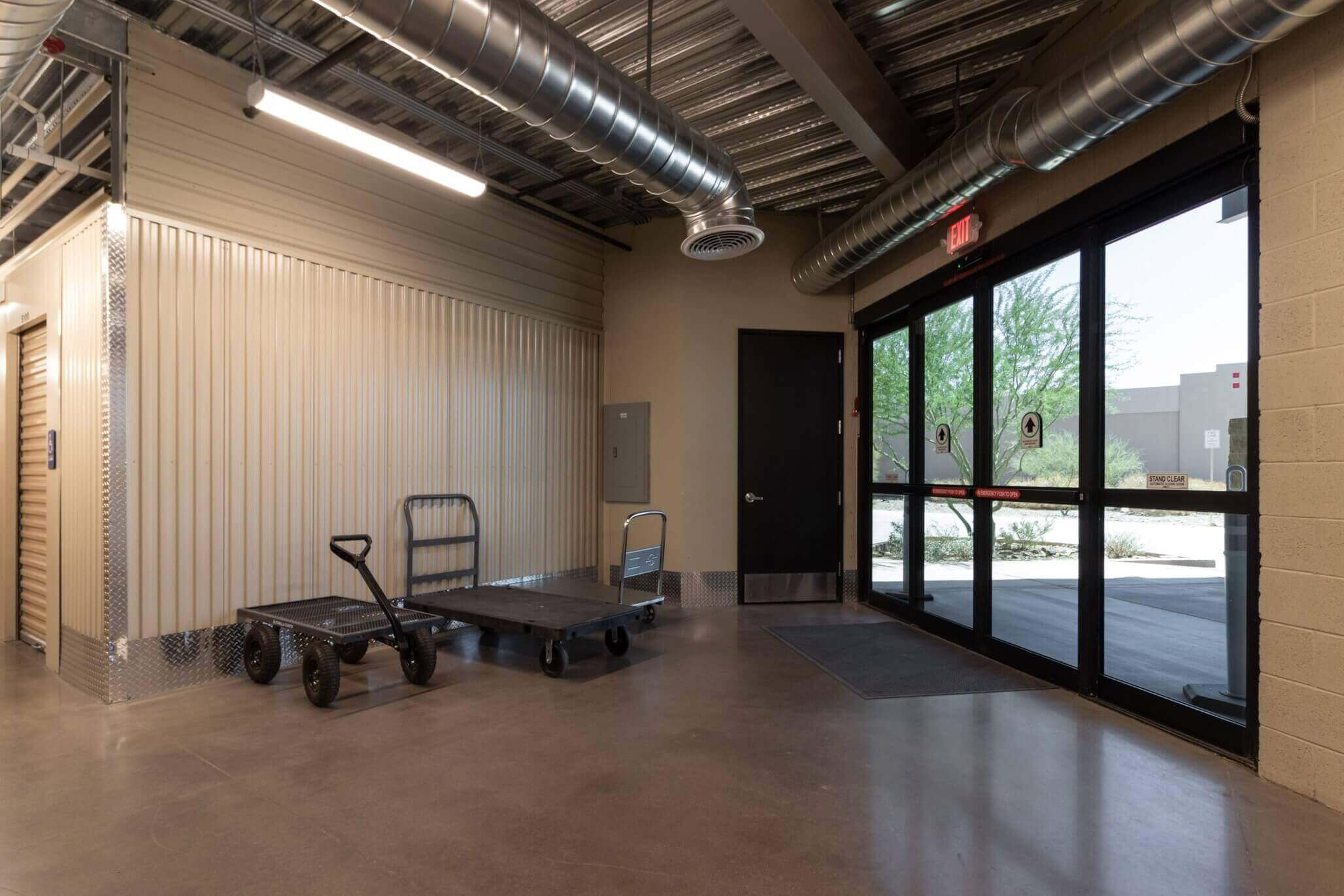
Make the Most of Your Storage Space

Whether you’re downsizing, moving, decluttering, or needing more room at home, using a storage unit can bring peace of mind and organization to your life. Whether you’re storing a lot or just a few things, taking proper care during the packing process is essential to protect your belongings. But packing a storage unit properly—without damaging your items or losing track of your inventory—requires thoughtful steps, especially for beginners.

Choosing the right storage facility plays a significant role in your overall experience. From climate-controlled options to convenient access, there’s a right way to ensure your possessions are safe and well-preserved. For example, if you’re storing delicate items or electronics, finding a facility that supports a stable environment is crucial.

At McDowell Mountain Community Storage, efficient and secure self storage starts with a well-planned packing strategy. This detailed, step-by-step guide will help you master the art of organizing, stacking, labeling, and protecting your items, ensuring a smooth and stress-free storage journey.

Step 1: Start with a Clear Plan

Jumping into packing without a strategy is a recipe for chaos. Before you even open a box of tape or pull out a tarp, it’s essential to plan. Proper preparation helps you determine the types of items you’ll be storing—whether it’s mattresses, towels, dishes, or bulky equipment—and the amount of space you’ll need. Take a look at the walls of your unit to determine the maximum height you can safely stack items, and consider using at least one sturdy container for smaller essentials. If you’re storing liquids or appliances, don’t forget to account for items like tanks, which require special handling and positioning. 

Make an Inventory List

Walk through your home or business and make a list of items you plan to store. This might include:

  • Furniture (couches, tables, shelving)
  • Appliances (refrigerators, microwaves)
  • Electronics
  • Books, photos, documents
  • Clothing and blankets
  • Seasonal gear and tools

Group the inventory by category and estimate the amount of space you’ll need.

Choose the Right Storage Unit Size

Use your list to determine the best-size storage unit for your needs. Most facilities, including McDowell Mountain Community Storage, offer a variety of unit sizes to suit your needs—from small lockers to complete garage-sized units. Whether you’re storing a personal item, a vehicle, or everyday household goods, matching your storage needs to the right area is crucial.

If you’re unsure, contact our location to speak with one of our friendly staff members or use our online size estimator app. We’re proud to serve customers across the country, offering secure, clean locations with practical amenities that cater to a wide range of storage needs. Some may require short-term solutions, while others seek long-term options for storing valuables. Regardless of your situation, you have the right to a well-suited, protected space tailored to your needs.

Step 2: Gather the Right Packing Supplies

The best-packed units begin with the best materials. Here’s what you’ll need:

  • Cardboard boxes (in multiple sizes)
  • Plastic containers
  • Storage bins
  • Bubble wrap, packing paper, and blankets
  • Masking tape and heavy-duty packing tape
  • Permanent markers or labels
  • Tarps, shelves, or pallets (optional)

Don’t forget specialty protection for fragile items, such as glassware, artwork, mirrors, or electronics. Protecting your belongings from damage, mold, moisture, and dust is key.

Step 3: Prep Your Items for Long-Term Storage

Whether you’re storing items for just a few weeks or several months, preparation is key. When comparing a long-term and short-term storage unit, the level of care differs— the short term needs only basic cleaning and simple packing, while the long term requires thorough cleaning, protective materials, and careful packing to guard against dust, moisture, and pests over time. 

Clean Everything Before You Store

To prevent mildew, pests, or mold, clean and thoroughly dry all items, especially furniture, clothing, and appliances.

  • Wipe down wooden surfaces with a gentle cleaner
  • Vacuum fabric surfaces and air out any blankets or linens
  • Defrost and dry refrigerators and freezers
  • Use a mild disinfectant for electronics

Disassemble What You Can

Disassemble beds, tables, or modular shelving to save space. A helpful tip is to keep track of pieces by bundling legs, ties, and small parts in labeled bags, then taping them securely to the larger piece to which they belong. If anything has a fragile or broad base, protect it with padding or place it flat to avoid warping during storage. 

Step 4: Pack Strategically by Group and Frequency of Use

When it’s time to pack, group your boxes, bins, and containers by how often you’ll need access to them:

  • Front of unit: Items you’ll access frequently (e.g., seasonal clothes, paperwork, tools)
  • Back of unit: Long-term storage (e.g., furniture, off-season appliances, stored books)

Label all containers using permanent markers or printed labels. Be sure to include:

  • Contents (e.g., “kitchenware,” “holiday decorations”)
  • Handling instructions (e.g., “fragile,” “this side up”)
  • Room of origin (e.g., “bedroom,” “garage”)

Don’t overload boxes. Keep them under 40 lbs for safety and easier stacking.

Step 5: Stack, Arrange, and Shelve Like a Pro

This step is the secret to packing a storage unit efficiently and safely.

Stack by Weight and Size

  • Heavy boxes go on the bottom
  • Light or fragile boxes go on top
  • Group similar-sized boxes for more stable stacking

Use shelving or storage bins to create vertical levels. Place pallets or tarps on the floor before stacking to protect against moisture and mildew.

Leave Clear Pathways

It might be tempting to stack from wall to wall, but always leave a narrow walkway for access to the back of the unit. This allows you to retrieve items later without having to move everything.

Step 6: Protect and Secure Your Items

Climate Considerations

If you live in a humid climate, such as Miami, a climate-controlled storage unit is essential for protecting items like glass, electronics, photos, clothing, and artwork. These features prevent temperature swings, mildew, and warping.

Wrap and Cover

Use blankets, bubble wrap, and cloth to cushion surfaces. Cover large furniture, mirrors, and electronics with breathable tarps or cotton sheets to protect them from damage.

Avoid plastic wrap that traps moisture, especially over time, as it can cause damage.

Step 7: Maximize Space with Creative Solutions

Go Vertical

Install standalone shelves or utilize stacked storage bins to maximize vertical space. This helps keep items off the floor and opens up pathways for more effortless movement.

Use Hidden Storage Areas

Use drawers, cabinets, and even the insides of appliances to store smaller items. Just remember to label or list these in your inventory so you don’t forget what’s inside.

Step 8: Know What NOT to Store

Some things don’t belong in your storage unit. For your safety and others, avoid:

  • Perishable food
  • Flammable or hazardous materials
  • Firearms (unless permitted)
  • Vehicles (unless approved and documented)
  • Living creatures or plants

If you’re ever in doubt, please check your storage facility’s policy or contact a staff member.

Step 9: Use Technology for Organization
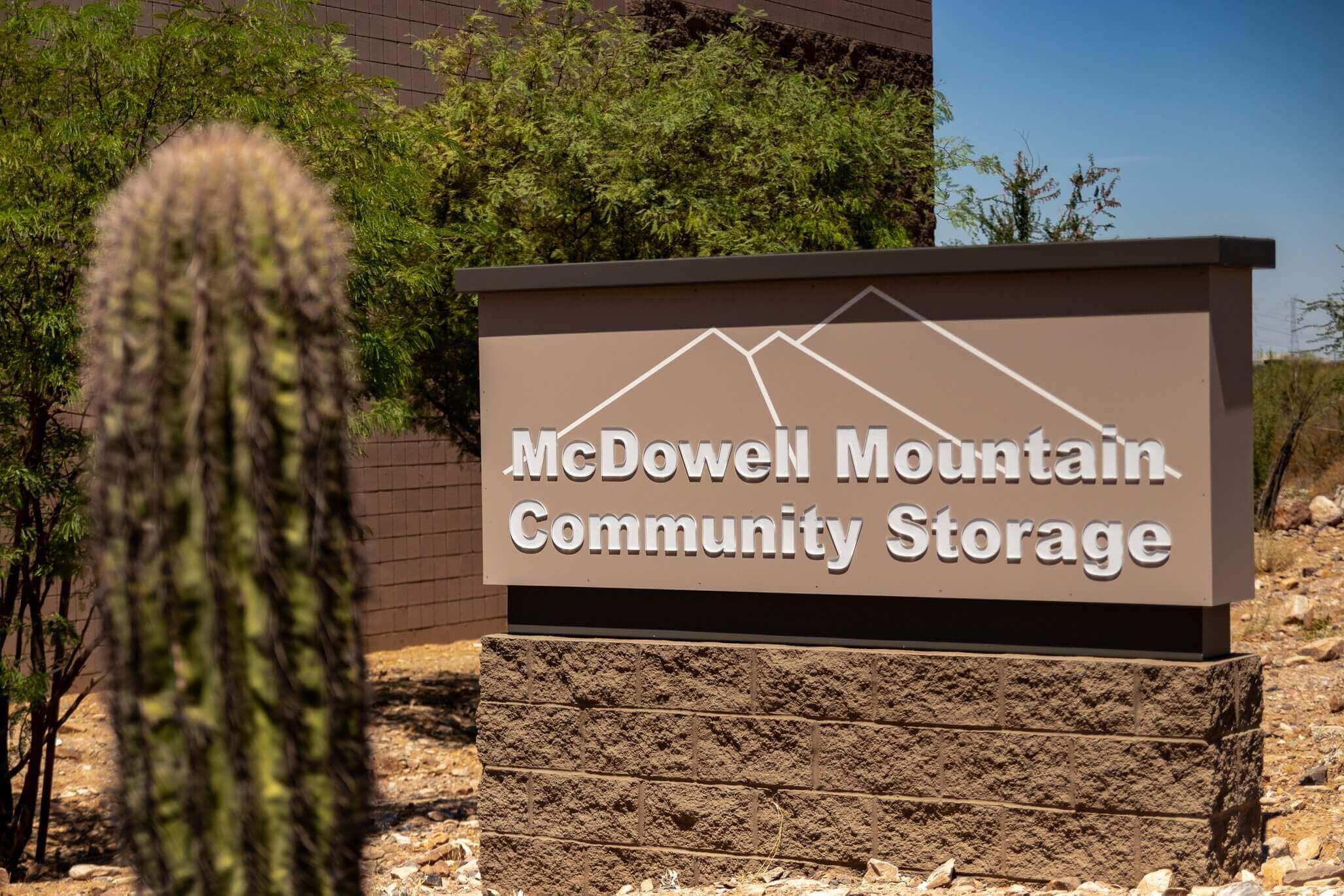
How to pack a storage unit at McDowell Mountain Community Storage located in Scottsdale Arizona
Step-by-step instructions for packing a storage unit properly at McDowell Mountain Community Storage in Scottsdale Arizona

At McDowell Mountain Community Storage, we make it easy to stay organized and in control of your storage unit. Our team is always available to help with billing, inventory updates, and general questions. To keep your storage space easy to manage, consider creating a simple layout or map of your unit. This can help you track where items are placed and make future visits more efficient. You can:

  • Pay bills
  • View access logs
  • Update your inventory
  • Request assistance
  • Track your storage experience

You can even upload a map or layout of your unit to keep everything visual and easy to navigate.

Step 10: Maintain and Update as Needed

Storage isn’t a one-time event. Over time, you may need to:

  • Add or remove items
  • Update your labels
  • Refresh tarp covers
  • Check for signs of mildew, dust, or pests

Set a reminder every 1–2 months to visit your unit and do a quick inspection.

Trusted Storage Backed by Community Values 

We aren’t just another storage facility—we’re part of the community. At McDowell Mountain Community Storage, our storage units are designed with your peace of mind in mind.

Our Features Include:

  • Clean, secure storage units in a variety of sizes
  • Climate control to protect sensitive items
  • 24/7 access to your unit
  • Online account and inventory management
  • Friendly customer support

We help you organize, protect, and maximize your storage space—whether you’re a college student with a few boxes or a business with a complete inventory.

Closing Advice for First-Time Storers 

Packing a storage unit efficiently takes more than just stacking boxes and closing the door. It requires thoughtful organization, the right supplies, and a plan tailored to your items and your lifestyle.

At McDowell Mountain Community Storage, we’re here to make your storage experience smooth, secure, and stress-free—from the first box to the last.

Need help choosing the right unit or planning your move-in? Contact our team today or visit our location for a tour of our facilities. Let’s protect what matters most—together.

Frequently Asked Questions

1. What are the best ways to organize items for easy access inside my storage unit?

Group items by category and frequency of use. Place things you’ll need often near the front and stack long-term items in the back. Label everything clearly, and leave a center aisle to reach all areas.

2. Should I use cardboard boxes or plastic containers?

Both work, but plastic containers offer better protection from moisture and pests for long-term storage. Cardboard is fine if you’re storing for a shorter period in a climate-controlled unit.

3. Do I need to prep furniture before placing it in storage?

Yes. Clean all surfaces, disassemble large items, and wrap them with blankets or bubble wrap. This reduces space and protects pieces like mattresses and wood furniture from dust and damage.

4. How high can I safely stack boxes in a storage unit?

It depends on the walls and ceiling height, but generally, don’t stack more than 4–5 boxes high unless they’re very stable and uniform in size. Use heavier boxes on the base and lighter ones on top.

5. Can I store kitchenware, such as dishes and glassware?

Absolutely—but wrap dishes in packing paper or bubble wrap, use dividers, and mark boxes as fragile. Stack boxes carefully and avoid placing weight on top of those containing breakables.

6. How can I protect fabric items, such as clothing and towels?

Store towels, linens, and clothes in breathable containers with cedar blocks or moisture absorbers. Avoid sealing fabric in plastic, which can trap moisture and lead to mildew.

7. Is it safe to store appliances like washing machines or fridges?

Yes, but clean and dry them thoroughly first. Remove water from tanks and hoses. Store doors slightly open to prevent odor and mildew. You can also use appliance interiors as hidden storage for smaller items.

8. Do I need a climate-controlled unit for my belongings?

If you’re storing sensitive items (electronics, wooden furniture, documents, fabrics), especially in areas with extreme temperatures or humidity, climate control helps maintain a stable storage environment.

9. What should I avoid storing even if it seems safe?

Never store perishable food, flammables, weapons (unless approved), or hazardous material. Also, avoid storing irreplaceable items, such as family heirlooms, unless essential.

10. How do I verify that everything is still in good condition after packing?

Visit your unit every 1–2 months to inspect for signs of damage, pests, or moisture. Refresh labels, reseal boxes, and rearrange equipment or furniture as needed.
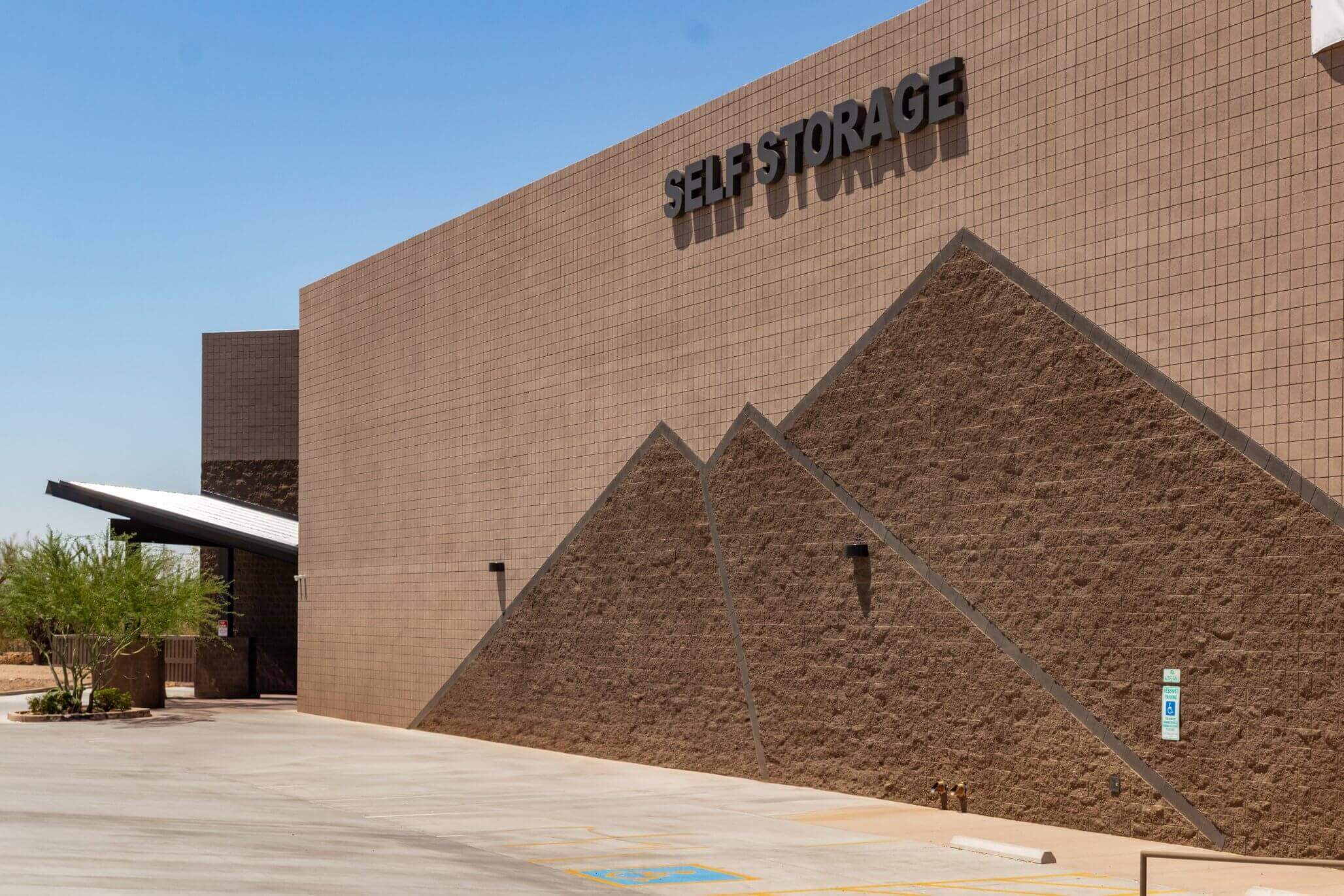
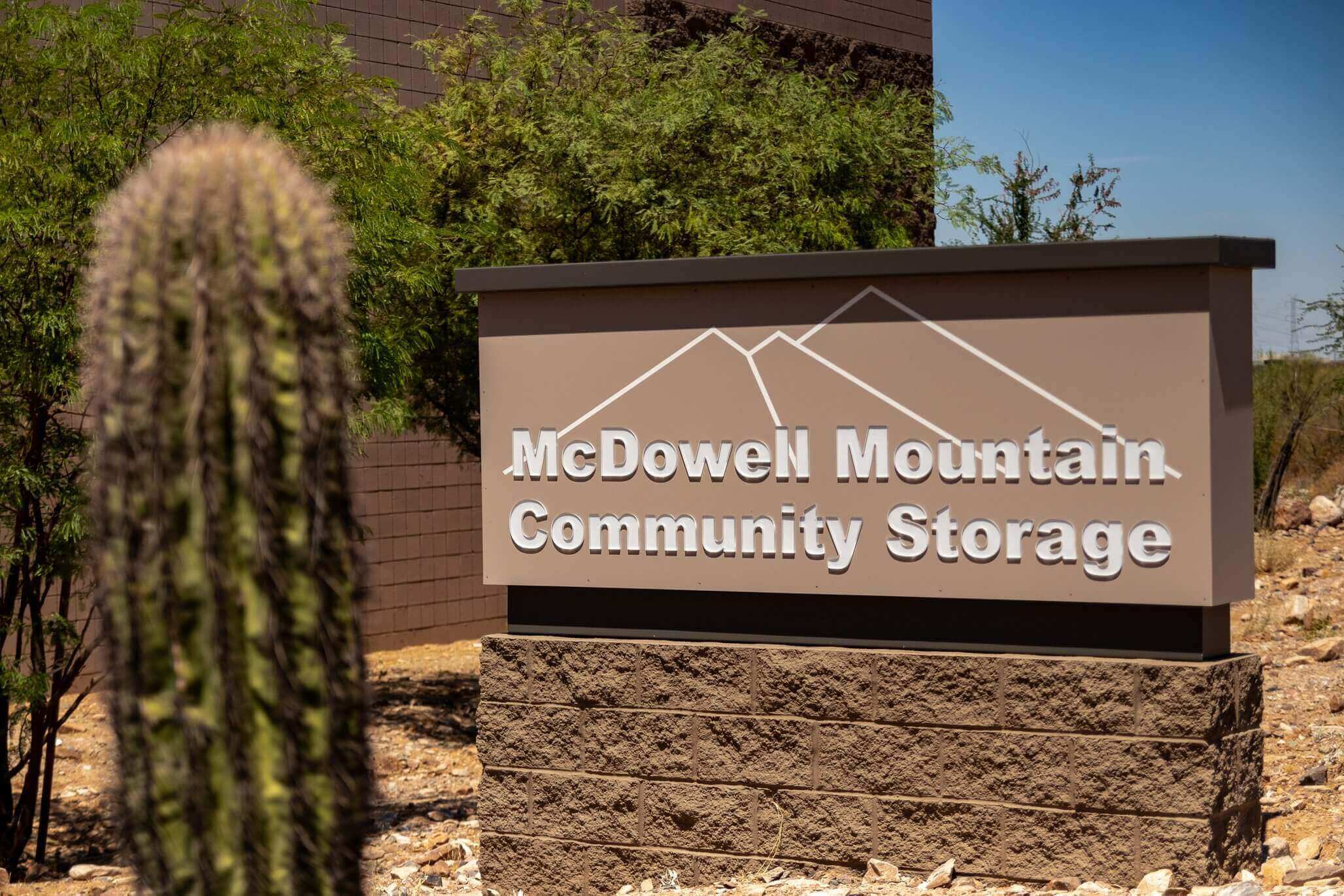
Your Guide to a 5×5 Storage Unit

At McDowell Mountain Community Storage, we understand the value of space. Whether you’re decluttering your apartment, preparing for a move, or undergoing a renovation, a 5×5 storage unit offers an ideal solution to securely pack, stack, and store your essential items. Conveniently located near Las Vegas and serving customers across the United States, our facility offers a competitive price with no hidden fees, making it easy to rent the perfect space for your needs. We offer a range of storage options, including specialized RV storage and boat storage, all backed by top-tier ESS (Exceptional Service Standards) to ensure your belongings are safe, accessible, and efficiently stored. 

In this Guide, we’ll explore everything you need to know about 5×5 storage units, from their size and capacity to tips on how to organize and maximize your storage space. Whether you’re comparing facilities like Extra Space Storage, browsing local stores for packing supplies, or considering unit availability in Washington, D.C., understanding the unique features of different properties will help you make the most informed decision for your storage needs. 

What Is a 5×5 Storage Unit?

A 5×5 storage unit is 5 feet wide and 5 feet deep, offering a total of 25 square feet of space—roughly the size of a small walk-in closet or half a standard bathroom. Though compact, this unit can hold more than you might expect, making it a popular selection among various self storage properties. From seasonal decorations to extra household content, this versatile unit is perfect for maximizing your available space without overwhelming your living area. It’s ideal for storing:

  • Boxes of household items
  • Small furniture such as end tables, chairs, or lamps
  • Seasonal clothing, decorations, or supplies
  • Office documents and business inventory
  • Personal belongings like accessories, containers, and books

This storage solution is well-suited for individuals living in cities such as Chicago, Los Angeles, Miami, or New York, where space is often limited and storage needs are high.

Who Should Consider a 5×5 Storage Unit?

Our customers come from diverse backgrounds and locations across the United States—ranging from Phoenix and Houston to Memphis, Dallas, Atlanta, and Baltimore —and they rely on us for a wide range of storage needs. Some need short-term solutions during a move, while others require long-term space for a variety of personal or business items. Whether you’re storing the contents of an apartment or unloading a truck full of household goods, we offer units that accommodate nearly any amount of belongings. A 5×5 storage unit is suitable for:

  • College students on break or studying abroad
  • Military members relocating temporarily
  • City dwellers in apartments with no storage room
  • Small business owners needing off-site inventory space
  • Families transitioning between homes
  • Individuals storing furniture, clothing, or household items during renovations

Whether you’re in Washington, D.C., Salt Lake City, New Jersey, Pennsylvania, Florida, Georgia, Rhode Island, New Mexico, or North Carolina, the 5×5 unit remains a convenient and flexible option.

Storage Unit Features and Amenities

At McDowell Mountain Community Storage, our facilities are equipped with modern amenities to make your storage experience seamless:

  • Climate-controlled storage unit options to protect temperature-sensitive contents
  • 24/7 access to your unit
  • Secure digital lock and gate access systems
  • Digital account management tools via our mobile app
  • Multilingual support, including Español
  • Helpful faq, tips, and advice from our team

We also provide rental agreements that cater to both short-term and long-term storage unit users. Whether you’re storing for a few weeks or several months, we’ve got a plan for you. With customers from across the country, including various states such as Florida, we offer flexible and convenient options that cater to a wide range of storage needs and timelines.

How Much Can You Store?

Despite its compact size, a 5×5 unit offers impressive capacity. You can comfortably fit:

  • 8–12 medium-sized boxes
  • 1–2 small pieces of furniture
  • Several bags of clothes
  • Small household items, lamps, and accessories

With a little organization, you can even store a bike, motorcycle accessories, or essentials in a walk-in closet. We recommend stacking boxes and using compact, efficient containers to maximize your space.

Comparing Unit Sizes

Is a 5×5 the proper storage unit size for you? Here’s a comparison:

  • 5×5 unit – Great for seasonal items, small furniture, and personal belongings
  • 5×10 unit – Holds contents of a small bedroom
  • 10×10 unit – Suitable for a 1-bedroom apartment
  • 10×20 unit – Best for vehicle storage or a multi-room home

By understanding your storage needs, you can choose the right unit and save storage unit costs.

How Much Does It Cost?

Storage unit prices vary by city, neighborhood, and state. For example:

  • In San Francisco or New York, you may pay more due to high demand
  • In Utah, NJ, or NC, rates are more affordable
  • At our Phoenix location, we offer competitive prices, discounts, and seasonal promotions

Factors influencing cost include:

  • Whether the unit is climate-controlled
  • Location within the facility
  • Length of rental
  • Demand in your location

Contact our team or use our app to get an instant quote.

Business Use of 5×5 Units

Small businesses and information business operators often need quick, secure storage solutions. A 5×5 storage unit is perfect for:

  • Storing documents, files, and paperwork
  • Managing supplies, stock, or trademarks
  • Housing excess inventory or equipment
  • Temporary storage during office moves or expansions

With secure access, climate-control, and helpful staff, our facilities support your growing company across multiple locations.

Making the Most of Your Space

To maximize your 5×5 storage unit:

  • Use vertical height by stacking containers
  • Place heavier items on the bottom
  • Store frequently used contents near the front
  • Label all boxes clearly
  • Disassemble small furniture to save room
  • Use furniture pads to protect delicate household items

You can also utilize storage accessories, such as shelving, corner units, and drawer systems, to organize your unit more efficiently.

Frequently Stored Items

Here are the most common items customers store in a 5×5 unit:

  • Seasonal clothing and furniture
  • Sporting goods and bike equipment
  • Holiday decorations
  • Office Supplies
  • Dorm contents
  • Small appliances
  • Baby gear

People choose these units to free up space at home without having to get rid of valuable belongings.

Benefits of Storing With Us

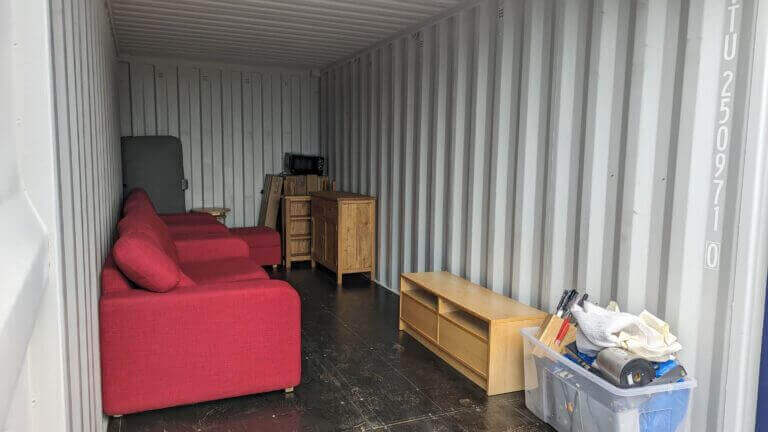
Interior view of a 5×5 storage unit at McDowell Mountain Community Storage in Scottsdale Arizona showcasing organized boxes and small furniture
A look inside a compact and secure 5×5 storage unit at McDowell Mountain Community Storage in Scottsdale Arizona ideal for boxes furniture and seasonal items

When you choose McDowell Mountain Community Storage, you benefit from:

  • Transparent storage unit prices
  • No hidden fees
  • BBB accreditation
  • Professional customer service
  • Secure and climate-controlled storage facilities
  • Accessible locations in Phoenix and surrounding neighborhoods

Our mission is to help you store your belongings with confidence, offering flexibility, security, and convenience.

Access and Security

We prioritize the privacy choices and rights of our customers. That means:

  • 24/7 video monitoring
  • Controlled access
  • Custom PIN entry
  • Locked storage units for maximum safety

Whether you’re storing family keepsakes, furniture, or important documents, you can rest easy knowing your unit is secure.

Commitment to Sustainability

We’re proud to operate with sustainability in mind:

  • Eco-friendly lighting and energy-efficient facilities
  • Recycling options for boxes and packing materials
  • Digital report tools to reduce paper waste

As a trusted storage unit operator, we believe in serving both our customers and the planet.

Get Started Today

Still have questions? Need help choosing a unit? Reach out to our friendly staff for more information, or visit us online to:

  • Browse available units
  • Check storage unit prices
  • Review services, features, and storage facility maps
  • Read verified socials and reviews from other customers

You can even manage your entire account online—from signing your rental agreement to setting up auto-pay.

Final Thoughts

A 5×5 storage unit might be small, but it packs a big punch when it comes to convenience, efficiency, and cost savings. Whether you’re storing boxes for a month or looking for climate-controlled self-storage for the year, this unit provides everything you need in one compact space.

Trust McDowell Mountain Community Storage to guide you through every step—because when it comes to protecting your belongings, we’re committed to making storage simple, secure, and innovative.

Frequently Asked Questions

1. Can I store electronics in a 5×5 storage unit?

Yes, you can store electronics like laptops, monitors, and small TVs. However, we recommend choosing a climate-controlled storage unit to prevent damage from temperature fluctuations or humidity.

2. Is insurance required for my 5×5 storage unit?

While insurance may not be required in all cases, it is strongly recommended to protect your belongings from unforeseen events like theft, fire, or natural disasters. Many storage facilities offer low-cost insurance plans or allow you to use your homeowner’s or renter’s policy.

3. How secure are 5×5 units compared to larger units?

Security features apply to all units, regardless of size. At McDowell Mountain Community Storage, our 5×5 units include surveillance cameras, gated access, and personal lockable doors—offering the same level of security as larger spaces.

4. Can I upgrade from a 5×5 unit if I need more space later?

Absolutely. If your storage needs grow, we make it easy to switch to a larger unit with minimal hassle. Please speak to our staff or manage the upgrade directly through your online account.

5. Is there lighting inside a 5×5 storage unit?

Most 5×5 units do not include individual lighting due to their compact size. However, our facility is well-lit with motion-detected hall lighting for convenience and safety.

6. What happens if I miss a payment?

If you miss a payment, we typically offer a short grace period before applying a late fee. Continued non-payment may result in restricted access and, eventually, auction procedures as outlined in your rental agreement.

7. Can I access my 5×5 storage unit anytime?

Yes, our facility offers 24/7 access, allowing you to visit your storage unit at your convenience—day or night.

8. Do I need to bring my lock?

You can bring your lock or purchase one on-site at our facility stores. We recommend a disc or cylinder lock for maximum security.

9. Can I use a 5×5 storage unit for storing business inventory?

Yes, a 5×5 unit is perfect for small business owners who need off-site space for supplies, documents, or a limited inventory, especially in high-rent areas like Las Vegas or Washington, D.C.

10. Is there a minimum rental period for a 5×5 storage unit?

We offer flexible rental terms with no long-term commitment required. Whether you need storage for one week or several months, we’ll tailor the agreement to your specific needs.

The Complete Beginner’s Guide to Self-Storage

Welcome to your complete beginner’s guide to self-storage! Self-storage is the ideal solution whether you’re moving, downsizing, decluttering, or need extra space for your business or belongings. With so many locations, ways to use storage, and unit types available, it’s an excellent idea to improve your organization and manage your stuff more efficiently. At McDowell Mountain Community Storage, we make storing your items easy, safe, and affordable. This guide covers everything you need to know about selecting a storage unit, understanding cost, reviewing your contract, packing, and maximizing the benefits of storage facilities. 

What is Self-Storage?

Self-storage provides individuals and businesses with secure storage units to rent for short- or long-term use. It’s a wise choice for any beginner who needs additional room to store furniture-storage solutions provide a convenient way to keep your inventory organized and secure, allowing you to maximize your space while maintaining easy access to your stored items. re, equipment, boxes, holiday decorations, inventory, or other essential things. Whether protecting personal property or managing business assets, self storage can handle anything you need to store. Before signing a lease, it’s essential to research and look for signs of a well-managed facility, like clean grounds, good lighting, and strong security measures. People choose self-storage mainly because of the convenience, flexibility, and peace of mind it provides to every tenant, individual, or customer. 

Why People Use Storage Units

People seek self-storage for many reasons. Some store belongings during a move between homes, while others need a place to hold furniture or equipment during building renovations or construction projects. Renters often find it helpful when they’re between leases or downsizing. College students take advantage of summer storage options, and many individuals rely on self-storage to safeguard their valuables during transitional life phases or periods of economic uncertainty. Whether you’re storing a boat, a car, or just a few boxes, a reliable self storage facility offers security, accessibility, and peace of mind.

Businesses use self-storage to house archived documents, extra inventory, and packing supplies when office space is limited. Depending on the type of storage needed, you can choose from a variety of units, including climate-controlled spaces and outdoor options. Unit size and lease terms are very flexible. Plus, with 24/7 customer support and phone access to the team, managing your storage needs has never been easier.

Types of Storage Facilities

Many types of self-storage units are available, each designed to meet specific needs. A standard storage unit is perfect for storing every box, item, furniture, or appliance. Climate-controlled storage units are ideal for sensitive items like electronics, clothing, or paper records, as they maintain steady temperature and humidity levels to protect each part from damage. Smaller units or lockers suit students or any person with minimal needs, like storing a few boxes from a dorm or cleaning out a garage. Drive-up units allow for easy loading and unloading directly from a truck, enhancing convenience. The following amenities, such as on-site carts, wide lanes, and secure access, make storing more efficient. When selecting a unit, consider how each article, its fragile parts, and your personal preferences will benefit from a well-equipped self-storage facility. 

At McDowell Mountain Community Storage, we offer a variety of unit sizes and features to suit your situation. Our facility includes modern security measures, such as surveillance systems, coded gate access, and professional on-site staff to ensure the safety of your contents.

Location and Accessibility

The location of your self storage unit is an essential factor when choosing a facility. Ideally, you want a location close to your home, business, or apartment to access your belongings when needed easily. At McDowell Mountain Community Storage, our centrally located facility offers exceptional accessibility. We provide ground-level units, wide driveways for vehicles, well-lit areas for nighttime activity, and a thoughtful layout to ensure your experience is stress-free. Choosing the correct location also reduces the risk of delays when you need to work quickly or retrieve an item during a busy day. For investors, accessibility can enhance the overall investment value of using or managing storage spaces. With growing competition in the self-storage industry, understanding these steps can help you make smarter choices for convenience and long-term benefit. 

Choosing the Right Storage Unit Size

Choosing the appropriate unit size is crucial for optimizing space and staying within budget. Use the guide below to help determine what size unit best matches your storage requirements:

  • Selecting the right unit size is essential to avoid overpaying for unused space or struggling to fit everything you need.
  • A 5×5 unit is suitable for storing small boxes or holiday decorations.
  • A 5×10 unit can hold small furniture items and appliances.
  • A 10×10 unit is ideal for those needing space for a one-bedroom apartment’s worth of belongings.
  • A 10×15 unit comfortably fits the contents of a two-bedroom house.

Larger units like 10×20 or more are great for full-house inventory, vehicles, or boats. Use our Storage Unit Size Guide to make informed decisions based on your storage needs.

Understanding Storage Costs and Contracts

Regarding pricing, storage unit costs vary depending on size, location, and available features. In addition to the base rental fee, customers should be aware of any administrative or move-in fees. Monthly payments are standard, and many facilities—including ours—offer the convenience of auto-pay or online billing. Insurance is typically required to protect your valuables, and understanding your contract’s duration and terms is crucial. At McDowell Mountain Community Storage, we offer flexible month-to-month rentals, transparent contracts, and even deals for prepaid leases or long-term commitments. Pricing also reflects broader economic basics such as local population density, service demand, and average income levels in the area. In the case of a recession or financial strain, flexible rental options help customers avoid long-term commitments and reduce overall risks. We’re committed to providing affordable storage with substantial potential value for every customer. 

Packing Tips and Moving Advice

Packing properly is a critical step in the storage process. Begin by using sturdy, labeled boxes to keep your items organized. Fragile items like dishes or electronics should be wrapped in bubble wrap or foam padding for protection. When loading your unit, place heavier items on the bottom and lighter ones on top to prevent damage. We recommend laying down paper or a tarp to protect the floor and prevent mildew from forming. Leave a small path through your unit to access items in the back without unloading everything.

You’ll also want to stock up on packing supplies such as tape, locks, moving dollies, and carts. Vertical storage using shelves is a great way to maximize space. At McDowell Mountain Community Storage, we offer a full selection of packing supplies on-site to make your move easier.

Climate and Environmental Considerations

Climate control is an essential feature for customers storing temperature-sensitive items. Books, documents, electronics, and clothing are particularly vulnerable to damage from extreme heat, humidity, or cold. Climate-controlled units offer the best protection by maintaining a consistent environment year-round. This not only preserves the condition of your belongings but also helps avoid issues like mold, mildew, and material deterioration.

Business and Commercial Storage Solutions

Business storage units are a major driver of the self-storage industry. Companies use storage facilities to hold overflow inventory, secure archived records, and store supplies like packing materials or signage. Self-storage is especially beneficial for real estate, construction, or retail businesses. During economic growth or recession, business owners rely on storage to maintain flexibility without the high costs of expanding office space. We offer various unit sizes, flexible contracts, and unmatched accessibility to support local businesses and entrepreneurs.

Safety, Security, and Peace of Mind

Security is one of the most important aspects of a great self-storage facility. At McDowell Mountain Community Storage, we go the extra mile to provide peace of mind. Our facility has 24/7 surveillance, coded gate access, perimeter fencing, and a responsive management team. We recommend that customers use a high-quality lock and purchase insurance for additional protection. Documenting your inventory ensures you know exactly what’s stored and aids in claims, should the need arise.

The Self-Storage Process Explained

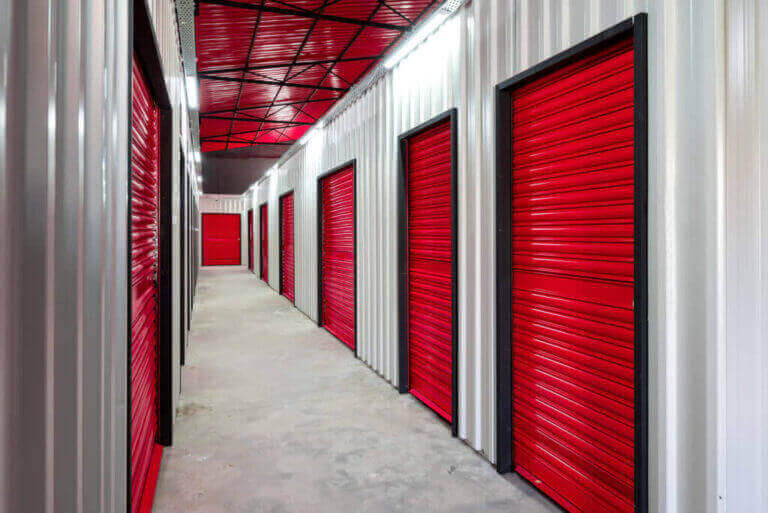
A visual of beginner-friendly storage units at McDowell Mountain Community Storage in Scottsdale, Arizona.
Discover how easy it is to store your belongings with McDowell Mountain Community Storage in Scottsdale, Arizona.

If you’re new to self-storage, the process is simple and stress-free. Start by researching self-storage facilities near your location using Google or local directories. Compare features, prices, and unit availability. After choosing a facility, call or visit the site to ask questions and view available units. Once you select the right option, sign the rental agreement and discuss insurance requirements. Pack and label your belongings, and use moving carts or dollies to load your items safely into your storage unit. Our team is available to assist with each step along the way.

Your First Time Using Storage? Start Here 

New customers often ask whether they can store large vehicles like cars or boats. The answer is yes—our facility offers spacious units and parking areas designed for vehicle storage. Others want to know what they can’t store. We prohibit perishables, hazardous materials, flammable liquids, live animals, and illegal goods. As for rental duration, we offer both short-term and long-term options to match your needs. With friendly on-site staff, customers can count on helpful support and straightforward answers.

Making the Right Storage Decision

Several factors influence your storage decision. Accessibility, location, unit size, fees, security, and overall facility condition should all be considered. A well-maintained facility with good lighting, responsive staff, and strong reviews usually indicates a positive customer experience. We aim to help you find a storage option that delivers maximum value, flexibility, and protection for your belongings.

Life Transitions and Storage

Life events such as moving to a new state, starting a business, getting divorced, or managing an estate often require temporary or long-term storage. Self-storage can reduce stress and simplify transitions by offering a secure space to keep your possessions. Whether between leases, renovating your home, or traveling for an extended period, having reliable storage space available can make all the difference.

Why McDowell Mountain Community Storage is the Ideal Choice

At McDowell Mountain Community Storage, we understand that beginners may feel uncertain about the process. That’s why we offer clear information, honest answers, and expert advice. Our wide variety of unit sizes, flexible options, and exceptional service set us apart from other storage facilities in the area. Our team is always ready to assist with everything from planning your move to choosing the right insurance plan.

Final Thoughts

This guide has walked you through the complete process of using a self-storage facility—from choosing the right unit and packing to understanding contracts and maintaining security. Whether you’re storing valuables, documents, furniture, or holiday decorations, McDowell Mountain Community Storage provides the ideal solution for individuals and businesses.

Let us help you make the best decision for your storage needs. Contact our team today to check availability, compare unit sizes, or schedule a facility tour. Experience the benefits of a clean, secure, and professionally managed storage environment where your belongings are always in good hands.

Frequently Asked Questions

1. Can I access my storage unit at any time of day or night?

Access hours vary by facility. At McDowell Mountain Community Storage, we offer extended access hours to accommodate your schedule, including early and late evenings. Check with our team for current access times.

2. What happens if I lose the key or forget the gate code?

Contact our on-site management immediately if you misplace your unit key or forget your gate access code. We’ll verify your identity and help you regain access safely and securely.

3. Are there storage units available for motorcycles or scooters?

Yes! We offer small- to medium-sized storage units ideal for motorcycles, scooters, and similar vehicles. Drive-up access makes parking and retrieval convenient.

4. Can I upgrade or downsize my unit if my storage needs change?

Absolutely. If your storage needs increase or decrease, we make switching to a different unit size easy without hassle. Just contact our staff to check availability and coordinate the change.

5. How do I reserve a unit in advance?

You can reserve a storage unit online, by phone, or in person. We recommend booking in advance during peak seasons (like summer or end-of-lease months) to ensure you get the size you need.

6. Is pest control provided at the facility?

McDowell Mountain Community Storage implements regular pest control and maintenance to ensure your belongings stay clean, safe, and pest-free.

7. Do you offer moving trucks or rental equipment?

While we don’t rent trucks directly, we can recommend trusted local partners. We also provide moving carts and dollies on-site to assist with your move-in.

8. Can someone else access my storage unit on my behalf?

Yes, but only if you authorize them. You’ll need to add them as an approved contact and ensure they have the gate code and a key to your lock.

9. What types of locks are allowed or recommended?

Disc locks and cylinder locks are highly recommended for added security. We sell approved locks on-site for your convenience and peace of mind.

10. What should I do if I need storage for an extended period?

We offer long-term storage options with flexible lease terms and even discounts for prepaid rentals. Based on your timeline, our team will recommend the best plan for you.

How Much Does a Storage Unit Cost Per Month?

When finding the proper storage solution, one of the most frequently asked questions is, “How much does a storage unit cost per month?” The answer depends on many factors, including size, location, amenities, climate control, and your specific area or city. At McDowell Mountain Community Storage, we understand that people want transparent, affordable pricing and flexibility for their belongings—a few boxes, an entire apartment’s worth of furniture, or valuable collectibles. With multiple locations and unit types available, we aim to provide solutions that meet various needs across different areas and serve others looking for a secure place to store their items. Let’s break down what goes into storage unit costs, what types of units are available, and how to find the best fit for your storage needs and budget. For more information, we’ll also explore how location and space requirements influence pricing. 

Understanding the Basics of Storage Pricing

The average storage unit cost is influenced by several pricing factors, including unit size, floor level, and whether the unit is climate-controlled. For example, a standard 5×5 self-storage unit on the 2nd Floor, indoors, and climate-controlled may rent for $49 per month, while a 10×20 unit with similar features could cost $349. The amount you pay will also vary depending on your location, facility features, availability, and even the length of your rental term. Other important factors include whether you’re storing things like a car, need delivery access, or are looking for units that protect your rights as a renter. No matter where you are in the country, understanding these details is the best way to make a wise decision. Review expert tips before choosing a storage unit that fits your needs. 

Monthly Rent Prices at McDowell Mountain Community Storage

We offer a wide range of indoor, climate-controlled self-storage units to suit various needs. Whether you’re looking for a short-term solution or a longer commitment, our options are designed to be flexible and accessible on a monthly basis. Below is a detailed breakdown of our current self-storage unit options, including their size, location, features, and monthly rent. As part of our dedication to transparency and customer satisfaction, we encourage you to explore reviews and request proof of features and pricing before deciding. 

5×5 Storage Units

  • 2nd Floor – Indoors, Climate Controlled, Standard

      $49/month

  • 3rd Floor – Indoors, Climate Controlled, Standard

      $49/month

  • Ground Floor – Indoors, Climate Controlled, Standard

      $69/month

10×5 & 5×10 Storage Units

  • 10×5 (2nd Floor) – Indoors, Climate Controlled, Standard

      $79/month

  • 10×5 (3rd Floor) – Indoors, Climate Controlled, Standard

      $79/month

  • 5×10 (2nd Floor) – Indoors, Climate Controlled, Standard

      $79/month

  • 5×10 (3rd Floor) – Indoors, Climate Controlled, Standard

      $79/month

  • 5×10 (Ground Floor) – Indoors, Climate Controlled, Standard

      $99/month

  • 10×5 (Ground Floor) – Indoors, Climate Controlled, Standard

      $99/month

10×10 Storage Units

  • 3rd Floor – Indoors, Climate Controlled, Standard

      $119/month

  • Ground Floor – Indoors, Climate Controlled, Standard

      $199/month

Larger Storage Units

  • 10×12 (2nd Floor) – Indoors, Climate Controlled, Standard

      $199/month

  • 10×15 (2nd Floor) – Indoors, Climate Controlled, Standard

      $219/month

  • 10×20 (2nd Floor) – Indoors, Climate Controlled, Standard

      $349/month

All units feature indoor access and climate control to help protect your belongings from temperature fluctuations and humidity. These standard features are ideal for storing furniture, boxes, electronics, collectibles, and other valuables.

Factors That Affect Storage Unit Costs

When considering how much a storage unit will cost, it’s important to weigh a variety of factors:

1. Unit Size

Naturally, the larger the unit, the higher the storage cost. A 5×5 unit might be ideal for storing boxes, books, and documents, making it an excellent option for smaller storage spaces within a well-maintained storage facility. On the other hand, a 10×20 unit can accommodate furniture, vehicles, and the contents of an entire apartment, offering ample square foot capacity. Whether you’re storing seasonal items or downsizing from a larger home, we have a unit to fit almost anything. This article helps explain how unit size impacts pricing and what you can expect based on your storage needs. 

2. Floor Level

Units on upper floors may come at a discounted rate compared to ground floor units, which offer easier access for moving heavy items like electronics, couches, or appliances. One reason ground floor units often cost more is the benefits of convenience and quicker loading and unloading. In addition, these units are typically located near the entrance of the building, saving time and effort. While you may pay a slightly higher fee for this accessibility, many customers find it’s worth it, especially when storing bulky things. Optional insurance coverage can further protect your items, regardless of unit location.

3. Climate Control

Climate-controlled storage units help protect your valuables from humidity, temperature, and weather conditions, especially in hotter climates like Arizona. They are ideal for storing clothing, artwork, wood, electronics, and instruments.

4. Location

Our storage facilities in Scottsdale are competitively priced. Still, rates may vary across cities like New York, Los Angeles, Chicago, or Las Vegas based on demand, neighborhood, and storage space availability.

5. Amenities & Features

Certain features, like security cameras, controlled access, on-site staff, or extra space storage options, can influence overall costs. At McDowell Mountain Community Storage, we offer security features to ensure your belongings are safe.

Choosing the Right Storage Unit Size

Choosing the proper storage unit size is crucial to ensuring you don’t pay for more space than you need. Here’s a breakdown of typical unit sizes and their best use:

  • 5×5 (25 sq. ft.): Ideal for small boxes, books, seasonal clothing, or a few appliances.
  • 5×10 or 10×5 (50 sq. ft.): Great for furniture, instruments, or contents of a walk-in closet.
  • 10×10 (100 sq. ft.): Fits items from a one-bedroom apartment or small office.
  • 10×15 (150 sq. ft.): Suitable for larger furniture, vehicles, or garage items.
  • 10×20 (200 sq. ft.): Perfect for storing everything from a multi-bedroom house or business inventory.

Do you still have questions about unit sizes? Our team is here to help you find the right fit for your needs.

What Does Storage Include?

Each self-storage rental includes standard services such as:

  • 24/7 access (with some restrictions)
  • Indoor, climate-controlled facilities
  • Protection from temperature, humidity, and weather conditions
  • Security features to look for in a storage facility include enhanced systems like cameras, lighting, and gate codes
  • Short and long-term lease options
  • Friendly customer service and support

Budgeting for Storage: Additional Fees and Insurance

While base storage unit prices are clear, there may be additional costs to consider:

  • Deposit: Some units require a refundable deposit
  • Insurance: You may need to provide insurance for your items, which protects against damage, theft, and unforeseen events
  • Administrative fees or account setup fees
  • Optional storage container rentals or vehicle storage options

Make sure you compare all fees, review your contract, and ask for a complete quote that includes insurance, access terms, and discounts.

Storage for Specific Needs


We provide self-storage options for a variety of needs:

For Personal Use:

  • Store furniture, clothing, electronics, books, or appliances
  • Keep documents and paperwork safe during a move or renovation
  • Hold seasonal items or holiday decorations

For Businesses:

  • Safeguard inventory, equipment, tools, and company records
  • Store artwork, instruments, and valuable products
  • Benefit from affordable rentals for growing businesses

For Vehicles and Boats:

  • Vehicle storage, RV storage, and boat storage solutions
  • Indoor and outdoor space for cars, boats, trailers, and motorcycles

Promotions, Discounts, and Lease Options

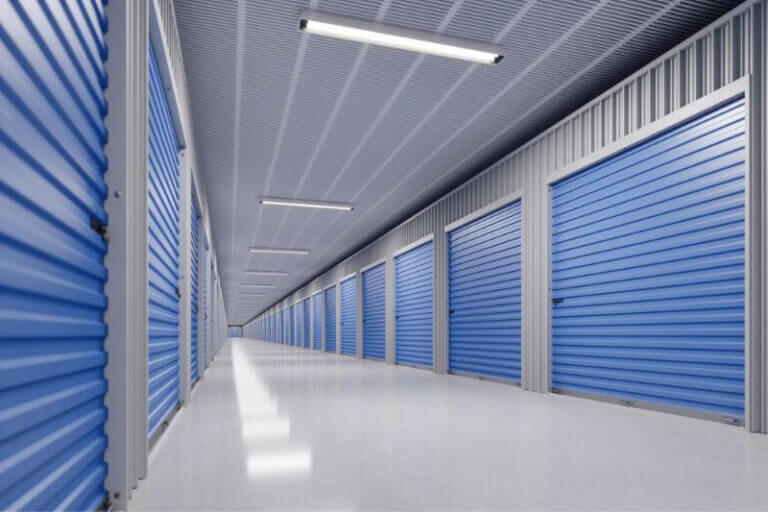
Climate-controlled storage options at McDowell Mountain Community Storage in Scottsdale Arizona
Discover temperature-controlled storage spaces with flexible rental options at McDowell Mountain Community Storage in Scottsdale Arizona

Looking to save money on storage costs? McDowell Mountain Community Storage offers:

  • Promotions for new customers
  • Discounts for long-term commitments
  • Month-to-month leases
  • Pre-pay and save payment options
  • Special rates for students, military, and businesses

When getting a quote, always ask about current offers, availability, and promotions.

Why Choose McDowell Mountain Community Storage?

At McDowell Mountain Community Storage, we go beyond basic storage companies. Our facilities are designed for every storage need, from temperature-sensitive electronics to essential documents, or even large-scale furniture and vehicles. Our team is committed to providing:

  • A clean, secure environment
  • Easy-to-understand pricing
  • A variety of types, features, and unit sizes
  • Transparent quotes and no hidden fees
  • Local, knowledgeable assistance

Whether you’re storing stuff for a few months or looking for long-term storage space, we’re your trusted partner.

Storage Unit Price Comparison: Example Breakdown

Let’s say you’re storing the contents of a one-bedroom apartment, including a couch, clothing, boxes, and some electronics. A 10×10 unit might be perfect. You’d pay:

  • $119/month for a 3rd-floor unit
  • $199/month for a ground-floor unit with easier access

Want even more space? Upgrade to a 10×15 unit for $219/month or a 10×20 unit for $349/month.

Do you need less? Depending on the Floor, a 5×10 unit might suit you for $79 to $99/month.

Final Thoughts

So, how much does a storage unit cost per month? The answer depends on size, features, location, and storage needs. At McDowell Mountain Community Storage, we provide a wide range of affordable options, from small units for just $49/month to larger units with room for everything at $349/month.

We invite you to explore our facilities, speak with our team, and find the perfect unit that fits your budget, location, and needs. Whether you’re downsizing, moving, or needing extra space, we have the solution.

Ready to store with us? Contact McDowell Mountain Community Storage today for a free quote, learn more about our storage unit sizes, and take advantage of ongoing discounts and promotions!

Frequently Asked Questions

1. What is the minimum rental period for a storage unit?

Most self-storage facilities offer flexible month-to-month leases, but some may require a minimum stay depending on the promotion or location. Always check rental terms before committing.

2. Can I upgrade or downsize my storage unit later?

Yes. If your storage needs change, many facilities allow you to switch to a larger or smaller unit, subject to availability.

3. Are there any items I’m not allowed to store?

Yes. Prohibited items typically include flammable liquids, explosives, perishables, illegal substances, and hazardous materials. Always review the facility’s prohibited items list.

4. Do I need to provide my lock for the unit?

Most facilities require you to bring your lock or purchase one on-site. For security, it is strongly recommended that you use a high-quality disc or cylinder lock.

5. Is 24-hour access available for storage units?

Access policies vary. Some storage locations offer 24/7 access, while others may restrict access to business hours or require special permissions.

6. What identification do I need to rent a storage unit?

To complete the rental agreement, you’ll usually need a valid government-issued photo ID, such as a driver’s license, state ID, or passport.

7. Do storage facilities provide moving supplies or trucks?

Many storage centers offer packing supplies like boxes and tape. Some also provide moving truck rentals or free truck use with a new rental agreement.

8. What happens if I miss a storage payment?

Missed payments may incur late fees and restricted access to your unit. After a specific period, the unit could enter default or lien status. Contact the facility immediately if you’re unable to pay.

9. Can I store large or oddly shaped items?

Yes. Larger units or specialty storage spaces are often available for oversized items like equipment, kayaks, or furniture that don’t fit standard dimensions.

10. How do I reserve a storage unit in advance?

Storage units can typically be reserved online, over the phone, or in person. Most facilities allow temporary storage without upfront payment.

How to Choose the Best Storage Facility in Scottsdale

Finding the right storage facility in Scottsdale, Arizona, requires more than a quick search. In a growing city like Scottsdale, AZ, the cost and price of self storage units can vary widely based on location and features. Whether you’re looking to store furniture, documents, a vehicle, or even business inventory, choosing a place that’s secure, accessible, and tailored to your storage needs is essential. We understand that no two customers are the same at McDowell Mountain Community Storage. That’s why we’re breaking down what you should consider when picking the best storage unit for your belongings—using real data and insights from some of the most common storage scenarios. 

1. Understand Your Storage Needs

Before selecting a storage facility, it’s crucial to evaluate what you’re storing. Are you moving, downsizing, or needing business storage? Are you looking for self-storage for personal items or more specialized options like climate-controlled storage units for sensitive materials? People across the country, from Los Angeles to Scottsdale, rely on tailored storage solutions to protect their belongings. Knowing the appropriate storage unit size and understanding your rights as a renter, depending on your state, can help you avoid issues and unnecessary rent expenses. 

Everyday items placed in storage units include:

  • Furniture
  • Cars, trucks, and RVs
  • Business records and documents
  • Boats
  • Household items
  • Seasonal decorations
  • Valuables like antiques or electronics

The first step in choosing the right unit size and storage facility is to determine how much space you need and how long you’ll be storing your belongings.

2. Choose the Right Unit Size

Storage units come in various sizes, from small lockers to large garage-like spaces. Choosing the right size saves you money and ensures your items are stored safely. For example:

  • 5×5 or 5×10 units are great for small items, documents, or a closet’s worth of goods.
  • 10×10 or 10×15 is ideal for a one-bedroom apartment’s worth of things.
  • 10×20 or larger can hold vehicles, multiple rooms of furniture, or business inventory.

Discuss your needs with the staff at your local Scottsdale self storage facility. Based on your inventory, they can help you estimate the size required.

3. Consider Climate Controlled Storage

Arizona’s weather is known for extreme temperatures, especially during summer. A climate-controlled storage unit is a wise choice if you’re storing temperature-sensitive items such as wooden furniture, electronics, vinyl records, artwork, or essential records. These units maintain consistent temperature and humidity levels, protecting your belongings from warping, mold, and other damage. Whether in Arizona, New York, or anywhere in between, investing in proper climate control shows a serious commitment to preserving the quality and longevity of your stored possessions.

4. Security Measures Matter

The best storage facilities in Scottsdale prioritize security. Look for features like:

  • 24/7 video surveillance
  • Coded gate access
  • Well-lit premises
  • On-site management
  • Individual unit alarms

These security measures protect your items and provide peace of mind. Always ask about the security protocols and read customer reviews to verify their effectiveness.

5. Accessibility and Convenience

Access is a significant consideration. Ask yourself:

  • What are the facility’s hours of operation?
  • Is 24-hour access available?
  • Is it easy to load/unload?
  • Are there parking spaces available for large vehicles?

If you’re storing a car, RV, or boat, ensure the facility offers drive-up access and adequate turning radius. For regular visits, proximity to your home or business in Scottsdale, Tempe, or Phoenix can make a big difference.

6. Pricing, Availability, and Flexibility

Prices vary depending on unit size, features, location, and availability. Ask about:

  • Monthly rates
  • Discounts for long-term rentals
  • Hidden fees or insurance requirements
  • Contract flexibility

Whether you’re storing for a month or over a year, you’ll want a storage facility that provides rental options and flexibility without compromising quality.

7. Facility Features and Amenities

Modern storage facilities offer a wide range of amenities designed to improve the customer experience, such as:

  • Online bill pay and account access
  • Moving supplies for purchase
  • Indoor and outdoor storage unit types
  • Elevator access to upper levels
  • On-site restrooms
  • Dollies or carts for easy moving

These small details can make your move-in or visit smoother, especially if you store large items or vehicles.

8. Cleanliness and Reputation

The best storage units are well-maintained, pest-controlled, and regularly cleaned. A strong cleanliness standard is essential, especially if you’re storing fabric-based goods or perishable items that are more susceptible to damage in poor conditions. When evaluating a location, consider the surrounding area, the level of access provided, and the facility’s amenities. Also, please pay close attention to customer reviews, which often reveal insights about unit size, service quality, and overall cleanliness. 

Also, check the facility’s reputation. Online reviews, word-of-mouth, and the company’s standing with the Better Business Bureau or local business community can be valuable quality indicators.

9. Compare Locations and Availability

With so many locations across Arizona, it’s worth comparing Scottsdale self-storage facilities to those in nearby cities like Phoenix, Tempe, Las Vegas, or even Dallas and Chicago if you travel frequently. Consider factors like:

  • Distance from your home or business
  • Nearby highways or freeways
  • Safety of the surrounding area

Your time is valuable. A conveniently located storage space saves hours over time.

10. Ask the Right Questions

Before signing a lease, make sure you ask:

  • What types of units are available?
  • Is there 24/7 access?
  • Are there late-payment penalties?
  • What happens if I need to move to a larger or smaller unit?
  • Is insurance required or provided?
  • Are there any additional fees or deposits?

Gathering the correct information upfront ensures you won’t be surprised. A trustworthy storage facility will gladly provide answers and help you choose the best storage solution for your situation.

11. Business and Vehicle Storage

Many storage units are perfect for businesses needing overflow space for:

  • Inventory
  • Files
  • Equipment
  • Seasonal displays

Additionally, facilities that accommodate cars, RVs, boats, or other vehicles are perfect for those with limited parking or garage space at home.

12. Self-Storage vs Public Storage

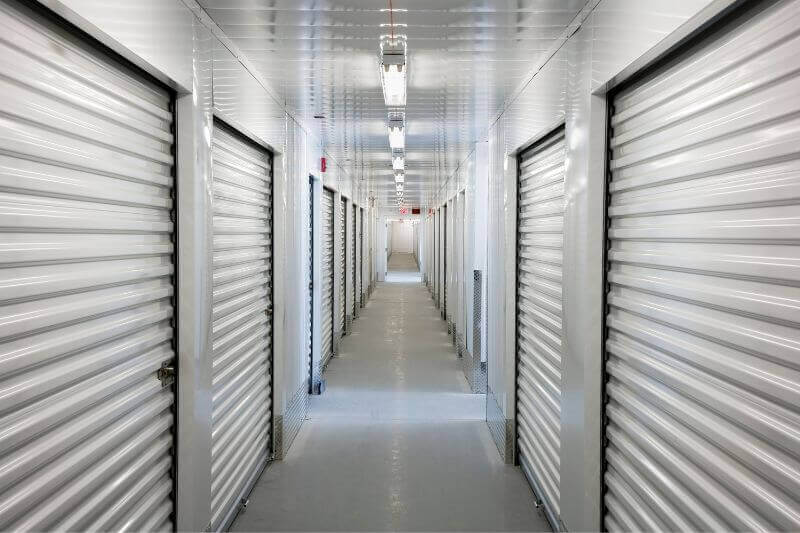
A view of storage units available at McDowell Mountain Community Storage located in Scottsdale, Arizona
Explore how to find the right storage solution at McDowell Mountain Community Storage in Scottsdale, Arizona

You might see terms like “self-storage,” “public storage,“ and “self-storage units“ used interchangeably, but they can differ slightly depending on the company. McDowell Mountain Community Storage offers clarity and transparency regarding these terms. Self-storage generally implies that you manage your own unit access and handling. Public storage may be more general in branding but could offer fewer specialty options than a facility like McDowell Mountain Community Storage, which provides tailored services and features. 

Regardless of the name, continually evaluate:

  • Size
  • Climate control
  • Security measures
  • Access
  • Rates
  • Availability

13. Local Knowledge and Personal Service

At McDowell Mountain Community Storage, we proudly serve Scottsdale, Phoenix, and the broader Arizona region. We know that residents and businesses have unique storage needs, and we offer customized solutions for all.

From climate-controlled units to flexible rental options, we prioritize convenience, security, and customer satisfaction. Our experienced staff is ready to help you sort through types, features, and unit sizes so you find the perfect fit.

14. Tips for First-Time Renters

If you’re renting a storage unit for the first time, here are a few quick storage tips:

  • Take inventory of everything you plan to store.
  • Pack strategically and label every box.
  • Leave an aisle in the middle for easy access to items.
  • Store items you’ll use often near the front.
  • Use shelves to maximize vertical space.

Protect temperature-sensitive items and valuables by placing them in climate-controlled storage and ensuring your unit is secure.

15. Why Choose McDowell Mountain Community Storage?

We stand out in Scottsdale for our:

  • Secure, well-lit facility with round-the-clock surveillance
  • A variety of unit sizes and specialized storage options
  • Competitive prices and flexible rental terms
  • Convenient location and drive-up access
  • Professional, helpful staff
  • Strong local reputation and high reviews

Whether you’re storing items from across the U.S., relocating from Las Vegas or Miami, or need extra space in Scottsdale, we provide safe, affordable, and convenient self-storage units.

Final Thoughts

Choosing the right storage unit isn’t just about the price—it’s about the right features, security, and peace of mind. With so many options available, from RV to climate-controlled to business storage, your choice of storage facility in Scottsdale should reflect your priorities and lifestyle.

At McDowell Mountain Community Storage, we’re here to answer your questions, provide transparent information, and help you find the best fit for your storage needs. Contact us today to explore our availability, get a quote, or schedule a tour. Your ideal storage solution is just around the corner.

Frequently Asked Questions

Do I need insurance for my stored items?

Yes, many storage facilities either require or strongly recommend insurance. It protects your belongings from unforeseen events like fire, theft, or natural disasters. Some facilities offer in-house insurance options, while others accept third-party policies.

What documents are required to rent a storage unit?

Typically, you’ll need a valid government-issued photo ID (like a driver’s license), a signed rental agreement, and proof of insurance if you don’t purchase it through the facility.

Can I store a motorcycle or small recreational vehicle in a standard unit?

Many facilities allow motorcycles or small ATVs in units as small as 5×10 or 10×10. Ensure the unit is ground-level and confirm that storing vehicles complies with the facility’s rules (e.g., drained fluids, registration).

What happens if I miss a payment or pay late?

Most storage facilities charge late fees, and some may deny access to your unit until the balance is paid. After a specific period, facilities may initiate a lien process, so it’s essential to understand the payment terms upfront.

Are there restrictions on what I can store in a unit?

Yes. Hazardous materials, flammable items, food, live animals, weapons, and illegal substances are strictly prohibited. Always ask for a list of restricted items during rental.

How can I maximize the space inside my unit?

Use shelving, stack boxes by weight (heaviest on the bottom), and disassemble furniture. Leave an aisle so items can be easily accessed without unloading the entire unit.

Are there any discounts or promotions for new customers?

Yes, many facilities offer move-in specials such as first month free, discounted rates, or unrestricted use of a moving truck. Be sure to ask about any current promotions when you inquire.

Can I change to a larger or smaller unit later?

Absolutely. Most storage providers offer flexibility to upgrade or downgrade based on your needs. It’s best to discuss this with the staff before you sign your rental agreement to understand any related fees or requirements.

How often can I access my storage unit?

Access policies vary. Some facilities offer 24/7 access, while others have business-hour restrictions. Ensure the access hours fit your schedule, especially if you need frequent or emergency access.

What measures are in place to protect against pest infestations?

Reputable facilities conduct regular pest control treatments and encourage customers to avoid storing food or perishable items. Cleanliness, sealed containers, and off-the-ground storage also help deter pests.

Your Guide to 5×10 Storage Units

When it comes to finding extra storage space for your belongings, a 5×10 storage unit is one of the most versatile and cost‑effective solutions available, offering a variety of types—from a walk‑in closet’s worth of boxes to a small vehicle—and giving you the flexibility to organize, lock, and store all your items securely, freeing up room in your home. Whether packing boxes filled with items from your bedroom, moving to a new location or simply needing extra space storage for furniture and appliances, this storage unit size offers a perfect balance of space and affordability. This comprehensive guide covers everything you need about 5×10 units, from storage unit prices and amenities to organizational tips and security features. Read on to discover how McDowell Mountain Community Storage can provide your storage solution. 

Why Choose a 5×10 Storage Unit?

A 5×10 unit provides 50 square feet—roughly the size of a walk‑in closet or one bedroom—making it ideal for storing:

  • Furniture includes couches, a queen mattress, or a box spring.
  • Appliances like a washer, dryer, or appliances you’re not currently using.
  • Business inventory: storage items, office equipment, and products.
  • Vehicles include motorcycles, a motorcycle, or even a compact car.
  • Household belongings: books, decorations, bags, and containers.

Many customers find that 5×10 storage units meet most of their storage needs without the higher cost of a larger 10×10 or 10×20 unit. Whether you’re a student in an apartment, a homeowner tackling a move, or a business owner needing extra storage space, it’s a great option. These units are perfect for storing items like patio furniture, a small vehicle, or even pieces of furniture. Plus, with various storage unit sizes available, you’ll find that a 5×10 unit offers just the right amount of space, comparable to a walk-in closet for your needs. 

Comparing Unit Sizes: 5×10 vs. Other Options

When evaluating unit sizes, consider the range of options at your storage facility:

  • 5×10 storage units: Perfect for small furniture, a mattress, and several boxes.
  • 10×10: Twice, the storage space fits the contents of a one‑bedroom apartment.
  • 10×20: Comparable to a garage, accommodates vehicles, boats, or large appliances.
  • Smaller storage spaces like a walk‑in closet (5×5) are ideal for seasonal items and decorations.

Understanding the differences in unit sizes, types, locations, and the number of units available and current demand ensures you select the storage unit size that aligns with your needs and budget. While larger units offer more capacity for dressers and other items, they also come with higher storage unit prices and potentially unused space; consult our list of storage facilities to find the best option. 

Key Features and Amenities

Your choice of storage facility should hinge on the facility amenities and features that matter most:

  • Climate control: Vital for protecting sensitive contents—artwork, electronics, and wooden furniture—from dust, humidity, and extreme temperatures.
  • Self storage amenities: The facility includes indoor storage indoor hallways, gate access, and wide walkways to accommodate dollies and hand trucks.
  • Facility amenities: Extended access hours, video surveillance, security features, and an on‑site facility manager.
  • Protection and insurance: Ensure your belongings are covered against damage or theft.
  • Convenience: Proximity to your location, online rental, and easy gate access make visits seamless.

By selecting a facility with robust security features and thoughtful amenities, including self storage unit options that cater to various needs, you’ll know that your items—a bed, furniture queen, or anything else—are well protected. With high ceilings and secure storage, you can trust that your belongings are in good hands, whether in the U.S. or locally. 

Security and Protection

Security should be a top priority when storing your belongings:

  • Video surveillance monitors all front entrances, hallways, and facility grounds.
  • Secure access systems use keypad locks or electronic gates requiring unique codes.
  • Regular patrols by the on‑site team and a responsive facility manager.
  • Insurance options to cover storage items against unforeseen damage.
  • Proper packing tips, sturdy containers, and high‑quality boxes reduce risk.

Combining these security features with thorough packing and protection measures at McDowell Mountain Community Storage ensures your storage spaces remain safe and undisturbed.

Tips for Organizing Your 5×10 Storage Unit

This guide provides detailed information about 5x10 storage units available at McDowell Mountain Community Storage in Scottsdale, Arizona.
Learn how McDowell Mountain Community Storage in Scottsdale, Arizona, can help you with all your 5×10 storage unit needs

Maximizing your space in a 5×10 storage unit requires strategy and Storage Unit tips to ensure you make the most of every inch of space.

Plan Your Layout

Sketch a floor plan noting length, width, and height. Position larger pieces—dressers, cabinets, and equipment—against the walls, leaving a central walkway for easy access.

Use Uniform Boxes and Containers

Stack identical boxes and containers to optimize vertical space. Label each box with contents and date to locate items quickly.

Protect Your Furniture and Mattress

To combat dust, cover your furniture, including queen mattresses and couches, with plastic covers. To save floor space, stand a box spring on its side along a wall.

Create Aisles for Frequent Access

If you plan to retrieve certain belongings regularly—essential documents, seasonal decorations, or everyday household goods—store them near the front.

Use Shelving Units

Lightweight, collapsible shelves hold boxes, books, and small accessories. For stability, place heavier equipment on the bottom shelves.

Maintain Flexibility

Leave plenty of space at the bottom and top for airflow and future additions. Avoid overpacking so everything remains accessible.

Choosing the Right Facility

Your storage solution is only as good as the facility that houses it. Consider these factors when selecting a location:

Location and Accessibility

Facilities in the U.S. vary by region. Pick a facility close to your home, office, or school, and verify its access hours.

Range of Unit Sizes

Look for a provider offering unit sizes from 5×5 to 10×20 so you can upgrade or downsize.

Price and Value

Compare self storage units prices, factoring in availability, seasonal discounts, and promotional offers.

Customer Service

A knowledgeable facility manager and friendly team can provide guidance on unit size, packing tips, and insurance choices.

Self Storage Options

Decide between indoor and outdoor, drive-up units and hall access, and climate and non‑climate control. Each type serves a different purpose.

You’ll secure a rental that fits your needs and budget by evaluating these options.

Conclusion

Choosing the right 5×10 storage unit involves understanding your needs, comparing unit sizes, and selecting a facility with the amenities and security features you value. With proper planning, organization, and the right storage solution, your belongings will remain safe, accessible, and pristine. If you have any further questions or require guidance, contact our McDowell Mountain Community Storage team for personalized information and advice.

Frequently Asked Questions About 5×10 Storage Units.

What types of items should not be stored in a 5×10 storage unit?

It’s important not to store hazardous materials like chemicals, flammable items, or perishable goods in your 5×10 unit. Check with your storage facility for specific restrictions.

Can I store a car in a 5×10 storage unit?

While a 5×10 unit is large enough to store motorcycles and small vehicles, it’s typically unsuitable for a full-sized car. Check with your storage provider for vehicle-specific units.

Are there any discounts or promotions for renting a 5×10 storage unit?

Many storage facilities offer seasonal discounts, first-time renter promotions, or special rates for long-term rentals. Be sure to ask about available offers.

How do I prepare my items for long-term storage in a 5×10 unit?

Use proper packing materials, such as bubble wrap and sturdy boxes, to ensure your items remain in good condition. For sensitive items like electronics, consider climate-controlled storage.

How do I access my 5×10 storage unit?

Most storage facilities offer 24/7 access or specific hours during the day. Some facilities use keypads, while others may require a key or electronic access code.

Can I upgrade to a larger unit if I outgrow my 5×10 storage unit?

Yes, many facilities allow for easy upgrades. Depending on availability, ask your facility manager to assist you in moving to a larger unit.

How secure are the 5×10 storage units at McDowell Mountain Community Storage?

McDowell Mountain Community Storage offers enhanced security features such as video surveillance, electronic gate access, and regular patrols by an on-site team to keep your items safe.

What is the minimum rental period for a 5×10 storage unit?

Most facilities offer flexible rental terms, but there may be a minimum rental period, typically 30 days. Check with the storage provider for specific requirements.

Can I store sensitive or valuable items in a 5×10 unit?

For items like artwork, electronics, or antiques, consider opting for a climate-controlled 5×10 unit to protect your valuable possessions from temperature fluctuations and humidity.

What happens if I forget to make a payment for my storage unit?

If you miss a payment, your storage facility may impose a late fee or temporarily restrict access to your unit. After an extended period of non-payment, the facility may initiate a lien process. Always stay in communication with the facility if you’re facing payment issues.

Storage Unit Organization Ideas

Renting a storage unit is a great way to create extra space for your belongings, whether moving, downsizing, or simply trying to free up room at home. However, a storage unit can become cluttered and difficult to navigate without proper organization. Taking the time to declutter and sort your items will help create a more efficient storage space. By implementing smart storage tips, anyone can keep their account of stored belongings in order, whether it’s in a closet, garage, or self-storage location. Whether you’re storing a car, furniture, or personal items, the right system will ensure that your most-needed ones remain easily accessible while protecting everything from damage. 

When planning your storage unit, it’s essential to consider the layout and use the right supplies to keep everything in order. A well-organized unit can be beneficial for a woman managing household items or running a business. Whether you’re storing furniture, seasonal clothes, or business storage documents, arranging items strategically will help maintain easy accessibility. Following a guide with expert advice on storage tips can make a big difference in how efficiently you use your space. Proper organization is crucial to keeping your unit functional, and a simple tip like labeling boxes can save time and reduce stress when searching for specific things. 

Plan Your Storage Unit Layout

Before moving your items into your storage unit, take a moment to plan the best layout for efficiency. Keeping frequently accessed items at the front of the unit will make retrieval more straightforward, while less-used belongings can be placed towards the back. Using a map of your storage space can help track where you’ve placed things, preventing unnecessary searching later.

Using shelving units along the side walls is a great way to maximize space and prevent stacking boxes too high. Place heavy furniture and large bins at the bottom to maintain stability while keeping smaller items on top.

Use the Right Storage Supplies

The right supplies can make a big difference in maintaining an organized storage unit. Use stackable boxes, labeled bins, and durable shelves to store your items properly. If you’re experiencing trouble finding the best solution, try using a table or surface to help with sorting. Assess the needs of your stored items and determine if you need to place each other in specific options like protective containers to prevent damage, especially for fragile items. 

If you need to store furniture in a storage unit, disassemble large pieces whenever possible to save space. Wrap delicate surfaces with blankets or plastic covers to protect them from dust and scratches. Keeping an inventory of your stored items can also help you track your belongings and avoid misplacing anything.

Label and Categorize Everything

Labeling is one of the simplest but most effective storage tips. Mark all bins, boxes, and shelves to locate specific items quickly. Use a system to categorize your belongings based on box size, room, or purpose. For example:

  • Clothes can go in breathable garment bags or labeled bins.
  • Kitchen supplies should be stored in durable containers to prevent spills.
  • Business storage files and paperwork should be kept in waterproof bins.
  • Seasonal decorations should be placed in a dedicated storage unit section.

A proper system will streamline your storage space and make finding things more manageable.

Make Use of Doors, Corners, and Wall Space

Maximizing storage space means using every available area, including the doors, corner spaces, and wall areas. Hanging lightweight tools, supplies, or small items on hooks attached to the door can help keep frequently used things within easy reach. Installing floating shelves or using shelving ideas for the walls can further optimize your unit.

Leave enough room for maneuverability if you’re storing a vehicle or large items. A well-planned layout will ensure smooth access without moving multiple boxes whenever you need something.

Keep Your Storage Unit Secure

When renting a storage unit, security is an essential factor to consider. Choosing a facility with strong security features to look for in a storage facility can help protect your belongings. Features like surveillance cameras, gated access, and on-site management add an extra layer of protection.

Despite these measures, break-ins can still occur, leading to concerns about who is responsible if a storage unit is broken into. Responsibility generally depends on the facility’s policies and whether you have insurance. It’s always best to check the contract and consider getting renter’s insurance for additional protection.

Protect Your Items from Damage

Explore smart and practical storage unit organization ideas at McDowell Mountain Community Storage in Scottsdale Arizona, designed to maximize space and ensure easy access to your belongings.
Transform your storage unit with practical organization tips from McDowell Mountain Community Storage in Scottsdale Arizona.

To avoid damage, keep delicate items in padded containers and use waterproof bins when necessary. Never place items directly on the floor—using pallets or shelving units can provide additional protection. If storing electronics, ensure they are in climate-controlled storage units to prevent overheating or moisture buildup.

Keep heavier furniture at the bottom of stacks for protection, and avoid placing fragile items under heavier bins or boxes. At McDowell Mountain Community Storage, we recommend maintaining an inventory list to help you keep track of your belongings and make retrieval easier. Our secure, organized storage units are perfect for ensuring your items are safely stored and easy to access whenever you need them.

Arrange Items for Accessibility

A common mistake in storage unit organization is stacking items without considering accessibility. You don’t want to dig through multiple boxes to find a single item. To prevent this issue, follow these storage tips:

  • Keep frequently used items at the front of the storage unit.
  • Place bulkier, less-used belongings toward the back.
  • Leave a clear floor path for easy movement.
  • Store similar items together in labeled bins for quick identification.

A well-thought-out plan will keep your storage space tidy and efficient.

Keep an Updated Inventory List

Maintaining an inventory of all your stored items can help prevent confusion and misplaced belongings. Whether you use a digital spreadsheet or a handwritten list, keeping track of what’s inside your storage unit will save time when retrieving things.

You can even create a link to an online blog or document where you store articles or guides about storage tips, allowing easy reference when organizing your storage space.

Final Thoughts on Storage Unit Organization

An adequately organized storage unit ensures that you can quickly find items, maximize space, and protect your belongings from damage. You can create an efficient and neat storage system by following these storage tips, using shelving units, and categorizing items with clear labels.

Additionally, choosing a secure facility with strong security features to look for in a storage facility can help keep your belongings safe. If you ever wonder who is responsible for a storage unit getting broken into, it’s always best to review the facility’s policies and ensure you have adequate insurance coverage.

Keeping important documents, inventory, and office supplies well-organized for those needing business storage will make it easier to manage company resources. Proper wrapping and stacking techniques will also help maintain furniture in a storage unit.

With these organizational strategies, your storage unit will remain tidy, accessible, and optimized for efficiency. Whether you’re storing kitchen products, vehicle accessories, or seasonal clothes, planning and arranging your items properly will make a significant difference.

For more expert storage tips, check out McDowell Mountain Community Storage’s latest blog articles on effective organization, shelving ideas, and ways to keep your storage space in perfect order.

Frequently Asked Questions

How Can I Efficiently Organize a Storage Unit for Seasonal Items? 

Use labeled bins for each season and keep frequently used items at the front. Store delicate items in breathable bags and stack boxes to maximize space.

What Are the Best Practices for Storing Large Appliances? 

Clean appliances, disassemble parts if possible, and wrap them in blankets. Elevate them off the floor to avoid moisture damage and keep doors ajar to prevent odors.

How Do I Prevent Mold and Mildew in a Storage Unit? 

Rent a climate-controlled unit, use moisture-absorbing packs, and ensure items are clean and dry before storing. Avoid storing wet items.

What Is the Ideal Temperature for Storing Sensitive Items? 

Store sensitive items in a climate-controlled unit with temperatures between 50°F and 75°F to protect them from environmental damage.

How Can I Use a Storage Unit to Organize a Home Renovation Project? 

Store tools, materials, and furniture in a designated space. Keep frequently used items at the front for easy access during the renovation.

What Should I Do If I Need Long-Term Storage for Furniture? 

When possible, disassemble furniture, wrap it in protective covers, and store it on pallets to keep it off the floor and prevent damage.

Can I Rent a Climate-Controlled Storage Unit? 

Many facilities offer climate-controlled units, ideal for sensitive items like electronics and furniture that need stable conditions.

How Can I Store Important Documents Safely in a Storage Unit? 

Use waterproof and fire-resistant containers, label everything clearly, and keep documents off the floor to avoid damage.

How Do I Choose the Right Size Storage Unit for My Needs? 

Take inventory of your items, and choose a unit that fits them with extra space for easy access. Staff at the facility can help guide you.

What Are the Benefits of Using a Self-Storage Facility for Business Inventory? 

It’s cost-effective and flexible, offering secure space for inventory, seasonal products, and documents, with 24-hour access and security features.

How to Save on Storage Unit Costs

Renting a storage unit can be a great solution when you need extra space for your belongings, whether for a move, downsizing, or decluttering. However, storage unit costs can quickly increase, especially when you don’t plan. In this blog, we’ll explore ways to save on storage unit costs while keeping everything you need in mind. You can make the most of your storage space without overspending with the right strategies. Be sure to consider the storage cost, potential fee, and any commitment the storage provider requires. If you have any questions about the rights and terms of your storage agreement, always ask for clarification before you sign. Additionally, remember that prices can change depending on factors like demand, location, and the unit size you need. You may even receive a special discount or promotion to lower your overall cost if you’re lucky. 

1. Choosing the Right Storage Unit Size

One of the most critical factors in saving money on storage is selecting the correct storage unit size. When you rent a storage unit, the cost is often determined by the unit size. Larger units cost more, so picking a unit that suits your storage needs is essential without overestimating the space you’ll need. Understanding the type of storage you need can make a massive difference in the savings you’ll enjoy. Additionally, considering your experience with different storage facilities and the area you’re in can help you make better decisions. Requesting quotes from various companies allows you to compare prices and decide on the best storage solution for your business or personal needs. Be sure to gather all the details you need, whether about the storage costs, insurance, or other factors. If you’re in a different country, the storage cost and availability might vary, so always check what’s available in your location. 

The best storage solution for your belongings is one that gives you enough space but doesn’t go beyond what you need. Many facilities offer a storage size guide to help you figure out which storage unit size fits your inventory. Before renting, inventory your items and consider whether you need to store boxes, furniture, or other stuff. Choosing the right unit size can make your storage costs manageable.

2. Consider Self-Storage Units and Facilities

Not all storage units are created equal. Some self-storage facilities offer more competitive rates, especially those located further from busy urban areas. When choosing between different storage facilities, consider the location as well. Due to demand, storage units near major cities or tourist areas may be more expensive. Opting for a unit further away from the city center can lower your costs, which makes sense for everyone looking to save money. Members of a family or a group that runs a small business might also find it beneficial to consider a more affordable option. It’s essential to look at the big picture and choose a practical unit that fits your budget. This is a part of the decision-making process that ensures you get the best deal for your needs. Whether in Miami or another location, factoring in the distance can help you make a wiser choice. 

Additionally, some storage companies offer discounts or promotions to attract new customers. You can also find self-storage facilities that provide flexible contract lengths. A long-term contract might be more affordable if you plan to store items for an extended period. However, a short-term agreement could be the best option for shorter storage needs. Some facilities also have storage promotions that provide discounts for the first few months, so inquire about these options. When considering your privacy choices, ensure the facility offers appropriate security measures that meet your needs. Some self-storage facilities consider self-storage costs relative to things like temperature, especially for items sensitive to climate. Whether you store anything valuable or seasonal items, use a trusted app or service to help manage your storage inventory. A good app can keep track of everything, making your storage experience more efficient and organized, no matter where you place your belongings. 

3. Organize Your Belongings Efficiently

Packing and organizing your items logically and efficiently can help you maximize your storage space, reducing your needed unit size. When you pack items in boxes, be sure to stack them neatly. Storing items vertically is a good way to maximize your storage space without needing a bigger storage unit. You can also organize your belongings by category to make it easier to find them when needed. Humidity can affect certain items, so consider adding moisture-absorbing products to store items sensitive to the weather. Anyone can benefit from these simple organizing tips; they ensure success when utilizing your storage space. For more tips and information, refer to this helpful article or search for relevant tips on Google to discover additional benefits of organizing your storage space effectively. 

Consider using containers for small items and labeling everything clearly. By efficiently packing and organizing your belongings, you’ll minimize wasted space and, as a result, reduce your storage costs. Additionally, using containers and boxes makes it easier to stack your items to minimize the amount of space they take up.

4. Understand Pricing and Additional Fees

When comparing prices, asking about additional fees that might not be included in the initial price quote is important. For example, some storage facilities charge service fees, delivery charges, or even fees for 24/7 access. Ensure you ask about all potential costs, including any insurance for your belongings. Many self-storage companies require additional insurance for your stored items, which can add to your overall storage costs. Check the available resources to help you understand the terms and conditions. Some storage stores offer competitive rates, but always compare prices and services across different options, even if you’re far from us.

Understanding the full scope of pricing and any service fees associated with your rental will allow you to make an informed decision. Discounts or promotions can cover these costs for a limited time, so don’t forget to ask about them.

5. Negotiate Rates and Terms

Many storage companies are open to negotiation, especially if you plan on renting a unit for an extended period. If you want to sign a longer-term contract, you can negotiate a lower rate for your storage unit. Some self-storage units also offer seasonal discounts during times of low demand. For example, you may find lower rates in winter when demand for storage units tends to be lower.

Don’t hesitate to ask for a better deal when you talk to storage providers. If a storage company is offering promotions, try to ask for a deal that includes discounts on storage fees and waives any administrative or additional charges. Be sure to inquire whether the storage facility offers control over the terms, such as flexibility in contract length or the ability to adjust your plan if your needs change. This will give you more power to manage your storage costs. 

6. Use Online Tools to Compare Options

Using online tools to compare rates across different storage facilities can help you find the best deal without visiting each facility in person. Many websites allow you to enter the location, unit size, and length of rental to see the prices for nearby facilities. You can choose the best storage solution for your budget by comparing prices across several storage companies.

In addition, most storage providers have online tools or apps that let you manage your storage unit. These tools may include payment reminders, discounts for paying online, or easy inventory management access. If you’re storing personal belongings, having access to an online account can save time and ensure that you are always aware of any changes to your storage costs or rates.

7. Review Customer Feedback and Reviews

Before committing to a specific storage facility, checking out customer reviews to see what others think about the company’s service is a good idea. Reviews can give you insights into whether the facility offers reliable security, has clean and well-maintained units, and provides good customer service. Some storage facilities may offer unique amenities like climate-controlled Storage Units, enhanced security features, or 24/7 access. Look for reviews that discuss these features to ensure you’re getting a high-quality storage solution for your belongings.

Additionally, reading customer feedback will help you gauge the facility’s reputation for honoring discounts, providing excellent service, and offering competitive rates. At McDowell Mountain Community Storage, we pride ourselves on delivering top-notch service with competitive rates and transparent pricing. Our customers’ satisfaction is a testament to our commitment to offering the best storage experience in the area. 

Learn how to save on storage unit costs by choosing McDowell Mountain Community Storage in Scottsdale Arizona for affordable options.
Save on storage costs with McDowell Mountain Community Storage, a trusted facility in Scottsdale Arizona offering budget-friendly options.

8. Plan for Seasonal Changes

Just like any service, storage costs can vary based on demand. Storage rates are often higher during peak seasons when people are moving or need temporary storage for their items. The price for self-storage units may drop during off-peak times, such as winter or early spring. Plan your rental around seasonal pricing if you need storage space for a while.

If you’re not in a rush, consider waiting for lower prices during the off-season. You can also ask for promotions or discounts during this time, as facilities often offer more special deals when demand is lower.

9. Understanding Insurance Options

Whether you need insurance for your stored items depends on what you’re storing. Some storage companies require you to purchase insurance to cover damages or theft. Insurance can be beneficial if you’re storing high-value items but can also add to your overall costs. Be sure to understand the coverage options before signing any agreement.

If you store valuable items, you may want to negotiate for better insurance coverage to protect your stuff from potential damage. You can also check your home or renters’ insurance to see if your policy covers items in a self-storage unit.

10. Optimize Your Storage Space

By organizing your belongings properly, you can make the most of your storage space and reduce the size of the unit you need. Take the time to pack your items carefully, and use containers and boxes to keep everything organized. Stacking boxes and maximizing vertical space can help you store more items in a smaller unit, reducing your overall costs.

If you’re unsure how to pack your items effectively, plenty of storage tips are available online or directly from your chosen storage facility. Some companies even offer packing materials like boxes or bubble wrap to protect your items during storage.

Conclusion

Saving on storage unit costs requires thoughtful planning and smart decisions. By choosing the right storage unit size, organizing your belongings efficiently, and taking advantage of promotions, discounts, and long-term contracts, you can find an affordable storage solution that works for you. Whether you’re storing items for a short period or a longer-term project, these storage tips will help you reduce storage costs and keep your belongings secure.

Understanding the factors influencing storage costs, such as location, unit size, and additional services, allows you to make informed decisions that save you money. The proper storage solution lets you keep your items safe and organized while staying within your budget. Always watch for seasonal deals, and don’t hesitate to ask for discounts when negotiating with storage providers.

By following these strategies and keeping your storage unit costs low, you’ll have peace of mind knowing that your items are safely stored at an affordable price.

Frequently Asked Questions

How Can I Tell Which Storage Unit Size is Right for Me?

To determine the right storage unit size, start by taking inventory of your items. Consider whether you’ll be storing boxes, furniture, or other large items. Many storage facilities provide size guides to help you choose the appropriate unit. It’s better to opt for a slightly smaller unit and pack efficiently than to rent a larger one you don’t need.

What Should I Look for in Terms of Security Features When Renting a Storage Unit?

Look for facilities that offer robust security measures such as 24/7 surveillance, gated access, individual unit alarms, and on-site staff. Some facilities also provide climate control, which can protect valuable or sensitive items from temperature fluctuations. Always ask about the facility’s security protocols to ensure your belongings will be safe.

Can I Change My Storage Unit Size After Renting?

Many storage companies allow you to change the size of your unit during your rental period, but you may need to check availability and adjust your rental contract. Some companies may offer flexibility regarding unit changes, while others may have restrictions, so it’s best to inquire beforehand.

Are There Any Hidden Fees I Should Be Aware of When Renting a Storage Unit?

Be sure to ask about hidden fees not included in the initial quote, such as administrative fees, delivery charges, insurance, or access fees. Some facilities also charge additional fees for things like late payments or requiring 24/7 access. Always get a clear breakdown of all potential costs before committing.

What Are the Benefits of Climate-Controlled Storage Units?

Climate-controlled storage units maintain a consistent temperature and humidity level, ideal for storing sensitive items like electronics, furniture, documents, artwork, and antiques. These units help protect your belongings from extreme temperatures, moisture, and pests, ensuring they remain in good condition over time.

How Do I Ensure That My Belongings Are Properly Insured During Storage?

Some storage facilities offer insurance policies for an additional fee. It’s essential to ask about the coverage options available and read the terms carefully. Alternatively, check if your existing renters’ or homeowners’ insurance covers items stored off-site. If you’re storing valuable items, extra insurance might be a good idea to protect them from damage or theft.

What Are the Seasonal Trends in Storage Unit Pricing?

Storage unit pricing can fluctuate depending on demand. Rates tend to be higher during peak moving seasons (summer months) and around holidays when people may need temporary storage for their items. Conversely, off-peak seasons, like winter or early spring, may offer lower rates, as demand is typically lower. If you can wait, consider renting during these slower months for a better deal.

Are Discounts Available for Long-Term Storage Rentals?

Many storage facilities offer discounts for long-term rentals, especially if you’re willing to commit to a year or more. Long-term contracts lock in lower rates, which helps reduce your overall storage costs. Always ask about any available promotions or discounts when negotiating your rental terms.

Can I Store Vehicles, Boats, or Other Large Items in a Storage Unit?

Many storage facilities offer specialized units for vehicles, boats, RVs, and other large items. These units are often outdoor parking spaces or larger indoor units designed to accommodate oversized items. Make sure to inquire about the size and availability of these units and check if there are any restrictions or additional fees for storing large items.

What Is the Best Way to Pack My Storage Unit for Easy Access and Organization?

Organize your storage unit by grouping similar items and labeling all boxes clearly. Use sturdy containers and stack them efficiently, maximizing vertical space to avoid wasting room. Place frequently accessed items near the front of the unit for easy retrieval. Consider using shelving units to help keep things organized and off the floor. Additionally, ensure that any climate-sensitive items are placed in climate-controlled units for protection.

Top Storage Unit Tips You Must Know in 2025

As we enter 2025, the demand for self-storage solutions continues to rise. The proper storage unit is essential for storing seasonal items, business inventory, or personal belongings. From labeling and organizing contents to maximizing storage space to ensuring proper maintenance and understanding security measures, these top tips will help you make informed decisions about everything in one convenient place. 

Whether you’re a homeowner, business owner, or renter, investing in a high-quality self-storage facility can bring peace of mind while protecting your things from damage, dust, pests, and moisture. This approach ensures that your room stays clutter-free while keeping your house organized. This guide will help you select the best unit storage, ensuring efficiency, organization, and money-saving strategies. This idea will make your storage experience smooth and hassle-free, from storing equipment to optimizing space. 

1. Understanding Your Storage Needs

Before renting a storage unit, evaluate your storage needs. Consider the condition of your items and the spaces available. Consider whether you’ll store furniture, electronics, clothing, or business storage units for documents and inventory. The difference between storage types can impact accessibility and protection. Ask yourself important questions about security, climate control, and option availability to ensure your storage run is smooth and efficient. 

  • Short-term vs. long-term storage: An essential storage unit might suffice if you need a solution for just a few months. However, long-term storage facilities require extra precautions, such as climate control and security features. For example, renters storing furniture like dressers should consider a climate-controlled unit to prevent damage. Each step of the process, from choosing the right level of protection to stacking each item properly, helps maintain your belongings. People storing valuable goods should add a protective layer of bubble wrap or covers, ensuring anything fragile stays secure. 
  • Size considerations: The right unit size depends on the number of items you plan to store. Large storage units accommodate furniture, while smaller ones are ideal for boxes, bags, and packing supplies. If you’re storing belongings from an apartment, select the right size to avoid unnecessary costs. Using the proper tools and storage practices will help maximize space with minimal effort. Make a list of what you plan to store to streamline the task. Another critical factor is stacking efficiently, especially when dealing with many fragile or heavy items. 
  • Accessibility: A convenient location with 24/7 access ensures you can retrieve your possessions whenever needed. Consider the facility’s operations—does it offer security and climate control? If you’re storing a vehicle, check if the unit size and accessibility fit your needs. Asking the right questions about locations and security features can make a big difference. Choosing the proper method for organizing your unit will ease your storage experience. Whether you’re storing seasonal items or making space for a new chapter in your life, finding something that fits your needs is essential. 

2. Choosing the Right Storage Facility

When selecting a storage provider, consider key factors that impact security, cost, and convenience. Not all storage facilities are equal—consider the environment inside the unit to ensure it protects your products from damage. Check the walls for insulation and security features. Look for suggestions from other homeowners who have used the facility. Compare price options and review the storage policies to avoid hidden fees. A well-chosen unit can lead to significant savings while keeping your belongings secure, so consider the following:

Security Measures to Look for in a Storage Facility

  • Locks and access control: Ensure your storage unit has strong security measures, including keypad entry, gated areas, and individual unit locks.
  • Monitoring and surveillance: The best storage facilities have 24/7 monitoring to track items and prevent theft.
  • Climate control and protection: To keep possessions safe from humidity levels, temperature fluctuations, and moisture, opt for a climate-controlled storage unit.

Pricing and Insurance Options

  • Storage unit prices: Compare costs and read the description of what’s included in your rental fee.
  • Insurance coverage: Some storage providers offer insurance to protect against theft, damage, or natural disasters.
  • Budget considerations: Plan your storage solution based on your budget and the value of your stored items.

3. Packing Like a Pro for Maximum Protection

Proper packing prevents damage, reduces clutter, and ensures easy accessibility. A well-organized aisle inside your storage unit allows for effortless navigation. Using sturdy boxes and stacking them correctly improves stability, preventing accidents. Focusing on strategic packing will maximize space and minimize frustration when retrieving items. Additionally, labeling boxes offer benefits by making it easier to locate specific belongings. Learning from the experiences of others and seeking advice from customer service can further enhance your storage approach.  Follow these expert packing tips:

Best Packing Supplies to Use

  • Bubble wrap and plastic covers: Protect fragile items like glassware, electronics, and decorations from impact.
  • Boxes and containers: Use sturdy boxes or plastic bins to store documents, clothing, and linens.
  • Labels and inventory lists: Label each box clearly and create a checklist for better organization.

Packing Strategies for Efficiency

  • Stacking and shelving: Use shelves, racks, and floor space wisely to optimize your storage space.
  • Arrangement and accessibility: Place frequently used items at the front and stack seasonal items in the back.
  • Climate considerations: Protect delicate belongings from extreme temperature changes using a climate-controlled storage unit.

4. Maximizing Storage Space and Organization

Discover essential storage unit tips for 2025 from McDowell Mountain Community Storage in Scottsdale Arizona.
Learn how to maximize space and security with expert storage tips from McDowell Mountain Community Storage in Scottsdale Arizona.

An organized self storage facility reduces stress and makes finding items easier. Placing heavier boxes at the bottom and lighter ones on top helps maintain stability. Sorting belongings by category—such as seasonal décor, blankets, or office supplies—ensures better organization. For instance, using clear bins for frequently accessed items allows quick retrieval. Working with a team can save time and effort when moving or rearranging storage. There are many ways to optimize your unit, from shelving to labeling, making storage more efficient. Here are some expert organization techniques:

Space-Saving Tips

  • Utilize vertical space: Install shelving to efficiently store boxes, office supplies, and business inventory.
  • Use multi-purpose storage solutions: Opt for stackable containers and bags for better efficiency.
  • Declutter before storing: Remove unnecessary stuff to free up storage space and keep only essential possessions.

Maintaining Order in Your Storage Unit

  • Check storage conditions regularly: Inspect for pests, dust, and moisture to prevent damage.
  • Rearrange items as needed: Update your organization system based on seasonal items and business needs.
  • Keep pathways clear: Avoid clutter by creating a floor space for easy movement inside the unit storage.

5. Protecting Your Belongings from Damage and Theft

Ensuring the safety of your belongings is a top priority when renting a storage facility. Follow these strategies to keep your items secure:

Preventing Common Storage Risks

  • Humidity and moisture protection: Use climate control to avoid mold growth on furniture, clothing, and documents.
  • Pest prevention: Keep food and perishable items out of the storage unit to prevent pests.
  • Dust and debris management: Use protective covers and store boxes off the floor to minimize exposure to dust.

Enhancing Storage Unit Security

  • Use high-quality locks: Invest in secure locks for added protection.
  • Check for security features: Look for storage solutions that include alarm systems, security cameras, and controlled access.
  • Limit access to trusted individuals: Share your unit key or access code only with those needing it.

6. Choosing the Best Storage Solution for Your Needs

Whether you’re storing business storage units, holiday decorations, or home belongings, selecting the proper storage solution is essential. Organizing items by category helps maximize space and improve accessibility. Be mindful of how often you’ll need to access your unit, as frequently used items should be placed on the most accessible sides. Choosing a well-maintained site prevents unnecessary waste of space and resources, ensuring your belongings remain safe and in good condition.

Types of Storage Units Available

  • Indoor vs. outdoor storage: Indoor units offer better security, while outdoor units provide easy vehicle access.
  • Climate-controlled storage: Ideal for sensitive items like electronics, furniture, and documents.
  • Business storage units: Great for business owners needing extra storage space for inventory and office supplies.

Cost Considerations and Budget Planning

  • Compare unit prices: Research the cost of storage facilities in your area before deciding.
  • Factor in additional fees: Some facilities charge extra for climate control, insurance, or 24-hour access.
  • Look for discounts and deals: Many storage providers offer promotions, especially for long-term rentals.

7. Final Steps: Moving into Your Storage Unit

Once you’ve chosen the right storage facility, it’s time to move inefficiently. Follow these steps:

Before Moving Day

  • Create a detailed plan: List all items and decide on their arrangement inside the storage unit.
  • Gather necessary packing supplies: Ensure you have enough boxes, bubble wrap, and labels.
  • Consider rental truck options: If moving large furniture, look for businesses that offer moving services.

During Move-In Day

  • Pack strategically: Place frequently used items at the front for easy access.
  • Check unit conditions: Inspect the storage space for security measures, pests, and humidity.
  • Secure your unit: Lock the door and ensure all items are appropriately arranged for maximum efficiency.

Conclusion

Choosing a storage unit in 2025 requires careful planning, from understanding storage needs to selecting the right storage facility. Following these tips ensures your belongings remain safe, organized, and easily accessible.

Whether you need self-storage for business storage units, household goods, or seasonal items, prioritizing security, climate control, and efficient packing will help you maximize your storage solution.

For those looking for a trusted storage provider, McDowell Mountain Community Storage offers secure, climate-controlled storage units, competitive prices, and top-notch security measures.

Would you like to learn more about storage options? Contact us today for expert guidance on selecting the perfect storage unit for your needs!

Frequently Asked Questions

What items are prohibited in a storage unit?

Most storage facilities prohibit flammable materials (gasoline, propane, fireworks), hazardous chemicals, perishable food, live animals, plants, and illegal substances. Always check the facility’s rules to avoid potential fines or eviction.

How do I determine if I need climate-controlled storage?

Climate-controlled storage is essential for temperature-sensitive items like electronics, wooden furniture, artwork, musical instruments, and documents. It is highly recommended if you’re storing items for an extended period or live in an area with extreme weather conditions.

What is the best way to protect furniture in a storage unit?

Use furniture covers or blankets to prevent dust accumulation. Disassemble large furniture pieces when possible and store them upright to save space. Avoid placing items directly on the floor using pallets or plastic sheeting to prevent moisture damage.

How does storage unit insurance work?

Storage unit insurance protects your belongings against theft, fire, flooding, and other unexpected events. Some storage facilities offer in-house insurance, or you can check if your renters’ or homeowners’ insurance covers off-site storage.

Can I use a storage unit for my small business operations?

Many small businesses use storage units for inventory, equipment, or document archiving. However, operating a business from a unit (e.g., meeting clients or conducting daily operations) may violate facility policies, so check the terms before renting.

What are the best security measures for protecting my storage unit?

Choose a facility with gated access, security cameras, and well-lit surroundings. Invest in a high-quality, tamper-resistant lock, and avoid sharing your access code or key with others unless necessary.

Are there penalties for late payments on storage units?

Yes, most storage facilities charge late fees if you miss a payment. If you fail to pay for an extended period, the facility may auction off your belongings. Review your rental agreement to understand the terms and avoid unexpected penalties.

Can I store a vehicle in a storage unit?

Yes, but it depends on the size of the unit. Cars, motorcycles, boats, and RVs require specific storage accommodations. Some facilities offer indoor vehicle storage, while others provide outdoor parking spaces. Ensure the vehicle is clean, insured, and maintained before storage.

How do I prepare items for long-term storage?

Clean and dry all items before storing them to prevent mold or mildew. To avoid deterioration, use plastic bins instead of cardboard boxes. Place moisture absorbers in the unit and periodically check stored items if possible.

What are the benefits of renting a storage unit versus using a portable storage solution?

Traditional storage units provide better security, climate control, and accessibility, making them ideal for long-term storage. Portable storage units offer convenience for short-term needs, as they can be delivered to your location. The choice depends on your storage duration and mobility requirements.

How Old Do You Have to Be to Rent a Storage Unit?

Renting a storage unit can be convenient for those looking to store belongings, whether for personal, business, or vehicle storage needs. Many people turn to self storage as a flexible option for securing their items safely. However, if you are underage, you may be wondering, as a person without legal rental rights, how old do you have to be to rent a storage unit? Checking a map of nearby facilities and reviewing the rental menu of available storage units can help you navigate this experience smoothly. 

In most locations, including California (CA) and other states, the legal age requirement to sign a rental agreement for a storage unit is 18 years old. This ensures that a tenant can enter into a binding contract, be responsible for the unit space, and follow the storage provider’s regulations. The reason for this rule is to protect both the renter and the facility from potential legal issues. Anyone under 18 may need a guardian to co-sign. Having flexible rental terms is essential; a storage app can help manage payments and access. Additionally, fire safety rules are in place to prevent risks to property, as damage to things inside the unit could be costly. 

If you are under 18, you will likely need a family member or guardian to co-sign the lease agreement. This helps protect the facility from potential legal issues and ensures that the storage space is used responsibly. Once the agreement is signed, you can log in to your account through the facility’s link to manage your rental. The logo of the storage provider will be visible on the app or website for easy recognition. If you’re storing vehicles or boats, check the space and part of the country where the facility is located to ensure it fits your needs. 

In this guide, we’ll cover the rental process, the different storage unit sizes, security deposit requirements, and factors that impact choosing the proper storage unit.

Understanding the Rental Process

Before securing a storage unit, customers must complete a few steps to finalize the rental process. This includes reviewing the available range of storage units, checking the icon for unit details, and ensuring you have the right supplies for packing your belongings. You can also find helpful content on the facility’s website to guide you through the process. You can also explore job opportunities if you’re interested in careers with a career provider. Here’s what you need to know:

1. Meeting the Age Requirement

The first step in the rental process is confirming that you meet the age requirement. If you’re 18 or older, you can sign the rental agreement without assistance. If not, you will need a legal guardian to sign. Once confirmed, you can proceed to make a reservation for your unit. Review the trademarks associated with the facility to ensure you’re renting from a trusted provider. You may also need to choose the room or space based on your storage needs before finalizing your rentals. 

2. Selecting a Storage Unit Size

One of the most common questions is, “What Size Storage Unit Do I Need?” The answer depends on your storage needs.

  • Small units (5×5, 5×10): Great for storing boxes, seasonal items, or small furniture.
  • Medium units (10×10, 10×15): Ideal for apartment-sized moves or business storage.
  • Large units (10×20, 10×30): Perfect for significant house moves, vehicle storage, or storing bulky items.

Check out Your Ultimate Storage Unit Size Guide to determine the best option for your needs.

3. Understanding Pricing and Fees

Prices for storage units vary based on size, location, and additional amenities. Here are some factors that impact price:

  • Storage unit size: Larger units cost more.
  • Climate-controlled storage units provide temperature regulation for sensitive belongings but may be more expensive.
  • Security deposit: Some storage facilities require a security deposit upfront.
  • Monthly payment: Most facilities operate on a month-to-month rental basis.

Choosing the Right Storage Facility

Not all storage facilities are the same, so it’s essential to consider a few factors before deciding.

1. Location Matters

A nearby storage unit is more convenient, especially if you need frequent access. Searching for storage unit locations near your home or office ensures easy access to your items.

2. Safety and Security

One of the most common concerns is “Are Storage Units Safe?” The answer depends on the facility’s security measures. Look for facilities that offer:

  • 24/7 surveillance cameras
  • Gated access with identification requirements
  • Secure lock options for extra protection
  • Insurance plans for added protection

These features ensure your belongings remain safe while in storage.

3. Access and Convenience

Some storage facilities offer 24-hour access rights, while others have restricted hours. If you need frequent access to your unit, check the facility’s schedule before signing a lease agreement. At McDowell Mountain Community Storage, we offer flexible access hours to accommodate your needs, ensuring you can access your belongings conveniently. Our facility provides excellent service with secure, reliable, and easily accessible units, making it the perfect choice for your storage requirements.

Other convenient features include:

  • Online account management for easy rental payments
  • Drive-up storage units for quick loading/unloading
  • Climate-controlled storage units for sensitive items

Types of Storage Units Available

Discover the age requirement and rental process for renting a storage unit at McDowell Mountain Community Storage located in Scottsdale Arizona.
McDowell Mountain Community Storage in Scottsdale Arizona offers a range of storage options, including secure, accessible units for all your storage needs.

There are different types of storage units based on your specific needs.

1. Business Storage

Many businesses use storage facilities to store excess inventory, office furniture, or important documents. Business storage helps free up office space while keeping essential materials accessible.

2. Vehicle Storage

Vehicle storage is an excellent option if you have an extra car, boat, or RV. These storage spaces are designed for long-term vehicle parking, ensuring your car is safe when not in use.

3. Household Storage

Are you moving to a new house or downsizing? Household storage needs vary, and our storage space options can accommodate anything from a few boxes to an entire home’s worth of furniture.

4. Climate Controlled Storage Units

Climate-controlled storage units provide regulated temperatures to protect temperature-sensitive items against extreme heat, cold, and humidity.

Legal Considerations and Contracts

Signing a lease agreement means committing to regulations regarding your storage unit. Some key aspects of a rental agreement include:

  • Identification: You must present a valid ID to rent a storage unit.
  • Security deposit: Some facilities require this as a safeguard.
  • Monthly payment: Most storage providers charge on a month-to-month basis.
  • Access rights: Rules about who can enter the unit space.
  • Insurance: Some facilities require proof of insurance for valuable items.

Read the contract carefully before signing to understand all the details.

How to Reserve a Storage Unit

If you’re ready to rent a storage unit, here’s a simple guide to securing your space:

Step 1: Research Storage Facilities

Look for storage providers in your area by searching on Google or checking reviews from other customers.

Step 2: Choose the Right Size

Use a storage unit size guide to determine what works best for your needs.

Step 3: Check Pricing and Promotions

Some facilities offer discounts or promotions for new customers.

Step 4: Sign the Rental Agreement

Ensure you meet the age requirement and provide the necessary identification.

Step 5: Move in Your Belongings

Use a truck to transport your items, and secure everything with a reliable lock.

Why Choose McDowell Mountain Community Storage?

At McDowell Mountain Community Storage, we offer the following:

  • Variety of storage unit sizes
  • Secure facilities with gated access
  • Climate-controlled storage units for sensitive belongings
  • Competitive prices and flexible lease agreements
  • Friendly assistance from our professional staff

We understand that choosing the proper storage unit is essential. Whether you need business, vehicle, or personal storage space, we provide secure and reliable options for every situation.

For more information, visit our location in Fresno, check our website, or call our phone number. Let us help you find the perfect storage unit for your needs today!

Frequently Asked Questions

What Is the Best Way to Pack a Storage Unit?

The best way to pack a storage unit is to use proper packing materials like boxes, bubble wrap, and packing tape. Start by storing large, heavy items like furniture at the back of the unit. Then, stack lighter boxes on top. Label all boxes for easy access, and leave an aisle to walk through for easier retrieval of items.

Can I Store Hazardous Materials in a Storage Unit?

Hazardous materials such as chemicals, flammable liquids, paints, and explosives are not allowed in storage units. Storage facilities have strict guidelines on what can be stored, and hazardous items are prohibited for safety reasons. Always check the facility’s policy to avoid any issues.

Are There Any Restrictions on What I Can Store?

Yes, most storage facilities restrict items that pose a safety or health risk, such as perishable goods, hazardous materials, firearms, and illegal substances. Always confirm with the storage provider what can and cannot be stored in your unit to ensure compliance with regulations.

How Can I Protect My Belongings in a Storage Unit?

Consider using climate-controlled storage units for sensitive items such as electronics, antiques, and artwork to protect your belongings. Also, use high-quality locks and secure fragile items with protective padding. For extra peace of mind, look for facilities that offer insurance coverage options for your stored belongings.

How Do I Choose Between a Standard or Climate-Controlled Storage Unit?

Choose a climate-controlled storage unit to store sensitive items like electronics, documents, artwork, furniture, or collectibles susceptible to extreme temperatures or humidity damage. Standard units are suitable for items that aren’t affected by these conditions.

What Is the Difference Between Indoor and Outdoor Storage Units?

Indoor storage units are located inside a building and typically provide more security, with restricted access and temperature control. On the other hand, outdoor storage units are often more affordable and convenient for storing vehicles, boats, or large items, as they offer drive-up access for easy loading and unloading.

Can I Use My Storage Unit for Business Purposes?

Many use storage units for business purposes such as inventory, office supplies, or equipment. However, it’s essential to check with the storage facility about any restrictions or regulations regarding business storage, especially if you plan to use it for commercial purposes like shipping or manufacturing.

What Happens If I Miss a Payment for My Storage Unit?

If you miss a payment for your storage unit, the facility may charge late fees or restrict access to your unit. If payments remain overdue, the facility might eventually auction off your belongings to recover the owed amount. Always communicate with the storage provider if you’re having trouble making payments to avoid complications.

How Can I Access My Storage Unit After Hours?

Some storage facilities offer 24/7 access, while others may have restricted hours. If you need access outside regular business hours, check if the facility provides a keycode or electronic gate access. At McDowell Mountain Community Storage, we offer flexible access hours to accommodate your needs.

Do You Offer Moving and Packing Supplies at the Facility?

Many storage facilities, including McDowell Mountain Community Storage, offer a range of moving and packing supplies, such as boxes, bubble wrap, packing tape, and furniture covers. These supplies can be purchased at the facility to help make your storage experience more convenient.