Arizona is famous for its sunshine, its desert scenery, and its scorching summers. But if you rent a storage unit in Scottsdale or anywhere else in the Valley of the Sun, there is something critical you need to understand: extreme heat is one of the most destructive forces your stored belongings will ever face. From furniture and electronics to artwork, documents, instruments, and clothing, the intense Arizona climate creates a uniquely hostile storage environment that requires real precautions.
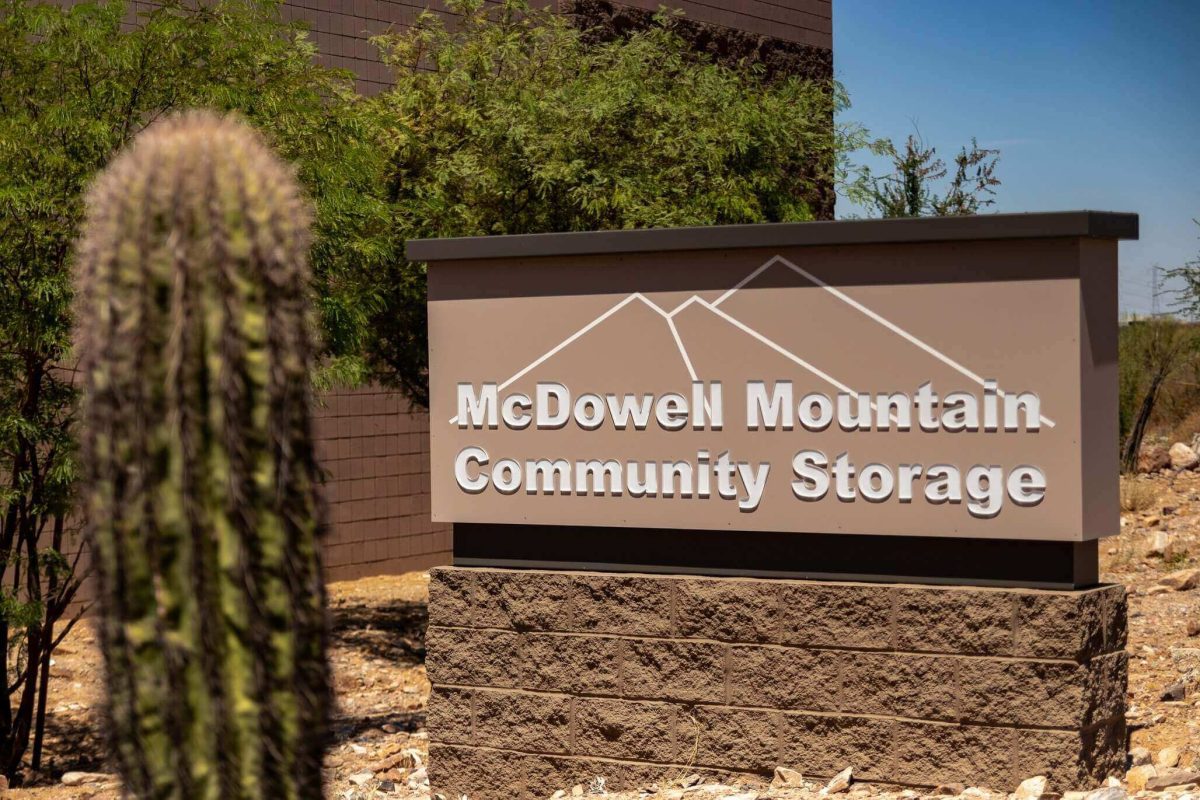
At McDowell Mountain Community Storage, we have seen firsthand what happens when belongings are stored without proper protection from Arizona’s heat. This guide covers every item category, explains the specific risks, and offers the best storage tips to preserve everything you own. Whether you store seasonally or year-round, understanding how Arizona temperatures affect your belongings could save you thousands of dollars in damage and loss.
Why Arizona’s Heat Is So Dangerous for Stored Items
Most people understand that Arizona summers are hot. But the scale of the heat is worth putting in numbers. Scottsdale regularly records temperatures above 110 degrees Fahrenheit during peak summer months, and storage units without climate control can reach internal temperatures of 130 to 150 degrees Fahrenheit or higher. That level of heat is not just uncomfortable; it is catastrophic for a wide range of materials.
The risks go beyond direct heat. Arizona also experiences sharp humidity swings, intense UV exposure through gaps and vents, and powerful dust storms known as haboobs that can force fine particulate matter into storage spaces. Each of these environmental factors compounds the vulnerability of your stored items and accelerates deterioration in ways that moderate climates simply do not.
According to the National Weather Service, the Phoenix metro area, including Scottsdale, is one of the hottest urban areas in the United States. Understanding what those temperatures mean for your belongings is the first step toward proper preservation.
How Heat Damages Different Types of Stored Items
Electronics: High Risk of Permanent Damage
Electronics are among the most heat-sensitive items you can store in Arizona. Laptops, televisions, gaming consoles, cameras, tablets, and home theater components all contain materials that break down rapidly under sustained high-temperature exposure. Circuit boards can warp, solder joints can crack, lithium batteries can swell and even rupture, and LCD screens can delaminate or develop permanent discoloration.
Even items that are powered off are at serious risk from heat degradation. Internal components like capacitors, processors, and memory modules have temperature tolerances that are far below what an unventilated storage unit reaches in a Scottsdale summer.
Read our complete guide on how to store electronics in a storage unit for item-specific protection advice.
Furniture: Warping, Cracking, and Fading
Wood furniture is highly reactive to both temperature and moisture fluctuation. Arizona’s heat causes wood to expand, warp, crack, and split, especially in items with veneers, delicate joinery, or antique finishes. Tabletops can buckle. Chair legs can loosen. Cabinet doors can refuse to close after repeated thermal expansion cycles.
Upholstered furniture faces a different set of risks. Leather and vinyl crack and peel when subjected to sustained heat and UV exposure. Fabric fades and becomes brittle. Foam padding breaks down structurally. Adhesives used in construction soften and fail, leading to pieces separating.
Our complete furniture storage guide covers how to wrap and position furniture for long-term protection. For couches specifically, see our guide on how to wrap a couch for storage without damage.
Artwork and Collectibles: Irreversible Deterioration
Artwork is among the most fragile categories of stored items in the Arizona climate. Paintings can blister, crack, and separate from their canvas or board as heat drives moisture in and out of the materials. Photographs yellow, fade, and stick together. Sculptures made from resin, wax, or composite materials can deform permanently.
Plastic, rubber, or vinyl collectibles are particularly susceptible to heat degradation. Action figures, vintage toys, and limited-edition pieces can warp, bubble, or lose paint detail when exposed to conditions beyond their material tolerances. The longevity of any collection depends entirely on a stable, climate-controlled environment.
Artists and collectors should review our guide to storage solutions for artists, collectors, and hobbyists for tailored advice on protecting high-value pieces.
Documents, Books, and Paper: Yellowing, Brittleness, and Mold
Paper is extraordinarily sensitive to both heat and humidity. In Arizona’s summer climate, stored documents, books, and paper-based items face two distinct threats. During periods of extreme heat, paper dries out and becomes brittle, yellowing and cracking along edges and folds. During Arizona’s monsoon season in July and August, sudden humidity spikes create the perfect conditions for mold and mildew growth, even in a hot environment.
Legal documents, family photographs, rare books, financial records, and sentimental paper items should never be stored in a non-climate-controlled unit in Arizona. The risk of permanent damage or total loss is simply too high.
Clothing and Fabrics: Heat, Mold, and Pest Vulnerability
Clothing stored in an Arizona storage unit is at risk from heat, moisture, and pests. High temperatures cause synthetic fabrics to break down and natural fibers like cotton, wool, and silk to weaken and become brittle. Mold and mildew thrive in fabric when humidity levels rise, and once they take hold, they are nearly impossible to fully remove.
Pests, including moths, silverfish, and cockroaches, are active year-round in Arizona’s warm climate and are attracted to stored clothing, especially natural fibers. Proper containers, cedar blocks, and climate protection are all essential precautions.
See our full guide on how to store clothes in a storage unit for packing and protection strategies.
Musical Instruments: Warping, Cracking, and Tuning Instability
Musical instruments are built from a combination of sensitive materials, including wood, metal, lacquer, felt, leather, and adhesives, all of which respond poorly to extreme temperatures. Wooden instruments such as guitars, violins, cellos, and pianos can crack along seams and joints when heat drives out their natural moisture content. Brass and wind instruments can develop valve problems and key damage. Synthesizers and electronic instruments face the same circuit and battery risks as other electronics.
Even in their cases, instruments stored in uncontrolled units during an Arizona summer can return warped, cracked, or permanently unplayable. A climate-controlled storage unit is not optional for instruments; it is essential.
Wine and Perishable Products: Heat Is the Enemy
Wine is one of the most temperature-sensitive products that people attempt to store. Even a short exposure to temperatures above 75 degrees Fahrenheit can begin to affect a bottle’s flavor profile. At the temperatures inside an uncontrolled Arizona storage unit, wine is essentially cooked, resulting in flat, oxidized, and vinegary conditions. Corks dry out and shrink in extreme heat, allowing air into the bottle and accelerating spoilage.
If storing wine or other temperature-sensitive products, a fully climate-controlled environment is the only safe option. For guidance on storage conditions for wine, Wine Spectator recommends maintaining temperatures between 45 and 65 degrees Fahrenheit, well below what any non-climate-controlled Scottsdale unit achieves in summer.
Toys, Plastics, and Rubber: Melting, Warping, and Off-Gassing
Toys and items made from plastic or rubber are at significant risk from the Arizona heat. Exposure to temperatures above 90 to 100 degrees Fahrenheit causes many plastics to soften, warp, and deform permanently. Rubber seals, gaskets, and O-rings dry out and crack. Some plastics off-gas, releasing chemical compounds as they break down, which can affect other items nearby in the same storage space.
Vintage and collectible toys are especially vulnerable, as their materials were not formulated for extreme-heat environments. Storing them without climate control risks both physical damage and a significant loss of collector value.
Mattresses and Bedding: Mold, Mildew, and Structural Breakdown
Mattresses stored in hot, unventilated units are vulnerable to mold and mildew growth, particularly during Arizona’s monsoon season when humidity rises sharply. Foam layers can soften and lose their structural integrity under sustained heat. Bedding and linens become breeding grounds for dust mites and pests in warm environments.
Our post on how to store a mattress in a storage unit covers the best practices for preservation in warm climates.
Appliances and Refrigerators: Seals, Mold, and Mechanical Risk
Appliances stored in extreme heat are subject to multiple deterioration risks. Rubber door seals on refrigerators and freezers dry out and crack. Residual moisture inside appliances that were not thoroughly dried before storage becomes a mold incubator. Motor lubricants in appliances like washers, dryers, and refrigerators can break down at sustained high temperatures, affecting mechanical components and longevity.
See our guide on how to store a refrigerator in a storage unit before placing any major appliance into storage.
The Hidden Threats: Humidity, Dust, Mold, and Pests in Arizona Storage Units
Heat alone is not the only threat inside an Arizona storage unit. Several related environmental factors significantly multiply the risk.
Monsoon Humidity and Mold
Arizona’s monsoon season, which runs roughly from mid-June through September, introduces dramatic humidity spikes into an otherwise dry climate. During these events, humidity levels can jump from single digits to 50 percent or higher within hours. Mold and mildew require only 24 to 48 hours of elevated moisture to begin colonizing organic materials like wood, fabric, paper, and leather. In a non-climate-controlled storage unit, there is no mechanism to manage these swings.
Dust and Air Quality
Scottsdale’s desert location means that dust is a year-round concern. Fine particles accumulate on surfaces, clog electronics, embed in fabrics, and accelerate wear on mechanical components. During haboob events, dust can penetrate storage units through gaps around doors and ventilation openings, coating everything inside within minutes. Climate-controlled indoor units provide significant protection against dust due to their sealed, internal design.
Pests in the Arizona Desert
Pests are an underappreciated risk in Arizona storage. The warm climate supports a wide range of year-round-active insects and rodents, including cockroaches, scorpions, black widow spiders, pack rats, and termites. These pests can enter storage units through remarkably small gaps, and once inside, they can cause serious damage to clothing, furniture, documents, and boxes. Proper sealing, using hard-sided containers rather than cardboard boxes for sensitive items, and choosing a well-maintained indoor facility all reduce vulnerability.
For more context on the full range of environmental risks in Arizona storage, review our tips for summer storage guide.
The Solution: Climate-Controlled Storage in Scottsdale
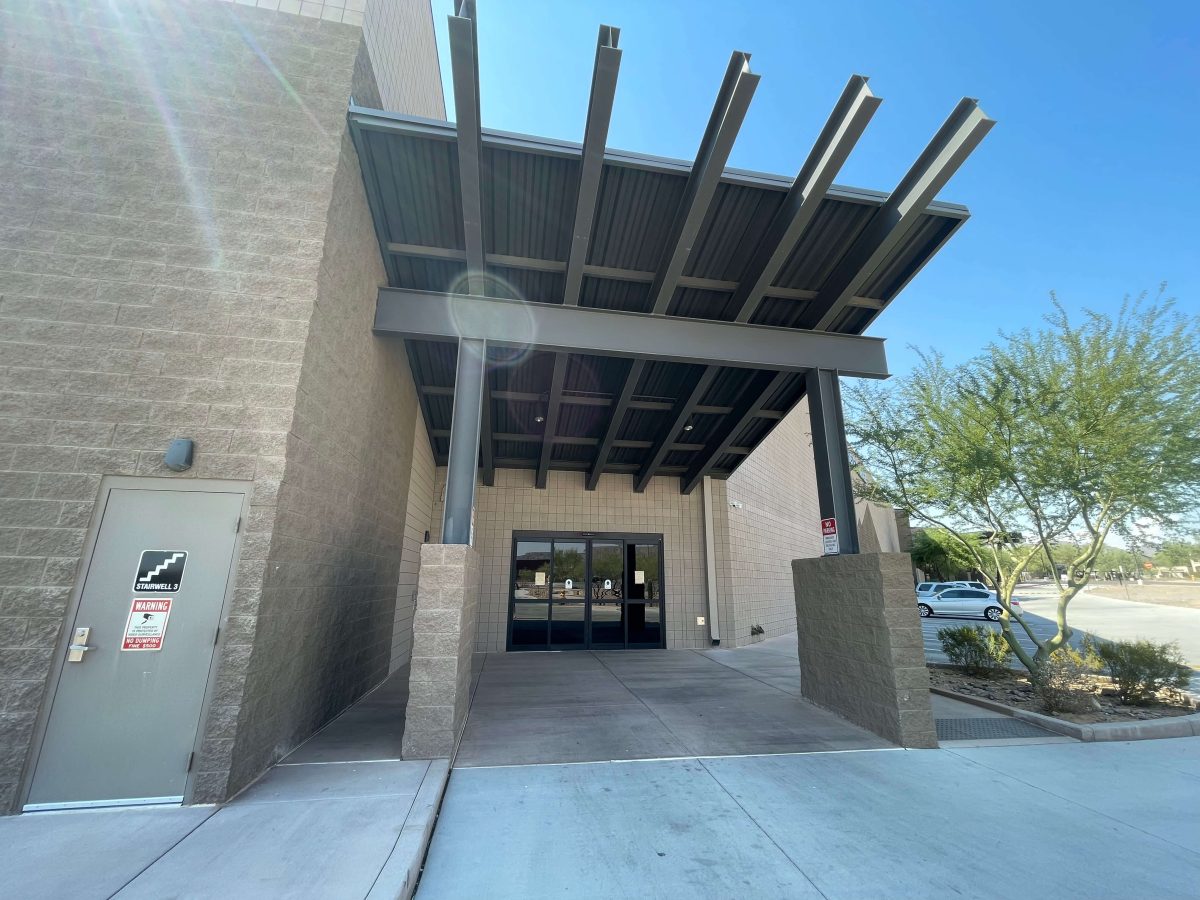
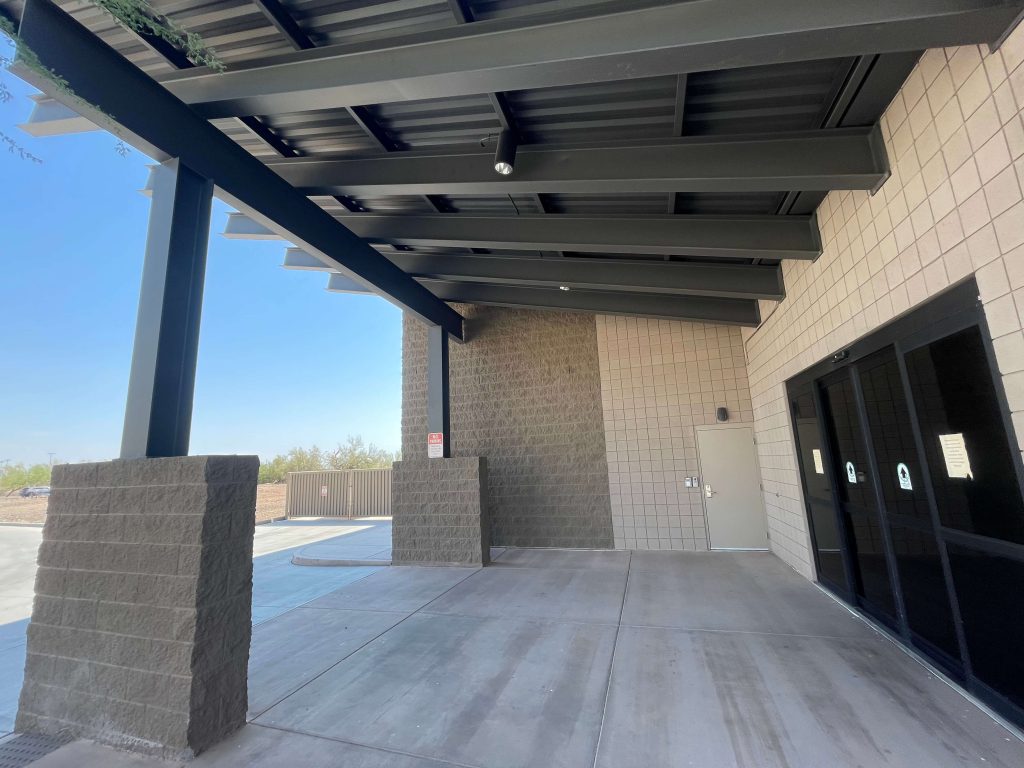
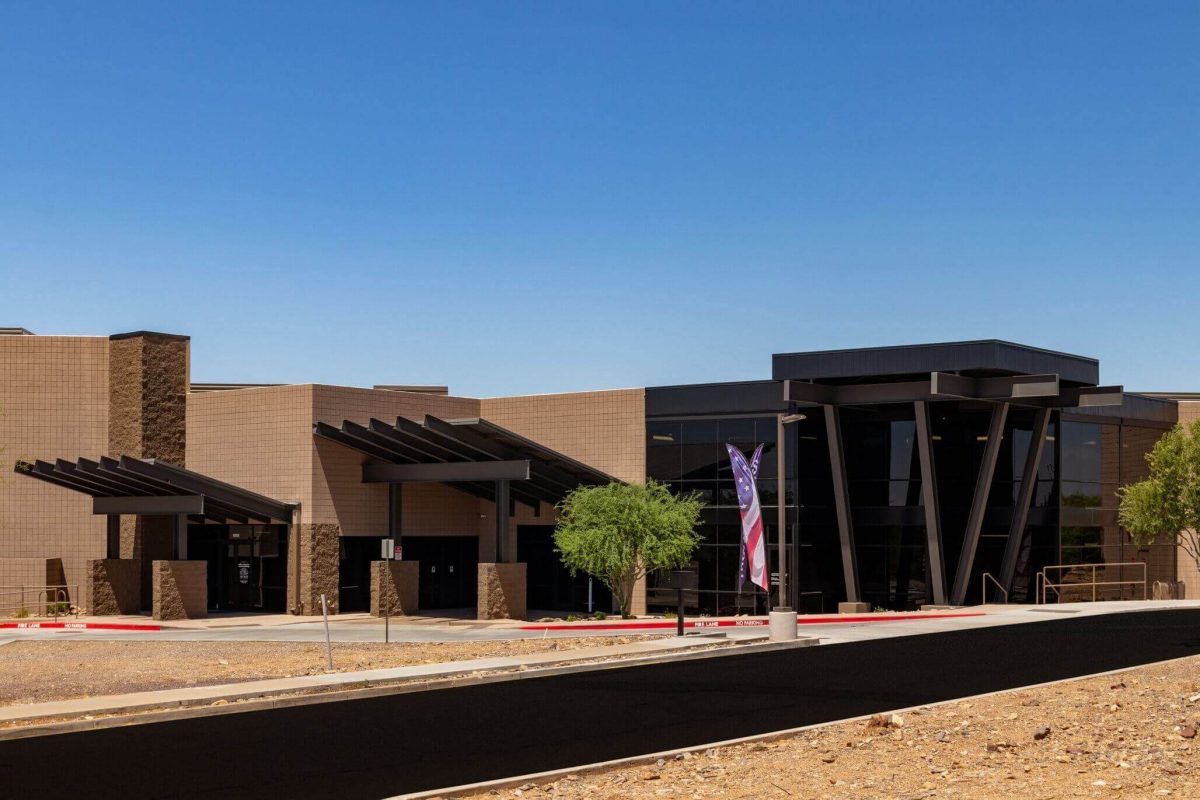
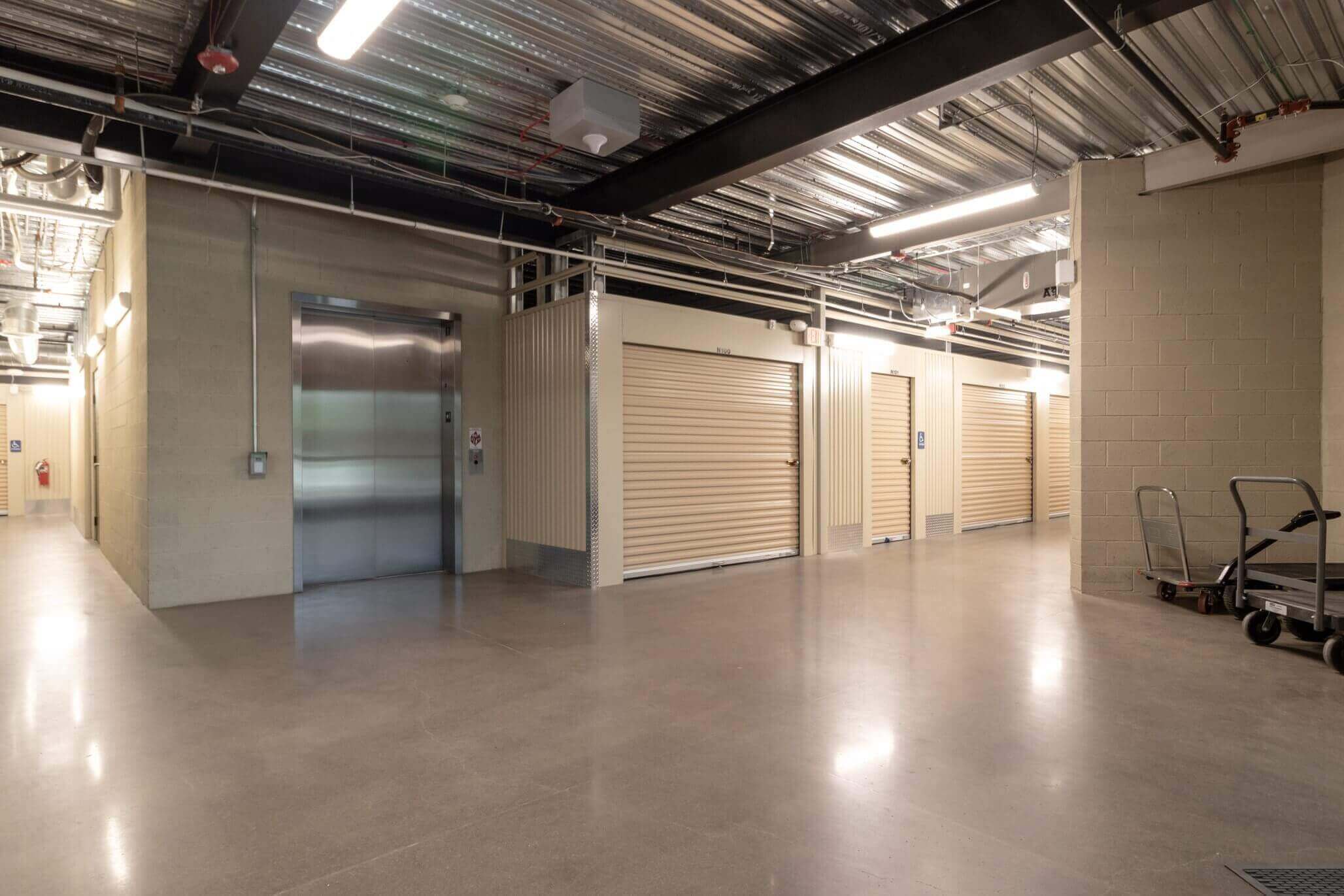
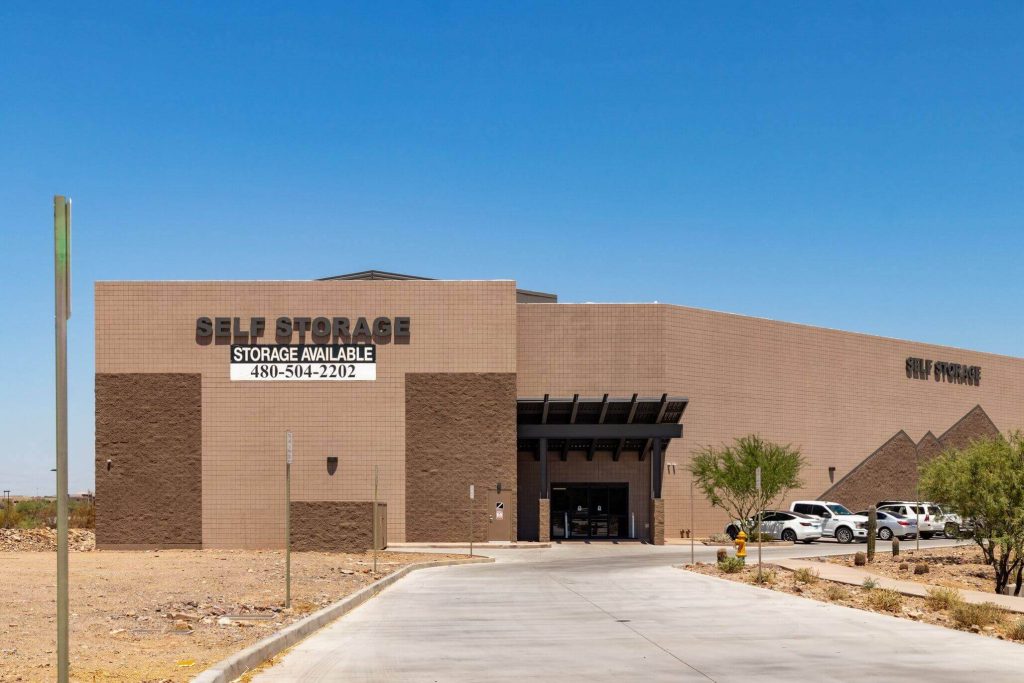
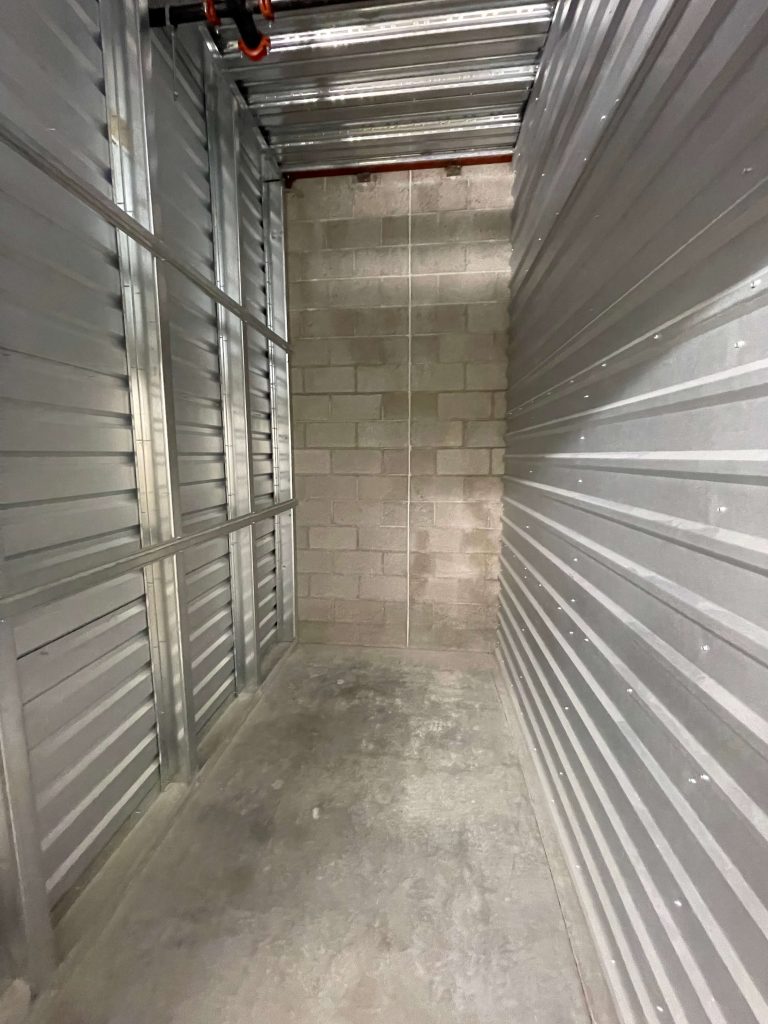
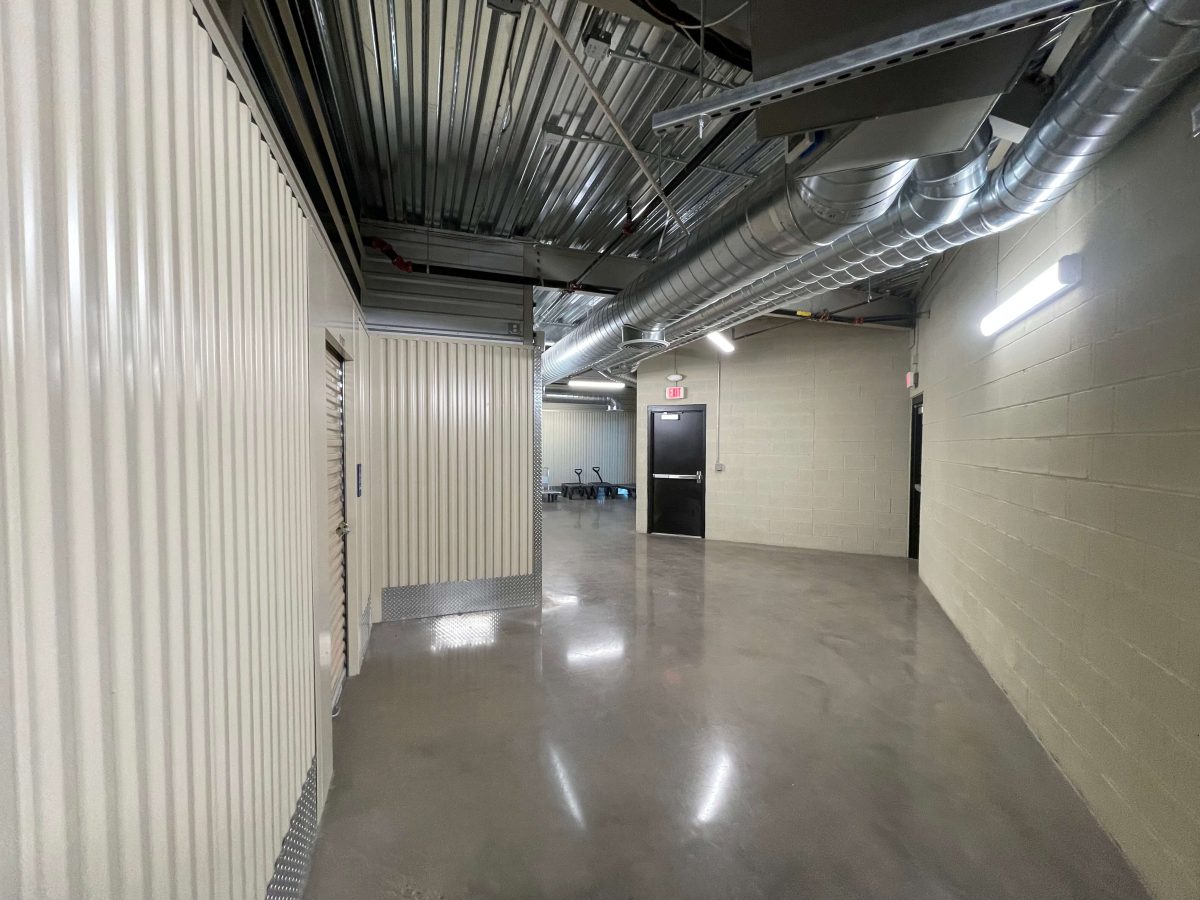
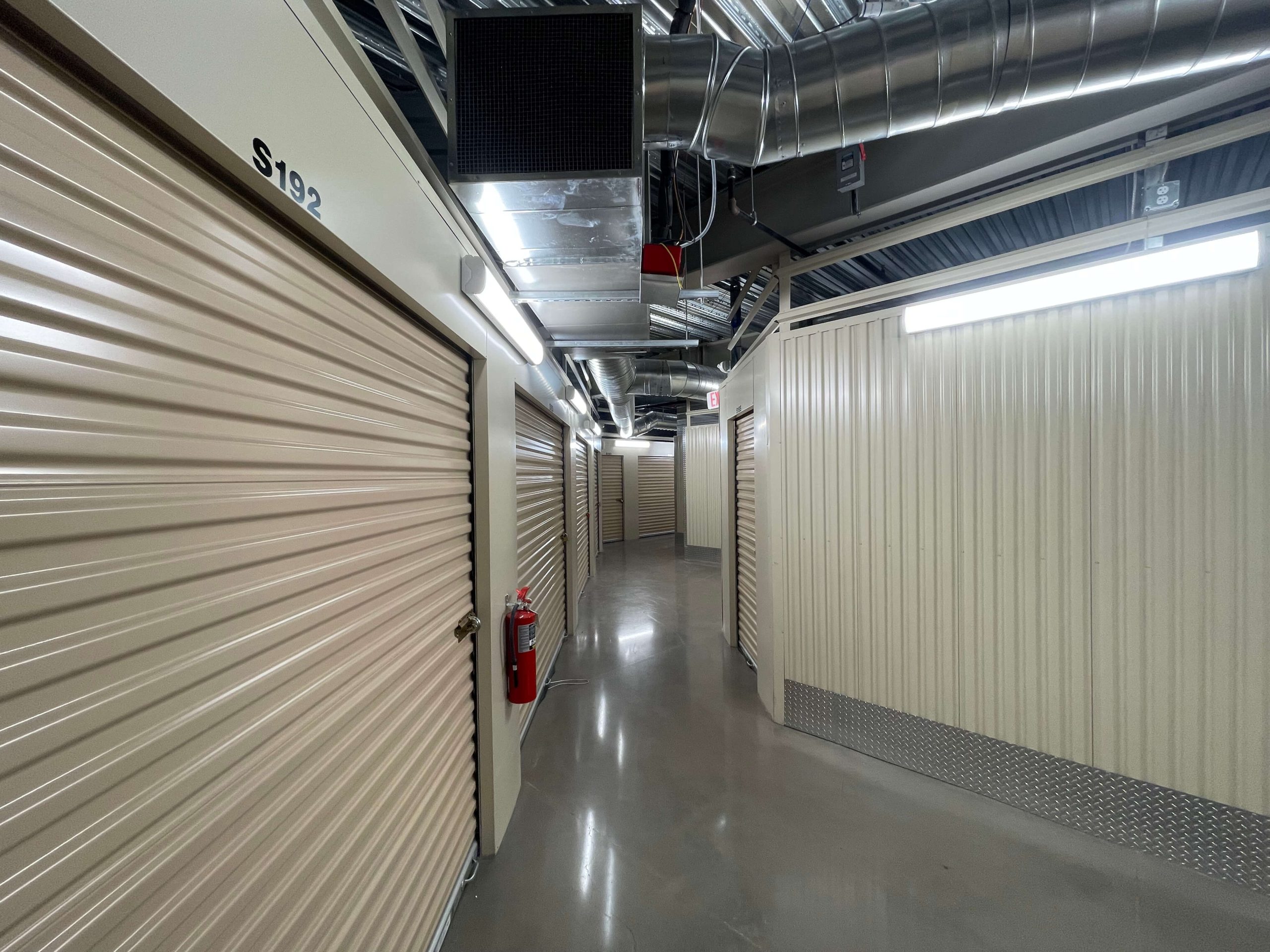
The single most effective precaution you can take to protect your belongings from Arizona’s heat is choosing a climate-controlled storage unit. At McDowell Mountain Community Storage, every unit is fully air-conditioned and internalized, meaning there are no exterior roll-up doors and no direct sunlight exposure for any stored item.
A climate-controlled storage environment in Scottsdale provides several layers of protection that a standard unit cannot match:
- Temperature regulation: Maintained at stable indoor temperatures year-round, protecting all items from heat damage and thermal cycling.
- Humidity management: Air conditioning reduces moisture levels and prevents mold, mildew, and rust during the monsoon season.
- Dust reduction: Sealed, interior units prevent the intrusion of desert dust and keep surfaces clean.
- Pest resistance: A clean, well-maintained indoor facility with no exterior openings dramatically reduces pest access.
- UV protection: No direct sunlight exposure means no UV-related fading, cracking, or degradation for any stored materials.
Learn more about the full benefits of climate-controlled storage and understand why, in Arizona, it is not a luxury but a necessity. You can also explore the key differences in our drive-up vs. indoor storage units comparison to see how insulation and enclosure affect the storage environment.
Rent a climate-controlled unit at McDowell Mountain Community Storage and give your belongings the protection they deserve.
Practical Tips to Safeguard Your Belongings from Arizona Heat
Choosing the right storage unit is the most important step, but how you prepare, pack, and organize your belongings also makes a significant difference. Here are the most effective tips for protecting items from Arizona’s heat:
1. Use Airtight, Hard-Sided Containers
Wherever possible, replace cardboard boxes with airtight plastic containers. Cardboard absorbs moisture during humidity spikes, provides easy access for pests, and offers no insulation against heat. Hard-sided plastic containers with secure lids protect fragile materials, block dust and moisture, and deter pests.
For fragile items, pair hard-sided containers with interior padding. Review our guide on the best ways to pack fragile items for storage for specific techniques.
2. Wrap and Cover Everything Properly
Use furniture pads, moving blankets, and bubble wrap to provide an additional layer of insulation and protection for furniture, artwork, and fragile pieces. Wrapping items reduces dust accumulation, minimizes exposure to residual moisture, and provides a buffer against temperature fluctuations, even in a climate-controlled unit.
Review our essential packing supplies for an efficient move into storage to make sure you have the right materials before moving in.
3. Elevate Items Off the Floor
Even inside a climate-controlled unit, placing items directly on the concrete floor can expose them to residual moisture and temperature variation near ground level. Use pallets, shelving, or storage risers to keep all boxes, furniture, and containers off the ground. This also improves air circulation and ventilation throughout the space, reducing the risk of mold developing on the bottom surfaces.
4. Dry Everything Thoroughly Before Storage
One of the most common causes of mold and mildew in storage units is storing items that still contain moisture. Clean and thoroughly dry all furniture, appliances, clothing, and containers before placing them into storage. Even small amounts of residual moisture trapped in a sealed space can lead to significant mold growth over the course of a season.
5. Add Desiccant Packets to Sensitive Storage Areas
Silica gel desiccant packets absorb moisture from the air inside containers and enclosed spaces. Place them inside boxes of documents, books, and electronics; inside instrument cases; and in drawers of stored furniture. Replace or recharge them periodically. They are an inexpensive and effective safeguard against humidity-related damage to sensitive items.
6. Label and Inventory Everything
Knowing exactly what is in your storage unit and where it is located reduces the amount of time you spend searching through boxes during access, which in turn minimizes the exposure of unpacked items to heat during retrieval. Label every box clearly and maintain an inventory list.
Our guides on how to label and organize stored boxes for maximum efficiency and how to create an inventory for your storage unit will help you build a system that saves time and reduces risk.
7. Choose the Right Unit Size for Proper Airflow
Overpacking a storage unit restricts air circulation and can create hot spots even in a climate-controlled environment. Choose a unit size that allows you to leave space between items and maintain clear pathways for ventilation.
Use our storage unit size guide or space estimator tool to find the right fit. For detailed breakdowns, see our posts on 5×5 storage units, 5×10 storage units, 10×10 storage units, 10×15 storage units, and 10×20 storage units.
What to Do During an Extreme Heatwave in Arizona
Arizona heatwave events, defined by the National Weather Service as periods of three or more consecutive days above 105 degrees Fahrenheit, are common in Scottsdale. During a heatwave, the impact on non-climate-controlled storage is magnified significantly. Even in a climate-controlled unit, you can take steps to provide additional protection.
- Check your facility’s cooling systems: At McDowell Mountain Community Storage, our air conditioning systems are maintained to handle peak Arizona temperatures. If you use another facility, confirm that their climate control is functioning properly before and during extreme weather events.
- Avoid accessing your unit during peak heat hours: Opening your storage unit between noon and 5pm during a heatwave lets a burst of superheated outdoor air into the space. If possible, plan your access for early morning or evening when outdoor temperatures are lower.
- Add extra desiccant coverage: Before a predicted heatwave or monsoon event, check your storage unit and add fresh desiccant packets to the most sensitive items and containers.
- Inspect after monsoon events: Following a major dust storm or monsoon, check your storage unit for any signs of water intrusion, dust penetration, or pest activity.
For detailed seasonal guidance, see our tips for summer storage and review our storage tips page for year-round best practices.
Security and Safety: Protecting Your Storage Unit from More Than Just Heat
While heat and climate are the primary concerns in Arizona storage, security is equally important, especially for high-value items. When choosing a storage unit, look for facilities that offer:
- 4K digital security cameras monitoring all areas of the facility around the clock.
- Keypad-controlled access that restricts unit entry to authorized tenants only.
- Fully internalized, indoor design with no exterior-facing doors that could be accessed from a parking lot.
- On-site management during business hours for an extra layer of safety and accountability.
Explore our guide on security features to look for in a storage facility and learn ways to keep your stuff safe in self-storage regardless of your location. Also consider whether you have adequate storage unit insurance to cover the replacement cost of your belongings in the event of loss or damage.
Frequently Asked Questions: Arizona Heat and Your Storage Unit
How hot does the inside of a storage unit get in Arizona?
A non-climate-controlled storage unit in Arizona can reach internal temperatures of 130 to 150 degrees Fahrenheit or higher during peak summer months. Even units with minimal ventilation can trap and amplify outdoor heat. A climate-controlled unit maintains significantly lower temperatures through active air conditioning, providing a safe environment for all stored items.
Can I store electronics in a non-climate-controlled unit in Arizona?
No. Storing electronics in a non-climate-controlled unit during an Arizona summer is one of the most reliable ways to permanently damage them. Circuit boards, batteries, and screens all have temperature tolerances well below what an uncontrolled unit reaches. A climate-controlled storage unit is essential for any electronic items.
What items are most at risk from the Arizona heat in storage?
The highest-risk items include electronics, wooden furniture, artwork, wine, musical instruments, documents, books, clothing, mattresses, rubber and plastic items, and appliances. In general, anything made from organic materials or containing electronic components faces a serious risk without proper climate protection.
Does humidity cause problems in Arizona storage units?
Yes, particularly during the monsoon season. While Arizona is known for being dry, the summer monsoon season brings rapid humidity spikes that can reach 50 percent or more. In a non-climate-controlled unit, these spikes can cause mold, mildew, and rust, as well as damage to paper, fabric, and wood. A climate-controlled unit actively manages humidity levels to protect against these risks.
How do I protect my belongings from heat if I can’t afford climate-controlled storage?
If a climate-controlled unit is not currently within your budget, take these precautions: use airtight plastic containers instead of cardboard boxes, add desiccant packets to sensitive items, wrap furniture and fragile pieces in moving blankets, elevate items off the floor, and avoid storing anything with high vulnerability to heat, such as electronics, artwork, wine, or documents. That said, the cost of replacing heat-damaged belongings typically far exceeds the difference in rent between a standard and a climate-controlled unit.
What is the best storage facility in Scottsdale for heat-sensitive items?
McDowell Mountain Community Storage offers fully air-conditioned, indoor climate-controlled units in every size from 5×5 to 10×25. Every unit is internalized with no exterior doors, providing protection from heat, dust, sunlight, and pests. Located at 10101 E. McDowell Mountain Ranch Rd, Scottsdale, AZ 85260, we are open 7 days a week and offer flexible month-to-month leases. Rent a unit here or call us at (602) 899-5484.
How should I pack boxes to protect items from heat in storage?
Use plastic containers with tight-fitting lids instead of cardboard boxes, especially for fragile, sensitive, or heat-vulnerable items. Pack boxes fully to prevent interior collapse under weight, but avoid overpacking. Include desiccant packets, especially for documents, electronics, and instruments. Read our guide on how to pack boxes the right way for step-by-step instructions.
Can mold grow in a hot, dry storage unit?
Yes. During Arizona’s monsoon season, humidity levels rise rapidly, even inside storage units. If organic materials such as wood, fabric, or paper are exposed to these humidity spikes while already warmed by the surrounding heat, mold can establish quickly. The combination of warmth and moisture is exactly what mold needs to thrive, and monsoon-season humidity in an uncontrolled unit provides both.
Protect Your Belongings at McDowell Mountain Community Storage
Arizona’s heat is one of the most serious threats your stored belongings will ever face. The good news is that with the right storage unit, proper preparation, and a few smart precautions, everything you own can be preserved in excellent condition, regardless of how brutal the summer gets outside.
McDowell Mountain Community Storage is Scottsdale’s trusted climate-controlled storage solution, with over 660 fully air-conditioned units designed to protect your belongings from Arizona’s extreme temperatures, humidity, dust, and pests. Our facility is:
- Fully internalized and air-conditioned with no exterior roll-up doors.
- Monitored by 4K digital security cameras around the clock.
- Open 7 days a week for convenient access. Monday through Saturday, 9am to 6pm; Sunday, 10am to 4pm.
- Locally owned and operated, with a team that understands the unique storage challenges of the Arizona climate.
- Offering flexible month-to-month leases with no long-term commitment required.
Reserve your storage unit today or call us at (602) 899-5484. You can also explore our frequently asked questions or browse our storage tips and packing advice for more guidance on making the most of your storage experience. And if you are a seasonal resident, be sure to read our companion guide on storage tips for snowbirds in Scottsdale for tailored advice on year-round protection.