
Common Self-Storage Mistakes to Avoid

What are the common self-storage mistakes to avoid? You’re excited about loading up the storage unit you reserved with all your things. They are great locations to keep your belongings while you move, organize your home, create extra space, or operate a business. Tossing everything in, shutting the door, and leaving when storing your belongings will be tempting.

Self-storage has many advantages, but only when you store items properly. Like most things, moving, packing, and storing items needs considerable thought and preparation. Being unprepared is a rookie error. To make the most of your space, check out these common self-storage mistakes to avoid and also some storage unit organization tips.

What Can And Cannot Be Stored In Your Self-Storage?

You must first understand what belongs in storage and what doesn’t. Proper storage practices can help you stay safe and healthy and facilitate efficient organization.

Most of the items on this broad list of things that you can and can’t store in a self-storage unit are pretty obvious:


What You Can

Appliances

Freezers, washers, dryers, microwaves, stoves, and refrigerators are included. Appliances can be kept in storage for as long as they are cleaned and allowed to dry out beforehand, and they should never be left plugged in. Toasters, vacuum cleaners, and coffee makers are examples of smaller appliances that are fine if no dried-on drips or crumbs are on them.

Business Files

Businesses are increasingly using self-storage for offsite storage and relocation. Additionally, the cost for each square foot is significantly less than that of an office building or a warehouse, so it would only take up a little of the business’s budget. For small business owners like realtors, caterers, house stagers, and organizers, self-storage is also a great option.

Electronics

While many people rely on electronics to run their daily lives, electronics like computers, printers, TVs, speakers, and audio systems occasionally need storage. Considering the potential cost of these items, ensuring you have a secure place to store them is essential. Storing things in a climate-controlled storage unit is also advised for optimal safety. Remove your equipment’s batteries, inkjet cartridges, CDs, and DVDs before putting them away. These are things that, in time, could corrode or become stuck.

Household Goods

The most popular things in self-storage facilities are furniture, toys, food, toiletries, books, clothing, etc. It also includes antiques, collectibles, and keepsakes. Climate-controlled storage is the best choice for items since it controls humidity and temperature to preserve the value of your possessions.

Seasonal Items

Seasonal products and self-storage go hand in hand. Everything from camping gear to Christmas decorations is something we will always need or require throughout particular times of the year. Remember that apparel and winter accessories are also considered seasonal products. And an excellent place to store them all is in a storage container.

What You Cannot

Hazardous Materials

The list may be extensive and intricate, but everything combustible or explosive is beyond limits. Examples include paint, aerosols, chemicals, propane, oil, grease, and gasoline.

  • Leave the paint thinner or mineral spirits out if you keep art supplies.
  • Remove aerosol sprays, such as hairspray and cooking spray, and nail polish removers from any bathroom or kitchen products you store.
  • Remove the fertilizer and weed killer from any gardening supplies you may keep in storage.
  • Empty the gasoline and oil from your lawn equipment before storing it.

Ensure non-hazardous substances, including non-toxic paint or beauty products, are stored in airtight receptacles or bags to prevent spills or leaks. Aside from that, get rid of any undesirable dangerous materials. Find out how by contacting your local waste management company.

Living Things

People, plants, and animals are examples of living things. We’ve heard some strange tales of people who essentially turned self-storage facilities into homes for themselves and their pets. Simply put, storage units are unfit for human habitation. Numerous local and federal housing laws forbid such actions, and breaking them could result in criminal penalties. The same is true with plants. Not only will they die, but the soil will retain moisture and cause bugs, mold, and mildew.

Perishable Goods

If the food needs to be refrigerated, it is perishable. Never store produce, dairy, and meat in self-storage. However, as long as they remain in sealed containers, non-perishable items are usually okay.

However, bear in mind that there are a few exceptions. Pet food, rice, other grains, boxed goods, powdered milk, flour, and non-perishable items—even freeze-dried or dehydrated—can all develop rancid, smell awful, and draw pests.

Check the expiration dates on any canned food (tinned or those in glass canning jars) and look for any broken containers that can let moisture or bacteria in.

Wet or Scented Items

It’s common knowledge that you shouldn’t store things that are damp or have strong odors, but these things should be avoided. Your storage container may become infected with mold and mildew due to moisture. Thus, before keeping them, make sure they are dry. Take a few extra towels with you if you’re moving on a damp, rainy day so you can use them to dry off any moist items before returning the damp towels home. Don’t just put them in the corner of a storage unit!

Scented potpourri, candles, and other fragrances attract rodents and unwanted pests. Once they’ve gotten inside your storage area, they might cause damage to your belongings by tearing apart furniture, wiring, and anything else their sharp teeth can destroy.

11 Self-Storage Mistakes You Should Avoid

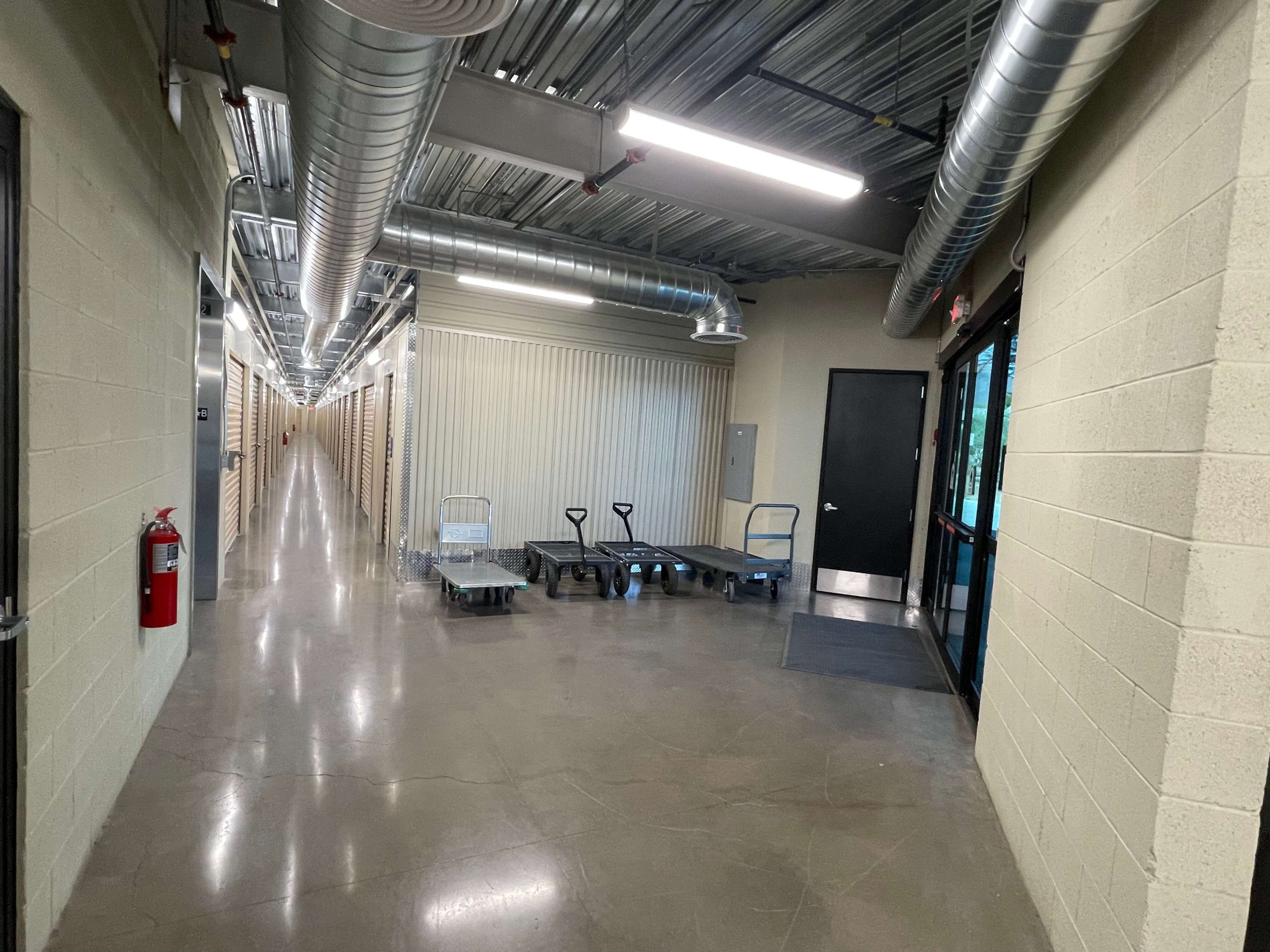
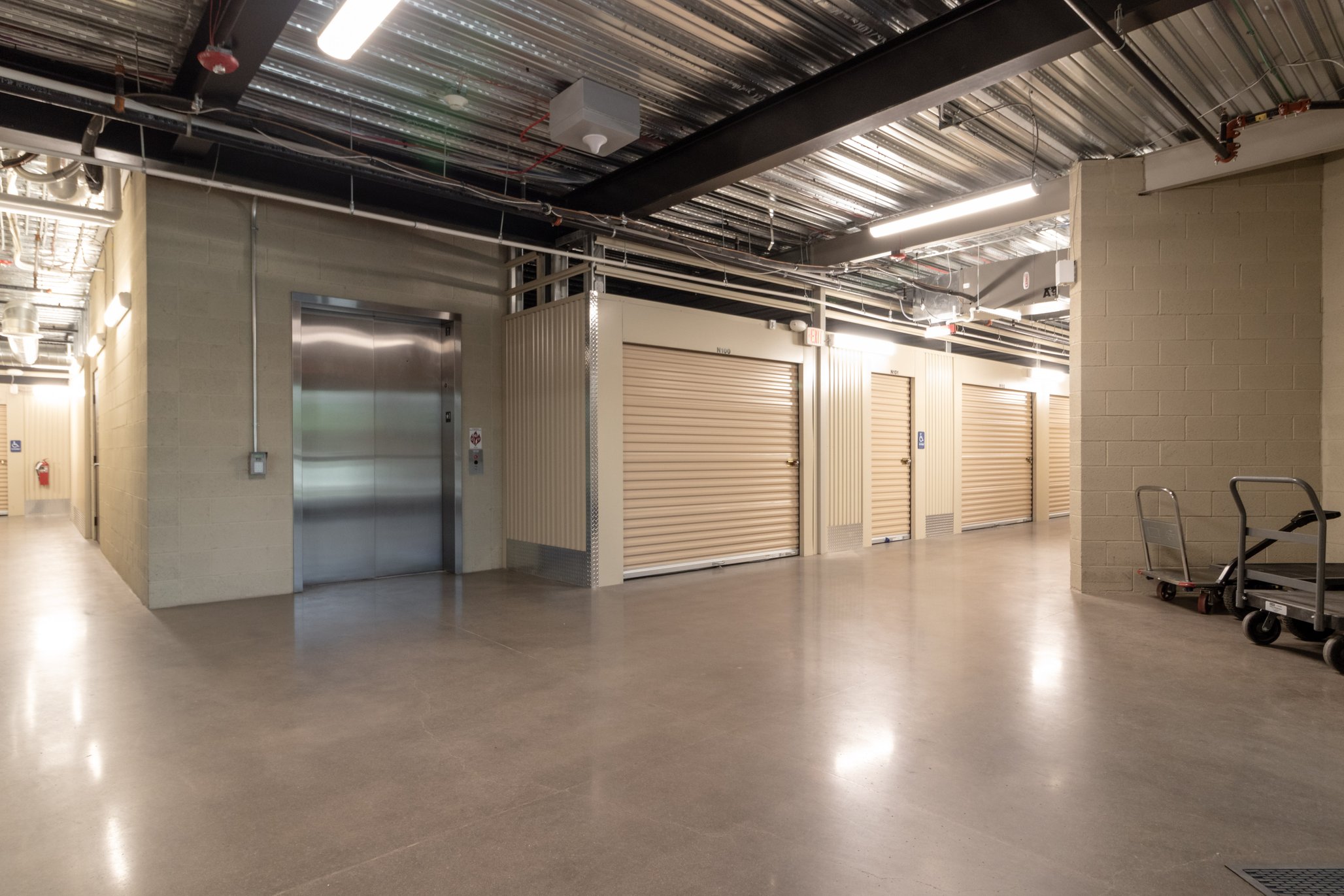
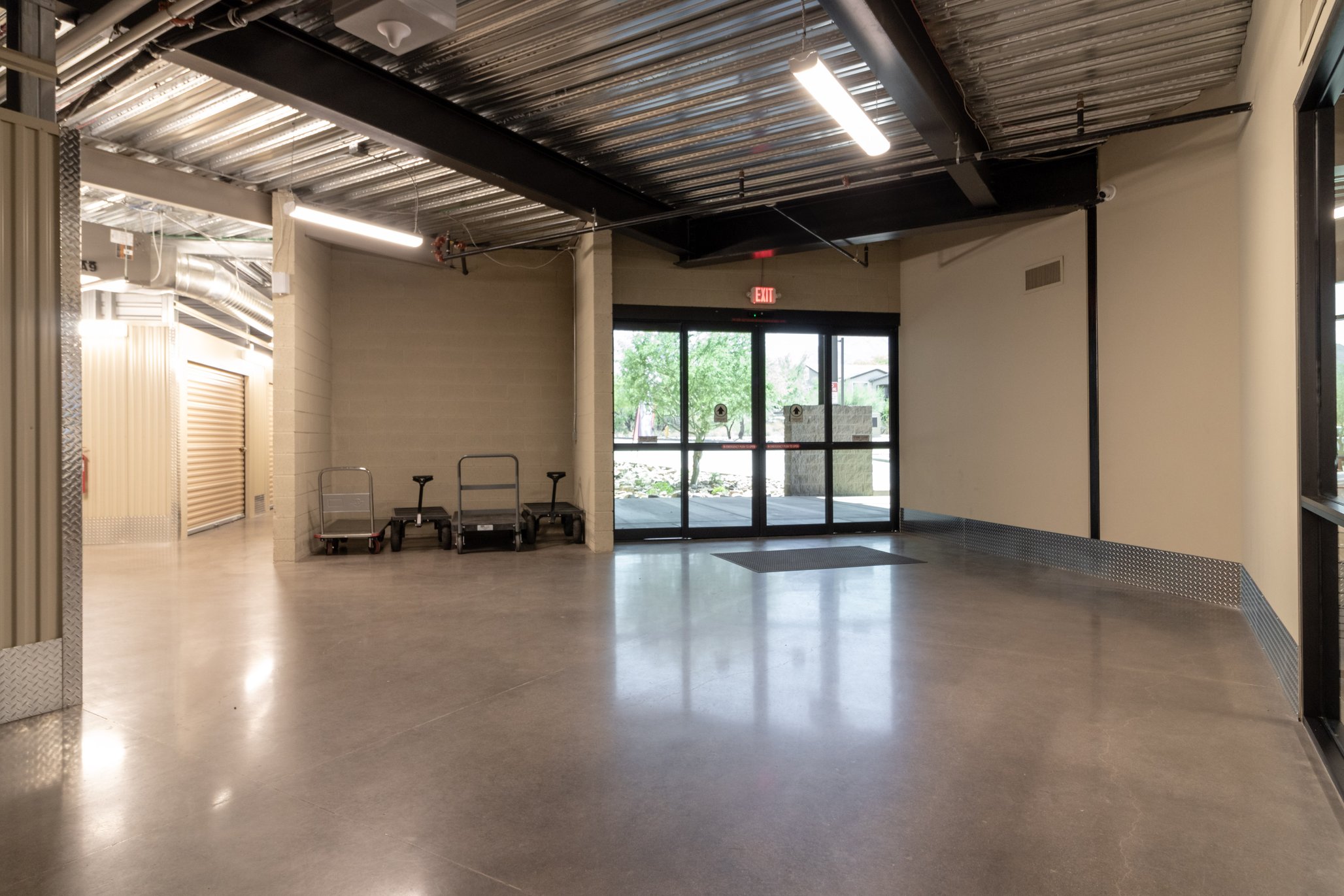
A wide view of McDowell Mountain Community Storage in Scottsdale Arizona showing how to avoid common self storage mistakes like choosing the wrong unit size.
Learn how to maximize your space at McDowell Mountain Community Storage in Scottsdale Arizona by avoiding these frequent self storage errors.

Take time and extra care to avoid these self storage mistakes when renting a Scottsdale self-storage facility to prevent receiving damaged goods or having a bad experience.

Using the Wrong Box Size

When packing in a storage unit, one of the most common mistakes homeowners make is using boxes of varying sizes. Recycling used fruit or liquor boxes is a great concept, but when stacking or organizing them, it can be challenging to create uniformity and consistency. Instead of going through the hassle of sorting things out, utilize the specially designed moving boxes available in three sizes: small, medium, and large. It saves you time and helps stack the boxes much more.

Using Newspaper as a Wrapper

Newspaper ink, even with the best of intentions, can smear and bleed across your things, particularly if you don’t store them in a space with climate control. Unpacking filthy possessions—some of which might be permanently damaged or tarnished—will be your duty. Using bubble wrap or paper without ink is better; even an inexpensive roll of butcher’s paper works better.

Using Cardboard Boxes or Plastic Bags

It’s not a good idea because your belongings are hardly protected by plastic bags, and cardboard boxes might attract pests and moisture. Use plastic bins in place of either one of these. These offer superior protection for your things because they are robust and do not quickly become wet.

Not Packing Correctly

Although there isn’t a single ideal process to set up a storage unit, systematic planning and packaging of various items helps to ensure that your storage space is used effectively.

Plates, platters, fine china, and picture frames should all be wrapped in bubble wrap and nested between two thin cardboard pieces. This padding keeps the objects from shattering during shipping. Food needs to be packaged individually in sealed containers. Disassembling furniture is a good idea. Packing peanuts and cushioning can be used to safeguard bigger, heavier items.

When filling your storage unit to its brim, leave room for access to all your stuff. Always place the heaviest and most durable goods at the bottom of the container, and arrange household items you expect to use frequently up front.

Moving Excessively Heavy Boxes

Another common mistake most individuals make is storing bulky items in a single box. It puts the box’s stability in danger and makes it harder to transport. How often have you witnessed someone hoist a big box just to have the contents start to fall out the bottom? To prevent this, split up bulky stuff into multiple moving boxes, keeping each box weighing no more than forty pounds.

Not Giving Enough Time

Putting everything off till the last minute is one of the most awful things you can do when moving. You’ll be more likely to drop boxes quickly, break or crush your stuff, and get hurt. You could fall behind schedule as a result of this. Haste makes waste, as they say, and when it involves packing, this is undoubtedly true. Plan the move and do yourself a favor. Give yourself ample time to set up your storage facility and employ professional movers to help with the labor-intensive lifting.

Not Labeling Your Boxes

Sorting through boxes without labels in a self-storage facility is similar to trying to locate a needle within a haystack. Knowing where to put each box as you unpack will be helpful to both you and the moving company, even if you want to go back and fully unpack your storage unit.

Make a list of everything you intend to store in the storage space. To help you find what to look for, label the boxes. Knowing the contents of your mini-storage unit or locker is also advantageous for insurance.

Choosing Incorrect Storage Unit Size

Choosing the right storage unit size is crucial. First-time renters often find it challenging to estimate the exact size of units they require. Even if smaller units can be less expensive, it’s never smart to load as much as possible into a tiny space. Even if you can save money now, you face the danger of long-term damage to your things. Use a storage calculator if you need help determining what size unit fits you the best. It can assist you in visualizing the possible contents of each storage container size. 

Neglecting To Clean Before Storing

Maintaining the condition of what you have requires regular maintenance. Uncleaned containers can cause quick decomposition, bug infestation, mold growth, and hazardous bacteria. It may begin with one item and spread to the rest of your possessions. All that needs to be done is dust them and quickly wipe them down.


Failing to Inspect Storage Security Features

Choosing storage space is an important decision that many people overlook. It’s simple to assume that nothing will happen to your belongings as long as they are shut inside the compound of the storage facility. Never undervalue security.

Carefully consider the security features of a storage unit. While storage management ensures your items are safe, learning to keep things secure in a storage unit and voice any concerns is a good idea. Ask about your concerns; after all, the safety of the things you have is essential.

Storing Prohibited Items

Investing in storage containers will help you organize your home, but some things are just not suitable for them. It covers flammable items, food, pets, and plants. Contact the facility manager if you have questions about what you can and cannot store in a storage unit.

Conclusion

Remember these storage tips to ensure that self-storage is easy and successful. It is the moment to make the necessary corrections if you have a storage unit in Scottsdale and end up making any of these errors. It will assist you in keeping your unit organized as well as help you maintain the integrity of all your things.

Are you trying to find a self-storage unit in Scottsdale? McDowell Mountain Community Storage has safe and climate-controlled self-storage units in various sizes—call (602) 899-5484 to accommodate your space needs to reserve yours right away.

FAQs: Common Self-Storage Mistakes to Avoid

1. What items should be kept in climate-controlled storage?

   Items such as electronics, antiques, and sensitive documents should be kept in climate-controlled storage to protect them from temperature fluctuations and humidity.

2. How can I ensure my storage unit is secure?

   Always check for security features like gated access, surveillance cameras, and individual locks. It’s also wise to ask the facility about its security protocols.

3. What should I do if I need to access my storage unit frequently?

   Choose an easily accessible storage unit and consider labeling boxes for quick identification. Keep frequently used items toward the front.

4. How can I prevent pests in my storage unit?

   Store items in sealed plastic bins, avoid cardboard boxes and keep the unit clean and clutter-free. Regularly inspect your unit for any signs of pests.

5. Is it advisable to store electronics in a self-storage unit?

   Yes, but ensure they are stored in a climate-controlled unit, and all batteries are removed to prevent corrosion.

6. How do I choose the right size storage unit?

   Assess your belongings and use a storage calculator or consult with the facility to determine the appropriate size for your needs.

7. What should I do with items that have strong odors?

   Avoid storing items with strong odors, as they can attract pests. Ensure all items are clean and dry before storing.

8. Can I store my car in a self-storage unit?

   Yes, many facilities offer vehicle storage options, but it’s best to check with the facility for specific policies and requirements.

9. What are the best packing materials for fragile items?

   To protect fragile items, use bubble wrap, packing peanuts, and sturdy boxes. Avoid using newspaper, as the ink can smudge.

10. What should I do if I accidentally store prohibited items?

   If you realize you’ve stored prohibited items, contact the facility management immediately for guidance on removing them safely and responsibly.

Tips for Organizing Your Self-Storage Unit

Need a location to keep your belongings? A nearby climate-controlled storage facility may provide self-storage units for rent. These storage units offer a solution for people who need short- or long-term storage before, during, or after a move.

To avoid losing track of everything you have, just be sure to pack, organize, and plan the storage unit. After all, what good is it if you need help finding what you’re looking for in a storage facility? Hint: not at all good. We can assist if you need help setting up a storage unit. You can maximize your unit’s interior capacity and enhance your storage experience with our straightforward organization tips and packing hacks.

This blog post offers tips for organizing your self-storage unit. So keep on reading.

Common Mistakes People Make When Organizing Their Self-Storage Units?

Organizing a self-storage unit can be a challenging task. Still, it becomes even more complicated when people make common mistakes, leading to disorganization, wasted space, and difficulty accessing their belongings.

Here are some of the most common mistakes people make when organizing their self-storage units:

  1. Failing to plan:  One of the biggest mistakes people make is not having a clear plan before moving their items into the storage unit. Without a plan, you may randomly place items, leading to inefficiency and difficulty finding them later. Take the time to plan and visualize how you want to organize your unit before you start.
  2. Not labeling boxes: Neglecting to label boxes is a recipe for confusion and frustration. When you need to find something in the future, you’ll have to go through each unlabeled box to locate it. Always label your boxes with a brief description of the contents, making it easier to identify what’s inside without opening them.
  3. Overpacking and underutilizing space: Many people tend to overpack boxes or stack them haphazardly, failing to consider available space. Overpacking can lead to damaged items, while underutilizing space wastes potential storage capacity. Optimize space by using appropriately sized boxes, filling them, and stacking them efficiently.
  4. Neglecting to create aisles:  A lack of designated walkways and aisles within the storage unit is a common mistake. You may have to move multiple boxes or items without clear paths to access something you need. Leave ample space between rows of items to create easily accessible aisles so you can reach any part of your unit without hassle.
  5. Forgetting about regular maintenance: Dust and dirt can accumulate in a storage unit over time. Neglecting regular maintenance, such as cleaning and organizing, can lead to a messy, unmanageable space. Schedule periodic visits to your storage unit to clean, organize, and ensure everything remains in good condition.

By avoiding these common mistakes, you can ensure a well-organized and easily accessible self-storage unit that maximizes space and keeps your belongings in good condition.

Tips for Organizing Your Self Storage Unit

8 Tips for Organizing Your Self-Storage Unit

Here are 8 storage tips to organize your self-storage unit.

Label your boxes

Priorities come first. Labeling your storage bins or boxes is one of the most crucial components of storage unit organization. It might be stressful when you’re looking for that one book for a book club, but can’t remember which boxes are for “books” and which are for “kitchen”! Label every box to avoid making this simple error. A box number, the room it originated from, and a description of everything within should all be written at the top and on at least one side of each box. Please be as specific as possible.

It can seem like a waste of effort to unpack and repack boxes to mark them if you’ve already packed everything. However, you’d be happier if you took the time to search your unit immediately rather than waiting until later.

Make a master list

Make a master’s list once you’ve labeled every box. Even while it may seem ominous, it will ultimately be beneficial. Note the box number and contents for every box container in your storage unit. You’ll get a reference sheet for each item that is located this way. If you’re computer literate, you can also build or copy the list into a Word or spreadsheet document and try sorting it out for a better outcome.

Map it out

Making a map of your storage space is an excellent way to keep it tidy. It’s ideal to have a basic sense of where everything is in your storage unit, rather than a precise architectural layout with dimensions (though it’s possible if you like). It might be a simple sketch that divides your storage unit into areas for each room. Pack the kitchen boxes, bedroom boxes, office boxes, and so on all together. When you need a specific item or box later, even designating a small portion of your storage space to a particular area might be helpful.

Stack Everything

Maximizing storage space is crucial, and height is vital to achieving it. Surprisingly, most storage units are 10 feet or taller, providing ample vertical room for your belongings, including keepsakes, mementos, photos, albums, scrapbooks, paperwork, documents or files, electronic appliances, sports equipment and gear, and hobby supplies. To ensure stability and prevent accidental toppling, we advise placing sturdy, large boxes or goods at the base of your stack while positioning lighter or smaller boxes on top. Additionally, you can optimize space utilization by stacking furniture, such as tables, on top of one another. By employing these strategies, you can maximize your storage space while safeguarding and organizing your cherished items.

Put items that you need to access in the front

Place everything you’ll frequently need to access toward the front of your storage container. As a result, you won’t have to dig around in the back of your unit whenever you need certain products, because they will always be nearby and easy to find. Winter clothing like coats or boots for seasonal weather, paperwork documents for the office or school, or holiday decorations are a few examples.

You may even use a special remark or a distinct color to draw attention to these tote boxes before you begin packing everything into your self-storage unit, so that you remember to place them at the front.

Make a center aisle

Your self-storage unit could quickly turn into an impossible maze. Make a central aisle to avoid the pain and embarrassment of struggling to reach the back of the storage unit. Your belongings will still have plenty of areas to spread out, and any boxes in the back of your storage unit are still within easy reach.

Allow your items to breathe

Even if your storage container is climate-controlled, allowing air movement is still crucial. Packing boxes on top of pallets will allow air to circulate beneath them. Additionally, consider leaving a little gap between the walls of your storage room and your belongings to allow for ventilation.

Get stylish and get shelving

Although you may not feel your storage container needs shelving, it might be useful. Utilizing your storage space’s height strategically is essential, but you should avoid putting fragile items like glassware on top of other items. Making the most of your available space with shelves also ensures that nothing will accidentally fall and shatter.

Wrapping Up

We sincerely hope these tips and advice have helped you organize your storage unit and keep your things in order. Check out McDowell Mountain Community Storage if you’re doing preventative research and are now looking for inexpensive storage nearby. To give you the ideal storage option for all your things, we offer a range of unit sizes and high-quality amenities!

Conclusion

Organizing your self-storage unit doesn’t have to feel overwhelming. With a clear plan, labeled boxes, mapped-out sections, and designated pathways, you can dramatically improve both efficiency and accessibility. Creating a simple system that allows you to sort items by category, rotate seasonal belongings as needed, and keep frequently used boxes within reach will save you time and frustration in the long run. By maintaining order and making thoughtful use of vertical space and shelving, your storage unit can remain functional, easy to navigate, and stress-free whenever you need to access your belongings.

Find Your Ideal Storage Unit Now

Discover the perfect storage solution to place items for your needs at McDowell Mountain Community Storage. With a wide range of unit sizes and convenient amenities, we make storage easy and accessible.

Take the first step towards an organized and stress-free life—find your ideal storage unit now! If you have any questions, contact us at (602) 899-5484.

Tips for Organizing Your Self Storage Unit In Scottsdale AZ

Frequently Asked Questions

What is the best way to pack items in a storage unit?
Start by sorting your belongings into clear categories so everything has a designated place. Use sturdy cardboard boxes for lightweight items and durable plastic bins for anything sensitive to moisture. Keeping similar items together makes it easier to track the amount of boxes you have and simplifies future organization.

How should I arrange my storage unit for easy access?
Create a clear path from the door to the back of the unit so you can move around safely. Leave small spaces between stacks to improve accessibility and airflow. This setup lets you quickly reach items without unloading everything.

How can I store furniture properly?
Disassemble large pieces when possible and store chairs upside down on tables to save room. Use the inside of drawers to hold smaller items, but avoid overloading them. Placing furniture along the walls keeps the center open and organized.

How do I keep track of everything in storage?
Label boxes clearly and create a list of item locations within your unit. Keeping an inventory gives you peace of mind and prevents unnecessary searching. A simple tracking system ensures you always know where your belongings are stored.

How can I maximize space in my self-storage unit?
To maximize space in your self-storage unit:

  • Prioritize arranging items based on size and frequency of use.
  • Place larger, less frequently needed items at the bottom or back of the unit, and keep items you’ll access more often towards the front.
  • Make use of vertical space by stacking securely and using shelving units.

This approach maximizes floor area and helps maintain an efficient, organized space in your self-storage unit.

What are some tips for organizing my self-storage unit efficiently?
Organizing your self-storage unit efficiently requires a strategic approach. Begin by categorizing your items before you move them into the unit. Once categorized, arrange these items in a way that allows for easy access. Use labels on boxes and bins to quickly identify contents. A logical system might involve grouping similar items or storing items by season or use. Secure shelving units can provide a stable platform for stacked items, making the best use of vertical space and keeping your floor area clear.

Are there specific storage containers or bins that work best for an organization?
Yes, certain types of storage containers and bins are more effective for keeping your self-storage unit organized. Look for durable, stackable containers with secure lids to protect against dust and damage. Clear bins can be especially helpful because they let you see the contents without opening them. For clothes or fabrics, consider using vacuum-seal bags to save space and protect against moisture. Ensure that all containers are manageable to facilitate easy handling and rearrangement.

How do I categorize and label items in my self-storage unit?
Categorizing and labeling items in your self storage unit begins with dividing your belongings into logical groups. You might categorize by item type (e.g., books, kitchenware, clothes), by event (e.g., holiday decorations), or by season (e.g., summer gear, winter coats). Once categorized, label each box or bin clearly with a detailed description of its contents. Labels can be placed on multiple sides for visibility regardless of orientation. An efficient labeling system reduces the need to search multiple boxes for a single item.

Are there any strategies for preventing damage to items in the storage unit?
Preventing damage to items stored in a self-storage unit involves several vital strategies. Use bubble wrap or other protective materials for fragile items. Ensure that boxes are not overpacked to avoid crushing and that shelving units are not overloaded to prevent collapsing. Keep items off the floor using pallets or tarps to protect against potential water damage. Finally, ensure your storage unit is clean and secure to guard against pests and theft.

What are effective ways to declutter and maintain an organized storage unit over time?
Effective ways to declutter and maintain an organized storage unit include regular reviews of its contents, ideally once or twice a year. During each review, assess whether each item still serves a purpose or holds value. Be prepared to donate, sell, or discard items that no longer meet your needs. Continuously update your inventory and labeling system to reflect any changes. Implementing these practices ensures your self-storage unit remains a functional, efficient space that meets your storage needs over time.

Updated February 12, 2026