

Camping is a great way to enjoy the outdoors, but storing all the equipment between trips can be challenging. Tents, sleeping bags, camping chairs, backpacks, and cooking equipment can take up considerable space in closets, garages, and spare rooms.
A storage unit can provide additional room for outdoor equipment, especially if you only go camping during certain times of the year. However, simply packing everything into boxes and putting it away can lead to mold, unpleasant odors, damaged fabrics, and unnecessary wear.
Knowing how to store camping gear properly can help extend the life of your equipment and make preparing for your next outdoor adventure easier.
Follow these steps to keep your camping equipment clean, organized, and protected while in storage.
1. Clean Your Camping Gear Before Storing It
Camping equipment is regularly exposed to dirt, dust, moisture, food residue, and other outdoor elements. Leaving these contaminants on your gear during storage can contribute to deterioration, unpleasant smells, and pest problems.
Before packing your equipment, take time to clean each item according to its manufacturer’s care instructions.
Some basic cleaning tasks include:
- Removing dirt, leaves, and debris from tents.
- Cleaning food residue from cookware and utensils.
- Wiping down camping chairs and folding tables.
- Emptying and cleaning backpacks.
- Washing sleeping bags when necessary.
- Cleaning and drying coolers and water containers.
Avoid using harsh cleaning products on waterproof fabrics or specialized outdoor materials unless the manufacturer recommends them. Certain chemicals can damage protective coatings and reduce the performance of your equipment.
Cleaning everything before storage also gives you an opportunity to inspect your gear for damage that may need attention before your next trip.
2. Make Sure Everything Is Completely Dry
Moisture is one of the biggest concerns when storing camping equipment. Even slightly damp fabrics can develop mold, mildew, and unpleasant odors when packed into enclosed containers.
After cleaning your gear, allow everything to air-dry completely in a well-ventilated area.
Pay particular attention to tent seams, sleeping bag linings, backpack compartments, and folded sections of fabric where moisture can remain trapped.
If you packed up your campsite during rainy weather or early morning dew, unpack your equipment as soon as you return home. Allow it to dry thoroughly before preparing it for long-term storage.
Never place damp camping equipment inside sealed plastic containers. Although these containers can help protect dry belongings from dust, they can also trap moisture inside.
3. Store Your Tent Properly
Tents are often among the most expensive pieces of camping equipment. Improper storage can damage their fabric, waterproof coatings, poles, and other components.
Before storing your tent, set it up or spread it out to inspect its condition. Remove any remaining dirt and check for damaged seams, broken zippers, or small tears.
According to REI’s tent storage guide, tents should be stored loosely in a cool, dry place. Once your tent is completely dry, pack it into a breathable storage bag and follow the manufacturer’s care recommendations.
Avoid keeping your tent tightly compressed for extended periods, particularly in hot environments.
Tent poles, stakes, and accessories should also be cleaned and organized. Store them together in a separate protective bag to prevent sharp edges from damaging the tent fabric.
Keep your tent away from direct sunlight, excessive heat, and heavy objects that could crush its components.
4. Avoid Compressing Sleeping Bags for Long-Term Storage
Sleeping bags are designed to provide insulation by trapping warm air within their filling. Keeping them tightly compressed for long periods can reduce their loft and potentially affect their insulating performance.
Compression sacks are useful when traveling because they reduce the amount of space a sleeping bag occupies. However, they are generally not ideal for long-term storage.
Instead, consider storing sleeping bags in:
- Large, breathable storage sacks.
- Clean cotton storage bags.
- Spacious containers that do not compress the insulation.
Some sleeping bags come with larger storage sacks specifically designed for use between camping trips.
Both down and synthetic sleeping bags benefit from being stored clean, dry, and loosely packed.
Avoid placing heavy boxes or other camping equipment on top of sleeping bags. Giving the insulation enough room to expand can help preserve its condition.
5. Prepare Sleeping Pads and Air Mattresses
Sleeping pads and inflatable mattresses also require proper preparation before storage.
Start by cleaning the surface and allowing it to dry completely. Inspect the material for punctures, damaged valves, or worn seams.
Storage recommendations depend on the type of sleeping pad you own.
Some self-inflating sleeping pads are best stored unrolled with their valves open, while other inflatable models can be stored loosely rolled or folded according to the manufacturer’s instructions.
Avoid placing sharp objects or heavy equipment on top of sleeping pads and air mattresses.
If your mattress includes a pump, store it nearby along with any adapters or repair accessories. Keeping these components together makes it easier to prepare your equipment for your next camping trip.
6. Organize Camping Cookware and Food Preparation Equipment
Camping cookware can accumulate grease, food particles, and odors that attract pests if it is not cleaned properly.
Wash and thoroughly dry pots, pans, plates, utensils, and other cooking accessories before placing them in storage.
Cast iron cookware may require additional care to protect its seasoned surface and prevent rust. Follow the manufacturer’s cleaning and storage recommendations.
You can organize smaller cooking accessories in labeled containers to prevent them from becoming scattered throughout your storage unit.
Keep related items together, such as:
- Pots, pans, and cooking utensils.
- Plates, cups, and reusable cutlery.
- Clean camping stoves without fuel.
- Food preparation tools.
- Clean water bottles and hydration accessories.
Remove all leftover food, cooking oil, and other perishables before storing your equipment.
Camping fuel, propane cylinders, and other flammable materials should not be placed in a self-storage unit. Always review the facility’s prohibited items policy before moving your belongings into storage.
7. Store Camping Chairs, Tables, and Larger Equipment Carefully
Folding chairs, portable tables, camping cots, and other bulky equipment can take up a lot of space.
Fortunately, many of these items are designed to fold into compact shapes, making them relatively easy to organize.
Before folding your equipment, wipe down the surfaces and remove any dirt from hinges, joints, and fabric sections.
Check metal frames for signs of corrosion and inspect moving parts for damage.
Once everything is clean and dry, use the original carrying bags or protective covers when available.
Depending on their design, some folding chairs and tables can be stored upright to save floor space. Make sure they are stable and cannot fall onto other belongings.
Avoid stacking heavy equipment on top of lightweight chairs, fabric cots, or other items that could become bent or damaged under pressure.
8. Choose Suitable Storage Containers
The right storage containers can make a significant difference in how well your camping equipment stays organized and protected.
Different types of gear require different storage methods. While rigid plastic containers work well for many accessories, breathable bags are generally more appropriate for certain fabrics and insulated equipment.
| Camping Equipment | Recommended Storage Method |
|---|---|
| Tents | Loose, breathable storage bags |
| Sleeping bags | Large cotton or breathable storage sacks |
| Cooking utensils | Clean, sturdy plastic containers |
| Camping chairs | Original carrying bags or protective covers |
| Backpacks | Clean, dry shelves or suitable storage bags |
| Lanterns and accessories | Protective, labeled containers |
| Tent poles and stakes | Separate protective bags |
| Coolers | Clean, dry storage with lids slightly open |
Clear plastic bins can make it easier to identify smaller items without opening every container.
Choose sturdy containers that can support their contents without bending or collapsing. Avoid overfilling boxes, especially when storing heavy cookware or metal accessories.
9. Protect Camping Gear from Extreme Temperatures
Temperature is an important consideration when storing outdoor equipment, particularly in areas with hot summers like Scottsdale, Arizona.
Although camping gear is designed for outdoor use, prolonged exposure to extreme temperatures during storage can affect certain materials.
Excessive heat may contribute to the deterioration of adhesives, waterproof coatings, rubber components, plastic accessories, and some synthetic fabrics.
Temperature-sensitive camping equipment may include:
- Tents with waterproof coatings.
- Inflatable sleeping pads.
- Sleeping bags.
- Hydration reservoirs.
- Rubber seals and plastic fittings.
- Electronic camping accessories.
An indoor, air-conditioned storage environment can help reduce exposure to extreme outdoor heat.
However, air conditioning alone does not necessarily guarantee a specific humidity level. Always make sure your belongings are completely dry and follow any temperature or humidity recommendations provided by the equipment manufacturer.
10. Remove Batteries and Prohibited Materials
Before storing flashlights, lanterns, headlamps, and other battery-powered camping accessories, check whether the batteries should be removed.
Removable batteries can sometimes leak or corrode during extended periods of inactivity, potentially damaging electronic equipment.
Follow the manufacturer’s recommendations for battery removal, charging, and long-term storage. Rechargeable lithium-ion batteries may have specific temperature and charge-level requirements.
Never store damaged, swollen, or leaking batteries.
Other camping supplies that generally should not be kept in a storage unit include:
- Propane cylinders and camping fuel.
- Gasoline and other flammable liquids.
- Fireworks and explosive materials.
- Perishable food and beverages.
- Flammable fire-starting products.
- Hazardous chemicals.
Storage facilities may have additional restrictions on batteries, bear spray, aerosols, and other outdoor supplies.
Always check your rental agreement and facility policies before storing potentially hazardous equipment.
11. Arrange Your Storage Unit for Easy Access
A well-organized storage unit makes it easier to locate camping equipment without unpacking everything whenever you plan a trip.
Instead of placing items wherever they fit, organize your gear by purpose and how often you use it.
For example, you could create separate sections for sleeping equipment, cooking supplies, hiking accessories, and larger camping furniture.
Keep frequently used items near the front of the unit, and place seasonal or less frequently used equipment farther back.
Consider these additional organization tips:
- Label containers clearly on the front and sides.
- Place heavier equipment on lower shelves.
- Keep fragile accessories away from bulky items.
- Use freestanding shelving if permitted by the facility.
- Leave a clear walkway for accessing your belongings.
- Keep related equipment and accessories together.
You may also want to maintain a simple inventory of your camping gear, especially if you own equipment for several different outdoor activities.
An organized layout can save time when preparing for a weekend camping trip or a longer outdoor adventure.
12. Inspect Your Camping Gear Periodically
Even when camping equipment is properly prepared and stored, occasional inspections can help identify problems before they become more serious.
If your gear remains in storage for several months, periodically check its condition.
Look for signs of moisture, mold, corrosion, pest activity, damaged containers, or deteriorating materials.
Pay attention to unusual odors, as these may indicate trapped moisture or other storage problems.
It is also a good idea to inspect your equipment several days before your next camping trip. Set up your tent, test your sleeping pads, check your lanterns, and make sure all necessary accessories are available.
Discovering a damaged tent pole or missing camping accessory at home is much easier to manage than finding the problem after arriving at your campsite.
Frequently Asked Questions
Can you store camping gear in a storage unit year-round?
Yes, most clean, dry, nonhazardous camping equipment can be stored year-round. Choose an appropriate storage environment and inspect your belongings periodically, especially during extended storage.
Should camping gear be stored in plastic or cardboard boxes?
Plastic containers are generally more durable and provide better protection against dust than cardboard boxes. However, tents, sleeping bags, and other fabric-based equipment may benefit from breathable storage bags instead.
Can you store camping gear in a garage during summer?
You can store certain types of camping equipment in a garage, but extreme temperatures may damage heat-sensitive materials. Check the manufacturer’s storage recommendations before leaving equipment in an unconditioned garage.
How do you store a camping cooler when not in use?
Empty, clean, and thoroughly dry the cooler before storing it. Leave the lid slightly open when practical to encourage airflow and reduce the likelihood of unpleasant odors.
Can camping backpacks be stored while fully packed?
It is generally better to empty backpacks before long-term storage. Removing heavy contents can reduce unnecessary pressure on straps, seams, and internal frames. It also makes cleaning and inspecting the backpack easier.
Keep Your Camping Gear Ready for Your Next Adventure
Properly storing camping equipment involves more than finding enough space for everything. Cleaning your gear, removing moisture, choosing suitable containers, and protecting sensitive materials from extreme temperatures can help preserve your equipment between trips.
Taking the time to organize your belongings also makes packing for future camping adventures easier. With a consistent storage routine, you can spend less time searching for equipment and more time enjoying the outdoors.
Looking for Extra Storage Space in Scottsdale, AZ?
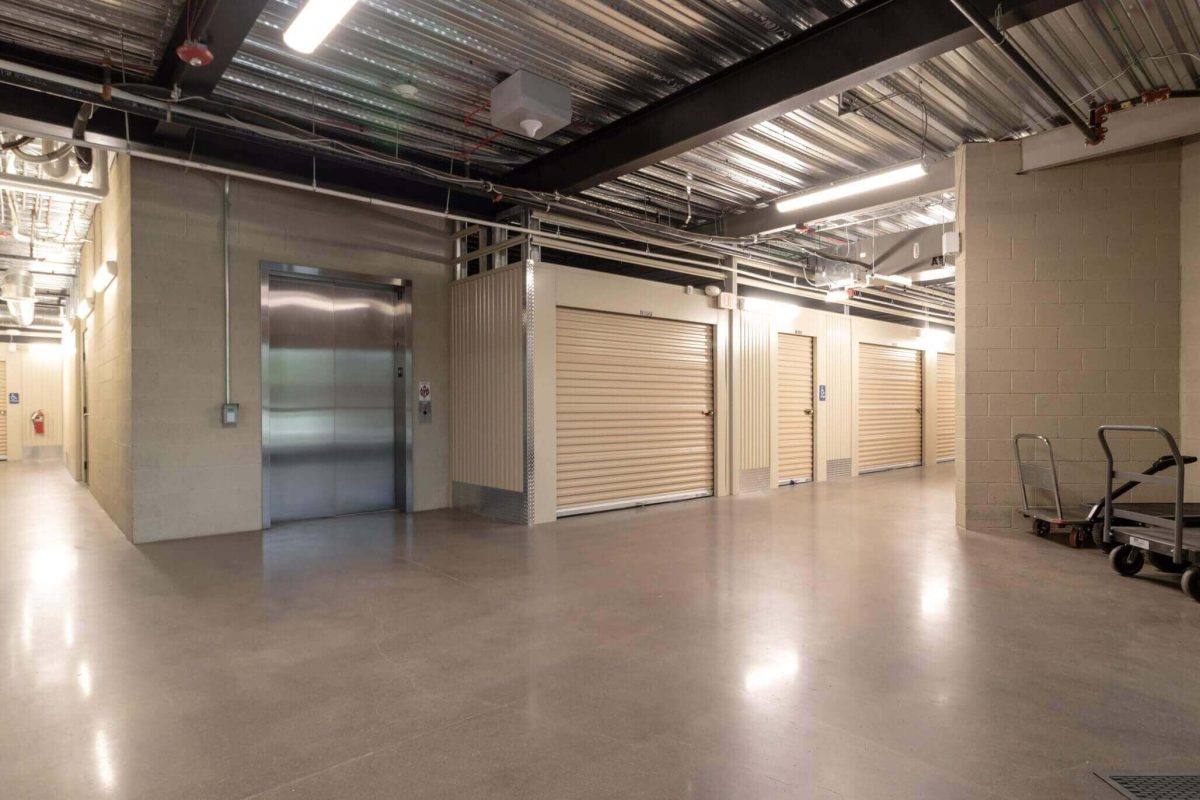
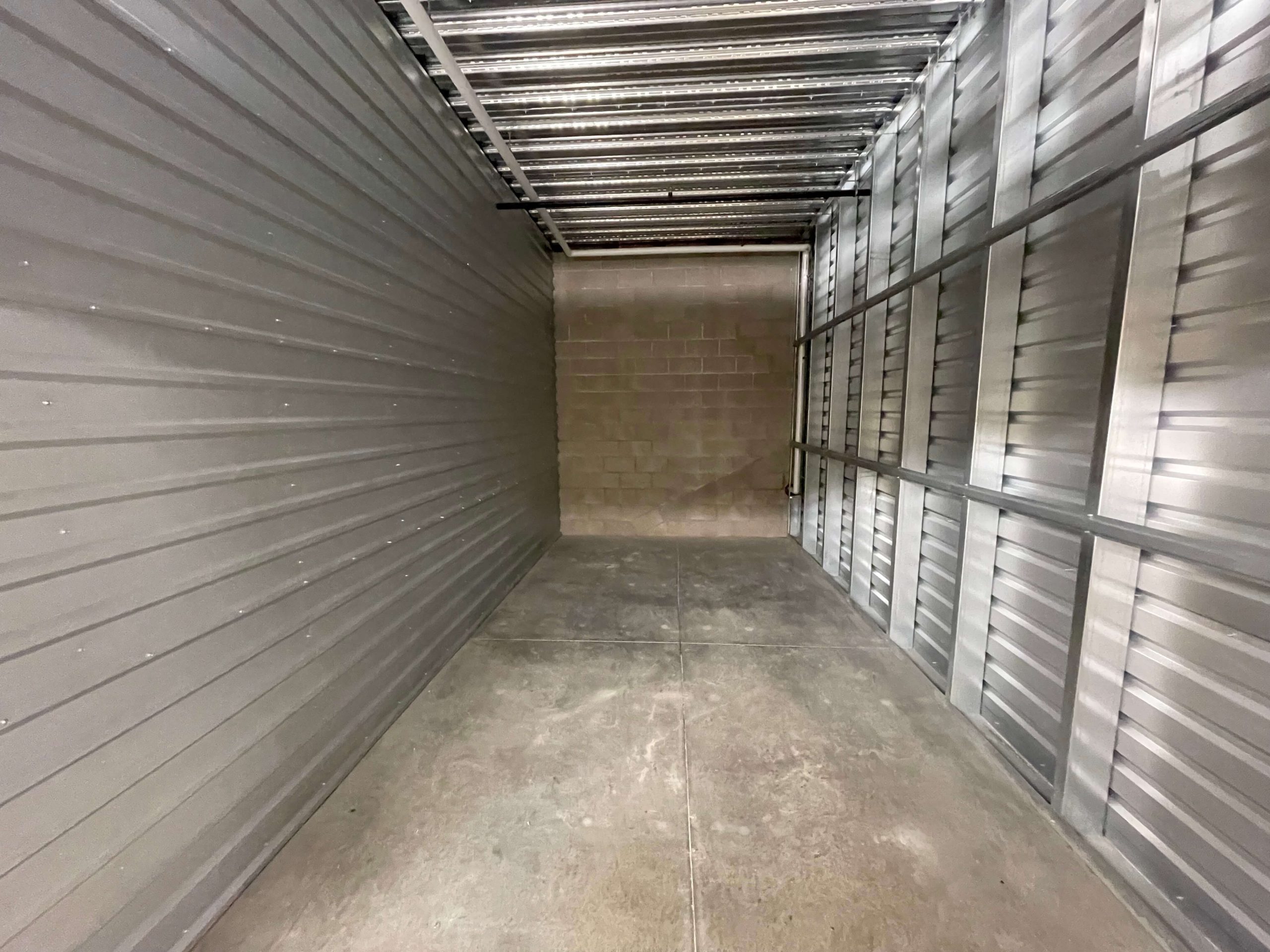
If camping equipment, seasonal belongings, and other household items are taking up too much space at home, McDowell Mountain Community Storage offers indoor, air-conditioned storage units in Scottsdale, AZ.
With a variety of unit sizes available, you can find additional space for your outdoor equipment and other eligible belongings while keeping your home organized. Explore the available storage units to find an option that suits your needs.