How to Reorganize an Overcrowded Storage Unit

Most advice on this topic jumps straight to bins and labels, as if every overcrowded unit has the same problem: bad organization. Sometimes that’s true. Just as often, the real issue isn’t how the unit is organized at all, it’s that there’s genuinely too much stuff for the space, and no shelving system fixes that. Before you spend a weekend emptying and restacking, it’s worth figuring out which situation you’re actually in.

The Short Answer

Reorganizing an overcrowded unit generally means emptying it completely, sorting and purging what you no longer need, grouping what’s left by category, and rebuilding the layout around a walkway and frequency of use, front-loading what you need often and pushing rarely used items to the back. That process works well when the underlying problem is a lack of system. If you empty the unit and realize everything you own genuinely doesn’t fit no matter how it’s arranged, the actual fix isn’t a better system, it’s a bigger unit.

Before You Start: Figure Out Why It Got This Way

Overcrowded units tend to happen for one of a few reasons, and the right fix depends on which one applies:

  • The “just cram it in” habit. Something got returned to the unit after a partial move or a project, and instead of finding its proper place, it got wedged wherever there was a gap. Repeated enough times, this alone can turn an organized unit into chaos.
  • No system was ever established. Items went in as they came, without categories, labels, or a layout, so every visit added a little more disorder on top of the last.
  • Life added more than the unit was sized for. A unit that fit everything comfortably at move-in can genuinely be outgrown a year or two later as more gets added and little gets removed.

The first two are organization problems, and the process below will genuinely fix them. The third is a size problem, and it’s worth being honest with yourself about which one you’re facing before investing a weekend into reorganizing a unit that was never going to hold everything in it comfortably.

If It’s a System Problem: The Actual Reorganizing Process

If the unit’s contents would reasonably fit with a better setup, this is the process that actually works:

  • Empty it completely. There’s no reliable way to reorganize around what’s already piled in. Pulling everything out is the only way to see what you actually have.
  • Sort and purge as you go. This is the point to genuinely decide what’s worth keeping in storage versus what should be sold, donated, or discarded. An overcrowded unit is often carrying more dead weight than its owner realizes.
  • Group what’s left by category, seasonal items together, furniture together, documents together, rather than by whatever order things happen to come out of a moving truck.
  • Use uniform, clear containers where possible. Matching sizes stack more safely and predictably than a mismatched pile of boxes, and clear bins mean fewer boxes need to be opened just to find something.
  • Label clearly on a side that faces out, not just the top, since most labels become useless the moment something else gets stacked on top of the box.
  • Rebuild the layout around a walkway, and put whatever you access most often near the front rather than burying it behind everything else.
  • Keep a simple inventory, even a basic list on your phone, so future visits don’t turn into a full excavation to confirm what’s actually in there.

If It’s a Size Problem: When Reorganizing Won’t Actually Fix It

Here’s the situation most organizing guides don’t want to admit exists: sometimes a unit is overcrowded because it’s simply too small for what’s being stored in it, and better bins won’t change that. A few signs point to this:

  • You empty the unit and can’t create a walkway no matter how you arrange things.
  • Boxes have to be stacked to the ceiling with no reasonable way to reach the ones near the top.
  • You’ve stopped being able to identify what’s in the unit at all, because everything is packed too tightly to see or access.

If that describes your situation, the honest answer isn’t a better system, it’s more space. This is worth checking before you invest time reorganizing a unit that will always feel overcrowded. Our space estimator can help you figure out what size would actually fit everything comfortably, and moving into a larger unit is often simpler than people expect, particularly at a facility where you’re already a customer.
How to Maximize Space in an Overcrowded Storage Unit

A Quick Note on Climate and Airflow

An overcrowded unit doesn’t just make things hard to find, it can also make heat-related damage harder to catch early. Items packed tightly against walls or each other block airflow and make it much harder to spot moisture, odor, or pest issues before they spread. We’ve covered how Arizona’s heat affects stored items in more detail elsewhere, but it’s worth knowing that a properly organized unit, with reasonable space between items, is easier to monitor for exactly the kinds of problems that show up faster in extreme heat.

Keeping It From Happening Again

Reorganizing once doesn’t guarantee the unit stays that way. A quick check-in every few months, not a full reorganization, just a look to confirm the walkway is still clear and nothing’s been crammed into a gap, is usually enough to prevent the slow slide back into clutter. We’ve covered a fuller approach to this in our guide on how often you should check on your storage unit.

When you do reorganize, keep basic safety in mind: unstable stacks of heavy or oddly shaped items are a genuine tip-over and injury risk, and the U.S. Consumer Product Safety Commission has general guidance on safe storage and stacking practices worth keeping in mind, particularly with anything heavy going up high.

Frequently Asked Questions

Should I empty my whole storage unit to reorganize it?

Yes, generally. It’s difficult to create a genuinely usable layout around whatever’s already piled up. Emptying it is the only reliable way to see what you actually have and rebuild a system that works.

How do I know if I need a bigger unit instead of just reorganizing?

If you empty the unit and still can’t create a clear walkway, or items have to be stacked with no reasonable way to access what’s near the top or back, that’s a sign the unit itself is too small for what you’re storing, not that your organization system is the problem.

What’s the best way to keep a storage unit from becoming overcrowded again?

Check in every few months, purge items you no longer need as you go rather than letting them accumulate, and resist the habit of cramming something into the first available gap instead of putting it back where it belongs.

Is it worth using shelving in a storage unit?

Yes, for most units. Freestanding shelving takes advantage of vertical space, keeps boxes off the floor, and prevents lighter boxes from being crushed under heavier ones stacked directly on top.

The Bottom Line

An overcrowded unit usually isn’t a mystery once you actually empty it out and look. Either the system was missing, in which case the process above genuinely fixes it, or the unit has been outgrown, in which case the honest move is sizing up rather than fighting the same battle every few months. Figuring out which one applies before you start saves a lot of wasted effort.

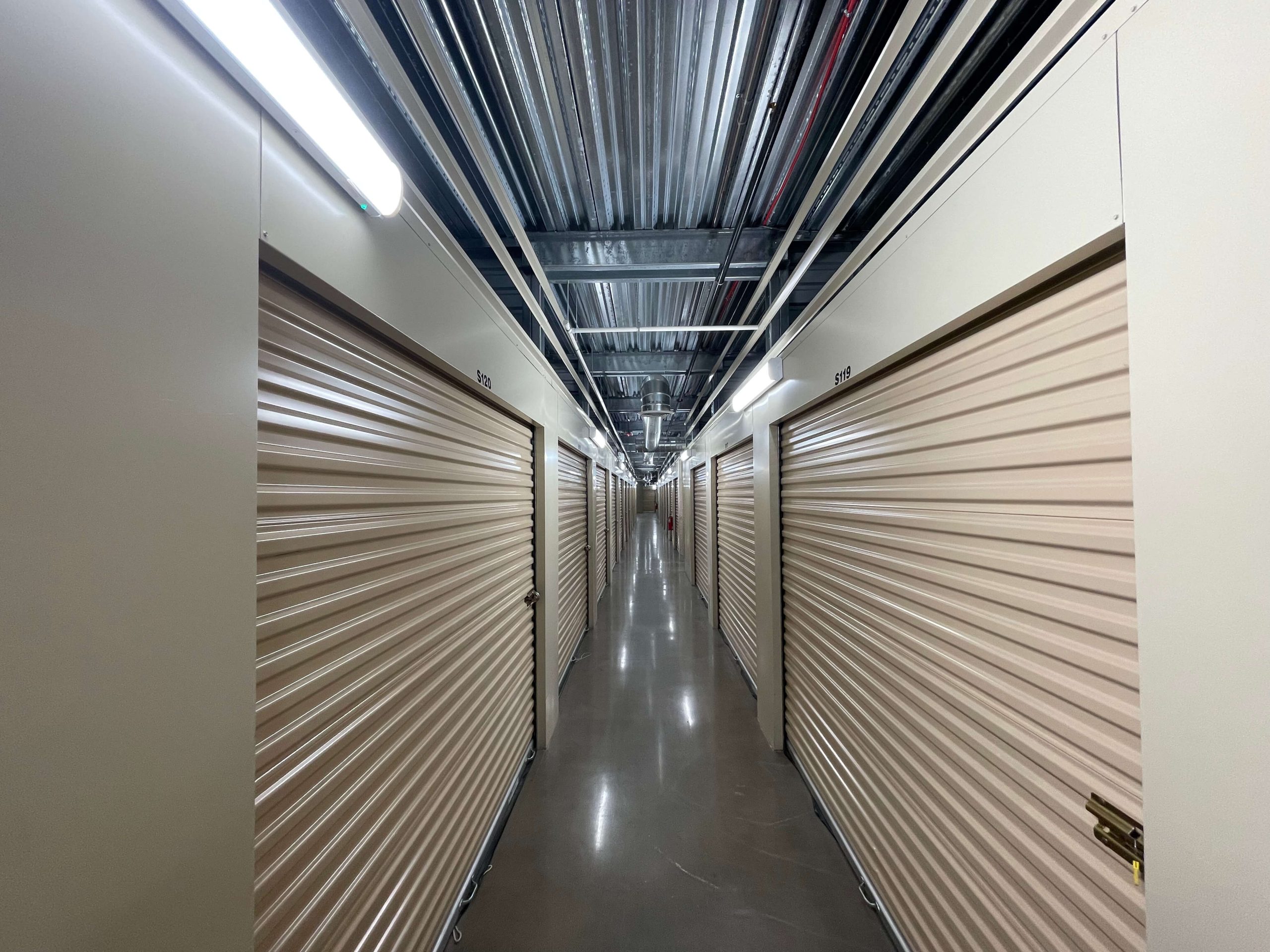
If reorganizing reveals that you’ve outgrown your current space, McDowell Mountain Community Storage offers a range of fully indoor, climate-controlled unit sizes, so moving up doesn’t have to mean starting over somewhere new. Explore our storage units in Scottsdale or call us at (602) 899-5484 to talk through the right size for what you’re storing.
How Often Should You Check on Your Storage Unit?

Most advice on this topic assumes you can drive over whenever you decide it’s time. Check in every few months, the guides say, pop in and take a look around. That’s fine advice if you live ten minutes from your unit year-round. It’s a lot less useful if you’re one of the many Scottsdale storage customers who spend a good chunk of the year somewhere else entirely.

The Short Answer

As a general rule, long-term storage items warrant a check every three to six months, seasonal items should be looked at whenever you’re swapping them in or out, and valuables or important documents are worth a monthly glance if practical. In Scottsdale specifically, two local factors change that math: extreme summer heat that can affect certain items faster than in milder climates, and a large seasonal population that’s genuinely out of state, not just busy, for stretches of the year. If that’s your situation, the honest answer isn’t just “check more often,” it’s “have a plan for when you can’t check at all.”

Why This Question Matters More Here Than in Most Places

Desert heat isn’t just uncomfortable, it actively affects certain stored materials faster than a moderate climate would, particularly anything with adhesive, electronics, photographs, or fabric in a non-climate-controlled space. We’ve covered the specifics of how Arizona’s heat affects stored items in detail elsewhere, but the short version is that the margin for letting something sit unchecked is genuinely narrower here during peak summer months than it would be in a cooler climate. That makes the general “check every few months” advice a little riskier to follow blindly if your unit isn’t climate-controlled and your items are heat-sensitive.

The Snowbird Problem: What Do You Do When You’re Not Even in the State?

This is the part that generic storage advice completely misses, and it’s a real situation for a large share of customers in this market. If you’re a seasonal resident who heads north for the summer, “just check in every few months” isn’t really an option for the months you’re gone entirely. A few practical approaches work better than hoping nothing happens while you’re away:

  • Designate a trusted local contact who can check your unit on your behalf during the months you’re away, particularly if you’re storing anything valuable or heat-sensitive.
  • Photograph your unit before you leave. A quick set of photos showing how everything is arranged gives you, or whoever checks on your behalf, a clear baseline to compare against later.
  • Choose a climate-controlled unit if you’re going to be away for an extended stretch, since it meaningfully reduces how much can go wrong in your absence compared to a non-climate-controlled space sitting through a full desert summer.
  • Ask about facility-level options before you leave, since policies vary by location on whether staff can flag anything unusual during your absence.

If you’re a seasonal resident specifically, our guide on storage tips for snowbirds in Scottsdale covers more of what to plan for before you head out for the season.

General Frequency Guidelines, and Where They Still Apply

For anyone not dealing with extended absences, the standard guidelines are still a reasonable starting point:

  • Long-term, low-use items like extra furniture or keepsakes: a check every three to six months is generally sufficient.
  • Seasonal items like holiday decorations or seasonal clothing: check whenever you’re rotating them in or out, which naturally lines up with a reasonable visit schedule.
  • Valuables, documents, or anything you’d want to catch a problem with quickly: a monthly look, even a brief one, is worth the habit.
  • Business inventory: frequency depends entirely on how often you’re restocking or pulling items, which for many businesses means weekly or more.

What to Actually Look For When You Check

A quick visit is more useful if you know what you’re checking for, rather than just glancing around:

  • Musty odors or visible moisture, which can indicate a humidity issue worth addressing before it spreads to more items.
  • Signs of pests, including droppings or chewed packaging.
  • Items that have shifted or fallen, particularly if boxes were stacked and haven’t been checked in a while.
  • Anything that looks different from your baseline photos, if you took them before an extended absence.

Persistent moisture or mold concerns in any enclosed storage space are worth taking seriously, and general prevention guidance from the EPA’s mold and moisture resources applies just as well to a storage unit as it does to a home.

How Often Should You Visit Your Storage Unit?

How Climate-Controlled Storage Changes the Math

This is genuinely one of the more practical reasons climate control matters more here than in a milder climate. A non-climate-controlled unit sitting through a Scottsdale summer faces swings and extremes that a climate-controlled space doesn’t, which means the cost of going a little longer between visits is meaningfully lower when the unit itself isn’t subject to those extremes in the first place. It doesn’t eliminate the value of checking in, but it does buy real margin for anyone who genuinely can’t get to their unit as often as they’d like.

Frequently Asked Questions

How often should I check on a storage unit if I’m out of state for months?

If you can’t check it yourself, arrange for a trusted contact to look in on your behalf, particularly during peak summer months if your unit isn’t climate-controlled. Photographing the unit before you leave gives you a clear baseline to compare against when you or your contact does check.

Does climate control reduce how often I need to check my unit?

It doesn’t eliminate the value of checking, but it meaningfully reduces the risk of heat-related damage between visits, which matters more in a desert climate than in a milder one.

What should I look for when I visit my storage unit?

Check for musty odors, visible moisture, signs of pests, and anything that looks shifted or different from how you left it. Catching these early is usually much easier than finding them months later.

Is it normal to go several months without checking a storage unit?

For low-use, long-term items in a climate-controlled unit, this is generally reasonable. For heat-sensitive items in a non-climate-controlled space, or during an extended absence from the state, it’s worth having a more deliberate plan rather than simply letting time pass.

The Bottom Line

The generic “check every few months” advice repeated across most storage guides assumes you’re always within easy reach of your unit. For many people storing in Scottsdale, especially seasonal residents, that assumption doesn’t hold for much of the year, which makes planning ahead, climate control, and a trusted local contact more important than the standard advice suggests.

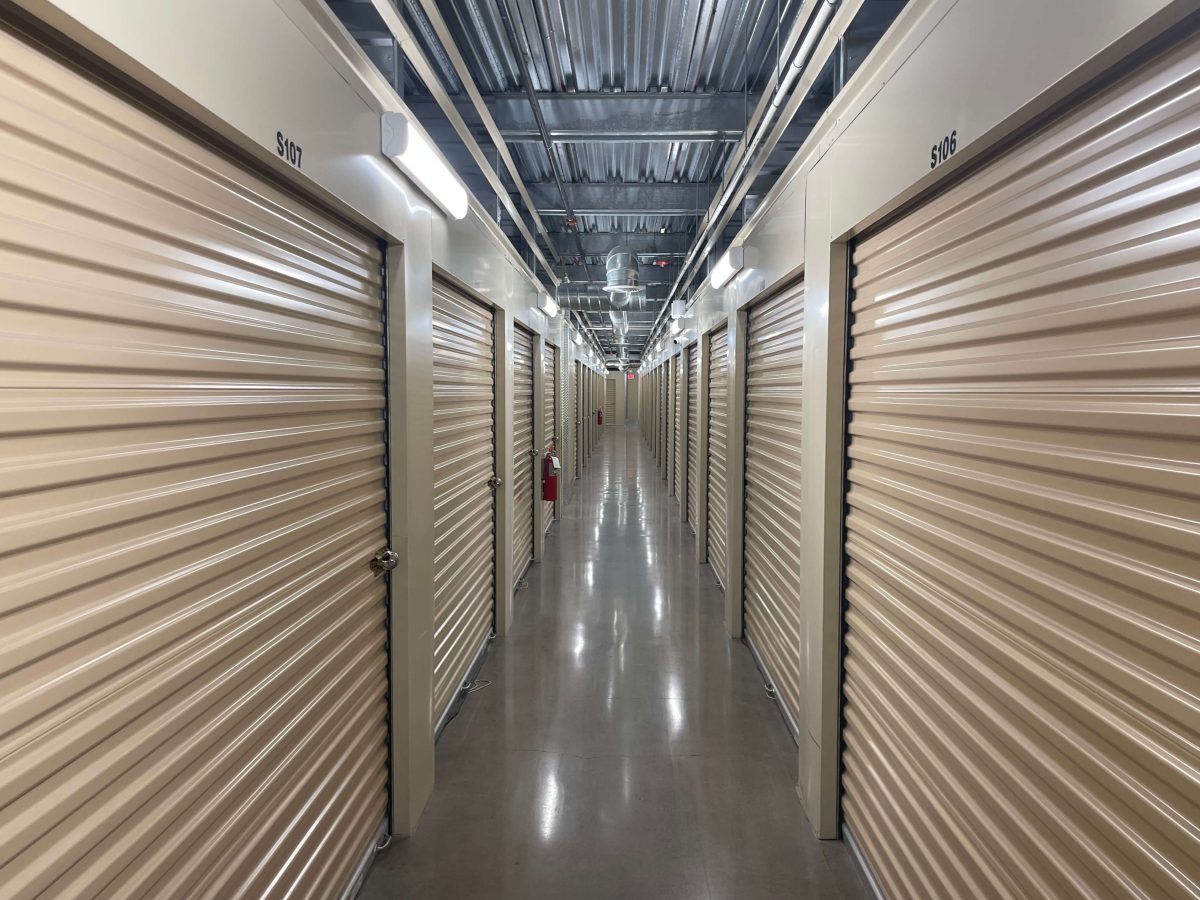
If you’re choosing a unit with exactly this in mind, McDowell Mountain Community Storage offers fully indoor, climate-controlled units built for this climate, along with a team that understands what seasonal residents actually need. Explore our storage units in Scottsdale or call us at (602) 899-5484 to talk through the right setup for your situation.

When Is the Best Time to Rent a Storage Unit in Scottsdale?

Search this question, and almost every answer says the same thing: rent in winter when demand is low, avoid summer when everyone’s moving, and prices spike. That’s genuinely good advice in most of the country. It’s also advice built for a snow-belt city where cold weather keeps people indoors and off the road. Scottsdale doesn’t run on that calendar, and following it here can actually lead you to book at the wrong time.

The Short Answer

Nationally, winter tends to be the cheapest, lowest-demand time to rent a storage unit, and summer the most expensive. In Scottsdale, that pattern shifts because of our large seasonal snowbird population. Most snowbirds arrive in October or November and head back north in March or April, which means demand here often runs higher through the fall and winter months than the generic national advice would suggest, and can ease up more in the heart of summer once the seasonal population has left. If your timing is flexible, mid-summer is often a better window locally than the “rent in winter” advice you’ll read everywhere else.

Why the National Advice Gets Scottsdale Backwards

The standard reasoning behind “rent in winter” is simple: cold, dark, unpleasant weather keeps people from moving, so storage facilities see less traffic and drop their rates to fill space. That logic assumes moving activity is driven mainly by weather comfort and the school calendar. In Scottsdale, there’s a second, larger force at work that most national content never accounts for: a substantial population of seasonal residents whose storage needs are tied to a completely different rhythm than local moving patterns. Every year, when temperatures up north turn unbearable, snowbirds arrive here for the winter, and every spring, when the desert heat starts climbing past 110 degrees, they head back. That cycle, not the school calendar, is one of the bigger drivers of demand in this specific market.

Scottsdale’s Actual Demand Calendar

Rather than the generic winter-low, summer-high pattern, storage demand in this area tends to track the snowbird cycle fairly closely:

  • Fall (roughly September through November): As seasonal residents arrive and settle in for the winter, demand for units tends to pick up, particularly for shorter-term, flexible rentals suited to a multi-month stay.
  • Winter (December through February): With the seasonal population fully in place alongside year-round residents, this stretch often runs busier locally than the “quiet winter” the national advice describes.
  • Spring (March through April): As snowbirds prepare to head north for the summer, many need storage for exactly the opposite reason they did in the fall, somewhere to keep patio furniture, vehicles, and belongings safe from the coming heat while they’re away for months at a time.
  • Summer (May through August): With a large share of the seasonal population gone, this stretch is often when local facilities have the most breathing room, even though it’s peak “moving season” nationally.

None of this means summer is universally the cheapest time everywhere in the Phoenix metro, availability still depends on the specific facility and what’s happening locally that year, but it’s a meaningfully different pattern than the blanket seasonal advice repeated across most articles on this topic.

What This Means If You’re Trying to Time It Right

If your move or storage need has some flexibility, the mid-summer months are often a more realistic window for better availability locally than the winter timing most guides recommend. If you already know you’ll need a unit in the fall or winter, whether you’re a seasonal resident arriving for the season or a local resident planning a move during that stretch, it’s worth reserving earlier than you might otherwise assume, since that’s often when this market runs closer to capacity. If you’re a snowbird yourself, our guide on storage tips for snowbirds in Scottsdale goes into more detail on sizing and timing a seasonal rental specifically.

When Is the Best Time to Rent a Storage Unit?

Beyond the Calendar: What Actually Matters More Here

Timing is one factor, but in a desert climate, a few other considerations affect your decision more than the time of year does:

  • Climate control isn’t optional for most items. With summer temperatures routinely climbing past 110 degrees, non-climate-controlled storage can put furniture, electronics, documents, and anything with adhesive or fabric at real risk, regardless of what month you rent. Our guide on how Arizona’s heat affects your stored items covers this in more detail.
  • Locking in a rate matters more than chasing a season. Reserving a unit before you actually need it, rather than waiting for a hypothetical better deal, often matters more than which month you sign the lease.
  • Move-in specials come and go independent of season. Facilities frequently run promotions unrelated to the broader seasonal pattern, so it’s always worth asking what’s currently available rather than assuming based on the calendar alone.

If You Need Storage Now, Don’t Wait on the Calendar

None of this is a reason to delay a move you actually need to make. If you need a unit now, the better move is almost always to reserve it now, ask what current specials apply, and choose the right size and features (climate control, ground-floor access, drive-up loading) for what you’re storing, rather than gambling on a seasonal dip that may not materialize the way you’d expect. Our size guide can help you figure out what unit actually fits your needs before you commit.

Frequently Asked Questions

Is winter really the cheapest time to rent a storage unit?

Nationally, that’s generally true, since cold weather suppresses moving activity in most of the country. In Scottsdale specifically, winter often coincides with peak snowbird season, which can keep local demand higher than the national pattern would suggest.

When is storage demand lowest in Scottsdale?

Demand often eases in the middle of summer, once much of the seasonal population has left for cooler climates, even though summer is typically the busiest moving season nationally.

Should I wait for a specific season to get a better deal?

Not necessarily. Move-in specials and availability vary by facility and by year, and they don’t always track the broader seasonal pattern. If you need a unit, reserving early and asking about current promotions is usually more reliable than timing your rental around a specific month.

How far in advance should I reserve a storage unit in Scottsdale?

If your move falls during the fall or winter months, when local demand tends to run higher due to the seasonal population, reserving a few weeks ahead of when you need the unit is a reasonable buffer. For summer moves, availability is generally easier to come by on shorter notice.

The Bottom Line

The generic “rent in winter” advice repeated across most storage guides is built for a market that doesn’t really exist in Scottsdale. Here, the snowbird season shapes demand more than the school calendar or the weather ever will, which means the smartest timing often looks different than what you’ll read almost everywhere else.

If you’re planning a move or trying to figure out the right time to reserve, McDowell Mountain Community Storage offers fully indoor, climate-controlled units, flexible month-to-month leases, and a team that understands exactly how this market’s seasonal rhythm actually works. Explore our storage units in Scottsdale and ask about current move-in specials, or call us at (602) 899-5484 to reserve.

How to Keep Your Storage Unit Secure

Most guides on this topic give you the same list: buy a good lock, pick a facility with cameras, avoid drive-up units if you can. That advice is correct, and we’ll cover it. But it treats storage security as a single problem, one that a strong enough lock and enough cameras can solve. In practice, it’s three separate problems, and the one that causes the most real losses is the one almost no guide mentions at all, because it doesn’t involve anyone breaking in.

Storage Security Is Three Problems, Not One

Every security failure at a storage facility falls into one of three categories, and each one calls for a different fix. Opportunistic risk is the break-in most people picture: someone cuts a weak lock or tries doors down a row hoping to find one unlocked. Facility risk is about what the building itself gets right or wrong: lighting, camera coverage, who can get through the gate. Access risk is the one nobody talks about: your unit gets opened by someone who technically has a way in, a shared code, an old key, a forgotten authorization, without anything being broken at all. A security plan that only addresses the first two is still leaving a door open.

Opportunistic Risk: The Break-In Everyone Pictures

This is the scenario most lock and camera advice is written for, and the fundamentals genuinely matter. A cheap keyed padlock can be defeated with bolt cutters in seconds, which is why a disc lock, the round, low-profile style designed to resist cutting and prying, is the standard recommendation for storage units specifically. Lock hardware is graded by the American National Standards Institute (ANSI) and the Builders Hardware Manufacturers Association, and a Grade 1 or Grade 2 rated lock has actually been tested against forced entry rather than just advertised as sturdy.
Beyond the lock itself, a few habits reduce opportunistic risk further: avoid stacking visible high-value items right at the front of the unit where a quick glance through a gap reveals what’s inside, don’t leave shipping boxes with brand names for electronics or appliances facing outward, and, if you have a choice between an interior unit and an exterior drive-up, an interior unit accessible only from inside the building is simply harder for someone to approach unnoticed.

Facility Risk: What the Building Itself Has to Get Right

This is where the facility you choose does most of the work, regardless of how good your own lock is. Consistent camera coverage across hallways and entry points, not just the parking lot, adequate lighting in every corridor and stairwell, and a facility that’s actively managed rather than automated and unattended all reduce the odds that someone spends unsupervised time near your unit in the first place. An indoor facility with multiple loading docks and elevator access, rather than a single row of exterior doors facing an open lot, also limits how much of the building is visible or approachable from outside at all.
None of this replaces your own lock. It changes the odds that someone gets the uninterrupted time and privacy a break-in requires, which is a large part of what actually deters opportunistic theft in the first place.

Access Risk: The Threat Nobody Locks Out

Here’s the category every other guide skips, and it’s the one we hear about most after the fact. A unit doesn’t need to be broken into if someone already has a legitimate way to open it. This happens more often than people expect, and almost always through the same handful of patterns:
  • Gate codes or door codes that outlive their purpose. A code given to movers, a contractor, or a family member helping you load up doesn’t expire on its own. Months later, it still works.
  • Keys or locks that were never changed. If you rented a used lock, inherited access from a shared arrangement, or a relationship or living situation changed, an old key floating around somewhere is a real risk that has nothing to do with the strength of the lock itself.
  • Authorized users who are no longer supposed to be authorized. A former roommate, a former business partner, or an ex-spouse listed on the account can often still access the unit until someone actively removes them, not automatically when the relationship ends.
  • Sharing more than intended. A code or key handed to one person for a single visit can end up copied or passed along without any bad intent at all, simply because nobody thought to change it afterward.
The fix for all of these is the same habit, and it costs nothing: treat your gate code and lock like you’d treat a house key. Change the code after any one-time use by a mover or contractor, swap the lock if you’re not certain who else might have a key, and review who’s listed as authorized on your account any time a living situation or relationship changes. This is the single most overlooked piece of storage security, precisely because it doesn’t involve buying anything.
Best Practices for Keeping Your Storage Unit Secure

A Quick Storage Security Checklist

  • Use a disc lock or an ANSI Grade 1 or 2 rated lock, not a basic keyed padlock.
  • Choose an interior unit over an exterior drive-up when it’s available.
  • Avoid leaving branded boxes or valuables visible near the unit door.
  • Confirm the facility has consistent lighting and camera coverage throughout, not just at the entrance.
  • Change your gate code after any mover, contractor, or one-time helper has used it.
  • Swap the lock if you’re ever unsure who else might have a key.
  • Review who’s authorized on your account whenever your household or business situation changes.

What This Looks Like at McDowell Mountain Community Storage

Our facility is built around addressing all three categories, not just the lock on your door. Every unit is fully indoor with 4K digital security camera coverage throughout the property, and being locally owned and operated means the person managing the facility is actually familiar with the tenants, which matters for catching the access-risk pattern of an outdated authorization or an unfamiliar face that a corporate, unstaffed facility can miss entirely. With over 660 units, multiple loading docks, and two elevators, we also give tenants the option of interior, ground-floor, or upper-floor placement depending on what best fits their situation.
If you’re setting up a new unit, our storage tips page covers the packing side of protecting your belongings, which pairs well with the security habits above. If you’re ready to find the right space, our storage units in Scottsdale range from 5×5 to 10×25, with month-to-month terms and no long-term commitment required.
To reserve your storage unit or learn more about your options, contact McDowell Mountain Community Storage at (602) 899-5484. Our friendly team is ready to help you find the right unit size and answer any questions, so you can store your belongings with confidence.

Frequently Asked Questions

What kind of lock is best for a storage unit?

A disc lock is the industry standard for storage units because its rounded, low-profile shape resists bolt cutters and prying far better than a standard keyed padlock. Look for an ANSI Grade 1 or Grade 2 rating for the strongest tested performance.

Are indoor storage units more secure than drive-up units?

Generally, yes. An interior unit accessible only from inside the building limits how easily someone can approach or observe it from outside, whereas a drive-up unit facing an open lot is more exposed and easier to approach unnoticed.

How often should I change my storage unit’s access code?

Anytime someone outside your household, a mover, a contractor, or a one-time helper, has used your code to access the unit. It’s also worth reviewing periodically if you’re not certain everyone who currently has the code should still have it.

Should I tell the facility if a relationship or authorized user situation changes?

Yes. If someone previously listed as authorized on your account no longer should be, whether due to a relationship change, a business dissolution, or any other reason, update your account and consider changing the lock as well.

Does storage insurance cover theft from my unit?

Coverage varies significantly by policy and provider, and many standard renters or homeowners policies offer limited off-premises coverage. It’s worth confirming the specific terms of your coverage, or considering facility-offered protection plans, before you assume your belongings are covered.

Common Packing Mistakes That Can Damage Items in Storage

Most people who end up with damaged items in storage made the same mistake: they packed for the move-in day, not for the months in between. The box looked fine going in. The furniture seemed secure. Nothing appeared wrong when they pulled the unit door down and locked it.

The damage happened later, quietly, while no one was looking. Cardboard softened under accumulated humidity. Foam padding compressed under a load it was not rated for. Wood expanded and contracted through seasonal temperature cycles. By the time the unit was opened again, items that had been in good condition on move-in day were warped, cracked, stained, or infested.

Packing for storage is not the same as packing for a move. A moving box needs to survive a few hours in a truck. A storage box may need to survive a year in conditions that change with every season. Here is where most people go wrong, and why the consequences take so long to become visible.

The Difference Between Immediate Damage and Slow Damage

It helps to think about storage damage in two categories. Immediate damage is obvious quickly: a box that fails during move-in, a glass item that was not padded and breaks on first contact, a mattress that gets dirty because it was not covered. These mistakes are easy to catch and relatively easy to prevent with basic care.

Slow damage is the more expensive category. It involves processes that are invisible at move-in and take weeks or months to produce visible results: moisture migration into improperly sealed boxes, compressive load failure in overpacked stacks, adhesive failure on packing tape in high-heat environments, off-gassing from certain plastics that can cloud glass or damage finishes, and pest infiltration through gaps that seemed insignificant at the time.

In Scottsdale’s climate specifically, slow damage has an accelerant that most generic packing guides do not account for: sustained extreme heat. The Valley regularly sees summer temperatures above 110 degrees Fahrenheit, and even with climate control, the thermal environment of a storage unit is different from a home interior. In non-climate-controlled units, interior temperatures during summer can reach extreme levels that significantly accelerate slow-damage processes. Understanding how heat interacts with common storage mistakes changes the calculus of what to prioritize.

Mistake 1: Packing Boxes Too Heavy or Too Light

Overpacking a box is the most common mistake and produces one of the most predictable failure modes. A standard corrugated cardboard box has a compression strength rating (the weight it can bear when stacked) that assumes the box is filled and fully supported by its contents from the inside. An overpacked box exceeds the load the cardboard was designed to carry; an underpacked box is not adequately supported from within and deforms under pressure from above.

The failure typically does not happen immediately. It happens several weeks into storage when the boxes above have settled, when humidity has slightly softened the cardboard, and when the cumulative load has exceeded the box’s rated capacity. The bottom of the stack fails, which cascades upward.

The right approach: heavy items (books, tools, kitchenware) go in smaller boxes to keep the total weight manageable. Lighter items (linens, pillows, clothing) can fill larger boxes. Every box should feel solid when its top is pressed, indicating that the contents are supporting the walls and lid. If the top collapses under light pressure, the box is underpacked and will fail under stack load.

Mistake 2: Using Old or Recycled Boxes

A box that previously held a refrigerator from a grocery store has already been compressed, handled, and possibly exposed to moisture. The corrugated walls have lost a significant percentage of their original compression strength. This degradation is not visible from the outside; the box looks like a box.

In Scottsdale’s climate, the problem is compounded. Packing tape adhesive weakens in sustained high heat, and the flap closures of degraded boxes are more likely to fail when the adhesive loses its bond. A box that was adequately sealed in February may have compromised seams by August.

New boxes from a storage facility have rated compression strength, standard dimensions that stack predictably, and clean interiors without residual moisture, odors, or pest eggs from previous contents. The cost difference between new and salvaged boxes is small relative to the cost of replacing damaged items.

Mistake 3: Skipping the Void Fill

A box with items rattling around inside it is not adequately packed. Every void inside a box allows its contents to shift and impact each other during handling and whenever the stack above settles or shifts. For fragile items, a single impact against the inside wall of an inadequately packed box can cause a crack or break that would not have occurred with proper void fill.

Packing paper is preferable to newspaper for long-term storage: the ink in newspaper can transfer to surfaces, particularly in warm conditions where the ink may become slightly tacky. Bubble wrap is effective for fragile items but compresses over time under load; it should not be the sole support material under heavy items. Foam padding rated for storage compression is the most durable option for long-duration storage of breakable items.

Mistake 4: Sealing Items with Plastic When They Need to Breathe

This is one of the most counterintuitive storage mistakes, and it is particularly relevant in Scottsdale. The instinct when storing fabrics, upholstered furniture, leather goods, and similar items is to wrap them tightly in plastic to protect them from dust and moisture. The reality is that sealing organic materials in plastic bags or plastic sheeting traps any moisture that was present at the time of sealing, and creates a humid microenvironment that accelerates mold, mildew, and off-gassing.

Clothing, bedding, and soft furnishings should be stored in breathable fabric bags or cardboard boxes, not sealed plastic bins or plastic wrap. Leather furniture should be conditioned before storage and covered with breathable cotton drop cloths, not plastic sheeting. Wood furniture similarly benefits from breathable covers rather than plastic, which can trap condensation during temperature swings.

Plastic bins with tight-fitting lids are appropriate for items that are genuinely moisture-sensitive and non-organic: tools, hardware, documents in sealed protective sleeves, electronics in their original packaging. For everything else, breathability is the priority.

Mistake 5: Stacking Furniture Directly on the Floor Without Elevation

Concrete floors in storage units, even in indoor facilities, can transmit moisture upward through capillary action. Furniture placed directly on concrete, particularly wood furniture, can absorb that moisture through the base and develop staining, warping, or mold growth on the contact surface over an extended storage period.

Elevating furniture on pallets, furniture risers, or even boards creates an air gap between the concrete surface and the furniture base, allowing air circulation that prevents moisture accumulation. This is a simple step that is consistently skipped and consistently produces damage during long-term storage of wood furniture.

Mattresses should be stored flat, not upright. A mattress stored on its side for an extended period compresses unevenly, and the internal spring or foam structure shifts toward the bottom. After a few months, the mattress no longer has uniform support and may not recover its original shape.

Mistake 6: Storing Items That Attract Pests

Food is the obvious pest attractant, and most people know not to store opened food containers. The less obvious attractants are the ones that get overlooked: pet food sealed in original packaging that has small tears, birdseed stored for the off-season, candles with food-based fragrance (wax that smells like vanilla or cinnamon to a rodent is food), and soaps and toiletries with food-based scents.

In Scottsdale, the pest environment is specific: Arizona bark scorpions, roof rats, and certain ant species are the most common storage unit intruders. Scorpions are attracted to dark, undisturbed environments and are not food-motivated; they are harder to deter through packing choices. Rodents are highly motivated by scent and will chew through cardboard and fabric to reach anything that smells like food.

Keep all food-scented items out of storage. Store fabric items in sealed plastic bins (the exception to the breathability rule applies here specifically for pest deterrence on short-duration storage). Inspect units periodically rather than leaving items undisturbed for months.

Packing Mistakes That Can Damage Items in Storage

Mistake 7: Not Accounting for Scottsdale’s Heat When Choosing What to Store

Certain items should not go into non-climate-controlled storage in Scottsdale at all, regardless of how well they are packed. Vinyl records warp at sustained temperatures above approximately 140 degrees Fahrenheit, which a non-climate-controlled unit can reach in summer. Candles melt. Photographs and film negatives degrade. Wooden instruments can crack as the wood’s moisture content drops in extreme dry heat. Certain electronics have operating temperature limits that sustained storage heat can exceed even when the electronics are off.

For temperature-sensitive items, climate-controlled storage is not a luxury; it is a storage requirement. At McDowell Mountain Community Storage, all of our units are fully indoor and air-conditioned, which addresses the extreme heat variable that makes non-climate-controlled storage in Scottsdale a genuine risk for this category of items. If you have items that are sensitive to temperature, check our available Scottsdale storage units to find the right size for what you need to protect.

Mistake 8: Not Labeling Boxes on the Sides

Labels on the top of boxes are invisible once a second box is stacked on them. A well-labeled top becomes useless the moment a unit is stacked more than one box high, which is almost immediately. Labels on the sides of boxes, specifically on the sides that face outward in the stack, remain readable without moving anything.

Beyond labeling what is inside, the most useful addition is a contents priority level: items you are likely to need access to during storage should be toward the front and labeled accordingly; items going into long-term storage can go deeper. A unit that was organized at move-in saves significant time and effort at every access visit.

Before You Pack: A Quick Pre-Storage Checklist

  • New or structurally sound boxes only, sized to keep weight manageable
  • All void fill complete so contents cannot shift during handling
  • Fabric and organic materials in breathable covers, not plastic wrap
  • Wood furniture elevated off the concrete floor
  • All food-scented items removed or sealed in hard containers
  • Temperature-sensitive items allocated to a climate-controlled unit
  • Labels on box sides, not just tops, with contents and access priority noted

Moving supplies including boxes, packing tape, and packing materials are available on-site at McDowell Mountain Community Storage, so you do not need a separate trip to prepare. If you have questions about which unit size is right for what you are storing, contact us today to find the right storage unit for your needs.


Frequently Asked Questions

Does climate control prevent all storage damage?

Climate control addresses temperature and humidity, which eliminates the largest category of slow-damage risk for temperature-sensitive items. It does not protect against damage from poor packing: overpacked boxes still fail under load, improperly padded items still break on impact, and items stored without elevation can still absorb moisture from the concrete through capillary action. Climate control and proper packing work together; neither is a substitute for the other.

How long can items stay in storage without being checked?

There is no fixed safe period, but periodic inspection is always better than long-term neglect. For items in climate-controlled, well-packed units, many items can be stored for a year or more without significant deterioration. For anything in non-climate-controlled storage in a hot climate like Scottsdale, more frequent checks are warranted during summer months. Items that are particularly sensitive (electronics, wood instruments, photographs, vinyl) should be in climate-controlled storage regardless of duration.

What is the best way to store wood furniture?

Clean and condition wood furniture before storage. Disassemble pieces that can be safely disassembled to reduce their footprint and stress on joints. Elevate off the concrete floor on pallets or boards. Cover with breathable cloth drop cloths, not plastic sheeting. In Scottsdale, climate-controlled storage is recommended for wood furniture, particularly antiques or pieces with veneer, because extreme heat and low humidity can cause cracking and veneer separation.

Can I store electronics in a Scottsdale storage unit?

Electronics should be stored in climate-controlled units in Scottsdale. Most consumer electronics have maximum storage temperature ratings between 113 and 140 degrees Fahrenheit. Non-climate-controlled storage in Scottsdale during summer can exceed these ratings, potentially damaging circuit boards, batteries, and display screens even when the devices are powered off. Store electronics in their original packaging if available, or in anti-static bags inside well-padded boxes, in a climate-controlled unit.

Is packing tape adequate for long-term storage boxes?

Standard packing tape is adequate for short-term storage and moving. For long-term storage, particularly in high-heat environments, acrylic-based packing tape outperforms rubber-based tape because it maintains its bond at higher temperatures and does not yellow or become brittle with age. In Scottsdale, this distinction matters: rubber-based tape adhesive can fail in sustained heat, leaving box seams unsealed months into storage. Check tape bonds as part of any periodic storage unit inspection.