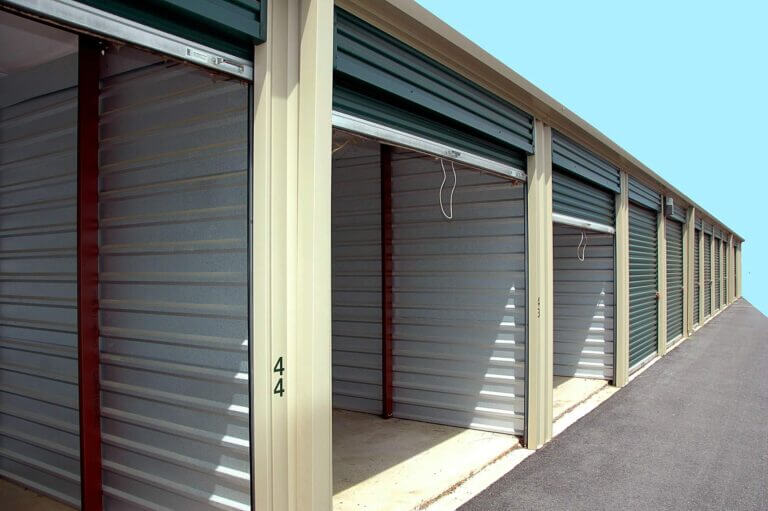
Can You Store a Car in a Storage Unit?

Storing a car in a storage unit is an increasingly popular choice for vehicle owners looking for a safe and secure place to park their vehicles. Whether you’re storing a classic car, a family vehicle, a motorcycle, or a truck, storage units provide the perfect solution for those needing temporary or long-term parking. This blog post will cover everything you need to know about storing your vehicle in a storage unit, including the types of units available, preparation tips, costs, and considerations for choosing the best storage facility. Reviewing the rental agreement and contract before committing to it must ensure you fully understand the rights and responsibilities involved. If you have any questions, check the menu of options and policies. Make sure the car storage options suit your needs, whether you need one or multiple units for various vehicles. 

Why Use a Storage Unit for Your Vehicle?

When you don’t have enough space in your garage or your driveway is full of belongings, a storage unit offers a practical solution. Not only does it provide a safe and protected environment for your car, but it can also help you maintain the condition of your vehicle’s over time. If you have questions about the right locations or size storage unit for your vehicle, you can find plenty of advice online. Many people share their experiences on Reddit through posts, and you’ll find nothing but helpful insights from fellow car owners looking to find the best options.  There are several reasons why people turn to self-storage for their vehicles, including:

  • Protection from the Elements: Storing your car in a storage unit protects it from exposure to the elements, such as rain, snow, sunlight, and dust. Protecting the exterior and interior from weather can help prevent damage and wear for vehicles that are particularly valuable or need long-term care. Many people share their thoughts and comments about the best options, including some popular car and vehicle storage options that provide superior protection for your vehicle. 
  • Space Optimization: If you’re a car owner but don’t have enough room in your garage for additional vehicles, a storage unit allows you to clear up space in your driveway or garage. It can also free up room for family items or other belongings you need to store. With various unit sizes available, you can choose from a wide range of storage spaces, whether you need space for cargo vans or just a smaller vehicle. Gather all the necessary information to determine the best fit for your needs. 
  • Safety and Security: A storage facility offers secure parking with access control systems to protect your vehicle from theft or vandalism. Some units also provide climate control to protect against extreme temperature fluctuations, which can cause damage to both the interior and exterior of your vehicle. When choosing a facility, consider the storage unit sizes, whether it’s self storage or a climate-controlled unit, and weigh the price, length of the rental, and any restrictions the facility may have regarding vehicle storage.

Types of Storage Units for Cars

Several types of storage units are available, depending on your needs and the type of vehicle you’re storing. Each type has different benefits, so it is essential to understand your options.

Indoor Storage Units

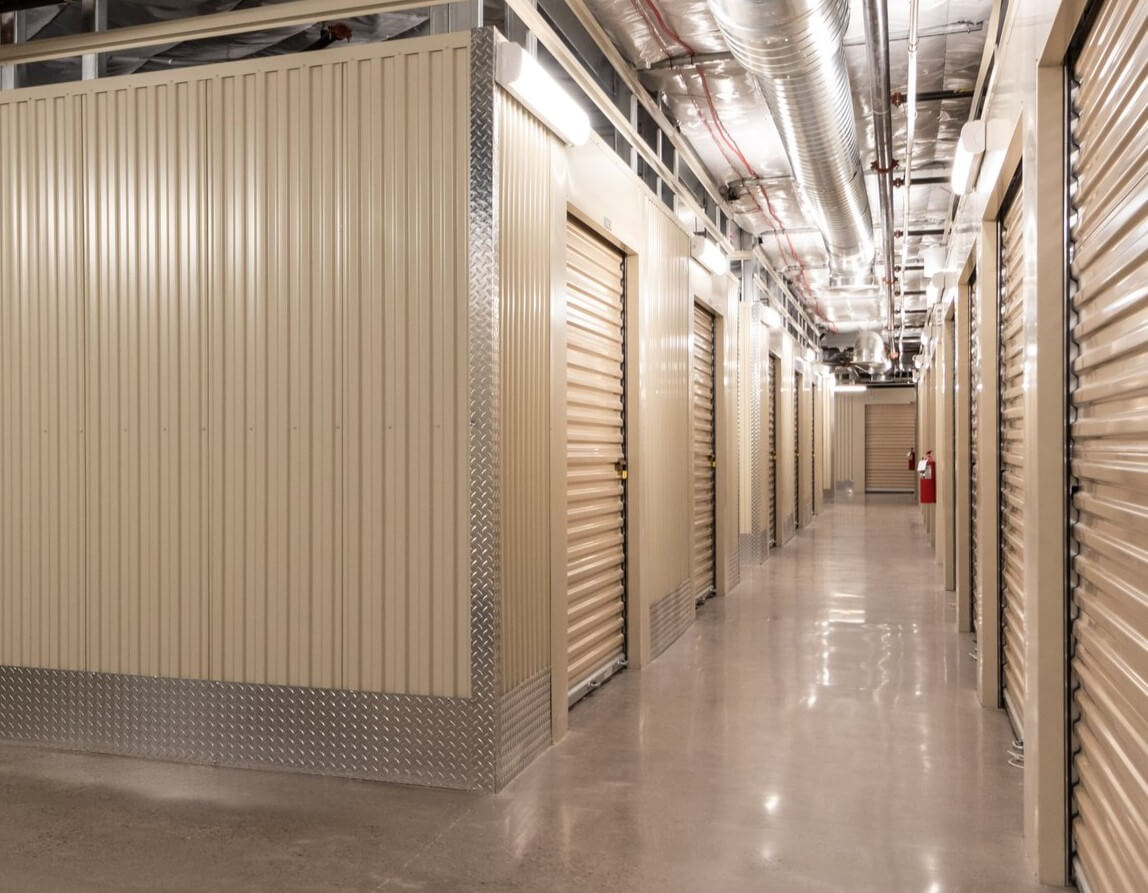
Indoor storage units are ideal for protecting your vehicle from the elements. These units typically provide climate control, which ensures that the temperature remains constant, preventing the buildup of moisture that can cause rust or other types of damage. This is especially beneficial for luxury, classic, or motorcycles requiring extra protection. Indoor units are also safer from theft because they are often in enclosed, secure areas. When considering this option, keep in mind the team at the storage facility, assess the risk of damage, and make sure to consider the needs of renters. Search for facilities with the best rates to ensure you get a great deal. 

Outdoor Parking Spaces

If your vehicle doesn’t require as much protection from the weather, an outdoor parking space might be a better option. These spaces are often more affordable than indoor units and are perfect for vehicles designed for outdoor use, such as trucks, trailers, and vans. While they do not offer climate control or protection from the elements, many outdoor spaces still offer security features like gated access and surveillance cameras. When you rent an outdoor space, it’s essential to check the condition of the area, especially for vehicles that require maintenance, like checking the brake pads and rotors. For a collector, ordering additional protections is essential to ensure the vehicle stays in good shape. 

Covered Parking

A step up from outdoor parking, covered parking spaces offer protection from rain, snow, and direct sunlight. While they do not fully protect your vehicle from dirt or other external elements, they provide an added layer of protection without the cost of a fully enclosed storage unit.

Carports

Some storage facilities offer carports, which provide a covered area to park your vehicle. Carports do not have walls or a full enclosure, but they protect from rain, sun, and snow. Carports are commonly used for RV storage, but they can also be used for trucks, SUVs, or sedans.

How to Prepare Your Vehicle for Storage

Before storing your vehicle in a storage unit, it is essential to take specific steps to ensure it remains in good condition. Proper preparation will help prevent damage and ensure your car stays in optimal condition.

Clean Your Car

Start by cleaning both the interior and exterior of your vehicle. Wash dirt, salt, or oil from the surface, and vacuum the interior to remove crumbs, dust, and debris. This will help prevent any long-term damage to your paint or upholstery while in storage.

Check the Battery

If you’re storing your car for a long time, it’s a good idea to disconnect the battery or use a battery maintainer to keep it in good condition. A dead battery can be a hassle when you’re ready to take your vehicle out of storage.

Fill the Gas Tank

Filling the gas tank before storage can help prevent moisture from building up inside the tank and causing rust. Adding a fuel stabilizer is also advisable to keep the fuel from breaking down while the car is idle.

Change the Oil

If you plan to store your vehicle for a long time, consider changing the oil and replacing the oil filter before storage. Old oil can degrade over time and cause damage to the engine.

Inflate the Tires

Check the tires for proper inflation before placing your car in storage. Underinflated tires can develop flat spots, which can cause issues when you take the vehicle out of storage. Keeping the tires properly inflated will help ensure they remain in good condition.

Use a Car Cover

Protect the exterior of your vehicle with a car cover. This will shield it from dust, dirt, and other debris accumulating in the storage unit or parking space.

Check the Parking Brake

Before storing your car, ensure that the parking brake is engaged. If you’re storing a manual car, put the car in gear as an added precaution. However, if you’re storing a car with an automatic transmission, avoid leaving the parking brake engaged for long-term storage, as it can put unnecessary pressure on the brake system.

Consider Using a Vehicle Maintenance Service

Some storage facilities offer maintenance services such as tire rotations, oil changes, and battery checks. If you’re uncomfortable doing these tasks, check with your storage facility to see if they provide these services for added convenience.
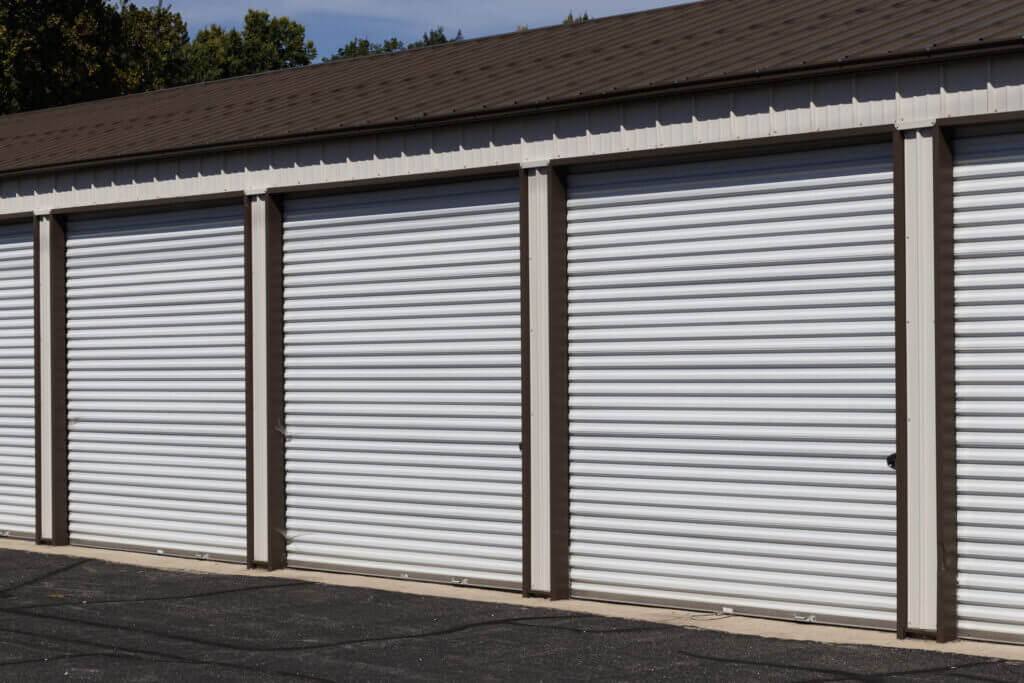
Storing a car in a storage unit at McDowell Mountain Community Storage in Scottsdale, Arizona offers secure and reliable protection.
Find out how McDowell Mountain Community Storage in Scottsdale, Arizona provides secure vehicle storage options.

Choosing the Right Storage Facility

When looking for a vehicle storage facility, there are a few factors to consider:

  • Security: Ensure the facility provides secure access with gated access, surveillance cameras, and security staff.
  • Location: Choose a location that is easily accessible to you, especially if you plan on using your vehicle regularly.
  • Accessibility: Consider the access hours and whether the facility offers 24/7 access. Some facilities also provide online reservation systems and apps to manage your storage.
  • Climate Control: A climate-controlled unit will benefit by protecting it from extreme temperatures if you’re storing a vehicle for a long time.
  • Cost: Compare storage unit costs and ensure you understand any additional fees or hidden charges.

Cost of Storing a Vehicle

The cost of vehicle storage varies based on several factors, including the type of storage unit, the location, and the unit size. On average, indoor storage tends to be more expensive than outdoor or covered parking because it provides more protection. Climate-controlled units can also be pricier due to the added features. However, outdoor parking is often more affordable, making it a viable option for vehicles that require less protection.

Additionally, some facilities offer discounts for long-term rentals or monthly contracts, so it’s worth inquiring about any special offers.

Frequently Asked Questions (FAQs)

Here are answers to some of the most common questions about storing your vehicle in a storage unit to help you make an informed decision. 

Are storage units safe for cars?

Yes, reputable self-storage facilities provide high levels of security, including gated access, surveillance cameras, and on-site security personnel to ensure your vehicle remains protected.

Can I store my car outdoors?

Yes, you can store your car in an outdoor parking space, which is typically more affordable. However, this option does not offer protection from weather elements like rain, snow, or sunlight, so it is better suited for vehicles built for outdoor conditions.

What’s the best way to prepare my car for storage?

To prepare your car for storage, clean the interior and exterior, change the oil, check the battery, fill the gas tank, and inflate the tires. Consider using a car cover to protect it from dust and other elements.

How do I choose the proper storage unit size for my vehicle?

The right unit size depends on your vehicle’s dimensions. Standard cars usually fit into a 10×25 storage unit, while larger vehicles like trucks, SUVs, or trailers may require a bigger unit. Check the storage facility’s dimensions to ensure the space comfortably fits your vehicle.

What type of storage is best for a luxury car?

Indoor, climate-controlled storage is ideal for luxury cars. It protects them from extreme temperatures, humidity, and dust and helps maintain their condition over time.

Can I store my car in a climate-controlled unit?

Many storage facilities offer climate-controlled units, which maintain a stable temperature and humidity level. This is especially important for the long-term storage of high-value vehicles like classic or luxury cars.

Is insurance required for storing my vehicle?

Insurance is not always required for vehicle storage, but it is highly recommended that you ensure protection in case of damage or theft. Check with the storage facility to determine whether they provide coverage or if you need to get your own.

What’s the cost of storing a vehicle in a storage unit?

The cost of vehicle storage varies depending on factors like the type of unit, location, and facility features like climate control. On average, indoor storage is more expensive than outdoor storage. Prices can range from $50 to $500 per month or more.

Can I store a trailer or RV in a storage unit?

Many storage facilities offer outdoor spaces for larger vehicles like trailers, RVs, and boats. Some facilities also offer indoor storage for smaller trailers or motorhomes, but availability may vary.

How do I access my car while it’s in storage?

Most storage facilities offer 24/7 access to your vehicle. Some facilities provide online booking or an app for convenience. Check the access hours and whether the facility requires any special permissions or access codes for entry.

Conclusion

Using a storage unit for your vehicle is an effective way to keep it protected, whether you need short-term storage or long-term parking. By choosing the right storage space, preparing your vehicle properly, and considering the cost and location of the storage facility, you can make the best decision for your needs. Always remember to check the rules, regulations, and insurance options before committing to a storage unit. For a reliable, secure, and conveniently located option, consider McDowell Mountain Community Storage. They offer a variety of vehicle storage options to meet your needs, providing peace of mind with top-notch security, accessibility, and well-maintained units.


Power Tool Storage Ideas: Maximize Space in Your Self-Storage Unit

Let’s delve into power tool storage ideas. Whether for personal use, professional work, or a home renovation project, maintaining the organization and accessibility of power tools can be challenging. If you use a self-storage unit to store your toolbox, cordless tools, and air tools, optimizing the available space with a neat and tidy arrangement is essential. This ensures that items like drills, drivers, and pieces of PVC are securely stored and easily accessible. Consider using dividers, a compact and portable charging station, and a layout that incorporates a drill press or plywood board for larger items. You can also add options like a drawer system to keep everything in place. With the proper setup, you can prevent mess and ensure that everything, from DeWalt tools to various projects, has its place.

Make Use of Wall Space with Pegboards

Utilizing vertical space is one of the most effective methods for storing power tools in a self-storage unit. Pegboards are an excellent solution for storing smaller tools, such as screwdrivers, saws, and drills. You can maintain the organization of your storage unit by installing a pegboard on the walls and utilizing hooks, baskets, and shelving on the side and front of the unit. This not only conserves space but also facilitates the retrieval of necessary instruments without needing to search through boxes or bins, ensuring that you can easily access all your tools with much less hassle.

Install Shelving Units

Shelves are indispensable for storing more extensive power tools and their accessories. Adjustable shelving units are optimal because they can accommodate tools of varying sizes and weights. Power saws, drills, and sanders can be securely stored on shelving, while smaller accessories such as batteries, chargers, and tool belts can be stored in labeled bins on the same shelves. Tool boxes are an excellent option for organizing everything for cordless tools and other smaller items. This method ensures that all your stuff, from a bunch of drills to many accessories, is readily accessible and organized, maintaining a clutter-free unit.

Use Tool Chests or Cabinet

Tool chests or cabinets are ideal for organizing many minor parts and accessories. These storage units are equipped with numerous drawers and compartments, which facilitate the organization of screws, nails, drill bits, and other tiny items. Some tool chests are even equipped with a lockable feature, providing additional security for their valuable equipment.

Containers and Bins That Can Be Stacked

Stackable receptacles and containers are an excellent alternative for individuals with restricted wall space. These containers are available in various sizes and are ideal for assembling similar instruments, such as drills, drivers, and other tools from your shop. Label each bin with its contents to identify the necessary instrument without opening each container. This system will help you maintain an organized space and give your storage area a neat look. Stackable containers also maximize the floor space in your self-storage unit by enabling you to store more without occupying additional space, as they can be stacked vertically, making it easier to organize your tools, whether for your shop or house.

Hanging Storage for Corded Tools

If not stored correctly, corded power tools can consume significant space. To store your corded tools, it is advisable to utilize wall-mounted racks, hooks, or holders. This prevents the cords from becoming entangled and helps to clear floor space. Extension cables and power strips can be stored in wall-mounted containers or hanging baskets, which is a great option to ensure that they are organized and out of the way. This idea helps maintain a tidy and efficient workspace.

Create a Tool Cart for Mobility

Consider purchasing a mobile tool cart if you frequently require access to your tools. These trolleys are designed with wheels, which facilitate the transportation of your tools from one location to another. When the cart is not in use, it can be rolled into your self-storage unit, where you can store your power tools and accessories. This approach is particularly advantageous when one maintains an extensive assortment of instruments or requires consistent access.

Protect Tools with Soft Storage Bags

Soft storage bags, such as electric drills or power saws, can safeguard instruments susceptible to moisture or dust. These bags fit over tools and protect them from the elements while stowed in your unit. To prevent moisture accumulation, which could result in rust or corrosion, selecting bags constructed from durable, permeable fabric is recommended.

Label Everything

It is essential to maintain order when storing electrical tools in a self-storage unit. Labeling each box, bin, and shelf allows the contents to be swiftly determined without opening them. A labeling system that incorporates factors such as tool type, size, or frequency of use can be implemented to facilitate the identification of specific tools when they are required. You can use a sheet of labels for each section, ensuring that the rest of the materials and tools are easy to locate. With this system, each piece of equipment will be organized, whether part of your plans or just something you need to grab quickly. This options menu will help you manage your room and storage space more efficiently, ensuring everything is in its proper place.

Consider Climate Control for Sensitive Tools

Some power tools, particularly those that contain electrical components or batteries, may be susceptible to extreme temperatures or humidity. If your current unit is not climate-controlled, consider renting a self-storage unit with temperature and humidity control. This will extend the lifespan of your tools and ensure that they remain in optimal working condition by safeguarding them from harm caused by moisture, heat, or cold.

Create a Unique Storage Solution

If you maintain a substantial collection of power tools, developing a personalized storage solution tailored to your specific requirements may be advantageous. You can employ a professional to construct custom shelving, racks, or cabinets specifically designed to accommodate the size and shape of your instruments, such as drivers and others. This guarantees that each item, including casters and work bench tools, is assigned a specific location, keeping them organized and preventing damage. By ensuring that tools are stored separately from each other, you can maintain a neat and efficient storage space that looks good and works effectively.

Understanding Power Tool Storage Ideas in Scottsdale, Arizona at McDowell Mountain Community Storage
Power Tool Storage Ideas in Scottsdale, Arizona at McDowell Mountain Community Storage

Conclusion

Implement innovative storage solutions to optimize the space in your self-storage unit while maintaining the organization of your power tools. Numerous methods ensure the safety and accessibility of your tools, including wall-mounted pegboards, shelving, stackable bins, and tool carts. For example, incorporating tool holders for impact drivers, angle grinders, and grinders can maximize your workspace. A well-organized tool cabinet or toolbox can store everything in one place. With a well-thought-out design and plan, such as a workbench or dedicated area for DIY projects, you can store many tools, including battery-powered tools, and ensure that your garage or workshop remains clutter-free. By employing these storage strategies, you can optimize your self-storage unit and guarantee that your tools are consistently accessible when required.

Frequently Asked Questions

How can I prevent the rusting or corrosion of instruments in a self-storage unit?

To prevent oxidation and corrosion, storing your tools in a climate-controlled, dry location is recommended. Additionally, you may implement moisture-absorbing packets or silica gel packs in your storage containers to mitigate humidity. A thin layer of oil or lubricant can be applied to metal-part instruments to safeguard them from moisture.

What are the most effective storage solutions for large, bulky instruments such as generators or power washers?

Consider utilizing large, durable shelving units or positioning them in specified corners of the unit for extensive, bulky tools such as power washers or generators. Additionally, consider purchasing wheeled storage racks or carts to facilitate the movement of these substantial instruments throughout your unit. To prevent moisture damage, ensure that they are stored off the floor.

Can I utilize a tool storage system to organize my tools in a self-storage unit?

Indeed, a dedicated tool storage system, such as a mobile tool chest or modular tool storage unit, is an excellent method for organizing your tools in a self-storage unit. These systems are intended to accommodate various tools and accessories and can be effortlessly relocated within the unit and out when required.

What is the most effective method for storing power instruments with safety features, such as drills or saws?

Store tools with safety features, such as drills or saws, with their safeguard mechanisms activated. For instance, it is crucial to cover saw blades and store drills with safety switches in the off position. Utilize protective cases or covers to prevent accidental activation or damage.

How can I maintain the organization of my self-storage unit as I accumulate additional instruments over time?

As your tool collection expands, regularly evaluate and rearrange your self-storage unit. Ensure you employ efficient storage solutions, such as adjustable shelving, pegboards, and labeled containers. If additional shelves or storage units are required, donate or sell any tools that are no longer in use to make space for new ones.

Is storing power instruments that require repair in a self-storage unit permissible?

Indeed, it is permissible to store power tools that require repair; however, it is crucial to ensure that they are stored safely and organized. Store them in bins or boxes to prevent additional damage and maintain a clear separation from working instruments. Label them with a note specifying the necessary repairs to prevent them from being overlooked.

What are the best methods for storing power instruments that are not frequently used?

Consider storing tools used infrequently in labeled containers or tool chests and placing them at the rear of your self-storage unit. Ensure they are in excellent working order by inspecting them and using protective covers or cases.

What is the most effective method for storing power instruments over an extended period?

Before storing your instruments for an extended period, ensure they are cleaned and maintained appropriately. To safeguard them from moisture and grime, remove the batteries, lubricate the moving parts, and store them in protective bags or cases. If feasible, store the tools off the ground and use a climate-controlled unit. Additionally, moisture damage should be avoided.

How can I enhance the security of my storage unit for high-value electrical tools?

To enhance the security of your high-value tools, it is advisable to utilize lockable cabinets or tool chests. You may also install a security camera in your self-storage unit or purchase a high-quality safeguard for the unit’s door. Some self-storage facilities provide enhanced security features like access control systems and 24/7 surveillance.

What are some space-saving ideas for storing large extension cables and hoses?

Use wall-mounted cord reels or storage pegs to organize extension cords and hoses and conserve space. Additionally, they can be precisely coiled and stored in large bins or baskets. Label each cord with its length and type to facilitate identification in an emergency. 

Expert Tips on How to Properly Store Power Tools in a Self-Storage Unit

Power tools may appear straightforward to store in a self-storage unit; however, it is crucial to implement the appropriate procedures to preserve their condition. At McDowell Mountain Community Storage, we provide secure, climate-controlled facilities to safeguard your tools from moisture, extreme temperatures, and other detrimental environmental factors.

To maintain the optimal condition of your tools, it is recommended that you use toolcases or wrap them in protective covers to shield them from dust and pests. Handle your instruments with care when transporting them to prevent accidental damage. Arrange your tools in tool chests or bins to prevent wear and strain.

Store your tools on vertical surfaces to optimize space and safeguard them when feasible. Smaller tools, such as screwdrivers, saws, and drills, are best accommodated by wall-mounted racks and pegboards. For larger equipment, such as power washers or generators, use durable storage units to keep them off the floor and prevent moisture accumulation. This ensures your tools, from a set of drills to a couple of grinders, are easily accessible and in optimal working condition.

At McDowell Mountain Community Storage, we recognize that each tool has distinct storage requirements. Whether you’re storing hand tools or large machinery, we offer a variety of unit sizes to suit your needs. Our team can assist you in selecting the right unit for your tools, ensuring that each one is stored correctly and remains in top condition.

We offer secure, clean storage options with 24/7 surveillance for short-term and long-term safety. Contact us today to reserve your unit and discover the most effective power tool storage solutions. No matter the season or storage duration, McDowell Mountain Community Storage ensures your instruments stay in optimal condition.

How to Store a Mattress in a Storage Unit

How to store a mattress in a storage unit? Storing a mattress in a storage unit may appear simple; however, some preparation is necessary to guarantee its preservation. These measures will support a mattress’s shape, comfort, and longevity, whether you are moving, redecorating, or temporarily storing it. When transporting a mattress, it’s essential to use the right supplies, such as a mattress topper or storage bag, to protect it from lumps or damage. Consider using a vehicle with enough room to move the mattress without bending it, which can affect its quality. If you’re using self-storage, ensure the unit has climate control to protect the mattress from extreme weather conditions.

For the best results, you can use an upholstery cleaner to remove dirt or bacteria before storage. It’s essential to store your mattress in a clean, dry space, away from garages or damp spots in the house. If you’re unsure about the best way to store your mattress, someone with experience can provide helpful information. These steps will ensure that your mattress remains in good condition, no matter how long it’s stored. Whether you’re storing it for a few weeks or months, these precautions will help maintain its comfort and durability when you need it again.

Clean the Mattress Before Storing

It is crucial to thoroughly clean your mattress before storing it. Dust, grime, and allergens can accumulate over time, and storing a dirty mattress can result in mold growth or unpleasant odors.

  • Vacuum: Utilize a handheld vacuum or upholstery attachment to thoroughly clean the mattress’s surface thoroughly, emphasizing the seams and margins where dust may accumulate.
  • Spot Clean: To remove any stains, apply a solution of moderate detergent and water. Avoid immersing the mattress in water, which can cause mold or fungus growth.
  • Dry: Allow the mattress to fully air out before storing it, particularly if it has been cleansed with water. Please place it in a well-ventilated area to ensure that it is scorched.

Wrap the Mattress in a Protective Cover

It is imperative to safeguard your mattress from dust, dirt, and potential moisture during storage using a mattress protector or plastic wrap. A mattress bag constructed from thick plastic is optimal, as it preserves the mattress’s cleanliness and impedes vermin entry.

  • Utilize a Mattress Bag: You can acquire a mattress bag specifically engineered for storage. These waterproof and durable containers will safeguard your mattress from environmental factors.
  • Plastic Wrap: If a mattress bag is unavailable, the mattress can be similarly safeguarded by being wrapped in heavy-duty plastic wrap. Ensure the entire mattress, including the sides and corners, is covered.

Select the Appropriate Storage Unit

Selecting the appropriate storage unit to maintain your mattress’s condition is imperative. There are several variables to evaluate:

  • Climate-Controlled Storage: If feasible, select a climate-controlled storage unit. Mold growth or foam disintegration are among the potential consequences of extreme temperatures and humidity on mattresses. A climate-controlled unit assists in maintaining a consistent humidity and temperature.
  • Size of the Unit: Ensure the storage unit is sufficiently spacious to accommodate your mattress without folding or bending it. To prevent injury, it is recommended that a standard mattress be positioned flat within the unit.

Arrange the Mattress Appropriately

The positioning of your mattress is crucial for maintaining its optimal condition during storage.

  • Keep it level: Staying your mattress on level is essential, as standing it on its side can cause the internal structure to warp or bend. This is particularly crucial for hybrid or memory foam mattresses, as they may lose their contour if not stored correctly.
  • Prevent Stacking: If you store multiple items in the same unit, avoid stacking weighty objects on your mattress. The weight may damage the mattress’s internal springs or foam, compressing it.

Prevent Storing in Direct Contact with the Floor

Although it may be appealing to position your mattress directly on the storage unit’s floor, this can expose it to moisture, dirt, and pests. Instead, elevate the mattress using a timber platform, pallet, or piece of plywood.

  • Elevating the mattress guarantees it is shielded from moisture or grime accumulating on the storage unit’s floor.

Check Your Mattress Regularly

If you intend to store your mattress for an extended period, it is advisable to conduct routine inspections. This will enable you to identify prospective issues before they escalate into significant problems.

  • Inspect for Damage: When you visit your storage unit, examine the mattress for any indications of damage, including mold, moisture, or rodents.
  • Air It Out: To prevent the development of musty aromas, it is recommended that the mattress be removed from the storage unit every few months to allow it to air out. 

Evaluate the Mattress Type

Different mattress varieties may necessitate slightly different storage considerations. The following is a comprehensive guide to the proper handling of a variety of bedding types:

  • Inner Spring Mattresses: These mattresses are more durable and less susceptible to damage than foam mattresses. However, they should still be stored flat to prevent any deformation or bending of the internal springs. To safeguard the metal coils from moisture or rust, guarantee that they are securely enclosed in plastic.
  • Memory Foam Mattresses: Memory foam mattresses are more susceptible to pressure and can be easily deformed if stored incorrectly. Always store them horizontally and refrain from folding or bending them. If space is a concern, it may be advantageous to coil the mattress (provided that the manufacturer permits it) and store it upright in a manner that does not exert excessive pressure on the foam.
  • Hybrid Mattresses: These mattresses are more intricate to store due to the combination of innerspring coils and polyurethane layers. Similar to innerspring mattresses, they should be stored, and extra precautions should be taken to prevent the foam layers from becoming compressed or misshapen.
  • Latex Mattresses: Although latex mattresses are inherently resistant to dust mites and allergens, they are still susceptible to extreme heat or moisture damage. They should be stored at a level, in a climate-controlled environment, and under a protective cover to maintain durability.

Avoid Storing the Mattress for Too Long

Although mattresses can be stored for prolonged periods, it is advisable to avoid doing so, particularly if stored in a non-climate-controlled unit. Environmental factors, including humidity, heat, and pressure, can cause even the most exceptional mattresses to degrade over time.

It is advisable to plan to retrieve the mattress within a reasonable timeframe or to periodically inspect it to guarantee that it remains in good condition.

Guarantee Proper Ventilation

Although it is imperative to safeguard your mattress by wrapping it in plastic, it is also crucial to maintain a certain degree of airflow to prevent moisture accumulation. If you are storing the mattress for an extended period, consider leaving a small distance between the mattress and the walls or other items in the storage unit. This will facilitate the circulation of air and prevent moisture from becoming confined.

Maintain the Storage Unit in a Clean and Pest-Free Condition

It is imperative to maintain the condition of your mattress by utilizing a tidy storage unit. If your unit exhibits any indications of rodents or vermin, it is advisable to seek an alternative unit, as these pests can potentially damage your mattress. Conduct routine inspections of the unit to guarantee it is free of moisture, insects, and grime.

Use pest repellents or traps around the perimeter of the storage unit to prevent rodents and pest infestations, if feasible.

Consider the Use of a Mattress Storage Service

Mattress storage services are accessible for those who are apprehensive about the logistics of storing a mattress independently. These services, which specialize in properly storing and managing mattresses, may provide climate-controlled units or even pick-up and delivery services to guarantee that your mattress is maintained in optimal conditions. They also offer ways to protect your mattress, such as using a seal or a protective layer of material to prevent damage. Whether you’re storing your mattress for the spring or any other time of year, these services ensure that your mattress stays in top condition, no matter the changes in temperature or humidity.

A mattress storage in Scottsdale, Arizona at McDowell Mountain Community Storage
Storing a Mattress in a Storage Unit in Scottsdale, Arizona at McDowell Mountain Community Storage

Conclusion

It is unnecessary to be intimidated by the prospect of storing a mattress in a storage unit. By following the appropriate preparation, protection, and care, you can ensure your mattress remains in top condition until you’re ready to use it again. A mattress cover or mattress protector will help protect it from bacteria, smells, and dust. A mattress storage bag is a great way to organize and safeguard your mattress from contaminants, while sheets and covers offer additional protection. Proper cleaning before storage is essential to avoid bacteria buildup and maintain the mattress’s freshness.

Investing in the proper storage solutions will prolong your mattress’s lifespan. Storing your mattress in a climate-controlled unit will protect it from dampness, moisture, and extreme weather conditions, which can cause damage over time. Areas like basements or damp spaces should be avoided, as they can negatively affect the mattress’s condition. By following expert advice and taking these precautions, you ensure your mattress stays in excellent shape, making it a wise investment for the future. Proper storage can extend the mattress’s lifespan, saving you money and effort when using it again.

Frequently Asked Questions

Is it necessary to disassemble my bed frame before storing my mattress?

Disassembling your bed frame isn’t required for mattress storage, but it can save space in your unit. If you plan to store the entire bed frame, disassembling it can improve efficiency and help optimize the space.

How long can I preserve my mattress without causing it any harm?

When stored in the appropriate conditions, a mattress can be stored for several months or even years without sustaining any harm. Protecting it from physical pressure, temperature extremes, and precipitation is crucial. If your mattress is stored for an extended period, it is essential to conduct regular inspections to guarantee its continued excellent condition.

Is storing a mattress in a self-storage unit without a cover permissible?

Although technically feasible, it is not advised. Storing a mattress without a cover exposes it to the risk of moisture damage, dust, and debris. Utilizing a mattress or plastic cover is imperative to ensure the mattress’s cleanliness and safety while it is in storage.

What are the signs that my mattress has been damaged during storage?

Upon removing your mattress from storage, conduct a thorough examination to identify any indications of damage, including mold, mildew, discoloration, or unusual odors. The mattress should be in excellent condition if it has been appropriately stored and protected. If you observe any problems, it may indicate that the storage environment was not optimal.

Is it permissible to stow a mattress in a garage or basement?

I do not recommend storing a mattress in a cellar or garage, as there is a risk of moisture, temperature fluctuations, and pests. Typically, these regions are not climate-controlled, which can result in the development of mold or mildew. For safety reasons, storing your mattress in a climate-controlled storage unit is advisable.

What if my mattress exceeds the capacity of a conventional storage unit?

If your mattress exceeds the standard dimensions of storage units, such as a California king-size mattress, consider a larger unit, such as a 10×15 or 10×20. Numerous storage facilities offer a wide range of sizes, ensuring you can locate the ideal measurement for your mattress.

Is it possible to store a mattress in a perpendicular position?

It is not advisable to store a mattress vertically, as this may cause it to lose shape or develop permanent folds. Therefore, you must store your mattress evenly to preserve its structure and comfort.

Is it advisable to store a mattress in a cardboard box?

Although cardboard crates can offer some protection, they are not optimal for mattress storage. Cardboards can accumulate moisture, which can result in the development of fungi or mold. For optimal protection against vermin, moisture, and dust, it is recommended to employ a mattress-specific plastic cover or bag.

Is it permissible to stow a mattress with the bedding still in place?

Before storing your mattress, it is advisable to remove all bedding, including pillows, blankets, and linens. Bedding can trap moisture and grime, which may damage the mattress. It is also advisable to wash and fold your bedding in distinct loads.

Is it permissible to store a memory foam mattress in a storage unit?

Yes, memory foam mattresses can be stored in a storage unit; however, it is crucial to safeguard them from compression. Avoid positioning heavy items on the mattress and utilize a mattress bag. It is imperative to store memory foam horizontally, as it can lose shape if compressed for extended periods. 

Expert Tips on How to Properly Store a Mattress in a Storage Unit

While it may appear simple to store a mattress in a storage unit, it is crucial to take the necessary steps to ensure its longevity and condition. Our team of professionals at McDowell Mountain Community Storage Facility can assist you in safely storing your mattress. We provide climate-controlled storage units to protect your mattress from moisture, dampness, and extreme weather conditions. This will help control potential damage caused by climate change, ensuring your mattress remains in top condition. Additionally, we recommend wrapping your mattress in a protective cover or plastic bag to safeguard it from dust, grime, and pests. When you transport your mattress, ensure it is handled carefully to avoid any damage during the move.

We suggest storing your mattress on a horizontal surface, ideally elevated off the floor, to protect it from sagging or warping. This simple step helps maintain the integrity of your mattress and keeps it in pristine condition for future use. Our storage units are designed to accommodate various mattress sizes, from twin to king-size, and our team can guide you in selecting the right unit for your needs. Whether you’re storing a mattress, furniture, or other materials, we offer short-term and long-term storage options to suit your budget.

At McDowell Mountain Community Storage Facility, we prioritize your peace of mind by offering secure, clean, organized storage solutions. We provide easy access to your items, ensuring your mattress and belongings are stored safely and efficiently. Our units are designed to protect your possessions from dents, tears, and other potential damage. Contact us today to reserve your storage unit and find the best storage options for your mattress and other items. Let us help you keep your possessions in top condition, regardless of weather or storage needs.

How to Store Christmas Decorations

Storing Christmas decorations can sometimes feel like a monumental task. Every year, we collect more ornaments, wreaths, garlands, and festive decor, making it a challenge to keep everything in top condition for the next holiday season. With some planning, proper storage solutions, and creative organization, you can ensure that your decorations are easy to access, in excellent condition, and ready to bring holiday cheer to your home again. It’s essential to sort and categorize your decorations to preserve their condition, and using shelves or bins can help keep everything tidy and organized. By dedicating a bit of time to properly storing your items, you’ll have more room in your house and less hassle when decorating. A helpful tip is to group similar things and label containers accordingly. By organizing your decorations in a way that makes sense for your space, you’ll avoid wasting time looking for specific items next holiday season. Here’s a comprehensive guide to storing Christmas decorations, from wreaths and ornaments to lights and trees. 

Choosing the Right Storage Containers

The key to success when storing Christmas decorations is choosing the right containers. Proper storage is essential to maintaining the quality of your items. Whether you have delicate ornaments, lights that easily tangle, or a large artificial tree, your storage containers must be sturdy, organized, and capable of protecting your items.

Start by selecting bins, boxes, or bags that suit the size and type of your decorations. Clear plastic bins are an excellent option for most Christmas decorations because they allow you to see the contents without opening them. This can save you time when searching for specific items next year. Additionally, clear bins are less likely to absorb moisture, which could cause damage to your decorations.

For especially fragile items, such as glass ornaments or delicate figurines, consider using padded boxes or containers designed specifically for fragile goods. These often come with dividers or soft padding to cushion your items and prevent them from breaking. Wrapping your items in tissue paper or bubble wrap before storing them in these containers will add an extra layer of protection.

Another key consideration is size. Choose large enough containers to hold your decorations without forcing them in too tightly. When items are packed too densely, they are more likely to get damaged, bent, or squished. On the other hand, containers that are too large may allow your items to shift and move around, which could lead to breakage.

Wrapping Fragile Decorations

Specific Christmas decorations, such as ornaments, figurines, and glass tree toppers, require special care during storage to avoid damage. Wrapping these items in tissue paper or bubble wrap before placing them in their containers is essential for preserving their condition.

Bubble wrap is an excellent material for fragile items because it offers cushioning and protection against impact. For ornaments, you can either wrap them individually or nest several ornaments together in layers of bubble wrap, ensuring that the wrap covers every exposed surface. Be sure to fill any gaps inside the container with additional packing materials, such as crumpled tissue paper, to prevent the items from shifting during storage.

In addition to bubble wrap, tissue paper can be used to wrap delicate wreaths, garlands, and other decor items. It’s soft and won’t scratch surfaces, making it ideal for storing decorative elements. For larger items, like wreaths, you can use a garment bag or large plastic storage bag to protect them from dust and dirt.

For particularly fragile pieces, such as heirloom ornaments or collectible decorations, consider placing them inside a sturdy box with a layer of padding at the bottom. For extra peace of mind, some companies sell ornament storage boxes with dividers to keep each ornament safely separated from the others.

Storing Christmas Trees

Proper storage is crucial for maintaining the shape and condition of artificial Christmas trees. Because they tend to be bulky, you’ll need a dedicated space for storing them, such as your attic, basement, or garage.

If your tree comes with a storage bag, use it to protect the tree from dust and dirt while it’s stored away. Many tree bags are large enough to accommodate the tree’s branches and are designed to keep the tree’s shape intact. Be sure to store the bag in a superb, dry location, as extreme temperatures or moisture can damage the tree and its storage bag.

If your tree didn’t come with a storage bag, you can purchase a custom one or create your own using plastic sheeting or a large garbage bag. Ensure the bag is securely tied to prevent moisture from entering and keep dust out. If your tree is in pieces, consider storing each section in a separate bag or box to keep it organized and easy to assemble when ready to set it up again.

Proper storage is optional for real Christmas trees since they’re usually discarded after the season. However, if you want to store a real tree for another use, keep it in a cool area with plenty of water to prevent it from drying out. Consider trimming the branches and placing the tree in a water container until next year’s holiday.

Store your holiday decor with McDowell Mountain Community Storage in Scottsdale, Arizona.
Discover effective ways to store Christmas decorations with McDowell Mountain Community Storage in Scottsdale, Arizona.

Organizing by Category

One of the best ways to organize your Christmas decorations is by category. By grouping similar items, you can save time and avoid frustration when setting up your decorations next year. Whether you have a collection of Christmas tree ornaments, garlands, or string lights, organizing everything by category ensures everything is in its place.

Use separate bins or boxes to store each type of decoration. For example, you could designate one bin for ornaments, another for tree lights, and a third for wreaths and garlands. When you store each item by type, it’s much easier to find what you need when it’s time to decorate.

Label each container with the type of decorations it holds. You can do this with simple masking tape and a permanent marker, or you can use a label maker to create neat, professional labels. Labels should include a description of the contents, such as “Christmas Tree Ornaments” or “Holiday Lights,” so you can quickly identify what’s inside without opening every box.

Consider using garment bags or large storage bags to keep large items like wreaths and garlands clean and intact. You can also use dividers to separate items within larger containers. For example, a large storage bin could hold several smaller items, such as tree toppers, garlands, and ornaments, as long as the dividers keep them separate and protected.

Storing Christmas Lights

Christmas lights can be one of the trickiest items to store, especially if they tend to tangle or get damaged easily. Fortunately, you can use a few tricks to keep your lights organized and tangle-free.

The best way to store Christmas lights is by wrapping them around a spool or reel. This keeps the lights neatly coiled and prevents them from tying during storage. You can buy a special light reel or make your own using a cardboard spool or a plastic hanger. If you have multiple strings of lights, label each one to indicate where it goes, such as “Outdoor Lights” or “Tree Lights.” Storing your lights on a shelf in your office or storage room ensures they stay in one place, minimizing the risk of them getting lost or mixed up with other decorations.

Place the wrapped lights inside a small storage bin or bag for extra protection. This will help protect the lights from dust, moisture, and other potential damage. If you store your lights in a cardboard box, ensure the box is dry and moisture-free to prevent the lights from rusting or corroding. Keep the storage box or bin in a spot that is easy to access but not in the way of daily use, such as in the corner of a closet or under the bed. This way, you can store your lights out of the way without creating a mess. Make sure that the handles or wheels of your storage containers are easy to use, making getting the items in and out of storage much more convenient. This simple solution allows anyone to store their lights with minimal effort and maximum organization, bringing joy to the process. If you’re sharing your storage method, consider writing a blog post to offer tips and help others solve the same problem—sometimes, the most minor things make a big difference!

Storing Holiday Decor

Holiday decor like wreaths, garlands, and festive figurines require storage solutions to ensure they stay in great shape from year to year.

Wreaths, for instance, can be stored in a variety of ways. You can hang them on a coat hook in a closet, store them in large plastic bags, or place them in special wreath storage boxes. These storage boxes are available at most home goods stores and are designed to protect wreaths from being crushed, bent, or damaged. If you have a staircase, it’s a good idea to store wreaths in an area off to the side and not in the way of your stairs or other high-traffic areas. It’s essential to plan your storage and ensure you have the right products, such as packaging materials, to protect your decor. You can use tote bags or plastic bins for garlands and other decorations, which helps keep them safe from dust and damage.

Garlands can be stored the same way as wreaths—by hanging them or placing them in a storage bag. Alternatively, you can store garlands in clear plastic bins, ensuring heavier items do not squash them. To make things easier, you can label each container or tote with a lid to indicate the contents, whether garlands, candles, or even your Santa figurines. This way, you can quickly identify where your items are stored without going through multiple shelves or boxes.

Smaller holiday decor pieces, such as figurines, candle holders, or nativity sets, can be stored in bins or boxes with dividers. Be sure to wrap each item individually in bubble wrap or tissue paper to avoid damage during storage. When packing away your presents or other miniature holiday decorations, keep them organized in a way that makes sense for your space. You could also use your kitchen shelves for items like candles, which are easily organized in bins or containers. If you’re sharing your storage tips on social media, consider including affiliate links to the products you recommend, such as packaging or storage containers, to help others find what they need.

Storing Christmas Stockings

Christmas stockings can be essential to your holiday decor, and storing them properly helps retain their shape and condition. You can store stockings in a small bin or tote or hang them in a closet if you have the space. If you have several stockings, using a storage bag to keep them together is a good idea. Label the bag or bin to identify where your stockings are stored for next year easily. You can even organize your stockings based on sizes and colors, making it easier to find the right one when decorating next holiday season. While at it, consider taking a picture of the contents inside the bag for a quick visual reference, especially if you’re storing other holiday stuff in the same container. Some people share their stocking storage tips on social media so that you can get ideas from your friends on Instagram or Pinterest. 

If you have a collection of stockings in different styles or designs, storing them in separate containers to preserve their shape and condition, much like you would with your favorite recipes or photos, is good. You can reply to comments, share suggestions about your storage methods, and even suggest how to keep things organized in the future. Whether you’re storing stockings with reindeer designs or keeping track of sale items from your village shopping trips, having lids and labels for your containers ensures that everything stays neat and easy to access. 

Storing Other Holiday Items

Many other holiday items need proper storage. These could include tree skirts, holiday-themed pillows, gift bags, wrapping paper, and more. Wrapping paper, for example, can be stored in tall tubes to keep it from getting bent or creased. Gift bags can be folded and stored in clear plastic bins, while decorative pillows can be placed in storage bags or bins. Garland can be stored in a tree bag, which provides a lot of storage space and helps keep it from getting tangled. Consider using small plastic containers with compartments to organize small items like bows, ribbons, and wrapping accessories. 

This system allows you to store everything in one place, so you don’t have to search through multiple boxes to find the right size ribbon or a specific type of bow. Use posts to label your storage containers and make it easy to identify the contents. Organizing everything in a consistent and neat style will save you time and effort next season. Additionally, you can share your storage ideas and experiences with others on social media platforms like Instagram, where a couple of posts about your storage methods might inspire others. Whether organizing your mantel decorations or storing a piece of greenery, thoughtful organization will make the process easier. 

Conclusion

Storing your Christmas decorations doesn’t have to be a stressful experience. Using the proper containers, carefully packing fragile items, and organizing your decorations by category ensures everything stays in good condition for the next holiday season. Whether you’re storing your decorations in your attic, basement, or garage, the key is to be organized and to use the appropriate storage solutions to keep your items safe, clean, and easily accessible. McDowell Mountain Community Storage offers a variety of storage options to help keep your holiday decor secure. Pinterest is a great place to find inspiration and ideas for storing and organizing holiday decorations. Many people share creative ways to keep things tidy, from storing ornaments in labeled boxes to using bins for garlands and lights. These tips will help you make the most of your space, whether organizing an extensive collection or just a few special ones. By following these suggestions, you can preserve your decorations in a way that makes decorating for the holidays much more manageable. Happy decorating and organizing!

Contact Us
For more information on storage options or assistance with your holiday storage needs, feel free to Contact Us at McDowell Mountain Community Storage! We’re here to help.

How to Use Self-Storage for Home Renovation Projects?

A home renovation project can transform your living space, adding value, comfort, and functionality. However, the process comes with challenges, including dealing with clutter, protecting furniture, and keeping household items safe from dust, debris, and potential damage. Whether renovating a single room or the entire house, self-storage provides an efficient solution to declutter your space while ensuring convenience, flexibility, and secure transport of your belongings. With the proper logistics, self-storage helps manage furniture and construction materials while maintaining an organized environment.

At McDowell Mountain Community Storage, we understand the importance of securing your valuables during a renovation. With self-storage, you can free up rooms and areas, keep your belongings safe and organized. This guide will cover why self-storage is essential, how to choose the right storage unit, the advantage of using a box for packing, and organization tips to help manage a lot of items efficiently. Plus, we’ll explore storage solutions for different home renovation projects. 

Why Use a Storage Unit for Home Renovation?

During a home renovation, your space becomes a construction zone filled with contractors, materials, tools, and debris. Storing your belongings in a self-storage unit is a brilliant idea to protect them from dust and damage. Storage has many benefits, such as keeping things organized and ensuring that important paper documents and fragile items remain safe. With the right approach, you can store anything securely while your renovation is underway. Having a secure storage unit to hold furniture, electronics, and personal belongings can simplify the process in many ways:

1. Protection Against Dust, Debris, and Damage

Home renovations generate dust and debris, which can settle on furniture, electronics, and artwork, leading to long-term damage. Using a self-storage unit ensures that your belongings remain in top condition, preventing scratches, dents, or exposure to humidity and temperature fluctuations. With the right options for packing, you can ensure nothing is left to chance. It’s a simple task that aligns with your contract and timeline, providing a safe pathway to store your items securely while the renovation progresses. Be sure to pack your belongings carefully to protect them during the process. 

2. Extra Space for a More Efficient Workflow

Renovations often require open space for contractors, flooring installations, and cabinet replacements. Moving large furniture pieces like tables, appliances, and cabinets to a storage facility can free up valuable room for workers, ensuring a smooth process without unnecessary obstructions. Storing these items with the right plan in place can make the renovation feel like a breeze. If you have any questions about managing your items or the life of your renovation project, our team is here to assist you every step of the way.

3. Better Organization and Accessibility

Storing household items and construction materials in a rental facility allows for a structured approach to renovation. Instead of shifting furniture and boxes from one room to another, a well-organized storage unit keeps everything secure and accessible when needed.

4. Enhanced Safety for Homeowners and Workers

Leaving furniture, decor, and appliances in the middle of a renovation site increases the risk of damage and accidents. Self storage units keep fragile glassware, antiques, electronics, and tools out of harm’s way, reducing the likelihood of injuries for homeowners and contractors.

5. Peace of Mind During the Renovation Process

A clutter-free environment leads to a less stressful experience. Knowing that your valuable furniture, household items, and decor are protected in a secure storage facility allows you to focus on the renovation without constant worry.

What to Store During a Home Renovation?

Every home renovation project has different storage needs, but certain items should be kept away from the construction area to ensure their safety and condition.

1. Furniture & Home Decor

Items such as sofas, chairs, dining tables, artwork, and antiques should be stored to prevent scratches, dust accumulation, and potential damage. Bubble wrap, blankets, and secure packing methods help maintain their original condition.

2. Electronics & Appliances

Temperature-sensitive electronics like televisions, computers, and kitchen appliances need a climate-controlled storage unit to avoid damage from humidity and temperature changes. A storage facility with controlled conditions ensures your valuable gadgets remain functional.

3. Construction Materials & Tools

During renovations, construction materials like flooring, paint, cabinets, and supplies should be stored in a secure storage unit to keep them from getting lost or damaged. Proper storage solutions, such as shelving and labeled containers, can help organize these materials efficiently.

4. Household & Personal Belongings

Items such as clothing, books, essential documents, and seasonal decorations should be packed securely in boxes and stored away from the construction zone. This prevents them from getting lost in the renovation process.

5. Fragile Items: Glassware, Antiques & Artwork

Delicate items like glassware, antiques, and artwork require special handling during renovations. Bubble wrap, temperature-controlled units, and sturdy containers best protect these fragile possessions.

How to Use Self-Storage for Home Renovation Projects Scottsdale

Choosing the Right Storage Unit for Your Home Renovation

The proper storage unit size, location, and amenities are essential to meet your renovation needs. Here are some factors to consider when choosing a storage facility:

1. Storage Size Guide: How Much Space Do You Need?

The proper storage unit size, as outlined in the storage unit size guide, depends on the furniture, belongings, and renovation materials you need to store.

  • 5×5 Unit – Ideal for storing small furniture, boxes, and decor items.
  • 5×10 Unit – Can accommodate appliances, chairs, or bedroom furniture.
  • 10×10 Unit – Perfect for storing items from a one-bedroom apartment.
  • 10×20 Unit – Best for storing multiple rooms’ belongings and furniture.

2. Climate-Controlled Storage Unit for Sensitive Items

A climate-controlled storage unit is recommended to store electronics, antiques, artwork, or essential documents. These units maintain stable temperature and humidity levels, ensuring the long-term protection of delicate contents.

3. Secure Storage Facilities & Convenient Location

Look for a storage facility with security features like surveillance cameras, gated access, and on-site management. A convenient location close to your home ensures easy access to your stored items throughout the renovation process.

4. Rental Facility Cost & Efficiency Considerations

The cost of a storage unit depends on unit sizes, amenities, and rental duration. Planning and choosing the right size unit can maximize efficiency and reduce costs.

Packing & Organization Tips for Self-Storage

Efficient packing, labeling, and organization can make self-storage easier and more effective. Here are some valuable tips:

1. Use High-Quality Packing Supplies

  • Choose sturdy boxes for storing small items.
  • Wrap furniture and decor in bubble wrap or blankets to prevent scratches.
  • Use plastic containers for moisture-sensitive materials.

2. Label and Track Everything

  • Keep an inventory list of all stored items.
  • Label boxes with detailed descriptions to quickly locate contents.
  • Arrange items by category for quick access.

3. Optimize Storage Space & Accessibility

  • Stack boxes strategically, placing heavier boxes at the bottom.
  • Store frequently used items at the front of the unit.
  • Use shelving units for easy organization.

Storage Solutions for Different Renovation Scenarios

Depending on the type of home renovation project, your storage needs will vary.

1. Kitchen Renovation

A kitchen remodel requires storing appliances, cabinets, furniture, and cookware. Consider a self storage unit for these items until the project is complete.

2. Living Room or Bedroom Remodel

Store furniture, electronics, decor, and personal belongings in a climate-controlled storage unit to protect them from dust and damage.

3. Garage Renovation & Inventory Management

A garage renovation often involves clearing tools, storage bins, and furniture. A self-storage unit provides a temporary place to keep Everything secure.

4. Whole-House Renovation

A large-scale home renovation may require a variety of storage solutions. Choosing the proper storage unit size and using organizational strategies can help streamline the renovation process.

Final Thoughts

A well-planned self-storage solution can make your home renovation experience stress-free. From protecting belongings and furniture to creating extra space for contractors, using a storage unit is one of the best ways to simplify renovation.

Looking for a secure, convenient, and flexible self-storage unit? McDowell Mountain Community Storage offers storage solutions tailored to your needs, ensuring your belongings remain safe and accessible throughout your renovation.

Contact us today for the perfect self-storage unit for your next home renovation project!

Frequently Asked Questions

Explore our FAQs to learn how self-storage can simplify your renovation, from protecting valuables to choosing the right unit. 

How Long Can I Keep My Belongings in a Self-Storage Unit? 

You can rent a self-storage unit for as long as needed, whether for a few weeks or months, depending on the duration of your renovation. Most facilities offer flexible rental agreements, allowing you to extend storage as your renovation timeline evolves.

Can I Store Appliances in a Self-Storage Unit During a Renovation? 

Storing large appliances such as refrigerators, washing machines, or dishwashers is possible. Prepare them by cleaning them and draining any water properly. For protection, wrap appliances in moving blankets to prevent scratches and dents.

What Should I Do if I Need to Change My Storage Unit Size During Renovation? 

If your storage needs change during your renovation, you can switch to a larger or smaller unit based on availability. It is best to discuss your options with the facility in advance to ensure a unit fits your new requirements.

Is it possible to access my stored items outside of regular business hours? 

Many self-storage facilities offer 24-hour access for an additional fee, allowing you to retrieve or store items whenever needed. Check with the storage facility for their access hours and inquire about any special arrangements they may offer for extended access.

How Do I Ensure My Items Are Covered by Insurance While in Storage? 

It’s essential to check with the storage facility to see if they offer insurance for stored items. Some facilities provide insurance coverage as part of your rental agreement, while others may require you to arrange third-party insurance for high-value items.

Are there Any Restrictions on What Can Be Stored in a Self-Storage Unit During a Renovation? 

Most self-storage units restrict the storage of hazardous materials, perishable goods, or illegal items. Be sure to check with your facility about its specific rules and guidelines, especially when storing chemicals, paint, or flammable materials.

How Can I Store My Valuables Like Jewelry or Important Documents? 

Consider using a secure and climate-controlled storage unit for high-value items like jewelry or important documents. You may also opt for a safe deposit box or an additional insurance plan to protect them while in storage.

What Is the Cost of Renting a Self-Storage Unit for Home Renovation? 

The cost of renting a self-storage unit can vary depending on its size, location, and additional features like climate control. It’s a good idea to compare pricing from different facilities and select one that fits your budget while providing the necessary features for your renovation.

Can I Use Self-Storage for Temporary Housing During a Home Renovation? 

While self-storage units are designed for storing belongings, some people use them for temporary housing purposes, especially if renovations make living in the home impractical. However, it’s essential to check with your storage facility to ensure they allow this and that it’s appropriate for your needs.

What Are Some Tips for Storing Large or Bulky Items During a Renovation? 

Plan your packing carefully for large or bulky items like furniture to maximize space. Use disassembly options (e.g., removing legs from tables), and wrap items with bubble wrap or protective blankets. Position heavy items at the bottom and lighter ones on top for stability during storage.

Can You Store Firearms in a Storage Unit?

When it comes to storing firearms, understanding the rules and regulations is crucial. Many gun owners often wonder, “Can I store weapons in a self-storage unit?” The answer to this question largely depends on the state in which you live and the specific laws that govern the storage of firearms. Whether you’re looking to store things like firearms temporarily or for an extended period, it’s essential to have a thorough understanding of the guidelines to ensure that you remain compliant with all relevant regulations. This article will provide an in-depth look at the specific considerations, safety tips, and best practices for gun owners who are considering utilizing a self-storage unit to ensure that no one, including kids, can access their firearms. 

Legal Considerations and Regulations

Storing firearms in a self-storage facility is not as straightforward as simply placing them in a unit and locking them up. The storage of firearms is heavily regulated in many states and cities across the U.S., and it is essential for gun owners to familiarize themselves with local laws before attempting to store firearms in a unit.

For example, states like Texas and California have laws and regulations regarding the storage of firearms. In Texas, gun owners are generally allowed to store firearms in a self-storage unit, but they must follow specific safety protocols. Meanwhile, in California, regulations are stricter, and gun owners must comply with specific storage requirements, such as the use of secure storage containers and compliance with all local ordinances.

Before signing a rental agreement at a self-storage facility, you must research whether storing firearms and ammunition is legal in your area. Local ordinances and facility policies often vary, and knowing whether the facility you choose allows firearm storage is critical. Some self-storage facilities may prohibit firearms entirely due to liability concerns, while others may only allow firearms under certain conditions.

Self-storage facilities also have specific rules regarding the storage of firearms, designed to ensure the safety of all customers and comply with state and federal laws. Many facilities require you to store firearms in a secure, locked container or safe and may impose additional regulations to ensure that firearms are stored properly.

Safety Tips for Firearm Storage

For those permitted to store rifles and firearms in a storage unit, safety is always a top priority for everyone, as it’s essential to ensure that no person or people, including anyone attempting to access the unit, can gain unauthorized access. This is especially important when considering the safety of everything inside and the importance of proper storage in the facility’s posts. Here are some essential storage tips for ensuring that your firearms are stored securely and safely:

  1. Use a Gun Safe: The most effective way to store firearms is in a locked, secure gun safe. A gun safe is designed to prevent unauthorized access and minimize the risk of theft or accidental discharge. Please ensure the safe is large enough to accommodate your firearms and ammunition and that it is adequately secured to prevent it from being easily removed or tampered with. This is important, as someone could attempt to access your property. Many different types of firearms are stored in safes, so ensure the safe can fit anything you plan to store. This partly ensures that the firearms are secure and inaccessible to unauthorized individuals.  
  2. Choose Climate-Controlled Storage: Firearms and ammunition are sensitive to temperature and humidity fluctuations, which can cause rust, corrosion, and damage over time. A climate-controlled storage unit is ideal for preserving the condition of your firearms. These units maintain a stable environment that helps prevent moisture buildup and temperature extremes, which can negatively impact your guns and ammo. Having this space can be crucial in places where humidity or temperature fluctuates frequently. This is especially important when considering the menu of storage options available to company members, as their rights to a secure unit are key in any case or situation. 
  3. Store Firearms and Ammunition Separately: Many states and storage facilities require that firearms and ammunition be stored separately for added security. This reduces the risk of accidental discharge and makes it more difficult for unauthorized individuals to access both firearms and ammunition at the same time. For a friend or anyone else trying to access your unit, it’s essential to clarify the issue and ensure that the contract clearly outlines the nature of storage. Storing firearms and ammunition separately may also be crucial if you plan to auction your firearms or transfer them under your name. 
  4. Inspect Regularly: It’s essential to check on the condition of your firearms and ensure that they are still securely stored. Make it a habit to visit your storage unit periodically to inspect your firearms, verify that the safe remains locked, and ensure that the facility complies with its storage regulations. Suppose you’re unsure about something or need more information. In that case, you might find helpful content on YouTube in the relevant category or contact the facility to clarify their services. Don’t hesitate to call if you need assistance with your storage or have any concerns. 
  5. Keep Records: Maintaining an inventory of your firearms is an innovative practice. Record the make, model, serial number, and description of each firearm you store. This can be helpful in theft or loss and may also be required by law in certain jurisdictions. Some storage facilities may also ask for this information when reviewing your storage. In an emergency, providing these details to the police or your local office could help recover your firearms. If your firearms are stolen from your vehicle or car, having a thorough inventory will be invaluable for reporting the incident. 

Prohibited Items and Restricted Access

As with any self-storage facility, there are often restrictions on what can and cannot be stored in the units. Some storage facilities may allow firearms but place limits on what kinds of firearms or ammunition are permitted. It is crucial to check with the facility before storing any firearms to ensure you are complying with their rules and regulations.

Some standard prohibited items in self-storage units may include:

  • Loaded firearms: Many facilities prohibit storing loaded firearms in a storage unit due to safety concerns. It is essential to ensure that your firearms are unloaded before storing them.
  • High-caliber ammunition: Certain types of ammunition, especially high-caliber rounds, may be prohibited in self-storage units.
  • Explosives or incendiary devices: Storage of explosives, pyrotechnics, or other dangerous materials is strictly prohibited in almost all self-storage units.

Additionally, it’s vital to ensure that no unauthorized individuals, including children, have access to the storage unit. This is especially important in households with children or young adults who may not fully understand the dangers of firearms.

Can You Store Firearms in a Storage Unit In Scottsdale

Insurance and Compliance

When storing firearms in a self-storage unit, consider insurance coverage. While most self-storage facilities offer limited insurance for belongings, this coverage may not protect your firearms in the event of theft, fire, or other types of damage. It’s wise to purchase additional insurance for your firearms to ensure adequate protection.

Before choosing a storage facility, verify that it complies with all state and federal firearm storage laws. Additionally, ensure the facility provides adequate security measures, such as surveillance cameras, gated access, and alarm systems. These security features provide added peace of mind and help deter theft.

Frequently Asked Questions About Firearm Storage

As a gun owner considering storage options, you may have several common questions. Here are the answers to some frequently asked questions about firearm storage:

What is the safest way to store firearms in a storage unit? 

The safest way to store firearms is in a locked, tamper-resistant, secure gun safe. This ensures that unauthorized individuals cannot access your firearms.

Are climate-controlled storage units necessary for firearms? 

Yes, climate-controlled storage units are highly recommended for firearms and ammunition. They help prevent damage caused by humidity and temperature fluctuations.

Can ammunition be stored with firearms? 

It is generally best to store ammunition separately from firearms to comply with regulations in many states and storage facilities.

What should I do if a storage facility prohibits firearms? 

If a facility prohibits firearms, look for another facility that allows firearm storage and check that it complies with all local laws.

How can I ensure my firearms are secure in a storage unit? 

Choose a facility with robust security measures like video surveillance, gated access, and individual unit alarms to keep your firearms safe.

Can I store firearms in a rental unit indefinitely? 

Long-term storage is possible, but it’s essential to regularly inspect and maintain your firearms properly.

What are the legal requirements for firearm storage? 

Legal requirements vary by state and jurisdiction, so it’s essential to research and comply with all applicable laws and regulations.

Can I access my firearms anytime in a storage facility? 

Most storage facilities have designated access hours. Ensure you check the facility’s hours of operation to plan your visits accordingly.

What happens if a facility discovers unauthorized firearm storage? 

If unauthorized firearm storage is discovered, the facility may evict you, impose fines, or involve law enforcement authorities.

Do storage facilities provide insurance for firearms? 

Some facilities offer insurance options, but purchasing third-party insurance is often recommended to ensure that your firearms are fully covered.

Final Thoughts

Storing firearms in a self-storage unit requires careful planning, research, and adherence to safety protocols and local laws. Whether you need to store firearms temporarily or for the long term, choosing a secure facility that provides the necessary security and complies with all regulations is essential. Always check with your chosen facility to ensure they allow firearm storage and that you follow their policies to avoid any legal complications. Reading reviews of the facility can also give you insight into its reliability and safety measures. 

If you need a storage solution, McDowell Mountain Community Storage offers tailored options that meet various storage needs. Contact us today for more information on firearm storage and to find the perfect storage unit for your needs.

How to Store Appliances in a Storage Unit

When it comes to storing appliances in a storage unit, the key is not just tossing them in and hoping for the best. Proper storage ensures that your appliances remain in good condition and ready for future use. Whether you’re moving, downsizing, or simply decluttering, here’s a comprehensive guide on how to store appliances in a storage unit safely and efficiently.

1. Clean and Prepare

Cleaning and preparing appliances before storing them is crucial for keeping them in good shape. First, get rid of any food bits, dust, or grime. For refrigerators and freezers, defrost them thoroughly to stop mold and mildew. Drying everything well is essential to avoid rust or rancid smells.

Use a gentle cleaner to wipe everything down, then let it air dry completely before packing it up. Doing this keeps your appliances clean and safe while in self-storage, ensuring they work great when you need them again.

2. Gather Supplies

Before packing your appliances for storage, ensure you have all the necessary supplies. Get sturdy boxes, packing tape, bubble wrap, packing peanuts, furniture blankets, and appliance covers to safeguard your items during transportation and appliance storage.

Appliance-specific moving straps or dollies can be helpful, particularly for heavier kitchen appliances, ensuring safe and secure transport. The right supplies streamline the packing process and offer additional protection to your appliances, keeping them in excellent condition while stored.

3. Disassemble if Possible

Taking apart your appliances before storing them is a good idea, especially if they come with parts or shelves that can be removed. This saves space in your self-storage unit and lowers the chances of damage when moving and while in storage. Keep all the small pieces together in a labeled bag or box to find them easily when you need them again.

By disassembling your appliances before storing them, you can make the process smoother, protect fragile parts, and better use the available space.

4. Protect with Packaging

Once you’ve cleaned and, if necessary, disassembled your appliances, it’s important to protect them with the right packaging materials. Wrap fragile parts like glass doors or shelves with bubble wrap to cushion against bumps. Use furniture blankets to shield surfaces from scratches and dents while in transit or storage.

Secure everything firmly with packing tape to keep it in place and reduce the risk of damage. Following these steps is vital to keep your appliances in good condition until you need them again.

5. Utilize Vertical Space

To store your appliances efficiently in a self-storage unit:

  • Think smart about how you place them.
  • Stack lighter things on top of heavier ones to save space and keep everything stable.
  • Put big appliances, like the refrigerator and washing machine, at the back for a solid base.

This leaves space in the front for smaller stuff like microwaves and toasters, making them easy to get to without rearranging everything. With this setup, you’ll have a neat storage space that uses every inch well and keeps your appliances handy whenever needed.

6. Allow for Ventilation

Ensuring proper ventilation is crucial in safeguarding your appliances during storage. Without adequate airflow, moisture buildup can occur, resulting in rust, corrosion, and unpleasant odors. To mitigate these risks, leaving sufficient space between appliances and the walls is essential to promote air circulation within the storage unit.

Additionally, incorporating moisture-absorbing products such as silica gel packets or dehumidifiers can provide an extra layer of protection against moisture-related damage. By prioritizing ventilation and moisture control, you can maintain the integrity of your appliances and preserve their condition for future use.

7. Label and Organize

Organization is vital when it comes to storing appliances in a self-storage unit. By labeling each box or appliance with its contents and where it belongs, you streamline the process of finding what you need without rummaging through stacks of boxes.

Creating a straightforward inventory list also helps you keep track of everything stored in your unit, adding an extra layer of convenience. With these organizational strategies in place, you can efficiently manage your storage space and easily access your appliances whenever necessary.

8. Check Regularly

Regularly monitoring your stored appliances is crucial to maintaining their condition over time. Take the time to inspect them periodically for any signs of moisture buildup, pests, or damage. Addressing these issues promptly can prevent them from escalating and causing further harm to your appliances.

Additionally, consider rotating the position of items if needed to distribute weight evenly and avoid putting prolonged pressure on specific areas. By staying vigilant and proactive, you can ensure that your appliances remain in optimal condition while in storage, ready for future use when you need them.

How to Store Appliances in a Storage Unit In Scottsdale, Arizona

Conclusion

Storing appliances in a self-storage unit is essential for keeping them safe and ready to use in the future. Here are some simple tips to help you store your appliances effectively. First, clean each appliance to remove any dust or dirt. Defrost your refrigerator and microwave and wipe them down with a mild detergent. Keep all electrical cords, hoses, and manuals with their respective appliances.

Store upright appliances like fridges and dishwashers stacked to save space. Make sure appliances are easily accessible by placing them near the front of the unit. Use a checklist to keep track of what you’ve stored. By following these easy self storage tips, you can ensure that your appliances stay in good condition while in storage.

Reserve your Storage Unit today!

At McDowell Mountain Community Storage, we’re committed to storing your appliances safely and securely. Our climate-controlled self-storage units in Scottsdale, Arizona, provide the ideal environment for preserving the condition of your valuable appliances. Whether you’re storing refrigerators, ovens, or washing machines, our facilities are equipped to maintain optimal temperature and humidity levels, protecting your appliances from damage caused by extreme weather conditions.

With our expertise and state-of-the-art storage solutions, you can rest assured that your appliances will remain in top-notch condition until you’re ready to use them again. Contact us today to rent a storage unit and learn more about how we can assist you in storing your appliances effectively.

FAQs: How to Store Appliances in a Storage Unit

1. What are the benefits of using climate-controlled storage for my appliances?

Climate-controlled storage helps maintain optimal temperature and humidity levels, protecting appliances from damage caused by extreme weather, moisture buildup, and potential rust or mold growth.

2. How long can I store my appliances in a storage unit?

   Appliances can typically be stored for as long as needed, but it’s advisable to check them periodically for moisture buildup or other issues, especially if stored for extended periods.

3. Is it necessary to unplug appliances before storing them?

   Yes, unplugging appliances is essential to prevent electrical issues and ensure they are safe for storage. Make sure to keep cords neatly organized and labeled with their respective appliances.

4. Should I use specific cleaning products on my appliances before storage?

   Use gentle cleaners that won’t damage surfaces. Avoid harsh chemicals that could leave residues or cause corrosion. For refrigerators, ensure all cleaning agents are thoroughly rinsed out before storage.

5. Can I store appliances that still have food residues?

   No, it’s essential to thoroughly clean all appliances to remove food residues, which can attract pests and lead to unpleasant odors. Make sure they are scorched before storing them.

6. What precautions should I take for storing sensitive electronic appliances?

   To protect electronic appliances from bumps, wrap them in bubble wrap or furniture blankets. Consider using moisture-absorbing products to prevent humidity-related damage.

7. How can I prevent pests while storing my appliances?

   Regularly inspect your storage unit for signs of pests, and consider using pest deterrents like traps or natural repellents. Keeping your appliances clean and free from food particles also helps prevent infestations.

8. Is it advisable to stack appliances in storage?

   Stacking appliances should be done with caution. Heavier appliances should be placed at the bottom, while lighter ones can be stacked on top, ensuring stability and reducing the risk of damage.

9. What should I do if I notice moisture in my storage unit?

   If you notice moisture, it’s essential to address it immediately. Consider using a dehumidifier, placing moisture-absorbing packets in the unit, and ensuring proper ventilation to prevent damage.

10. Are there any insurance options for stored appliances?

   Yes, many storage facilities offer insurance options for stored items. It’s wise to check with your facility about coverage options to protect your appliances against potential damage or loss while in storage.

How to Store Electronics in a Storage Unit?

Electronics have become an integral part of our daily lives in today’s digital age. From smartphones to laptops, cameras to gaming consoles, we rely on these devices for communication, work, entertainment, and more. But what happens when you need to store these electronics away for a while?

Proper storage is essential to ensure they remain in good condition and ready for use when you retrieve them. Whether you’re moving, decluttering, or need extra space, here’s a smart guide on how to store electronics in a storage unit.

How do you Store Electronics in a Storage Unit?

Here are the things that you need to do to properly store your electronic devise in a storage unit:

1. Prepare Your Electronics

When storing fragile electronic gadgets in a self-storage facility, taking care of a few things can make a big difference. First, remove batteries and store them separately to prevent corrosion. Back up essential data from devices like computers or phones. Clean screens and wipe down surfaces to keep them dust-free. Consider storing gadgets in secure containers or boxes, along with their cords and instructions. Keep everything cool and dry to avoid heat and moisture damage. Silica gel packets can help absorb excess moisture.

If using cardboard boxes, tape them securely to prevent mold. Remember to label each container, so you know what’s inside. By keeping these tips in mind, you can ensure your electronics stay in good shape while in storage.

2. Use Original Packaging

Whenever possible, use the original packaging for your fragile Electronics. Manufacturers design these boxes to provide the best protection during transportation and storage. If you don’t have the original packaging, consider alternatives like anti-static bubble wrap, foam padding, or custom-fitted cases to secure your gadgets. These options protect against bumps, scratches, and moisture, ensuring your devices stay in good shape. It’s crucial to secure cords and follow any provided instructions. If you plan to store things for a while, be mindful of moisture and heat, and use silica gel packets to prevent mold.

Consider using plastic containers or boxes, and tape up any seams to keep everything secure. For screens, place a plastic sheet or cardboard to shield them. When storing items at a self-storage facility, check for security options and keep backup devices in mind. Whether it’s phones, players, or any other item, take care of them as you pack. Lastly, remember to label containers and keep everything organized for easy retrieval.

3. Climate-Controlled Storage Unit

Electronics, like computers, cameras, cell phones, and audio equipment, are sensitive and easily damaged by extreme temperatures and humidity. To protect these devices, choosing a storage unit with climate control is crucial. These specialized units maintain a stable environment, controlling temperature and humidity levels, which is ideal for safely storing electronics.

This helps prevent moisture buildup, condensation, and temperature fluctuations that harm your valuable devices. Opting for a climate-controlled storage unit is a smart way to ensure your electronics’ longevity and proper functioning, providing peace of mind as they are stored in optimal conditions.

4. Organize and Label

Creating an inventory of the electronics you plan to store is a practical first step in organizing your storage space. Labeling boxes with clear descriptions of their contents ensures easy access and retrieval when needed. It’s wise to pair cables, chargers, and accessories with their corresponding devices to avoid confusion and save time when setting up later. Utilizing cable ties or organizers further prevents tangling and keeps everything neat and orderly within the storage unit.

This systematic approach streamlines the process of finding specific items and minimizes the self-storage risk of losing or misplacing essential accessories, ensuring that your electronics remain complete and ready for use whenever you retrieve them from storage.

5. Elevate from the Floor

Elevating your electronics by placing them on pallets or shelves is a crucial precaution when storing them in a storage unit. This simple step helps safeguard your devices against potential risks such as flooding, leaks, or other unforeseen issues that could compromise the integrity of the storage unit. By keeping your electronics off the floor, you minimize the likelihood of water damage and moisture infiltration, ensuring the safety of your valuable items.

Additionally, elevating electronics allows for better air circulation around them, which helps regulate temperature and prevent humidity buildup. This promotes a more conducive environment for storing electronics, preserving their functionality, and prolonging their lifespan while in storage.

6. Protect Against Dust

Over time, dust accumulation threatens electronic components, potentially leading to damage and performance issues. To shield your devices from this hazard, employ preventive measures such as using dust covers or wrapping them in breathable materials like cotton sheets. This additional layer of protection acts as a barrier, safeguarding your electronics against dust particles and ensuring they remain clean and fully operational.

By taking these precautions, you extend the lifespan of your devices and maintain their optimal functionality, allowing you to rely on them whenever needed.

How to Store Electronics in a Storage Unit In Scottsdale

7. Securely Pack Small Items

When storing small electronic items such as headphones, cameras, or handheld devices, it’s important to use appropriately sized boxes to keep them secure. Opt for small boxes that snugly fit the items to minimize movement during transportation and storage. Fill empty spaces within the boxes with bubble wrap or packing peanuts to cushion and prevent shifting.

This extra layer of protection reduces the risk of damage to the delicate electronic components, ensuring that your items remain intact and functional when you retrieve them from storage. Taking these precautions helps maintain the condition of your small electronic devices and prolongs their lifespan.

8. Avoid Long-Term Storage of Batteries

Before storing electronic devices for an extended period, it is crucial to remove the batteries. This precautionary measure is essential because, over time, batteries can develop leaks, leading to irreversible damage to your electronics. To ensure the longevity of both your devices and batteries, it is recommended that they be stored separately in a cool and dry place.

By taking these simple yet crucial steps, you minimize the risk of corrosive leaks and preserve the overall functionality and condition of your electronic gadgets during storage.

9. Regular Check-Ups

Regular visits to your storage unit to inspect your electronics are highly advisable. During these visits, ensure that the climate control system operates effectively, maintaining stable temperature and humidity levels crucial for electronic devices. Additionally, carefully examine the storage area for any indications of pests or water damage, which could potentially harm your valuable belongings.

By conducting these routine check-ups, you can promptly identify and address any emerging issues before they escalate into significant problems, thus safeguarding the integrity and functionality of your stored electronics. This proactive approach ensures that your electronic devices remain in optimal condition and ready for use whenever you need them, providing you with peace of mind regarding their safety and longevity in storage.

Conclusion

Properly storing electronics in a storage unit demands thoughtful planning and attention to detail. Adhering to the provided tips ensures that your electronic devices will be well-maintained and ready for use upon retrieval from storage. Investing time in preparing and safeguarding your electronics is a prudent measure that yields long-term benefits. This commitment not only preserves the functionality of your devices but also contributes to extending their overall lifespan. Whether protecting against temperature fluctuations, securing delicate components, or organizing accessories, each precautionary step assures your electronics will endure storage conditions effectively, standing the test of time for sustained usability and performance.

Reserve your Self Storage Unit today!

At McDowell Mountain Community Storage, we prioritize safely storing your electronic devices. Our climate-controlled storage units are specifically designed to provide a secure environment for sensitive electronics, ensuring they remain in optimal condition throughout their time in storage. Whether you’re storing computers, TVs, or other electronic gadgets, you can trust that our Scottsdale, AZ facilities offer the ideal solution to meet your needs.

Don’t hesitate to contact us today to reserve your storage unit and gain peace of mind knowing that your electronics are safe!

FAQs: How to Store Electronics in a Storage Unit?

1. What types of electronics can I store in a storage unit?

Most electronic devices, including computers, smartphones, tablets, cameras, and gaming consoles, can be safely stored in a storage unit, especially if properly prepared.

2. Do I need to clean my electronics before storing them?

It would help if you cleaned your electronics to remove dust and debris, which can accumulate and potentially damage components over time.

3. How should I handle fragile electronics during storage?

Use original packaging or protective materials, such as bubble wrap or foam, to cushion fragile items and prevent damage from impacts during transport or storage.

4. Is it safe to store electronics in a non-climate-controlled unit?

It’s advisable Non-climate-controlled units may expose your electronics to extreme temperatures and humidity, damaging sensitive components.

5. What precautions should I take for long-term storage of electronics?

Remove batteries, store devices in excellent, dry locations, and consider using silica gel packets to absorb moisture.

6. How often should I check on my stored electronics?

Regular check-ups every few months are recommended to ensure the environment remains suitable and identify potential issues early.

7. What should I do if I notice water damage in my storage unit?

Immediately remove your electronics, assess the damage, and report the issue to the storage facility to prevent further harm and investigate the cause.

8. Can I store my electronics with their cords and accessories?

Yes, but organize and label them to avoid confusion later. Pair cords with their corresponding devices to streamline retrieval.

9. Is it better to store electronics vertically or horizontally?

Most devices are stored upright (like a tower) to minimize pressure on screens and delicate components.

10. What should I do if I no longer have the original packaging for my electronics?

Use high-quality packing materials, such as antistatic bubble wrap or foam padding, to provide adequate protection and ensure everything is securely packed to minimize movement.

How To Store Books In A Storage Unit

Book storage seemed simple at first. Many people throw their books into boxes or pile them high. However, if you wish to preserve their quality, there are a few things to remember when putting them in a storage unit. This is why, in this article, we will tackle how to store books in a storage unit.

7 Tips for Storing Your Books in a Storage Unit

Proper organization and protection are key to preserving the condition of your cherished book collection when stored in a storage unit. Whether you’re downsizing, moving, or just needing extra space, these tips will help you maintain the integrity of your books while they’re in storage.

Store Books Efficiently

Use Book Storage Bins Or Boxes To Keep Your Books Organized

Use book storage boxes or bins if you’re looking for a way to arrange and organize your books in a storage unit. These storage containers are especially for books and can help maintain and protect their condition.

Make sure the box or bin you choose for your book storage is the appropriate size for your collection of books. The container must be sufficient to accommodate all the books without taking up too much room in your storage facility.

Additionally, confirm that the container has a lid. This will help shield your books from moisture and dust. You can also maintain the quality of your books by including silica gel packets in your boxes. The majority of book storage boxes and bins have these moisture-absorbing packets. Before storing your books, organize them, and it is wise also to add some packets, even if you don’t think they’ll be needed.

There are two primary factors to consider when choosing book storage boxes and bins: size and material.

The two most common materials to choose from are plastic and cardboard. Plastic is somewhat superior since it doesn’t absorb moisture, has less odor, and is difficult for rodents to gnaw through. Nevertheless, cardboard boxes are designed especially for that purpose, and many plastic bins don’t fit books correctly. It’s also a little more expensive.

The size of the book bin or book box is the second item to consider. There should be enough space to accommodate many books without being so big that it overtakes your storage container or becomes too heavy for you to lift when covered with books.

Stack Books With Their Covers Facing Up Or Down

It’s crucial to arrange books in a self-storage unit to remain in good shape after storage. You have two options for stacking them: cover up or down. Stacked along their vertical sides, they may put additional strain on the binding and eventually break. Books turned sideways are likewise more likely to bend if someone presses against them.

If you are stacking books, you might want to put something soft—like a paper towel or packing material—between them so they don’t contact each other. It will lessen the chance of damage to the covers.

Place Books That Are Lighter Or Smaller On Top And Heavier Ones At The Bottom

Stacking heavier books at the bottom and lighter volumes on top of each other is crucial when organizing books in a Scottsdale self-storage unit. It will lessen the likelihood that the books will sustain damage, such as wear and tear on the cover or binding failure that could cause the books to become bent or deformed.

Avoid Placing Heavy Or Potentially Leaky Items On Top Of Book Boxes

In keeping with the previous tips, after the book boxes are packed, you should also refrain from putting heavy or potentially fragile leaky objects on top of them. Placing heavy books on lighter, smaller ones should be avoided: it may rip the covers, deteriorate the binding, or cause the book to warp or bend.

Store In A Dry Environment

Books should always be kept dry because moisture can harm them. Lidded book storage bins, boxes, and silica gel packs are critical to preserve quality.

Storage Units in Scottsdale AZ

Choose Climate-Controlled Storage

Climate-controlled storage is the most excellent option for long-term book storage. These temperature-controlled storage units provide the finest protection for your library against frequent changes in humidity and temperature. 

Even with all the other precautions taken for ideal book storage, a collection of books can quickly become bad if stored in a location that experiences high humidity and temperature changes. For this reason, serious book collectors need to have a professional Scottsdale climate-controlled storage unit

If you don’t have enough money for climate-controlled storage, find the best book location in your house. It will probably be an upstairs closet or some other temperature-controlled area.

Place the Containers on the Shelves

After securing a climate-controlled storage unit, you must buy shelving or another item to place your book boxes on. A box or other container containing valuable books should never be left on the floor in a storage unit. This floor contact exposes your books to a multitude of possible risks. 

Store your books with the best Scottsdale Self-Storage Units

Consider using McDowell Mountain Community Storage in Scottsdale to store extra things. View our recently constructed Arizona storage facility. We feature per-month contracts, excellent customer service, competitive rates, and move-in perks. Contact us right now to find out availability!

FAQs: How To Store Books In A Storage Unit

1. What type of storage containers are best for books?

   Use book storage bins or boxes specifically designed for books, preferably with lids to protect them from moisture and dust.

2. How should I stack my books in storage?

   To prevent damage, stack books with their covers facing up or down. Avoid stacking them vertically, as this can strain the binding.

3. What is the recommended arrangement for stacking books?

   Place heavier books at the bottom and lighter ones on top to minimize the risk of bending or damage.

4. Can I store other items on top of my book boxes?

   Avoid placing heavy or potentially leaky items on book boxes to prevent damage to the books underneath.

5. Why is it important to keep books dry in storage?

   Moisture can damage books, leading to mold growth and deterioration. To keep them dry, use lidded containers and silica gel packs.

6. What is climate-controlled storage, and why is it recommended for books?  

   Climate-controlled storage maintains stable temperature and humidity levels, protecting books from damage caused by environmental changes.

7. Where should I place my book containers in a storage unit?

   Always place containers on shelves rather than the floor to protect them from potential risks like moisture and pests.

8. Are plastic or cardboard storage boxes better for books?

   Plastic boxes are often preferred as they do not absorb moisture and are more resistant to pests, but ensure they fit your books correctly.

9. How can I organize my book collection before storing it?

   Sort books by size or genre and use moisture-absorbing packets to help maintain their condition during storage.

10. What should I do if I can’t afford climate-controlled storage?

    If climate-controlled storage is not an option, choose a cool, dry area in your home, like an upstairs closet, for storing books.

How To Effectively Store Clothes in a Storage Unit

Discover how to effectively store clothes in a storage unit, which involves a strategic approach to ensure that your garments remain in good condition, are easily accessible, and are free from damage. The process can be broken down into several key steps:

1. Assessing and Preparing the Storage Unit:

Before storing your clothing items, carefully inspect the designated self-storage area. Ensure it is orderly, dry, and devoid of undesirable elements like bugs and other insects. If the self storage space lacks organization, consider incorporating shelves or hangers to optimize the available space and prevent your clothes from coming into contact with the floor. Additionally, be proactive in identifying and resolving potential issues such as leaks or drafts; addressing these concerns early on will contribute to maintaining the safety and snugness of your clothes throughout their storage period.

In summary, a brief inspection and strategic adjustments can significantly enhance the comfort of your clothes’ storage, whether in a closet, garage, or any designated area, utilizing options such as plastic storage bins, vacuum-sealed bags, mothballs, and proper labels for efficient sorting and space-saving.

2. Sorting and Organizing Clothes

When arranging your clothing, consider categorizing it based on factors such as the season they are worn, the type of garment, and the frequency of use. This involves separating summer attire from winter wear, separate and sort items together (such as shirts with shirts and pants with pants), and factoring in how regularly specific pieces are worn. This systematic approach simplifies the process of locating specific items later on. Picture needing a warm sweater amid winter – by organizing your clothes seasonally, you can effortlessly locate your winter wardrobe without sifting through everything. This saves time and maintains a higher level of organization, minimizing the risk of damage as you won’t need to disturb everything each time you search for an item.

You establish a structured system that brings order to your closet by categorizing your clothes. It’s akin to creating a navigational size guide for your clothing and fabric, streamlining access to your collection. Moreover, by housing similar items together, you create a safeguarding environment for your garments. Delicate fabrics, for example, will avoid friction with coarser materials, diminishing the likelihood of snags or tears. This meticulous organizational strategy represents a modest time investment that yields dividends when swiftly selecting the ideal outfit or preserving the longevity of your cherished pieces. To enhance protection further, consider employing temperature-controlled self-storage units, packing delicate items in clothing storage containers, using cedar chips or cedar balls to ward off pests, and exploring vacuum packing for compact storage.

3. Cleaning and Wrapping Clothes

Ensure to clean all your clothes thoroughly before storing them away since it is a crucial step in preventing the stubborn setting of stains or lingering odors. This meticulous pre-storage cleaning routine contributes to the overall longevity of your garments and guarantees their freshness and odor-free state upon retrieval. Fold or roll clothes neatly and use appropriate wrapping materials, such as tissue paper or garment bags, to protect them from dust and potential damage. How you fold or roll your clothes is not just a matter of space efficiency; it plays a pivotal role in preserving the integrity of clothing fibers and preventing the formation of unsightly wrinkles.

For an added layer of protection, consider utilizing appropriate wrapping materials such as tissue paper or garment bags. These materials act as a crucial barrier, shielding your clothes from dust and potential damage throughout their storage duration. Adhering to these specific steps is paramount in maintaining the quality of your wardrobe, ensuring that your garments resurface from storage in the same immaculate condition as when you attentively pack them away.

4. Choosing Appropriate Storage Containers

Opt for airtight containers as your primary storage solution, creating a reliable shield that protects your clothes from moisture, dust, and pests. The advantage of choosing clear plastic containers lies in their transparency, allowing for effortless identification of contents without the need to open each container individually. This transparency streamlines the retrieval process and facilitates a quick visual check of the items stored.

To cater to the diverse sizes and types of clothing in your wardrobe, consider selecting containers in various sizes, ensuring they can comfortably house different garments. This thoughtful approach to storage containers ensures the safety of your garments against external elements and contributes to an organized and easily accessible storage system for all your clothing items.

5. Folding and Stacking Techniques

Discovering efficient folding techniques is vital to keeping your clothes neat and saving storage space. By folding your clothes effectively, you minimize wrinkles and optimize the available space. An additional space-saving tip is to stack clothes vertically instead of horizontally. This vertical stacking method maximizes storage space and makes it much simpler to find specific items without disrupting the entire arrangement. So, whether creating a tidy wardrobe or maximizing space in a storage facility, mastering these folding and stacking techniques can make a significant difference in organization and accessibility.

6. Utilizing Hanging Storage Solutions

When it comes to storing your clothing, especially those that are delicate or prone to wrinkling, the selection of hangers becomes a pivotal factor. Opting for robust hangers is essential as they provide crucial support and prevent potential damage to more sensitive fabrics. Moreover, hanging storage solutions significantly contribute to the overall care of your garments, particularly when contemplating long-term storage requirements. A clothing rack and a wardrobe cardboard box or cardboard boxes (wardrobe boxes) emerge as highly beneficial choices in this context, offering a specialized environment ideal for preserving the shape of dresses, suits, and other garments that demand careful maintenance.

Hanging storage not only averts the formation of wrinkles but also ensures that the items maintain their intended structure over an extended duration. This is especially valuable for special occasion wear, formal attire, or any clothing requiring a heightened level of care to retain its original form. Ultimately, the judicious selection of sturdy hangers and hanging storage solutions represents a considerate and effective strategy for upholding the durability and integrity of your more delicate wardrobe items.

7. Using Desiccants for Moisture Control

Implementing desiccants for moisture control is a savvy and efficient approach across various scenarios, mainly when aiming to safeguard the integrity of stored possessions. As exemplified by silica gel packets, desiccants function as adept moisture absorbers, maintaining an ideal environment by minimizing humidity levels. This strategy holds particular significance in environments like storage units, closets, or other enclosed spaces where the accrual of moisture can lead to adverse repercussions.

Elevated humidity levels pose a significant risk to stored items, especially fabrics, creating a favorable setting for mold and mildew development. By strategically placing desiccants in these areas, one actively counteracts surplus moisture, reducing the likelihood of damage to delicate materials. Whether shielding clothing, important documents, or electronic devices, desiccants are a straightforward yet potent measure to prolong the lifespan and condition of stored items by thwarting the onset of mold-related issues and maintaining an appropriately dry storage environment.

How To Effectively Store Clothes in a Storage Unit In Scottsdale, AZ

8. Labeling and Inventory Management

Labeling each storage container is crucial as it establishes an organized method for managing items. Maintaining an inventory list and detailing contents and locations enhances overall efficiency. This proactive measure streamlines item retrieval and offers a comprehensive overview of your stored wardrobe, providing enhanced control over your storage space. The labeling and inventory system facilitates tracking, retrieval, and management with clarity and precision, ensuring easy access and confident navigation of your storage area.

9. Creating a System for Easy Access

Organize your self-storage unit thoroughly to prioritize easy access to frequently used items. Place seasonal belongings towards the rear of the unit, reserving the front for everyday essentials to facilitate quick retrieval. Creating well-defined aisles within the unit enhances navigation, establishing a systematic and efficient arrangement that minimizes the effort required to locate specific items. This intentional organization not only emphasizes accessibility but also maximizes the overall functionality of the storage space, offering a practical and user-friendly setup for a smoother experience when accessing your stored belongings.

10. Regular Maintenance and Inspection

Make it a habit to consistently inspect your storage unit, ensuring it remains in optimal condition. Be vigilant for any indications of pests, mold, or water damage, and promptly attend to any identified issues. Rotate seasonal items as needed, guaranteeing that your frequently used belongings are readily available. Keep your inventory list updated with any modifications, enabling you to monitor your stored items and uphold a well-managed storage space. These regular examinations are fundamental in safeguarding the state of your possessions and fostering a well-organized and trouble-free storage environment.

By following these self-storage tips for your clothes, you can maintain the condition of your clothes while optimizing the space in your storage unit and ensuring easy access when needed.

How To Effectively Store Clothes in a Storage Unit In Scottsdale, Arizona

FAQs

Here are some frequently asked questions about self-storage units to learn more how to effectively store clothes in a storage unit:

Q. Are there specific types of containers or bags suitable for clothing storage in a unit?

Yes, when it comes to storing clothes in a unit, using the right containers or bags is essential. Opt for airtight containers to protect your clothes from dust, moisture, and pests. Clear plastic containers are ideal as they allow you to see the contents without opening them. Additionally, consider using garment bags for hanging items like dresses and suits, which helps prevent wrinkles. Using proper storage solutions ensures that your clothes stay clean, organized, and in good condition while in storage.

Q. How can I prevent mold and mildew from affecting my clothes in storage?

Follow a few simple steps to keep mold and mildew away from your clothes in storage. First, ensure your clothes are spotless and dry before storing them. Moisture attracts mold, so moisture-absorbing products like silica gel packets or desiccants can help. Opt for a climate-controlled storage unit as it helps maintain a stable environment. Use breathable storage containers, like cotton or canvas bags, to allow air circulation and prevent trapped moisture. Avoid plastic bags or airtight containers, which can create a humid environment. Lastly, periodically check on your stored clothes and the storage space to ensure everything stays dry and mold-free.

Q. Are there any precautions for storing delicate or fragile clothing items?

Yes, when storing delicate or fragile clothing items, it’s essential to take some precautions to ensure their preservation. First, clean the items thoroughly to prevent stains or odors from setting in. Use appropriate wrapping materials, such as tissue paper or garment bags, to protect them from dust and potential damage. Consider folding the items carefully or using padded hangers to avoid stretching. Additionally, choose a suitable storage container, like a sturdy box or airtight plastic container, to shield the clothes from environmental factors. Store these items in a cool, dry, and dark place to prevent deterioration. Taking these precautions will help maintain the quality of delicate clothing during storage.

Q. How do I keep pests away from my clothes in a storage unit?

To keep pests away from your clothes in a storage unit, taking a few preventive steps is essential. First, ensure your storage area is clean and free from pests. Consider using pest repellents like cedar balls (mothballs) or lavender sachets, which can help deter insects. Store your clothes in sealed, airtight containers to create a barrier against pests. Additionally, avoid using cardboard boxes, as pests can easily chew through them. Regularly inspect your storage unit for any signs of pests and address the issue promptly if you notice any. Maintaining a clean and protected storage environment can help ensure that your clothes remain pest-free.

Q. How often should I check my clothes in the storage unit to ensure their condition?

To keep your clothes in good shape, checking them in the storage unit regularly is a good idea. How often depends on factors like the climate, storage conditions, and the types of clothes you have stored. Generally, a check every few months is advisable. This way, you can ensure no issues like pests, mold, or moisture could harm your clothes. Regular checks also help you rotate seasonal items and update your inventory, ensuring your stored clothes remain in the best possible condition whenever you need them.

Reserve your Scottsdale Temperature-Controlled Storage Unit Today!

Secure your Scottsdale Temperature-Controlled Storage Unit today with McDowell Mountain Community Storage, the best self-storage in Scottsdale, Arizona. Our facility offers top-notch temperature-controlled storage solutions to ensure the optimal preservation of your belongings. With our commitment to providing the best self-storage options, you can trust McDowell Mountain Community Storage to meet your storage needs conveniently and reliably. Reserve your storage unit now for a secure and well-maintained space to store your belongings in Scottsdale.