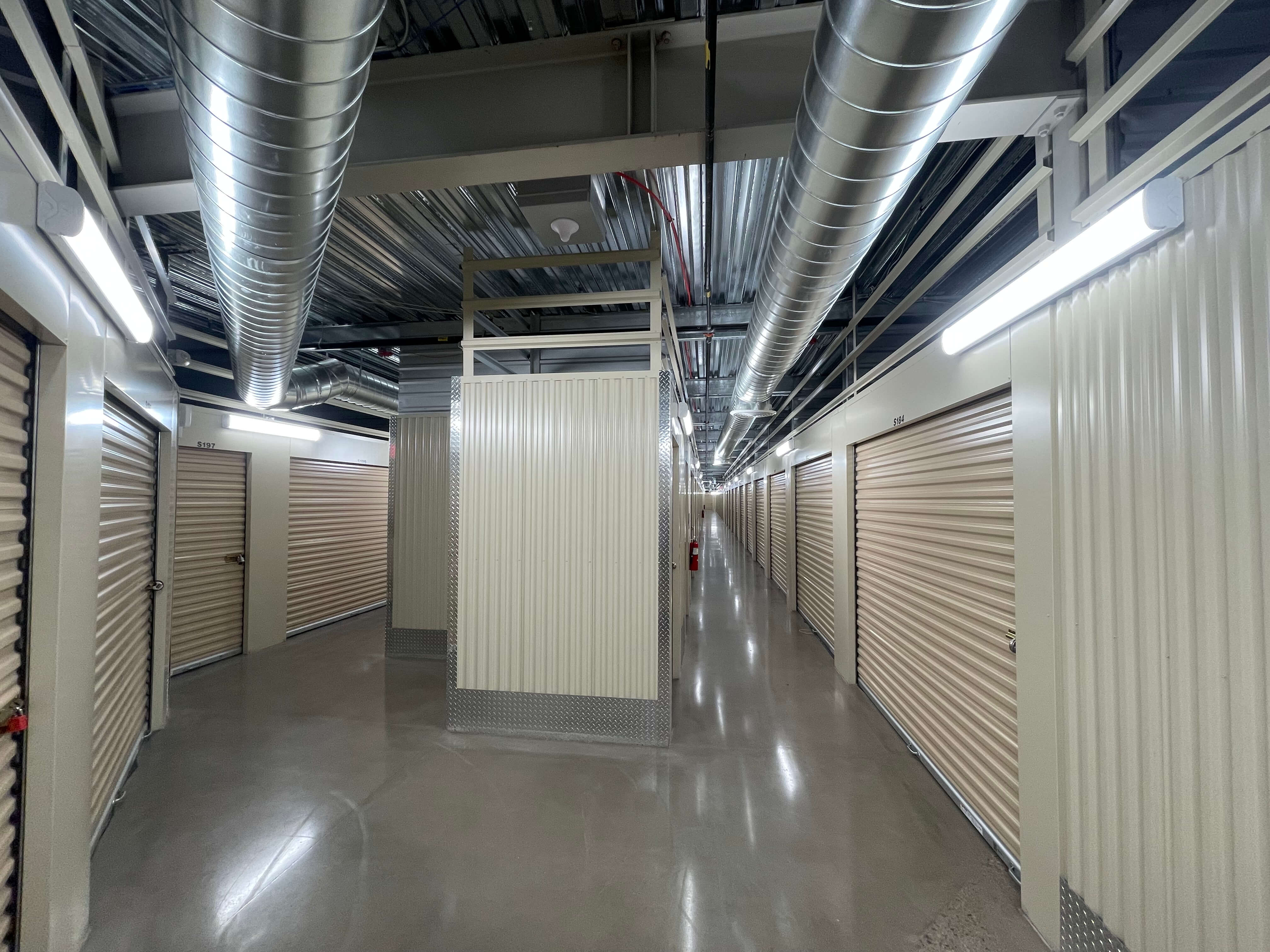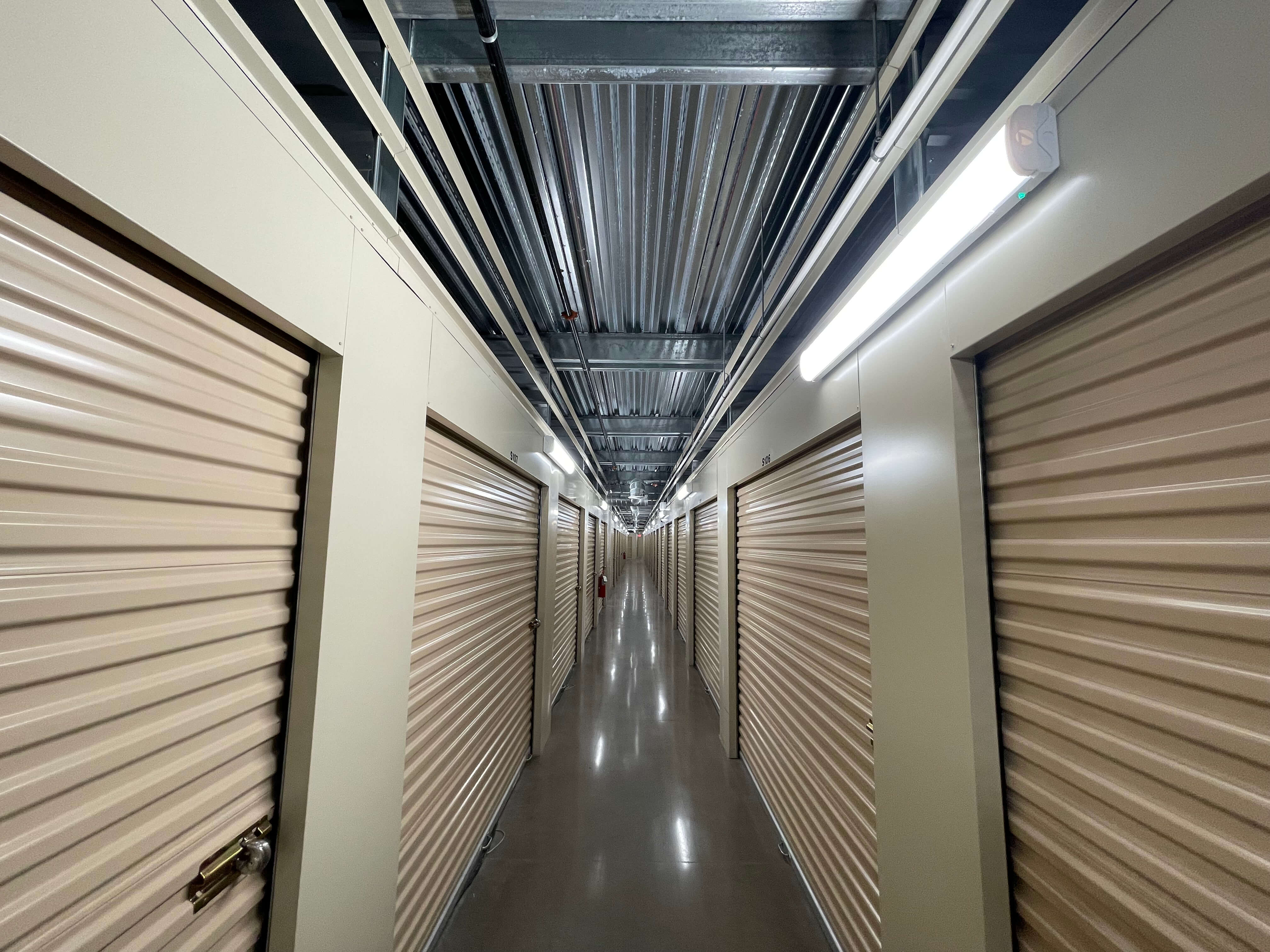
Organize Your Storage Room with Shelves, Bins, Hooks, Labels, and DIY Solutions

Keeping a storage room organized can feel like an endless challenge, especially when life fills every corner with items you need but don’t use daily. Whether you are managing a garage, basement, closet, pantry, home office, or a dedicated storage unit, having a functional system is key. At McDowell Mountain Community Storage, we understand the struggle of cluttered spaces and offer practical solutions for maximizing your storage space. Here’s a comprehensive guide to storage room organization with actionable ideas, expert tips, and simple DIY hacks to help you create a tidy, efficient, and accessible storage system.

Maximize Storage Room Space with Shelving and Containers

One of the most effective ways to organize a storage room is to arrange items to maximize vertical and horizontal space. Installing shelving units along walls, in corners, or even as freestanding pieces allows you to store something off the floor while keeping everything visible and within hand. Use a combination of bins, containers, and baskets to categorize your belongings, from clothes, kids’ items, and books to shoes, linens, and anything else in the house. This simple idea, combined with a few clever tricks, can transform a cluttered area into an organized, functional space. 

Tips for shelving efficiency:

  • Stack items strategically: Place heavier items at the bottom and lighter ones on top.
  • Use clear containers: This allows you to see everything at a glance without opening boxes.
  • Label bins and shelves: Always label containers to save time searching for a specific item.
  • Adjustable shelving units: They give flexibility to accommodate different sizes of items as your storage needs change.

Categorize and Sort Items for Easy Access

A cluttered storage room often results from everything being thrown into one area. To fix this, categorize items by type, use, or season. There are several ways to compact your belongings and reduce clutter. For example, keep seasonal decorations, coats, or baby clothes in separate bins or shelves, and tackle some items one step at a time. Create sections in your basement, garage, or closet for toys, office supplies, kitchen tools, and furniture, using cabinet space when possible. Avoid letting a pile of items accumulate—this helps owners maintain the storage room of their dreams. 

Effective categorization methods:

  • By frequency of use: Store daily-use items at eye level and less-used goods on top shelves or corners.
  • By type or room: Group clothes, linens, and shoes in one section and tools, files, and projects in another.
  • By season: Keep winter clothes, holiday decorations, or summer gear in labeled containers or vacuum-sealed bags to save space.

Declutter Before Organizing

Before you organize shelves, bins, or containers, it’s crucial to focus on decluttering your home fast. Many people struggle to maintain order because they keep unnecessary items. A thorough declutter helps free space and makes the organization process smoother. In this blog post, we share tips that are just one of the many strategies used around the world to keep storage rooms tidy and efficient. 

Decluttering tips:

  • One room at a time: Tackle the garage, basement, or closet one section at a time to prevent feeling overwhelmed.
  • Keep, donate, discard: Sort everything into these three categories.
  • Be honest: If you haven’t used an item in the past year, likely, you don’t need it.
  • Handle duplicates carefully: Many people store a bunch of similar items that could be downsized or combined.

Use Storage Bins, Containers, and Baskets Wisely

Storage bins and containers are essential for keeping your storage room neat. They allow you to store a lot of items compactly while protecting them from dust, moisture, and damage. Baskets and open containers are perfect for items you want easy access to, like toys, office supplies, or kitchen accessories.

Bin organization strategies:

  • Label everything: Label the bins with contents and location.
  • Color code: Use different colored containers for categories like office supplies, toys, or seasonal clothes.
  • Use uniform bins: Stackable, uniform containers maximize space and create a tidy appearance.
  • Transparent options: Clear bins make it easy to see stuff without opening every container.

Utilize Wall and Door Spaces

When floor and shelf space are limited, walls and doors become valuable storage areas. Installing hooks, pegboards, or hanging racks allows you to store items efficiently while keeping them accessible. This method works particularly well for coats, tools, sports equipment, and bags.

Practical wall and door hacks:

  • Hooks for coats and bags: Install near entryways or inside closet doors.
  • Pegboards: Ideal for organizing tools, office supplies, and craft materials.
  • Over-the-door racks Are Great for storing shoes, accessories, or cleaning supplies.
  • Corner shelves: Maximize underused corners with vertical shelving.

Create a DIY Shelving System

Building your own shelving unit can be a fun DIY project that fits your space perfectly. You can customize dimensions, materials, and design to match your storage needs.

DIY shelving ideas:

  • Wooden shelves with brackets: Affordable and sturdy for books, bins, and decor items.
  • Crate shelving units: Stack crates for a versatile, modular system.
  • Metal shelving racks: Ideal for garages, basements, or heavy storage.
  • Floating shelves: Perfect for display items or lightweight goods.

Organize by Room for a Systematic Approach

Each room in your home has unique storage needs. A systematic approach ensures that every item has a dedicated spot, making your storage space functional and streamlined.

Room-specific strategies:

  • Garage: Use a combination of shelving, hooks, and bins for tools, sports gear, and seasonal equipment.
  • Basement: Focus on heavy storage bins, shelving units, and stackable containers for project materials, furniture, and bulk goods.
  • Home office: Utilize cabinets, files, and storage containers to organize documents, office supplies, and electronics.
  • Closets: Fold, hang, and categorize clothes, shoes, and accessories efficiently using containers and shelving.
  • Kitchen or pantry: Store spices, dry goods, and kitchen supplies in labeled containers or baskets to keep everything tidy.

Implement an Efficient Labeling System

Organize and label stored boxes properly to maximize efficiency, as labels are one of the most essential tools for storage organization. They help everyone in the family know where things belong, making it easier to access items quickly. 

Labeling tips:

  • Use large, readable fonts, especially on bins stored on high shelves.
  • Label all sides: Useful for stacked containers.
  • Include contents and date: Helps with seasonal or project-based items.
  • Color-coded labels: Quickly distinguish between types of items.

Maximize Closet and Storage Unit Efficiency

Closets and storage units are often underutilized. You can make the most of these spaces by using shelving, bins, hooks, and hanging organizers. This allows you to store a lot without clutter and keeps your items accessible.

Tips for closets and storage units:

  • Double hanging rods: Hang more clothes in limited vertical space.
  • Shelf dividers: Keep linens, blankets, or clothes organized.
  • Vacuum-sealed bags Are Used to store seasonal clothes or bulky items.
  • Rolling bins: For easy access to toys or supplies.

Efficiently Store Seasonal Items and Projects

Seasonal items, baby supplies, or long-term projects often take up valuable space. Proper organization ensures they are protected and accessible when needed.

Strategies for seasonal storage:

  • Top shelves: Store holiday decorations or winter gear on higher shelves.
  • Dedicated containers: Use labeled bins for each season.
  • Project bins: Keep materials for DIY projects or crafts in a single container.
  • Rotation system: Rotate items based on seasonal use, keeping frequently used goods within easy reach.
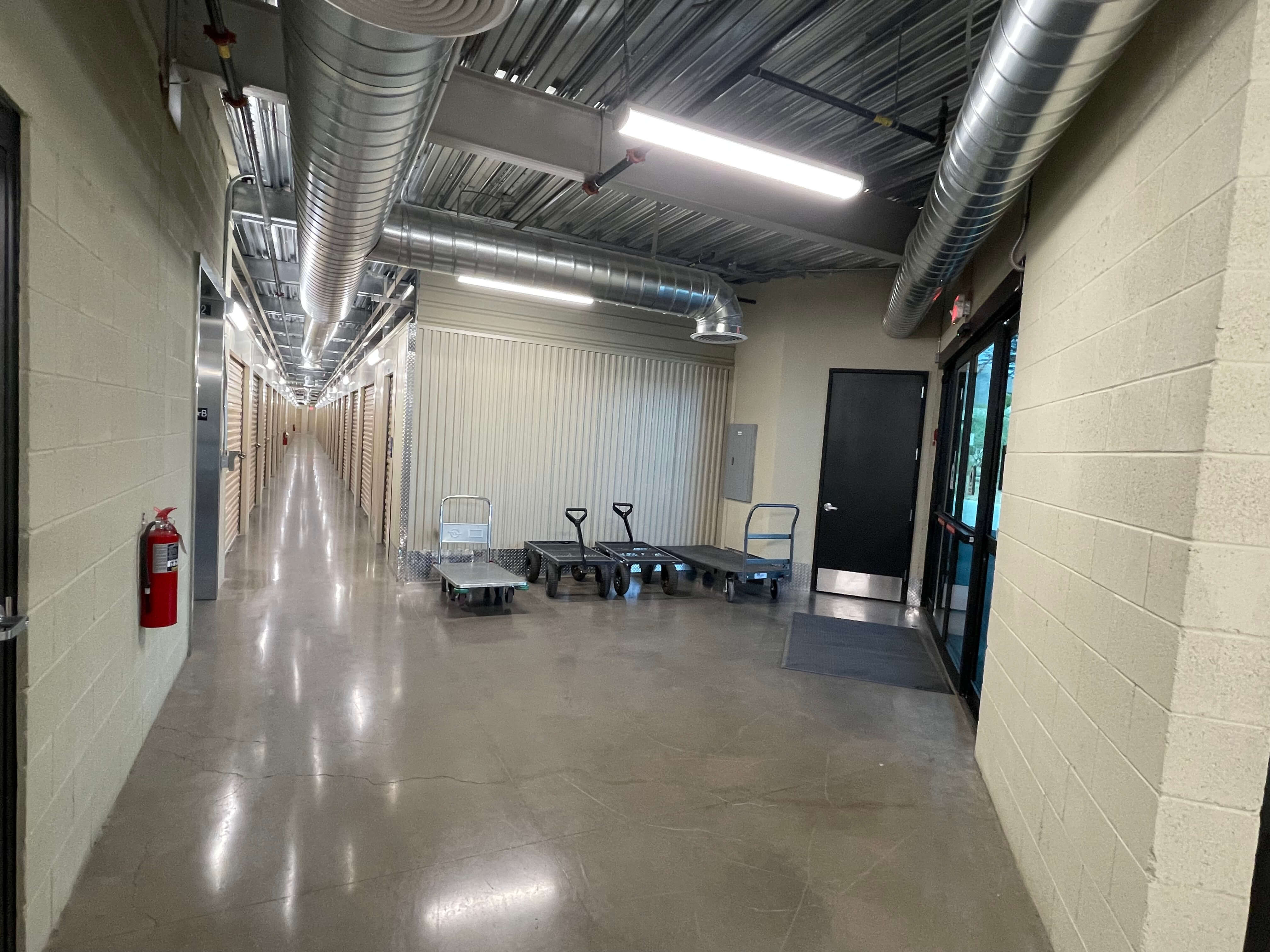
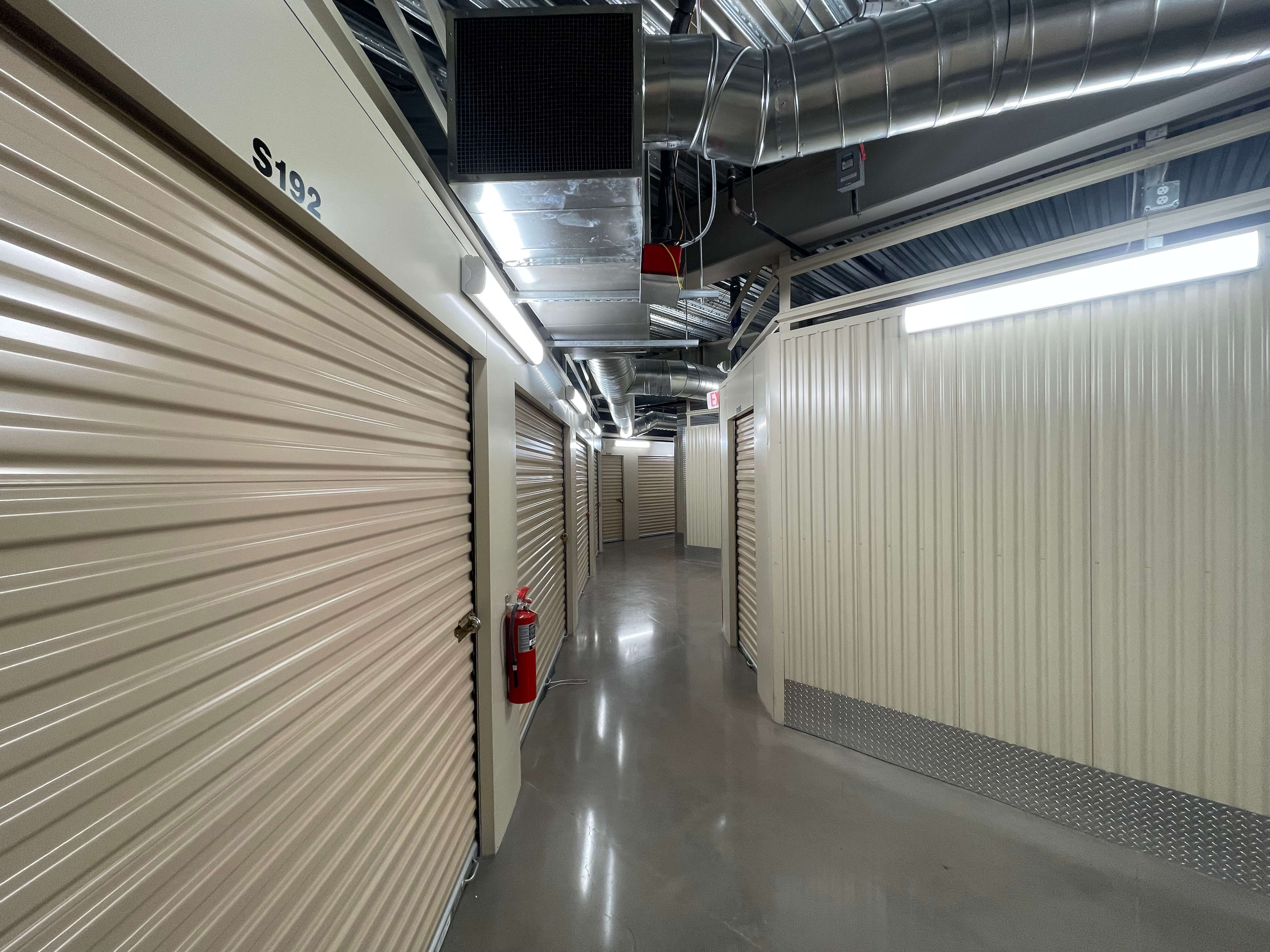
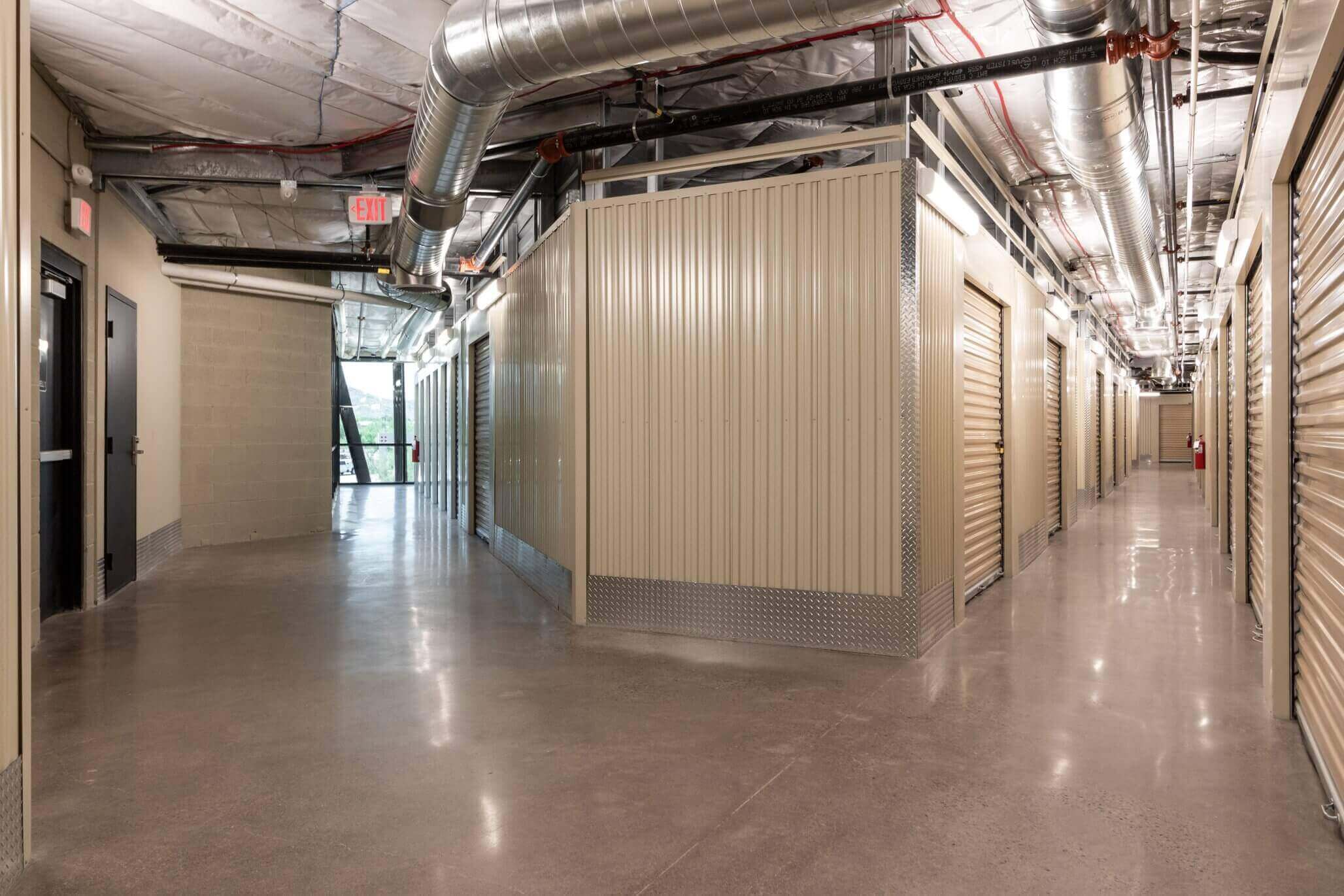
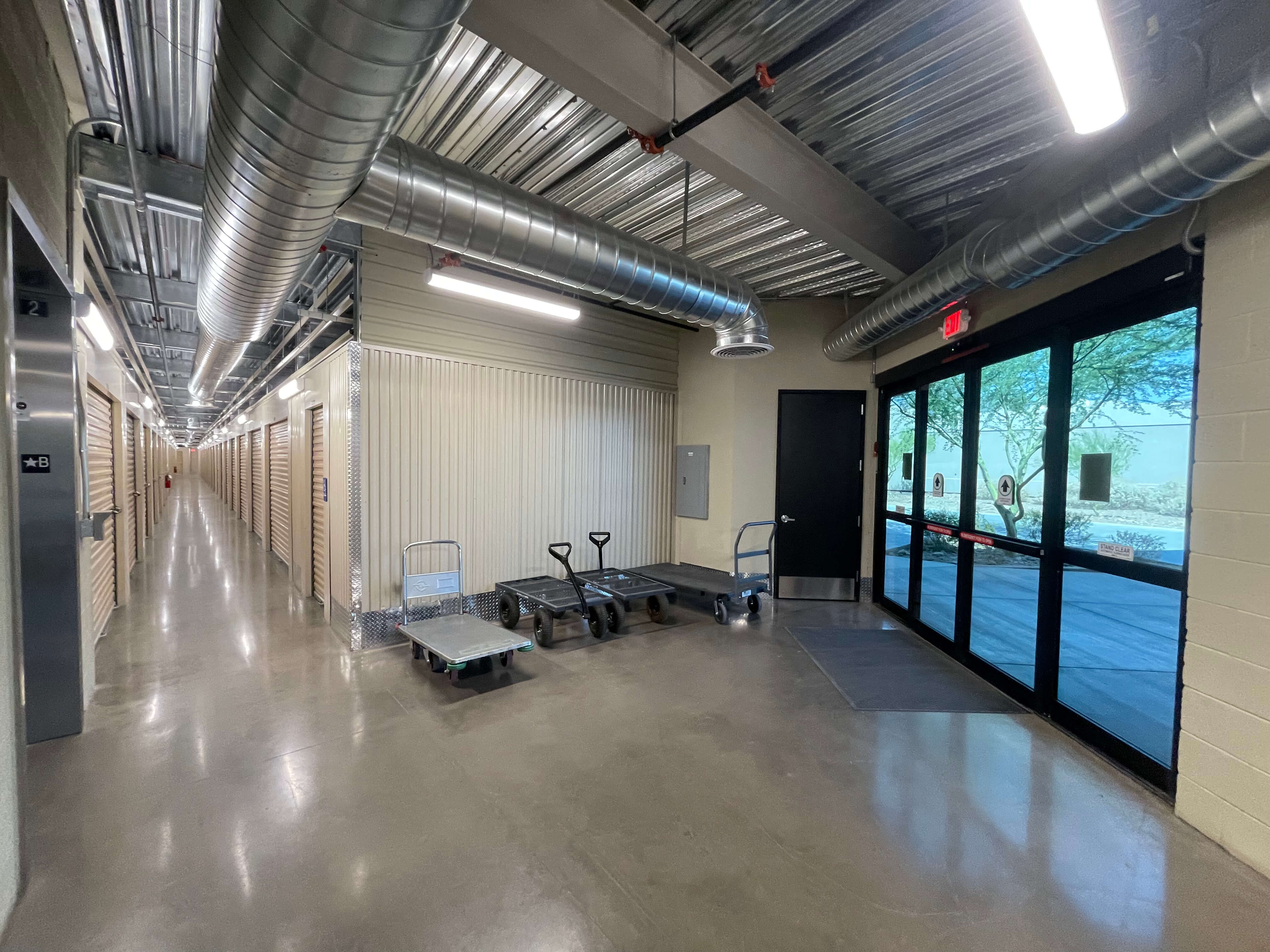
A well organized storage room with shelves bins labeled containers and hooks at McDowell Mountain Community Storage in Scottsdale Arizona
Organize your storage room efficiently using shelves bins hooks and labels at McDowell Mountain Community Storage in Scottsdale Arizona

Use Hooks, Racks, and Side Storage for Small Spaces

Small storage rooms benefit from creative solutions like hooks, racks, or side wall storage. This is especially useful for tools, kitchen utensils, or baby supplies.

Creative small-space solutions:

  • Magnetic strips: Store metal tools or kitchen knives safely.
  • Hanging baskets: Perfect for toys, linens, or office supplies.
  • Wall-mounted racks: Keep coats, shoes, or bags off the floor.
  • Corner shelves: Utilize often-forgotten spaces efficiently.

Optimize Storage Room Layout for Accessibility

The layout of your storage room can make a huge difference. A well-thought-out plan ensures easy access, safety, and efficient use of space.

Layout strategies:

  • Pathways: Keep aisles clear for easy access.
  • Zones: Create zones for clothes, tools, kids’ toys, or office supplies.
  • Frequently used items at eye level: Avoid bending or reaching for items used daily.
  • Heaviest items on the bottom: Prevent accidents and maximize safety.

Maintain Organization Over Time

Organization is not a one-time project. Maintaining order ensures your storage room stays tidy and functional.

Maintenance tips:

  • Monthly check-ins: Review bins and shelves to remove clutter.
  • Seasonal rotation: Switch out seasonal items for easy access.
  • Family involvement: Encourage everyone to return items to their spot.
  • Quick cleanups: Use containers, baskets, and labels to keep everything organized.

Add Style and Inspiration to Storage

A well-organized storage room can also be stylish. By incorporating decorative bins, shelving units, and baskets, you can turn a purely functional space into an inspiring area.

Styling tips:

  • Uniform containers: Give a cohesive look.
  • Matching labels: Adds a neat, professional touch.
  • Decorative baskets: Store linens, toys, or accessories stylishly.
  • Incorporate color and design: Make the space enjoyable to use.

Final Thoughts on Storage Room Organization

Organizing a storage room doesn’t have to be overwhelming. By using the proper shelving, bins, containers, hooks, and labels, you can maximize space, streamline access, and keep everything neat. Whether it’s your basement, garage, closet, home office, or storage unit at McDowell Mountain Community Storage, the strategies outlined here provide a comprehensive roadmap to a more organized life. DIY projects, seasonal rotations, and clever use of wall and door space ensure your storage system is functional, efficient, and adaptable. 

With the right tips, ideas, and hacks, every item, from books and toys to clothes and project supplies, can have a dedicated spot. A well-organized storage room not only reduces clutter but also makes your home more enjoyable and stress-free. By implementing these strategies, you’ll create a storage system that works for your family, lifestyle, and future projects, turning chaotic storage rooms into dream spaces that maximize utility and minimize clutter.

Frequently Asked Questions (FAQs) About Storage Room Organization

1. What is the best flooring for a storage room to prevent moisture damage?

Use moisture-resistant flooring like vinyl, sealed concrete, or laminate with water-resistant backing. Adding a rug or mat in areas prone to spills or leaks can also help protect items, especially if storing clothes, linens, or paper-based goods.

2. How can I organize fragile or valuable items safely in a storage room?

Store fragile items in padded boxes or containers lined with bubble wrap, foam, or old linens. Label these containers clearly and place them on the middle or top shelves to prevent crushing. Avoid stacking heavy items on top of fragile ones.

3. What lighting solutions work best for storage rooms or closets?

LED strip lights, motion-sensor lights, or bright overhead fixtures work well. Motion-sensor lights are handy for closets or garages where you need instant visibility without fumbling for switches.

4. How can I make a small storage room feel less cramped and more accessible?

Use vertical storage, such as tall shelving units and wall-mounted hooks, to free up floor space. Clear bins and uniform containers create a visually tidy space. Also, keep pathways clear and designate zones for specific types of items.

5. Are there eco-friendly storage containers or materials I can use?

Yes! Look for containers made from recycled plastic, bamboo baskets, or wooden crates. Reusable fabric bins and cardboard boxes from sustainable sources are also good options, especially for seasonal or lightweight items.

6. How often should I review and reorganize my storage system?

A good rule of thumb is every 3–6 months. Seasonal rotations, new purchases, or completed projects are good opportunities to reassess your bins, shelves, and labels to maintain order and efficiency.

7. What’s the best way to store electronic equipment or cables to avoid tangling or damage?

Use cable ties, Velcro straps, or small labeled containers for cords. Store electronics in protective cases or padded bins. Keep heavier devices on low shelves to prevent falls, and avoid stacking them under heavy items.

8. How can I create a kid-friendly storage area in a shared space?

Use open bins, low shelves, and labeled baskets for toys, books, and art supplies. Bright colors, clear labels, and accessible hooks help kids learn to put items back, making cleanup easier and encouraging independence.

9. Can I use furniture or multi-purpose pieces to add storage in small rooms?

Absolutely! Storage ottomans, benches with compartments, or beds with under-storage drawers are excellent ways to maximize space while keeping items hidden and accessible. Cabinets with adjustable shelves are also versatile.

10. What security measures should I consider for valuable items in a storage unit?

Use a lock approved by the storage facility, and consider insurance for high-value items. Keep fragile or sensitive items in opaque containers to prevent them from being easily seen, and avoid storing cash or extremely valuable electronics without extra precautions.

Declutter by Sorting, Simplifying, and Organizing Your Home Efficiently

Decluttering your home can feel like a mountain to climb, especially when life, family, and daily tasks already demand so much time. A person may encounter numerous piles of paper scattered across different rooms, or kitchen cabinets filled with items that no longer serve a purpose. But with the proper process, you can minimize the mess, arrange belongings in order, and prioritize what truly matters. This guide provides proven steps, tips, and ways to clear the clutter, recycle what you no longer need, and organize efficiently, so homes become more functional and stress-free. Whether it’s tackling one part of a room, a single drawer, a pile of items, or your entire house, you’ll learn how to streamline, simplify, and optimize your space for long-term order. 

The Importance of Decluttering for a Healthier Home

Clutter isn’t just about piles of stuff taking up space—it impacts your entire life. Messy rooms create stress, limit productivity, and make even simple tasks harder. Studies show that clutter increases cortisol (the stress hormone), reduces focus, and even affects sleep quality.

Decluttering your house helps you:

  • Create more functional spaces for family activities.
  • Reduce time wasted searching for lost items.
  • Improve mental clarity by removing visual distractions.
  • Free up areas for storage, furniture, and efficient movement.

A clutter-free environment also makes your home more inviting for friends and visitors. Taking one step at a time helps you manage tasks from top to bottom without stress. A simple tip is to place baskets by the sofa to keep blankets and magazines organized. Another tip is to handle small appliances right after use so they don’t sit out on counters. These little actions prevent clutter from spreading and keep each part of the house looking fresh and functional.

The front entry also benefits from order since it’s the first area guests see. Recycling bins placed nearby remind everyone to sort items responsibly, and even dedicating a bit of effort each day keeps the space tidy. When every section of the home feels intentional, you’ll feel proud to welcome family and visitors. In short, decluttering is more than tidying—it’s about building a system that supports a better lifestyle.

Preparing for an Efficient Decluttering Process

Before tackling drawers, closets, or cabinets, preparation is key. Going in without a plan often leads to bigger piles and half-finished projects. Use these steps:

  1. Set a clear purpose – Decide whether you want to reclaim space, downsize, or make your home easier to manage.
  2. Break it into sections – Work on one room, one closet, or even one drawer at a time.
  3. Gather supplies – Bins, baskets, boxes, trash bags, and labels are essential for sorting items.
  4. Schedule time – Plan realistic blocks of time to focus without interruption. Even 15–20 minutes a day can lead to steady progress.

Another helpful strategy is to set up a “staging area,” such as the dining room table or a section of the floor, where you can sort piles before putting items away. This prevents the common problem of simply shifting lots of clutter from one place to another without progress. Keeping in mind that every item needs a destination, you can decide whether it belongs in storage, recycling, or somewhere specific, like a linen closet.

With a method and checklist in place, you can approach decluttering as a project rather than an overwhelming task. The goal is to simplify the process so your mind feels clear, your home feels organized, and every space has its purpose.

Decluttering Every Room with Purpose

Each space in your house comes with unique challenges. The key is to apply the same decluttering rule—keep only what you need, use, or love—but adapt methods to suit the room.

Living Room: Streamlining Common Areas

The living room often collects everything from books and toys to coffee table clutter. Start by:

  • Clearing surfaces like sofas, tables, and shelves.
  • Sorting items into categories: décor, electronics, books, toys.
  • Donating or discarding pieces that don’t serve a purpose.
  • Using baskets for remote controls, bins for toys, and organizers for magazines.

This creates a welcoming space for friends and family while reducing stress.

If your living room has limited storage, consider multifunctional furniture, such as ottomans with hidden compartments or side tables with built-in shelves. These solutions keep necessary items nearby without letting piles take over surfaces.

Kitchen: Organizing Cabinets and Pantry

The kitchen is one of the busiest rooms in any home, but also one of the easiest to declutter with the correct method.

  • Empty cabinets and drawers one section at a time.
  • Group items by category—appliances, utensils, food storage.
  • Discard expired food, recycle empty containers, and donate duplicates.
  • Use clear bins for pantry items, labels for shelves, and dividers for drawers.

Small habits keep the kitchen clutter-free. For example, adopt a “clean as you go” rule when cooking. Putting utensils back, wiping surfaces, and discarding packaging right away prevents mess from building up.

A streamlined kitchen saves time when cooking, reduces food waste, and makes cleanup faster.

Bedrooms: Creating Restful Spaces

Bedrooms should be a place for rest, not piles of clothes and clutter. To create order:

  • Start with the closet and dresser drawers—sort clothes by season, size, and use.
  • Donate items that no longer fit or haven’t been worn in a year.
  • Use bins for shoes, baskets for accessories, and labels for storage boxes.
  • Keep surfaces like nightstands clear, limiting items to essentials.

If you share a bedroom with a partner, agree on rules for what stays visible and what goes into drawers or closets. A clear system avoids arguments and ensures both people feel comfortable in the space. One practical habit is to organize and label stored boxes properly to maximize efficiency, especially for seasonal clothes, shoes, or personal items that don’t need to stay out year-round.

A tidy bedroom improves sleep quality and makes morning routines more efficient by reducing the time spent searching for things. When storage is managed thoughtfully, every part of the room feels balanced and clutter-free.

Bathroom: Clearing Cabinets and Shelves

Bathrooms often hide forgotten items behind cabinets and linen closets. Steps to declutter include:

  • Removing everything from shelves, drawers, and the medicine cabinet.
  • Discarding expired medications, old toiletries, and duplicate items.
  • Use clear organizers for daily essentials.
  • Assign categories such as skincare, haircare, and cleaning supplies.

Adding hooks behind the door or baskets under the sink can maximize storage in small bathrooms. A system for towels, toiletries, and cleaning products prevents clutter from sneaking back in.

Entryway: Creating Functional First Impressions

Entryways often become dumping grounds for shoes, bags, and random stuff. To simplify this high-traffic area:

  • Use a shoe rack or baskets for footwear.
  • Install hooks or a cabinet for coats and bags.
  • Create a designated bin for keys, mail, and small items.
  • Keep surfaces clear to avoid piles building up.

You can also set a household rule: everything coming through the door must either go into storage, into the trash, or into its assigned spot. This prevents clutter from spreading into the rest of the home.

Closets: Maximizing Storage Potential

Closets are prime areas for clutter buildup, but they also hold the most significant potential for efficiency.

  • Empty everything and categorize items: clothes, shoes, accessories.
  • Purge what doesn’t fit, doesn’t suit your style, or duplicates something else.
  • Use bins for off-season items, labeled boxes for accessories, and space-saving hangers.
  • Install shelves or organizers to maximize vertical space.

A helpful trick is the “hanger test”: hang all clothes with hangers facing backward. After wearing something, turn the hanger forward. After six months, donate anything still on backward hangers.

Closets become functional spaces rather than hidden storage areas when properly arranged.

Kids’ Rooms: Simplifying with Systems

Children’s rooms can quickly become cluttered with toys, clothes, and school supplies. To manage effectively:

  • Sort toys into categories and use labeled bins.
  • Teach kids simple habits like putting toys back after use.
  • Rotate toys to keep the space fresh without overwhelming piles.
  • Use baskets, drawers, and shelves to give every item a spot.

Involving kids in the decluttering process also teaches responsibility. Let them choose which toys to donate—explaining that others will benefit helps children feel positive about letting go.

Garage and Storage Spaces: Managing Overflow

Garages, basements, and attic areas often become dumping grounds for items that have nowhere else to go. To take control, consider practical garage storage ideas for a more organized space and tackle these areas like any other room:

  • Remove everything and sort into piles: keep, donate, discard.
  • Use sturdy bins for long-term storage.
  • Label boxes clearly to avoid forgotten contents.
  • Recycle or donate items that haven’t been used in years.

If you have bulky seasonal items like holiday decorations or sports gear, keep them in clear plastic bins so you can see the contents without opening every box. For items that don’t fit in the home but are still important—seasonal gear, furniture, or memorabilia—consider a community storage facility.

Proven Decluttering Methods for Lasting Results

There’s no single best way to declutter. Choose a method that matches your style, schedule, and household needs.

  • The Four-Box Method – Label boxes: Keep, Donate, Trash, Relocate. Place each item into a category as you work through rooms.
  • The One-Minute Rule – If something takes less than a minute to put away, do it immediately.
  • The KonMari Method – Keep only items that “spark joy.”
  • The Minimalist Approach – Reduce everything to essentials, streamlining possessions to the absolute necessities.

Some people benefit from hybrid approaches, such as combining the Four-Box Method with the One-Minute Rule for quick wins while still handling larger categories.

Tools and Organizers That Make Decluttering Easier

Investing in the right organizers saves time and space. Useful tools include:

  • Bins and Baskets – Ideal for toys, shoes, and miscellaneous items.
  • Labels – Help everyone in the household know where things belong.
  • Shelves and Dividers – Maximize vertical and drawer space.
  • Cabinets and Furniture with Storage – Keep surfaces clear while offering hidden organization.

When selecting organizers, choose neutral colors and simple designs that blend with your home décor. This makes the system visually pleasing and encourages everyone to use it consistently.

Creating Habits for a Clutter-Free Lifestyle

Decluttering once isn’t enough—you need habits to maintain progress. Adopt these daily and weekly routines:

  • Put things back immediately after use.
  • Keep a small bin for donations and add items regularly.
  • Tidy-up surfaces at the end of each day.
  • Schedule seasonal decluttering sessions to reset closets and storage.

Creating a household checklist helps hold everyone accountable. For example, kids can have a simple “room reset” routine before bed, while adults can manage shared spaces like the living room and kitchen.

Consistency prevents clutter from building back up.

Using Community Storage Solutions Effectively 

Home decluttering and room organization with McDowell Mountain Community Storage in Scottsdale Arizona
McDowell Mountain Community Storage supports Scottsdale Arizona homeowners with step by step tips to declutter and organize spaces efficiently.

Sometimes, you need extra space for items you can’t keep at home but don’t want to discard. Community storage offers:

  • A safe place for seasonal decorations, sports equipment, or bulky furniture.
  • Extra space when downsizing, renovating, or moving.
  • A way to keep keepsakes and important belongings secure without crowding your living areas.

At McDowell Mountain Community Storage, we provide clean, secure, and accessible storage units that help families balance home organization with life’s demands. Whether you need short-term solutions during a move or long-term storage for treasured belongings, we offer flexible options to fit your needs.

Final Thoughts: Building Efficiency Through Decluttering

Decluttering your home doesn’t have to feel overwhelming. By breaking tasks into steps, using proven methods, and incorporating bins, boxes, and organizers, you can transform your house into an efficient, peaceful space.

The process is about more than discarding things—it’s about creating a system that supports your life, reduces stress, and gives every item a place. And when your closets, cabinets, and rooms can’t hold everything, community storage offers a reliable way to keep what matters most.

With the right mindset, tips, and consistent habits, you’ll find decluttering isn’t a one-time project but an ongoing lifestyle shift that benefits everyone in the home.

Frequently Asked Questions

1. How do I start decluttering if I feel completely overwhelmed?

Start small. Choose one drawer, shelf, or surface and complete that area before moving on. Focusing on a single section helps build momentum without feeling paralyzed by the entire house.

2. What should I do with sentimental items I don’t use but don’t want to throw away?

Designate a small box or bin for sentimental items and set limits on how much you keep. If something holds value but doesn’t need to stay in your daily space, consider placing it in a labeled storage container or community storage unit.

3. How often should I declutter my home to keep it under control?

A seasonal reset works best for most families—every 3–4 months. Quick daily or weekly tidy-ups help prevent clutter from piling up between major sessions.

4. How do I get kids involved in the decluttering process?

Make decluttering fun by turning it into a game—set timers, use color-coded bins, or let them choose items to donate. Teaching kids to categorize toys or clothes helps them build lifelong organization habits.

5. Should I sell, donate, or recycle items I no longer need?

It depends on the item. If it’s in good condition and valuable, selling may be worthwhile. Everyday household goods can often be donated, while paper, plastics, and electronics should go through recycling channels to reduce waste.

6. How do I keep clutter from building up again after I’ve decluttered?

Establish routines such as the “one in, one out” rule—when something new comes in, an old item goes out. Create permanent spots for everyday essentials, and keep a donation box handy for things you no longer need.

7. What’s the best way to handle paper clutter like bills, mail, and receipts?

Sort paper immediately at the front door or entryway. Keep a recycling bin nearby, use a filing system for important documents, and consider scanning receipts or statements to reduce physical piles.

8. How do I declutter small spaces like apartments or condos?

Use vertical storage such as shelves, hooks, and wall organizers. Multipurpose furniture—like ottomans with hidden storage or beds with drawers underneath—helps maximize space without adding clutter.

9. Is it better to declutter room by room or category by category?

Both methods work, but choose based on your personality. Room-by-room offers visible progress, while category-by-category (like clothing or books) helps you see how much you own and avoid duplicates.

10. When should I consider using community storage instead of keeping everything at home?

Use storage for items that are important but not needed daily, such as seasonal decorations, sports gear, extra furniture, or memorabilia. This prevents your home from becoming overcrowded while still keeping belongings safe and accessible.

Bedroom Storage Ideas with Style and Functionality

Creating a functional, stylish, and organized bedroom doesn’t have to be complicated. With the right bedroom storage ideas, you can transform your space into a peaceful haven that meets your everyday needs. At McDowell Mountain Community Storage, we understand how essential space, storage, and thoughtful design are when managing your home, especially when it comes to making your bedrooms more efficient. From maximizing closet space, improving sight lines, and placing key items within reach to incorporating practical seating and clever storage for all your daily essentials, every thoughtful addition makes a difference in keeping your space feeling open and clutter-free. 

Whether you’re looking to reduce clutter, optimize floor space, or express your unique aesthetic, this guide covers everything — from essential furniture pieces and clever organization solutions to smart storage compartments and functionality tips. We’ll explore the best products, the most effective setups, innovative shelving techniques, popular styles, versatile dressers, and how to utilize different areas in your room. From functional ottomans to creative idea boards and organized spaces for toys, you’ll find practical solutions that suit every lifestyle.

The Modern Bedroom: Blending Style and Practicality

Your bedroom is more than just a place to sleep. It’s a personal retreat — a place to relax, read, and recharge. That’s why the right style, functionality, and storage matter. Whether you’re adding a rolling cart for convenience, updating just one piece of furniture, or looking to enhance the overall appeal of your space, there’s always something you can do to make it better. Well-chosen accents, thoughtful details on each side of the room, and even optimizing your bathroom-adjacent storage contribute to a balanced space. Great bedroom storage solutions not only impress visitors but also make your day-to-day life smoother and more enjoyable.

Start with your bed and expand from there. From shelves above the headboard to under-bed drawers and bins for blankets, every piece can serve a purpose. Choose dual-purpose furniture, such as an ottoman with hidden compartments or a dresser that doubles as a TV stand. Take inspiration from other areas of the home — even your living room — where benches, layered home decor, and multifunctional storage come together effortlessly. Keep frequently used items close at hand, and let both form and function guide your bedroom layout. 

Stylish nightstands, thoughtful accessories, and smart drawers can elevate your bedroom storage ideas while providing easy access to daily essentials, such as socks, towels, or books. Add a lamp for cozy evening lighting, and consider integrating a desk, bedside tables, or a compact cart to keep everything organized. Incorporate built-ins or a freestanding bookcase to display photos, your favorite collection, or even a personal library. Need space for toys or hobby items? Utilize versatile bookcases or labeled storage cabinets to maintain a tidy space. Don’t forget your mattresses—storage-friendly bed bases are a brilliant idea. Whether you choose one signature piece or combine some clever options, every choice should reflect your lifestyle and enhance the overall appeal of your retreat. Consider adding vertical rods for hanging accessories and using color accents to tie the whole space together. With plenty of ways to personalize and something for every taste, stylish bedroom storage is well within reach.

Declutter Your Room with Smart Storage Options

Clutter is the enemy of peace, and a clutter-free bedroom begins with organization. Keep clothing tucked neatly in cabinets or armoires. Use baskets or bins to group small items, such as jewelry, mirror accessories, or makeup.

Don’t overlook the nightstand — a sleek platform for books, lamps, or a glass of water. Select units with drawers or shelves for added storage without occupying extra floor space.

Need more ideas? Here are some stylish and functional solutions:

  • Closet upgrades: install double rods, add hooks or sliding doors
  • Underbed storage: great for seasonal clothes or shoes
  • Stackable carts or storage benches for multi-use needs
  • Wall-mounted shelves for display pieces

At McDowell Mountain Community Storage, we offer affordable units for overflow belongings, off-season wardrobes, or even complete room makeovers.

Maximize Every Inch of Bedroom Space

Living in a small apartment or trying to share a room? You can still achieve a clean and cozy environment with innovative storage solutions.

Modular and Multi-Use Furniture

Modular furniture pieces can adapt to your changing needs. Try sectionals, fold-away beds, or sofas that convert into guest bedding. Add a storage bench at the foot of the bed or a bookcase that doubles as a room divider.

Space-Saving Tricks

  • Use vertical space with tall bookshelves
  • Add corner shelves to unused wall space
  • Choose minimalist designs with hidden compartments
  • Use drawer dividers to sort undergarments, socks, or jewelry

Bedroom Zones: Organize with Purpose

Your bedroom should be a multifunctional space. Creating zones helps define usage and keeps everything organized:

  • Reading nook: Use a plush chair, soft pillows, and a lamp beside a bookshelf
  • Work zone: Add a compact desk, office supplies, and organizers
  • Wardrobe area: Designate a closet space with drawers, racks, and a mirror

The layout of your room matters. A bright arrangement doubles storage without sacrificing comfort. Don’t forget to leave plenty of room for movement and relaxation.

Bedroom Storage Essentials: A Checklist

From your bed to your closet, here’s a quick checklist of essential bedroom storage ideas:

  • Baskets for throws and extra linens
  • Drawer dividers for organization
  • Hooks for jewelry or scarves
  • Shelves for books and decor
  • Wardrobe or armoire for clothing overflow
  • Underbed containers for rarely-used items
  • Built-ins for custom design solutions
  • Storage cabinets for long-term storage
  • Bedside tables for nighttime essentials

Looking for more space? Our off-site storage units offer climate control, secure access, and flexible leasing for items you don’t need every day.

Styling Your Storage: Interior Design with Function

Storage doesn’t mean sacrificing style. Keep your bedroom furniture consistent with your interior decor, and choose pieces that blend into your style — whether that’s modern, minimalist, or boho chic.

Use color and texture to define your style:

  • Earth tones for a calming retreat
  • Glossy white or black for a minimalist look
  • Wood finishes for a rustic, warm vibe

Choose furniture that balances practicality with beauty. A floating shelf, a sleek cabinet, or a vintage dresser can make your space feel intentional and curated.

Seasonal Storage and Furniture Flexibility

Storage is not static — your needs change with seasons, life events, or even new hobbies. Keep your bedroom storage adaptable with:

  • Rotating blankets, linens, and clothing
  • Storing out-of-season items off-site
  • Replacing furniture to match your current lifestyle

A dedicated storage account with McDowell Mountain Community Storage gives you the flexibility to store what you need when you need it. From boxes and cabinets to seasonal bedding, we help make more room in your home without losing touch with your personal space.

Advanced Storage Techniques for Ultimate Efficiency

If you’re ready to go all-in, here are some pro-level tricks to bring your storage game to the next level:

1. Go Vertical

Utilize wall space from floor to ceiling. Think floating shelves, hanging hooks, and overhead cabinets. Even your door can become a place to hang robes, bags, or organizers.

2. Maximize Compartments

Compartmentalize drawers with trays or inserts. Label bins and boxes for quick access. Break down large spaces into smaller compartments to eliminate clutter.

3. Use Doubles

Choose items that perform double-duty: an ottoman that stores bedding, a bench with cubbies, or a desk that becomes a vanity. These solutions maximize practicality and save valuable floor space.

Personalized Storage for Every Lifestyle

Bedroom with efficient storage furniture and layout created by McDowell Mountain Community Storage in Scottsdale Arizona
Maximize your bedroom space with multifunctional furniture and storage designs from McDowell Mountain Community Storage in Scottsdale Arizona

Your home should work for your life, not the other way around. Whether you live in a city apartment or a family house, everyone can benefit from better bedroom storage ideas.

Need a space for books, photos, or your growing collection? Want a quiet library area? Looking for privacy choices in a shared room? There’s a solution for that.

Here are a few lifestyle-based tips:

  • Students: Use cube storage, rolling carts, and compact desks
  • Families: Invest in toy-friendly bookcases, deep drawers, and organizers
  • Professionals: Add stylish armoires, label office supplies, and use furniture pieces that offer built-in storage cabinets

Why Storage Units Help Simplify Life

Sometimes, your home can’t hold it all. That’s where McDowell Mountain Community Storage comes in. We offer short-term and long-term storage units tailored to meet every need. Whether you’re rotating decor, storing mattresses, or keeping your home office tidy, our units are:

What size unit do you need? Check out our Storage Unit Size Guide, or talk to our team for a personalized recommendation.

The Bottom Line

A well-organized bedroom promotes better sleep, reduced stress, and increased joy. By utilizing bright bedroom storage ideas, incorporating stylish furniture, and implementing a few creative solutions, you can transform your room into a space that is both comfortable, efficient, and beautiful.

If your needs exceed your available space, McDowell Mountain Community Storage is here to help with affordable, flexible storage units near you.

Remember, it’s not about having less — it’s about having what you need, where you need it, and loving the way it looks.

Frequently Asked Questions

1. What are the best bedroom storage ideas for renters who can’t make permanent changes?

Many renters require non-permanent storage solutions, such as over-the-door organizers, freestanding shelves, rolling carts, and under-bed containers, that don’t damage walls or require drilling.

2. How can I add storage to a small bedroom without making it feel cramped?

Look for slim-profile furniture, wall-mounted shelves, and vertical storage. Multifunctional pieces, such as beds with drawers or floating nightstands, can save floor space.

3. Are there eco-friendly bedroom storage solutions available?

Yes, consider bamboo shelving, reclaimed wood dressers, or fabric bins made from recycled materials for a sustainable approach to storage.

4. How can I keep my bedroom storage looking stylish and uncluttered?

Stick to a cohesive color palette, use baskets or containers with similar finishes, and avoid overstuffing open shelves. Hide small items inside decorative boxes or behind closed doors.

5. What’s the best way to store seasonal clothes in a bedroom?

Use vacuum-sealed bags, bins under the bed, or top-shelf boxes in the closet. Label everything and rotate items in and out based on the season.

6. Can I use furniture from other rooms (like the living room or kitchen) for bedroom storage?

Absolutely. Bar carts, sideboards, or even dining benches can be repurposed for bedrooms—ensure they match your aesthetic and fit the space comfortably.

7. What type of storage works best for shared bedrooms?

Opt for individual storage bins, labeled drawers, or color-coded organizers to distinguish between roommates’ belongings. Loft beds or room dividers with shelves also help define personal space.

8. How do I organize accessories, such as scarves, jewelry, and belts?

Use drawer dividers, hanging organizers, hooks behind doors, or dedicated trays on dressers or nightstands to organize your belongings. Vertical jewelry stands are also both functional and decorative.

9. Are there smart tech solutions for organizing the bedroom?

Yes! Consider app-connected closet systems, under-bed lighting with motion sensors, or smart bins that help track inventory for fashion lovers or collectors.

10. How often should I declutter and reorganize my bedroom storage?

A good rule of thumb is to review and refresh your storage every season, approximately three to four times per year. It helps accommodate lifestyle changes and keeps the space feeling fresh and manageable.

How to Turn a Spare Room Into the Ultimate Storage Hub

Turning a spare room into a storage hub is one of the most innovative ways to reclaim space, reduce clutter, and create a highly functional area within your home. Whether it’s an unused bedroom, a former office, or a catch-all zone filled with miscellaneous items, transforming it with intention can significantly enhance your home’s ability to stay organized, remain tidy, and feel more efficient. With the proper containers, clever design, and systems to stack, arrange, and keep things neat and accessible, you can optimize every square foot for maximum use and satisfaction. 

At McDowell Mountain Community Storage, we help families and individuals maximize spaces efficiently—both in their homes and in our secure, climate-controlled units. Whether you’re trying to create a cozy nook for the kids, a sleek bar area, or a multipurpose room with a TV and kitchen countertop for added function, we’re here to support your transformation. Suppose you’re ready to transform that spare room into an organized sanctuary with comfort, essentials, and a top-tier look. In that case, this guide covers everything you need to know—from layout tips to clever side storage strategies. 

Step 1: Evaluate the Room’s Purpose and Layout

Start by walking into your spare room and assessing its current condition. What’s being stored in there now—holiday decor, off-season clothes, old furniture, unopened boxes from your last move? Consider how you want the room to function:

  • Will it be strictly stored in Storage?
  • Will it serve a dual purpose, such as a guest room or home office?
  • Do you want it to store seasonal items, craft supplies, or tools?

Next, take precise measurements of your space. Identify walls, corners, closets, and any architectural features (like sloped ceilings or built-ins) that will influence your storage layout. Whether you’re turning the area into a mini library, playroom, laundry room, or even a second bathroom, knowing the dimensions helps you make the most of your rooms. Take note of natural lighting, outlets, and the radius of door swings—each of these can help you plan your shelving and furniture choices strategically, ensuring there’s plenty of room for book storage, food bins, Comic Book Storage Ideas for Protecting Your Collection, or something unique to your vision.

If the room has a closet, consider whether it’s being used effectively or if it needs a revamp. For a child or children, this could mean organizing toys, games, or school products. Likewise, suppose there’s a nook, alcove, or underutilized wall. In that case, you can transform that into a vertical storage zone with the right system—great for pets’ essentials, home gym gear, or even a mirror for added depth and functionality. Think about how colors can define different zones, whether you’re optimizing a basement space or just trying to keep things neat and accessible. 

Step 2: Clear, Clean, and Categorize

Once you’ve assessed the room, it’s time to clear it out and start fresh. Begin by removing everything from the room. As you go, sort items into five categories:

  1. Keep in the room
  2. Relocate elsewhere in the home
  3. Store offsite
  4. Donate
  5. Trash/recycle

Be ruthless. If you haven’t used it in a year, strongly consider donating it or moving it to offsite Storage—freeing up storage space for essential pieces like a cabinet for linens, bins for towels, or overflow from the pantry or living room. Keeping only what adds function or reflects your personality ensures everything on hand has a purpose. 

After clearing the room, give it a deep clean—vacuum floors, dust vents, wash windows, and wipe down baseboards. This is the perfect time to refresh the paint, change out outdated window treatments, or install new lighting. Consider placing a cozy chair in a quiet corner to create a reading nook or transforming the center of the room into a luxury pet zone or a crafting project center. Whether you’re working with spare bedrooms or multifunctional spaces, this phase reveals the room’s full potential. Adding bookshelves or planning around furniture option layouts can turn any area into a stylish addition to your home.

Step 3: Plan Storage Zones by Category

Designating zones within your spare room helps maintain long-term organization and clarity. Group items by function or frequency of use. For example:

  • Seasonal: Holiday decor, winter clothes, patio cushions
  • Tools & Equipment: DIY tools, sports gear, garden supplies
  • Documents & Media: Paper files, old photos, DVDs, keepsakes
  • Hobbies: Sewing, crafting, painting, or gaming gear
  • Kids’ Items: Toys, clothes to grow into, keepsakes

Each category should have its own assigned area—such as shelving, cabinets, or storage bins—clearly labeled and easily accessible. Whether you organize a kid’s toys, implement garden tool storage ideas, manage a walk-in closet full of seasonal pillows, or set up a crafting project zone, thoughtful planning makes a big difference. These storage ideas can turn even small renovations into something efficient and fun, proving that anything is possible with the right system in place.

Step 4: Choose the Right Storage Solutions

Now, it’s time to install your storage system. Here are some practical, space-saving options:

  • Vertical shelving: Maximize wall space with tall units or floating shelves.
  • Storage cubes: Great for sorting smaller items and fitting them into cubby furniture.
  • Over-the-door organizers: Ideal for tools, accessories, or cleaning supplies.
  • Clear bins: Easy to see contents; great for closet shelves or under beds.
  • Furniture with hidden Storage: Benches, ottomans, and beds with built-in compartments.
  • Pegboards: Perfect for craft supplies, tools, or hobby zones.

Mix open and closed storage options to strike a balance between access and aesthetics. Open shelves work well for frequently used items or framed photos, while closed drawers or boxes hide clutter. Kitchen cabinets with updated knobs can be repurposed for stylish storage that still fits your budget. Ensure everything has a designated home—whether it’s a functional piece, a daily-use item, or supplies in their raw form—this keeps the room clean and supports multiple functions in the long term. 

Step 5: Use Vertical and Hidden Storage

Many people overlook the potential of fully utilizing vertical and hidden space. Go beyond traditional shelving and consider these ideas:

  • Install shelves over doors and windows
  • Use bed risers to store bins underneath
  • Add hooks and baskets to wall panels or pegboards
  • Convert a closet into a built-in shelving system
  • Use space behind doors for slim racks or hanging organizers

Maximizing these less obvious areas ensures that every inch of your spare room works harder for you. A bench with built-in drawers, a shelf tucked into a quiet spot, or a bookcase made of reclaimed wood can make all the difference. Try placing armchairs in a row to create a cozy reading nook, or add a narrow table in front of a window. Sometimes, the smallest trick or idea adds that extra bit of function and charm. 

Step 6: Incorporate Multifunctional Furniture

If your spare room will double as a guest room, office, or craft space, multifunctional furniture is a must:

  • Murphy beds or sofa beds: Great for guests without compromising space
  • Desks with drawers: Provide workspace and Storage
  • Storage benches: Offer seating and a place to stash blankets, books, or craft supplies
  • Folding tables: Easily stow away when not in use
  • Modular furniture: Reconfigure as your needs evolve

Make sure furniture complements the storage system—everything should feel cohesive and streamlined. Keep in mind how the approach to each zone supports daily flow, whether you’re storing household goods, digital content, or small appliances. A well-placed rug can define areas, such as a cozy dining room setup or a reading nook. Utilize the bottom of shelves for heavier items kept out of sight, maintaining a clean and intentional layout throughout.

Step 7: Personalize and Decorate

Just because it’s a storage room doesn’t mean it has to be dull. Use color, art, and decor to create a welcoming and intentional space. Consider:

  • Soft rugs for warmth
  • Artwork or inspiration boards
  • Plants for a natural vibe
  • Accent lighting like LED strips or wall sconces

This is especially important if the room serves as a functional space, such as an office or creative studio. A beautiful environment boosts motivation and helps maintain cleanliness.

Step 8: Maintain Your System

Creating a beautiful storage room is only half the battle—keeping it that way is the real challenge. Try the following:

  • Reassess Storage every 3–6 months
  • Replace worn-out bins or labels
  • Rotate seasonal items (e.g., holiday decorations, coats)
  • Purge items you no longer need
  • Keep a donation bin in the room so you’re always ready to declutter

A simple routine keeps your space fresh, functional, and frustration-free.

Step 9: When to Use Offsite Storage

Even with a well-organized storage hub, there are limits. If you’re storing:

  • Large furniture
  • Infrequently used items
  • Boxes of paperwork or old media
  • Business inventory
  • Sentimental items you’re not ready to part with

…then, an offsite storage unit is an innovative solution.

At McDowell Mountain Community Storage, we offer affordable, secure, climate-controlled units in a range of sizes. Whether you’re preparing for a move, remodeling your home, or want to free up space, we’re here to help.

Pro Tips for Common Storage Room Themes

Stylish spare room redesigned for maximum storage capacity using tips from McDowell Mountain Community Storage in Scottsdale Arizona
Homeowners across Scottsdale Arizona trust McDowell Mountain Community Storage to turn unused rooms into highly functional storage areas

Home Office + Storage

  • Use file cabinets and modular desks
  • Label documents clearly
  • Keep cords and devices organized with clips or trays

Craft Room + Storage

  • Store supplies by color or type
  • Use clear jars, caddies, and drawer dividers
  • Create a pegboard wall for tools

Guest Room + Storage

  • Under-bed bins for linens and out-of-season clothes
  • Nightstands with drawers
  • Wall shelves above the headboard for decor and Storage

Toy Room + Storage

  • Soft bins for safety
  • Low shelving for accessibility
  • Color-coded or picture labels for easy cleanup

Real-Life Spare Room Transformation Example

Before: A cluttered spare bedroom filled with cardboard boxes, unused furniture, and random decor items.

After:

  • Walls painted in a calming blue-gray
  • Floor-to-ceiling shelving on two walls
  • Murphy bed installed for guests
  • Pegboard and floating desk on the third wall
  • Under-bed bins hold holiday decorations
  • The room doubles as a crafting nook and guest retreat

The transformation saved over 150 sq. ft. of clutter in the main house and added both function and style to an otherwise forgotten room.

Final Thoughts

Your spare room can be so much more than a catch-all for clutter. With planning, creative storage solutions, and a dash of style, it can become the ultimate storage hub that supports your lifestyle and keeps your home serene.

And if you run out of space? Let McDowell Mountain Community Storage provide you with the breathing room you need with our clean, secure, and climate-controlled units available right here in Scottsdale.

Ready to reclaim your space?

Contact McDowell Mountain Community Storage today and ask about our current specials and unit availability!

Frequently Asked Questions

1. Can I convert a spare room into Storage without making permanent changes?

Yes. Utilize freestanding shelving, over-the-door organizers, and modular furniture to avoid the need for drilling or remodeling. This is ideal for renters or temporary needs.

2. What lighting works best in a storage-focused room?

Use bright, energy-efficient LED lighting. Layer ambient ceiling lights with task lighting (like desk lamps or wall sconces) to illuminate specific storage zones.

3. How do I keep the storage room from becoming cluttered again?

Implement a “one-in, one-out” rule. Regularly review stored items and use labeled containers to ensure everything has a designated place and purpose.

4. What type of flooring is best for a storage room?

Low-maintenance options, such as vinyl, laminate, or sealed hardwood, are ideal. Add washable rugs in high-use zones for warmth and comfort.

5. How can I make my storage room child-safe?

Anchor tall furniture, avoid sharp corners, keep choking hazards and chemicals out of reach, and use soft bins and low shelves for kids’ access.

6. What’s the best way to store fragile or valuable items?

Use padded containers, bubble wrap, and acid-free boxes. Store them on middle-height shelves to avoid pressure from heavy items above or dust and damage from below.

7. How can I make a small spare room feel bigger while storing more?

Use vertical Storage, mirrors, light paint colors, and multifunctional furniture. Keep the center of the room open to enhance flow and visual space.

8. Should I install built-in cabinetry or go with modular pieces?

Built-ins are ideal for long-term homes; modular systems offer flexibility and portability, making them a good option if your needs change or you relocate.

9. How can I keep stored items fresh and free from dust and pests?

Use airtight containers, silica gel packs, and cedar blocks. Clean regularly and avoid using cardboard boxes, as they can attract insects.

10. Can a storage room increase my home’s value?

Yes. A well-organized, multipurpose room with thoughtful storage features can significantly enhance the appeal for buyers seeking functional space.

Garage Storage Ideas for a More Organized Space

If you’ve ever opened your garage and felt overwhelmed by the clutter, you’re not alone. For many families, the garage becomes a catch-all area for bins, tools, old furniture, holiday decorations, sports equipment, and just about anything else that doesn’t have a clear place in the house. The good news? With the right approach to garage organization, you can arrange your space, creating solutions for everything. Whether you need a shelving unit for kids’ toys, access to seasonal gear, or a convenient spot to store a bag and equipment, a well-planned garage space can solve all your storage needs. 

At McDowell Mountain Community Storage, we understand how valuable a well-organized garage can be—not just for your belongings but for your peace of mind. You can create a neat, efficient space that works for most families with the right solutions. Whether you need a spot for many items or want to store the ones you use less frequently, we have the correct bin or shelving unit for the job. In this guide, we’ll explore practical, creative, and affordable garage storage ideas that will help you take back control of your space, no matter the weight or size of your storage needs. Whether you’re working with a basement garage or an overhead storage system, we have the perfect solution to get you organized. 

Why Garage Organization Matters

A disorganized garage isn’t just an eyesore—it’s also a waste of valuable floor space. Many garages are large enough to hold a car and still offer plenty of storage space possibilities. But it’s hard to find what you need when your items are spread across the floor, piled in random boxes, or hidden in unmarked bins. You might have many items like recycling bins, food supplies, or bathroom essentials scattered around, adding to the clutter. Organizing these items can be a real challenge for a busy woman or anyone trying to make the most of their space. The solution? A bit of planning and the proper storage system to keep things in their place.

Bright garage storage ideas help you manage and maximize your efficiency. By getting hazardous items off the ground and out of reach, you’ll save time looking for tools, protect your equipment from damage, and keep your family within reach.

Step 1: Declutter and Sort Everything

Before organizing your garage, you must know what you’re working with. Pull everything into the driveway or yard and group your belongings by category—tools, sports equipment, cleaning supplies, holiday decorations, appliances, etc.

Use baskets, containers, or labeled bins to separate what you keep from donating, tossing, or relocating. This is a great time to get the whole family involved—everyone can help sort and categorize the stuff that’s been piling up for months (or years).

Step 2: Design Your Garage Storage System

Once you’ve sorted your items, you can plan an innovative storage system that matches your layout and goals. Start by thinking vertically—garage walls, ceilings, and unused corners are perfect for storing bulky or seasonal items.

Here are a few garage storage ideas to consider:

Wall-Mounted Options

  • Pegboards are perfect for hanging tools, hooks, and accessories in a visible, easy-to-reach way.
  • Wall shelves help get bins, boxes, and supplies off the floor, freeing up more garage space.
  • Install racks for shovels, brooms, bikes, and helmets. This will keep your gear visible but out of the way.
  • For a custom look, build a cabinet or shelf unit tailored to the size of a storage unit that you need.

Ceiling Storage

  • A garage ceiling is often underutilized. Install overhead racks to store rarely used items like holiday decorations, old clothes, or seasonal sports equipment.
  • Use clear storage bins with labels to see what’s red up top.

Floor Units

  • Heavy-duty shelving units are ideal for larger bins, cleaning supplies, and tools.
  • Rolling shelves or carts make rearranging your garage storage layout easy as your needs change.
  • If your garage floor gets dirty, choose storage with elevated legs or waterproof containers.

Step 3: Tidy Up with Labels and Bins

Now that you’ve got your garage storage system in place, you need to make it functional and easy to maintain. That’s where labeling and bins come in. Transparent containers let you quickly see what’s inside, but even if you’re using solid boxes or baskets, a simple label or photo taped to the front can save tons of time.

Keep your bins, hooks, and shelves organized by use. For example:

  • Laundry and cleaning supplies near the mudroom or door.
  • Sports equipment, balls, and helmets are grouped in one zone.
  • Tools, nails, screws, and DIY gear together on a pegboard wall.
  • Holiday decorations are stacked in clearly marked boxes.
  • Kids’ stuff, such as shoes, bags, or toys, is organized in low, reachable bins in the corner of the garage wall.

Store dangerous or heavy tools and chemicals high up or behind locked cabinets if you have young children. Safety first!

Organize by Frequency of Use

One of the best ways to create a genuinely functional garage storage system is to organize it based on how often you use the items. Keep frequently used tools, brooms, or gear at eye level or on open shelves. Reserve higher shelves or overhead racks for things you only need occasionally.

You can also create zones by season—winter clothes, snow gear, and heaters in one area, summer sports equipment, planters, and outdoor appliances in another. As the season changes, rotate bins or update labels to stay current.

Use Every Part of Your Garage Space

Efficient garage storage solutions to help you organize your space, provided by McDowell Mountain Community Storage in Scottsdale, Arizona.
Get expert advice on organizing your garage with McDowell Mountain Community Storage, offering effective storage solutions in Scottsdale, Arizona.

No garage storage project is complete without addressing awkward corners or forgotten spaces. Small changes like adding a shelf above the garage door or placing a narrow cabinet next to the garage wall can make a big difference.

Some other smart tips:

  • Hang a foldable desk or workbench for your DIY projects.
  • Mount a basket or tray by the door for keys, gloves, and essentials.
  • Use a shoe rack or hooks near the mudroom or entrance to keep clothes and outerwear tidy.
  • Use stackable shelving units and adjustable shelving to customize as your storage needs grow.

When to Use a Storage Unit

Consider an external storage unit if you’ve all you can with your garage space and still don’t have enough room. This is especially helpful if you’re storing:

  • Sensitive belongings like electronics, artwork, or vintage furniture.
  • Seasonal items like holiday decorations, winter clothes, or gardening supplies.
  • Overflow products or tools for a side shop, small business, or house renovation.

At McDowell Mountain Community Storage, we offer a range of options—from small lockers to full-size units. We’ll help you choose the size storage unit that you need based on your garage organization goals and space limitations. Our climate-controlled storage units protect your items from dirt, moisture, and extreme temperatures—ideal for long-term or sensitive storage.

Budget-Friendly Garage Storage Deals

You don’t have to break the bank to get organized. Some budget-friendly options include:

  • Repurposing Ikea furniture into garage-friendly storage.
  • Using old bins, baskets, or containers to sort tools or parts.
  • DIY shelving or pegboard systems using leftover wood or recycled materials.
  • Checking for local deals or community services that offer free or discounted shelving options.

Simple changes—like using labeled bins, adding a single hook, or placing a basket in a cluttered corner—can significantly impact.

Final Thoughts

No matter the size or layout of your garage, you can always find ways to improve your organization and create a better system for storing all the things life throws your way. From hooks and shelves to pegboards, bins, and off-site storage units, plenty of options work for every lifestyle and budget.

The key is to tidy, categorize, and optimize what you have. Make Use of your wall and floor space, don’t forget to label, and keep your garage storage system updated with the changing seasons.

Still feeling overwhelmed? McDowell Mountain Community Storage is here to help. Whether you need more garage storage ideas, advice on choosing the right size storage unit, or reading about your extra gear in a climate-controlled storage unit, we have the tools, space, and support to help you get started.

Frequently Asked Questions

How can I make the most of my garage ceiling for storage?

Utilize ceiling-mounted storage systems such as overhead racks or pulley systems to store seasonal items, bins, or rarely used equipment. This keeps your floor space clear while allowing easy access when needed. Just use sturdy systems and label your bins for easy identification.

What are the best types of shelving units for heavy tools and equipment?

Consider metal shelving units with adjustable shelves for heavy-duty tools and equipment to accommodate various sizes. Plastic bins or storage containers with lids work well for smaller tools. Ensure the shelving units are rated for the weight of the equipment you plan to store and place the heaviest items on lower shelves for safety.

How do I organize seasonal items like holiday decorations in my garage?

Store your holiday decorations in clear, labeled bins in a designated storage area. For easy access, stack the bins according to the season, placing frequently used items at the top. Consider overhead ceiling storage for items you only need once or twice a year.

What should I store in a climate-controlled storage unit versus my garage?

Climate-controlled storage units are ideal for sensitive items such as electronics, artwork, documents, vintage furniture, and antiques. Garages suit non-sensitive items like tools, sports equipment, and outdoor furniture that can withstand temperature and humidity fluctuations.

How do I create an efficient storage solution for sports equipment?

Install wall-mounted racks or pegboards for hanging sports equipment like helmets, bats, and bikes. Use bins or storage shelves to store smaller gear like balls, pads, and shoes. Label each container to identify the contents easily. For more visibility, install a dedicated sports equipment zone near the garage door for easy access.

How can I safely store hazardous materials or chemicals in my garage?

Store hazardous materials like chemicals, paints, or cleaners in high cabinets or shelving units that are out of reach of children and pets. Ensure the storage area is well-ventilated and clearly labeled for safety. Use sealed containers to prevent spills or leaks, and never store flammable materials near heat sources.

Can I use repurposed items, like old furniture, for garage organization?

Yes! Repurposing old furniture can be a great way to save money and add character to your garage organization. Old dressers can hold small tools or gardening supplies, while bookshelves can hold bins or baskets. Just ensure the furniture is sturdy enough to handle the weight of the items you plan to store.

What are some space-saving tips for garages with limited floor space?

If your garage has limited floor space, try installing wall-mounted shelveshooks, or pegboards to store tools and gear. Utilize overhead storage racks for seasonal or bulky items, and consider using stackable bins to maximize vertical storage. Keep frequently used items at eye level for easy access.

How can I organize a shared garage space for multiple family members?

Create zones within the garage to separate each family’s belongings. Bins or cabinets for each person who shared items, like sports equipment or cleaning supplies, have a designated storage space. To prevent clutter, ensure everything has a specific spot, and encourage everyone to tidy up after using the space.

What are the benefits of using labeled bins and clear containers for organizing?

Labeled bins and clear containers help you easily identify contents without opening them, saving time and effort. Clear bins allow you to see what is inside and help categorize items. This method reduces clutter and makes it easier to locate items, especially when your garage is packed with various tools, equipment, or seasonal supplie

How to Organize a Small House With No Storage Space

Living in a small house with limited storage space can feel overwhelming, especially when you have a lot of stuff to keep track of. From clothes to kitchenware, furniture to books, the list of items can seem endless. It’s easy for things to pile up, creating an atmosphere of clutter in almost every room of your house. However, with the right strategies and creative thinking, you can overcome the challenge of organizing a small house with no storage space.

This guide discusses storage ideas, tips, and solutions to help you turn your cramped living situation into a more organized, efficient space. Whether you’re dealing with living rooms, bedrooms, kitchens, or bathrooms, there are countless ways to optimize the storage and organization of your home. Let’s dive into how you can organize a small house, maximize storage, and keep your home clutter-free by using creative solutions like hangers, embracing minimalism, and utilizing stackable storage options, corners, and under-bed space. By learning how to streamline your belongings and incorporate multifunctional furniture, you can make the most of every inch of your home.

1.  Maximizing Closet and Cabinet Storage

In any home, closet, and cabinet space are some of the most valuable areas for storage. Unfortunately, they are often underutilized, leaving you nowhere to store your belongings. The key to efficient closet organization is keeping the clothes and accessories you need and utilizing every inch of available space for maximum storage. Consider adding a shelf to store extra items or organizing your bedroom closet by incorporating bins or baskets for easy access to your belongings. Thanks to innovative solutions, you can turn even the tiniest closet into a well-organized space. If you’re still struggling to find something to organize your closet, a post about maximizing doors as additional storage space might offer some fresh inspiration.

Smart Closet Organization

Start by assessing all the items in your closet. Consider donating or discarding anything that you no longer use or need. Once you’ve cleared out the excess items, it’s time to organize what’s left. Closets are perfect for storing clothing, shoes, and accessories, but they also offer the opportunity to store other items neatly and organizedly. 

  • Shelves: Add extra shelves to your closet for storing shoes, bags, books, or small accessories. Consider adjustable shelves that can change based on your storage needs. You can also use these shelves to store items like magazines or keep advice, news, or other helpful content easily accessible. 
  • Baskets and Bins: Use baskets or bins inside your closet to store easily lost or mixed-up items. These are ideal for storing small accessories like scarves, hats, and shoes. In addition, you can place them near your entryway for easy access when you leave the house. You can also create a dedicated page or section to organize your frequently used items. This will become an essential part of the process to keep everything in its place.
  • Over-the-door Organizers: Install over-the-door organizers for additional storage. These can store shoes, cleaning supplies, or accessories without taking up floor space. You can also use them to store important information, tools, or small items. Consider using these organizers to keep items in hand if you have a garage. They can even be helpful if someone in your household needs quick access to everyday items. 

Cabinet Organization

Your kitchen and bathroom cabinets are another area where storage can be maximized. Think about making the most of the available cabinet space without crowding or cluttering them with unnecessary items. One way to do this is to take a step back and evaluate how you can organize each spot better. You can store the most-used things in the front and find hidden places for items you don’t need as often. When organizing, please also make the most of closet space, as it can be a great addition to your cabinet organization.

  • Pull-Out Drawers: Install pull-out drawers in your kitchen cabinets to access items easily. This is a great way to store pots, pans, and small kitchen appliances. You can also create a space for your subscription boxes or items related to your hobbies, whether related to a specific field like cooking or crafting. Add some decorative touches like decor items or even a mirror to enhance the functionality and appearance of your cabinets. 
  • Vertical Storage: Use the space on your cabinet walls for additional shelving. You can install hooks, rods, or additional shelving units to store kitchen essentials such as utensils or spices.

2. Declutter and Organize Your Rooms

Decluttering is the first step in organizing a small house. When your rooms are filled with clutter, it can feel impossible to keep everything tidy. By focusing on decluttering each room, you’ll create more room for storage and organization. Consider creating an account of what you own to help with the process. For instance, consider adding some decorative shrubs or incorporating different furniture styles to make the space feel fresh. Additionally, consider optimizing kitchen cabinet storage to ensure everything has its place. 

Living Room

The living room is a common area where things can quickly pile up. Between books, furniture, and electronics, it’s easy for your living space to become disorganized. One of the most important aspects of organizing your living room is creating spaces for everything to go. For example, you can organize the area by incorporating suitable storage solutions for your apartment. Prioritize health by keeping cleaning supplies accessible, and don’t forget about the laundry room, which can serve as an extension of your living space. You can also check out a blog for more tips on organizing different areas of your home. 

  • Furniture Storage: Invest in multifunctional furniture, such as ottomans that offer hidden storage space or coffee tables that double as storage units. These types of pieces are perfect for maximizing storage in tight spaces. You can also consult with experts on how to organize more efficiently. For example, you can utilize the space under your bathroom sink or add extra stairs to create more vertical storage. Storage cabinets can also be an excellent solution for keeping your home organized and tidy.
  • Wall Shelves: Adding wall shelves is an excellent way to clear up space on the floor. You can place books, magazines, or decorative items on these shelves, which helps free up other spaces in the room. Consider installing a shelving unit to store items like electronics or a favorite device. Depending on the season, you should adjust what you keep on the shelves. For example, store more books during colder months or swap them for seasonal holiday art. 
  • Storage Baskets: Use decorative baskets or bins to store items like remote controls, magazines, or games. Baskets provide a great way to organize your belongings without sacrificing style. Additionally, you can store everyday essentials like a fridge magnet or makeup in these bins. If you’re concerned about space, remember that these baskets can also serve a practical function. If you have a clutter issue, ask for comments from family members or friends on how they organize similar spaces. 

Kitchen and Pantry

The kitchen is often considered the heart of the home, but it can also be one of the messiest places in a small house. Between utensils, appliances, and food, a kitchen can become overcrowded quickly. The key is to keep things organized by using every available space for storage. Consider utilizing premium storage solutions for items that need to be accessed often. For example, rights to additional storage areas in nearby rooms, such as the dining room, can be a great way to keep things in order. You can place smaller kitchen items on the side of cabinets to free up more space for essentials. 

  • Pantry Organization: Organize your pantry with clear containers or baskets. Group similar items together and use labels to identify what’s inside easily. Bins or storage jars organize pasta, rice, and dry goods. You can also store snacks or canned goods in a dresser or cabinet for easy access. Kids should consider using colorful containers or strips of labels to help them find their favorite snacks. Every piece of your pantry organization system can make a huge difference, no matter how small the item. 
  • Kitchen Cabinets: Maximize the space inside your cabinets by using pull-out shelves, tension rods, or adjustable dividers for things like plates, cups, and bowls. Use baskets to store snacks, spices, and other smaller items. If you’re looking for an extra tip to make your space feel livelier, consider placing small plants inside your cabinets or on the shelves. This simple addition brings more life to your kitchen. Another idea is to organize your pantry by storing canned goods in the basement or somewhere out of sight. You can also create a specific storage space for bulky items like mixing bowls or blenders. 
  • Use Vertical Space: Install shelves or hooks to keep things off the counter. Hang utensils, mugs, or pots and pans on the wall to save valuable drawer space. For larger items, consider using the bottom of your cabinets for storage. You can also add hooks or a set of bins to the cabinet doors for extra organization. Store kitchen essentials or jackets in these hidden spaces to keep your counters and cabinets clutter-free. 

Bathroom Storage

The bathroom is often one of the smallest rooms in the house, making organizing tricky. It is essential to use the space efficiently between towels, toiletries, and cleaning products.

  • Shelving Units: Add shelving above the sink or toilet to store bathroom essentials like shampoo, soap, and extra towels.
  • Under Sink Storage: Utilize the space under the sink with baskets or pull-out drawers. This can be a great place to store cleaning products, extra toiletries, or extra towels.
  • Storage Containers: Consider using clear plastic containers or baskets inside cabinets to organize smaller bathroom items neatly.

3. Creative Storage Solutions for Small Spaces

Organize a small house with no storage space using efficient solutions from McDowell Mountain Community Storage in Scottsdale, Arizona.
Discover clever storage solutions for small homes with McDowell Mountain Community Storage, Scottsdale, Arizona.

When living in a small house without storage, sometimes you must think outside the box. Creative storage solutions can make a huge difference in maximizing your available space. Whether you use storage bins or install custom shelving, these solutions help create more room and reduce clutter.

Vertical Storage

One of the most effective ways to organize small spaces is by utilizing vertical storage. Adding shelves or hooks to your walls can create significant extra space without taking up any floor area.

  • Wall-Mounted Storage: Install wall-mounted shelves or racks to store books, decorative items, or everyday necessities.
  • Hooks: Hang hooks or racks on the wall to store coats, bags, or keys. These are ideal for areas like entryways or bedrooms.

Multifunctional Furniture

Invest in multifunctional furniture that doubles as storage. For example, use a storage ottoman as a seat and a place to store blankets, pillows, or seasonal clothing. Consider a bed with built-in drawers or a sofa that can double as a bed for guests. Compact furniture is an excellent solution for tiny homes, as it can serve multiple purposes.

  • Foldable Furniture: Look for foldable tables, chairs, or even storage containers that can easily collapse when not used.
  • Storage Bins and Baskets: Store clothes, shoes, or other seasonal items in storage bins. These can be stacked or slid under the bed, placed in closets, or hidden behind curtains.

Declutter Regularly

To maintain an organized home, it’s vital to declutter regularly. This ensures that you don’t accumulate unnecessary items over time, which can lead to more clutter. It’s easy to forget what you have and where it’s stored, so be sure to go through your belongings periodically and get rid of anything you no longer need. Consider donating unused furniture, books, or clothes to make room for what you use and need.

4. Additional Storage Solutions

If you still find that your tiny house lacks enough storage, consider renting a storage unit. Storage units come in different sizes and many offer climate-controlled options to ensure the safety of your belongings. Whether you need short-term storage while decluttering or long-term storage for items not in daily use, a storage unit can provide the extra space you need.

Storage Unit Considerations

Before renting a storage unit, consider the following:

  • Storage Size Guide: Make sure you choose the storage unit of the right size for your needs. Most companies offer size guides to help you determine how much space you need.
  • Short-Term vs Long-Term Storage: A short-term storage unit may suffice if temporarily decluttering your house. However, a long-term unit could be more cost-effective if you’re looking to store seasonal items or things you don’t use often.
  • Climate-Controlled Storage:
  • Climate-Controlled Storage: For sensitive items like books, electronics, or family heirlooms, a climate-controlled storage unit is the best option. This ensures that the temperature and humidity levels are regulated to prevent damage.

Conclusion

Organizing a small house without storage doesn’t have to be daunting. You can create a functional and tidy home by implementing these storage solutions, decluttering regularly, and maximizing every inch of available space. There are many ways to organize your home effectively, from closets and kitchen cabinets to creative storage solutions and storage units.

For those needing additional storage, McDowell Mountain Community Storage offers reliable, convenient, and accessible options for your overflow items. Whether you’re storing seasonal clothing, extra furniture, or just need more space, they have the perfect solutions to help you declutter and stay organized.

The key to maintaining an organized home is to keep track of your belongings and use smart, efficient storage techniques. Whether you invest in multifunctional furniture, wall-mounted shelves, or storage units, there are plenty of ways to make your small house feel spacious and clutter-free.

With the right mindset and organizational tools, you can live comfortably in your small house without feeling overwhelmed by clutter and disorganization.