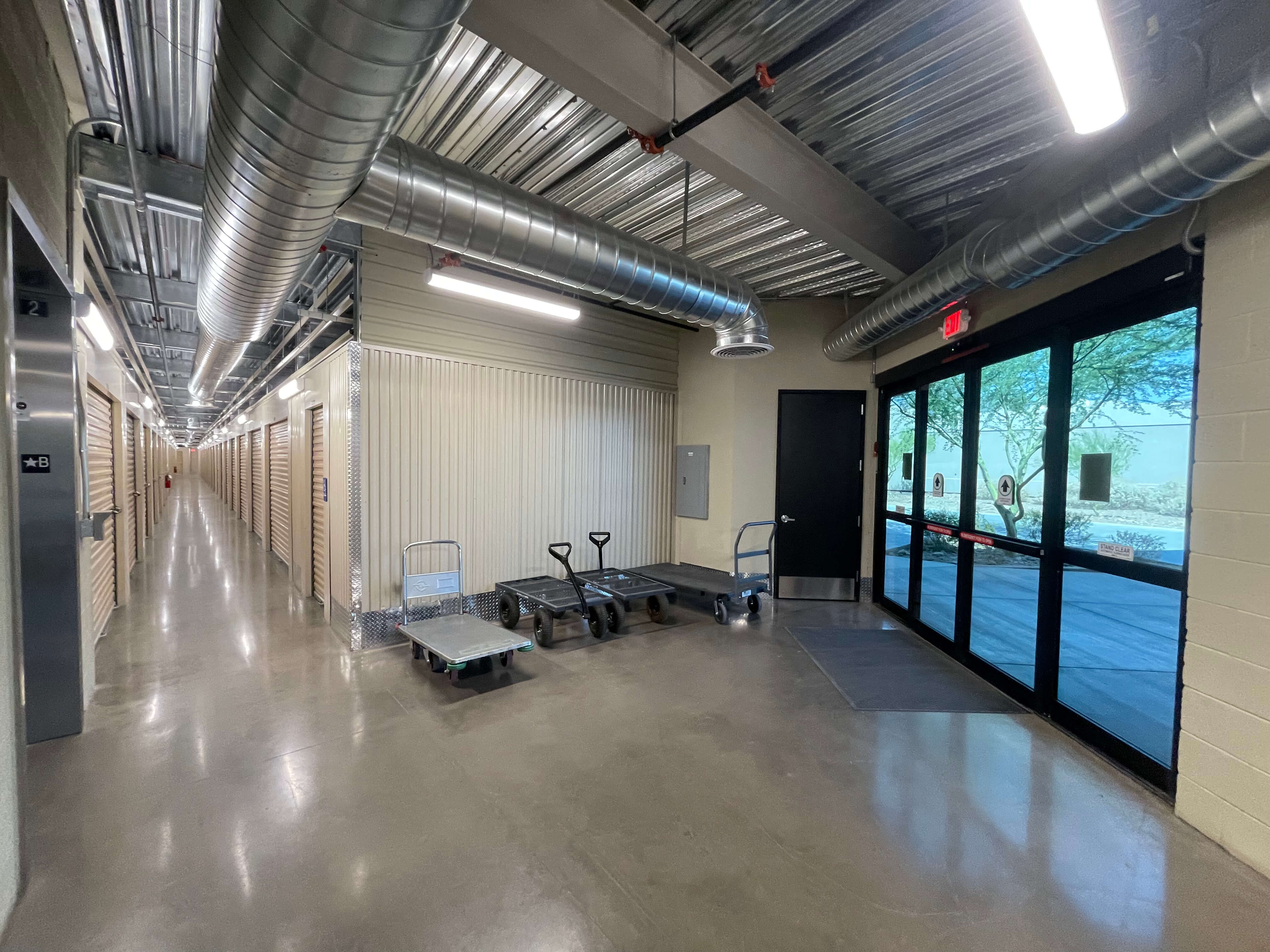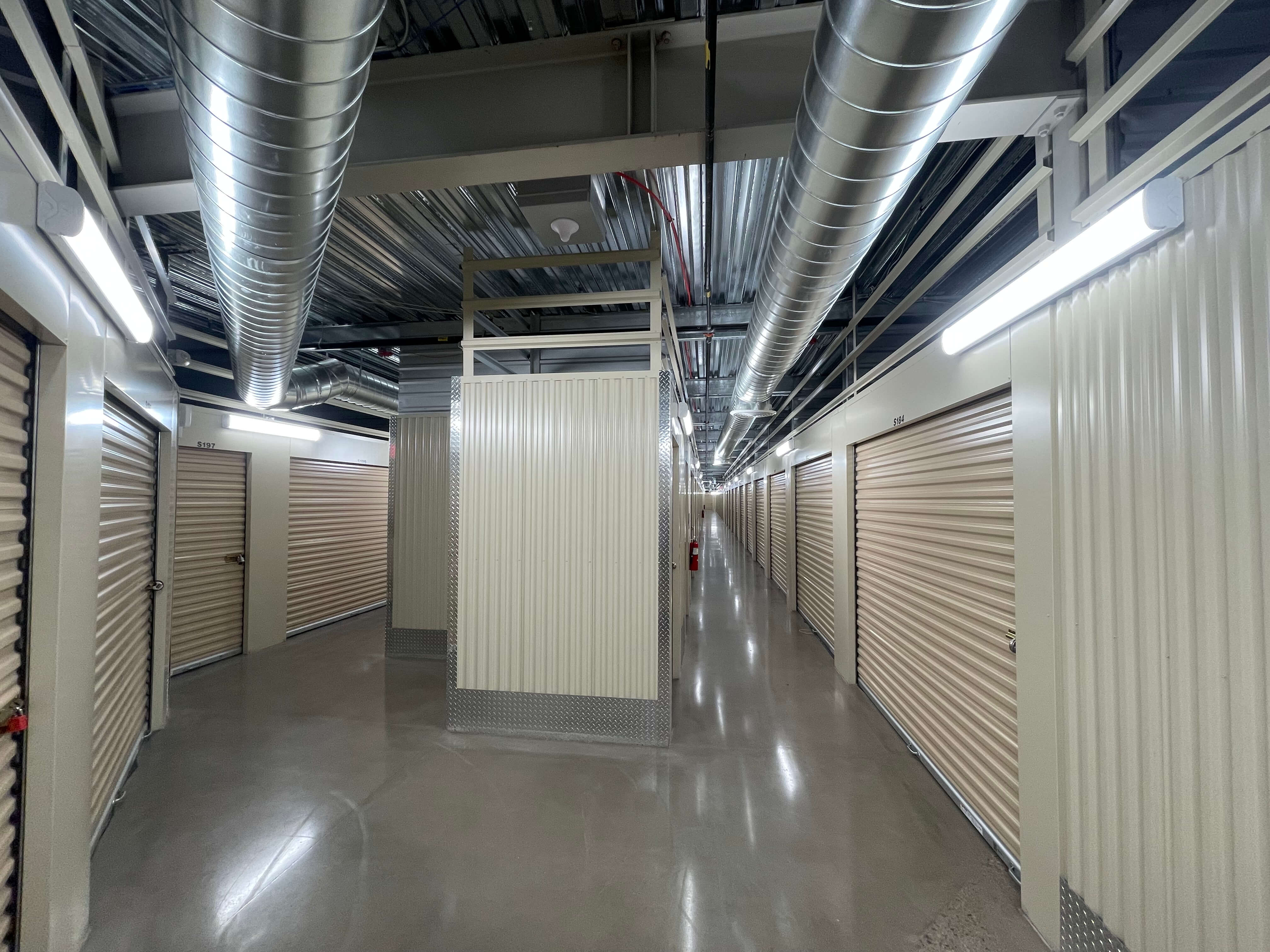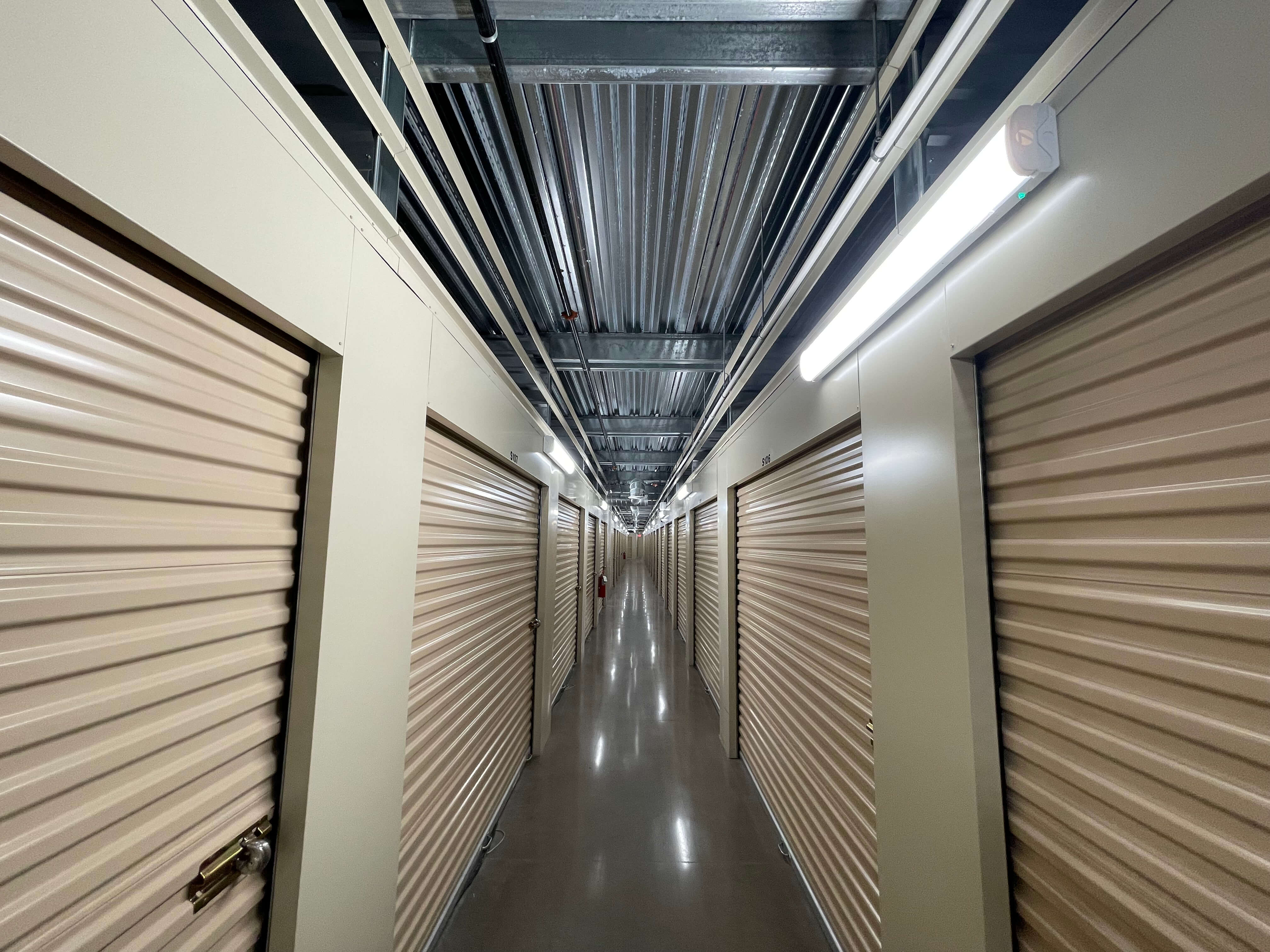

Organize Your Storage: Group, Label, Protect, and Maximize Space

Storing belongings in a storage unit is one of the most practical ways to free up room at home, protect valuable items, and simplify life. But without proper order and strategy, a storage unit can quickly become cluttered, stressful, and hide what you need, putting your belongings at risk of damage. At McDowell Mountain Community Storage, organizing your storage unit neat ensures easy access to everything while maximizing available height and space.  

This guide provides clear steps, tips, and ideas to efficiently sort your items, optimize your storage units, and create a systematic approach that maximizes every inch. With careful planning, smart packing, and strategic layout, you can transform your storage unit into an organized, tidy system that protects your belongings for the long term.

Planning the Storage Process

The process begins with a solid plan. Before moving items into a unit, consider what you need to store, the condition of each piece, and the space required. A well-thought-out plan helps you avoid last-minute stress and prevents problems such as damaged boxes, poor access, or wasted space.

Start with a list of all belongings you plan to store—furniture pieces, boxes of books, electronics, seasonal clothing, decorations, and kitchenware. Use an inventory list to keep track of everything. Once your list is ready, map out the layout of the unit. Consider where shelving units, large furniture, and containers will go.

Planning also allows you to determine the correct unit size. A small unit may work for boxes and bins, while a larger space is better for couches, tables, bed frames, and vehicles. Knowing this upfront ensures that you choose a storage facility that matches your needs.

Decluttering Before Packing

Decluttering is the first physical step in the storage process. Use a straightforward method and the right tools to go through every item by hand, categorizing it into four groups: keep, donate, recycle, or discard. This approach ensures your self-storage unit has plenty of free space, keeps the area organized, and turns the idea of decluttering into a manageable, efficient process. 

Why is this step so important? Because the fewer unnecessary things you store, the more you save on space, effort, and money. For example:

  • Old books, damaged paper records, or broken furniture may not be worth the cost of storage.
  • Duplicate kitchenware or unused electronics can be donated to someone in need.
  • Outdated decorations or clothing may be recycled or discarded.

By sorting belongings before packing, you prevent clutter from following you into the unit and ensure that everything stored truly matters.

Choosing the Right Storage Containers

Once you know what you’ll be storing, it’s time to make a decision and select the proper containers. Not all boxes are created equal, and choosing between bins, cardboard boxes, and specialty containers can provide the perfect solution for each category of items. Picking the right spot for your containers gives you a confident feeling that your belongings will fit safely—almost like finding the right vehicle for every load. Plastic bins with lids: Durable, stackable, and resistant to moisture and pests. Ideal for long-term storage.

  • Cardboard boxes: Affordable and easy to stack, but best for short-term use. They should be kept off the floor to avoid dirt or moisture damage.
  • Specialty containers: Wardrobe boxes for clothing, dish packs for glassware, and padded cartons for electronics provide extra protection.

Always declutter and categorize your items, then use bubble wrap, packing paper, or bags for cushioning. These supplies prevent scratches, dents, and broken glassware. Each container should fit its contents snugly without leaving empty spaces where items can shift.

Labeling for Easy Identification

A well-organized storage system requires clear labeling. Without it, even the tidiest storage unit becomes a guessing game.

Use bold markers or printed labels to mark each box with its contents and category (e.g., “Books – Office,” “Clothing – Winter,” or “Holiday Decorations – Fragile”). Label both the top and front of each box so that identification is easy, even when stacked.

Organize and label stored boxes properly to maximize efficiency, and maintain a master inventory list—digital or paper—that matches your labeling system. Include box numbers, a brief description of contents, and the box’s location in the unit (front, back, or shelf). This approach eliminates the need to open boxes when searching for something.

Maximizing Storage Space with Shelving

Shelving is one of the best ways to maximize storage space. Instead of stacking boxes directly on the floor, use shelving units to build vertical organization.

  • Place heavier bins, such as books or equipment, on lower shelves.
  • Store frequently used items at eye level for quick access.
  • Keep lighter or seasonal belongings, such as decorations or towels, on upper shelves.

Shelving protects boxes from dirt, dust, and moisture on the floor while keeping your layout tidy. Adjustable shelving allows for flexibility as box sizes and storage needs change over time.

Protecting Furniture and Large Items

Furniture pieces and large belongings require special care to remain in good condition. The proper preparation ensures they last through long-term storage.

  • Disassemble furniture such as bed frames, tables, and shelving units. Keep screws and small parts in labeled bags taped securely to the corresponding item.
  • Cover couches, chairs, and dressers with breathable cloth covers, not plastic, to protect against dust while allowing airflow.
  • Stack carefully by keeping furniture pieces upright, never placing heavy boxes on top.
  • Use pallets or blankets under furniture to prevent direct contact with the floor and reduce exposure to moisture.

Electronics should be packed in their original boxes. If not, use bubble wrap, foam, or sturdy bins for added protection.

Packing Belongings Safely

Safe packing ensures that belongings stay intact from the moment they are placed in the unit until the day they are retrieved.

  • Clothing: Use wardrobe boxes for hanging garments or sealed bins to keep pests and dust away.
  • Books and paper records: Pack in smaller boxes to keep weight manageable. Store flat to protect spines.
  • Glassware and decorations: Wrap each item in bubble wrap or paper, and fill empty spaces to prevent shifting.
  • Electronics: Cushion with foam or padded materials. Avoid stacking heavy items on top.

Pack methodically by grouping similar items and filling containers. This not only saves space but also prevents damage from shifting contents.

Arranging the Storage Unit Layout

How you arrange your storage unit determines how easy it is to access items later. A thoughtful layout transforms the unit into a functional system instead of a chaotic pile.

  • Create an aisle: Leave a walkway through the middle or sides for access.
  • Stack smartly: Place heavy boxes at the bottom and lighter ones on top.
  • Group by category: Keep kitchenware together, furniture in one section, and holiday decorations in another.
  • Prioritize access: Store frequently used belongings in the front and less-used items in the back.
  • Map the unit: Draw a simple diagram of where boxes, bins, and furniture are placed.

This arrangement keeps everything accessible, tidy, and easy to maintain.

Protecting Against Environmental Issues

Benefits of climate-controlled storage include protection from environmental factors like humidity, mold, dust, and pests, which can damage belongings if not appropriately managed. Safeguarding against these issues ensures long-term preservation.

  • Moisture control: Place items on pallets or shelves to keep them off the floor. Use moisture absorbers to reduce humidity.
  • Air circulation: Leave space between items and walls to encourage airflow.
  • Pest prevention: Avoid storing food. Seal all bins and boxes tightly, and consider pest deterrents.
  • Dust and dirt protection: Cover furniture and larger belongings with breathable materials.

At McDowell Mountain Community Storage, our facilities are designed to maintain safe conditions that protect against these environmental risks.

Maintaining Long-Term Organization

Organization is not a one-time project—it requires ongoing attention. A storage unit that starts organized can quickly become disordered without regular maintenance.

  • Review belongings every few months to check condition.
  • Update the inventory list when adding or removing boxes.
  • Clean the unit periodically by sweeping floors, wiping down shelves, and dusting covers.
  • Reorganize as necessary to maintain accessibility.

Consistent upkeep ensures your system remains efficient and reliable.

Saving Time, Effort, and Money

An organized storage unit saves more than just space. It also saves time, effort, and money.

  • Time: With labels, a map, and a clear layout, you can quickly find what you need.
  • Effort: A well-planned system reduces the strain of moving heavy boxes or searching through piles.
  • Money: Efficient use of space may allow you to rent a smaller unit, while protecting belongings prevents costly replacements.

By investing a little effort up front, you ensure long-term benefits that make storage truly worthwhile.

Reasons to Choose Our Storage Solutions 

Step by step guide on how to organize a storage unit at McDowell Mountain Community Storage in Scottsdale Arizona
Learn how to declutter categorize and label boxes to maximize space at McDowell Mountain Community Storage in Scottsdale Arizona

At McDowell Mountain Community Storage, we provide more than just space—we provide peace of mind. Our storage facility is designed with customer needs in mind, offering:

  • A variety of unit sizes to suit different storage needs
  • Clean, secure, and climate-controlled units for sensitive belongings
  • Easy access with thoughtful facility layouts
  • Professional staff to support your planning and packing process

Whether you’re storing furniture pieces, holiday decorations, kitchenware, or electronics, we help you protect what matters most.

Final Thoughts on Organizing a Storage Unit

Organizing a storage unit is about more than stacking boxes—it’s about creating a system that keeps belongings safe, accessible, and protected. By decluttering, choosing the proper containers, labeling, using shelves, and arranging an innovative layout, you maximize space and ensure peace of mind.

At McDowell Mountain Community Storage, we make storage simple, secure, and stress-free. With the right approach and the right facility, your belongings remain in excellent condition for as long as you need.

Frequently Asked Questions

1. Can I store temperature-sensitive items in my storage unit?

Yes. Climate-controlled units are ideal for temperature-sensitive items like electronics, artwork, essential documents, and musical instruments. These units maintain a stable environment to protect belongings from extreme heat, cold, and humidity.

2. What is the best way to store seasonal clothing or sports equipment?

Use sealed plastic bins or wardrobe boxes to keep clothing dust-free. For sports equipment, store items in labeled bins and use shelving to maximize vertical space. Keep frequently used seasonal items accessible at eye level for convenience.

3. Are there items that should never be stored in a self-storage unit?

Yes. Flammable materials, perishable food, plants, pets, and hazardous chemicals should never be stored. These items can pose safety risks or attract pests. Check with the storage facility for a complete list of prohibited items.

4. How do I protect valuables like jewelry, documents, or electronics long-term?

Store valuables in a secure, climate-controlled unit inside sturdy, labeled containers. Consider waterproof bags or small lockboxes for extra protection. Keep an inventory of these items for insurance purposes.

5. Can I access my storage unit any time, or are there restricted hours?

Access hours vary by facility. Many provide extended or 24-hour access, while others have set opening and closing times. Check with your storage provider to ensure their schedule fits your needs.

6. How do I safely store large items like vehicles, boats, or appliances?

Clean and dry all large items before storage. For vehicles, ensure they are mechanically ready, tires are inflated, and fuel tanks are partially filled. Cover boats and appliances with breathable covers and store them on pallets to prevent moisture damage.

7. What insurance options are available for stored belongings?

Many storage facilities offer tenant insurance or allow you to use existing homeowners’ insurance. Coverage protects against theft, fire, or water damage. Review policy details to ensure your belongings are fully protected.

8. How can I prevent pests from damaging my stored items?

Seal all boxes tightly, avoid storing food, and use plastic bins over cardboard when possible. Consider adding mothballs or pest deterrents, and keep items off the floor using pallets or shelving. Regularly inspect your unit for any signs of pests.

9. Is it better to use pallets, shelves, or floor space for heavy items?

Use a combination: pallets protect items from moisture, shelves maximize vertical space, and floor space is best for very heavy or large items. Place heavier items at the bottom and lighter ones on top to prevent damage.

10. How do I decide what items to donate, sell, or throw away before storing?

Start by decluttering: keep what you use frequently, donate items in good condition that you no longer need, recycle broken or outdated goods, and discard things that can’t be salvaged. Prioritizing this ensures your storage unit only contains meaningful and valuable belongings.

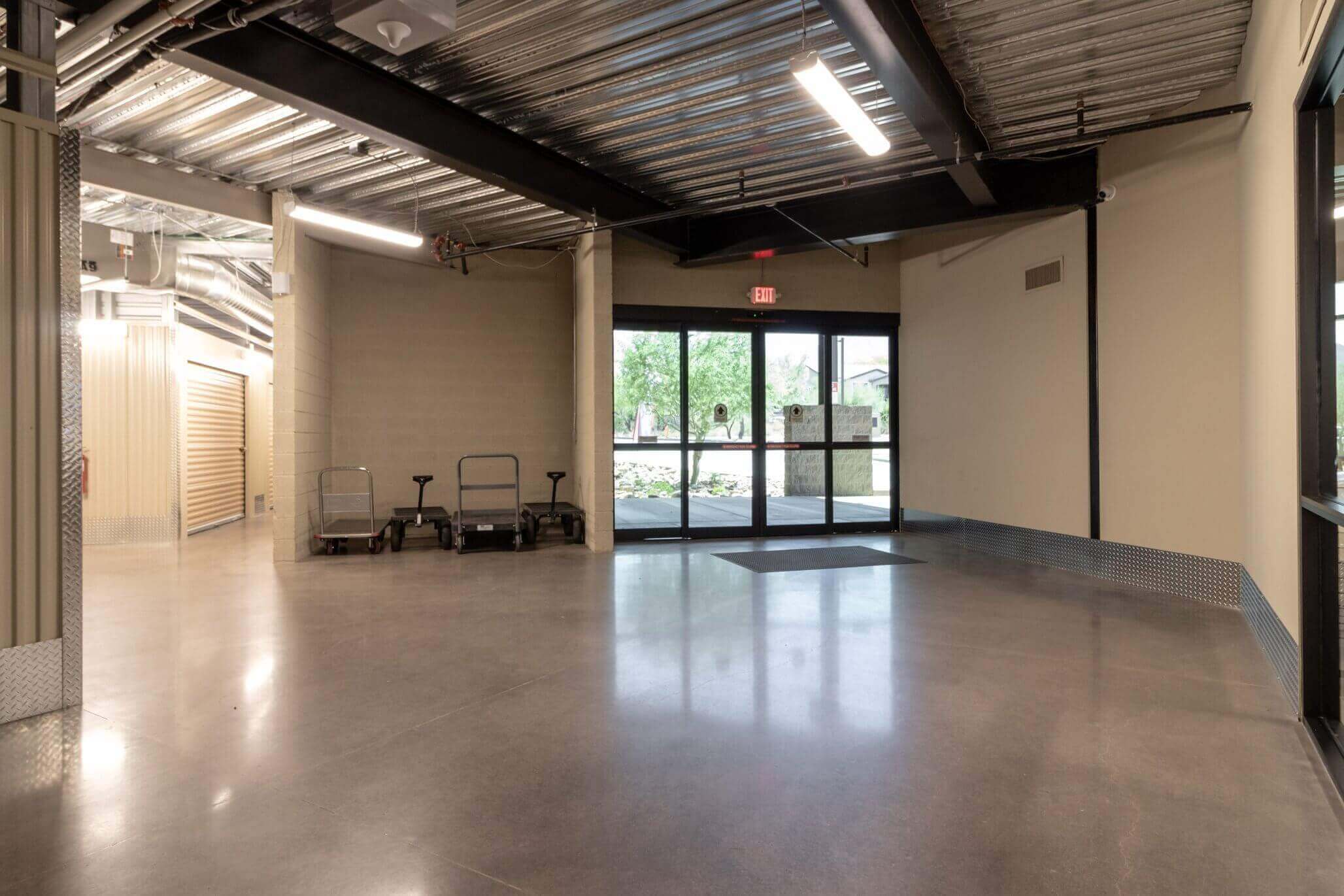
Self Storage Provides Safe and Flexible Space for Your Belongings

Self-storage has become a reliable and convenient solution for people and businesses looking for additional space. It provides a practical way to organize everything from furniture during a move to seasonal items, electronics, and business inventory. This beginner’s guide provides essential information and ideas for efficiently managing your belongings, helping you understand how self-storage works and how to select the best unit for your specific needs. 

Self Storage Offers Flexible Solutions for Everyone

Self-storage allows a person to rent units at a storage facility to store belongings, boxes, furniture, and vehicles, such as a car or boat, safely. Units come in a lot of sizes and types, from small lockers suitable for documents, holiday decorations, or a garage-sized room, to large spaces capable of holding full household contents or business inventory. There are many reasons people choose self-storage, and an explicit rental agreement provides answers to common questions about accessing and using each part of the unit. 

Individuals frequently use self-storage for situations such as:

  • Moving or Downsizing: Temporary storage for furniture, electronics, and boxes while transitioning to a new home.
  • Seasonal Storage: Keeping holiday decorations, outdoor furniture, or sporting equipment safe during the off-seasons.
  • Protecting Valuable Items: Storing antiques, artwork, instruments, and electronics in controlled environments.

Businesses also benefit from self-storage, using units to store office equipment, documents, inventory, and vehicles. Making the right decision about which unit to rent is easier when you understand the basics of the self-storage industry and the range of storage unit sizes available. Facilities provide flexible access at different times, allowing both personal and professional users to retrieve or store any item. Before renting, it’s essential to know the name of the facility, the state it is located in, and ensure it can safely hold anything you plan to store. 

Storage Facilities Provide Security and Convenience

Modern self-storage facilities focus heavily on security, accessibility, and convenience. Security measures include gated access, key codes, surveillance cameras, alarm systems, and on-site staff. Each unit is secured by the renter’s lock, giving them complete control over who can access their belongings. When signing a contract, it is essential to choose the right size storage unit and understand the available storage spaces, including rooms or smaller sections. These features help ensure that articles and other items remain safe from theft, vandalism, or unauthorized access. In some cases, renters keep a track of items on one side of the unit for easier organization. For every reason related to security and accessibility, a self-storage facility provides peace of mind.

In addition to security, convenience is a key feature. Many facilities offer 24-hour access, drive-up loading, well-lit parking areas, and equipment like dollies, carts, and ramps to simplify the moving process. Facilities may also provide climate-controlled units for sensitive items, ensuring that belongings such as electronics, furniture, and documents are protected from extreme temperatures and humidity.

By choosing a facility with these features, renters can enjoy peace of mind knowing their items are secure, accessible, and well-maintained.

Climate-Controlled Units Protect Sensitive Belongings

Climate-controlled units are essential for storing items sensitive to temperature and humidity. Electronics, artwork, antiques, instruments, and wooden furniture can be damaged by extreme heat, cold, or moisture. These units maintain consistent environmental conditions, preventing deterioration, mold, and warping.

Even vehicles can benefit from climate control. Cars, motorcycles, RVs, and boats may experience paint or interior damage if exposed to fluctuating temperatures and sunlight. Understanding the benefits of climate-controlled storage unit use helps maintain the condition and value of vehicles and other sensitive belongings. This makes it a wise choice for high-value or delicate items, protecting against extreme temperatures, humidity, and environmental damage. 

Unit Types Cater to Different Needs

Self-storage facilities offer a range of unit types designed to accommodate different needs:

  • Indoor Units: Located within a building for added security and protection from the elements. Ideal for boxes, furniture, and sensitive electronics.
  • Outdoor Units: Drive-up units for more effortless loading and unloading of bulky items, such as appliances and large furniture.
  • Vehicle Storage: Spaces specifically designed for cars, motorcycles, RVs, and boats, often including covered or enclosed options.
  • Specialty Units: Climate-controlled or high-security units for valuable or delicate items, including artwork, antiques, and instruments.

Choosing the correct unit type is crucial for protecting items and ensuring convenient access. Consider what you plan to store, how often you’ll access it, and whether climate or security is a priority.

Choosing the Right Storage Unit Size

Selecting the correct unit size is critical for maximizing space and minimizing costs. Standard unit sizes include:

  • Small (5×5 to 5×10 feet): Perfect for boxes, small electronics, or holiday decorations.
  • Medium (10×10 to 10×15 feet): Ideal for apartment furniture, office equipment, and multiple boxes.
  • Large (10×20 to 10×30 feet): Suitable for full-house storage, vehicles, or large business inventory.

Before renting a unit, create a detailed inventory of items you plan to store, including furniture, electronics, documents, appliances, and fragile items. Planning your storage space prevents overpaying for a unit that is too large and avoids the frustration of a cluttered unit that is too small.

Consider special storage requirements. For example, delicate electronics, instruments, or artwork may require climate control, while vehicles may need covered or enclosed spaces. Taking these factors into account ensures the unit meets your long-term needs.

Packing and Organizing Your Storage Unit

Proper packing and organization are key to maximizing storage space and protecting items:

  • Use Durable Boxes: High-quality boxes prevent damage to fragile items like electronics and artwork.
  • Label Clearly: Label each box with its contents to simplify retrieval.
  • Protect Valuable Items: Wrap furniture, artwork, and instruments with bubble wrap, blankets, or protective padding.
  • Stack Strategically: Place heavier items on the bottom and lighter boxes on top.
  • Maintain an Inventory: Keep a detailed list of all stored items for insurance and easy access.

Efficiently organizing units ensures belongings remain in good condition and allows renters to retrieve items without difficulty. For larger items like furniture or appliances, consider disassembling pieces to save space and reduce the risk of damage.

Renting a Unit Is a Simple Process

Wide view of self storage units and facility at McDowell Mountain Community Storage in Scottsdale Arizona
Explore the variety of storage unit sizes and types available at McDowell Mountain Community Storage located in Scottsdale Arizona

Renting a self-storage unit is straightforward:

  1. Research Facilities: Compare locations, amenities, unit types, and prices.
  2. Reserve a Unit: Book online or by phone to ensure availability.
  3. Review the Lease Agreement: Check rental fees, access hours, and insurance requirements.
  4. Move In: Transport your belongings, secure your unit with a lock, and maintain an updated inventory.
  5. Make Payments: Most facilities offer monthly payment plans or flexible leases for short-term or long-term storage.

Understanding the rental process helps new renters avoid common mistakes and ensures a smooth experience. Facilities may also provide moving assistance, such as dollies, carts, or packing materials, making the process more convenient.

Pricing Factors Affect Self-Storage Costs

The cost of a self-storage unit depends on multiple factors:

  • Unit Size: Larger units generally have higher monthly fees.
  • Climate Control: Temperature- and humidity-controlled units may cost more.
  • Location: Facilities in high-demand areas often have higher prices.
  • Lease Duration: Short-term rentals can be more expensive per month compared to long-term leases.
  • Additional Services: Insurance, vehicle storage, and packing materials may affect the total cost.

By evaluating your storage needs and comparing multiple facilities, you can choose an option that balances cost, convenience, and security. Consider potential hidden fees or extra charges for late payments, access, or insurance.

Security Measures Ensure Peace of Mind

High-quality self-storage facilities provide multiple security measures to protect belongings, inventory, and vehicles:

  • Gated Access and Key Codes: Restricts entry to authorized customers.
  • Surveillance Cameras: Monitor the property and deter theft.
  • On-Site Staff: Offer assistance and monitor activity.
  • Individual Unit Locks: Give renters control over access to their belongings.

These security measures create a safe environment, allowing customers to store valuable items like electronics, antiques, artwork, and instruments with confidence.

Businesses Benefit from Self Storage

Self-storage is ideal for businesses looking for extra space:

  • Inventory Storage: Store seasonal stock or excess products.
  • Document Storage: Protect essential records and files.
  • Equipment Storage: Utilize free office space to store rarely used equipment or appliances.
  • Vehicle Storage: Secure company cars, trucks, or boats.

Business storage and how renting a unit boosts efficiency provide a cost-effective and flexible solution for businesses that need extra space. Facilities may also offer specialized services tailored to business customers, such as shipping, delivery, or multiple-unit rentals, helping companies manage inventory, equipment, and documents more efficiently. 

Choosing the Best Location

The correct storage facility location is key for convenience and cost efficiency:

  • Proximity: Facilities close to your home, office, or business save time and effort.
  • Accessibility: Wide roads, driveways, and parking spaces accommodate large vehicles.
  • Multiple Locations: Some companies offer flexibility across several facilities.

Location affects both convenience and pricing, so it should be a primary factor in choosing a self-storage facility like McDowell Mountain Community Storage

Insurance and Safety Tips

Protecting your items is essential:

  • Renters Insurance: Covers potential damage or theft.
  • Packing Materials: Bubble wrap, padding, and sturdy boxes protect fragile items.
  • Climate Considerations: Sensitive items should be stored in temperature- and humidity-controlled units.
  • Vehicle Maintenance: Stored vehicles should be maintained and protected from environmental damage.

By planning and taking safety precautions, customers can avoid common risks and ensure the longevity of their stored items.

Tips for Maximizing Storage Space

To make the most of your storage unit:

  • Disassemble Furniture: Saves space and reduces the risk of damage.
  • Stack Uniform Boxes: Optimizes vertical space.
  • Use Shelving: Keeps smaller items organized.
  • Keep Frequently Used Items Accessible: Place them near the front.
  • Protect Fragile Belongings: Wrap electronics, artwork, and antiques carefully.

These tips enable renters to store their items while maintaining easy access and efficient organization.

Long-Term and Temporary Storage Solutions

Self-storage accommodates both temporary and long-term storage needs:

  • Temporary Storage: Ideal during moves, renovations, or travel.
  • Long-Term Storage: Suitable for seasonal items, business inventory, or estate storage.
  • Flexible Leases: Rent units monthly or for extended periods depending on your storage needs.

The flexibility of self-storage allows renters to adapt as their needs change over time.

Bottom Line on Self Storage

Self-storage is a safe, flexible, and convenient solution for managing belongings, furniture, vehicles, and business inventory. By understanding unit types, sizes, security measures, pricing, and planning storage strategies, renters can make informed decisions that meet their specific needs.

McDowell Mountain Community Storage provides a variety of self-storage units, climate-controlled spaces, and vehicle storage options with high-level security features. Whether storing household items, business inventory, or vehicles, these facilities offer convenience, peace of mind, and organized storage solutions.

With proper planning, packing, and the right facility, self-storage is a cost-effective and reliable solution for individuals and businesses seeking additional space.

Frequently Asked Questions

1. Can I store items that I need frequent access to?

Yes. When choosing a unit, consider its location within the facility and access times. Placing frequently used items near the side or front of the unit makes retrieval faster.

2. Are there storage options for very large or unusually shaped items?

Yes. Some storage spaces and rooms can accommodate bulky items such as furniture, boats, or large equipment. Proper planning of the unit size ensures everything fits safely.

3. How do I track what’s inside my storage unit?

Keeping a written or digital inventory of items helps you track belongings. This ensures you know where everything is and can locate anything quickly without unpacking the entire unit.

4. Can I rent more than one storage unit at a time?

Yes. Renting multiple units is an option for larger households, businesses, or individuals who need to store collections of articles and things in separate rooms for better organization.

5. What kind of locks are recommended for storage units?

A high-quality padlock is recommended. Some renters use keyed locks, while others choose combination locks for convenience. Proper locking ensures all items remain secure.

6. How should I pack fragile or valuable items?

Fragile items, such as electronics, artwork, and instruments, should be wrapped in protective materials like bubble wrap and stored in sturdy boxes. Placing them off the floor and away from walls helps prevent damage.

7. Can I use a storage unit to store items during a renovation?

Yes. Units are ideal for temporarily storing furniture, appliances, and things while rooms are being renovated. Proper organization helps keep items safe from dust, paint, and moisture.

8. How do seasonal changes affect my stored items?

Items sensitive to heat, cold, or humidity may require climate-controlled storage spaces. Electronics, wooden furniture, and documents benefit from consistent temperature and humidity levels.

9. Is there a way to save space when storing many small items?

Yes. Group small items in clearly labeled boxes and place them strategically in the unit. Using vertical space efficiently and stacking items correctly maximizes the storage space available.

10. Can I combine different types of storage items in one unit?

Yes, but careful organization is essential. Combining articles, furniture, boxes, and things works best when heavier items are placed at the bottom and lighter or fragile items on top. Keeping a track of what is stored in each room or section of the unit prevents confusion.

Organize Your Storage Room with Shelves, Bins, Hooks, Labels, and DIY Solutions

Keeping a storage room organized can feel like an endless challenge, especially when life fills every corner with items you need but don’t use daily. Whether you are managing a garage, basement, closet, pantry, home office, or a dedicated storage unit, having a functional system is key. At McDowell Mountain Community Storage, we understand the struggle of cluttered spaces and offer practical solutions for maximizing your storage space. Here’s a comprehensive guide to storage room organization with actionable ideas, expert tips, and simple DIY hacks to help you create a tidy, efficient, and accessible storage system.

Maximize Storage Room Space with Shelving and Containers

One of the most effective ways to organize a storage room is to arrange items to maximize vertical and horizontal space. Installing shelving units along walls, in corners, or even as freestanding pieces allows you to store something off the floor while keeping everything visible and within hand. Use a combination of bins, containers, and baskets to categorize your belongings, from clothes, kids’ items, and books to shoes, linens, and anything else in the house. This simple idea, combined with a few clever tricks, can transform a cluttered area into an organized, functional space. 

Tips for shelving efficiency:

  • Stack items strategically: Place heavier items at the bottom and lighter ones on top.
  • Use clear containers: This allows you to see everything at a glance without opening boxes.
  • Label bins and shelves: Always label containers to save time searching for a specific item.
  • Adjustable shelving units: They give flexibility to accommodate different sizes of items as your storage needs change.

Categorize and Sort Items for Easy Access

A cluttered storage room often results from everything being thrown into one area. To fix this, categorize items by type, use, or season. There are several ways to compact your belongings and reduce clutter. For example, keep seasonal decorations, coats, or baby clothes in separate bins or shelves, and tackle some items one step at a time. Create sections in your basement, garage, or closet for toys, office supplies, kitchen tools, and furniture, using cabinet space when possible. Avoid letting a pile of items accumulate—this helps owners maintain the storage room of their dreams. 

Effective categorization methods:

  • By frequency of use: Store daily-use items at eye level and less-used goods on top shelves or corners.
  • By type or room: Group clothes, linens, and shoes in one section and tools, files, and projects in another.
  • By season: Keep winter clothes, holiday decorations, or summer gear in labeled containers or vacuum-sealed bags to save space.

Declutter Before Organizing

Before you organize shelves, bins, or containers, it’s crucial to focus on decluttering your home fast. Many people struggle to maintain order because they keep unnecessary items. A thorough declutter helps free space and makes the organization process smoother. In this blog post, we share tips that are just one of the many strategies used around the world to keep storage rooms tidy and efficient. 

Decluttering tips:

  • One room at a time: Tackle the garage, basement, or closet one section at a time to prevent feeling overwhelmed.
  • Keep, donate, discard: Sort everything into these three categories.
  • Be honest: If you haven’t used an item in the past year, likely, you don’t need it.
  • Handle duplicates carefully: Many people store a bunch of similar items that could be downsized or combined.

Use Storage Bins, Containers, and Baskets Wisely

Storage bins and containers are essential for keeping your storage room neat. They allow you to store a lot of items compactly while protecting them from dust, moisture, and damage. Baskets and open containers are perfect for items you want easy access to, like toys, office supplies, or kitchen accessories.

Bin organization strategies:

  • Label everything: Label the bins with contents and location.
  • Color code: Use different colored containers for categories like office supplies, toys, or seasonal clothes.
  • Use uniform bins: Stackable, uniform containers maximize space and create a tidy appearance.
  • Transparent options: Clear bins make it easy to see stuff without opening every container.

Utilize Wall and Door Spaces

When floor and shelf space are limited, walls and doors become valuable storage areas. Installing hooks, pegboards, or hanging racks allows you to store items efficiently while keeping them accessible. This method works particularly well for coats, tools, sports equipment, and bags.

Practical wall and door hacks:

  • Hooks for coats and bags: Install near entryways or inside closet doors.
  • Pegboards: Ideal for organizing tools, office supplies, and craft materials.
  • Over-the-door racks Are Great for storing shoes, accessories, or cleaning supplies.
  • Corner shelves: Maximize underused corners with vertical shelving.

Create a DIY Shelving System

Building your own shelving unit can be a fun DIY project that fits your space perfectly. You can customize dimensions, materials, and design to match your storage needs.

DIY shelving ideas:

  • Wooden shelves with brackets: Affordable and sturdy for books, bins, and decor items.
  • Crate shelving units: Stack crates for a versatile, modular system.
  • Metal shelving racks: Ideal for garages, basements, or heavy storage.
  • Floating shelves: Perfect for display items or lightweight goods.

Organize by Room for a Systematic Approach

Each room in your home has unique storage needs. A systematic approach ensures that every item has a dedicated spot, making your storage space functional and streamlined.

Room-specific strategies:

  • Garage: Use a combination of shelving, hooks, and bins for tools, sports gear, and seasonal equipment.
  • Basement: Focus on heavy storage bins, shelving units, and stackable containers for project materials, furniture, and bulk goods.
  • Home office: Utilize cabinets, files, and storage containers to organize documents, office supplies, and electronics.
  • Closets: Fold, hang, and categorize clothes, shoes, and accessories efficiently using containers and shelving.
  • Kitchen or pantry: Store spices, dry goods, and kitchen supplies in labeled containers or baskets to keep everything tidy.

Implement an Efficient Labeling System

Organize and label stored boxes properly to maximize efficiency, as labels are one of the most essential tools for storage organization. They help everyone in the family know where things belong, making it easier to access items quickly. 

Labeling tips:

  • Use large, readable fonts, especially on bins stored on high shelves.
  • Label all sides: Useful for stacked containers.
  • Include contents and date: Helps with seasonal or project-based items.
  • Color-coded labels: Quickly distinguish between types of items.

Maximize Closet and Storage Unit Efficiency

Closets and storage units are often underutilized. You can make the most of these spaces by using shelving, bins, hooks, and hanging organizers. This allows you to store a lot without clutter and keeps your items accessible.

Tips for closets and storage units:

  • Double hanging rods: Hang more clothes in limited vertical space.
  • Shelf dividers: Keep linens, blankets, or clothes organized.
  • Vacuum-sealed bags Are Used to store seasonal clothes or bulky items.
  • Rolling bins: For easy access to toys or supplies.

Efficiently Store Seasonal Items and Projects

Seasonal items, baby supplies, or long-term projects often take up valuable space. Proper organization ensures they are protected and accessible when needed.

Strategies for seasonal storage:

  • Top shelves: Store holiday decorations or winter gear on higher shelves.
  • Dedicated containers: Use labeled bins for each season.
  • Project bins: Keep materials for DIY projects or crafts in a single container.
  • Rotation system: Rotate items based on seasonal use, keeping frequently used goods within easy reach.
A well organized storage room with shelves bins labeled containers and hooks at McDowell Mountain Community Storage in Scottsdale Arizona
Organize your storage room efficiently using shelves bins hooks and labels at McDowell Mountain Community Storage in Scottsdale Arizona

Use Hooks, Racks, and Side Storage for Small Spaces

Small storage rooms benefit from creative solutions like hooks, racks, or side wall storage. This is especially useful for tools, kitchen utensils, or baby supplies.

Creative small-space solutions:

  • Magnetic strips: Store metal tools or kitchen knives safely.
  • Hanging baskets: Perfect for toys, linens, or office supplies.
  • Wall-mounted racks: Keep coats, shoes, or bags off the floor.
  • Corner shelves: Utilize often-forgotten spaces efficiently.

Optimize Storage Room Layout for Accessibility

The layout of your storage room can make a huge difference. A well-thought-out plan ensures easy access, safety, and efficient use of space.

Layout strategies:

  • Pathways: Keep aisles clear for easy access.
  • Zones: Create zones for clothes, tools, kids’ toys, or office supplies.
  • Frequently used items at eye level: Avoid bending or reaching for items used daily.
  • Heaviest items on the bottom: Prevent accidents and maximize safety.

Maintain Organization Over Time

Organization is not a one-time project. Maintaining order ensures your storage room stays tidy and functional.

Maintenance tips:

  • Monthly check-ins: Review bins and shelves to remove clutter.
  • Seasonal rotation: Switch out seasonal items for easy access.
  • Family involvement: Encourage everyone to return items to their spot.
  • Quick cleanups: Use containers, baskets, and labels to keep everything organized.

Add Style and Inspiration to Storage

A well-organized storage room can also be stylish. By incorporating decorative bins, shelving units, and baskets, you can turn a purely functional space into an inspiring area.

Styling tips:

  • Uniform containers: Give a cohesive look.
  • Matching labels: Adds a neat, professional touch.
  • Decorative baskets: Store linens, toys, or accessories stylishly.
  • Incorporate color and design: Make the space enjoyable to use.

Final Thoughts on Storage Room Organization

Organizing a storage room doesn’t have to be overwhelming. By using the proper shelving, bins, containers, hooks, and labels, you can maximize space, streamline access, and keep everything neat. Whether it’s your basement, garage, closet, home office, or storage unit at McDowell Mountain Community Storage, the strategies outlined here provide a comprehensive roadmap to a more organized life. DIY projects, seasonal rotations, and clever use of wall and door space ensure your storage system is functional, efficient, and adaptable. 

With the right tips, ideas, and hacks, every item, from books and toys to clothes and project supplies, can have a dedicated spot. A well-organized storage room not only reduces clutter but also makes your home more enjoyable and stress-free. By implementing these strategies, you’ll create a storage system that works for your family, lifestyle, and future projects, turning chaotic storage rooms into dream spaces that maximize utility and minimize clutter.

Frequently Asked Questions (FAQs) About Storage Room Organization

1. What is the best flooring for a storage room to prevent moisture damage?

Use moisture-resistant flooring like vinyl, sealed concrete, or laminate with water-resistant backing. Adding a rug or mat in areas prone to spills or leaks can also help protect items, especially if storing clothes, linens, or paper-based goods.

2. How can I organize fragile or valuable items safely in a storage room?

Store fragile items in padded boxes or containers lined with bubble wrap, foam, or old linens. Label these containers clearly and place them on the middle or top shelves to prevent crushing. Avoid stacking heavy items on top of fragile ones.

3. What lighting solutions work best for storage rooms or closets?

LED strip lights, motion-sensor lights, or bright overhead fixtures work well. Motion-sensor lights are handy for closets or garages where you need instant visibility without fumbling for switches.

4. How can I make a small storage room feel less cramped and more accessible?

Use vertical storage, such as tall shelving units and wall-mounted hooks, to free up floor space. Clear bins and uniform containers create a visually tidy space. Also, keep pathways clear and designate zones for specific types of items.

5. Are there eco-friendly storage containers or materials I can use?

Yes! Look for containers made from recycled plastic, bamboo baskets, or wooden crates. Reusable fabric bins and cardboard boxes from sustainable sources are also good options, especially for seasonal or lightweight items.

6. How often should I review and reorganize my storage system?

A good rule of thumb is every 3–6 months. Seasonal rotations, new purchases, or completed projects are good opportunities to reassess your bins, shelves, and labels to maintain order and efficiency.

7. What’s the best way to store electronic equipment or cables to avoid tangling or damage?

Use cable ties, Velcro straps, or small labeled containers for cords. Store electronics in protective cases or padded bins. Keep heavier devices on low shelves to prevent falls, and avoid stacking them under heavy items.

8. How can I create a kid-friendly storage area in a shared space?

Use open bins, low shelves, and labeled baskets for toys, books, and art supplies. Bright colors, clear labels, and accessible hooks help kids learn to put items back, making cleanup easier and encouraging independence.

9. Can I use furniture or multi-purpose pieces to add storage in small rooms?

Absolutely! Storage ottomans, benches with compartments, or beds with under-storage drawers are excellent ways to maximize space while keeping items hidden and accessible. Cabinets with adjustable shelves are also versatile.

10. What security measures should I consider for valuable items in a storage unit?

Use a lock approved by the storage facility, and consider insurance for high-value items. Keep fragile or sensitive items in opaque containers to prevent them from being easily seen, and avoid storing cash or extremely valuable electronics without extra precautions.

Declutter by Sorting, Simplifying, and Organizing Your Home Efficiently

Decluttering your home can feel like a mountain to climb, especially when life, family, and daily tasks already demand so much time. A person may encounter numerous piles of paper scattered across different rooms, or kitchen cabinets filled with items that no longer serve a purpose. But with the proper process, you can minimize the mess, arrange belongings in order, and prioritize what truly matters. This guide provides proven steps, tips, and ways to clear the clutter, recycle what you no longer need, and organize efficiently, so homes become more functional and stress-free. Whether it’s tackling one part of a room, a single drawer, a pile of items, or your entire house, you’ll learn how to streamline, simplify, and optimize your space for long-term order. 

The Importance of Decluttering for a Healthier Home

Clutter isn’t just about piles of stuff taking up space—it impacts your entire life. Messy rooms create stress, limit productivity, and make even simple tasks harder. Studies show that clutter increases cortisol (the stress hormone), reduces focus, and even affects sleep quality.

Decluttering your house helps you:

  • Create more functional spaces for family activities.
  • Reduce time wasted searching for lost items.
  • Improve mental clarity by removing visual distractions.
  • Free up areas for storage, furniture, and efficient movement.

A clutter-free environment also makes your home more inviting for friends and visitors. Taking one step at a time helps you manage tasks from top to bottom without stress. A simple tip is to place baskets by the sofa to keep blankets and magazines organized. Another tip is to handle small appliances right after use so they don’t sit out on counters. These little actions prevent clutter from spreading and keep each part of the house looking fresh and functional.

The front entry also benefits from order since it’s the first area guests see. Recycling bins placed nearby remind everyone to sort items responsibly, and even dedicating a bit of effort each day keeps the space tidy. When every section of the home feels intentional, you’ll feel proud to welcome family and visitors. In short, decluttering is more than tidying—it’s about building a system that supports a better lifestyle.

Preparing for an Efficient Decluttering Process

Before tackling drawers, closets, or cabinets, preparation is key. Going in without a plan often leads to bigger piles and half-finished projects. Use these steps:

  1. Set a clear purpose – Decide whether you want to reclaim space, downsize, or make your home easier to manage.
  2. Break it into sections – Work on one room, one closet, or even one drawer at a time.
  3. Gather supplies – Bins, baskets, boxes, trash bags, and labels are essential for sorting items.
  4. Schedule time – Plan realistic blocks of time to focus without interruption. Even 15–20 minutes a day can lead to steady progress.

Another helpful strategy is to set up a “staging area,” such as the dining room table or a section of the floor, where you can sort piles before putting items away. This prevents the common problem of simply shifting lots of clutter from one place to another without progress. Keeping in mind that every item needs a destination, you can decide whether it belongs in storage, recycling, or somewhere specific, like a linen closet.

With a method and checklist in place, you can approach decluttering as a project rather than an overwhelming task. The goal is to simplify the process so your mind feels clear, your home feels organized, and every space has its purpose.

Decluttering Every Room with Purpose

Each space in your house comes with unique challenges. The key is to apply the same decluttering rule—keep only what you need, use, or love—but adapt methods to suit the room.

Living Room: Streamlining Common Areas

The living room often collects everything from books and toys to coffee table clutter. Start by:

  • Clearing surfaces like sofas, tables, and shelves.
  • Sorting items into categories: décor, electronics, books, toys.
  • Donating or discarding pieces that don’t serve a purpose.
  • Using baskets for remote controls, bins for toys, and organizers for magazines.

This creates a welcoming space for friends and family while reducing stress.

If your living room has limited storage, consider multifunctional furniture, such as ottomans with hidden compartments or side tables with built-in shelves. These solutions keep necessary items nearby without letting piles take over surfaces.

Kitchen: Organizing Cabinets and Pantry

The kitchen is one of the busiest rooms in any home, but also one of the easiest to declutter with the correct method.

  • Empty cabinets and drawers one section at a time.
  • Group items by category—appliances, utensils, food storage.
  • Discard expired food, recycle empty containers, and donate duplicates.
  • Use clear bins for pantry items, labels for shelves, and dividers for drawers.

Small habits keep the kitchen clutter-free. For example, adopt a “clean as you go” rule when cooking. Putting utensils back, wiping surfaces, and discarding packaging right away prevents mess from building up.

A streamlined kitchen saves time when cooking, reduces food waste, and makes cleanup faster.

Bedrooms: Creating Restful Spaces

Bedrooms should be a place for rest, not piles of clothes and clutter. To create order:

  • Start with the closet and dresser drawers—sort clothes by season, size, and use.
  • Donate items that no longer fit or haven’t been worn in a year.
  • Use bins for shoes, baskets for accessories, and labels for storage boxes.
  • Keep surfaces like nightstands clear, limiting items to essentials.

If you share a bedroom with a partner, agree on rules for what stays visible and what goes into drawers or closets. A clear system avoids arguments and ensures both people feel comfortable in the space. One practical habit is to organize and label stored boxes properly to maximize efficiency, especially for seasonal clothes, shoes, or personal items that don’t need to stay out year-round.

A tidy bedroom improves sleep quality and makes morning routines more efficient by reducing the time spent searching for things. When storage is managed thoughtfully, every part of the room feels balanced and clutter-free.

Bathroom: Clearing Cabinets and Shelves

Bathrooms often hide forgotten items behind cabinets and linen closets. Steps to declutter include:

  • Removing everything from shelves, drawers, and the medicine cabinet.
  • Discarding expired medications, old toiletries, and duplicate items.
  • Use clear organizers for daily essentials.
  • Assign categories such as skincare, haircare, and cleaning supplies.

Adding hooks behind the door or baskets under the sink can maximize storage in small bathrooms. A system for towels, toiletries, and cleaning products prevents clutter from sneaking back in.

Entryway: Creating Functional First Impressions

Entryways often become dumping grounds for shoes, bags, and random stuff. To simplify this high-traffic area:

  • Use a shoe rack or baskets for footwear.
  • Install hooks or a cabinet for coats and bags.
  • Create a designated bin for keys, mail, and small items.
  • Keep surfaces clear to avoid piles building up.

You can also set a household rule: everything coming through the door must either go into storage, into the trash, or into its assigned spot. This prevents clutter from spreading into the rest of the home.

Closets: Maximizing Storage Potential

Closets are prime areas for clutter buildup, but they also hold the most significant potential for efficiency.

  • Empty everything and categorize items: clothes, shoes, accessories.
  • Purge what doesn’t fit, doesn’t suit your style, or duplicates something else.
  • Use bins for off-season items, labeled boxes for accessories, and space-saving hangers.
  • Install shelves or organizers to maximize vertical space.

A helpful trick is the “hanger test”: hang all clothes with hangers facing backward. After wearing something, turn the hanger forward. After six months, donate anything still on backward hangers.

Closets become functional spaces rather than hidden storage areas when properly arranged.

Kids’ Rooms: Simplifying with Systems

Children’s rooms can quickly become cluttered with toys, clothes, and school supplies. To manage effectively:

  • Sort toys into categories and use labeled bins.
  • Teach kids simple habits like putting toys back after use.
  • Rotate toys to keep the space fresh without overwhelming piles.
  • Use baskets, drawers, and shelves to give every item a spot.

Involving kids in the decluttering process also teaches responsibility. Let them choose which toys to donate—explaining that others will benefit helps children feel positive about letting go.

Garage and Storage Spaces: Managing Overflow

Garages, basements, and attic areas often become dumping grounds for items that have nowhere else to go. To take control, consider practical garage storage ideas for a more organized space and tackle these areas like any other room:

  • Remove everything and sort into piles: keep, donate, discard.
  • Use sturdy bins for long-term storage.
  • Label boxes clearly to avoid forgotten contents.
  • Recycle or donate items that haven’t been used in years.

If you have bulky seasonal items like holiday decorations or sports gear, keep them in clear plastic bins so you can see the contents without opening every box. For items that don’t fit in the home but are still important—seasonal gear, furniture, or memorabilia—consider a community storage facility.

Proven Decluttering Methods for Lasting Results

There’s no single best way to declutter. Choose a method that matches your style, schedule, and household needs.

  • The Four-Box Method – Label boxes: Keep, Donate, Trash, Relocate. Place each item into a category as you work through rooms.
  • The One-Minute Rule – If something takes less than a minute to put away, do it immediately.
  • The KonMari Method – Keep only items that “spark joy.”
  • The Minimalist Approach – Reduce everything to essentials, streamlining possessions to the absolute necessities.

Some people benefit from hybrid approaches, such as combining the Four-Box Method with the One-Minute Rule for quick wins while still handling larger categories.

Tools and Organizers That Make Decluttering Easier

Investing in the right organizers saves time and space. Useful tools include:

  • Bins and Baskets – Ideal for toys, shoes, and miscellaneous items.
  • Labels – Help everyone in the household know where things belong.
  • Shelves and Dividers – Maximize vertical and drawer space.
  • Cabinets and Furniture with Storage – Keep surfaces clear while offering hidden organization.

When selecting organizers, choose neutral colors and simple designs that blend with your home décor. This makes the system visually pleasing and encourages everyone to use it consistently.

Creating Habits for a Clutter-Free Lifestyle

Decluttering once isn’t enough—you need habits to maintain progress. Adopt these daily and weekly routines:

  • Put things back immediately after use.
  • Keep a small bin for donations and add items regularly.
  • Tidy-up surfaces at the end of each day.
  • Schedule seasonal decluttering sessions to reset closets and storage.

Creating a household checklist helps hold everyone accountable. For example, kids can have a simple “room reset” routine before bed, while adults can manage shared spaces like the living room and kitchen.

Consistency prevents clutter from building back up.

Using Community Storage Solutions Effectively 

Home decluttering and room organization with McDowell Mountain Community Storage in Scottsdale Arizona
McDowell Mountain Community Storage supports Scottsdale Arizona homeowners with step by step tips to declutter and organize spaces efficiently.

Sometimes, you need extra space for items you can’t keep at home but don’t want to discard. Community storage offers:

  • A safe place for seasonal decorations, sports equipment, or bulky furniture.
  • Extra space when downsizing, renovating, or moving.
  • A way to keep keepsakes and important belongings secure without crowding your living areas.

At McDowell Mountain Community Storage, we provide clean, secure, and accessible storage units that help families balance home organization with life’s demands. Whether you need short-term solutions during a move or long-term storage for treasured belongings, we offer flexible options to fit your needs.

Final Thoughts: Building Efficiency Through Decluttering

Decluttering your home doesn’t have to feel overwhelming. By breaking tasks into steps, using proven methods, and incorporating bins, boxes, and organizers, you can transform your house into an efficient, peaceful space.

The process is about more than discarding things—it’s about creating a system that supports your life, reduces stress, and gives every item a place. And when your closets, cabinets, and rooms can’t hold everything, community storage offers a reliable way to keep what matters most.

With the right mindset, tips, and consistent habits, you’ll find decluttering isn’t a one-time project but an ongoing lifestyle shift that benefits everyone in the home.

Frequently Asked Questions

1. How do I start decluttering if I feel completely overwhelmed?

Start small. Choose one drawer, shelf, or surface and complete that area before moving on. Focusing on a single section helps build momentum without feeling paralyzed by the entire house.

2. What should I do with sentimental items I don’t use but don’t want to throw away?

Designate a small box or bin for sentimental items and set limits on how much you keep. If something holds value but doesn’t need to stay in your daily space, consider placing it in a labeled storage container or community storage unit.

3. How often should I declutter my home to keep it under control?

A seasonal reset works best for most families—every 3–4 months. Quick daily or weekly tidy-ups help prevent clutter from piling up between major sessions.

4. How do I get kids involved in the decluttering process?

Make decluttering fun by turning it into a game—set timers, use color-coded bins, or let them choose items to donate. Teaching kids to categorize toys or clothes helps them build lifelong organization habits.

5. Should I sell, donate, or recycle items I no longer need?

It depends on the item. If it’s in good condition and valuable, selling may be worthwhile. Everyday household goods can often be donated, while paper, plastics, and electronics should go through recycling channels to reduce waste.

6. How do I keep clutter from building up again after I’ve decluttered?

Establish routines such as the “one in, one out” rule—when something new comes in, an old item goes out. Create permanent spots for everyday essentials, and keep a donation box handy for things you no longer need.

7. What’s the best way to handle paper clutter like bills, mail, and receipts?

Sort paper immediately at the front door or entryway. Keep a recycling bin nearby, use a filing system for important documents, and consider scanning receipts or statements to reduce physical piles.

8. How do I declutter small spaces like apartments or condos?

Use vertical storage such as shelves, hooks, and wall organizers. Multipurpose furniture—like ottomans with hidden storage or beds with drawers underneath—helps maximize space without adding clutter.

9. Is it better to declutter room by room or category by category?

Both methods work, but choose based on your personality. Room-by-room offers visible progress, while category-by-category (like clothing or books) helps you see how much you own and avoid duplicates.

10. When should I consider using community storage instead of keeping everything at home?

Use storage for items that are important but not needed daily, such as seasonal decorations, sports gear, extra furniture, or memorabilia. This prevents your home from becoming overcrowded while still keeping belongings safe and accessible.