
Best Comic Book Storage Ideas for Protecting Your Collection

Comic books are more than just stories—they are valuable collectibles that require proper care to maintain their condition and worth. Whether you’re a casual reader or a serious collector, ensuring your comic book collection is stored safely with the correct catalog, proper stacking, and thoughtful arrangement can protect it from damage caused by dust, humidity, and poor handling.

Many options exist for keeping your comics pristine, from boxes and shelves to storage units and display cases. Whether using a shelf near the floor, placing boxes at the front of a corner, or stacking items carefully so they don’t press against each other, the right amount of space and organization can make a difference. This guide will walk you through the best comic book storage ideas, including furniture solutions, archival protection, and even climate storage units to prevent deterioration. 

1. Why Proper Comic Book Storage Matters

When stored improperly, comic books can suffer from issues like creases, fading, and yellowing pages. Paper is fragile, and exposure to air, moisture, and sunlight can degrade its quality over time. Keeping them in a file cabinet or a drawer can be a good option for anyone looking for extra protection. Finding the right place for storage makes a lot of sense, whether you’re organizing the ones you read frequently or preserving valuable ones. Planning can go a long way in ensuring your collection stays in top condition, just like others who invest in proper storage solutions. 

Poor storage methods can also warp comic boxes, cause pages to stick together, or cause water damage to entire collections. The weight of improperly stacked boxes can cause bending, and placing them on their side instead of upright can make board support less effective. Over time, this can become a serious thing that damages your collection. Proper comic book storage protects your comics and makes your collection easier to organize and display. Many storage solutions are available; finding the right kind depends on your needs. The point is to ensure your comics have a safe and structured life, and you can find links to some of the best options to keep them in top condition.

2. Choosing the Right Comic Book Storage Box

One of the first things every collector needs is a proper storage box. There are different types of comic boxes, each with its benefits:

  • Cardboard boxes – Affordable and commonly used, but may wear out over time.
  • BCW storage boxes are popular among collectors for their durability and design.
  • Plastic storage boxes – Offer better protection against moisture and are ideal for long-term storage.
  • Short and long boxes – Depending on your storage unit size guide, short boxes are more manageable, while long boxes hold more comics but can be harder to move.

Always use acid-free bags with backing boards to prevent bending and deterioration when storing your comics. Keeping your collection in a storage box protects it from dust and light exposure, making this one of the best storage solutions available. Be sure to choose the proper sizes of bags and boards to fit each comic book properly. Remember that proper storage can preserve the condition of your comics for years. For example, a sturdy case can provide extra protection, especially if you store your comics in a house with varying humidity. Many stores offer specialized products for comic book storage so that you can find the best options for all your storage needs. 

3. Bookshelves and Cabinets for Comic Book Storage

If you prefer a storage solution that makes your comic book collection easily accessible, consider using bookshelves, a bookcase, or a cabinet. These furniture options are great for organizing comic books while keeping them in excellent condition. Storage methods, such as placing comics in a protective bag or ensuring their covers are shielded from dust, can help maintain their quality. Different storage space areas can be designated for specific collections, making sorting and displaying your comics easier.

Bookshelves vs. Cabinets: Which is Best?

  • Bookshelves: The open design allows for easy access, and you can separate different comic series with bins, racks, or dividers.
  • Cabinets with drawers: Protect comics from dust and light exposure while providing a neat storage unit for your collection.
  • File cabinets are a great way to store books in a storage unit upright and prevent warping, similar to how libraries store magazines.

Popular Bookshelf and Cabinet Brands for Comic Book Storage

  • IKEA bookshelves – Known for affordability and customization.
  • BCW storage solutions – Specifically designed for comic storage.
  • Custom-built shelving – Ideal for extensive collections or high-end comic book displays.

Using a bookshelf or cabinet makes your comic book collection easy to browse while ensuring protection.

4. Climate-Controlled Storage Units for Comic Preservation

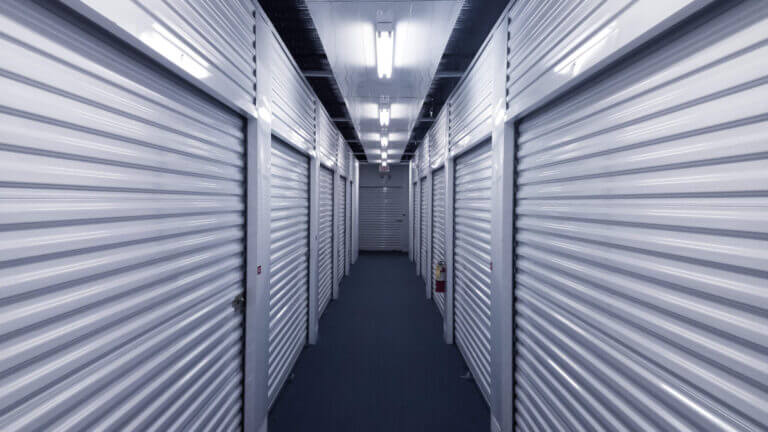
For serious collectors, a climate-controlled storage unit is one of the best investments for long-term comic book storage. At McDowell Mountain Community Storage, we offer secure, temperature-controlled storage units to protect your collection from humidity, heat, and environmental damage. Whether you’re storing a few prized issues or an entire comic book collection, our facility provides the ideal space to keep your comics pristine.

Why Use a Climate Storage Unit?

  • Temperature control – Prevents paper from becoming brittle.
  • Humidity regulation – Avoids mold and mildew growth.
  • Protection from external elements – Prevents exposure to sunlight and fluctuating conditions.

If you’re unsure about the proper storage unit for your comic book collection, follow a storage unit size guide to determine the space you need.

5. Comic Book Display Solutions for Collectors

While keeping your comics in boxes or cabinets is practical, some collectors like to showcase their most prized comic book editions.

Ways to Display Comic Books

  • Wall-mounted shelves – Perfect for displaying high-value comics.
  • Comic bookcases with glass doors – Protect from dust while keeping them visible.
  • Shadow boxes or frames – Ideal for limited editions or signed comic books.

Using magazine shelving or a bookcase can turn your comic book collection into a stunning visual display.

6. Protecting Your Comics with Archival Storage
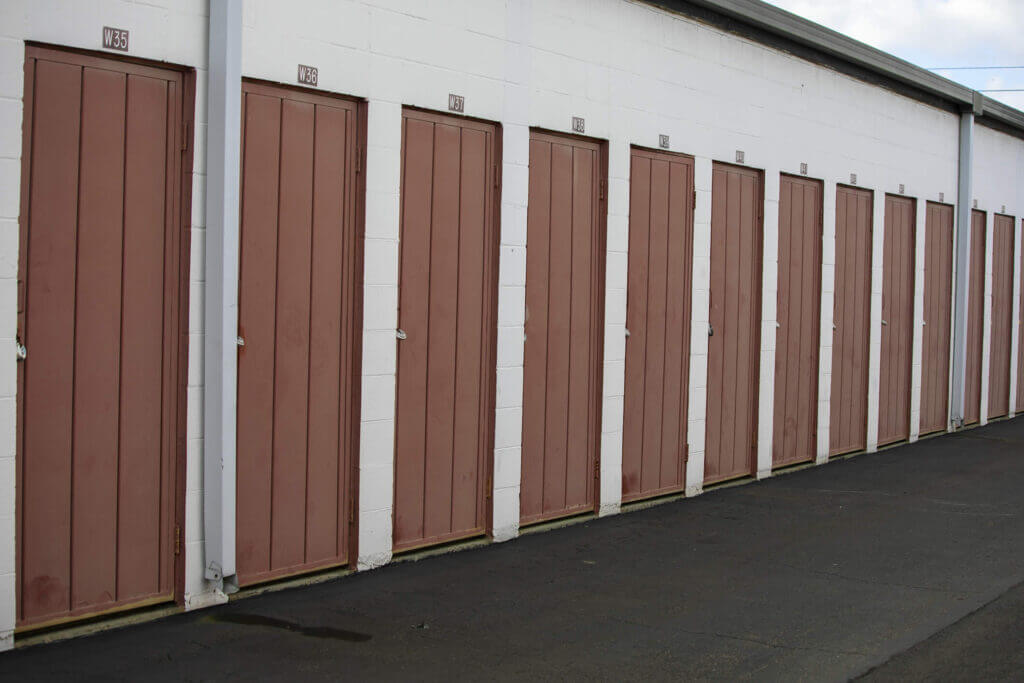
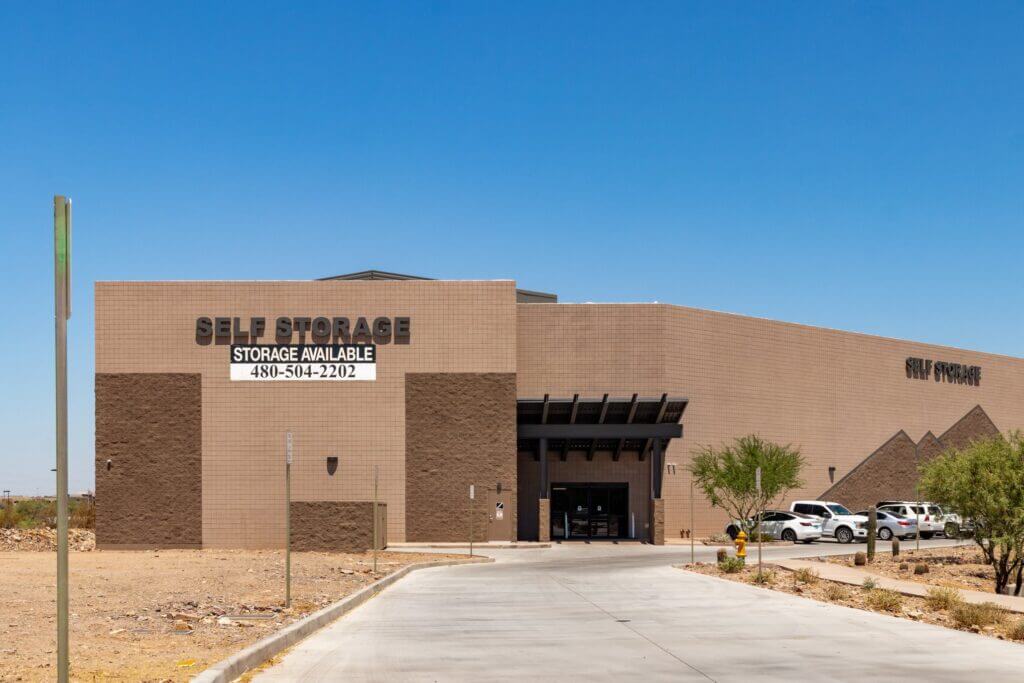
McDowell Mountain Community Storage in Scottsdale Arizona provides secure storage options for comic book collectors
Protect your valuable comic book collection with top storage solutions at McDowell Mountain Community Storage in Scottsdale Arizona

For valuable or rare comic editions, archival protection is essential. Here are some key materials to use:

  • Acid-free bags and sleeves – Prevents yellowing and paper degradation.
  • Archival storage boxes – Made with acid-free materials for maximum preservation.
  • Climate-controlled filing system – Helps maintain ideal conditions.

Using proper storage solutions reduces the risk of damage and ensures your comic book collection remains in top condition for years.

7. Sorting and Labeling for Comic Book Organization

Proper organization makes it easier to find specific comic books within your collection. Here are some tips for sorting and labeling:

  • Alphabetical order – Arranging by title ensures quick access.
  • Series and issue number – Keeps comic book collections together.
  • Filing cabinets with dividers – Great for easy browsing.
  • Labeling storage boxes – Use labels to indicate the contents of each box.

Using bins, racks, and containers makes the organization process more efficient.

8. Business Storage for Large Comic Book Collections

Consider business storage options if your comic book collection has outgrown your home. Storage units offer a secure way to keep your comics safe while freeing up space in your room.

Many collectors store their comic books in storage units when they run out of shelves, bookcases, or furniture. Be sure to choose a storage solution that protects against water, temperature fluctuations, and pests.

9. Online Communities and Reddit for Comic Book Storage Ideas

Platforms like Reddit and collector forums offer great storage solutions for more comic book collection ideas. Many collectors share tips on the best boxes, shelves, and storage unit setups.

Reddit comments often provide real-world advice on:

  • The best comic book display options
  • How to organize comic books efficiently
  • Where to find BCW boxes and magazine shelving

Engaging with the online comic community can help you refine your storage solution.

10. Final Thoughts: The Best Storage Solution for Your Collection

Keeping your comic book collection safe requires the proper storage solutions, whether it’s boxes, a cabinet, or a storage unit. Sorting, labeling, and organization make it easier to manage your comics, while archival protection ensures they remain in excellent condition.

Whether storing a few X-Men series issues or a massive comic book archive, investing in the best storage will keep your collection in shape for years.

Frequently Asked Questions

1. How do I prevent comic books from sticking together over time?

To prevent comic books from sticking together, always store them in acid-free bags with backing boards. Avoid stacking them in humid environments, as moisture can cause pages to stick. Keeping your comics in a climate-controlled storage unit or a room with stable temperature and humidity helps prevent this issue.

2. What is the best way to store oversized or graphic novel editions?

Oversized comics and graphic novels should be stored upright on bookshelves or in magazine file holders. Using adjustable dividers or bookends can help keep them in place without bending. If storing in a box, ensure it is large enough to prevent curling or damage to the covers.

3. Are plastic bins a good alternative to cardboard boxes for long-term storage?

Plastic bins offer better protection against moisture, pests, and general wear than cardboard boxes. However, ensure the bins are acid-free and adequately ventilated to avoid trapping humidity. Also, please keep them in a cool, dark space to prevent heat buildup.

4. How often should I check and reorganize my comic book storage?

You should check your collection at least once or twice a year to ensure there are no signs of mold, pests, or deterioration. If you frequently add new comics, regular sorting and labeling will help keep your collection organized.

5. What are the risks of stacking too many comics in one box or shelf?

Overstacking can cause warping, spine damage, and page compression. Heavy stacks pressure the lower comics, potentially causing creases or misalignment. Always store comics upright in sturdy boxes with dividers or spacers to keep them from pressing against each other.

6. Can I store comic books in a basement or attic without damaging them?

Basements and attics are generally not ideal due to temperature fluctuations and humidity. If you must use these spaces and store comics in airtight, acid-free containers with silica gel packets to absorb excess moisture, a climate-controlled storage unit is a better option for long-term preservation.

7. What are the best lighting options for displaying comic books without causing fading?

Use UV-protected glass frames or display cases to reduce exposure to sunlight and fluorescent lighting. LED lights are the safest option, emitting little to no UV rays and heat, minimizing damage. Avoid direct sunlight at all costs.

8. Should I remove comics from their original plastic wrap before storing them?

Factory-sealed comics should be removed from their original plastic wrap and placed in acid-free bags with backing boards. The original wrap may contain chemicals that degrade paper over time and do not adequately protect against air exposure.

9. How do I protect comics from pests like insects or rodents?

Store comics in sealed plastic bins and avoid keeping them in damp, dark areas where pests thrive. Use pest deterrents like cedar blocks or lavender sachets instead of chemical sprays. If storing in a basement or garage, check regularly for signs of insects or rodents.

10. What are the best apps or software for cataloging a comic book collection?

Popular options include CLZ Comics, Comic Book Collector, and League of Comic Geeks, which help track issues, values, and organization. Spreadsheets can also be helpful for custom cataloging, especially for extensive collections.

How Old Do You Have to Be to Rent a Storage Unit?

Renting a storage unit can be convenient for those looking to store belongings, whether for personal, business, or vehicle storage needs. Many people turn to self storage as a flexible option for securing their items safely. However, if you are underage, you may be wondering, as a person without legal rental rights, how old do you have to be to rent a storage unit? Checking a map of nearby facilities and reviewing the rental menu of available storage units can help you navigate this experience smoothly. 

In most locations, including California (CA) and other states, the legal age requirement to sign a rental agreement for a storage unit is 18 years old. This ensures that a tenant can enter into a binding contract, be responsible for the unit space, and follow the storage provider’s regulations. The reason for this rule is to protect both the renter and the facility from potential legal issues. Anyone under 18 may need a guardian to co-sign. Having flexible rental terms is essential; a storage app can help manage payments and access. Additionally, fire safety rules are in place to prevent risks to property, as damage to things inside the unit could be costly. 

If you are under 18, you will likely need a family member or guardian to co-sign the lease agreement. This helps protect the facility from potential legal issues and ensures that the storage space is used responsibly. Once the agreement is signed, you can log in to your account through the facility’s link to manage your rental. The logo of the storage provider will be visible on the app or website for easy recognition. If you’re storing vehicles or boats, check the space and part of the country where the facility is located to ensure it fits your needs. 

In this guide, we’ll cover the rental process, the different storage unit sizes, security deposit requirements, and factors that impact choosing the proper storage unit.

Understanding the Rental Process

Before securing a storage unit, customers must complete a few steps to finalize the rental process. This includes reviewing the available range of storage units, checking the icon for unit details, and ensuring you have the right supplies for packing your belongings. You can also find helpful content on the facility’s website to guide you through the process. You can also explore job opportunities if you’re interested in careers with a career provider. Here’s what you need to know:

1. Meeting the Age Requirement

The first step in the rental process is confirming that you meet the age requirement. If you’re 18 or older, you can sign the rental agreement without assistance. If not, you will need a legal guardian to sign. Once confirmed, you can proceed to make a reservation for your unit. Review the trademarks associated with the facility to ensure you’re renting from a trusted provider. You may also need to choose the room or space based on your storage needs before finalizing your rentals. 

2. Selecting a Storage Unit Size

One of the most common questions is, “What Size Storage Unit Do I Need?” The answer depends on your storage needs.

  • Small units (5×5, 5×10): Great for storing boxes, seasonal items, or small furniture.
  • Medium units (10×10, 10×15): Ideal for apartment-sized moves or business storage.
  • Large units (10×20, 10×30): Perfect for significant house moves, vehicle storage, or storing bulky items.

Check out Your Ultimate Storage Unit Size Guide to determine the best option for your needs.

3. Understanding Pricing and Fees

Prices for storage units vary based on size, location, and additional amenities. Here are some factors that impact price:

  • Storage unit size: Larger units cost more.
  • Climate-controlled storage units provide temperature regulation for sensitive belongings but may be more expensive.
  • Security deposit: Some storage facilities require a security deposit upfront.
  • Monthly payment: Most facilities operate on a month-to-month rental basis.

Choosing the Right Storage Facility

Not all storage facilities are the same, so it’s essential to consider a few factors before deciding.

1. Location Matters

A nearby storage unit is more convenient, especially if you need frequent access. Searching for storage unit locations near your home or office ensures easy access to your items.

2. Safety and Security

One of the most common concerns is “Are Storage Units Safe?” The answer depends on the facility’s security measures. Look for facilities that offer:

  • 24/7 surveillance cameras
  • Gated access with identification requirements
  • Secure lock options for extra protection
  • Insurance plans for added protection

These features ensure your belongings remain safe while in storage.

3. Access and Convenience

Some storage facilities offer 24-hour access rights, while others have restricted hours. If you need frequent access to your unit, check the facility’s schedule before signing a lease agreement. At McDowell Mountain Community Storage, we offer flexible access hours to accommodate your needs, ensuring you can access your belongings conveniently. Our facility provides excellent service with secure, reliable, and easily accessible units, making it the perfect choice for your storage requirements.

Other convenient features include:

  • Online account management for easy rental payments
  • Drive-up storage units for quick loading/unloading
  • Climate-controlled storage units for sensitive items

Types of Storage Units Available

Discover the age requirement and rental process for renting a storage unit at McDowell Mountain Community Storage located in Scottsdale Arizona.
McDowell Mountain Community Storage in Scottsdale Arizona offers a range of storage options, including secure, accessible units for all your storage needs.

There are different types of storage units based on your specific needs.

1. Business Storage

Many businesses use storage facilities to store excess inventory, office furniture, or important documents. Business storage helps free up office space while keeping essential materials accessible.

2. Vehicle Storage

Vehicle storage is an excellent option if you have an extra car, boat, or RV. These storage spaces are designed for long-term vehicle parking, ensuring your car is safe when not in use.

3. Household Storage

Are you moving to a new house or downsizing? Household storage needs vary, and our storage space options can accommodate anything from a few boxes to an entire home’s worth of furniture.

4. Climate Controlled Storage Units

Climate-controlled storage units provide regulated temperatures to protect temperature-sensitive items against extreme heat, cold, and humidity.

Legal Considerations and Contracts

Signing a lease agreement means committing to regulations regarding your storage unit. Some key aspects of a rental agreement include:

  • Identification: You must present a valid ID to rent a storage unit.
  • Security deposit: Some facilities require this as a safeguard.
  • Monthly payment: Most storage providers charge on a month-to-month basis.
  • Access rights: Rules about who can enter the unit space.
  • Insurance: Some facilities require proof of insurance for valuable items.

Read the contract carefully before signing to understand all the details.

How to Reserve a Storage Unit

If you’re ready to rent a storage unit, here’s a simple guide to securing your space:

Step 1: Research Storage Facilities

Look for storage providers in your area by searching on Google or checking reviews from other customers.

Step 2: Choose the Right Size

Use a storage unit size guide to determine what works best for your needs.

Step 3: Check Pricing and Promotions

Some facilities offer discounts or promotions for new customers.

Step 4: Sign the Rental Agreement

Ensure you meet the age requirement and provide the necessary identification.

Step 5: Move in Your Belongings

Use a truck to transport your items, and secure everything with a reliable lock.

Why Choose McDowell Mountain Community Storage?

At McDowell Mountain Community Storage, we offer the following:

  • Variety of storage unit sizes
  • Secure facilities with gated access
  • Climate-controlled storage units for sensitive belongings
  • Competitive prices and flexible lease agreements
  • Friendly assistance from our professional staff

We understand that choosing the proper storage unit is essential. Whether you need business, vehicle, or personal storage space, we provide secure and reliable options for every situation.

For more information, visit our location in Fresno, check our website, or call our phone number. Let us help you find the perfect storage unit for your needs today!

Frequently Asked Questions

What Is the Best Way to Pack a Storage Unit?

The best way to pack a storage unit is to use proper packing materials like boxes, bubble wrap, and packing tape. Start by storing large, heavy items like furniture at the back of the unit. Then, stack lighter boxes on top. Label all boxes for easy access, and leave an aisle to walk through for easier retrieval of items.

Can I Store Hazardous Materials in a Storage Unit?

Hazardous materials such as chemicals, flammable liquids, paints, and explosives are not allowed in storage units. Storage facilities have strict guidelines on what can be stored, and hazardous items are prohibited for safety reasons. Always check the facility’s policy to avoid any issues.

Are There Any Restrictions on What I Can Store?

Yes, most storage facilities restrict items that pose a safety or health risk, such as perishable goods, hazardous materials, firearms, and illegal substances. Always confirm with the storage provider what can and cannot be stored in your unit to ensure compliance with regulations.

How Can I Protect My Belongings in a Storage Unit?

Consider using climate-controlled storage units for sensitive items such as electronics, antiques, and artwork to protect your belongings. Also, use high-quality locks and secure fragile items with protective padding. For extra peace of mind, look for facilities that offer insurance coverage options for your stored belongings.

How Do I Choose Between a Standard or Climate-Controlled Storage Unit?

Choose a climate-controlled storage unit to store sensitive items like electronics, documents, artwork, furniture, or collectibles susceptible to extreme temperatures or humidity damage. Standard units are suitable for items that aren’t affected by these conditions.

What Is the Difference Between Indoor and Outdoor Storage Units?

Indoor storage units are located inside a building and typically provide more security, with restricted access and temperature control. On the other hand, outdoor storage units are often more affordable and convenient for storing vehicles, boats, or large items, as they offer drive-up access for easy loading and unloading.

Can I Use My Storage Unit for Business Purposes?

Many use storage units for business purposes such as inventory, office supplies, or equipment. However, it’s essential to check with the storage facility about any restrictions or regulations regarding business storage, especially if you plan to use it for commercial purposes like shipping or manufacturing.

What Happens If I Miss a Payment for My Storage Unit?

If you miss a payment for your storage unit, the facility may charge late fees or restrict access to your unit. If payments remain overdue, the facility might eventually auction off your belongings to recover the owed amount. Always communicate with the storage provider if you’re having trouble making payments to avoid complications.

How Can I Access My Storage Unit After Hours?

Some storage facilities offer 24/7 access, while others may have restricted hours. If you need access outside regular business hours, check if the facility provides a keycode or electronic gate access. At McDowell Mountain Community Storage, we offer flexible access hours to accommodate your needs.

Do You Offer Moving and Packing Supplies at the Facility?

Many storage facilities, including McDowell Mountain Community Storage, offer a range of moving and packing supplies, such as boxes, bubble wrap, packing tape, and furniture covers. These supplies can be purchased at the facility to help make your storage experience more convenient.

Maximize Your Handbag Storage with Self-Storage Units

A well-organized handbag collection can make your daily routine smoother, ensuring you always have the perfect bag for any occasion. However, finding enough space to store your purses, handbags, and bags can become a challenge as your collection grows. The proper storage solution can help you declutter, organize, arrange, and optimize your closet space, whether in an apartment or a house. Using the proper containers can maximize your storage capacity, making packing and accessing your belongings more straightforward and efficient. 

The Benefits of Self-Storage for Handbags

A self-storage unit is an excellent option for individuals who want to maintain a clutter-free wardrobe while keeping their handbags in excellent condition. Whether you need something to free up spaces in your closet or an idea for better organization, a self-storage unit can help. It provides the perfect corner to store everything safely, and this blog will guide you through the best ways to maximize your handbag storage. Here are some reasons why using storage solutions for handbags is beneficial:

  • Maximize Closet Space: A storage unit frees up valuable closet shelves to better organize everyday items.
  • Protect Handbags from Damage: A climate-controlled storage unit ensures your bags are safe from humidity, mold, and temperature fluctuations.
  • Improve Organization: A designated storage space prevents clutter and makes locating the perfect purse for any occasion easier.
  • Secure Valuable Items: Some handbags are luxury investments. Keeping them in a storage facility adds an extra layer of protection.
  • Flexible Storage Solutions: Whether you need short-term vs. long-term storage, self-storage allows you to select the best option based on your needs.

Creative Handbag Storage Ideas

If you’re looking for practical handbag storage ideas, there are many ways to store your purses and maintain a tidy closet. Whether you have limited room in an apartment or an expansive walk-in closet, these tips will help keep your handbag collection in order. Using a box to store seasonal bags, organizing clothes and shoes efficiently, and using clever storage solutions can simplify your life. A well-structured image of your storage layout offers easy access, and a storage app can help track and manage your handbag collection effortlessly. 

1. Use Closet Shelves and Dividers

One of the best storage ideas is to dedicate specific closet shelves for your bags. Use shelf dividers to keep each handbag upright, preventing it from slouching or losing shape. If you have adjustable closet shelving, customize the height to fit different bag sizes. This method ensures a neat display that anyone can easily navigate. With various shapes and styles of handbags, organizing them properly saves a lot of space while protecting your investment. Like a brand’s logo represents its identity, a well-organized closet reflects your style and storage rights.

2. Organize with Bins, Boxes, and Baskets

  • Bins and boxes help protect bags from dust and dirt while keeping them organized. You can use a bag organizer to separate different types of bags for easy access.
  • Choose clear storage bins for easy access or label opaque boxes for a neat storage solution. The right purse organizer can make all the difference in keeping everything in order.
  • Baskets can be used for casual or everyday purses, keeping them within reach for quick use. Having an organizer ensures you can grab your favorite bag in no time.

3. Utilize Wall Hooks and Racks

If you’re short on closet space, use wall hooks or a hanging rack to store handbags vertically. This method keeps bags off the floor while making them easily accessible. Whether you’re storing books or bags, utilizing your area efficiently ensures everything stays organized and within reach.

  • Install hooks on a wall or the back of a door to hang clutches and small purses.
  • Use rack-style storage to neatly line up your favorite bags.

4. Repurpose Shower Curtain Rings and Closet Rods

  • Hang bags from shower curtain rings attached to a closet rod. This method works well for storing things like bags anywhere in your closet.
  • This is an efficient way to store multiple handbags while preventing them from getting crushed. It’s also an excellent option for storing drawers of bags without adding extra weight.
  • Ideal for lightweight purses and totes, especially for people who prefer using plastic rings to keep bags organized without taking up too much space.

5. Store Seasonal Handbags in a Self-Storage Unit

Not all bags are used year-round. If you have seasonal handbags, consider storing them in a self storage facility to free up closet space.

  • Use dust bags to prevent damage, especially when storing bags for long periods. This is important for protecting your investment and keeping your handbags in excellent condition.
  • Place structured purses in compartments to maintain their shape. This storage method works well for animals that require different care or games with various information on the items inside.
  • Stack handbags in labeled boxes for easy retrieval. This helps you organize others like shoes or accessories while ensuring you can quickly find the right bag when needed.

6. Use Furniture for Hidden Storage

For a creative storage solution, incorporate multi-purpose furniture that doubles as handbag storage.

  • Ottomans with storage compartments offer a stylish and functional way to store your handbags. This option is perfect for any menu of storage ideas you want to try.
  • Under-bed bins are great for rarely used bags. These bins can be tucked away, saving space in your bedroom while keeping your bags in good condition.
  • Shelving units with built-in organizers provide an excellent choice for storing handbags and keeping them visible. You can choose a color that matches your room’s decor for a more personalized look, making the most out of your storage space.

7. Store Luxury Handbags Securely

High-end handbags require special care to maintain their value. Use the following storage solutions for designer purses:

  • Climate-controlled storage units to prevent humidity damage.
  • Boxes with acid-free tissue paper to maintain structure.
  • Drawer storage with soft lining for delicate materials.
  • Storage bins with silica gel packets to absorb excess moisture.
Maximize Your Handbag Storage with Self-Storage Units at McDowell Mountain Community Storage in Scottsdale, Arizona
Explore how McDowell Mountain Community Storage in Scottsdale, Arizona, offers the perfect self-storage units to help you organize and protect your handbag collection

How to Choose the Right Self-Storage Unit for Handbags

When selecting a self-storage unit for your handbags, consider the following factors:

1. Storage Size Guide

Choose the perfect storage unit for your handbag collection with our Storage Size Guide. From small units for a few bags to large units for your entire collection, find the right fit for your needs! 

  • Small Units (5×5 feet): Ideal for a modest handbag collection, boxes, bins, and small storage organizers.
  • Medium Units (5×10 feet): Provides space for multiple purse organizers, shelves, and additional items.
  • Large Units (10×10 feet and up): Best for storing an extensive handbag collection, clothing, furniture, and other storage solutions.

2. Climate-Controlled Storage Units vs. Standard Units

  • Climate-controlled storage units regulate temperature and humidity, protecting bags from damage.
  • Standard units are suitable for short-term storage but may expose handbags to environmental changes.

3. Short-Term vs. Long-Term Storage

  • If you’re remodeling or organizing, short-term storage is a great option to free up closet space.
  • For a permanent storage solution, a long-term storage unit ensures your handbags remain pristine.

4. Accessibility and Security

  • Look for a storage facility with 24/7 access so you can retrieve bags whenever needed.
  • Choose a secure location with surveillance cameras and gated access.

Storage Tips for Keeping Handbags in Excellent Condition

To keep your handbag collection looking new, follow these storage tips:

  • Clean bags before storing them to prevent stains.
  • Stuff bags with tissue paper to maintain their shape.
  • Rotate handbags seasonally to avoid wear and tear.
  • Keep bags in dust bags for added protection.

Common Handbag Storage Mistakes to Avoid

  • Stacking handbags on top of each other – This can lead to deformities.
  • Ignoring humidity control – Moisture can cause mold and material damage.
  • Overloading closet shelves – This can crush softer handbags.

Why Choose McDowell Mountain Community Storage?

At McDowell Mountain Community Storage, we offer high-quality self-storage solutions for handbag collectors. Our climate-controlled storage units, various sizes, and top-tier security make us the best option for keeping your handbags in excellent condition. With easy-access doors and well-maintained posts for organization, we ensure that your handbags are stored securely. Whether you’re storing a small or an extensive collection, our name is trusted to provide the best thing for preserving your valuable handbags.

Our Storage Solutions Include:

Final Thoughts: Organize, Declutter, and Optimize Your Handbag Storage

Finding the proper storage solution for your handbag collection can transform your closet and free up valuable space. Whether you’re organizing a few purses or a vast handbag collection, a self-storage facility can provide the protection, convenience, and efficiency you need.

We understand the value of proper storage and organization at McDowell Mountain Community Storage. Contact us today to find the perfect self-storage unit for your handbags and enjoy a clutter-free wardrobe!

Frequently Asked Questions

Is storing leather handbags in a self-storage unit safe for long periods?

Yes, as long as you use climate-controlled storage, which helps prevent humidity and temperature changes that can damage leather.

Can I store bags in plastic bags or containers for a long time?

While plastic bags offer dust protection, they can trap moisture. For long-term storage, it’s better to use breathable fabric dust bags or climate-controlled units.

How often should I check on my handbags stored in a self-storage unit?

It’s advisable to check on your handbags every 3 to 6 months to ensure that they remain in good condition and that no environmental issues have affected them.

Can I store handbags with clothes and shoes in the same storage unit?

Yes, but make sure to store handbags in separate, labeled bins or boxes to avoid them getting scratched or damaged by other items.

What is the best temperature range for storing handbags in a self-storage unit?

Ideally, the temperature should be between 60°F and 75°F (15°C and 24°C) to prevent material damage.

Is it better to store handbags upright or lying in a self-storage unit?

For structured handbags, it’s best to store them upright to maintain their shape. Soft bags can be stored lying down if necessary.

How can I protect my handbags from dust while storing them in a self-storage unit?

Use dust bags or place them in clear plastic bins to prevent dust accumulation and keep them in excellent condition.

Can I store handbags in a regular (non-climate-controlled) self-storage unit?

While it’s possible, non-climate-controlled units may expose your handbags to humidity, extreme temperatures, or other elements that could damage them over time. Climate-controlled units are a better option.

How do I prevent my handbags from getting deformed when stored in a self-storage unit?

Stuff them with soft materials like tissue paper or bubble wrap to help maintain their shape during storage.

Should I keep my handbags in the original dust bags provided by the brand?

Yes, using the original dust bags is an excellent way to protect handbags from dirt and moisture while in storage.

What Size Storage Unit Do I Need? A Complete Guide

When considering renting a storage unit, one of the first things that likely comes to mind is: “What size storage unit do I need?” The answer depends on various factors, including how much stuff you plan to store, the type of items you need, and how much space you have. Understanding the capacity required for your belongings and estimating the dimensions of your items will help you choose the correct size. You can also calculate the space you’ll need based on your inventory. Determining the correct secure storage unit size can be overwhelming with so many options. Don’t worry; this guide will help you make an informed decision based on your needs and preferences. 

Understanding Storage Unit Sizes

Storage units come in all sizes, from small 5×5 units to large 10×30 or even larger units. The good news is that once you know what you’re storing, it’s easier to figure out the right unit size. You can estimate the space you’ll need by considering the requirements of your items and using packing tips to make the most of your storage space. Storage units are typically offered in a few standard sizes, and understanding what each size can hold will make your decision much more manageable. Let’s start by looking at the most common storage unit sizes and how to decide which one works best for you. 

The Small Storage Unit (5×5)

A 5×5 storage unit is often compared to a small walk-in closet and is best for those with only a few items to store. This is the perfect size if you need to store a few boxes of clothing, books, or sports equipment. For example, a mattress, dresser, and clothing could fit in this small unit. Advice from many satisfied customers suggests that this size is ideal for those looking to store items from a garage or small apartment. If you’re inquiring about available locations and facilities, you’ll often find these smaller units readily available at many storage options. 

This size unit is great for anyone needing to store seasonal items or keep a few storage boxes containing personal belongings. It’s also ideal for small storage needs like chairs, rugs, or household appliances. If you’re moving out of a minor or studio apartment, this unit can help store your belongings without taking up much space. You can store a car in a unit like this, depending on its length. Using an app can help you estimate the space you’ll need and save you some money. For more details, check the icon on the storage facility’s website for information on specific unit sizes and rights related to access and fees. 

The Medium Storage Unit (10×10)

A 10×10 storage unit is often considered the ideal choice for moving out of a one-bedroom apartment. This unit is spacious enough to fit the contents of a bedroom, plus additional furniture such as a sofa, refrigerator, or boxes filled with personal items. If you need to store a few pieces of furniture and some storage boxes, the 10×10 unit provides ample room. It offers enough footage to accommodate a variety of items like beds, dressers, and even supplies for your next move. If you’re unsure about the best area to place larger items, refer to the facility’s menu or check out their layout for available rooms.

People often use this unit to store items during a move or renovation project. It’s also suitable for people looking to store items temporarily or get a little extra storage space to store seasonal decorations, extra furniture, or clothing. Whether moving, renovating, or just needing extra space, the 10×10 unit can hold a good amount of content. For larger items, use a container for organization. Depending on the width of your items, you can determine the storage size needed. Follow the proper steps to use your space efficiently, and you’ll increase your chance of maximizing the unit’s potential.

The Large Storage Unit (10×15)

A 10×15 storage unit provides more space for those with enormous storage needs. If you’re moving out of a two-bedroom apartment or need to store the contents of your home for an extended period, this unit is a solid option. This size can hold furniture from an apartment or small house, appliances, mattresses, boxes, and more. With higher ceilings and extra uses, this unit is versatile for storing various materials. It can accommodate top-quality furniture and household items and is suitable for different types of goods. This unit size is highly recommended for families in the current market, as it offers enough space for more extensive storage needs. 

In addition to household items, a 10×15 unit can accommodate large items like bikes, couches, and equipment. If you’re storing a vehicle, boat, or family room contents, this unit offers the space to fit them without hassle. This unit is an excellent option for those with larger vehicles like RVs, especially if you’re storing them in front of your home. It’s essential to know what you need to store, and if you have any questions, the facility staff can provide answers. Many homes and companies offer these units, and each has different rules about vehicle storage, so be sure to ask for specifics. 

The Extra-Large Storage Unit (10×20)

A 10×20 storage unit is ideal for more extensive storage needs, making it an excellent option for those moving out of a three- to four-bedroom house. If you need to store furniture, appliances, and vehicles, this size offers plenty of space for all your items. Storage space in this unit can accommodate items like mattresses, furniture, and even large equipment such as refrigerators and washer-dryer sets. For a better experience, watch a video on how to pack your unit efficiently. If unsure how much space you need, use a tape measure to check the floor area and determine the exact size. Before you reserve, check for trademarks on the facility’s website and inquire about the availability of units to ensure that you get the right size. 

A 10×20 unit is also a great option if you’re working on a major home renovation and need to store your belongings temporarily. You can even fit a truck or boat, storage boxes, and personal items in this unit size. Before reserving, speaking with a person at the facility to confirm the unit’s suitability is helpful. Don’t forget to ask about the fee for your specific needs. For accuracy, measure your items and compare them with the available space. You may also explore other options like storage lockers or self-storage if you only need a small space. 

The Largest Storage Unit (10×25)

A 10×25 storage unit is perfect for people with significant storage needs, such as storing a whole house’s worth of furniture, appliances, and other large items. If you’re moving out of a large house, this unit size can easily store multiple bedrooms, furniture, vehicles, boats, or equipment. Many storage facilities offer this size, so you can find one that meets your needs. Whether placing items in the corner or needing extra gear space, this unit can hold several items without issue. It’s perfect for a couple moving out of a large home or anyone with many belongings to store. 

People with business inventory may also find a 10×25 unit a great choice. It provides the space needed to store large amounts of inventory, equipment, or anything else you might need to store for your business. Whether based in Canada or elsewhere, this unit is ideal for organizing and storing your business materials. It helps you calculate the necessary dimensions for your inventory and gives you plenty of room to organize everything efficiently. 

What Can You Fit in These Units?

McDowell Mountain Community Storage in Scottsdale, Arizona, provides a comprehensive guide for selecting the right storage unit size.
Let McDowell Mountain Community Storage in Scottsdale, Arizona, help you choose the right storage unit for your items.

While storage unit sizes may vary, knowing what fits in each size is helpful. When deciding on the right one, choose the right facility that matches your needs. Whether you’re moving, storing items for a renovation, or need extra space, it’s always helpful to seek advice. A comprehensive guide on available unit sizes can give you tips to make the best decision for your situation.  Here’s a general breakdown of what you can store in various unit sizes:

What Can You Fit in a 10×25 Storage Unit? – A 10×25 storage unit is large enough to store furniture from a 3-4 bedroom house, including beds, sofas, chairs, tables, mattresses, appliances, clothing, and boxes. You can also fit a vehicle, boat, refrigerator, dresser, and more. If you’re moving long-term or storing the entire contents of a house, this is an ideal unit size. Whether you’re looking for self-storage or have a couple of larger items to store, this unit can accommodate your inventory. It offers ample space to rent and provides plenty of room for all your belongings.

What Fits in a 10×15 Storage Unit? – A 10×15 unit typically accommodates furniture from a two-bedroom home. This includes mattresses, tables, couches, appliances, and clothing. It’s also large enough to store a vehicle, several bikes, boxes, and personal items. If you’re moving or temporarily downsizing, this size unit is a good option. Be sure to check for details about the unit’s availability before renting. Whether you’re storing items for your family or need to store an icon piece of furniture, this unit size can handle it all. It’s the right place for your essential belongings, including those large appliances you need to store temporarily.

What Can Fit in a 10×10 Storage Unit? –  A 10×10 storage unit can hold the contents of a one-bedroom apartment, including furniture, appliances, and boxes. Items such as a mattress set, dresser, sofa, and small kitchen appliances can fit comfortably in this unit. Depending on how you organize the space, a few bikes, bookshelves, or televisions may also fit. This unit offers a variety of options for storing personal items. For example, if you’re storing a boat, you may need to arrange your content to maximize the available space carefully. The unit provides enough area to accommodate things like furniture and personal items, and the menu of storage options can be adjusted to suit your needs.

What Can Fit in a 5×10 Storage Unit? – A 5×10 storage unit is perfect for someone with only a few items to store, such as a mattress, chairs, small furniture, and a few storage boxes. This unit is also ideal for storing bikes, clothing, or small appliances. If you need to store a few seasonal items, this unit can easily accommodate them without wasting space. Be sure to check for information about the unit’s availability and any fees associated with renting it. When considering your storage needs, review the unit’s dimensions to confirm it can accommodate your belongings. A container option may also be available if you need a larger space.

Specialized Storage Needs: Climate-Controlled Units

climate-controlled storage unit may be the best option for storing items that require a controlled environment, such as electronics, important documents, artwork, or antiques. These units help protect sensitive items from temperature fluctuations and humidity that could damage them.

Budget and Location Considerations

When deciding on a storage unit size, your budget and the location of the storage facility are essential factors to consider. The price of a unit is typically based on its size, but location plays a significant role in how much you’ll pay. For example, storage units in Chicago may be more expensive than those in other areas due to higher demand and real estate prices.

Tips for Choosing the Right Storage Unit

Here are a few storage tips that will help you make the best decision for your needs:

  • Make a list of your items: Know precisely what you’re storing before choosing a storage unit. Are you moving furniture or seasonal items? Do you need to store a vehicle or boat?
  • Consider future needs: If you expect to acquire more items shortly, choose a larger unit to avoid moving everything again.
  • Think about organization: Use storage boxes and containers to organize your belongings and prevent damage.
  • Be realistic with your budget: The larger the unit, the higher the price. Choose the best size that fits your needs while staying within your budget.

Conclusion: Finding the Right Storage Unit for You

Choosing the proper storage unit is all about understanding your storage needs, considering your budget, and evaluating the unit sizes available. By following these tips and considering the options available at McDowell Mountain Community Storage, you’ll be well on your way to selecting the perfect storage solution. Whether you’re moving, decluttering, or need extra space for your belongings, there’s a storage unit size that will fit your needs.

Don’t hesitate to contact McDowell Mountain Community Storage for more information on available storage units, pricing, and tips to help you organize your space. We’re here to help you find the proper storage unit size for your unique situation and provide the customer service you deserve. Rent your unit today and easily organize your inventory, business, or household items!

Frequently Asked Questions

What is the difference between a climate-controlled and a standard storage unit?

Climate-controlled units maintain a consistent temperature and humidity level, making them ideal for storing sensitive items like electronics, artwork, and antiques. Standard units do not have this control, making them suitable for more durable items that aren’t affected by temperature or humidity.

Are storage units insured, or should I purchase additional insurance?

While many storage facilities offer basic coverage, it may not be enough to protect your belongings fully. It’s advisable to check with the storage facility about insurance options or consider purchasing additional coverage through a third party.

What happens if I need to access my storage unit outside of regular business hours?

Many storage facilities provide 24/7 access with a personal code or key. However, this depends on the facility’s policies, so it’s best to confirm access hours or inquire about after-hours availability when renting a unit.

Can I store hazardous materials or flammable items in a storage unit?

No, most storage facilities have strict policies that prohibit the storage of hazardous materials, chemicals, or flammable items. It’s essential to check the facility’s terms and conditions to ensure compliance with safety regulations.

How do I know if a storage unit is secure enough for my belongings?

Look for features like video surveillance, gated access, well-lit premises, and secure locks. Some facilities also offer enhanced security measures, such as alarm systems on individual units. During your inquiry, ask about the security features to ensure your belongings are safe.

Can I store a vehicle in a 5×10 or 10×10 unit?

A 5×10 unit is typically too small for a vehicle, while a 10×10 unit might accommodate a small car or motorcycle. A 10×15, 10×20, or larger unit would be more appropriate for larger vehicles like trucks, RVs, or boats.

What should I do if my storage unit is too small or too large for my needs?

If your unit is too small, ask the facility about upgrading to a larger size. If it’s too large, consider downsizing to a smaller unit. Many storage facilities allow you to switch units based on your changing needs, though you may have to pay any difference in cost.

Can I rent a storage unit for a short-term period, such as a few weeks or a month?

Yes, most storage facilities offer flexible rental periods, including short-term rentals. Whether you need storage for a few weeks or months, you can find options that suit your timeframe.

Are there any restrictions on the types of items I can store in a 10×20 or larger unit?

There are usually few restrictions on larger units, but items such as perishable food, hazardous materials, or illegal goods are prohibited. Always confirm with the facility about specific restrictions before storing large or unusual items.

What payment options are available for renting a storage unit?

Most storage facilities offer a variety of payment methods, including credit/debit cards, checks, and online payments. Some may also accept cash payments. Inquire about payment schedules, as many facilities require monthly payments, but flexible options may be available depending on your needs.