Can You Store a Car in a Storage Unit?

Storing a car in a storage unit is an increasingly popular choice for vehicle owners looking for a safe and secure place to park their vehicles. Whether you’re storing a classic car, a family vehicle, a motorcycle, or a truck, storage units provide the perfect solution for those needing temporary or long-term parking. This blog post will cover everything you need to know about storing your vehicle in a storage unit, including the types of units available, preparation tips, costs, and considerations for choosing the best storage facility. Reviewing the rental agreement and contract before committing to it must ensure you fully understand the rights and responsibilities involved. If you have any questions, check the menu of options and policies. Make sure the car storage options suit your needs, whether you need one or multiple units for various vehicles. 

Why Use a Storage Unit for Your Vehicle?

When you don’t have enough space in your garage or your driveway is full of belongings, a storage unit offers a practical solution. Not only does it provide a safe and protected environment for your car, but it can also help you maintain the condition of your vehicle’s over time. If you have questions about the right locations or size storage unit for your vehicle, you can find plenty of advice online. Many people share their experiences on Reddit through posts, and you’ll find nothing but helpful insights from fellow car owners looking to find the best options.  There are several reasons why people turn to self-storage for their vehicles, including:

  • Protection from the Elements: Storing your car in a storage unit protects it from exposure to the elements, such as rain, snow, sunlight, and dust. Protecting the exterior and interior from weather can help prevent damage and wear for vehicles that are particularly valuable or need long-term care. Many people share their thoughts and comments about the best options, including some popular car and vehicle storage options that provide superior protection for your vehicle. 
  • Space Optimization: If you’re a car owner but don’t have enough room in your garage for additional vehicles, a storage unit allows you to clear up space in your driveway or garage. It can also free up room for family items or other belongings you need to store. With various unit sizes available, you can choose from a wide range of storage spaces, whether you need space for cargo vans or just a smaller vehicle. Gather all the necessary information to determine the best fit for your needs. 
  • Safety and Security: A storage facility offers secure parking with access control systems to protect your vehicle from theft or vandalism. Some units also provide climate control to protect against extreme temperature fluctuations, which can cause damage to both the interior and exterior of your vehicle. When choosing a facility, consider the storage unit sizes, whether it’s self storage or a climate-controlled unit, and weigh the price, length of the rental, and any restrictions the facility may have regarding vehicle storage.

Types of Storage Units for Cars

Several types of storage units are available, depending on your needs and the type of vehicle you’re storing. Each type has different benefits, so it is essential to understand your options.

Indoor Storage Units

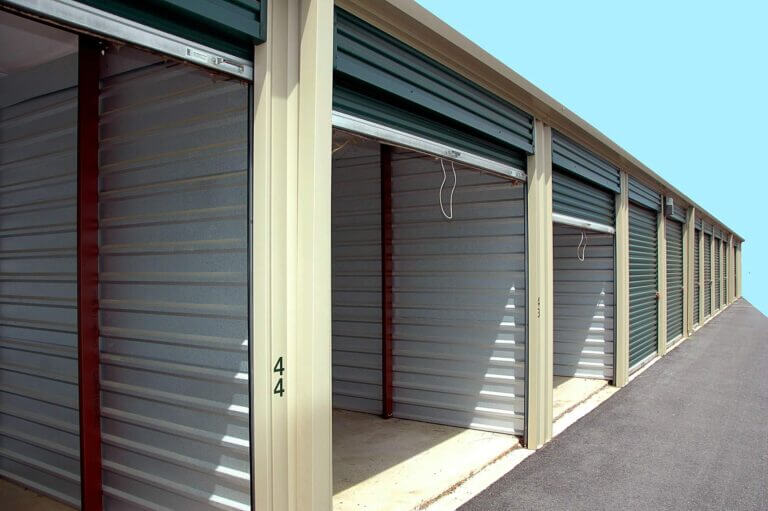
Indoor storage units are ideal for protecting your vehicle from the elements. These units typically provide climate control, which ensures that the temperature remains constant, preventing the buildup of moisture that can cause rust or other types of damage. This is especially beneficial for luxury, classic, or motorcycles requiring extra protection. Indoor units are also safer from theft because they are often in enclosed, secure areas. When considering this option, keep in mind the team at the storage facility, assess the risk of damage, and make sure to consider the needs of renters. Search for facilities with the best rates to ensure you get a great deal. 

Outdoor Parking Spaces

If your vehicle doesn’t require as much protection from the weather, an outdoor parking space might be a better option. These spaces are often more affordable than indoor units and are perfect for vehicles designed for outdoor use, such as trucks, trailers, and vans. While they do not offer climate control or protection from the elements, many outdoor spaces still offer security features like gated access and surveillance cameras. When you rent an outdoor space, it’s essential to check the condition of the area, especially for vehicles that require maintenance, like checking the brake pads and rotors. For a collector, ordering additional protections is essential to ensure the vehicle stays in good shape. 

Covered Parking

A step up from outdoor parking, covered parking spaces offer protection from rain, snow, and direct sunlight. While they do not fully protect your vehicle from dirt or other external elements, they provide an added layer of protection without the cost of a fully enclosed storage unit.

Carports

Some storage facilities offer carports, which provide a covered area to park your vehicle. Carports do not have walls or a full enclosure, but they protect from rain, sun, and snow. Carports are commonly used for RV storage, but they can also be used for trucks, SUVs, or sedans.

How to Prepare Your Vehicle for Storage

Before storing your vehicle in a storage unit, it is essential to take specific steps to ensure it remains in good condition. Proper preparation will help prevent damage and ensure your car stays in optimal condition.

Clean Your Car

Start by cleaning both the interior and exterior of your vehicle. Wash dirt, salt, or oil from the surface, and vacuum the interior to remove crumbs, dust, and debris. This will help prevent any long-term damage to your paint or upholstery while in storage.

Check the Battery

If you’re storing your car for a long time, it’s a good idea to disconnect the battery or use a battery maintainer to keep it in good condition. A dead battery can be a hassle when you’re ready to take your vehicle out of storage.

Fill the Gas Tank

Filling the gas tank before storage can help prevent moisture from building up inside the tank and causing rust. Adding a fuel stabilizer is also advisable to keep the fuel from breaking down while the car is idle.

Change the Oil

If you plan to store your vehicle for a long time, consider changing the oil and replacing the oil filter before storage. Old oil can degrade over time and cause damage to the engine.

Inflate the Tires

Check the tires for proper inflation before placing your car in storage. Underinflated tires can develop flat spots, which can cause issues when you take the vehicle out of storage. Keeping the tires properly inflated will help ensure they remain in good condition.

Use a Car Cover

Protect the exterior of your vehicle with a car cover. This will shield it from dust, dirt, and other debris accumulating in the storage unit or parking space.

Check the Parking Brake

Before storing your car, ensure that the parking brake is engaged. If you’re storing a manual car, put the car in gear as an added precaution. However, if you’re storing a car with an automatic transmission, avoid leaving the parking brake engaged for long-term storage, as it can put unnecessary pressure on the brake system.

Consider Using a Vehicle Maintenance Service

Some storage facilities offer maintenance services such as tire rotations, oil changes, and battery checks. If you’re uncomfortable doing these tasks, check with your storage facility to see if they provide these services for added convenience.
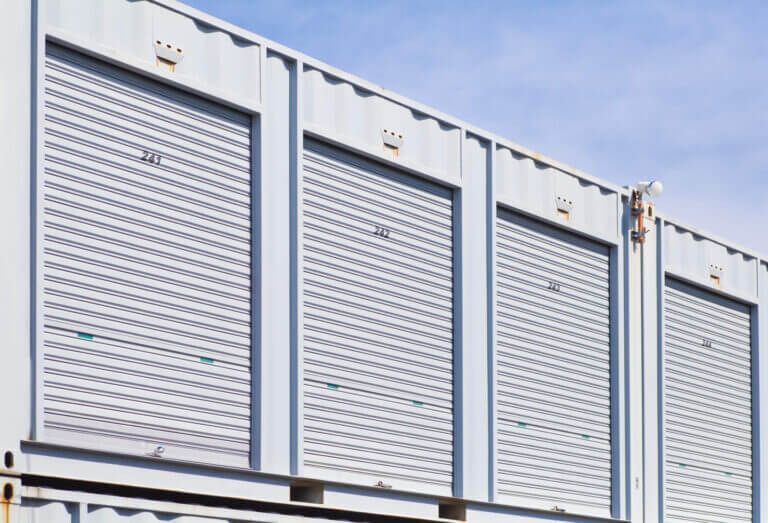
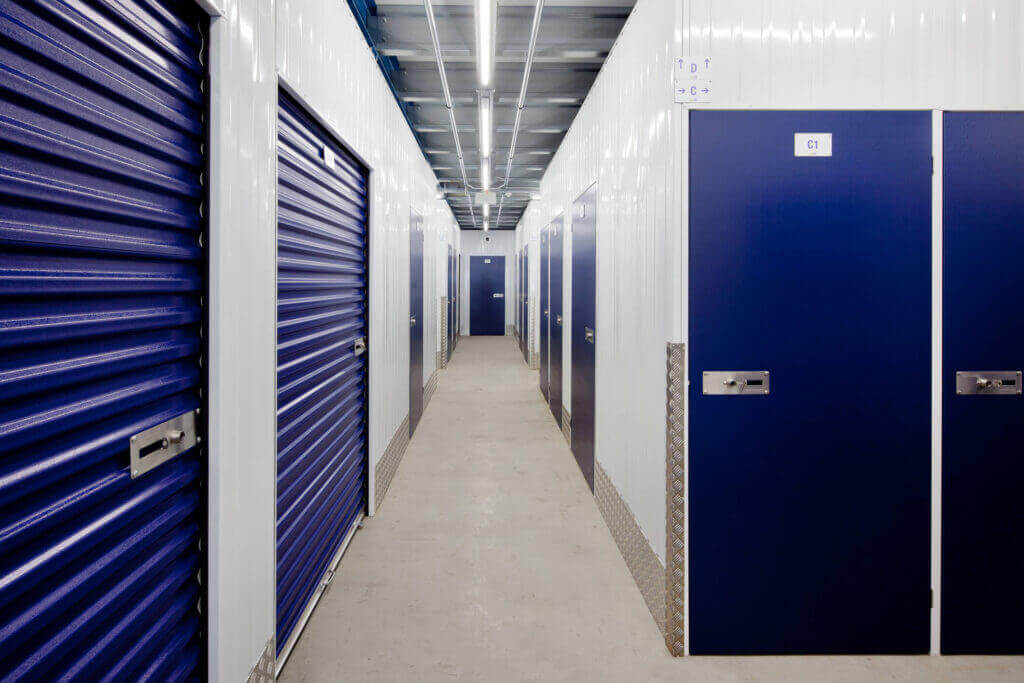
Storing a car in a storage unit at McDowell Mountain Community Storage in Scottsdale, Arizona offers secure and reliable protection.
Find out how McDowell Mountain Community Storage in Scottsdale, Arizona provides secure vehicle storage options.

Choosing the Right Storage Facility

When looking for a vehicle storage facility, there are a few factors to consider:

  • Security: Ensure the facility provides secure access with gated access, surveillance cameras, and security staff.
  • Location: Choose a location that is easily accessible to you, especially if you plan on using your vehicle regularly.
  • Accessibility: Consider the access hours and whether the facility offers 24/7 access. Some facilities also provide online reservation systems and apps to manage your storage.
  • Climate Control: A climate-controlled unit will benefit by protecting it from extreme temperatures if you’re storing a vehicle for a long time.
  • Cost: Compare storage unit costs and ensure you understand any additional fees or hidden charges.

Cost of Storing a Vehicle

The cost of vehicle storage varies based on several factors, including the type of storage unit, the location, and the unit size. On average, indoor storage tends to be more expensive than outdoor or covered parking because it provides more protection. Climate-controlled units can also be pricier due to the added features. However, outdoor parking is often more affordable, making it a viable option for vehicles that require less protection.

Additionally, some facilities offer discounts for long-term rentals or monthly contracts, so it’s worth inquiring about any special offers.

Frequently Asked Questions (FAQs)

Here are answers to some of the most common questions about storing your vehicle in a storage unit to help you make an informed decision. 

Are storage units safe for cars?

Yes, reputable self-storage facilities provide high levels of security, including gated access, surveillance cameras, and on-site security personnel to ensure your vehicle remains protected.

Can I store my car outdoors?

Yes, you can store your car in an outdoor parking space, which is typically more affordable. However, this option does not offer protection from weather elements like rain, snow, or sunlight, so it is better suited for vehicles built for outdoor conditions.

What’s the best way to prepare my car for storage?

To prepare your car for storage, clean the interior and exterior, change the oil, check the battery, fill the gas tank, and inflate the tires. Consider using a car cover to protect it from dust and other elements.

How do I choose the proper storage unit size for my vehicle?

The right unit size depends on your vehicle’s dimensions. Standard cars usually fit into a 10×25 storage unit, while larger vehicles like trucks, SUVs, or trailers may require a bigger unit. Check the storage facility’s dimensions to ensure the space comfortably fits your vehicle.

What type of storage is best for a luxury car?

Indoor, climate-controlled storage is ideal for luxury cars. It protects them from extreme temperatures, humidity, and dust and helps maintain their condition over time.

Can I store my car in a climate-controlled unit?

Many storage facilities offer climate-controlled units, which maintain a stable temperature and humidity level. This is especially important for the long-term storage of high-value vehicles like classic or luxury cars.

Is insurance required for storing my vehicle?

Insurance is not always required for vehicle storage, but it is highly recommended that you ensure protection in case of damage or theft. Check with the storage facility to determine whether they provide coverage or if you need to get your own.

What’s the cost of storing a vehicle in a storage unit?

The cost of vehicle storage varies depending on factors like the type of unit, location, and facility features like climate control. On average, indoor storage is more expensive than outdoor storage. Prices can range from $50 to $500 per month or more.

Can I store a trailer or RV in a storage unit?

Many storage facilities offer outdoor spaces for larger vehicles like trailers, RVs, and boats. Some facilities also offer indoor storage for smaller trailers or motorhomes, but availability may vary.

How do I access my car while it’s in storage?

Most storage facilities offer 24/7 access to your vehicle. Some facilities provide online booking or an app for convenience. Check the access hours and whether the facility requires any special permissions or access codes for entry.

Conclusion

Using a storage unit for your vehicle is an effective way to keep it protected, whether you need short-term storage or long-term parking. By choosing the right storage space, preparing your vehicle properly, and considering the cost and location of the storage facility, you can make the best decision for your needs. Always remember to check the rules, regulations, and insurance options before committing to a storage unit. For a reliable, secure, and conveniently located option, consider McDowell Mountain Community Storage. They offer a variety of vehicle storage options to meet your needs, providing peace of mind with top-notch security, accessibility, and well-maintained units.
What Can You Fit in a 10×25 Storage Unit?

When you’re looking for a storage unit, there are various sizes. One of the most versatile and spacious options is the 10×25 storage unit. Whether moving to a new home, decluttering your current space, or needing extra storage for your business inventory, this size offers plenty of room to accommodate a wide range of items like a mattress, couch, wardrobe, bicycle, and more. This unit can handle everything from packing up your belongings to storing large furniture. In this article, we’ll dive into the many storage needs a 10×25 unit can fulfill, how it compares to other unit sizes, and what you can expect when choosing this size for your self-storage needs. 

Why Choose a 10×25 Storage Unit?

A 10×25 storage unit offers space that is equivalent to the size of a two-car garage, making it ideal for storing a variety of belongings, from furniture and appliances to vehicles. Whether you’re looking for a place to store furniture during a move, store a truck or car, or need a temporary location for business inventory, this unit can handle large quantities without compromising convenience. Additionally, self storage units in various locations offer a wealth of information for those who need to find the perfect space for their homes or other purposes. 

The flexibility of a 10×25 storage unit is unmatched. It can be used for short-term or long-term storage, whether you’re in the process of relocating or need extra space to store seasonal items, sports equipment, or electronics. For those with specific storage requirements, the storage unit sizes offer plenty of options, allowing you to fit larger items like boats, furniture, and even garage items securely and organized. Whether you’re storing items from multiple rooms, an entire house, or just items from your apartment in a specific area, the size storage unit provides the right space for all your needs.

What Can Fit in a 10×25 Storage Unit?

A 10×25 storage unit is approximately 250 square feet, offering ample space for various items. Whether you’re storing a lot of belongings or need to accommodate larger items, such as furniture or vehicles, this unit provides the flexibility you need. For renters looking for additional space, this unit offers a great option with high ceilings to store items of different shapes. As you compare storage unit prices in areas like Miami, you’ll find that the storage unit prices for a unit of this size offer great value for the space and convenience it provides. Here’s a breakdown of what you can store in this spacious self storage unit:

Furniture

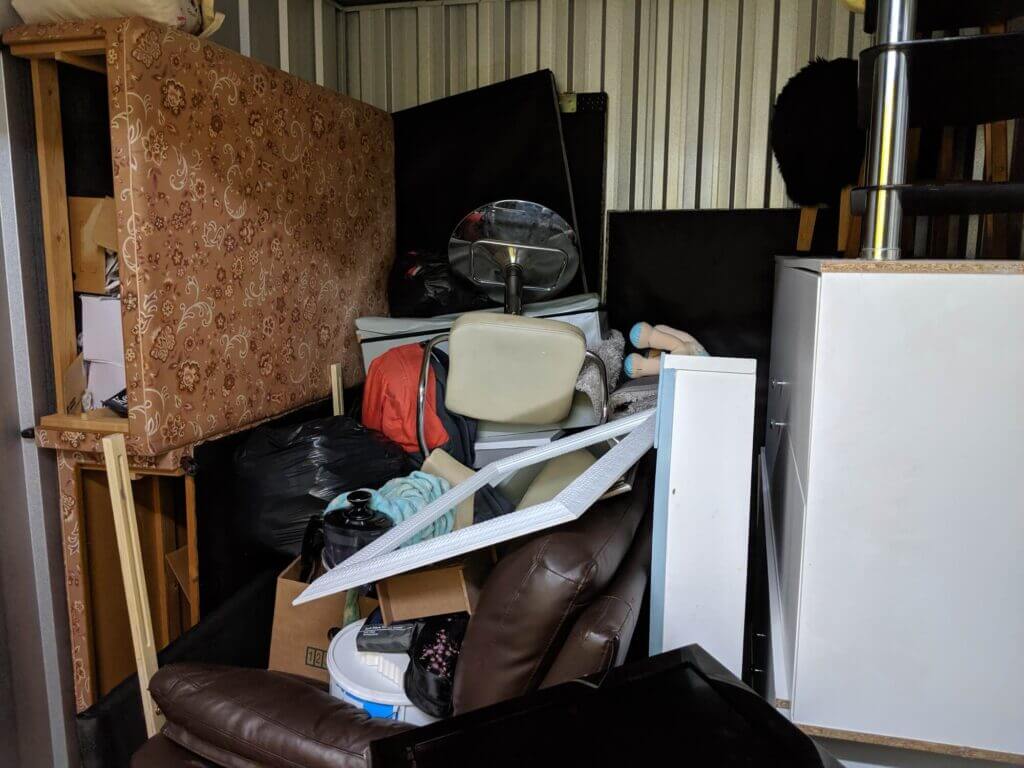
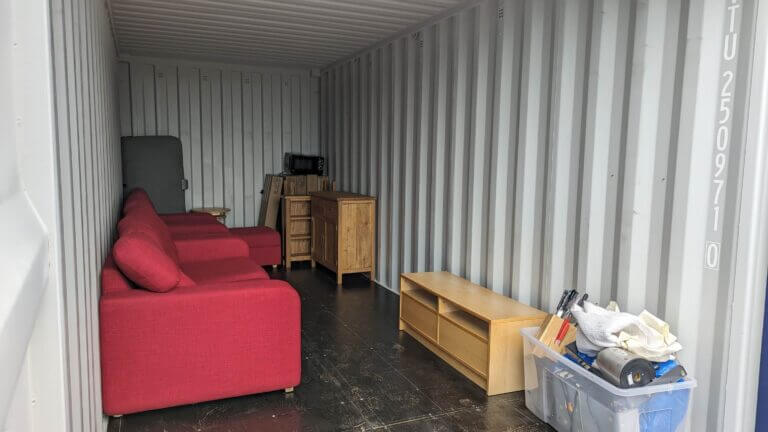
This unit can easily accommodate larger furniture such as couches, sofas, chairs, and beds. It can store an entire living room or bedroom set, including mattresses, bed frames, wardrobes, and dresser units. If you’re moving or redecorating, a 10×25 storage unit can handle all your furniture without hassle. Whether storing items like a washer for your family or moving an entire living room in New Jersey, this unit can meet your needs. You can even manage your storage with an app to keep track of your RVs and other belongings. With your mind at ease, you’ll have the space to store your larger items securely in the U.S. 

Appliances

If you need a place to store large appliances, a 10×25 unit can handle it. You can store washers, dryers, refrigerators, and other kitchen appliances without worrying about running out of space. It’s also perfect for storing outdoor equipment like barbecues or patio furniture during the off-season. One of the standout features of this unit is its ability to accommodate a wide range of items. Whether you’re experiencing trouble fitting everything into your home or need additional space, vehicle storage units can also be stored here. Check the pricing and availability of the unit at your local storage facility to ensure it meets your needs. 

Vehicles

Vehicle storage is one of the most common uses for a 10×25 storage unit. This unit can fit most standard vehicles, including cars, trucks, and SUVs. Additionally, if you’re looking for a temporary storage solution for your boat or RV, this unit size also provides ample room for such vehicles. For areas like Los Angeles, New York, or Chicago, where parking may be limited, a 10×25 storage unit can be an excellent choice for vehicle storage. You can also use this space to store larger items like a sofa or other furniture, making it versatile. When considering the dimensions of your items, be sure to compare them with the storage unit dimensions to ensure everything fits. Many customers have found this unit size ideal for all their storage needs. 

Seasonal Items and Equipment

A 10×25 unit is also perfect for storing seasonal items such as holiday decorations, winter gear, or outdoor equipment like bicycles, tools, and sports gear. If you’re an outdoor enthusiast, this unit offers enough space to store all your gear, including camping equipment and boating supplies. You can also store boxes of clothing, mattresses, and other seasonal belongings in an organized and easy-to-access manner. Whether you’re storing furniture from your condo or need space for large items, this unit is a great option. It allows for flexibility with your commitment to keeping your items secure. No matter the quantity of items you need to store, this country-wide storage solution is perfect for a season or a more extended period. Many self-storage options are available in cities like Atlanta, ensuring you have convenient access to a unit when needed. 

Business Inventory

For small businesses needing storage, a 10×25 storage unit offers the space to store inventory, office supplies, or equipment. Whether you run a retail business, are a photographer with bulky equipment, or need to store files and paperwork, this unit size can hold various business contents. It’s an affordable alternative to renting extra office space, allowing you to keep your inventory organized and accessible. If you’re looking to store home office furniture, this size unit offers enough space to accommodate desks, chairs, filing cabinets, and more. Additionally, if you’re moving or downsizing, it can fit items from bedrooms or other areas of your home. This storage unit provides an excellent solution no matter where you’re located, whether in Las Vegas or another city. You can follow simple steps to organize your items in this spacious unit. 

Organizing Household Items

When you’re looking to declutter your home, a 10×25 storage unit is perfect for storing belongings that don’t fit in your home. If you’re renovating, moving, or need more space, you can store boxes of clothes, electronics, furniture, and even futons. The unit provides a safe and secure place to store all your household items, freeing up space in your home. Whether you need extra space storage for seasonal items, a dryer, or larger items like vans, this unit offers a flexible solution. This unit is an excellent option for those who are comparing storage solutions. You can always check out FAQ sections for more information on how it fits your specific needs. With the market of self-storage growing, finding the right solution for your belongings has never been more straightforward. 

How to Organize a 10×25 Storage Unit

When using a 10×25 storage unit, maximizing the space is essential to ensure everything fits comfortably and remains accessible. One way to do this is by organizing your items efficiently and strategically stacking your belongings. With various states offering a wide selection of storage facilities, it’s essential to consider the heat and humidity of the area when storing sensitive items. Check the list of available amenities and consider taking a tour of the facility before making your decision. Understanding the difference in available storage options can help you make the right choice. You may even want to compare different units to find the best one that meets your needs.  Here are a few tips for organizing your storage unit effectively:

1. Stack Boxes and Containers

The first step to organizing your storage unit is stacking boxes and containers efficiently. Place heavier items at the bottom and lighter ones on top to prevent crushing. Label each box clearly so you can quickly find what you need without opening every box. Additionally, consider the cost and location of self storage facilities when choosing the best option for your organization’s needs. 

2. Use Shelving Units

If you’re storing small items, consider investing in shelving units. This will help keep your boxes, appliances, and furniture organized and prevent them from taking up unnecessary floor space. Shelves are handy for storing electronics, tools, or other small items that might otherwise get lost in a pile. Be sure to check the price of shelving units to ensure they fit within your budget. 

3. Keep Frequently Used Items Accessible

Store frequently used items at the front of the unit for easy access. These include seasonal clothing, sports equipment, or appliances you may need throughout the year. Keeping these items at the front will save you time and effort when accessing them.

4. Store Larger Items Vertically

Store larger items like furniture, mattresses, or sofas upright to save space. This method maximizes vertical space and prevents items from occupying unnecessary rooms on the floor.

5. Create Pathways

When organizing a self-storage unit, it’s important to leave room for walking paths so you can easily access your items. Even in a larger 10×25 storage unit, you don’t want to cram everything in and make it impossible to find what you need later.

A spacious 10x25 storage unit at McDowell Mountain Community Storage in Scottsdale Arizona ideal for storing furniture and vehicles.
Store furniture, vehicles, and business inventory in a 10×25 storage unit at McDowell Mountain Community Storage in Scottsdale Arizona.

How Does a 10×25 Storage Unit Compare to Other Sizes?

While the 10×25 storage unit is spacious and versatile, comparing it with other unit sizes can help you determine the best fit for your needs.

10×20 Storage Unit

10×20 unit is big but slightly smaller than the 10×25, offering about 200 square feet of space. This size is perfect for storing a smaller number of items or if you have a smaller vehicle, such as a car or motorcycle. While it’s still spacious enough for most furniture or appliances, the 10×25 provides an additional 50 square feet of storage, which can be crucial for larger or more vehicles.

10×10 Storage Unit

A 10×10 unit offers about 100 square feet of storage space, ideal for smaller loads, like a one-bedroom apartment’s worth of furniture or appliances. It can also hold a few boxes, small furniture, or electronics, but a 10×25 unit is a better choice for larger or multiple vehicles.

10×15 Storage Unit

A 10×15 unit is a good middle ground between the 10×10 and 10×20. It offers 150 square feet of storage space, making it suitable for larger loads like a two-bedroom apartment’s worth of furniture, appliances, or a vehicle. However, if you have multiple cars or larger items, a 10×25 would offer more space.

10 Frequently Asked Questions About 10×25 Storage Units

What is the ideal climate for storing items in a 10×25 storage unit?

If you’re keeping sensitive items like electronics or antiques, it’s best to store them in a climate-controlled unit, especially in areas with extreme heat or humidity.

Can I rent a 10×25 storage unit for just a month?

Many storage facilities offer flexible rental terms, including month-to-month rentals, so you can rent a 10×25 storage unit for as long as you need.

How is a 10×25 unit the right size for me?

Compare the size of your belongings with the unit’s dimensions and consider whether you need space for large furniture, multiple vehicles, or a mix of items.

Is a 10×25 storage unit secure?

Most storage facilities provide 24/7 security, including video surveillance and gated access, to ensure the safety of your belongings.

What types of businesses typically use 10×25 storage units?

Small businesses, e-commerce stores, photographers, and contractors often use 10×25 units to store inventory, equipment, or supplies.

Are there any additional fees associated with renting a 10×25 unit?

Some facilities may charge administrative or insurance fees or require a deposit, so it’s important to inquire about all costs before renting.

Can I access my 10×25 storage unit anytime?

Many facilities offer 24/7 access, but some might have restricted hours. Be sure to check with the facility regarding access availability.

How can I maximize the use of vertical space in a 10×25 storage unit?

Use shelving or stack your items vertically, storing heavier items at the bottom to create more space and easier access.

What precautions should I take when storing items long-term in a 10×25 unit?

Consider using airtight containers for sensitive items and wrapping furniture with protective covers to prevent dust or damage over time.

Is there a limit to the weight I can store in a 10×25 unit?

While there’s typically no weight limit, it’s essential to avoid overloading the unit or placing cumbersome items on top of fragile ones to prevent damage.

Conclusion

A 10×25 storage unit is an excellent option for anyone needing an ample and flexible storage space. This unit size offers the capacity to handle many belongings, whether you’re storing furniture, vehicles, business inventory, or seasonal items. With its ample space, easy access, and variety of potential uses, the 10×25 storage unit can meet your storage needs for both short-term and long-term solutions. For top-notch storage services, McDowell Mountain Community Storage provides reliable and secure options tailored to your specific requirements.

How to Organize a Small House With No Storage Space

Living in a small house with limited storage space can feel overwhelming, especially when you have a lot of stuff to keep track of. From clothes to kitchenware, furniture to books, the list of items can seem endless. It’s easy for things to pile up, creating an atmosphere of clutter in almost every room of your house. However, with the right strategies and creative thinking, you can overcome the challenge of organizing a small house with no storage space.

This guide discusses storage ideas, tips, and solutions to help you turn your cramped living situation into a more organized, efficient space. Whether you’re dealing with living rooms, bedrooms, kitchens, or bathrooms, there are countless ways to optimize the storage and organization of your home. Let’s dive into how you can organize a small house, maximize storage, and keep your home clutter-free by using creative solutions like hangers, embracing minimalism, and utilizing stackable storage options, corners, and under-bed space. By learning how to streamline your belongings and incorporate multifunctional furniture, you can make the most of every inch of your home.

1.  Maximizing Closet and Cabinet Storage

In any home, closet, and cabinet space are some of the most valuable areas for storage. Unfortunately, they are often underutilized, leaving you nowhere to store your belongings. The key to efficient closet organization is keeping the clothes and accessories you need and utilizing every inch of available space for maximum storage. Consider adding a shelf to store extra items or organizing your bedroom closet by incorporating bins or baskets for easy access to your belongings. Thanks to innovative solutions, you can turn even the tiniest closet into a well-organized space. If you’re still struggling to find something to organize your closet, a post about maximizing doors as additional storage space might offer some fresh inspiration.

Smart Closet Organization

Start by assessing all the items in your closet. Consider donating or discarding anything that you no longer use or need. Once you’ve cleared out the excess items, it’s time to organize what’s left. Closets are perfect for storing clothing, shoes, and accessories, but they also offer the opportunity to store other items neatly and organizedly. 

  • Shelves: Add extra shelves to your closet for storing shoes, bags, books, or small accessories. Consider adjustable shelves that can change based on your storage needs. You can also use these shelves to store items like magazines or keep advice, news, or other helpful content easily accessible. 
  • Baskets and Bins: Use baskets or bins inside your closet to store easily lost or mixed-up items. These are ideal for storing small accessories like scarves, hats, and shoes. In addition, you can place them near your entryway for easy access when you leave the house. You can also create a dedicated page or section to organize your frequently used items. This will become an essential part of the process to keep everything in its place.
  • Over-the-door Organizers: Install over-the-door organizers for additional storage. These can store shoes, cleaning supplies, or accessories without taking up floor space. You can also use them to store important information, tools, or small items. Consider using these organizers to keep items in hand if you have a garage. They can even be helpful if someone in your household needs quick access to everyday items. 

Cabinet Organization

Your kitchen and bathroom cabinets are another area where storage can be maximized. Think about making the most of the available cabinet space without crowding or cluttering them with unnecessary items. One way to do this is to take a step back and evaluate how you can organize each spot better. You can store the most-used things in the front and find hidden places for items you don’t need as often. When organizing, please also make the most of closet space, as it can be a great addition to your cabinet organization.

  • Pull-Out Drawers: Install pull-out drawers in your kitchen cabinets to access items easily. This is a great way to store pots, pans, and small kitchen appliances. You can also create a space for your subscription boxes or items related to your hobbies, whether related to a specific field like cooking or crafting. Add some decorative touches like decor items or even a mirror to enhance the functionality and appearance of your cabinets. 
  • Vertical Storage: Use the space on your cabinet walls for additional shelving. You can install hooks, rods, or additional shelving units to store kitchen essentials such as utensils or spices.

2. Declutter and Organize Your Rooms

Decluttering is the first step in organizing a small house. When your rooms are filled with clutter, it can feel impossible to keep everything tidy. By focusing on decluttering each room, you’ll create more room for storage and organization. Consider creating an account of what you own to help with the process. For instance, consider adding some decorative shrubs or incorporating different furniture styles to make the space feel fresh. Additionally, consider optimizing kitchen cabinet storage to ensure everything has its place. 

Living Room

The living room is a common area where things can quickly pile up. Between books, furniture, and electronics, it’s easy for your living space to become disorganized. One of the most important aspects of organizing your living room is creating spaces for everything to go. For example, you can organize the area by incorporating suitable storage solutions for your apartment. Prioritize health by keeping cleaning supplies accessible, and don’t forget about the laundry room, which can serve as an extension of your living space. You can also check out a blog for more tips on organizing different areas of your home. 

  • Furniture Storage: Invest in multifunctional furniture, such as ottomans that offer hidden storage space or coffee tables that double as storage units. These types of pieces are perfect for maximizing storage in tight spaces. You can also consult with experts on how to organize more efficiently. For example, you can utilize the space under your bathroom sink or add extra stairs to create more vertical storage. Storage cabinets can also be an excellent solution for keeping your home organized and tidy.
  • Wall Shelves: Adding wall shelves is an excellent way to clear up space on the floor. You can place books, magazines, or decorative items on these shelves, which helps free up other spaces in the room. Consider installing a shelving unit to store items like electronics or a favorite device. Depending on the season, you should adjust what you keep on the shelves. For example, store more books during colder months or swap them for seasonal holiday art. 
  • Storage Baskets: Use decorative baskets or bins to store items like remote controls, magazines, or games. Baskets provide a great way to organize your belongings without sacrificing style. Additionally, you can store everyday essentials like a fridge magnet or makeup in these bins. If you’re concerned about space, remember that these baskets can also serve a practical function. If you have a clutter issue, ask for comments from family members or friends on how they organize similar spaces. 

Kitchen and Pantry

The kitchen is often considered the heart of the home, but it can also be one of the messiest places in a small house. Between utensils, appliances, and food, a kitchen can become overcrowded quickly. The key is to keep things organized by using every available space for storage. Consider utilizing premium storage solutions for items that need to be accessed often. For example, rights to additional storage areas in nearby rooms, such as the dining room, can be a great way to keep things in order. You can place smaller kitchen items on the side of cabinets to free up more space for essentials. 

  • Pantry Organization: Organize your pantry with clear containers or baskets. Group similar items together and use labels to identify what’s inside easily. Bins or storage jars organize pasta, rice, and dry goods. You can also store snacks or canned goods in a dresser or cabinet for easy access. Kids should consider using colorful containers or strips of labels to help them find their favorite snacks. Every piece of your pantry organization system can make a huge difference, no matter how small the item. 
  • Kitchen Cabinets: Maximize the space inside your cabinets by using pull-out shelves, tension rods, or adjustable dividers for things like plates, cups, and bowls. Use baskets to store snacks, spices, and other smaller items. If you’re looking for an extra tip to make your space feel livelier, consider placing small plants inside your cabinets or on the shelves. This simple addition brings more life to your kitchen. Another idea is to organize your pantry by storing canned goods in the basement or somewhere out of sight. You can also create a specific storage space for bulky items like mixing bowls or blenders. 
  • Use Vertical Space: Install shelves or hooks to keep things off the counter. Hang utensils, mugs, or pots and pans on the wall to save valuable drawer space. For larger items, consider using the bottom of your cabinets for storage. You can also add hooks or a set of bins to the cabinet doors for extra organization. Store kitchen essentials or jackets in these hidden spaces to keep your counters and cabinets clutter-free. 

Bathroom Storage

The bathroom is often one of the smallest rooms in the house, making organizing tricky. It is essential to use the space efficiently between towels, toiletries, and cleaning products.

  • Shelving Units: Add shelving above the sink or toilet to store bathroom essentials like shampoo, soap, and extra towels.
  • Under Sink Storage: Utilize the space under the sink with baskets or pull-out drawers. This can be a great place to store cleaning products, extra toiletries, or extra towels.
  • Storage Containers: Consider using clear plastic containers or baskets inside cabinets to organize smaller bathroom items neatly.

3. Creative Storage Solutions for Small Spaces

Organize a small house with no storage space using efficient solutions from McDowell Mountain Community Storage in Scottsdale, Arizona.
Discover clever storage solutions for small homes with McDowell Mountain Community Storage, Scottsdale, Arizona.

When living in a small house without storage, sometimes you must think outside the box. Creative storage solutions can make a huge difference in maximizing your available space. Whether you use storage bins or install custom shelving, these solutions help create more room and reduce clutter.

Vertical Storage

One of the most effective ways to organize small spaces is by utilizing vertical storage. Adding shelves or hooks to your walls can create significant extra space without taking up any floor area.

  • Wall-Mounted Storage: Install wall-mounted shelves or racks to store books, decorative items, or everyday necessities.
  • Hooks: Hang hooks or racks on the wall to store coats, bags, or keys. These are ideal for areas like entryways or bedrooms.

Multifunctional Furniture

Invest in multifunctional furniture that doubles as storage. For example, use a storage ottoman as a seat and a place to store blankets, pillows, or seasonal clothing. Consider a bed with built-in drawers or a sofa that can double as a bed for guests. Compact furniture is an excellent solution for tiny homes, as it can serve multiple purposes.

  • Foldable Furniture: Look for foldable tables, chairs, or even storage containers that can easily collapse when not used.
  • Storage Bins and Baskets: Store clothes, shoes, or other seasonal items in storage bins. These can be stacked or slid under the bed, placed in closets, or hidden behind curtains.

Declutter Regularly

To maintain an organized home, it’s vital to declutter regularly. This ensures that you don’t accumulate unnecessary items over time, which can lead to more clutter. It’s easy to forget what you have and where it’s stored, so be sure to go through your belongings periodically and get rid of anything you no longer need. Consider donating unused furniture, books, or clothes to make room for what you use and need.

4. Additional Storage Solutions

If you still find that your tiny house lacks enough storage, consider renting a storage unit. Storage units come in different sizes and many offer climate-controlled options to ensure the safety of your belongings. Whether you need short-term storage while decluttering or long-term storage for items not in daily use, a storage unit can provide the extra space you need.

Storage Unit Considerations

Before renting a storage unit, consider the following:

  • Storage Size Guide: Make sure you choose the storage unit of the right size for your needs. Most companies offer size guides to help you determine how much space you need.
  • Short-Term vs Long-Term Storage: A short-term storage unit may suffice if temporarily decluttering your house. However, a long-term unit could be more cost-effective if you’re looking to store seasonal items or things you don’t use often.
  • Climate-Controlled Storage:
  • Climate-Controlled Storage: For sensitive items like books, electronics, or family heirlooms, a climate-controlled storage unit is the best option. This ensures that the temperature and humidity levels are regulated to prevent damage.

Conclusion

Organizing a small house without storage doesn’t have to be daunting. You can create a functional and tidy home by implementing these storage solutions, decluttering regularly, and maximizing every inch of available space. There are many ways to organize your home effectively, from closets and kitchen cabinets to creative storage solutions and storage units.

For those needing additional storage, McDowell Mountain Community Storage offers reliable, convenient, and accessible options for your overflow items. Whether you’re storing seasonal clothing, extra furniture, or just need more space, they have the perfect solutions to help you declutter and stay organized.

The key to maintaining an organized home is to keep track of your belongings and use smart, efficient storage techniques. Whether you invest in multifunctional furniture, wall-mounted shelves, or storage units, there are plenty of ways to make your small house feel spacious and clutter-free.

With the right mindset and organizational tools, you can live comfortably in your small house without feeling overwhelmed by clutter and disorganization.

Power Tool Storage Ideas: Maximize Space in Your Self-Storage Unit

Let’s delve into power tool storage ideas. Whether for personal use, professional work, or a home renovation project, maintaining the organization and accessibility of power tools can be challenging. If you use a self-storage unit to store your toolbox, cordless tools, and air tools, optimizing the available space with a neat and tidy arrangement is essential. This ensures that items like drills, drivers, and pieces of PVC are securely stored and easily accessible. Consider using dividers, a compact and portable charging station, and a layout that incorporates a drill press or plywood board for larger items. You can also add options like a drawer system to keep everything in place. With the proper setup, you can prevent mess and ensure that everything, from DeWalt tools to various projects, has its place.

Make Use of Wall Space with Pegboards

Utilizing vertical space is one of the most effective methods for storing power tools in a self-storage unit. Pegboards are an excellent solution for storing smaller tools, such as screwdrivers, saws, and drills. You can maintain the organization of your storage unit by installing a pegboard on the walls and utilizing hooks, baskets, and shelving on the side and front of the unit. This not only conserves space but also facilitates the retrieval of necessary instruments without needing to search through boxes or bins, ensuring that you can easily access all your tools with much less hassle.

Install Shelving Units

Shelves are indispensable for storing more extensive power tools and their accessories. Adjustable shelving units are optimal because they can accommodate tools of varying sizes and weights. Power saws, drills, and sanders can be securely stored on shelving, while smaller accessories such as batteries, chargers, and tool belts can be stored in labeled bins on the same shelves. Tool boxes are an excellent option for organizing everything for cordless tools and other smaller items. This method ensures that all your stuff, from a bunch of drills to many accessories, is readily accessible and organized, maintaining a clutter-free unit.

Use Tool Chests or Cabinet

Tool chests or cabinets are ideal for organizing many minor parts and accessories. These storage units are equipped with numerous drawers and compartments, which facilitate the organization of screws, nails, drill bits, and other tiny items. Some tool chests are even equipped with a lockable feature, providing additional security for their valuable equipment.

Containers and Bins That Can Be Stacked

Stackable receptacles and containers are an excellent alternative for individuals with restricted wall space. These containers are available in various sizes and are ideal for assembling similar instruments, such as drills, drivers, and other tools from your shop. Label each bin with its contents to identify the necessary instrument without opening each container. This system will help you maintain an organized space and give your storage area a neat look. Stackable containers also maximize the floor space in your self-storage unit by enabling you to store more without occupying additional space, as they can be stacked vertically, making it easier to organize your tools, whether for your shop or house.

Hanging Storage for Corded Tools

If not stored correctly, corded power tools can consume significant space. To store your corded tools, it is advisable to utilize wall-mounted racks, hooks, or holders. This prevents the cords from becoming entangled and helps to clear floor space. Extension cables and power strips can be stored in wall-mounted containers or hanging baskets, which is a great option to ensure that they are organized and out of the way. This idea helps maintain a tidy and efficient workspace.

Create a Tool Cart for Mobility

Consider purchasing a mobile tool cart if you frequently require access to your tools. These trolleys are designed with wheels, which facilitate the transportation of your tools from one location to another. When the cart is not in use, it can be rolled into your self-storage unit, where you can store your power tools and accessories. This approach is particularly advantageous when one maintains an extensive assortment of instruments or requires consistent access.

Protect Tools with Soft Storage Bags

Soft storage bags, such as electric drills or power saws, can safeguard instruments susceptible to moisture or dust. These bags fit over tools and protect them from the elements while stowed in your unit. To prevent moisture accumulation, which could result in rust or corrosion, selecting bags constructed from durable, permeable fabric is recommended.

Label Everything

It is essential to maintain order when storing electrical tools in a self-storage unit. Labeling each box, bin, and shelf allows the contents to be swiftly determined without opening them. A labeling system that incorporates factors such as tool type, size, or frequency of use can be implemented to facilitate the identification of specific tools when they are required. You can use a sheet of labels for each section, ensuring that the rest of the materials and tools are easy to locate. With this system, each piece of equipment will be organized, whether part of your plans or just something you need to grab quickly. This options menu will help you manage your room and storage space more efficiently, ensuring everything is in its proper place.

Consider Climate Control for Sensitive Tools

Some power tools, particularly those that contain electrical components or batteries, may be susceptible to extreme temperatures or humidity. If your current unit is not climate-controlled, consider renting a self-storage unit with temperature and humidity control. This will extend the lifespan of your tools and ensure that they remain in optimal working condition by safeguarding them from harm caused by moisture, heat, or cold.

Create a Unique Storage Solution

If you maintain a substantial collection of power tools, developing a personalized storage solution tailored to your specific requirements may be advantageous. You can employ a professional to construct custom shelving, racks, or cabinets specifically designed to accommodate the size and shape of your instruments, such as drivers and others. This guarantees that each item, including casters and work bench tools, is assigned a specific location, keeping them organized and preventing damage. By ensuring that tools are stored separately from each other, you can maintain a neat and efficient storage space that looks good and works effectively.

Understanding Power Tool Storage Ideas in Scottsdale, Arizona at McDowell Mountain Community Storage
Power Tool Storage Ideas in Scottsdale, Arizona at McDowell Mountain Community Storage

Conclusion

Implement innovative storage solutions to optimize the space in your self-storage unit while maintaining the organization of your power tools. Numerous methods ensure the safety and accessibility of your tools, including wall-mounted pegboards, shelving, stackable bins, and tool carts. For example, incorporating tool holders for impact drivers, angle grinders, and grinders can maximize your workspace. A well-organized tool cabinet or toolbox can store everything in one place. With a well-thought-out design and plan, such as a workbench or dedicated area for DIY projects, you can store many tools, including battery-powered tools, and ensure that your garage or workshop remains clutter-free. By employing these storage strategies, you can optimize your self-storage unit and guarantee that your tools are consistently accessible when required.

Frequently Asked Questions

How can I prevent the rusting or corrosion of instruments in a self-storage unit?

To prevent oxidation and corrosion, storing your tools in a climate-controlled, dry location is recommended. Additionally, you may implement moisture-absorbing packets or silica gel packs in your storage containers to mitigate humidity. A thin layer of oil or lubricant can be applied to metal-part instruments to safeguard them from moisture.

What are the most effective storage solutions for large, bulky instruments such as generators or power washers?

Consider utilizing large, durable shelving units or positioning them in specified corners of the unit for extensive, bulky tools such as power washers or generators. Additionally, consider purchasing wheeled storage racks or carts to facilitate the movement of these substantial instruments throughout your unit. To prevent moisture damage, ensure that they are stored off the floor.

Can I utilize a tool storage system to organize my tools in a self-storage unit?

Indeed, a dedicated tool storage system, such as a mobile tool chest or modular tool storage unit, is an excellent method for organizing your tools in a self-storage unit. These systems are intended to accommodate various tools and accessories and can be effortlessly relocated within the unit and out when required.

What is the most effective method for storing power instruments with safety features, such as drills or saws?

Store tools with safety features, such as drills or saws, with their safeguard mechanisms activated. For instance, it is crucial to cover saw blades and store drills with safety switches in the off position. Utilize protective cases or covers to prevent accidental activation or damage.

How can I maintain the organization of my self-storage unit as I accumulate additional instruments over time?

As your tool collection expands, regularly evaluate and rearrange your self-storage unit. Ensure you employ efficient storage solutions, such as adjustable shelving, pegboards, and labeled containers. If additional shelves or storage units are required, donate or sell any tools that are no longer in use to make space for new ones.

Is storing power instruments that require repair in a self-storage unit permissible?

Indeed, it is permissible to store power tools that require repair; however, it is crucial to ensure that they are stored safely and organized. Store them in bins or boxes to prevent additional damage and maintain a clear separation from working instruments. Label them with a note specifying the necessary repairs to prevent them from being overlooked.

What are the best methods for storing power instruments that are not frequently used?

Consider storing tools used infrequently in labeled containers or tool chests and placing them at the rear of your self-storage unit. Ensure they are in excellent working order by inspecting them and using protective covers or cases.

What is the most effective method for storing power instruments over an extended period?

Before storing your instruments for an extended period, ensure they are cleaned and maintained appropriately. To safeguard them from moisture and grime, remove the batteries, lubricate the moving parts, and store them in protective bags or cases. If feasible, store the tools off the ground and use a climate-controlled unit. Additionally, moisture damage should be avoided.

How can I enhance the security of my storage unit for high-value electrical tools?

To enhance the security of your high-value tools, it is advisable to utilize lockable cabinets or tool chests. You may also install a security camera in your self-storage unit or purchase a high-quality safeguard for the unit’s door. Some self-storage facilities provide enhanced security features like access control systems and 24/7 surveillance.

What are some space-saving ideas for storing large extension cables and hoses?

Use wall-mounted cord reels or storage pegs to organize extension cords and hoses and conserve space. Additionally, they can be precisely coiled and stored in large bins or baskets. Label each cord with its length and type to facilitate identification in an emergency. 

Expert Tips on How to Properly Store Power Tools in a Self-Storage Unit

Power tools may appear straightforward to store in a self-storage unit; however, it is crucial to implement the appropriate procedures to preserve their condition. At McDowell Mountain Community Storage, we provide secure, climate-controlled facilities to safeguard your tools from moisture, extreme temperatures, and other detrimental environmental factors.

To maintain the optimal condition of your tools, it is recommended that you use toolcases or wrap them in protective covers to shield them from dust and pests. Handle your instruments with care when transporting them to prevent accidental damage. Arrange your tools in tool chests or bins to prevent wear and strain.

Store your tools on vertical surfaces to optimize space and safeguard them when feasible. Smaller tools, such as screwdrivers, saws, and drills, are best accommodated by wall-mounted racks and pegboards. For larger equipment, such as power washers or generators, use durable storage units to keep them off the floor and prevent moisture accumulation. This ensures your tools, from a set of drills to a couple of grinders, are easily accessible and in optimal working condition.

At McDowell Mountain Community Storage, we recognize that each tool has distinct storage requirements. Whether you’re storing hand tools or large machinery, we offer a variety of unit sizes to suit your needs. Our team can assist you in selecting the right unit for your tools, ensuring that each one is stored correctly and remains in top condition.

We offer secure, clean storage options with 24/7 surveillance for short-term and long-term safety. Contact us today to reserve your unit and discover the most effective power tool storage solutions. No matter the season or storage duration, McDowell Mountain Community Storage ensures your instruments stay in optimal condition.