How to Store a Mattress in a Storage Unit

How to store a mattress in a storage unit? Storing a mattress in a storage unit may appear simple; however, some preparation is necessary to guarantee its preservation. These measures will support a mattress’s shape, comfort, and longevity, whether you are moving, redecorating, or temporarily storing it. When transporting a mattress, it’s essential to use the right supplies, such as a mattress topper or storage bag, to protect it from lumps or damage. Consider using a vehicle with enough room to move the mattress without bending it, which can affect its quality. If you’re using self-storage, ensure the unit has climate control to protect the mattress from extreme weather conditions.

For the best results, you can use an upholstery cleaner to remove dirt or bacteria before storage. It’s essential to store your mattress in a clean, dry space, away from garages or damp spots in the house. If you’re unsure about the best way to store your mattress, someone with experience can provide helpful information. These steps will ensure that your mattress remains in good condition, no matter how long it’s stored. Whether you’re storing it for a few weeks or months, these precautions will help maintain its comfort and durability when you need it again.

Clean the Mattress Before Storing

It is crucial to thoroughly clean your mattress before storing it. Dust, grime, and allergens can accumulate over time, and storing a dirty mattress can result in mold growth or unpleasant odors.

  • Vacuum: Utilize a handheld vacuum or upholstery attachment to thoroughly clean the mattress’s surface thoroughly, emphasizing the seams and margins where dust may accumulate.
  • Spot Clean: To remove any stains, apply a solution of moderate detergent and water. Avoid immersing the mattress in water, which can cause mold or fungus growth.
  • Dry: Allow the mattress to fully air out before storing it, particularly if it has been cleansed with water. Please place it in a well-ventilated area to ensure that it is scorched.

Wrap the Mattress in a Protective Cover

It is imperative to safeguard your mattress from dust, dirt, and potential moisture during storage using a mattress protector or plastic wrap. A mattress bag constructed from thick plastic is optimal, as it preserves the mattress’s cleanliness and impedes vermin entry.

  • Utilize a Mattress Bag: You can acquire a mattress bag specifically engineered for storage. These waterproof and durable containers will safeguard your mattress from environmental factors.
  • Plastic Wrap: If a mattress bag is unavailable, the mattress can be similarly safeguarded by being wrapped in heavy-duty plastic wrap. Ensure the entire mattress, including the sides and corners, is covered.

Select the Appropriate Storage Unit

Selecting the appropriate storage unit to maintain your mattress’s condition is imperative. There are several variables to evaluate:

  • Climate-Controlled Storage: If feasible, select a climate-controlled storage unit. Mold growth or foam disintegration are among the potential consequences of extreme temperatures and humidity on mattresses. A climate-controlled unit assists in maintaining a consistent humidity and temperature.
  • Size of the Unit: Ensure the storage unit is sufficiently spacious to accommodate your mattress without folding or bending it. To prevent injury, it is recommended that a standard mattress be positioned flat within the unit.

Arrange the Mattress Appropriately

The positioning of your mattress is crucial for maintaining its optimal condition during storage.

  • Keep it level: Staying your mattress on level is essential, as standing it on its side can cause the internal structure to warp or bend. This is particularly crucial for hybrid or memory foam mattresses, as they may lose their contour if not stored correctly.
  • Prevent Stacking: If you store multiple items in the same unit, avoid stacking weighty objects on your mattress. The weight may damage the mattress’s internal springs or foam, compressing it.

Prevent Storing in Direct Contact with the Floor

Although it may be appealing to position your mattress directly on the storage unit’s floor, this can expose it to moisture, dirt, and pests. Instead, elevate the mattress using a timber platform, pallet, or piece of plywood.

  • Elevating the mattress guarantees it is shielded from moisture or grime accumulating on the storage unit’s floor.

Check Your Mattress Regularly

If you intend to store your mattress for an extended period, it is advisable to conduct routine inspections. This will enable you to identify prospective issues before they escalate into significant problems.

  • Inspect for Damage: When you visit your storage unit, examine the mattress for any indications of damage, including mold, moisture, or rodents.
  • Air It Out: To prevent the development of musty aromas, it is recommended that the mattress be removed from the storage unit every few months to allow it to air out. 

Evaluate the Mattress Type

Different mattress varieties may necessitate slightly different storage considerations. The following is a comprehensive guide to the proper handling of a variety of bedding types:

  • Inner Spring Mattresses: These mattresses are more durable and less susceptible to damage than foam mattresses. However, they should still be stored flat to prevent any deformation or bending of the internal springs. To safeguard the metal coils from moisture or rust, guarantee that they are securely enclosed in plastic.
  • Memory Foam Mattresses: Memory foam mattresses are more susceptible to pressure and can be easily deformed if stored incorrectly. Always store them horizontally and refrain from folding or bending them. If space is a concern, it may be advantageous to coil the mattress (provided that the manufacturer permits it) and store it upright in a manner that does not exert excessive pressure on the foam.
  • Hybrid Mattresses: These mattresses are more intricate to store due to the combination of innerspring coils and polyurethane layers. Similar to innerspring mattresses, they should be stored, and extra precautions should be taken to prevent the foam layers from becoming compressed or misshapen.
  • Latex Mattresses: Although latex mattresses are inherently resistant to dust mites and allergens, they are still susceptible to extreme heat or moisture damage. They should be stored at a level, in a climate-controlled environment, and under a protective cover to maintain durability.

Avoid Storing the Mattress for Too Long

Although mattresses can be stored for prolonged periods, it is advisable to avoid doing so, particularly if stored in a non-climate-controlled unit. Environmental factors, including humidity, heat, and pressure, can cause even the most exceptional mattresses to degrade over time.

It is advisable to plan to retrieve the mattress within a reasonable timeframe or to periodically inspect it to guarantee that it remains in good condition.

Guarantee Proper Ventilation

Although it is imperative to safeguard your mattress by wrapping it in plastic, it is also crucial to maintain a certain degree of airflow to prevent moisture accumulation. If you are storing the mattress for an extended period, consider leaving a small distance between the mattress and the walls or other items in the storage unit. This will facilitate the circulation of air and prevent moisture from becoming confined.

Maintain the Storage Unit in a Clean and Pest-Free Condition

It is imperative to maintain the condition of your mattress by utilizing a tidy storage unit. If your unit exhibits any indications of rodents or vermin, it is advisable to seek an alternative unit, as these pests can potentially damage your mattress. Conduct routine inspections of the unit to guarantee it is free of moisture, insects, and grime.

Use pest repellents or traps around the perimeter of the storage unit to prevent rodents and pest infestations, if feasible.

Consider the Use of a Mattress Storage Service

Mattress storage services are accessible for those who are apprehensive about the logistics of storing a mattress independently. These services, which specialize in properly storing and managing mattresses, may provide climate-controlled units or even pick-up and delivery services to guarantee that your mattress is maintained in optimal conditions. They also offer ways to protect your mattress, such as using a seal or a protective layer of material to prevent damage. Whether you’re storing your mattress for the spring or any other time of year, these services ensure that your mattress stays in top condition, no matter the changes in temperature or humidity.
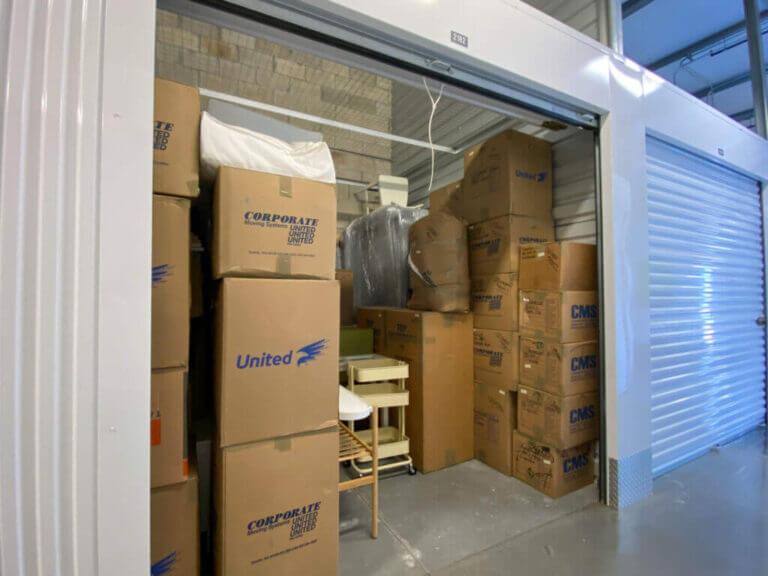
A mattress storage in Scottsdale, Arizona at McDowell Mountain Community Storage
Storing a Mattress in a Storage Unit in Scottsdale, Arizona at McDowell Mountain Community Storage

Conclusion

It is unnecessary to be intimidated by the prospect of storing a mattress in a storage unit. By following the appropriate preparation, protection, and care, you can ensure your mattress remains in top condition until you’re ready to use it again. A mattress cover or mattress protector will help protect it from bacteria, smells, and dust. A mattress storage bag is a great way to organize and safeguard your mattress from contaminants, while sheets and covers offer additional protection. Proper cleaning before storage is essential to avoid bacteria buildup and maintain the mattress’s freshness.

Investing in the proper storage solutions will prolong your mattress’s lifespan. Storing your mattress in a climate-controlled unit will protect it from dampness, moisture, and extreme weather conditions, which can cause damage over time. Areas like basements or damp spaces should be avoided, as they can negatively affect the mattress’s condition. By following expert advice and taking these precautions, you ensure your mattress stays in excellent shape, making it a wise investment for the future. Proper storage can extend the mattress’s lifespan, saving you money and effort when using it again.

Frequently Asked Questions

Is it necessary to disassemble my bed frame before storing my mattress?

Disassembling your bed frame isn’t required for mattress storage, but it can save space in your unit. If you plan to store the entire bed frame, disassembling it can improve efficiency and help optimize the space.

How long can I preserve my mattress without causing it any harm?

When stored in the appropriate conditions, a mattress can be stored for several months or even years without sustaining any harm. Protecting it from physical pressure, temperature extremes, and precipitation is crucial. If your mattress is stored for an extended period, it is essential to conduct regular inspections to guarantee its continued excellent condition.

Is storing a mattress in a self-storage unit without a cover permissible?

Although technically feasible, it is not advised. Storing a mattress without a cover exposes it to the risk of moisture damage, dust, and debris. Utilizing a mattress or plastic cover is imperative to ensure the mattress’s cleanliness and safety while it is in storage.

What are the signs that my mattress has been damaged during storage?

Upon removing your mattress from storage, conduct a thorough examination to identify any indications of damage, including mold, mildew, discoloration, or unusual odors. The mattress should be in excellent condition if it has been appropriately stored and protected. If you observe any problems, it may indicate that the storage environment was not optimal.

Is it permissible to stow a mattress in a garage or basement?

I do not recommend storing a mattress in a cellar or garage, as there is a risk of moisture, temperature fluctuations, and pests. Typically, these regions are not climate-controlled, which can result in the development of mold or mildew. For safety reasons, storing your mattress in a climate-controlled storage unit is advisable.

What if my mattress exceeds the capacity of a conventional storage unit?

If your mattress exceeds the standard dimensions of storage units, such as a California king-size mattress, consider a larger unit, such as a 10×15 or 10×20. Numerous storage facilities offer a wide range of sizes, ensuring you can locate the ideal measurement for your mattress.

Is it possible to store a mattress in a perpendicular position?

It is not advisable to store a mattress vertically, as this may cause it to lose shape or develop permanent folds. Therefore, you must store your mattress evenly to preserve its structure and comfort.

Is it advisable to store a mattress in a cardboard box?

Although cardboard crates can offer some protection, they are not optimal for mattress storage. Cardboards can accumulate moisture, which can result in the development of fungi or mold. For optimal protection against vermin, moisture, and dust, it is recommended to employ a mattress-specific plastic cover or bag.

Is it permissible to stow a mattress with the bedding still in place?

Before storing your mattress, it is advisable to remove all bedding, including pillows, blankets, and linens. Bedding can trap moisture and grime, which may damage the mattress. It is also advisable to wash and fold your bedding in distinct loads.

Is it permissible to store a memory foam mattress in a storage unit?

Yes, memory foam mattresses can be stored in a storage unit; however, it is crucial to safeguard them from compression. Avoid positioning heavy items on the mattress and utilize a mattress bag. It is imperative to store memory foam horizontally, as it can lose shape if compressed for extended periods. 

Expert Tips on How to Properly Store a Mattress in a Storage Unit

While it may appear simple to store a mattress in a storage unit, it is crucial to take the necessary steps to ensure its longevity and condition. Our team of professionals at McDowell Mountain Community Storage Facility can assist you in safely storing your mattress. We provide climate-controlled storage units to protect your mattress from moisture, dampness, and extreme weather conditions. This will help control potential damage caused by climate change, ensuring your mattress remains in top condition. Additionally, we recommend wrapping your mattress in a protective cover or plastic bag to safeguard it from dust, grime, and pests. When you transport your mattress, ensure it is handled carefully to avoid any damage during the move.

We suggest storing your mattress on a horizontal surface, ideally elevated off the floor, to protect it from sagging or warping. This simple step helps maintain the integrity of your mattress and keeps it in pristine condition for future use. Our storage units are designed to accommodate various mattress sizes, from twin to king-size, and our team can guide you in selecting the right unit for your needs. Whether you’re storing a mattress, furniture, or other materials, we offer short-term and long-term storage options to suit your budget.

At McDowell Mountain Community Storage Facility, we prioritize your peace of mind by offering secure, clean, organized storage solutions. We provide easy access to your items, ensuring your mattress and belongings are stored safely and efficiently. Our units are designed to protect your possessions from dents, tears, and other potential damage. Contact us today to reserve your storage unit and find the best storage options for your mattress and other items. Let us help you keep your possessions in top condition, regardless of weather or storage needs.


Guide to Self Storage for College Students

Managing your belongings as a college student while balancing social life, coursework, and tests can be difficult. Self-storage is a practical option whether you’re moving in for the first time, going home for summer storage, or need more room for your belongings. This guide will help you navigate self-storage options and maximize your available space. From packing supplies to pickup and delivery services, we make it easy every step of the way. Whether you’re shipping items, using a U-Haul for transport, or storing dorm room essentials, our locations offer flexible solutions. With the proper packing techniques and storage tips, you’ll keep your belongings safe and organized, giving you more time to focus on your studies and career goals. Whether you’re storing in New York or closer to home, rely on our services to make the process stress-free with the help of friends and the proper storage rights.

Why is Self-Storage Necessary for College Students?

When it comes to storage, college students frequently face particular difficulties. Apartments need more space; dorm rooms are tiny, and storing possessions can be challenging when moving overseas for a summer or a semester. Self-storage offers an adaptable and reasonably priced answer to these issues, with essentials like efficient shelves, bins, and compact, stackable storage options. Whether a portable locker for a temporary solution or a more permanent storage setup, self-storage ensures that everything, from personal items to more significant belongings, is organized and easily accessible. Many storage facilities also offer customizable options, allowing students to take advantage of trademarks in innovative storage solutions. With the correct information on prices and services, students can make smart choices about storing their belongings during breaks or while managing their classes and careers.

Advantages of Self Storage for College Students

  • Extra Space: Extra space is needed because off-campus apartments and dorm rooms can only accommodate so much. Furniture, personal belongings, and seasonal things can all be kept out of sight and safe with self-storage.
  • Convenience: The abundance of self-storage facilities close to college campuses makes dropping off or picking up your belongings whenever necessary simple.
  • Cost-effective: Unlike paying for a larger apartment or attempting to find space in your already crowded living area, renting a storage unit is frequently less expensive.
  • Security: Self-storage facilities usually have high-security features, such as gated access, surveillance cameras, and on-site supervision, to provide you with peace of mind that your possessions are secure.

Selecting the Appropriate Storage Unit

Take into account the following elements while choosing a self-storage unit:

  • Unit Size: Storage units are available in a range of sizes. A 10×10 container could hold furniture, motorcycles, and seasonal things, while a 5×5 unit would be sufficient for a few boxes. Most facilities come in various sizes, so pick one according to how much you need to store.
  • Accessibility: Seek a facility open around the clock, particularly if you need to pick up your possessions after typical work hours. Consider how simple it is to load and unload. For larger products, drive-up or ground-level units are practical.
  • Climate Control: If you have objects sensitive to humidity or temperature, such as electronics, artwork, or crucial papers, consider renting a climate-controlled unit. These devices shield your possessions from harsh weather by maintaining a constant temperature and humidity.
  • Storage Duration: If you need storage only for a few months during summer vacation or a brief internship, seek flexible leasing options. Month-to-month contracts without a long-term commitment are available at many self-storage facilities.

Advice on How to Pack Your Storage Unit

Use these packing suggestions to make the most of your space and maintain the organization of your belongings:

  • Use Sturdy Boxes: When packing your belongings, invest in sturdy boxes. For ease of identification, mark each box with its contents and the room to which it belongs.
  • Disassemble Furniture: To conserve room, disassemble any furniture you’re storing. Small parts and screws should be taped to the appropriate furniture pieces and kept in bags with labels.
  • Protect Fragile Things: To avoid damage, wrap delicate items like electronics, crockery, and glassware in packing paper or bubble wrap.
  • Maximize Vertical Space: To maximize the height of your unit, stack boxes and other goods vertically. To keep things off the ground, use pallets or shelving.
  • Leave a passage: When packing your unit, leave a small passage to make it easier to access your belongings. This will save you time when you need to recover something.
A college student acquiring a self storage unit in Scottsdale, Arizona at McDowell Mountain Community Storage
McDowell Mountain Community Storage Staff Guiding a College Student to her new Self Storage Unit in Scottsdale, Arizona

How College Students Can Locate the Best Self-Storage

  • Examine nearby facilities: Seek out self-storage facilities close to your house or your college campus. Make sure to ask about any discounts or special prices that may be available, as many facilities offer them to students.
  • Examine Ratings and Reviews: Read internet reviews to gauge the facility’s reputation. Look for evaluations that highlight customer service, cleanliness, and security.
  • Compare prices: The self-storage price might differ depending on the unit’s facilities, location, and size. To locate the most excellent offer, compare the costs of various institutions.
  • Inquire About Student Discounts: Many self-storage firms offer student discounts, so don’t hesitate to ask about exclusive offers or promotions.

Conclusion

Self-storage can be a lifesaver for college students who require additional space for their possessions. Several easy and reasonably priced solutions are available, whether you’re moving home for the summer, need a place to keep your clothing and other belongings tidy, or are storing seasonal items like fall clothes. Make your time in college less stressful and much more organized by picking the appropriate storage unit, packing well, and using student discounts. With tips on storing your clothes, vehicle, and other essentials, self-storage can save you money and provide a convenient service for living in dorms or off-campus housing. Whether you’re moving to a new state, preparing for a school year, or need a place for extra content, self-storage can be a great option. And if you’re a friend helping with the move, delivery services are available to make the process easier.

Frequently Asked Questions

How can I decide between storing things indoors or outdoors?

Indoor storage units are the best option for sensitive or essential objects because they are usually safer and weatherproof. In contrast, outdoor units are frequently more handy and reasonably priced for larger objects or automobiles. Your needs and the things you’re storing will determine your choice.

What should I do if I have to vacate my storage unit early?

Most self-storage facilities provide flexible month-to-month agreements that let you vacate early without incurring fees. To ensure you aren’t billed for extra months, review the terms of your lease and contact the facility in advance.

What occurs if I neglect to make my storage unit payment?

Most self-storage facilities will send reminders if you fail to make a payment. However, funds must be received within the allotted time to avoid the facility imposing late fines or even putting your belongings up for auction. To prevent issues, it’s critical to make your payments on time.

Are student discounts available at self-storage facilities?

Several self-storage companies offer discounts to college students, particularly during busy periods like summer vacation. When you ask about prices, remember to ask about student discounts or specials.

Can I go to my storage unit whenever I want?

Many self-storage facilities are open 24/7, so you can pick up or drop off belongings whenever convenient. When selecting a facility, check the access hours because some can have limited hours.

Are my belongings secure at a self-storage facility?

Self-storage facilities frequently offer high-security features like gated entrances, video cameras, and on-site supervision. To further secure your belongings, consider getting insurance or installing a lock.

How long is the self-storage unit available for rent?

Storing your stuff for as long or as little time as necessary is simple because self-storage spaces are usually offered for month-to-month rent. Depending on your needs, you can rent a unit for the entire academic year or just a few months during summer vacation.

Do sensitive objects have any additional storage options?

Indeed, many self-storage facilities provide climate-controlled units that keep the humidity and temperature constant. Electronics, artwork, documents, and other delicate objects that harsh environments could harm are best stored in these containers.

Can I use a self-storage facility to keep perishable goods?

No, self-storage containers should not be used to store perishable goods like food or plants. These may attract pests or deteriorate due to temperature changes. For these products, it’s best to locate alternate storage options.

Do my possessions in a self-storage facility require insurance?

Although it’s not necessarily required, many self-storage facilities offer insurance options. To safeguard your possessions from theft, fire, and natural disasters, it’s a brilliant idea to consider getting insurance. Sure, tenants’ insurance policies may also cover items in storage. 

Simplified Self Storage Solutions for College Students

Choosing the best self-storage solution can be difficult for a college student, but it doesn’t have to be. At McDowell Mountain Community Storage Company, we offer a range of adaptable, reasonably priced student storage options to meet your unique needs. Our team can help you select the ideal unit whether you need to store books, furniture, or seasonal goods. We provide both climate-controlled and non-climate-controlled units to ensure the safety of your belongings during summer break, internships, or study-abroad programs.

With month-to-month rental options, you can keep your items for as long as you need. Our climate-controlled units protect delicate items like electronics and artwork, while non-climate-controlled units are budget-friendly for everyday items. Our logo represents convenience and reliability when storing closet items, career materials, or personal belongings. We also offer pickup services to make the process easier. Contact us today to simplify your storage experience!

Short-Term vs. Long-Term Storage: Which Option is Right for You?

One of the critical decisions you must make when storing your belongings, whether moving, decluttering, or while changing living situations, is choosing short-term or long-term storage. It is crucial to comprehend the distinctions between the two and determine which option is most appropriate for your circumstances, as they each offer unique advantages and are tailored to different requirements. Some customers prefer long-term storage for its moisture protection and security, while others value the freedom and flexibility of short-term solutions. At McDowell Mountain Community Storage, we are committed to helping you make the best choice on a case-by-case basis. Whether you’re storing some things temporarily or need long-term storage for valuable items, we provide a range of options designed to suit your needs. To assist you in selecting the optimal storage solution, we will examine the advantages and disadvantages of both options.

What is Short-Term Storage?

Short-term storage refers to rental spaces that are utilized for a limited period, typically ranging from a few days to a few months. This is the optimal solution for individuals who require transient storage during periods of transition, including:

  • Transitioning to a new residence: Short-term storage can accommodate your possessions while you await the completion of your new residence.
  • Home renovations: Storing furniture and valuables during the renovation process ensures their safety and prevents them from being in the way.
  • Seasonal storage: Seasonal storage involves storing items not required year-round, such as sporting equipment or holiday decorations.

Advantages of Short-Term Storage

  • Flexibility: Most short-term storage rentals are adaptable and can be rented for as little as a few days or weeks, allowing you to modify your rental period as necessary.
  • Accessibility: These units are typically user-friendly and are frequently accessible 24 hours a day, making them ideal for individuals who frequently retrieve or return items.
  • Affordable for transient requirements: The costs are generally lower than long-term storage because you only rent briefly.

Short-Term Storage Drawbacks

  • Limited capacity: The availability of size and location options may vary depending on the provider.
  • Increased monthly expenses: Although rentals are reasonably priced for brief periods, they may accumulate if the rental period is prolonged.

What is Long-Term Storage?

In contrast, long-term storage entails the rental of a facility for an extended period, typically six months to a year or more. This is appropriate for individuals who require the storage of items for an extended period, such as:

  • Excess furniture storage: Long-term storage can be an excellent solution for safeguarding personal objects and furniture when you are downsizing or cannot accommodate everything in your home.
  • Storing business inventory: Businesses that require additional storage space for inventory, documents, or supplies may capitalize on a long-term storage solution.
  • Preserving family heirlooms or memorabilia: A more secure, stable storage environment may be necessary for items you wish to preserve for an extended period, such as family heirlooms, artwork, or antiquities.

Advantages of Long-Term Storage

  • Cost-effective: This is an economical option if you intend to store your possessions for an extended period, as numerous storage companies provide discounts for long-term rentals.
  • Security: Long-term storage units are frequently furnished with sophisticated security features, including climate control, gated access, and surveillance cameras, making them an advantageous option for sensitive or high-value items.
  • Stability: You can rent the unit unlimitedly without fretting about frequent renewals or locating a new space.

Long-Term Storage Drawbacks

  • Less adaptable: Although numerous long-term storage rentals permit lease extensions, penalties or fees may be assessed for early termination of a long-term contract.
  • Infrequent access: While you may not require frequent access to your possessions, it may be less convenient than short-term storage if you do.
A clean and huge Short-Term vs. Long-Term Storage in Scottsdale, Arizona at McDowell Mountain Community Storage Facility
Short-Term vs. Long-Term Storage Unit in Scottsdale, Arizona at McDowell Mountain Community Storage Facility

Key Factors to Consider When Selecting Between Short-Term and Long-Term Storage

There are several critical factors to take into account when selecting between short-term and long-term storage:

  • Duration of Need: If you are still determining your storage requirements, a short-term option provides the flexibility to extend storage as required. A long-term rental may be advantageous if you anticipate a prolonged need for storage.
  • Type of Items: Items of high value, such as electronics or antiquities, may be more suitable for long-term storage with climate control. Conversely, frequently used items, such as clothing or holiday decorations, may be suitable for temporary storage.
  • Budget: Short-term storage may be more costly monthly, whereas long-term storage frequently offers more favorable rates for extended periods.
  • Frequency of Access: Short-term storage may provide more flexibility and straightforward access if you need to access your items regularly.

Conclusion

It is imperative to select the appropriate storage solution, whether decluttering your home, preparing for a move, or simply requiring a secure location to store your possessions. Long-term storage is optimal for individuals with long-term plans, providing security, cost savings, and flexibility to meet various storage needs. In contrast, short-term storage is ideal for temporary scenarios, offering convenience and ease during transitions. By considering your specific timeline, budget, and the differences between short-term and long-term options, you can make an informed decision that guarantees your items’ safe and convenient storage. Whether you need self storage for homes, business inventory, or seasonal items, understanding the benefits of each option will help you select the best fit for your needs. Additionally, seeking tips on maximizing your storage space and saving money ensures your solution aligns with your unique requirements and area.

Frequently Asked Questions

Is it permissible for me to share a storage unit with another individual?

At certain storage facilities, multiple individuals may share a unit. If you require access to the unit at various times or wish to store large items, it is crucial to coordinate the rental agreement with a friend or family member if you intend to share a storage unit.

Can a watercraft or RV be stored in a long-term storage facility?

Indeed, numerous long-term storage facilities provide specialized areas for storing large vehicles, such as RVs and yachts. Typically, these units are equipped with secure parking areas and larger driveways. When storing a boat or RV for an extended period, consider options that offer supplementary features, such as climate control or vehicle maintenance services. These features will help safeguard the condition of your vehicle.

What if I require frequent access to my possessions during prolonged storage?

If you anticipate frequent access to your possessions during a long-term storage period, look for a storage facility that provides convenient access hours and locations. Drive-up units or 24/7 access may be available at certain facilities, simplifying retrieving or adding items as needed.

What is the recommended amount of time to reserve a storage unit?

It is advisable to reserve your storage unit at least a few weeks in advance, particularly during prime moving seasons. Securing a unit in advance guarantees that you will receive the appropriate size and type of storage, as availability may fluctuate. Additionally, certain storage facilities provide reservations for specific dates or longer-term contracts.

Can a mattress or furniture be stored in a long-term storage facility?

Indeed, it is possible to store furniture and mattresses in long-term storage. However, it is crucial to ensure that they are adequately safeguarded. Mattresses should be protected from dust, dirt, and potential harm by being wrapped in plastic. Similarly, furniture should be covered with protective padding to ensure its longevity.

Is climate-controlled storage accessible for both short-term and long-term storage?

Indeed, climate-controlled storage units are accessible for both short-term and long-term rentals. These containers are optimal for storing delicate items, including electronics, artwork, documents, and furniture, and are susceptible to high temperatures or humidity damage. Long-term storage may provide more climate-controlled options to facilitate extended storage periods.

Are there any restrictions on how much data can be stored in a unit for short-term or long-term use?

Indeed, most storage facilities limit specific categories of items. Hazardous materials, perishable products, and flammable substances are generally prohibited. Furthermore, certain facilities may prohibit the storage of large objects, such as boats or vehicles, in smaller units. Before storing any items, it is imperative to consult the facility’s policy regarding prohibited items.

Is insurance coverage provided for my possessions during storage?

Most storage facilities provide basic insurance; however, the extent of coverage may differ. If you require short-term storage, verifying adequate coverage is crucial. If you are storing valuable or high-risk items, purchasing additional insurance or verifying that your homeowner’s insurance covers stored items for long-term storage may be advisable.

Is it possible to store personal and business inventory in the same storage unit?

Personal and business items can typically be stored in the same storage unit. However, it is crucial to consult with your storage provider regarding their specific policies. Certain facilities may provide distinct units for business inventory to guarantee secure and organized storage. It is essential to be aware of the items you store together, as business items may require special handling or conditions that personal items do not.

What are the consequences of terminating my long-term storage contract prematurely?

Depending on the storage facility’s policies, early cancellation of a long-term storage contract may incur a penalty or charge. Before committing to long-term storage, review the contract’s provisions regarding early termination fees. 

Short-Term vs. Long-Term Storage: We Can Help You Decide!

The decision between short-term and long-term storage can be challenging, but we are committed to simplifying the McDowell Mountain Community Storage process. Short-term storage is the optimal solution for temporary requirements, including seasonal storage, home renovations, or relocation. It is ideal for individuals who require temporary storage of personal possessions, appliances, or furniture for weeks or months. However, long-term storage is an ideal solution for individuals who require the preservation of items for an extended period, such as family heirlooms, business inventory, or critical documents. Whether you need storage solutions for travel commitments, packing, and boxes, or secure storage services, our team is dedicated to helping you identify the optimal storage solution for your unique requirements, irrespective of the nature of your storage situation.

Our team of seasoned professionals is dedicated to assisting you in the secure organization and management of your belongings. We offer both temporary and permanent storage options. We ensure the highest level of protection and implement top-tier security measures to give you peace of mind. Contact us today to discover the advantages of long-term versus short-term storage and reserve the appropriate facility for your needs. We are committed to ensuring your storage experience is stress-free, offering convenient and reliable storage services tailored to your lifestyle.

How to Store Christmas Decorations

Storing Christmas decorations can sometimes feel like a monumental task. Every year, we collect more ornaments, wreaths, garlands, and festive decor, making it a challenge to keep everything in top condition for the next holiday season. With some planning, proper storage solutions, and creative organization, you can ensure that your decorations are easy to access, in excellent condition, and ready to bring holiday cheer to your home again. It’s essential to sort and categorize your decorations to preserve their condition, and using shelves or bins can help keep everything tidy and organized. By dedicating a bit of time to properly storing your items, you’ll have more room in your house and less hassle when decorating. A helpful tip is to group similar things and label containers accordingly. By organizing your decorations in a way that makes sense for your space, you’ll avoid wasting time looking for specific items next holiday season. Here’s a comprehensive guide to storing Christmas decorations, from wreaths and ornaments to lights and trees. 

Choosing the Right Storage Containers

The key to success when storing Christmas decorations is choosing the right containers. Proper storage is essential to maintaining the quality of your items. Whether you have delicate ornaments, lights that easily tangle, or a large artificial tree, your storage containers must be sturdy, organized, and capable of protecting your items.

Start by selecting bins, boxes, or bags that suit the size and type of your decorations. Clear plastic bins are an excellent option for most Christmas decorations because they allow you to see the contents without opening them. This can save you time when searching for specific items next year. Additionally, clear bins are less likely to absorb moisture, which could cause damage to your decorations.

For especially fragile items, such as glass ornaments or delicate figurines, consider using padded boxes or containers designed specifically for fragile goods. These often come with dividers or soft padding to cushion your items and prevent them from breaking. Wrapping your items in tissue paper or bubble wrap before storing them in these containers will add an extra layer of protection.

Another key consideration is size. Choose large enough containers to hold your decorations without forcing them in too tightly. When items are packed too densely, they are more likely to get damaged, bent, or squished. On the other hand, containers that are too large may allow your items to shift and move around, which could lead to breakage.

Wrapping Fragile Decorations

Specific Christmas decorations, such as ornaments, figurines, and glass tree toppers, require special care during storage to avoid damage. Wrapping these items in tissue paper or bubble wrap before placing them in their containers is essential for preserving their condition.

Bubble wrap is an excellent material for fragile items because it offers cushioning and protection against impact. For ornaments, you can either wrap them individually or nest several ornaments together in layers of bubble wrap, ensuring that the wrap covers every exposed surface. Be sure to fill any gaps inside the container with additional packing materials, such as crumpled tissue paper, to prevent the items from shifting during storage.

In addition to bubble wrap, tissue paper can be used to wrap delicate wreaths, garlands, and other decor items. It’s soft and won’t scratch surfaces, making it ideal for storing decorative elements. For larger items, like wreaths, you can use a garment bag or large plastic storage bag to protect them from dust and dirt.

For particularly fragile pieces, such as heirloom ornaments or collectible decorations, consider placing them inside a sturdy box with a layer of padding at the bottom. For extra peace of mind, some companies sell ornament storage boxes with dividers to keep each ornament safely separated from the others.

Storing Christmas Trees

Proper storage is crucial for maintaining the shape and condition of artificial Christmas trees. Because they tend to be bulky, you’ll need a dedicated space for storing them, such as your attic, basement, or garage.

If your tree comes with a storage bag, use it to protect the tree from dust and dirt while it’s stored away. Many tree bags are large enough to accommodate the tree’s branches and are designed to keep the tree’s shape intact. Be sure to store the bag in a superb, dry location, as extreme temperatures or moisture can damage the tree and its storage bag.

If your tree didn’t come with a storage bag, you can purchase a custom one or create your own using plastic sheeting or a large garbage bag. Ensure the bag is securely tied to prevent moisture from entering and keep dust out. If your tree is in pieces, consider storing each section in a separate bag or box to keep it organized and easy to assemble when ready to set it up again.

Proper storage is optional for real Christmas trees since they’re usually discarded after the season. However, if you want to store a real tree for another use, keep it in a cool area with plenty of water to prevent it from drying out. Consider trimming the branches and placing the tree in a water container until next year’s holiday.

Store your holiday decor with McDowell Mountain Community Storage in Scottsdale, Arizona.
Discover effective ways to store Christmas decorations with McDowell Mountain Community Storage in Scottsdale, Arizona.

Organizing by Category

One of the best ways to organize your Christmas decorations is by category. By grouping similar items, you can save time and avoid frustration when setting up your decorations next year. Whether you have a collection of Christmas tree ornaments, garlands, or string lights, organizing everything by category ensures everything is in its place.

Use separate bins or boxes to store each type of decoration. For example, you could designate one bin for ornaments, another for tree lights, and a third for wreaths and garlands. When you store each item by type, it’s much easier to find what you need when it’s time to decorate.

Label each container with the type of decorations it holds. You can do this with simple masking tape and a permanent marker, or you can use a label maker to create neat, professional labels. Labels should include a description of the contents, such as “Christmas Tree Ornaments” or “Holiday Lights,” so you can quickly identify what’s inside without opening every box.

Consider using garment bags or large storage bags to keep large items like wreaths and garlands clean and intact. You can also use dividers to separate items within larger containers. For example, a large storage bin could hold several smaller items, such as tree toppers, garlands, and ornaments, as long as the dividers keep them separate and protected.

Storing Christmas Lights

Christmas lights can be one of the trickiest items to store, especially if they tend to tangle or get damaged easily. Fortunately, you can use a few tricks to keep your lights organized and tangle-free.

The best way to store Christmas lights is by wrapping them around a spool or reel. This keeps the lights neatly coiled and prevents them from tying during storage. You can buy a special light reel or make your own using a cardboard spool or a plastic hanger. If you have multiple strings of lights, label each one to indicate where it goes, such as “Outdoor Lights” or “Tree Lights.” Storing your lights on a shelf in your office or storage room ensures they stay in one place, minimizing the risk of them getting lost or mixed up with other decorations.

Place the wrapped lights inside a small storage bin or bag for extra protection. This will help protect the lights from dust, moisture, and other potential damage. If you store your lights in a cardboard box, ensure the box is dry and moisture-free to prevent the lights from rusting or corroding. Keep the storage box or bin in a spot that is easy to access but not in the way of daily use, such as in the corner of a closet or under the bed. This way, you can store your lights out of the way without creating a mess. Make sure that the handles or wheels of your storage containers are easy to use, making getting the items in and out of storage much more convenient. This simple solution allows anyone to store their lights with minimal effort and maximum organization, bringing joy to the process. If you’re sharing your storage method, consider writing a blog post to offer tips and help others solve the same problem—sometimes, the most minor things make a big difference!

Storing Holiday Decor

Holiday decor like wreaths, garlands, and festive figurines require storage solutions to ensure they stay in great shape from year to year.

Wreaths, for instance, can be stored in a variety of ways. You can hang them on a coat hook in a closet, store them in large plastic bags, or place them in special wreath storage boxes. These storage boxes are available at most home goods stores and are designed to protect wreaths from being crushed, bent, or damaged. If you have a staircase, it’s a good idea to store wreaths in an area off to the side and not in the way of your stairs or other high-traffic areas. It’s essential to plan your storage and ensure you have the right products, such as packaging materials, to protect your decor. You can use tote bags or plastic bins for garlands and other decorations, which helps keep them safe from dust and damage.

Garlands can be stored the same way as wreaths—by hanging them or placing them in a storage bag. Alternatively, you can store garlands in clear plastic bins, ensuring heavier items do not squash them. To make things easier, you can label each container or tote with a lid to indicate the contents, whether garlands, candles, or even your Santa figurines. This way, you can quickly identify where your items are stored without going through multiple shelves or boxes.

Smaller holiday decor pieces, such as figurines, candle holders, or nativity sets, can be stored in bins or boxes with dividers. Be sure to wrap each item individually in bubble wrap or tissue paper to avoid damage during storage. When packing away your presents or other miniature holiday decorations, keep them organized in a way that makes sense for your space. You could also use your kitchen shelves for items like candles, which are easily organized in bins or containers. If you’re sharing your storage tips on social media, consider including affiliate links to the products you recommend, such as packaging or storage containers, to help others find what they need.

Storing Christmas Stockings

Christmas stockings can be essential to your holiday decor, and storing them properly helps retain their shape and condition. You can store stockings in a small bin or tote or hang them in a closet if you have the space. If you have several stockings, using a storage bag to keep them together is a good idea. Label the bag or bin to identify where your stockings are stored for next year easily. You can even organize your stockings based on sizes and colors, making it easier to find the right one when decorating next holiday season. While at it, consider taking a picture of the contents inside the bag for a quick visual reference, especially if you’re storing other holiday stuff in the same container. Some people share their stocking storage tips on social media so that you can get ideas from your friends on Instagram or Pinterest. 

If you have a collection of stockings in different styles or designs, storing them in separate containers to preserve their shape and condition, much like you would with your favorite recipes or photos, is good. You can reply to comments, share suggestions about your storage methods, and even suggest how to keep things organized in the future. Whether you’re storing stockings with reindeer designs or keeping track of sale items from your village shopping trips, having lids and labels for your containers ensures that everything stays neat and easy to access. 

Storing Other Holiday Items

Many other holiday items need proper storage. These could include tree skirts, holiday-themed pillows, gift bags, wrapping paper, and more. Wrapping paper, for example, can be stored in tall tubes to keep it from getting bent or creased. Gift bags can be folded and stored in clear plastic bins, while decorative pillows can be placed in storage bags or bins. Garland can be stored in a tree bag, which provides a lot of storage space and helps keep it from getting tangled. Consider using small plastic containers with compartments to organize small items like bows, ribbons, and wrapping accessories. 

This system allows you to store everything in one place, so you don’t have to search through multiple boxes to find the right size ribbon or a specific type of bow. Use posts to label your storage containers and make it easy to identify the contents. Organizing everything in a consistent and neat style will save you time and effort next season. Additionally, you can share your storage ideas and experiences with others on social media platforms like Instagram, where a couple of posts about your storage methods might inspire others. Whether organizing your mantel decorations or storing a piece of greenery, thoughtful organization will make the process easier. 

Conclusion

Storing your Christmas decorations doesn’t have to be a stressful experience. Using the proper containers, carefully packing fragile items, and organizing your decorations by category ensures everything stays in good condition for the next holiday season. Whether you’re storing your decorations in your attic, basement, or garage, the key is to be organized and to use the appropriate storage solutions to keep your items safe, clean, and easily accessible. McDowell Mountain Community Storage offers a variety of storage options to help keep your holiday decor secure. Pinterest is a great place to find inspiration and ideas for storing and organizing holiday decorations. Many people share creative ways to keep things tidy, from storing ornaments in labeled boxes to using bins for garlands and lights. These tips will help you make the most of your space, whether organizing an extensive collection or just a few special ones. By following these suggestions, you can preserve your decorations in a way that makes decorating for the holidays much more manageable. Happy decorating and organizing!

Contact Us
For more information on storage options or assistance with your holiday storage needs, feel free to Contact Us at McDowell Mountain Community Storage! We’re here to help.

Business Storage: How Renting a Storage Unit Can Boost Efficiency

In today’s fast-paced business environment, efficacy is essential for maintaining a competitive edge. Renting a storage unit can offer numerous benefits to businesses seeking to optimize operations, enhance organization, and enhance productivity. Business storage, such as self-storage units, can assist your organization in more effectively managing inventory, resources, and space, whether you are a small startup, a developing company, or an established enterprise. With the right system, you can meet your storage needs, whether for essential belongings or things that don’t require immediate access. A container or unit with essential amenities, such as electricity, can provide a secure and organized place to store anything, ensuring your goals are met with commitment and acceptance. With a focus on detail and tips for maximizing space, you can achieve your business objectives while keeping everything aligned with your long-term goals and distribution strategies.

Benefits of Using Business Storage

Optimize Office Space

Space requirements increase as your organization expands. Nevertheless, not all business operations necessitate prominent office locations for each item of inventory or equipment. Renting a storage unit lets you clear out clutter from the office and store non-essential items, such as obsolete files, seasonal products, or equipment that is only used occasionally. This enables you to optimize your office space’s utilization, fostering a more efficient and presentable work environment for your team.

Enhance Organizational Structure

A storage unit offers a designated, offsite location for organizing business inventory, documents, and equipment. Organizing all items in a single location guarantees that your office remains uncluttered and that they are easily accessible when required. A storage unit can assist in organizing business assets, including client records, marketing materials, and office furniture, thereby enhancing productivity and workflow.

Liberate Cash Flow

Leasing additional office space can be costly, and the expense frequently fails to justify the necessity for additional space. Renting a storage unit is a more cost-effective alternative that offers room for expansion and flexible terms. Rather than committing to long-term leases for larger office space, you can store items offsite and allocate your savings to other aspects of your business, such as marketing or operational expansion. This frees up cash flow to support growth.

Safeguard Seasonal Inventory

Businesses in retail, event planning, or any industry with seasonal demand frequently encounter the challenge of storing excess inventory during off-seasons. A storage unit provides a secure and convenient location to hold seasonal items until required. This prevents the primary workspace from becoming overcrowded and guarantees that your stock is well-maintained and prepared for use when the season arrives.

Improve Scalability and Flexibility

The necessity for storage increases as your business expands. Renting a storage unit provides flexibility in terms of duration and space. You can select a device suitable for your current requirements and adjust it as needed. This adaptability enables your business to remain agile and adapt to changing demands without the burden of long-term commitments.

Enhance Employee Efficiency

Employees can concentrate on their assignments without interruptions when they have access to a tidy, well-organized workspace. Renting a storage unit to accommodate surplus inventory, equipment, or documents can facilitate office space organization, fostering a productive atmosphere. By reducing the time spent searching for misplaced items, you can allocate more time to critical duties that propel your business forward.

Enhanced Security and Protection

Most storage facilities implement sophisticated security protocols, such as alarm systems, surveillance cameras, and gated access. This adds a layer.

Types of Business Storage Solutions for the protection of your business assets. You can be assured that sensitive documents, costly equipment, or valuable inventory are securely stored and accessible only to authorized personnel. The assurance that their business assets are secure is invaluable to business proprietors.

Maintain the Organization of Business Records

A storage unit is a secure and efficient solution for businesses that require the maintenance of extensive records or historical documentation. You have the option of storing obsolete documents offsite, as opposed to filing cabinets that consume valuable office space. This guarantees that documents are readily accessible for audits, legal purposes, or reference, all while freeing up space for more pressing business requirements.

Streamline Logistics and Delivery

The management of deliveries, the receipt of bulk shipments, and the proper storage and inventory tracking are all challenges that numerous businesses must confront. A storage facility provides a central location for storing products until they are prepared for shipment or relocation to the primary office. This can assist in optimizing logistics, thereby facilitating the management of incoming deliveries and preventing disruptions to your daily operations.

Cost-Effective Solution

Renting a storage unit is frequently a more cost-effective alternative to the expenses associated with expanding your office or warehouse. There is a storage solution compatible with your operational requirements and budget, as various options are available regarding unit size and lease terms. Additionally, numerous facilities provide climate control services, which are particularly advantageous for storing sensitive equipment or documents.

Types of Business Storage Solutions

The appropriate business storage solution depends on the nature of the items to be stored, the scale of the company, and the specific requirements. Whether you seek free space in your office or secure inventory and equipment, various storage options are available. Consider factors such as lighting, care needed for specific items, and how the storage aligns with your overall business goals. Below is an overview of various business storage solutions that can help you meet your objectives, whether organizing your menu of products or securely storing equipment.

Self Storage Units

Self-storage units are among the most popular and adaptable storage solutions for businesses. These units are generally situated in facilities that are readily accessible and available in various sizes, depending on the amount of space needed. Businesses can adjust their storage requirements as they evolve, with numerous self-storage companies providing month-to-month rental options. Whether you need space to store inventory, archived documents, office furniture, or seasonal items, self-storage offers the flexibility to meet your business’s changing needs. Additionally, the details of your storage requirements, such as the number of trucks needed for transport or the organization of a shop’s inventory, can be easily managed to align with your business goals.

Benefits:

  1. Scalable and cost-effective.
  2. 24/7 accessibility (subject to the facility’s parameters).
  3. Convenient locations near urban centers.

Optimal for: startups, small enterprises, or those needing temporary storage solutions.

Storage Under Climate Control

Climate-controlled storage offers a secure and consistent environment for businesses that store sensitive items such as electronics, artwork, documents, or temperature-sensitive inventory. These devices are designed to prevent damage from extreme weather conditions or fluctuating temperatures by maintaining a specific temperature and humidity level.

Benefits:

  1. Safeguards inventory and sensitive materials.
  2. Ideal for fragile or valuable objects.
  3. Ensures a consistent environment throughout the year.

Optimal for: Organizations that manage archival records, pharmaceuticals, electronics, or wine storage.

Storage in a warehouse

Businesses with substantial inventory or operational requirements can benefit from warehouse storage, which provides ample storage space. Warehouses are well-suited for manufacturers, wholesalers, and e-commerce enterprises due to their capacity to accommodate bulky products, machinery, or bulk supplies. To optimize logistics, warehouses frequently offer inventory management services, including picking, packaging, and shipping.

Benefits:

  1. Ample storage capacity for bulk inventory.
  2. Customizable spaces and flexible rental terms.
  3. Suitable for organizations that operate at a high volume.

Ideal for: Companies that require extensive storage solutions, distributors, manufacturers, and e-commerce businesses.

Storage Units with Drive-Up Doors

Businesses can store products that require frequent access or rapid movement in and out of drive-up storage units. These units are typically situated in outdoor facilities, where driving directly up to the entrance to load and unload items quickly is possible. This convenience makes them optimal for businesses requiring frequent access to weighty or significant equipment.

Benefits:

  1. Easy loading and offloading.
  2. Convenient for businesses that require frequent access to inventory or equipment.
  3. Frequently, they are more cost-effective than indoor storage facilities.

Best suited for: businesses with a substantial inventory and equipment that require regular access, construction companies, or contractors.

Containers for Mobile Storage

Mobile storage containers provide a versatile solution delivered to your business location. You are free to load it at your leisure, and the storage company can transport it to their secure facility or store it on-site when you are prepared. This solution is optimal for businesses that are in the process of transitioning, relocating offices, or requiring storage during a renovation.

Benefits:

  1. On-site storage is convenient.
  2. A solution that is both user-friendly and adaptable for businesses that are constantly on the move.
  3. Ideal for transient storage during office relocations or renovations.

Ideal for: Businesses that require temporary storage solutions, are enduring renovations, or are relocating.

Storage of Documents

Document storage solutions are indispensable for businesses managing substantial legal documents or documentation. They facilitate the secure organization and storage of records. Organizations frequently implement document storage services to safeguard sensitive data and archive files. Additionally, certain document storage services provide document disposal and scanning services for digitization.

Benefits:

  1. The storage of sensitive documents in a secure manner.
  2. Facilitates regulatory compliance (e.g., GDPR, HIPAA).
  3. Document shredding and digitizing for digitization are included in a multitude of services.

Ideal for: Healthcare providers, law firms, accountancy firms, and businesses that maintain extensive records or confidential materials.

Storage of Bulk Pallets

Pallet storage is an optimal solution for businesses that require the storage of substantial quantities of products on pallets. These units are intended for industries requiring effortless access to substantial inventories, as they are frequently configured with storage systems. Warehouses or facilities designed explicitly for palletized products can be used to manage pallet storage.

Benefits:

  1. Suitable for the storage of substantial quantities of products.
  2. Bulk inventory is readily accessible.
  3. Inventory management solutions are frequently included.

Optimal for: Wholesale distributors, manufacturers, and retailers who manage bulk products.

Industrial Storage

Large-scale storage systems, or industrial storage solutions, are specifically engineered to accommodate specific industrial requirements, including massive machinery, parts, and large equipment. These units, which are frequently custom-built, frequently accommodate the bulk and weight of industrial products. Industrial storage is implemented to safeguard inventory and equipment valuable to businesses in logistics, manufacturing, or construction.

Benefits:

  1. Adaptable to accommodate particular industrial apparatus.
  2. Provides secure storage for products that are oversized or heavy.
  3. Typically located in industrial locations for the sake of convenience.

Optimal for: logistics businesses, manufacturers, and construction companies that possess hefty machinery or oversized inventory.

Solutions for Virtual Storage

Cloud or virtual storage has become an increasingly significant business solution. Cloud storage offers an efficient method for businesses that depend on digital files to store and access documents and media without occupying physical space. Document management systems can be incorporated with cloud storage to simplify the sharing, searching, and retrieving of business data.

Benefits:

  1. Easily accessible from any location.
  2. Scalable to accommodate the increasing demand for data.
  3. Decreases the necessity for document storage in human form.

Optimal for: legal firms, technology companies, digital marketing agencies, and any business that manages digital files.

Retail storage

Retail businesses frequently require storage solutions to accommodate excess stock, seasonal inventory, or non-display products. To accommodate additional inventory, backroom shelving, pallet racks, or storage areas in a neighboring facility may be employed for retail storage. This enables retailers to maintain an efficient stock supply while ensuring their exhibit areas are organized and ready for customer browsing.

Benefits:

  1. Keeps retail display areas free of debris.
  2. Facilitates the efficient replenishment of inventory.
  3. Adaptable storage solutions for a wide range of retail requirements.

Optimal for: Fashion boutiques, e-commerce stores, seasonal retailers, and retail businesses. 

Selecting the Right Storage Facility

Understanding the benefits of business storage in Scottsdale, Arizona at McDowell Mountain Community Storage
Secure and Clean Business Storage in Scottsdale, Arizona, at McDowell Mountain Community Storage

Businesses seeking to store inventory, equipment, or documents must make a critical decision regarding the appropriate storage facility. The appropriate storage solution can assist in optimizing operations, enhancing efficiency, and protecting assets. When selecting the optimal storage facility for your business, it is crucial to consider the following factors: whether you are storing seasonal products, sensitive documents, or large equipment.

Accessibility and Location

One of the most critical factors to consider is the location of your storage facility. You desire a storage facility that is conveniently situated, whether it is near your business operations, warehouse, or shipping facilities. The facility’s proximity can facilitate the faster and more convenient retrieval of stowed items, thereby reducing transportation time and expenses.

Factors to Consider:

  1. What is the facility’s proximity to your business location or supply chain?
  2. Is it readily accessible by major roads, highways, or shipping routes?
  3. Is the facility open during reasonable hours? Are there options available around the clock?

Security and Safety Features

Security features are of the utmost importance when selecting a storage facility, particularly when storing sensitive or valuable business assets. To guarantee the security of your products, seek out a facility that implements stringent security protocols.

Security Features to Consider:

  1. Video monitoring and surveillance cameras.
  2. A keycard or PIN entry is required for gated access.
  3. Patrols or security personnel who are present on the premises.
  4. Motion sensors or alarm systems.
  5. Adequate illumination to prevent vandalism or theft.

Factors to Consider:

  1. Does the facility provide adequate security to meet your specific requirements, such as storing confidential documents or high-value equipment?
  2. What is the frequency of security measures updates or inspections?

Type and Size of Storage Unit

It is crucial to choose a storage unit compatible with your business’s current and future storage requirements. Storage units are available in a variety of capacities. The quantity and dimensions of the items that require storage should be considered.

Types of Storage Units:

  • Standard Units: For archives, archives, or modest inventories.
  • Climate-controlled units: Indispensable for delicate items, including electronics, artwork, and documents.
  • Drive-Up Units: Suitable for frequent access or bulky items.
  • Warehouse Space: Intended for businesses that require more substantial, industrial-grade storage solutions.
  • Shelving or pallet racks: Ideal for storing large quantities of inventory or products that require bulk storage.

Factors to Consider:

  1. Is the unit capable of accommodating the quantity of your inventory or equipment?
  2. Can the dimensions be adjusted as your requirements expand?
  3. Does the facility provide both interior and outdoor storage options?

Environmental Security of the Facility

In addition to physical security, evaluating the environment in which your products will be stored is essential. Environmental factors, including temperature, heat, and humidity, can substantially impact the quality of specific inventory categories, including electronics, pharmaceuticals, and perishable goods.

Factors to Consider:

  1. Does the facility provide climate control if you require it? Is it appropriate for your specific needs (humidity, temperature)?
  2. Does the facility provide safeguards against vermin, moisture, or extreme temperatures that could harm your inventory?

Rental Terms and Costs

The cost of storage is a critical factor when selecting the appropriate facility. Compare the rates of various storage providers and ensure that you know all the fees associated with the service, including insurance, access charges, and any concealed fees for early termination or late payments.

Factors to Consider: 

  1. Is the price within your budget?
  2. Are any additional fees associated with facility upgrades, insurance, or access?
  3. Does the facility provide more flexible rental terms, such as long-term or short-term leases?
  4. Is there a discount available for signing a longer-term contract?

Facility Maintenance and Cleanliness

The longevity of your stored items depends on the condition of the storage facility. A well-maintained and sanitary facility minimizes the likelihood of pest infestations, water damage, and other potential issues that could impact your inventory.

Factors to Consider:

  1. Is the facility following a consistent cleansing schedule?
  2. Are the units dry, well-lit, and free of fungi or mildew?
  3. Is there evidence of wear and tear on the property or units?

Services and Customer Support

When selecting a storage facility, it is imperative to prioritize customer service. The staff should be available to answer any inquiries, address any concerns, and be responsive and helpful. Furthermore, consider the facility’s supplementary services, including inventory management, delivery, or packaging supplies.

Factors to Consider:

  1. How responsive and accommodating is the customer service team?
  2. Are additional services available, such as inventory tracking, delivery, or packaging?
  3. Does the facility offer assistance with business-specific requirements, such as bulk inventory management or temperature-sensitive storage?

Liability and Insurance

Comprehending the storage facility’s insurance policies and any liability restrictions is imperative. Numerous facilities offer insurance plans; however, they may only sometimes provide comprehensive coverage for your assets. Ensure you know the coverage included and, if necessary, consider purchasing additional coverage.

Factors to Consider:

  1. Is insurance available for the items you have stored at the facility?
  2. What sort of coverage is offered? Is your inventory, equipment, or documents entirely safeguarded?
  3. Is it advisable to acquire additional insurance through a third party?

Convenience and Accessibility

Access to your stored items is essential, especially for businesses that require frequent access to products or supplies. Select a facility with convenient access, such as 24/7 availability, extended hours, or drive-up units.

Factors to Consider:

  1. Are the access hours sufficiently adaptable to accommodate your business requirements?
  2. Do you require specialized access, such as 24/7 entry or designated loading areas?
  3. Does the facility provide delivery and collection services to save time?

Reviews and Reputation

Research the facility’s reputation by perusing online reviews and speaking with other business owners who may have utilized their services before making a final decision. Feedback from other consumers can offer valuable insights into the facility’s reliability, customer service, and quality.

Factors to Consider:

  1. What are the opinions of current or former customers regarding the facility’s security and service?
  2. Is the facility recognized for its ability to offer dependable storage solutions?
  3. Are there any grievances or issues that could impact your business operations?

Conclusion

Renting a storage unit is prudent to enhance your organization, increase efficiency, and optimize space. A storage unit can enable your business to operate more efficiently and effectively by maintaining a clutter-free office, protecting merchandise, and providing a secure and cost-effective storage solution. With the correct business storage units, you can store everything from retail inventory to boxes and packages, keeping your vehicle, tools, and even a truck organized for easy access. Self-storage offers a flexible way to store something you may not need right away, allowing you to save money while safeguarding your rights to valuable assets. Keeping these items in mind helps you maintain control over your business’s growth, ensuring you remain competitive in a constantly evolving real estate and retail market.

Are you prepared to enhance your business’s efficacy? Consider renting a storage unit today.

Frequently Asked Questions (FAQs)

In what ways does the rental of a storage unit facilitate inventory management?

Renting a storage unit facilitates improved inventory organization by establishing a designated area for surplus stock. This reduces congestion and guarantees your primary business area is dedicated to current, high-priority items. Your team can more effectively monitor stock levels by utilizing well-organized, readily accessible storage, which enhances inventory management.

Can I expand my storage capacity through the expansion of my organization?

Indeed, most storage facilities provide scalable options and flexible rental agreements, which enable you to adjust your storage space as your business requirements expand or contract. If your inventory expands, you can rent additional units or convert to a larger one, guaranteeing that your storage solution is compatible with your evolving business needs.

What sorts of supplementary services could a storage facility provide?

Certain storage facilities offer supplementary services such as packing supplies, document shredding, inventory tracking, delivery and retrieval, and loading assistance. Contact the facility to determine whether they offer these services, which can improve the efficiency and convenience of managing your business’s storage requirements.

What methods can I employ to maintain the organization of my storage unit?

Use shelves, bins, and distinct labeling to ensure that items are easily identifiable in your storage unit. Store frequently used items in the front for easy access and rotate inventory regularly. For businesses with substantial inventories, consider employing inventory management software to monitor the contents of your unit.

Can It be rented to assist with a business relocation or renovation?

Indeed, renting a storage unit can be cost-effective for business relocations or renovations. It provides a secure and transitory location for storing inventory, office furniture, documents, and equipment during the transition of your business. This minimizes disruptions and guarantees the security of your business assets until you are prepared to establish your new location.

In what ways can the organization and workflow be enhanced by renting a storage unit?

Renting a storage unit streamlines your operations by ensuring that only the most essential items are kept on-site, while surplus inventory, equipment, or archived files are securely stored offsite. This increases efficiency and productivity by reducing clutter, allowing employees to concentrate on their duties without distractions, and increasing the functionality of their office or business space.

Can I access my business storage unit at any given moment?

Most storage facilities offer flexible access hours, with many offering 24/7 entry. However, some establishments may have restricted hours or require advance notification for after-hours access. Ensure that the facility’s access policy meets your business’s requirements, especially if you require frequent or urgent access to stored items.

What are the cost factors associated with renting a commercial storage unit?

The cost of renting a storage unit depends on its size, location, and the availability of supplementary features, such as climate control or 24/7 access. Prices can fluctuate significantly, ranging from $50 to $500 monthly. It is crucial to compare prices and consider the long-term savings and efficiency enhancements that renting a storage unit can offer.

What measures can I take to guarantee the security of my stored items?

Search for storage facilities that offer high-level security features, including gated access, 24/7 video surveillance, and on-site security personnel. Alarms, motion sensors, and secure locking are available at numerous facilities. In addition, it may be advantageous to acquire insurance coverage for your stowed items to ensure an additional layer of security.

Is it permissible to retain confidential business documents in a storage unit?

Indeed, business documents can be securely stored in a storage unit. Numerous storage facilities provide document storage services, including climate-controlled and dedicated record storage services. Consider selecting a storage unit with enhanced security features, such as restricted access, and ensuring that documents are stored in sealed cases to safeguard their integrity if you store confidential or sensitive information.

Our Expert Guidance Will Help You Choose the Right Business Storage Solution!

At McDowell Mountain Community Storage, we recognize that selecting the appropriate business storage solution can be daunting. Whether you require additional space for inventory, office supplies, or equipment, our team of professionals is available to streamline the process. Ensuring that your workspace remains organized and efficient, a 10×10 or 10×20 unit can provide the ideal space to store various items, including business files, seasonal products, furniture, and equipment. By utilizing storage containers and shelving, we assist businesses in optimizing their storage capacity, ensuring that their items are easily accessible at all times.

Whether you need a temporary storage facility during a relocation or a permanent solution for long-term inventory storage, we have options that suit your budget and help you achieve your business goal. Explore our range of storage unit sizes and prices today to see how renting a storage unit can be a cost-effective solution for your business. Contact us today to discuss your needs.