How to Create an Inventory for My Storage Unit?

Organization is essential when storing your belongings in a self storage unit. A well-structured inventory system not only assists in managing your supplies but also offers the advantage of minimizing tension and saving time when retrieving anything. By conducting a thorough audit, you can ensure that all possessions, whether seasonal items, valuable belongings, or important documents, are correctly accounted for. The reasons to maintain a self-storage inventory are clear—it helps you optimize storage space and guarantees that your items are easy to locate when needed. Here is a way to generate an inventory for your storage unit to maximize its benefits.

Organize Your Items

It is beneficial to categorize each item before listing it. Categories will facilitate the subsequent retrieval of specific products and maintain the organization of your inventory. Common categories consist of:

  • Furniture: Tables, chairs, sofas, and so forth.
  • Electronics: Speakers, PCs, televisions, and so forth.
  • Seasonal Items: Winter clothing, holiday decorations, and so forth.
  • Documents: Tax papers, legal documents, and other significant files.
  • Personal Items: Clothing, literature, memorabilia, and other personal items.

Label Containers and Boxes

After you have organized your possessions, clearly indicate the contents of each box or container along with the box number. This procedure necessitates efficient retrieval, and there are a variety of ways to label your items, ensuring that everything is easy to identify. Ensure that the labels are legible and of sufficient size, and position them in a prominent location on the container. Employ a permanent marker or pre-printed words to prevent fading or staining over time.

How to Create an Inventory for My Storage Unit In Scottsdale, AZ

Create a Master Inventory List

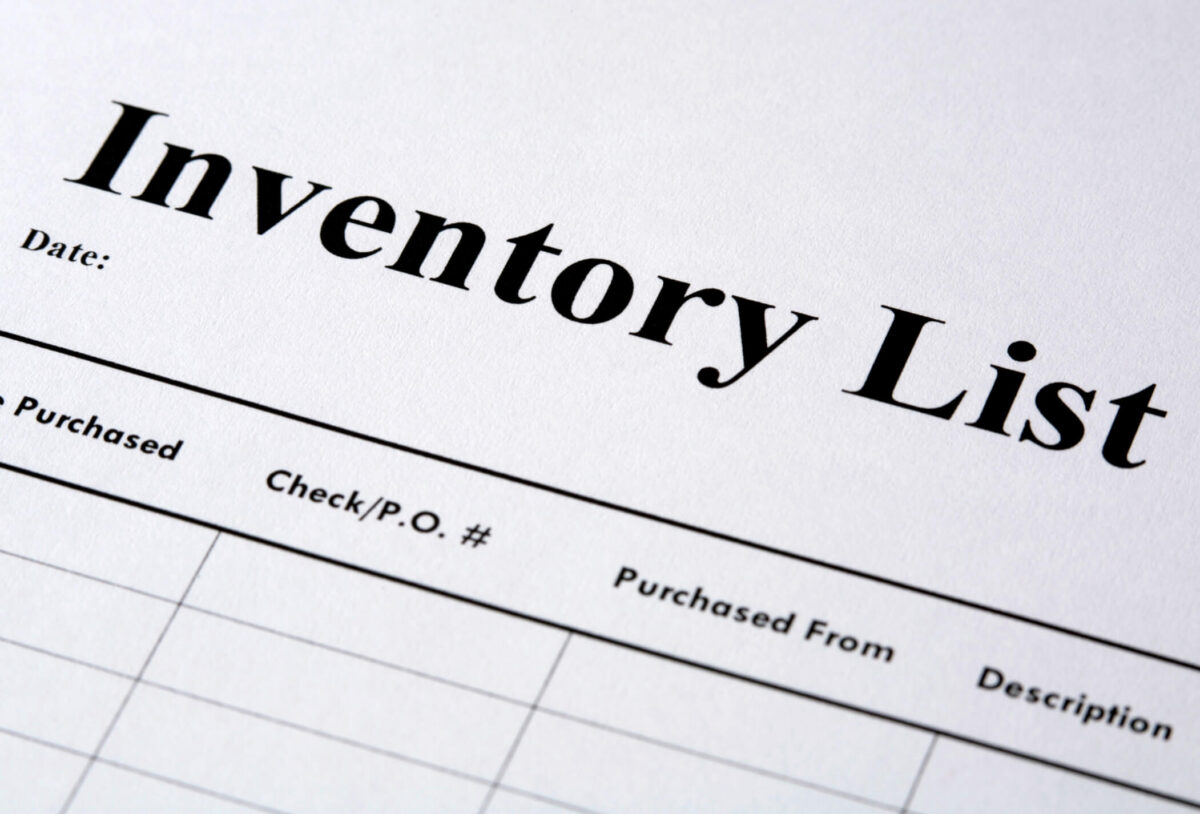
Create a master inventory list after your products have been categorized and labeled. This can be accomplished using a mobile application, a spreadsheet, or paper. Key information that must be incorporated into each item is as follows:

  • Item Name: A succinct description of the item, such as “Winter coat” or “Leather sofa.”
  • Category: The category in which the item is classified (e.g., “Clothing,” “Furniture”).
  • Quantity: The quantity of each item that is being stored.
  • Condition: Any significant information regarding the condition (e.g., “New,” “Scratched”).
  • Locations: The precise region or container where the item is situated (e.g., “Box 3, the left side of the unit”).

Capture a Picture of Your Thing

A visual record of your stowed items can be exceedingly beneficial, particularly for insurance purposes. Capture images of electronics, high-value items, or anything you wish to have documented. For convenient access, maintain these images in digital format alongside your inventory list, which could include columns for details like box numbers and descriptions. This effort will make it easier for businesses or people helping you to identify and track items quickly. Keep one version of the list and images organized to support your plan for future access.

Use Storage Unit App or Software

Various storage management software and applications are available to assist in creating and monitoring an inventory of your possessions. These applications frequently enable users to upload photos or scan barcodes, expediting the process and making it easier to track items with a sense of clarity. The following are some of the most frequently selected alternatives, each offering helpful features to streamline inventory management.

  • Sortly: Sortly is a visual inventory management application.
  • Encircle: An application for home inventory that emphasizes insurance claims.
  • InventoryBase: InventoryBase is a comprehensive inventory management application.

Maintain a Back-up

Maintaining a reserve guarantees the security of your inventory. For example, consider scanning or photographing the physical inventory list to generate a digital copy. To ensure your digital inventories are accessible from any device, utilize cloud storage services such as Dropbox, Google Drive, or iCloud. A good step is to create a map or a digital record of your shelving system and box numbers so you and others can quickly locate items. You can also share this information with family members via phone or other communication tools, making it easier for everyone to access and manage your inventory across different rooms or storage spaces.

Make Regular Inventory Updates

Ensure your inventory is updated as you add or remove anything from your storage unit. This will guarantee that your list is consistently precise and up-to-date. A helpful tip is to sort through your belongings occasionally and move items that no longer matter to another location or out of the unit. This guide can help you stay organized and make room for things that truly matter in your life or house. Periodically evaluating your inventory simplifies your possessions and ensures that someone else doesn’t have to do it later.

Keep a Copy of Your Inventory Off-Site

To enhance security, store a duplicate of your self-storage inventory in a secure location outside the storage unit, such as a secure cloud account, email, or external hard drive. This is particularly critical if your storage unit contains valuable or irreplaceable items. Keeping a back-up of your data gives you peace of mind, knowing that in case something happens, you can easily access notes and information about your things. Sorting your stuff and having one central place to store important details about your items can save a lot of work and provide a clear idea of how to manage your belongings. With a few simple steps, you can ensure that your thoughts on storage are backed up, offering peace of mind for the long run.
How to Create an Inventory for My Storage Unit In Scottsdale, Arizona

Conclusion

An inventory of your self-storage unit is a straightforward yet highly effective method of guaranteeing that your assets are organized and easily accessible when required. You can efficiently manage your space by creating a catalog, sorting items, and following a checklist. Using technology to track and update your inventory can provide ease and ensure accountability. Various options, from labeling containers to auditing your inventory, offer you the choice and flexibility to maintain your unit. Regularly updating your inventory plan will help you stay on top of your assets, providing tips for efficient storage management.

Frequently Asked Questions

What occurs if I misplace my inventory list?

If your inventory list is lost, it can be rebuilt using distinct labels and photographs on each container. Check your cloud storage or email for a backup if your list is digital. Maintaining a duplicate of your inventory in a secure, off-site location is imperative to prevent its complete loss.

What is the most effective method for organizing my storage unit according to the inventory?

Arrange your storage unit by categorizing similar items. For instance, it is advisable to position furniture in the rear of the unit and seasonal items in the front. This will simplify the process of locating items and guarantee that your inventory corresponds to the actual contents of your unit.

What is the most effective method for managing inventory when you have multiple storage units?

If you possess multiple storage units, it is recommended that you either maintain a master list that delineates the items that are stored in each unit or construct individual inventories for each unit. Staying organized necessitates labeling each container with the unit and container numbers.

What if I have a limited number of items to store?

Even if you have a limited number of items to store, it is still beneficial to establish a basic inventory. It ensures everything is in order and provides a reference for future requirements. A concise inventory can also be equally effective in preventing the misplacement or confusion of your possessions.

Is it permissible to utilize an inventory for insurance purposes?

A comprehensive inventory that includes descriptions, quantities, and photographs can be exceedingly beneficial for theft, loss, or damage insurance purposes. Absolutely. List valuable items and, if feasible, include their condition and any receipts or proof of purchase.

What measures can I take to guarantee the security of my inventory?

Keep a copy of your inventory in a secure location as a back-up. Store your digital inventory on cloud services like Dropbox, Google Drive, or iCloud. Consider scanning or photographing physical inventories and storing them digitally.

What should I do if I neglect the contents of my storage unit?

If you need help remembering the contents of your unit, consult your inventory list. A master list and clear labels facilitate identifying the contents of each box without the need to explore the entire unit. Additionally, photographs may prove advantageous as visual aids.

What actions should I take before storing an item if I am still determining whether to retain or donate it?

If you are still determining whether to retain an item, establish a transient category for items you are contemplating donating. You may modify your inventory later after you have concluded. This method enables you to maintain the organization of your storage unit while also spending the necessary time assessing the value of each item.

What is the most effective method for managing sentimental products in my inventory?

When including sentimental items (such as photos, heirlooms, or mementos), it is essential to provide a concise description and acknowledge their emotional significance, if applicable. Additionally, it may be beneficial to take additional photographs to document the significance of the items, as this can assist in preserving memories beyond the mere monitoring of possessions.

Can I monitor rental payments or agreements using my storage unit inventory?

Although your inventory’s primary focus is your possessions, it is possible to establish a distinct section in your inventory file to monitor rental payments and rental agreement. This will assist you in maintaining your organization and guarantee that you always succeed in meeting a payment or renewal deadline. 

Expert Guidance for Creating an Inventory for Your Storage Unit

At McDowell Mountain Community Storage Company, we recognize that organizing and monitoring your possessions in a storage unit can be overwhelming. It is essential to maintain order and readily locate your possessions by creating an accurate inventory, regardless of whether you store personal items, business inventory, or seasonal goods. Our team of experts is available to assist you in categorizing your items and establishing a suitable labeling system for your needs. We suggest employing straightforward categories, such as furniture, electronics, and documents, and utilizing digital tools like spreadsheets or inventory apps to ensure your list is readily accessible. In addition to taking photographs, we recommend noting serial numbers for high-value items to enhance security.

We provide solutions to assist you in maintaining your organization, whether you’re storing a few items or a lot, making it a breeze to keep track of. Our professionals can help you develop a customized solution that meets your needs, whether temporarily storing items or needing a long-term inventory management system. A well-maintained inventory will save you time and effort, giving you peace of mind by knowing that the ones you need can be easily located. Please contact us today for expert advice on the most effective methods for creating and managing your storage inventory.


Why Self-Storage Can Make Your Transition Easier

The need for extra space often arises in the whirlwind of life transitions, whether moving to a new city, downsizing your house, or renovating your home. Amidst the chaos of packing, organizing, and decluttering, self-storage is a beacon of convenience and practicality. Whether you’re storing appliances, nursery furniture, toys, or valuable items, self storage units provide a safe place for your things. It can feel daunting in times of change, like a divorce or when preparing your home for potential buyers. The pressure to manage everything can be overwhelming, but with a thoughtful approach, you can avoid damage to your belongings and keep them in a secure place. Self-storage offers families a practical solution to navigate transitions with ease and peace of mind.

Benefits of Self-Storage During Transitions

Life transitions—whether they involve relocation, reduction, or the management of substantial changes—can be both thrilling and taxing. During these periods, the process can be significantly simplified by having a dependable location to store your possessions. Numerous benefits of self storage can assist in organizing your possessions, reduce tension, and help simplify your transition. During transitions, self-storage offers several significant benefits.

Declutter Before the Move

Moving to a new location can be a daunting experience, particularly if you bring all your possessions. Before relocating, self-storage enables you to organize your existing space. You can gradually begin to pack non-essential items into storage and establish a more defined timeline for the tasks that must be completed in the days preceding your transfer. This alleviates the tension associated with managing an excessive number of tasks simultaneously.

Timing Flexibility

Timing is one of the primary obstacles associated with relocation. Your new residence may not be ready yet, or the dates may not perfectly align with your move-out schedule. Self-storage offers a versatile solution by enabling you to secure your possessions until you are prepared to relocate them to your new residence. This alleviates the stress of having to complete everything simultaneously.

Storage of Extra Furniture or Seasonal Items

Only some of your possessions must be relocated immediately or even to your new location. Self-storage provides a secure location for storing seasonal objects, such as holiday decorations, out-of-season clothing, or extra furniture. While settling in, you can store these items out of the way and only retrieve them when required, which will assist in maintaining the organization of your new space.

A Temporary Residence for Your Personal Effects

Self-storage is an excellent solution for those transitioning between residences or downsizing, as it allows them to temporarily store their belongings without making permanent decisions about what to keep or discard. Once you have established yourself in your new location, you can determine what to do with specific objects. You may discover that certain items no longer correspond with your lifestyle, or you may wish to donate or sell items you intend to retain.

Assists in the Development of Organizational Plans

Organization is frequently a component of transitioning from one residence or stage of life to another. Self-storage can serve as an extension of your organizational endeavors. It allows you to organize your possessions and ascertain their appropriate disposition. Self-storage is a valuable resource for maintaining order during a transition, whether selling unused items, conducting an inventory of your possessions, or simply requiring a temporary location to sift through boxes.

Confidence and Safety

Security is one of the primary advantages of self-storage. When your possessions are stored in a professional facility, you can be assured that they are secure and safeguarded. Whether you are storing sensitive items or need a secure location for extra furniture, modern self-storage units are equipped with 24/7 surveillance, gated access, and climate control to ensure your belongings are stored optimally.

Convenient and Cost-Effective

Self-storage is frequently a more cost-effective alternative to renting additional living space during a transition. Its affordable monthly rates and convenient access to belongings make it seamlessly integrated into your budget and schedule. Additionally, numerous self-storage facilities provide diverse unit sizes, ensuring you only pay for the required space.

Mitigating Stress and Overwhelm

Life transitions, whether relocation, downsizing or simply adapting to a new lifestyle, are frequently distressing. Self-storage provides a buffer between the frantic tempo of moving and the tranquility of settling in. Having a designated storage area alleviates some stress, enabling you to concentrate on critical duties and ensure that your possessions are secure and prepared for their arrival.

Why Self-Storage Can Make Your Transition Easier In Scottsdale, Arizona

Types of Self-Storage Units Available

Comprehending the various units available when contemplating self-storage is crucial, as each type is intended to meet distinct requirements. There is a storage solution that can accommodate your needs, regardless of whether you are storing domestic items, business inventory, or sensitive belongings. The following is a comprehensive list of the most frequently encountered varieties of self-storage units to assist you in determining the most suitable option for your needs.

Conventional/Traditional Storage Units

These are the most prevalent forms of self-storage units. They are typically enclosed indoor spaces that can store various items, such as furniture, boxes, and general household products. These units are available in various sizes, ranging from small 5×5 units to enormous 10×30 units or even more significant.

  • Ideal for: Furniture, household items, seasonal storage, and general possessions.
  • Features: Secure locks, 24/7 surveillance, and drive-up access.

Storage Units with Climate Control

Climate-controlled storage facilities are intended to safeguard delicate items by maintaining a consistent temperature and humidity level. These containers are optimal for electronics, artwork, antiques, wine, and critical documents susceptible to moisture or extreme temperatures.

  • Optimal for: Wine, documents, collectibles, artwork, and electronic devices susceptible to temperature fluctuations.
  • Characteristics: Temperature and humidity regulation, frequently conducted indoors or in a temperature-monitored structure.

Storage Units with Drive-Up Doors

Drive-up units are outdoor storage spaces that allow you to drive directly up to the unit’s entrance to load and unload your belongings. These units are convenient for individuals with weighty or large items to store and wish to reduce the effort required to transport them over long distances.

  • Ideal for: Items that require frequent access, heavy equipment, vehicles, or large furniture.
  • Features: Frequently lacking in climate control; lacks hallways and elevators for effortless accessibility.

Storage Units for Indoor Use

Indoor storage units are frequently situated on multiple floors within a building. They offer more excellent shelter from the elements than outdoor drive-up units; however, they ordinarily require elevators and hallways for access. They are typically more secure and may include climate control.

  • Optimal for: Items that necessitate additional weather protection, personal possessions, and documents.
  • Features: Drive-up units are more convenient for loading and offloading but offer more security and frequent climate control options.

Storage Units for Outdoor Use

Outdoor storage units are open-air and accessible from the exterior. They are typically employed for larger items that do not necessitate climate regulation. These units are frequently employed for storing extensive equipment, tools, and vehicles such as watercraft, RVs, and trailers.

  • Optimal for: Trailers, RVs, boats, vehicles, and substantial apparatus.
  • Features: Lacks climate control; accessible from the exterior.

Storage Units for Vehicles

Vehicle storage units accommodate cars, trucks, motorcycles, yachts, and recreational vehicles. Some units are interior, while others are outdoor spaces with covered or uncovered parking. Climate-controlled storage is an option for sensitive vehicles, such as classic automobiles.

  • Optimal for: Motorcycles, watercraft, RVs, cars, and other vehicles.
  • Features: Indoor storage options with security features, occasionally climate control, and covered or uncovered storage.

Storage Units for Business

Business storage facilities are intended to accommodate business requirements, including inventory, equipment, and documents. These units are frequently more significant and may include amenities tailored to business proprietors’ needs, such as office space options, 24-hour access, and higher ceilings.

  • Optimal for: Office supplies, equipment, business documents, and inventory.
  • Features: Larger units frequently offer extended access hours and supplementary services such as cargo docks or shelving.

Mobile Storage Units (Portable Storage Units)

Portable storage units, also known as “pods,” are delivered to your location, and you can load them at your leisure. The storage company collects the unit and transports it to a storage facility or stores it on your property for an extended period. These are particularly well-suited for individuals who are in the process of moving or who require transient storage.

  • Ideal for: renovations, short-term storage, and moving.
  • Features: Mobile, convenient for packaging at your own pace, delivered to your location.

Storage Units for Students

During the summer months, when students require storage of their possessions between school terms, certain self-storage facilities provide units specifically designed for students. These units are generally smaller and offer flexible rental terms to accommodate students’ schedules.

  • Ideal for: college students who require storage for seasonal items, dorm room belongings, or summer vacation storage.
  • Features: Frequently situated near campuses, these units are smaller and have more flexible rental periods.

Wine Storage Units

Wine storage units are specialized facilities specifically designed to maintain the optimal conditions for wine storage, including regulating humidity, temperature, and ventilation. These units are typically climate-controlled and are designed for wine collectors or businesses that require long-term storage for their wine inventory.

  • Optimal for: Commercial wine storage and wine collections.
  • Features: Secure, humidity-regulated, and climate-controlled. 

Final thoughts

Self-storage is not exclusively for individuals who require long-term storage solutions; it is an invaluable asset during life transitions. Whether moving, decluttering, downsizing, or needing additional space, self-storage helps fill the gap and provides a practical solution. It offers security, peace of mind, and flexibility, all essential for facilitating your transition. Self-storage allows you to safeguard the value of your belongings, from a loved one’s treasured items to a child’s toys and gives you the time to focus on other tasks. Experience the convenience of self-storage by incorporating it into your moving plan, ensuring your home and family member’s things are safely stored and easily accessible.

Frequently Asked Questions

What factors should I consider when selecting a self-storage facility for my transition?

Search for a self-storage facility that provides security features (such as surveillance and gated access), convenience (such as 24/7 access or location), and options for climate control or specialized storage if necessary. Furthermore, evaluate whether the facility provides packing supplies, moving vehicles, or other services that may facilitate your transition.

Is it necessary for me to execute a long-term contract for self-storage?

No, most self-storage facilities provide flexible month-to-month rental agreements, eliminating the necessity of signing a long-term contract. This is especially beneficial during transition periods, when it may be uncertain how long the storage will be required.

How can I determine the appropriate quantity of a self-storage unit for my transition?

When selecting a self-storage unit, consider the quantity and variety of items that require storage. Larger units (10×15, 10×20, or larger) are appropriate for larger items, such as entire residences or furniture, while smaller units (5×5 or 5×10) are optimal for boxes and miniature furniture. Numerous self-storage facilities offer size guides and staff support to assist you in selecting the most suitable unit.

Is self-storage a cost-effective option during a transition?

Self-storage is frequently a cost-effective solution compared to alternatives such as renting additional space or employing a moving company to store your items. Month-to-month pricing facilitates the flexibility and cost-effectiveness of self-storage by allowing you to pay only for the storage you require.

Are self-storage facilities secure?

Indeed, most self-storage facilities provide high levels of security, such as gated access, surveillance cameras, and on-site management. Additionally, certain facilities provide secure locks and individual unit alarms to guarantee the safety of your possessions during your transition.

In what ways can self-storage be beneficial for individuals who are transitioning between different living arrangements?

Self-storage provides a versatile solution for individuals either transitioning between residences or anticipating the completion of their new residence. You can prevent the inconvenience and expenses of frequently relocating your possessions from one location to another by storing them in a secure unit until you have fully settled into your new home.

Can self-storage assist in organizing a life transition, such as retirement or a significant life change?

Yes! Whether you are transitioning into a new phase of life, moving in with family, or downsizing due to retirement, self-storage can provide the necessary space to store items that no longer reflect your new lifestyle. It allows you to organize your possessions without feeling compelled to act in a hurry.

Can self-storage simplify the process of staging my home for sale?

Self-storage has the potential to enhance the appeal of your home by providing a location to store personal items and furniture that may otherwise clutter it, thereby attracting potential purchasers. By temporarily removing non-essential items, you can create a cleaner, more spacious ambiance and highlight your home’s best features.

Is there a restriction on the number of items stored in a self-storage unit?

Most self-storage facilities have limitations on the types of items that can be stored. Hazardous materials, flammable items, or perishable commodities are generally prohibited. Nevertheless, storing a wide range of items, including electronics, apparel, furniture, and boxes, is feasible. It is advisable to consult with the facility in advance to guarantee that your items adhere to their storage policies.

What is the most effective method for packing my belongings for self-storage during a transition?

Proper packaging is essential for safeguarding your possessions during storage. Sturdy cartons, packing peanuts, and bubble wrap should be employed to package fragile items for most items. If you are storing furniture, it is advisable to disassemble large parts and wrap them in protective materials. Additionally, ensure that your containers are plainly labeled to facilitate subsequent retrieval. Please consult the facility for advice on the secure storage of any specialty items you may possess. 

Rent a Storage Unit at McDowell Mountain Community Storage today!

At McDowell Mountain Community Storage, we prioritize your belongings’ safety, security, and efficiency in our self-storage units. Whether you’re facing life changes, decluttering, or specific storage needs, our logistics are designed to provide secure and reliable self-storage solutions. With top-notch security measures, we ensure that your valuables, family heirlooms, and personal items are well protected. Renting a unit with us can help you overcome the challenges of managing space during transitional situations.

Contact us today to learn how renting self-storage units can make your transition easier. Let us be your trusted ally in simplifying, organizing, and securely storing your belongings during times of change with helpful tips and the perfect storage space for your needs!

How to Store Appliances in a Storage Unit

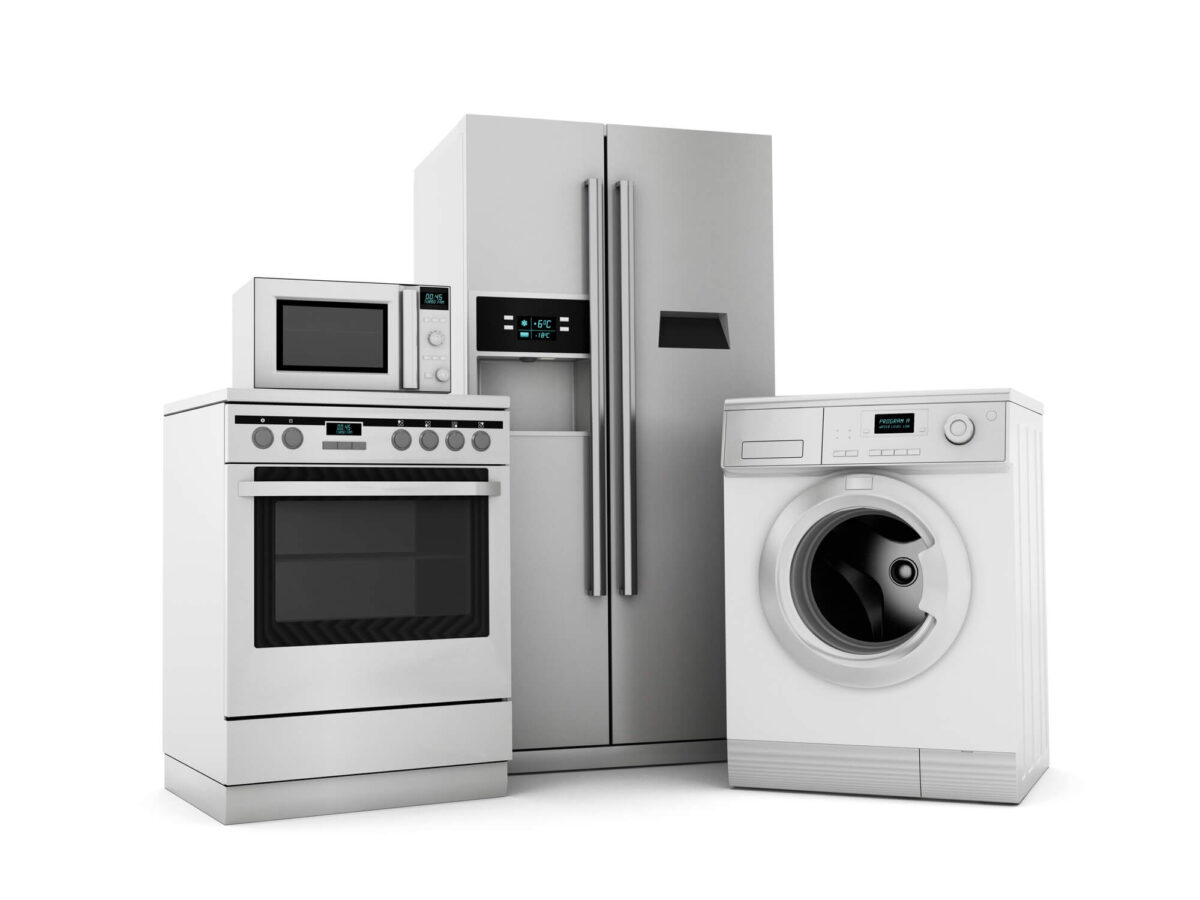
When it comes to storing appliances in a storage unit, the key is not just tossing them in and hoping for the best. Proper storage ensures that your appliances remain in good condition and ready for future use. Whether you’re moving, downsizing, or simply decluttering, here’s a comprehensive guide on how to store appliances in a storage unit safely and efficiently.

1. Clean and Prepare

Cleaning and preparing appliances before storing them is crucial for keeping them in good shape. First, get rid of any food bits, dust, or grime. For refrigerators and freezers, defrost them thoroughly to stop mold and mildew. Drying everything well is essential to avoid rust or rancid smells.

Use a gentle cleaner to wipe everything down, then let it air dry completely before packing it up. Doing this keeps your appliances clean and safe while in self-storage, ensuring they work great when you need them again.

2. Gather Supplies

Before packing your appliances for storage, ensure you have all the necessary supplies. Get sturdy boxes, packing tape, bubble wrap, packing peanuts, furniture blankets, and appliance covers to safeguard your items during transportation and appliance storage.

Appliance-specific moving straps or dollies can be helpful, particularly for heavier kitchen appliances, ensuring safe and secure transport. The right supplies streamline the packing process and offer additional protection to your appliances, keeping them in excellent condition while stored.

3. Disassemble if Possible

Taking apart your appliances before storing them is a good idea, especially if they come with parts or shelves that can be removed. This saves space in your self-storage unit and lowers the chances of damage when moving and while in storage. Keep all the small pieces together in a labeled bag or box to find them easily when you need them again.

By disassembling your appliances before storing them, you can make the process smoother, protect fragile parts, and better use the available space.

4. Protect with Packaging

Once you’ve cleaned and, if necessary, disassembled your appliances, it’s important to protect them with the right packaging materials. Wrap fragile parts like glass doors or shelves with bubble wrap to cushion against bumps. Use furniture blankets to shield surfaces from scratches and dents while in transit or storage.

Secure everything firmly with packing tape to keep it in place and reduce the risk of damage. Following these steps is vital to keep your appliances in good condition until you need them again.

5. Utilize Vertical Space

To store your appliances efficiently in a self-storage unit:

  • Think smart about how you place them.
  • Stack lighter things on top of heavier ones to save space and keep everything stable.
  • Put big appliances, like the refrigerator and washing machine, at the back for a solid base.

This leaves space in the front for smaller stuff like microwaves and toasters, making them easy to get to without rearranging everything. With this setup, you’ll have a neat storage space that uses every inch well and keeps your appliances handy whenever needed.

6. Allow for Ventilation

Ensuring proper ventilation is crucial in safeguarding your appliances during storage. Without adequate airflow, moisture buildup can occur, resulting in rust, corrosion, and unpleasant odors. To mitigate these risks, leaving sufficient space between appliances and the walls is essential to promote air circulation within the storage unit.

Additionally, incorporating moisture-absorbing products such as silica gel packets or dehumidifiers can provide an extra layer of protection against moisture-related damage. By prioritizing ventilation and moisture control, you can maintain the integrity of your appliances and preserve their condition for future use.

7. Label and Organize

Organization is vital when it comes to storing appliances in a self-storage unit. By labeling each box or appliance with its contents and where it belongs, you streamline the process of finding what you need without rummaging through stacks of boxes.

Creating a straightforward inventory list also helps you keep track of everything stored in your unit, adding an extra layer of convenience. With these organizational strategies in place, you can efficiently manage your storage space and easily access your appliances whenever necessary.

8. Check Regularly

Regularly monitoring your stored appliances is crucial to maintaining their condition over time. Take the time to inspect them periodically for any signs of moisture buildup, pests, or damage. Addressing these issues promptly can prevent them from escalating and causing further harm to your appliances.

Additionally, consider rotating the position of items if needed to distribute weight evenly and avoid putting prolonged pressure on specific areas. By staying vigilant and proactive, you can ensure that your appliances remain in optimal condition while in storage, ready for future use when you need them.

How to Store Appliances in a Storage Unit In Scottsdale, Arizona

Conclusion

Storing appliances in a self-storage unit is essential for keeping them safe and ready to use in the future. Here are some simple tips to help you store your appliances effectively. First, clean each appliance to remove any dust or dirt. Defrost your refrigerator and microwave and wipe them down with a mild detergent. Keep all electrical cords, hoses, and manuals with their respective appliances.

Store upright appliances like fridges and dishwashers stacked to save space. Make sure appliances are easily accessible by placing them near the front of the unit. Use a checklist to keep track of what you’ve stored. By following these easy self storage tips, you can ensure that your appliances stay in good condition while in storage.

Reserve your Storage Unit today!

At McDowell Mountain Community Storage, we’re committed to storing your appliances safely and securely. Our climate-controlled self-storage units in Scottsdale, Arizona, provide the ideal environment for preserving the condition of your valuable appliances. Whether you’re storing refrigerators, ovens, or washing machines, our facilities are equipped to maintain optimal temperature and humidity levels, protecting your appliances from damage caused by extreme weather conditions.

With our expertise and state-of-the-art storage solutions, you can rest assured that your appliances will remain in top-notch condition until you’re ready to use them again. Contact us today to rent a storage unit and learn more about how we can assist you in storing your appliances effectively.

FAQs: How to Store Appliances in a Storage Unit

1. What are the benefits of using climate-controlled storage for my appliances?

Climate-controlled storage helps maintain optimal temperature and humidity levels, protecting appliances from damage caused by extreme weather, moisture buildup, and potential rust or mold growth.

2. How long can I store my appliances in a storage unit?

   Appliances can typically be stored for as long as needed, but it’s advisable to check them periodically for moisture buildup or other issues, especially if stored for extended periods.

3. Is it necessary to unplug appliances before storing them?

   Yes, unplugging appliances is essential to prevent electrical issues and ensure they are safe for storage. Make sure to keep cords neatly organized and labeled with their respective appliances.

4. Should I use specific cleaning products on my appliances before storage?

   Use gentle cleaners that won’t damage surfaces. Avoid harsh chemicals that could leave residues or cause corrosion. For refrigerators, ensure all cleaning agents are thoroughly rinsed out before storage.

5. Can I store appliances that still have food residues?

   No, it’s essential to thoroughly clean all appliances to remove food residues, which can attract pests and lead to unpleasant odors. Make sure they are scorched before storing them.

6. What precautions should I take for storing sensitive electronic appliances?

   To protect electronic appliances from bumps, wrap them in bubble wrap or furniture blankets. Consider using moisture-absorbing products to prevent humidity-related damage.

7. How can I prevent pests while storing my appliances?

   Regularly inspect your storage unit for signs of pests, and consider using pest deterrents like traps or natural repellents. Keeping your appliances clean and free from food particles also helps prevent infestations.

8. Is it advisable to stack appliances in storage?

   Stacking appliances should be done with caution. Heavier appliances should be placed at the bottom, while lighter ones can be stacked on top, ensuring stability and reducing the risk of damage.

9. What should I do if I notice moisture in my storage unit?

   If you notice moisture, it’s essential to address it immediately. Consider using a dehumidifier, placing moisture-absorbing packets in the unit, and ensuring proper ventilation to prevent damage.

10. Are there any insurance options for stored appliances?

   Yes, many storage facilities offer insurance options for stored items. It’s wise to check with your facility about coverage options to protect your appliances against potential damage or loss while in storage.