What Are the Most Overlooked Self Storage Risks?

Self-storage has become an indispensable solution for individuals and businesses alike. Whether you’re downsizing, decluttering, or safeguarding business records, renting a storage unit offers unparalleled convenience. But while it’s easy to focus on finding a location with adequate space, many renters overlook critical risks such as deterioration, a potential break-in, or the loss of stored items. Failing to choose the correct option or share important information with someone knowledgeable can lead to complications. Additionally, relying on others without thoroughly vetting the storage units may result in unforeseen challenges.

At McDowell Mountain Community Storage, proactive planning and informed decision-making are the keys to mitigating these often-overlooked risks. Below, we dive deep into the factors you should consider to keep your valuables safe, secure, and well-maintained.
What Are the Most Overlooked Self Storage Risks In Scottsdale

The Most Overlooked Self-Storage Risks

1. Humidity and Climate Control

One of the most significant threats to stored belongings is excessive humidity. It can cause irreversible damage to sensitive items, such as furniture, electronics, documents, and clothing. Without proper climate control, you might find yourself dealing with issues like:

  • Mold growth, which can destroy fabrics, paper, and wood.
  • Condensation leads to rust on metal items.
  • Infestation of pests, including insects, is attracted to damp environments.

Always check if the company offers robust climate-control options when choosing a self storage units. Investing a small amount of money upfront in a well-regulated self storage unit can save you significant losses later. Pay attention to details such as the lock quality and ventilation, as these can be a critical line of defense against danger caused by moisture and pests.

Additionally, the number of facilities providing adequate climate control is limited, so finding the right way to compare companies is essential. Make sure to settle for something adequate, as the long-term risks to your stored belongings in poorly managed self-storage units are considerable, especially in regions with fluctuating weather conditions.

2. Security Risks

While most storage facilities advertise their security features, not all offer the same level of protection. Overlooked vulnerabilities include:

  • Outdated locks: Basic padlocks often need to be improved against modern tools.
  • Limited surveillance systems: Ensure the facility has 24/7 camera coverage.
  • Inadequate lighting: Poorly lit areas invite theft and unauthorized access.

Neglecting regulations and ignoring humidity levels can also exacerbate security-related problems, leaving the contents of your self storage unit vulnerable to theft or damage, ultimately jeopardizing the trust and satisfaction of customers who rely on these facilities for the safekeeping of their valuable belongings. storage units vulnerable to damage or loss. For instance, an event like a power outage could compromise security systems, while insufficient oversight from employees may delay response times.

As a tenant, you should also evaluate how well the facility safeguards everything within its premises. Whether you’re storing sentimental stuff or valuable contents, ensuring proper regulation can prevent problems before they arise.

At McDowell Mountain Community Storage, we utilize cutting-edge security systems, robust locks, and dedicated on-site staff to minimize risks. For some, these measures might seem like extras, but they are essential for maintaining peace of mind.

3. Pest Infestations

Another overlooked risk is the potential for pest and insect infestations. Termites, mice, and other critters can cause severe damage to boxes, furniture, and other stored goods. Warning signs include droppings, chewed packaging, or a musty odor. Mistakes in choosing a storage space without proper pest control can result in costly consequences. It’s important to remember that maintaining the integrity of your stored items is part of selecting a reliable facility.

While pests are a significant concern, they are not the only thing that can go wrong. Poor decisions regarding storage can lead to unexpected expenses. Ensuring the facility meets your specific requirements, including pest control and cleanliness, can help prevent these problems.

To combat infestations, ensure your storage facility has regular pest control measures. Additionally, consider these precautions:

  • Use sealed containers instead of cardboard boxes.
  • Avoid storing food or perishable items.
  • Inspect the unit’s cleanliness before moving in.

These decisions will reduce the risk of damage to your belongings and help maintain a safe storage environment.

4. Water Damage and Flooding

Water damage significantly threatens stored items, especially in facilities prone to leaks or flooding. The effects can be catastrophic, from warped wood to destroyed documents. The likelihood of water damage increases if the facility lacks proper maintenance, waterproofing, or drainage systems.

To mitigate this risk, follow these steps:

  • Elevate items using pallets or shelves to avoid contact with the floor.
  • Store sensitive belongings in waterproof containers.
  • Verify that the storage facility offers insurance coverage for water damage.

5. Fire Hazards

Many renters fail to consider the potential fire hazards in a storage unit. A single incident can destroy stored belongings. Key fire risks include:

  • Flammable materials are stored improperly.
  • Lack of smoke detectors or sprinkler systems in the facility.

A lack of proper security measures, such as a padlock that cannot withstand heat or flame, could increase the expense of recovering items after a fire.

To protect against fire risks, ask the facility about its compliance with safety regulations, fire-resistant building materials, and emergency procedures.

6. Neglecting Insurance Coverage

Many people assume the facility’s insurance automatically covers their facility’s expenses. Unfortunately, this is not always the case. You may face financial losses from theft, flooding, or other disasters without personal insurance.

Before signing a contract, clarify the facility and invest in additional coverage if necessary. Comprehensive insurance can provide peace of mind and protect your valuables from unforeseen circumstances.

7. Improper Packaging

Improper packaging is another common oversight. Poorly packed items are more susceptible to damage, especially during transit or when stacked inside a unit. Consider these tips for safe packing:

  • Use sturdy boxes and label them for easy identification.
  • Wrap fragile items in bubble wrap or foam.
  • Distribute weight evenly to avoid collapsed stacks.

8. Overloading the Unit

Overcrowding your storage unit may seem like a cost-saving measure, but it increases the risk of damage and makes retrieving items inconvenient. Avoid stacking items too high or blocking access to frequently used belongings. Proper organization protects your goods and saves time in the long run.

9. Ignoring Facility Maintenance

A poorly maintained facility can expose your belongings to pests, water leaks, and structural weaknesses. Look for a facility that prioritizes cleanliness and conducts regular inspections.

10. Misjudging the Cost

While the monthly rent for a self-storage unit might seem affordable, additional costs can add up quickly. When budgeting, consider insurance, climate-control fees, and security upgrades. Choose a facility that provides transparent pricing and no hidden fees.
What Are the Most Overlooked Self Storage Risks In Scottsdale, AZ

How to Choose the Right Self-Storage Facility

Key Features to Look For

When evaluating potential storage facilities, prioritize these essential features:

  1. Climate Control: Protect sensitive items from extreme temperatures and humidity.
  2. Security Measures: Ensure the facility has 24/7 surveillance, secure locks, and controlled access.
  3. Cleanliness: A well-maintained facility reduces the risk of pests and structural damage.
  4. Insurance Options: Confirm coverage for potential risks, including theft, fire, and water damage.

Questions to Ask Before Renting

  • What security systems are in place?
  • Are the units climate-controlled?
  • Does the facility provide pest control services?
  • What are the facilities on liability and insurance?
  • Are there restrictions on what can be stored?

How McDowell Mountain Community Storage Stands Out

At McDowell Mountain Community Storage, we go beyond essential storage solutions to ensure the safety and satisfaction of our customers. Here sets us apart:

  • Advanced Security: Our facility has state-of-the-art security systems, including motion-detecting cameras and keypad access.
  • Climate-Controlled Units: We offer temperature-regulated spaces to protect against humidity and extreme temperatures.
  • Expert Staff: Our experienced team is always available to answer questions and assist with storage tips.
  • Transparent Pricing: No hidden fees or surprises—just straightforward, affordable services.

Tips for Maintaining a Secure and Organized Storage Unit

Stay Organized

  • Create an inventory list of all stored items.
  • Label boxes clearly and keep frequently used items near the front.

Protect Valuables

  • Use high-quality locks for additional security.
  • Store sensitive documents and valuables in waterproof and fireproof containers.

Regularly Check Your Unit

  • Inspect your unit periodically for signs of damage, infestation, or other issues.
  • Report any concerns to the facility immediately.

The Final Word: Prioritize Safety and Security

Renting a self-storage unit is more than just finding a convenient space. By addressing overlooked risks—from humidity and pests to theft and fire—you can ensure the safety and longevity of your stored belongings.

At McDowell Mountain Community Storage, we’re committed to providing secure, reliable, and cost-effective storage solutions. Whether you have personal items or important business records, trust us to keep your valuables safe.

Take the first step towards a better storage experience. Contact McDowell Mountain Community Storage today to reserve your unit or learn more about our comprehensive services.

Frequently Asked Questions

1. What are the most common risks to consider when renting a self-storage unit?

The most common risks include humidity damage, security vulnerabilities, pest infestations, water damage, fire hazards, and improper packaging. These factors can compromise your belongings’ safety, so choosing a facility with proper safeguards is essential.

2. How can humidity affect the items in my storage unit?

Excessive humidity can lead to mold growth, rusting of metal items, and damage to fabrics, paper, and wood. Choosing a climate-controlled unit helps to prevent these issues, especially for sensitive items like electronics, furniture, and business records.

3. What security features should I look for in a self-storage facility?

Look for 24/7 surveillance systems, secure locks, and controlled access. It’s also essential to ensure the facility has adequate lighting and well-maintained fences and gates to prevent unauthorized access and theft.

4. How can I protect my stored belongings from pests and insects?

To avoid infestations, choose a facility that offers regular pest control services. Use sealed containers, avoid storing food or perishable items, and inspect your unit for cleanliness before moving in.

5. What should I do to prevent water damage in my storage unit?

Elevate your items off the floor using pallets or shelves, use waterproof containers for sensitive belongings, and ensure the facility has proper waterproofing and drainage systems. You can also inquire about insurance coverage for water damage.

6. Why is fire safety important when renting a storage unit?

Fire hazards can completely destroy your stored items. It is crucial to ensure the facility has fire-resistant materials, smoke detectors, and sprinkler systems. You should also check the quality of locks, as inadequate locks can increase the damage in case of a fire.

7. Do I need additional insurance for my stored items?

While some facilities offer basic insurance, it’s essential to check for sufficient coverage. Consider purchasing additional insurance to cover theft, water damage, fire, or any other unforeseen issues affecting your belongings.

8. What are the risks of improper packaging in a storage unit?

Poor packaging can lead to damage, especially for fragile items. It’s important to use sturdy boxes, wrap fragile items in bubble wrap, and ensure evenly distributed weight to prevent collapse or breakage during storage or transportation.

9. How do I choose a suitable self-storage unit for my needs?

Consider the size of the unit, security measures, climate control options, cleanliness, and insurance offerings. Ensure the facility meets your specific requirements and ask about pest control, maintenance, and additional fees.

10. What steps can I take to maintain a secure and organized storage unit?

Create an inventory list of your stored items, label boxes clearly, and keep frequently used items near the front. Regularly inspect your unit for any damage or pest issues, and immediately report any concerns to the facility.
Ways You Can Keep Your Stuff Safe In Self Storage Unit

It might be challenging to determine whether a self-storage facility is the best option for you at times, particularly if keeping your stuff safe is your top concern. It would be best if you located a facility that will treat your possessions with the same level of care as you do. But only some self-storage units are made equally. Additionally, you should consider a few security factors when selecting a self-storage facility. 

This article will tackle ways you can keep your stuff safe in self storage unit, so if you’re planning to rent one, you should read this.

Secured Self-Storage Units in Scottsdale

8 Ways You Can Keep Your Stuff Safe In Self Storage Unit

These eight ways will help you and your selected Scottsdale self-storage facility ensure that everything you have is kept secure.

Pack Items Properly

The way you pack your belongings determines how safe they will be. Ultimately, the security of a self-storage facility won’t matter if you don’t take the necessary precautions to keep your belongings safe after they are locked up. When putting things away for an extended period of time, be sure to cover and wrap furniture, lay soft separators between fragile items, and dry and clean appliances first.

You may use wooden pallets or shelving to keep items off the ground and away from moisture. Finally, labeling and storing smaller items in boxes is essential so you can quickly find them when needed. Items stored inside the storage unit will be safer the more organized you are during packing.

Choose Digital Security Locks

It’s time to start considering the external security measures after you’ve taken all the necessary steps to secure your belongings. Padlocks, which aren’t necessarily the safest option when it comes to stopping break-ins, are still required by many storage facilities. Physical locks that are easy to identify will prevent thieves from using a key. Bolt cutters are just too powerful for a typical padlock. So what must you search for in its place?

A digital lock is far safer since it lets you access it using the password-protected phone’s security code. It’s also simpler to grant access to just the visitors that you’d like. They no longer have to be concerned about misplacing a physical key.

Look For A Climate-Controlled Unit

The year-round weather changes can be terrible for the long-term storage of your valuable belongings. Therefore, finding a storage unit with a climate-controlled environment is essential. No matter what the outside weather is like, climate control can keep your items safe. Depending on where you reside, this can be more important than you believe. 

The humidity from the air can cause mold and mildew to grow on your possessions. Moisture damage can be avoided by packing items carefully and selecting a climate-controlled unit. Anything that will be stored exposed to weather conditions, such as electronics, wood furniture, collectibles, antiques, artwork, and personal documentation, needs to be kept in a controlled environment.

Give 24/7 Surveillance Priority

For a forward-thinking world, modern security features are necessary, so look for facilities with innovative video surveillance technology. Look for a self storage facility that has updated its camera devices to the digital era because it offers higher protection than tape storage. Cameras will have minimal chance of a coverage lapse and record in far more excellent quality.

Safe and Secured Scottsdale Self-Storage Units

Keep Limited Access

When you trust a storage facility with your items, you don’t want just anybody to be able to stroll around the property. The most excellent storage facilities will have highly restricted access, so only you and anyone with permission can enter. Limited access is essential for self-storage units, so it should also be vital for you. Give access to your storage facility only to those you can rely on entirely.

Consider A Fully-Fenced Area

Every organization strives to keep unwanted people out, but sometimes, they don’t take the proper measures to keep them out. It is crucial to have completely enclosed surroundings and well protected access. In this case, entry is limited to a gated entrance guarded around the clock by security personnel.

Look For High-Visibility Lighting

Self-storage facilities sometimes lack the type of lighting that deters thieves from breaking in at all hours of the day. It is an alarm feature that has been shown to make it considerably harder for someone to conceal their identity when trying to steal goods, and it is high visibility lighting. It also acts as a bright spotlight, alerting anyone nearby to their suspicious activities.

These factors make it far more likely for burglars to choose facilities without enough lighting, so they may stay in the shadows and try to break in. Thanks to high visibility lighting, your belongings are protected at night just as much as during the day.

Choose An Indoor Self-Storage Unit

Although outdoor self-storage facilities remain extremely secure, indoor units can provide additional protection. Usually, a larger building that has a keypad-protected entry has these rental units. Outdoor storage will work perfectly most of the time. However, an indoor unit may provide additional peace of mind if the things you’re storing are precious.

Conclusion

For short-term and long-term use, self-storage units offer a secure way to store your things, but you should look for a storage company that values security as much as you do. Additionally, when you start looking for a storage unit after deciding that the garage is no longer enough, you may keep an eye out for this level of safety.

Secure Your Belongings with Our Safe Self Storage Units

At McDowell Mountain Community Storage, we prioritize the prevention of any risks to your treasured items. Our safe self-storage units are equipped with state-of-the-art security measures, ensuring a proactive approach to risk prevention for renters. Trust us for a secure haven where your valuables are shielded from potential threats. Explore our range of services, tailor-made for your peace of mind. 

If you have any questions or want more information, Contact us at (602) 899-5484.

FAQs: Ways You Can Keep Your Stuff Safe In Self Storage Unit

1. What should I consider when packing my items for self-storage?

   Proper packing involves using protective materials, keeping items organized, and using pallets or shelves to prevent moisture damage.

2. Are digital security locks better than traditional padlocks?

   Yes, digital locks provide enhanced security. They allow access through a password-protected code, reducing the risk of key loss or theft.

3. Why is climate control important in self-storage units?

   Climate control helps prevent moisture damage, mold, and mildew by maintaining a stable environment for sensitive items like electronics and antiques.

4. What security features should I look for in a self-storage facility?

   To enhance security, look for features like 24/7 surveillance, restricted access, high-visibility lighting, and fully fenced areas.

5. How does 24/7 surveillance improve security at storage facilities?

   Continuous video monitoring helps deter criminal activity and ensures that any suspicious actions are recorded for review.

6. What does limited access mean in a self-storage facility?

   Limited access restricts entry to authorized individuals, reducing the theft risk and ensuring that only trusted people can access your unit.

7. How can high-visibility lighting enhance security in self-storage areas?

   Well-lit facilities deter potential thieves, making it harder for them to conceal their actions and increasing the likelihood of detection.

8. What are the benefits of choosing an indoor self-storage unit?

   Indoor units often provide additional protection, with features like keypad access and better climate control, making them ideal for valuable items.

9. How can I ensure my belongings are safe during transportation to the storage unit?

   Secure items correctly in the vehicle, use padding for fragile items, and avoid overcrowding to prevent damage during transit.

10. What should I do if I have questions about storage security measures?

    You should contact the storage facility directly to inquire about its security protocols and any specific measures it takes to protect your belongings.

Common Self-Storage Mistakes to Avoid

Updated August 8, 2026

You’re excited about loading up the storage unit you reserved with all your things. They’re great for keeping your belongings while you move, organize your home, create extra space, or run a business. Tossing everything in, shutting the door, and walking away is tempting, but it’s also how most storage regrets start.

Self-storage has real advantages, but only when you store items properly. Like most things, moving, packing, and storing need a bit of planning. Being unprepared is a rookie error. To make the most of your space, here are the common self-storage mistakes to avoid, along with some organization tips that actually make a difference.

What Can and Cannot Be Stored in Your Self-Storage Unit?

Before anything else, it helps to know what belongs in storage and what doesn’t. Proper storage practices keep you safe and make organization far easier.

What You Can Store

Appliances

Freezers, washers, dryers, microwaves, stoves, and refrigerators are all fine. Appliances can be kept in storage as long as they’re cleaned and dried out beforehand, and never left plugged in. Smaller appliances like toasters, vacuums, and coffee makers are fine too, as long as they’re free of dried-on drips or crumbs.

Business Files

Businesses increasingly use self-storage for offsite storage and relocation, at a fraction of the cost per square foot of an office or warehouse. For small business owners, realtors, caterers, house stagers, organizers, self-storage is often a genuinely good option.

Electronics

Electronics like computers, printers, TVs, and audio systems occasionally need storage, and given what they typically cost, a secure spot for them matters. Remove batteries, ink cartridges, and any CDs or DVDs before storing, these are the parts most likely to corrode or get stuck over time.

Household Goods

Furniture, toys, books, clothing, antiques, collectibles, and keepsakes are the most common things people put into storage. Climate-controlled storage is the best choice for items like these, since it manages humidity and temperature swings that would otherwise degrade them over time.

Seasonal Items

Seasonal items and self-storage go hand in hand, camping gear, holiday decorations, and winter clothing all fall into this category. A storage unit is a natural place to keep them out of the way until the season actually calls for them.

What You Cannot Store

Hazardous Materials

Anything combustible or explosive is off-limits: paint, aerosols, chemicals, propane, oil, and gasoline included.

  • Leave paint thinner or mineral spirits out of any art supplies you store.
  • Remove aerosol sprays like hairspray or cooking spray, plus nail polish remover, from bathroom or kitchen items.
  • Remove fertilizer and weed killer from gardening supplies.
  • Drain gasoline and oil from lawn equipment before storing it.

Non-hazardous substances, like non-toxic paint or beauty products, should still be sealed in airtight containers to prevent spills. For anything genuinely hazardous, contact your local waste management provider about proper disposal.

Living Things

People, plants, and animals don’t belong in a storage unit, full stop. Storage units aren’t fit for human habitation, and numerous local and federal housing laws prohibit it, with real legal consequences for trying. Plants fare just as poorly: beyond the plant itself dying, the soil retains moisture and invites bugs, mold, and mildew.

Perishable Goods

If it needs refrigeration, it’s perishable, and produce, dairy, and meat should never go into a storage unit. Non-perishable items are usually fine in sealed containers, but a few exceptions still cause problems: pet food, rice, other grains, boxed goods, powdered milk, and flour, even freeze-dried or dehydrated versions, can go rancid, smell bad, and attract pests over time. Check expiration dates on canned goods and inspect for any broken seals that could let in moisture or bacteria.

Wet or Scented Items

Damp items or anything with a strong scent should stay out. Moisture invites mold and mildew, so make sure everything is fully dry before it goes in. Bring extra towels if you’re moving on a rainy day rather than tossing damp items straight into the unit. Scented candles, potpourri, and other fragrances also attract rodents and pests, which can go on to damage furniture, wiring, and anything else in the unit once they’re inside.

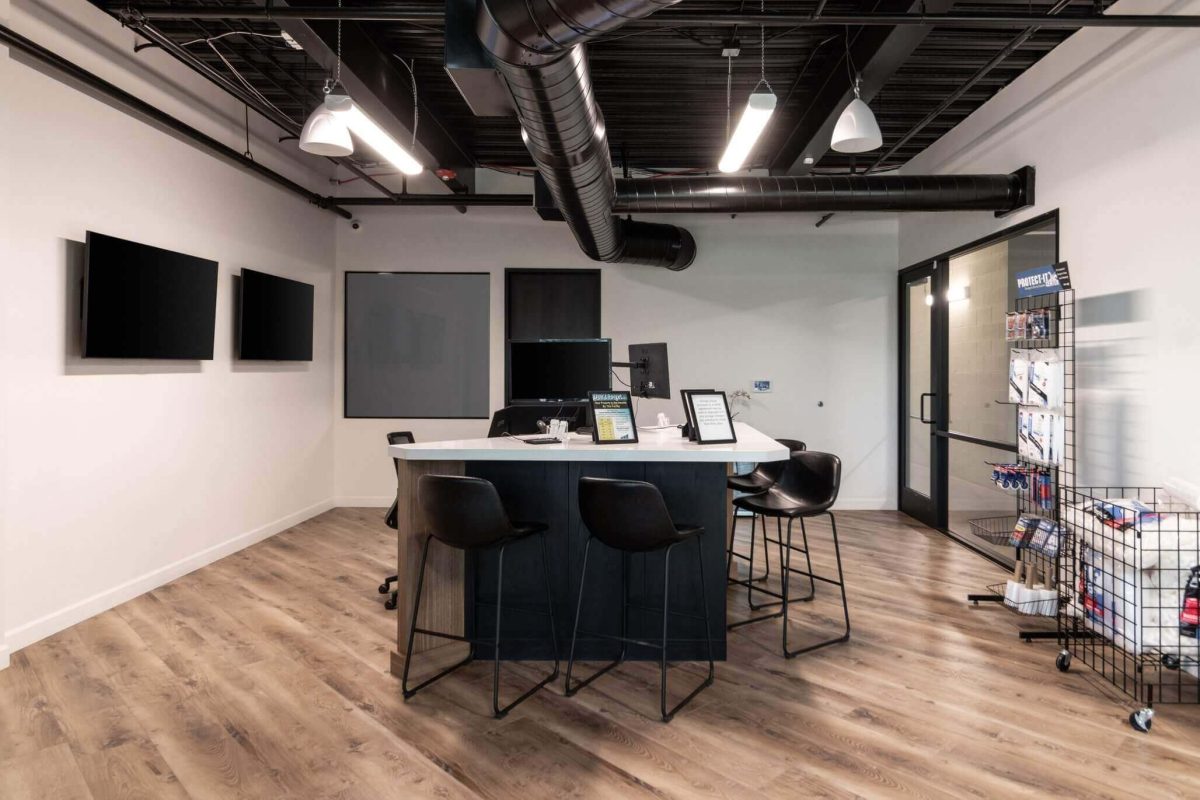
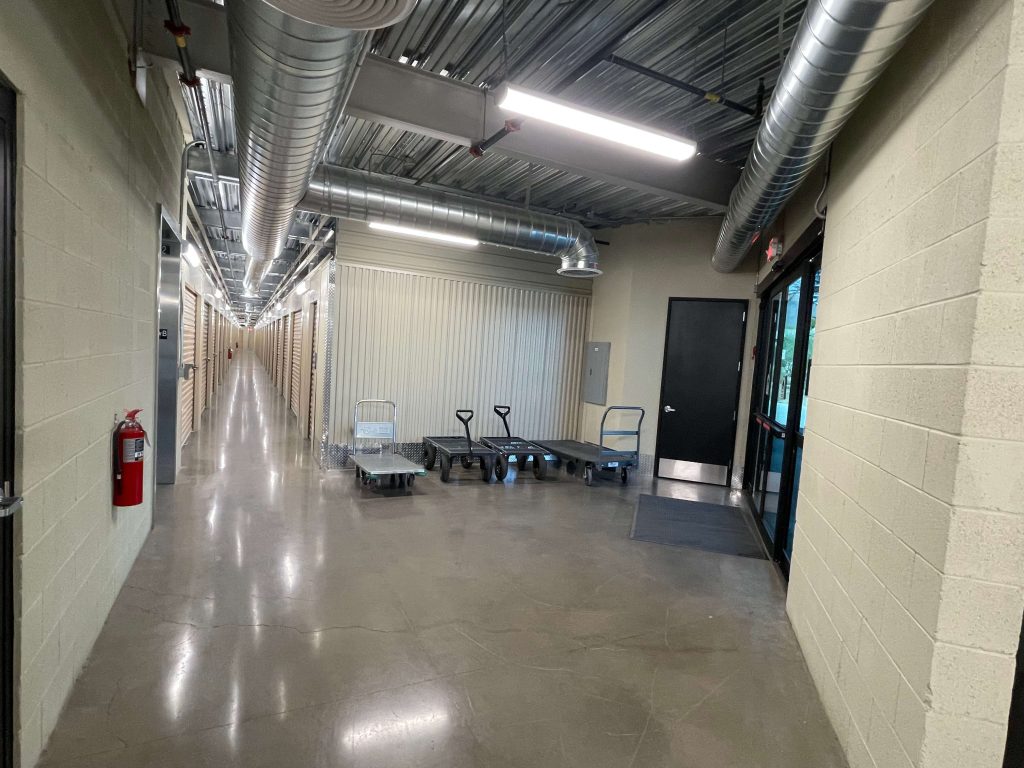
A wide view of McDowell Mountain Community Storage in Scottsdale Arizona showing how to avoid common self storage mistakes like choosing the wrong unit size.

11 Self-Storage Mistakes You Should Avoid

Take the time to avoid these mistakes when renting a Scottsdale self-storage unit, they’re the difference between a smooth experience and a frustrating one.

1. Using the Wrong Box Size

One of the most common mistakes people make is packing with a mismatched assortment of box sizes. Recycling old fruit or liquor boxes is a fine instinct, but it makes stacking and organizing genuinely harder. Uniform moving boxes in small, medium, and large sizes save time and stack far more reliably.

2. Using Newspaper as a Wrapper

Newspaper ink smears and bleeds onto whatever it touches, especially without climate control to keep things stable. Unpacking stained or tarnished belongings later is nobody’s idea of fun. Bubble wrap or plain, ink-free paper works better, even inexpensive butcher paper is a real improvement.

3. Using Cardboard Boxes or Plastic Bags

Plastic bags offer almost no real protection, and cardboard boxes attract pests and moisture over time. Plastic bins hold up far better on both counts, sturdy and much less prone to water damage.

4. Not Packing Correctly

There’s no single right way to set up a unit, but a bit of planning goes a long way. Wrap plates, platters, fine china, and picture frames in bubble wrap, nested between thin cardboard for extra padding. Pack food in individually sealed containers. Disassemble furniture where you can. Use packing peanuts or cushioning for bigger, heavier items.

When filling the unit, leave yourself room to actually reach everything. Heaviest and most durable items go on the bottom, and anything you’ll need regularly should stay up front.

5. Moving Excessively Heavy Boxes

Overloading a single box with bulky items puts its stability at risk and makes it harder to carry. Split heavy items across multiple boxes instead, keeping each one under 40 pounds, both your back and your belongings will thank you.

6. Not Giving Yourself Enough Time

Leaving everything until the last minute is one of the worst things you can do when moving. Rushing means dropped boxes, broken items, and a higher chance of getting hurt. Give yourself real time to pack properly, and bring in professional movers for the heavy lifting if you can.

7. Not Labeling Your Boxes

Digging through unlabeled boxes in a storage unit is its own kind of frustration. Make a list of what’s going into storage, and label boxes accordingly, it helps you find things later and gives you a clear record for insurance purposes too.

8. Choosing the Wrong Unit Size

Choosing the right unit size matters more than most first-time renters expect. A smaller unit might save money upfront, but cramming too much into too little space risks long-term damage to your belongings. If you’re not sure what size fits, our space estimator can help you visualize what actually fits in each unit size before you commit.

9. Neglecting to Clean Before Storing

Storing dirty items invites decomposition, pests, mold, and bacteria, and it doesn’t take much for a problem with one item to spread to everything around it. A quick dusting and wipe-down before storing solves most of this.

10. Failing to Inspect Storage Security Features

Choosing a storage facility is a bigger decision than most people treat it as. It’s easy to assume everything’s fine just because the unit door is closed, but security is worth a closer look. Check the actual security features a facility offers, and don’t hesitate to ask questions if something’s unclear, it’s your belongings on the line.

11. Storing Prohibited Items

Self-storage is great for organizing your life, but not everything belongs in a unit: flammable items, food, pets, and plants all fall outside what’s allowed. If you’re unsure whether something qualifies, ask the facility manager before you pack it.

Conclusion

Keep these tips in mind and self-storage stays easy and stress-free. If you’ve already made one of these mistakes with a unit in Scottsdale, now’s a good time to fix it, your things, and your sanity, will thank you.

Looking for self storage units in Scottsdale? McDowell Mountain Community Storage offers safe, well-maintained units in a range of sizes. Call (602) 899-5484 to find the right fit and reserve yours today.

FAQs: Common Self-Storage Mistakes to Avoid

What items should be kept in climate-controlled storage?

Electronics, antiques, and sensitive documents all benefit from climate-controlled storage, which protects against temperature swings and humidity that standard units don’t manage.

How can I ensure my storage unit is secure?

Check for gated access, surveillance cameras, and individual locks, and don’t hesitate to ask the facility directly about its security protocols.

What should I do if I need to access my storage unit frequently?

Choose an easily accessible unit, label boxes clearly, and keep frequently used items near the front so you’re not digging through everything each visit.

How can I prevent pests in my storage unit?

Store items in sealed plastic bins rather than cardboard, keep the unit clean and clutter-free, and check in periodically for any early signs of pests.

Is it advisable to store electronics in a self-storage unit?

Yes, as long as they’re in a climate-controlled unit with batteries removed beforehand to prevent corrosion.

How do I choose the right size storage unit?

Take stock of what you’re storing and use a space estimator, or talk to the facility directly, to land on the right size rather than guessing.

What should I do with items that have strong odors?

Avoid storing them altogether where possible, strong odors attract pests. Make sure everything is clean and fully dry before it goes into the unit.

Can I store my car in a self-storage unit?

Many facilities offer vehicle storage, but policies and requirements vary, check with the facility directly for specifics.

What are the best packing materials for fragile items?

Bubble wrap, packing peanuts, and sturdy boxes protect fragile items well. Skip newspaper, the ink can smudge onto whatever it touches.

What should I do if I accidentally stored prohibited items?

Contact facility management right away for guidance on removing them safely.