
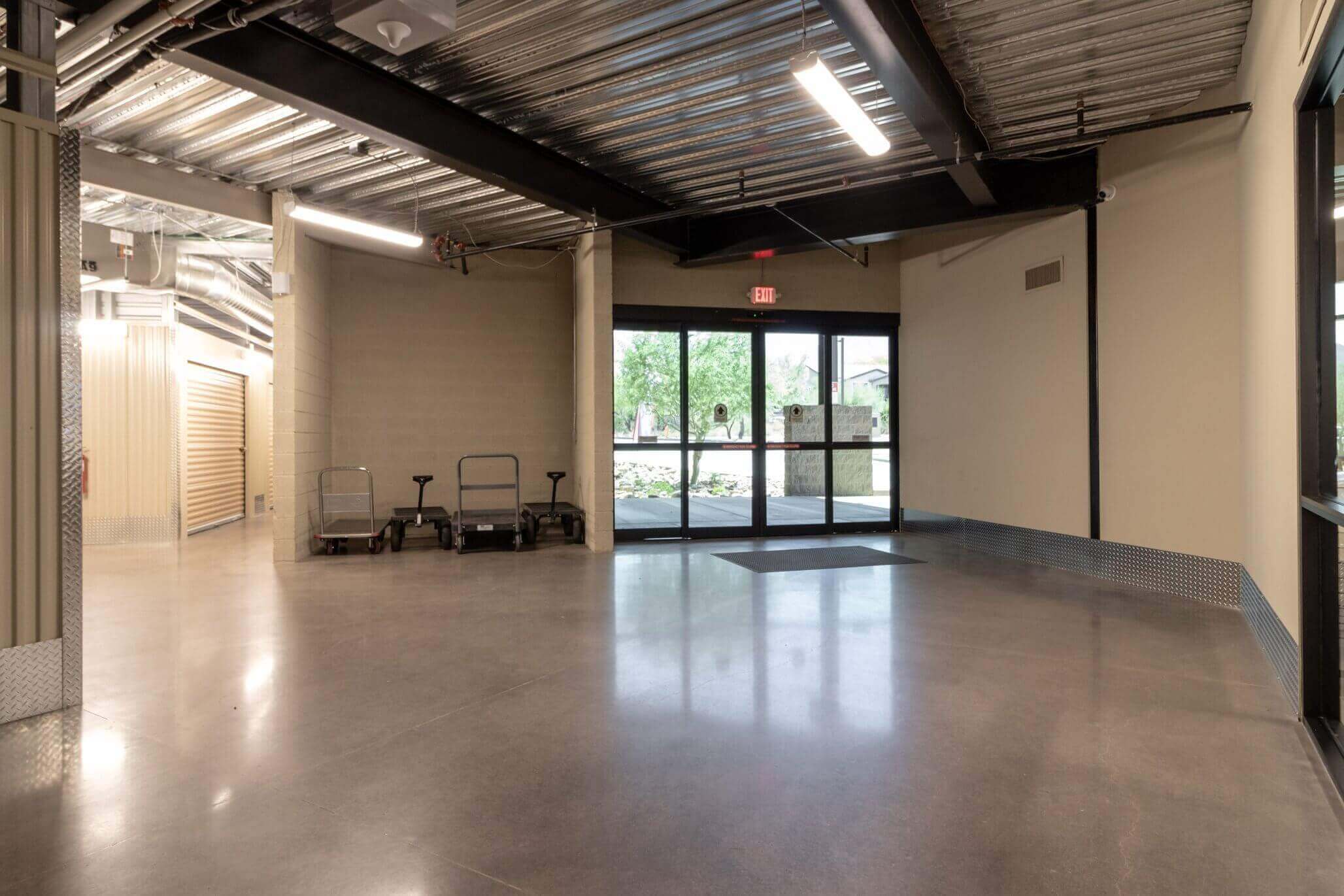
Storage Solutions for Artists, Collectors, and Hobbyists

Smart Storage Solutions For Artists, Collectors, And Hobbyists

At McDowell Mountain Community Storage, we provide reliable, flexible storage solutions designed to protect art, materials, artworks, and creative investments of every size. From the individual artist organizing art supplies, paint, and tools in a studio space or office, to hobbyists storing creative materials in a drawer or box, to serious collectors managing extensive collections, we understand that the right way to store art is essential for long-term success. Our storage features are built to support organization, accessibility, and efficient use of space while providing clear information that helps clients make confident storage decisions.

We focus on protecting artworks from damage while supporting practical workflows that adapt to real-world creative needs. By offering storage solutions that maintain stable environments and reduce handling risks, we help preserve artistic integrity and long-term value. Whether managing a single studio space or overseeing an extensive collection, our approach ensures that every artist and collector has a dependable solution that grows alongside their creative journey.

Professional Storage Supports Creative Work And Long-Term Value

Creative work depends on safe storage in the right place and room to maintain long-term quality. Paintings, drawings, prints, sculptures, photographs, and mixed-media artwork all require specific conditions to remain in good condition. We help artists and collectors safeguard each piece of an art collection by offering professional art storage solutions, including secure storage racks and well-planned units designed to protect against moisture, dust, light exposure, temperature fluctuations, and physical damage. Every storage area is structured to support both protection and accessibility.

Art storage is not one-size-fits-all, and effective organization depends on selecting the proper method for each material. Paper, canvases, glass, paints, brushes, pencils, frames, and portfolios all benefit from tailored storage approaches. Our solutions are designed to accommodate a wide variety of sizes, surfaces, and materials while preserving integrity, reducing handling risks, and supporting efficient retrieval across every art storage area.

Organized Storage Preserves Artwork Condition And Accessibility

Proper organization is a critical factor in art preservation, especially for each painting and finished piece within a collection. When artwork and supplies are stored without structure, the risk of scratches, discoloration, bending, or deterioration increases. We encourage the use of shelves, racks, cabinets, drawers, and bins to keep every painting and related items separated, visible, and protected.

Boxes, containers, and compartments help prevent contact between pieces and reduce unnecessary handling. Foam inserts, labeled drawers, and stackable bins allow artists and collectors to access items quickly without disturbing the rest of the collection. This organized approach protects artwork while saving time and reducing stress in the studio or workspace.

Climate Control Protects Against Environmental Damage

Environmental factors play a significant role in preserving art. Temperature, humidity, airflow, and light exposure all affect how materials age over time. We offer storage environments designed to minimize moisture, reduce dust accumulation, and maintain stable temperature conditions.

Fluctuations in temperature and humidity can cause warping, cracking, mold growth, and adhesive failure. By storing art in a controlled environment, collectors and artists reduce the risk of long-term damage and maintain the original condition and value of their masterpieces. Climate-aware storage is essential for paper, canvases, photographs, and painted surfaces.

Flexible Storage Options Support Artists And Hobbyists

Artists and hobbyists often need storage that evolves with their creative process. Our storage options support flexibility, allowing users to store tools, supplies, and finished artwork in one secure location. From paints and brushes to bottles, jars, and specialty products, we provide space that adapts to changing inventory.

Portable, modular, and stackable storage solutions allow artists to scale up or down as needed. Whether storing a small hobby collection or managing a growing body of work, we help create efficient systems that maximize available space without compromising safety or accessibility.

Storage Units Accommodate Artwork Of All Sizes

Artwork comes in many sizes, from small sketches and prints to large paintings and sculptures. Our storage units are designed to accommodate a full range of dimensions, including oversized canvases, framed pieces, and three-dimensional works.

Floor space, wall storage, vertical racks, and shelving systems allow for safe placement without stacking artwork in a way that could cause damage. We recommend separating pieces by size and type to reduce pressure and prevent accidental scratches or breakage. Proper spacing also improves airflow, further protecting delicate materials.

Secure Storage Protects Investment And Artistic Value

Art is both a creative expression and a valuable asset. Collectors and galleries rely on secure storage to protect their investments from theft, environmental damage, and accidental loss. Our storage solutions emphasize safety, controlled access, and secure placement to protect collections of all types.

By using lockable cabinets, designated storage units, and well-organized containers, we help maintain each piece’s integrity. Secure storage also supports accurate inventory management, ensuring that every artwork, tool, and supply is accounted for and easy to retrieve.

Specialized Storage Supports Different Art Types

Different art forms require different storage methods. Paintings benefit from upright storage on racks or shelves that prevent surface contact. Drawings and prints are best stored flat in drawers or portfolios to prevent bending. Sculptures require stable surfaces and adequate space to avoid tipping or pressure points.

Photographs and paper-based artwork need protection from light, humidity, and acidic materials. Using appropriate boxes, archival containers, and labeled compartments helps preserve these items over time. We help artists and collectors match the proper storage solution to each type of artwork.

Studio Storage Improves Workflow And Creativity

A well-organized studio or workspace enhances creativity and productivity. When tools, materials, and supplies are readily accessible, artists spend less time searching and more time creating. Our storage solutions support efficient studio organization by providing designated areas for paints, brushes, tools, and works in progress.

Drawers, cabinets, shelves, and wall-mounted storage keep surfaces clear and protect items from accidental spills or damage. Clear labeling and logical organization methods improve workflow and help maintain a clean, functional studio environment.

Storage Solutions Reduce Wear And Handling Damage

Frequent handling is a common cause of damage to artwork. Improper storage increases the need to move items repeatedly, raising the risk of scratches, tears, and surface wear. Organized storage reduces unnecessary handling by making retrieval straightforward and efficient.

By storing artwork in accessible, well-labeled locations, artists and collectors minimize contact and protect delicate surfaces. This approach is essential for valuable or fragile pieces that require careful preservation.

Long-Term Preservation Requires Strategic Storage Planning

Preservation is a long-term commitment. Storage decisions made today directly affect how artwork looks years or decades from now. We encourage artists and collectors to consider future needs when selecting storage solutions, including potential collection growth and changing storage requirements.

Strategic planning includes choosing appropriate unit sizes, incorporating modular storage systems, and maintaining consistent environmental conditions. This proactive approach helps prevent deterioration and ensures that collections remain protected as they evolve.

Storage Accessibility Supports Efficient Collection Management

Easy access to stored items is essential for effective collection management. Whether preparing for an exhibition, rotating displays, or reviewing inventory, accessible storage saves time and reduces risk. Our solutions prioritize clear pathways, logical layouts, and efficient organization.

Bins, shelves, and racks arranged by category, size, or medium allow for quick identification and retrieval. This system supports both individual artists and larger collectors who manage extensive collections.

Proper Storage Enhances Display And Exhibition Preparation

Storage plays a key role in preparing artwork for display. Well-preserved pieces maintain their visual impact and structural integrity when moved from storage to galleries or display spaces. By protecting artwork from environmental stress and physical damage, storage supports successful exhibitions.

We help ensure that artwork remains exhibition-ready by providing clean, stable environments and organized storage methods that prevent deterioration during downtime.

Storage Solutions Adapt To Changing Creative Needs

Creative needs change over time. New tools, materials, and projects require additional space and different storage configurations. At McDowell Mountain Community Storage, our storage options are designed to adapt, offering flexibility for artists, hobbyists, and collectors at every stage.

Modular units, adjustable shelving, and stackable containers allow for easy reconfiguration. This adaptability supports experimentation and growth without requiring constant replacement of storage systems.

Organized Inventory Supports Accountability And Planning

Accurate inventory management is essential for collectors and professional artists. Organized storage simplifies tracking artwork, supplies, and tools. Labeling systems, designated compartments, and clear organization methods improve accountability and reduce the risk of loss.

Maintaining an up-to-date inventory also supports insurance documentation, sales preparation, and collection planning. We encourage storage systems that make inventory management straightforward and reliable.

Environmental Awareness Protects Artistic Integrity

Understanding the environment in which artwork is stored is essential for preservation. Factors such as airflow, light exposure, and temperature stability influence how materials age. By offering climate-controlled storage units, we ensure artworks are protected from environmental fluctuations, supporting their longevity and maintaining their integrity over time.

Reducing exposure to direct light prevents fading and discoloration. Proper airflow minimizes moisture buildup and mold risk. Stable temperatures prevent expansion and contraction that can damage surfaces and structural components.

Storage Methods Support Both Short-Term And Long-Term Needs

Some artwork requires temporary storage between projects or exhibitions, while other pieces need long-term preservation. Whether you need short-term vs. long-term storage, our solutions accommodate both scenarios by offering flexible access and consistent protection.

Short-term storage benefits from easy retrieval and adaptable organization, while long-term storage prioritizes environmental stability and minimal handling. We help clients choose the proper method for each situation.

Practical Tips to Improve Art Storage Effectiveness

Practical art storage benefits from thoughtful planning and attention to detail. Using appropriate boxes, avoiding overcrowding, and maintaining clean storage areas all contribute to better preservation. We recommend regular checks to ensure conditions remain stable and items remain properly organized.

Simple practices such as rotating stored items, updating labels, and monitoring environmental factors can significantly extend the lifespan of artwork and materials.

Reliable Storage Supports Creative Communities

At McDowell Mountain Community Storage, we serve artists, collectors, hobbyists, and creative professionals who value protection, organization, and accessibility. Our storage solutions support creative communities by providing safe, adaptable spaces for artwork, supplies, and tools.

Proper storage is an essential part of the creative process. By protecting materials, preserving artwork, and supporting efficient workflows, we help artists and collectors focus on what matters most—creating, collecting, and sharing meaningful work with the world.

Frequently Asked Questions (FAQs)

How Do I Choose The Right Storage Unit Size For My Art Collection?

Selecting the right unit size depends on the number, size, and type of artworks you plan to store, as well as future growth. We recommend allowing extra space to ensure safe spacing, airflow, and easy access, preventing overcrowding.

Can Art Storage Be Used For Business Inventory Or Online Art Sales?

Yes, art storage can support business inventory for artists selling online or through galleries. Organized storage allows for secure inventory management, easy retrieval, and efficient order fulfillment.

What Packing Materials Are Best For Transporting Artwork Into Storage?

Acid-free paper, foam padding, protective sleeves, and sturdy boxes are ideal for transporting artwork. Using proper materials helps prevent scratches, pressure damage, and exposure during handling.

How Often Should Stored Artwork Be Inspected Or Rotated?

Stored artwork should be inspected periodically to ensure stable conditions and identify any early signs of damage. Regular checks help maintain preservation standards and provide peace of mind.

Is Art Storage Suitable For Collaborative Studios Or Shared Creative Spaces?

Art storage works well for collaborative environments where multiple artists share resources and space. Designated areas and labeled storage help maintain organization and accountability.

Can Storage Units Accommodate Ongoing Projects And Works In Progress?

Yes, storage units can be used for both completed artwork and works in progress. Flexible layouts allow artists to safely store unfinished pieces without disrupting their workflow.

What Are The Best Practices For Storing Framed Versus Unframed Artwork?

Framed artwork should be stored upright with spacing to prevent pressure on the glass and frames. Unframed pieces are best stored flat in drawers or portfolios with protective layers.

How Does Long-Term Storage Affect Insurance Coverage For Art Collections?

Insurance requirements vary, but proper storage can support coverage by reducing risk and documenting preservation efforts. Keeping organized inventory records is also beneficial for claims and valuations.

Are There Storage Solutions That Support Seasonal Or Rotating Exhibitions?

Yes, accessible storage makes it easy to rotate artwork for seasonal displays or exhibitions. Organized systems allow for smooth transitions between storage and display.

What Common Storage Mistakes Should Artists And Collectors Avoid?

Common mistakes include overcrowding, improper packing, and ignoring environmental conditions. Avoiding these issues helps prevent unnecessary damage and long-term deterioration.
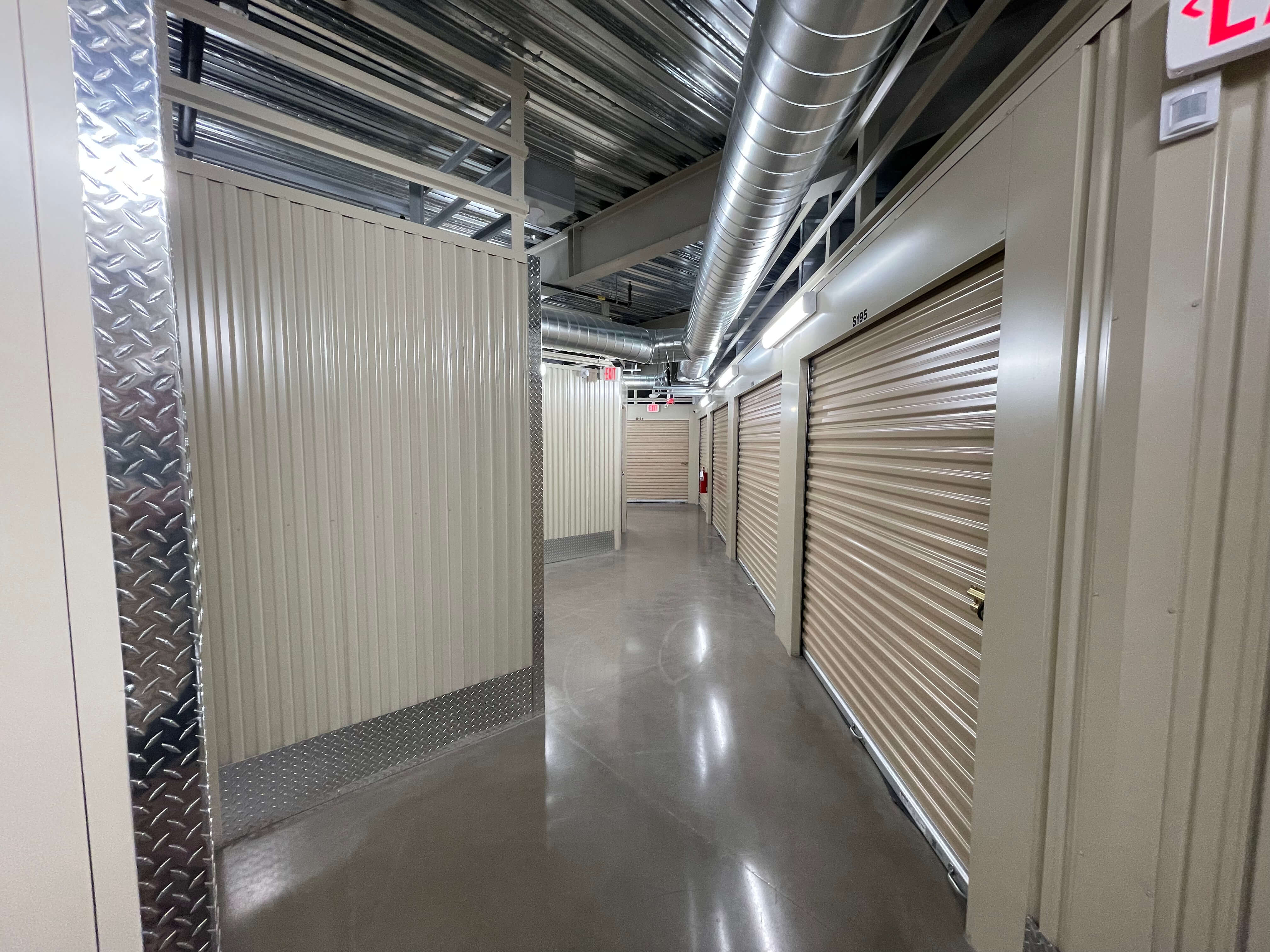

How to Wrap a Couch for Storage Without Damage: Step-by-Step Guide

Step-by-Step Guide to Wrapping a Couch for Safe Storage

At McDowell Mountain Community Storage, we understand that protecting your furniture during storage is critical. Improper wrapping can lead to scratches, warping, stains, or even mold, so following clear instructions is essential. We provide step-by-step guidance that emphasizes safety while handling different types of furniture, from sofas to chairs, ensuring every part of your items is properly cared for. Using the right materials, including blankets, wool pads, and a protective bag, is one of the best ways to prevent damage and maintain your furniture’s condition.

Our guide not only explains the safest way to wrap each piece but also gives an idea of how to handle various size and shape of couches and other furniture. We show the best cleaner to use before storage, how to protect delicate surfaces, and the correct way to secure cushions, legs, and hardware. By following these steps, you can confidently store your items, knowing every part is shielded from dust, moisture, pests, and debris while keeping everything in pristine condition.

Prepare the Couch for Storage

Before wrapping, we always start by thoroughly preparing the couch. This step is essential to prevent scratches, stains, and the accumulation of dirt or debris. Remove all cushions, pillows, and removable hardware like legs, drawers, or metal attachments. Keep all small parts and any contents from drawers in labeled bags so nothing gets lost. Vacuum the upholstery carefully, paying attention to corners, seams, and the back of the couch. This removes crumbs, dust, and dirt that can attract pests or cause stains over time. Using some basic tools and supplies, we make sure nothing is overlooked, whether it’s mirrors, cushions, or any other part of the couch.

Check the condition of the couch’s wood, metal, or leather parts. Lightly clean wood surfaces to remove dust and potential oxidation, and wipe metal legs with a cloth to prevent rust. For leather or fabric upholstery, use the appropriate cleaner to eliminate any stains or grime. Preparing the couch in this way ensures that when we move it, either ourselves or with movers, we are not trapping moisture, dirt, or anything else against its surfaces, keeping every part in excellent condition.

Choose the Right Wrapping Materials

Using the proper materials is key to protecting your couch in a storage unit. We recommend a combination of the following:

  • Furniture blankets or moving blankets – Ideal for cushioning and protecting the couch from scratches, dust, and minor impacts.

  • Plastic wrap or shrink wrap – Helps protect against moisture, humidity, and pests while keeping the blankets in place.

  • Bubble wrap – Perfect for fragile areas, such as glass panels or decorative trim.

  • Packing tape – Secures wrapping without adhering directly to upholstery or delicate surfaces.

  • Cardboard or paper – Can provide extra padding on sharp corners or delicate wood edges.

Using these materials strategically allows us to create multiple protective layers that shield the couch from scratches, dust, debris, and environmental risks such as water or humidity. It’s important to avoid wrapping fabric or leather directly with tape or plastic, as this can trap moisture and lead to mildew.

Protect the Couch Legs and Hardware

Couch legs, metal attachments, and other hardware are particularly vulnerable during storage. We always remove legs when possible and wrap them separately in bubble wrap or cloth. Small screws, bolts, and other hardware go into clearly labeled bags to prevent loss.

If the legs are non-removable, we carefully wrap them with padding or extra layers of blankets. Covering metal parts prevents scratches, dents, and rust. This also reduces the risk of damage to the floors or other items in the storage unit.

Cushion and Pillow Preparation

Cushions and pillows are often the first things to show wear during storage. We always vacuum them to remove crumbs, dirt, and dust before wrapping. For extra protection, we place cushions in large plastic bags or vacuum-sealed bags to reduce exposure to humidity and pests.

When storing cushions, we place them on top of the wrapped couch or in a dedicated space within the storage unit. This prevents deformation and keeps their shape intact. Using protective covers or blankets also prevents scratches and fabric stains.

Wrap the Couch With Blankets First

The first layer of protection we apply is a furniture blanket or moving blanket. Blankets absorb shocks, prevent scratches, and create a barrier between the couch and any debris in the storage unit. We make sure to cover the entire couch, including the back, sides, and top.

Pay attention to corners and edges, as these areas are more likely to suffer damage. Secure blankets using packing tape without allowing the tape to touch upholstery directly. This layer not only cushions the couch but also provides insulation against fluctuating temperatures in storage units.

Add Plastic or Shrink Wrap for Moisture Protection

After the blanket layer, plastic wrap or shrink wrap is applied. This step is crucial to prevent moisture, mold, and mildew, especially when storing furniture in climate-controlled storage units. Proper wrapping ensures that humidity in the storage facility doesn’t compromise the couch’s condition.

The entire piece is wrapped in a single, even layer, making sure not to cover ventilation areas for fabric or leather couches. Plastic protects against water splashes, accidental spills, and pests while keeping blankets securely in place. Wrapping too tightly should be avoided to prevent pressure marks or fabric warping.

Reinforce Fragile Parts With Bubble Wrap

Any fragile or decorative parts of the couch, such as glass panels, carved wood, or delicate hardware, get an additional layer of bubble wrap. Bubble wrap acts as padding and protects against breakage during transit or when placing the couch in a storage unit, demonstrating how to safely store fragile items in a storage unit.

Corners, legs, and metal trims benefit most from this extra protection. For glass components, cardboard is sometimes placed underneath the bubble wrap to prevent cracking or chipping. The goal is to create a multi-layer system that shields the couch from all angles while ensuring delicate pieces remain intact.

Secure Wrapping With Packing Tape

Once the blankets, plastic wrap, and bubble wrap are in place, we secure everything with packing tape. Tape should be applied carefully to avoid touching fabric, leather, or wooden surfaces directly. Instead, we anchor tape to blankets or plastic wrap layers.

This ensures that the wrapping remains tight and secure during moves or storage. Properly applied tape prevents shifting, which could cause scratches, dents, or scuffs. Avoid excessive tape, as it can create pressure points that damage cushions or upholstery.

Prepare the Storage Unit Space

Before placing the couch inside a storage unit, we prepare the floor and walls. We use pallets or furniture pads to lift the couch off the floor, preventing contact with moisture and protecting against pests. Pallets also allow airflow underneath the couch, reducing the risk of mold or mildew.

Ensure the storage unit is clean, dry, and free of debris. Position the couch in a location that minimizes the risk of scratches from other furniture, walls, or doors. Consider leaving space between pieces for easy access and ventilation, especially for leather or wooden furniture.

Place the Couch Carefully Inside the Storage Unit

Moving the couch into a storage unit requires careful handling. We use furniture sliders or moving pads to prevent scratches on both the couch and the floor. If moving with a truck, we secure the couch with straps to avoid shifting during transit.

Once inside the unit, we place the couch upright on its legs if possible, or on the side if necessary, ensuring the weight is evenly distributed. Avoid leaning the couch against walls without padding, as this can cause scratches or dents. Maintaining proper placement protects the couch and other stored items.

Cover Remaining Furniture and Items

If storing multiple pieces in the same unit, we wrap additional furniture such as chairs, tables, or metal items with the same level of care. We protect glass surfaces with bubble wrap and cardboard, and cover wooden or metal furniture with blankets or pads to prevent scratches, rust, or warping.

Boxes containing smaller items are stacked around the couch carefully. Heavy boxes go on the bottom to avoid crushing lighter items, and fragile boxes are padded with extra blankets or bubble wrap. Proper organization ensures that everything in the storage unit stays in excellent condition.

Maintain the Couch During Storage

Even after careful wrapping and placement, we advise regular checks on stored furniture. Inspect the storage unit for temperature changes, humidity, or signs of pests. We recommend using moisture absorbers or dehumidifiers to maintain stable conditions, especially for leather, wood, or fabric couches.

If any movement is necessary within the unit, handle the couch carefully, keeping all protective layers in place. Avoid dragging furniture, which could damage both the couch and other items in the storage space. Regular attention ensures that everything remains protected throughout the storage period.

Couch wrapped for storage at McDowell Mountain Community Storage Scottsdale Arizona showing proper protection

Additional Tips for Safe Couch Storage

Over the years, we’ve compiled several tips to help maintain furniture condition during storage:

  • Avoid stacking heavy items on top of the couch. This prevents sagging, dents, or deformation.

  • Keep cushions in their original shape. Use vacuum-sealed bags or storage covers.

  • Protect delicate surfaces. Wrap glass, metal, and wood with bubble wrap or blankets.

  • Monitor humidity and temperature. Extremes can cause warping, oxidation, mildew, or scratches.

  • Use furniture sliders for moves. This minimizes floor damage and preserves couch legs.

  • Label everything. Bags of hardware, boxes, and wrapped items should be clearly marked.

By following these tips, we reduce the risk of scratches, stains, moisture damage, and other common problems in storage units.

Avoid Common Wrapping Mistakes

When wrapping a couch for storage, we make sure to avoid mistakes that could compromise protection:

  • Skipping preparation. Dirt, crumbs, and moisture left on furniture increase the risk of mold and stains.

  • Direct tape on upholstery. This can leave marks or damage leather, cloth, or fabric surfaces.

  • Overpacking a storage unit. Crowding increases the chance of scratches and reduces airflow.

  • Ignoring fragile parts. Glass, wood trim, and metal hardware require extra padding.

  • Failing to monitor storage conditions. Humidity, temperature fluctuations, and pests can ruin furniture over time.

Awareness of these common mistakes allows us to wrap and store couches safely, preserving their condition for years.

Ensure Proper Wrapping for Transport

If the couch will also be moved to the storage facility, proper wrapping for transport is critical. We use furniture pads and straps to secure the couch in trucks, preventing scratches, breakage, or shifting. Crumbs, dust, or dirt should be cleaned beforehand to avoid transferring debris into the truck or storage unit.

During transit, we protect glass, metal, and wood surfaces with extra layers of bubble wrap and blankets. This double layer of care ensures the couch arrives in perfect condition before it even reaches the storage unit.

Final Layer and Inspection

Once the couch is wrapped, secured, and placed in the storage unit, we conduct a final inspection. We check corners, cushions, legs, and upholstery for proper coverage and ensure all materials are snug without pressing too tightly.

This final review confirms that all parts are protected from scratches, moisture, pests, and dust. We also verify that everything is labeled and organized so that retrieving or moving the couch in the future is safe and simple.

Conclusion

At McDowell Mountain Community Storage, we know that storing a couch safely requires careful preparation, proper materials, and attention to detail. By following our step-by-step guide, we ensure that couches, chairs, and other furniture pieces remain protected from scratches, moisture, dust, pests, and damage.

Using blankets, plastic wrap, bubble wrap, padding, and careful handling, we create a system that preserves furniture condition throughout transit and storage. With proper placement, regular monitoring, and strategic use of storage units, your furniture remains in excellent condition and ready for years of use.

Whether you’re storing one piece or multiple items, our approach ensures peace of mind and reliable protection. By combining preparation, wrapping, and careful placement, we minimize risk and maximize furniture longevity. At McDowell Mountain Community Storage, keeping your belongings safe is our priority.

Frequently Asked Questions (FAQs)

Can a couch be stored in a climate-controlled unit, and is it necessary?

Climate-controlled units help protect leather, wood, and delicate fabrics from extreme temperatures and humidity. Using such a unit reduces the risk of warping, mildew, and deterioration over time.

How long can a couch safely stay in storage?

A couch can generally remain in storage for several months to a few years if properly wrapped and protected. Regular inspections are recommended to ensure that moisture, pests, or temperature changes do not damage the furniture.

Is it safe to store a couch on its side or back?

Couches are best stored upright on their legs to evenly distribute weight and prevent frame or cushion deformation. Storing on the side or back can lead to sagging or pressure marks over time.

Can cushions be stored separately from the couch?

Cushions can be stored separately in vacuum-sealed or plastic bags to protect them from dust, moisture, and pests. Keeping them flat or upright prevents deformation and maintains their original shape.

What is the best way to handle sectional sofas or multi-piece couches?

Disassemble sectional pieces if possible to reduce stress on frames and make wrapping easier. Wrap each section individually with blankets, plastic, and padding to protect edges and surfaces.

How should leather couches be treated differently than fabric couches?

Leather requires specialized cleaning and conditioning before storage to prevent cracking or stains. Avoid airtight wrapping that traps moisture, and use breathable protective covers to maintain the leather’s condition.

Are there items that should never be stored inside or under a couch?

Avoid placing boxes, liquids, or heavy objects under or inside the couch, as they can cause stains, mold, or structural damage. Fragile or perishable items should also be stored separately to prevent accidents.

Can household plastic sheets be used instead of professional shrink wrap?

Household plastic can offer some moisture protection but may not secure blankets or cushions as effectively. Professional shrink wrap provides a tighter, more durable seal for long-term storage protection.

How can pests be prevented from damaging stored couches?

Use moisture absorbers, sealed bags for cushions, and elevated pallets to minimize the risk of insects or rodents. Keep the storage unit clean and avoid storing food or organic material nearby.

What should be done if a couch is already damaged before storage?

Repair scratches, stains, or minor structural issues before storing to prevent worsening damage. Proper wrapping and padding will help preserve the couch during storage and transit.

Keeping Your Home Organized Year-Round: A Complete Guide to Best Practices

At McDowell Mountain Community Storage, we understand that a house is more than just a structure; it is the heart of your daily life and a reflection of your peace of mind. However, we also know that when clutter begins to occupy every room, it does more than just take up physical space—it creates mental stress and hampers your efficiency. Maintaining an organize home environment isn’t about a one-time cleaning spree or a frantic weekend of sorting; it is about building sustainable habits and systems that work specifically for your family. To truly streamline your environment, you must prioritize functional steps that allow you to declutter effectively and find a permanent spot for every item you own.

Whether you are dealing with a bunch of toys in the living room, a mountain of paper on the kitchen island, or an overflowing pantry, we are here to help you navigate the complex process of reclaiming your environment. This comprehensive guide explores the most effective ideas and ways to manage your belongings, optimize your storage space, and ensure that everything in your life has a dedicated place. By following a clear checklist and establishing a consistent schedule, you can maintain order regardless of the season.

Foundations Of A Permanent Organizational Mindset

The first step in any major project to organize your life is acknowledging the reality of how we live today, as the chaos of daily lives can often get out of hand. Most people struggle with organization not because of a lack of effort or desire, but because they lack a functional system that can withstand the pressure of everyday routines. In any case, we believe that the ultimate goal of the declutter process is not just to move stuff around from one corner to another, but to create a sense of order that fundamentally improves your quality of life. At some point, you may have seen a video or read an idea that makes it look easy, but the reason many fail is a lack of a clear plan. If it feels like a mess is everywhere, the job of reclaiming your space starts with identifying the ones that matter most and making them your focal point.

When we talk to our clients at McDowell Mountain Community Storage, we often hear stories about how “one little pile” on a desk quickly turned into a mountain of mail and old news. Whether you are a busy professional or a woman managing a household, there are many reasons why clutter accumulates so fast. To combat this, we recommend a total mindset shift: see your home as a collection of active zones rather than just a series of static rooms. You must prioritize the areas that see the most action to break the cycle of constant mess. By using a clear checklist to sort and categorize your items into logical groups, you make the task of tidying feel less like an exhausting chore. A helpful tip we share is to treat your possessions like a laundry system; you must maintain a neat and consistent flow to keep things from piling up. There are lots of ways to organize, but this approach allows everyone in the house to understand where things belong, reducing the “where is my…?” questions that often lead to frustration.

Strategic Decluttering Through Effective Categorization

Before you rush out to buy a single bin, basket, or set of organizers, you must commit to the decluttering phase with a high level of care and attention. We suggest a method where you physically touch every item and sort it into four distinct categories: keep, donate, trash, and store. This part of the process requires focus, a bit of honest self-reflection, and a healthy dose of motivation. We often tell our clients that if you can’t imagine someone else using the item, it shouldn’t be taking up space in your places of rest.

  • The Donation Box: Keep a dedicated box in the garage, mudroom, or entryway. When you find an item—whether it is clothes that no longer fit the kids or a kitchen gadget you never use—put it in the box immediately. Once the bin is full, make it a habit to drop it off at a local charity. It helps to get feedback from friends or a husband if you are unsure about parting with certain things, as they can offer a fresh perspective on what you actually use.
  • The “One In, One Out” Rule: For every new piece of furniture, pair of shoes, or electronic device you bring into the house, one old item must leave. This simple habit prevents the slow, silent accumulation of extras that leads to a mess over time. Whether you are updating your personal style or buying gifts during the holidays, this rule ensures that you never have more than you can handle.
  • Sentimental Items: We suggest saving these for the very end of your project. Dealing with things that have deep emotional weight can quickly drain your energy and slow your progress. There are times when looking at old photos or mementos feels like reading a page from a past life, and it can be hard to let go of anything. Focus on the easy wins first, like the bathroom cabinet or the fridge, to build momentum.
  • The Reality Check: Ask yourself, “If I were moving today, would I pay to pack and transport this item?” If the answer is no, it’s time to let it go. Many experts agree that holding onto excess only creates a barrier to the life you want to live.

Optimized Kitchen Systems For Daily Efficiency

The kitchen is the undisputed engine room of the home, and incorporating brilliant kitchen organization ideas can make all the difference. Between the refrigerator, the dishwasher, and the pantry, there are a lot of moving parts and high-traffic areas. To maintain efficiency and keep your surfaces clear, we recommend that you organize every cabinet and drawer based on frequency of use. Establishing these habits is the best way to ensure that clutter doesn’t take over the place where your family gathers.

Pantry And Cabinet Structure

In the pantry, use clear bins and tiered organizers to group similar items together—for example, one bin for baking supplies, one for school snacks, and another for pasta and grains. In this system, everyone knows exactly where to look, and you can see at a glance when you are running low on a specific item. We suggest placing the things you use most at eye level. Heavy appliances like mixers or seasonal stuff should go on the top shelves or the very bottom of the kitchen cabinets.

Countertops And Sink Areas

Clear surfaces are the key to a calm house. We advise keeping only the absolute essentials—like the coffee maker or a toaster—on the counters. Use drawers with dividers for utensils and small gadgets to keep the “junk drawer” from becoming an unusable mess. Under the sink, use a tiered pull-out system to store cleaning items. This one small habit ensures you can reach what you need without having to move a bunch of spray bottles out of the way first.

Refrigerator And Freezer Maintenance

The fridge is one of those spaces that can get out of control in just a few days. We recommend a weekly reset as part of your organization routine. Check for expired things and old leftovers that need to go in the trash. Use clear organizers to group eggs, dairy, and produce. This not only looks better but also helps with food safety and reduces waste because you can actually see what you have in the room.

Closet And Wardrobe Management

When you move to the closet, the same steps apply. Group your clothes and accessories by type to maximize your storage space. Avoid letting shoes pile up on the floor by using baskets or racks. These ideas work for both adults and kids to ensure that everything has a home. Whether it’s the living room or the closets, finding new ways to organize will transform your life.

Comprehensive Closet And Wardrobe Management

Closets are notorious for becoming “catch-all” spaces where we hide some of our piles when guests come over. To transform your closet from a dark hole into a functional wardrobe, we recommend a seasonal approach that prioritizes visibility and accessibility. This method helps everyone reduce the stress of a chaotic morning routine by putting things in order. Whether you are looking through articles or scrolling Instagram for organizing tricks, the best information we can provide is to start with a clear list and focus on one area at a time.

Sort By Category 

Group clothes by type—shirts with shirts, pants with pants, and dresses with dresses. Within those groups, some people find it helpful to sort by a specific category like color to make finding an outfit easier. For a person with a lot of professional wardrobe items, this part of the process is vital to keep your closets functional. We suggest using a label or a divider to mark each category so you can maintain the system long-term.

Utilize Vertical Space 

Many people overlook the top area above the hanging rod or the very bottom of the closet. Use shelves, bins, or sturdy baskets to store accessories like hats, scarves, and handbags. This keeps them from getting crushed on the floor and makes a massive difference in how much storage space you actually have. In the home office, a similar approach works for papers and books; keeping items off the countertops and inside a drawer or on high shelves keeps your work area neat.

Shoe Organization 

Avoid leaving shoes in a pile on the floor. A dedicated shoe rack, a hanging organizer, or even clear shoeboxes make a significant difference in how the room feels. In the entryway, this is especially important so that everyone has a spot for their pair, preventing a mess that guests see the moment they enter homes. This is the next step in creating a reset routine that works for the whole family.

Seasonal Rotation 

This is where we at McDowell Mountain Community Storage can make the biggest impact. If you have a lot of heavy winter coats, bulky jackets, and thick wool blankets taking up valuable storage space during the summer, consider moving them to a secure unit. This project keeps your home pantry, living room, and closets lean and easy to navigate throughout the year. For the rest of your belongings, such as seasonal furniture or holiday groups of items, our facility provides the help you need to organize without sacrificing the things you love. By moving these items out of your daily zones, you find the motivation to keep your house in top order.

Living Room Solutions For Family Spaces

The living room should be a place for rest and connection, not a field of discarded toys, books, and magazines. To keep this area neat, we suggest furniture that pulls double duty. An ottoman with hidden storage is perfect for tucking away extra pillows or games that aren’t in use. This structure allows you to maintain a sense of minimalism while still keeping the items your family loves close at hand.

Media And Books

Books can quickly clutter shelves if not curated through a regular maintenance routine. Arrange them in a way that feels intentional—perhaps by genre or height. For your electronics, use cable management tricks to hide the bunch of wires that often gather behind the TV. This small step takes very little effort but has a massive visual impact on the room’s tidiness. Many of our clients tell us stories about how this one change helped them prioritize relaxation over stress.

Kids And Toys

If you have kids, toys are a reality of life, but they don’t have to take over every inch of the floor. The best way to manage them is through a rotation system. Keep a small selection of favorite items in a bin, and store the rest in the attic, basement, or a dedicated storage space. Every few weeks, swap the sets according to your schedule. This plan keeps the kids engaged and prevents a permanent mess in your main living room.

Expert Habits

For Success When you organize a high-traffic space, you must pay attention to the small things, like where someone might drop their socks or where the husband leaves his keys. By following a clear checklist, you can streamline the process of cleaning and sorting through your belongings. Whether it is during the holidays or a regular weekend, the goal is to simplify your habits. We suggest getting feedback from friends who have a similar style to find new ideas that work. There are times when a fresh page and a new approach are all the motivation you need to tidy up and optimize your home.

Entryway And Mudroom Flow Optimization

The entryway is the first thing you see when you come home, and it sets the tone for your evening. It is the “launchpad” for your day, meaning it needs to be the most organized area in the house.

  • Designated Spots: Everyone in the family should have a specific spot—a hook for their bag, a tray for their keys, and a bin for their shoes.
  • Hooks Over Hangers: For jackets and backpacks, hooks are often much easier for children (and busy adults) to use than hangers. If it’s easy to do, people are more likely to follow the routine.
  • Mail Management: Don’t let paper build up on the entryway table. Have a system where mail is sorted the moment it enters the house. Immediately recycle the junk, put bills in a “to-pay” folder, and file the important news or information.
Explore the best practices for keeping your home organized year-round with simple tips for a tidy, clutter-free space.

Home Office And Paperwork Organization

In the age of digital information, physical paper still manages to find its way into our homes in surprising volumes. Home office organization is essential—whether you have a dedicated room or just a small desk area, a clear and structured system helps prevent both professional and personal stress.

Filing And Documentation

Use a filing cabinet or a simple desktop organizer to categorize your papers. Labeling is your best friend here. Whether it’s tax documents, medical records, or school papers, having a specific place for each type of document ensures you can find what you need in seconds. If you have the time, consider scanning old papers to save digital copies and tossing the physical versions to save space.

Digital Workspace

Don’t forget your digital environment. Spend a bit of time each week organizing your desktop icons, clearing out your email inbox, and backing up important files. A tidy digital space is just as important for productivity as a clean physical desk.

Bathroom And Vanity Maintenance

Bathrooms are often the smallest rooms in the house, meaning every inch of storage space counts. We recommend using clear acrylic drawers for makeup and skincare products. This allows you to see everything at a glance and prevents you from buying extras of something you already have tucked in the back of a cabinet.

Check your bathrooms regularly for expired products, half-empty bottles, or old medication. If you haven’t used a specific hair tool or a certain type of lotion in over a year, it’s time to let it go. In the shower, use caddies or built-in shelves to keep soaps and shampoos off the edge of the tub or the floor.

The Role Of Professional Storage In Home Maintenance

Sometimes, despite our best efforts at decluttering and organizing, we simply have more belongings than our current square footage can comfortably allow. This is particularly common during major life transitions—such as moving, renovating, or welcoming a new baby.

At McDowell Mountain Community Storage, we provide the extra room you need to keep your home environment breathable and functional. Using a storage unit for items like holiday decorations, specialized sports equipment, or heirloom furniture allows you to maintain minimalism in your daily living spaces without having to get rid of things you truly value. It is a strategic extension of your home, giving you the flexibility to live with only what you need on a daily basis.

Sustainable Habits For Long-Term Success

The secret to a consistently tidy home isn’t a secret at all—it’s consistency. We recommend a “daily reset” routine. This is a 15-minute period, perhaps right before bed or after dinner, where the whole family works together to put items back in their designated spots. It’s not a deep clean; it’s just returning the house to its baseline state of order.

Monthly And Seasonal Checklists

  • Monthly: Do a quick walkthrough of each room. Are the “hot spots” (like the kitchen island, the bottom of the stairs, or the entryway bench) starting to collect piles again? Address them before they grow.
  • Seasonally: As the seasons change, evaluate your gear. This is the time to swap out your wardrobe, check the garage for items that need to be organized, and move seasonal decorations in or out of storage.

The Impact Of A Tidy Home

The difference between a cluttered house and an organized one is the level of control you feel over your life. When you aren’t constantly searching for your keys, hunting for matching socks, or tripping over shoes, you have more time and energy for the people and projects that matter most. An organized home reduces the “noise” in your life, allowing you to focus on your goals and your well-being.

Expert Tips For Staying Motivated

It is incredibly easy to get overwhelmed when you look at a large-scale organizing project. We always tell our clients to start small. Choose one drawer, one cabinet, or even just one shelf. The visible progress you make in that small area will give you the motivation and the confidence to tackle the next, bigger project.

Don’t compare your reality to perfectly curated Instagram photos or articles that show impossible, museum-like standards. Your home should be functional and comfortable for your lifestyle. If a system feels too complicated to maintain, it probably is. Simplify it. The best system is the one that you and your family will actually use day after day.

Strategic Planning For Large Scale Projects

If you are planning a major overhaul of your garage, attic, or basement, we suggest writing out a clear plan before you start moving boxes. List the categories you need to sort, the organizers you might need to buy (like heavy-duty bins or shelving units), and a realistic timeline for the project. Taking it step-by-step makes even the most daunting task manageable.

  1. Empty the space entirely: You need to see the “bones” of the room to understand its potential.
  2. Clean thoroughly: While the shelves and floor are empty, give them a good vacuum and wipe down.
  3. Sort with intent: Use the keep/donate/store method strictly.
  4. Arrange for accessibility: Place items back in their groups, ensuring the things you need most often are the easiest to reach. Label every bin so there is no mystery about what is inside.

Trusting The Process Of Organization

We know that organizing is a journey, not a final destination. Your needs will change as your family grows, as your career evolves, and as your interests shift. By implementing these tips and maintaining your habits, you can ensure your home remains a sanctuary rather than a source of stress.

We are proud to be a part of your organization journey. Whether you need professional advice on the best types of bins to use or a secure, clean place to keep your seasonal belongings, we are here to support you. We’ve seen firsthand how a streamlined, neat home can transform a person’s outlook and daily efficiency.

Maintaining The Structure

Once you have established your zones and your routines, the maintenance becomes second nature. You’ll find that you spend less time cleaning and more time actually enjoying your space. Thanks to a bit of initial effort and a solid strategy, a clutter-free life is well within your reach.

Remember, every item in your home should either be useful or bring you genuine joy. If it does neither, it’s just taking up space that could be used for something better. Let us help you find the perfect balance between keeping what you love and having the room you need to breathe and grow.

Frequently Asked Questions (FAQs)

1. How do I handle items that belong to other family members who refuse to declutter?

The guide mentions getting feedback from a husband or friends, but it doesn’t address the “clutter friction” that occurs when a housemate or child is resistant to letting go. A good strategy is to establish “personal zones” where they have autonomy, while maintaining strict “communal zone” rules for shared spaces like the kitchen and living room.

2. What should I do with “Maybe” items that I’m not ready to keep or toss?

The guide suggests a four-category sort (Keep, Donate, Trash, Store), but many people get stuck in indecision. You can implement a “Time-Capsule Box”: place “maybe” items in a bin with a date six months from now. If you haven’t opened it by that date, you can safely donate the contents without looking inside.

3. How do I organize digital photos and cloud storage?

While the blog mentions organizing desktop icons and emails, it doesn’t touch on the “digital junk drawer” of thousands of smartphone photos. Best practices include creating folders by Year > Month, and using a “One-In, One-Out” rule for screenshots—deleting them as soon as the information is no longer needed.

4. Where can I responsibly dispose of E-Waste and hazardous materials?

The guide mentions a “Trash” category, but items like old batteries, expired paint, and broken electronics shouldn’t go in the bin. Researching local hazardous waste drop-off days or tech-store recycling programs is a vital “next step” for an eco-friendly decluttering process.

5. What are the best storage solutions for renters who can’t drill into walls?

The guide suggests hooks and shelving, which often require permanent installation. Renters can utilize tension rods for extra closet hanging space, over-the-door organizers, and command adhesive hooks to maximize vertical space without losing a security deposit.

6. How do I manage “Paperwork” that requires immediate action vs. long-term filing?

The blog suggests a “to-pay” folder, but a “Sunday Basket” system can be more effective. This is a single spot where all actionable paper (invites, forms to sign, bills) goes throughout the week, to be processed in one 20-minute sitting on the weekend.

7. What is the best way to label bins so the system lasts?

The guide mentions labeling but not the method. For high-turnover areas like toy bins or pantries, use chalkboard labels or clip-on bin tags. For long-term storage in a unit, use numbered bins that correspond to a digital list on your phone so you can “search” your storage unit remotely.

8. How do I prevent “Re-Cluttering” after a major shopping holiday?

The “One In, One Out” rule is mentioned, but a “Wait 48 Hours” rule for online shopping is a great preventative measure. Keeping items in the digital cart for two days often results in realizing the item isn’t a “need,” preventing the clutter from ever entering the front door.

9. How should I store delicate heirlooms or textiles in a storage unit?

Since the blog is written by a storage community, users may want to know how to store things safely. Use acid-free tissue paper for old clothing and avoid plastic bags, which can trap moisture and cause mildew. Always elevate boxes off the floor using pallets or shelving.

10. How do I maintain motivation when I hit the “Middle-Project Mess”?

Every big project looks worse before it looks better. To push through the “messy middle,” use the “Pomodoro Technique”—set a timer for 25 minutes of work followed by a 5-minute break. This prevents the burnout that often leads to abandoned half-sorted piles.