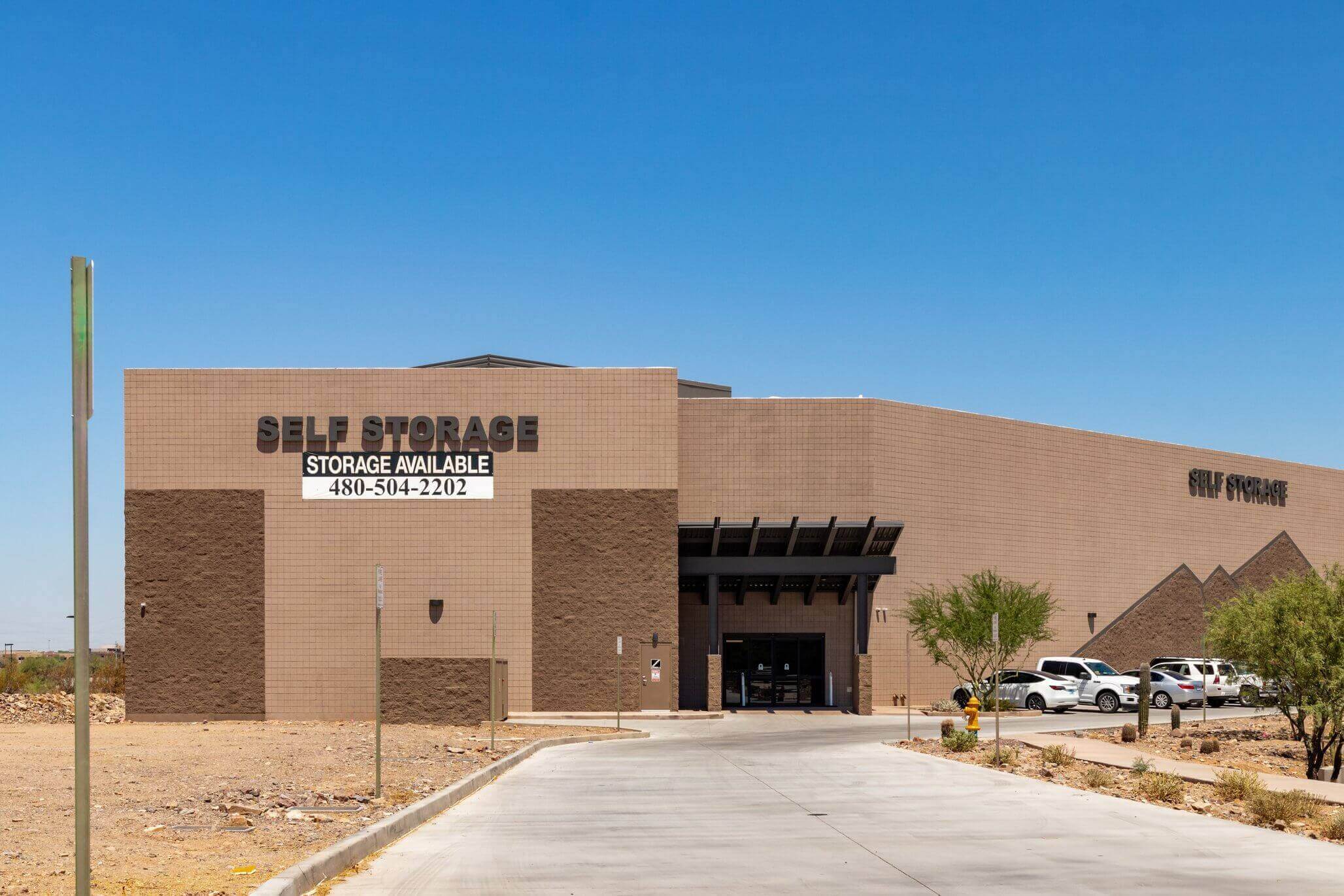
Your Guide to 5×10 Storage Units

When it comes to finding extra storage space for your belongings, a 5×10 storage unit is one of the most versatile and cost‑effective solutions available, offering a variety of types—from a walk‑in closet’s worth of boxes to a small vehicle—and giving you the flexibility to organize, lock, and store all your items securely, freeing up room in your home. Whether packing boxes filled with items from your bedroom, moving to a new location or simply needing extra space storage for furniture and appliances, this storage unit size offers a perfect balance of space and affordability. This comprehensive guide covers everything you need about 5×10 units, from storage unit prices and amenities to organizational tips and security features. Read on to discover how McDowell Mountain Community Storage can provide your storage solution. 

Why Choose a 5×10 Storage Unit?

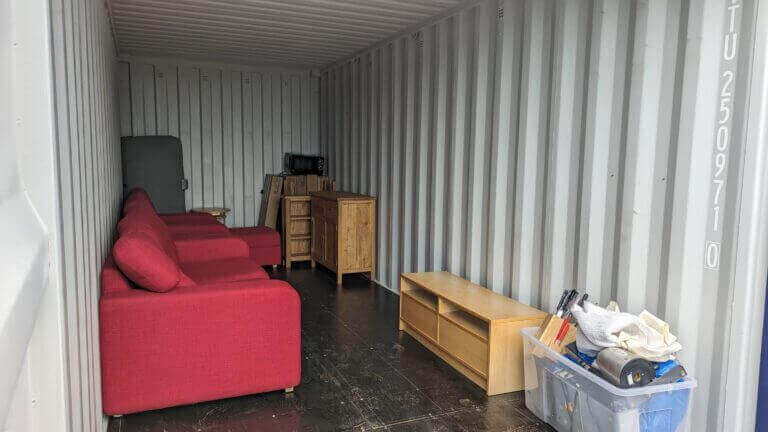
A 5×10 unit provides 50 square feet—roughly the size of a walk‑in closet or one bedroom—making it ideal for storing:

  • Furniture includes couches, a queen mattress, or a box spring.
  • Appliances like a washer, dryer, or appliances you’re not currently using.
  • Business inventory: storage items, office equipment, and products.
  • Vehicles include motorcycles, a motorcycle, or even a compact car.
  • Household belongings: books, decorations, bags, and containers.

Many customers find that 5×10 storage units meet most of their storage needs without the higher cost of a larger 10×10 or 10×20 unit. Whether you’re a student in an apartment, a homeowner tackling a move, or a business owner needing extra storage space, it’s a great option. These units are perfect for storing items like patio furniture, a small vehicle, or even pieces of furniture. Plus, with various storage unit sizes available, you’ll find that a 5×10 unit offers just the right amount of space, comparable to a walk-in closet for your needs. 

Comparing Unit Sizes: 5×10 vs. Other Options

When evaluating unit sizes, consider the range of options at your storage facility:

  • 5×10 storage units: Perfect for small furniture, a mattress, and several boxes.
  • 10×10: Twice, the storage space fits the contents of a one‑bedroom apartment.
  • 10×20: Comparable to a garage, accommodates vehicles, boats, or large appliances.
  • Smaller storage spaces like a walk‑in closet (5×5) are ideal for seasonal items and decorations.

Understanding the differences in unit sizes, types, locations, and the number of units available and current demand ensures you select the storage unit size that aligns with your needs and budget. While larger units offer more capacity for dressers and other items, they also come with higher storage unit prices and potentially unused space; consult our list of storage facilities to find the best option. 

Key Features and Amenities

Your choice of storage facility should hinge on the facility amenities and features that matter most:

  • Climate control: Vital for protecting sensitive contents—artwork, electronics, and wooden furniture—from dust, humidity, and extreme temperatures.
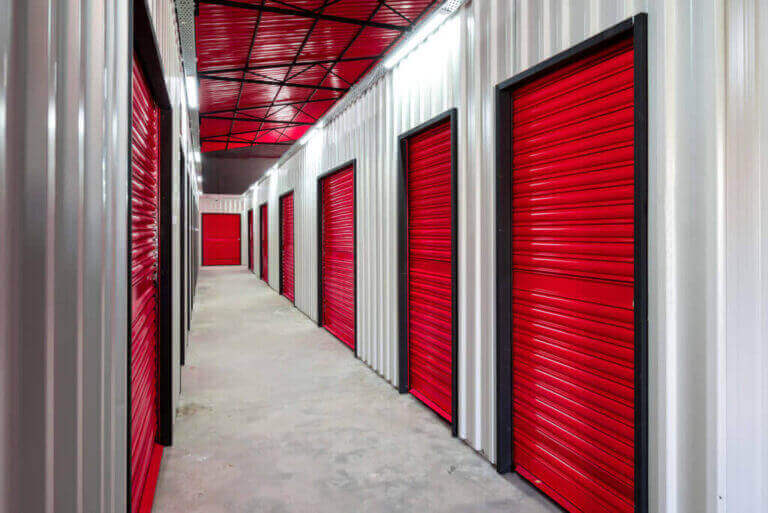
  • Self storage amenities: The facility includes indoor storage indoor hallways, gate access, and wide walkways to accommodate dollies and hand trucks.
  • Facility amenities: Extended access hours, video surveillance, security features, and an on‑site facility manager.
  • Protection and insurance: Ensure your belongings are covered against damage or theft.
  • Convenience: Proximity to your location, online rental, and easy gate access make visits seamless.

By selecting a facility with robust security features and thoughtful amenities, including self storage unit options that cater to various needs, you’ll know that your items—a bed, furniture queen, or anything else—are well protected. With high ceilings and secure storage, you can trust that your belongings are in good hands, whether in the U.S. or locally. 

Security and Protection

Security should be a top priority when storing your belongings:

  • Video surveillance monitors all front entrances, hallways, and facility grounds.
  • Secure access systems use keypad locks or electronic gates requiring unique codes.
  • Regular patrols by the on‑site team and a responsive facility manager.
  • Insurance options to cover storage items against unforeseen damage.
  • Proper packing tips, sturdy containers, and high‑quality boxes reduce risk.

Combining these security features with thorough packing and protection measures at McDowell Mountain Community Storage ensures your storage spaces remain safe and undisturbed.

Tips for Organizing Your 5×10 Storage Unit
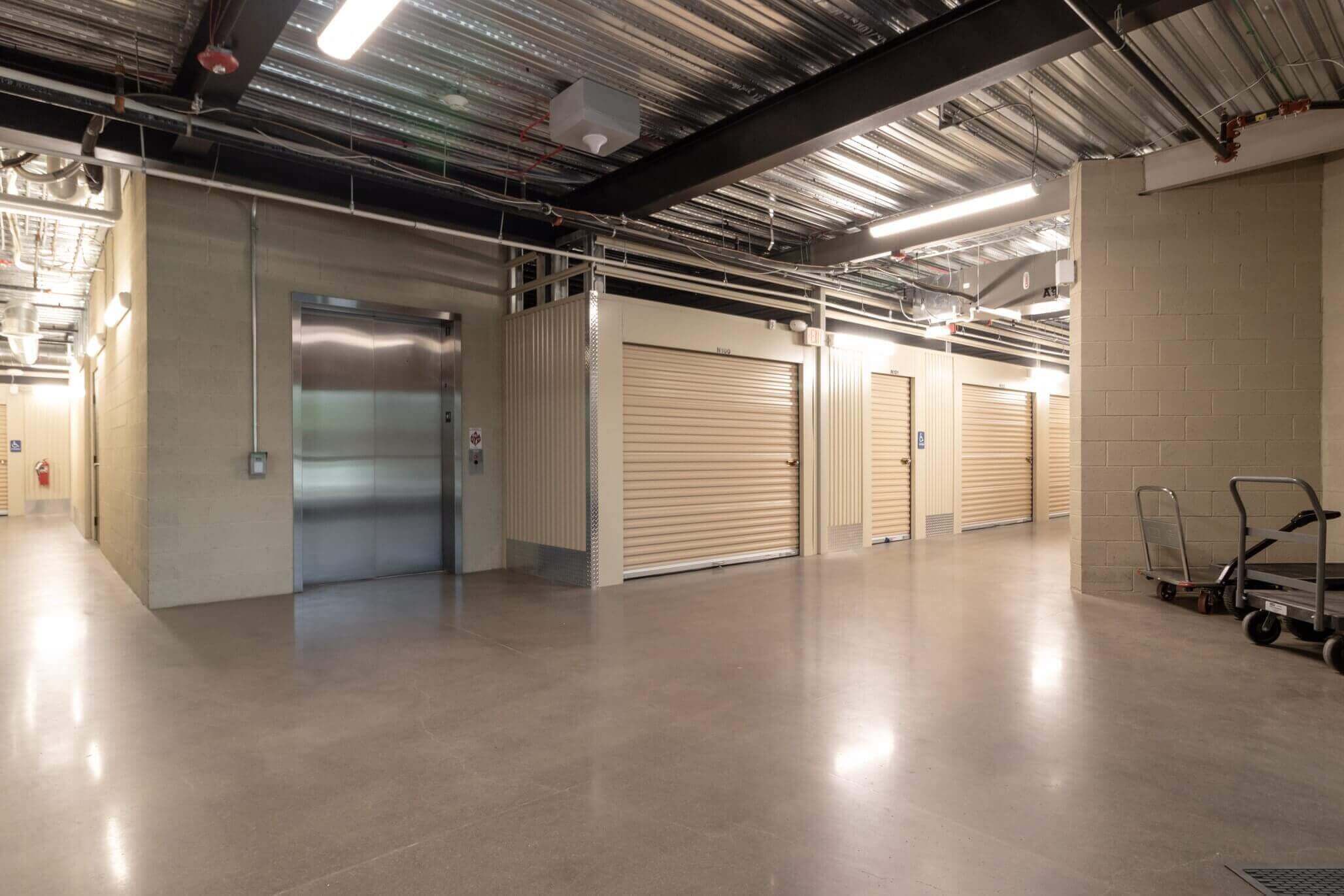
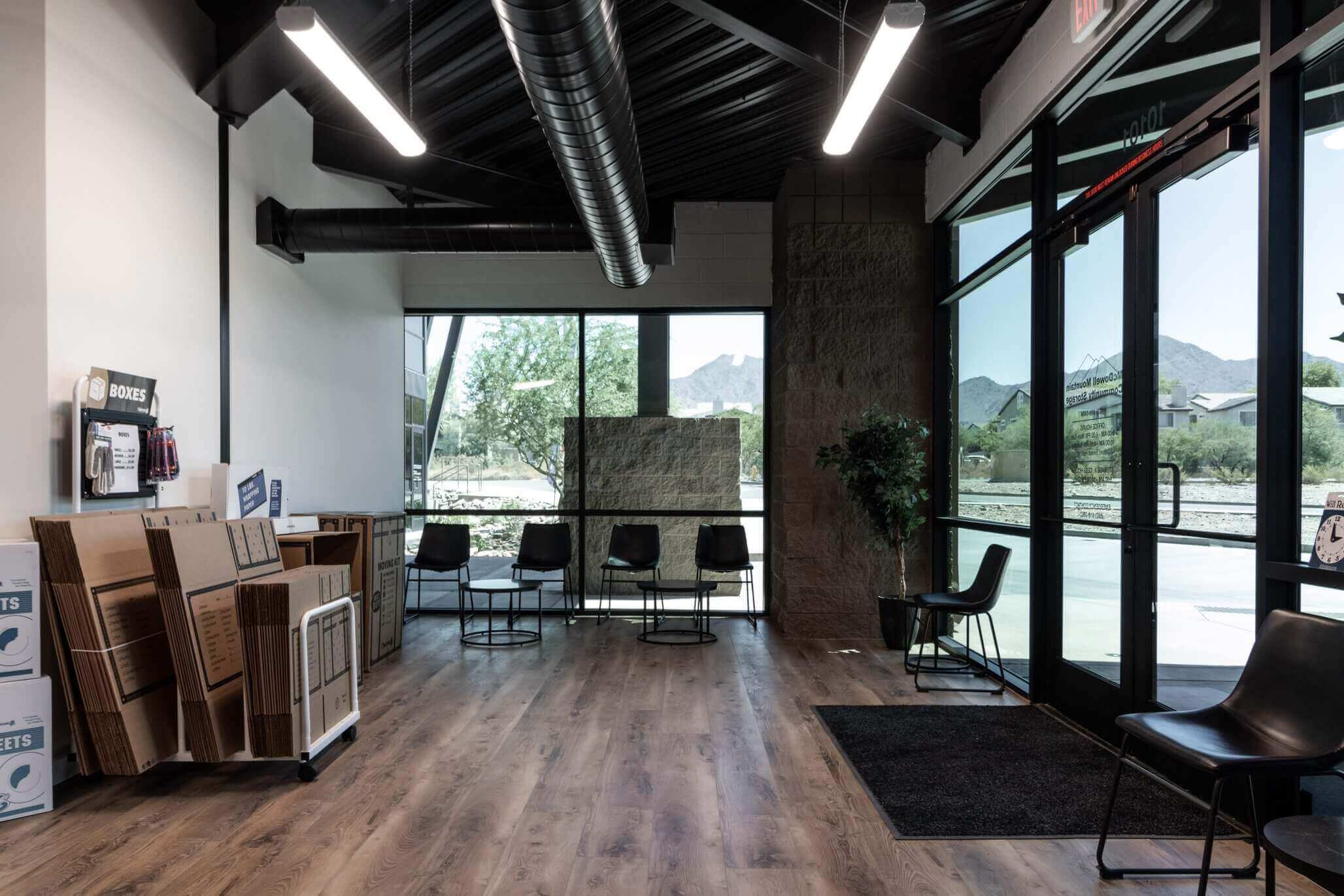
This guide provides detailed information about 5x10 storage units available at McDowell Mountain Community Storage in Scottsdale, Arizona.
Learn how McDowell Mountain Community Storage in Scottsdale, Arizona, can help you with all your 5×10 storage unit needs

Maximizing your space in a 5×10 storage unit requires strategy and Storage Unit tips to ensure you make the most of every inch of space.

Plan Your Layout

Sketch a floor plan noting length, width, and height. Position larger pieces—dressers, cabinets, and equipment—against the walls, leaving a central walkway for easy access.

Use Uniform Boxes and Containers

Stack identical boxes and containers to optimize vertical space. Label each box with contents and date to locate items quickly.

Protect Your Furniture and Mattress

To combat dust, cover your furniture, including queen mattresses and couches, with plastic covers. To save floor space, stand a box spring on its side along a wall.

Create Aisles for Frequent Access

If you plan to retrieve certain belongings regularly—essential documents, seasonal decorations, or everyday household goods—store them near the front.

Use Shelving Units

Lightweight, collapsible shelves hold boxes, books, and small accessories. For stability, place heavier equipment on the bottom shelves.

Maintain Flexibility

Leave plenty of space at the bottom and top for airflow and future additions. Avoid overpacking so everything remains accessible.

Choosing the Right Facility

Your storage solution is only as good as the facility that houses it. Consider these factors when selecting a location:

Location and Accessibility

Facilities in the U.S. vary by region. Pick a facility close to your home, office, or school, and verify its access hours.

Range of Unit Sizes

Look for a provider offering unit sizes from 5×5 to 10×20 so you can upgrade or downsize.

Price and Value

Compare self storage units prices, factoring in availability, seasonal discounts, and promotional offers.

Customer Service

A knowledgeable facility manager and friendly team can provide guidance on unit size, packing tips, and insurance choices.

Self Storage Options

Decide between indoor and outdoor, drive-up units and hall access, and climate and non‑climate control. Each type serves a different purpose.

You’ll secure a rental that fits your needs and budget by evaluating these options.

Conclusion

Choosing the right 5×10 storage unit involves understanding your needs, comparing unit sizes, and selecting a facility with the amenities and security features you value. With proper planning, organization, and the right storage solution, your belongings will remain safe, accessible, and pristine. If you have any further questions or require guidance, contact our McDowell Mountain Community Storage team for personalized information and advice.

Frequently Asked Questions About 5×10 Storage Units.

What types of items should not be stored in a 5×10 storage unit?

It’s important not to store hazardous materials like chemicals, flammable items, or perishable goods in your 5×10 unit. Check with your storage facility for specific restrictions.

Can I store a car in a 5×10 storage unit?

While a 5×10 unit is large enough to store motorcycles and small vehicles, it’s typically unsuitable for a full-sized car. Check with your storage provider for vehicle-specific units.

Are there any discounts or promotions for renting a 5×10 storage unit?

Many storage facilities offer seasonal discounts, first-time renter promotions, or special rates for long-term rentals. Be sure to ask about available offers.

How do I prepare my items for long-term storage in a 5×10 unit?

Use proper packing materials, such as bubble wrap and sturdy boxes, to ensure your items remain in good condition. For sensitive items like electronics, consider climate-controlled storage.

How do I access my 5×10 storage unit?

Most storage facilities offer 24/7 access or specific hours during the day. Some facilities use keypads, while others may require a key or electronic access code.

Can I upgrade to a larger unit if I outgrow my 5×10 storage unit?

Yes, many facilities allow for easy upgrades. Depending on availability, ask your facility manager to assist you in moving to a larger unit.

How secure are the 5×10 storage units at McDowell Mountain Community Storage?

McDowell Mountain Community Storage offers enhanced security features such as video surveillance, electronic gate access, and regular patrols by an on-site team to keep your items safe.

What is the minimum rental period for a 5×10 storage unit?

Most facilities offer flexible rental terms, but there may be a minimum rental period, typically 30 days. Check with the storage provider for specific requirements.

Can I store sensitive or valuable items in a 5×10 unit?

For items like artwork, electronics, or antiques, consider opting for a climate-controlled 5×10 unit to protect your valuable possessions from temperature fluctuations and humidity.

What happens if I forget to make a payment for my storage unit?

If you miss a payment, your storage facility may impose a late fee or temporarily restrict access to your unit. After an extended period of non-payment, the facility may initiate a lien process. Always stay in communication with the facility if you’re facing payment issues.

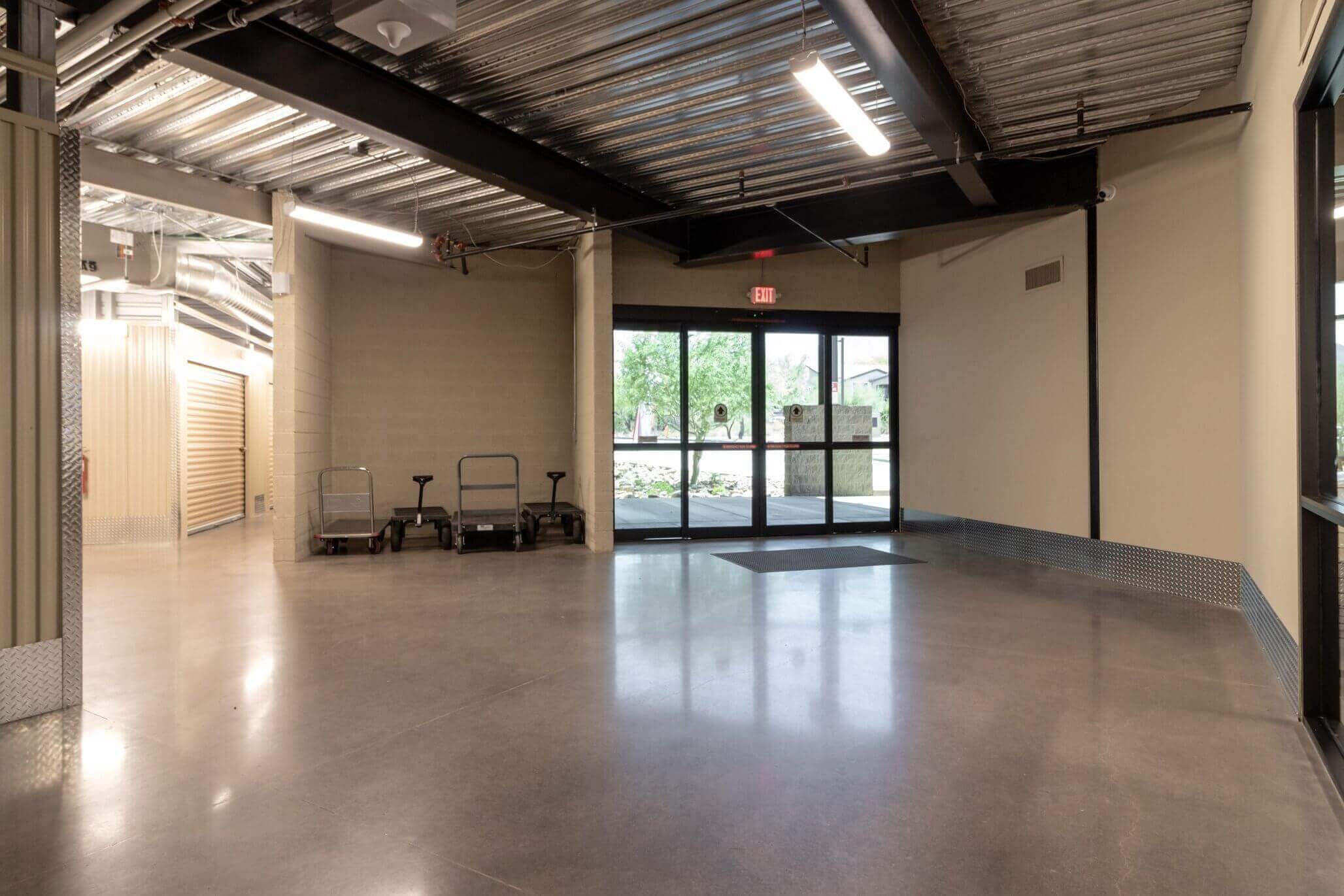
Seasonal Storage Hacks for a Clutter-Free Home

Maintaining a clutter-free home year-round requires more than a quick tidy-up. It involves thoughtful organization, space-saving strategies, and an efficient approach to how you arrange items throughout your home. Smart storage is the key solution, especially when it comes to seasonal rotation of items. Whether you’re storing winter clothes, sports equipment, or holiday decorations, understanding how to maximize your space can transform your home into a peaceful, organized retreat.

At McDowell Mountain Community Storage, we specialize in helping families find practical storage hack to keep their house clean, accessible, and stress-free. Whether you’re overwhelmed with seasonal stuff or just need a better way to store something you don’t use daily, we’ve got plenty of solutions. In this post, we’ll walk you through the best seasonal storage hack, the essential item to rotate throughout the year, and how a climate-controlled storage unit can make all the difference.

Why Seasonal Storage Matters

As the seasons change, so do our household needs. In the summer, you reach for flip-flops and patio gear. In the winter, it’s all about coats, scarves, and gloves. The key point is knowing when to rotate items, especially after big transitions like the holidays or at the end of a season. Storing out-of-season clothing, decor, and accessories in labeled cubbies or a sturdy bag helps you make better use of your closet, garage, and other storage spaces.

When you organize your items by season, you reduce clutter, free up valuable floor space, and improve accessibility for everyday essentials. Using designated bins, boxes, and containers, you create a system that simplifies your lifestyle.

Step 1: Declutter Before You Store

Before you begin organizing, start with a full home audit. Go through your closets, drawers, garage, attic, basement, and wardrobe to identify unused items. Set aside things you no longer wear, use, or need.

Ask yourself:

  • Did I use this in the last year?

  • Does it still serve a purpose?

  • Could someone else benefit more from it?

Once you’ve sorted through everything, separate your items into three categories: keep, donate, and toss. You’ll be surprised how much space you can reclaim just by letting go of extra bags, broken furniture, or expired decorations.

Step 2: Categorize and Label Everything

Next, sort all the remaining items by season and type. For example:

  • Winter gear: jackets, coats, hats, scarves, gloves

  • Holiday decorations: lights, greenery, ornaments, wreaths

  • Sports equipment: skis, snowboards, surfboards, bicycles

  • Summer gear: swimwear, picnic supplies, sandals

Use stackable, compact storage bins and containers with secure lids to protect your belongings. Invest in quality labels and write clear descriptions, such as “Fall Sweaters” or “Christmas Decor – Living Room.”

Use color-coded storage bins for each season. For instance, red for holiday items, blue for winter clothing, and green for spring accessories. This method allows everyone in the household to locate what they need without hassle.

Step 3: Maximize Small Spaces

Don’t underestimate the power of small spaces. Use every available inch in your closet, mudroom, entryway, or garage. Here are some creative ideas to make the most of tight areas:

Wall and Vertical Storage

Install hooks, racks, or shelves on unused walls to hang bags, umbrellas, or folded clothing. In the garage, consider hanging bicycles or holiday lights from ceiling mounts.

Under-the-Bed Storage

For seasonal clothing like sweaters or blankets, use vacuum bags or foldable boxes that slide under your bed or sofa.

Door Storage

Over-the-door trays, baskets, and containers are ideal for small items such as sunglasses, gloves, or keys. Hang one in the entryway for daily grab-and-go essentials.

Furniture with Storage

Opt for furniture that doubles as storage. Ottomans with hidden compartments or benches with drawers help store books, toys, or extra clothing out of sight.

Step 4: Clean and Prepare Items for Storage

Before you store anything, make sure it’s clean and dry. Dirt, moisture, and dust can lead to damage or mold over time.

For clothing, wash, fold, and place in breathable storage containers or vacuum bags. Add moisture-absorbing packets or cedar blocks to deter mildew and pests. For holiday decor, wrap fragile items in paper or bubble wrap and place them in a protective box.

Seasonal sports equipment should be wiped down, deflated (if applicable), and stored in bins labeled by category or activity.

Step 5: Choose the Right Storage Unit

Sometimes, even the most organized home runs out of space. That’s where McDowell Mountain Community Storage comes in.

Benefits of a Storage Unit:

  • Free up valuable space in your home

  • Securely store out-of-season items

  • Access boxes, bins, or furniture whenever needed

  • Protect sensitive belongings in a climate-controlled storage unit

Not sure what size you need? Our Ultimate Storage Unit Size Guide helps you figure out how much storage space you require based on your contents and the number of items you’re storing.

Whether you need room for a few boxes or a full set of seasonal decorations, we have the right storage unit to fit your lifestyle.

Real-Life Example: The Organized Entryway

Let’s say your entryway becomes chaotic during the winter. Shoes pile up, hats, gloves, and scarves go missing, and the dog’s leash is always somewhere else. Here’s how to solve that using seasonal storage hacks:

  1. Add a bench with drawers for shoes and sweaters

  2. Use wall-mounted hooks for coats, umbrellas, and bags

  3. Install a tray or small rack for mail and keys

  4. Store off-season items in a nearby closet or labeled bin

  5. Declutter the area monthly using the keep/donate/toss method

Now you’ve transformed a chaotic space into a tidy, functional spot that sets the tone for an organized home.

Top Storage Tips to Try This Season

Seasonal storage hacks from McDowell Mountain Community Storage in Scottsdale, Arizona to help create a clutter-free home.
Discover practical seasonal storage solutions from McDowell Mountain Community Storage in Scottsdale, Arizona for a clutter-free and organized home.

Here’s a quick list of ideas and tips to streamline your seasonal storage:

  • Store holiday decor in labeled boxes by room (e.g., “Living Room Decor”)

  • Use stackable, clear containers so you can see what’s inside

  • Create a rotating wardrobe: Store out-of-season clothes in bins with clear labels

  • Use shelves and hooks to keep high-use items off the floor

  • Assign each family member a specific container or basket

  • Hang a mail tray near the door for paper, flyers, and keys

  • Separate books, kids’ toys, or hobby items into labeled categories

These small changes can lead to big results, saving you time and reducing clutter around the home.

Seasonal Essentials to Store

Some items just don’t need to be in your way all year. Here’s a breakdown of seasonal essentials you should rotate in and out:

Spring/Summer:

  • Picnic gear

  • Swimwear and beach towels

  • Patio cushions and garden tools

  • Summer clothing and shoes

Fall/Winter:

  • Holiday decorations

  • Winter gear like coats, gloves, and hats

  • Cold-weather clothing like sweaters and boots

  • Snow and ski equipment

All these items can be stored safely in a climate-controlled storage unit to ensure they remain in good condition, ready for the next season.

Don’t Forget: Kids and Pets Need Storage Too

Children come with a lot of things—from seasonal clothes and toys to schoolwork and hobby supplies. Items that need storage often pile up quickly, making it essential to stay organized. Store outgrown clothes in labeled bins by size or type. Use individual containers for art supplies, sports gear, or books.

Pets also have seasonal accessories. Use a small basket or box for leashes, sweaters, booties, and feeding supplies.

Make Storage a Family Routine

When the whole family is involved in organizing, it’s easier to maintain a clutter-free home. Assign small storage-related tasks to everyone, such as:

  • Kids label their own bins

  • Someone rotates seasonal shoes

  • Another family member organizes the wardrobe each season

Getting all people in the household involved creates habits that stick and teaches responsibility over shared spaces.

Final Thoughts

A clutter-free home isn’t a one-time project—it’s an ongoing process. But with the right storage solutions, proper labeling, seasonal rotation, and a little help from McDowell Mountain Community Storage, it becomes a habit you’ll never want to break.

Whether it’s your living room, garage, entryway, or closet, every area has potential. By using practical storage hacks, you not only organize your items but also make room for new memories, essentials, and a little more peace of mind.

So next time you’re overwhelmed by boxes, random things, or misplaced decor, remember: the right storage unit, a few smart ideas, and a solid plan go a long way.

Frequently Asked Questions

1. What’s the best way to store seasonal decorations safely?

To protect fragile holiday decorations, wrap items in bubble wrap or packing paper and store them in hard plastic containers with secure lids. Label by room or theme to make retrieval easy next season.

2. How do I prevent moisture and pests in my stored items?

Use moisture absorbers like silica gel packets and pest deterrents like cedar blocks. Always clean and dry items before storage to avoid mold and insect damage, especially in fabric and paper-based items.

3. Are there specific containers I should avoid using for long-term storage?

Yes—avoid cardboard boxes for long-term storage, especially in non-climate-controlled spaces. They’re more prone to absorbing moisture and attracting pests. Opt for sealed plastic bins instead.

4. How often should I rotate seasonal items in and out of storage?

Aim to rotate items at the beginning and end of each season—spring, summer, fall, and winter. This habit keeps your home organized and makes sure you’re only keeping out the essentials you actually use.

5. Can I store electronics or battery-operated decorations in a storage unit?

Yes, but be sure to remove batteries to prevent leaks. Store electronics in their original packaging when possible and choose a climate-controlled unit to protect them from temperature fluctuations.

6. What should I do with sentimental or heirloom items I don’t use seasonally?

Consider storing these in labeled containers within a storage unit to preserve them long-term. Use acid-free tissue paper for delicate fabric or paper items to maintain quality over time.

7. How do I decide between attic, garage, and off-site storage?

Use attic or garage space for durable items like tools and sports gear. Reserve your off-site storage unit for items sensitive to temperature or those that take up a lot of space, like furniture, decorations, or winter gear.

8. What’s the most space-saving way to store clothing?

Use vacuum-sealed bags for bulky clothing like sweaters, jackets, and blankets. They reduce volume and protect fabric from dust and moisture. Store upright in bins or under furniture for added convenience.

9. How do I keep track of what’s inside each container or bin?

Label clearly with the item category and season. For extra organization, consider creating a digital inventory on your phone or spreadsheet that matches bin numbers with contents.

10. Can seasonal storage help with small home living or apartment life?

Absolutely. Seasonal rotation clears out unnecessary clutter and gives you more breathing room. Renting a small storage unit can give you the extra space you need without having to upsize your home.

Garage Storage Ideas for a More Organized Space

If you’ve ever opened your garage and felt overwhelmed by the clutter, you’re not alone. For many families, the garage becomes a catch-all area for bins, tools, old furniture, holiday decorations, sports equipment, and just about anything else that doesn’t have a clear place in the house. The good news? With the right approach to garage organization, you can arrange your space, creating solutions for everything. Whether you need a shelving unit for kids’ toys, access to seasonal gear, or a convenient spot to store a bag and equipment, a well-planned garage space can solve all your storage needs. 

At McDowell Mountain Community Storage, we understand how valuable a well-organized garage can be—not just for your belongings but for your peace of mind. You can create a neat, efficient space that works for most families with the right solutions. Whether you need a spot for many items or want to store the ones you use less frequently, we have the correct bin or shelving unit for the job. In this guide, we’ll explore practical, creative, and affordable garage storage ideas that will help you take back control of your space, no matter the weight or size of your storage needs. Whether you’re working with a basement garage or an overhead storage system, we have the perfect solution to get you organized. 

Why Garage Organization Matters

A disorganized garage isn’t just an eyesore—it’s also a waste of valuable floor space. Many garages are large enough to hold a car and still offer plenty of storage space possibilities. But it’s hard to find what you need when your items are spread across the floor, piled in random boxes, or hidden in unmarked bins. You might have many items like recycling bins, food supplies, or bathroom essentials scattered around, adding to the clutter. Organizing these items can be a real challenge for a busy woman or anyone trying to make the most of their space. The solution? A bit of planning and the proper storage system to keep things in their place.

Bright garage storage ideas help you manage and maximize your efficiency. By getting hazardous items off the ground and out of reach, you’ll save time looking for tools, protect your equipment from damage, and keep your family within reach.

Step 1: Declutter and Sort Everything

Before organizing your garage, you must know what you’re working with. Pull everything into the driveway or yard and group your belongings by category—tools, sports equipment, cleaning supplies, holiday decorations, appliances, etc.

Use baskets, containers, or labeled bins to separate what you keep from donating, tossing, or relocating. This is a great time to get the whole family involved—everyone can help sort and categorize the stuff that’s been piling up for months (or years).

Step 2: Design Your Garage Storage System

Once you’ve sorted your items, you can plan an innovative storage system that matches your layout and goals. Start by thinking vertically—garage walls, ceilings, and unused corners are perfect for storing bulky or seasonal items.

Here are a few garage storage ideas to consider:

Wall-Mounted Options

  • Pegboards are perfect for hanging tools, hooks, and accessories in a visible, easy-to-reach way.
  • Wall shelves help get bins, boxes, and supplies off the floor, freeing up more garage space.
  • Install racks for shovels, brooms, bikes, and helmets. This will keep your gear visible but out of the way.
  • For a custom look, build a cabinet or shelf unit tailored to the size of a storage unit that you need.

Ceiling Storage

  • A garage ceiling is often underutilized. Install overhead racks to store rarely used items like holiday decorations, old clothes, or seasonal sports equipment.
  • Use clear storage bins with labels to see what’s red up top.

Floor Units

  • Heavy-duty shelving units are ideal for larger bins, cleaning supplies, and tools.
  • Rolling shelves or carts make rearranging your garage storage layout easy as your needs change.
  • If your garage floor gets dirty, choose storage with elevated legs or waterproof containers.

Step 3: Tidy Up with Labels and Bins

Now that you’ve got your garage storage system in place, you need to make it functional and easy to maintain. That’s where labeling and bins come in. Transparent containers let you quickly see what’s inside, but even if you’re using solid boxes or baskets, a simple label or photo taped to the front can save tons of time.

Keep your bins, hooks, and shelves organized by use. For example:

  • Laundry and cleaning supplies near the mudroom or door.
  • Sports equipment, balls, and helmets are grouped in one zone.
  • Tools, nails, screws, and DIY gear together on a pegboard wall.
  • Holiday decorations are stacked in clearly marked boxes.
  • Kids’ stuff, such as shoes, bags, or toys, is organized in low, reachable bins in the corner of the garage wall.

Store dangerous or heavy tools and chemicals high up or behind locked cabinets if you have young children. Safety first!

Organize by Frequency of Use

One of the best ways to create a genuinely functional garage storage system is to organize it based on how often you use the items. Keep frequently used tools, brooms, or gear at eye level or on open shelves. Reserve higher shelves or overhead racks for things you only need occasionally.

You can also create zones by season—winter clothes, snow gear, and heaters in one area, summer sports equipment, planters, and outdoor appliances in another. As the season changes, rotate bins or update labels to stay current.

Use Every Part of Your Garage Space

Efficient garage storage solutions to help you organize your space, provided by McDowell Mountain Community Storage in Scottsdale, Arizona.
Get expert advice on organizing your garage with McDowell Mountain Community Storage, offering effective storage solutions in Scottsdale, Arizona.

No garage storage project is complete without addressing awkward corners or forgotten spaces. Small changes like adding a shelf above the garage door or placing a narrow cabinet next to the garage wall can make a big difference.

Some other smart tips:

  • Hang a foldable desk or workbench for your DIY projects.
  • Mount a basket or tray by the door for keys, gloves, and essentials.
  • Use a shoe rack or hooks near the mudroom or entrance to keep clothes and outerwear tidy.
  • Use stackable shelving units and adjustable shelving to customize as your storage needs grow.

When to Use a Storage Unit

Consider an external storage unit if you’ve all you can with your garage space and still don’t have enough room. This is especially helpful if you’re storing:

  • Sensitive belongings like electronics, artwork, or vintage furniture.
  • Seasonal items like holiday decorations, winter clothes, or gardening supplies.
  • Overflow products or tools for a side shop, small business, or house renovation.

At McDowell Mountain Community Storage, we offer a range of options—from small lockers to full-size units. We’ll help you choose the size storage unit that you need based on your garage organization goals and space limitations. Our climate-controlled storage units protect your items from dirt, moisture, and extreme temperatures—ideal for long-term or sensitive storage.

Budget-Friendly Garage Storage Deals

You don’t have to break the bank to get organized. Some budget-friendly options include:

  • Repurposing Ikea furniture into garage-friendly storage.
  • Using old bins, baskets, or containers to sort tools or parts.
  • DIY shelving or pegboard systems using leftover wood or recycled materials.
  • Checking for local deals or community services that offer free or discounted shelving options.

Simple changes—like using labeled bins, adding a single hook, or placing a basket in a cluttered corner—can significantly impact.

Final Thoughts

No matter the size or layout of your garage, you can always find ways to improve your organization and create a better system for storing all the things life throws your way. From hooks and shelves to pegboards, bins, and off-site storage units, plenty of options work for every lifestyle and budget.

The key is to tidy, categorize, and optimize what you have. Make Use of your wall and floor space, don’t forget to label, and keep your garage storage system updated with the changing seasons.

Still feeling overwhelmed? McDowell Mountain Community Storage is here to help. Whether you need more garage storage ideas, advice on choosing the right size storage unit, or reading about your extra gear in a climate-controlled storage unit, we have the tools, space, and support to help you get started.

Frequently Asked Questions

How can I make the most of my garage ceiling for storage?

Utilize ceiling-mounted storage systems such as overhead racks or pulley systems to store seasonal items, bins, or rarely used equipment. This keeps your floor space clear while allowing easy access when needed. Just use sturdy systems and label your bins for easy identification.

What are the best types of shelving units for heavy tools and equipment?

Consider metal shelving units with adjustable shelves for heavy-duty tools and equipment to accommodate various sizes. Plastic bins or storage containers with lids work well for smaller tools. Ensure the shelving units are rated for the weight of the equipment you plan to store and place the heaviest items on lower shelves for safety.

How do I organize seasonal items like holiday decorations in my garage?

Store your holiday decorations in clear, labeled bins in a designated storage area. For easy access, stack the bins according to the season, placing frequently used items at the top. Consider overhead ceiling storage for items you only need once or twice a year.

What should I store in a climate-controlled storage unit versus my garage?

Climate-controlled storage units are ideal for sensitive items such as electronics, artwork, documents, vintage furniture, and antiques. Garages suit non-sensitive items like tools, sports equipment, and outdoor furniture that can withstand temperature and humidity fluctuations.

How do I create an efficient storage solution for sports equipment?

Install wall-mounted racks or pegboards for hanging sports equipment like helmets, bats, and bikes. Use bins or storage shelves to store smaller gear like balls, pads, and shoes. Label each container to identify the contents easily. For more visibility, install a dedicated sports equipment zone near the garage door for easy access.

How can I safely store hazardous materials or chemicals in my garage?

Store hazardous materials like chemicals, paints, or cleaners in high cabinets or shelving units that are out of reach of children and pets. Ensure the storage area is well-ventilated and clearly labeled for safety. Use sealed containers to prevent spills or leaks, and never store flammable materials near heat sources.

Can I use repurposed items, like old furniture, for garage organization?

Yes! Repurposing old furniture can be a great way to save money and add character to your garage organization. Old dressers can hold small tools or gardening supplies, while bookshelves can hold bins or baskets. Just ensure the furniture is sturdy enough to handle the weight of the items you plan to store.

What are some space-saving tips for garages with limited floor space?

If your garage has limited floor space, try installing wall-mounted shelveshooks, or pegboards to store tools and gear. Utilize overhead storage racks for seasonal or bulky items, and consider using stackable bins to maximize vertical storage. Keep frequently used items at eye level for easy access.

How can I organize a shared garage space for multiple family members?

Create zones within the garage to separate each family’s belongings. Bins or cabinets for each person who shared items, like sports equipment or cleaning supplies, have a designated storage space. To prevent clutter, ensure everything has a specific spot, and encourage everyone to tidy up after using the space.

What are the benefits of using labeled bins and clear containers for organizing?

Labeled bins and clear containers help you easily identify contents without opening them, saving time and effort. Clear bins allow you to see what is inside and help categorize items. This method reduces clutter and makes it easier to locate items, especially when your garage is packed with various tools, equipment, or seasonal supplie

Storage Unit Organization Ideas

Renting a storage unit is a great way to create extra space for your belongings, whether moving, downsizing, or simply trying to free up room at home. However, a storage unit can become cluttered and difficult to navigate without proper organization. Taking the time to declutter and sort your items will help create a more efficient storage space. By implementing smart storage tips, anyone can keep their account of stored belongings in order, whether it’s in a closet, garage, or self-storage location. Whether you’re storing a car, furniture, or personal items, the right system will ensure that your most-needed ones remain easily accessible while protecting everything from damage. 

When planning your storage unit, it’s essential to consider the layout and use the right supplies to keep everything in order. A well-organized unit can be beneficial for a woman managing household items or running a business. Whether you’re storing furniture, seasonal clothes, or business storage documents, arranging items strategically will help maintain easy accessibility. Following a guide with expert advice on storage tips can make a big difference in how efficiently you use your space. Proper organization is crucial to keeping your unit functional, and a simple tip like labeling boxes can save time and reduce stress when searching for specific things. 

Plan Your Storage Unit Layout

Before moving your items into your storage unit, take a moment to plan the best layout for efficiency. Keeping frequently accessed items at the front of the unit will make retrieval more straightforward, while less-used belongings can be placed towards the back. Using a map of your storage space can help track where you’ve placed things, preventing unnecessary searching later.

Using shelving units along the side walls is a great way to maximize space and prevent stacking boxes too high. Place heavy furniture and large bins at the bottom to maintain stability while keeping smaller items on top.

Use the Right Storage Supplies

The right supplies can make a big difference in maintaining an organized storage unit. Use stackable boxes, labeled bins, and durable shelves to store your items properly. If you’re experiencing trouble finding the best solution, try using a table or surface to help with sorting. Assess the needs of your stored items and determine if you need to place each other in specific options like protective containers to prevent damage, especially for fragile items. 

If you need to store furniture in a storage unit, disassemble large pieces whenever possible to save space. Wrap delicate surfaces with blankets or plastic covers to protect them from dust and scratches. Keeping an inventory of your stored items can also help you track your belongings and avoid misplacing anything.

Label and Categorize Everything

Labeling is one of the simplest but most effective storage tips. Mark all bins, boxes, and shelves to locate specific items quickly. Use a system to categorize your belongings based on box size, room, or purpose. For example:

  • Clothes can go in breathable garment bags or labeled bins.
  • Kitchen supplies should be stored in durable containers to prevent spills.
  • Business storage files and paperwork should be kept in waterproof bins.
  • Seasonal decorations should be placed in a dedicated storage unit section.

A proper system will streamline your storage space and make finding things more manageable.

Make Use of Doors, Corners, and Wall Space

Maximizing storage space means using every available area, including the doors, corner spaces, and wall areas. Hanging lightweight tools, supplies, or small items on hooks attached to the door can help keep frequently used things within easy reach. Installing floating shelves or using shelving ideas for the walls can further optimize your unit.

Leave enough room for maneuverability if you’re storing a vehicle or large items. A well-planned layout will ensure smooth access without moving multiple boxes whenever you need something.

Keep Your Storage Unit Secure

When renting a storage unit, security is an essential factor to consider. Choosing a facility with strong security features to look for in a storage facility can help protect your belongings. Features like surveillance cameras, gated access, and on-site management add an extra layer of protection.

Despite these measures, break-ins can still occur, leading to concerns about who is responsible if a storage unit is broken into. Responsibility generally depends on the facility’s policies and whether you have insurance. It’s always best to check the contract and consider getting renter’s insurance for additional protection.

Protect Your Items from Damage

Explore smart and practical storage unit organization ideas at McDowell Mountain Community Storage in Scottsdale Arizona, designed to maximize space and ensure easy access to your belongings.
Transform your storage unit with practical organization tips from McDowell Mountain Community Storage in Scottsdale Arizona.

To avoid damage, keep delicate items in padded containers and use waterproof bins when necessary. Never place items directly on the floor—using pallets or shelving units can provide additional protection. If storing electronics, ensure they are in climate-controlled storage units to prevent overheating or moisture buildup.

Keep heavier furniture at the bottom of stacks for protection, and avoid placing fragile items under heavier bins or boxes. At McDowell Mountain Community Storage, we recommend maintaining an inventory list to help you keep track of your belongings and make retrieval easier. Our secure, organized storage units are perfect for ensuring your items are safely stored and easy to access whenever you need them.

Arrange Items for Accessibility

A common mistake in storage unit organization is stacking items without considering accessibility. You don’t want to dig through multiple boxes to find a single item. To prevent this issue, follow these storage tips:

  • Keep frequently used items at the front of the storage unit.
  • Place bulkier, less-used belongings toward the back.
  • Leave a clear floor path for easy movement.
  • Store similar items together in labeled bins for quick identification.

A well-thought-out plan will keep your storage space tidy and efficient.

Keep an Updated Inventory List

Maintaining an inventory of all your stored items can help prevent confusion and misplaced belongings. Whether you use a digital spreadsheet or a handwritten list, keeping track of what’s inside your storage unit will save time when retrieving things.

You can even create a link to an online blog or document where you store articles or guides about storage tips, allowing easy reference when organizing your storage space.

Final Thoughts on Storage Unit Organization

An adequately organized storage unit ensures that you can quickly find items, maximize space, and protect your belongings from damage. You can create an efficient and neat storage system by following these storage tips, using shelving units, and categorizing items with clear labels.

Additionally, choosing a secure facility with strong security features to look for in a storage facility can help keep your belongings safe. If you ever wonder who is responsible for a storage unit getting broken into, it’s always best to review the facility’s policies and ensure you have adequate insurance coverage.

Keeping important documents, inventory, and office supplies well-organized for those needing business storage will make it easier to manage company resources. Proper wrapping and stacking techniques will also help maintain furniture in a storage unit.

With these organizational strategies, your storage unit will remain tidy, accessible, and optimized for efficiency. Whether you’re storing kitchen products, vehicle accessories, or seasonal clothes, planning and arranging your items properly will make a significant difference.

For more expert storage tips, check out McDowell Mountain Community Storage’s latest blog articles on effective organization, shelving ideas, and ways to keep your storage space in perfect order.

Frequently Asked Questions

How Can I Efficiently Organize a Storage Unit for Seasonal Items? 

Use labeled bins for each season and keep frequently used items at the front. Store delicate items in breathable bags and stack boxes to maximize space.

What Are the Best Practices for Storing Large Appliances? 

Clean appliances, disassemble parts if possible, and wrap them in blankets. Elevate them off the floor to avoid moisture damage and keep doors ajar to prevent odors.

How Do I Prevent Mold and Mildew in a Storage Unit? 

Rent a climate-controlled unit, use moisture-absorbing packs, and ensure items are clean and dry before storing. Avoid storing wet items.

What Is the Ideal Temperature for Storing Sensitive Items? 

Store sensitive items in a climate-controlled unit with temperatures between 50°F and 75°F to protect them from environmental damage.

How Can I Use a Storage Unit to Organize a Home Renovation Project? 

Store tools, materials, and furniture in a designated space. Keep frequently used items at the front for easy access during the renovation.

What Should I Do If I Need Long-Term Storage for Furniture? 

When possible, disassemble furniture, wrap it in protective covers, and store it on pallets to keep it off the floor and prevent damage.

Can I Rent a Climate-Controlled Storage Unit? 

Many facilities offer climate-controlled units, ideal for sensitive items like electronics and furniture that need stable conditions.

How Can I Store Important Documents Safely in a Storage Unit? 

Use waterproof and fire-resistant containers, label everything clearly, and keep documents off the floor to avoid damage.

How Do I Choose the Right Size Storage Unit for My Needs? 

Take inventory of your items, and choose a unit that fits them with extra space for easy access. Staff at the facility can help guide you.

What Are the Benefits of Using a Self-Storage Facility for Business Inventory? 

It’s cost-effective and flexible, offering secure space for inventory, seasonal products, and documents, with 24-hour access and security features.