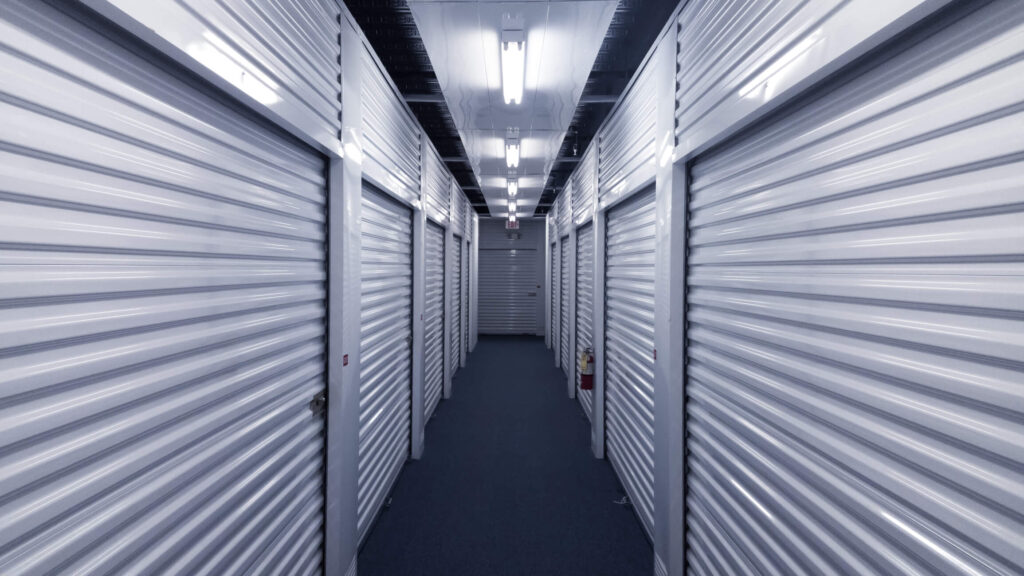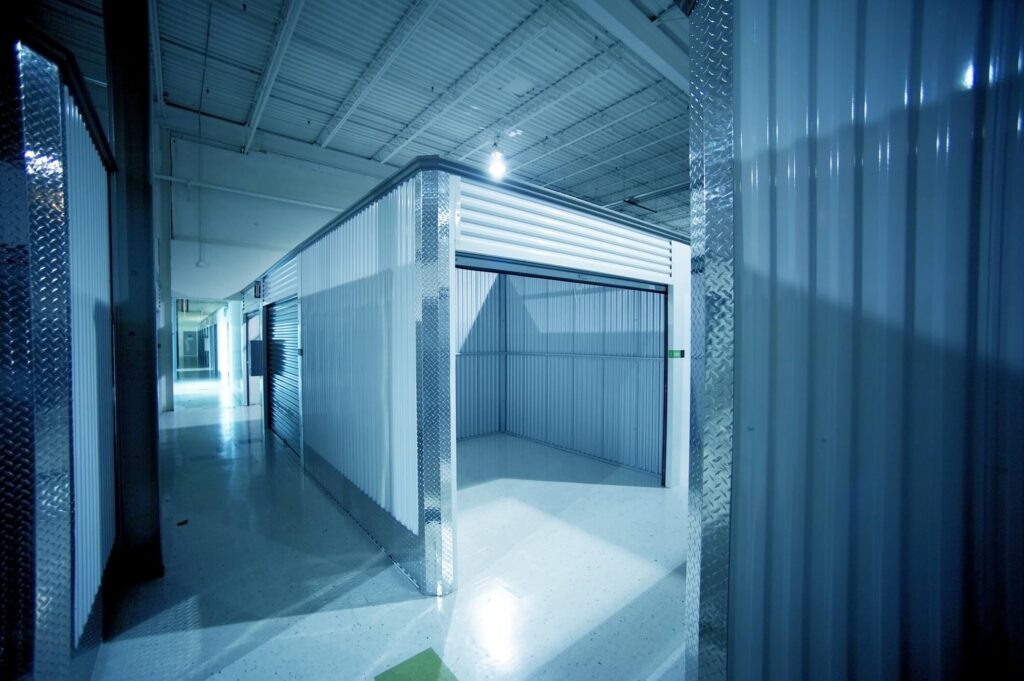

Can You Store Firearms in a Storage Unit?

When it comes to storing firearms, understanding the rules and regulations is crucial. Many gun owners often wonder, “Can I store weapons in a self-storage unit?” The answer to this question largely depends on the state in which you live and the specific laws that govern the storage of firearms. Whether you’re looking to store things like firearms temporarily or for an extended period, it’s essential to have a thorough understanding of the guidelines to ensure that you remain compliant with all relevant regulations. This article will provide an in-depth look at the specific considerations, safety tips, and best practices for gun owners who are considering utilizing a self-storage unit to ensure that no one, including kids, can access their firearms. 

Legal Considerations and Regulations

Storing firearms in a self-storage facility is not as straightforward as simply placing them in a unit and locking them up. The storage of firearms is heavily regulated in many states and cities across the U.S., and it is essential for gun owners to familiarize themselves with local laws before attempting to store firearms in a unit.

For example, states like Texas and California have laws and regulations regarding the storage of firearms. In Texas, gun owners are generally allowed to store firearms in a self-storage unit, but they must follow specific safety protocols. Meanwhile, in California, regulations are stricter, and gun owners must comply with specific storage requirements, such as the use of secure storage containers and compliance with all local ordinances.

Before signing a rental agreement at a self-storage facility, you must research whether storing firearms and ammunition is legal in your area. Local ordinances and facility policies often vary, and knowing whether the facility you choose allows firearm storage is critical. Some self-storage facilities may prohibit firearms entirely due to liability concerns, while others may only allow firearms under certain conditions.

Self-storage facilities also have specific rules regarding the storage of firearms, designed to ensure the safety of all customers and comply with state and federal laws. Many facilities require you to store firearms in a secure, locked container or safe and may impose additional regulations to ensure that firearms are stored properly.

Safety Tips for Firearm Storage

For those permitted to store rifles and firearms in a storage unit, safety is always a top priority for everyone, as it’s essential to ensure that no person or people, including anyone attempting to access the unit, can gain unauthorized access. This is especially important when considering the safety of everything inside and the importance of proper storage in the facility’s posts. Here are some essential storage tips for ensuring that your firearms are stored securely and safely:

  1. Use a Gun Safe: The most effective way to store firearms is in a locked, secure gun safe. A gun safe is designed to prevent unauthorized access and minimize the risk of theft or accidental discharge. Please ensure the safe is large enough to accommodate your firearms and ammunition and that it is adequately secured to prevent it from being easily removed or tampered with. This is important, as someone could attempt to access your property. Many different types of firearms are stored in safes, so ensure the safe can fit anything you plan to store. This partly ensures that the firearms are secure and inaccessible to unauthorized individuals.  
  2. Choose Climate-Controlled Storage: Firearms and ammunition are sensitive to temperature and humidity fluctuations, which can cause rust, corrosion, and damage over time. A climate-controlled storage unit is ideal for preserving the condition of your firearms. These units maintain a stable environment that helps prevent moisture buildup and temperature extremes, which can negatively impact your guns and ammo. Having this space can be crucial in places where humidity or temperature fluctuates frequently. This is especially important when considering the menu of storage options available to company members, as their rights to a secure unit are key in any case or situation. 
  3. Store Firearms and Ammunition Separately: Many states and storage facilities require that firearms and ammunition be stored separately for added security. This reduces the risk of accidental discharge and makes it more difficult for unauthorized individuals to access both firearms and ammunition at the same time. For a friend or anyone else trying to access your unit, it’s essential to clarify the issue and ensure that the contract clearly outlines the nature of storage. Storing firearms and ammunition separately may also be crucial if you plan to auction your firearms or transfer them under your name. 
  4. Inspect Regularly: It’s essential to check on the condition of your firearms and ensure that they are still securely stored. Make it a habit to visit your storage unit periodically to inspect your firearms, verify that the safe remains locked, and ensure that the facility complies with its storage regulations. Suppose you’re unsure about something or need more information. In that case, you might find helpful content on YouTube in the relevant category or contact the facility to clarify their services. Don’t hesitate to call if you need assistance with your storage or have any concerns. 
  5. Keep Records: Maintaining an inventory of your firearms is an innovative practice. Record the make, model, serial number, and description of each firearm you store. This can be helpful in theft or loss and may also be required by law in certain jurisdictions. Some storage facilities may also ask for this information when reviewing your storage. In an emergency, providing these details to the police or your local office could help recover your firearms. If your firearms are stolen from your vehicle or car, having a thorough inventory will be invaluable for reporting the incident. 

Prohibited Items and Restricted Access

As with any self-storage facility, there are often restrictions on what can and cannot be stored in the units. Some storage facilities may allow firearms but place limits on what kinds of firearms or ammunition are permitted. It is crucial to check with the facility before storing any firearms to ensure you are complying with their rules and regulations.

Some standard prohibited items in self-storage units may include:

  • Loaded firearms: Many facilities prohibit storing loaded firearms in a storage unit due to safety concerns. It is essential to ensure that your firearms are unloaded before storing them.
  • High-caliber ammunition: Certain types of ammunition, especially high-caliber rounds, may be prohibited in self-storage units.
  • Explosives or incendiary devices: Storage of explosives, pyrotechnics, or other dangerous materials is strictly prohibited in almost all self-storage units.

Additionally, it’s vital to ensure that no unauthorized individuals, including children, have access to the storage unit. This is especially important in households with children or young adults who may not fully understand the dangers of firearms.
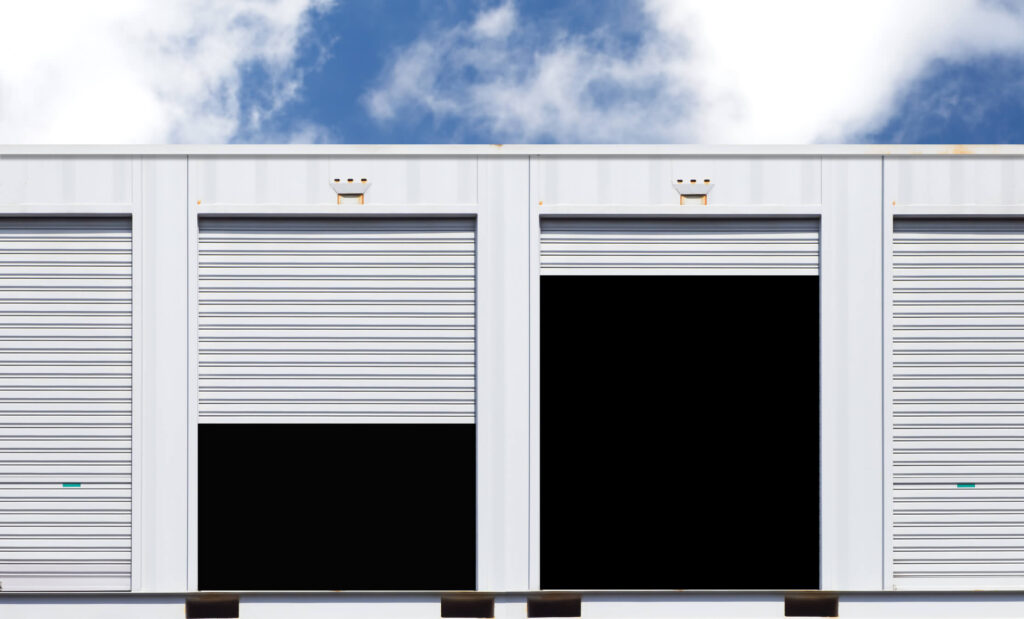
Can You Store Firearms in a Storage Unit In Scottsdale

Insurance and Compliance

When storing firearms in a self-storage unit, consider insurance coverage. While most self-storage facilities offer limited insurance for belongings, this coverage may not protect your firearms in the event of theft, fire, or other types of damage. It’s wise to purchase additional insurance for your firearms to ensure adequate protection.

Before choosing a storage facility, verify that it complies with all state and federal firearm storage laws. Additionally, ensure the facility provides adequate security measures, such as surveillance cameras, gated access, and alarm systems. These security features provide added peace of mind and help deter theft.

Frequently Asked Questions About Firearm Storage

As a gun owner considering storage options, you may have several common questions. Here are the answers to some frequently asked questions about firearm storage:

What is the safest way to store firearms in a storage unit? 

The safest way to store firearms is in a locked, tamper-resistant, secure gun safe. This ensures that unauthorized individuals cannot access your firearms.

Are climate-controlled storage units necessary for firearms? 

Yes, climate-controlled storage units are highly recommended for firearms and ammunition. They help prevent damage caused by humidity and temperature fluctuations.

Can ammunition be stored with firearms? 

It is generally best to store ammunition separately from firearms to comply with regulations in many states and storage facilities.

What should I do if a storage facility prohibits firearms? 

If a facility prohibits firearms, look for another facility that allows firearm storage and check that it complies with all local laws.

How can I ensure my firearms are secure in a storage unit? 

Choose a facility with robust security measures like video surveillance, gated access, and individual unit alarms to keep your firearms safe.

Can I store firearms in a rental unit indefinitely? 

Long-term storage is possible, but it’s essential to regularly inspect and maintain your firearms properly.

What are the legal requirements for firearm storage? 

Legal requirements vary by state and jurisdiction, so it’s essential to research and comply with all applicable laws and regulations.

Can I access my firearms anytime in a storage facility? 

Most storage facilities have designated access hours. Ensure you check the facility’s hours of operation to plan your visits accordingly.

What happens if a facility discovers unauthorized firearm storage? 

If unauthorized firearm storage is discovered, the facility may evict you, impose fines, or involve law enforcement authorities.

Do storage facilities provide insurance for firearms? 

Some facilities offer insurance options, but purchasing third-party insurance is often recommended to ensure that your firearms are fully covered.

Final Thoughts

Storing firearms in a self-storage unit requires careful planning, research, and adherence to safety protocols and local laws. Whether you need to store firearms temporarily or for the long term, choosing a secure facility that provides the necessary security and complies with all regulations is essential. Always check with your chosen facility to ensure they allow firearm storage and that you follow their policies to avoid any legal complications. Reading reviews of the facility can also give you insight into its reliability and safety measures. 

If you need a storage solution, McDowell Mountain Community Storage offers tailored options that meet various storage needs. Contact us today for more information on firearm storage and to find the perfect storage unit for your needs.


Can You Live in a Storage Unit?

People are increasingly seeking unconventional living arrangements in today’s housing market with skyrocketing rents and limited affordable options. One idea that often comes up is living in a storage unit. At first glance, it might seem like a viable solution: storage units are relatively inexpensive and offer a private space. However, living in a storage unit is not only impractical but also illegal in most places. Let’s delve into the reasons why you can’t live in a storage unit.

Legal and Safety Concerns

The foremost issue with living in a storage unit is that it is typically against the law. Storage units are designed for storing belongings, not for habitation. Most storage facilities have strict rules that prohibit using the units as living spaces. These rules are in place for several important reasons:

1. Building Codes and Zoning Laws

Storage units are not constructed to meet residential building codes. These housing laws are in place to ensure that living spaces are safe and habitable, with specific requirements for structural integrity, electrical systems, plumbing, and more.

Storage units typically lack essential facilities such as plumbing for bathrooms and kitchens, ventilation systems to ensure proper air flow and quality, and fire safety systems like smoke detectors and sprinklers.

Additionally, zoning laws regulate land use and specify areas designated for residential, commercial, or industrial purposes. Storage facilities are usually zoned for commercial use, not residential, meaning they are legally restricted from being used as living spaces.

2. Health and Safety Regulations

Living in a storage unit can pose serious health risks. These units lack proper insulation, heating, or air conditioning, making them unsuitable for maintaining a stable and comfortable indoor temperature. In extreme weather conditions, this lack of climate control can be particularly dangerous, leading to heat stroke in the summer or hypothermia in the winter.

Moreover, without running water and sanitation facilities, maintaining personal hygiene becomes a significant challenge. Basic daily activities like cooking, cleaning, and using the bathroom would be impossible within the confines of a storage unit, potentially leading to unsanitary living conditions that can foster illness and disease.

3. Fire Hazards

Storage units are not designed to accommodate electrical appliances or cooking equipment, both of which could easily start a fire. The typical storage facility does not include electrical outlets or wiring capable of safely handling the demands of living appliances.

Attempting to use such equipment in a storage unit can create serious fire hazards. In the event of a fire, storage facilities typically lack the necessary safety measures to protect human lives, such as fire escapes, smoke detectors, and sprinkler systems. The design and layout of storage units prioritize maximizing space for storing stuff over ensuring the safety of occupants, making it extremely risky to live in one.

These legal and safety concerns highlight why living in a storage unit is not a viable or safe housing option. The regulations and building codes are in place to protect people from the significant risks associated with inhabiting spaces that are not designed for residential use.

Can You Live in a Storage Unit In Scottsdale

Practical Considerations

Beyond the legal and safety issues, there are practical concerns that make living in a storage unit highly impractical:

1. Lack of Basic Amenities – Living in a storage unit isn’t legal. These spaces are small and don’t have bathrooms, kitchens, or running water. So, doing everyday things like cooking or using the bathroom means you have to go outside a lot. It’s not comfortable or practical.

2. Privacy and Security – Living in a storage unit might seem like a temporary shelter, but it’s not. Legality is a big issue because housing laws usually don’t allow it. Though they provide some privacy, storage units aren’t designed for living. They’re small and lack comfort. Security is also a problem since facilities focus on protecting stuff, not people. This makes it risky for someone without an apartment or proper shelter. With multiple tenants, it’s hard to feel safe.

3. Quality of Life – Living in a small, windowless unit can severely impact mental health. Humans need natural light, fresh air, and a sense of space to maintain well-being. The isolation and confined quarters of a storage unit can lead to depression and anxiety, as individuals are cut off from the outside world and deprived of the basic elements that contribute to a healthy and fulfilling life. Without access to sunlight and outdoor views, residents may experience feelings of claustrophobia and disconnection from the world around them, further exacerbating their living conditions.

In summary, the lack of basic amenities, privacy, and security, along with the adverse effects on mental well-being, make living in a storage unit highly impractical and detrimental to one’s quality of life. It is essential to consider these practical concerns before considering such an arrangement, as it may ultimately worsen rather than alleviate the challenges of homelessness or inadequate housing.

Can You Live in a Storage Unit In Scottsdale, AZ

Alternatives to Consider

When faced with the challenge of finding affordable housing, there are several alternatives worth considering:

1. Shared Housing – Embracing the idea of shared housing can significantly alleviate the burden of rent. By living with roommates, individuals can split the cost of rent and utilities, making housing more affordable. Opportunities for shared housing can be found through community boards, online platforms, or local housing agencies, where individuals can connect with potential roommates and explore suitable living arrangements.

2. Tiny Homes – Tiny homes offer a compact and cost-effective housing solution. These dwellings are designed to be lived in and come equipped with all the necessary amenities, despite their small size. Opting for a tiny home can provide an affordable alternative to traditional housing, allowing individuals to enjoy a simpler lifestyle while still enjoying the comforts of home.

3. Subsidized Housing Programs – Government programs and non-profit organizations often offer assistance to individuals in need of affordable housing. These subsidized housing programs provide financial support or reduced rent to eligible applicants, making housing more accessible for low-income individuals and families. Researching local options and exploring eligibility criteria can lead to valuable opportunities for affordable housing assistance.

4. House Sitting or Property Caretaking – Some homeowners seek individuals to live in and care for their property while they are away. This arrangement can offer free or low-cost housing in exchange for basic maintenance tasks such as gardening, pet care, or property upkeep. House sitting or property caretaking opportunities provide a unique way to secure housing while contributing to the upkeep of a home in exchange for accommodation.

Exploring these housing alternatives can open up a variety of options for individuals struggling to find affordable housing. By considering shared living arrangements, tiny homes, subsidized housing programs, or house sitting opportunities, individuals can find housing solutions that meet their needs and budget constraints.

Conclusion

While the idea of living in a storage unit might seem like a quick fix to housing problems, it is not a viable solution. Legal, safety, and practical issues make it an untenable option. Instead, consider exploring other affordable housing alternatives that provide the necessary amenities and ensure your well-being. Remember, your living situation should support a healthy, safe, and fulfilling life.

Frequently Asked Questions (FAQs)

Here are some FAQs about living in a storage unit:

Q. Can I convert a storage unit into a livable space?

Converting a storage unit into a livable space is not only impractical but also illegal in most places. Storage units lack essential facilities such as plumbing, ventilation, and proper insulation required for habitation. Moreover, using a storage unit as a living space violates building codes, zoning laws, and health regulations. It poses serious safety hazards, including fire risks and health concerns due to the absence of basic amenities like running water and sanitation facilities. Instead of attempting to convert a storage unit, it’s advisable to explore alternative housing options that prioritize safety, legality, and well-being.

Q. Are there any regulations or restrictions on living in a storage unit?

Yes, there are regulations and restrictions in place that prohibit living in a storage unit in most areas. These regulations stem from various concerns regarding safety, health, and legalities. Storage units are not designed for habitation and typically lack essential facilities such as ventilation, plumbing, and adequate living space. Additionally, living in a storage unit can pose significant fire hazards due to the absence of proper electrical wiring and fire safety measures. Furthermore, zoning laws and building codes often prohibit residential use of storage units. Therefore, it’s essential to research and adhere to local regulations and seek alternative housing options that prioritize safety and well-being.

Q. Can children and pets live in a storage unit?

No, children and pets cannot live in a storage unit. Storage units are not designed for habitation and lack essential facilities such as proper ventilation, heating, plumbing, and safety measures. Living in a storage unit poses serious health and safety risks for both children and pets, including exposure to extreme temperatures, lack of sanitation facilities, and potential hazards from stored items. Additionally, it is against the law in most places to use storage units as living spaces. It’s crucial to prioritize the well-being of children and pets by seeking suitable and safe living arrangements that meet their needs.

Q. Can I establish a resting area within my storage unit?

No, establishing a lodging area violates the storage facility’s regulations and may result in eviction.

Q. Are there any safety concerns associated with residing in a storage unit?

Indeed, safety concerns encompass the following: potential criminal activity, exposure to extreme temperatures, fire hazards, and the absence of emergency exits.

Q. What are the most effective methods for utilizing storage units without residing in them?

Utilize storage units to organize seasonal items, create additional space in your residence, or securely store belongings without residing in them.

Q. Is utilizing a storage unit as an emergency shelter in a disaster is permissible?

Although emergency shelters may be necessary, storage units are not intended for this purpose. Instead, contact your local emergency services or shelters.

Q. What are some of the most prevalent misconceptions regarding residing in a storage unit?

Common misconceptions include the notion that it is a cost-effective housing solution or a transient solution to housing instability, which is neither legal nor advisable.

Q. What are the differences in storage unit regulations, depending on the location?

Resisting in storage units is generally discouraged, although the regulations may differ depending on local laws and facility policies.

Q. What actions should you take if you observe an individual residing in a storage unit?

Please report it to the facility management or local authorities. It violates facility policies and poses a risk to the individual.

Contact McDowell Mountain Community Storage Today!

When housing challenges loom large and unconventional options like residing in a storage unit seem tempting, take a moment to reassess. McDowell Mountain Community Storage in Scottsdale, Arizona, empathizes with your predicament and recognizes the significance of securing safe and sustainable housing. While we provide secure storage solutions for your possessions, our commitment extends beyond mere storage; we’re dedicated to fostering thriving communities within proper living environments.

Contact us today, and let’s explore alternative options together. Your well-being matters, and we’re here to support you beyond the urge to “Live in a Storage Unit.”

What to Do If Your Storage Unit Gets Damaged?

Storage units are a convenient solution for housing belongings you may not have space for at home. Whether seasonal items, furniture, or sentimental keepsakes, these units provide a safe and secure environment. However, despite the best precautions, accidents can happen, and a storage unit gets damaged due to natural disasters, vandalism, or even negligence. When faced with a damaged storage unit, knowing how to navigate the situation effectively is essential. Here’s what you can do if your storage unit gets damaged.

Assess the Damage

When you discover or suspect that your storage unit has been damaged, it’s crucial to act immediately by visiting the site to evaluate the situation firsthand. Upon arrival, thoroughly inspect the unit and use your smartphone or camera to take comprehensive photos and videos from multiple perspectives.

Document every item that has been impacted, along with any clear indications of what might have caused the damage, like watermarks indicating flooding, scorch marks from a fire, or signs of a break-in such as a tampered lock or forced door.

Capturing this evidence in detail is vital, as these images and videos will serve as indispensable proof for your insurance claims and any necessary reports you file with the storage facility’s management. This initial documentation not only supports your claims but also helps in the accurate assessment and reimbursement for your losses.

What to Do If Your Storage Unit Gets Damaged In Scottsdale, Arizona

Contact the Storage Facility

After assessing the property damage to your storage unit, it is crucial to promptly report the incident to the self-storage facility’s management. Provide detailed information about the extent and nature of the damage to ensure they have a full inventory of the affected valuables.

Most facilities are well-prepared for such occurrences and have established response protocols to handle these situations effectively. They can offer guidance, facilitate access to the damaged area, and work with you as part of their business operations to address the issue. Moreover, it’s essential to inquire about the facility’s liability protection under their insurance policies, which may cover damages under specific conditions.

Understanding these policies can clarify your rights as a tenant or renter, the facility’s contractual obligations, and the actions you may need to pursue to secure compensation for your losses.

Review Your Rental Agreement

When dealing with damage to your storage unit, it’s crucial to thoroughly review your rental agreement to fully grasp the storage facility’s policies regarding damage and liability. Typically, storage facilities have limited liability for personal goods stored within their units, meaning they are not responsible for damages unless proven that the damage was due to their gross negligence.

Understanding the details of your contract is essential as it outlines what types of damage are covered, such as water damage, floods, or problems caused by rodents, and under what circumstances you might expect compensation, if any, from the facility. This knowledge helps you set realistic expectations about the support and financial recovery you might receive in cases where your possessions, including boxes, family heirlooms, or other valuables, are affected.

Knowing your rights under the lease agreements can help alleviate headaches. In some instances, consulting with lawyers might be an option if the facility’s responsibility for safety is questioned.

In the case of severe damages where the facility offers no services to help, a lawyer can clarify whether there is any chance of claiming damages based on local laws or unusual causes like vandalism. This understanding is crucial as it influences your decisions regarding the safety and security of your stored items.

Contact Your Insurance Company

If you experience storage unit damage, whether from theft, vandalism, or an accident, and your items are insured, you must contact your insurance provider immediately to initiate a claim.

Start by supplying your insurer with all pertinent documentation and evidence you have collected, including detailed photographs, videos, and any communication records with the storage facility management.

Be prepared to discuss the loss of each item affected, providing extensive information about their value, including submitting purchase receipts, previous appraisals, or other proof of value you might have. This helps your insurer accurately assess the cost implications and the extent of harm caused.

As you navigate this procedure, your insurance company will offer step-by-step guidance and advice based on your insurance coverage and the specific factors related to the event. This advice is crucial, as it informs you about the best way to proceed under your policy’s terms and the damage’s state.

By understanding these processes, you’ll be better equipped to handle issues related to claims, ensure that everything necessary is done to mitigate additional problems, and optimize the chances of receiving appropriate compensation for your loss.

Engaging with these strategies not only aids in immediate recovery but also in preventing future incidents, safeguarding both your belongings and your peace of mind.

What to Do If Your Storage Unit Gets Damaged

Retrieve Salvageable Items

Dealing with a damaged storage unit can be an overwhelming experience, but it’s crucial to focus on salvaging what you can. Start by carefully removing any items that remain in good condition from the unit and transferring them to a secure place to prevent further harm.

Depending on the nature and severity of the damage—such as from water exposure or fire—it might be necessary to hire professional cleanup and salvage crews that specialize in restoring items from such incidents.

As you manage these efforts, maintain meticulous records of all related expenses. This documentation is essential, as you can recover these costs through your insurance policy claims or even claim them as deductions on your taxes.

In addition, consider consulting an attorney who can provide answers about the law and the right course of action if the storage facility’s procedures or the response to vandals or other problems seem inadequate. An attorney can also help ensure that the storage service is held accountable and that tenants receive the compensation they deserve.

Keeping a detailed log will support your claims and help you navigate the complexities of such situations, ensuring you are adequately compensated for your losses and out-of-pocket expenditures.

Prevent Future Damage

After addressing the immediate aftermath of damage to your storage unit, it’s wise to take proactive measures to safeguard against future incidents. Investing in enhanced security features can significantly deter potential storage risks.

Consider options such as installing security cameras, motion sensors, or more robust locks to strengthen protection. If the damage originated from a natural disaster, assess the geographic vulnerability of the storage facility. Should the location be prone to such events, looking into alternative storage solutions in safer areas might be prudent.

Additionally, make it a routine to thoroughly inspect your storage unit and its immediate surroundings regularly. This regular check-up helps identify and mitigate any emergent hazards or security vulnerabilities, ensuring your stored possessions’ ongoing safety and integrity.

Conclusion

Dealing with a damaged storage unit can be a stressful experience, but knowing how to handle the situation can make the recovery process smoother. By assessing the damage, contacting the storage facility, filing an insurance claim, retrieving salvageable items, and taking preventive measures, you can minimize the impact of the damage and protect your belongings in the future. Remember to stay organized, keep thorough documentation, and seek professional assistance. With patience and perseverance, you can overcome the challenges a damaged storage unit poses and restore peace of mind.

Contact McDowell Mountain Community Storage Today!

At McDowell Mountain Community Storage, we prioritize the safety and security of your belongings in Scottsdale, Arizona. Our facility is designed to offer robust protection against various risks that could damage your stored items. We understand the importance of safeguarding your possessions, so our storage units are built to withstand various adverse conditions, ensuring a safe environment for everything from household goods to valuable collectibles.

If you ever face an unfortunate situation where your storage unit is compromised, our expert team is ready to guide you through the necessary steps to manage the situation effectively. We’ll help you understand how to assess the damage, communicate with insurance, and take appropriate actions to secure your belongings. For a detailed understanding of how we can assist you if your storage unit gets damaged or to learn more about our safety features, please contact us today at (602) 899-5484!

FAQs: What to Do If Your Storage Unit Gets Damaged?

1. What are the common causes of storage unit damage?  

   Storage units can be damaged due to natural disasters (like floods or earthquakes), vandalism, theft, or negligence, such as improper packing or inadequate maintenance.

2. How can I prevent damage to my belongings in a storage unit?  

   To prevent damage, use sturdy containers, wrap fragile items properly, avoid overloading boxes, and choose a facility with strong security measures and climate control options.

3. What should I include in my insurance policy for stored items?  

   Ensure your policy covers damage from theft, fire, flooding, and natural disasters, and consider adding specific coverage for high-value items.

4. Are storage facilities responsible for damage to my items?  

   Responsibility varies by facility; many have limited liability unless negligence can be proven. Always check the facility’s rental agreement for specific terms.

5. How often should I check on my storage unit?  

   Regularly inspecting your storage unit every few months is recommended to ensure everything is secure and in good condition, allowing you to catch any issues early.

6. Can I access my storage unit at any time?  

   Most facilities allow 24/7 access, but some may have restricted hours. Check with your facility for their specific access policies.

7. What should I do if I suspect my unit has been broken?  

   Report any suspicions immediately to the facility management, and document the situation with photos and notes before contacting local law enforcement.

8. Is it possible to receive compensation for damaged items?  

   Compensation depends on your insurance coverage, the storage facility’s policies, and the circumstances surrounding the damage. Always document everything for claims.

9. What steps can I take to secure my storage unit?  

   Use quality locks, install an alarm system, choose a facility with security cameras, and consider units with climate control to protect sensitive items.

10. Should I hire professionals to help with damaged items?  

    If your items have been significantly damaged (like by water or fire), hiring professional restoration services can help salvage and restore your belongings properly.

Do I Need Insurance for My Storage Unit?

Are you considering renting a storage unit to store your belongings? Whether you’re downsizing, decluttering, or transitioning between homes, renting a storage unit can be a convenient solution. However, one question that often arises is whether you need insurance for your storage unit. In this blog post, we’ll explore the question, “Do I need insurance for my storage unit?” and why it’s essential to protect your belongings.

Understanding the Risks

Storage units are susceptible to potential hazards, ranging from malicious acts of theft to the devastating consequences of fire, water damage, and the wrath of natural disasters. Despite the diligent efforts of storage facility management to bolster security measures and safeguard against such perils, the unpredictability of accidents and unforeseen events looms ominously. With self-storage facilities becoming increasingly popular for individuals and businesses alike, whether insurance is necessary to protect one’s belongings stored in these spaces remains a pressing concern.

The absence of insurance coverage leaves individuals perilously exposed to substantial financial ramifications in the event of damage, theft, or complete destruction of their stored possessions. In essence, insurance serves as a crucial shield, offering a vital layer of protection against the inherent vulnerabilities inherent in storing belongings outside the confines of one’s home.

Facility Insurance vs. Personal Insurance

Facility insurance and personal insurance serve distinct purposes when it comes to protecting your belongings stored in a storage unit.

1. Facility Insurance – This is often offered by the storage facility as part of the rental agreement or as an add-on service, primarily covers the facility’s liability. This means it protects the storage facility in cases where they might be held responsible for damage or loss that occurs on their premises. While it may offer some coverage for your stored belongings, it tends to be limited and may not fully protect the total value of your items. Additionally, the terms and coverage limits of facility insurance can vary, so it’s essential to review the policy carefully to understand what is covered and any limitations that may apply.

2. Personal Insurance – Personal insurance such as homeowners insurance or renters insurance, provides broader coverage for your belongings, both on and off your property. These policies typically include coverage for items stored in a storage unit, offering more comprehensive protection against a wider range of risks, including theft, fire, water damage, and natural disasters. Personal insurance policies also tend to have higher coverage limits and may offer additional benefits, such as liability coverage and coverage for temporary living expenses in case of a disaster.

While facility insurance may offer some level of protection for your stored belongings, it’s often limited and may not fully meet your needs. Personal insurance, on the other hand, provides more comprehensive coverage and greater peace of mind, ensuring that your belongings are adequately protected, both at home and in storage.

Do I Need Insurance for My Storage Unit In Scottsdale, Arizona

Benefits of Having Insurance

Having insurance for your storage unit goes beyond just a sense of security; it offers tangible benefits that can make a significant difference when the unexpected occurs. Let’s delve into some key advantages:

1. Financial Protection – If your belongings are stolen, damaged, or lost, insurance steps in to help cover the costs of replacing or repairing them. This saves you from having to bear significant expenses out of your own pocket.

2. Coverage Flexibility – Personal insurance policies aren’t one-size-fits-all. They often come with options to customize your coverage according to your specific needs and the value of your stored items. This flexibility ensures that you’re not paying for coverage you don’t need while ensuring that your most valuable possessions are adequately protected.

3. Additional Coverage – Ever worried about those high-value items, antiques, or collectibles you’ve stashed away? Personal insurance policies have your back. They can extend coverage to items that might not be covered by facility-provided insurance, offering you peace of mind knowing that your prized possessions are safeguarded.

4. Continued Coverage – Already have renters’ or homeowners’ insurance? Extending coverage to your storage unit is often a seamless process. This means your belongings remain protected under the umbrella of your existing policy, ensuring uninterrupted coverage without any hassle.

Having insurance for your storage unit isn’t just a precautionary measure; it’s a practical investment that provides invaluable protection and peace of mind for your treasured belongings.

Considerations When Choosing Insurance

When you’re in the process of choosing insurance for your storage unit, there are several crucial factors to consider ensuring you have the right coverage in place:

1. Coverage Limits

Before finalizing any insurance policy, it’s vital to assess whether the coverage limits offered are sufficient to protect the total value of your stored belongings. Take an inventory of all the items you plan to store and estimate their collective value. Ensure that the policy’s coverage limits align with this valuation to avoid being underinsured in the event of a claim.

2. Deductibles

Understanding the deductible amount is essential, as it directly impacts the financial responsibility you bear in the event of a claim. A deductible is the amount you must pay out of pocket before your insurance coverage kicks in. While policies with higher deductibles often come with lower premiums, consider your financial situation and risk tolerance when choosing a deductible amount. Opting for a higher deductible can lower your premium but may result in higher out-of-pocket expenses in the event of a claim.

3. Exclusions

Carefully review the policy’s exclusions and limitations to ensure that it provides coverage for the specific types of damage or loss you’re concerned about. Common exclusions may include damage due to neglect, gradual wear and tear, vermin infestation, or certain types of natural disasters. If there are specific risks you want coverage for, ensure that they are not excluded from the policy or consider purchasing additional coverage if necessary.

4. Documentation

Maintaining accurate documentation of your stored items is crucial for filing insurance claims effectively. Keep an inventory of all items stored in your unit, including descriptions, serial numbers (if applicable), and their estimated value. Additionally, retain supporting documentation such as receipts, appraisals, or photographs of valuable items. This documentation serves as evidence of ownership and helps substantiate the value of your belongings in the event of a claim.

By carefully considering these factors when selecting insurance for your storage unit, you can ensure that you have adequate coverage in place to protect your belongings and mitigate financial risk effectively. It’s essential to review your insurance needs periodically and update your coverage as necessary to reflect any changes in the value or contents of your storage unit.

Do I Need Insurance for My Storage Unit In Scottsdale, AZ

Conclusion

Investing in insurance for your storage unit may appear to add to your costs, but it’s a prudent decision that can shield you from potential financial setbacks and offer invaluable reassurance. Whether you decide on storage unit insurance provided by the facility or opt to include coverage within your existing renter or homeowner insurance policy, ensuring the security of your stored belongings is paramount. It’s worth taking the time to carefully assess your options, thoroughly comprehend the terms outlined in the insurance contract, and select the appropriate coverage tailored to your requirements. By taking these proactive steps, you can relish the convenience of utilizing a storage unit while having confidence in the protection and safety of your possessions.

FAQs

Here are some frequently asked questions about “Insurance for My Storage Unit”:

Q. What are the risks of not having insurance for my storage unit?

The risks of not having insurance for your storage unit include financial loss in the event of theft, damage, or destruction of your belongings due to factors like fire, water damage, or natural disasters. Without insurance, you would be solely responsible for replacing or repairing your items, potentially facing significant expenses.

Q. Are there any legal requirements for storage unit insurance?

The legal requirements for storage unit insurance can vary depending on your location and the specific regulations in place. In some areas, storage facilities may require tenants to have insurance coverage as part of their rental agreement. However, there may not be a universal legal mandate for storage unit insurance in all jurisdictions. It’s essential to check with your storage facility and local authorities to understand any legal requirements or recommendations regarding insurance coverage for Storage units.

Q. What types of events or damages does storage unit insurance cover?

Storage unit insurance typically covers a range of events or damages, including theft, fire, water damage, vandalism, and natural disasters. It provides financial protection in case your belongings are damaged, stolen, or destroyed while stored in a storage unit.

Q. How much does storage unit insurance typically cost?

The cost of storage unit insurance can vary depending on factors such as the coverage amount, deductible, and location of the storage facility. On average, storage unit insurance premiums can range from $10 to $50 per month. It’s essential to review different insurance options and consider factors like coverage limits and exclusions to determine the best value for your needs.

Q. Can I use my homeowner’s or renter’s insurance for my storage unit?

Yes, you can typically use your homeowner’s or renter’s insurance to cover your storage unit. Many policies extend coverage to items stored off-site, including in a storage unit. However, it’s essential to review your policy to confirm coverage limits, exclusions, and any additional requirements for insuring your storage unit.

Reserve Your Self Storage Unit Today!

At McDowell Mountain Community Storage, we understand the importance of addressing the question, “Do I Need Insurance for My Storage Unit?” We take pride in providing comprehensive solutions to ensure the safety and security of your belongings. Our climate-controlled storage units are meticulously maintained to safeguard your items from environmental fluctuations. Whether you’re storing household furniture, seasonal gear, or valuable possessions, rest assured that our storage facilities offer a secure environment for your belongings.

Contact us today at (602) 899-5484 to reserve your unit and gain peace of mind knowing that your items are in trusted hands!