How to Store Electronics in a Storage Unit?

Electronics have become an integral part of our daily lives in today’s digital age. From smartphones to laptops, cameras to gaming consoles, we rely on these devices for communication, work, entertainment, and more. But what happens when you need to store these electronics away for a while?

Proper storage is essential to ensure they remain in good condition and ready for use when you retrieve them. Whether you’re moving, decluttering, or need extra space, here’s a smart guide on how to store electronics in a storage unit.

How do you Store Electronics in a Storage Unit?

Here are the things that you need to do to properly store your electronic devise in a storage unit:

1. Prepare Your Electronics

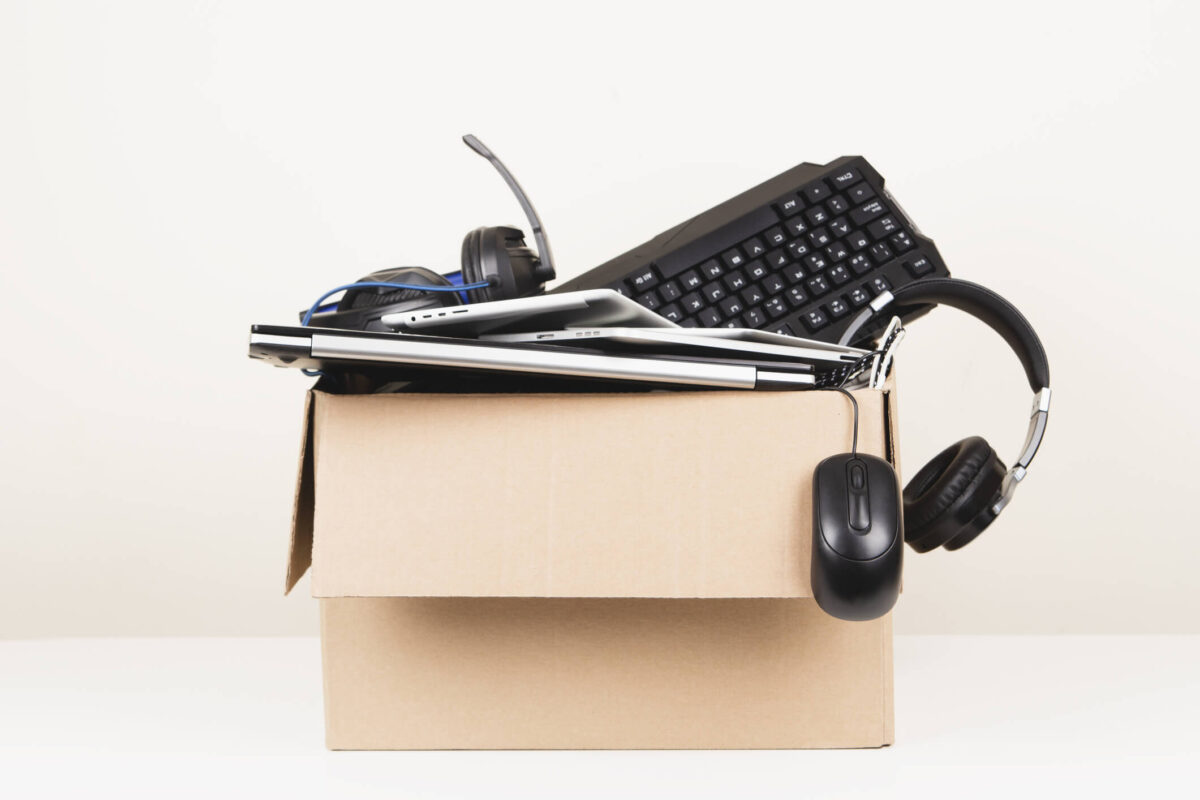
When storing fragile electronic gadgets in a self-storage facility, taking care of a few things can make a big difference. First, remove batteries and store them separately to prevent corrosion. Back up essential data from devices like computers or phones. Clean screens and wipe down surfaces to keep them dust-free. Consider storing gadgets in secure containers or boxes, along with their cords and instructions. Keep everything cool and dry to avoid heat and moisture damage. Silica gel packets can help absorb excess moisture.

If using cardboard boxes, tape them securely to prevent mold. Remember to label each container, so you know what’s inside. By keeping these tips in mind, you can ensure your electronics stay in good shape while in storage.

2. Use Original Packaging

Whenever possible, use the original packaging for your fragile Electronics. Manufacturers design these boxes to provide the best protection during transportation and storage. If you don’t have the original packaging, consider alternatives like anti-static bubble wrap, foam padding, or custom-fitted cases to secure your gadgets. These options protect against bumps, scratches, and moisture, ensuring your devices stay in good shape. It’s crucial to secure cords and follow any provided instructions. If you plan to store things for a while, be mindful of moisture and heat, and use silica gel packets to prevent mold.

Consider using plastic containers or boxes, and tape up any seams to keep everything secure. For screens, place a plastic sheet or cardboard to shield them. When storing items at a self-storage facility, check for security options and keep backup devices in mind. Whether it’s phones, players, or any other item, take care of them as you pack. Lastly, remember to label containers and keep everything organized for easy retrieval.

3. Climate-Controlled Storage Unit

Electronics, like computers, cameras, cell phones, and audio equipment, are sensitive and easily damaged by extreme temperatures and humidity. To protect these devices, choosing a storage unit with climate control is crucial. These specialized units maintain a stable environment, controlling temperature and humidity levels, which is ideal for safely storing electronics.

This helps prevent moisture buildup, condensation, and temperature fluctuations that harm your valuable devices. Opting for a climate-controlled storage unit is a smart way to ensure your electronics’ longevity and proper functioning, providing peace of mind as they are stored in optimal conditions.

4. Organize and Label

Creating an inventory of the electronics you plan to store is a practical first step in organizing your storage space. Labeling boxes with clear descriptions of their contents ensures easy access and retrieval when needed. It’s wise to pair cables, chargers, and accessories with their corresponding devices to avoid confusion and save time when setting up later. Utilizing cable ties or organizers further prevents tangling and keeps everything neat and orderly within the storage unit.

This systematic approach streamlines the process of finding specific items and minimizes the self-storage risk of losing or misplacing essential accessories, ensuring that your electronics remain complete and ready for use whenever you retrieve them from storage.

5. Elevate from the Floor

Elevating your electronics by placing them on pallets or shelves is a crucial precaution when storing them in a storage unit. This simple step helps safeguard your devices against potential risks such as flooding, leaks, or other unforeseen issues that could compromise the integrity of the storage unit. By keeping your electronics off the floor, you minimize the likelihood of water damage and moisture infiltration, ensuring the safety of your valuable items.

Additionally, elevating electronics allows for better air circulation around them, which helps regulate temperature and prevent humidity buildup. This promotes a more conducive environment for storing electronics, preserving their functionality, and prolonging their lifespan while in storage.

6. Protect Against Dust

Over time, dust accumulation threatens electronic components, potentially leading to damage and performance issues. To shield your devices from this hazard, employ preventive measures such as using dust covers or wrapping them in breathable materials like cotton sheets. This additional layer of protection acts as a barrier, safeguarding your electronics against dust particles and ensuring they remain clean and fully operational.

By taking these precautions, you extend the lifespan of your devices and maintain their optimal functionality, allowing you to rely on them whenever needed.

How to Store Electronics in a Storage Unit In Scottsdale

7. Securely Pack Small Items

When storing small electronic items such as headphones, cameras, or handheld devices, it’s important to use appropriately sized boxes to keep them secure. Opt for small boxes that snugly fit the items to minimize movement during transportation and storage. Fill empty spaces within the boxes with bubble wrap or packing peanuts to cushion and prevent shifting.

This extra layer of protection reduces the risk of damage to the delicate electronic components, ensuring that your items remain intact and functional when you retrieve them from storage. Taking these precautions helps maintain the condition of your small electronic devices and prolongs their lifespan.

8. Avoid Long-Term Storage of Batteries

Before storing electronic devices for an extended period, it is crucial to remove the batteries. This precautionary measure is essential because, over time, batteries can develop leaks, leading to irreversible damage to your electronics. To ensure the longevity of both your devices and batteries, it is recommended that they be stored separately in a cool and dry place.

By taking these simple yet crucial steps, you minimize the risk of corrosive leaks and preserve the overall functionality and condition of your electronic gadgets during storage.

9. Regular Check-Ups

Regular visits to your storage unit to inspect your electronics are highly advisable. During these visits, ensure that the climate control system operates effectively, maintaining stable temperature and humidity levels crucial for electronic devices. Additionally, carefully examine the storage area for any indications of pests or water damage, which could potentially harm your valuable belongings.

By conducting these routine check-ups, you can promptly identify and address any emerging issues before they escalate into significant problems, thus safeguarding the integrity and functionality of your stored electronics. This proactive approach ensures that your electronic devices remain in optimal condition and ready for use whenever you need them, providing you with peace of mind regarding their safety and longevity in storage.

Conclusion

Properly storing electronics in a storage unit demands thoughtful planning and attention to detail. Adhering to the provided tips ensures that your electronic devices will be well-maintained and ready for use upon retrieval from storage. Investing time in preparing and safeguarding your electronics is a prudent measure that yields long-term benefits. This commitment not only preserves the functionality of your devices but also contributes to extending their overall lifespan. Whether protecting against temperature fluctuations, securing delicate components, or organizing accessories, each precautionary step assures your electronics will endure storage conditions effectively, standing the test of time for sustained usability and performance.

Reserve your Self Storage Unit today!

At McDowell Mountain Community Storage, we prioritize safely storing your electronic devices. Our climate-controlled storage units are specifically designed to provide a secure environment for sensitive electronics, ensuring they remain in optimal condition throughout their time in storage. Whether you’re storing computers, TVs, or other electronic gadgets, you can trust that our Scottsdale, AZ facilities offer the ideal solution to meet your needs.

Don’t hesitate to contact us today to reserve your storage unit and gain peace of mind knowing that your electronics are safe!

FAQs: How to Store Electronics in a Storage Unit?

1. What types of electronics can I store in a storage unit?

Most electronic devices, including computers, smartphones, tablets, cameras, and gaming consoles, can be safely stored in a storage unit, especially if properly prepared.

2. Do I need to clean my electronics before storing them?

It would help if you cleaned your electronics to remove dust and debris, which can accumulate and potentially damage components over time.

3. How should I handle fragile electronics during storage?

Use original packaging or protective materials, such as bubble wrap or foam, to cushion fragile items and prevent damage from impacts during transport or storage.

4. Is it safe to store electronics in a non-climate-controlled unit?

It’s advisable Non-climate-controlled units may expose your electronics to extreme temperatures and humidity, damaging sensitive components.

5. What precautions should I take for long-term storage of electronics?

Remove batteries, store devices in excellent, dry locations, and consider using silica gel packets to absorb moisture.

6. How often should I check on my stored electronics?

Regular check-ups every few months are recommended to ensure the environment remains suitable and identify potential issues early.

7. What should I do if I notice water damage in my storage unit?

Immediately remove your electronics, assess the damage, and report the issue to the storage facility to prevent further harm and investigate the cause.

8. Can I store my electronics with their cords and accessories?

Yes, but organize and label them to avoid confusion later. Pair cords with their corresponding devices to streamline retrieval.

9. Is it better to store electronics vertically or horizontally?

Most devices are stored upright (like a tower) to minimize pressure on screens and delicate components.

10. What should I do if I no longer have the original packaging for my electronics?

Use high-quality packing materials, such as antistatic bubble wrap or foam padding, to provide adequate protection and ensure everything is securely packed to minimize movement.


How Self-Storage Can Help When Downsizing Your Home?

Many families need to downsize their living spaces in today’s fast-paced world. Whether due to financial reasons, a desire for a simpler lifestyle, or changes in family dynamics, downsizing can be challenging and rewarding. A helpful blog or guide can provide advice on managing this transition.

Downsizing often involves practical and emotional decisions. Whether moving to a smaller home, transitioning to retirement, or simplifying your life, sorting through years of possessions and deciding what to keep or discard can be overwhelming. Self-storage offers the ideal solution to help manage this change efficiently. It protects your belongings, allowing you to sort, arrange, and optimize your space. With self-storage, you can simplify the downsizing process, make the necessary changes to your living space, and ensure a smooth transition for you and your family.

Reduces the Stress of Sorting Through Belongings

One of the most significant obstacles to overcome during the reduction process is determining which items to retain. Even if you no longer have the space for them, it can be challenging to part with sentimental items, such as family heirlooms, photographs, or memorabilia. Self-storage offers a transitory solution, enabling you to store these cherished possessions while determining whether to keep, donate, or pass them on.

Facilitates the Process of Gradual Downsizing

Downsizing does not necessitate immediate implementation. Begin by relocating items from your house or room to a self-storage unit and progressively clearing them out over time. This journey allows you to evaluate your possessions at your own pace without the pressure of making hasty decisions. If you’re unsure about certain items, having someone assist you or provide additional information can help guide you through the process.

Ensures that Items are Accessible and Organized

People are expected to feel overwhelmed when transitioning to a smaller residence due to the overwhelming volume of items that require organization. Self-storage facilities provide a secure and clean environment to maintain the orderly arrangement of your possessions. Most storage facilities permit you to access your unit at your convenience, enabling you to effortlessly retrieve items that may be required in the future or for special occasions without causing any congestion in your new home.

Offers a Place for Seasonal Items

If your new residence has inadequate storage, it may be impossible to accommodate seasonal items such as winter apparel, camping equipment, or holiday decorations. Self-storage can help by offering a location to store transitory items that are optional on a year-round basis but are not willing to part with. This guarantees that only the most essential items are stored in your new residence.

Facilitates the Process of Relocation

Moving into a reduced space is frequently a component of the downsizing process, which can be challenging when determining the appropriate location for all of one’s possessions. Self-storage can facilitate this process by offering a temporary location to store items incompatible with your new space. For example, you might store seasonal clothing, old photos, or furniture that doesn’t fit immediately. This allows you to focus on the most essential contents, like the items you use daily. With some work and planning, you can gradually sort through many things, deciding what to keep, what to store, and what to part with, without feeling overwhelmed by the process.

Serves as an Aid in Transitional Living

If you are downsizing to a smaller home or apartment that needs to be fully prepared, self-storage can serve as a transient solution. While you await the stabilization of your new living situation, you may store your furniture and possessions in a secure and protected location. This lets you proceed at your tempo without hastening the downsizing process.

How Self-Storage Can Help When Downsizing Your Home In Scottsdale, Arizona

Offers a Secure Environment for Precious Items

Certain items may have substantial sentimental or financial value when downsizing. Self-storage facilities provide a climate-controlled, secure environment to store your most valuable possessions, regardless of their size. With proper inventory management, you can ensure that each item is carefully stored in the appropriate box or container for maximum protection. Following the proper steps during the downsizing process and knowing your items are stored correctly offers peace of mind at all times.

Conclusion

Self-storage offers a practical and adaptable solution to reduce the stress of downsizing, which can be a daunting experience. It helps you adjust and compact your belongings by providing extra storage solutions for everything from family members’ things to hobbies. Whether you need to relocate seasonal items, declutter, or preserve sentimental possessions, self-storage can create more space and organization. With the proper containers, you can safely store items and quickly move through the downsizing process. This approach saves you money by preventing unnecessary purchases of storage furniture. It helps you close the chapter on clutter, ensuring a smoother transition to a smaller home while maximizing your storage options.

Frequently Asked Questions

In what ways does self-storage assist in the storage of furniture during the downsizing process?

It may be necessary to dispose of specific furniture when transitioning to a lower residence. Nevertheless, self-storage enables storing more significant items in a secure and protected location for future use or sale. This can be especially advantageous if you anticipate acquiring a larger residence or wish to preserve furniture until you locate the appropriate location.

When downsizing, is there a minimum rental period for self-storage?

Most self-storage facilities provide flexible rental periods, and there is no requirement for a long-term commitment. Renting a unit for as little as one month is an excellent option for individuals who are downsizing and require temporary storage while transitioning to a smaller residence.

How can I guarantee that my possessions remain in pristine condition during storage?

Use appropriate packing materials, including bubble wrap and sturdy crates, to guarantee that your possessions remain in good condition during storage. Protective sheets or covers are advisable to prevent dust or injury to furniture. Select a climate-controlled device to safeguard delicate items from humidity and temperature fluctuations when storing them.

Is it possible to store large or cumbersome items in self-storage when downsizing?

Indeed, self-storage units are available in various sizes, including larger units designed to accommodate bulky objects such as furniture, appliances, and mattresses. Whether you store a few pieces of furniture or several large objects, you can locate a storage solution suitable for your requirements.

How can self-storage assist me with preventing clutter in my tiny home?

Self-storage can be a savior during the downsizing process, as it enables you to store items that you do not use daily but still need to be prepared to part with. This enables you to maintain the organization and cleanliness of your new, less space while preserving items that hold sentimental or practical value.

Is it permissible for me to share a storage unit with another individual during the downsizing process?

Numerous self-storage facilities permit multiple individuals to share a unit, provided that both parties consent to the rental agreement’s terms. If you are downsizing, sharing a storage unit with a spouse or family member can be a cost-effective solution for storing items unsuitable for your new home.

Are there any supplementary services that self-storage facilities provide to assist with downsizing?

Self-storage facilities offer various services in addition to storage units, including the rental of moving trucks, the provision of packaging supplies (such as tape and boxes), and the provision of moving labor assistance. These services can facilitate the reduction process by enhancing its efficiency and smoothness.

How can I determine whether self-storage is optimal for me when downsizing?

If you discover that your new, smaller home needs to be equipped to accommodate all your possessions, self-storage may be an excellent alternative. It is particularly beneficial if you wish to retain certain items but must still prepare to part with them. If you are still unsure, consult a self-storage facility to determine your options and discuss the space you require and your specific storage requirements.

When downsizing, what qualities should I prioritize in a self-storage facility?

Security features (gated access, surveillance), unit sizes, climate-controlled options, location, and rental flexibility are all factors to consider when selecting a self-storage facility for your downsizing requirements. Additionally, you may investigate facilities that offer 24/7 access or extended hours for convenience.

How can self-storage help sell or donate items during the reduction process?

Self-storage can function as a transient holding location while you organize your possessions. If you intend to sell or donate specific items, storing them in a unit allows you to list them online, organize a yard sale, or coordinate donations without causing a mess in your new home. 

Reserve your Self Storage Units today!

Secure your peace of mind today by reserving your self storage unit at McDowell Mountain Community Storage! Our company offers the perfect solution for safeguarding your belongings during the challenging task of downsizing your home. Whether you’re transitioning to a smaller living space, assisting family members, or simply seeking a temporary storage solution, our state-of-the-art facility in Scottsdale, AZ, provides a range of options to meet your needs.

You can choose the perfect fit for your items with various unit sizes available. Our expert tips and support can help you organize your spaces and make the best decision for your needs. Self-storage offers a variety of benefits, from protecting your possessions to simplifying your move. Rent your storage unit today and take the first step toward a more organized and streamlined lifestyle. Contact us to learn more about “How Self-Storage Can Help When Downsizing Your Home.”


How To Store Books In A Storage Unit

Book storage seemed simple at first. Many people throw their books into boxes or pile them high. However, if you wish to preserve their quality, there are a few things to remember when putting them in a storage unit. This is why, in this article, we will tackle how to store books in a storage unit.

7 Tips for Storing Your Books in a Storage Unit

Proper organization and protection are key to preserving the condition of your cherished book collection when stored in a storage unit. Whether you’re downsizing, moving, or just needing extra space, these tips will help you maintain the integrity of your books while they’re in storage.

Store Books Efficiently

Use Book Storage Bins Or Boxes To Keep Your Books Organized

Use book storage boxes or bins if you’re looking for a way to arrange and organize your books in a storage unit. These storage containers are especially for books and can help maintain and protect their condition.

Make sure the box or bin you choose for your book storage is the appropriate size for your collection of books. The container must be sufficient to accommodate all the books without taking up too much room in your storage facility.

Additionally, confirm that the container has a lid. This will help shield your books from moisture and dust. You can also maintain the quality of your books by including silica gel packets in your boxes. The majority of book storage boxes and bins have these moisture-absorbing packets. Before storing your books, organize them, and it is wise also to add some packets, even if you don’t think they’ll be needed.

There are two primary factors to consider when choosing book storage boxes and bins: size and material.

The two most common materials to choose from are plastic and cardboard. Plastic is somewhat superior since it doesn’t absorb moisture, has less odor, and is difficult for rodents to gnaw through. Nevertheless, cardboard boxes are designed especially for that purpose, and many plastic bins don’t fit books correctly. It’s also a little more expensive.

The size of the book bin or book box is the second item to consider. There should be enough space to accommodate many books without being so big that it overtakes your storage container or becomes too heavy for you to lift when covered with books.

Stack Books With Their Covers Facing Up Or Down

It’s crucial to arrange books in a self-storage unit to remain in good shape after storage. You have two options for stacking them: cover up or down. Stacked along their vertical sides, they may put additional strain on the binding and eventually break. Books turned sideways are likewise more likely to bend if someone presses against them.

If you are stacking books, you might want to put something soft—like a paper towel or packing material—between them so they don’t contact each other. It will lessen the chance of damage to the covers.

Place Books That Are Lighter Or Smaller On Top And Heavier Ones At The Bottom

Stacking heavier books at the bottom and lighter volumes on top of each other is crucial when organizing books in a Scottsdale self-storage unit. It will lessen the likelihood that the books will sustain damage, such as wear and tear on the cover or binding failure that could cause the books to become bent or deformed.

Avoid Placing Heavy Or Potentially Leaky Items On Top Of Book Boxes

In keeping with the previous tips, after the book boxes are packed, you should also refrain from putting heavy or potentially fragile leaky objects on top of them. Placing heavy books on lighter, smaller ones should be avoided: it may rip the covers, deteriorate the binding, or cause the book to warp or bend.

Store In A Dry Environment

Books should always be kept dry because moisture can harm them. Lidded book storage bins, boxes, and silica gel packs are critical to preserve quality.

Storage Units in Scottsdale AZ

Choose Climate-Controlled Storage

Climate-controlled storage is the most excellent option for long-term book storage. These temperature-controlled storage units provide the finest protection for your library against frequent changes in humidity and temperature. 

Even with all the other precautions taken for ideal book storage, a collection of books can quickly become bad if stored in a location that experiences high humidity and temperature changes. For this reason, serious book collectors need to have a professional Scottsdale climate-controlled storage unit

If you don’t have enough money for climate-controlled storage, find the best book location in your house. It will probably be an upstairs closet or some other temperature-controlled area.

Place the Containers on the Shelves

After securing a climate-controlled storage unit, you must buy shelving or another item to place your book boxes on. A box or other container containing valuable books should never be left on the floor in a storage unit. This floor contact exposes your books to a multitude of possible risks. 

Store your books with the best Scottsdale Self-Storage Units

Consider using McDowell Mountain Community Storage in Scottsdale to store extra things. View our recently constructed Arizona storage facility. We feature per-month contracts, excellent customer service, competitive rates, and move-in perks. Contact us right now to find out availability!

FAQs: How To Store Books In A Storage Unit

1. What type of storage containers are best for books?

   Use book storage bins or boxes specifically designed for books, preferably with lids to protect them from moisture and dust.

2. How should I stack my books in storage?

   To prevent damage, stack books with their covers facing up or down. Avoid stacking them vertically, as this can strain the binding.

3. What is the recommended arrangement for stacking books?

   Place heavier books at the bottom and lighter ones on top to minimize the risk of bending or damage.

4. Can I store other items on top of my book boxes?

   Avoid placing heavy or potentially leaky items on book boxes to prevent damage to the books underneath.

5. Why is it important to keep books dry in storage?

   Moisture can damage books, leading to mold growth and deterioration. To keep them dry, use lidded containers and silica gel packs.

6. What is climate-controlled storage, and why is it recommended for books?  

   Climate-controlled storage maintains stable temperature and humidity levels, protecting books from damage caused by environmental changes.

7. Where should I place my book containers in a storage unit?

   Always place containers on shelves rather than the floor to protect them from potential risks like moisture and pests.

8. Are plastic or cardboard storage boxes better for books?

   Plastic boxes are often preferred as they do not absorb moisture and are more resistant to pests, but ensure they fit your books correctly.

9. How can I organize my book collection before storing it?

   Sort books by size or genre and use moisture-absorbing packets to help maintain their condition during storage.

10. What should I do if I can’t afford climate-controlled storage?

    If climate-controlled storage is not an option, choose a cool, dry area in your home, like an upstairs closet, for storing books.