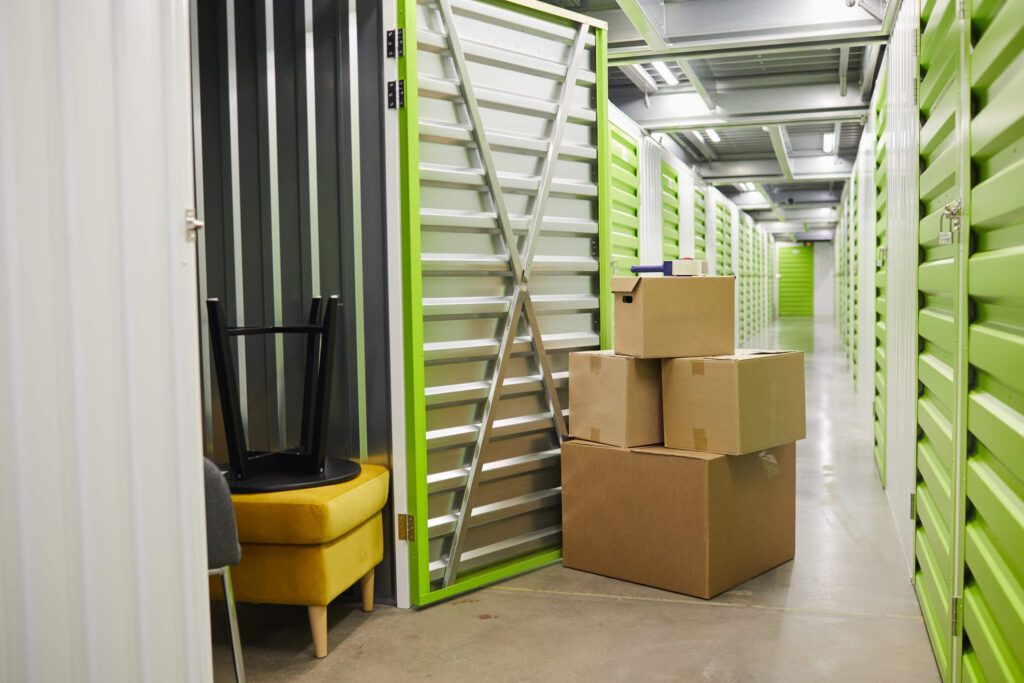

Do I Need Insurance for My Storage Unit?

Are you considering renting a storage unit to store your belongings? Whether you’re downsizing, decluttering, or transitioning between homes, renting a storage unit can be a convenient solution. However, one question that often arises is whether you need insurance for your storage unit. In this blog post, we’ll explore the question, “Do I need insurance for my storage unit?” and why it’s essential to protect your belongings.

Understanding the Risks

Storage units are susceptible to potential hazards, ranging from malicious acts of theft to the devastating consequences of fire, water damage, and the wrath of natural disasters. Despite the diligent efforts of storage facility management to bolster security measures and safeguard against such perils, the unpredictability of accidents and unforeseen events looms ominously. With self-storage facilities becoming increasingly popular for individuals and businesses alike, whether insurance is necessary to protect one’s belongings stored in these spaces remains a pressing concern.

The absence of insurance coverage leaves individuals perilously exposed to substantial financial ramifications in the event of damage, theft, or complete destruction of their stored possessions. In essence, insurance serves as a crucial shield, offering a vital layer of protection against the inherent vulnerabilities inherent in storing belongings outside the confines of one’s home.

Facility Insurance vs. Personal Insurance

Facility insurance and personal insurance serve distinct purposes when it comes to protecting your belongings stored in a storage unit.

1. Facility Insurance – This is often offered by the storage facility as part of the rental agreement or as an add-on service, primarily covers the facility’s liability. This means it protects the storage facility in cases where they might be held responsible for damage or loss that occurs on their premises. While it may offer some coverage for your stored belongings, it tends to be limited and may not fully protect the total value of your items. Additionally, the terms and coverage limits of facility insurance can vary, so it’s essential to review the policy carefully to understand what is covered and any limitations that may apply.

2. Personal Insurance – Personal insurance such as homeowners insurance or renters insurance, provides broader coverage for your belongings, both on and off your property. These policies typically include coverage for items stored in a storage unit, offering more comprehensive protection against a wider range of risks, including theft, fire, water damage, and natural disasters. Personal insurance policies also tend to have higher coverage limits and may offer additional benefits, such as liability coverage and coverage for temporary living expenses in case of a disaster.

While facility insurance may offer some level of protection for your stored belongings, it’s often limited and may not fully meet your needs. Personal insurance, on the other hand, provides more comprehensive coverage and greater peace of mind, ensuring that your belongings are adequately protected, both at home and in storage.
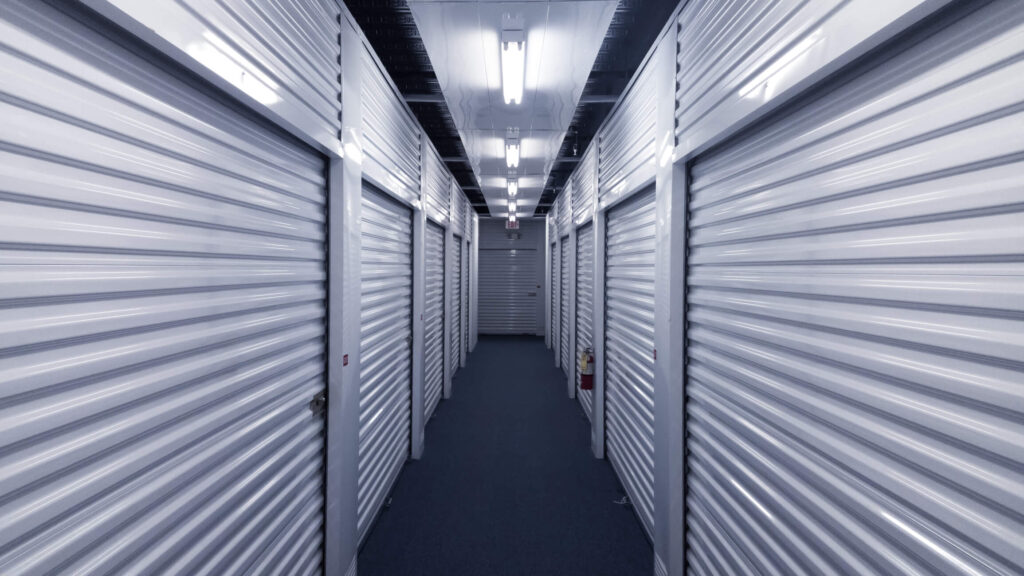
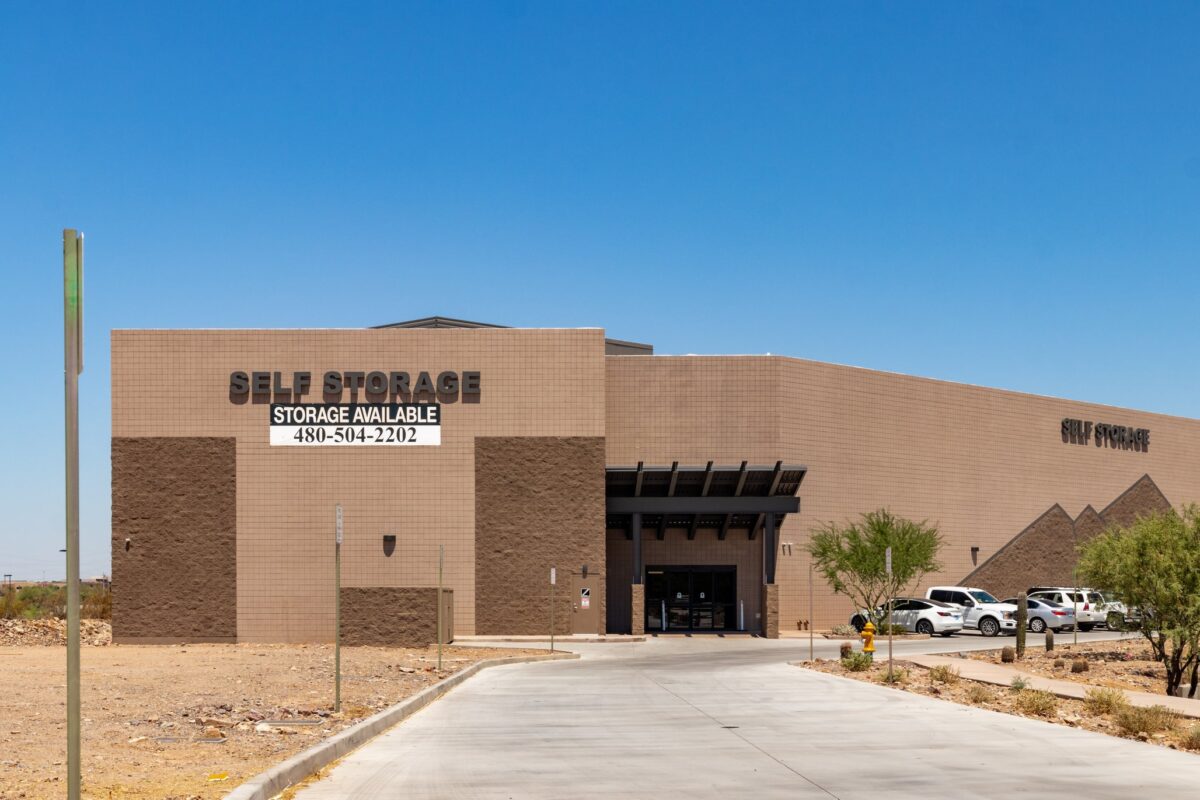
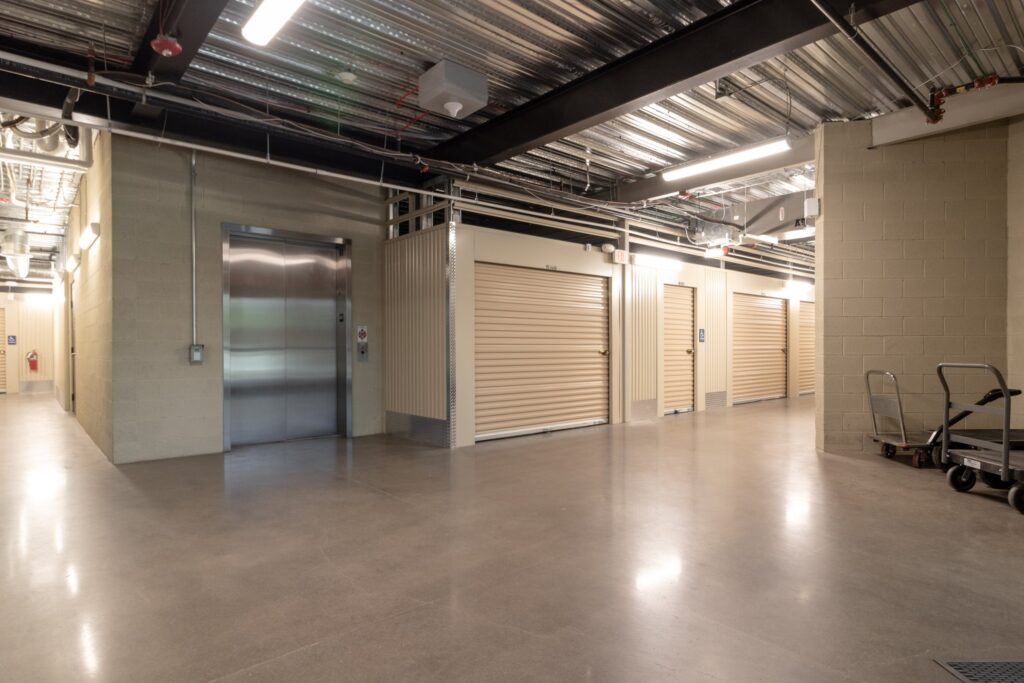
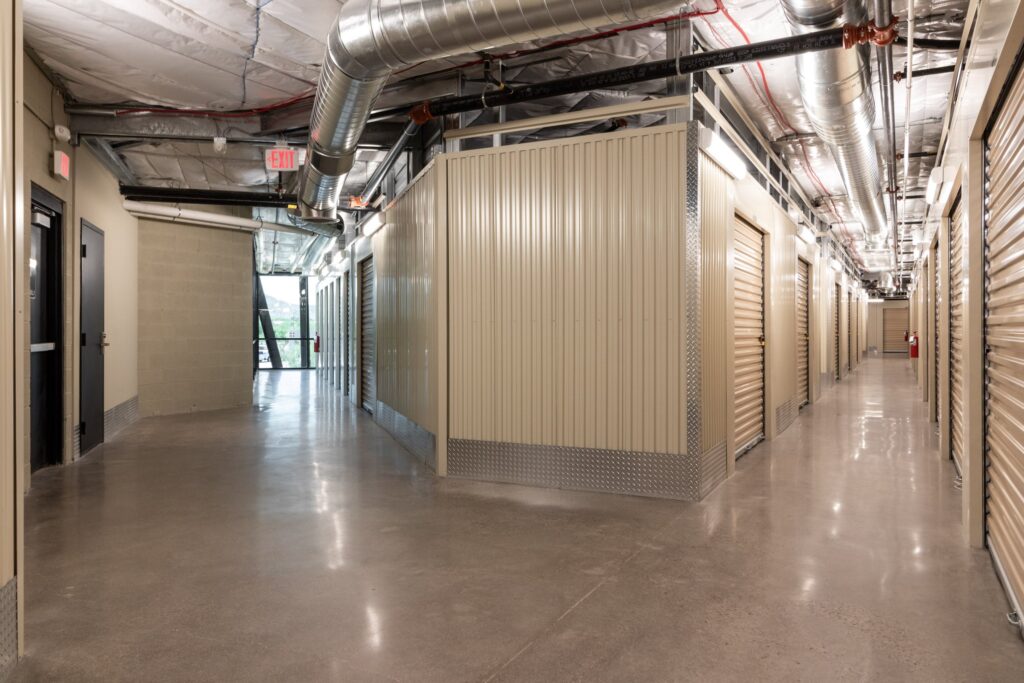
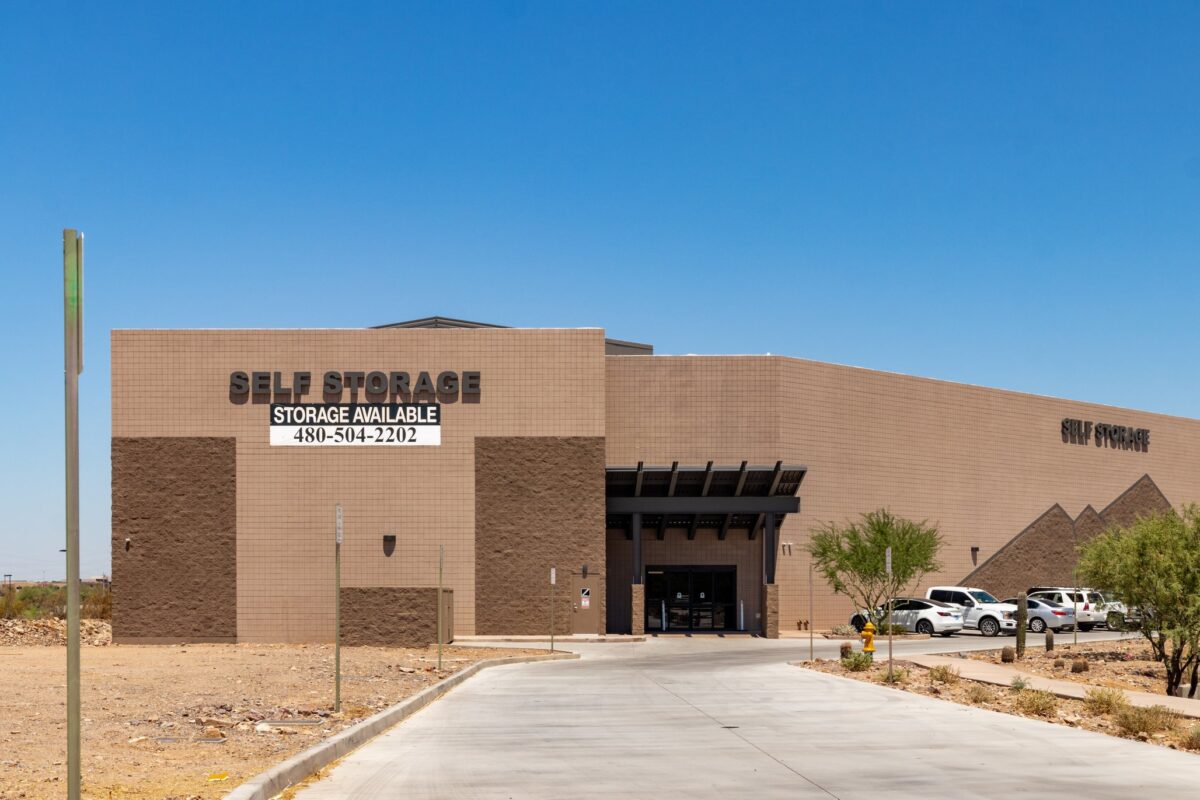
Do I Need Insurance for My Storage Unit In Scottsdale, Arizona

Benefits of Having Insurance

Having insurance for your storage unit goes beyond just a sense of security; it offers tangible benefits that can make a significant difference when the unexpected occurs. Let’s delve into some key advantages:

1. Financial Protection – If your belongings are stolen, damaged, or lost, insurance steps in to help cover the costs of replacing or repairing them. This saves you from having to bear significant expenses out of your own pocket.

2. Coverage Flexibility – Personal insurance policies aren’t one-size-fits-all. They often come with options to customize your coverage according to your specific needs and the value of your stored items. This flexibility ensures that you’re not paying for coverage you don’t need while ensuring that your most valuable possessions are adequately protected.

3. Additional Coverage – Ever worried about those high-value items, antiques, or collectibles you’ve stashed away? Personal insurance policies have your back. They can extend coverage to items that might not be covered by facility-provided insurance, offering you peace of mind knowing that your prized possessions are safeguarded.

4. Continued Coverage – Already have renters’ or homeowners’ insurance? Extending coverage to your storage unit is often a seamless process. This means your belongings remain protected under the umbrella of your existing policy, ensuring uninterrupted coverage without any hassle.

Having insurance for your storage unit isn’t just a precautionary measure; it’s a practical investment that provides invaluable protection and peace of mind for your treasured belongings.

Considerations When Choosing Insurance

When you’re in the process of choosing insurance for your storage unit, there are several crucial factors to consider ensuring you have the right coverage in place:

1. Coverage Limits

Before finalizing any insurance policy, it’s vital to assess whether the coverage limits offered are sufficient to protect the total value of your stored belongings. Take an inventory of all the items you plan to store and estimate their collective value. Ensure that the policy’s coverage limits align with this valuation to avoid being underinsured in the event of a claim.

2. Deductibles

Understanding the deductible amount is essential, as it directly impacts the financial responsibility you bear in the event of a claim. A deductible is the amount you must pay out of pocket before your insurance coverage kicks in. While policies with higher deductibles often come with lower premiums, consider your financial situation and risk tolerance when choosing a deductible amount. Opting for a higher deductible can lower your premium but may result in higher out-of-pocket expenses in the event of a claim.

3. Exclusions

Carefully review the policy’s exclusions and limitations to ensure that it provides coverage for the specific types of damage or loss you’re concerned about. Common exclusions may include damage due to neglect, gradual wear and tear, vermin infestation, or certain types of natural disasters. If there are specific risks you want coverage for, ensure that they are not excluded from the policy or consider purchasing additional coverage if necessary.

4. Documentation

Maintaining accurate documentation of your stored items is crucial for filing insurance claims effectively. Keep an inventory of all items stored in your unit, including descriptions, serial numbers (if applicable), and their estimated value. Additionally, retain supporting documentation such as receipts, appraisals, or photographs of valuable items. This documentation serves as evidence of ownership and helps substantiate the value of your belongings in the event of a claim.

By carefully considering these factors when selecting insurance for your storage unit, you can ensure that you have adequate coverage in place to protect your belongings and mitigate financial risk effectively. It’s essential to review your insurance needs periodically and update your coverage as necessary to reflect any changes in the value or contents of your storage unit.
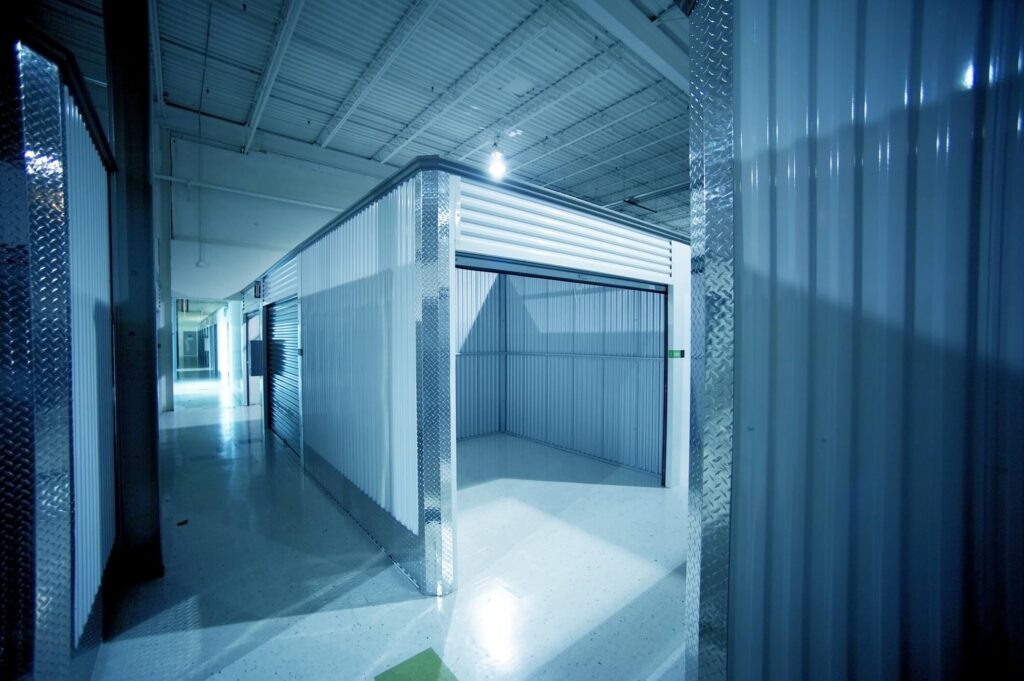
Do I Need Insurance for My Storage Unit In Scottsdale, AZ

Conclusion

Investing in insurance for your storage unit may appear to add to your costs, but it’s a prudent decision that can shield you from potential financial setbacks and offer invaluable reassurance. Whether you decide on storage unit insurance provided by the facility or opt to include coverage within your existing renter or homeowner insurance policy, ensuring the security of your stored belongings is paramount. It’s worth taking the time to carefully assess your options, thoroughly comprehend the terms outlined in the insurance contract, and select the appropriate coverage tailored to your requirements. By taking these proactive steps, you can relish the convenience of utilizing a storage unit while having confidence in the protection and safety of your possessions.

FAQs

Here are some frequently asked questions about “Insurance for My Storage Unit”:

Q. What are the risks of not having insurance for my storage unit?

The risks of not having insurance for your storage unit include financial loss in the event of theft, damage, or destruction of your belongings due to factors like fire, water damage, or natural disasters. Without insurance, you would be solely responsible for replacing or repairing your items, potentially facing significant expenses.

Q. Are there any legal requirements for storage unit insurance?

The legal requirements for storage unit insurance can vary depending on your location and the specific regulations in place. In some areas, storage facilities may require tenants to have insurance coverage as part of their rental agreement. However, there may not be a universal legal mandate for storage unit insurance in all jurisdictions. It’s essential to check with your storage facility and local authorities to understand any legal requirements or recommendations regarding insurance coverage for Storage units.

Q. What types of events or damages does storage unit insurance cover?

Storage unit insurance typically covers a range of events or damages, including theft, fire, water damage, vandalism, and natural disasters. It provides financial protection in case your belongings are damaged, stolen, or destroyed while stored in a storage unit.

Q. How much does storage unit insurance typically cost?

The cost of storage unit insurance can vary depending on factors such as the coverage amount, deductible, and location of the storage facility. On average, storage unit insurance premiums can range from $10 to $50 per month. It’s essential to review different insurance options and consider factors like coverage limits and exclusions to determine the best value for your needs.

Q. Can I use my homeowner’s or renter’s insurance for my storage unit?

Yes, you can typically use your homeowner’s or renter’s insurance to cover your storage unit. Many policies extend coverage to items stored off-site, including in a storage unit. However, it’s essential to review your policy to confirm coverage limits, exclusions, and any additional requirements for insuring your storage unit.

Reserve Your Self Storage Unit Today!

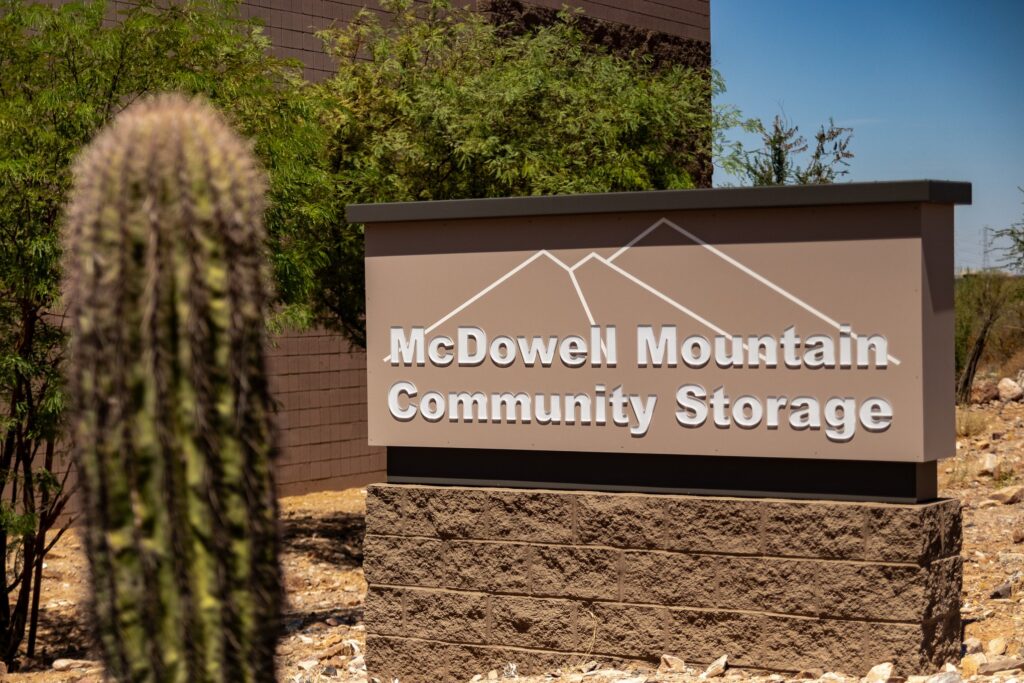
At McDowell Mountain Community Storage, we understand the importance of addressing the question, “Do I Need Insurance for My Storage Unit?” We take pride in providing comprehensive solutions to ensure the safety and security of your belongings. Our climate-controlled storage units are meticulously maintained to safeguard your items from environmental fluctuations. Whether you’re storing household furniture, seasonal gear, or valuable possessions, rest assured that our storage facilities offer a secure environment for your belongings.

Contact us today at (602) 899-5484 to reserve your unit and gain peace of mind knowing that your items are in trusted hands!

How Self-Storage Units Can Save You Money?

When most people think about self-storage units, they often associate them with decluttering or finding extra space for their belongings. Self-storage can help you manage the amount of things you own and organize your belongings in various areas of your life. Some overlook the broader benefits, but self-storage units can also serve as a cost-effective solution to save you money in various ways. However, self-storage units can also be cost-effective in various ways to save you money. Whether you’re a business owner, a small apartment dweller, or simply someone managing life’s transitions, self-storage facilities offer a variety of benefits. Let’s explore how storage solutions can help optimize your budget while providing peace of mind.

1. Maximize Your Living Space

The cost of larger living spaces can significantly impact your budget. Renting a self-storage unit is an affordable alternative to upgrading to a bigger apartment or house. A self-storage unit can help you manage many of your belongings daily, allowing you to deal with the clutter and free up valuable space. Whether furniture, decorations, or items you use occasionally, this arrangement can work well for you and your friends, highlighting the importance of a secure and organized storage solution. By storing seldom-used items such as decorations, collectibles, or furniture, you can create more living space in your current residence without the added expense. Self-storage units are a budget-friendly solution for organizing and managing overflow.

For example, bulky furniture or seasonal items can take up valuable space if you live in a small apartment or house. As highlighted in this blog, a self-storage unit can be a valuable tool in organizing your space. A storage unit provides a secure place to keep these items, allowing you to focus on making your home more comfortable and functional. This simple step can also help reduce stress and improve your living environment.

2. Reduce Office Space Costs

For businesses and small business owners, self-storage facilities offer a flexible and economical way to manage office supplies, inventory, or equipment. Instead of leasing larger office spaces, a self-storage unit can function as a secure and organized warehouse. This option benefits business owners looking to optimize costs while maintaining efficient operations. Utility bills, rate information, and family considerations can all factor into the decision, but using self-storage to reduce overhead remains an appealing solution. 

Many businesses find that using a storage unit helps reduce overhead costs. For example, a business owner who sells seasonal products can store inventory in a self-storage facility instead of renting expensive retail or warehouse space year-round. Self-storage offers a flexible solution if a person needs extra space for stuff during off-season periods. The decisions to choose self-storage can also come with a discount for long-term rentals, making it an even more economical option. With 24/7 access and security features, self-storage units can support your business needs without breaking the budget. 

3. Protect Your Valuables

Self-storage units with climate control and security features provide a safe place for sensitive items like electronics, documents, or appliances. You save money on replacements and repairs by avoiding damage to these valuables. This is especially important in a world where preserving your possessions is crucial. Climate-controlled storage units are a part of this experience, offering a way to safeguard collectibles, tools, and other materials susceptible to environmental factors. 

For instance, if you own delicate furniture, antiques, or artwork, a climate-controlled storage facility ensures that these items remain pristine. The added security features, such as surveillance cameras, gated access, and on-site staff, give you peace of mind knowing your belongings are safe.

How Self-Storage Units Can Save You Money In Scottsdale, AZ

4. Support During a Move or Transition

Moving can be stressful and expensive. Renting a self-storage unit provides a convenient place to temporarily store your belongings during transitions, whether relocating to a new area, downsizing, or waiting for a new home to be ready. This option reduces the need for costly short-term leases or oversized moving trucks, giving you flexibility and peace of mind.

For example, families moving between homes often find that self-storage units simplify the process. By having a secure location to store boxes, furniture, and appliances, they can focus on the logistics of the move without worrying about space constraints.

5. Declutter and Improve Efficiency

Clutter not only takes up physical space but can also reduce productivity and increase stress. Self-storage facilities offer a way to declutter your home, office, or garage, making your environment more efficient and organized. With various storage unit sizes available, you can choose one that fits your needs without overspending.

Decluttering can also positively impact mental health. A clean, organized space promotes peace of mind and productivity. For businesses, decluttering office space can improve operations and give clients a more professional appearance.

6. Cost-Effective Solutions for Seasonal Items

Seasonal equipment, decorations, and other occasional-use items often occupy valuable storage space in your home. Renting a self-storage unit lets you store these items conveniently and affordably. This approach is ideal for families, businesses, and individuals who want to organize their spaces year-round.

For example, items like summer sports equipment, outdoor furniture, or gardening tools can be safely stored in a self-storage unit in winter. This protects these items from weather-related damage and frees up a garage or living space for other uses.

7. Flexible Options for Every Budget

Self-storage facilities cater to a wide range of needs and budgets. From small storage units for personal items to large spaces for business equipment, there are options for everyone. Look for promotions or discounts to make your rental even more cost-effective. By selecting the right unit size and location, you can ensure that your storage solution meets your needs without exceeding your budget.

Many facilities offer flexible rental terms, so you can rent a unit for as long or as short as you need. This flexibility benefits people managing temporary situations, such as renovations or extended travel.

8. Avoid Long-Term Storage Costs at Home

Keeping unused items at home often increases costs in the long run. Items stored in garages, basements, or attics may suffer damage due to humidity, temperature fluctuations, or pests. A self-storage facility provides a clean, secure environment to keep your belongings safe while avoiding potential repair or replacement costs.

This is especially important for electronics, documents, and furniture, which can deteriorate quickly in unfavorable conditions. Investing in a self-storage unit makes you make a cost-effective choice to protect your possessions.

9. Optimize Business Operations

Self-storage units can be valuable for business owners looking to streamline operations. Whether you need a place to store inventory, tools, or promotional materials, a storage unit offers an affordable alternative to traditional warehouses. This is particularly beneficial for small businesses that need to manage costs carefully.

For example, contractors and tradespeople can use self-storage units to secure and organize tools and equipment. Having a designated storage space can improve productivity and reduce the time spent searching for misplaced items.

How Self-Storage Units Can Save You Money In Scottsdale, Arizona

10. Enhance Organization and Peace of Mind

An organized storage system allows you to keep track of your belongings and access them quickly when needed. Self-storage facilities often provide helpful tools like shelving, dollies, and packing materials to simplify organization. This added convenience saves you time and effort, giving you more peace of mind.

With a well-organized storage unit, you’ll always know where to find your items. This reduces stress and ensures that your possessions are stored in a way that maximizes their longevity and usability.

Storage Tips for Savings

  • Plan Ahead: Identify what items you need to store and choose the appropriate unit size. Use a size guide to avoid renting a unit that’s too big or too small.
  • Pack Smart: Use sturdy boxes, dollies, and proper materials to protect your belongings.
  • Organize Effectively: Store frequently used items at the front of the unit for easy access.
  • Compare Deals: Shop for the best prices and look for facilities offering gate access and security features.
  • Consider Climate Control: Invest in a climate-controlled unit if you’re storing sensitive items like electronics or antiques.

FAQs About Self-Storage Units

Answers to Common Questions About Using Self-Storage 

What is a climate-controlled storage unit?

It’s a unit that maintains consistent temperature and humidity levels, protecting sensitive items from environmental damage.

How can a self-storage unit save me money?

By reducing living or office space costs, preventing damage to valuables, and offering a cost-effective solution for managing excess items.

What size unit should I rent?

Use a size guide to match your storage needs with the appropriate unit size.

Are self-storage facilities secure?

Many facilities offer advanced security features like surveillance cameras, gated access, and on-site staff.

Can I access my belongings anytime?

Most facilities provide 24/7 access or extended hours for customer convenience.

How do I pack my items for storage?

Use durable boxes and bubble wrap for fragile items, and label everything clearly to stay organized.

Are there discounts or promotions available?

Many storage facilities offer discounts for long-term leases or promotions for new customers.

Can businesses use self-storage units?

Absolutely. Self-storage units are an excellent option for storing inventory, tools, or office supplies.

What’s the difference between indoor and outdoor units?

Indoor units are located within a building and are often climate-controlled, while outdoor units typically offer drive-up access for convenience.

How do I choose the right facility?

Consider location, price, security features, and customer reviews when selecting a storage facility.

Self storage unit is a wise investment for managing possessions, reducing expenses, and optimizing your living or working space. Whether you need storage for personal use or business operations, the convenience and flexibility of self-storage solutions can help you achieve financial savings and peace of mind. For top-notch storage solutions in the McDowell Mountain area, trust McDowell Mountain Community Storage to meet all your needs with secure, convenient, and affordable options. Consider this economical solution for your storage needs today!

Things You Need to Know Before Renting a Storage Unit

Are you planning to rent a storage unit? A storage facility can be a lifesaver whether you’re decluttering, moving, or need extra space for your business inventory. Renting a storage unit is a great way to free up your home or office space. However, before you sign a contract, there are essential things you need to know to ensure that you’re making the right decision.

Here Are 11 Things You Need to Know Before Renting a Self-storage Unit

1. Understanding Self Storage Units

Self-storage units are facilities that provide space for individuals or businesses to store their items, furniture, and materials. They offer a secure and convenient place to store items that do not fit in one’s home or office. Some common items people store in self-storage units include seasonal decorations, documents, furniture, electronics, and sporting equipment.

These units are usually rented monthly and can be accessed at any time, day or night, making them ideal for people with busy schedules. Most self-storage facilities offer security features such as surveillance cameras, individual door alarms, and gated access to ensure the customer’s belongings are safe and secure.

It is important to note that customers retain full ownership and control of their items when renting a self-storage unit. This means the facility has no rights to the items stored. Additionally, it is vital to ensure that the items being stored in the unit are legal. Some items, such as hazardous materials, illegal substances, and stolen items, are prohibited from being stored.

2. Types of Self-Storage Units

Different types of self-storage units are available to meet the different needs of the customers. Below are the most common types:

Indoor self-storage units: These units are located inside a building and are usually climate-controlled, making them ideal for storing delicate items sensitive to temperature changes.

Outdoor self-storage units: These units are located outside and are not climate-controlled, making them ideal for storing items that can withstand temperature changes.

Drive-up self-storage units: These units can be accessed by a vehicle and are ideal for individuals who need to unload heavy items.

Portable self-storage units: These are containers delivered to the customer’s location. The customer can load their items at their convenience. Once the container is loaded, it is transported to the self-storage facility.

3. Choosing the Right Size for Your Needs

Choosing the right size for your self-storage unit is crucial. You must ensure the unit is not too small or too large for your needs. A unit that is too small will not fit all your items, while a unit that is too large will result in you paying for space you do not need.

Self-storage facilities typically provide a wide range of unit sizes, catering to diverse needs. Whether you require a compact space for a few boxes or a more expansive unit capable of accommodating furniture and appliances, options are available to suit your specific requirements. To determine the right size for your needs, you must inventory all your items and estimate the space you need. Additionally, you must consider your future needs if you plan to store more items.

4. Cost Factors in Renting a Self-Storage

Consider several cost factors before settling on one when renting a self-storage unit. Payments and fees are usually based on the storage space you’ll need for your stuff and the time you’ll rent the space. However, storage unit costs can vary depending on your location, the size of the unit, and the demand for storage space in your city. It’s also worth noting that some storage facilities offer truck rentals as an added convenience, but these can come with an extra fee.

If you’re on a tight budget, you may want to look into pricing and specials to try and take advantage of any cost-saving options available. Storage unit sizes can also affect the price, as larger units cost more than smaller ones. Don’t be afraid to ask for help and information on storage unit costs and options, as this can help you make an informed decision and potentially save you money.

5. Climate-Controlled Units: Do You Need One?

If you plan to store anything sensitive to heat, cold, or humidity, a climate-controlled unit may be necessary. Climate control ensures that the temperature and humidity levels in the unit remain consistent and within a specific range, which can help protect your belongings from damage caused by extreme heat, cold, or moisture.

Some items that could benefit from a climate-controlled unit include electronics, artwork, wooden furniture, antiques, and food or chemicals. It’s important to note that climate-controlled units may cost more than non-climate-controlled units, so you’ll need to weigh the potential benefits against the added cost.

6. Security Measures in Self-Storage Facilities

When renting a self-storage unit, security is a top concern. Most storage facilities will have some security measures in place, such as security gates and video monitoring. You’ll also need to provide your lock for the unit to ensure that only you can access your belongings.

Some storage facilities may offer additional security measures, such as on-site security guards, individual unit alarms, and insurance coverage for theft or damage. It’s important to consider whether these added security measures are worth the extra cost and if they provide adequate protection for your belongings.

Things You Need to Know Before Renting a Storage Unit in Scottsdale

7. Access Hours: When Can You Get to Your Items?

One of the most critical considerations when renting a self-storage unit is the facility’s access hours. These refer to when you can enter the storage unit to retrieve or store your belongings. Each storage company has different access hours, so confirming these hours is essential before signing a rental agreement.

Some storage companies may have limited access hours, such as only being open during regular business hours or being closed on weekends. Other companies may offer 24-hour access, allowing you to come and go as you please. Knowing the access hours is essential to avoid inconvenience and ensure your items are easily accessible.

Before deciding, consider how often you’ll need to access your storage unit. If you only need access occasionally, a storage facility with limited access hours may be the right option for you. On the other hand, if you frequently visit your storage unit, a facility with extended access hours or 24/7 access may be a better choice.

8. Insurance and Self-Storage

While a storage facility may have insurance coverage, it is essential to have your storage insurance policy. Most self-storage companies require you to have insurance coverage in addition to any insurance they provide. While such insurance covers some damages, it may not cover everything.

It’s essential to consider a separate insurance policy for your storage unit to protect your furniture items and other belongings in case of damage or theft. Insurance policies also provide protection against mold and mildew, which can damage your belongings, especially if you’re storing items long-term.

When selecting a storage insurance policy, consider the coverage limits and deductibles. You must have an insurance policy before moving your belongings into the storage unit.

9. Long-Term vs Short-Term Rentals

When renting a self-storage unit, you need to consider the duration of your rental. Self-storage units are a perfect option for both short-term and long-term storage. Short-term rentals are ideal if you’re between moves, remodeling your home, or temporarily relocating.

However, if you’re storing items long-term, such as seasonal decorations, antique furniture, or items you don’t use often, it’s essential to choose a storage company that offers long-term rentals and rates.

10. Packing and Organizing

Packing and organizing your self-storage unit can be overwhelming, but with the right strategy, you can ensure that your belongings are well-organized, clean, and easily accessible. Before signing a contract with a storage company, consider the unit size you’ll need, depending on your storage.

When packing your belongings, it’s essential to use the suitable materials. Think bubble wrap, packing paper, and sturdy boxes. They’re all essential for keeping your stuff safe and sound. Label all boxes and use stackable containers to optimize space. Keep things clean using moisture-resistant materials or light-colored cloths to protect your belongings from dust and mold.

Storage companies typically offer suggestions for organizing and packing to maximize space. Check their websites for tips and reviews from past customers to understand the facility’s cleanliness and organization. Don’t forget to invest in a solid lock to secure your storage unit and keep your belongings safe.

11. Understanding the Rental Agreement

Before renting a self-storage unit, it is crucial to understand the rental agreement. It is a legal contract that outlines the terms and conditions of renting a storage unit from a facility like Extra Space Storage, and it involves important details that you need to familiarize yourself with. The agreement should be read thoroughly to avoid any misunderstanding that may arise in the future.

The renter must follow specific rules and restrictions when renting a self-storage unit. The agreement usually includes details such as the lease length, the unit rental cost, security deposit requirements, payment due dates, and late payment fees.

It’s important to know whether electricity is included in the rental fee or is an additional cost. Some facilities offer maintenance services, while others do not. The agreement should also include any details regarding the availability of storage units and access to the stored items.

It is recommended that you find out if there are any restrictions on the types of possessions you can store in the unit. Some storage facilities prohibit hazardous materials like chemicals and explosives. Additionally, specific types of goods may require climate-controlled storage, which may impact the rental price.

Reading the rental agreement means understanding what you’re signing up for before signing up. Be sure to ask customer service for clarification on anything you don’t understand so that you can make a well-informed decision on which storage facility to choose.

Things You Need to Know Before Renting a Storage Unit in Scottsdale AZ

Tips for Maximizing Space in Your Unit

Renting a storage unit can be an excellent solution for those who need extra space for their belongings. However, to get the most out of your rental, you need to maximize the space in your unit. In this section, we’ll discuss some tips for doing just that.

1. Organize Your Things

The first step to maximizing space in your storage unit is to organize your things. This will optimize the space and make it easier to access your items. Start by categorizing your belongings into groups, such as clothing, furniture, or holiday decorations. Then, pack similar items together in boxes and label them clearly. By doing this, you can reduce clutter and make it easier to navigate your unit.

2. Utilize Vertical Spaces

Another way to maximize your storage space is to use vertical space. The walls of your unit are valuable real estate, so take advantage of them! Consider investing in shelving that extends up to the ceiling. This will provide more room for boxes and other items, making better use of the vertical space.

3. Strategic Planning for Spaces

Strategic planning of spaces is essential to maximize storage units. To do this, consider the size of the items you’re storing and how you’ll access them. Make sure to store larger items, such as furniture, in the back of the unit and smaller items in front. This will create a clear path for accessing your things and allow you to see everything stored in your unit.

4. Leave Aisle Space

Always leave aisle space in your storage unit for easy access to all your items. While filling every available space with storage may be tempting, aisles will help you move things in and out of the unit more efficiently.

Following these tips will help you make the most of the space in your storage unit. Organizing your belongings, utilizing vertical spaces, strategically planning spaces, and leaving aisle space will help keep your unit tidy and functional. With these tips, you will surely have a hassle-free experience with your storage unit rental.

Conclusion

Renting a storage unit can make life easier when you need extra space. This guide helps you understand what to expect, compare prices, and look for possible discounts before signing any document. Always check the unit’s condition and prioritize security to protect your belongings. Having a clear idea of your storage needs will give you peace of mind and help you choose the right option with confidence.

Choose McDowell Mountain Community Storage for Safe & Simple Storage

At McDowell Mountain Community Storage, we proudly serve Scottsdale with a clean, secure storage facility designed to protect what matters most. While many companies operate in multiple locations across different states, we focus on delivering personalized service right here in our community.
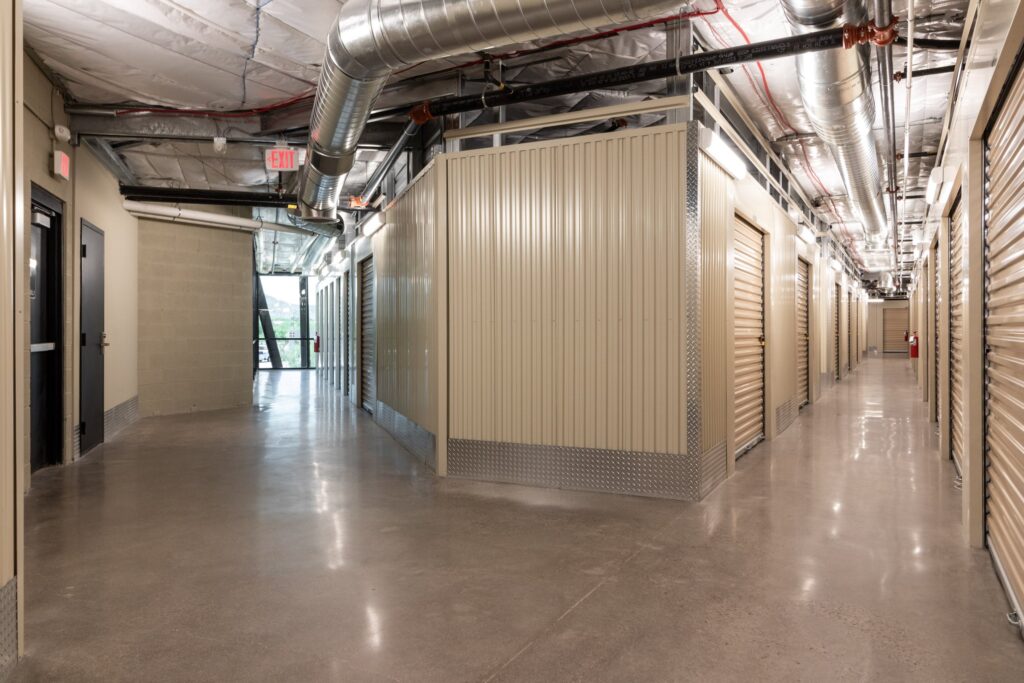
Our air-conditioned and climate-controlled options help shield your belongings from extreme Arizona heat. With advanced surveillance, bright LED lighting, and keypad entry, our facility is built with security as a top priority. We offer a wide variety of storage units to fit everything from small household items to large business inventory.
We believe in straightforward pricing, clear quotes, and flexible month-to-month rentals. Our commitment is to make storage simple, affordable, and stress-free. With easy online reservations and bill pay, managing your space takes just minutes.
Ready to get started? Contact us today for a quick quote and reserve one of our secure storage units. Let us provide the space and peace of mind you deserve.

Frequently Asked Questions

What is a self-storage unit?
A self-storage unit is a rented space where you can keep personal or business items safely.
What type of storage unit should I choose?
You can choose indoor, outdoor, drive-up, or portable units depending on what you plan to store.
How do I know what size unit I need?
Make a list of your items and estimate the space required before renting.
Do storage facilities offer amenities?
Many facilities offer helpful features like security gates, cameras, and climate control.
Do I need to worry about pests in a storage unit?
Most facilities take steps to prevent insects and rodents, but it’s smart to pack items carefully.
Are there temperature-controlled units available?
Yes, some units keep steady temperatures to protect sensitive items like electronics and wood furniture.
Do renters need insurance for stored items?
Yes, most storage companies require renters to have insurance coverage.
What is the rental process like?
The process usually includes choosing a unit, signing an agreement, and making your first payment.
What are the main reasons people rent storage units?
Common reasons include moving, decluttering, remodeling, or storing business inventory.
What are the best ways to pack items for storage?
Use sturdy boxes, label everything clearly, stack items neatly, keep frequently used items near the front, place trash in sealed bins, and protect delicate clothes with covers.
Updated February 26, 2026

How to Choose the Right Storage Unit for Your Needs

The process can feel overwhelming when it comes to finding the ideal storage unit for your needs. Whether you’re looking to store a few personal items, the contents of an entire house, business inventory, or even vehicles like a boat, RV, or car, selecting the proper storage unit is crucial. At McDowell Mountain Community Storage, we understand that every customer has unique needs, and we strive to provide the perfect solution. To help you make an informed decision, we’ve compiled this comprehensive guide on choosing the proper storage unit for your needs, considering availability, recommendation, duration, amenities, proximity, and specific requirements for storage space, room, and things. Whether you’re looking for self storage solutions across various locations or need tips on choosing the best option for your storage needs, we’re here to guide you every step of the way. 

Assessing Your Storage Needs

Before you even look at available storage units, it’s essential to assess exactly what you’re planning to store. The type of items, the size of the items, and the amount of space you need will significantly influence the type of unit you should choose. The most common items people store in storage units include personal belongings such as furniture, electronics, boxes of books, holiday decorations, and even more significant items like cars or boats. When considering what to store, remember things like appliances, parts of a garage, or office equipment that might require additional space.

Start by making a list of all the items you plan to store. This will give you a better sense of the space you’ll need. If you are moving out of your home, you will likely need a larger unit to fit your furniture, electronics, and other household belongings. Alternatively, a smaller unit might suffice if you’re only storing seasonal items, like holiday decorations, books, or keepsakes. If you have any specific questions about the size or type of unit you need, don’t hesitate to reach out for recommendations.

Additionally, consider whether any of your items are particularly sensitive to temperature changes or humidity. If you have electronics, important documents, or artwork, it might be worth looking into storage units that offer climate control. Climate-controlled units are designed to keep the temperature and humidity consistent to protect sensitive items from extreme heat, cold, or moisture damage. Storing your stuff in a climate-controlled unit ensures your appliances and other valuable items remain in optimal condition, saving you money in the long run.

How to Choose the Right Storage Unit for Your Needs In Scottsdale AZ

Choosing the Right Size of Storage Unit

Choosing the right size is one of the most critical factors when selecting a storage unit. Renting a too small unit will leave you scrambling to find additional storage options, while renting a too-large unit may lead to wasted space and higher rental costs. Therefore, thinking carefully about the space you’ll need and the types of items you’ll be storing is essential.

Storage unit size is crucial, and McDowell Mountain Community Storage offers a wide range of options to fit your needs. A smaller unit, such as a 5×5, may be perfect for a few boxes, personal items, or seasonal decorations. This site could work well if you move a few furniture pieces or store office supplies. A 10×10 unit might be an excellent option for storing furniture from a one-bedroom apartment or business inventory that needs to be stored off-site. If you have more oversized items or a lot of belongings, a 10×20 unit might be more appropriate. For those needing space for vehicles like a truck, RV, or even a boat, we offer larger units that can also accommodate these items.

When you think about storage unit size, also consider how easy it will be to access your belongings. Many self-storage facilities offer convenient features like roll-up doors or drive-up access, making it easier for anyone with a truck or large vehicle to load and unload items. Whether you’re storing personal items, business inventory, or anything else, the storage unit size and features must fit your needs.

If you need more clarification on what size you need, feel free to ask the McDowell Mountain Community Storage staff for guidance. They can help you assess your inventory and recommend the right unit size for your specific needs. Check out our blog for more tips on choosing the best self-storage unit. We’re here to make the process as easy as possible and ensure you find the perfect storage solution for your belongings.

Location and Accessibility

Another important factor when choosing a storage unit is location. The location of your storage facility is essential for various reasons, including convenience, security, and the cost of rent. McDowell Mountain Community Storage is a storage company located in a convenient area with easy access so that you can get to your belongings without hassle. Whether you need frequent access to business inventory or occasionally need to retrieve seasonal items, the location should suit your needs.

Additionally, consider the hours of access that a facility offers. Some facilities have limited hours, while others offer 24/7 access. If you’re storing RVs, business inventory, or other items you need to access outside of typical business hours or have unpredictable schedules, choosing a facility with flexible access hours can make a big difference.

Another consideration is whether you must park nearby for loading and unloading. Some facilities offer drive-up access, which allows you to park directly in front of your unit sizes, making the process of loading and unloading more accessible and more convenient. Whether moving everything in one go or dropping off a few items, drive-up access saves time. Be sure to inquire about access details when choosing a storage facility.

Look for facilities that highlight the benefits of their services, such as convenient payments, secure building features, or the ability to park your door directly back to the unit for easy unloading. Finally, consider if the facility is staffed by someone who can assist with inquiries or provide additional on-site support.

Security Features

Security should always be a top priority when selecting a storage facility. Your belongings are valuable, and you want to ensure they are safe and protected in storage. McDowell Mountain Community Storage understands the importance of security, and we go the extra mile to ensure our customers’ peace of mind. Our facilities have advanced security features such as surveillance cameras, well-lit premises, and gated access to protect everything from small boxes to oversized items like furniture or mattresses.

When looking for a storage unit, ask about the security measures. Do they have 24/7 surveillance? Are there security guards on-site? Does the facility have proper lighting to deter criminal activity? It would help if you also inquired about access control systems. Many modern storage facilities use keypads or smartphone apps to allow customers to enter, which helps to ensure that only authorized individuals can access the property.

Matching your needs with the proper storage unit sizes is also important. Whether you’re storing the contents of apartments, homes, or individual item collections, choosing the correct size unit is critical. Consider what you’ll be storing: from furniture sets to seasonal decorations, selecting the proper size storage unit ensures you only pay for the space you need.

These security measures become even more critical if you store valuable items like electronics, documents, or even a boat or RV. Look for facilities with covered parking areas, protection against pests, and insurance options to cover your belongings. Whatever your storage needs, selecting a facility with these features is an intelligent choice to ensure your peace of mind.

How to Choose the Right Storage Unit for Your Needs

Understanding the Costs

When it comes to storage, cost is always a key consideration. While choosing a storage unit with the lowest rental price is the best option, balancing cost with the features and services offered is essential. Some facilities may offer discounted rates for the first month, while others may have additional fees for features such as climate control, 24-hour access, or enhanced security measures. These features can be precious for homeowners looking to manage clutter or store items that require specific temperatures to maintain their condition.

At McDowell Mountain Community Storage, we offer competitive rates and flexible payment options to suit your needs. Whether you’re storing for the short term or need a long-term solution, we can help you find a storage unit that fits your budget. Consider asking about promotions or discounts that might be available, especially if you’re renting for an extended period. Some facilities offer discounts for students or long-term renters.

While looking at prices, note any additional costs that could come up during the rental period. For example, you may be required to purchase insurance for your belongings, or you might need to pay for a lock to secure your unit. Be sure to clarify any potential extra costs upfront to avoid surprises later. Prioritizing features like climate control and security can also enhance the safety of your items, making it worth considering options beyond just the lowest price.

Climate Control and Specialized Storage Options

Suppose you plan to store items sensitive to temperature and humidity changes, such as electronics, artwork, or certain types of furniture. In that case, consider a climate-controlled storage unit. These units maintain a consistent temperature and humidity level, ensuring that your items are protected from extreme weather conditions, whether it’s the heat of summer or the cold of winter.

At McDowell Mountain Community Storage, we offer climate-controlled storage units to ensure that sensitive items like electronics, important documents, antiques, and even mattresses are kept in optimal condition. Climate control is significant for business owners who need to store inventory that may be affected by temperature and humidity, such as documents, artwork, or electronics.

Customer Reviews and Reputation

A great way to gauge the quality of a storage facility is by reading customer reviews. Take some time to check online reviews to get a sense of the reputation of the storage facility you’re considering. Customer feedback can provide valuable insights into the quality of the facilities, customer service, and the overall experience.

At McDowell Mountain Community Storage, we are proud of our reputation for excellent service. Our customers appreciate our clean, secure facilities and friendly, helpful staff. We work hard to ensure that our customers’ storage needs are met, whether they’re storing a few boxes or a house full of belongings.

Flexibility in Rental Terms

Finally, the flexibility of the rental contract should be considered. Some storage companies offer long-term contracts, while others offer month-to-month rentals. If you need to figure out how long you will need storage, choosing a facility that offers more flexible rental terms may be a good idea. This is especially important if you are still determining whether you need to store your items for a few months or longer.

At McDowell Mountain Community Storage, we offer short-term and long-term rental options, so you can choose a rental agreement that best fits your needs. We also offer flexibility in unit size, allowing you to upsize or downsize your unit as your needs change.

Final Thoughts

Choosing the proper storage unit involves evaluating several vital factors, such as the size, security features, location, and cost. By considering these factors carefully and assessing your storage needs, you can select a unit that offers the perfect balance of convenience, affordability, and security. Whether you store personal items, business inventory, or vehicles like a boat or RV, McDowell Mountain Community Storage is here to help.

If you’re ready to find the ideal storage unit, contact us today to learn more about our options. Our friendly team can help determine the best unit size and guide you through the rental process. Whether moving, decluttering, or needing a place to store your business inventory, McDowell Mountain Community Storage provides a secure, accessible, and affordable storage solution.