Seasonal Storage Hacks for a Clutter-Free Home

Maintaining a clutter-free home year-round requires more than a quick tidy-up. It involves thoughtful organization, space-saving strategies, and an efficient approach to how you arrange items throughout your home. Smart storage is the key solution, especially when it comes to seasonal rotation of items. Whether you’re storing winter clothes, sports equipment, or holiday decorations, understanding how to maximize your space can transform your home into a peaceful, organized retreat.

At McDowell Mountain Community Storage, we specialize in helping families find practical storage hack to keep their house clean, accessible, and stress-free. Whether you’re overwhelmed with seasonal stuff or just need a better way to store something you don’t use daily, we’ve got plenty of solutions. In this post, we’ll walk you through the best seasonal storage hack, the essential item to rotate throughout the year, and how a climate-controlled storage unit can make all the difference.

Why Seasonal Storage Matters

As the seasons change, so do our household needs. In the summer, you reach for flip-flops and patio gear. In the winter, it’s all about coats, scarves, and gloves. The key point is knowing when to rotate items, especially after big transitions like the holidays or at the end of a season. Storing out-of-season clothing, decor, and accessories in labeled cubbies or a sturdy bag helps you make better use of your closet, garage, and other storage spaces.

When you organize your items by season, you reduce clutter, free up valuable floor space, and improve accessibility for everyday essentials. Using designated bins, boxes, and containers, you create a system that simplifies your lifestyle.

Step 1: Declutter Before You Store

Before you begin organizing, start with a full home audit. Go through your closets, drawers, garage, attic, basement, and wardrobe to identify unused items. Set aside things you no longer wear, use, or need.

Ask yourself:

  • Did I use this in the last year?

  • Does it still serve a purpose?

  • Could someone else benefit more from it?

Once you’ve sorted through everything, separate your items into three categories: keep, donate, and toss. You’ll be surprised how much space you can reclaim just by letting go of extra bags, broken furniture, or expired decorations.

Step 2: Categorize and Label Everything

Next, sort all the remaining items by season and type. For example:

  • Winter gear: jackets, coats, hats, scarves, gloves

  • Holiday decorations: lights, greenery, ornaments, wreaths

  • Sports equipment: skis, snowboards, surfboards, bicycles

  • Summer gear: swimwear, picnic supplies, sandals

Use stackable, compact storage bins and containers with secure lids to protect your belongings. Invest in quality labels and write clear descriptions, such as “Fall Sweaters” or “Christmas Decor – Living Room.”

Use color-coded storage bins for each season. For instance, red for holiday items, blue for winter clothing, and green for spring accessories. This method allows everyone in the household to locate what they need without hassle.

Step 3: Maximize Small Spaces

Don’t underestimate the power of small spaces. Use every available inch in your closet, mudroom, entryway, or garage. Here are some creative ideas to make the most of tight areas:

Wall and Vertical Storage

Install hooks, racks, or shelves on unused walls to hang bags, umbrellas, or folded clothing. In the garage, consider hanging bicycles or holiday lights from ceiling mounts.

Under-the-Bed Storage

For seasonal clothing like sweaters or blankets, use vacuum bags or foldable boxes that slide under your bed or sofa.

Door Storage

Over-the-door trays, baskets, and containers are ideal for small items such as sunglasses, gloves, or keys. Hang one in the entryway for daily grab-and-go essentials.

Furniture with Storage

Opt for furniture that doubles as storage. Ottomans with hidden compartments or benches with drawers help store books, toys, or extra clothing out of sight.

Step 4: Clean and Prepare Items for Storage

Before you store anything, make sure it’s clean and dry. Dirt, moisture, and dust can lead to damage or mold over time.

For clothing, wash, fold, and place in breathable storage containers or vacuum bags. Add moisture-absorbing packets or cedar blocks to deter mildew and pests. For holiday decor, wrap fragile items in paper or bubble wrap and place them in a protective box.

Seasonal sports equipment should be wiped down, deflated (if applicable), and stored in bins labeled by category or activity.

Step 5: Choose the Right Storage Unit

Sometimes, even the most organized home runs out of space. That’s where McDowell Mountain Community Storage comes in.

Benefits of a Storage Unit:

  • Free up valuable space in your home

  • Securely store out-of-season items

  • Access boxes, bins, or furniture whenever needed

  • Protect sensitive belongings in a climate-controlled storage unit

Not sure what size you need? Our Ultimate Storage Unit Size Guide helps you figure out how much storage space you require based on your contents and the number of items you’re storing.

Whether you need room for a few boxes or a full set of seasonal decorations, we have the right storage unit to fit your lifestyle.

Real-Life Example: The Organized Entryway

Let’s say your entryway becomes chaotic during the winter. Shoes pile up, hats, gloves, and scarves go missing, and the dog’s leash is always somewhere else. Here’s how to solve that using seasonal storage hacks:

  1. Add a bench with drawers for shoes and sweaters

  2. Use wall-mounted hooks for coats, umbrellas, and bags

  3. Install a tray or small rack for mail and keys

  4. Store off-season items in a nearby closet or labeled bin

  5. Declutter the area monthly using the keep/donate/toss method

Now you’ve transformed a chaotic space into a tidy, functional spot that sets the tone for an organized home.

Top Storage Tips to Try This Season

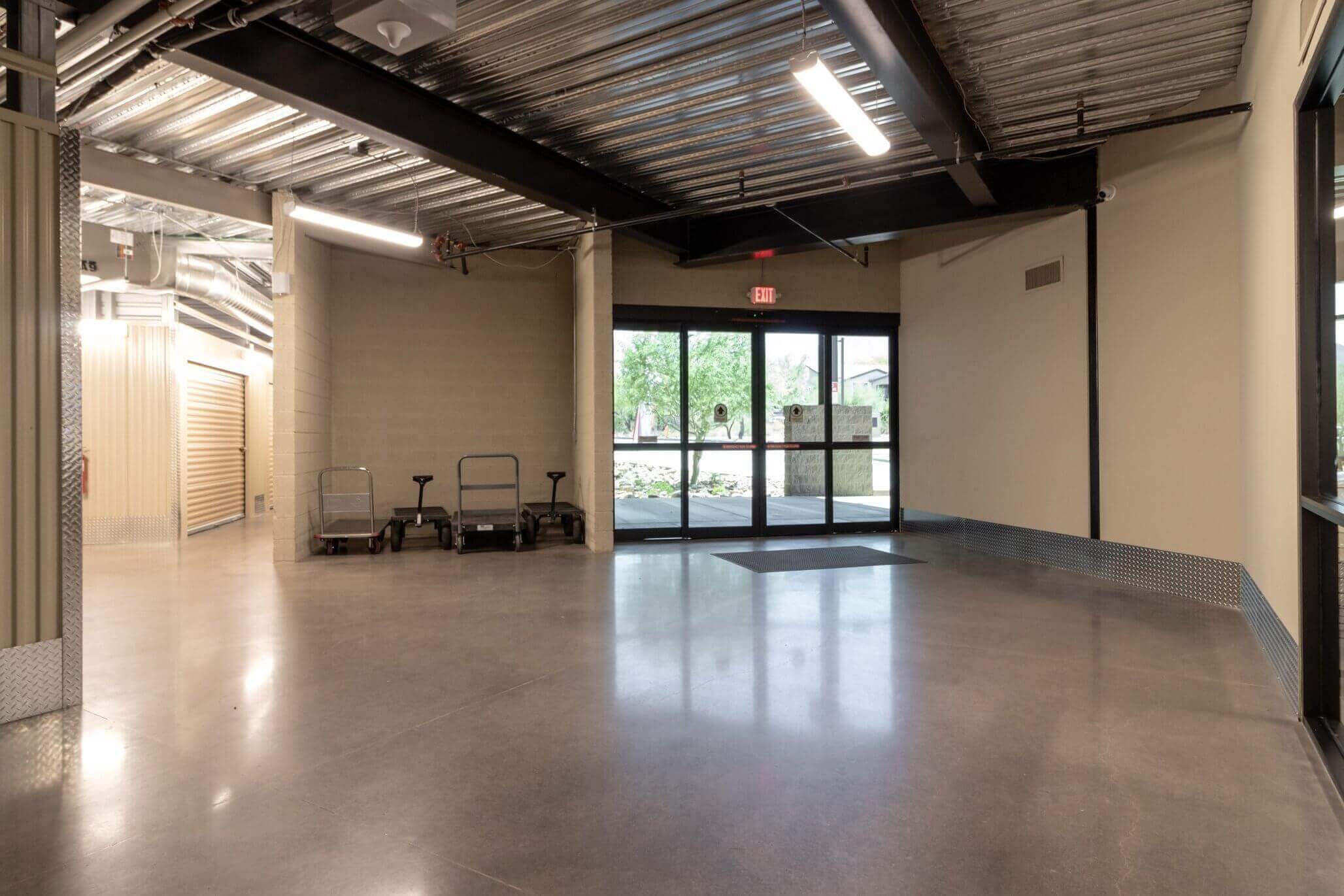
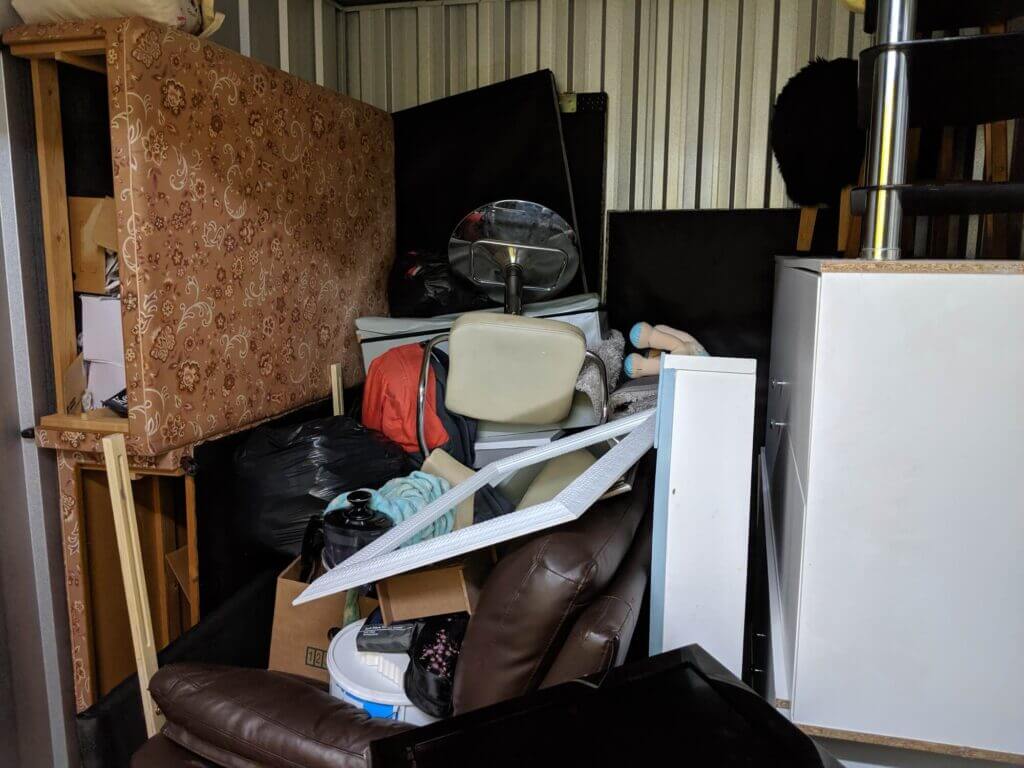
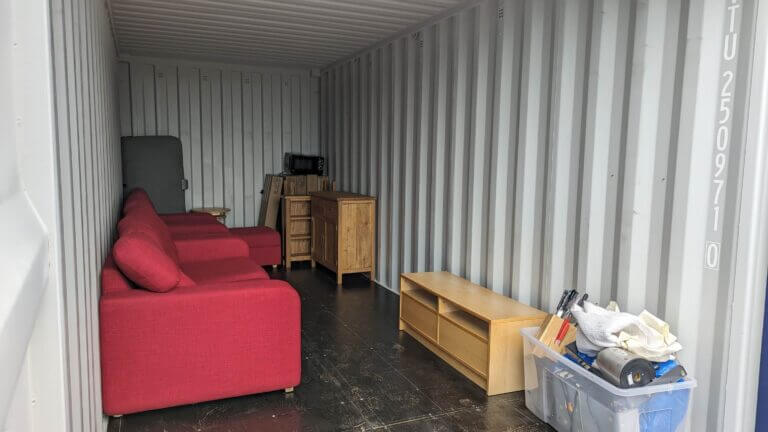
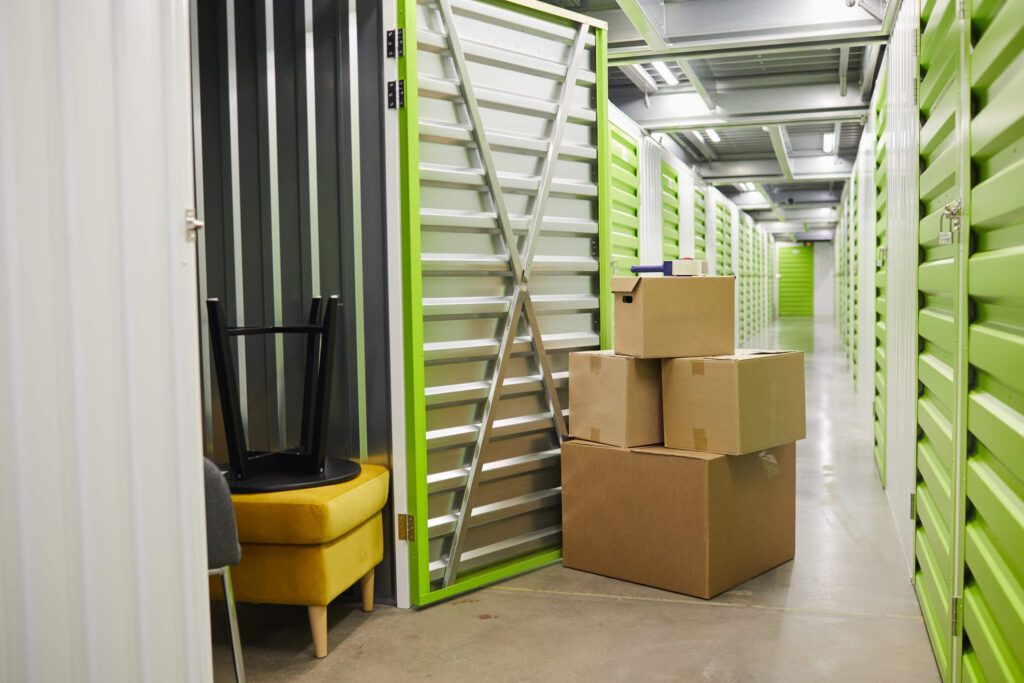
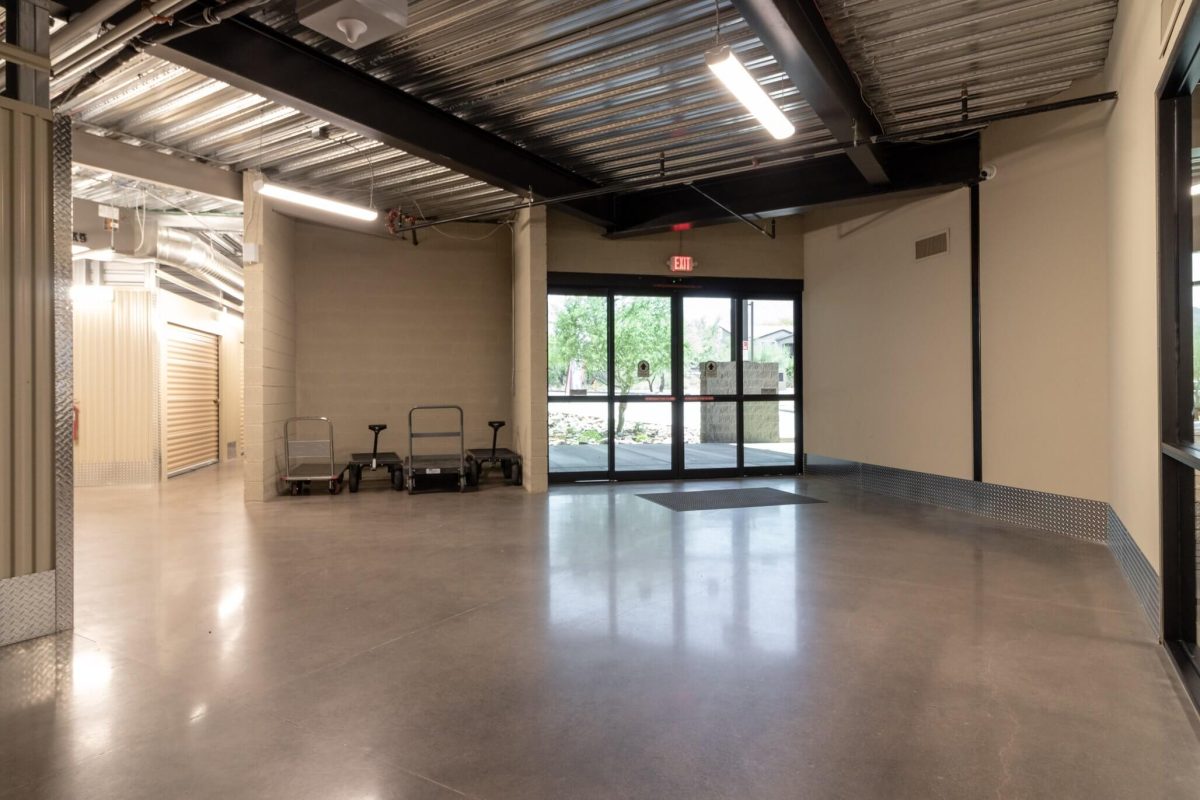
Seasonal storage hacks from McDowell Mountain Community Storage in Scottsdale, Arizona to help create a clutter-free home.
Discover practical seasonal storage solutions from McDowell Mountain Community Storage in Scottsdale, Arizona for a clutter-free and organized home.

Here’s a quick list of ideas and tips to streamline your seasonal storage:

  • Store holiday decor in labeled boxes by room (e.g., “Living Room Decor”)

  • Use stackable, clear containers so you can see what’s inside

  • Create a rotating wardrobe: Store out-of-season clothes in bins with clear labels

  • Use shelves and hooks to keep high-use items off the floor

  • Assign each family member a specific container or basket

  • Hang a mail tray near the door for paper, flyers, and keys

  • Separate books, kids’ toys, or hobby items into labeled categories

These small changes can lead to big results, saving you time and reducing clutter around the home.

Seasonal Essentials to Store

Some items just don’t need to be in your way all year. Here’s a breakdown of seasonal essentials you should rotate in and out:

Spring/Summer:

  • Picnic gear

  • Swimwear and beach towels

  • Patio cushions and garden tools

  • Summer clothing and shoes

Fall/Winter:

  • Holiday decorations

  • Winter gear like coats, gloves, and hats

  • Cold-weather clothing like sweaters and boots

  • Snow and ski equipment

All these items can be stored safely in a climate-controlled storage unit to ensure they remain in good condition, ready for the next season.

Don’t Forget: Kids and Pets Need Storage Too

Children come with a lot of things—from seasonal clothes and toys to schoolwork and hobby supplies. Items that need storage often pile up quickly, making it essential to stay organized. Store outgrown clothes in labeled bins by size or type. Use individual containers for art supplies, sports gear, or books.

Pets also have seasonal accessories. Use a small basket or box for leashes, sweaters, booties, and feeding supplies.

Make Storage a Family Routine

When the whole family is involved in organizing, it’s easier to maintain a clutter-free home. Assign small storage-related tasks to everyone, such as:

  • Kids label their own bins

  • Someone rotates seasonal shoes

  • Another family member organizes the wardrobe each season

Getting all people in the household involved creates habits that stick and teaches responsibility over shared spaces.

Final Thoughts

A clutter-free home isn’t a one-time project—it’s an ongoing process. But with the right storage solutions, proper labeling, seasonal rotation, and a little help from McDowell Mountain Community Storage, it becomes a habit you’ll never want to break.

Whether it’s your living room, garage, entryway, or closet, every area has potential. By using practical storage hacks, you not only organize your items but also make room for new memories, essentials, and a little more peace of mind.

So next time you’re overwhelmed by boxes, random things, or misplaced decor, remember: the right storage unit, a few smart ideas, and a solid plan go a long way.

Frequently Asked Questions

1. What’s the best way to store seasonal decorations safely?

To protect fragile holiday decorations, wrap items in bubble wrap or packing paper and store them in hard plastic containers with secure lids. Label by room or theme to make retrieval easy next season.

2. How do I prevent moisture and pests in my stored items?

Use moisture absorbers like silica gel packets and pest deterrents like cedar blocks. Always clean and dry items before storage to avoid mold and insect damage, especially in fabric and paper-based items.

3. Are there specific containers I should avoid using for long-term storage?

Yes—avoid cardboard boxes for long-term storage, especially in non-climate-controlled spaces. They’re more prone to absorbing moisture and attracting pests. Opt for sealed plastic bins instead.

4. How often should I rotate seasonal items in and out of storage?

Aim to rotate items at the beginning and end of each season—spring, summer, fall, and winter. This habit keeps your home organized and makes sure you’re only keeping out the essentials you actually use.

5. Can I store electronics or battery-operated decorations in a storage unit?

Yes, but be sure to remove batteries to prevent leaks. Store electronics in their original packaging when possible and choose a climate-controlled unit to protect them from temperature fluctuations.

6. What should I do with sentimental or heirloom items I don’t use seasonally?

Consider storing these in labeled containers within a storage unit to preserve them long-term. Use acid-free tissue paper for delicate fabric or paper items to maintain quality over time.

7. How do I decide between attic, garage, and off-site storage?

Use attic or garage space for durable items like tools and sports gear. Reserve your off-site storage unit for items sensitive to temperature or those that take up a lot of space, like furniture, decorations, or winter gear.

8. What’s the most space-saving way to store clothing?

Use vacuum-sealed bags for bulky clothing like sweaters, jackets, and blankets. They reduce volume and protect fabric from dust and moisture. Store upright in bins or under furniture for added convenience.

9. How do I keep track of what’s inside each container or bin?

Label clearly with the item category and season. For extra organization, consider creating a digital inventory on your phone or spreadsheet that matches bin numbers with contents.

10. Can seasonal storage help with small home living or apartment life?

Absolutely. Seasonal rotation clears out unnecessary clutter and gives you more breathing room. Renting a small storage unit can give you the extra space you need without having to upsize your home.

How to Organize a Small House With No Storage Space

Living in a small house with limited storage space can feel overwhelming, especially when you have a lot of stuff to keep track of. From clothes to kitchenware, furniture to books, the list of items can seem endless. It’s easy for things to pile up, creating an atmosphere of clutter in almost every room of your house. However, with the right strategies and creative thinking, you can overcome the challenge of organizing a small house with no storage space.

This guide discusses storage ideas, tips, and solutions to help you turn your cramped living situation into a more organized, efficient space. Whether you’re dealing with living rooms, bedrooms, kitchens, or bathrooms, there are countless ways to optimize the storage and organization of your home. Let’s dive into how you can organize a small house, maximize storage, and keep your home clutter-free by using creative solutions like hangers, embracing minimalism, and utilizing stackable storage options, corners, and under-bed space. By learning how to streamline your belongings and incorporate multifunctional furniture, you can make the most of every inch of your home.

1.  Maximizing Closet and Cabinet Storage

In any home, closet, and cabinet space are some of the most valuable areas for storage. Unfortunately, they are often underutilized, leaving you nowhere to store your belongings. The key to efficient closet organization is keeping the clothes and accessories you need and utilizing every inch of available space for maximum storage. Consider adding a shelf to store extra items or organizing your bedroom closet by incorporating bins or baskets for easy access to your belongings. Thanks to innovative solutions, you can turn even the tiniest closet into a well-organized space. If you’re still struggling to find something to organize your closet, a post about maximizing doors as additional storage space might offer some fresh inspiration.

Smart Closet Organization

Start by assessing all the items in your closet. Consider donating or discarding anything that you no longer use or need. Once you’ve cleared out the excess items, it’s time to organize what’s left. Closets are perfect for storing clothing, shoes, and accessories, but they also offer the opportunity to store other items neatly and organizedly. 

  • Shelves: Add extra shelves to your closet for storing shoes, bags, books, or small accessories. Consider adjustable shelves that can change based on your storage needs. You can also use these shelves to store items like magazines or keep advice, news, or other helpful content easily accessible. 
  • Baskets and Bins: Use baskets or bins inside your closet to store easily lost or mixed-up items. These are ideal for storing small accessories like scarves, hats, and shoes. In addition, you can place them near your entryway for easy access when you leave the house. You can also create a dedicated page or section to organize your frequently used items. This will become an essential part of the process to keep everything in its place.
  • Over-the-door Organizers: Install over-the-door organizers for additional storage. These can store shoes, cleaning supplies, or accessories without taking up floor space. You can also use them to store important information, tools, or small items. Consider using these organizers to keep items in hand if you have a garage. They can even be helpful if someone in your household needs quick access to everyday items. 

Cabinet Organization

Your kitchen and bathroom cabinets are another area where storage can be maximized. Think about making the most of the available cabinet space without crowding or cluttering them with unnecessary items. One way to do this is to take a step back and evaluate how you can organize each spot better. You can store the most-used things in the front and find hidden places for items you don’t need as often. When organizing, please also make the most of closet space, as it can be a great addition to your cabinet organization.

  • Pull-Out Drawers: Install pull-out drawers in your kitchen cabinets to access items easily. This is a great way to store pots, pans, and small kitchen appliances. You can also create a space for your subscription boxes or items related to your hobbies, whether related to a specific field like cooking or crafting. Add some decorative touches like decor items or even a mirror to enhance the functionality and appearance of your cabinets. 
  • Vertical Storage: Use the space on your cabinet walls for additional shelving. You can install hooks, rods, or additional shelving units to store kitchen essentials such as utensils or spices.

2. Declutter and Organize Your Rooms

Decluttering is the first step in organizing a small house. When your rooms are filled with clutter, it can feel impossible to keep everything tidy. By focusing on decluttering each room, you’ll create more room for storage and organization. Consider creating an account of what you own to help with the process. For instance, consider adding some decorative shrubs or incorporating different furniture styles to make the space feel fresh. Additionally, consider optimizing kitchen cabinet storage to ensure everything has its place. 

Living Room

The living room is a common area where things can quickly pile up. Between books, furniture, and electronics, it’s easy for your living space to become disorganized. One of the most important aspects of organizing your living room is creating spaces for everything to go. For example, you can organize the area by incorporating suitable storage solutions for your apartment. Prioritize health by keeping cleaning supplies accessible, and don’t forget about the laundry room, which can serve as an extension of your living space. You can also check out a blog for more tips on organizing different areas of your home. 

  • Furniture Storage: Invest in multifunctional furniture, such as ottomans that offer hidden storage space or coffee tables that double as storage units. These types of pieces are perfect for maximizing storage in tight spaces. You can also consult with experts on how to organize more efficiently. For example, you can utilize the space under your bathroom sink or add extra stairs to create more vertical storage. Storage cabinets can also be an excellent solution for keeping your home organized and tidy.
  • Wall Shelves: Adding wall shelves is an excellent way to clear up space on the floor. You can place books, magazines, or decorative items on these shelves, which helps free up other spaces in the room. Consider installing a shelving unit to store items like electronics or a favorite device. Depending on the season, you should adjust what you keep on the shelves. For example, store more books during colder months or swap them for seasonal holiday art. 
  • Storage Baskets: Use decorative baskets or bins to store items like remote controls, magazines, or games. Baskets provide a great way to organize your belongings without sacrificing style. Additionally, you can store everyday essentials like a fridge magnet or makeup in these bins. If you’re concerned about space, remember that these baskets can also serve a practical function. If you have a clutter issue, ask for comments from family members or friends on how they organize similar spaces. 

Kitchen and Pantry

The kitchen is often considered the heart of the home, but it can also be one of the messiest places in a small house. Between utensils, appliances, and food, a kitchen can become overcrowded quickly. The key is to keep things organized by using every available space for storage. Consider utilizing premium storage solutions for items that need to be accessed often. For example, rights to additional storage areas in nearby rooms, such as the dining room, can be a great way to keep things in order. You can place smaller kitchen items on the side of cabinets to free up more space for essentials. 

  • Pantry Organization: Organize your pantry with clear containers or baskets. Group similar items together and use labels to identify what’s inside easily. Bins or storage jars organize pasta, rice, and dry goods. You can also store snacks or canned goods in a dresser or cabinet for easy access. Kids should consider using colorful containers or strips of labels to help them find their favorite snacks. Every piece of your pantry organization system can make a huge difference, no matter how small the item. 
  • Kitchen Cabinets: Maximize the space inside your cabinets by using pull-out shelves, tension rods, or adjustable dividers for things like plates, cups, and bowls. Use baskets to store snacks, spices, and other smaller items. If you’re looking for an extra tip to make your space feel livelier, consider placing small plants inside your cabinets or on the shelves. This simple addition brings more life to your kitchen. Another idea is to organize your pantry by storing canned goods in the basement or somewhere out of sight. You can also create a specific storage space for bulky items like mixing bowls or blenders. 
  • Use Vertical Space: Install shelves or hooks to keep things off the counter. Hang utensils, mugs, or pots and pans on the wall to save valuable drawer space. For larger items, consider using the bottom of your cabinets for storage. You can also add hooks or a set of bins to the cabinet doors for extra organization. Store kitchen essentials or jackets in these hidden spaces to keep your counters and cabinets clutter-free. 

Bathroom Storage

The bathroom is often one of the smallest rooms in the house, making organizing tricky. It is essential to use the space efficiently between towels, toiletries, and cleaning products.

  • Shelving Units: Add shelving above the sink or toilet to store bathroom essentials like shampoo, soap, and extra towels.
  • Under Sink Storage: Utilize the space under the sink with baskets or pull-out drawers. This can be a great place to store cleaning products, extra toiletries, or extra towels.
  • Storage Containers: Consider using clear plastic containers or baskets inside cabinets to organize smaller bathroom items neatly.

3. Creative Storage Solutions for Small Spaces

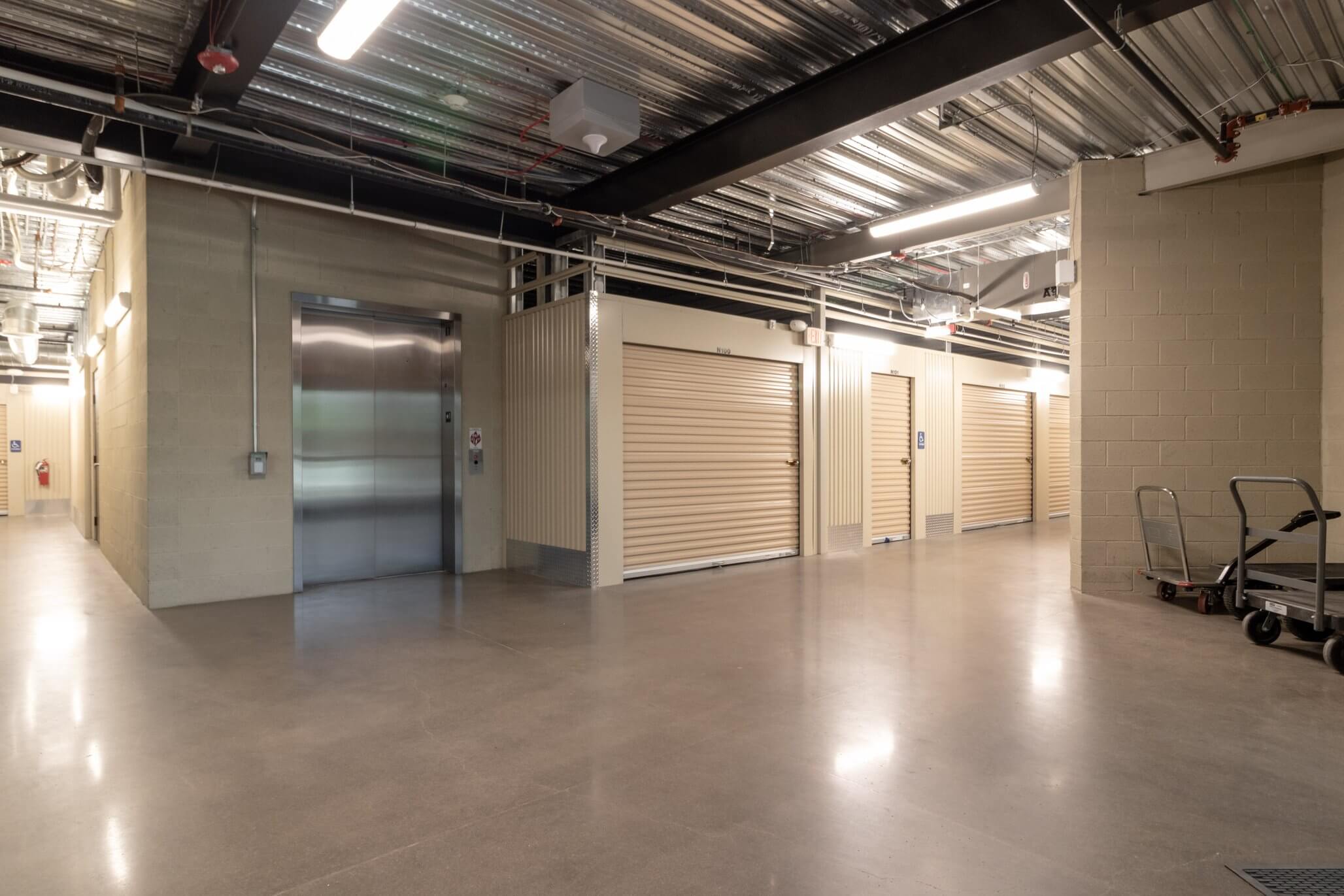
Organize a small house with no storage space using efficient solutions from McDowell Mountain Community Storage in Scottsdale, Arizona.
Discover clever storage solutions for small homes with McDowell Mountain Community Storage, Scottsdale, Arizona.

When living in a small house without storage, sometimes you must think outside the box. Creative storage solutions can make a huge difference in maximizing your available space. Whether you use storage bins or install custom shelving, these solutions help create more room and reduce clutter.

Vertical Storage

One of the most effective ways to organize small spaces is by utilizing vertical storage. Adding shelves or hooks to your walls can create significant extra space without taking up any floor area.

  • Wall-Mounted Storage: Install wall-mounted shelves or racks to store books, decorative items, or everyday necessities.
  • Hooks: Hang hooks or racks on the wall to store coats, bags, or keys. These are ideal for areas like entryways or bedrooms.

Multifunctional Furniture

Invest in multifunctional furniture that doubles as storage. For example, use a storage ottoman as a seat and a place to store blankets, pillows, or seasonal clothing. Consider a bed with built-in drawers or a sofa that can double as a bed for guests. Compact furniture is an excellent solution for tiny homes, as it can serve multiple purposes.

  • Foldable Furniture: Look for foldable tables, chairs, or even storage containers that can easily collapse when not used.
  • Storage Bins and Baskets: Store clothes, shoes, or other seasonal items in storage bins. These can be stacked or slid under the bed, placed in closets, or hidden behind curtains.

Declutter Regularly

To maintain an organized home, it’s vital to declutter regularly. This ensures that you don’t accumulate unnecessary items over time, which can lead to more clutter. It’s easy to forget what you have and where it’s stored, so be sure to go through your belongings periodically and get rid of anything you no longer need. Consider donating unused furniture, books, or clothes to make room for what you use and need.

4. Additional Storage Solutions

If you still find that your tiny house lacks enough storage, consider renting a storage unit. Storage units come in different sizes and many offer climate-controlled options to ensure the safety of your belongings. Whether you need short-term storage while decluttering or long-term storage for items not in daily use, a storage unit can provide the extra space you need.

Storage Unit Considerations

Before renting a storage unit, consider the following:

  • Storage Size Guide: Make sure you choose the storage unit of the right size for your needs. Most companies offer size guides to help you determine how much space you need.
  • Short-Term vs Long-Term Storage: A short-term storage unit may suffice if temporarily decluttering your house. However, a long-term unit could be more cost-effective if you’re looking to store seasonal items or things you don’t use often.
  • Climate-Controlled Storage:
  • Climate-Controlled Storage: For sensitive items like books, electronics, or family heirlooms, a climate-controlled storage unit is the best option. This ensures that the temperature and humidity levels are regulated to prevent damage.

Conclusion

Organizing a small house without storage doesn’t have to be daunting. You can create a functional and tidy home by implementing these storage solutions, decluttering regularly, and maximizing every inch of available space. There are many ways to organize your home effectively, from closets and kitchen cabinets to creative storage solutions and storage units.

For those needing additional storage, McDowell Mountain Community Storage offers reliable, convenient, and accessible options for your overflow items. Whether you’re storing seasonal clothing, extra furniture, or just need more space, they have the perfect solutions to help you declutter and stay organized.

The key to maintaining an organized home is to keep track of your belongings and use smart, efficient storage techniques. Whether you invest in multifunctional furniture, wall-mounted shelves, or storage units, there are plenty of ways to make your small house feel spacious and clutter-free.

With the right mindset and organizational tools, you can live comfortably in your small house without feeling overwhelmed by clutter and disorganization.

How Self-Storage Units Can Save You Money?

When most people think about self-storage units, they often associate them with decluttering or finding extra space for their belongings. Self-storage can help you manage the amount of things you own and organize your belongings in various areas of your life. Some overlook the broader benefits, but self-storage units can also serve as a cost-effective solution to save you money in various ways. However, self-storage units can also be cost-effective in various ways to save you money. Whether you’re a business owner, a small apartment dweller, or simply someone managing life’s transitions, self-storage facilities offer a variety of benefits. Let’s explore how storage solutions can help optimize your budget while providing peace of mind.

1. Maximize Your Living Space

The cost of larger living spaces can significantly impact your budget. Renting a self-storage unit is an affordable alternative to upgrading to a bigger apartment or house. A self-storage unit can help you manage many of your belongings daily, allowing you to deal with the clutter and free up valuable space. Whether furniture, decorations, or items you use occasionally, this arrangement can work well for you and your friends, highlighting the importance of a secure and organized storage solution. By storing seldom-used items such as decorations, collectibles, or furniture, you can create more living space in your current residence without the added expense. Self-storage units are a budget-friendly solution for organizing and managing overflow.

For example, bulky furniture or seasonal items can take up valuable space if you live in a small apartment or house. As highlighted in this blog, a self-storage unit can be a valuable tool in organizing your space. A storage unit provides a secure place to keep these items, allowing you to focus on making your home more comfortable and functional. This simple step can also help reduce stress and improve your living environment.

2. Reduce Office Space Costs

For businesses and small business owners, self-storage facilities offer a flexible and economical way to manage office supplies, inventory, or equipment. Instead of leasing larger office spaces, a self-storage unit can function as a secure and organized warehouse. This option benefits business owners looking to optimize costs while maintaining efficient operations. Utility bills, rate information, and family considerations can all factor into the decision, but using self-storage to reduce overhead remains an appealing solution. 

Many businesses find that using a storage unit helps reduce overhead costs. For example, a business owner who sells seasonal products can store inventory in a self-storage facility instead of renting expensive retail or warehouse space year-round. Self-storage offers a flexible solution if a person needs extra space for stuff during off-season periods. The decisions to choose self-storage can also come with a discount for long-term rentals, making it an even more economical option. With 24/7 access and security features, self-storage units can support your business needs without breaking the budget. 

3. Protect Your Valuables

Self-storage units with climate control and security features provide a safe place for sensitive items like electronics, documents, or appliances. You save money on replacements and repairs by avoiding damage to these valuables. This is especially important in a world where preserving your possessions is crucial. Climate-controlled storage units are a part of this experience, offering a way to safeguard collectibles, tools, and other materials susceptible to environmental factors. 

For instance, if you own delicate furniture, antiques, or artwork, a climate-controlled storage facility ensures that these items remain pristine. The added security features, such as surveillance cameras, gated access, and on-site staff, give you peace of mind knowing your belongings are safe.

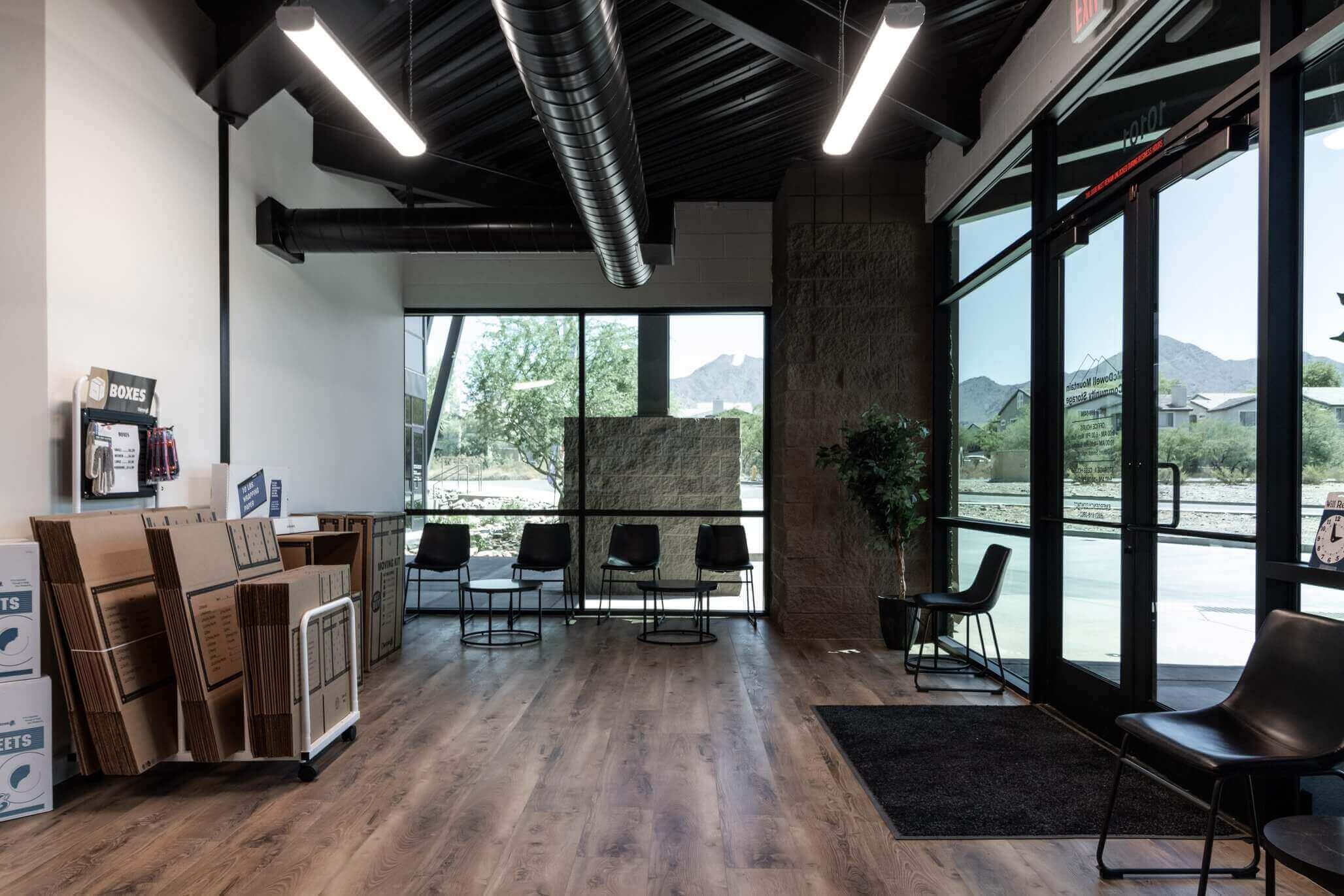
How Self-Storage Units Can Save You Money In Scottsdale, AZ

4. Support During a Move or Transition

Moving can be stressful and expensive. Renting a self-storage unit provides a convenient place to temporarily store your belongings during transitions, whether relocating to a new area, downsizing, or waiting for a new home to be ready. This option reduces the need for costly short-term leases or oversized moving trucks, giving you flexibility and peace of mind.

For example, families moving between homes often find that self-storage units simplify the process. By having a secure location to store boxes, furniture, and appliances, they can focus on the logistics of the move without worrying about space constraints.

5. Declutter and Improve Efficiency

Clutter not only takes up physical space but can also reduce productivity and increase stress. Self-storage facilities offer a way to declutter your home, office, or garage, making your environment more efficient and organized. With various storage unit sizes available, you can choose one that fits your needs without overspending.

Decluttering can also positively impact mental health. A clean, organized space promotes peace of mind and productivity. For businesses, decluttering office space can improve operations and give clients a more professional appearance.

6. Cost-Effective Solutions for Seasonal Items

Seasonal equipment, decorations, and other occasional-use items often occupy valuable storage space in your home. Renting a self-storage unit lets you store these items conveniently and affordably. This approach is ideal for families, businesses, and individuals who want to organize their spaces year-round.

For example, items like summer sports equipment, outdoor furniture, or gardening tools can be safely stored in a self-storage unit in winter. This protects these items from weather-related damage and frees up a garage or living space for other uses.

7. Flexible Options for Every Budget

Self-storage facilities cater to a wide range of needs and budgets. From small storage units for personal items to large spaces for business equipment, there are options for everyone. Look for promotions or discounts to make your rental even more cost-effective. By selecting the right unit size and location, you can ensure that your storage solution meets your needs without exceeding your budget.

Many facilities offer flexible rental terms, so you can rent a unit for as long or as short as you need. This flexibility benefits people managing temporary situations, such as renovations or extended travel.

8. Avoid Long-Term Storage Costs at Home

Keeping unused items at home often increases costs in the long run. Items stored in garages, basements, or attics may suffer damage due to humidity, temperature fluctuations, or pests. A self-storage facility provides a clean, secure environment to keep your belongings safe while avoiding potential repair or replacement costs.

This is especially important for electronics, documents, and furniture, which can deteriorate quickly in unfavorable conditions. Investing in a self-storage unit makes you make a cost-effective choice to protect your possessions.

9. Optimize Business Operations

Self-storage units can be valuable for business owners looking to streamline operations. Whether you need a place to store inventory, tools, or promotional materials, a storage unit offers an affordable alternative to traditional warehouses. This is particularly beneficial for small businesses that need to manage costs carefully.

For example, contractors and tradespeople can use self-storage units to secure and organize tools and equipment. Having a designated storage space can improve productivity and reduce the time spent searching for misplaced items.

How Self-Storage Units Can Save You Money In Scottsdale, Arizona

10. Enhance Organization and Peace of Mind

An organized storage system allows you to keep track of your belongings and access them quickly when needed. Self-storage facilities often provide helpful tools like shelving, dollies, and packing materials to simplify organization. This added convenience saves you time and effort, giving you more peace of mind.

With a well-organized storage unit, you’ll always know where to find your items. This reduces stress and ensures that your possessions are stored in a way that maximizes their longevity and usability.

Storage Tips for Savings

  • Plan Ahead: Identify what items you need to store and choose the appropriate unit size. Use a size guide to avoid renting a unit that’s too big or too small.
  • Pack Smart: Use sturdy boxes, dollies, and proper materials to protect your belongings.
  • Organize Effectively: Store frequently used items at the front of the unit for easy access.
  • Compare Deals: Shop for the best prices and look for facilities offering gate access and security features.
  • Consider Climate Control: Invest in a climate-controlled unit if you’re storing sensitive items like electronics or antiques.

FAQs About Self-Storage Units

Answers to Common Questions About Using Self-Storage 

What is a climate-controlled storage unit?

It’s a unit that maintains consistent temperature and humidity levels, protecting sensitive items from environmental damage.

How can a self-storage unit save me money?

By reducing living or office space costs, preventing damage to valuables, and offering a cost-effective solution for managing excess items.

What size unit should I rent?

Use a size guide to match your storage needs with the appropriate unit size.

Are self-storage facilities secure?

Many facilities offer advanced security features like surveillance cameras, gated access, and on-site staff.

Can I access my belongings anytime?

Most facilities provide 24/7 access or extended hours for customer convenience.

How do I pack my items for storage?

Use durable boxes and bubble wrap for fragile items, and label everything clearly to stay organized.

Are there discounts or promotions available?

Many storage facilities offer discounts for long-term leases or promotions for new customers.

Can businesses use self-storage units?

Absolutely. Self-storage units are an excellent option for storing inventory, tools, or office supplies.

What’s the difference between indoor and outdoor units?

Indoor units are located within a building and are often climate-controlled, while outdoor units typically offer drive-up access for convenience.

How do I choose the right facility?

Consider location, price, security features, and customer reviews when selecting a storage facility.

Self storage unit is a wise investment for managing possessions, reducing expenses, and optimizing your living or working space. Whether you need storage for personal use or business operations, the convenience and flexibility of self-storage solutions can help you achieve financial savings and peace of mind. For top-notch storage solutions in the McDowell Mountain area, trust McDowell Mountain Community Storage to meet all your needs with secure, convenient, and affordable options. Consider this economical solution for your storage needs today!

Why Self-Storage Can Make Your Transition Easier

Updated August 22, 2026

Most advice about storage during a life transition covers the same three situations: you’re moving, you’re downsizing, or you’re decluttering. All true, all common, and all worth covering. But there’s a transition that’s become significantly more common in the last few decades and rarely gets mentioned in this context at all: combining two households into one.

The Transition Nobody Writes About: Combining Two Households

According to Pew Research Center data, the share of adults living in someone else’s household who are a parent of that household’s head has doubled, from 7% in 1995 to 14% today. In plain terms: parents moving in with their adult children has become significantly more common, and it’s one half of a broader “shared living” trend that also includes adult children moving back in with parents and multiple generations settling under one roof.

This kind of transition creates a genuinely different storage problem than a standard move. It’s not just one household’s belongings being packed up, it’s two households’ worth of furniture, kitchen equipment, and personal items suddenly needing to fit into a single home. Someone is almost always downsizing hard and fast, and the emotional weight of deciding what a parent, or you, can keep versus what has to go into storage tends to be heavier than a routine move. This is exactly the kind of situation storage is built for: a place to hold the overflow while everyone involved has the time to make thoughtful decisions rather than rushed ones during an already stressful transition.

The More Familiar Transitions Storage Also Helps With

The classic scenarios still apply, and storage solves a slightly different problem in each one:

  • Moving: Storage bridges the gap between move-out and move-in dates, especially when they don’t line up cleanly, or when you’re staging a home for sale and need furniture out of sight to help it show well.
  • Downsizing: Whether it’s retirement, an empty nest, or a move to a smaller space, storage gives you time to sort through belongings without the pressure of a moving truck deadline forcing quick, regrettable decisions. We cover this scenario in more depth in our guide to downsizing with self-storage.
  • Decluttering: Sometimes there’s no move at all, just a home that’s outgrown its own storage capacity. A unit gives seasonal items, hobby equipment, or rarely used belongings somewhere to live without cluttering daily life.
  • Renovation: Furniture and belongings need to come out of a room, or a whole home, during a remodel, and a storage unit keeps them safe and out of the way of dust, contractors, and construction debris.

What to Actually Look For in a Storage Facility During a Transition

Transitions rarely come with a fixed timeline, so flexibility matters as much as the space itself:

  • Month-to-month terms. You often don’t know exactly how long you’ll need the unit at the outset, avoid locking into a long-term contract you don’t actually need.
  • Security you can verify. Surveillance cameras, gated or coded access, and individually alarmed units matter more during a transition, when you’re less likely to be checking in on your belongings regularly.
  • Climate control. Especially relevant here in Scottsdale, where summer heat is hard on wood furniture, electronics, and photographs, exactly the kind of sentimental items that tend to come out of a combined-household situation.
  • Convenient access. If you’ll be moving items in and out repeatedly rather than storing everything in one trip, ground-floor access and reasonable proximity to your home save real time and effort.

Frequently Asked Questions

What should I do with a parent’s belongings if they’re moving in with me?

Sort with them, not for them, where possible. Storage gives you both time to make these decisions together rather than rushing through everything before a move-in date. Items that are genuinely needed can come into the shared home, and everything else can wait in storage until there’s time and emotional bandwidth to revisit it.

How long can I keep items in a storage unit during a transition?

As long as you need, most facilities offer month-to-month terms specifically because transitions rarely have a fixed end date. You don’t need to have everything sorted by a specific deadline.

Is climate-controlled storage necessary for a short-term transition?

It depends on what you’re storing. Sentimental items, electronics, wood furniture, and photographs benefit from climate control regardless of how long they’ll be there, Scottsdale’s heat can affect items even over a matter of weeks.

Make Your Next Transition Easier

Whatever’s bringing you to storage, a move, a downsize, a combined household, or simply too much stuff for the space you have, McDowell Mountain Community Storage offers the flexibility and security a transition actually calls for. Self storage in Scottsdale is available in a range of sizes and terms, reserve your unit today.

Whatever brings you to storage, whether it’s a move, a downsize, a combined household, or simply more belongings than your current space can handle, McDowell Mountain Community Storage offers the flexibility, convenience, and security you need during a transition. With storage units in Scottsdale available in a range of sizes and flexible terms, you can choose the space that fits your needs. Reserve your unit today.

How Self-Storage Can Help When Downsizing Your Home

Updated August 22, 2026

Most advice about downsizing treats storage as one big holding pen: put whatever you’re not ready to decide about into a unit and sort it out later. That’s not wrong, exactly, but it misses something that actually matters once you’re standing in a storage facility trying to pick a unit size. Downsizing storage is really two different jobs, and treating them as one is how people end up paying for more space than they need, or not enough.

The Two Kinds of Storage You Need When Downsizing

The first job is staging storage: furniture, boxes, and household items you’re actively sorting through, trying to sell, or holding onto until your new place is ready. This is short-term by nature, weeks to a few months, and it’s usually the bulk of the volume. A dining set you haven’t decided whether to keep, boxes from a closet you haven’t fully sorted, appliances waiting for a buyer, all of this belongs here.

The second job is keepsake storage: the sentimental items you’re genuinely not ready to part with, but also won’t need again soon. Photo albums, a parent’s furniture, holiday decorations built up over decades, the kids’ childhood things. This is smaller in volume, longer in duration, and it calls for a different mindset entirely, this is storage measured in months or years, not weeks.

Why the distinction matters: staging storage is about maximizing space efficiently for a short window, so unit size and cost tend to be the priority. Keepsake storage is about protecting things that matter over a longer stretch, so climate control and security matter more than squeezing in every last box. Knowing which job you’re actually solving for changes what you should be looking for in a unit, and it’s the first real decision to make before you start packing anything.

Why Downsizing Storage Is Especially Common in Scottsdale

Scottsdale has a large population of retirees, empty-nesters, and seasonal residents, people moving from a larger family home into a condo, a 55-plus community, or a smaller place better suited to their current stage of life. That transition rarely happens in one clean move. Furniture that fit a five-bedroom house doesn’t fit a two-bedroom condo, and most people aren’t ready to make permanent decisions about everything at once, especially with items that carry real sentimental weight.

What to Actually Do With Your Belongings

Before anything goes into a box, sort what you own into four honest categories:

  • Keep: it fits your new space and your current life.
  • Sell or donate: it has value to someone else, but not enough to you to justify moving it.
  • Store short-term: you haven’t decided yet, or you need it out of the way during the move itself.
  • Store long-term: it’s sentimental, and you’re not ready, and may never be ready, to let it go.

The mistake most people make is skipping straight to “store everything” without sorting first. That’s how a storage unit quietly becomes a second attic. Sorting first, even roughly, means you’re only paying to store what you’ve actually decided is worth storing.

Decluttering Doesn’t Just Help You, It Helps Your Home Sell

If downsizing means selling your current home, there’s a practical upside to clearing things out beyond your own peace of mind. According to the National Association of Realtors’ 2025 Profile of Home Staging, almost half of sellers’ agents indicated that staging, which starts with decluttering, reduced the amount of time a home spent on the market, and roughly a third of agents said it increased the dollar value of offers received. Even among agents who don’t do full staging, decluttering is still the single most common recommendation they give sellers.

Practically, that means moving excess furniture and personal items into storage before your home goes on the market isn’t just about making your own move easier, it can genuinely help the sale itself. A living room that photographs as open and uncluttered tends to perform better than one that photographs as full, and that’s true whether or not you hire a professional stager.

Storage Units Scottsdale

Choosing the Right Unit for Each Job

For staging storage, prioritize size and access. You’ll likely be back in the unit repeatedly as you continue sorting, so an easily accessible unit that fits your furniture and boxes without excess overflow saves both money and hassle. Ground-floor, drive-up-style access is worth asking about if you’ll be moving items in and out frequently.

For keepsake storage, prioritize protection over size. A climate-controlled unit matters more here, Scottsdale’s summer heat is genuinely hard on wood furniture, photographs, and anything with adhesive or fabric components, and these are exactly the items you’re planning to keep for years, not weeks. It’s worth paying a bit more for the right environment when the whole point is protecting things you can’t easily replace.

Frequently Asked Questions

How much storage space do I need when downsizing?

It depends on how much you’re moving to storage versus your new home, but most people downsizing from a house to a smaller condo or apartment land somewhere between a 10×10 and 10×15 unit for staging storage, with a smaller unit sufficient for long-term keepsakes alone. Walking through your actual inventory with a facility representative is the most reliable way to choose the right size, rather than guessing.

Should I store furniture I haven’t decided whether to keep?

Yes, generally. Storage gives you time to decide without the pressure of a moving deadline forcing a rushed choice you might regret. Just set a real deadline to revisit those items; storage should be a pause button, not a permanent solution for indecision.

Is a storage unit worth it if I’m only downsizing temporarily, like during a renovation?

Yes. Short-term staging storage is exactly what a month-to-month unit is built for, you’re not committing to a long-term keepsake situation, just bridging the gap until your space is ready again.

What items benefit most from climate-controlled storage during downsizing?

Wood furniture, photographs, documents, electronics, and anything with fabric or adhesive components hold up far better in a climate-controlled unit, especially for the long-term keepsake items you’re planning to store for months or years rather than weeks.

Start Your Downsizing Plan With the Right Storage

Whether you’re actively sorting through a house full of decisions or setting aside the things you’re not ready to part with, McDowell Mountain Community Storage offers both the short-term flexibility and the climate-controlled protection downsizing actually calls for. If you’re ready to see what fits your plan, self storage in Scottsdale is available in a range of sizes, reserve your unit today.