

Updated August 22, 2026
Most guides to storing appliances give you one checklist: clean everything, let it dry, wrap it up, keep it off the floor. That’s not wrong, but it treats a washing machine and a microwave as if they’ll fail the same way if you get it wrong. They won’t. A few appliance-specific risks get left out of nearly every version of this advice, and they’re the kind of thing that turns “I stored my washer for a few months” into “I need a new washer.”
Why “Clean and Wrap” Isn’t Enough
Cleaning, drying, and wrapping matters for every appliance, and we’ll cover it. But the appliances people most often store, refrigerators, washing machines, ovens, dishwashers, and small kitchen appliances, each have at least one specific failure point that has nothing to do with cleanliness. Here’s what actually matters for each.
Refrigerators and Freezers
The single most important rule: always store a refrigerator upright, never on its side. Laying a fridge down lets compressor oil flow into the cooling lines, which can ruin the unit the next time it’s plugged in. Beyond that, full defrosting and thorough drying matter more here than with almost any other appliance, since a fridge that isn’t completely dry inside is a mold problem waiting to happen. We’ve written a full step-by-step guide covering fridge-specific prep, from defrost timing to the exact humidity range that protects a stored refrigerator, in our refrigerator storage guide, worth a read if this is your main concern.
Washing Machines: The Risk Almost Nobody Mentions
If you have a front-load washer, this is the step that gets skipped more than any other. The drum inside a front-load washer is suspended on springs so it can move during the wash and spin cycles. That’s fine while it’s sitting still and running normally, but during transport, an unsecured drum can swing and repeatedly strike the inner casing, wiring, or motor.
That’s exactly what shipping bolts are for. Every front-load washer originally shipped with these bolts installed, and manufacturers including Whirlpool specifically instruct owners to reinstall them before moving the machine again, whether that’s across town or into a storage unit. If you kept the original bolts when you first set up the washer, dig them out. If not, they’re available from most appliance parts retailers by model number. Skipping this step is how a washer that worked fine before storage comes out with drum damage, excess vibration, or motor strain after it.
Beyond the bolts: drain the drum and hoses completely, wipe down the rubber door seal on front-loaders where mildew commonly builds up, and leave the door propped open during storage so trapped moisture doesn’t turn into an odor problem.
Dryers
Dryers are more forgiving than washers since there’s no suspended drum to worry about, but clean the lint trap and exhaust vent thoroughly before storage, residual lint is both a fire risk and something that attracts pests if left sitting for months. Disconnect and coil the exhaust duct separately rather than leaving it attached and bent.
Ovens, Ranges, and Cooktops
If you have a gas range, this matters: have the gas line properly disconnected and capped by someone qualified to do it, residual gas in the line is a genuine fire hazard, not a theoretical one. Never store an appliance with an active gas connection. For electric ranges and ovens, clean thoroughly to remove grease and food residue, which otherwise bakes on further or attracts pests during storage. Remove and separately wrap any glass components, oven doors and stovetop panels are more fragile than the rest of the unit.
Dishwashers
Run a final empty cycle to clear out residue, then disconnect and fully drain the water supply line and drain hose, standing water left in either is a common source of mold and unpleasant odors months later. Prop the door open slightly during storage rather than latching it shut.
Small Kitchen Appliances
Toasters, blenders, coffee makers, and similar countertop appliances are lower-risk but still benefit from real prep: clear out crumbs and residue, run a water-and-vinegar cycle through coffee makers before storing, and detach and separately wrap blades or other removable parts. Coil and secure cords so they don’t tangle with other stored items, and keep frequently used small appliances toward the front of your unit rather than buried behind everything else.
General Rules That Apply to All Appliances
A few things matter regardless of appliance type:
- Keep everything off the floor on pallets or shelving, direct floor contact traps moisture and invites pests.
- Leave space around each appliance for airflow rather than pushing everything flush against walls or each other.
- Use a climate-controlled unit if you’re storing for more than a few weeks, especially in Scottsdale’s summer heat, which is hard on rubber seals, plastic components, and anything with a compressor.
- Keep an inventory of what’s stored and its condition going in, useful both for finding things later and for insurance purposes if anything goes wrong.
Frequently Asked Questions
Do I really need to reinstall shipping bolts on my washer before storing it?
Yes, if it’s a front-load model. The drum is suspended on springs specifically so it can move during normal operation, which is exactly what makes it vulnerable during transport or storage without the bolts securing it in place.
Can I store a refrigerator on its side to save space?
No. Laying a refrigerator on its side risks letting compressor oil flow into the cooling lines, which can damage the compressor when you plug the unit back in. Always store and transport refrigerators upright.
Should appliances be stored in a climate-controlled unit?
For anything beyond a few weeks, yes. Temperature swings and humidity are hard on seals, plastic components, and any appliance with a compressor or motor, and Scottsdale’s summer heat makes this more relevant here than in milder climates.
How do I prevent mold and odors in stored appliances?
Make sure everything is completely clean and dry before storage, that’s more important than any single storage technique. Prop doors open on washers, dishwashers, and refrigerators rather than sealing them shut, and drain all water lines and hoses completely.
Store Your Appliances the Right Way
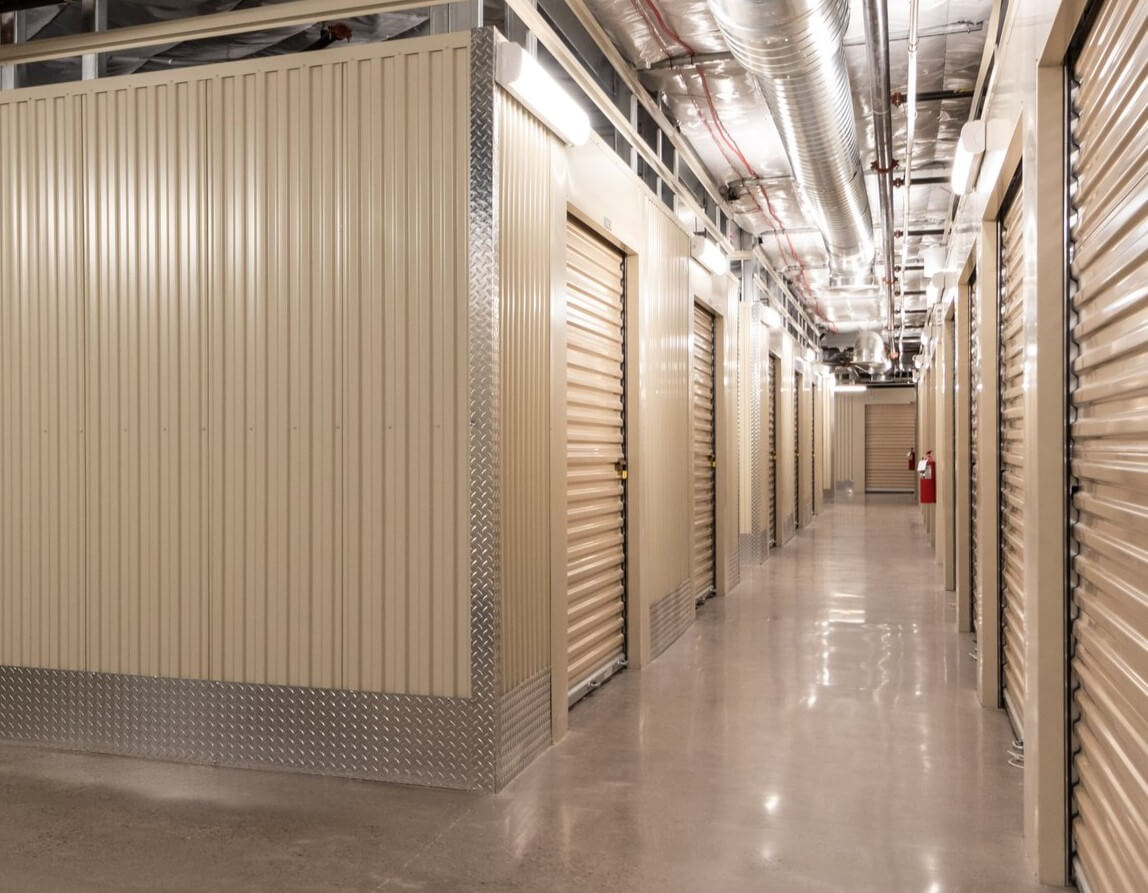
Appliances are some of the most expensive things people put into storage, so taking the right steps to protect them is important. If you’re ready to store yours properly, McDowell Mountain Community Storage offers climate-controlled units in Scottsdale in a range of sizes, making it easy to find the right space for your needs. Reserve your storage unit today.