

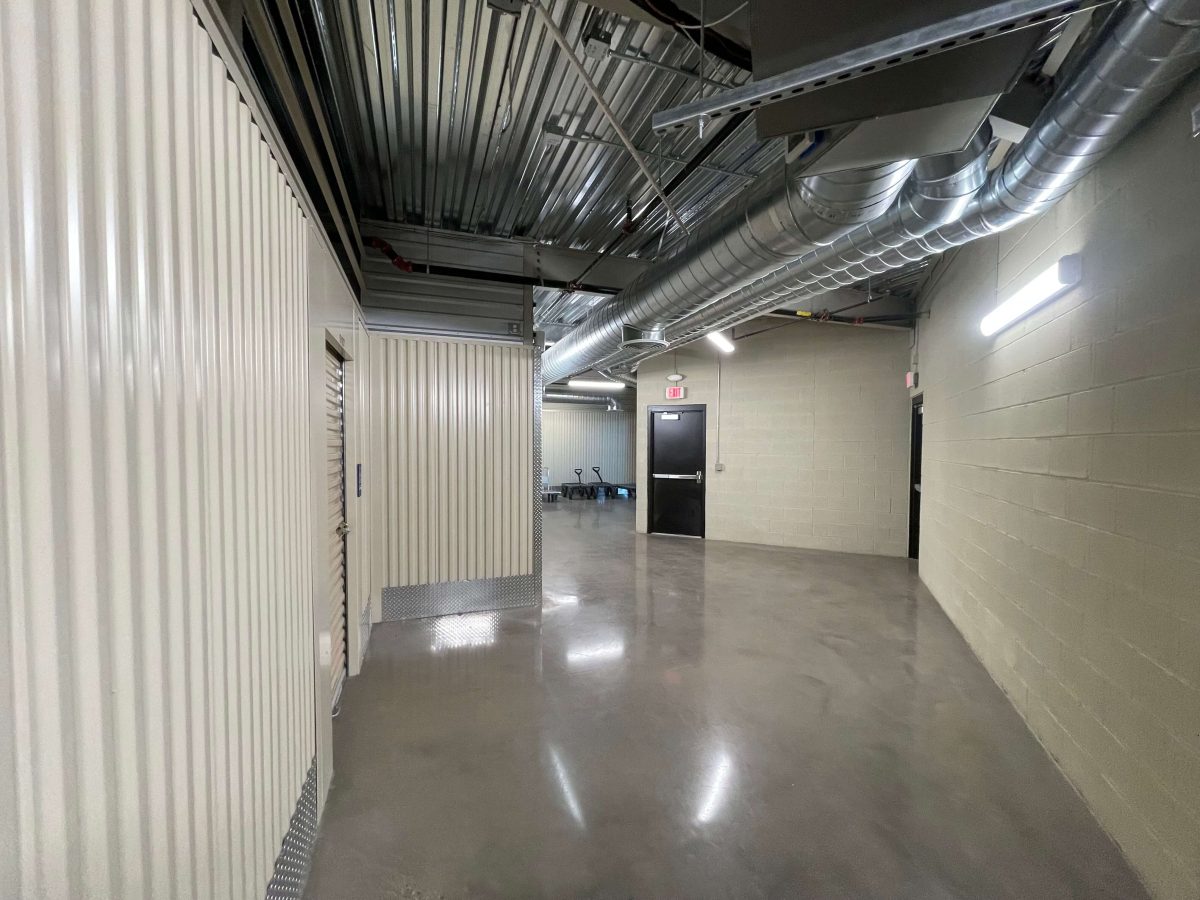
Winter can pose significant risks to your storage unit and belongings. From freezing temperatures and snow to ice and moisture, failing to prepare your storage unit for winter can lead to damage, mold, and even pests. Whether you are storing furniture, electronics, holiday decorations, or business inventory, taking the right precautions ensures your items remain safe throughout the season. This guide offers a comprehensive approach to winter storage, covering everything from insulation and moisture control to organization and security, giving you peace of mind.
Inspecting the Storage Unit for Damage
Before placing any items in your storage unit, a thorough inspection is essential. Look for gaps in the doors or walls, signs of water damage, or cracks in the floor. Check for mold or mildew, as they can spread quickly in cold, humid conditions. Pay attention to ventilation and airflow, as poor circulation increases the risk of condensation and moisture buildup. Make sure the storage unit is free from pests and that the location is secure. Addressing any damage early ensures your belongings remain protected from weather, freezing, or humidity.
Choosing Weatherproof Containers
Selecting the right containers is a crucial step in winter storage preparation. Plastic storage bins with tight-fitting lids provide superior protection against water, snow, and condensation. Weatherproof containers create a barrier between your belongings and the cold, reducing the risk of damage from freezing or moisture. For delicate items such as electronics or holiday decorations, consider adding protective layers, such as bubble wrap or blankets. Proper sealing and labeling of each container ensures you can find everything quickly and keeps dust, pests, and weather out.
Properly Packing Your Belongings
Packing is more than just putting items in boxes. Start by sorting your belongings and deciding which items need extra protection. Furniture should be covered with blankets or specialized covers to prevent scratches and moisture damage. Electronics, batteries, and appliances require careful packing to avoid condensation and freezing. Use packing materials such as bubble wrap, foam, or paper to create layers of protection. Organizing boxes by season, type, or fragility makes items easier to access and reduces the risk of damage when retrieving them. Maintaining clear labeling is key for both residential and business storage.
Using Moisture Absorbers
Moisture is one of the biggest threats during winter storage. High humidity combined with cold temperatures can lead to mold, mildew, and condensation, especially on wood, fabric, and paper. Using moisture absorbers or desiccant packets helps regulate humidity inside your storage unit. Place them on shelves or inside boxes, particularly near items sensitive to moisture. For larger spaces, consider climate control options that manage both temperature and humidity levels. Proper moisture control is an investment in the longevity of your belongings.
Elevating Items Off the Floor
To protect against potential water damage from melting snow, ice, or condensation, always elevate your items off the ground. Use pallets, shelves, or crates to create a barrier between the floor of your storage unit and your belongings. This practice prevents direct contact with cold or damp surfaces and reduces the risk of mildew and freezing. Elevating boxes and furniture also improves ventilation, allowing air to circulate and reducing the buildup of moisture or condensation.
Organizing for Easy Access
A well-organized storage unit saves time and minimizes the risk of damage when retrieving items during winter. Arrange boxes and containers by season or usage, keeping frequently accessed items near the front. Clear labeling and grouping similar items together improve efficiency and reduce unnecessary movement that could lead to accidents. Use shelves to maximize vertical space, creating a structured layout that keeps everything off the ground and reduces clutter. Organization is key to maintaining both safety and accessibility during harsh weather conditions.
Protecting Electronics and Appliances
Electronics, appliances, and vehicles are particularly vulnerable to cold and moisture. Remove batteries from electronics to prevent leakage and store them separately. Wrap appliances and electronic devices in blankets or protective covers to shield them from temperature fluctuations. If storing cars or other vehicles, check that fluids and antifreeze levels are adequate and that batteries are disconnected or maintained. Proper care prevents freezing, condensation, and heat-related damage, ensuring your valuables remain in working condition.
Maintaining Temperature Control
Climate control is one of the most effective ways to protect items in a storage unit during winter. Controlled units help maintain consistent temperature and humidity levels, reducing the risk of freezing, condensation, and mold growth. If climate control is unavailable, consider additional insulation with blankets, tarps, or plastic covers. Keep an eye on temperature fluctuations, especially if extreme cold or snow is forecasted. Temperature management ensures that both delicate and durable items remain safe, from electronics to furniture.
Securing Your Storage Unit
Winter storage isn’t just about protection from the elements; security is equally important. Ensure your storage unit has a reliable lock and consider additional security measures if needed. Limit access to trusted individuals and keep keys or codes in a secure location. Properly sealed doors, secure locks, and monitoring systems protect against theft, damage, or unauthorized access. For businesses storing inventory or valuable items, this added layer of security gives peace of mind during the holiday season and harsh winter months.
Regular Winter Maintenance Checks
Even after careful preparation, regular maintenance checks are essential. Inspect your storage unit for signs of leaks, pests, or condensation, especially after snowfall or heavy rain. Ensure that ventilation remains clear and that all items are properly sealed and elevated. Rotate or reorganize boxes as needed, checking for any damage or weak points in your packing. Regular cleaning, temperature monitoring, and general upkeep help prevent costly damage and extend the life of your stored belongings. A proactive approach ensures that your storage unit remains a safe, organized, and secure place for all your items throughout the season.
Conclusion
Preparing your storage unit for winter doesn’t have to be overwhelming. By following these steps, everyone can find a way to keep everything safe and protected throughout the season.
Find the Right Storage Unit for Your Belongings
If you are looking for a safe and convenient way to store your items this winter, McDowell Mountain Community Storage in Scottsdale offers a variety of storage units and storage options to fit your needs. Choosing the right unit size and type ensures your belongings, from furniture and electronics to holiday decorations, stay organized, protected, and easy to access. Climate-controlled units provide extra care against temperature swings, moisture, and pests, giving you added peace of mind.
Contact McDowell Mountain Community Storage today to explore the available storage options and find the perfect unit to keep everything safe throughout the season.
Frequently Asked Questions
How do I protect my storage unit from freezing?
Keep items off the ground, use climate-controlled units if possible, and cover sensitive belongings with blankets or plastic.
Keep items off the ground, use climate-controlled units if possible, and cover sensitive belongings with blankets or plastic.
What items should I remove before winter?
Remove anything sensitive to cold, moisture, or freezing, such as electronics, plants, and some liquids.
Remove anything sensitive to cold, moisture, or freezing, such as electronics, plants, and some liquids.
How can I prevent moisture buildup in a storage unit?
Use moisture absorbers, ensure proper ventilation, seal gaps, and avoid placing items directly on the floor.
Use moisture absorbers, ensure proper ventilation, seal gaps, and avoid placing items directly on the floor.
Should I insulate my storage unit for winter?
Insulation can help protect items from extreme cold and sudden temperature changes, especially furniture or electronics.
Insulation can help protect items from extreme cold and sudden temperature changes, especially furniture or electronics.
What supplies help winterize a storage unit?
Plastic bins, blankets, bubble wrap, moisture absorbers, pallets, and weatherproof covers are all useful.
Plastic bins, blankets, bubble wrap, moisture absorbers, pallets, and weatherproof covers are all useful.
How do I keep pests out during winter?
Seal gaps, keep the unit clean, elevate items, and check regularly for signs of pests.
Seal gaps, keep the unit clean, elevate items, and check regularly for signs of pests.
Can I use heating devices in a storage unit?
It is usually not recommended. Use climate-controlled units instead for safe temperature management.
It is usually not recommended. Use climate-controlled units instead for safe temperature management.
How do I check for leaks or drafts?
Inspect doors, walls, and windows for gaps, water stains, or cold air, and address them before storing items.
Inspect doors, walls, and windows for gaps, water stains, or cold air, and address them before storing items.
What’s the best way to stack items for winter protection?
Place heavier items on the bottom, keep everything off the floor, and ensure fragile items are well-padded and labeled.
Place heavier items on the bottom, keep everything off the floor, and ensure fragile items are well-padded and labeled.
When is the best time to prepare a storage unit for winter?
Start preparing in late fall before temperatures drop, snow falls, or heavy moisture occurs.
Start preparing in late fall before temperatures drop, snow falls, or heavy moisture occurs.