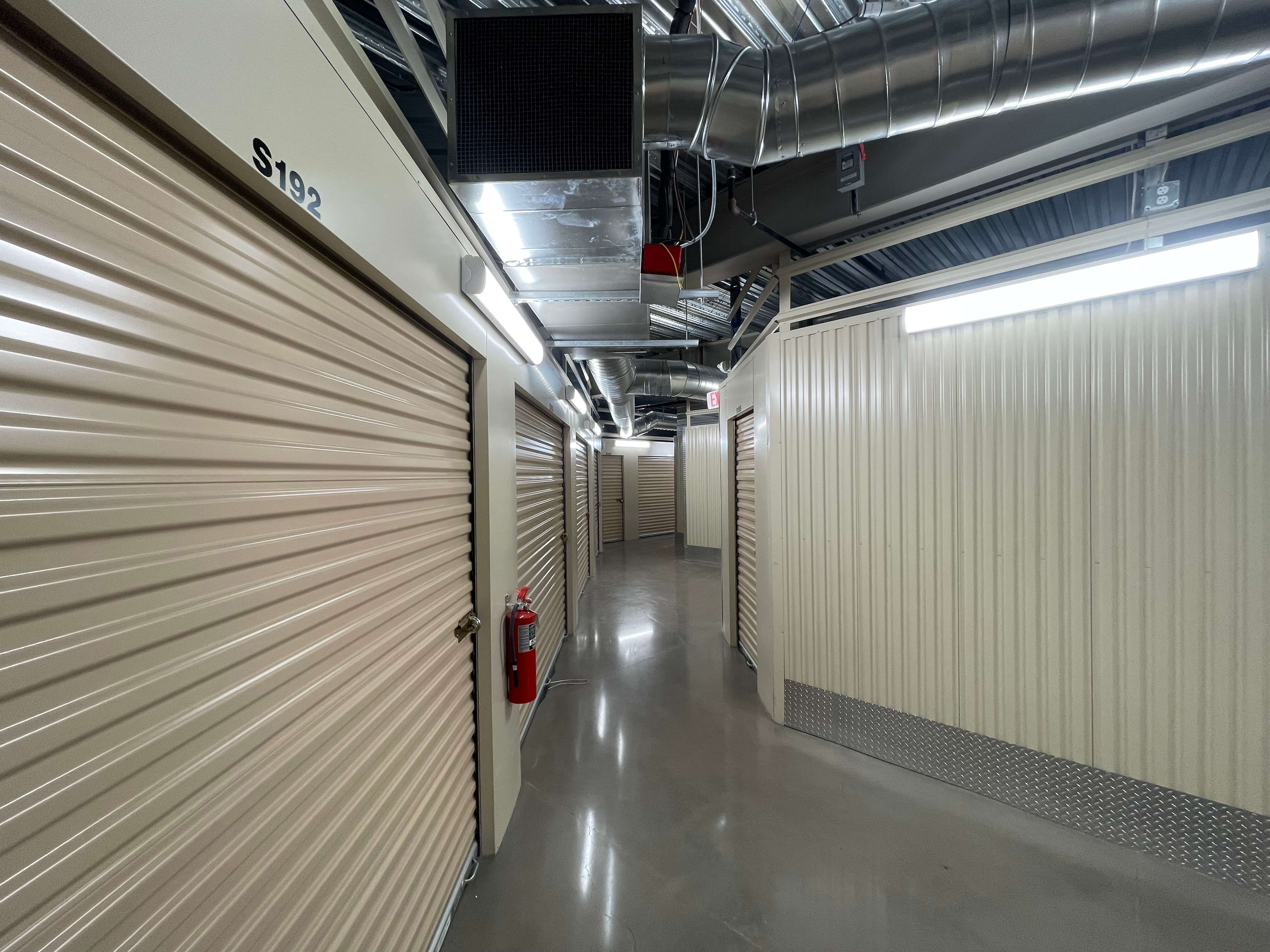
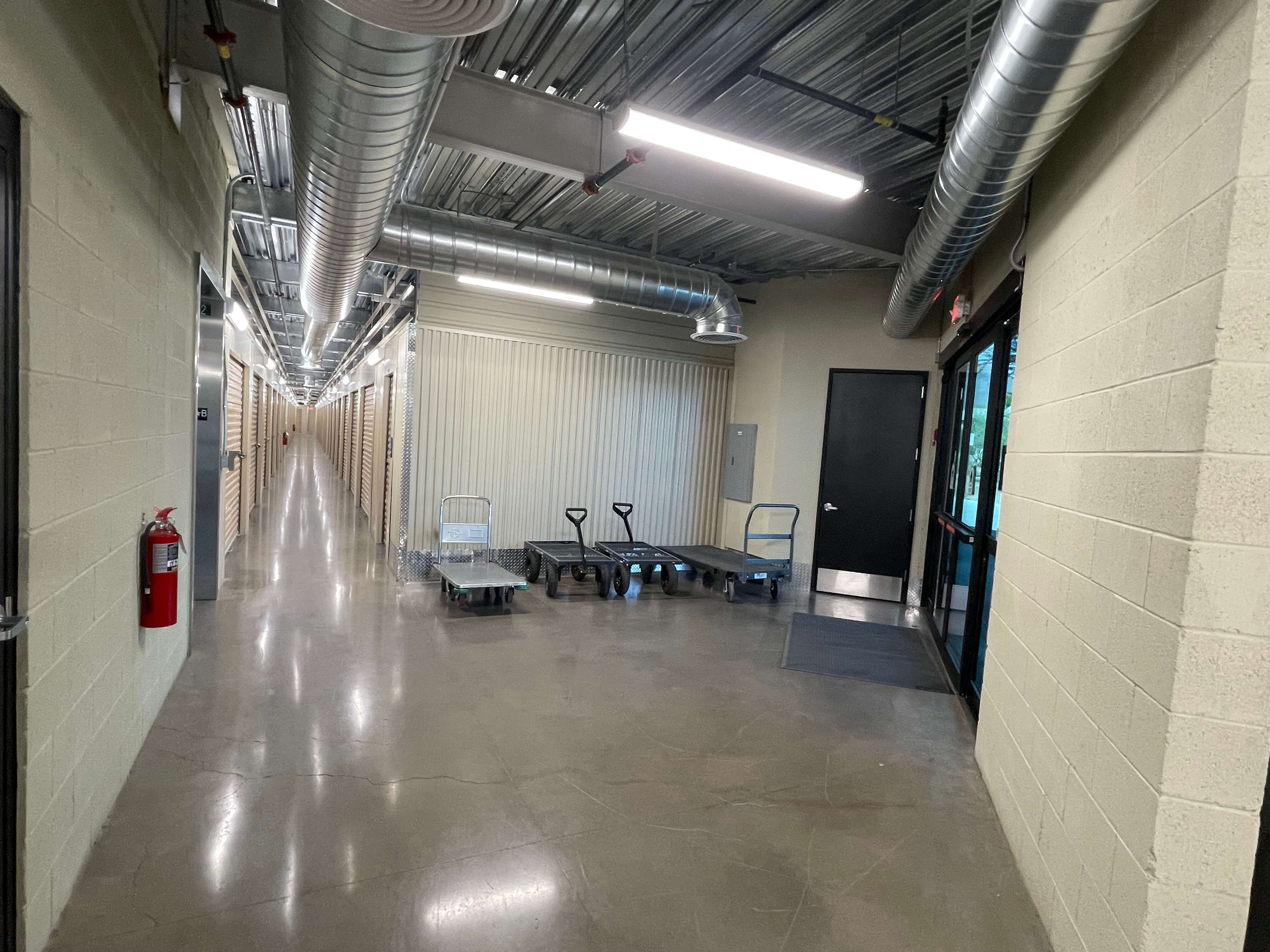
At McDowell Mountain Community Storage, we understand that moving into a storage unit can feel overwhelming, especially when you have a combination of furniture, appliances, electronics, boxes, and personal belongings to organize, protect, and store. Our company is dedicated to providing the information, guidance, and storage solutions you need to make the process smooth, efficient, and stress-free, whether you are storing a few essential things or the contents of an entire home. From helping you choose the right unit size to providing tips on packing, labeling, and protecting your items, we aim to cover every aspect of your storage experience so you can feel confident that anything you place in our facility is safe and secure.
When you rent a unit with us, the contract is designed to be straightforward and transparent, giving you full access to your belongings while maintaining the security and organization of your space. Our step-by-step guide walks you through preparation, packing, moving, and long-term maintenance, ensuring that all items—whether fragile, bulky, or valuable—are correctly stored. By following our recommendations, every box, piece of furniture, and personal belonging can be organized in a way that maximizes your storage space, protects your belongings, and ensures you can retrieve them quickly when needed. With McDowell Mountain Community Storage, our name represents a commitment to convenience, safety, and a stress-free self storage experience.
Gather All Packing Supplies Before You Begin
Before you start moving any items, we strongly recommend collecting all the packing supplies you will need, including boxes in a variety of sizes, packing tape, bubble wrap, blankets, bags, containers, and any other packing materials designed to protect fragile or bulky items. Having all supplies ready prevents unnecessary delays and ensures a systematic packing process rather than a chaotic one. We also suggest organizing these materials by purpose—for example, keeping packing tape, markers, and labels together, while storing bubble wrap and blankets for delicate furniture or electronics. By preparing your supplies in advance, you create a foundation for a more efficient move, protect your belongings from damage, and make it easier to label and organize boxes for future access.
Plan Storage Space According to Your Items and Needs
One of the first steps in a successful move is evaluating exactly what you need to store so that you can select the appropriate unit size and type for your belongings. We encourage all customers to take a comprehensive inventory of their furniture, appliances, electronics, boxes, and miscellaneous stuff, including essentials like sofas, mattresses, hardware, and bolts, as well as any perishables or fragile items that need special protection. Considering the contents of every room or multiple rooms in your home or apartment, along with the best placement of each item and the type of packing materials or covers needed, helps ensure nothing is overlooked and nothing important is left behind. By taking the time to plan carefully, people can maximize the use of available spaces within the unit, keep most items accessible, and organize everything efficiently.
Our storage facilities, located in convenient cities, provide a variety of unit sizes and features, including climate-controlled spaces for sensitive items and standard units for general storage, allowing us to accommodate everything from a few boxes to the contents of an entire apartment, house, or office. By following our guide, arranging items thoughtfully, and labeling each box or piece of furniture clearly on every page of your inventory, customers can prevent damage, maintain easy access, and make changes when needed without disrupting other belongings. With our team of pros, people can store their stuff confidently, knowing that every item—whether delicate, bulky, or essential—is protected, organized, and ready to be accessed whenever needed.
Create a Detailed Inventory List for Organization and Security
We recommend creating a detailed inventory list of all items going into storage, including furniture, electronics, boxes, appliances, and even small or miscellaneous belongings. Documenting each item helps with organization, labeling, and space management, and it also serves as an essential reference when you need to locate a particular item quickly or file an insurance claim due to damage or loss. Taking photos of your items, especially fragile or high-value belongings, complements the inventory list and provides visual documentation that can protect your investment. Keeping an accurate inventory ensures your storage unit remains organized, your items are easy to find, and you maintain control over your belongings at all times.
Organize Items Into Categories for Efficient Packing
We advise grouping your items into clear categories, such as furniture, electronics, kitchenware, seasonal decorations, clothing, and documents. Organizing by category makes packing more efficient, helps you label boxes clearly, and ensures that items are stored logically within the unit. For example, keeping electronics together and wrapping them in bubble wrap protects them from damage, while stacking boxes of similar sizes maximizes vertical space. Organizing your belongings also makes retrieval easier, reduces clutter, and allows our team to provide storage solutions tailored to the specific needs of your items, ensuring a more convenient and practical storage experience.
Clean All Items Before Placing Them in Storage
Before moving items into your storage unit, we strongly recommend cleaning everything, including furniture, appliances, electronics, boxes, and personal belongings. Dust, dirt, and moisture can cause damage over time, so wiping down surfaces, vacuuming upholstery, and checking electronics for dust or residue is essential. For fragile items such as artwork or mirrors, we suggest using protective materials like bubble wrap or blankets, while appliances should be thoroughly dried to prevent corrosion or mold. By cleaning your items before storing them, you preserve their condition, maintain a hygienic storage environment, and reduce the risk of damage to other items in your unit.
Pack Items Securely Using Proper Materials
We emphasize the importance of packing items securely using the right materials for their type and size. Boxes, bubble wrap, packing tape, blankets, and containers help prevent damage during transportation and while in storage. Fragile items such as electronics, artwork, and glass should be wrapped carefully, while furniture can be disassembled and cushioned with blankets or padding. Using sturdy boxes and distributing weight evenly ensures that heavier items remain at the bottom and lighter items stay on top, protecting both the contents and your storage unit from accidents or damage. Proper packing not only safeguards your belongings but also optimizes space utilization and creates a safer, more organized storage experience.
Label Boxes and Units Clearly for Easy Access
We recommend labeling every box and container with the room, type of contents, and special handling instructions, such as “fragile” or “handle with care.” Using clear markers, printed labels, or color-coded systems allows you to locate items when needed quickly and ensures that items like electronics or delicate artwork are handled correctly. Labeling your storage unit itself, especially if you have multiple units or a large quantity of belongings, also helps maintain organization and accessibility. Clear labeling reduces stress, prevents unnecessary unpacking, and makes it easy to retrieve essential items without disrupting the rest of your storage space.
Arrange Items Strategically in the Storage Unit
We suggest arranging items in your storage unit with careful thought to size, weight, and accessibility. Place heavier furniture or appliances on the bottom and stack lighter boxes on top, leaving walkways so that you can reach everything without moving large items. Using shelving, stacking techniques, and containers allows you to maximize vertical space, while grouping similar items enhances organization. Strategically arranging your storage unit not only protects items from damage but also ensures that you can access what you need quickly, maintain an organized environment, and fully utilize the space available in your unit.
Protect Fragile and Valuable Items Thoroughly
We prioritize protecting fragile or high-value items, such as electronics, artwork, mirrors, and collectibles. Using bubble wrap, blankets, and reinforced boxes helps prevent damage during transportation and while in storage. Furniture can be disassembled and cushioned with padding, while boxes containing delicate items should be labeled and stacked carefully. For items susceptible to temperature or humidity, climate-controlled units are ideal for preventing warping, corrosion, and other damage. Protecting your belongings ensures they remain in the same condition as when you packed them, giving you peace of mind and preserving your investment.
Ensure Security and Accessibility
At McDowell Mountain Community Storage, we maintain strict security measures across all our facilities, including surveillance cameras, gated access, and secure locks on every unit, to protect your belongings. We also recommend choosing units that allow convenient access, such as ground-level units or those with front-facing doors, to make moving items in and out easier. Combining security with accessibility allows customers to store their items safely while maintaining the convenience of easy access whenever needed, whether retrieving a single box or reorganizing the entire unit.
Protect Belongings With Insurance
We advise all customers to consider insurance for stored items, as even in secure facilities, accidents such as water damage, fire, or theft can occur. Insurance coverage protects your investment and provides financial security, particularly for high-value items like furniture, appliances, or electronics. Reviewing policy options and ensuring your coverage matches the value and type of items stored adds an extra layer of protection and peace of mind during storage, complementing the security features offered by our storage facilities.
Plan Your Move and Transportation Carefully
We encourage customers to plan their move and transportation carefully to ensure a smooth, organized process:
- Select the Right Vehicle or Truck: Choose a vehicle or moving truck that can accommodate all your items, including large furniture, appliances, and boxes, so that you can move everything efficiently without multiple trips across the city.
- Load Items Systematically: Place heavy items on the bottom, secure them properly, and cushion fragile belongings with blankets, bubble wrap, or other packing materials to prevent damage during transit.
- Consider Professional Help: For larger moves, hiring a pro or additional movers can make transporting bulky or delicate items safer and more efficient, reducing the risk of damage and stress.
- Plan for Accessibility and Change: Think ahead about how items will be unloaded and arranged in your storage unit, leaving room to reposition boxes, furniture, or other belongings if needed for better organization or future access.
- Reduce Stress and Protect Belongings: Proper planning, careful loading, and consideration of city traffic or logistical challenges ensure the move into your storage unit is well-coordinated, efficient, and minimizes the risk of damage to anything you store.
Unload Items Methodically Into the Unit
When unloading items into your storage unit, we recommend a methodical approach: start with large furniture and appliances, then boxes and smaller items. Heavier items should be placed on the bottom with lighter boxes stacked on top, and pathways should remain clear for accessibility. Organizing items as you unload, using labels and inventory lists, ensures that each box or item is in the proper location and that retrieval remains straightforward. A systematic unloading process preserves the organization of your unit, prevents damage, and makes the overall storage experience more convenient.
Maximize Storage Space With Smart Organization Techniques
We advise customers to maximize storage space by using shelving units, stacking boxes of similar sizes together, and grouping items by category or room. Frequently used items should be stored near the front, while less-used items can be placed toward the back. Using containers, blankets, and packing materials effectively helps protect items while optimizing space, and arranging items thoughtfully ensures that the unit remains accessible, organized, and clutter-free. Strategic organization enhances both the usability and the security of your storage space.
Maintain Your Storage Unit Regularly
We recommend that customers check their storage units periodically to ensure that items remain safe, clean, and organized. Regular maintenance includes checking for dust, moisture, pest activity, or damage to boxes, containers, and furniture, as well as ensuring locks and doors remain functional. Keeping the unit in good condition helps preserve the integrity of stored items and maintains a positive, stress-free storage experience over time.
Keep Essential Items Accessible
We advise storing frequently used or essential items near the front of your storage unit for easy access. Documents, cleaning supplies, tools, or seasonal items should be within reach so that retrieving them does not require moving large quantities of other belongings. We also recommend keeping a small kit of packing supplies inside the unit for quick fixes, tape, or emergency packing needs, which improves convenience and reduces unnecessary effort.
Follow Our Complete Storage Checklist for Peace of Mind
By following our comprehensive storage checklist, customers can ensure that every step of the move, from preparation and packing to labeling, unloading, and maintenance, is completed efficiently and effectively. Our checklist helps prevent oversight, protects belongings, and keeps the storage process organized, secure, and stress-free. Using a systematic approach ensures your storage unit remains orderly, your items are well-protected, and your overall storage experience is smooth and convenient.
Use of Climate-Controlled Units for Sensitive Items
We provide climate-controlled storage units for items sensitive to temperature or humidity, including electronics, artwork, certain furniture, and essential documents. The benefits of a climate-controlled storage unit include preventing damage such as warping, corrosion, mold, or fading, ensuring your belongings remain in excellent condition over time. Selecting the appropriate unit type for the items you store adds an extra layer of protection and helps you preserve your belongings for the long term.
Take Photos Before and After Storing
We recommend photographing items before packing and after placing them in the unit to document their condition. Photos serve as a visual record for inventory purposes, insurance claims, and personal peace of mind. Capturing fragile, valuable, or sentimental items ensures that any damage or loss can be addressed quickly and accurately, complementing your inventory list and overall organization strategy.
Secure Units With High-Quality Locks
We stress the importance of securing your storage unit with strong, reliable locks, including high-quality padlocks, cylinder locks, or combination locks. A sturdy lock prevents unauthorized access, protects your belongings, and enhances the security features of our facilities. Combining secure locks with surveillance and gated access provides comprehensive protection and peace of mind for customers storing valuable items.
Utilize Professional Packing Tips for Maximum Protection
Our team recommends professional packing strategies to ensure all items, from delicate electronics to large furniture, are stored safely. Wrap fragile items with bubble wrap or blankets, disassemble bulky furniture when possible, distribute weight evenly in boxes, and clearly label all containers. Following these packing techniques safeguards your belongings, optimizes storage space, and ensures that retrieval remains convenient and damage-free.
Plan for Accessibility and Future Needs
We advise customers to consider accessibility when organizing their storage units, placing frequently accessed items near the front and leaving pathways for easy movement. Proper planning ensures that boxes, furniture, and containers can be reached without disturbing other belongings, making storage more efficient and convenient for both short- and long-term needs.
Update Your Inventory Regularly
Maintaining an up-to-date inventory list is essential as items are added or removed from your storage unit. Accurate records support organization, insurance claims, and space planning, while also allowing you to locate specific items quickly without unnecessary searching. Using a storage size guide can help you choose the right unit for your needs, ensuring your items fit comfortably and efficiently. Our team can guide you on maintaining inventory and implementing efficient labeling systems for continued organization and protection.
Use Our Storage Solutions Across Multiple Cities
McDowell Mountain Community Storage offers convenient storage solutions across multiple locations in the United States, ensuring that no matter where you live or move, we have a facility that meets your needs. Our storage units come in various sizes and types, including climate-controlled spaces, standard units, and specialty solutions for delicate or high-value items. By selecting the right unit and location, customers enjoy secure, accessible, and well-organized storage space wherever they are.
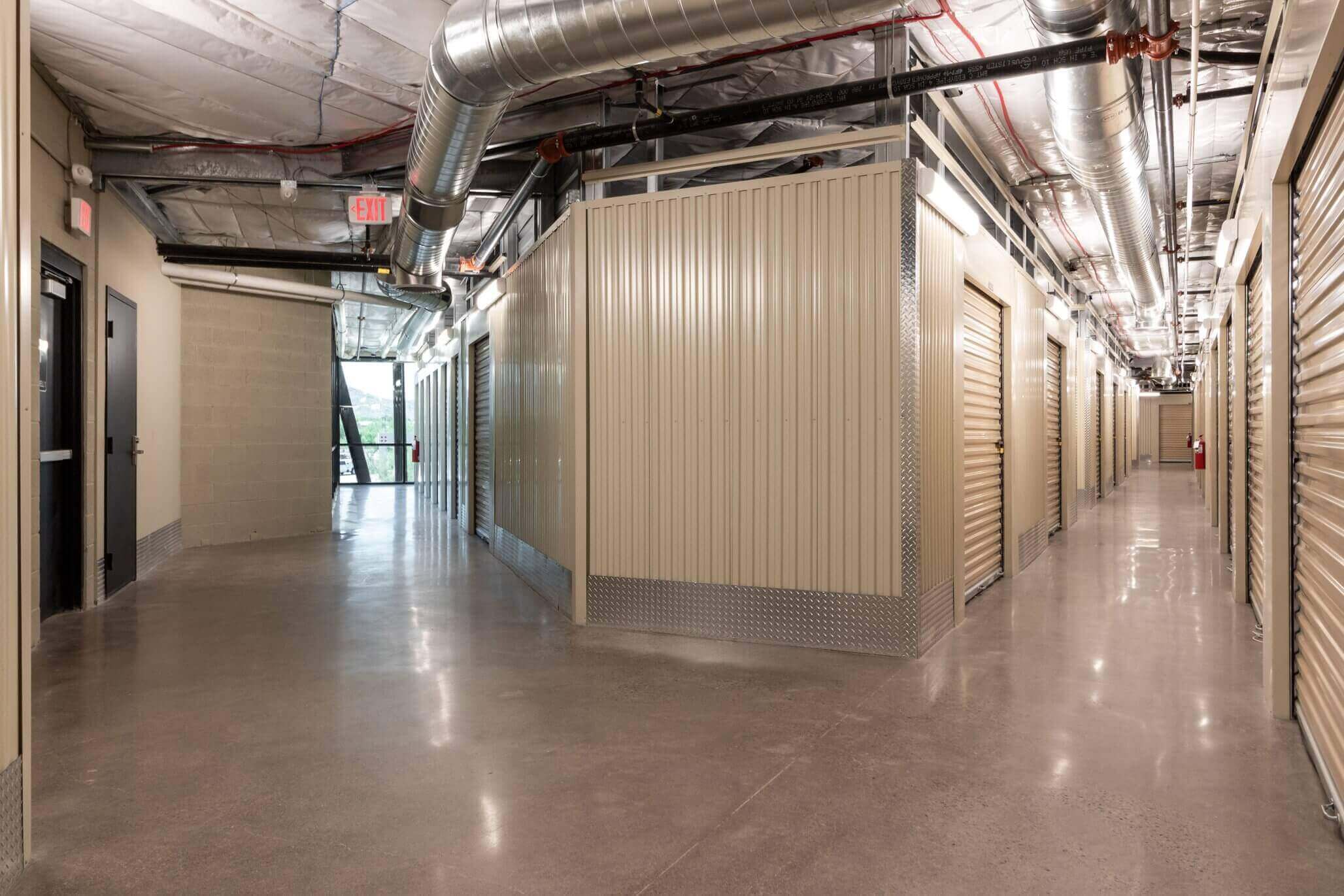
Reduce Clutter With Flexible Self-Storage Solutions
Self-storage provides a practical solution for individuals and families looking to declutter apartments, homes, or offices while keeping essential items safe and accessible. We help customers store everything from seasonal decorations and furniture to electronics, documents, and personal belongings, providing a flexible solution that accommodates changing needs. By utilizing self-storage, you can reclaim space in your home, organize your belongings efficiently, and maintain easy access to everything you need.
Enhance the Overall Storage Experience With Expert Guidance
At McDowell Mountain Community Storage, we prioritize the customer experience, ensuring that every step of the storage process is as smooth and stress-free as possible. Our facilities are equipped with secure, accessible units of varying sizes. Our team offers expert guidance on packing, labeling, and organizing, and our storage solutions are designed to meet diverse needs. By following our checklist, utilizing the proper materials, and planning each step thoughtfully, customers enjoy a secure, organized, and convenient storage experience from start to finish.
Conclusion: Follow Our Checklist for a Successful Move
Moving into a storage unit requires careful planning, preparation, and organization, but by following our step-by-step checklist, the process becomes manageable, efficient, and secure. From gathering packing supplies and selecting the right unit size to labeling, protecting, and maintaining your belongings, every step is designed to optimize space, minimize stress, and ensure the safety of your items. At McDowell Mountain Community Storage, we provide the facilities, tools, and guidance needed to make your storage experience seamless, giving you peace of mind and confidence that your belongings are well cared for every step of the way.
Frequently Asked Questions (FAQs)
1. Can I Access My Storage Unit Anytime?
Many people wonder if they can retrieve or add items outside of regular business hours. Our storage facilities typically offer flexible access times, but some locations have limited access hours. It’s essential to check your unit’s accessibility when renting so you can plan your schedule accordingly.
2. What Items Am I Not Allowed to Store?
Certain items, like hazardous materials, perishables, flammable liquids, or illegal items, cannot be stored in self-storage units. This ensures safety for all customers and prevents damage to other belongings or the facility.
3. How Do Climate-Controlled Units Work?
Climate-controlled units maintain stable temperature and humidity levels, which are essential for sensitive items such as electronics, artwork, wooden furniture, and important documents. These units protect items from warping, mold, corrosion, or fading over time.
4. How Do I Handle Long-Term Storage?
For long-term storage, it’s important to periodically check your unit for maintenance issues, dust, or moisture, and ensure that boxes remain stacked safely. Keeping an updated inventory and rotating seasonal items helps keep everything organized over months or years.
5. Can I Share My Unit With Someone Else?
Some people consider sharing storage units with friends, family, or roommates. While it’s possible, only the renter named on the contract has legal access. If you share, it’s essential to clarify responsibilities and insurance coverage.
6. How Do I Protect Valuables While in Storage?
High-value items such as jewelry, artwork, electronics, or collectibles should be insured, securely packed, and placed in areas less prone to damage. Using reinforced boxes, bubble wrap, blankets, and climate-controlled units adds extra protection.
7. What Security Features Are in Place at Your Facilities?
Our facilities include gated access, surveillance cameras, secure locks, and, often, on-site staff. These measures reduce the risk of theft or unauthorized access, giving customers peace of mind that their belongings are safe.
8. Can I Change My Unit Size After Moving In?
Yes! If your storage needs increase or decrease, you can often transfer to a different unit size within the facility. Planning for growth or downsizing helps ensure that your belongings continue to fit comfortably and remain organized.
9. Do You Offer Packing Supplies On-Site?
Many of our storage locations provide packing supplies, including boxes, tape, bubble wrap, blankets, and containers. Having these items on-site is convenient for last-minute packing or replacements.
10. How Do I Set Up Insurance for My Stored Items?
Insurance can cover damage or loss due to fire, water, theft, or accidents. Customers can usually purchase insurance through the storage facility or a third-party provider, ensuring that high-value or fragile items are protected while in storage.