Organizing Your Small Storage Unit: Expert Do’s and Don’ts

At McDowell Mountain Community Storage, we understand that maximizing the space in a small storage unit can be challenging. Whether you’re storing furniture, seasonal items, documents, or business inventory, taking time to declutter and categorize your belongings before placing them in the unit is essential. By carefully sorting and arranging your things, you can create a system that makes every inch of space functional. Our team works with you to systematize your storage, ensuring that every item has a designated place and nothing gets lost or damaged over time.

We also know that storing something in a small unit requires thoughtfulness, rather than simply piling boxes or containers. With our guidance, you can efficiently arrange and categorize your belongings, declutter unnecessary items, and maximize the benefits of your self storage experience. From labeling boxes to creating accessible pathways, we help you implement strategies that keep your unit tidy, organized, and easy to navigate, regardless of the size or type of items you are storing.

Prioritize Planning Before You Pack

Before placing any items in your storage unit, we recommend taking time to assess your storage needs and review what other storage facilities offer. Consider the size of your unit, the types of belongings you plan to store, and how often you’ll need access. Creating a plan enables us to recommend the ideal storage unit size, shelving options, and packing materials, providing you with a clear understanding of how to maximize your space. Our menu of available unit sizes and features helps you choose the one that fits best. Browsing helpful articles and guides can also provide valuable organization tips.

We also advise creating an account to keep track of your rental, payments, and unit details, and making a comprehensive list of all items, categorizing them by use and priority. Store frequently used items near the front of the unit for easy access, while seasonal or long-term items can go toward the back. With this thoughtful planning, your small storage unit can feel spacious, organized, and easy to navigate, even if it’s only a few hundred square feet.

Use Shelves and Containers to Maximize Space

One of our most effective tips is to utilize shelving and containers whenever possible. In other words, shelves allow you to utilize vertical space, keeping items off the floor where moisture, pests, or mold could become a problem. Clear plastic containers are handy, as they allow you to see your items without opening every box and provide protection against dust and pests. Taking a little bit of extra time to sort your belongings before placing them on shelves makes a big difference in organization and accessibility.

When stacking boxes, we suggest placing heavier items on the bottom and lighter ones on top. Using uniform-sized containers creates a compact and stable stack, which prevents tipping and maximizes every inch of your unit. Considering factors such as item size, fragility, and storage locations within the unit helps ensure that everything is stored efficiently. Our self-storage facility provides all the information and guidance you need to place another layer of boxes safely, maintaining a tidy and well-organized space.

Label Everything Clearly

Labeling is one of the simplest yet most effective ways to stay organized. At McDowell Mountain Community Storage, we encourage customers to label each box or container with its contents clearly. Label the top and sides of each box so you can easily identify items without having to move multiple boxes.

Maintaining an organized labeling system helps anyone accessing the unit—whether it’s you, our team, or a family member—locate what’s needed quickly and efficiently. A well-labeled unit also saves time, reduces the risk of damage from shifting boxes, and ensures your inventory remains easy to manage.

Keep Frequently Used Items Accessible

Accessibility is critical in a small storage unit. We advise placing items you need most often near the front. This approach reduces the time spent moving boxes and keeps your storage experience efficient. Items like seasonal clothing, documents, or appliances you use occasionally should still be easily accessible without unpacking the entire unit.

Creating clear paths in your storage unit and avoiding overpacking the middle can improve access and safety. Our team can advise on layout strategies to optimize space and ensure every inch of your unit is functional.

Store Furniture and Large Items Wisely

When storing furniture, mattresses, or large appliances, we suggest using proper covers to protect them from dust, weather fluctuations, and pests. Keep mattresses upright and off the floor when possible. If you have multiple pieces of furniture, consider disassembling them to save space and placing protective padding between pieces to avoid scratches or damage.

Using our storage facility’s Storage Tips on shelving and floor layout ensures that even large items fit without creating hazards. By planning the arrangement of bulky goods, you maintain room for smaller boxes and containers, making the unit more organized overall and maximizing every inch of your storage space.

Avoid Storing Perishable or Unsafe Items

One of the key don’ts we emphasize is storing perishable food, plants, or anything that could attract pests. Food can spoil and create mold, while plants may not survive in fluctuating temperatures. Similarly, avoid storing hazardous materials such as flammable liquids, chemicals, or explosives.

Our self-storage units are designed for personal and business belongings, with climate-controlled options available for sensitive items. Following these safety measures protects your items and ensures the storage facility remains secure for everyone.

Protect Documents and Valuables

For important documents, photos, or valuable items, we recommend using waterproof containers and keeping them off the floor. Creating a dedicated container for paperwork, financial records, or sentimental goods allows us to advise you on additional security measures, such as locks or insurance options.

We also suggest maintaining a digital inventory or photo record of your stored belongings. This helps track what’s in your unit, simplifies insurance claims if necessary, and allows you to locate items quickly without having to dig through boxes.

Maximize Vertical Space Without Overloading

Vertical stacking is a key strategy in small storage units, but there’s a delicate balance between maximizing space and maintaining safety. We advise against stacking boxes too high or placing cumbersome items. Using shelving units ensures that even the topmost levels remain stable, accessible, and safe.

Our storage facility offers guidance on load distribution and space utilization, ensuring that every shelf and container serves its intended purpose without compromising the integrity of your items or unit structure.

Keep an Organized Layout With Zones

Creating zones within your unit can significantly improve organization. At McDowell Mountain Community Storage, we recommend dividing the unit into separate areas for different categories, including clothing, seasonal items, documents, appliances, and business inventory.

Zoning prevents mixing items, reduces the time spent searching, and keeps your storage unit organized and tidy. Use bins, containers, or even temporary dividers to keep categories separate, ensuring a neat system that maximizes efficiency.

Implement a Tidy Packing Strategy

Packing efficiently starts with selecting the right boxes and containers. We suggest using sturdy, uniform-sized boxes that fit together well. Avoid overpacking boxes to prevent damage. Cushion fragile items with padding or materials like bubble wrap or towels.

When placing boxes in the unit, consider stacking by size and weight. Heavy items should be placed at the bottom, and lighter, less dense items should be placed on top. This approach prevents crushing, optimizes storage space, and maintains the safety of all your belongings.

Don’t Overcrowd or Block Access

A common mistake we see is overfilling a storage unit to the point that access is blocked. While it’s tempting to maximize every inch of space, overcrowding reduces accessibility and increases the risk of damage or injury.

Leave walkways and space to maneuver, especially if you plan to visit the unit frequently. Our team can help you identify layout strategies that strike a balance between capacity and accessibility, ensuring you can retrieve items with ease.

Use Climate-Controlled Options When Needed

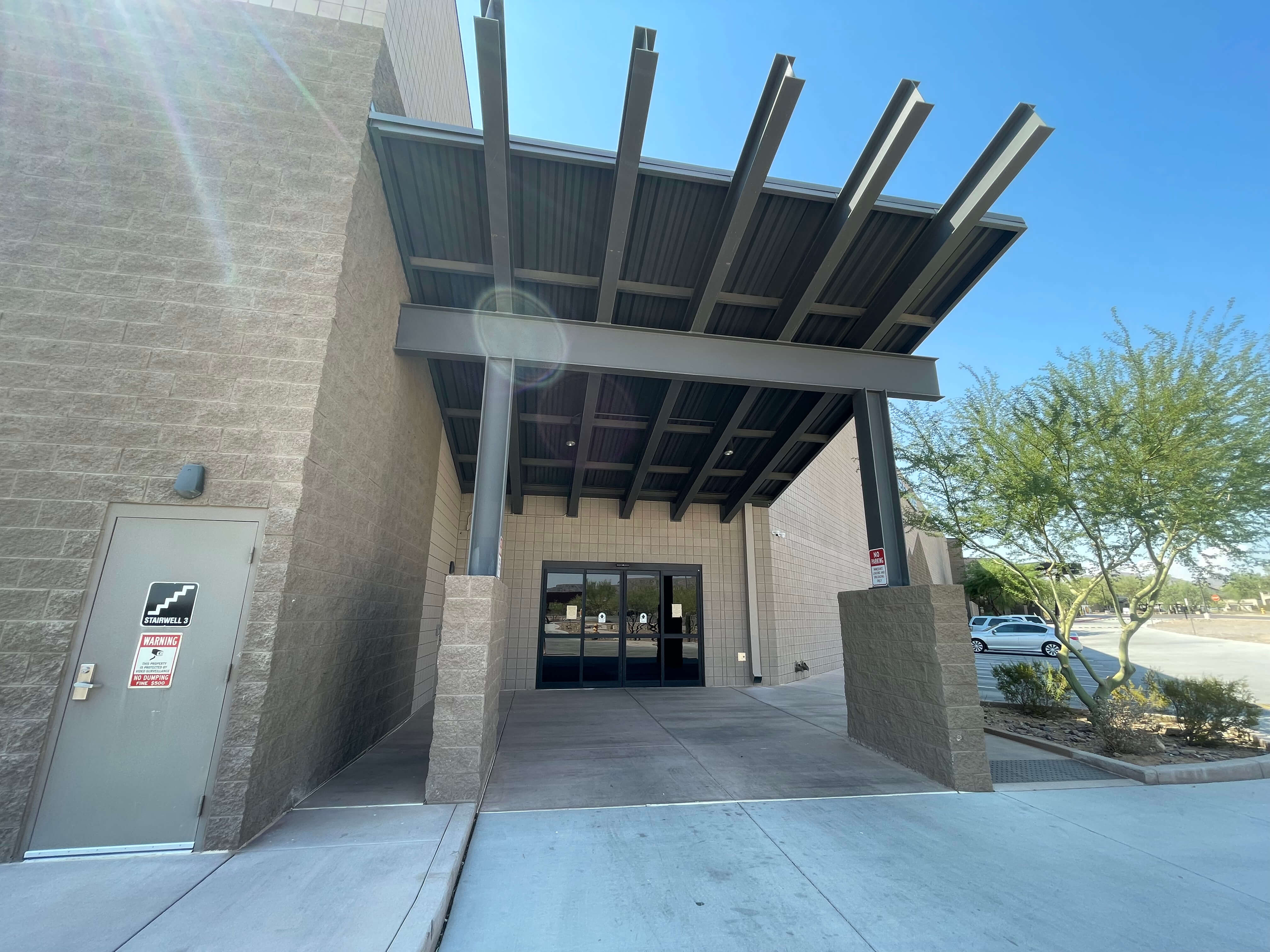
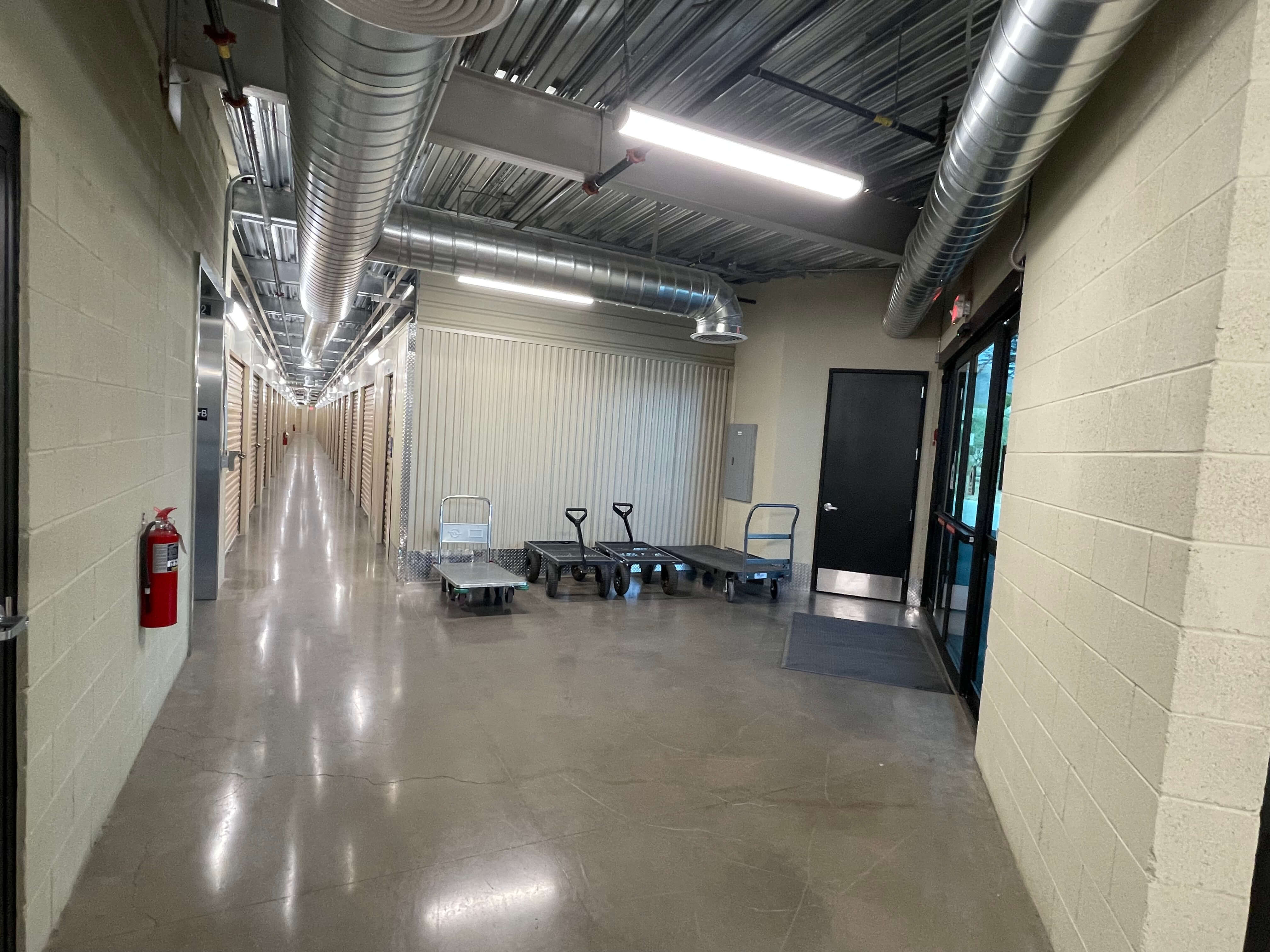
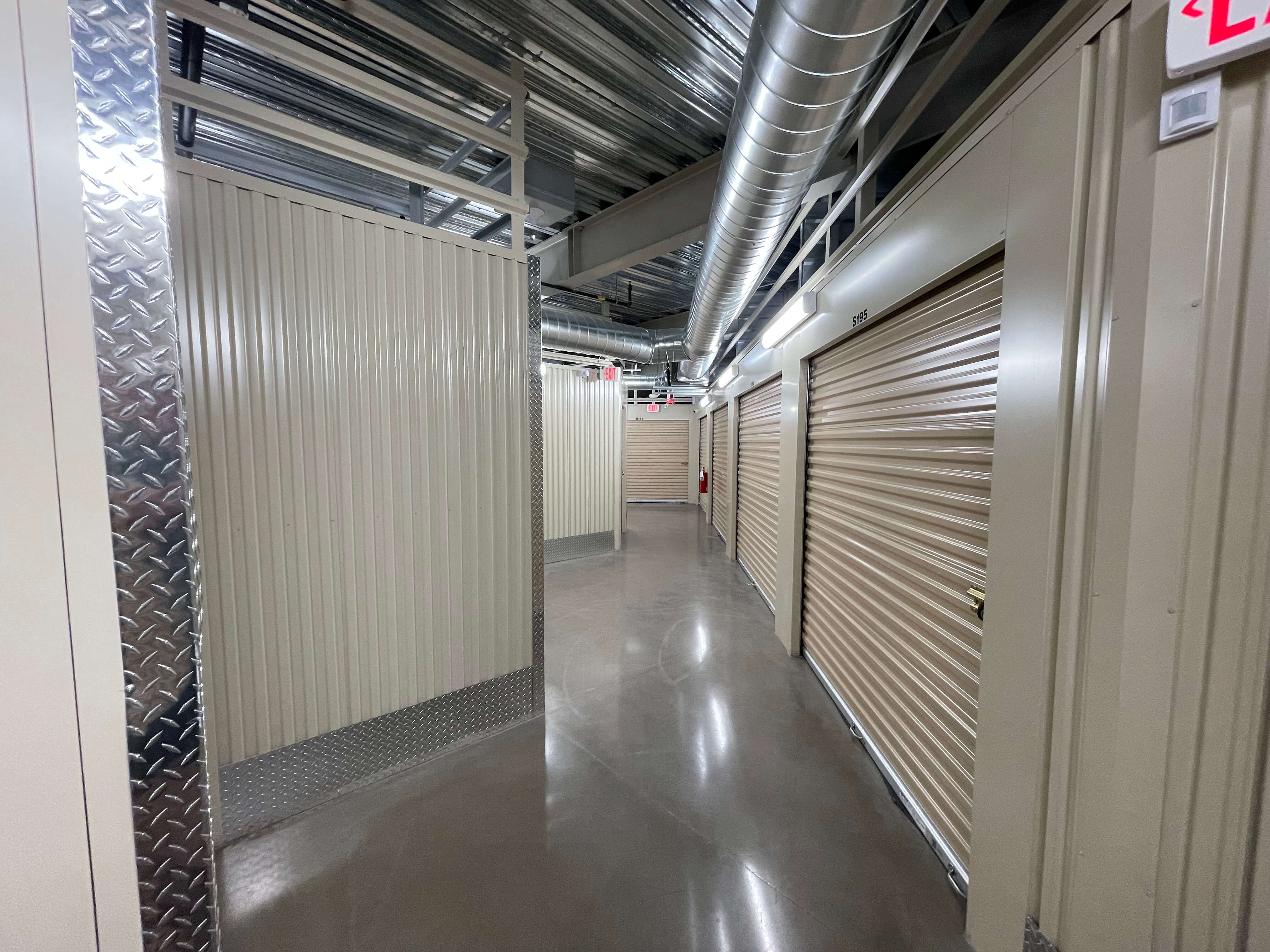
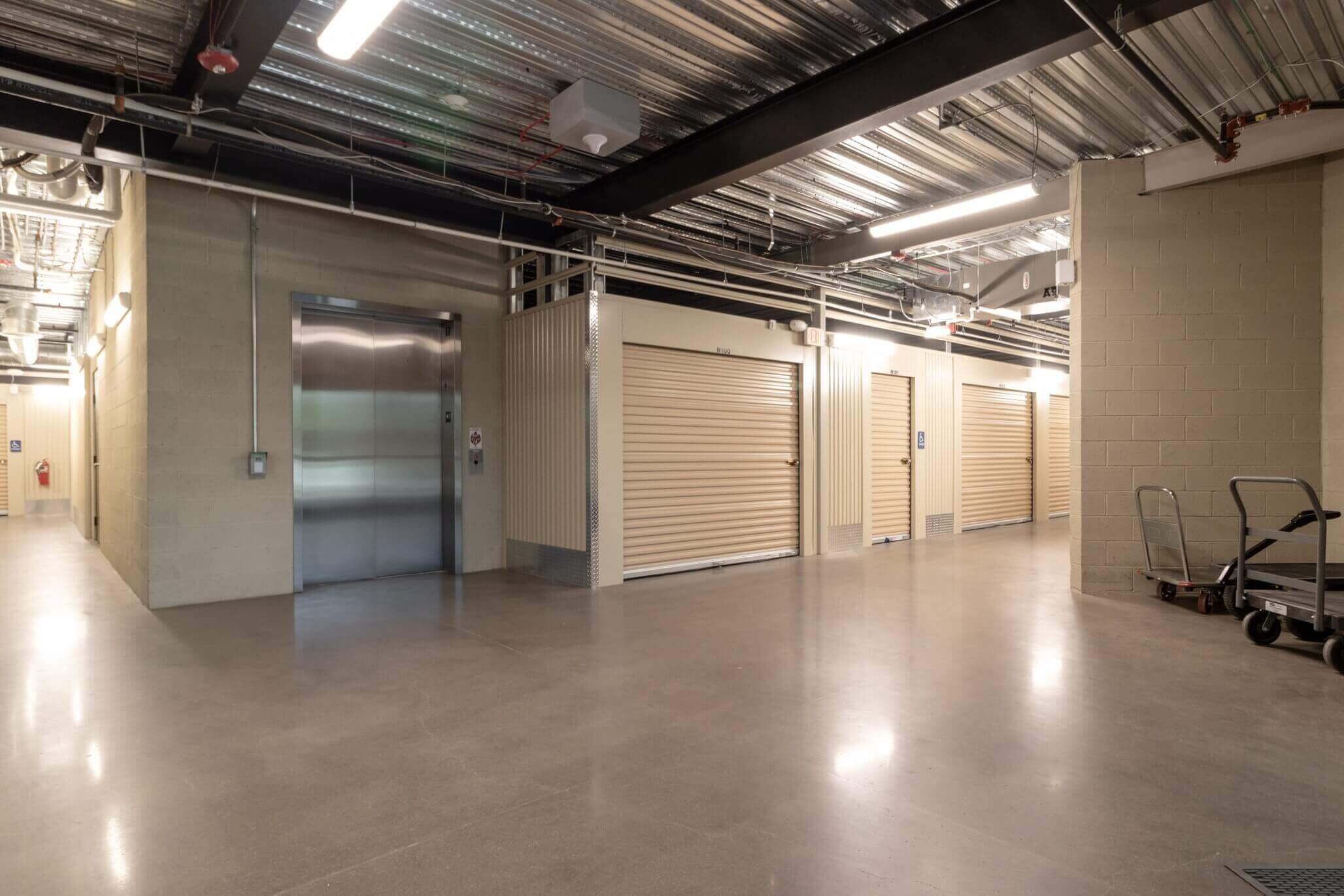
Small storage unit neatly organized with labeled boxes shelves and containers at McDowell Mountain Community Storage in Scottsdale Arizona
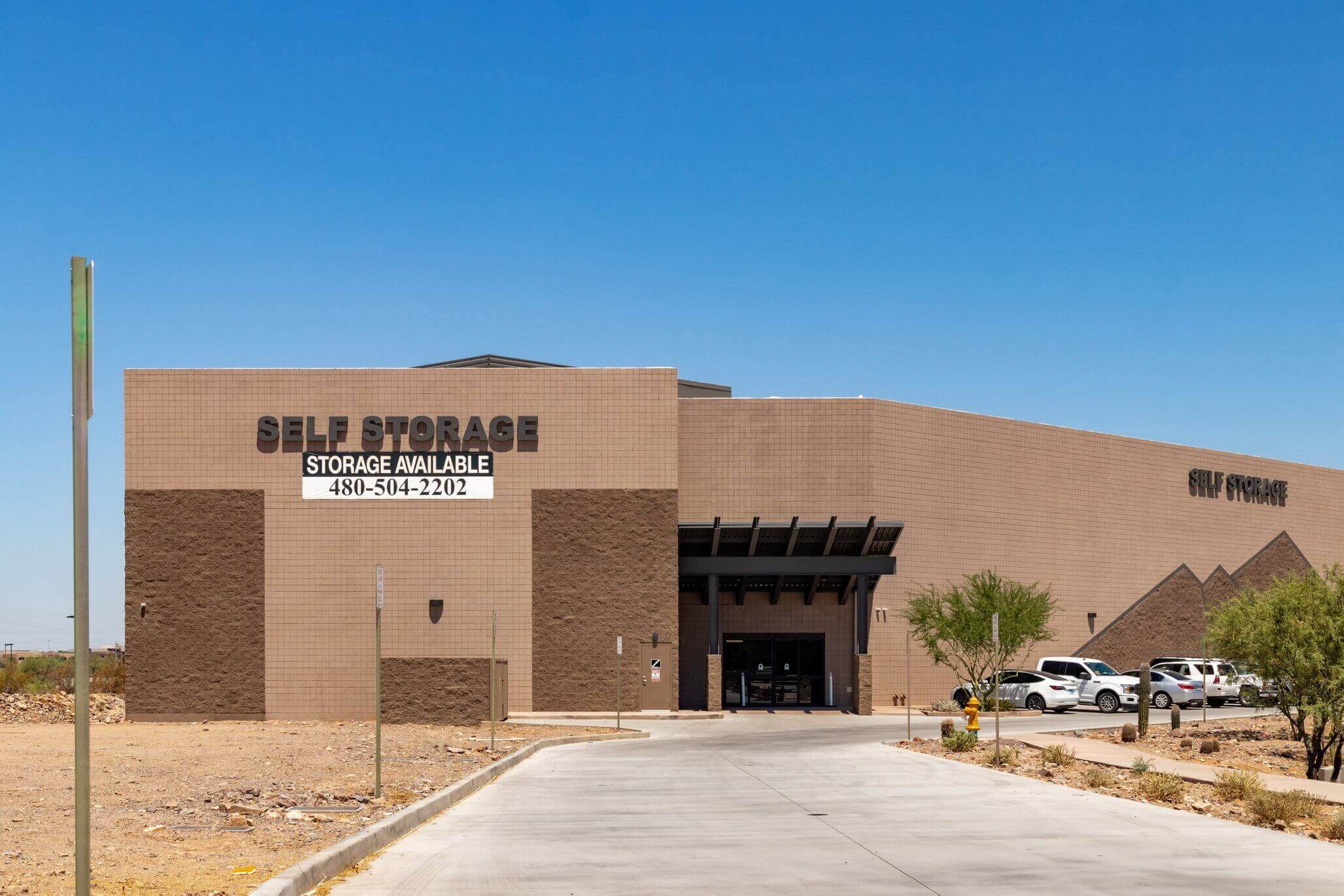
Expert tips for arranging and organizing a small storage unit at McDowell Mountain Community Storage in Scottsdale Arizona

Certain items, such as electronics, wooden furniture, or sensitive documents, benefit from climate-controlled storage. We offer units with temperature and humidity control to protect items from mold, weather, and other forms of deterioration.

Choosing the right self-storage unit for your contents prevents long-term damage and ensures your items remain in the same condition as when you stored them. Our customer service team can help you find the ideal unit type and features that match your storage needs.

Maintain Security Measures

Security is a top priority for us. Our facility features gated access, surveillance cameras, and secure locks to protect your belongings. When storing valuable or sensitive items, consider additional personal locks or insurance for peace of mind.

Regularly reviewing your security measures and understanding the options available at our facility ensures that your storage experience is safe, convenient, and worry-free.

Keep an Updated Inventory

Maintaining an inventory of everything in your storage unit allows you to track items and plan for future storage needs. We encourage customers to note the contents of each box, its location within the unit, and the date it was stored.

An up-to-date inventory also helps with insurance claims, unit cleanouts, and planning for future storage needs. Digital tools or simple spreadsheets can streamline the inventory process, making it easy to manage even a small unit efficiently.

Label Boxes by Priority

In addition to labeling contents, we advise noting the priority of items on each box. Using labels such as “frequent access,” “seasonal, or “long-term storage helps us plan the layout and ensures that items are easily accessible when needed.

This method keeps your storage system organized, reduces unnecessary movement of boxes, and allows you to optimize the storage space in your unit.

Avoid Storing Damaged or Moldy Items

Before placing anything in a unit, check for damage, pests, or mold. Storing compromised items can harm other belongings and reduce storage efficiency. Cleaning, drying, and repairing items before storage ensures they remain in good condition and do not negatively impact other contents. Following our advice on item preparation helps you systemize your unit from the start, creating a safer and more organized storage environment.

We also recommend periodically inspecting your unit to catch any potential issues early, especially if you plan to store items for long periods. Regular check-ins allow you to adjust your organization strategy and keep your storage unit fully systemized for maximum efficiency.

Utilize All Available Storage Options

Our facility provides a variety of unit sizes and storage solutions. Using the appropriate size prevents overcrowding and ensures optimal use of space. Whether you need small units for documents or large units for furniture and appliances, we help you find options that match your budget, storage needs, and accessibility requirements.

Additionally, accessories like shelving units, protective covers, and specialized containers help optimize space and maintain organization. Our team can advise on the best combination for your unique storage situation.

Make Regular Visits to Stay Organized

Even with the best planning, small storage units require occasional maintenance. We suggest visiting your unit periodically to check for damaged items, reorganize boxes, and ensure the layout still meets your needs.

Regular visits also allow you to update your inventory, assess storage strategies, and address any potential security or accessibility concerns. Staying proactive keeps your storage unit efficient and clutter-free.

Choose the Right Facility Location

Location matters. Choosing a self-storage facility close to your home or business increases convenience, accessibility, and reduces travel time. At McDowell Mountain Community Storage, we prioritize customer accessibility by offering a location that is easily accessible and well-organized to meet all your storage needs.

An ideal location paired with professional customer service ensures your storage experience is smooth, secure, and reliable.

Take Advantage of Promotions and Services

We offer a variety of services, promotions, and storage solutions to enhance your experience. From flexible rental rates to additional security features, our team is here to help you maximize your storage space while staying within your budget.

Staying informed about available options enables you to adjust your storage strategy, expand your unit size as needed, and maintain an organized and efficient storage system.

Conclusion: Organized Storage is Achievable with Planning and Strategy

At McDowell Mountain Community Storage, even a small storage unit can be functional, tidy, and efficient when approached strategically. By planning, using shelving and containers, labeling items, maintaining accessibility, and adhering to our storage dos and don’ts, you can optimize every inch of your unit.

Our self-storage facility offers the tools, guidance, and services to make storage simple and stress-free. Whether you’re storing personal belongings, business inventory, or seasonal goods, following these tips ensures your storage experience is organized, safe, and tailored to your needs. With the right strategy, any small storage unit can feel spacious, manageable, and perfectly suited to your life.

Frequently Asked Questions

Can I store items directly on the floor of my storage unit?

While you can, we recommend using shelves or pallets to keep items off the floor, thereby avoiding moisture, pests, and mold damage. Proper elevation also makes your unit more straightforward to navigate.

How do I decide which items to place at the front versus the back of my unit?

Frequently accessed items, such as seasonal clothing, documents, or appliances, should be placed near the front. Long-term storage or bulky items are best toward the back for efficiency and accessibility.

What is the best way to protect fragile items in a small storage unit?

Use sturdy boxes with padding such as bubble wrap, towels, or foam. Clearly label fragile boxes and place them on top of heavier boxes to avoid crushing.

Is it necessary to use climate-controlled storage for small units?

It depends on the items. Electronics, wooden furniture, important documents, and photos benefit from climate-controlled units to prevent damage from temperature and humidity fluctuations.

How often should I visit my storage unit to maintain organization?

Periodic visits every few months are recommended. This allows you to check for damage, adjust the layout, update your inventory, and maintain accessibility.

Can I use mismatched boxes and containers in a small storage unit?

You can, but uniform-sized boxes are more space-efficient and stack safely. Clear containers also allow you to quickly identify contents without unpacking.

How should I store furniture, such as mattresses or large appliances, to prevent damage?

Keep mattresses upright, disassemble larger furniture if possible, and use protective covers to prevent damage. Place heavy items at the bottom and lighter items on top to prevent damage.

Are there any items I should never store in a self-storage unit?

Yes. Avoid perishable food, plants, hazardous materials, chemicals, or anything that could attract pests or create safety hazards.

What is the safest way to stack boxes in a small storage unit?

Stack heavier boxes at the bottom and lighter boxes on top. Consider shelving for vertical space and stability. Always leave walkways for easy access.

How can I create an efficient labeling and inventory system?

Label boxes on the top and sides with contents and priority (frequent access, seasonal, long-term). Maintain a digital or written inventory with detailed locations and dates to locate items and manage space effectively.
Proven Home Organization Hacks for Every Room in Your House

At McDowell Mountain Community Storage, we understand that keeping a house organized can feel overwhelming. From cluttered drawers and crowded closets to overflowing kitchen cabinets and piles of miscellaneous items at the bottom, it’s easy for space to get out of control. That’s why we’ve put together this comprehensive guide to help you declutter, arrange, and streamline every area of your home. Whether it’s sorting through a large amount of papers, clothes, or kitchen items, we provide ideas and practical tips for transforming chaotic spaces into functional storage areas. Our method provides a way to manage all the content in your home and keep everything organized.

We also know that sometimes there’s simply something you want to keep but no easy place for it at home. That’s why we help families optimize storage space, whether it’s a cabinet, drawer, or off-site unit. From labeling contents to planning long-term organizational projects, our approach combines innovative ideas with proven systems to simplify your house. With the right arrangement and approach to handling every area, you can reclaim every square foot, manage every drawer, and maintain a home where all items have a designated spot.

Building a Strong Foundation for Home Organization

Before diving into room-by-room solutions, we recommend starting with a strong foundation: decluttering and creating systems for your belongings. This process helps you take account of all the stuff in your house and gives you a clear idea of how to manage it. Every post, example, or piece of advice in this guide is designed to provide inspiration and practical methods, so even tackling a bit of clutter at a time leads to measurable progress. At this point, understanding the different types of items, their sizes, and how people interact with them in your home is crucial to preventing messes and maintaining order.

  • Sort and categorize all items in your home. This includes clothes, shoes, office supplies, kitchen containers, wrapping paper, bags, papers, and anything else you use regularly. Decide what to keep, donate, trash, or store off-site. This idea of categorization ensures that nothing is left without a designated place.
  • Assign each item a spot. At McDowell Mountain Community Storage, we know that when every item has a home, clutter is minimized. Whether it’s a top drawer, a cabinet, or a box in a storage unit, every piece has its designated place.
  • Use containers, bins, boxes, and baskets to organize your belongings. Clear containers and well-labeled bins make it easier to track contents, and they help manage all the stuff in your home efficiently. This method also gives a sense of order for someone who needs to find anything quickly.
  • Establish a daily maintenance habit. Spending just a bit of time each day sorting, arranging, or returning items to their designated spots prevents messes from accumulating. Even small pieces of work contribute to overall progress.
  • Consider off-site storage for overflow. Sometimes your home doesn’t have enough space for everything. That’s where we come in—our secure, climate-controlled units provide storage space for anything you want to keep, from seasonal clothing to furniture and boxes of memorabilia. This gives you the flexibility to manage your home while knowing that every piece of your stuff is accounted for.

Entryway and Mudroom Organization

Our team sees entryways and mudrooms as the front lines of home clutter. Shoes, coats, bags, keys, and mail can pile up quickly, but with the right solution, managing these becomes much easier. Here’s our approach:

  • Install hooks and wall organizers for coats, bags, and accessories to keep the floor clear and make it easy to access items from the door.
  • Place baskets or bins for shoes and mail near the entrance. Label them so everyone in the family knows where each item goes, giving thanks to a system that keeps clutter in check.
  • Keep a small drawer, shelf, or even a desk, if space allows, for keys, sunglasses, and other everyday essentials. This ensures everything has its spot and prevents piles from forming.
  • Please limit the number of piles on the floor by creating a single drop zone for items and ensuring it’s emptied daily.
  • Store seasonal items or rarely used bags in labeled boxes in our facility to keep your home clutter-free and maintain clear door access for a smooth, organized entryway.

Living Room and Family Room Solutions

The living room often becomes a catch-all for miscellaneous items. Here’s how we at McDowell Mountain Community Storage suggest tackling it:

  • Use multifunctional furniture with built-in storage, such as ottomans, coffee tables, and sideboards.
  • Create zones for toys, books, media, and miscellaneous items. Use labeled bins and baskets to sort everything.
  • Keep your console and drawers tidy by storing only items you use regularly and relocating the rest.
  • Apply the one-in, one-out rule. For every new item added, remove an old one to prevent clutter from accumulating.
  • For extra décor or seasonal items, store them with us. Our storage units offer a convenient extension of your living space, keeping your home neat and functional.

Kitchen and Pantry Systems

We see kitchens as one of the most challenging areas to organize. With food, containers, utensils, and miscellaneous papers competing for space, clutter is inevitable. Here’s our method:

  • Empty all kitchen cabinets and pantry shelves and sort items by type: food, appliances, containers, utensils, and wrapping paper.
  • Use clear containers and bins with labels to organize snacks, baking supplies, canned goods, and other items.
  • Maximize vertical space with risers, stacking bins, and shelf organizers.
  • Keep the fridge clear by discarding old food and using bins to group items for easy access.
  • Organize the junk drawer by sorting small items into labeled sections, such as office supplies, food wraps, or miscellaneous tools.
  • Store overflow items, seasonal cookware, or rarely used containers with us to free up valuable kitchen space.

Bedroom, Closet, and Wardrobe Organization

Our approach to bedrooms focuses on clothing, shoes, accessories, and personal items:

  • Empty the closet and sort items by type, season, and frequency of use.
  • Use uniform hangers to maintain a clean, organized look.
  • Fold clothes vertically in drawers so everything is visible and accessible.
  • Store shoes in clear boxes, racks, or under-bed containers, and label each pair accordingly.
  • Organize accessories in small labeled baskets: belts, scarves, jewelry.
  • Off-season items can be stored in our units to free up closet space while keeping them safe and accessible.
  • Keep the floor clear and avoid piles in front of the closet to ensure everything fits neatly.

Bathroom Organization and Storage

Bathrooms can quickly become cluttered with toiletries, towels, and miscellaneous items. Here’s how we recommend organizing them:

  • Use drawer organizers to separate daily-use items, extras, and children’s products.
  • Store cleaning supplies and spare toiletries in labeled bins under the sink for easy access.
  • Install hooks on walls or doors for towels and bathrobes to free up floor space.
  • Use clear containers for cotton balls, swabs, and bath products, labeling them to keep everything tidy.
  • Regularly review papers and magazines, recycling or discarding those that are no longer needed.
  • For overflow items, consider using our secure storage units to keep bathrooms organized without sacrificing space.

Kids’ Rooms and Play Areas

Children’s spaces often accumulate a variety of items, including toys, clothes, books, and papers. Here’s our approach at McDowell Mountain Community Storage:

  • Use low shelves and labeled bins to make toys accessible and easy to put away. Examples: “Cars,” “Blocks,” “Art Supplies.”
  • Rotate toys periodically, storing excess items in boxes either off-site or out of sight.
  • Create a paper station for art, school papers, and photos. Sort and recycle regularly.
  • Keep the floor clear by assigning bins for frequently used items and storing seasonal clothes and shoes in labeled containers.
  • Off-site storage is ideal for items your kids may not use daily, but you want to keep organized and accessible.

Office and Workspace Organization

Home offices or workspaces attract clutter from files, papers, and supplies. Here’s how we tackle it:

  • Use a filing system with labeled folders to organize bills, documents, photos, and other essential papers.
  • Designate a junk drawer with smaller bins for USB drives, office supplies, and miscellaneous tools.
  • Keep the desktop clear by archiving old files and storing excess items off-site.
  • Use shelves with labels for books, documents, and supplies.
  • Items that aren’t used daily, like boxes of wrapping paper, photos, or seasonal office supplies, can be stored safely in our units.

Garage, Car, and Miscellaneous Storage

Garages and cars are often overlooked spaces where clutter accumulates:

  • Utilize wall hooks and pegboards to store bikes, tools, and garden supplies.
  • Store seasonal items, holiday décor, and sports gear in labeled bins.
  • Keep a car emergency kit, and remove any unnecessary items to free up space.
  • Avoid letting piles form on the garage floor. Store excess boxes, furniture, or seldom-used items in our climate-controlled storage units.
  • Label every bin and shelf to maintain organization and make it easy to find items when needed.

Systems for Labeling, Tracking, and Maintaining Organization

Best home organization hacks for every room in the house provided by McDowell Mountain Community Storage in Scottsdale Arizona
Discover practical tips to declutter and arrange every room in your home with guidance from McDowell Mountain Community Storage located in Scottsdale Arizona

At McDowell Mountain Community Storage, we emphasize consistent systems:

  • Label every container, drawer, shelf, and bin to make items easy to locate and identify.
  • Keep an inventory list for off-site storage boxes so you always know what’s in each box and where it’s stored.
  • Track your organization’s habits on a weekly or monthly basis to ensure everything remains in order.
  • Sort items by type, size, and frequency of use. This ensures easy access and prevents clutter from building.
  • Conduct quarterly decluttering to keep items relevant and organized.

Maximizing Space Effectively

Here are some tricks we rely on:

  • Fold clothes vertically and stack boxes by size to maximize drawer and shelf space.
  • Use clear containers so you can see the contents without needing to open them.
  • Utilize wall space with hooks and shelves to maximize storage.
  • Store less frequently used items off-site to free up space in your home.
  • Maintain consistent labeling and color coding across rooms for easy recognition.
  • Keep frequently used items accessible and store seldom-used items in labeled boxes either at home or with us.

Off-Site Storage as Part of Home Organization

Sometimes, even the best organizational systems at home aren’t enough. That’s why McDowell Mountain Community Storage exists:

  • Store seasonal items, bulky furniture, boxes of photos, wrapping paper, or excess clothing in our secure, climate-controlled units.
  • Label and inventory each box before storage so you know exactly where everything is.
  • Use our units as a holding zone for items you don’t need daily but want to keep safe.
  • Treat storage as an extension of your home organization system. Everything stored should still have a category, label, and be easily identifiable and trackable.

Maintaining Long-Term Organization

Organization is a habit, not a one-time project:

  • Spend 10 minutes daily tidying high-traffic areas.
  • Conduct monthly reviews of bins, drawers, and shelves to ensure that all items are in their proper place.
  • Maintain a log for off-site storage items to track their location and ensure accurate retrieval.
  • Follow the one-in, one-out rule for new items.
  • Encourage all family members to use the system consistently.
  • Schedule quarterly decluttering sessions to remove items no longer needed.

The Importance of Organized Homes

At McDowell Mountain Community Storage, we know that organized homes impact life and family:

  • Clearer space = less stress and more functionality.
  • Easy access to items saves time and prevents frustration.
  • Family members understand the system and contribute to maintaining order within it.
  • Off-site storage allows you to keep valuable items safe without overcrowding your home.
  • A well-organized home feels efficient, welcoming, and calm.

Conclusion: Take the Next Step

Start with one room, such as the kitchen cabinets, a bedroom closet, the entryway, or the garage. Sort, label, assign spots, and clear the floor. Use containers, bins, and boxes for organization. And if you need extra space, trust McDowell Mountain Community Storage to store overflow items securely.

By sorting, labeling, storing, and maintaining your home, you simplify your space, reduce clutter, and create a system that works for your family. Whether it’s kitchen supplies, papers, clothes, or seasonal decorations, everything can have its place—with the help of our storage solutions and organization methods.

Frequently Asked Questions

1. How do I decide which items should be kept at home versus stored off-site?

We recommend assessing frequency of use, seasonal need, and sentimental value. Items rarely used or occupying valuable home space can be stored in our secure storage units.

2. What size storage unit do I need for different types of household items?

We offer a variety of unit sizes to accommodate boxes, furniture, seasonal items, and more. Consider the number of items, their sizes, and whether you need walk-in accessibility when choosing a unit.

3. Can I access my stored items anytime?

Yes, our facility offers convenient access hours and secure entry systems, allowing you to retrieve or add items to your storage unit as needed.

4. How can I label and organize items in storage for easy retrieval?

We suggest labeling each box by category and contents, using color-coded labels or an inventory list to track all stored items. This ensures you can quickly locate any item when needed.

5. Are there items that shouldn’t be stored off-site?

Perishable foods, hazardous materials, or items requiring constant climate control should be left at home. Our climate-controlled units are ideal for clothing, photos, documents, and seasonal items.

6. How can I maintain organization in high-traffic areas like the kitchen or entryway?

Use bins, baskets, hooks, and drawer organizers to create zones for each type of item. Establish daily habits of putting items back in their designated spots to prevent clutter buildup.

7. What are some tips for organizing kids’ toys and school supplies?

Low shelves, labeled bins, and a toy rotation system keep kids’ rooms tidy. Items can also be stored off-site when not in use, freeing up space.

8. How can I make the most of vertical space in closets, cabinets, or pantries?

Use risers, stackable containers, shelf organizers, and hooks to maximize vertical space. Off-site storage can also hold less frequently used items to prevent overcrowding at home.

9. What is the best way to declutter papers, documents, and office supplies?

Sort items into keep, recycle, and shred categories. Use labeled folders or bins for storage, and consider off-site units for excess paperwork or archived files.

10. How do I create a sustainable, long-term home organization system?

Establish clear categories, label all containers, rotate seasonal items, and maintain daily and weekly habits. Utilize off-site storage for overflow, track progress, and schedule quarterly decluttering sessions to maintain organization throughout the year.

Best Toy Storage Ideas to Keep Kids’ Rooms Neat and Organized

At McDowell Mountain Community Storage, we understand how challenging it can be to keep children’s rooms tidy when toys, books, and games are constantly vying for space. Parents often face a lot of small items—blocks, dolls, art supplies, and accessories—that seem to multiply overnight. That’s why it’s essential to arrange and sort toys and belongings with innovative, space-saving strategies that fit your home’s design and daily routine. From simple DIY labeling projects to adjustable doors on built-in cabinets, every thoughtful touch helps streamline play areas and make cleanup easier for both kids and parents. These creative toy storage ideas turn tidying up into an engaging, hands-on part of the day rather than a chore.

With a combination of clever storage products, functional furniture, and personalized touches, you can transform even the most active playroom into a calm, organized space. Add labeled bins beneath the coffee table, tuck seasonal bedding or plush toys behind cabinet doors, and include low shelves for easy access. A few practical tips—like designating a “cleanup corner” or using stackable containers—go a long way toward maintaining order. The goal is to create a balanced space where every item has a designated home, the room’s content feels inviting, and both children and adults can enjoy a clutter-free environment that works beautifully for everyday life.

Make Use of Vertical Shelves and Wall Storage

One of the best ways to maximize space in rooms filled with kids and toys is to utilize vertical storage. Rather than letting items spill across the floor, install shelves or wall-mounted units to elevate bins, drawer systems, and shelving frames. This creates clear floor space, keeps books and toys accessible, and reduces clutter in bedrooms or playrooms. For example, using a shelving unit with bins or cubbies and stacking storage up the wall ensures you efficiently use the vertical plane while keeping the room neat.

Tips for vertical storage:

  • Choose shelving that fits within your child’s reach — low enough for independent cleanup, high enough to leave open floor space.
  • Add hooks on the walls for accessories, such as dress-up items or stuffed animals.
  • Use labels on shelves and bins so kids know exactly where everything belongs.
  • Consider replacing a plain wall with a bookcase that holds toys, art supplies, books, and game boxes all in one efficient unit.

Use Bins, Baskets, and Storage Boxes to Categorize Items

Bins, baskets, and boxes are indispensable when it comes to organizing toys, clothes, craft supplies, and other “things” that tend to clutter a child’s room. By grouping items (blocks, dolls, cars, board games, books) into clearly labeled containers, you provide structure and encourage kids to put things away. According to organizing experts, this is a crucial aspect of maintaining order in a playroom or children’s bedroom.

Practical container tips:

  • Use transparent bins or ones with picture labels so a child can see what’s inside.
  • Assign one bin per toy type, e.g., “LEGO & blocks,” “Dolls & stuffed animals,” “Cars & trucks.”
  • Place frequently used items in containers at ground level for easy access.
  • Store less frequently used items in containers on higher shelves or in storage racks.
  • Use storage boxes under beds or benches to reclaim floor area.

Incorporate Multifunctional Furniture with Storage

When your house has limited space, furniture that serves dual purposes becomes invaluable. Consider beds with built-in drawers, benches that open up to store toys, or ottomans that serve as both seating and hidden storage bins. According to experts, these multifunctional pieces are among the best toy storage ideas for small spaces.

Furniture ideas to consider:

  • A bed frame with drawers underneath for clothes, books, or toy rotation bins.
  • A bench with storage inside the seat — perfect for stashing bulky toys when not in use.
  • Ottomans or cube seats with removable tops to hide away items like games or art supplies.
  • Storage-equipped bedside units in a child’s room to hold a mix of bedtime toys, books, and craft items.

Create Zones Within the Room for Different Activities

A key organization strategy is to divide the space into zones: a reading nook, a block-building area, a dress-up corner, a game console spot, and a toy car track space. Each zone has its own storage containers, shelves, or racks for the relevant items (books, blocks, dolls, cars, art supplies, games). This zoning approach helps children understand where things belong and supports quick tidying up.

How to implement zones:

  • Identify high-activity areas, such as the play area on the floor, the reading bed zone, and the craft table near shelving.
  • Use rugs or curtains to visually demarcate each zone.
  • Install cubbies or drawers next to each zone for the items used there. For example, blocks and Lego are placed near the floor play area, and art supplies are located on a small shelving unit at child height.
  • Label bins in each zone so children know which “things go where.

Make Labels and Simple Sorting Systems Part of Your Routine

Labels and simple sorting systems are powerful tools for children’s rooms full of toys, books, and craft supplies. When kids can clearly see where items belong, they’re more likely to help keep the room tidy. To take this a step further, organize and label stored boxes properly to maximize efficiency — this ensures that every item has a clear home, makes cleanup faster, and supports the idea of accessible, kid-friendly toy organization and storage solutions.

Labeling tips:

  • Use picture-and-word labels for younger children (e.g., a picture of cars and “Cars”).
  • Use color-coded containers for toy categories (“blue bin = blocks,” “green bin = art supplies”).
  • Use one container per category, and rotate categories seasonally to keep items in use.
  • Get kids involved: let them design the labels or choose the container colors — it builds ownership and fun.

Use Under-Bed Space and Closet Shelving to Free Up Floor Area

Often, the simplest storage spaces are underutilized, such as under the bed or inside closets. By installing shallow containers under the bed, adding shelves inside the closet, or utilizing cubbies along the closet floor, you can remove boxes and bins from the main floor, keeping the room feeling light and spacious. These strategies help maximize space and keep everything in place.

Under-bed and closet ideas:

  • Slide low-rolling bins under the bed for toys, games, or out-of-season items.
  • Add fixed shelves inside the closet space to store stacking bins of items such as clothes, books, and toys.
  • Use the floor of the closet for baskets of stuffed animals or large blocks — keeping the main room open.
  • Ensure storage in the bed or closet is easily accessible for kids, so it becomes part of their tidy-up routine, not hidden away.

Let Playable Items Double as Room Décor

One of the cleverest ways to keep things tidy is to allow children’s toys, books, and craft items to serve as décor, which means they’re then naturally in the right place rather than strewn about. For example, open shelving units can display colorful toys or blocks, and walls can feature pegged boards or racks for small cars, dolls, or accessories. A helpful tip is to use creative labeling or even a custom logo or name tag on display bins or boxes, adding a personal touch that encourages ownership and pride in maintaining a neat space. This approach works beautifully for baby rooms as well, where soft toys, books, and plush animals can double as adorable design accents in safe, rounded corners of the room. It makes tidying less of a “cleanup after play chore and more of a “place things where they belong habit.

Decor-meets-storage ideas:

  • Use open shelving to display your favorite toys and books, just like artwork, complete with labeled or personalized bins.
  • Install pegboards on walls near the play area for hanging dress-up accessories, stuffed animals, or craft supplies.
  • Choose storage furniture that matches or complements the bedroom’s style and color palette — so storage feels like part of the room’s design rather than an afterthought.
  • Rotate toys and games on display to keep the space fresh, visually balanced, and enjoyable for children.

Prioritize Accessible Storage for Children’s Independent Use

Creative and practical toy storage ideas for kids rooms organized by McDowell Mountain Community Storage in Scottsdale Arizona
These creative toy storage ideas show how McDowell Mountain Community Storage in Scottsdale Arizona can help families keep kids rooms organized and clutter free

For lasting success in keeping kids’ rooms clutter-free, storage must be accessible to the child. If toy bins, shelves, or drawers are too high, too dark, or too difficult to access, kids won’t use them — and the items end up on the floor. Research on space-saving design for children’s rooms emphasizes the placement and usability that is most suitable for kids themselves.

Accessibility considerations:

  • Store everyday toys at children’s eye level so they can choose, play, and clean up independently.
  • Use bins with handles or drawers that are simple to open and close.
  • Place heavy or large-sized toys (e.g., big trucks, stuffed animals) on lower shelves or in floor baskets rather than high up.
  • Keep seasonal or less-used items in higher areas or in the communal storage unit (such as your storage facility) and rotate them in and out as needed.

Rotate Toys and Declutter Regularly to Keep Things Manageable

No matter how good your storage system is, clutter accumulates if toys, books, and games keep piling up. A smart way to start decluttering your home fast is to rotate toys: keep some in storage, bring others out in cycles, and rotate them back. This simple method reduces the number of items in a room, keeps kids engaged with what’s available, and helps the space stay tidy and fresh. Expert advice on playroom storage emphasizes this as an effective way to prevent the “everything everywhere” mess.

Rotation and declutter strategy:

  • Set a monthly or quarterly “toy audit day where you and your child review and organize the items. Donate or store away items that are no longer used.
  • Use clear storage bins for off-season or out-of-rotation items and store them in your home’s extra space or at your community storage unit if needed.
  • Keep the in-room collection manageable: fewer items out means less clutter and more value from what’s available.
  • Encourage children to choose which items they want to be accessible, teaching them the importance of decision-making and responsibility.

Implement a Cleanup Routine to Make Use of the System

Even the best storage system won’t succeed unless you build a habit around it. Establish a cleanup routine in the child’s room or play area. Make putting away toys a regular part of your daily routine (e.g., before dinner or bedtime). With clearly labeled bins, accessible drawers and shelves, and defined zones, this becomes a manageable task rather than a significant overhaul. When the system is built with your child in mind (accessible, fun, labeled), the routine becomes part of the play-and-store cycle.

Cleanup routine tips:

  • Set a timer for 5 minutes for a “tidy-up game — kids race to place their toys into bins, drawers, or onto shelves.
  • Use labels and pictures to help your child know where to return each item.
  • At the end of the day, walk through the zones together: “Are all books back on the bookshelf? Are the blocks in their bin? Are the cars in the container?”
  • Praise children for helping — this reinforces the habit and makes the storage system part of the fun.

When Space Is Limited: Off-House Storage and Seasonal Overflow

If your house, playroom, or children’s bedrooms are tight on space, remember there is a solution off-site: storing seasonal toys, extensive game collections, or bulky items in external storage allows you to keep only the most used items in the room. At McDowell Mountain Community Storage, we offer secure, clean, accessible units where you can store overflow items. This way, you free up your house space for the toys and items that matter most now — and bring others in when needed.

Off-site storage advantages:

  • Free up precious floor and closet space in your home by moving extra boxes, large outdoor toys, or seldom-used items.
  • Rotate items back into your child’s room when needed (perhaps after a birthday or new gift) — a kind of “toy library you control.
  • Use shelving or stackable boxes in your storage unit to make it easy for items to be added and removed when you make changes.
  • Keep the most frequently used items in the bedroom/playroom and store the rest — this supports toy rotation and keeps clutter to a minimum.

Final Thoughts: Tailored Design and Long-Term Efficiency

By combining vertical shelving, baskets and bins, multifunctional furniture, clearly defined zones, labeling, child-accessible storage, rotation, and off-site overflow options, you can create a toy-friendly environment that remains neat, accessible, and fun. Whether it’s the playroom, bedroom, or even the living room where children bring toys, applying these storage principles helps turn “everything everywhere into “everything in its place.”

For families at McDowell Mountain Community Storage, remember: storage isn’t just about putting items away—it’s about creating an organized, attractive, efficient space for children to play, learn, read, build, and imagine, while keeping your house and bedrooms clutter-free.

Reach out to our team if you’d like help planning the overflow storage component or selecting the right unit size to complement your home’s toy organization strategy. With the right design in place, you’ll be in control of storage and cleanup routines in no time.

Frequently Asked Questions (FAQs)

1. What are the best toy storage ideas for small apartments or condos?

For smaller spaces, focus on vertical organization and furniture that serves multiple purposes. Wall-mounted shelves, stackable bins, over-door organizers, and under-bed drawers enable you to store a large number of items efficiently. Opt for compact, modular furniture to keep every inch of space functional and clutter-free.

2. How can I make toy storage blend with my home décor?

To maintain a cohesive look, choose materials and colors that match your existing décor. Woven baskets, fabric bins, or wood-toned boxes can complement the style of your living room or bedroom. Decorative shelving, labeled trunks, or color-coordinated bins not only add visual appeal but also enhance organization and clarity.

3. What toy storage options work best for babies and toddlers?

For young children, use soft fabric bins, low open shelves, and labeled baskets to organize their belongings. Rounded corners and lightweight containers keep everything safe and accessible. These storage ideas not only protect babies from bumps and scratches but also make it easy for them to learn early tidy-up habits.

4. How can I involve my kids in keeping their rooms organized?

Make cleanup time fun by turning it into a game or challenge. Use colorful labels or add your child’s name to bins and cubbies for a personalized touch. Encourage them to sort items — like blocks, dolls, cars, and books — into separate containers. Positive reinforcement helps kids develop a sense of ownership and consistency in keeping their spaces tidy.

5. What are some affordable DIY toy storage ideas?

Creative DIY options include repurposing everyday household items such as crates, shoeboxes, or baskets. Decorate them with paint, washi tape, or stickers to match your child’s room. Hanging fabric pockets or wall racks are also simple and effective for storing art supplies, small toys, or craft materials neatly.

6. How often should I declutter or rotate toys?

A good rule of thumb is to declutter every few months. Sort toys into “keep,” “donate, and “store piles. Rotating toys helps keep playtime exciting and reduces the feeling of clutter. Fewer toys out at once also makes cleanup easier and helps children appreciate their collection more.

7. What’s the best way to organize small toys like LEGO, cars, or craft supplies?

Use clear containers or drawer organizers with dividers for small toys and accessories. Label each section clearly — “LEGO,” “art supplies,” “cars, etc. For extra efficiency, place these behind cabinet doors or inside low drawers where kids can easily reach them without making a mess.

8. How can I manage toy storage in shared spaces like the living room?

Opt for multi-use furniture — such as a coffee table with hidden compartments, ottomans with lift-up lids, or benches with built-in bins. These discreet storage pieces allow toys to be tucked away quickly, preserving the room’s décor while keeping play items easily accessible when needed.

9. What toy storage solutions help with quick cleanup routines?

Create a system that simplifies tidying up — a “cleanup corner or large catch-all basket is excellent for fast end-of-day organization. Keep labeled containers nearby so kids can quickly return toys to their designated places. A simple tip: use bright colors and visuals to guide children and make cleanup part of their play.

10. How can I handle overflow or seasonal toy collections?

When you have a lot of toys, rotate them seasonally or store off-season items in labeled boxes or stackable bins. Keep current favorites accessible, and store extra toys in closets, under beds, or in garage shelving. This approach minimizes clutter and ensures every product and play item has its proper place.