Organize and Label Stored Boxes Properly to Maximize Efficiency

Maximizing storage efficiency begins with an innovative system to categorize, label, and organize your boxes. Whether you’re managing a home garage, a kitchen pantry, or a dedicated storage unit like those at McDowell Mountain Community Storage, knowing where everything is—and being able to access it easily—can dramatically reduce frustration, save money, and protect your belongings. Keep in mind that the way you organize each area, from floor to shelf, affects how well you can stack and retrieve your items later. Using transparent colors for labeling can help further streamline the process. Below is a comprehensive guide using best practices and proven tips to help you sort, label, and manage storage containers effectively. 

Establishing an Effective Labeling System

A consistent and logical labeling system is the foundation for any organized storage strategy. Before stacking boxes or filling shelves, take the time to plan out the steps involved in creating a method that works for everyone. Start by identifying your items using the right tools, such as markers, a label marker, and color-coded tags—each selected based on the importance of clarity and long-term durability.

Use high-quality, waterproof, and smudge-proof labels to resist moisture, dust, and wear over time. Whether you’re labeling a bin, a box, or another container, ensure each one is marked correctly. This simple action helps reduce cost, prevent misplacement, and streamline access. As you move through different locations, you may find yourself asking questions, especially when labeling something that’s not used often or stored for seasonal purposes.

Categorizing and Grouping Belongings by Type

Categorizing your belongings is essential to maintain order. Create groups based on the type of content in each box—for example:

  • Holiday decorations
  • Clothing by season
  • Kitchen supplies
  • Electronics and cables
  • Paper files and documents
  • Tools and DIY materials

Assign a category and write it clearly on each container. This makes retrieval easier when accessing storage spaces in a pinch.

Creating a Storage Inventory List

Maintaining a digital or paper inventory provides another level of visibility. Use a spreadsheet, notebook, or even storage software to record:

  • Item name
  • Box number
  • Location (e.g., “Top shelf, back row”)
  • Condition
  • Category
  • Label color
  • Access frequency

This information helps you manage your storage units and keeps track of everything, especially for long-term or off-site storage.

Choosing the Right Storage Containers

The quality and type of storage boxes or bins you choose make a huge difference. While cardboard boxes are lightweight and budget-friendly, plastic bins with secure lids offer superior protection from moisture, dust, and pests.

Using clear containers is an excellent option for enhanced visibility, while opaque bins should be thoroughly labeled using a label maker or durable tape to ensure easy identification. Uniform storage units are ideal, as they can be safely stacked to maximize vertical space and minimize issues with accessibility or balance. Avoid using irregularly shaped containers, which are harder to arrange efficiently on shelves or in a storage unit. For more tips on choosing the correct storage setup, explore the McDowell Mountain Community Storage blog, where we cover organization strategies in greater depth.

Color-Code and Label Placement

Color-coding your labels, tags, or even entire boxes helps you identify categories at a glance. Assign a unique color to each group:

  • Blue = Winter clothing
  • Red = Holiday decorations
  • Green = Kitchen items
  • Yellow = Tools
  • Clear = Frequently used items

Always place labels in a consistent location on each box—such as the front and top—to ensure quick identification regardless of how they’re stored.

Organizing Boxes by Frequency of Use

Strategically placing storage bins based on how often you access them is one of the top storage tips. Items used less often (like holiday decorations or archived papers) can go at the bottom or toward the back of the unit or shelves.

Meanwhile, frequently needed things—like tools, kitchen extras, or cleaning supplies—should be near the front, at eye level, and accessible without unstacking multiple boxes.

Arranging Your Storage Space for Maximum Accessibility

The organization of your actual storage space matters as much as what’s inside your containers. Use the following methodical approach to optimize layout:

  • Shelving units: Install adjustable shelves to keep boxes off the floor and allow easier retrieval.
  • Zones: Divide your space into functional areas or zones by category.
  • Aisles: Leave small walkways to access the back or bottom rows without having to remove everything.

This structured approach reduces the stress of accessing rarely used items and helps you maintain a tidy, neat, and efficient system.

Minimizing Clutter Through Decluttering and Sorting

Before placing anything into storage containers, sort your belongings thoroughly. Get rid of things you no longer need, duplicates, or broken items. This step not only saves space but also improves efficiency by eliminating clutter.

Use the “keep, donate, discard” method. If you’re uncertain about an item, box it separately and revisit it in six months. Keeping a minimal inventory makes management simpler and less overwhelming.

Labeling Best Practices for Clear Identification

To ensure every label serves its purpose, follow these best practices:

  • Use large, legible fonts.
  • Avoid vague labels like “miscellaneous.”
  • Include key details: contents, location, group, and category.
  • Apply labels on multiple sides for stacked boxes.
  • Use label makers for a clean, professional look.
  • Add index numbers if using a master list or spreadsheet.

This level of detail enhances visibility and streamlines your entire labeling system.

Protecting Items from Environmental Damage
A person uses a marker to label a storage box as part of an organization system at McDowell Mountain Community Storage in Scottsdale, AZ
Labeling stored boxes using markers for efficient organization at McDowell Mountain Community Storage in Scottsdale, Arizona

In storage, protecting your items from environmental factors is vital. Use moisture absorbers or silica gel packets to reduce humidity, especially for paper, clothing, or electronics. For sensitive or high-value belongings, consider renting a climate-controlled Storage Unit to maintain consistent temperature and humidity levels year-round. Avoid storing items directly on the ground—use shelving units or pallets to reduce exposure to water and improve air circulation.

Labeling boxes with warnings (e.g., “Fragile,” “Keep dry, or “Temperature-sensitive”) ensures items are handled and placed appropriately.

Reducing Stress by Planning Ahead

Storage shouldn’t cause frustration—a proactive plan helps alleviate stress and confusion later. By mapping out your storage unit and maintaining a system, you create a self-maintaining structure that works even months or years later.

At McDowell Mountain Community Storage, we see countless customers benefit from a little upfront effort that saves hours down the line. Your space, no matter how small or large, can be managed with ease using these guides, methods, and principles.

Reassessing and Updating Your Storage System

Life changes, and so do your storage needs. Periodically optimize and revisit your system:

  • Review your inventory
  • Relabel faded or outdated tags
  • Rotate seasonal items (e.g., holiday decorations)
  • Purge what’s no longer needed
  • Rearrange based on new space requirements

This ongoing management ensures your storage system continues to serve you efficiently as your life evolves.

Benefits of a Well-Organized Storage System

When you implement these storage tips, the benefits are immediate and long-term:

  • Save money by avoiding duplicate purchases
  • Maximize available space
  • Reduce time spent searching
  • Preserve the quality and condition of items
  • Simplify moves or renovations
  • Enjoy a cleaner, more functional environment

Whether you’re organizing a home garage, a business supply room, or a whole storage unit at McDowell Mountain Community Storage, the proper labeling system enhances every part of the storage experience.

Conclusion: A Clear Path to Storage Efficiency

Labeling and organizing storage containers may seem like a small task, but the difference it makes is massive. With an innovative approach and the right tools, you’ll enjoy an uncluttered, streamlined, and stress-free space.

From choosing durable bins, applying thoughtful labels, creating an inventory, and understanding where to place each box, every step contributes to a functional system.

McDowell Mountain Community Storage is here to support your organization’s journey. Whether you’re dealing with personal belongings, business items, or seasonal decor, our facilities provide the access, security, and convenience you need to make it all work.

Frequently Asked Questions

What type of label material lasts longest in long-term storage?

Vinyl or polyester adhesive labels are ideal for long-term storage due to their resistance to water, humidity, and fading. They’re instrumental in garages or non-climate-controlled units.

Should I use numbers or names when labeling my boxes?

A numbered system tied to a detailed inventory sheet works best for larger collections. For smaller setups, clear category names (e.g., “Winter Clothes”) may be more intuitive.

Can I use apps to track my storage inventory?

Yes. Apps like Sortly, Home Inventory, or Google Sheets can help you create searchable records, attach photos, and track box contents across multiple storage locations.

How often should I recheck or update my labeled boxes?

Review your labeled storage every 6 to 12 months. This helps account for seasonal changes, ensure accuracy, and address any label fading or damage.

Is it better to store items by category or by room?

It depends on your needs. Category-based organization (e.g., “Tools”, “Holiday Decor”) usually improves accessibility, while room-based grouping (e.g., “Living Room”) can help during moves or renovations.

What should I avoid labeling my boxes with?

Avoid using vague terms like “Miscellaneous or temporary markers that fade. Also, steer clear of labeling in only one location on the box—use multiple sides.

Do I need a climate-controlled storage unit for labeled boxes?

If you’re storing electronics, important documents, photos, or fabric-based items, a climate-controlled storage unit is highly recommended to prevent heat and moisture damage.

How can I make labels easy to read in a dim storage area?

Use large-font printed labels or neon-colored labels and markers. You can also place reflective tape near the label or use portable LED lights in darker units.

Are clear storage bins better than cardboard boxes for labeling?

Clear plastic bins enhance visibility and are easier to label with adhesive or magnetic tags. They’re also more durable and better suited for long-term or stacked storage.

What should I do if I lose track of what’s inside an unlabeled box?

Carefully open and inventory the contents. Then, relabel the box using your current system. Make a note in your digital or paper inventory to prevent future confusion.
Efficient Storage Moves Start with Boxes, Labels, Tools, and a Solid Packing Plan

Packing efficiently for storage is a process that takes planning, the right materials, and a strategic approach. Whether you’re moving homes, downsizing, or decluttering an apartment, there’s a lot to manage, especially when working with limited floor space and trying to fit everything neatly into one area. Having an assortment of quality boxes, packing supplies, and tools is essential. Even something as simple as choosing the right marker for labeling can make a significant difference when trying to stay organized. Every side of your storage unit matters, and maximizing vertical and horizontal space is key to protecting your belongings.

At McDowell Mountain Community Storage, we’ve helped people at all stages of life prepare for storage—whether it’s someone moving out for the first time or a family relocating for the third or fourth time. No matter the number of moves you’ve made, each one brings something unique. That’s why we’ve put together this guide—to provide you with every idea, real-world example, and proven method for a safe and stress-free storage experience. From strategic loading to brilliant supply selection, we’re here to help you pack efficiently, save time, and make your move easier from start to finish.

Boxes Provide Structure and Stackability

Using quality boxes is the foundation of a successful move. The right box size and type help protect contents, prevent damage, and make storage more efficient. Throughout many moves, we’ve seen how the right boxes can save both time and effort, especially when dealing with a large number of items from various rooms or stores. Select sturdy, corrugated packing boxes in various sizes to accommodate a wide range of items, including books, tools, clothing, and kitchenware.

At times, people overlook the importance of box quality, but paying attention to durability and size can make a big difference. While some items need small, reinforced boxes, others are better suited for larger, lightweight containers. Labeling your boxes clearly ensures you can find the right ones when you need to unpack or move back into your space. Always gather the correct information before packing so you can make informed choices and keep your move as efficient as possible.

  • Wardrobe boxes are ideal for clothes, coats, and long garments, keeping them wrinkle-free.
  • Small book boxes prevent overloading heavy items like hardware, dishes, and appliances.
  • Medium boxes are suitable for storing toiletries, towels, shoes, and assorted items.
  • Large boxes are best for lightweight but bulky things, such as blankets, pillows, and linens.

Stack uniform-sized boxes to create a stable load, and avoid placing heavy items on top or bottom, as this can cause imbalance or damage.

Packing Materials Prevent Damage

Securing your belongings with appropriate packing materials is one of the most crucial steps in any move. These materials absorb shock during transit, reduce scratches, and keep items intact throughout storage.

  • Bubble wrap and padding protect electronics, glassware, jewelry, and delicate items.
  • Peanuts, cushioning, and stretch wrap fill empty spaces in boxes to minimize movement.
  • Blankets and shrink wrap shield large furniture and appliances from dust and impact.
  • Furniture covers and mattress bags are essential for long-term protection against moisture, dirt, and light exposure.

Properly wrapping and isolating fragile items—like dishes, glasses, and electronics—can significantly reduce the risk of breakage and loss.

Room-by-Room Packing Improves Organization

Tackling your move room by room helps maintain order and ensures that nothing gets overlooked. It also simplifies the unpacking process later.

Start with rooms that contain non-essential items, such as the garage, guest room, or storage closets. Save high-traffic areas, such as the kitchen, bathroom, and bedroom, for last.

  • In the kitchen, pack appliances, dishes, utensils, and glassware carefully with bubble wrap to prevent damage.
  • For the bedroom, use wardrobe boxes for clothing, and wrap shoes, jewelry, and drawers in soft bags or towels.
  • In the living room, place cushion electronics, TV units, and decorative pieces on foam or blankets.

Create a categorized checklist of every box, bag, or item by room, and label them accordingly. Whether you’re moving or organizing your home renovation storage unit for easy access, this method keeps the process efficient and ensures everything stays in order from start to finish. 

Storage Containers Protect and Optimize Space

Not everything is suited for a standard cardboard box. Different types of plastic containers, durable bins, and specialty storage solutions offer greater protection and ease of handling for specific items. Even adding a bit of extra reinforcement—such as wrapping items in paper or using sealable lids—can make a significant difference, depending on your needs. Choosing the right solutions from a trusted company ensures your belongings stay safe in storage. One of the advantages of using these containers is their long-term durability, particularly when compared to standard boxes.

  • Use clear containers for toiletries, documents, or things you’ll need to access quickly.
  • Stackable bins with lids are ideal for storing and transporting heavy or sensitive items over long periods.
  • Use airtight containers to store linens, towels, or other items prone to dust or moisture.
  • Label each container clearly with its contents, room, and handling instructions using permanent markers.

Consider investing in heavy-duty bins for high-value items, such as tools, hardware, and electronics, especially if you plan to store them for extended periods.

Furniture and Mattress Packing Requires Care

Appropriately protecting your furniture and mattresses is crucial when storing them. These large items can be scratched, dented, or warped if not handled correctly.

  • Disassemble furniture wherever possible. Keep all hardware in labeled bags taped to the corresponding piece.
  • Wrap legs, arms, and corners of tables, chairs, and dressers with padding or bubble wrap to protect them.
  • Use moving blankets, stretch wrap, or furniture covers to protect from dust, scratches, and environmental exposure.
  • Store mattresses flat in protective mattress bags to prevent mold or sagging.
  • Use rope, straps, or bungee cords to secure furniture to dollies or walls during transport.

Never place boxes or heavy items on top of furniture or mattresses during loading or storage.

Tools and Equipment Speed Up the Move

Investing in or renting essential moving tools can save time, effort, and money, and help prevent injuries.

  • A dolly or hand truck is ideal for moving heavy boxes, appliances, and bins.
  • A utility knife or box cutter helps open and break down boxes efficiently.
  • Use gloves to protect your hands from cuts, splinters, and strain.
  • Have plenty of scissors, markers, tape, and labels on hand for a seamless packing experience.
  • Stretch wrap, shrink wrap, and tape dispensers speed up the sealing process.

For larger moves, many movers also use ramps, loading straps, or furniture sliders—especially when navigating stairs, tight spaces, or handling heavy equipment.

Labels and Inventory Simplify Unpacking

Clear labeling reduces confusion and makes retrieving your items later much easier. Every box and container should be marked on multiple sides.

Use the following label elements:

  • Room name (e.g., “Kitchen or “Bedroom”)
  • Contents list or category (e.g., “Books,” “Shoes,” “Linens”)
  • Fragile or handle with care warnings where applicable
  • Color-coded labels or markers to simplify sorting

Maintain a written or digital inventory of all items. This is particularly helpful if you’re using multiple storage units, moving in stages, or hiring a mover to assist with the process.

Strategic Loading Enhances Efficiency

When loading your truck or storage unit, take the time to plan your layout. These storage unit tips help prevent wasted space, reduce the chance of damage, and make items more accessible.

Follow these steps:

  • Load the heaviest items and boxes on the bottom.
  • Stack medium and lightweight boxes toward the top.
  • Place items you may need soon—like clothes, toiletries, or essential documents—near the front or door.
  • Use vertical spaces by stacking boxes and placing furniture upright.
  • Keep walkways clear for future access and ventilation.

Create zones for each room or category (e.g., kitchenware, bedding, electronics) to make unpacking easier and faster in the future.

Time-Saving and Cost-Saving Packing Tips

Efficiency is more than just time—it saves money, reduces risk, and ensures a smoother experience overall.

Here are professional tips to make your move smarter:

  • Use blankets, towels, and clothes as padding instead of buying more supplies.
  • Pack heavy items in smaller boxes to prevent injury or breakage.
  • Use trash bags for soft, lightweight items, such as pillows or bedding.
  • Don’t waste space—fill every box fully, but don’t overpack.
  • Use checklists to track items as they are assigned.
  • Rent instead of buying large tools like a dolly or hand truck.

Moving is easier when you have the right strategy, organization, and support in place.

Pre-Move Checklist Ensures Preparedness

Use this comprehensive checklist to ensure your move into storage goes off without a hitch:

  • Small, medium, and large boxes
  • Durable packing tape and dispensers
  • Bubble wrap, padding, and peanuts
  • Furniture covers, mattress bags, and stretch wrap
  • Plastic bins and containers
  • Labeling markers, labels, and the inventory list
  • Scissors, utility knife, and box cutter
  • Dolly, gloves, and straps
  • Checklist for items per room or category
  • Organized loading plan for the truck and storage unit
  • Essentials box with documents, toiletries, and one change of clothes

This detailed plan will help keep your move on track, within budget, and stress-free.

Quality Storage Facilities Offer Peace of Mind

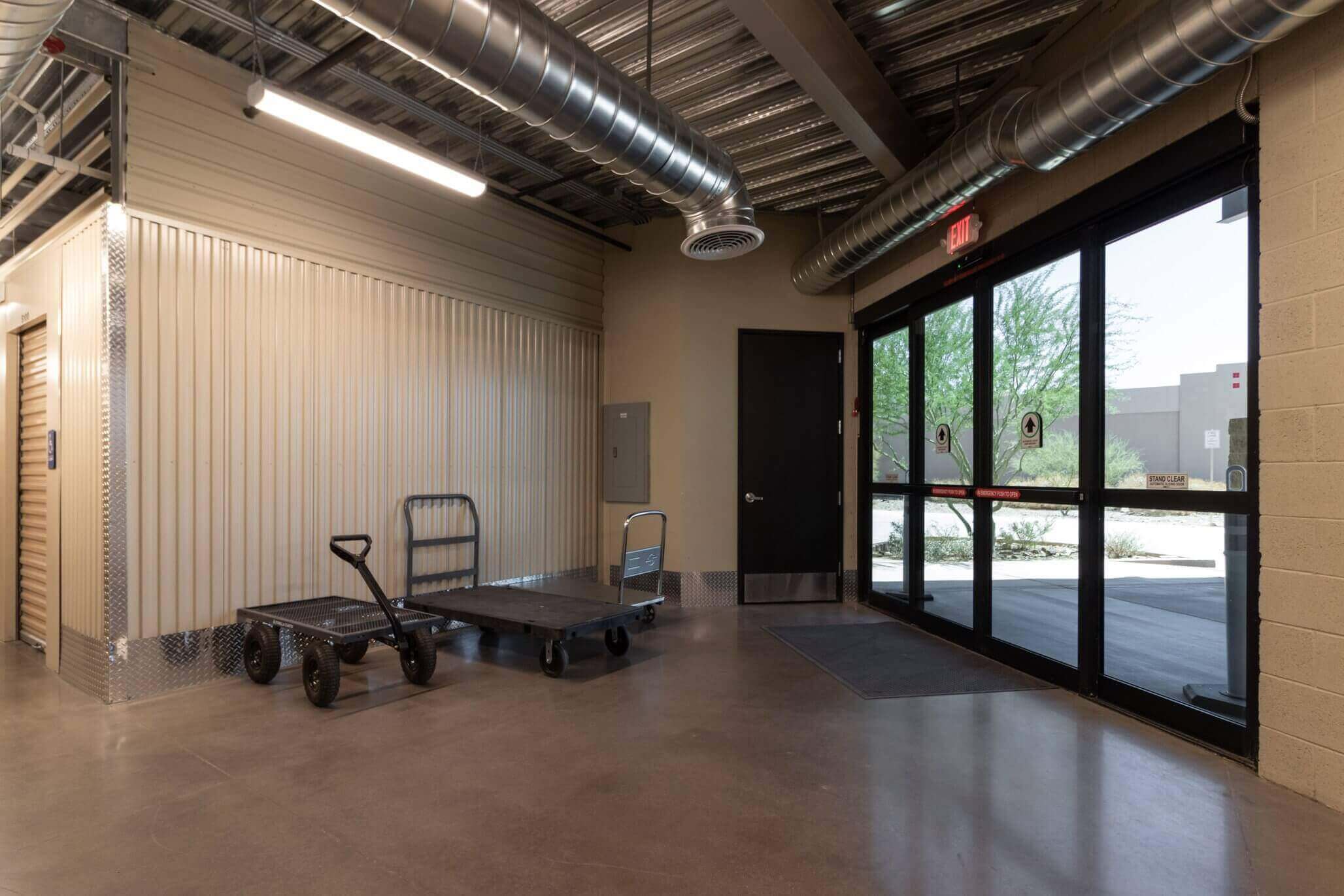
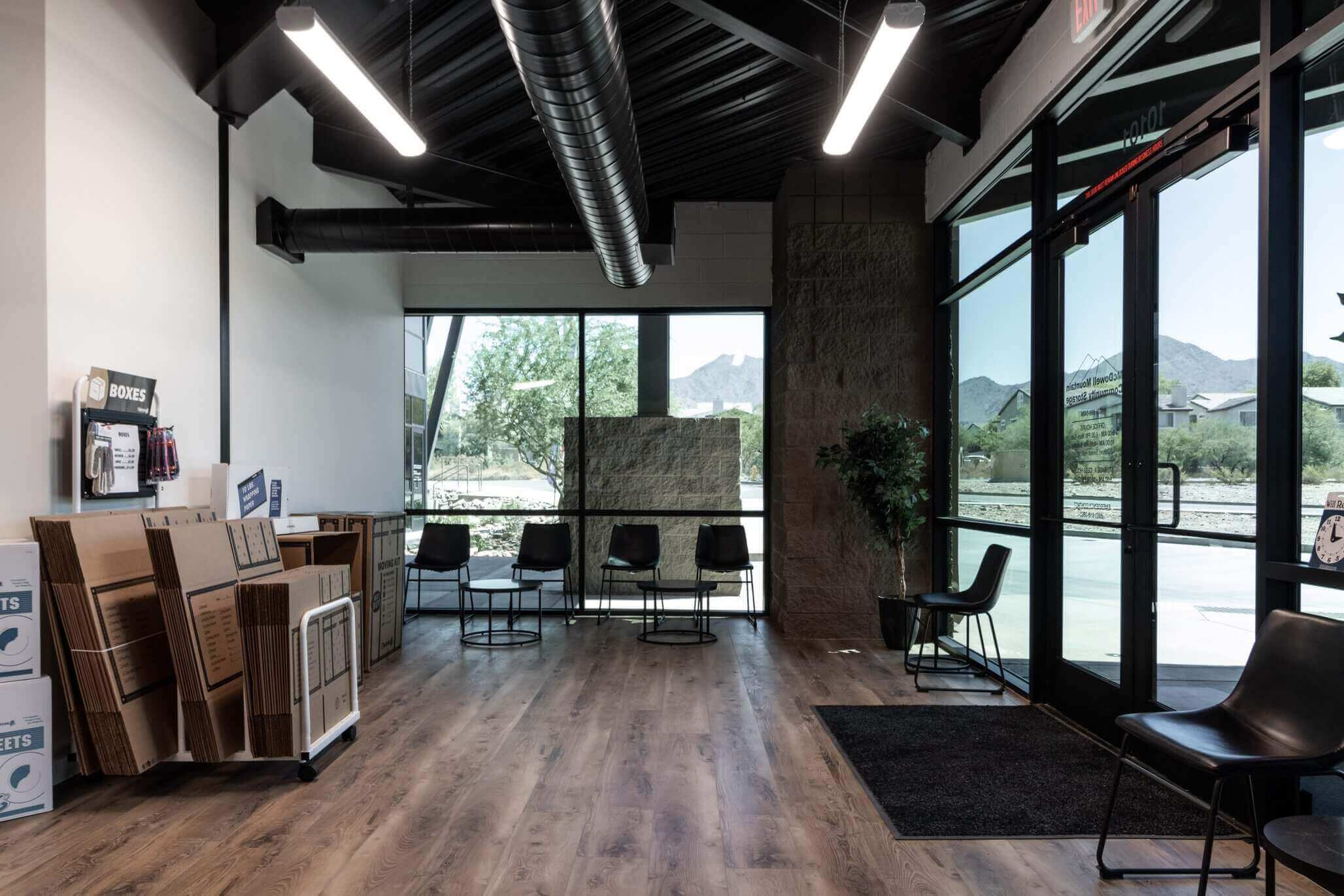
Labeled moving boxes and essential packing tools ready for storage at McDowell Mountain Community Storage in Scottsdale AZ
Moving into storage is easier with clearly labeled boxes and helpful tools from McDowell Mountain Community Storage in Scottsdale AZ

Choosing the right storage facility is as essential as packing correctly. At McDowell Mountain Community Storage, we offer secure, climate-controlled units with modern amenities to ensure your belongings are protected and maintained in optimal conditions.

Features include:

  • 24/7 video surveillance and gated access
  • Indoor and outdoor unit options
  • Climate-controlled storage unit to protect furniture, electronics, and sensitive items
  • A variety of unit sizes for anything from a few boxes to a whole apartment
  • On-site staff to assist with loading, equipment rental, and packing advice

Whether you’re storing for weeks or months, our facility offers convenience, security, and expert support every step of the way.

Planning Leads to a Successful Storage Move

A successful move into storage isn’t about speed—it’s about preparation. With the right supplies, a detailed checklist, and innovative use of space, you can protect your valuables, minimize risk, and make the transition smoother. Trust McDowell Mountain Community Storage to provide the facilities and support you need for peace of mind.

If you’re planning your next move, visit our location today or contact us to speak with one of our storage professionals. We’re here to help with expert advice, flexible unit sizes, and all the packing supplies you’ll need for a safe, efficient storage experience.

Frequently Asked Questions

1. How far in advance should I start packing before moving items into storage?

It’s best to begin packing at least 2–4 weeks before your move, especially if you’re dealing with an entire apartment or house. Starting early gives you time to sort, declutter, and organize each room without rushing.

2. Can I store food or perishables in my storage unit?

No, perishable food items should never be stored in the refrigerator. They can attract pests and lead to mold, odor, and contamination. Always remove all food from appliances and boxes before storage.

3. What’s the best way to store seasonal clothing and shoes?

Use wardrobe boxes or clear plastic bins with lids. Add silica gel packets to control moisture and prevent mold or odors. Always clean and dry items before packing, and label each box or container by season or type of item.

4. Are there items that shouldn’t be packed in plastic containers?

Yes. Certain materials, such as leather, paper documents, and fabrics that require airflow, are better suited for breathable containers or specialized garment bags. Plastic can trap moisture and cause damage over time if not stored properly.

5. What size storage unit do I need for a 1-bedroom apartment?

Typically, a 5’x10′ or 10’x10′ storage unit is sufficient for a 1-bedroom apartment. This will fit furniture, boxes, clothing, and some appliances. Your needs may vary depending on the number of items you’re storing or whether the furniture can be disassembled.

6. Can I access my items at any time once they’re in storage?

At McDowell Mountain Community Storage, yes. We offer extended or 24/7 access hours, depending on your unit type, so that you can retrieve or add items at your convenience. Be sure to check your facility’s specific access policy.

7. What’s the best way to prevent dust buildup on stored items?

Use dust covers, plastic wrap, or furniture blankets to protect your items. Store mattresses in mattress bags and seal boxes securely with packing tape. For long-term storage, climate-controlled units are especially helpful in reducing dust and humidity.

8. Do I need insurance for my stored items?

While some storage facilities offer basic coverage, it’s wise to purchase additional storage insurance, especially for valuable items such as electronics, jewelry, or collectibles. Check with your renter’s or homeowner’s policy to see if it already covers off-site storage.

9. How do I transport large furniture or appliances into storage safely?

Use tools like dollies, sliders, and moving straps. Always have at least one other person help with lifting to avoid injury. Disassemble large pieces when possible and store hardware in clearly labeled bags attached to each item.

10. Can I buy packing supplies directly at McDowell Mountain Community Storage?

Yes! We offer an assortment of moving boxes, bubble wrap, packing tape, mattress covers, and more at our facility. Whether you need a little bit of tape or enough supplies for an entire move, we’ve got you covered on-site.

Self Storage Meets Every Seasonal Need

At McDowell Mountain Community Storage, we know that storage needs change with the seasons. Whether you need to pack away holiday decorations, rotate clothing, or safeguard furniture and equipment from extreme weather, a self-storage unit offers the flexibility and protection needed year-round. Renting a unit in your local area gives you the advantage of quick access, more space at home, and the convenience of having a reliable place to store what matters most.

If you’ve noticed signs of clutter piling up or are facing problems finding space for seasonal items, it may be time to do something proactive. From organizing your garage in spring to storing snow-ready vehicles in summer, the right storage space helps you transition smoothly between every season. This guide shows how to use self-storage efficiently all year—no matter the weather, location, or circumstances.

A Strategic Approach to Seasonal Storage Enhances Organization

Using self-storage units allows you to rotate and manage items based on their seasonal use. For example, storing holiday decor after winter or putting away boats and motorcycles during the colder months gives your home or apartment more breathing room. There are many ways to stay organized with storage, from creating a detailed list of what you’re storing to selecting the proper size unit for your needs. Whether you’re looking to rent short-term or long-term, having the correct information helps you make the most of your space. It’s a top solution for anyone who wants to reduce clutter without constantly shuffling through closets, garages, or attics. 

Storing Winter Belongings Properly Makes Room for Spring

As winter fades, bulky sweaters, blankets, and cold-weather clothing take up unnecessary space. The first tip is to wash and dehydrate items before placing them in storage containers. Use vacuum-sealed bags for clothing to minimize moisture and potential mildew. Place heavier boxes at the bottom of shelving units and label everything clearly by category to maintain a sense of order and make retrieval easier.

Storing winter gear like snow blowers, sleds, and holiday decorations in a climate-controlled storage unit ensures these seasonal items remain in good condition until you need them again.

Spring Storage Transitions Help Declutter and Reclaim Living Space

Spring is the perfect season to declutter. As you perform a deep inventory, think about everything you don’t currently need in your home. Items like space heaters, thick comforters, or winter clothing can be moved to your unit to free up closet and garage space. These clever transitions are part of what we call seasonal storage hacks for a clutter-free home—simple, strategic steps that help reduce stress and reclaim your living space.

It’s also an excellent time to place winter vehicles like RVs, snowmobiles, or motorcycles in storage facilities that offer vehicle protection. Look for features like ground-level access, climate control, and 24/7 security to ensure maximum safety.

Summertime Storage Solutions Keep Your Home Clear and Cool

With rising temperatures, it’s time to store heavier clothing, appliances you don’t use often, and seasonal decorations that aren’t needed until fall. Organize items into storage boxes grouped by type—furniture, tools, decor, or clothing—to make it easier to retrieve what you need later.

If you enjoy outdoor activities, use your storage unit for boats, camping gear, or ATVs. Remember to clean and dry each item thoroughly to avoid mold, mildew, or water damage from leftover moisture.

Autumn Storage Makes Holiday Prep More Efficient

Fall is when most people begin thinking about holiday decorations, dinner hosting, and changing temperatures. Start by pulling out the fall decor and placing summer items in labeled containers. Use shelving units in your self-storage unit to organize fall and winter gear at the front and rotate older items toward the back.

It’s also a brilliant idea to bring in portable heaters, fall clothing, or furniture items that enhance warmth and comfort indoors. With the proper organization, your storage space can become a rotating extension of your home.

Climate-Controlled Units Offer Year-Round Protection

Climate control is one of the most important features when choosing a self-storage facility, especially in areas like Arizona, where temperatures can swing from extreme heat to cold. Sensitive items such as electronics, artwork, photos, instruments, or wooden furniture can warp or degrade without proper humidity and temperature regulation.

Our facilities at McDowell Mountain Community Storage are equipped with modern climate-controlled storage units that maintain consistent conditions year-round. This protects your belongings from mold, pests, and water damage, no matter the season.

Categorizing Your Belongings Helps Maximize Space

A smart way to make the most of your storage unit is to organize everything by category—clothing, decorations, furniture, tools, and so on. This method helps you find things quickly and ensures each item has its proper place. Keep a digital inventory of your contents to save time later.

Use clear bins, color-coded labels, and shelving units to create visibility and accessibility. Place frequently used items like holiday decorations or seasonal clothing closer to the front while placing less-accessed items in the back.

Vehicle Storage Keeps Your Assets in Prime Condition

Different seasons affect vehicles differently. In summer, storing your snow-ready cars, motorcycles, or RVs prevents sun damage. In winter, placing your boats or convertibles in a secure storage unit keeps them safe from the elements. Make sure to cover vehicles, inflate tires, and disconnect batteries before long-term storage.

Whether it’s a short-term or year-round solution, McDowell Mountain Community Storage offers units tailored for vehicle storage, complete with enhanced security features, paved access, and optional climate control for additional protection.

Furniture Storage Keeps Pieces Safe from Seasonal Extremes

Whether you’re rotating furniture for a seasonal look or storing heirlooms during a move, it’s essential to prevent damage. Use blankets or padded covers to wrap each item, and elevate furniture off the ground to avoid any potential water damage.

Avoid stacking heavy boxes on soft furniture, and store pieces vertically to save space. Our facilities offer shelving options and unit sizes ranging from small to oversized, giving you the flexibility to store everything from ottomans to full sectional couches.

Holiday Decorations Stay Organized and Safe in Storage

From tree ornaments to outdoor decorations, holiday decorations take up a surprising amount of room. Instead of overloading your garage, rotate them into a designated storage unit after each holiday. If you’re wondering how to store Christmas decorations efficiently, start with innovative organization and protective packing.

Use sturdy containers, not cardboard boxes, to protect fragile items from pests, dust, and moisture. Label each box by holiday and place your most frequently used decor near the front of your unit for quick access. This simple organization tip can save you hours of frustration each year.

Storing Kids’ Items Frees Up Space at Home

Parents often find their homes overflowing with kids’ clothes, toys, and seasonal supplies. A great way to reduce clutter is by storing items your family has outgrown or doesn’t need right now. For example, if your child has aged out of toddler gear, keep it in good condition for younger siblings in a well-labeled self-storage unit.

This also applies to seasonal sports equipment, clothing, or school supplies. Having a separate place to rotate these items lets you maintain a cleaner, more manageable living space.

Instruments, Electronics, and Artwork Require Special Attention

Sensitive materials like instruments, electronics, and artwork must be handled with extra care. Store them in climate-controlled storage units to avoid humidity, temperature shifts, and moisture. Use bubble wrap or soft blankets to shield delicate surfaces, and keep items upright whenever possible.

Whether it’s a vintage keyboard, framed family photos, or expensive electronics, the proper storage conditions make all the difference in long-term protection.

Taking a Year-Round Inventory Keeps You in Control

No matter what the season, keeping an up-to-date inventory helps you stay organized and aware of where each item is stored. Use a simple spreadsheet or mobile app to map out each unit, note contents, and categorize by type, condition, and season.

This system is beneficial if you manage multiple storage units or rotate belongings frequently. It ensures you always have a clear map of your items, which is crucial during fast-moving transitions like a sudden move, downsizing, or renovation.

Proper Packing Materials Prevent Damage Across All Seasons

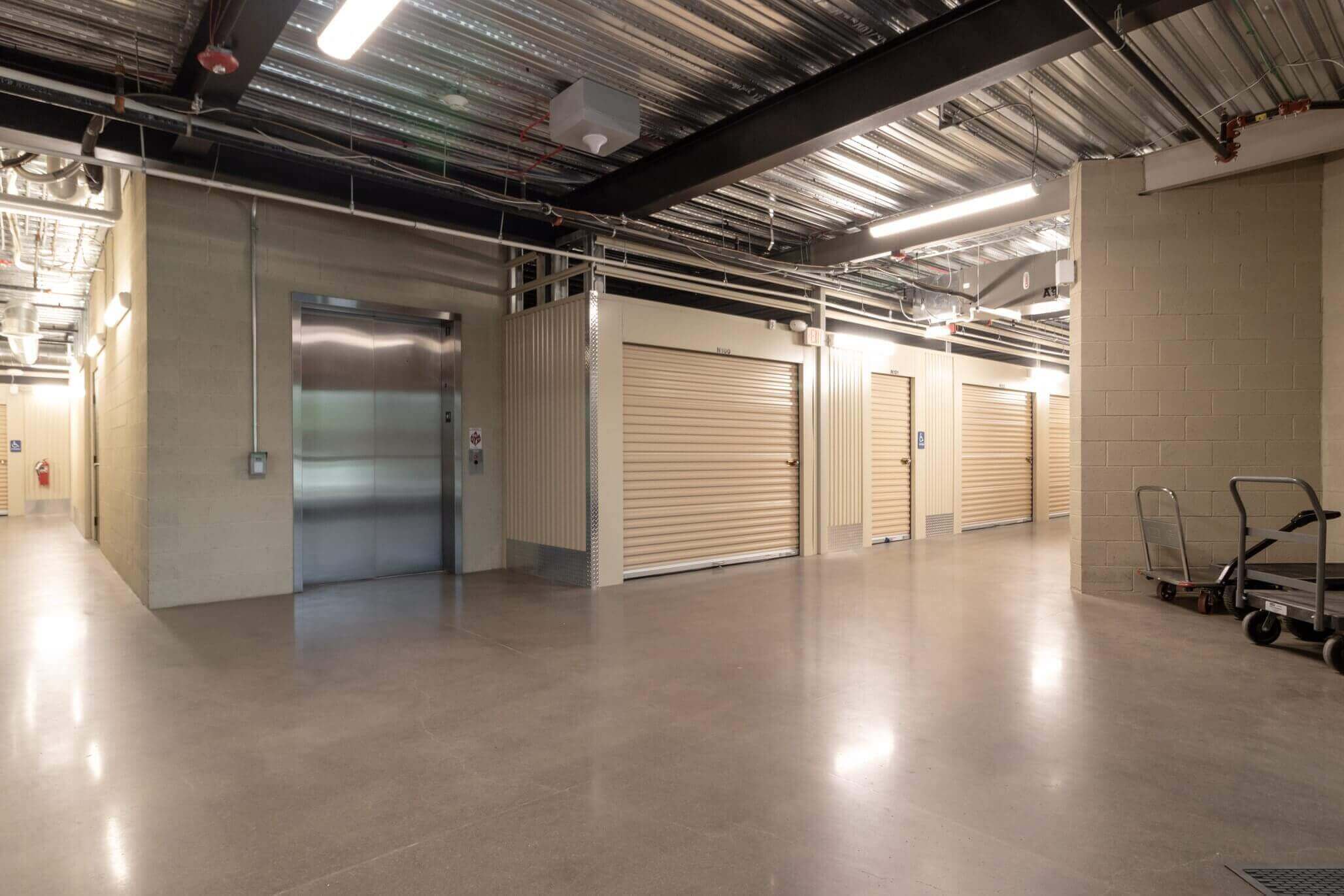
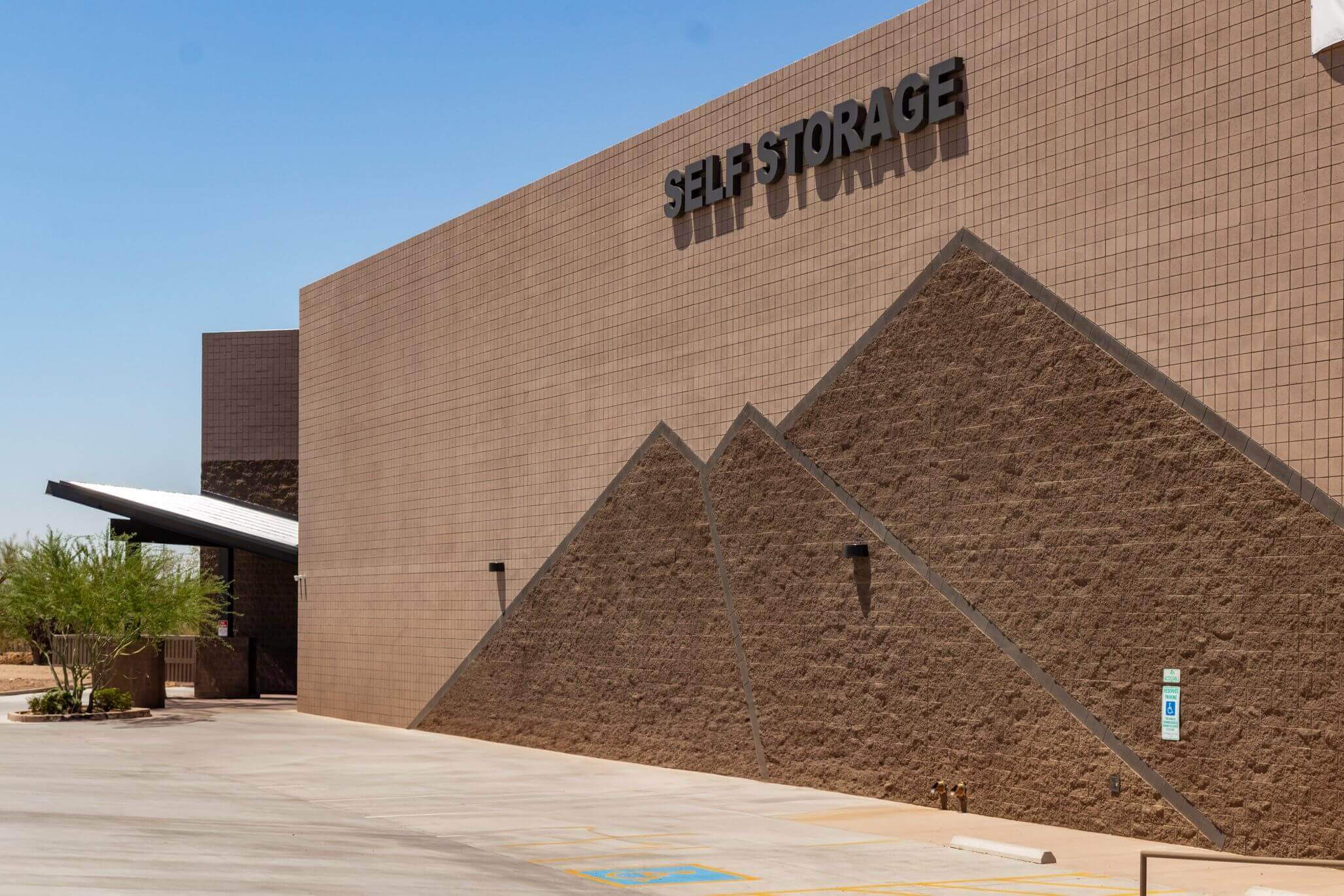
Organized seasonal storage solutions at McDowell Mountain Community Storage located in Scottsdale Arizona
A helpful example of how McDowell Mountain Community Storage in Scottsdale Arizona helps residents store seasonal belongings efficiently and safely

Use quality packing materials for all your storage needs. Skip cardboard boxes when storing long-term—opt for plastic containers with sealed lids. Line fragile items with packing paper or bubble wrap, and use shelves to elevate delicate belongings.

For fabrics like clothing, sweaters, and blankets, consider fabric bags or vacuum-sealed options to reduce humidity buildup. Moisture absorbers and pest repellents offer extra protection, especially during seasonal transitions.

Why McDowell Mountain Community Storage Is the Best Year-Round Choice

We offer a variety of unit sizes, types, and features to accommodate all your seasonal storage needs. Whether you’re storing furniture, rotating clothing, or securing your vehicles, our facility is equipped to handle it all.

With convenient access, climate control, advanced security, and a helpful team ready to offer storage tips, McDowell Mountain Community Storage is your go-to solution—no matter the item, season, or situation.

Final Thoughts on Efficient Seasonal Self-Storage

The way you manage storage should change as the seasons do. From making space in your closet during spring cleaning to protecting outdoor equipment in winter, self-storage gives you the flexibility and peace of mind to handle it all.

Follow these tips, stay organized, rotate inventory, and choose the right facility—and you’ll make the most of your storage space year-round.

Ready to store with confidence? Visit McDowell Mountain Community Storage today to explore our locations, compare unit options, and discover the perfect storage solution tailored to your needs—in every season.

Frequently Asked Questions

How far in advance should I reserve a seasonal storage unit?

We recommend reserving your storage unit at least 2–4 weeks in advance, especially before seasonal peaks like spring cleaning or post-holiday storage. Early reservations ensure you get the ideal unit size and features.

Can I upgrade or downsize my unit if my storage needs change with the seasons?

Yes! We offer flexible rental options, and you can switch to a larger or smaller unit at any time based on your storage needs.

Are there any items I should not store in a seasonal unit?

Yes—perishable food, hazardous materials, flammable items, and live plants or animals should never be stored. Our team can provide a complete list of prohibited items.

Is short-term rental available for seasonal storage only?

Absolutely. You can rent a unit for as little as a month to handle short-term seasonal transitions, such as storing holiday decor or summer gear.

How secure are your storage facilities year-round?

Security is a top priority. We offer gated access, surveillance cameras, well-lit areas, and secure locking mechanisms on every unit.

Do I need insurance for the belongings I store?

While we take every precaution to protect your belongings, we recommend storage insurance for added peace of mind. Many policies are low-cost and cover damage, theft, or natural disasters.

What unit sizes are best for seasonal items like decor, clothing, or sports equipment?

A 5×5 or 5×10 unit is ideal for boxes, clothing, or holiday decorations. Larger items like furniture or multiple large bins may need a 10×10 or bigger, depending on quantity.

How does climate control help protect my seasonal items?

Climate control keeps temperature and humidity levels stable, protecting items from mold, mildew, and warping—especially helpful for electronics, furniture, instruments, and clothing.

Can I access my unit anytime to rotate seasonal belongings?

Most of our locations offer 24/7 access or extended hours so that you can rotate items between seasons at your convenience.

Do you offer shelving or organizational tools for inside the units?

While our units are rented as empty spaces, we offer recommendations for shelving systems, and you’re welcome to bring in racks, bins, and shelves to keep things organized by season.

Make the Most of Your Storage Space

Whether you’re downsizing, moving, decluttering, or needing more room at home, using a storage unit can bring peace of mind and organization to your life. Whether you’re storing a lot or just a few things, taking proper care during the packing process is essential to protect your belongings. But packing a storage unit properly—without damaging your items or losing track of your inventory—requires thoughtful steps, especially for beginners.

Choosing the right storage facility plays a significant role in your overall experience. From climate-controlled options to convenient access, there’s a right way to ensure your possessions are safe and well-preserved. For example, if you’re storing delicate items or electronics, finding a facility that supports a stable environment is crucial.

At McDowell Mountain Community Storage, efficient and secure self storage starts with a well-planned packing strategy. This detailed, step-by-step guide will help you master the art of organizing, stacking, labeling, and protecting your items, ensuring a smooth and stress-free storage journey.

Step 1: Start with a Clear Plan

Jumping into packing without a strategy is a recipe for chaos. Before you even open a box of tape or pull out a tarp, it’s essential to plan. Proper preparation helps you determine the types of items you’ll be storing—whether it’s mattresses, towels, dishes, or bulky equipment—and the amount of space you’ll need. Take a look at the walls of your unit to determine the maximum height you can safely stack items, and consider using at least one sturdy container for smaller essentials. If you’re storing liquids or appliances, don’t forget to account for items like tanks, which require special handling and positioning. 

Make an Inventory List

Walk through your home or business and make a list of items you plan to store. This might include:

  • Furniture (couches, tables, shelving)
  • Appliances (refrigerators, microwaves)
  • Electronics
  • Books, photos, documents
  • Clothing and blankets
  • Seasonal gear and tools

Group the inventory by category and estimate the amount of space you’ll need.

Choose the Right Storage Unit Size

Use your list to determine the best-size storage unit for your needs. Most facilities, including McDowell Mountain Community Storage, offer a variety of unit sizes to suit your needs—from small lockers to complete garage-sized units. Whether you’re storing a personal item, a vehicle, or everyday household goods, matching your storage needs to the right area is crucial.

If you’re unsure, contact our location to speak with one of our friendly staff members or use our online size estimator app. We’re proud to serve customers across the country, offering secure, clean locations with practical amenities that cater to a wide range of storage needs. Some may require short-term solutions, while others seek long-term options for storing valuables. Regardless of your situation, you have the right to a well-suited, protected space tailored to your needs.

Step 2: Gather the Right Packing Supplies

The best-packed units begin with the best materials. Here’s what you’ll need:

  • Cardboard boxes (in multiple sizes)
  • Plastic containers
  • Storage bins
  • Bubble wrap, packing paper, and blankets
  • Masking tape and heavy-duty packing tape
  • Permanent markers or labels
  • Tarps, shelves, or pallets (optional)

Don’t forget specialty protection for fragile items, such as glassware, artwork, mirrors, or electronics. Protecting your belongings from damage, mold, moisture, and dust is key.

Step 3: Prep Your Items for Long-Term Storage

Whether you’re storing items for just a few weeks or several months, preparation is key. When comparing a long-term and short-term storage unit, the level of care differs— the short term needs only basic cleaning and simple packing, while the long term requires thorough cleaning, protective materials, and careful packing to guard against dust, moisture, and pests over time. 

Clean Everything Before You Store

To prevent mildew, pests, or mold, clean and thoroughly dry all items, especially furniture, clothing, and appliances.

  • Wipe down wooden surfaces with a gentle cleaner
  • Vacuum fabric surfaces and air out any blankets or linens
  • Defrost and dry refrigerators and freezers
  • Use a mild disinfectant for electronics

Disassemble What You Can

Disassemble beds, tables, or modular shelving to save space. A helpful tip is to keep track of pieces by bundling legs, ties, and small parts in labeled bags, then taping them securely to the larger piece to which they belong. If anything has a fragile or broad base, protect it with padding or place it flat to avoid warping during storage. 

Step 4: Pack Strategically by Group and Frequency of Use

When it’s time to pack, group your boxes, bins, and containers by how often you’ll need access to them:

  • Front of unit: Items you’ll access frequently (e.g., seasonal clothes, paperwork, tools)
  • Back of unit: Long-term storage (e.g., furniture, off-season appliances, stored books)

Label all containers using permanent markers or printed labels. Be sure to include:

  • Contents (e.g., “kitchenware,” “holiday decorations”)
  • Handling instructions (e.g., “fragile,” “this side up”)
  • Room of origin (e.g., “bedroom,” “garage”)

Don’t overload boxes. Keep them under 40 lbs for safety and easier stacking.

Step 5: Stack, Arrange, and Shelve Like a Pro

This step is the secret to packing a storage unit efficiently and safely.

Stack by Weight and Size

  • Heavy boxes go on the bottom
  • Light or fragile boxes go on top
  • Group similar-sized boxes for more stable stacking

Use shelving or storage bins to create vertical levels. Place pallets or tarps on the floor before stacking to protect against moisture and mildew.

Leave Clear Pathways

It might be tempting to stack from wall to wall, but always leave a narrow walkway for access to the back of the unit. This allows you to retrieve items later without having to move everything.

Step 6: Protect and Secure Your Items

Climate Considerations

If you live in a humid climate, such as Miami, a climate-controlled storage unit is essential for protecting items like glass, electronics, photos, clothing, and artwork. These features prevent temperature swings, mildew, and warping.

Wrap and Cover

Use blankets, bubble wrap, and cloth to cushion surfaces. Cover large furniture, mirrors, and electronics with breathable tarps or cotton sheets to protect them from damage.

Avoid plastic wrap that traps moisture, especially over time, as it can cause damage.

Step 7: Maximize Space with Creative Solutions

Go Vertical

Install standalone shelves or utilize stacked storage bins to maximize vertical space. This helps keep items off the floor and opens up pathways for more effortless movement.

Use Hidden Storage Areas

Use drawers, cabinets, and even the insides of appliances to store smaller items. Just remember to label or list these in your inventory so you don’t forget what’s inside.

Step 8: Know What NOT to Store

Some things don’t belong in your storage unit. For your safety and others, avoid:

  • Perishable food
  • Flammable or hazardous materials
  • Firearms (unless permitted)
  • Vehicles (unless approved and documented)
  • Living creatures or plants

If you’re ever in doubt, please check your storage facility’s policy or contact a staff member.

Step 9: Use Technology for Organization

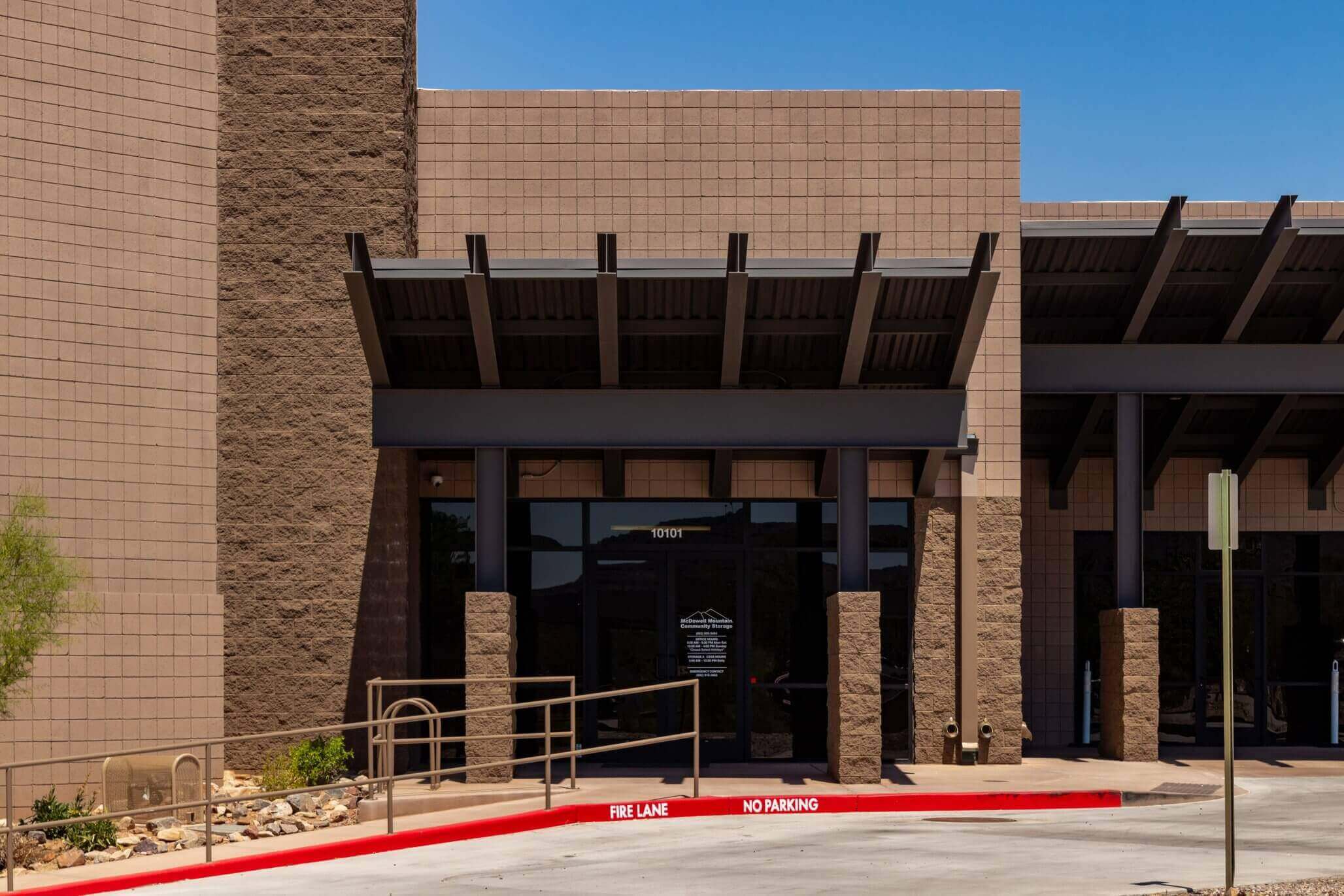
How to pack a storage unit at McDowell Mountain Community Storage located in Scottsdale Arizona
Step-by-step instructions for packing a storage unit properly at McDowell Mountain Community Storage in Scottsdale Arizona

At McDowell Mountain Community Storage, we make it easy to stay organized and in control of your storage unit. Our team is always available to help with billing, inventory updates, and general questions. To keep your storage space easy to manage, consider creating a simple layout or map of your unit. This can help you track where items are placed and make future visits more efficient. You can:

  • Pay bills
  • View access logs
  • Update your inventory
  • Request assistance
  • Track your storage experience

You can even upload a map or layout of your unit to keep everything visual and easy to navigate.

Step 10: Maintain and Update as Needed

Storage isn’t a one-time event. Over time, you may need to:

  • Add or remove items
  • Update your labels
  • Refresh tarp covers
  • Check for signs of mildew, dust, or pests

Set a reminder every 1–2 months to visit your unit and do a quick inspection.

Trusted Storage Backed by Community Values 

We aren’t just another storage facility—we’re part of the community. At McDowell Mountain Community Storage, our storage units are designed with your peace of mind in mind.

Our Features Include:

  • Clean, secure storage units in a variety of sizes
  • Climate control to protect sensitive items
  • 24/7 access to your unit
  • Online account and inventory management
  • Friendly customer support

We help you organize, protect, and maximize your storage space—whether you’re a college student with a few boxes or a business with a complete inventory.

Closing Advice for First-Time Storers 

Packing a storage unit efficiently takes more than just stacking boxes and closing the door. It requires thoughtful organization, the right supplies, and a plan tailored to your items and your lifestyle.

At McDowell Mountain Community Storage, we’re here to make your storage experience smooth, secure, and stress-free—from the first box to the last.

Need help choosing the right unit or planning your move-in? Contact our team today or visit our location for a tour of our facilities. Let’s protect what matters most—together.

Frequently Asked Questions

1. What are the best ways to organize items for easy access inside my storage unit?

Group items by category and frequency of use. Place things you’ll need often near the front and stack long-term items in the back. Label everything clearly, and leave a center aisle to reach all areas.

2. Should I use cardboard boxes or plastic containers?

Both work, but plastic containers offer better protection from moisture and pests for long-term storage. Cardboard is fine if you’re storing for a shorter period in a climate-controlled unit.

3. Do I need to prep furniture before placing it in storage?

Yes. Clean all surfaces, disassemble large items, and wrap them with blankets or bubble wrap. This reduces space and protects pieces like mattresses and wood furniture from dust and damage.

4. How high can I safely stack boxes in a storage unit?

It depends on the walls and ceiling height, but generally, don’t stack more than 4–5 boxes high unless they’re very stable and uniform in size. Use heavier boxes on the base and lighter ones on top.

5. Can I store kitchenware, such as dishes and glassware?

Absolutely—but wrap dishes in packing paper or bubble wrap, use dividers, and mark boxes as fragile. Stack boxes carefully and avoid placing weight on top of those containing breakables.

6. How can I protect fabric items, such as clothing and towels?

Store towels, linens, and clothes in breathable containers with cedar blocks or moisture absorbers. Avoid sealing fabric in plastic, which can trap moisture and lead to mildew.

7. Is it safe to store appliances like washing machines or fridges?

Yes, but clean and dry them thoroughly first. Remove water from tanks and hoses. Store doors slightly open to prevent odor and mildew. You can also use appliance interiors as hidden storage for smaller items.

8. Do I need a climate-controlled unit for my belongings?

If you’re storing sensitive items (electronics, wooden furniture, documents, fabrics), especially in areas with extreme temperatures or humidity, climate control helps maintain a stable storage environment.

9. What should I avoid storing even if it seems safe?

Never store perishable food, flammables, weapons (unless approved), or hazardous material. Also, avoid storing irreplaceable items, such as family heirlooms, unless essential.

10. How do I verify that everything is still in good condition after packing?

Visit your unit every 1–2 months to inspect for signs of damage, pests, or moisture. Refresh labels, reseal boxes, and rearrange equipment or furniture as needed.