
Renting a storage unit is a convenient way to keep furniture, seasonal belongings, business inventory, and other items when you need extra space. However, before moving your belongings inside, there is one important detail you shouldn’t overlook: choosing the right lock.
Not all storage unit locks provide the same level of protection. Some are designed to resist cutting and tampering, while others prioritize convenience or compatibility with specific storage doors. Choosing the wrong lock could leave your belongings less secure or result in a lock that doesn’t fit your unit.
So, what is the best lock for a storage unit? The answer depends on your storage door type, the lock’s construction, and the security features you need.
This guide explains the different types of storage unit locks, what to look for when buying one, and common mistakes to avoid.
Why Choosing the Right Storage Unit Lock Matters
A storage unit lock serves as the primary physical barrier between your belongings and someone attempting to access your unit without permission.
Even when a storage facility has security cameras, controlled entry, and other protective measures, a properly installed lock remains an important part of securing an individual unit.
A good storage lock should:
- Fit the storage unit’s locking mechanism correctly.
- Resist common tampering and cutting attempts.
- Withstand regular use without becoming difficult to operate.
- Be made from durable materials.
- Provide a convenient way for authorized users to access the unit.
It’s also important to remember that no lock is completely theft-proof. A high-quality lock can make unauthorized access more difficult, but it works best alongside other security measures.
Understanding the Different Types of Storage Unit Locks
Before purchasing a lock, familiarize yourself with the most common options available.
1. Disc Locks
Disc locks are among the most commonly recommended locks for self-storage units.
They have a circular design with a curved shackle that is largely enclosed within the lock’s body. This design reduces the amount of exposed metal that someone could attempt to cut with bolt cutters.
Advantages of disc locks:
- Minimal exposed shackle area.
- Durable construction.
- Good resistance to common cutting attempts.
- Available in different sizes and materials.
- Compatible with many storage unit door latches.
Potential disadvantages:
- May not fit every storage unit latch.
- Some inexpensive models use lower-quality locking mechanisms.
- Their shape may make them unsuitable for certain recessed locking systems.
For many traditional storage unit doors that accept external padlocks, a well-made disc lock is a practical choice.
However, always confirm the required size and compatibility before purchasing one.
2. Cylinder Locks
Cylinder locks are designed to fit directly into compatible storage unit door mechanisms.
Unlike traditional padlocks, which hang outside the latch, cylinder locks typically sit within the locking assembly.
This arrangement leaves little or no exposed shackle, making the lock more difficult to attack using ordinary cutting tools.
Advantages of cylinder locks:
- Minimal exposed locking components.
- Designed for compatible storage unit doors.
- Compact appearance.
- Good resistance to certain physical attacks.
Potential disadvantages:
- Only works with compatible door hardware.
- May require a specific lock model.
- Cannot always be transferred to another storage unit.
Some storage facilities require cylinder locks because their doors are specifically designed to accommodate them.
Before purchasing a cylinder lock, ask the facility whether its doors support this type of locking system.
3. Closed-Shackle Padlocks
Closed-shackle padlocks resemble traditional padlocks but have a protective housing around much of the shackle.
This additional metal coverage reduces the exposed area available for cutting or tampering.
Advantages of closed-shackle padlocks:
- Less exposed shackle than many standard padlocks.
- Available in heavy-duty designs.
- Can provide strong physical protection.
- Suitable for some traditional storage unit hasps.
Potential disadvantages:
- The protective housing may prevent the lock from fitting certain latches.
- Quality varies significantly between manufacturers.
- Some models are heavier and bulkier than disc locks.
A high-quality closed-shackle padlock can be a good alternative when the storage unit’s locking mechanism supports it.
4. Standard Padlocks
Standard padlocks are widely available and often less expensive than specialized storage unit locks.
They typically have a U-shaped shackle that remains exposed above the lock body.
Although some heavy-duty padlocks are durable, inexpensive models with long, exposed shackles may be more vulnerable to cutting.
Advantages of standard padlocks:
- Easy to find at hardware stores.
- Available in many sizes.
- Simple to use.
- Often more affordable.
Potential disadvantages:
- Exposed shackles may be easier to attack.
- Low-cost models may have weaker materials.
- Some storage facilities do not accept them.
If you choose a traditional padlock, look for a reputable manufacturer, a hardened shackle, and a design that minimizes exposed metal.
Avoid selecting a lock based on price alone.
5. Combination Locks
Combination locks use a numerical code instead of a physical key.
They can be convenient for people who frequently access their storage units or prefer not to carry another key.
However, combination locks vary considerably in construction and security.
Some inexpensive models are intended for lockers or luggage rather than long-term storage security.
Advantages of combination locks:
- No physical key to carry.
- Convenient for authorized users.
- Available in several designs.
Potential disadvantages:
- Some models have exposed shackles.
- Codes can be forgotten or shared unintentionally.
- Lower-quality mechanisms may offer limited resistance to tampering.
- Not all facilities permit combination locks.
If you’re considering a combination lock, verify that the facility allows it and choose a model designed for the intended security application.
Comparing the Most Common Storage Unit Locks
The following table provides a general comparison of common lock types.
| Lock Type | Main Advantage | Main Limitation | Best Use |
|---|---|---|---|
| Disc lock | Reduced exposed shackle | May not fit every latch | Compatible storage doors with external hasps |
| Cylinder lock | Recessed locking mechanism | Requires compatible hardware | Doors designed for cylinder locks |
| Closed-shackle padlock | Protected shackle | May be too bulky for some latches | Compatible traditional locking systems |
| Standard padlock | Affordable and widely available | Often has more exposed shackle | Units that permit traditional padlocks |
| Combination lock | Keyless convenience | Security varies by model | Approved applications where convenience matters |
There is no single lock that works best for every storage unit. Compatibility, construction quality, and facility requirements should guide your decision.
What to Look for When Buying a Storage Unit Lock
Once you’ve identified a compatible lock type, compare the features that affect durability and security.
Durable Lock Materials
The materials used in a lock influence its ability to withstand wear, physical force, and environmental exposure.
Look for locks with sturdy metal bodies and hardened steel shackles or other cut-resistant components.
Some premium locks also use specialized alloys or reinforced locking mechanisms.
Keep in mind that a lock’s overall security depends on more than the material alone. The quality of its internal components and construction also matters.
Minimal Exposed Shackle
The shackle is the curved or straight metal component that secures a padlock to a latch.
A long, exposed shackle may provide more room for cutting tools.
Disc locks and closed-shackle padlocks reduce this exposure through their designs.
When comparing compatible models, consider how much of the shackle remains accessible after the lock is installed.
Resistance to Picking and Drilling
A lock’s internal mechanism also affects security.
Higher-quality locks may incorporate features intended to resist picking, drilling, or other forms of tampering.
Look for clear manufacturer specifications rather than relying solely on marketing terms such as “high security” or “heavy duty.”
Independent security certifications, when available and applicable, can provide additional information about a lock’s tested performance.
Weather Resistance
Weather resistance is particularly important for outdoor storage units where locks may be exposed to rain, dust, and changing temperatures.
Features such as corrosion-resistant materials and protective keyway covers can help reduce maintenance problems.
For indoor storage units, direct exposure to weather is generally less of a concern, although durability and smooth operation remain important.
Reliable Key Operation
A lock should open and close smoothly without excessive force.
Before using a new lock, test it several times to make sure the key turns properly and the locking mechanism engages securely.
If the lock sticks, fails to latch, or feels unusually loose, consider replacing it before storing your belongings.
Make Sure the Lock Fits Your Storage Unit Door
One of the most common mistakes renters make is purchasing a lock before checking the storage unit’s door hardware.
Different facilities use different locking systems, and not every lock is compatible with every unit.
Before buying a lock, consider the following:
- Latch design: Does the door use an external hasp or a recessed cylinder-lock mechanism?
- Lock opening: Is the opening large enough to accommodate the lock’s shackle?
- Lock dimensions: Will the lock fit without interfering with the door or latch?
- Facility requirements: Does the storage facility require or prohibit certain lock types?
- Installation: Can the lock be secured properly without modifying the door?
If you’re unsure which lock to purchase, contact the storage facility before your move-in date.
Some facilities sell compatible locks on-site, which can eliminate the guesswork involved in selecting the correct model.
Common Mistakes to Avoid When Choosing a Storage Unit Lock
Even a well-made lock may provide inadequate protection if it is poorly selected or incorrectly installed.
Here are several mistakes worth avoiding.
Choosing the Cheapest Lock Available
An inexpensive lock may seem like a good way to reduce moving expenses.
However, low-cost models sometimes use weaker materials or simpler mechanisms that provide less resistance to physical attacks.
Compare construction quality, security features, and manufacturer specifications before making a decision.
Using a Lock with an Excessively Long Shackle
Long shackles can make padlocks easier to attach, but they also leave more metal exposed.
When possible, choose a compatible design that limits exposed shackle length without preventing the lock from closing correctly.
Ignoring Facility Lock Requirements
Some storage facilities use specialized door systems or require particular lock types.
Purchasing an incompatible lock may mean you cannot secure your unit when you arrive.
Confirm the requirements before buying.
Failing to Check That the Lock Is Fully Secured
A lock can appear closed without being properly engaged.
After locking your unit, gently test the lock and door to confirm that both are secured.
Make this part of your routine whenever you visit your storage unit.
Keeping All Spare Keys in One Place
Losing your only key can make accessing your belongings inconvenient and may require assistance from the storage facility.
Keep a spare key in a separate, secure location.
Avoid attaching identifying information that reveals the storage facility or unit number directly to your keys.
How to Maintain Your Storage Unit Lock
Regular maintenance can help keep a lock functioning properly, particularly when it is exposed to dust or outdoor conditions.
You don’t need an elaborate maintenance routine, but a few basic precautions can help.
Keep the lock clean. Remove visible dirt and debris from the exterior. Avoid forcing objects into the keyway.
Inspect for damage. Check for corrosion, cracks, loose components, or signs of tampering.
Use appropriate lubrication. If the manufacturer recommends lubrication, use a product suitable for that particular lock mechanism.
Test the key periodically. Make sure it turns smoothly and that the lock opens and closes without difficulty.
Replace damaged locks. If the lock becomes unreliable or shows evidence of tampering, replace it rather than continuing to use it.
For outdoor storage units, more frequent inspections may be necessary because of exposure to weather and airborne dust.
Additional Ways to Keep Your Storage Unit Secure
A quality lock is important, but it shouldn’t be your only consideration when protecting stored belongings.
When choosing a storage facility, look at the security measures used throughout the property.
Depending on the facility, these may include:
- Security cameras monitoring common areas.
- Controlled entry systems.
- Adequate lighting.
- Secure building access.
- On-site management or regular property inspections.
- Clearly established access hours and security procedures.
You can also take additional precautions by maintaining an inventory of stored belongings, photographing valuable items, and reviewing available insurance or protection options.
Avoid storing prohibited items, and check your rental agreement for restrictions on valuables and other belongings.
Remember that cameras, access controls, and locks help reduce risks but cannot guarantee that theft or damage will never occur.
Frequently Asked Questions
1. Do storage unit locks come with spare keys?
Many keyed locks include two or more keys, but the number varies by manufacturer and model. Check the packaging before purchasing, and keep any spare keys in a secure location.
2. Can I use the same lock when moving to a different storage facility?
You may be able to reuse your lock if the new facility permits that type and it fits the new unit’s locking mechanism. Always confirm compatibility before transferring it.
3. What should I do if my storage unit lock freezes or becomes stuck?
Avoid forcing the key or striking the lock, as this may damage the mechanism. Contact the storage facility for assistance and follow the manufacturer’s recommendations for addressing the problem.
4. Should I replace my storage unit lock after lending someone a key?
If you are concerned that an unauthorized person may have copied or retained access to your key, replacing the lock is a sensible precaution. You should also review who has access to your storage unit.
5. Can I install an additional lock on my storage unit door?
That depends on the door design and the facility’s policies. Some locking systems accommodate more than one lock, while others do not. Ask the facility before installing an additional lock or modifying any hardware.
Choosing the Best Lock for Your Storage Unit
The right storage unit lock should provide a balance of security, durability, compatibility, and convenience.
Disc locks are a practical option for many storage units because their circular design limits exposed shackle space. Cylinder locks can also provide strong protection when used with compatible door hardware, while high-quality closed-shackle padlocks offer another alternative.
Before making your purchase, confirm the facility’s requirements, examine the lock’s construction, and make sure it fits your unit correctly.
Taking a few minutes to choose the right lock can help you avoid unnecessary problems and feel more confident about how your belongings are stored.
Looking for Storage Units in Scottsdale, AZ?
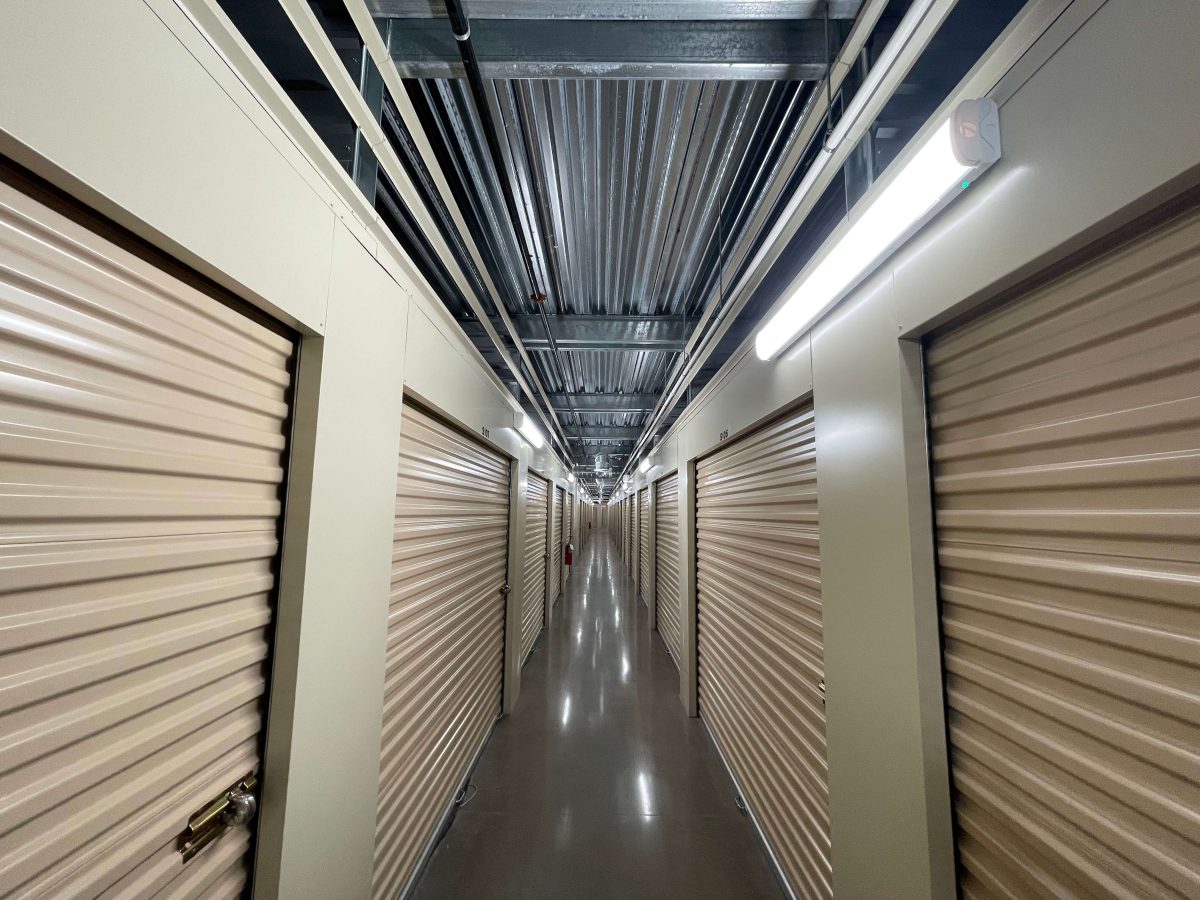
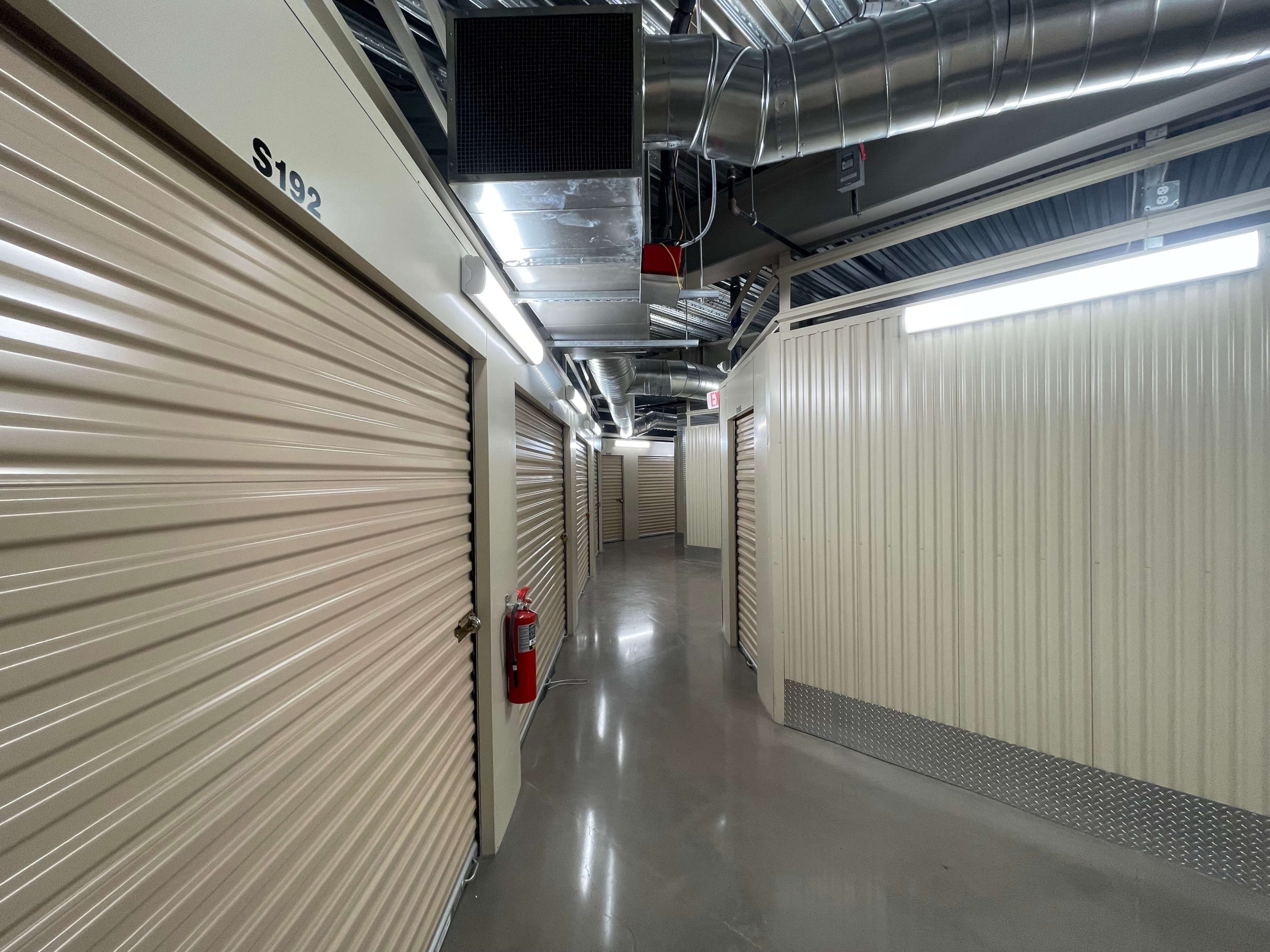
If you’re searching for additional storage space, McDowell Mountain Community Storage offers indoor, air-conditioned storage units in Scottsdale, AZ.
Located at 10101 E. McDowell Mountain Ranch Road, our storage facility offers multiple unit sizes, security cameras, and convenient access hours. Locks are also available for purchase.
Explore the available storage units or call (602) 899-5484 to learn more about rental options and lock requirements before moving in.