Small Apartment Storage Ideas: 8 Ways To Maximize Your Space

Maximizing a studio apartment or a small living space requires a blend of creativity, planning, and the right storage solutions. At McDowell Mountain Community Storage, we understand that living in a smaller footprint doesn’t mean you have to sacrifice style or comfort. The secret lies in how we approach every square footage available, transforming every nook and cranny into a functional area. By utilizing vertical shelving, multifunctional furniture, and smart organization, we can optimize even the most compact apartments. We provide these tips so anyone can find a place for all their clothes and personal items without feeling overwhelmed by clutter.

To truly transform these spaces, we must look at often-overlooked areas, such as the space under our beds or even the surface of a fridge. By keeping a photo or a simple list on the fridge, we can track exactly which box contains specific stuff, ensuring that everything remains easy to find. This guide provides a comprehensive look at the ways we can declutter our home and find room for everything we own, ensuring a tidy and efficient lifestyle for every resident.

1. Vertical Space Utilization For Walls And Doors

When floor space is limited, the walls become the most valuable real estate in a room. We recommend shifting your mind toward vertical solutions to keep items off the ground. Wall-mounted shelves and bookshelves provide an excellent base for books, decor, and accessories. Using a pegboard is a creative way to organize tools, craft supplies, or even kitchen accessories.

We have identified several high-impact ways to reclaim your living space by focusing on overlooked areas:

  • Door and Cabinet Utility: Hooks installed on the back of doors, inside closets, or even on the interior of cabinet doors offer a simple solution for hanging coats, bags, hats, and scarves.
  • Corner Optimization: Every corner presents an opportunity for a floating shelf or a tall bookcase to turn a dead spot into a functional display.
  • Zoned Storage: In the entryway, a wall-mounted rack for keys and mail ensures that small things don’t create piles on the coffee table.
  • Visual Organization: As a prime example of smart planning, placing a woven basket on a high shelf keeps clutter out of sight while maintaining your rights to a beautiful, breathable home.

By utilizing the full height of the wall space, we can significantly increase the storage space available without encroaching on the living area.

2. Multifunctional Furniture Integrated Into Small Rooms

Selecting the right piece of furniture is critical for a tidy apartment. We suggest choosing pieces that serve more than one purpose. A storage ottoman or a bench with hidden cubbies provides a spot for blankets, pillows, and bedding while offering extra seating.

In the bedroom, a bed frame with built-in drawers or enough clearance for under-bed storage bins is essential. For those in a studio, a desk that doubles as a dining table or a foldable table can save a lot of room. We often see couch designs that include under-seat compartments, providing a discreet place for seasonal clothing or extra linens. Modular furniture allows for a flexible approach, giving you the choices to rearrange your layout as your needs change.

3. Kitchen Organization For Cabinets And Pantries

The kitchen is often the most difficult area to keep organized due to the variety of items like pots, pans, dishes, and cleaning supplies. We focus on maximizing cabinet space by using shelf dividers and stackable bins to protect every inch of surface area. Taking advantage of seasonal sales on organizers is a smart way to acquire bins for spices, ensuring the smaller ones don’t get lost in the back of a deep shelf. Implementing brilliant kitchen organization ideas, such as pull-out drawers inside cabinets, allows for easier access and ensures no item is ever out of sight.

For a couple living in a studio, a magnetic strip for knives or a hanging pot rack frees up vital counter space. Inside the pantry, clear storage bins help keep food in order, while a dedicated part of the closet can be repurposed with a shoe rack to hold bulky pantry items or even act as a secondary coat rack for guests. For smaller apartments, a rolling cart can serve as an extra prep area or a dedicated coffee station. Don’t forget the area under the kitchen sink, where expandable organizers can hold sponges, soap, and lids.

4. Closet And Wardrobe Efficiency Strategies

Efficient closet organization is the difference between a cluttered bedroom and a minimalist haven. We encourage the use of slim hangers to fit more clothing on the rack. Hanging organizers with cubbies are perfect for shoes, hats, and folded sweaters. Integrating a small bookshelf inside the closet is an excellent option for those who need to separate smaller items at eye level, keeping everything in its proper place.

If your wardrobe is small, consider a free-standing clothing rack as a stylish display for your favorite pieces. Small side tables or nightstands can also be repurposed inside bedrooms to offer extra drawers for accessories. Storage boxes on the top shelf of the closet can store off-season items like heavy coats or holiday decor. Using drawer dividers for socks and undergarments keeps every drawer tidy. For bulky items like comforters, vacuum-sealed bags significantly reduce the size and allow for easier stacking.

5. Bathroom Storage Solutions For Toiletries And Linens

Bathrooms in apartments are notoriously small, but with the right storage ideas, we can make them feel spacious. Floating shelves above the toilet provide a place for extra towels and toiletries. A small cabinet or shelving unit under the sink can house cleaning supplies and larger bottles.

Over-the-door organizers are great for hair accessories, makeup, and skincare products. We suggest using small baskets or glass jars to keep smaller items like cotton swabs and brushes neatly arranged on the counter. In the shower, a hanging caddy keeps shampoo and soap within reach without cluttering the tub corners.

6. Minimalist Approach To Decluttering And Lifestyle

One of the most effective ways to manage storage is to declutter your home fast by staying consistent with your organization. Keeping only the things you truly use or love is the key to a tidy home. Before buying new products, take account of what you already own. When shopping at retailers like Ikea, look for designs that fit your specific budget and style while remaining functional.

Using baskets and bins to group similar items together helps maintain order throughout the year. Whether it’s magazines in the living room or toys in a child’s room, having a designated spot for everything reduces clutter and stress. Plants and light can also make a small apartment feel larger and more inviting, serving as the final touch to your interior design.

7. Efficient Solutions For Seasonal And External Storage
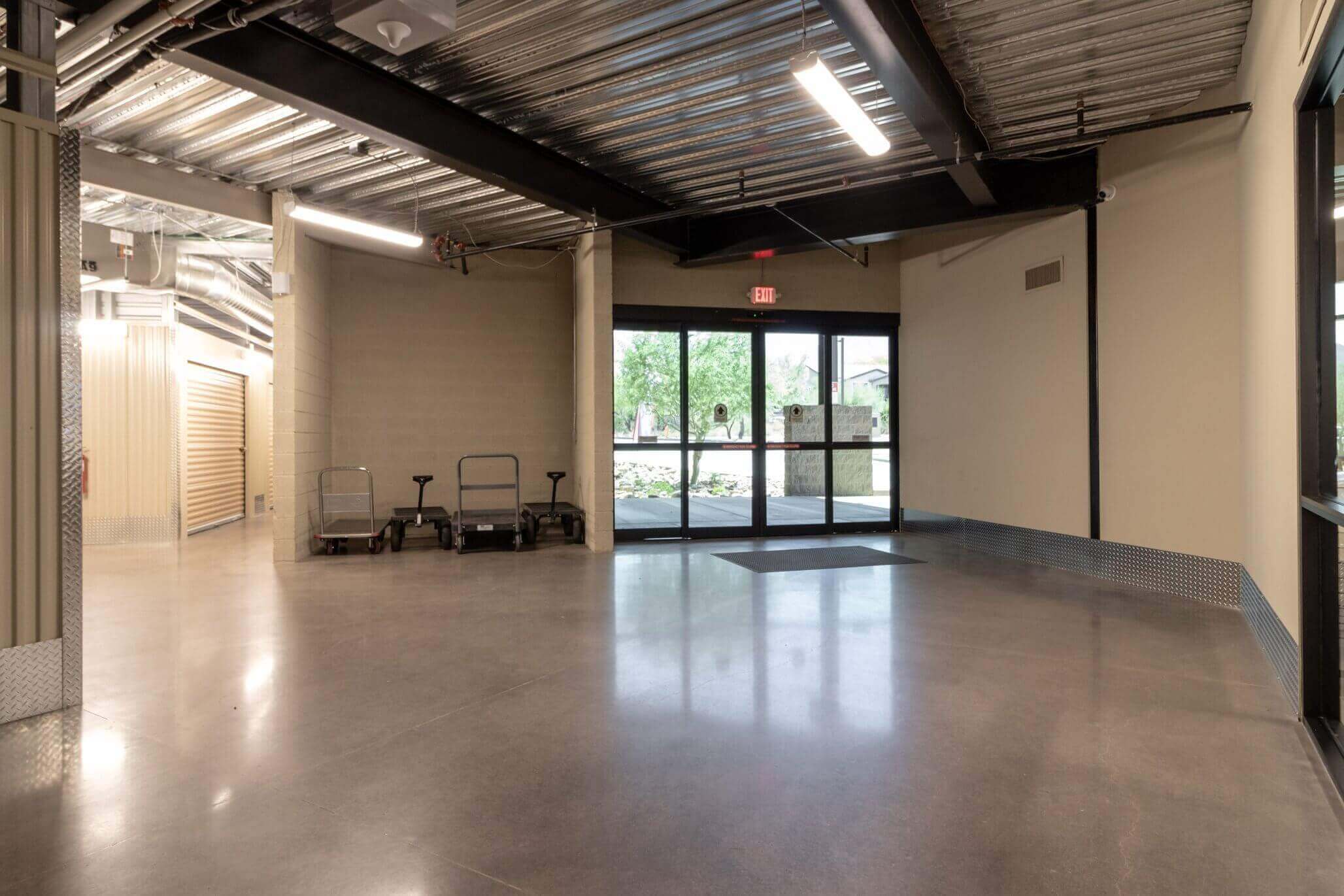
McDowell Mountain Community Storage provides brilliant kitchen organization ideas for Scottsdale Arizona residents
This Scottsdale Arizona small apartment uses McDowell Mountain Community Storage for seasonal items and furniture

Sometimes, despite our best efforts, there are items that simply don’t fit in a studio apartment. This is where McDowell Mountain Community Storage comes in. We provide a safe and convenient solution for your extra furniture, holiday decor, and bulky equipment. By moving infrequently used items to a secure unit, you can optimize your living space for daily enjoyment.

Our approach focuses on providing a variety of unit sizes and options to fit every need. Whether you are in the middle of a move, renovating, or just need to clear out some piles of boxes, we offer the flexibility and access you require. Utilizing professional storage is a smart way to maintain a minimalist lifestyle while keeping your valued possessions close by.

8. Implementation Of Storage Systems And Final Planning

Successful organization is a bit of art and a bit of logic. Start by measuring your available space and sketching out a plan. Consider the shapes and sizes of your belongings to determine which containers and shelves will work best. Installation of wall-mounted units should be done carefully to ensure they can support the weight of your items.

We encourage you to look for inspiration in photos and online guides, but remember that your home should reflect your unique needs. Small adjustments, like adding a rug to define a living area or installing extra hooks in the entryway, can make a huge difference in how your apartment functions. With a little creativity and the right tools, we can help you turn any small space into a perfectly organized and efficient home.

Frequently Asked Questions (FAQs)

How do we organize a small apartment without drilling holes?

For those of us renting or wanting to avoid wall damage, tension rods and adhesive-backed hooks are essential. We can use tension rods inside window frames for plants or under sinks for cleaning sprays, and heavy-duty adhesive strips to secure lightweight “wall-mounted” decor and mirrors without using a drill.

What are the best ways to store large sports equipment in a studio?

Large items like bicycles or skis can be treated as part of the decor. We recommend using vertical floor-to-ceiling bike stands that don’t require wall mounting, or sleek wall racks that turn a high-end mountain bike into a statement piece. For bulky gear like camping packs, we suggest using the space behind a sofa or under a high-clearance bed.

How do we handle “the chair” where clothes always pile up?

To eliminate the clutter chair, we suggest adding a dedicated “in-between” rack. A small decorative ladder or a wall-mounted hook rail provides a specific spot for clothes that have been worn once but aren’t ready for the laundry, keeping them off the furniture and off the floor.

Is professional off-site storage worth it for a one-bedroom apartment?

Absolutely. We often find that moving just three or four large, seasonal items—like a Christmas tree, winter tires, or heavy patio furniture—to a small storage unit can reclaim enough square footage to make a one-bedroom feel like a two-bedroom. It is a cost-effective way to maintain a minimalist lifestyle without selling valued belongings.

How do we keep a small kitchen from looking cluttered with open shelving?

The secret is a uniform color palette. When we use open shelving, we suggest sticking to one or two colors for dishes and glassware. This creates a cohesive, intentional look rather than a visual mess. Using matching glass jars for dry goods also helps maintain a clean, organized aesthetic.

What is the best strategy for storing a massive shoe collection?

When floor space is at a premium, we look to the “dead space” at the top of closets. We recommend using clear, drop-front shoe boxes stacked vertically. This protects the shoes, keeps them visible, and utilizes the height of the closet that is usually left empty.

How do we create a home office in a studio without a spare room?

We suggest the “cloffice” (closet office) approach or a “floating” desk. By removing the lower shelves of a pantry or closet, we can tuck a small desk inside and close the doors at the end of the day. Alternatively, a wall-mounted fold-down desk provides a workspace that disappears when not in use.

How do we manage cord and cable clutter in a small room?

In a compact space, tangled wires are an eyesore. We recommend using cable management boxes that hide power strips and excess cord lengths. For bedside or desk areas, adhesive cord clips can keep charging cables lined up and prevent them from falling behind furniture.

What should we do with suitcases when they aren’t being used?

Suitcases are essentially empty storage bins. We suggest using them to store out-of-season items like heavy winter coats, extra blankets, or beach gear. Once filled, they can be tucked under the bed or stacked at the bottom of a closet to maximize every inch of space.

How do we maintain organization when living with a partner?

Communication is key to a tidy home. We recommend assigning “ownership” of specific storage zones. For example, one person manages the kitchen pantry while the other oversees the bathroom cabinetry. This ensures that every item has a designated home that both people agree upon and maintain.
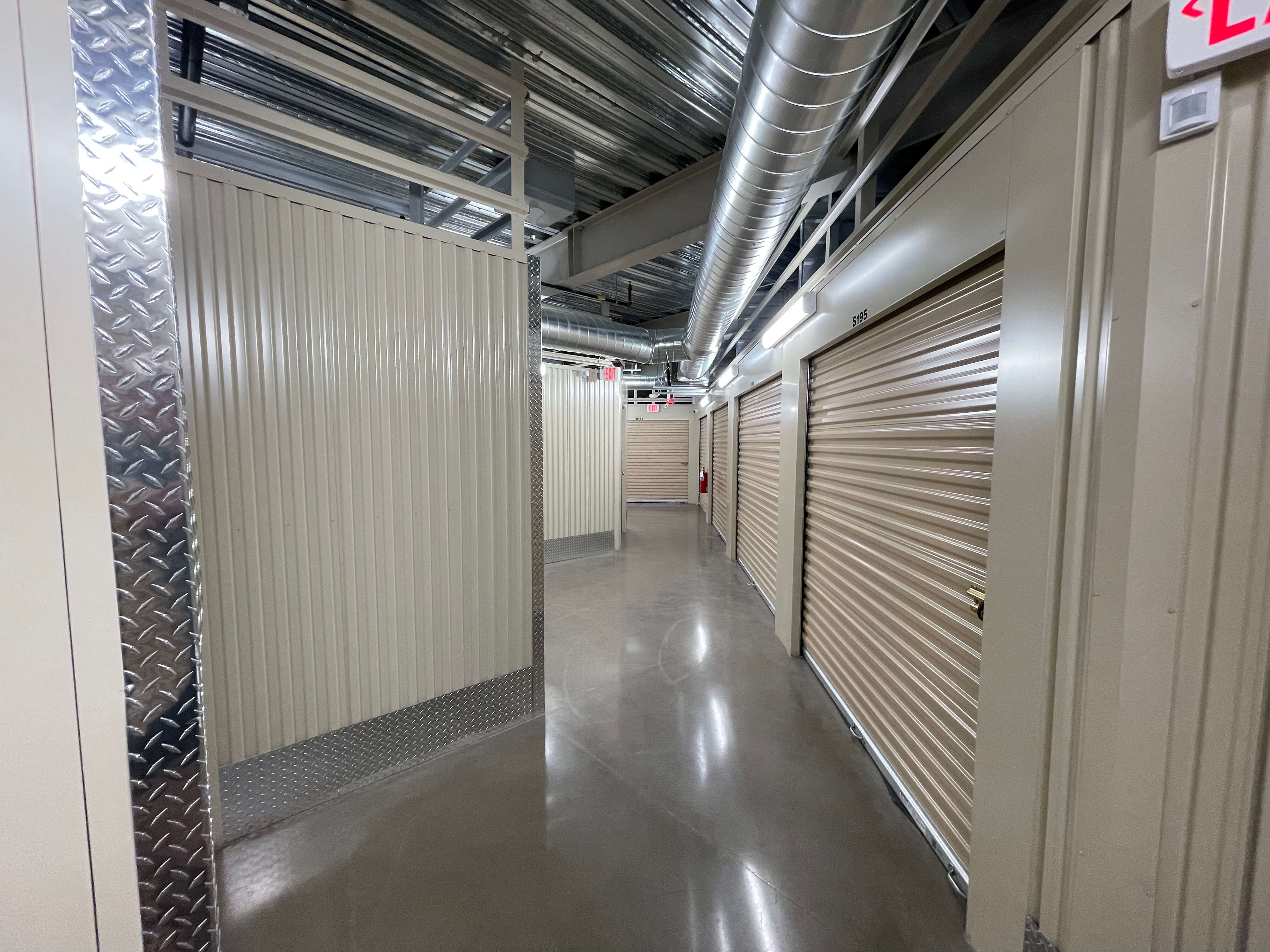

Brilliant Kitchen Organization Ideas to Maximize Space With Smart Storage Solutions

A well-organized kitchen can completely change how smoothly a household runs. Kitchens are often the busiest room, where food preparation, storage, and cleaning all happen at once. When cabinets, drawers, and countertops overflow with kitchen items, clutter builds quickly and the space becomes difficult to manage. Finding the right way to store each item—especially inside a kitchen cabinet or behind a cabinet door—can make a big difference.

Through years of helping people organize their homes, we’ve seen how smart kitchen organization ideas improve efficiency. Simple changes, like using the top shelf properly or choosing the right organizers, can create more room for the items you use most. Even reviewing a quick photo of your kitchen can help identify problem areas.

Below we share practical tips and kitchen storage ideas to maximize cabinet space, streamline drawers, and keep every item in its place.

Smart Cabinet Organization Maximizes Hidden Storage Space

Kitchen cabinets hold most kitchen items, yet many kitchens use only a fraction of their potential cabinet space. One of the best ways to improve efficiency is to first declutter and remove extra stuff that no longer serves a purpose. Once unnecessary items are gone, it becomes easier to arrange everything properly and optimize the available storage areas so the most frequently used items stay within easy reach.

Adding shelf risers, baskets, or stackable containers is one of the simplest ways to use vertical shelf space more effectively. These tools help separate bowls, plates, glasses, and other kitchen items into organized sorts instead of stacking everything in one pile. Choosing the right ones for your cabinet size allows you to create multiple levels of storage while keeping dishes neat and accessible.

Another helpful solution is installing rotating organizers like lazy susans inside corner cabinets, which make it easier to reach items stored at the back. We also recommend using the inside of a cabinet door for hooks or racks that can hold foil, lids, or lightweight utensils. Even nearby areas like the side of the fridge can sometimes support small racks or organizers, adding extra storage while keeping kitchen cabinets tidy and efficient.

Drawer Dividers And Organizers Create Order In Every Kitchen Drawer

Drawers often become chaotic over time. The typical junk drawer collects random things, spoons, rubber bands, batteries, scissors, dish towels, and a lot of other small items that don’t have a clear home. These items often come in different sizes, making the drawer look messy and difficult to manage. In many kitchens, organizing drawers becomes an afterthought, but even a small change can improve how the space functions.

Using drawer dividers or modular drawer organizers instantly creates order. These organizers separate kitchen utensils, cutlery, measuring spoons, and gadgets into clearly defined sections. Choosing dividers in a neutral color or one that matches the kitchen design can also make the space look cleaner and more coordinated. For homeowners who enjoy simple projects, a DIY divider system made from small boxes or containers can work just as well.

In deeper drawers, adjustable dividers help organize cookware like pots, pans, and pot lids. Instead of stacking everything into one pile, vertical dividers keep cookware easy to grab. Sometimes organizing drawers isn’t about buying something expensive—it’s simply about finding the right idea and system that works. No matter the kitchen size, small improvements like these can make a noticeable difference in everyday use.

We also suggest dedicating specific drawers for specific categories:

  • One drawer for kitchen utensils

  • One drawer for knives or a knife rack insert

  • One drawer for food storage lids and containers

  • One drawer for baking tools such as measuring cups and mixing spoons

This simple organization system reduces clutter and ensures everything has a predictable spot.

Pantry Organization Improves Food Storage And Accessibility

A well-organized pantry dramatically improves kitchen efficiency. Whether someone has a walk-in pantry or small cabinet pantries, a structured pantry system makes it easier to track ingredients and reduce waste. Creating dedicated spaces for different foods helps ensure anything stored in the pantry has a clear place, so finding the right thing becomes quick and simple.

We recommend storing dry goods such as flour, sugar, pasta, cereal, and rice in labeled containers or clear bins. Placing frequently used items toward the front and grouping similar products on both sides keeps everything accessible once the containers are set in place. In taller pantries, shelves reaching toward the ceiling can add extra storage, while simple labels can act like a small guide post that keeps everything organized.

Grouping similar pantry goods together also helps maintain order. For example:

  • Baking ingredients in one area

  • Snacks in another section

  • Breakfast items grouped together

  • Canned goods organized by type

Using bins, baskets, or stackable boxes keeps items contained while maximizing shelf space.

Labeling containers and bins may seem simple, but it helps everyone in the family return items to the correct spot after use.

Vertical Storage On Walls And Doors Expands Kitchen Capacity

Many kitchens overlook the value of vertical storage on walls, cabinet doors, and even ceilings. Using these areas helps sort kitchen items so frequently used tools stay within easy sight, while the rest can be stored neatly in cabinets or drawers.

Installing wall racks, pegboards, or mounted shelves provides space for cookware, utensils, cutting boards, and even an extra bowl or two used often. Hanging hooks can hold pots, pans, mugs, or frequently used kitchen utensils, which also helps free up valuable drawer space. This vertical approach works especially well in compact kitchens where cabinet space is limited.

Wall-mounted spice racks keep spices visible and organized instead of hidden behind packaging on crowded shelves. These racks can also store small kitchen items or folded grocery bags. By using vertical areas, kitchens gain extra storage without sacrificing floor space, making the entire kitchen layout more efficient and easier to manage—much like a well-organized page where everything has its place.

Countertop Organization Keeps Frequently Used Items Accessible

Countertops are prime workspace in any kitchen. However, when counters become cluttered with appliances, containers, dishes, and decor, food preparation becomes frustrating. Keeping counters clear provides plenty of room for cooking tasks and allows the kitchen to feel more open and organized.

We encourage maintaining only the essentials on the counter while storing the rest in cabinets or nearby pantry space. A small tray or basket can hold frequently used items like cooking oil, salt, pepper, and spices so they remain easy to access. This simple setup also keeps items contained and prevents clutter from spreading across the counter.

Appliances like a mixer, coffee maker, or blender should have designated zones depending on how often they are used. Items used less often can be stored in cabinets, the pantry, or even a nearby freezer area if space allows. Using tiered stands or a decorative cake stand can elevate items vertically, giving the advantage of extra workspace without expanding the counter footprint.

Small design choices also help create a balanced look. A simple kitchen rug can define the cooking area, while neatly arranged appliances make the space feel intentional rather than crowded. Maintaining a clean counter improves efficiency, and for homeowners sharing organization ideas online or publishing inspiration links, a tidy kitchen always creates a better impression.

Under Sink Storage Solutions Organize Cleaning Supplies

The area beneath the kitchen sink often becomes a messy storage zone for cleaning supplies, sponges, trash bags, and dishwashing products.

Adding stackable bins, tension rods, or small shelves can divide this awkward space into organized sections.

For example:

  • One bin for cleaning products

  • One container for sponges and brushes

  • A small rack for cleaning supplies and spray bottles

A tension rod across the cabinet interior can also hang spray bottles, freeing the bottom area for other cleaning products.

By organizing under-sink storage, we create a tidy cleaning station that keeps supplies easy to access.

Kitchen Island Storage Adds Functionality And Extra Workspace

A kitchen island can become one of the most valuable storage areas in the kitchen. This kind of layout feature adds flexibility and can be used in many different ways depending on a household’s needs. For many people, a well-designed island represents part of their kitchen organization dreams, especially when extra storage is limited.

Many kitchen islands include drawers, cabinets, or shelving that can hold cookware, dishes, and frequently used kitchen items. Open shelving on the side of the island is perfect for cookbooks, baskets, or decorative containers, allowing a small collection of kitchen items to stay visible and organized. These shelves can also store items that are used often so they remain easy to reach.

Some homeowners also use a rolling cart or small island as additional kitchen storage when cabinets are limited. These carts can store pantry goods, cooking utensils, or small appliances and can be moved anywhere in the kitchen as needed. When people share kitchen organization ideas online, comments and personal opinion often highlight how helpful this extra storage space can be for improving both functionality and cooking efficiency.

Efficient Pot, Pan, And Lid Storage Prevents Cabinet Clutter

Cookware often takes up a large amount of cabinet space, and pots, pans, and lids stacked together can quickly become difficult to manage. Here are some storage unit tips to keep your kitchen organized:

Using vertical pan racks or adjustable dividers prevents cookware from collapsing into a cluttered pile. Each pot and pan remains easy to grab without moving multiple items.

Lid organizers mounted inside cabinet doors also solve the common problem of loose pot lids sliding around inside cabinets.

These simple storage strategies make cooking more efficient while protecting your cookware from scratches.

Smart Storage For Small Kitchen Items Reduces Everyday Frustration

Custom drawer dividers and knife racks for brilliant kitchen organization ideas at McDowell Mountain Community Storage in Scottsdale Arizona.
Brilliant Kitchen Organization Ideas and smart drawer solutions at McDowell Mountain Community Storage Scottsdale Arizona.

Small kitchen items—spices, measuring spoons, gadgets, and utensils—often cause the most clutter because they are easy to lose.

Dedicated organizers help keep these items sorted and accessible.

For example:

  • A drawer organizer for measuring spoons

  • A spice rack inside a cabinet

  • Small bins for tea bags or coffee pods

  • A knife rack or magnetic strip for knives

These simple solutions streamline kitchen organization and prevent small items from taking over valuable space.

Clear Containers And Labels Improve Pantry Efficiency

One of the most effective kitchen organization systems involves storing dry food in uniform containers.

Clear containers allow us to see ingredients instantly, while labels prevent confusion between similar products like flour, sugar, or baking soda.

Stackable containers also maximize pantry shelf space and keep food fresh longer.

Many people prefer modular container systems because they adapt easily as pantry needs change.

The result is a clean, organized pantry where everything is easy to find.

Creative Storage For Cutting Boards, Baking Sheets, And Trays

Large flat kitchen items such as cutting boards, baking sheets, and trays can be difficult to store.

Vertical dividers inside cabinets or drawers keep these items separated and easy to grab. Another clever solution uses tension rods inside cabinets to create instant compartments for boards and pans.

This vertical system saves space while preventing heavy trays from sliding around.

Thoughtful Kitchen Organization Improves Daily Life

At McDowell Mountain Community Storage, we believe kitchen organization is about more than aesthetics—it’s about improving how the space functions.

When cabinets, drawers, shelves, and pantries are organized effectively:

  • Cooking becomes faster and easier

  • Food ingredients are easier to locate

  • Countertops stay clear

  • Cleaning supplies remain accessible

  • The entire room feels more spacious

An organized kitchen supports healthier habits, efficient cooking, and smoother daily routines.

Storage Beyond The Kitchen Supports Long-Term Organization

Even with the best kitchen storage solutions, some households simply have more kitchen items than their space allows. Seasonal cookware, extra appliances, bulk grocery purchases, and rarely used dishes can quickly fill every cabinet.

That’s where we come in.

At McDowell Mountain Community Storage, we help families create extra breathing room in their homes by providing safe, accessible storage for items that don’t need to stay in the kitchen year-round.

Whether someone needs space for extra cookware, small appliances, holiday dishes, or bulk pantry goods, our storage units offer a convenient solution that keeps the kitchen tidy and functional.

A Well Organized Kitchen Creates A More Efficient Home

Great kitchen organization doesn’t require a complete remodel. With the right combination of baskets, containers, shelves, racks, and organizers, even small kitchens can gain significant storage space.

By maximizing cabinet space, organizing drawers, optimizing pantry storage, and using vertical wall storage, kitchens become easier to maintain and far more enjoyable to use.

At McDowell Mountain Community Storage, we’re passionate about helping people simplify their homes and make every space work better. When the kitchen is organized, the entire house benefits—and daily life becomes a little smoother for everyone.

Frequently Asked Questions (FAQs)

How can a kitchen with irregularly shaped cabinets be organized?

Adjustable shelves, lazy susans, or modular bins make the most of awkward spaces. Custom inserts or stackable organizers can maximize storage even in cabinets with unusual shapes.

What are the best solutions for small or narrow kitchen drawers?

Drawer dividers and slim organizers give each item its own space, preventing clutter and keeping utensils easy to find. For very narrow drawers, storing smaller items vertically or using small containers helps maintain order.

How can pantry items be kept from getting stale or expired?

Clear, airtight containers labeled with purchase or expiration dates help track freshness. Rotating items so older products are at the front ensures nothing is forgotten in the back.

What is the most efficient way to store large appliances that are rarely used?

Store infrequently used appliances in cabinets, pantry shelves, or nearby storage units to free up countertop space. Labeling containers or boxes protects appliances from dust and keeps the kitchen tidy.

How can under-sink plumbing areas be organized without blocking access?

Stackable bins, small shelves, or tension rods create compartments while leaving pipes clear. Lightweight, movable containers allow easy access to cleaning products.

Are there eco-friendly or sustainable kitchen organization options?

Bamboo, recycled plastic, or metal organizers, as well as reusable containers, provide sustainable storage options. Repurposing jars or bins already on hand is another environmentally friendly solution.

What is the best way to manage a mixed collection of reusable grocery bags, wraps, and foil?

Dedicate a drawer, cabinet, or hanging basket for these items to keep them organized. Hooks or small containers inside doors make items easy to grab when needed.

How can a functional storage system be created in a shared kitchen?

Assign specific drawers, cabinets, or zones for each person’s items to reduce confusion and clutter. Clear labels or color-coded bins help users quickly find what they need.

Are there modular or customizable storage systems that adapt over time?

Many drawer inserts, stackable bins, and pantry organizers can be rearranged or expanded as kitchen items change. This flexibility allows storage solutions to adjust without replacing the entire system.

How can aesthetics be balanced with practical kitchen storage?

Organizers, bins, and containers in neutral colors or materials complement kitchen design. Frequently used items can be neatly displayed on open shelving, while less attractive supplies remain hidden in cabinets or drawers.

Ultimate Guide to Drive-Up vs Indoor Storage Units: Pros, Cons, and Differences

At McDowell Mountain Community Storage, we understand that choosing the right self storage unit and size is an important decision for protecting your things and making your life easier. With so many self storage options available in the U.S., a comparison between drive-up storage units, indoor units, or even a garage-style unit can feel overwhelming. We are here to explain the ways, reasons, and factors to consider so you can make the best choice for your storage needs.

Drive-Up Storage Units Offer Unmatched Convenience

Our drive-up storage units provide direct access from your vehicle to your storage space, making them ideal for people who need to load and unload stuff frequently or want to move bulky objects, like furniture, appliances, or tools, with minimal effort. Drive-up units allow you to pull your truck, van, or car directly up to the storage door, eliminating the need to carry items down a hallway or across other areas of the self-storage facility.

We designed our drive-up facilities with convenience, availability, and easy navigation in mind. With wide access points, multiple unit sizes, and clearly organized areas, we make moving your belongings a seamless process. Managing your account, tracking your money, and storing your stuff alongside others in a secure space is straightforward. For those who value speed, efficiency, and accessibility, drive-up units are often the first choice—news travels fast among people who know the benefits.

Indoor Storage Units Provide Enhanced Protection

Indoor storage units offer a higher level of protection for your belongings. Located within a building, these self-storage units shield your items from weather, dust, and pests. Indoor units also provide climate control, helping maintain consistent temperature and humidity levels that protect sensitive items such as electronics, artwork, fabrics, antiques, and collectibles.

Our indoor storage units are perfect for people storing items that require extra care, including documents, photographs, and musical instruments. By reducing exposure to elements like rain, snow, and fluctuating temperatures, we help you preserve the condition and value of your possessions.

Comparing Storage Unit Types Helps Guide Decisions

Understanding the differences between drive-up and indoor storage units can simplify your decision. Drive-up units focus on accessibility, convenience, and ease of loading, while indoor units emphasize security, climate control, and protection from the elements. Some factors we encourage you to consider include:

  • Access Frequency: Drive-up units are ideal for frequent visits; indoor units work well for long-term storage.

  • Item Sensitivity: Furniture, electronics, and antiques benefit from indoor climate-controlled storage.

  • Loading Effort: Drive-up units reduce the effort of moving boxes, appliances, and other heavy items.

  • Vehicle Compatibility: Larger vehicles like trucks or boats can be accommodated in drive-up spaces.

  • Security Features: Indoor units are often located behind additional security layers, including cameras and restricted entry points.

By weighing these factors, we help you select a storage solution that matches your preferences, lifestyle, and budget.

Drive-Up Storage Units Offer Quick Loading and Unloading

One of the major benefits of drive-up units is the efficiency of loading and unloading. When your truck or van can pull directly up to your storage unit, the process is faster and safer. This setup reduces the risk of damage to furniture, appliances, and other belongings.

We also offer drive-up units in a variety of sizes, allowing you to store everything from a few boxes to an entire household’s worth of items. Whether you are moving, decluttering, or storing seasonal supplies, our drive-up units make your storage experience straightforward and stress-free.

Indoor Storage Units Provide Climate-Controlled Protection

Indoor storage units come with the advantage of climate control, which is essential for protecting sensitive items. We maintain stable temperatures and humidity levels inside our facilities, ensuring your electronics, artwork, antiques, fabrics, and other valuables remain in optimal condition.

For example, high humidity can warp furniture or damage musical instruments, while extreme temperatures can harm electronics or photos. By offering climate-controlled storage units, we help prevent these issues and give you peace of mind knowing your items are safe.

Security Features Enhance Safety of Stored Items

At McDowell Mountain Community Storage, we make security a top priority for both our drive-up and indoor units. Our self-storage facilities feature security cameras, gated access, and well-lit areas to minimize the risk of theft. For our indoor units, we provide additional layers of protection, including controlled entry points and monitored hallways.

We also recommend that customers use quality locks and inventory their items. By combining our facility security features with your personal precautions, we ensure a safe environment for all types of belongings, from clothing and documents to cars and boats.

Variety of Unit Sizes Meets Different Storage Needs

We offer a wide range of storage unit sizes to accommodate every storage need. Our units vary from small closet-like spaces for boxes and decorations to large garages for vehicles, appliances, or business equipment.

By providing multiple sizes, we allow you to pay for the exact space you need, avoiding unnecessary cost. Our team can help you determine which unit is the right fit based on your inventory, space requirements, and the type of items you plan to store.

Drive-Up Units Provide Direct Vehicle Access

One of the key advantages of drive-up storage units is the direct vehicle access they offer. You can park in front of your unit, load and unload items with minimal effort, and avoid navigating long hallways or tight spaces.

This type of access is particularly valuable for people storing large or heavy items such as furniture, boats, tools, or appliances. Our drive-up units are designed with wide doors and unobstructed rows to make your storage experience as smooth as possible.

Indoor Units Shield Belongings From Weather and Elements

Indoor storage units are ideal for safeguarding your belongings against the elements. Items stored indoors are protected from rain, snow, dirt, dust, and sun exposure, all of which can cause long-term damage.

We also help customers store sensitive items such as fabrics, electronics, artwork, and antiques in a controlled environment, reducing the risk of deterioration due to temperature fluctuations or humidity. By choosing indoor storage, you gain an extra layer of protection for items of high value or sentimental importance.

Evaluating Costs and Pricing Options

Pricing is an important consideration when choosing between drive-up and indoor storage units. Drive-up units typically have a lower cost due to the absence of climate control and indoor facility maintenance. Indoor storage units, especially climate-controlled ones, may come at a higher price but offer superior protection for sensitive items.

We provide transparent pricing and flexible rental options to ensure you can find a storage solution that fits both your budget and your storage needs. Our team is always ready to help you understand the cost differences and select the best value for your situation.

Flexibility and Accessibility Influence Storage Decisions

Flexibility and accessibility play a major role in choosing a storage unit. Drive-up units provide easy access any time you need to retrieve or store items, making them ideal for frequent visits. Indoor units, while still accessible, may require additional steps such as entering a building or navigating hallways.

We design our storage facilities to optimize convenience for all customers, offering multiple access points, wide hallways, and organized rows to streamline visits. This approach ensures your experience is as effortless and efficient as possible.

Consider Item Sensitivity and Protection Requirements

Different types of belongings require varying levels of protection. Furniture, clothing, household supplies, and tools can generally tolerate standard storage conditions. However, sensitive items like electronics, artwork, antiques, and important documents benefit from indoor, climate-controlled units.

We always assess the type of items our customers are storing to recommend the most suitable storage solution. By matching your items with the proper environment, we help preserve their condition, value, and longevity.

Security and Peace of Mind Are Top Priorities

We understand that storing your belongings requires trust. That’s why we focus on the security features to look for in a storage facility—cameras, gated access, on-site management, and well-lit areas—all of which contribute to the safety of both our indoor and drive-up units.

Our goal is to provide peace of mind so you can focus on other aspects of your move, life, or business without worrying about theft, damage, or pests. At McDowell Mountain Community Storage, your safety and satisfaction are always our highest priorities.

Loading, Unloading, and Accessibility Considerations

The ease of loading and unloading can greatly impact your storage experience. Drive-up units minimize the effort required, allowing you to move boxes, furniture, and appliances directly from your vehicle to your unit.

Indoor units may involve navigating hallways, elevators, or stairs, which can increase the time and effort needed. We recommend considering how often you’ll access your belongings, the type of items you’re storing, and the vehicles or equipment you’ll use for moving.

Location and Facility Features Affect Storage Experience

The location of your storage facility matters. Our McDowell Mountain Community Storage locations are conveniently situated for easy access from homes and businesses. Proximity saves time, reduces fuel costs, and makes frequent visits simpler.

We also offer modern amenities such as climate control, security cameras, and well-organized layouts to enhance your storage experience. Choosing the right location combined with the right facility features ensures a smooth and efficient storage process.

Understanding the Pros and Cons of Each Option

Choosing between drive-up and indoor storage units involves weighing benefits and drawbacks.

Drive-Up Unit Pros:

  • Direct vehicle access for fast loading and unloading

  • Ideal for large, heavy, or frequently accessed items

  • Often lower cost than climate-controlled options

Drive-Up Unit Cons:

  • Limited protection against temperature and humidity

  • Items more exposed to dust, dirt, and pests

Indoor Unit Pros:

  • Climate control protects sensitive items

  • Additional security and protection from weather and elements

  • Ideal for long-term storage of valuables

Indoor Unit Cons:

  • Slightly less convenient for frequent access

  • Typically higher rental costs

We guide customers in understanding these pros and cons to make an informed storage decision.

Making the Right Choice for Your Storage Needs

Drive-Up vs Indoor Storage Units Ultimate Guide with Pros and Cons at McDowell Mountain Community Storage in Scottsdale Arizona
Ultimate guide to drive-up versus indoor storage units including pros and cons by McDowell Mountain Community Storage located in Scottsdale Arizona

Ultimately, the best storage solution depends on your specific needs, preferences, and budget. By considering item types, frequency of access, security requirements, protection needs, and cost, we help you make a choice that fits your lifestyle.

Whether you select a drive-up unit for convenience or an indoor unit for climate-controlled protection, our facilities provide a reliable, flexible, and secure space for your belongings.

Steps to Maximize Storage Efficiency and Protection

We encourage all customers to take steps to optimize their storage experience:

  1. Inventory Your Items: Keep track of everything you store.

  2. Use Quality Packing Materials: Boxes, wraps, and furniture covers protect items.

  3. Label Everything Clearly: Makes retrieval easier.

  4. Organize Your Space: Place frequently used items near the front.

  5. Use Climate-Controlled Units for Sensitive Items: Electronics, artwork, and fabrics benefit most.

  6. Maintain Security Precautions: Use strong locks and follow facility guidelines.

Following these steps ensures your items remain safe, organized, and accessible.

We Help Simplify Your Storage Decisions

At McDowell Mountain Community Storage, we are committed to providing expert guidance, a variety of unit types, and secure, convenient facilities. Our team helps you weigh the pros and cons of drive-up versus indoor storage units, ensuring you select the best solution for your needs.

With our focus on accessibility, security, climate control, and convenience, we provide a storage experience that meets the highest standards in the U.S. Whether storing household items, business supplies, vehicles, or collectibles, we have the storage space, features, and options to protect your belongings.

Contact Us to Explore Storage Options

We invite you to visit our facility, tour available units, and discuss your storage requirements. Our knowledgeable staff can answer questions, recommend suitable unit sizes, and provide detailed information about our security, climate control, and amenities.

Choosing a self-storage unit doesn’t have to be complicated. With our guidance, variety of options, and focus on customer satisfaction, we make it easy for you to find the right storage solution and enjoy peace of mind knowing your belongings are protected.

Conclusion

Deciding between drive-up and indoor storage units involves understanding your storage needs, item sensitivity, accessibility requirements, and budget. Drive-up units excel in convenience and ease of loading, while indoor units provide superior protection, climate control, and security.

At McDowell Mountain Community Storage, we offer both types of units, a wide range of sizes, and secure, well-maintained facilities. Our team is here to guide you through every step, helping you make the best storage decision for your household, business, or personal items.

We combine flexibility, convenience, and protection to deliver storage solutions that truly meet your needs, giving you confidence, organization, and peace of mind.

Frequently Asked Questions (FAQs)

1. Can a customer switch between drive-up and indoor units after renting?

Yes, transferring belongings to a different unit type within the facility is allowed, depending on availability and size, providing flexibility as storage needs change.

2. Are there restrictions on what can be stored?

Certain hazardous materials, flammable items, and perishable goods are prohibited. A list of prohibited items ensures the safety of stored belongings and other customers’ property.

3. How can a unit be reserved in advance?

Units can be reserved online or in-person. Creating an account secures the space and guarantees availability before moving, reducing stress during the storage process.

4. Is insurance required for stored items?

Insurance is recommended but not mandatory. Valuable items such as electronics, artwork, antiques, or sensitive belongings benefit from additional protection against theft, damage, or environmental factors.

5. Are units accessible after hours?

Access depends on the facility’s security policies. Some units allow extended access hours, while others restrict entry to specific times. Policies are communicated clearly at the time of rental.

6. Are moving tools available for loading heavy items?

Yes, carts, dollies, and hand trucks are provided to assist with moving boxes, furniture, and appliances, minimizing effort and reducing the risk of damage during loading or unloading.

7. How do climate-controlled units protect items from humidity?

Climate-controlled indoor units maintain stable temperature and humidity levels, protecting fabrics, electronics, musical instruments, and collectibles from warping, mold, or environmental damage.

8. Can a vehicle be stored in a drive-up or indoor unit?

Drive-up units can accommodate cars, trucks, and some boats or vans depending on size. Indoor units protect smaller vehicles from weather, dust, and debris. Unit dimensions should be verified.

9. What are recommended steps to organize storage efficiently?

Label boxes, place frequently used items near the front, stack heavy boxes on the bottom, and create aisles for easy access. Good organization saves time and prevents damage.

10. How can a rental be canceled or ended?

Once belongings are removed and the account updated, the final payment is processed and confirmation is provided. Facility staff guide customers through each step if assistance is needed.

Effective Tips For Packing Moving Boxes For A Smooth Move

At McDowell Mountain Community Storage, we understand that packing for a move can feel overwhelming in many ways. With a lot of items, boxes, supplies, and details to manage, it’s easy to feel unsure about where to begin or even wonder if you’re missing something important. From fragile dishes and electronics to clothes, books, and furniture, every single thing and piece of your belongings deserves proper care and attention from a reliable company you can trust.

We’ve created this comprehensive guide to share our professional packing tips, proven strategies, and practical advice as a helpful idea for anyone preparing to move. Our goal is to help you organize your things, protect your valuables, save money, and move with confidence, and thanks to our experience, we know what truly works. Whether you’re relocating across town, moving into a new apartment, or placing items in storage, this step-by-step system offers a clear way to support you through every stage of the process.

Clear Planning Creates An Efficient Packing Process

We believe a successful move begins with a solid plan and clear communication with each other. We always recommend starting in advance so you have enough time to gather supplies, organize your rooms, protect your rights as a customer, and prepare your belongings for every type of home, whether it’s an apartment, house, or a new living room setup. Having a clear reason for each step helps everything work smoothly and keeps the process focused.

We suggest creating a written checklist or digital system using an app with a simple menu to track each task. This list can include gathering packing supplies, labeling boxes, scheduling movers, arranging a truck or U-Haul, and planning who will care for your dog on moving day. In every case, this approach provides a practical tip that helps the entire move work better and ensures nothing gets overlooked or pushed too far back.

Planning also gives you the chance to sort through your belongings and understand what truly matters in your homes and daily work life. We encourage you to decide what to keep, donate, sell, or discard, knowing that reducing clutter saves space and makes transport easier. When you take time to reflect and look back at what you really need, you gain confidence and create a smoother transition into your new space.

Quality Packing Supplies Provide Strong Protection

Using the right materials is essential for preventing damage. We always advise investing in durable, high-quality packing supplies instead of relying on weak cardboard or random containers.

Your basic packing kit should include:

  • Strong boxes in multiple sizes

  • Packing tape and extra rolls

  • Bubble wrap and packing paper

  • Newspaper for added cushioning

  • Markers and labels

  • Trash bags for cleanup

  • Wardrobe boxes for clothing

  • Book boxes for heavy items

  • Mattress covers and furniture pads

These supplies create a reliable layer of protection around your belongings and help reduce waste by preventing unnecessary damage and replacement. Bubble wrap, padding, blankets, and towels fill gaps, stabilize packages, and protect items with delicate handles, uneven tops, or fragile surfaces, no matter the amount you’re moving or the number of locations involved. When you have a ton of belongings to manage, this added layer of care makes a major difference and allows the rest of your packing system to work smoothly in addition to your overall plan.

We’ve seen firsthand how proper materials reduce the chance of broken glass, scratched furniture, or damaged electronics, even during long transit or multiple transfers. This attention to detail protects your investment, preserves your items for future use, and ensures your packages arrive safely and ready for the next step of your move.

Organized Sorting Simplifies The Entire Move

Before placing anything into a box, we recommend sorting by room and category. This method creates order and saves time during unpacking.

We often suggest organizing items into groups such as:

  • Kitchen items

  • Bathroom supplies and toiletries

  • Clothing and shoes

  • Books and documents

  • Electronics and cords

  • Art and pictures

  • Linens, sheets, and bedding

  • Garage tools and appliances

  • Kids’ toys and school materials

Sorting also helps families keep everyone’s belongings together, especially when kids are involved and multiple schedules, routines, and needs must be considered. Each person can have clearly labeled containers, luggage, or suitcases for personal essentials, with the name, key information, and room destination written clearly using a bold marker, whether the items are heading into the car, onto the mover’s truck, or into storage. This system works well for electronics like a TV, personal products, snacks, or even small household items such as a portable bar setup.

When everything is organized from the start, it becomes easier to track belongings, reduce confusion, and protect valuable items throughout the move. This level of structure keeps everyone focused, prevents misplaced boxes, and makes the entire process feel more manageable and less stressful.

Correct Box Size Prevents Damage And Strain

Choosing the right box size is one of the most important packing tips we share. Many people believe bigger is better, but oversized boxes can quickly become too heavy.

We recommend:

  • Small boxes for books, tools, and dense objects

  • Medium boxes for kitchen goods, shoes, and clothing

  • Large boxes for pillows, blankets, and lightweight items

  • Wardrobe boxes for hanging clothes and hangers

Distributing weight evenly across boxes protects your belongings and reduces the risk of injury for you and every mover involved in the process. A balanced box is easier to carry by hand and easier for movers and a professional mover team to stack securely in a truck without shifting or collapsing.

When in doubt, choose a smaller container and add more cushioning so each mover can handle the box safely and efficiently throughout loading, transport, and unloading.

Smart Techniques For Packing Fragile Items Safely

Fragile items such as dishes, plates, glassware, mirrors, and art require extra care. We always recommend using multiple layers of protection.

Start by placing padding on the bottom of each box. Add packing paper, bubble wrap, or newspaper to create a soft base. Wrap each item individually and secure it with tape if needed.

For dishes and plates, we advise placing them on their side rather than flat. Add cushioning between each piece and fill empty gaps. This method distributes pressure and reduces breakage.

Mirrors, pictures, and glass panels should be wrapped in blankets and bubble wrap, then placed in specialty containers or reinforced boxes.

Clearly label these boxes as “fragile” on all sides and the top.

Systematic Labeling Improves Organization And Tracking

Labeling is one of the most overlooked parts of packing, yet it makes a huge difference. We strongly encourage labeling every box clearly.

Each label should include:

  • Room destination

  • Main contents

  • Handling instructions

  • Fragile warnings

  • Orientation markers

Using bold markers ensures labels remain visible. We recommend placing labels on multiple sides, so movers can see them regardless of how the box is stacked. Organize and label stored boxes properly to maximize efficiency during the move and when placing items in storage. Some people also add color-coding or numbered systems. For example, assigning each room a color or tracking number improves navigation and organization on moving day. Good labels save time, reduce confusion, and improve unpacking efficiency.

Safe Packing Methods For Kitchen And Bathroom Items

Kitchen and bathroom areas contain many delicate and essential items. We recommend packing these rooms with special care.

Kitchen Packing Strategy

Wrap each dish, plate, and glass individually. Use box dividers for cups and stemware. Place heavier items on the bottom and lighter ones on top. Fill all gaps with cushioning.

Appliances should be cleaned, dried, and secured. Remove loose parts and wrap cords separately.

Group similar kitchen items together to make unpacking easier.

Bathroom Packing Strategy

Seal toiletries in plastic bags to prevent leaks. Place liquids inside trash bags for extra protection. Pack towels and linens around fragile bottles for padding.

Keep daily essentials in a separate bag so you have easy access after the move.

Efficient Clothing And Closet Packing Solutions

Clothing is often easier to pack than expected when using the right tools. Wardrobe boxes allow you to transfer clothes directly from the closet to the box without removing hangers.

We also recommend using:

  • Suitcases for heavier garments

  • Bags for seasonal clothing

  • Luggage for personal items

  • Vacuum bags to save space

Shoes should be wrapped individually or placed in original boxes. Stuff socks inside shoes to maintain shape.

Linens, blankets, and bedding can be used as padding for furniture and fragile goods, reducing the need for extra materials.

Secure Handling Of Electronics And Cords

Electronics require careful preparation. Whenever possible, use original packaging for TVs, computers, and monitors. These boxes are designed for maximum protection.

If originals aren’t available, wrap each device in bubble wrap and secure it with tape. Use sturdy containers and add extra cushioning.

We advise labeling cords and placing them in clear bags. Taping the bag to the corresponding device helps keep everything together.

Dust screens and surfaces before packing to prevent scratches during transport.

Proper Techniques For Furniture And Large Objects

Furniture, mattresses, and large objects need specialized handling. We recommend disassembling pieces when possible and placing hardware in labeled bags.

Wrap furniture in blankets and plastic wrap. Protect corners with padding. Secure drawers and doors with stretch wrap, not tape, to avoid residue.

Mattresses should be placed in protective covers. Sofas and chairs benefit from fabric covers or clean sheets.

Large items should always be loaded carefully and stacked with weight evenly distributed.

Strategic Loading And Truck Organization

How you load the truck plays a major role in preventing damage. We advise starting with heavy items such as appliances, book boxes, and furniture.

Place these along the sides and bottoms of the truck. Add lighter boxes and fragile containers on top. Use straps and bars to secure everything.

Leave nothing loose. Gaps can cause shifting during transit, leading to broken objects and wasted money.

Proper stacking improves safety and maximizes space.

Creating An Essentials Box For Immediate Needs

We always recommend preparing an essentials box or bag for the first day. This container should include:

  • Toiletries

  • Change of clothes

  • Medications

  • Important documents

  • Phone chargers

  • Snacks and water

  • Basic tools

  • Cleaning supplies

Having these items on hand saves time and reduces stress when you arrive at your new home.

Working With Movers And Packing Professionals

Sometimes, hiring professionals is the right choice. Movers and packing pros bring experience, equipment, and efficiency to the process.

We suggest researching companies, reading reviews, and verifying credentials. A reliable crew can protect your belongings and reduce physical strain.

Even if you pack yourself, professionals can help with heavy lifting, loading, and transport. Their support often provides peace of mind.

Cost Management And Smart Money Decisions

Moving doesn’t have to break the bank. We encourage planning your budget in advance and comparing options.

Ways to save money include:

  • Collecting free boxes

  • Reusing containers

  • Packing yourself

  • Scheduling moves during off-peak times

  • Sharing supplies with friends

At the same time, investing in quality materials and protection can prevent costly damage. Finding the right balance makes sense in the long run.

Storage Preparation And Long-Term Organization

Scottsdale Arizona moving box packing tips at McDowell Mountain Community Storage
Simplify your move with helpful tips for packing moving boxes at McDowell Mountain Community Storage in Scottsdale Arizona

If you’re using storage, proper packing becomes even more important. Items may remain in containers for months or years.

We advise using moisture-resistant boxes, wrapping furniture, and labeling clearly. Keep frequently used items near the door for easy access.

Create an inventory list with pictures and location notes. This system helps you track belongings and find anything quickly.

Stack boxes safely and leave small aisles for navigation.

Common Packing Mistakes And How To Avoid Them

Over the years, we’ve seen many avoidable errors. Common mistakes include:

  • Overloading boxes

  • Skipping labels

  • Using weak tape

  • Forgetting essentials

  • Packing in a rush

  • Ignoring fragile markings

Avoiding these mistakes improves safety and efficiency when packing boxes the right way. Following proper techniques ensures that items are protected, weight is distributed evenly, and fragile objects remain secure. Taking a bit more time during preparation can prevent major problems later and make the entire move smoother.

Smooth Unpacking And Settlement Strategy

Unpacking is part of the process, and good packing makes it easier. Start with essential rooms such as the bathroom, kitchen, and bedrooms.

Follow your labels and checklist. Unpack one room at a time to avoid clutter. Break down boxes and recycle materials as you go.

Having an organized unpacking plan helps your new house feel like home faster.

Final Thoughts On Packing With Confidence

Packing moving boxes doesn’t have to be stressful. With the right supplies, clear organization, and a strong strategy, the entire experience becomes more manageable.

At McDowell Mountain Community Storage, we believe preparation, care, and smart systems make all the difference. When you take time to protect your belongings, distribute weight properly, label clearly, and plan in advance, you create a smooth transition for yourself and your family.

Whether you’re moving across the country, downsizing, or placing items into storage, these packing tips provide a reliable foundation. We’re proud to support people through every stage of their move, helping them protect what matters most and move forward with confidence and peace of mind.

If you’d like personalized advice, storage options, or professional guidance, we’re always here to help.

Frequently Asked Questions (FAQs)

1. How Far In Advance Should Packing Begin For A Large Household Move?

Packing should begin at least six to eight weeks before moving day for larger homes. This timeline allows enough time to pack gradually and avoid last-minute stress. Starting early also helps manage unexpected delays or schedule changes.

2. Should Belongings Be Insured During A Move?

Insurance provides added protection against loss or damage during transit. Coverage may already be included through movers, rental companies, or homeowner’s insurance policies. Reviewing all options in advance helps prevent financial setbacks.

3. What Is The Best Way To Pack Plants For Moving Day?

Plants should be placed in open boxes that allow proper airflow. Climate-controlled vehicles are recommended to protect them from temperature changes. Sealed containers should be avoided to prevent moisture buildup and plant damage.

4. How Should Large Or Irregularly Shaped Items Be Packed?

Oversized or awkward items should be wrapped with thick blankets and padding. Stretch wrap can help keep protective layers in place during transport. Custom crating may be necessary for especially valuable or fragile pieces.

5. Can Used Boxes Be Reused For Packing Safely?

Used boxes can be reused if they are clean, dry, and structurally sound. Boxes with soft spots, tears, or moisture damage should be discarded. Strong containers reduce the risk of collapse during stacking.

6. How Should Important Documents Be Packed?

Important records should be stored in waterproof and fire-resistant folders. These items should be carried personally rather than placed in moving trucks. Keeping documents close reduces the risk of loss or damage.

7. How Can Packing Be Managed While Working Full-Time?

A structured schedule should be created with small daily or weekly packing goals. Packing one room or category at a time helps prevent exhaustion. Consistent progress reduces pressure closer to moving day.

8. How Can Boxes Be Prevented From Opening During Transit?

High-quality packing tape should be used on all seams and edges. The H-taping method provides added reinforcement for heavy boxes. Extra tape on the bottom improves overall stability.

9. Should Photos Be Taken Before Packing Belongings?

Photographs document the condition of items before transport. These images can assist with insurance claims if damage occurs. Photos also help with reassembly and placement after unpacking.

10. How Can Organization Be Maintained During A Multi-Day Move?

A master inventory list should be created and updated regularly. Priority boxes should be clearly marked and separated from general items. Essentials should remain accessible throughout the moving process.