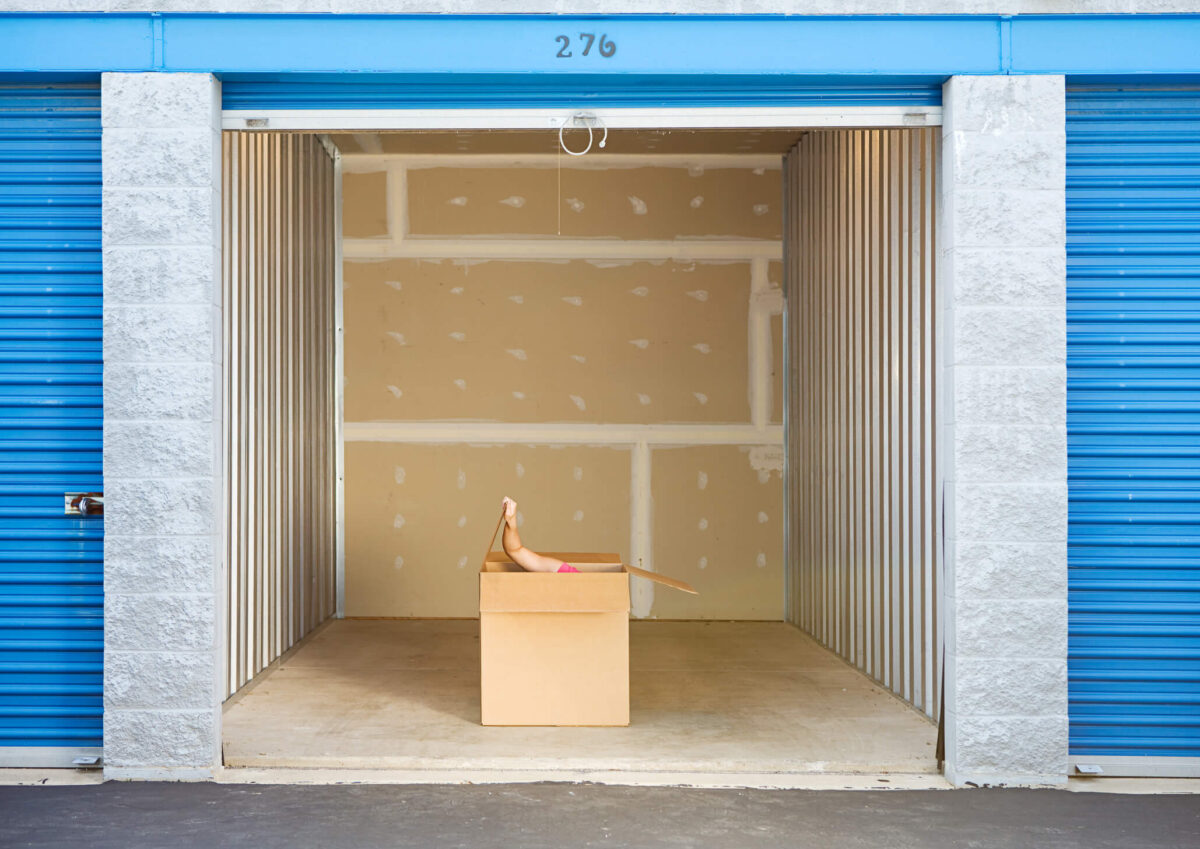
Why Do People Abandon Storage Units?

Storage units are a convenient solution for managing excess belongings, housing items during a move, or storing business inventory. Yet, it’s surprising how often people abandon these units, leaving behind personal possessions and forgotten treasures. This phenomenon, where people abandon storage units, is more common than one might think, and understanding why it happens can shed light on broader social and economic issues.

1. Financial Hardship

Financial hardship frequently leads individuals to abandon storage units. When unexpected expenses or a loss of income disrupt financial stability, the monthly rental fees for storage facilities in places like McDowell Mountain Community Storage can become overwhelming. Faced with the choice between paying for storage or meeting critical needs such as housing, food, and utilities, individuals often prioritize immediate survival over maintaining their storage unit payments.

Unfortunately, failure to keep up with these payments can result in eviction from the storage facility, compounding the challenges of navigating financial instability. This situation underscores the tough choices people confront during difficult times, illustrating how financial pressures can force them to abandon their storage units.

2. Life Changes

Significant life changes such as divorce, relocation, or the death of a family member often trigger the abandonment of storage units. During a divorce, the emotional and logistical strain can consume individuals, causing them to overlook or forget about their storage units amidst the chaos. Abrupt relocations frequently leave people unable to manage all their belongings in time, unintentionally leading to unit abandonment.

Similarly, the passing of a loved one can create emotional turmoil and practical challenges, causing their storage unit to be neglected or overlooked afterward. These events illustrate how personal crises can divert attention from maintaining and retrieving stored items, potentially resulting in neglect, damage, or even theft due to security lapses or expired rental contracts.

3. Lack of Need

Renting a self-storage place is often a solution for temporary needs, like storing furniture during home renovations or relocation. However, these temporary states can lead to neglect or abandonment of the rental property. When someone faces life’s changes, such as finishing renovations or settling into a new place, the urgency to clear out clutter diminishes.

Often, renters intend to manage their valuables later but get caught up in the busyness of life or other priorities. This delay can inadvertently result in the abandonment of the self-storage unit, with everything left untouched for extended periods despite ongoing payment and contractual obligations for unit maintenance.
Why Do People Abandon Storage Units

4. Emotional Avoidance

Storage units serve not only as physical repositories but also as emotional archives holding items imbued with sentimental value and memories. For many, the thought of revisiting these units and confronting the emotions tied to their possessions can be daunting and emotionally taxing. This emotional burden often leads to procrastination and avoidance, where individuals delay the task of sorting through their belongings.

Over time, this procrastination can escalate to the point where the storage unit is entirely forgotten or intentionally abandoned, as the mental hurdle of revisiting and dealing with the emotions becomes insurmountable. This cycle underscores how personal attachments and emotional avoidance can contribute significantly to the abandonment of storage units, turning them into unintentional time capsules of forgotten memories.

5. Health Issues

Health problems, whether physical or mental, can significantly contribute to the abandonment of storage units. Physical ailments, such as chronic pain, mobility issues, or serious illnesses, can make it physically challenging for individuals to travel to and access their storage units. Concurrently, mental health issues, such as depression or anxiety, can drain a person’s energy and motivation, making everyday tasks, including managing a storage unit, seem overwhelming or insurmountable.

In severe situations, the progression of illness or the need for more intensive care may necessitate a move to assisted living or other healthcare facilities, where the logistics of handling a storage unit become an afterthought. Consequently, these units are often left unattended, accumulating unpaid rent and forgotten belongings, sometimes for years, until they are eventually deemed abandoned.

6. Miscommunication

Storage units can be abandoned due to straightforward miscommunication or oversight, often stemming from families being unaware of their existence, particularly in cases involving deceased relatives. In such situations, the original renter may not have communicated the unit’s location or existence to their family members, leaving them uninformed about its ongoing rental obligations.

Consequently, the rental fees may go unpaid without anyone realizing, eventually leading to the unit being deemed abandoned by the storage facility. This scenario underscores the importance of clear communication within families regarding all aspects of personal belongings and financial responsibilities to prevent unintentional loss of valuable possessions.

7. Inconvenience

The geographical proximity of a storage unit to a person’s residence significantly influences its accessibility and likelihood of abandonment. When a unit is situated far away or in an inconvenient location relative to where one lives, the effort and time required to visit it regularly increase. This inconvenience become a deterrent, especially if the items stored hold low monetary or sentimental value.

Over time, the initial intent to retrieve or manage these items can diminish, ultimately leading to abandonment. The logistical challenges posed by distance can easily overshadow the perceived value of the stored belongings, making it easier for individuals to neglect or forget about the unit altogether. Thus, the location of a storage unit plays a crucial role in determining whether it remains actively managed or falls into disuse and abandonment.

8. Forgotten Treasures

Abandoned storage units hold a captivating allure due to the forgotten treasures they often contain. Owners frequently stash items away with plans to reclaim them later, only to lose track of time or face unexpected circumstances that prevent retrieval. Consequently, these units become time capsules, harboring a diverse array of belongings that span from valuable antiques to deeply personal mementos.

The stories behind these forgotten items add a layer of mystery and nostalgia, illustrating the transient nature of ownership and the emotional connections tied to possessions. Uncovering such units through storage auctions or clean-outs can evoke a sense of adventure and curiosity, as each discovery unveils a fragment of someone else’s past and the complex reasons behind their abandonment.

9. The Aftermath of Abandonment

When a storage unit is abandoned, the facility undergoes a structured legal procedure to regain possession and recoup unpaid rental fees. This process frequently includes public auctions of the unit’s contents, a phenomenon widely recognized through media portrayals such as “Storage Wars.”

These storage unit auctions can unveil unexpected finds, adding an element of intrigue, but they also signify the profound loss for the original owners who forfeit access to their possessions. Such abandonment underscores the diverse reasons individuals may neglect or forget about their stored items, ranging from financial hardships to significant life changes, illustrating the complexities of managing personal belongings amidst life’s uncertainties.

Conclusion

People abandon storage units for various complex reasons, including personal, financial, and situational factors. This issue highlights the delicate balance individuals must maintain when managing their possessions amid life’s uncertainties. Financial hardships, significant life changes, and sometimes simply overlooking rental contracts contribute to this phenomenon. By understanding these dynamics, we can better grasp the intricacies of storage unit abandonment and explore strategies to lessen its impact on individuals and families.

Frequently Asked Questions

Are storage units that have been abandoned auctioned off?

Yes, storage companies frequently auction off vacant units to recoup lost rental revenue. Auctions can be conducted online or in person and are often open to the public.

What kinds of things are frequently discovered in storage containers that have been abandoned?

Abandoned storage units may include everything from clothing and furniture to sentimental items. Less frequently, more expensive goods such as electronics or memorabilia are discovered.

Why would someone purposefully leave a storage unit unattended?

Some people may decide to abandon a unit if they no longer think the objects in it are helpful or if the cost of the unit is more than the value of its contents.

Does leaving a storage unit have any legal repercussions?

Abandonment usually carries no legal consequences, but if the renter doesn’t pay the rent, they could get in debt or damage their credit.

What happens to private belongings in abandoned apartments, such as family photos?

Personal belongings are frequently included in the auction unless the facility has special management procedures. However, some establishments may reserve them if the original renter requests them back.

How do auctions for storage facilities that have been abandoned operate?

Usually, the public can attend storage auctions, and the contents are awarded to the highest bidder. Bidders are simply given a quick tour of the unit before placing their bid.

Can employees of storage facilities enter and take things out of units that aren’t being used?

No, most facilities can only access items in preparation for an auction or until a unit is deemed abandoned. Staff usually adhere to stringent policies to preserve renters’ privacy.

How frequently are unusual or valuable objects left in storage lockers that have been abandoned?

Though uncommon, it is feasible. Most units include commonplace stuff, but some auctions have turned up valuables like antiques, collectibles, or vintage cars.

Can we bid on a storage auction?

Indeed, anyone interested in attending or placing a bid online may do so if they fulfill any restrictions imposed by the auction organization.

If a renter decides they no longer need their storage unit, what should they do?

When a renter decides they no longer need a unit, they should vacate it, notify the facility that they wish to terminate the lease and ensure all payments are current to prevent further charges.

Discover Secure Storage Solutions at McDowell Mountain Community Storage Today!

Exploring why people abandon storage units reveals how uncertainty can lead to surprising results. At McDowell Mountain Community Storage in Scottsdale, Arizona, we recognize the significance of dependable storage options designed to meet your requirements. Whether dealing with a temporary setback, navigating a major life change, or seeking additional space, our secure and convenient units offer reassurance. Don’t let your belongings fall victim to abandonment.

Visit McDowell Mountain Community Storage today and learn how we can help you protect what’s valuable. Contact us today to discover more about our competitive rates and outstanding service!
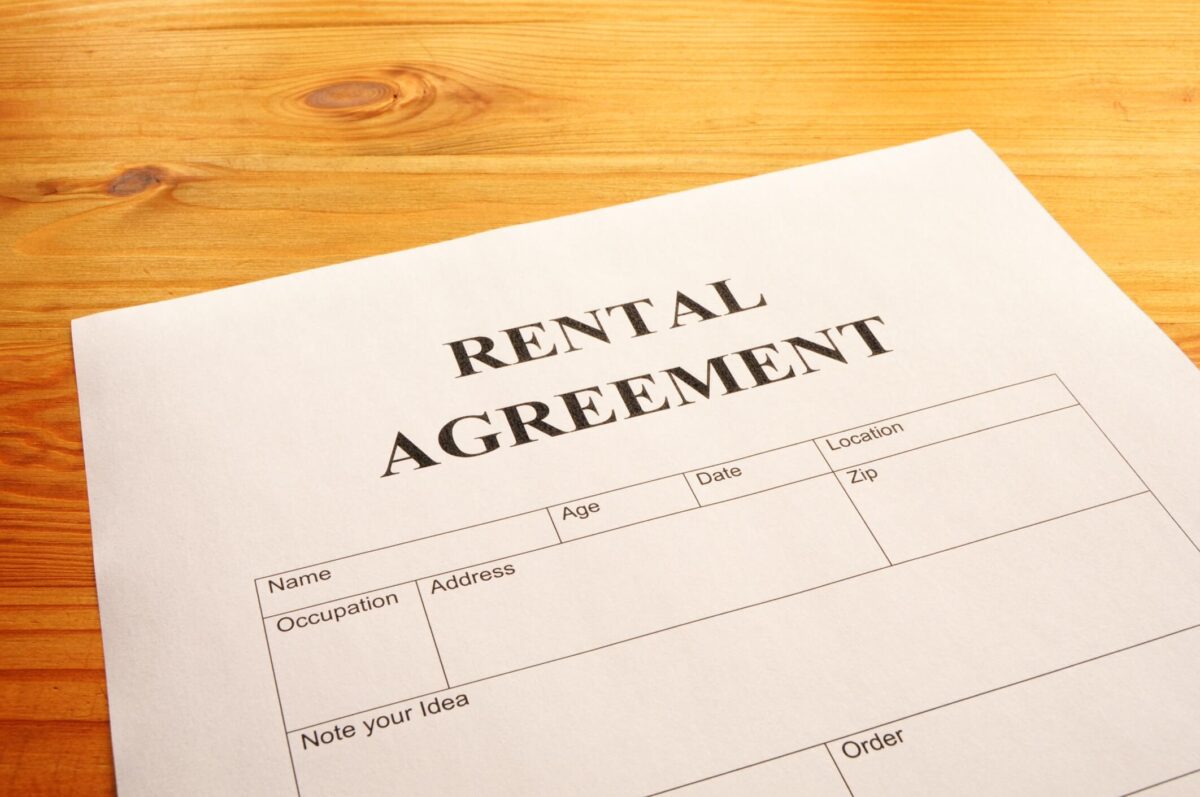
Tips Before Signing a Storage Rental Agreement in Arizona

Renting a storage unit can be a practical solution for personal and business needs, whether moving from an apartment, downsizing, or dealing with an unexpected situation. It’s essential to carefully review the details of your rental agreement, including the amount of rent, fees, and other costs involved, to ensure you’re managing your money wisely. At McDowell Mountain Community Storage, we prioritize transparency and aim to help tenants make informed decisions. If you have questions about your agreement, please request a detailed letter outlining the terms. Whether you’re storing items long-term or short-term, understanding your agreement’s rules, costs, and benefits is crucial. Here are some tips before signing a storage rental agreement in Arizona. 

Understanding the Rules and Responsibilities

Every storage facility has specific rules governing its operation, and these policies are in place to protect tenants, landlords, and the property itself. As a tenant, familiarize yourself with the lease or rental agreement outlining your rights and responsibilities. For example, are there restrictions on what you can store? Some facilities may prohibit hazardous materials, perishable goods, or pets. It’s essential to control what you store and understand the rules about different types of things. Ensure the facility’s address and contact information are listed in the agreement if any issues arise. Additionally, some facilities may require payment in cash or have specific guidelines on payment methods. If a dispute arises, it’s essential to know the reason for the disagreement and, in the worst-case scenario, understand the potential for legal action in court. 

Tenants should also understand how notices are handled. In case of a policy change or eviction, proper notice from the landlord is required by Arizona state laws. Similarly, if you decide to end your tenancy, you must provide the required notice stated in the lease. The lease should outline the specific process for giving notice, which may include providing a written letter or notice through a specific communication method, such as email or a menu of options in the tenant portal. Review any posts or updates from the facility that may pertain to your tenancy. Anyone involved in the lease, including co-tenants, should know the notice requirements. Also, please understand if any lease fees are associated with early termination or other aspects of ending the agreement. 

Reviewing these details ahead of time can prevent misunderstandings. Don’t hesitate to ask the landlord or management if you have questions about the agreement or any specific terms. They should be able to clarify any points regarding payment, property rights, and more.

Review the Terms of Your Lease

Storage leases are not one-size-fits-all. While some tenants might prefer month-to-month arrangements, others may want a long-term lease for consistency and reduced fees. Whatever your preference, carefully review the lease’s duration, cancelation policies, and renewal notice requirements. Additionally, examine any fees associated with the lease, including insurance or security deposit fees. Understanding these costs upfront can help avoid surprises and ensure you’re prepared for the financial aspects of your storage arrangement.

Certain agreements may include lease fees and additional charges added to your monthly payment. Knowing these costs in advance ensures you won’t face unexpected fees later. Additionally, check the agreement for clauses about termination. For example, some leases may allow you to end the contract early with proper notice and payment of a cancellation fee. Review the lease’s duration and how it affects access to the facility, especially if you need to retrieve your items or adjust your storage plan during the contract period. 

Understanding the finer details of your agreement will save you from issues down the road. For businesses relying on storage for inventory or equipment, long-term leases may offer financial advantages compared to short-term solutions.

Consider the Costs and Security

Storage costs involve more than just monthly rent. Facilities often require a security deposit, and you might also need insurance for your items. The agreement should clearly outline all fees, including payment obligations, insurance requirements, and additional costs for specific services like climate-controlled storage units.

Climate-controlled storage units are particularly important in Arizona, where high temperatures can damage sensitive items like electronics, artwork, and important documents. Although these units typically cost more, they provide an advantage by protecting belongings from extreme heat and humidity.

Additionally, assess the facility’s security measures. Look for features like gated access, security cameras, and on-site staff. Knowing your items are well-protected provides peace of mind and ensures that your valuable possessions are safe.

Evaluate the Unit Size and Storage Tips

Choosing the right storage size is a critical step in your decision-making process. Use a storage size guide to avoid paying for more space than you need—or struggling to fit everything into a smaller unit. This tool can help you estimate the square footage required for your belongings.

For example, a 5×5 unit might be suitable for small items or seasonal decorations, while a 10×20 unit can accommodate the contents of a three-bedroom home. Business storage needs may vary, requiring larger spaces for inventory or specialized setups.

When packing your unit, follow practical storage tips to maximize space and protect your items. For instance, stack boxes vertically, use sturdy containers and label everything for easy access. Consider a climate storage unit to prevent damage if you’re storing fragile or temperature-sensitive items.

Tips Before Signing a Storage Rental Agreement in Arizona Scottsdale

Be Aware of Legal and Financial Implications

Storage agreements are legally binding contracts, and tenants should understand their legal obligations before signing. One key area to review is liability. Who is responsible if a storage unit gets broken into? Most agreements state that the tenant is responsible for insuring their belongings. However, some facilities offer insurance options to provide additional protection.

It’s also important to know your rights as a tenant. Arizona state laws require landlords to provide proper notice before making changes to the lease or initiating eviction proceedings. Similarly, landlords must maintain the property and make necessary repairs to ensure the facility is safe and functional.

Keep proof of payment, correspondence, and a copy of your agreement in a safe place. These documents serve as evidence in case of disputes or legal issues. Whether it’s a question about lease fees or a problem with the unit, having documentation can help resolve matters efficiently.

Prepare for Unexpected Situations

Life is unpredictable, and planning for unexpected situations is essential when renting storage. For instance, you might encounter damage to your items caused by normal wear and tear or unforeseen incidents like leaks. Facilities are generally not liable for such damages, so having insurance is crucial.

Additionally, check the agreement for details on what happens if payment is delayed. Some contracts include a grace period, while others impose immediate late fees or eviction notices for non-payment.

When considering storage for business purposes, think about long-term solutions. A well-maintained and secure facility with flexible lease terms can be a strategic advantage for businesses needing reliable storage for inventory or equipment. At McDowell Mountain Community Storage, we offer secure, climate-controlled storage options and flexible agreements to meet your needs. Our facility provides the peace of mind that your items are in good hands, whether for personal or business use.

Key Considerations When Moving In

Before moving items into your unit, scrutinize the space. Look for pre-existing damage, wear, or issues that could affect your belongings. Notify the landlord of any problems in writing, and document the condition of the unit with photos.

Facilities offering additional amenities, like climate-controlled units or on-site storage for oversize items, can provide added convenience. Ensure the facility has a reliable access system, allowing you to retrieve items when needed without hassle.

Finally, pack strategically. Place frequently used items near the entrance of your unit and store heavier items at the bottom to prevent damage. Proper organization will save time and make your storage experience smoother.

Tips Before Signing a Storage Rental Agreement in Arizona Scottsdale, AZ

Frequently Asked Questions

Are there discounts available for long-term storage rentals?

Some storage facilities offer discounts for tenants who commit to long-term leases. These discounts vary, so it’s worth asking about any promotions or reduced rates for extended agreements.

Can I share a storage unit with someone else?

Many facilities allow tenants to share units, but both parties should be listed on the rental agreement. Clarify how payments, access, and liability will be handled in case of disputes.

What happens to items left behind after the lease ends?

If tenants don’t remove their belongings before the lease expires, the facility may declare the items abandoned. This often leads to auctioning the contents to recover unpaid rent, as permitted by Arizona state laws.

Can I switch to a different unit if my needs change?

Yes, most facilities offer the option to upgrade or downgrade your storage unit based on availability. Be sure to ask if additional fees or steps are involved in transferring to a new unit.

Are there penalties for accessing the unit after hours?

Some storage facilities have strict operating hours, and accessing your unit outside of these times may result in penalties. Check the lease for any restrictions on after-hours access.

Do I need to clean the unit before moving out?

Yes, most facilities require tenants to leave the unit in the same condition as when renting it. Failure to clean the space could result in cleaning fees being deducted from the security deposit.

Can I run a small business from a storage unit?

Certain facilities permit business operations, such as inventory storage or document archiving, but running a full-scale business from a storage unit is typically prohibited. Check with management for their policies on business use.

What happens if the facility is sold to a new owner?

If ownership changes, the new landlord must honor the terms of your existing agreement. You should receive notice of the transition and any updates to payment methods or contact information.

Are there restrictions on renovating or customizing a storage unit?

Tenants are generally not allowed to permanently change storage units, such as painting or installing shelving. Temporary modifications might be permitted with prior approval.

What should I do if I lose the key to my unit?

If you lose your key, contact the facility immediately. Some may charge a fee to cut and replace the lock, and you’ll likely need to provide proof of identity to access your unit.

Final Thoughts

Signing a storage rental agreement is an important decision that requires careful consideration. By understanding the rules, reviewing the lease terms, and evaluating your specific needs, you can avoid common issues and maximize your storage experience.

At McDowell Mountain Community Storage, we provide guidance every step of the way. From selecting the right unit size to offering secure climate storage units, we’re committed to helping you find the perfect solution for your storage needs.

For more storage tips, a detailed storage size guide, or advice on protecting your belongings, visit our website or contact us today!

How to Avoid Storage Unit Evictions?

In today’s fast-paced world, storage units have become vital resources for individuals and businesses. They offer a convenient solution for storing belongings that don’t fit into our daily living or working spaces. However, failing to adhere to the terms can lead to eviction, like any rental agreement. Storage unit evictions can be stressful and costly, but they are entirely avoidable with proper planning and management.

How to Avoid Storage Unit Evictions

Avoid Storage Unit Evictions with Ease!

At McDowell Mountain Community Storage in Scottsdale, Arizona, we believe in providing a stress-free storage experience for all our clients. By following these simple tips, you can ensure that your belongings remain safe and secure. Whether you need help understanding your rental agreement, setting up automatic payments, or exploring insurance options, we’re here to assist you every step of the way.

Call us today at McDowell Mountain Community Storage and let our friendly staff help you avoid eviction and maintain peace of mind. Your satisfaction is our priority!

How to Avoid Storage Unit Evictions In Scottsdale

Frequently Asked Questions (FAQs)

Here are some FAQs about how to avoid storage unit evictions:

Q. What steps can I take if I receive an eviction notice for my storage unit?

If you receive an eviction notice for your storage unit, the first step is to review the terms of your rental agreement to understand the reasons for the eviction. Contact the storage facility immediately to discuss the situation and explore potential solutions, such as paying any outstanding fees or renegotiating the terms of your contract. Take prompt action to remove your belongings from the unit before the specified deadline to avoid further complications or loss of property.

Q. How do I ensure I don’t get evicted from my storage unit?

To avoid eviction from your storage unit, make sure to pay your rent on time and in full. Keep the unit clean and organized, following any rules or guidelines set by the facility. Additionally, ensure that your lock is secure at all times to prevent unauthorized access. Regularly review and comply with the terms of your rental agreement to maintain a good standing with the storage facility.

How Storage Unit Auctions Work in Arizona

If you’ve ever watched reality TV shows about storage unit auctions, you might be intrigued by the prospect of finding hidden treasures at one of these sales. Storage unit auctions can be exciting and potentially profitable, but they operate under specific rules and conditions, especially in Arizona. This guide will walk you through how storage unit auctions work in Arizona, from the legal framework to practical tips for participating.

Legal Framework for Storage Unit Auctions in Arizona

Storage unit auctions in Arizona are governed by the Arizona Self-Service Storage Facility Act, a set of laws designed to protect both storage facility owners and tenants. These regulations ensure that the auction process is fair and transparent. Below, we delve deeper into the key components of this legal framework:

1. Lien Law

The lien law is a crucial aspect of the Arizona Self-Service Storage Facility Act. It stipulates that if a tenant fails to pay rent for their storage unit, the facility owner has the legal right to place a lien on the contents of the unit. Here’s what this entails:

  • Lien Definition – A lien is a legal claim or hold on a property as security for a debt or charge. In this context, the contents of the storage unit serve as collateral for the unpaid rent.
  • Sale Authorization – The lien law authorizes the storage facility owner to sell the contents of the unit to recover the overdue rent. This step is usually a last resort after efforts to collect payment from the tenant have failed.
  • Debt Recovery – Proceeds from the auction are used to pay off the tenant’s debt. The surplus is returned to the tenant if the sale generates more money than the amount owed. Conversely, the tenant remains liable for the remaining balance if the sale doesn’t cover the total debt.

2. Notice Requirement

To protect tenants and ensure they have a fair chance to pay their overdue rent and reclaim their belongings, the law mandates a specific notice procedure:

  • Notification – The storage facility owner must notify the tenant about the lien and the impending sale of their unit’s contents. This notice serves as a formal warning and an opportunity for the tenant to settle their debt before losing their property.
  • Timing – The notice must be sent at least 14 days before the scheduled auction. This gives the tenant sufficient time to make payment arrangements.
  • Content of Notice – The notice must include critical details such as:
    • The amount of overdue rent and any additional charges.
    • The date, time, and location of the proposed auction.
    • Information on how the tenant can prevent the sale by paying the outstanding amount

3. Public Advertisement

To ensure transparency and give potential buyers a fair chance to participate, the auction must be publicly advertised:

  • Traditional Advertising – Historically, auctions were advertised in local newspapers. This method is still in use, particularly for reaching a broad community audience.
  • Online Platforms – Storage facilities are increasingly using online auction platforms and websites to advertise sales. This approach broadens the reach to potential bidders beyond the local area and adds convenience for both the auctioneer and participants.
  • Required Information – Advertisements must include specific details about the auction, such as:
    • A description of the storage unit contents (often limited to general categories like furniture, electronics, etc.).
    • The auction date, time, and location, or the website where the auction will be held online.
    • Any terms and conditions related to the auction process.

Understanding the legal framework governing storage auctions in Arizona is essential for both storage facility owners and prospective bidders. The Arizona Self-Service Storage Facility Act provides a structured process that protects the rights of tenants while allowing facility owners to recoup unpaid rent through the sale of unit contents. By adhering to lien laws, notice requirements, and public advertisement regulations, the storage auction process remains fair, transparent, and legally compliant.

How Storage Unit Auctions Work in Arizona, Scottsdale

The Auction Process

1. Pre-Auction Preparation

Before the auction takes place, storage facility owners follow a structured set of procedures to ensure everything runs smoothly and legally:

  • Inventory Check – Facility owners conduct a preliminary inventory of the contents inside each storage unit. This involves looking inside the unit to get a general idea of what’s there without physically moving or rearranging any items. This step is crucial for maintaining transparency and helps avoid any legal disputes about the contents during the auction. By not disturbing the items, the owners can preserve the unit in the exact condition it was left by the tenant.
  • Auction Listing – The details of the auction are then prepared for public notice. This includes essential information such as the date, time, and location of the auction. Traditionally, these details were published in local newspapers, but nowadays, many storage facilities use online platforms to reach a broader audience. Online listings may also include photographs or brief descriptions of the units’ contents, which can attract more bidders by providing a glimpse of what might be inside.

2. Auction Day

When auction day arrives, the process typically unfolds in several organized stages:

  • Registration – Upon arrival, prospective bidders must register for the auction. This involves providing identification and contact information, ensuring that only serious and accountable individuals participate. Some auctions may require a refundable deposit as part of the registration process. This deposit serves as a commitment from the bidder, ensuring they are genuinely interested in participating and capable of paying for any units they might win.
  • Unit Viewing – After registration, bidders are given a brief opportunity to view the storage units up for auction. This viewing is typically conducted from the doorway of the unit, meaning bidders can look inside but are not allowed to enter, touch, or move any items. This restriction maintains the integrity of the contents and ensures a fair and equitable viewing process for all participants.
  • Bidding – The core of the auction process is the bidding itself. The auctioneer starts the bidding, often beginning with a minimum bid to get things rolling. Participants then place their bids, with the amount increasing as bidders vie for the unit. The atmosphere can become quite competitive, especially if the unit appears to contain valuable items. The auction continues until no higher bids are placed, and the highest bidder wins the right to the contents of the unit.
  • Payment – Once the auction concludes, the winning bidder must settle their payment immediately, typically in cash. This prompt payment ensures the auction process remains efficient and secure. Additionally, the winning bidder might be required to pay a cleaning deposit. This deposit is refundable upon the bidder clearing out the unit within a specified timeframe, usually 24-48 hours. The cleaning deposit incentivizes the bidder to remove all items and leave the unit in good condition, ready for the next tenant.

Understanding these detailed steps can help prospective bidders navigate storage unit auctions with confidence, ensuring they are well-prepared for each stage of the process.

Post-Auction Responsibilities

Winning a storage unit at auction is just the beginning. After the excitement of the bidding war, several crucial responsibilities must be addressed to ensure a smooth and profitable experience.

1. Clearing the Unit

Once you’ve won a storage unit, the clock starts ticking. You are generally given a specific timeframe to clear out the unit, often between 24 to 48 hours. This time constraint is crucial for the storage facility, as they need to prepare the unit for the next tenant or for another auction.

Failing to clear the unit within the allotted time can result in additional fees or even forfeiture of the items you won. Therefore, it’s essential to plan ahead, ensuring you have the necessary transportation and manpower to empty the unit swiftly and efficiently.

2. Sorting Items

After removing the items from the unit, the next step is to organize items through your haul. This process involves categorizing items based on their potential value and condition:

  • Valuable Items – Look for items that can be sold for profit. This could include antiques, electronics, furniture, collectibles, or other high-value goods. Consider selling these items through various channels, such as online marketplaces, pawn shops, or local consignment stores.
  • Junk – Inevitably, some items will have little to no value. These need to be disposed of responsibly. This might involve taking items to a recycling center, arranging for bulk trash pickup, or donating usable goods to charity. Proper disposal is not only environmentally responsible but also helps you avoid potential fines for improper waste management.

3. Legal Considerations

Amidst the items you sort through, you might come across the personal belongings of the previous owner. These can include photographs, legal documents, medical records, or other sensitive materials. It’s important to handle these items with care:

  • Return Personal Items – Many self storage facilities request that personal items be returned. These items often hold sentimental value and can be irreplaceable to the original owner. Contact the storage facility to understand their policy on returning personal belongings. They typically have procedures in place to ensure these items are reunited with their rightful owners.
  • Legal Compliance – Be aware of legal requirements regarding the handling of personal information. Mishandling sensitive documents can lead to legal issues. Returning these items to the storage facility helps protect you from potential liability and demonstrates ethical responsibility.

By diligently managing these post-auction responsibilities, you not only adhere to the auction rules but also maximize the benefits of your investment. Clearing the unit promptly, sorting items effectively, and handling personal belongings responsibly will ensure a positive and profitable auction experience.

How Storage Unit Auctions Work in Arizona

Tips for Successful Bidding

Successfully navigating a storage unit auction in Arizona requires more than just luck. Here are some strategic tips to enhance your bidding experience and increase your chances of finding hidden treasures:

1. Research – Knowledge is power when it comes to storage unit auctions. Before the auction day, take the time to research the storage facility and its location. Units located in affluent areas or those with high turnover rates may contain higher-value items. Understanding the demographics of the area can give you valuable insights into the potential contents of the units up for auction.

2. Budgeting – Set a clear budget and stick to it. It’s easy to get swept up in the excitement of bidding, especially when you spot what appears to be a valuable unit. However, overspending can quickly turn a potentially profitable venture into a financial loss. Determine your maximum bid for each unit based on its perceived value and your financial limits, and resist the temptation to exceed it.

3. Tools and Transportation – Come prepared with the necessary tools and equipment to handle your winnings effectively. Bring along items such as sturdy locks, heavy-duty bags or boxes for packing, and a truck or trailer for transporting larger items. Being equipped with the right tools ensures that you can secure your purchased items safely and transport them efficiently without any last-minute hiccups.

4. Network – Building relationships within the storage unit auction community can provide you with valuable insights and tips for future auctions. Get to know auctioneers, fellow bidders, and even storage facility owners. They may offer valuable advice based on their experiences and can help you navigate the ins and outs of the auction process more effectively. Additionally, networking can sometimes lead to opportunities to collaborate or share resources, further enhancing your chances of success.

By following these tips and adopting a strategic approach to bidding, you can maximize your chances of success at storage unit auctions in Arizona. Remember to stay informed, disciplined, and well-prepared, and you’ll be well on your way to uncovering hidden treasures and turning a profit in this exciting venture.

Conclusion

Storage unit auctions in Arizona can be an exciting event to attend, offering the opportunity to uncover hidden treasures and turn a profit. Before diving in, it’s essential to grasp the legal framework governing these auctions and the intricacies of the process itself. From inventory checks to bidding wars, each step requires careful consideration. Attendees should come equipped with lock-ready cleaning supplies, as they might find abandoned storage spaces in need of clearing out. Self-storage facilities across the state host these auctions, providing a platform for bidders to explore and potentially strike gold. So, gear up, do your research, and dive into the exhilarating world of storage unit auctions. Happy bidding!

Reserve Your McDowell Mountain Community Storage Unit Today!

Are you ready to embark on an exciting journey into the realm of storage unit auctions in Arizona? Whether you’re a seasoned bidder looking for your next thrill or a first-timer eager to explore, McDowell Mountain Community Storage stands ready to be your trusted companion every step of the way. Nestled in the picturesque landscape of Scottsdale, Arizona, our self-storage facility boasts a diverse selection of units tailored to meet your storage needs. From safeguarding household items to protecting prized recreational gear, we provide the perfect solution for every storage requirement.

Don’t miss out on the opportunity to join us for our upcoming storage unit auction, where hidden treasures eagerly await discovery. Contact us today to gain further insights and secure your place at this exhilarating event!

FAQs: How Storage Unit Auctions Work in Arizona

1. What items are typically found in storage unit auctions?  

   Depending on what the previous tenant stored, storage unit auctions can contain a variety of items, including furniture, electronics, antiques, collectibles, and personal belongings.

2. How can I find out when storage unit auctions occur?  

   Auctions are usually advertised through local newspapers, online platforms, or directly by storage facilities. Checking local storage units’ websites or social media pages can also provide information on upcoming auctions.

3. What are the registration requirements for participating in an auction?  

   Prospective bidders typically need to register by providing identification and contact information. Some auctions may also require a refundable deposit.

4. What is the minimum bid for storage unit auctions?  

   The minimum bid can vary by auction and is usually set by the auctioneer at the start of the bidding process.

5. Can I view the contents of the storage unit before bidding?  

   Bidders can view the unit from the doorway but cannot enter or touch any items, maintaining the integrity of the contents.

6. What happens if I win a storage unit auction?  

   After winning, you must pay for the unit immediately, typically in cash, and clear out the unit within a specified timeframe, usually 24-48 hours.

7. Are there any fees associated with winning a storage unit?  

   In addition to the auction price, you may need to pay a cleaning deposit, which is refundable if you clear out the unit within the designated timeframe.

8. What should I do with personal items I find in the unit?  

   It’s best to return personal items, such as photographs or legal documents, to the storage facility. This helps you avoid potential legal issues and reunite these items with their rightful owners.

9. How can I determine the value of items found in the unit?  

   Researching the items online, consulting with experts, or checking prices on resale platforms can help assess their potential value.

10. What legal protections exist for tenants during the auction process?  

   The Arizona Self-Service Storage Facility Act mandates that tenants receive notification about overdue rent and the upcoming auction at least 14 days in advance, allowing them to reclaim their belongings.