
Updated August 22, 2026
Most advice about storage during a life transition covers the same three situations: you’re moving, you’re downsizing, or you’re decluttering. All true, all common, and all worth covering. But there’s a transition that’s become significantly more common in the last few decades and rarely gets mentioned in this context at all: combining two households into one.
The Transition Nobody Writes About: Combining Two Households
According to Pew Research Center data, the share of adults living in someone else’s household who are a parent of that household’s head has doubled, from 7% in 1995 to 14% today. In plain terms: parents moving in with their adult children has become significantly more common, and it’s one half of a broader “shared living” trend that also includes adult children moving back in with parents and multiple generations settling under one roof.
This kind of transition creates a genuinely different storage problem than a standard move. It’s not just one household’s belongings being packed up, it’s two households’ worth of furniture, kitchen equipment, and personal items suddenly needing to fit into a single home. Someone is almost always downsizing hard and fast, and the emotional weight of deciding what a parent, or you, can keep versus what has to go into storage tends to be heavier than a routine move. This is exactly the kind of situation storage is built for: a place to hold the overflow while everyone involved has the time to make thoughtful decisions rather than rushed ones during an already stressful transition.
The More Familiar Transitions Storage Also Helps With
The classic scenarios still apply, and storage solves a slightly different problem in each one:
- Moving: Storage bridges the gap between move-out and move-in dates, especially when they don’t line up cleanly, or when you’re staging a home for sale and need furniture out of sight to help it show well.
- Downsizing: Whether it’s retirement, an empty nest, or a move to a smaller space, storage gives you time to sort through belongings without the pressure of a moving truck deadline forcing quick, regrettable decisions. We cover this scenario in more depth in our guide to downsizing with self-storage.
- Decluttering: Sometimes there’s no move at all, just a home that’s outgrown its own storage capacity. A unit gives seasonal items, hobby equipment, or rarely used belongings somewhere to live without cluttering daily life.
- Renovation: Furniture and belongings need to come out of a room, or a whole home, during a remodel, and a storage unit keeps them safe and out of the way of dust, contractors, and construction debris.
What to Actually Look For in a Storage Facility During a Transition
Transitions rarely come with a fixed timeline, so flexibility matters as much as the space itself:
- Month-to-month terms. You often don’t know exactly how long you’ll need the unit at the outset, avoid locking into a long-term contract you don’t actually need.
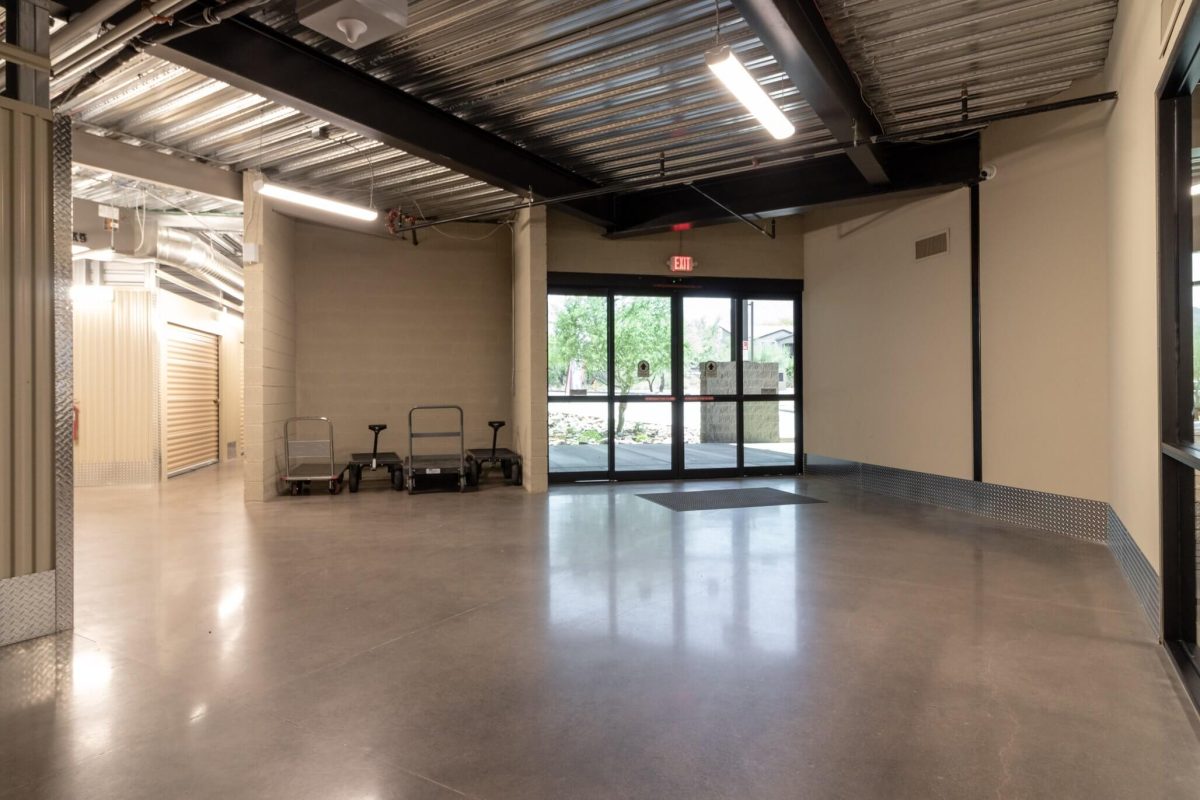
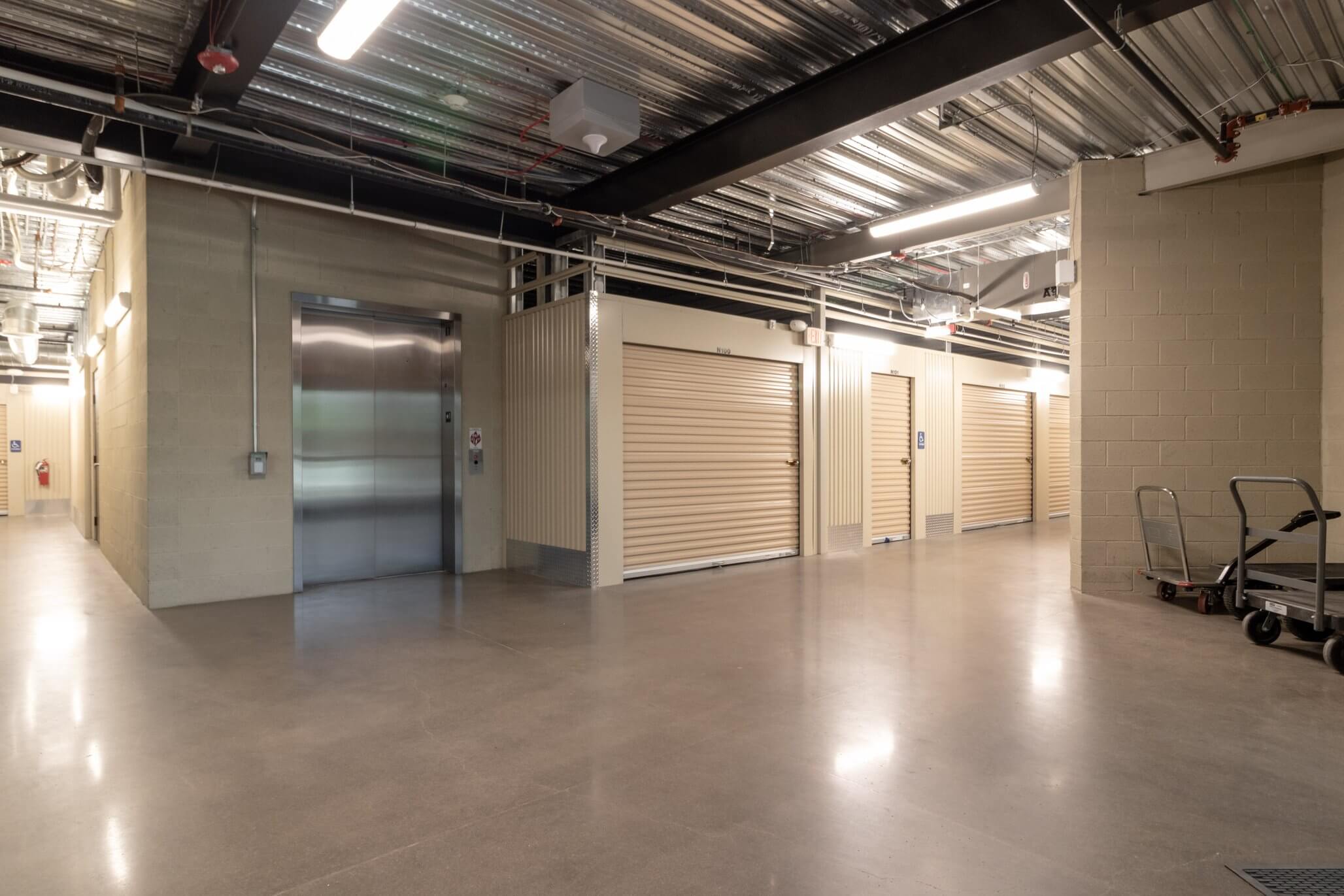
- Security you can verify. Surveillance cameras, gated or coded access, and individually alarmed units matter more during a transition, when you’re less likely to be checking in on your belongings regularly.
- Climate control. Especially relevant here in Scottsdale, where summer heat is hard on wood furniture, electronics, and photographs, exactly the kind of sentimental items that tend to come out of a combined-household situation.
- Convenient access. If you’ll be moving items in and out repeatedly rather than storing everything in one trip, ground-floor access and reasonable proximity to your home save real time and effort.
Frequently Asked Questions
What should I do with a parent’s belongings if they’re moving in with me?
Sort with them, not for them, where possible. Storage gives you both time to make these decisions together rather than rushing through everything before a move-in date. Items that are genuinely needed can come into the shared home, and everything else can wait in storage until there’s time and emotional bandwidth to revisit it.
How long can I keep items in a storage unit during a transition?
As long as you need, most facilities offer month-to-month terms specifically because transitions rarely have a fixed end date. You don’t need to have everything sorted by a specific deadline.
Is climate-controlled storage necessary for a short-term transition?
It depends on what you’re storing. Sentimental items, electronics, wood furniture, and photographs benefit from climate control regardless of how long they’ll be there, Scottsdale’s heat can affect items even over a matter of weeks.
Make Your Next Transition Easier
Whatever’s bringing you to storage, a move, a downsize, a combined household, or simply too much stuff for the space you have, McDowell Mountain Community Storage offers the flexibility and security a transition actually calls for. Self storage in Scottsdale is available in a range of sizes and terms, reserve your unit today.
Whatever brings you to storage, whether it’s a move, a downsize, a combined household, or simply more belongings than your current space can handle, McDowell Mountain Community Storage offers the flexibility, convenience, and security you need during a transition. With storage units in Scottsdale available in a range of sizes and flexible terms, you can choose the space that fits your needs. Reserve your unit today.